2025 Caterpillar Season – Greater Oak Dagger Moth

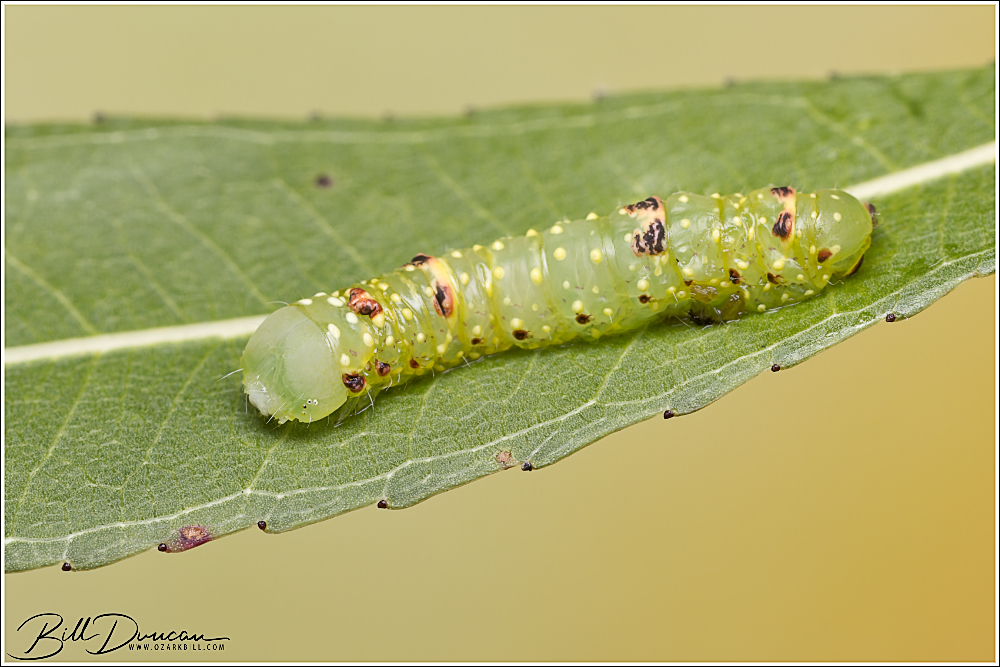
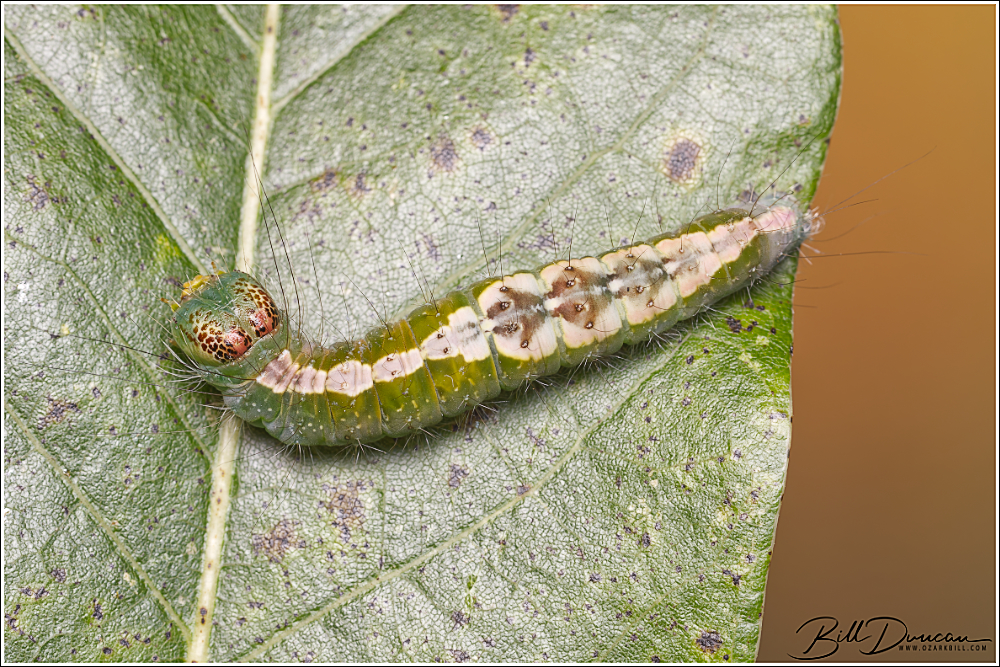
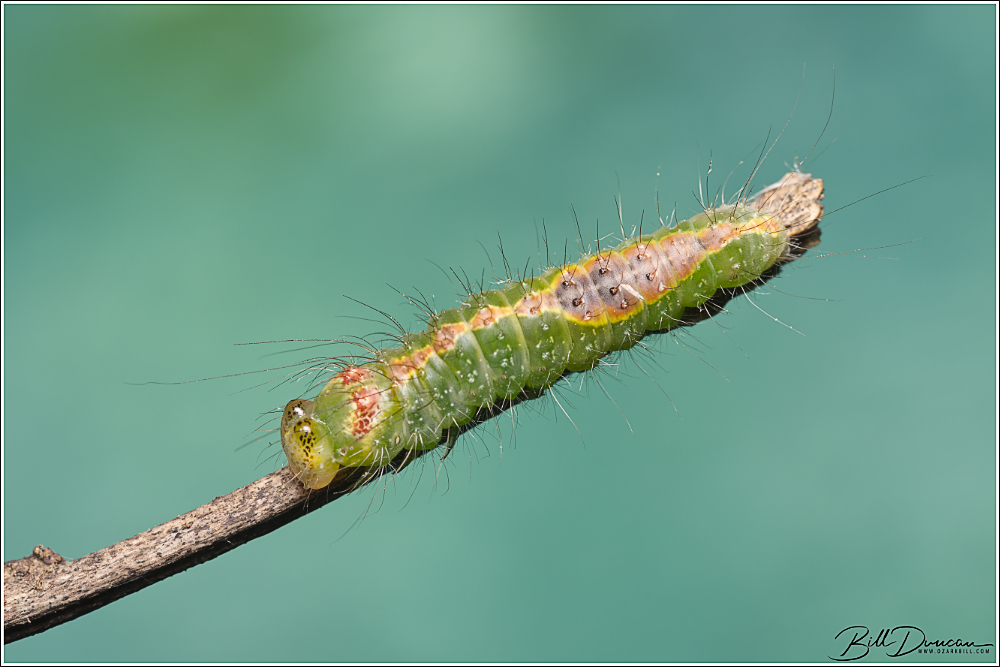
Greater Oak Dagger Moth
Acronicta lobeliae fam. Noctuidae (Hodges#9238)
Host plant: Found on red oak species (Quercus sp.)
Date found: 30, Aug, 2025
Location found: Tyson Research Center, St. Louis County, MO
Notes: This poor guy has a couple tachinid fly eggs attached. It was likely host to this parasitoid and will not make it to adulthood.

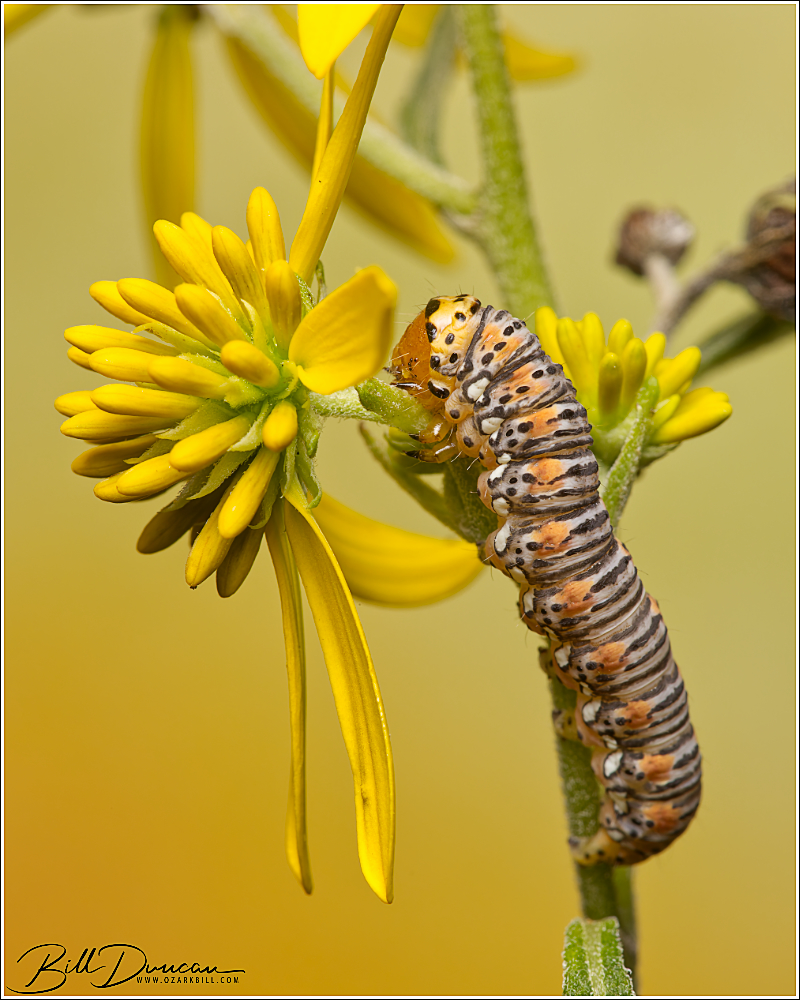
2025 Caterpillar Season – Gold Moth

Gold Moth
Basilodes pepita fam. Noctuidae (Hodges#9781)
Host plant(s): Found on wingstem (Verbesina alternifolia)
Date(s) and location(s): 13 September, 2025 – Tyson Research Center, St. Louis County, MO
Notes: A specialist on Verbesina species.

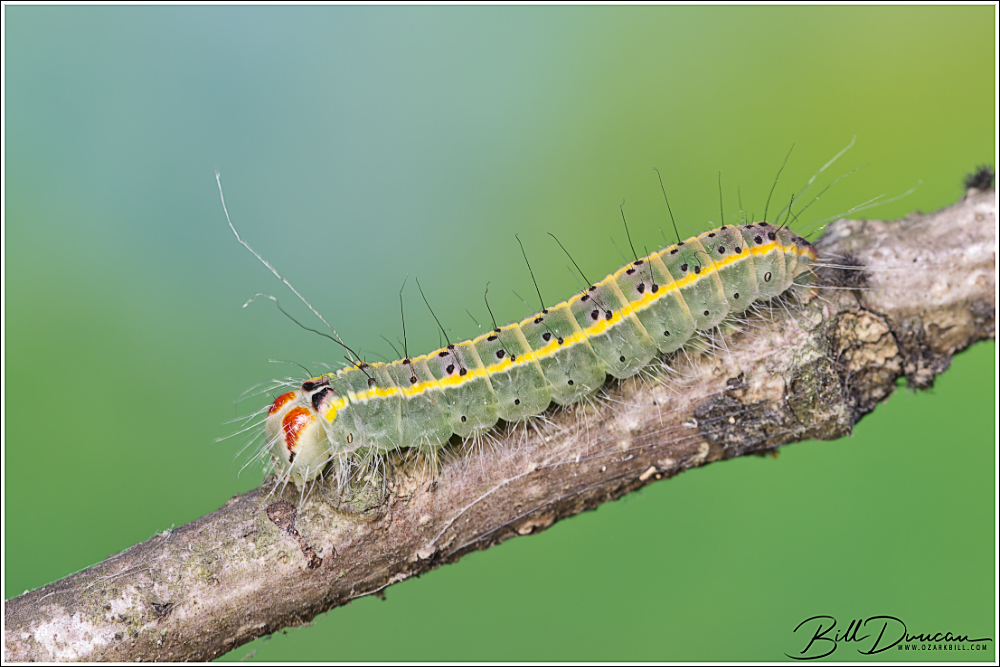
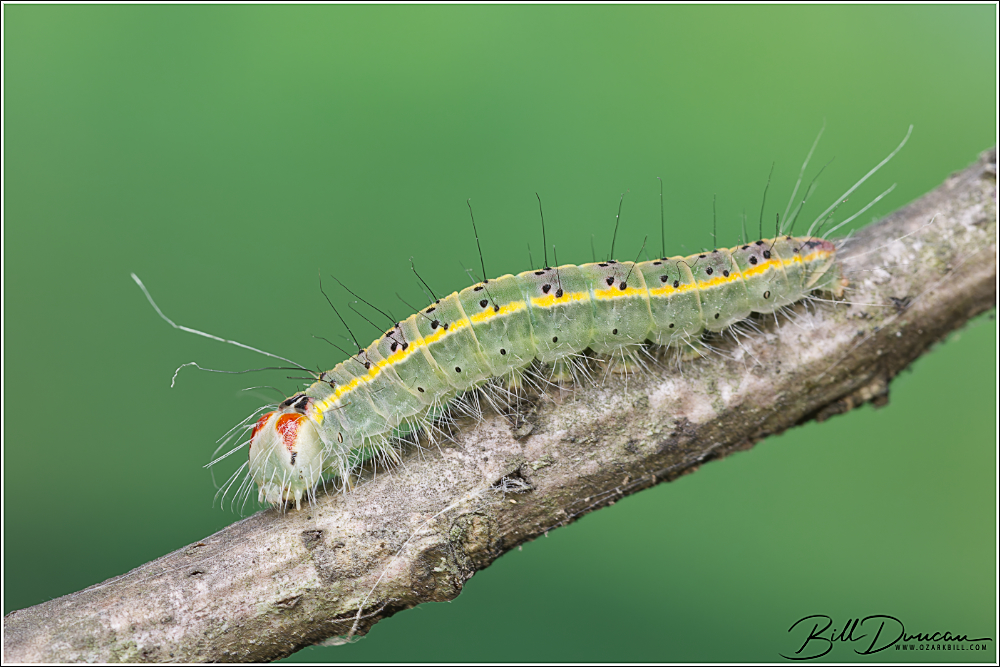
2025 Caterpillar Season – Birch Dagger Moth

Birch Dagger Moth
Acronicta betulae fam. Noctuidae (Hodges#9208)
Host plant(s): river birch (Betula nigra)
Date(s) and location(s): 15 September, 2025 – Creve Coeur Lake Park, St. Louis County, MO
Notes: A specialist, hosting only on river birch.

2025 Caterpillar Season – Smeared Dagger

Smeared Dagger Moth
Acronicta oblinita fam. Noctuidae (Hodges#9272)
Host plant(s): Found on willow (Salix sp.)
Date(s) and location(s): 15 September, 2025 – Little Creve Coeur Ecological Area
Notes: I found six of these caterpillars, all about the same size, color, and pattern, at this date and location within a few minutes of searching through willows. Due to the summer drought, willows in this areas were easily accessible at this location without the need of boots! Another common name for this species is the smartweed caterpillar. They do feed on smartweed but are highly polyphagous and feed on numerous forbs and woody plants.

Beware the urticating hairs of this species. This has been the most irritating caterpillar “sting” I have yet experienced. A bit more fiery than others and it came with a lingering rash with small blisters.

2025 Caterpillar Season – Connected Dagger

Connected Dagger Moth
Acronicta connecta fam. Noctuidae (Hodges#9219)
Host plant(s): willow (Salix sp.)
Date(s) and location(s): 31 Aug, 2025 – Tyson Research Center, St. Louis County, MO
Notes: A specialist on willows

2025 Caterpillar Season – Ruddy Dagger

Ruddy Dagger Moth
Acronicta rubricoma fam. Noctuidae (Hodges#9199)
Host plant(s): hackberry (Celtis occidentalis)
Date(s) and location(s): 07 Sep, 2025 – Tyson Research Center, St. Louis County, MO
Notes: Also known to host on elm and sumac.

2025 Caterpillar Season – The Laugher

The Laugher
Charadra deridens fam. Noctuidae (Hodges#9189)
Host plant(s): chinquapin oak (Quercus muehlenbergii)
Date(s) and location(s): 13 Sep, 2025 – Tyson Research Center, St. Louis County, MO
Notes: My first find of a caterpillar of this species.

2025 Caterpillar Season – Streaked Dagger

Streaked Dagger Moth
Acronicta lithospila fam. Noctuidae (Hodges#9266)
Host plant(s): red oak (Quercus sp.), shingle oak (Quercus imbricaria)
Date(s) and location(s): 30 Aug, 2025 – Tyson Research Center, St. Louis County, MO; 6 Sep, 2025 – Babler State Park, St. Louis County, MO; 13 Sep, 2025 – Don Robinson State Park, Jefferson County, MO
Notes: This species host primarily on Fagaceae (oaks, beech) and is stunning in both larval and adult forms.

2025 Caterpillar Season – Interrupted Dagger

Interrupted Dagger
Acronicta interrupta fam. Noctuidae (Hodges#9237)
Host plant(s): Found on elm (Ulmus sp.)
Date(s) and location(s): 31 Aug, 2025 – Tyson Research Center, St. Louis County, MO
Notes: The first of this species I have found.

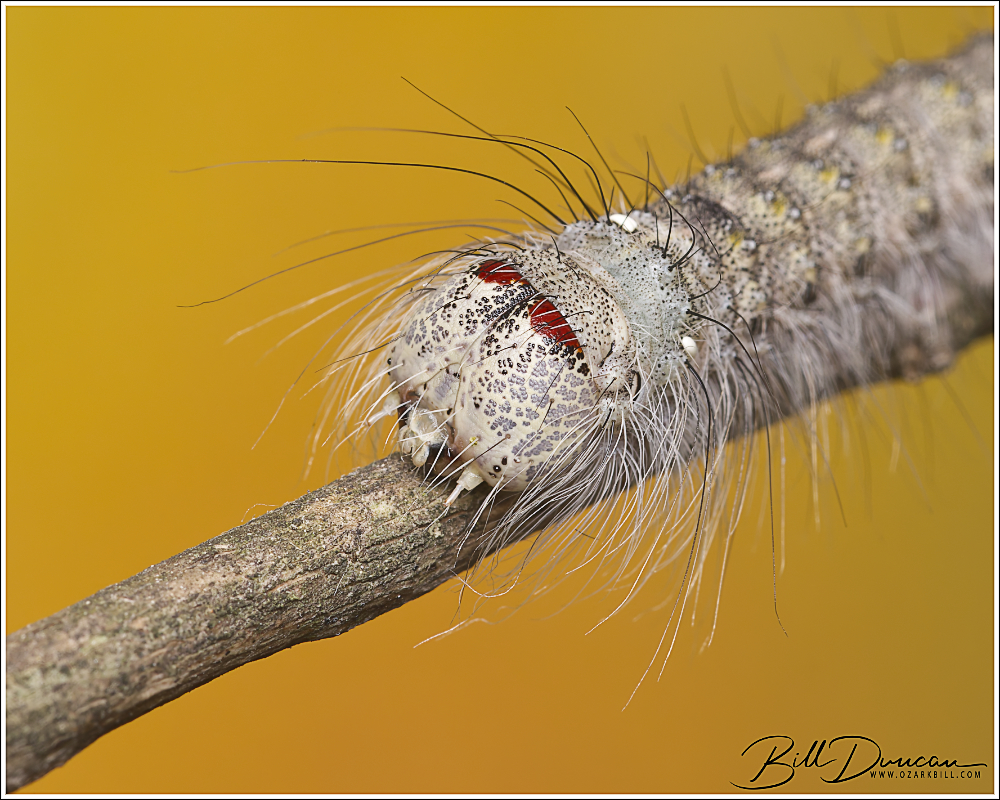
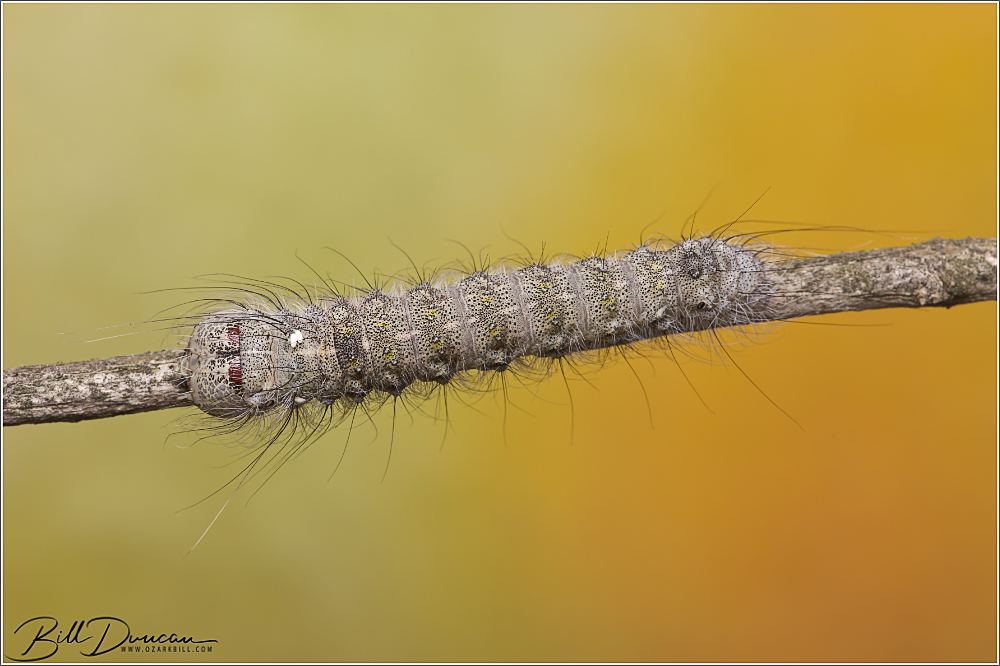
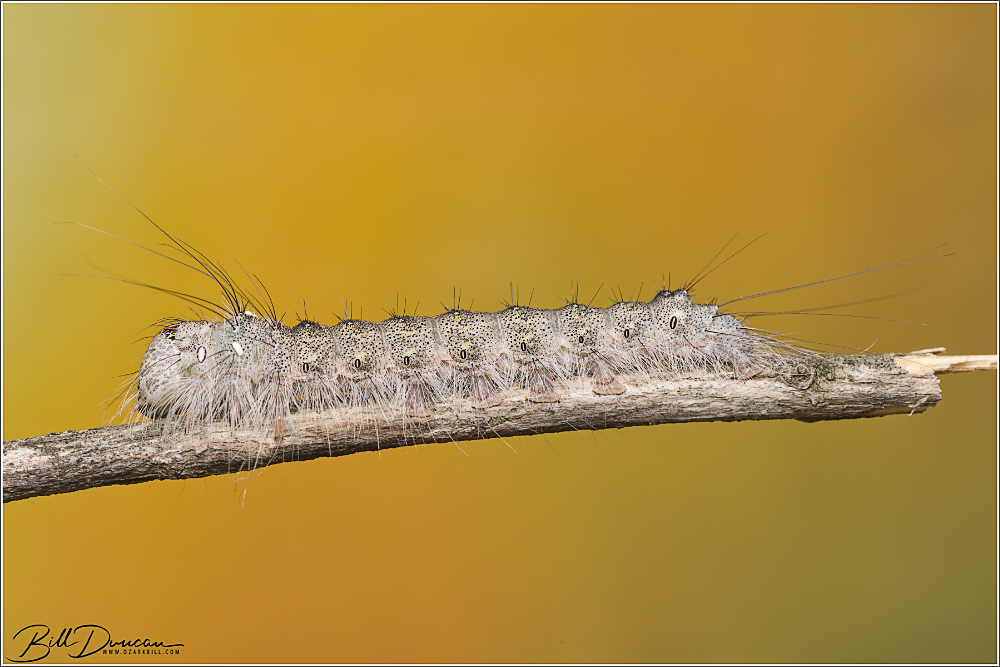
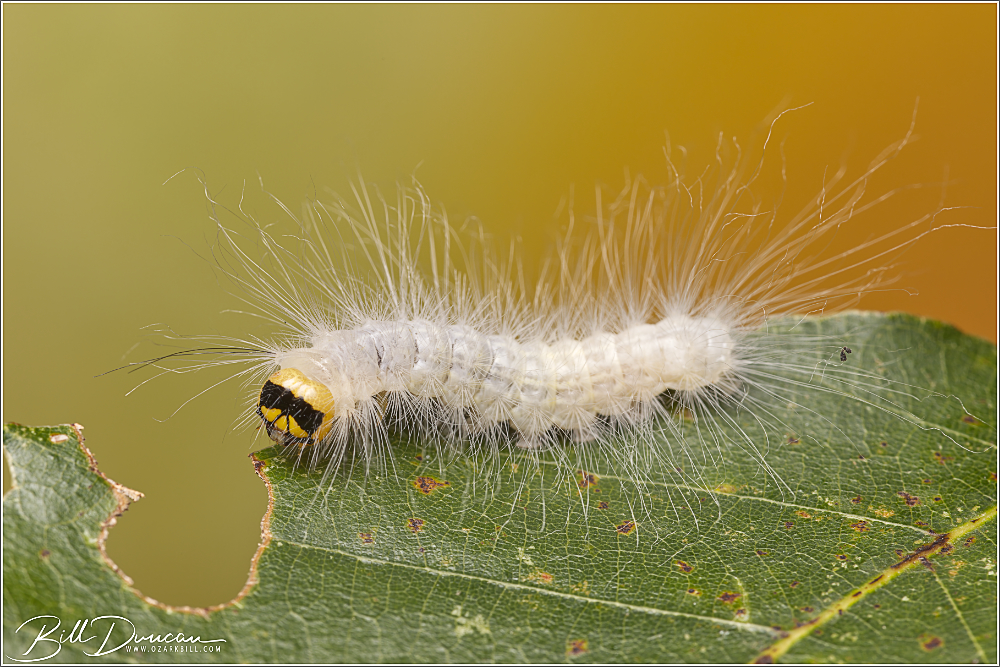
2025 Caterpillar Season – Yellow-haired Dagger

Yellow-haired Dagger
Acronicta impleta fam. Noctuidae (Hodges#9257)
Host plant: Found on red oak (Quercus sp.)
Dates and locations: 23, Aug, 2025 – Tyson Research Center, St. Louis County, MO; 06, Sep, 2026 – Babler State Park, St. Louis County, MO
Notes: Batesian mimicry, a form of mimicry wherein a harmless species has evolved to imitate the warning signals of a harmful species in order to benefit from these signals’ tendency to deter their mutual predators, is common among adult moths and butterflies. However, it has been found to be rare in caterpillars. The yellow-haired dagger seems to be a rare case of this defense in caterpillars as it seems to mimic tussock moth caterpillars (Dasychira, Orgyia) in both appearance and behavior.