Tag: missouri
A Pair of Prairie Platanthera

Today I’m showing a couple of orchids from the Platanthera genus. The title of this post suggests these are both prairie obligates, however this is not true with the first species shown here – P. lacera, the green fringed-orchid. P. lacera most likely appears in more different habitat types than any other orchid in the state. You can find this orchid in places ranging from dry hay fields to fens to forest habitats. The sole individual I was able to find this year was on a reconstructed prairie in Franklin County, MO. Unfortunately, this plant was several days past peak bloom so, I’ll be looking for others in the coming seasons.

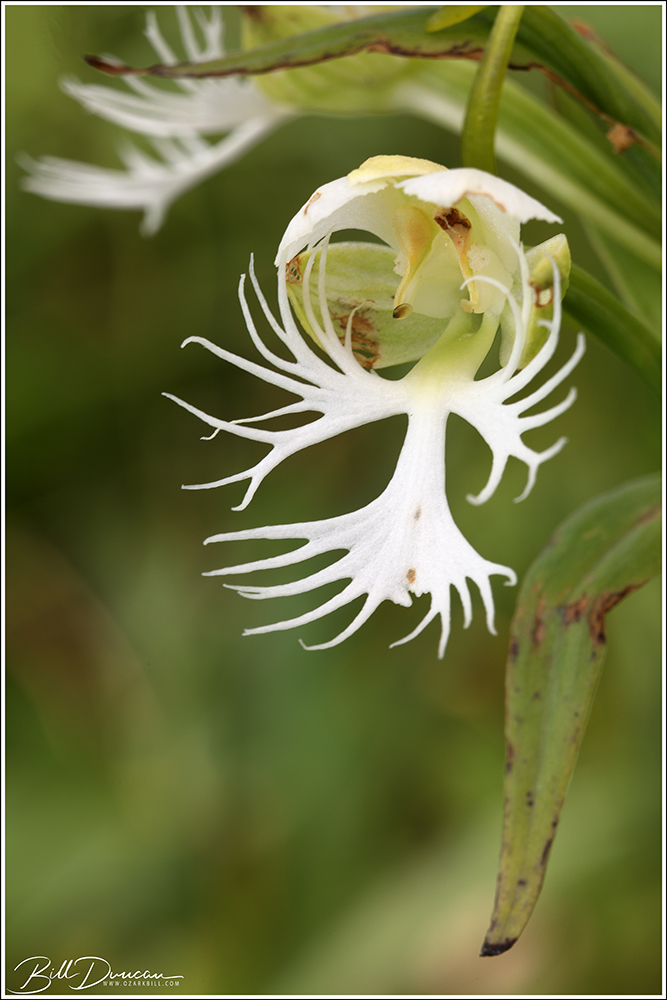
Sarah and I had quite a treat when we made a long day trip to north-western MO in mid-June of this year. We were able to find a few western prairie fringed-orchids just past peak bloom. This was a first for both of us. Platanthera praeclara is a globally endangered species and listed as an S1 species (critically imperiled) by the state of Missouri. This is just another of the many species in such a status due to the unregulated destruction of prairie habitat in the midwest for crop cultivation over the past 200 years. The large white flowers of this species are pollinated by nocturnal sphinx moths – a potential photography project in years to come.

-OZB
White-eyed Vireo Nest, Part Two
White-eyed Vireo Nest – Part One
May seems such a long time ago. I don’t know how I get so behind on photo processing, but, better late than never. Here is the first of what will probably be three videos with stills of the White-eyed Vireo nest found by Miguel Acosta at Weldon Spring C.A. this past spring. I hope you like it.
-OZB
A tale of two Saturniids

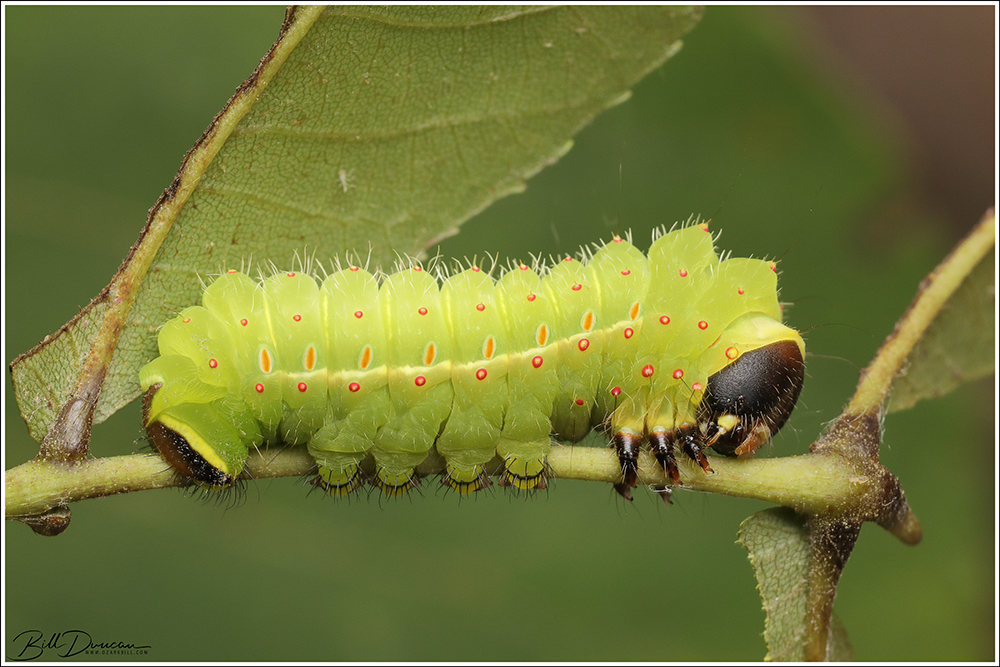
I typically don’t have very much luck finding caterpillars of the giant silk moths from the Saturnidae family. This past season was a little more successful. I found three polyphemus moth (Antheraea polyphemus) caterpillars and Sarah found the above luna moth caterpillar during our birthday hunting trip in mid-September. Larvae of these two species look very similar, but there are a few easy characteristics than can be used to distinguish between the two.

Missouri Orchids – Spiranthes ovalis var. erostellata (oval ladies’-tresses)

Spiranthes ovalis var. erostellata can be very difficult to find. Usually growing in groups of ones and twos, it is a small plant that prefers shadier locations that get dappled sunlight. I want to thank John Oliver for all his assistance getting me on this and a number of other Spiranthes species this year.
This species of ladies’-tresses is known for its graceful and diminutive flowers. Casey and I found only a couple of plants, each with flowers rather less developed than hoped for. I’m not sure if we were a day or two early, or if this might be all to expect from this population. We found these plants alongside trails at Babler State Park in mid-September.

-OZB
Missouri Orchids – Corallorhiza odontorhiza (autumn coralroot)

Casey and I found three separate populations of Corallorhiza odontorhiza in early to mid September this year, each population consisting of just a few bunches of plants. Most plants of this species found in Missouri are cleistogamous, containing flowers that never open and thus forcing the plant to self-pollinate. This might account for the rather dull colors and patterns on flowers of this species when compared to its vernal-blooming relative, C. wisteriana. Of the three locations, we found only one bunch of plants, located in St. Louis County, that contained open (chasmogamous) flowers and these were slightly more showy than I expected them to be.

Like C. wisteriana, this species is myco-heterotrophic, parasitizing mycorrhizal fungi to obtain carbon and other necessary nutrients. Consequently, this species never produces leaves. Both Corallorhiza species are found scattered throughout Missouri and can be found in a variety of habitats, but seem to prefer open woodlands on xeric to mesic soils.

-OZB
Missouri Orchids – Tipularia discolor (cranefly orchid)

Tipularia discolor, or the ‘cranefly orchid,’ was first collected in Missouri in 1988 and new discoveries across the Midwest in recent decades suggest it is actively expanding its range. Similar to the puttyroot orchid (Aplectrum hyemale), this orchid blooms in the summer without the presence of any leaves. Leaves emerge in autumn and are usually completely withered by May. Both the common and genus names come from the apparent resemblance of the open flowers to that of crane flies in the genus Tipula. Moths in the family Noctuidae are the primary pollinators and use their proboscises to collect nectar from the long nectar spurs of the flowers.
This is the only species in the genus to be found in the Americas. Casey and I found these plants in Stoddard County on August 1st of this year.

-OZB
A few nesting Missouri birds from 2020
As usual, I am woefully behind on processing images this year, probably worse than usual actually. I’ve also not put much work into birds this year, a general trend over the past few years. Too much I’m interested in and not enough time. Anyway, here is some avian miscellany from 2020 so far.

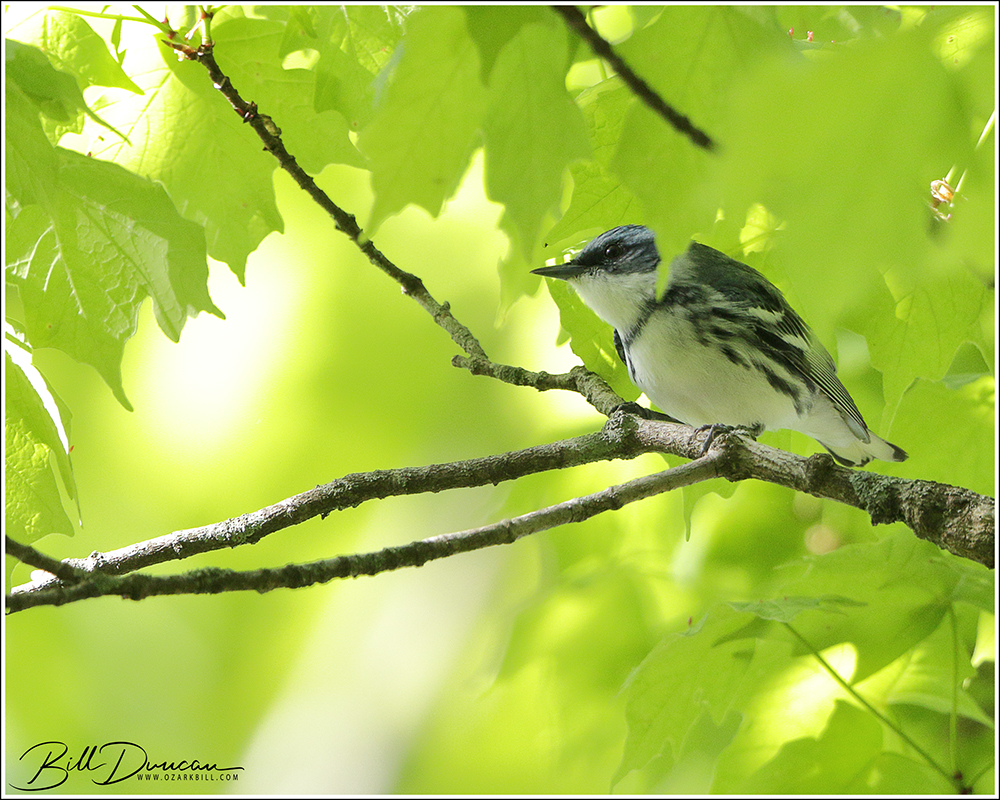
My quest is to get the perfect Cerulean Warbler shot. These are not it, but getting closer. Better luck next year.


This pair of Blue-grey Gnatcatchers were also photographed this spring at Weldon Spring Conservation Area.


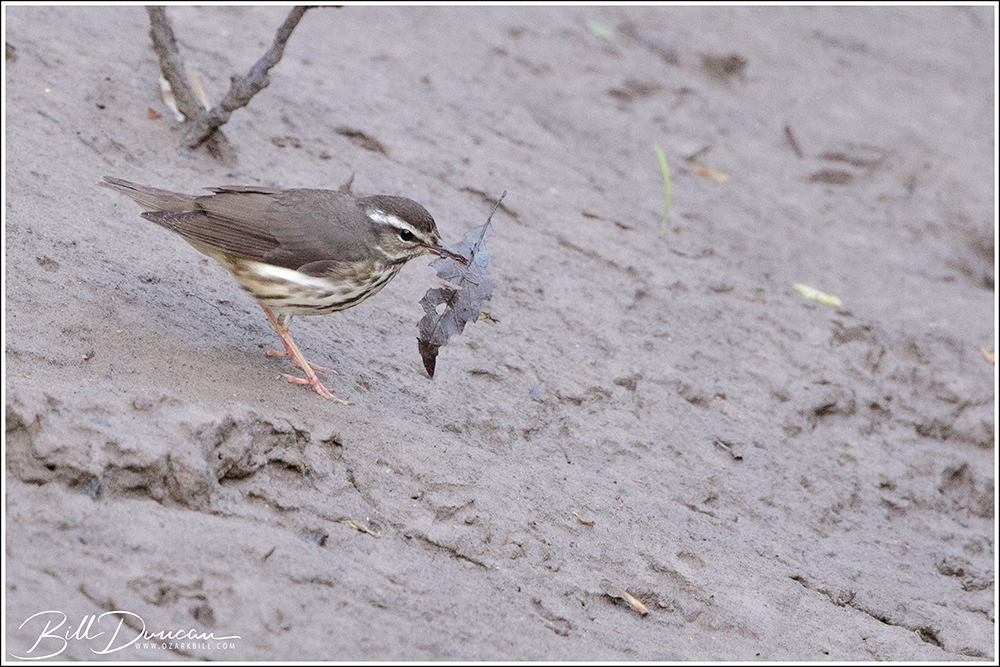
A pair of Louisiana Waterthrush were usually easy to find in a territory that the trail ran through.

This Horned Lark was found back in March at Riverlands.


I was happy to fins this Hairy Woodpecker nest this past spring, but, unfortunately, the parents never got used to my presence so I didn’t spend much time here.

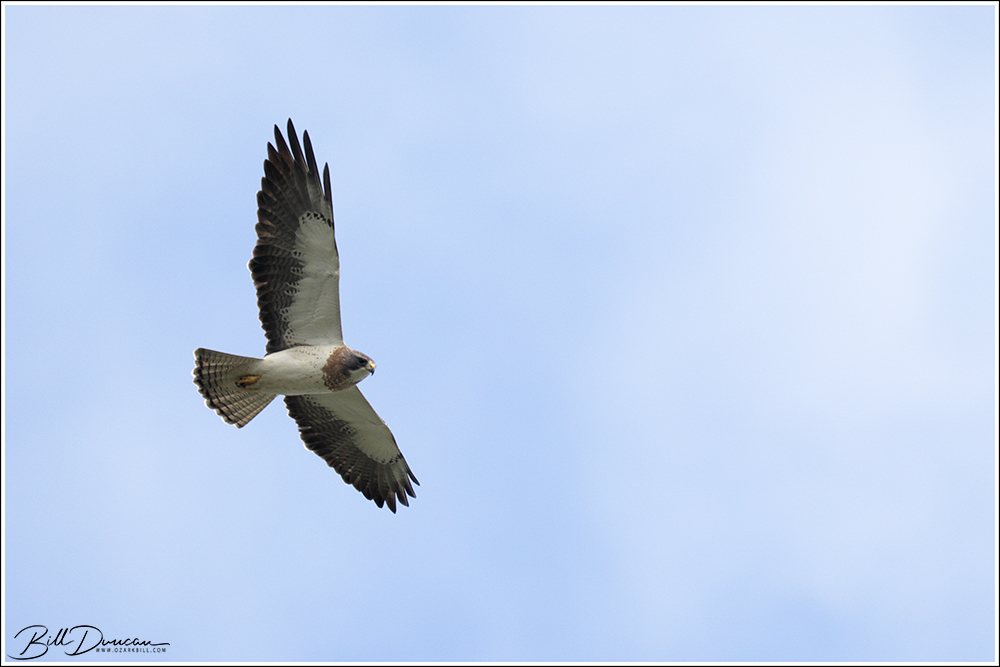
Back in April, Casey and I visited a hotspot for the small population of Swainson’s Hawks in Greene County. These hawks are rare in Missouri and nesting pairs are limited to the southwestern portion of the state.

While waiting for more interesting subjects, Killdeer can sometimes get close enough to make it worthwhile. This one was strutting in some pretty good light.

Finally, this Red-winged Blackbird was captured establishing his territory outside the Audubon Center in early spring.

-OZB
Missouri Orchids – Platanthera clavellata (club spur orchid)

The habitat this featured orchid was found was quite interesting – a wet, fen-like area with many pea-gravel rivulets to walk down. All this was set under a thick overstory that allowed little light on the cloudy day Casey and I visited. Often forced to hunch as we searched for other plants, lighting for photography was challenging, but we got what we came for.
As you can see below, this is a dainty and sweet orchid that has a large primary leaf and a secondary, bract-like leaf.

-OZB