"What a thousand acres of Silphiums looked like when they tickled the bellies of the buffalo is a question never again to be answered, and perhaps not even asked." -Aldo Leopold
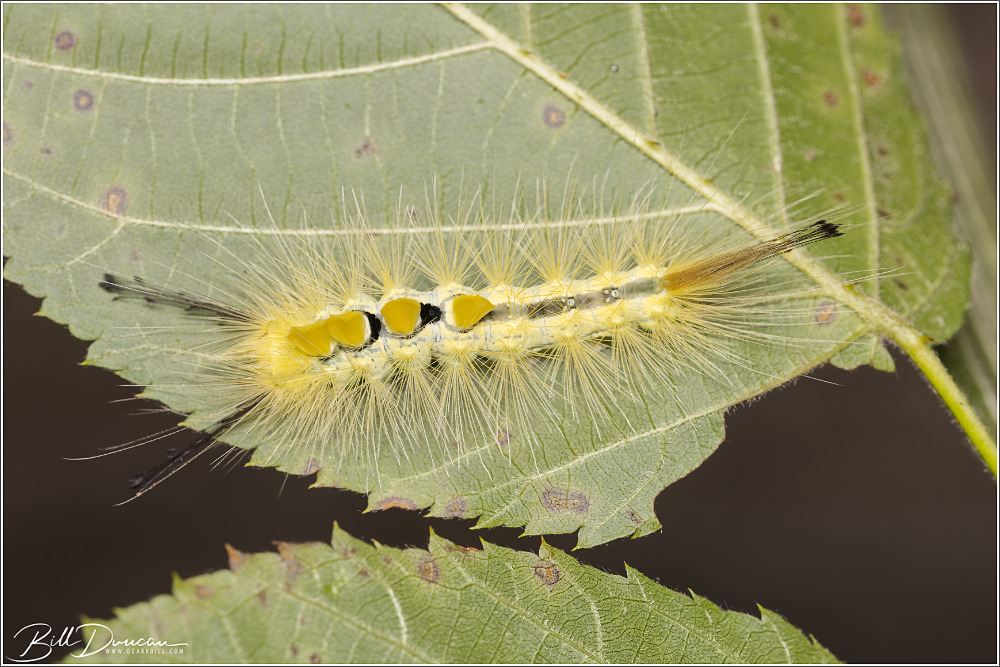
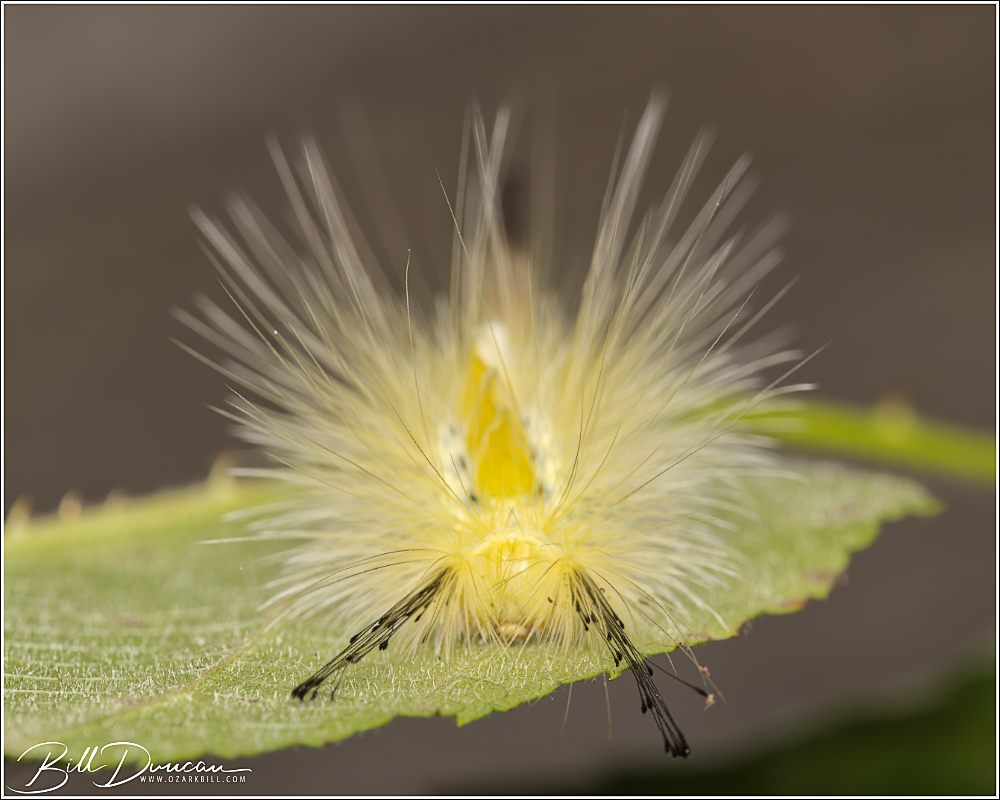
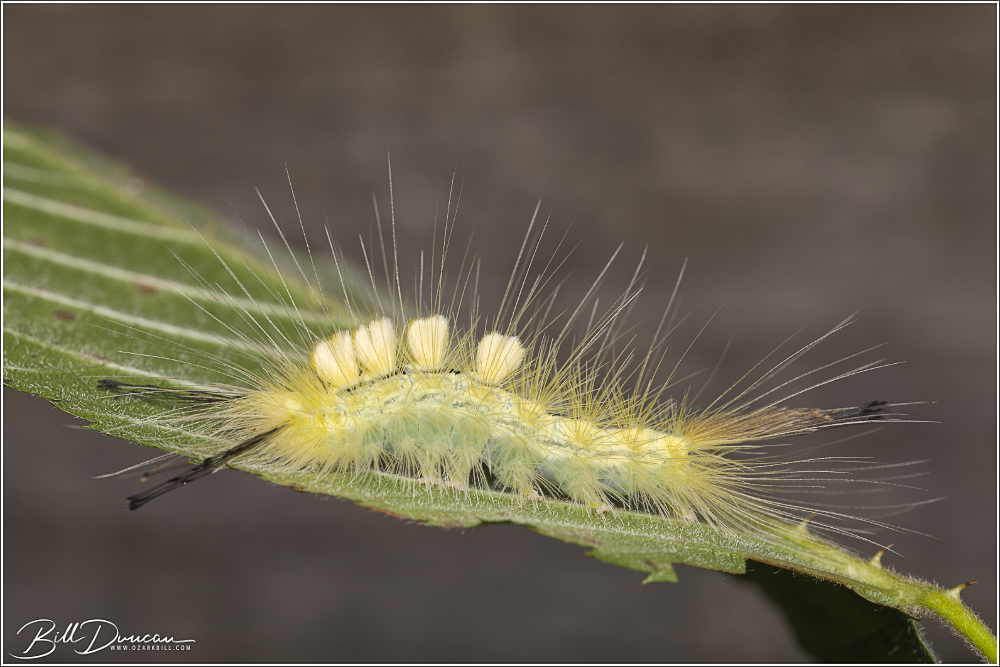
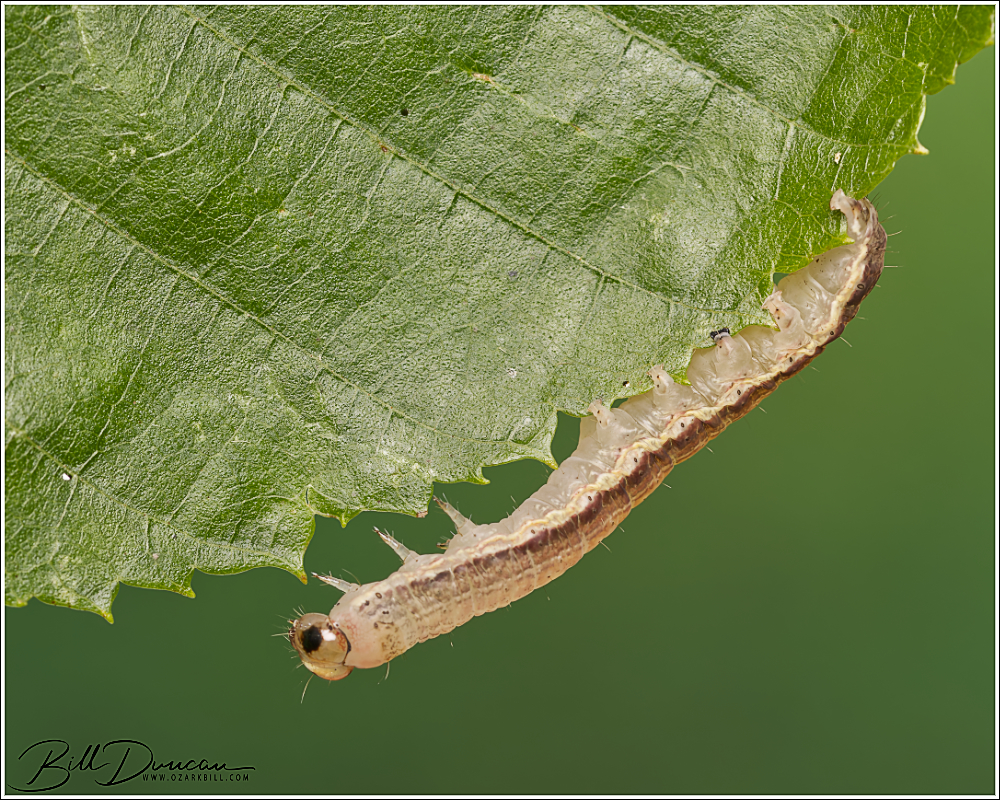
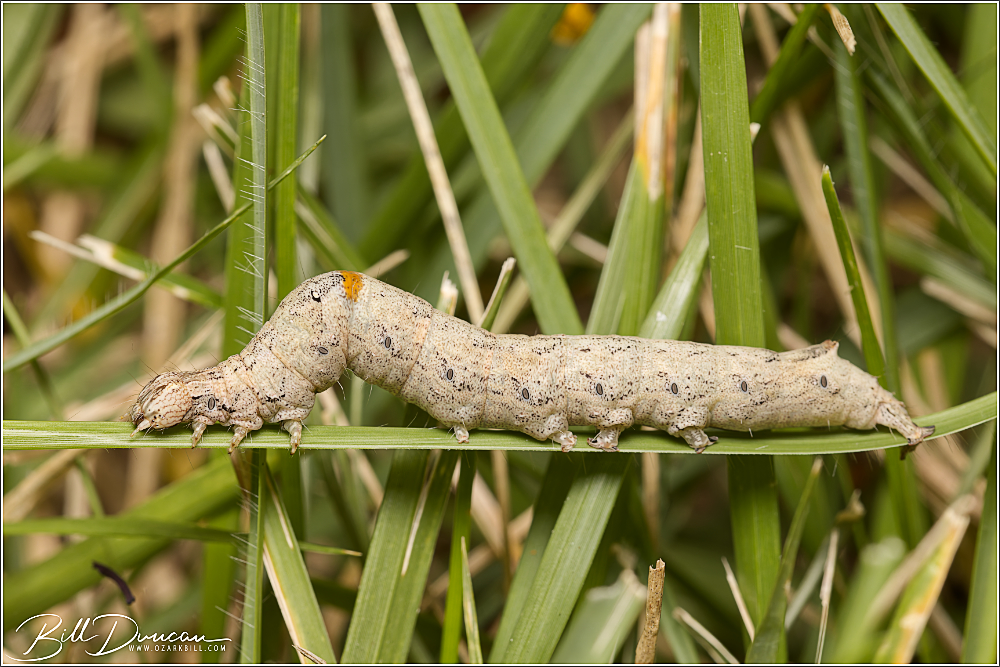
Definite Tussock Moth Orgyia definita fam. Erebidae (Hodges#8314) Host plant: Found on common blackberry (Rubus allegheniensis) Date found: 09, Aug, 2025 Location found: Cuivre River State Park, Lincoln County, MO Notes: Found in dense populations east of the Mississippi River, this species has only a handful of records in Missouri databases such as iNaturalist and butterfliesandmoths.org. I realize that I had seen this caterpillar before, but being the amateur that I am, I though I was looking at a lightly colored or recently molted Orgyia leucostigma.
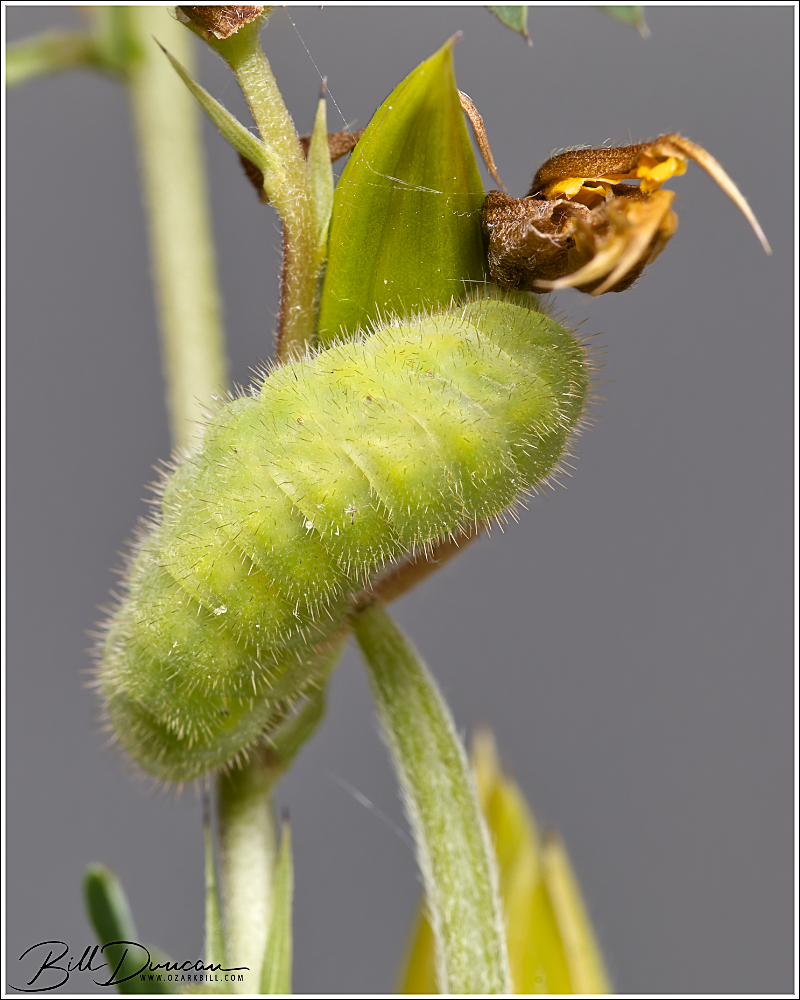
Gray Hairstreak Strymon melinus fam. Lycaenidae (Hodges#4336) Host plant: Found on partridge pea (Chamaecrista fasciculata) Date found: 07, Aug, 2025 Location found: Backyard prairie patch, St. Louis County, MO Notes: After years of searching for a hairstreak caterpillar, I found 11 of these guys in one evening while searching the backyard prairie with a UV flashlight. Plant partridge pea!
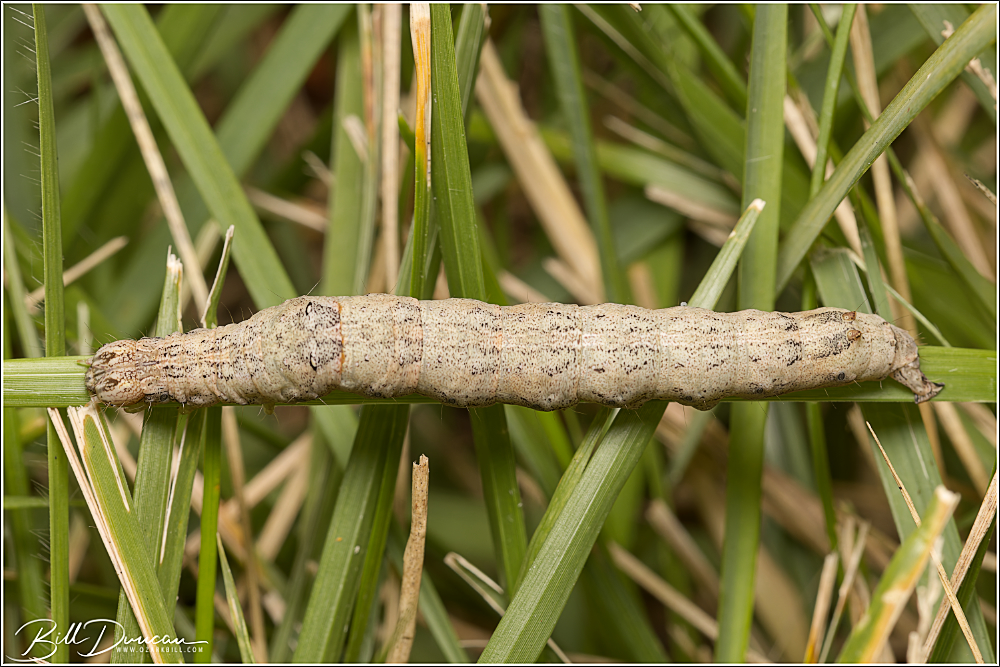
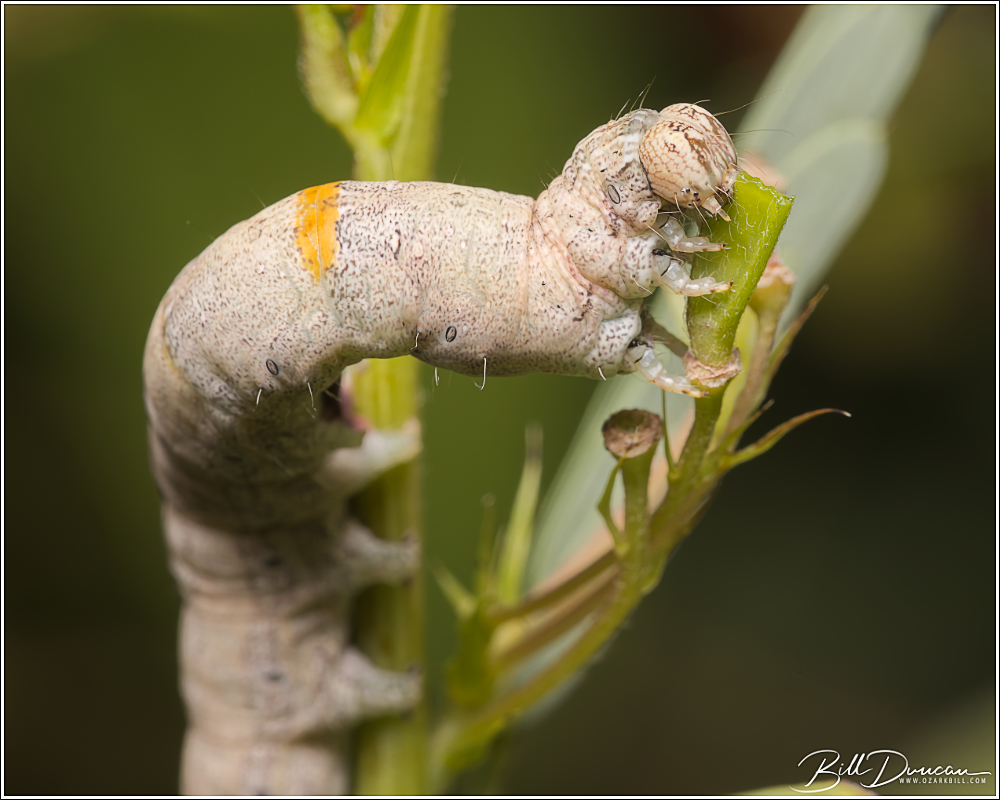
Fluid Arches Morrisonia latex fam. Noctuidae (Hodges#10291) Host plant: Found on hop hornbeam (Ostryavirginiana) Dates found: 05, Jul, 2025 Locations Found: Logger’s Lake Recreation Area, Shannon County, MO Notes: This is a very polyphagous species and can be found on almost any native woody plant.
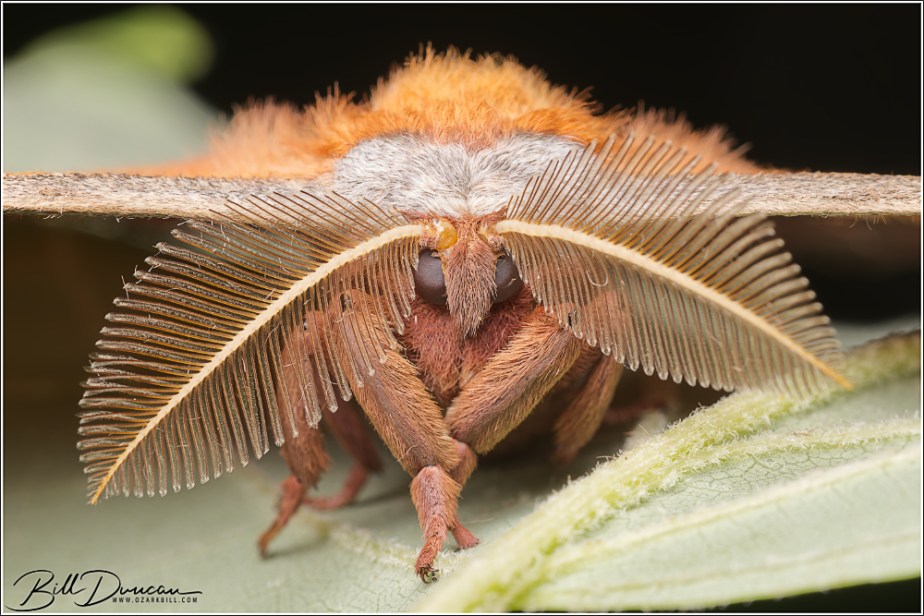
Last month the WGNSS Nature Photography Group took a side trip back to one of our favorite places – the Roston Native Butterfly House in Springfield, MO. Among other fantastic native leps on display were adult and larval forms of Hyalophora cecropia, or the Cecropia Moth. Named after the legendary King Cecrops of Athens, H. cecropia is the largest moth native to North America. Thanks again to the Roston Butterfly House and to the great volunteers who staff the facility and put up with a bunch of old dudes with cameras.
I’ve tried hunting for caterpillars among my native plants in the yard over the past several years, hoping to find some interesting caterpillars with very little success. This past weekend I was looking around my little prairie patch in the backyard with my UV flashlight and found something exciting. Two large caterpillars feasting on partridge pea (Chamaecrista fasciculata). It took me quite a bit of research to finally identify them as one of the Zale moths (Zale sp.) in the Family Erebidae. I am fairly certain this must be Zale lunata (lunate zale), but according to Wagner in “Caterpillars of North America” and “Owlet Caterpillars of Eastern North America,” Z. lunata and Z. minerea are nearly indistinguishable as larvae. However, because there are no records I could find of Z. minerea feeding on herbaceous plants and Z. lunata is known to feed occasionally on herbaceous plants, particularly those in the pea family, I think it is a safe bet to call these Z. lunata. To test this for certain, I hope to be able to find them again and try rearing one to an adult, which are easy to distinguish between these two species.
15-August update:
A couple of nights after taking these photos, I visited the prairie patch and found four of these zale caterpillars. I collected one and put it into a flight cage along with some freshly cut partridge pea.
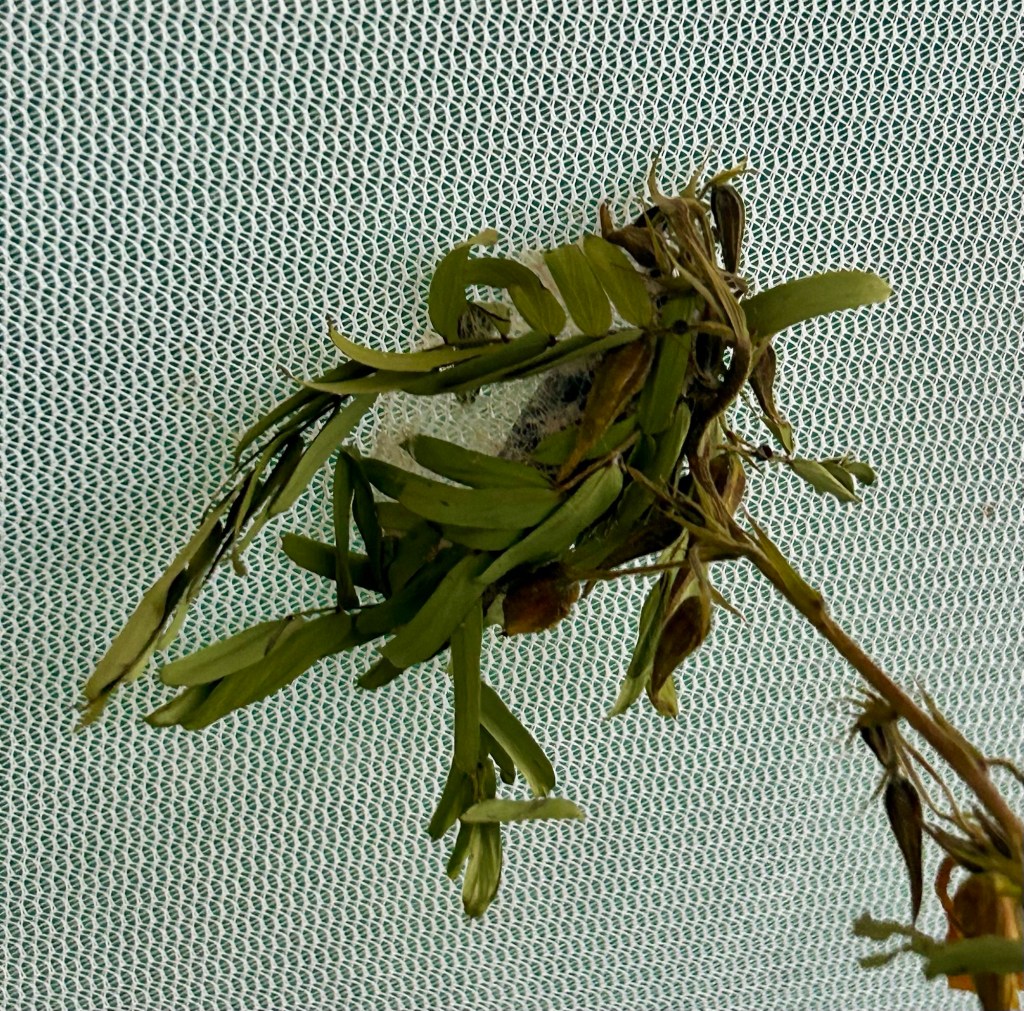
After not being able to find the caterpillar for the past two days, I finally discovered that it had pupated and has used some of the vegetation to cover its cocoon. There’s a chance it might eclose this year. If not, I’ll have to wait until the spring, assuming it survives that long. Here’s a photo of its pupation site.
Zale sp. cocoon
28-August update:
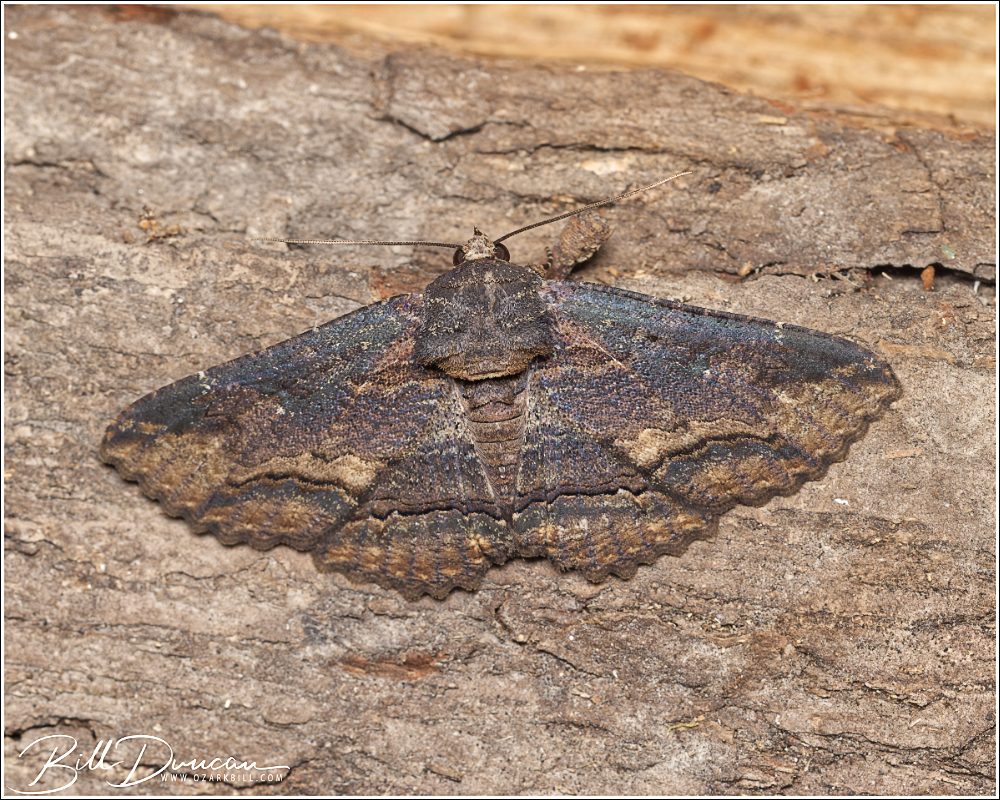
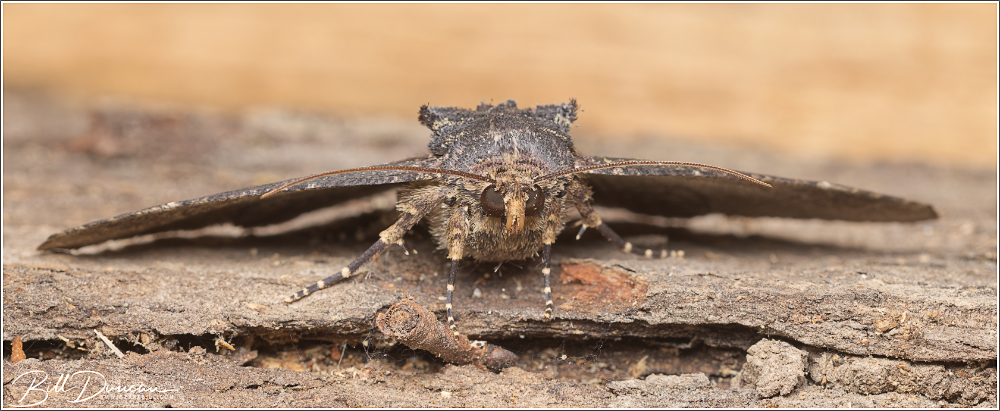
Upon returning from work today, I found that my Zale had eclosed! I took a few photos and I think we can now definitely say this is Zale lunata.
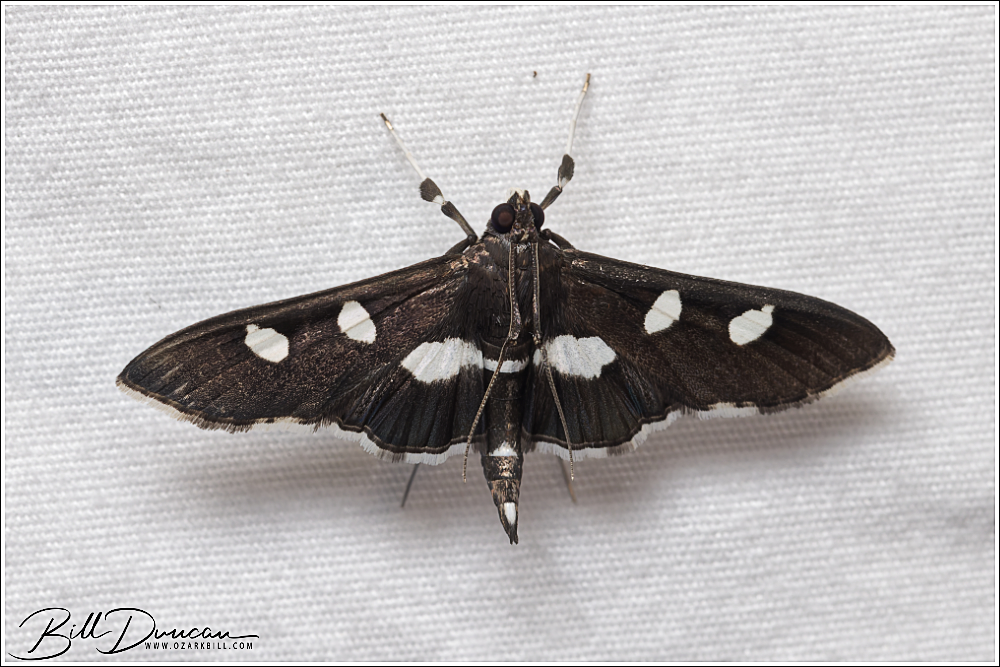
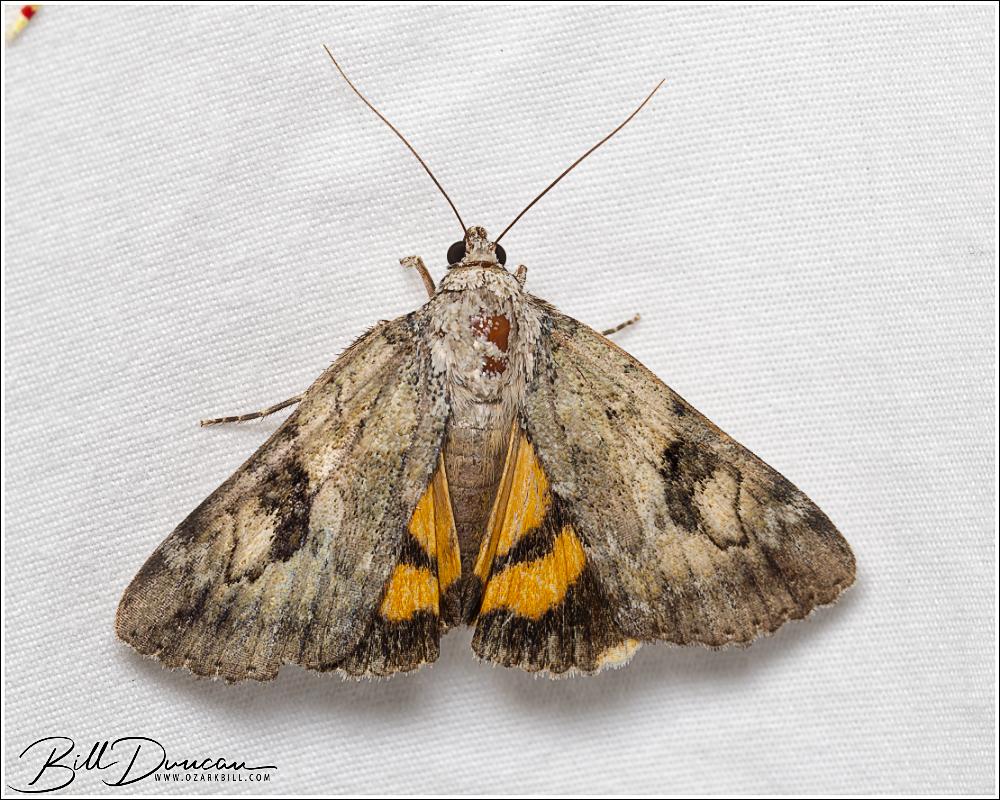
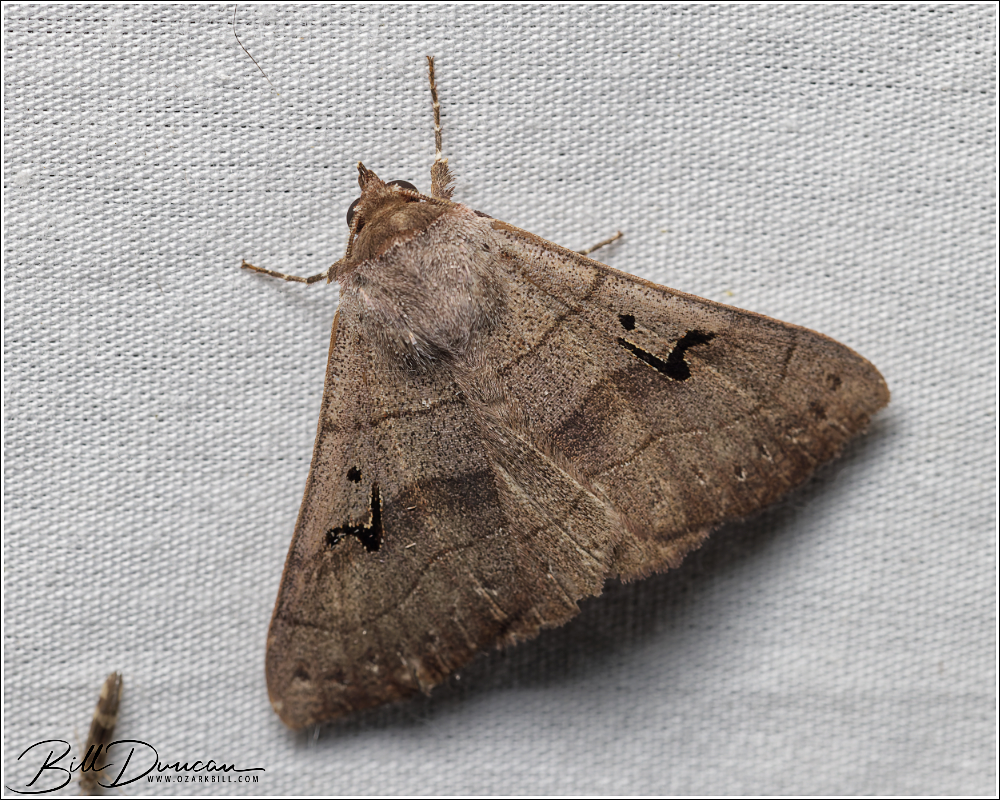
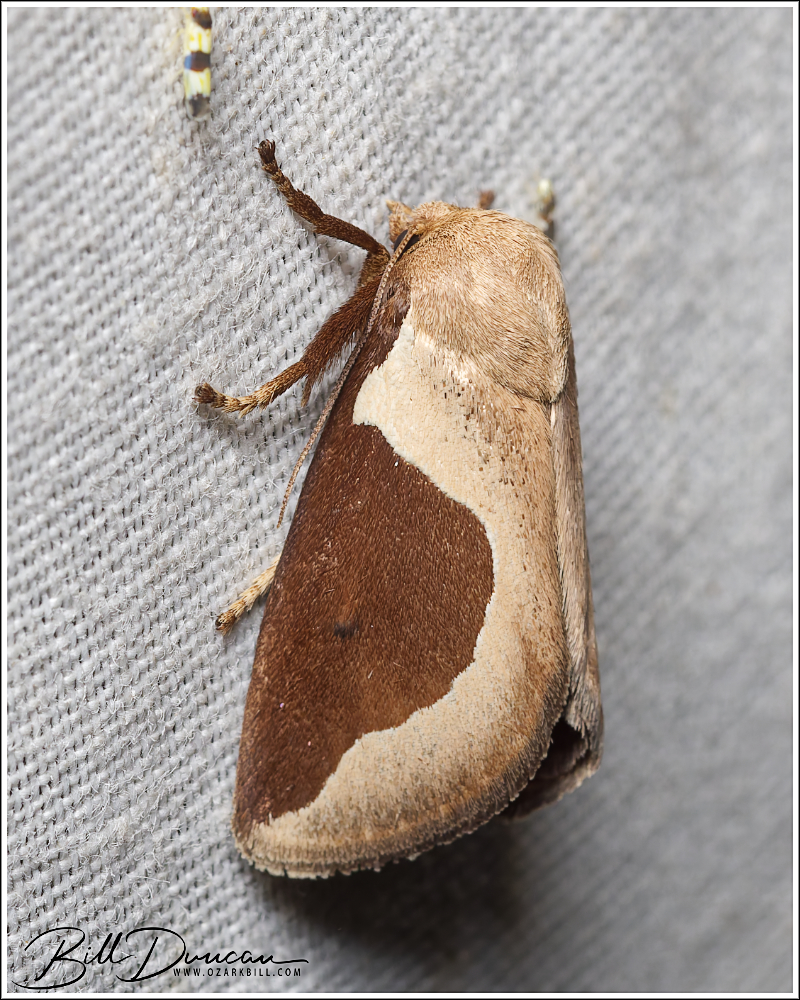
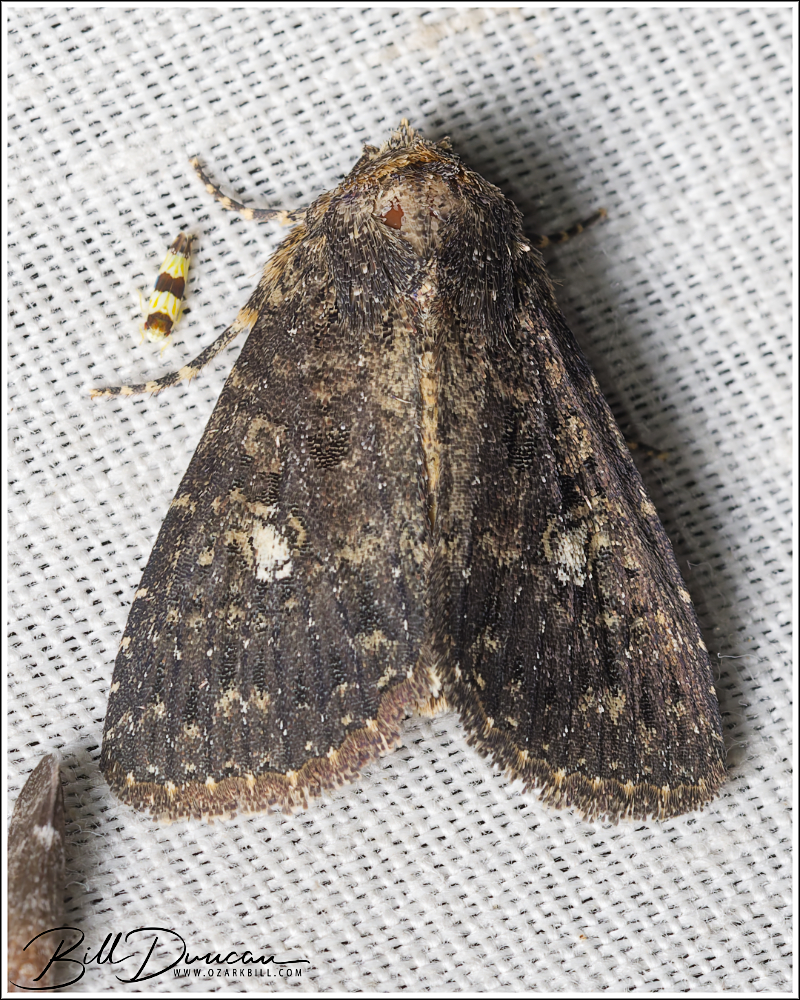
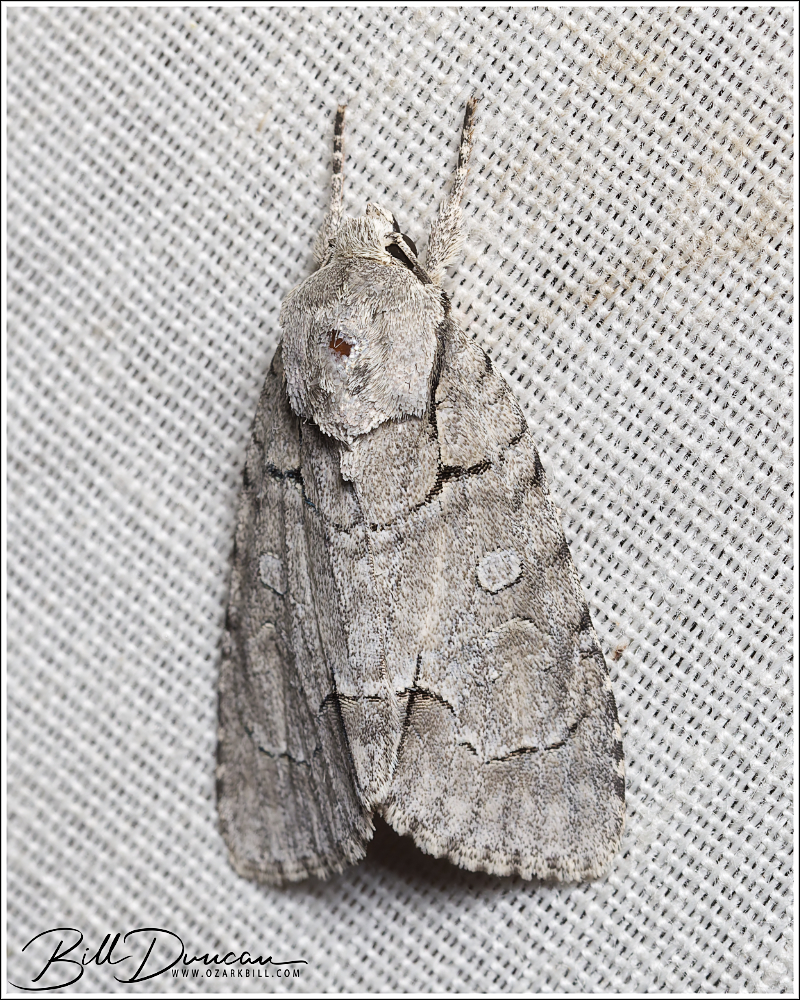
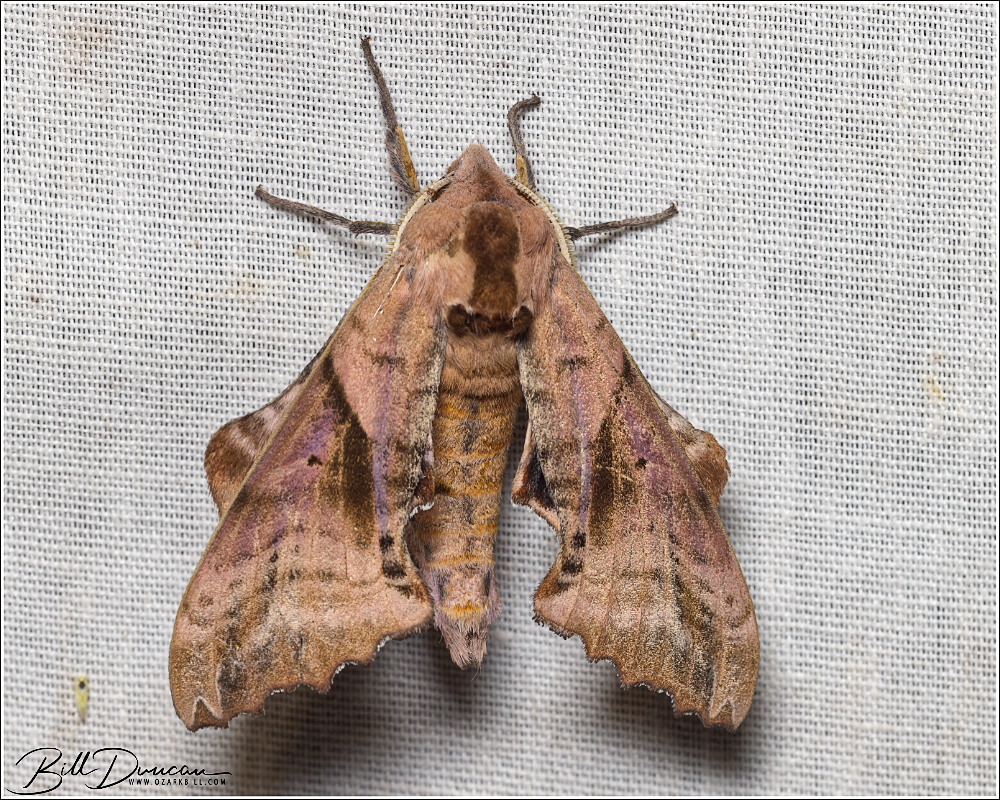
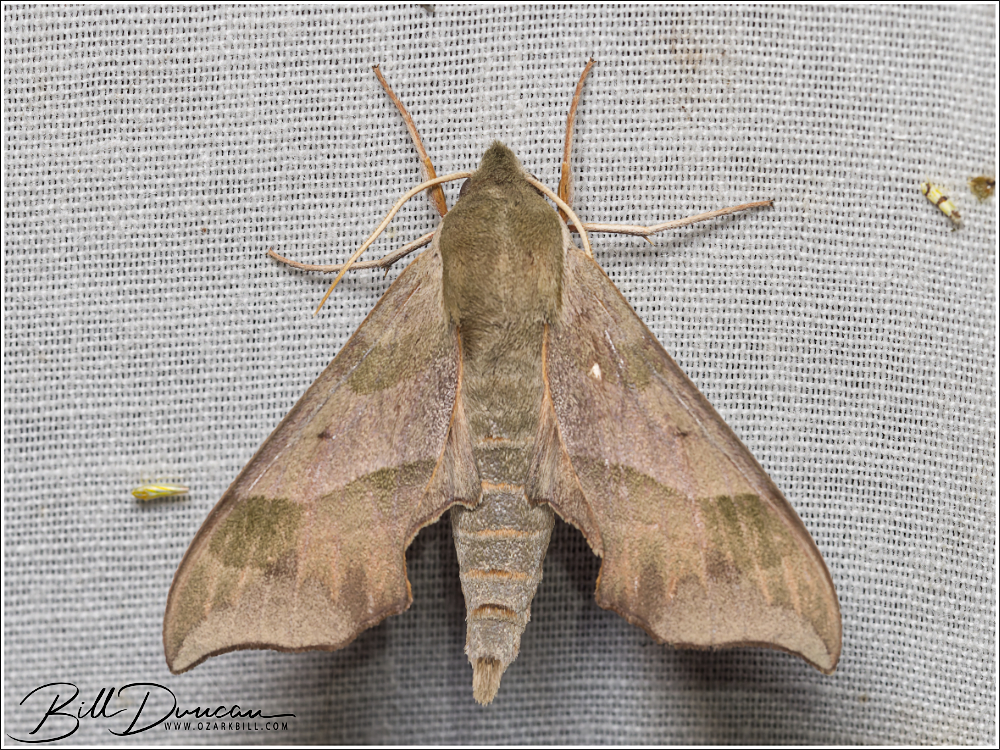
On the 24th of July, during the new moon and National Moth Week, the WGNSS Entomology Group set up several blacklighting stations at Tyson Research Center as a start of an entomological survey. Between WGNSS members, TRC staff and students from Washington University, I estimate there were 25-30 people in attendance until around midnight. Overall, I think the evening was a success and the numbers and diversity of insects was good. We had a few nice highlight species, but because of the number of people, I did not spend time trying to remove moths from the sheet and onto a natural background. I still have a few to process, but this post covers the moths I cared to photograph.
Many thanks to Katie Westby and Rich Thoma for organizing this event. I’d also like to thank jwileyrains at butterfliesandmoths.org for confirming and helping me with some identifications.
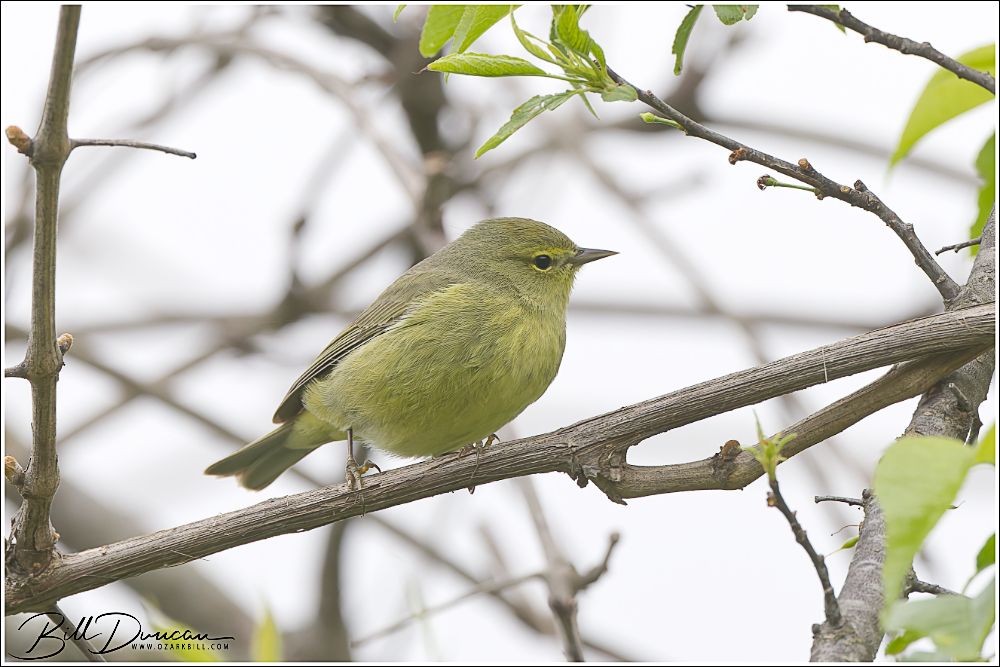
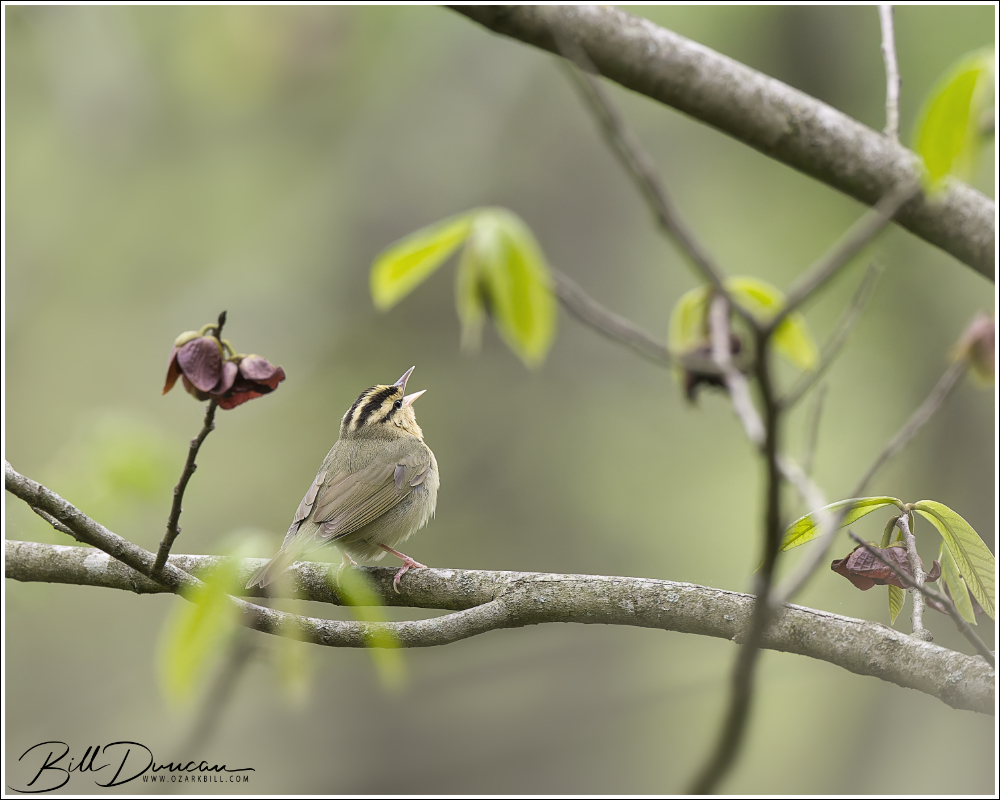
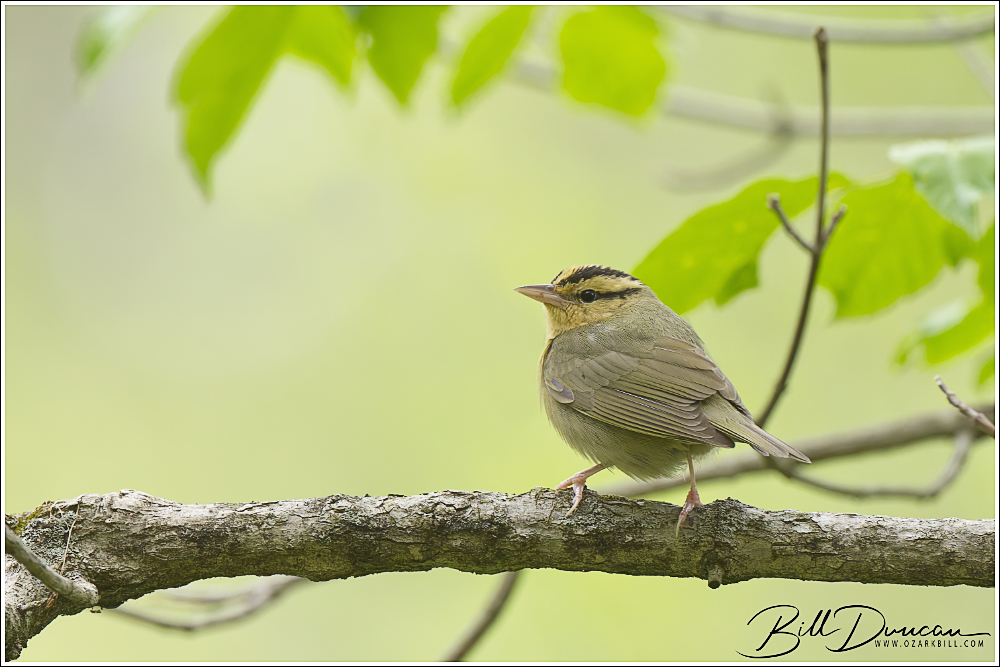
As much as I love the change of seasons generally, nothing can beat the excitement and enjoyment of the arrival of spring. I simply can’t get out of doors enough during April and May. This past weekend Miguel and I had a great time in hunting newly arrived birds and newly emerged plants at a few of our favorite spots not too far from home. Here are a few photos from our day out.
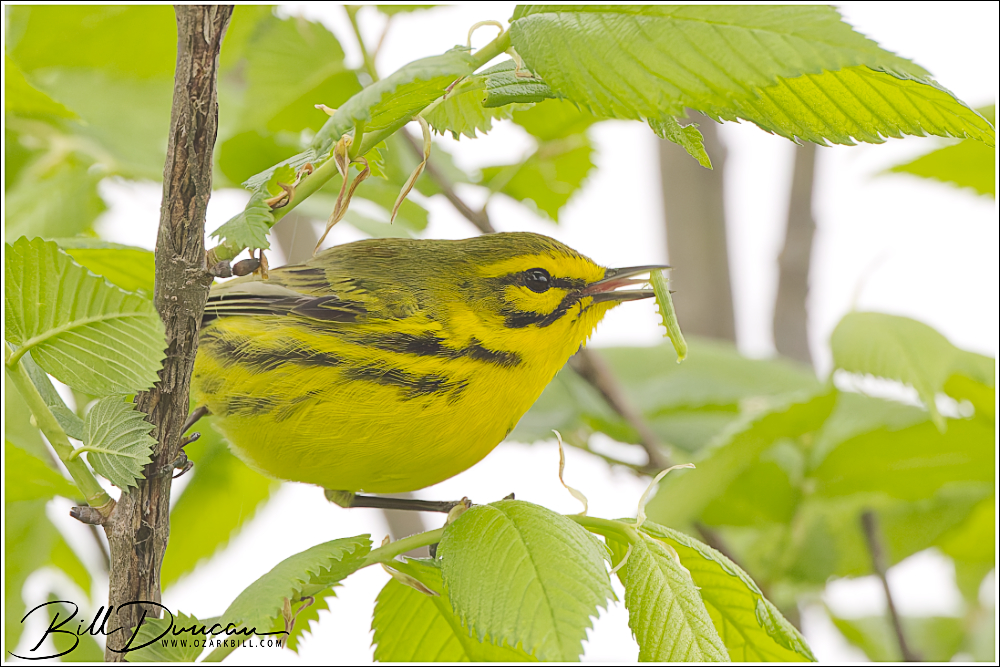
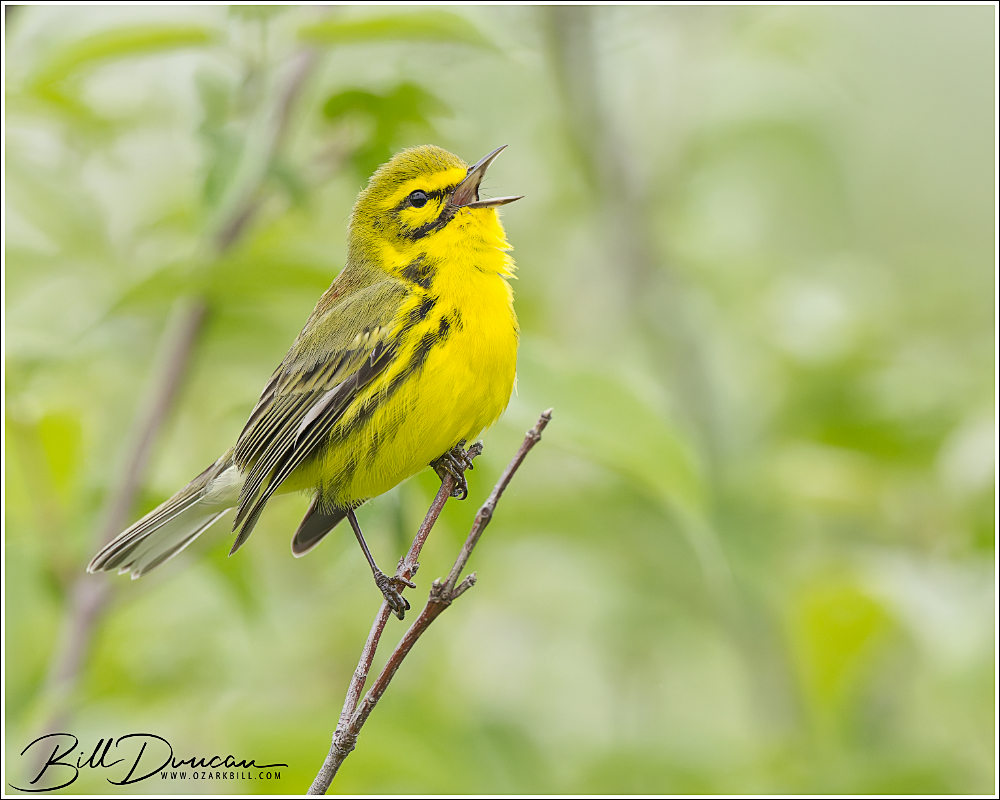
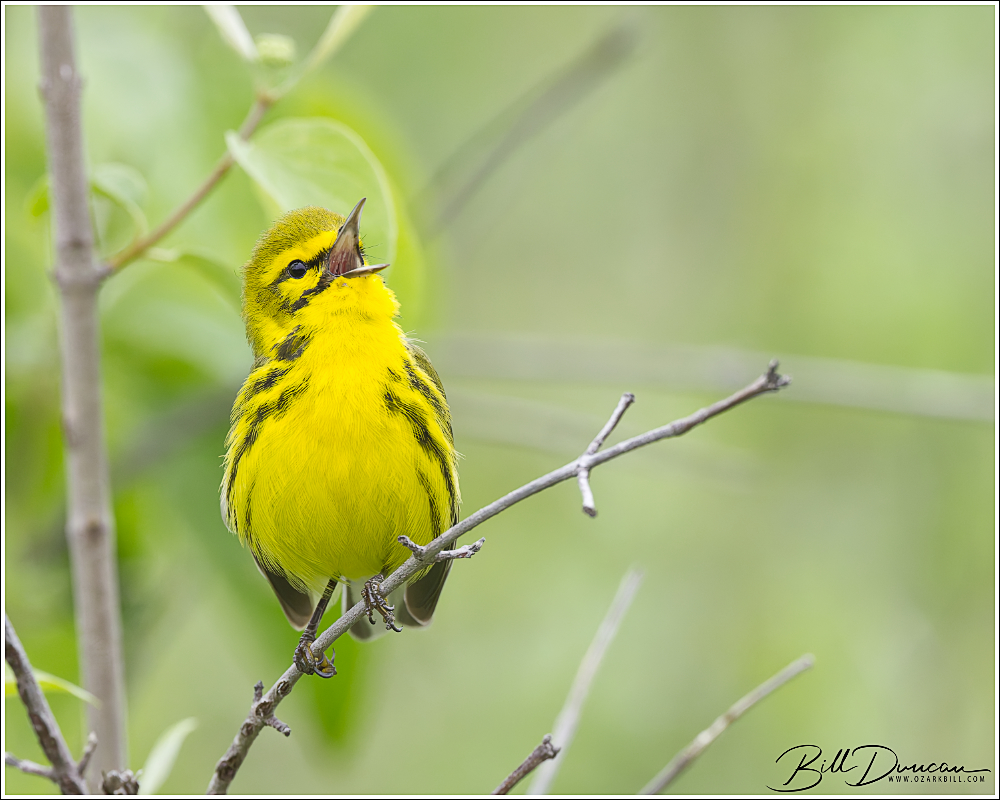
First, a beautiful male Prairie Warbler from Weldon Springs Conservation Area.
Orange-crowned Warbler photographed at Bush Wildlife Conservation Area
A Worm-eating Warbler also found at Bush Wildlife C.A.
After a brick-fired pizza for lunch, we crossed the river to another favorite nearby location – Engelmann Woods Conservation Area. Here we were hoping to find the Wister’s coralroot orchid for Miguel to scratch off his list. During a good year, hundreds of flowering stems of this species can be found here. This year we found 15-20 stems just by looking along a mile or so along the trail.
Corallorhiza wisteriana (Wister’s coralroot)
Finally, we were able to find three stems of the parasitic Orobanche uniflora (one-flowered broomrape) mere inches off of the trail.
Orobanche uniflora (one-flowered broomrape)
Hoping you find the time to get out and enjoy this wonderful spring!
During this past weekend the WGNSS Nature Photography group met up with our friend Dr. Rick Essner from SIUE to see and photograph one of our favorite subjects, the Illinois chorus frog (Pseudacris illinoensis) . I first wrote about these wonderful little guys a couple of years ago when Rick helped a few of us see them for the first time.
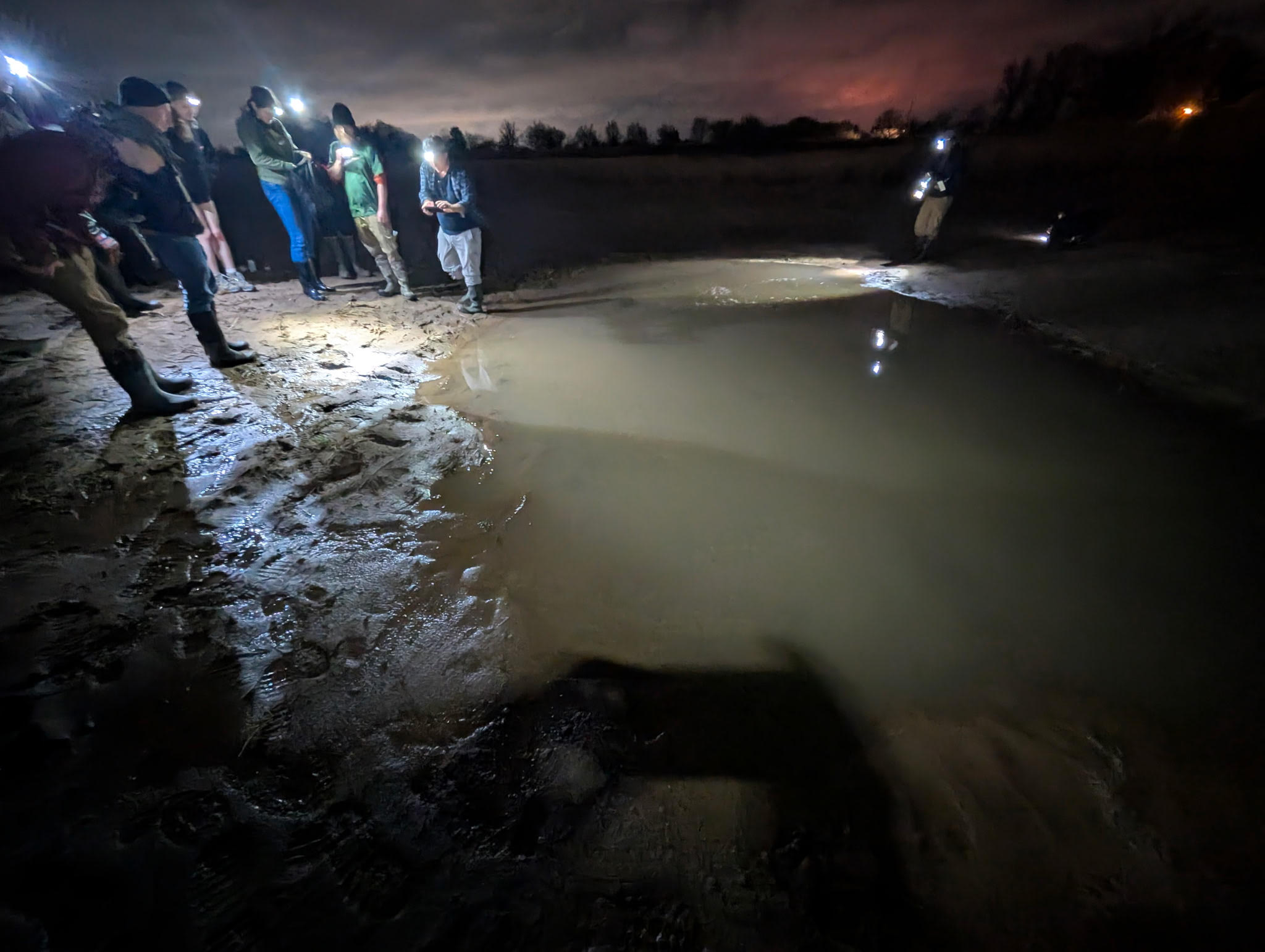
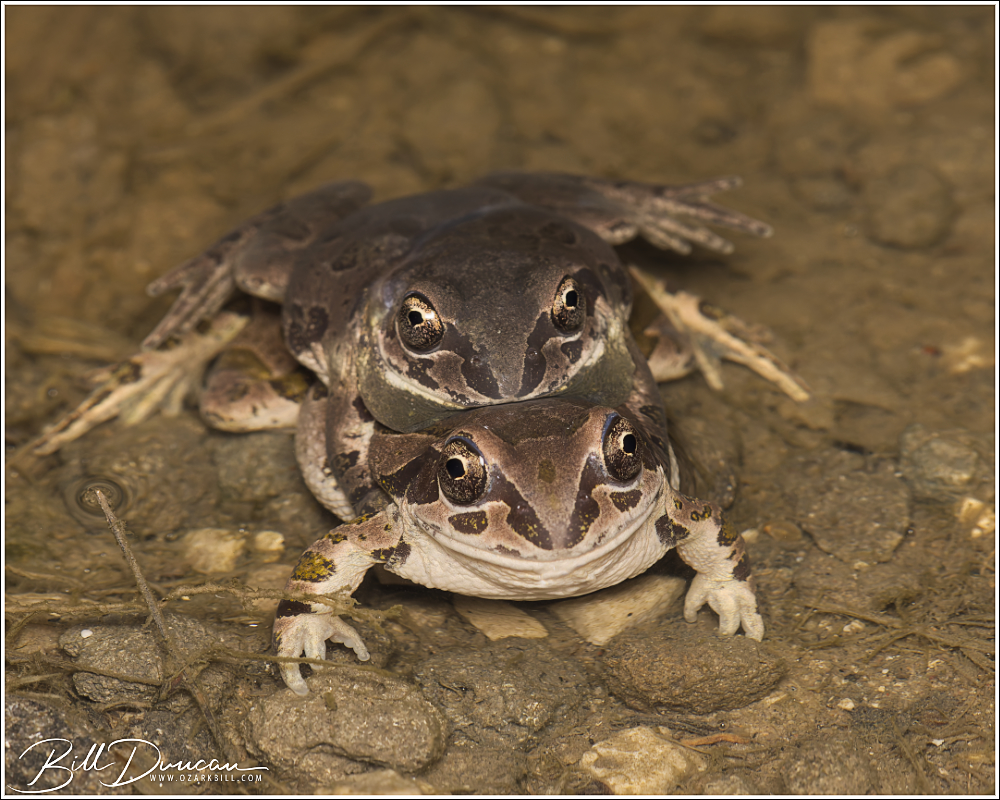
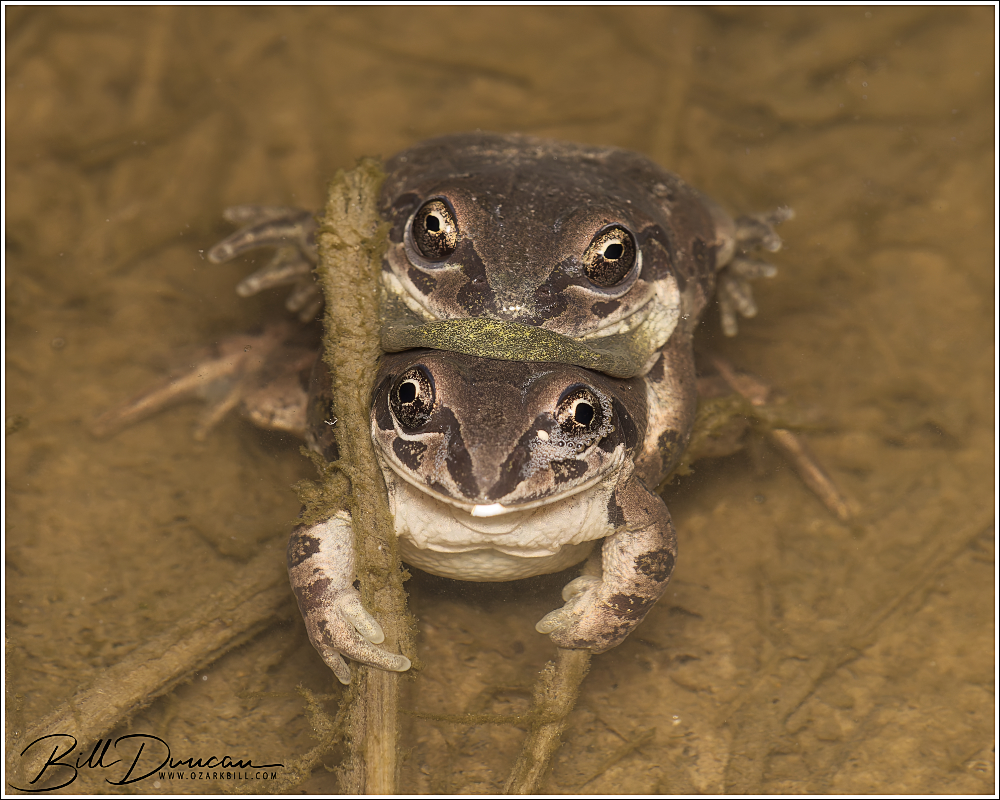
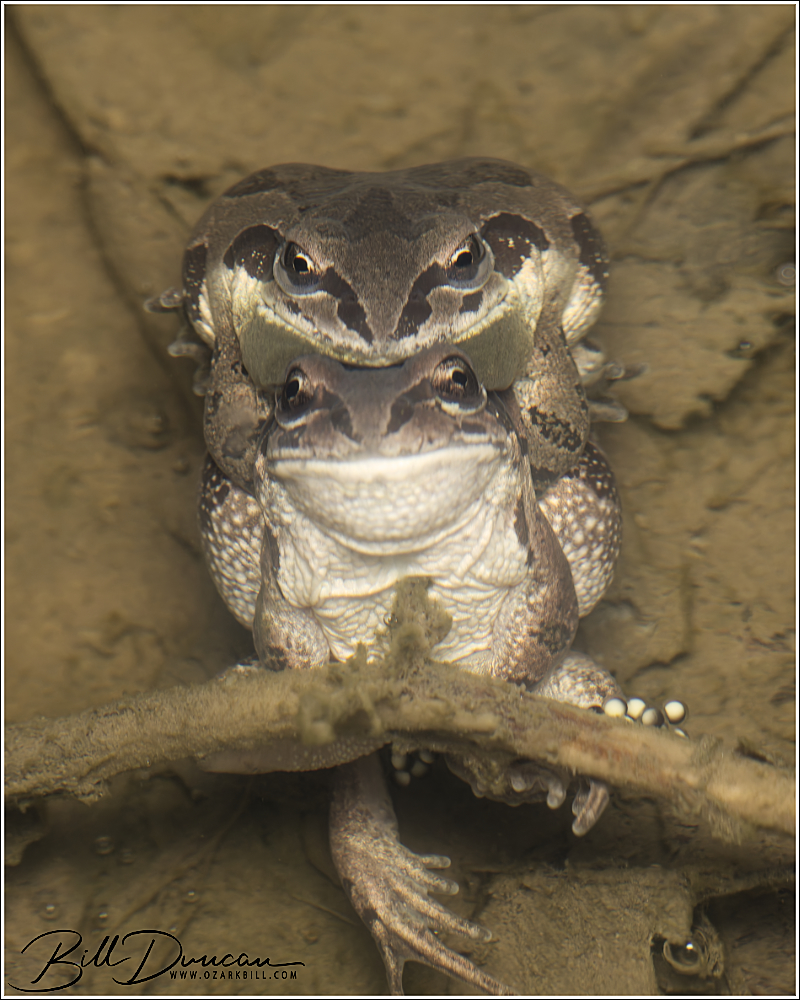
This year’s visit was perfectly timed for my primary photography goal, which was to photograph this species during amplexus. Our first stop was at a sand-prairie habitat where the frogs use small plastic basins that are set into the ground in order to keep the standing water these frogs need to deposit eggs and the resulting tadpoles need for their development. In addition to these artificial basins, the land mangers at this and a nearby sand prairie tract have recently installed larger ponds with liners to retain water long enough to see the frogs through their development cycle without the need to worry about egg-predating fish. These ponds were only installed this winter, however, and cover-providing vegetation and structures in the water are not yet established. We only found a couple of frogs at these locations but hopefully these new ponds will support a strong breeding population in years to come.
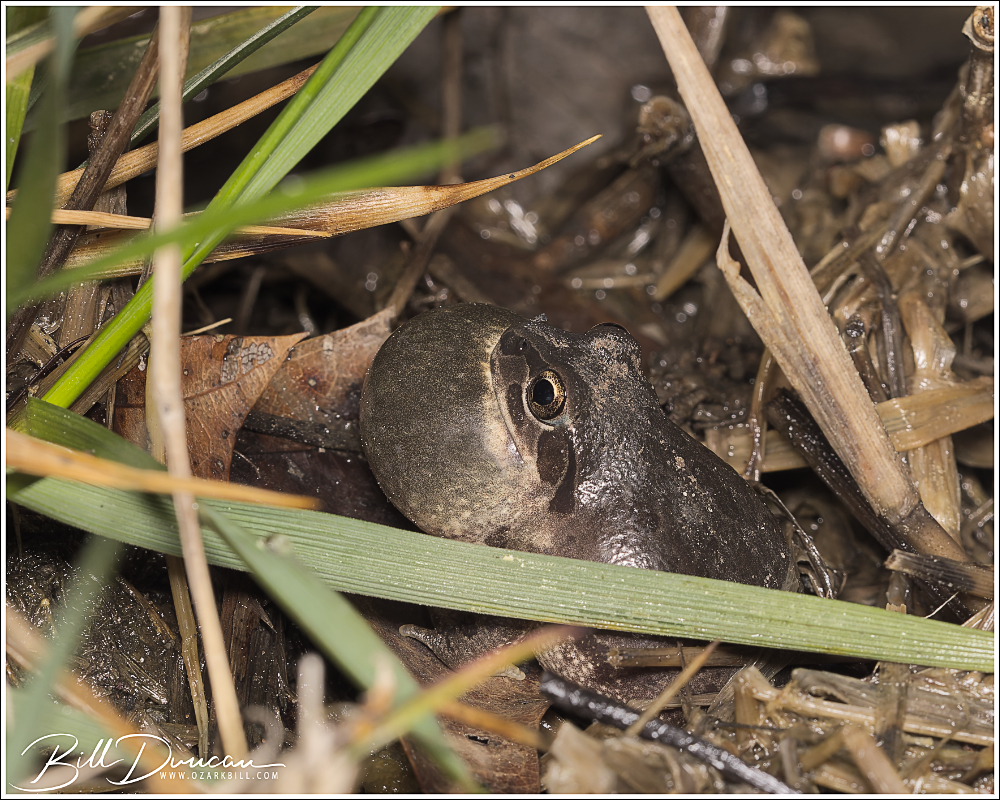
An Illinois chorus frog hunkering in the sandy bank of one of the new future breeding ponds.
Rick Essner, his students and WGNSS photographers standing on the banks of one of the new breeding ponds within the sand prairie habitat. Photo by Miguel Acosta.
WGNSS members and frog paparazzi, Casey, Dave and Miguel photograph a frog while a student collects measurement data on another.
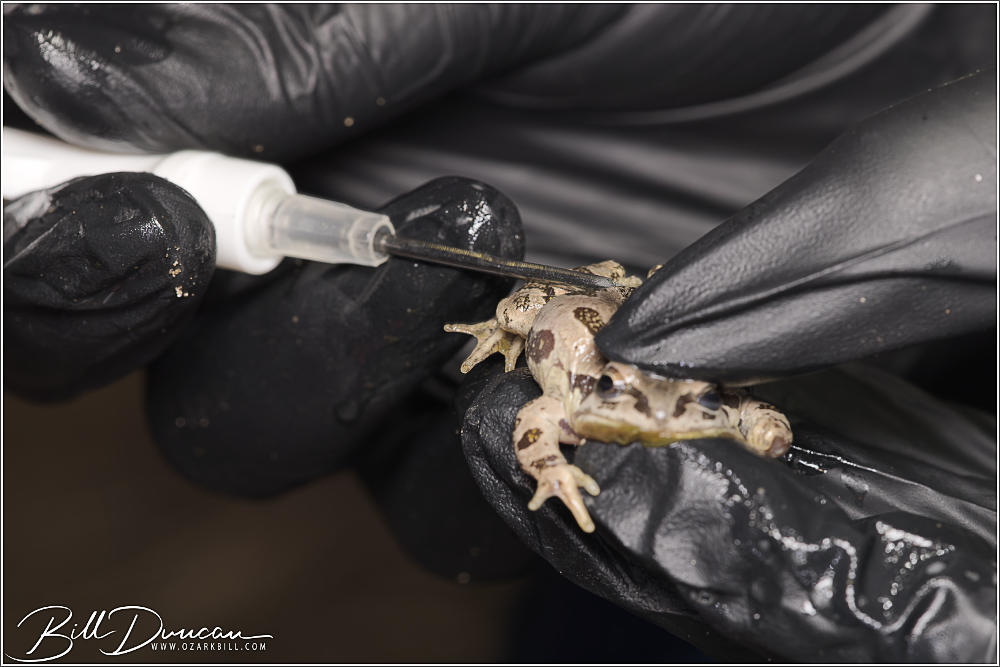
Getting photographs was not the primary reason Rick and his students were out on this fantastic evening. The biologists at SIUE are using mark-recapture techniques to study population demography and spatial activity, as well as the frog’s feeding behavior, locomotor behavior, and diet. It was fascinating to watch the students insert the smallest available PIT (Passive Integrated Transponders) tags in order to identify individual frogs in order to monitor their growth, movement and other characteristics over time.
A student uses calipers to take the frog’s snout-vent length measurement
A student prepares to insert the PIT subcutaneously into the frog. Following the insertion, the puncture in the skin is sealed with Vetbond.
After the PIT has been inserted, the student checks that the identification from the transponder can be read and recorded. The frog now has an identity!
After finding a few frogs in the sand prairie, we followed Rick and his students to other potential locations that might contain breeding frogs. We found what we were looking for in a location that was somewhat unfortunate but definitely contained what the frogs were looking for. At a drainage ditch between a small blacktop road and an agricultural field we found a group that I estimated to be between 25 and 50 Illinois chorus frogs along with quite a few American toads (Anaxyrus americanus). Here we easily photographed pairs in amplexus and struggled to photograph calling male Illinois chorus frogs.
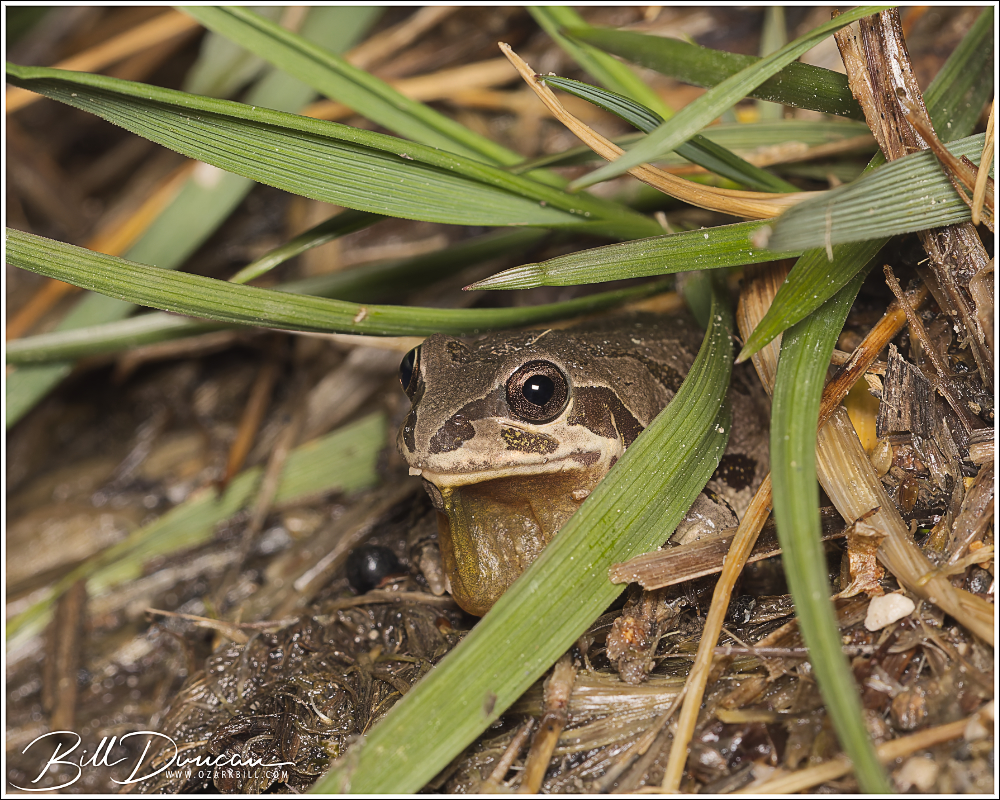
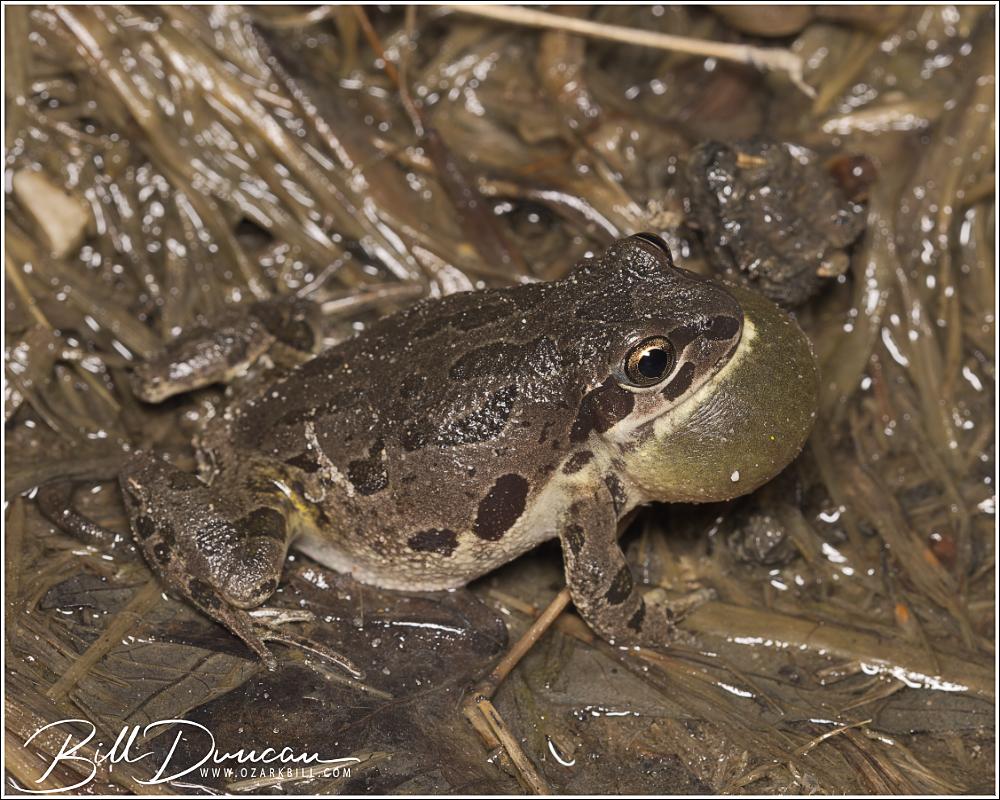
In order to photograph the frogs with inflated vocal sacs during their vocalizations, we first needed to find the solo males that were vocalizing. This was the first challenge. The unpaired males seemed to have a high preference for vocalizing under the cover of the short vegetation along the banks of the ditch. This made finding them quite a difficulty. Additionally, as anyone who might have the experience of attempting to find vocalizing frogs will know, they exhibit what could be called a ventriloquist effect. As the observer hones into the location where the frog must be calling from, it is simply impossible to find. This effect is hypothesized to be an adaptation to predation avoidance. A stationary frog, vocalizing at incredible decibels, could be seen as ringing the dinner bell for predators with the ability to use auditory cues to track their prey. This may help with predator avoidance, but then how does the female find her chosen mate with the sweetest voice?
Finding the vocalizing males was just half the battle. In order to photograph these guys at night, we must shine a light in order to focus on them. More times than not, as soon as I trained my focusing light on to one of them, they would quit calling. It would then take quite a while for them to get started again after sitting still with the lights out. It took me quite a few attempts to get the few successful images I was fortunate to get.
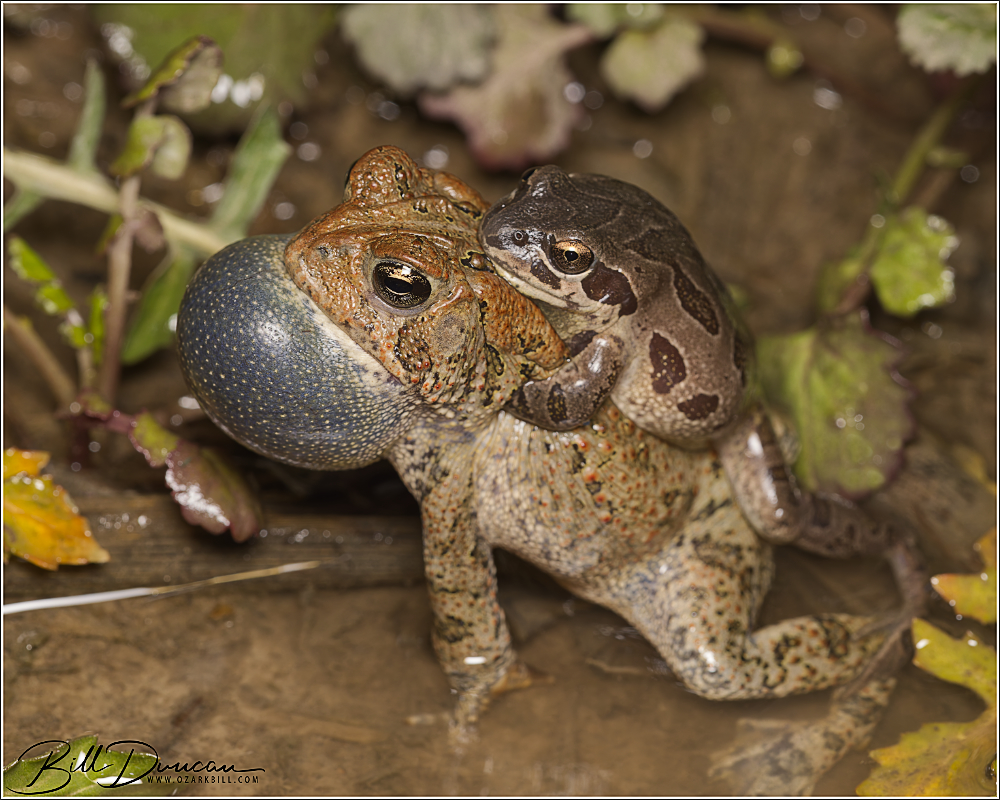
When male frogs are in a perfect situation such as this, they are eager for ANY opportunity. If it moves and in any way matches their search pattern – namely, any other frog, they are known to grab and hold on, whether that be a conspecific female or male, or sometimes something even more, shall we say, less evolutionarily appropriate…
This Illinois chorus frog was so randy that this American toad looked ripe for the picking!
On top of this interspecies attempt, the toad turned out to be a male!
That’s all I have to share from this wonderful evening. I’m happy to see that researchers at SIUE are studying this threatened species and that the land managers are making strong attempts at improving breeding habitats for this wonderful species.
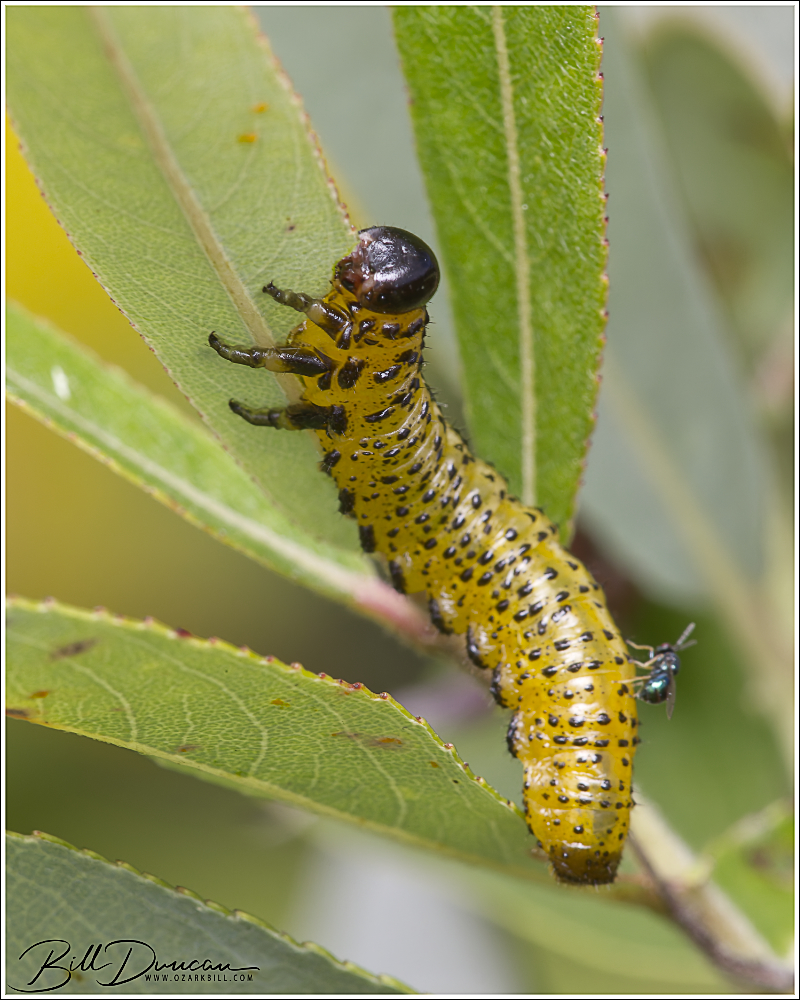
While hunting caterpillars in mid-September. I found this sawfly larvae in the middle of the Kaintuck Hollow Fen in Phelps County. This might be in the Nematus genus as this group feeds a lot on willows. It wasn’t until I looked closely at the photo much later that I noticed it was being parasitized by a small wasp. I would have loved to have gotten a closer photo of the wasp.



























 A Thousand Acres of Silphiums