Toadlike Bolas Spider!

On a cat hunting trip to St. Francois State Park in September, Casey and I had the great fortune of finding one of the coolest spiders in the state – the toadlike bolas spider (Mastophora phrynosoma). Females of this species are well known for their unique hunting method. By day, they sit around, often out in the open, looking very much like a bird dropping. At night, instead of building webs, they move to the edge of a leaf or twig and hang a single line of silk with one or more sticky globules attached – their “bolas” that they use to ensnare moths and other flying prey. See this great video by the BBC for a demonstration of this.

This is the second year in a row I’ve had the fortune in finding one of these girls. If I’m lucky enough next year, I’ll be sure to try my hand at catching her hunting behaviors with the camera.

Brilliant Jumping Spider (Phidippus clarus)

Time to get into the season by sharing a brilliant spider for October. This brilliant jumping spider was photographed back in July at Horn’s Prairie Grove LWR. This is one of several jumping spiders that are believed to be mimics of the Mutillidae family of wasps, better known as “velvet ants.”

Merlin at BK Leach C.A. – October 2023

In early October of this year, while hunting for autumn migrating sparrows among the marshy grasslands at BK Leach Conservation Area, I came across this cooperative Merlin. As you can see in the photos, this bird appeared to be having the same poor luck as me at finding sparrows or any passerines whatsoever. I watched it catch and consume four dragonflies in the hour or so I sat watching from my car. They are known to prey on dragonflies and other large insects but birds make up the majority of their diet.

Another thing I found interesting in watching this bird is that it seemed to prefer sitting on the power lines although there were plenty of telephone poles and some dead snags available in the area. One of the things I’ve read about Merlins in some field guides, and have heard from my birding mentors over the years, is that when you see a small falcon perched on a wire it will almost always be a Kestrel. This is the third time I have come across Merlin sitting on wires that I can remember. But, I am sure it is still the case that they prefer more natural perches in general.

There are two subspecies of Merlin that can be found in our area during migration and winter. This bird appears to be a juvenile Taiga/Boreal (ssp. columbarius).

Merlin perched on a wire in nice light
Merlin on the hunt

Merlin feeding on dragonflies


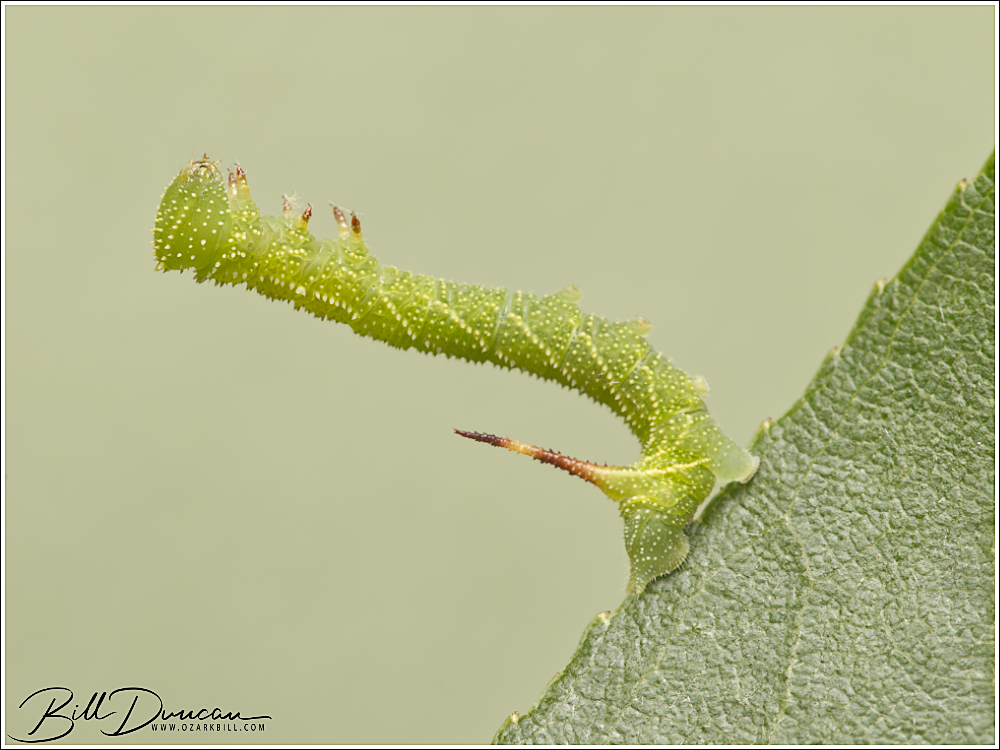
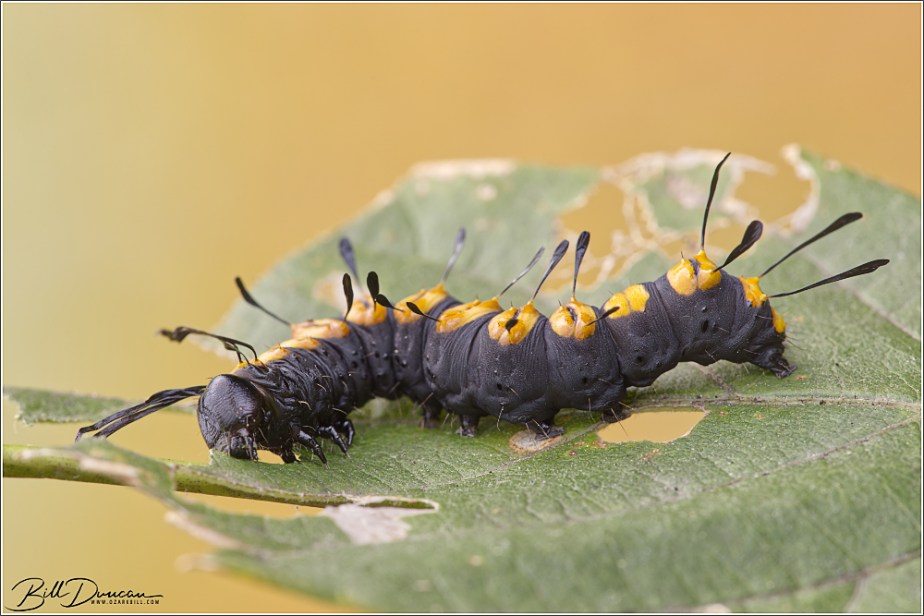
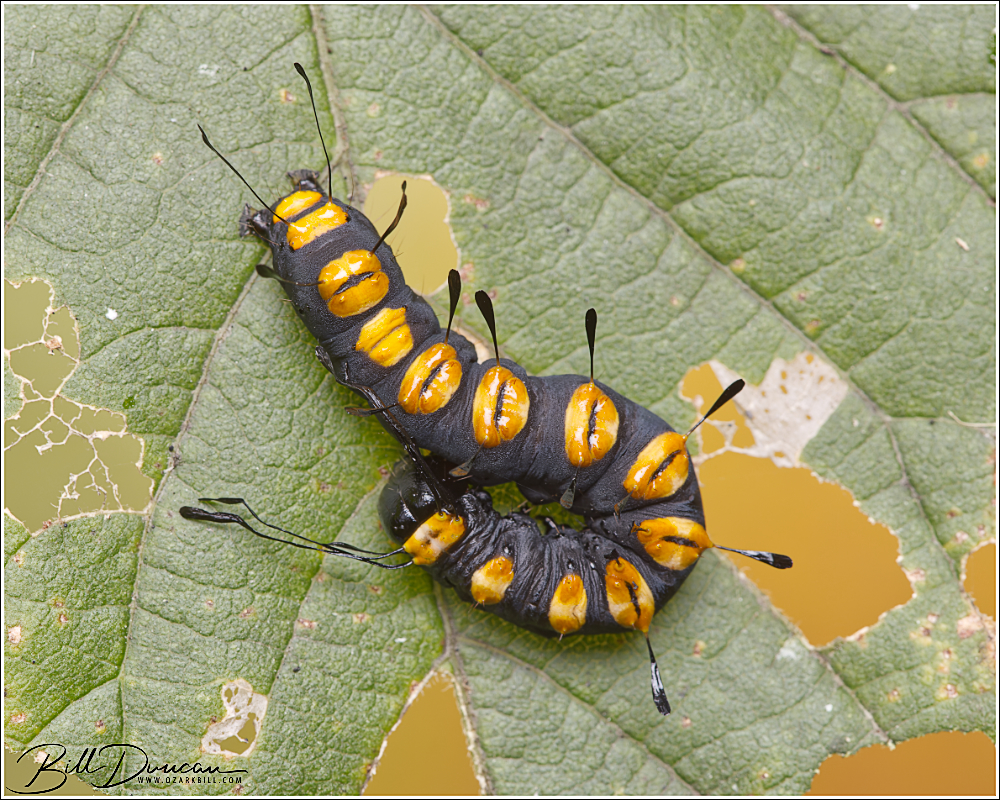
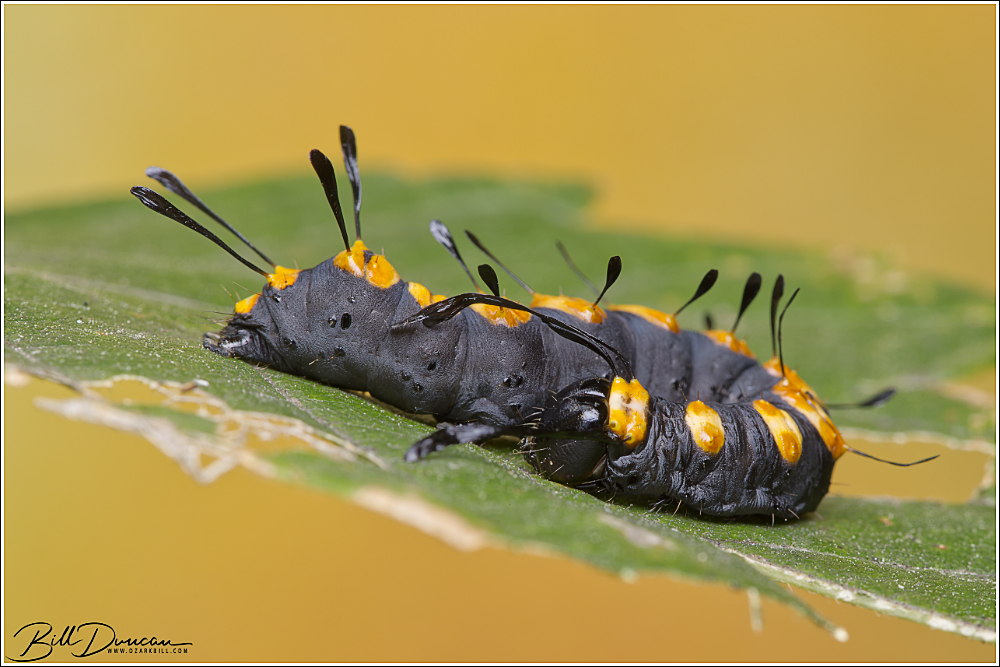
Caterpillars of 2023 – The Limacodidae

I got back into serious hunting of caterpillars beginning in late August of this year. On some trips, I hunted with a nice group of friends and on several others I went on solo outings. All in all, it was a lot of work and, at times, I wondered if the payoff was worth the time and effort. However, like I’ve said before, anytime spent in quality spots in the outdoors is time well spent. In this first post, I am sharing, as no surprise to those who know me well enough, images of larvae from my favorite family of Leps – the Limacodidae, otherwise known as the “slug moth” caterpillars.

Red-crossed Button Slug Moth (Tortricidia pallida) Limacodidae, Hodges#4653
By far the most abundant slug we found this season was the red-crossed button. I did not collect good enough records to put a specific number of the individuals found, but it would be close to 25.

Nason’s Slug Moth (Natada nasoni) Limacodidae, Hodges#4679
This is another one that is usually found in goodly numbers during the hunting season. We found a few, but not nearly as abundant as in most years.

Stinging Rose Caterpillar Moth (Parasa indetermina) Limacodidae, Hodges#4699
Always a pleasure to find, the stinging rose caterpillars will vary considerably in the amounts of the yellow, white, black and red colors.

Skiff Moth (Prolimacodes badia) Limacodidae, Hodges#4671
Another slug that can be quite variable in colors and patterns, the skiff moths can often be found on the tops of leaves. This is opposed to most of the cats in this family being located on the undersides of leaves. As you can see in the one pictured here, these guys are patterned to appear as easily-overlooked spots of necrosis on late-season green leaves.

Inverted Y Slug Moth (Apoda y-inversum) Limacodidae, Hodges#4667
Overall, I was a little disappointed in the numbers and diversity of slugs we found this season, however this species and the following one are not always encountered every season. I believe this is only the third cat of this species I have been able to find.

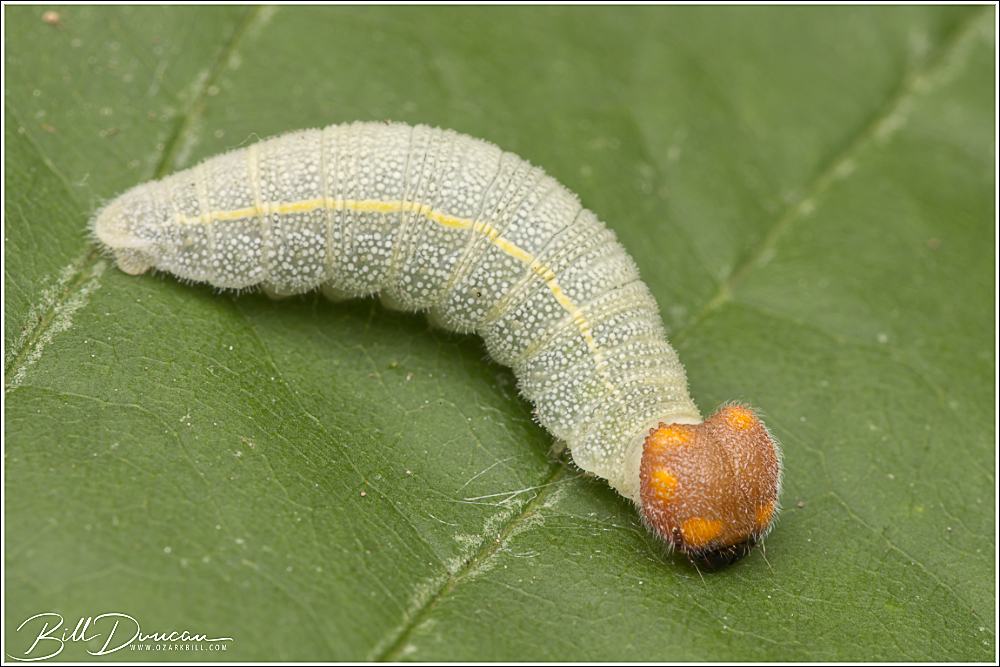
Beutenmueller’s Slug Moth (Isochaetes beutenmuelleri) Limacodidae, Hodges#4675
Until this year, I have only been able to see one caterpillar of the Beutenmueller’s slug, better known as the “spun-glass” slug. This year I found three! I’ll never get tired of seeing these.

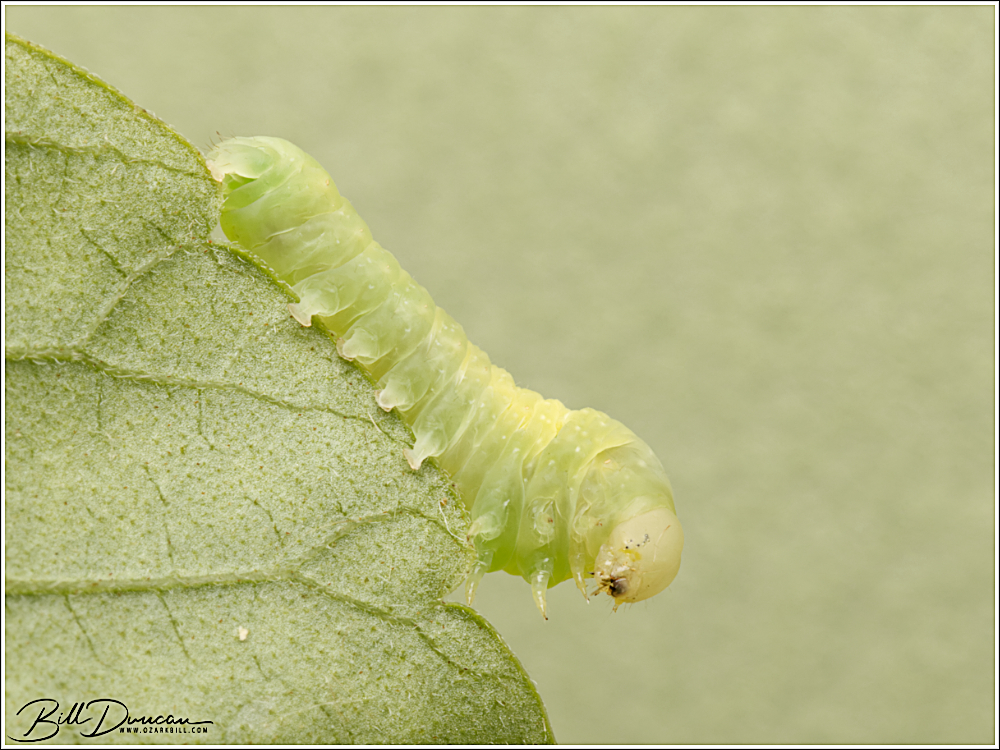
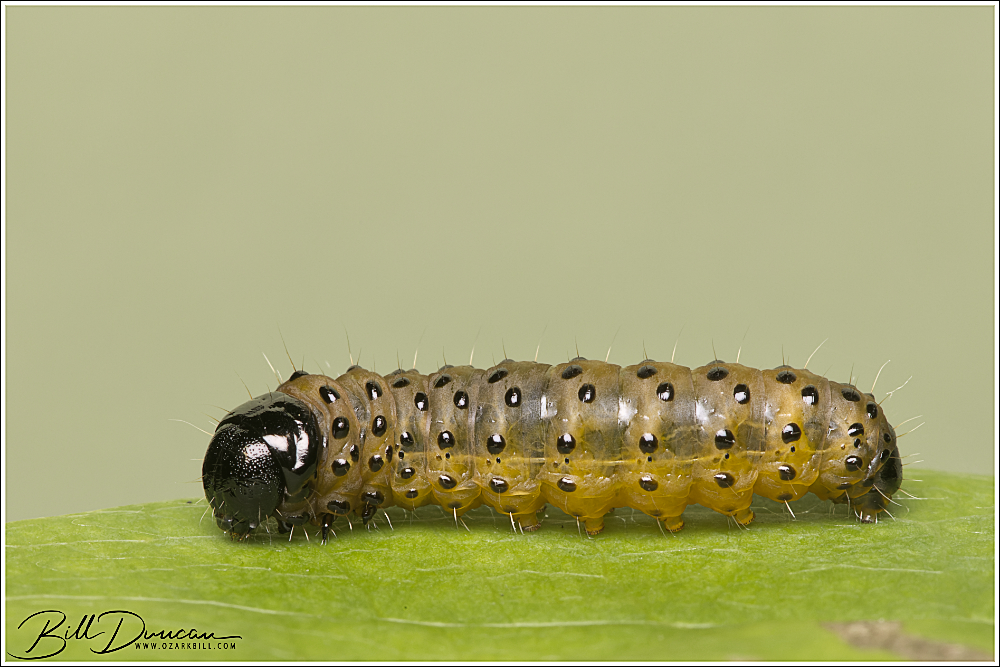
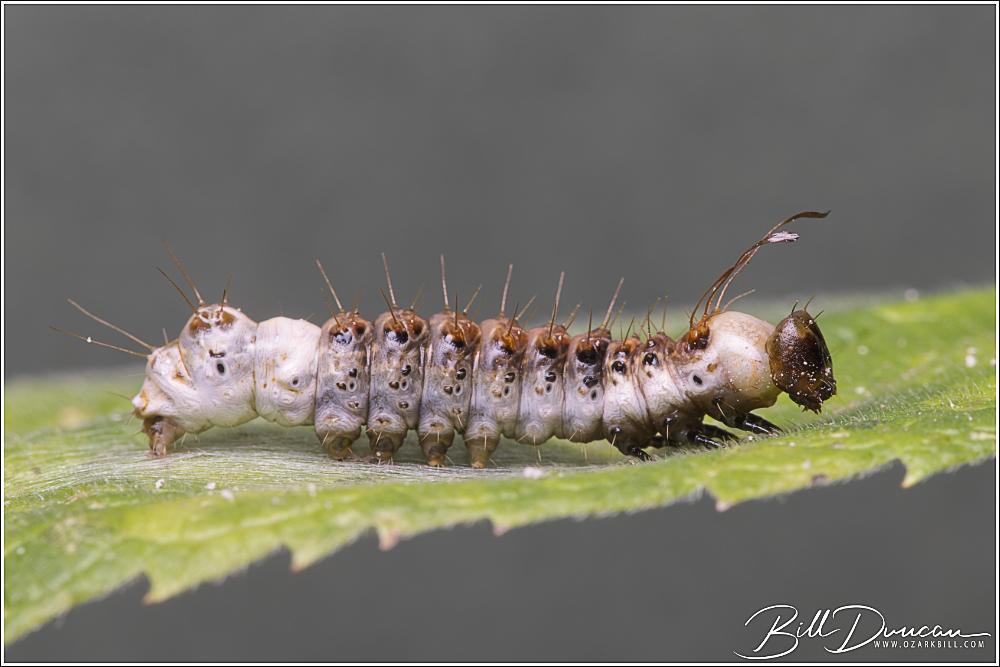
Unknown Limacodid
This mid-instar cat could potentially be one of several species. I think there is a chance it could be the – jeweled tailed slug moth (Packardia geminata), but it is most likely a yellow-shouldered slug (Lithacodes fasciola). I wish I would have thought to bring it home to rear. In the know and have a better idea on the identity of this one? Please let me know in the comments below.

Shagreened Slug Moth (Apoda biguttata) Limacodidae, Hodges#4669
In the picture below of this shagreened slug, you can see a couple of the traits that are distinctive to the Limacodidae. First, it is quite common that the slug cats will eat the leaves in a more horizontal direction, squaring off the leaves, so-to-speak. Most other caterpillars will eat circular notches in the leaves as they feed. Second, although difficult to see in this picture, is the distinctive frass the caterpillar is dropping. Limacodid frass is distinctly shaped, with one section being notched to “fit” along side the ones before and after. Interestingly, monarch (Danaus plexippus) and likely other groups also share this trait.

Hag Moth (Phobetron pithecium) Limacodidae, Hodges#4677
Either we were out too early, in general, or the hag moth cats, AKA “monkey slugs,” were later than usual. I found quite a few mid-instar monkey slugs this season but not a single late-instar. I was too lazy, or perhaps disappointed, to pull out the big rig to photograph any of these, so here is a cellphone shot. The reason I wanted to share this is to show the interesting feeding behavior of cats at this stage of their development.

Notice the wavy, white to lime-green patches on the top of this leaf? This is indicative of how this younger monkey slug is feeding. Instead of free-feeding and consuming the entire leaf, this guy is feeding like a skeletonizer or a leaf-miner, in that it is scraping the top layer of the leaf. In this photo, you can see fresh scraping areas and ones that are much older, suggesting that this cat has been living on this leaf for some time. I suppose it likely that early to mid instars of all species in this family feed in this way, but I am not usually out hunting in early to mid summer to have observed this before.

A mid-instar hag moth caterpillar, feeding by scraping off the top layer of the leaf surface. BTW, the caterpillar is in the upper left section of this photo. 😉

Black-waved Flannel Moth (Megalopyge crispata) Megalopygidae, Hodges#4644
Technically, not a Limacodidae family member, the black-waved flannel moth is in the closely related family, Megalopygidae, within the same super family (Zygaenoidea), which include not only the slugs and flannel moths, but leaf skeletonizer moths as well. We regularly find this species on our late-season outings. This year I was able to find and photograph two different stages. The earlier instars are fluffy white in appearance, while the final instars are colored in warmer browns.

Remember, these guys are not for petting. Descriptions vary, but the hairs on these have been described as highly irritating to downright dangerous, potentially requiring a hospital visit.

A mid-instar of the black-waved flannel moth (Megalopyge crispata) in its fluffy white coat.

Late instars of this species are draped in reds and browns. Some have suggested they can look like the top of a recent “president’s” head.

I believe these are all of the photos I have to share of the Limacodidae from this past season. Thanks for visiting and please let me know if you find any errors in my identifications by making comments below.

-OZB

Purple Pineapple Passion!

Just across the border into Kansas, Pete and I found Eryngium leavenworthii (Leavenworth’s Eryngo). Along with species like rattlesnake master and creeping eryngo, this is quite a diverse and fascinating genus.

The level of purple varies in individual plants, but as you can see in the following photos, virtually every part of the plant – stems, leaves, bracts and flowers, have some bit of purple.

Eryngium leavenworthii (Leavenworth’s Eryngo)
Even the anthers and filaments of Eryngium leavenworthii are blue/purple.

The flowers of these plants were really drawing in the pollinators. Here are just a few of the insects we observed visiting.

A long-horned bee, probably in the genus Melissodes, visits Eryngium leavenworthii.
A bee fly (Bombylius sp.) and some beetles nectaring on Eryngium leavenworthii.

This plant does well on poor, dry soils and they are apparently very deer resistant. I might have to introduce these to the garden if I can find them available in a local nursery.

Thanks for stopping by!
-OZB

Bow Down! Imperial Moth 2023

I forgot to post the following adult imperial moth from our black-lighting night this year in the previous post. As you can see, it was a worthwhile night! I photographed this species once before and they do commonly show up on black-lighting occasions, but I never get tired of them showing up! All of these images were taken at Engelmann Natural Area in Franklin County, MO.

Imperial Moth (Eacles imperialis)

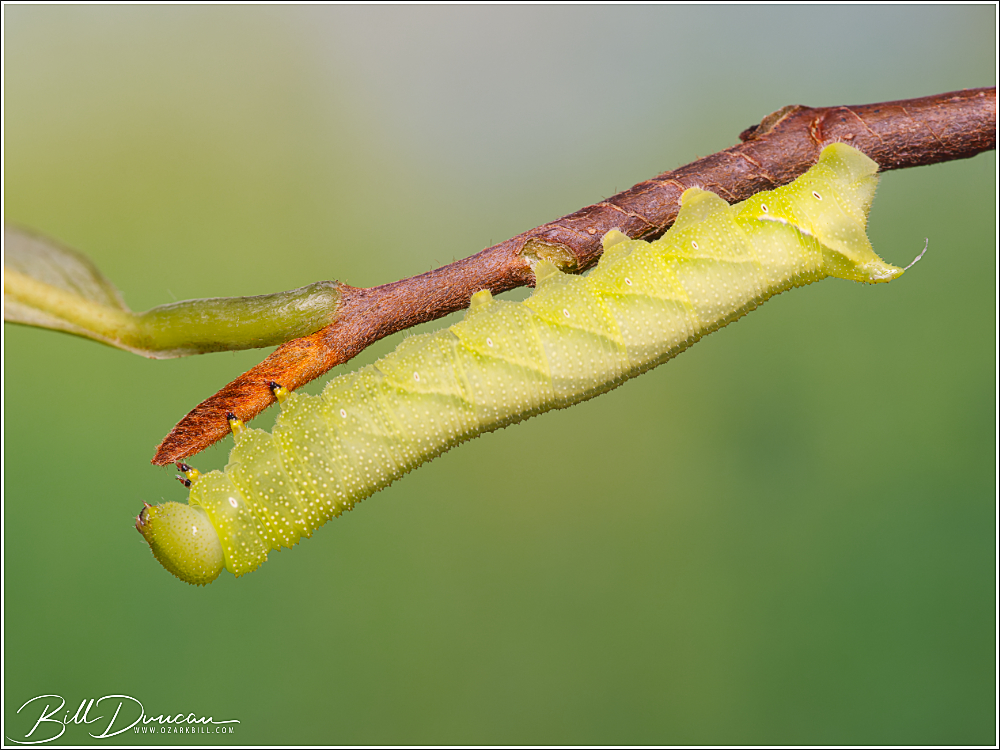
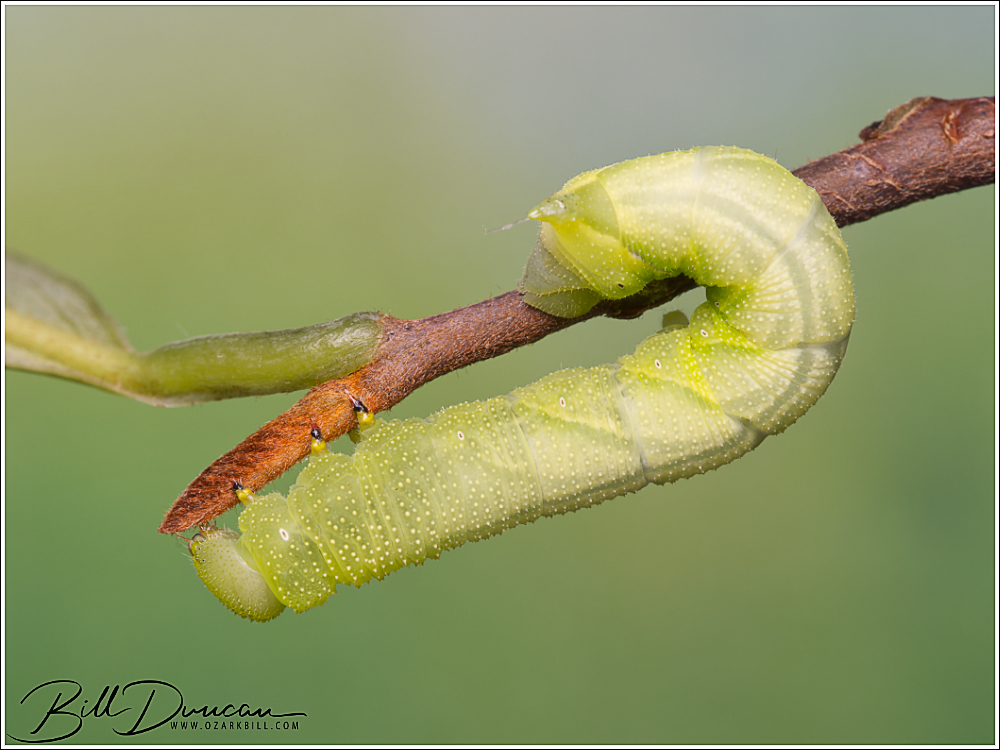
This imperial moth caterpillar was found on a night cat hunt in late September.

Imperial Moth (Eacles imperialis) larvae

Black-lighting night – August 2023

I got a whole one night of black-lighting in this season, when Miguel and I headed to Engelmann Woods Natural Area in Franklin County, Mo in early August. For only a few hours in a single night, our results were pretty fun. Here are some of what I have gotten around to processing so far.

Clouded Underwing (Catocala nebulosa) Erebidae, Hodges#8796
This one wouldn’t open up his wings to show the pink tones that are hiding on the dorsal side of its hind wings. Nonetheless, the pattern and warm tones make this a very handsome species. Now I just need to find the beautiful larvae!

Clouded Underwing (Catocala nebulosa)

Owlfly (Ululodes sp.) Ascalaphidae
These guys show up to the lights from time to time and it’s always a nice treat to find them.

Eastern Hercules Beetle (Dynastes tityus) Scarabaeidae
It’s a party when one of these shows up. This is the third individual I’ve been able to find and they were all females. I want to find a male badly!

Heitzman’s Dagger Moth (Acronicta heitzmani) Noctuidae, Hodges#9241.1
Not only is this a very attractive dagger moth (a group I’m becoming much more interested in), but is a really special species for Missouri and a real privilege to find and photograph. Missouri is a stronghold in the range of this species and the type specimen was collected at Truman State Park. It was named for the late lepidopterist, Richard Heitzman – author of the “Butterflies and Moths of Missouri” books published by the MDC. To my knowledge, the larvae of this species has yet to be found or photographed.

Heitzman’s Dagger Moth (Acronicta heitzmani)

Small engrailed (Ectropis crepuscularia) Geometridae. Hodges#6597
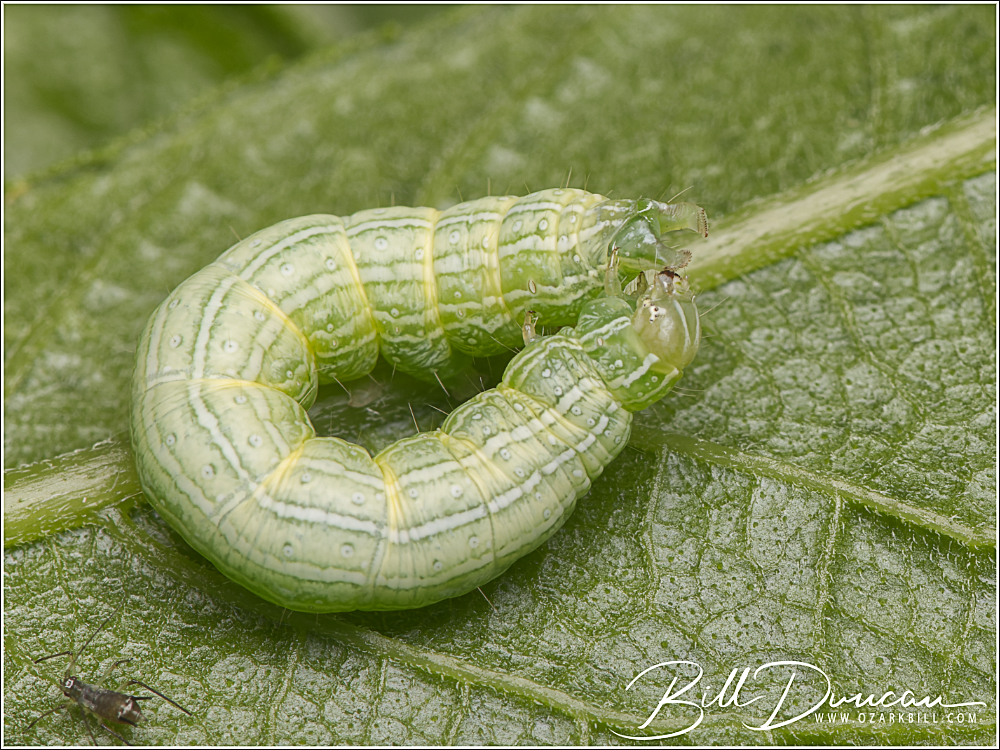
We also found some time to do a little caterpillar hunting. The larvae of this Geometrid are known by the name of saddleback looper. This one was found on persimmon (Diospyros virginiana).

Small engrailed (Ectropis crepuscularia)

Skiff moth (Prolimacodes badia) Limacodidae, Hodges#4671
Limacodid, or “slug” moths are known to be some of the first and most abundant moths attracted to lights and I always feel a bit guilty to see them trapped against the sheets while black-lighting. Even on the slowest evenings, you can usually count on a skiff moth or several to make an appearance.

Skiff moth (Prolimacodes badia)

These are the highlights from black-lighting in 2023. I hope to get out for this a few more times next year.

Thanks for visiting!
OZB

May Your Corruption be Your Shield!

Today’s post features lovely little Chrysomelid beetle larvae. These were found at Taberville Conservation Area in St. Clair County, MO in June of this year. Blepharida rhois – the sumac flea beetle, create “shields” by retaining their feces as a means of protection from would-be predators. It has been discovered that chemicals from their sumac (Rhuss spp.) host plants, along with partial metabolites from the digestive process, act as swell deterrents in avoiding ant predators. When fed a diet of lettuce, the shields’ protective abilities were lost.*

*Vencl, F., Morton, T. The shield defense of the sumac flea beetle, Blepharida rhois (Chrysomelidae: Alticinae). Chemoecology 8, 25–32 (1998). https://doi.org/10.1007/PL00001800

Belepharida rhois – the sumac flea beetle with protective shields composed of their own frass

The Cygnus Veil Complex @ 260mm

The Cygnus Veil Complex
The Cygnus Veil, also known as the Cygnus Loop, is a large (~ 3° in diameter) emission nebula created by a supernova explosion that occurred ~ 20,000 years ago. It lies an estimated 2400 light years from our solar system within the Cygnus (Swan) constellation.

Due to the large size of this gaseous complex, most astrophotographers choose to separately photograph distinct portions of the loop, or those portions of the loop that can be seen in visible light. The nebula on the left-hand side of this image is known as the Eastern Veil (Sh2-103, NGC6992, NGC6995), and on the far right lies the Western Veil, or the Witch’s Broom (NGC6960). In between these two lies Pickering’s Triangle (NGC6979), which was first discovered by the Scottish-born photographer, Williamina Fleming in 1904.

Somewhere inside this loop is the compact stellar remnant – the remains of the star that went supernova. Depending on the size of the star, this will either be a neutron star or a black hole. Both of these options are very difficult to identify as they do not emit much in the way of detectable radiation. Despite attempts by astronomers, the identity and position of the compact stellar remnant have not yet been discovered.

Collecting the data
Due to the interference of clouds and life requirements, I missed the previous two new moon phases and it had been close to three months without an AP session. I was eager to get out there under clear skies in lovely September temperatures. Miguel found us a new imaging location – Whetstone Creek Conservation Area. This location has slightly darker skies (Bortle 3 vs. Bortle 4) and is only about a ten minute longer drive from my front door. To top it off, it is also seems less popular (at least during my first visit). I definitely have a new home for my astrophotography pursuits!

Date and location
Imaged on the night of 14/15 September 2023 at Whetstone Creek Conservation Area in Callaway County, Missouri (Bortle 3).
Dark period: 20:46 – 05:15
Target period: 15:30 – 05:10

Conditions
The forecast was great for the night we chose for this session, but it turned out not to be perfect. We lost two hours of potential imaging time due to clouds that would not clear out until about 22:00 and clouds remained in the lower west that screwed up another hour or so on the late end. Temperatures were great, but seemed quite cold, with lows in the upper 40s F. Winds speeds were perfect with nothing above 4 mph across the night.

Equipment
Astro-modified Canon 7D mkii camera, Askar ACL200 200mm f/4 lens (260mm focal length equivalent), Fornax LighTrack II tracking mount without guiding on a William Optics Vixen Wedge Mount. QHYCCD Polemaster. Gitzo CF tripod, Canon shutter release cable, laser pointer to help find Polaris and sky targets, lens warmer to prevent dew and frost on lens, dummy battery to power camera, lithium battery generator to provide power to camera, dew heater and laptop computer.

This was “first-light” for my new Askar 200mm lens – a lens specifically designed for astrophotography purposes. It is excellently built and provides a distortion-free field of view which was a hindrance of my Canon 200mm f/2.8 lens. When perfectly focused (read more of this below), it will definitely shine in comparison to my old 200mm focal length option.

Imaging Details
Lights taken (ISO 3200, f/4, 120 second exposure): 178
Lights after cull due to tracker error, wind, bumps, clouds, etc.: 146
Used best 95% of remaining frames for stack for a total of 138 subs used for integration (4h 36m)
Calibration frames: none

Processing
RAW files converted to TIF in Canon DPP, stacked in Astro Pixel Processor, GraXpert for gradient removal, Starnet++ for separating nebulas from stars, Photoshop CS6 for stretching and other cosmetic adjustments.

Problems and learnings

Canon banding
After months of diving into the forums and other online sources of information, I came away with only one strategy to hopefully avoid the terrible “Canon banding” problem I faced in a couple of previous sessions during warmer temperatures. In order to get my target above the sources of noise, I elevated the ISO used. In addition, I increased the sub exposure time. Increasing the sub times was partly in necessity of using a lens with an f/4 widest available aperture. I also moved the peak of the histogram for these exposure further to the right than I typically have. Thankfully, with my new tracker and polar alignment process, two-minute subs were easily accomplished without any issues. I could definitely go longer, but keeping the ISO at or above 3200 would not allow for this in order to keep the histogram where it needed to be.

After reading from a number of trusted sources, suggesting dark frames offer little-to-no benefit using my particular camera, I eliminated taking dark frames and any other calibration frames. This was an experiment. In practice, with enough total integration time to remove noise in the stack, I do conclude that dark frames/calibration are not necessary in my AP process. Additionally, there is some thought that using dark frame calibration can increase the potential for Canon banding and other issues that can show up during the stretch. This is a welcome finding indeed! With taking longer sub-exposures now, taking the required number of dark frames could add well over an hour to my night sessions.

The downside of using such an elevated ISO setting is the reduction in dynamic range. This probably does mean I am losing some tonal gradients and perception of sharpness in the final image. However, this is better than dealing with the banding problem that almost kills the project. I will keep this strategy moving forward.

Focusing
The new lens offers great focusing aid. It has two focusing rings – one for coarse and one for fine focus, and each of these has a lock so that you will not inadvertently change these over the course of the evening. But, the tool is only as good as those who yield it. I had a little trouble with the fine adjustment and realized that the majority of my frames were not optimally focused. Overall, the image doesn’t suffer too badly from this oversight. With the focus problem and the never-optimal seeing conditions in Missouri, my FWHM (Full Width at Half Maximum) were in the 6-8 range. An FWHM of two or less is considered optimum for the uber astrophotographers out there. Always learning!

Processing
I would really like to improve my processing skills for this work. Although I love the amount of hydrogen-alpha (the reds and magentas) that my sensor collects, the blues and star colors seem to get lost in the stretch. From my knowledge, I am using the correct curves adjustments that are supposed to avoid this, but there should be a lot more of the blues that are emitted from oxygen emission in this target. In addition, the blues are coming out more teal-colored, which I do not find all that attractive.

Conclusion
With all the challenges I discussed above, I suppose I am relatively pleased with this one. I think I left some detail on the table, but there is enough there to make it interesting. The image handled the stretch well with no real signs of the dreaded Canon banding. This is an impressive and interesting target. I may try again using the 300mm lens. At that focal length, it is a tight fit. I hesitated to use it this time because of the potential of losing some of the target during cropping to eliminate stacking artifacts around the frame edges.

What do you think? Is this worth the time and effort? After looking at these images for so long, I find myself unable to really give them the critical eye needed to make this judgement. Feel free to leave a comment with your opinion.

Indigo Bunting – Nonbreeding Male

This Indigo Bunting was found in mid-August of this year at Little Creve Coeur Ecological Area in St. Louis County, MO. This is either an immature male or an adult male that quickly molted into nonbreeding colors.