"What a thousand acres of Silphiums looked like when they tickled the bellies of the buffalo is a question never again to be answered, and perhaps not even asked." -Aldo Leopold
During the first couple of seasons in our front-yard wildflower garden, the deer took a liking to this Manfredavirginica (F. Asparagaceae). This prompted me to start spraying its foliage with deer deterrent last year. This had the desired effect and I was happy to see and photograph the blooms of this plant, which are primarily pollinated by large moths such as the sphinx moths. The blooms will also be visited by Ruby-throated Hummingbirds.
Inflorescence of Manfredavirginica.
This species is typically found in dry, rocky and alkali soils, so I was not sure how it would like the clay pan in our yard. I’m happy to say that it is putting on new leaves this spring. I’ve lost a few plants in the garden during the past winter and I’m glad to see this one coming back.
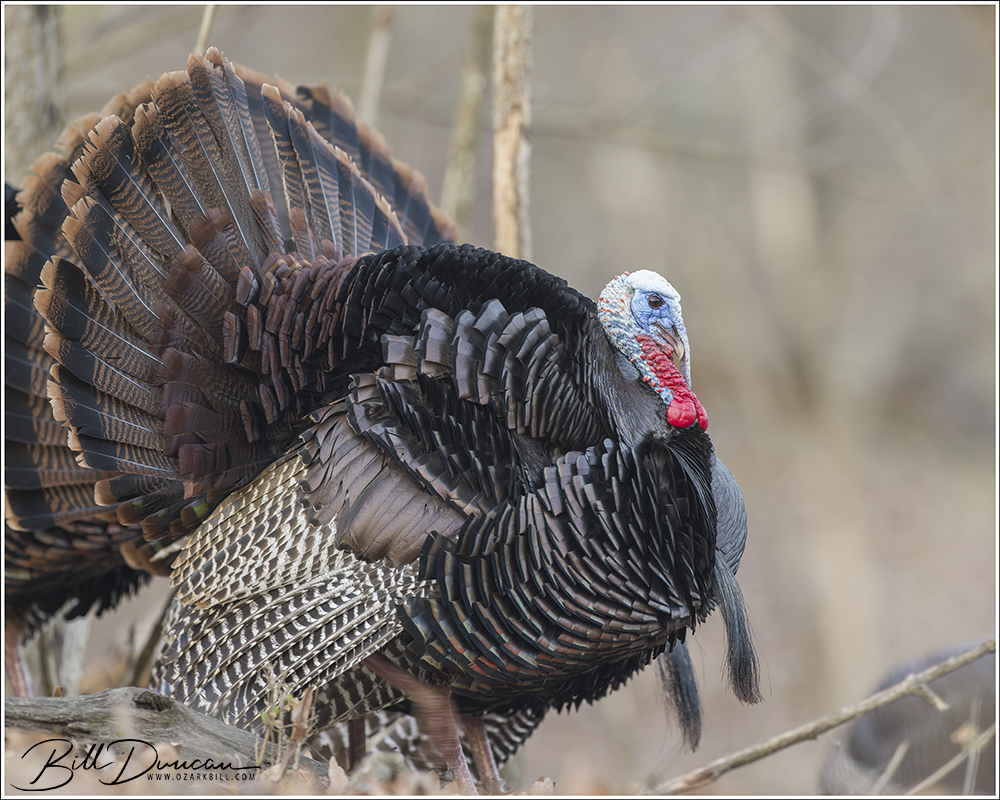
I’ve had a little more luck recently with the Wild Turkeys in the neighborhood woods patch. During my last couple of session, the hens in this group have roosted immediately above the patch of ground I cleared of bush honeysuckle. Previously, they roosted in trees a quarter mile up the hollow. This is problematic because I haven’t been able to set up quietly enough not to flush them. I was able to call in a few of the Toms, although this is hit or miss. They love hanging out and strutting in the backyards of the streets that border the hollow. We call back and forth and they are obviously trying to get me to come to them. Finally, on this occasion, they couldn’t stand it so came in to find the hen (me) that was sounding so pretty. They did not come all the way into my prime shooting lane, but I made the best I could of it.
A couple of Toms looking for love.
I have read and am beginning to learn how keen their sense really are. I need to be careful with calling as they come in. When they enter the area, they tend to ignore the decoys altogether and instead look directly in my direction. They know precisely where the calls emanate. Turkey hunters will often call at the location they wish the birds to appear and when they hear the Toms coming, they move into their shooting position. This is kind of hard to do when using a bag blind and where the birds can see a long distance. The small geography I am working in has some limitations.
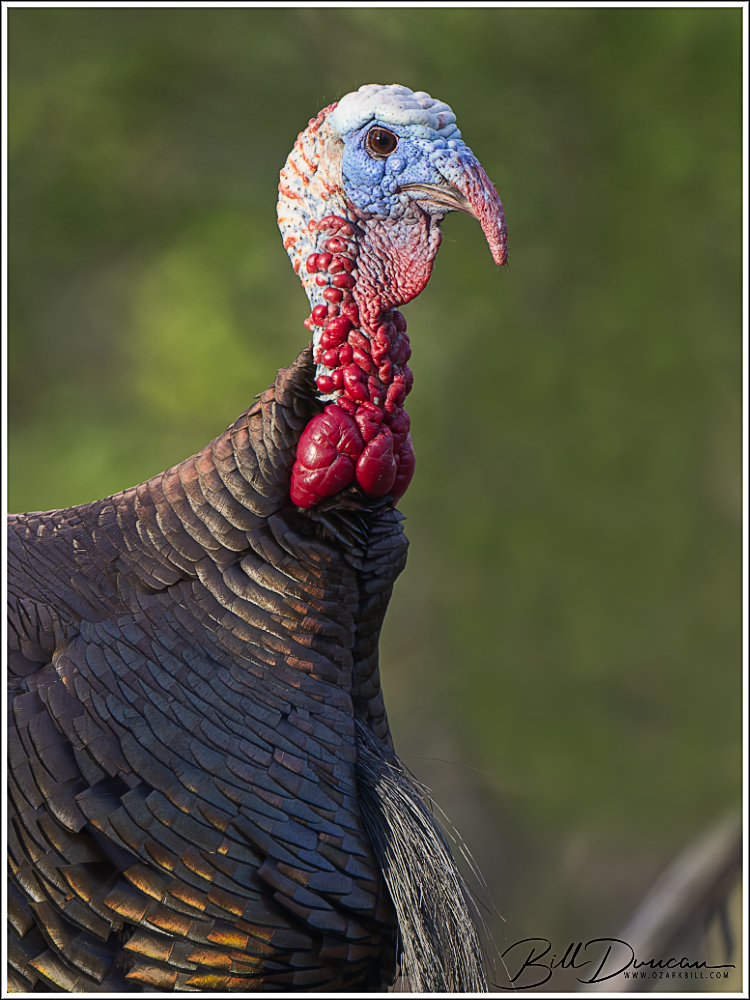
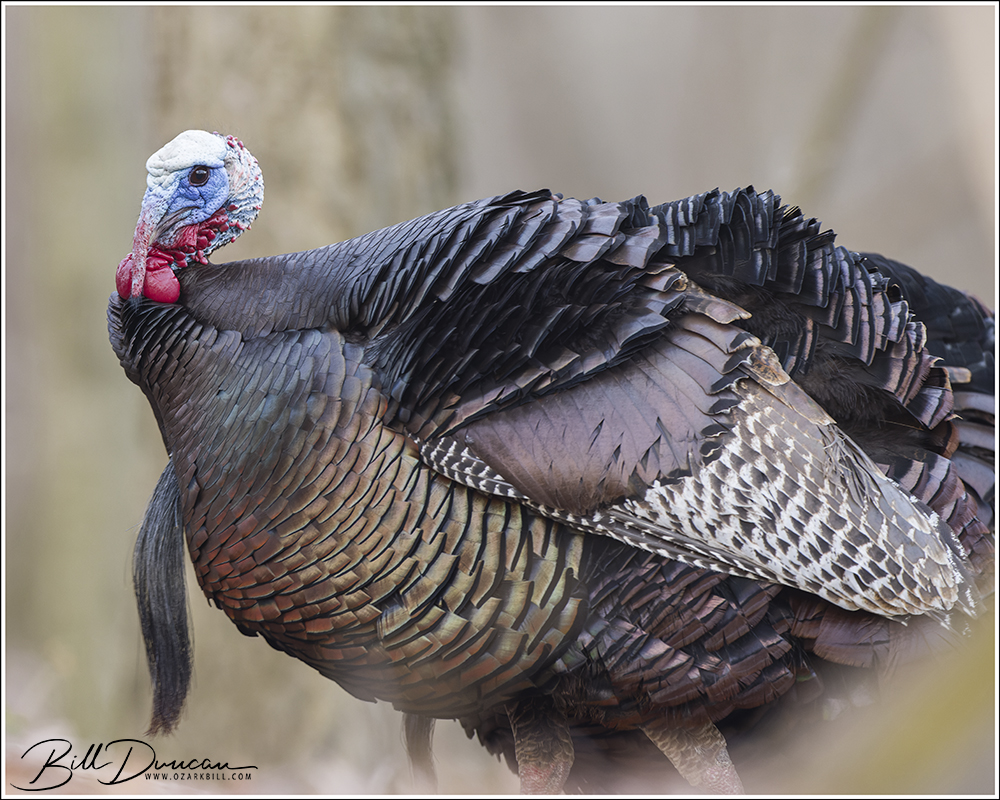
With the county’s colors boldly displayed, I think the Wild Turkey would have been a great national bird.
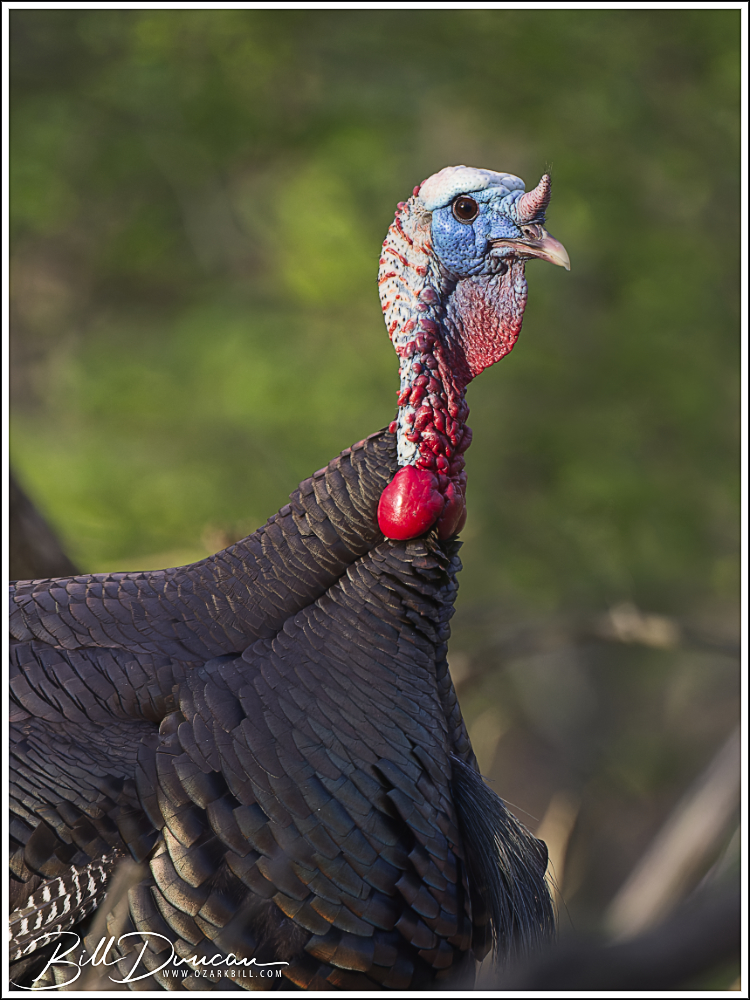
The snood (the dangling appendage that is overhanging this bird’s beak) is quite interesting. Until watching these guys recently, I was not aware of what control they had over it. When excited and wanting to display, they fill it with blood and it can turn a bright red.
When the birds are more alert and not displaying, the snood is kept erect like a horn as seen here. The transition takes only seconds.
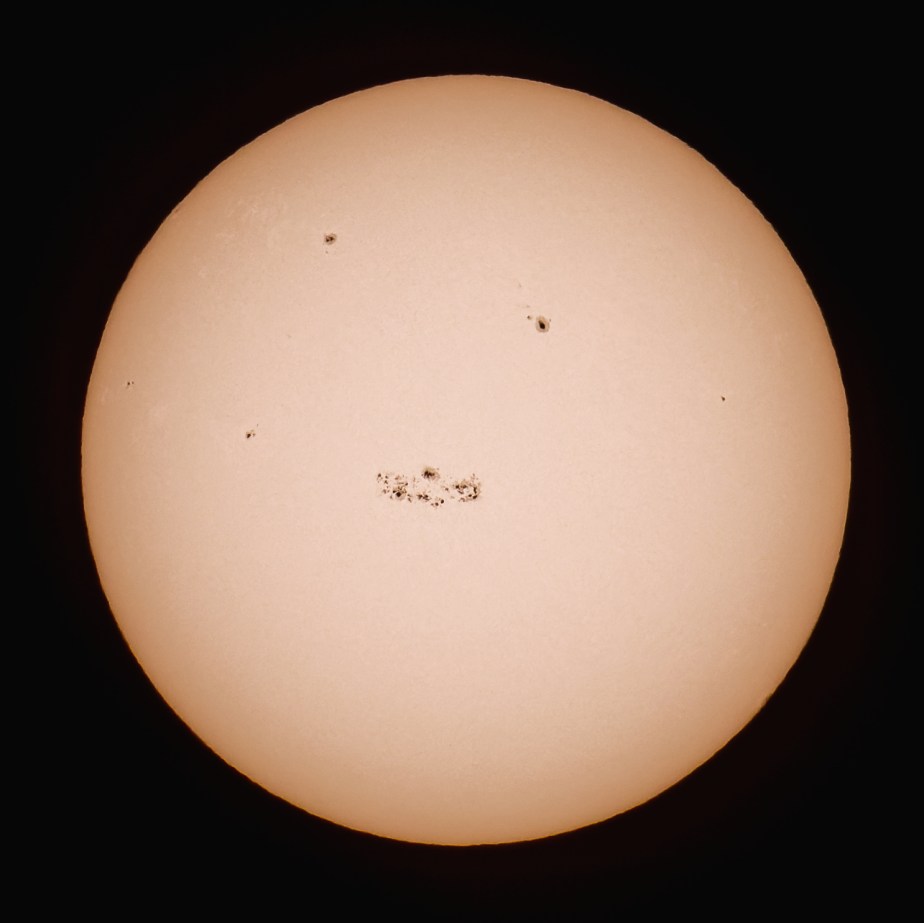
At the time I am writing this, a cool new app I have, EclipseOne, tells me the next Great American Eclipse will occur in 12 days, 13 hours, 22 minutes, and 2 seconds at my primary viewing location. There is not much time left to do your planning and practicing!
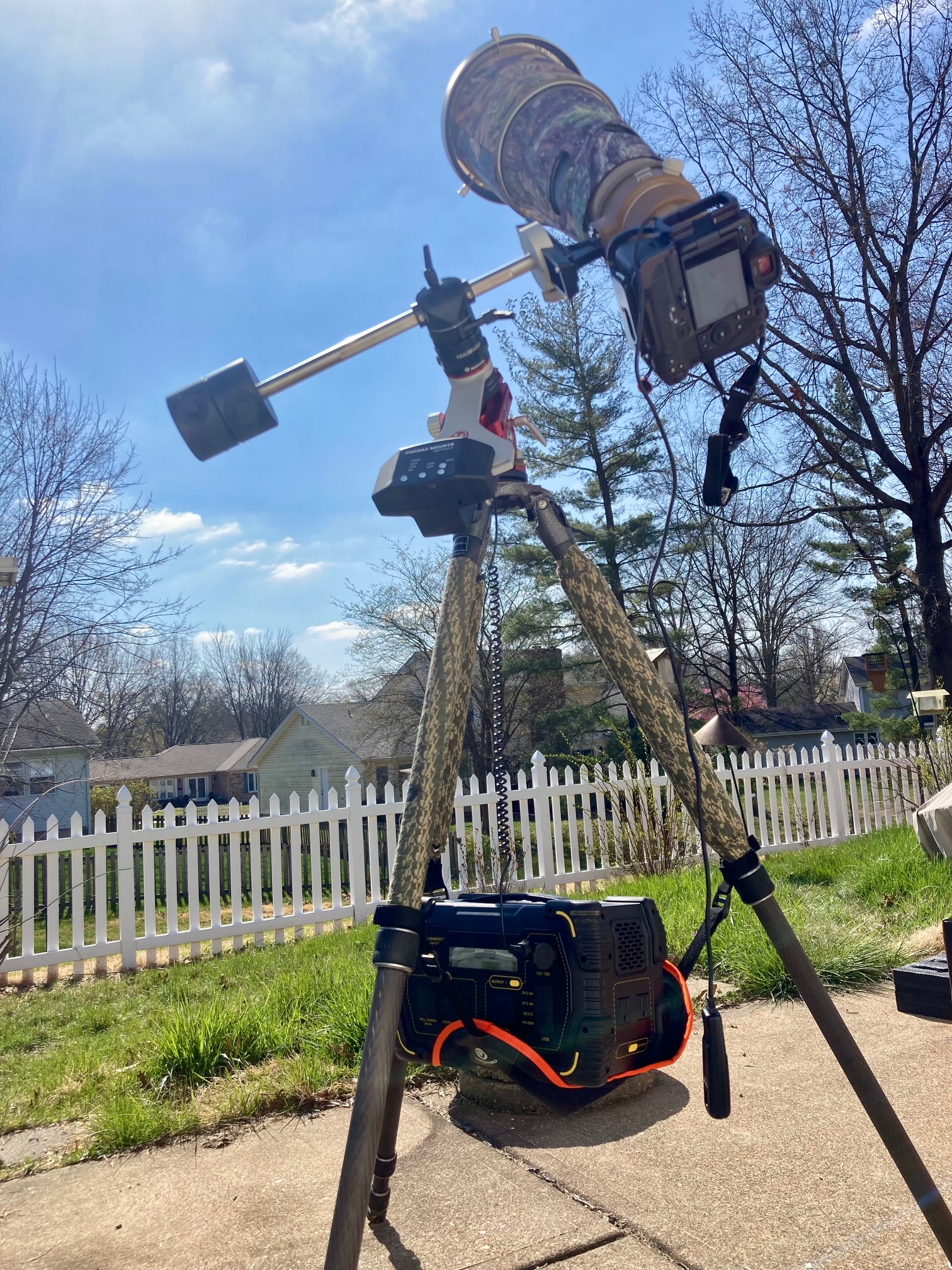
This past weekend, I put in a practice session – testing out the lens and camera combination, the solar finder and solar filter that will be going over my lens, and most importantly, using my tracker to track the sun as it moves across the sky. If you have an astro-tracking device that you might use for applications like deep-sky imaging or astro landscapes, I highly recommend you consider using this for the upcoming eclipse.
I know the question you might have before you even ask it. But how do we polar align in the daytime? True, you won’t be able to get precise polar alignment without the nighttime stars to guide your efforts, or at least without a lot of extra work. However, precise P.A. is not necessary to enjoy the benefits. I simply did my best to align the tracker facing north using a compass. I then tested the amount of time it took for the sun to move one of its diameter with and without using the tracker. This was easy because in my particular lens/camera combination, the circle that represents the spot-metering option was almost precisely the same size as the sun. Without the tracker it took only one minute and 22 seconds to move one of its diameter across my frame. With the tracker engaged (don’t forget to put your tracker in solar-tracking mode!), it took 22 minutes and seven seconds to move the same distance. Yes, there is a bit of drift due to imperfect PA, but this means I need only reposition the sun to the center of my frame once or twice an hour while using the tracker as opposed to doing this step 10 times or more an hour. Saving this kind of time during the big event will be a great benefit!
My imaging rig as it will look like on April 8th. I had to use both counterweights to balance this!
If you are planning to photograph the eclipse on April 8th, hopefully you have gotten your planning done, dusted off your solar filter and gotten some practice. If not, there’s still time, assuming we have some clear skies between now and then.
Wishing you all the best of luck on the big day and that the only rain we’ll see are Sol’s golden rays coming down from the clearest of skies!
After spending a couple years studying and picking up gear like decoys and a slate call, I was finally ready to try photographing wild turkeys. I’ve been out on this pursuit a few times this season and have had mixed success, telling me I still need a lot of practice and plenty of patience.
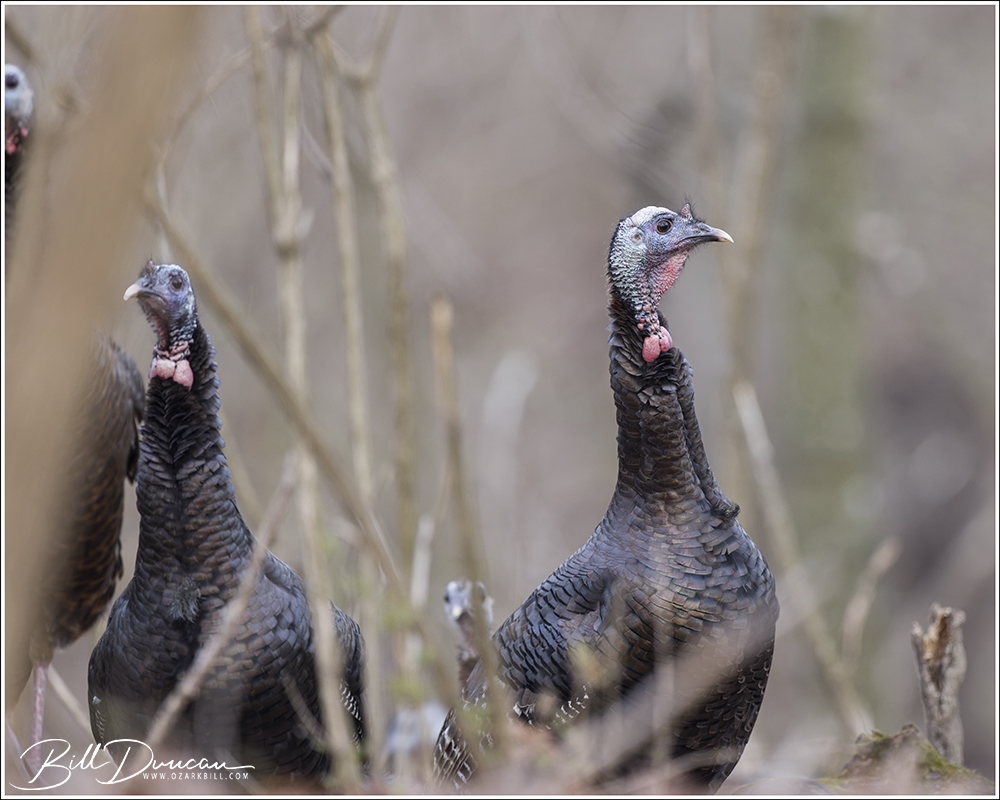
These hens were looking around for their potential rival – me!
On my morning walks I discovered that a couple of wood lots in the neighborhood common grounds held a nice little population of these birds. I figured this would be a great start for my “turkey hunting” career as these turkeys would be somewhat used to people, have seen limited, if any hunting pressure, and lived about a mile from our front door. This close vicinity to me is a huge plus. To optimize chances for success, it’s important to get out to their location and setup in my bag blind before first light. Having this close opportunity means that I don’t have to get up and drive an hour away to get to my destination before dawn.
One of approximately ten toms that I encountered on this morning.
Because these wood lots are so small, I knew that I will be setup close enough so that they can hear my turkey yelps, cuts and clucks, as pathetic as they may be. But on this occasion, everything seemed to work nicely – too nicely, in fact. I did not expect such nice results so soon. Shortly after setting up and as the light began to increase to levels I could see without a headlamp, I heard gobbles and yelps up in the hollow where this wood lot is located. This wound up leading to my first learning of the day.
Where is that hussy!?
Figuring it would probably take some time to coax them into my area, I began hitting the pot call with my best impersonation of a hen who lost her way. In less than five minutes, my decoys were being swarmed by close to 20 birds, a nearly perfect mix of hens and toms. I could not get an accurate count because of my ground-level position and the trees and other obstacles blocking my view. This was too early! I was shooting with a much slower shutter speed and high ISO than I was comfortable with. Shooting at 1/50 sec. using a 600mm lens is rarely a recipe for success. I wound up with a lot of shots that were ruined by the movement of the turkeys. Thankfully, with my spray and prey attitude, I wound up with enough keepers to make me happy.
Wish I had a snood…
I learned other things on this morning. First, 600mm might be a little too long, at least for these neighborhood turkeys. Something in the 400-500mm range would be more appropriate. If possible, moving further from the decoys might work well, but at this location, it is not possible to find clear shooting lanes of great enough length due to vegetation and rolling topography.
Being so close to these birds who had no clue I was there was such a thrill!
I’ve been back to this location and opened up my shooting lane more by cutting out bush honeysuckle and dead scrub that blocks my view.
After speaking with a couple of turkey hunting friends of mine, it appeared that most of the toms I photographed could be considered two-year old birds, due to the length of their beards and spurs.
After just a few minutes of searching for the apparent lost hen, the group lost interest and headed up the hollow to congregate in the neighborhood yards. I was quite pleased to have been able to call this group of birds in and then leave without having burned myself. They had no clue I was there and I was able to breakdown and leave without causing them any stress.
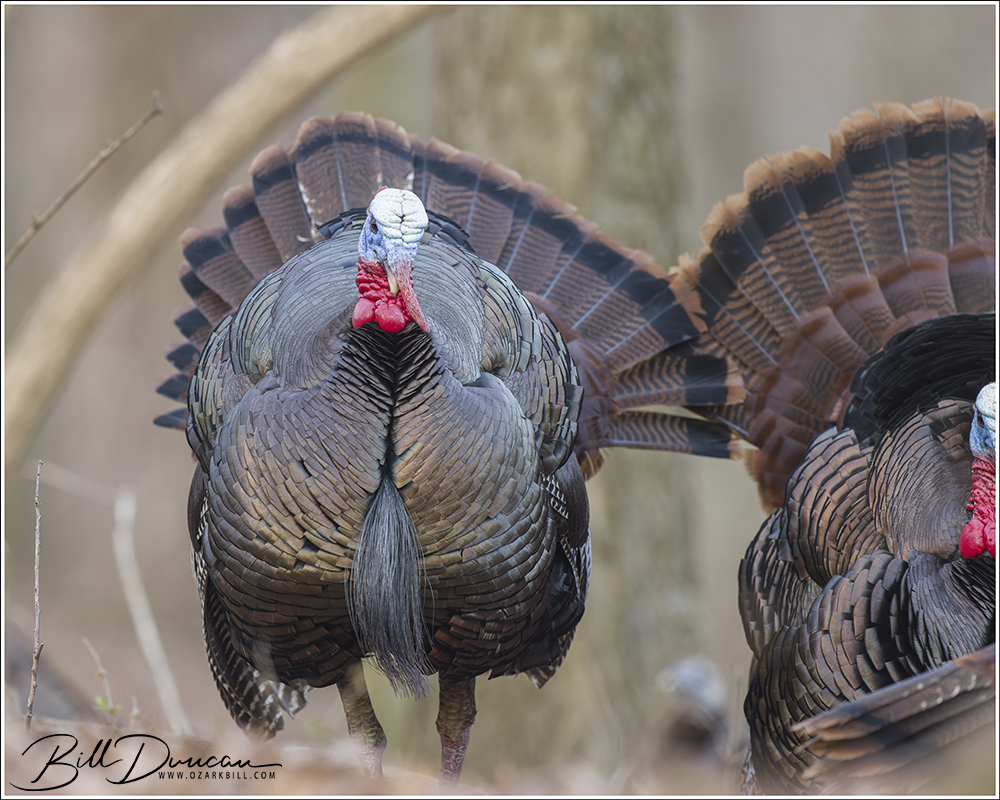
Not a legendary double-bearded tom, but a couple of bros strutting side by side.
My next goal is to get out to some of our local Conservation Areas to try my skills at some “wilder” turkeys before hunting season begins. This will require some hiking and listening for gobbles. I would also love to find an opportunity to shoot “field turkeys.” This will entail setting up along the edge of forest and field, and hopefully allow me to have clearer shooting lanes and better light.
Still looking
Like I mentioned, this is a new endeavor for me. I did not group up hunting, but I am attempting to learn the same set of skills that hunters use. If you have any tips or tricks, I would appreciate hearing them.
In February, the Webster Groves nature Study Society’s Nature Photography Group headed to the Sophia M. Sachs Butterfly House in Chesterfield. We paid for after-hours access and were delighted with the opportunities presented to us. Many thanks to Casey Galvin, group leader for the Nature Photography Group, for organizing this visit, and to Chris Hartley from the Butterfly House for being a lovely host. Chris patiently dealt with our needs, requests and questions, while wrangling our subjects for us. He and the Butterfly House provided us a wonderful experience of photographing some remarkable arthropods from around the world. Here are some of my favorite photos from the evening.
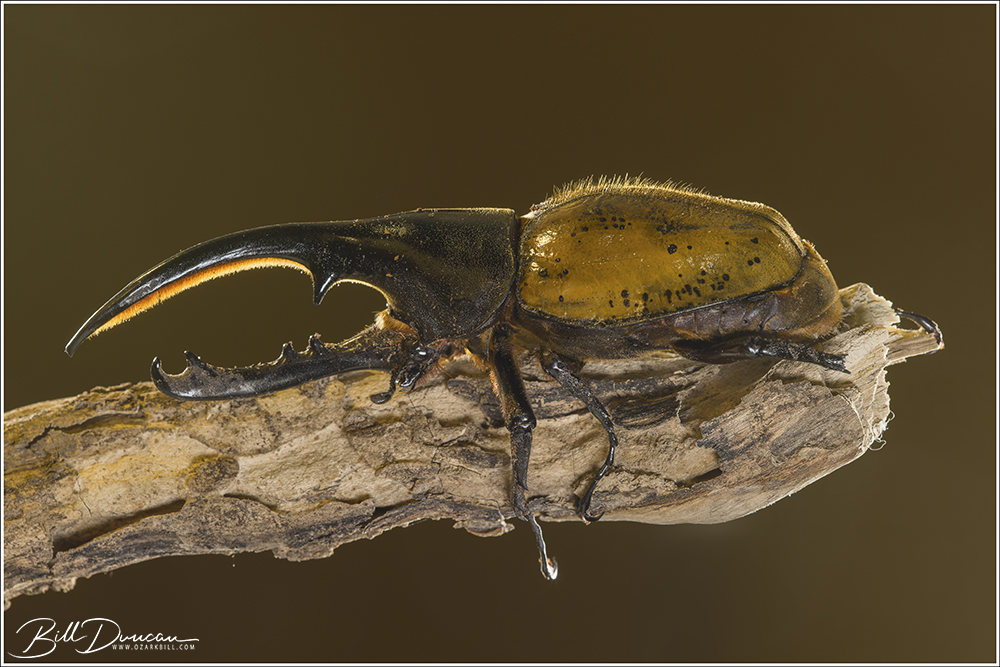
Hercules Beetle (Dynastes hercules) F. Scarabidae. The hercules beetle, found in the neotropics, is the longest extant beetle species in the world.
Rainbow Stag Beetle (Phalacrognathus muelleri) F. Lucanidae. This beetle is found in northern Australia and New Guinea. The mites that can be seen on this beetle do no harm to it. They tag along to pick up a free meal from their sloppy host.
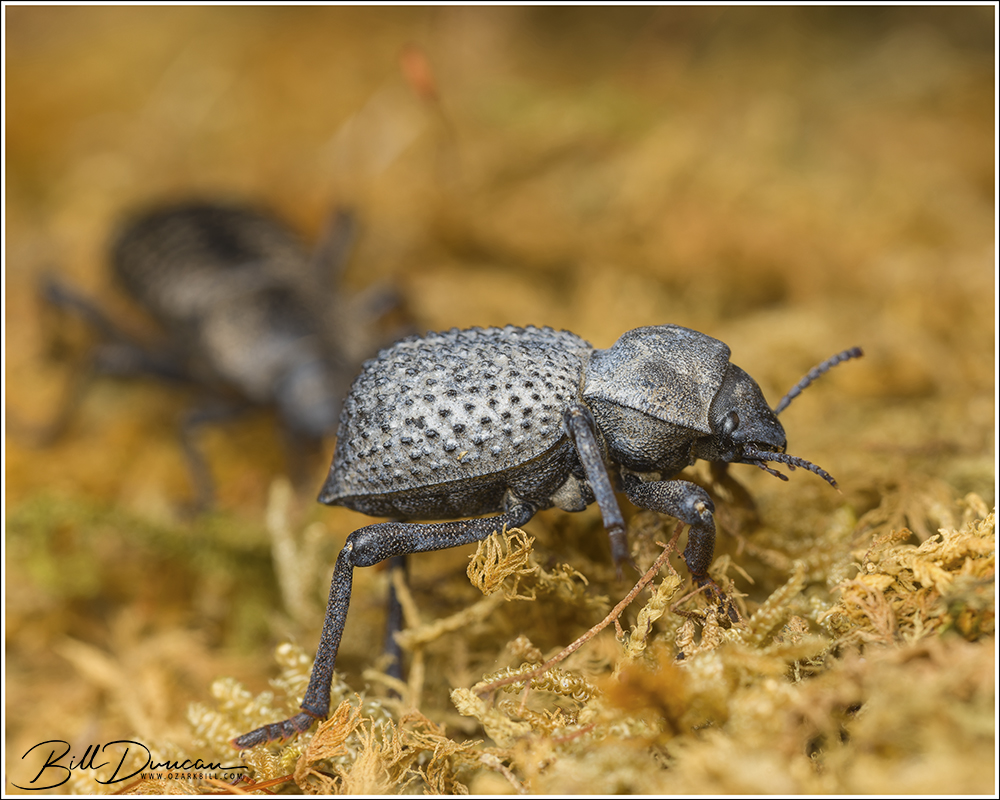
Death-Feigning Beetles (Asbolus verrucosus) F. Tenebrionidae. Found in the desert southwest U.S., these beetles feign death when harassed. After a minute or two they right themselves and continue on their business.
Flamboyant Flower Beetle (Eudicella gralli) F. Scarabaeidae. Found in tropical Africa, this beetle is a sure stunner.
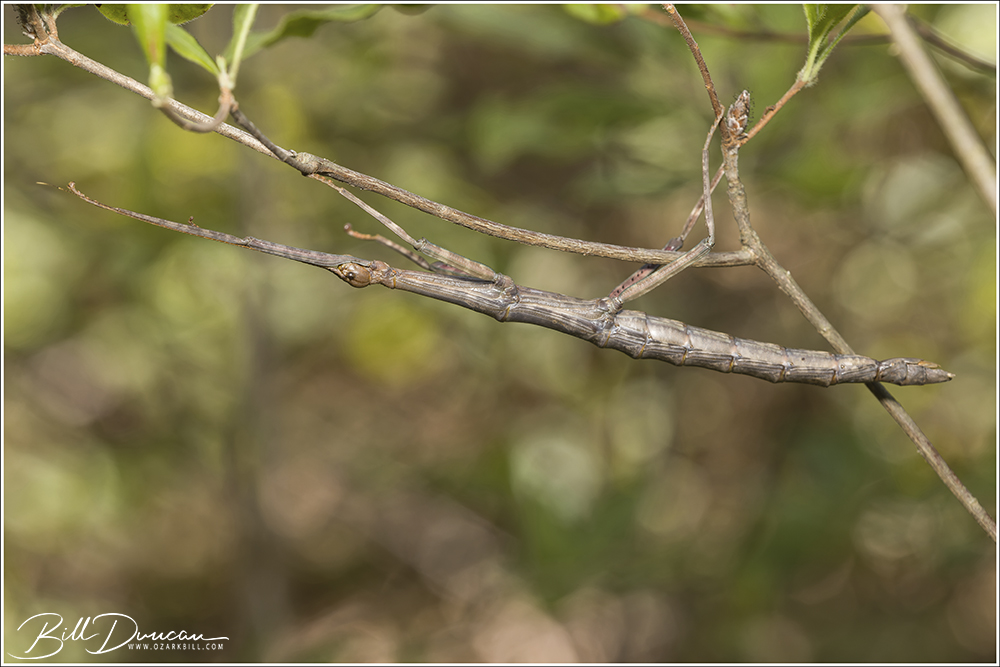
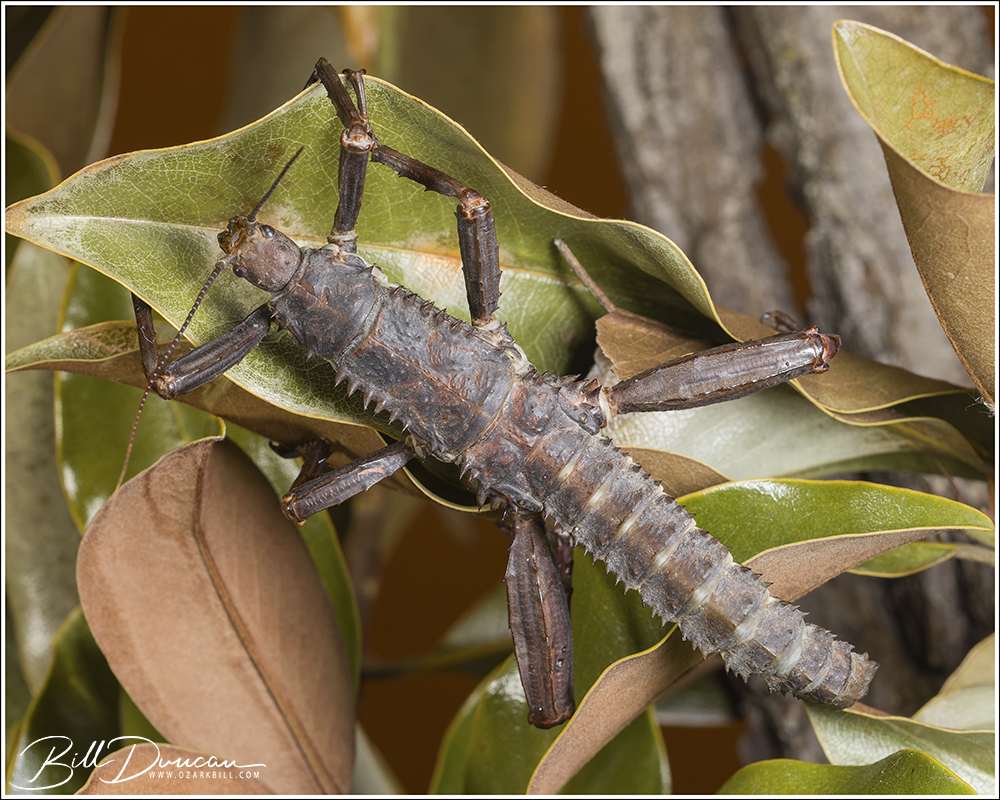
Spiny Stick Insect (Eurycantha calcaratta) F. Lonchodidae. These giant phasmids are endemic to humid rainforests in Australasia.
Curly-haired Tarantula (Tiltocatl albopilosum) F. Theraphosidae. This handsome spider is native to Central America.
That’s all from this outing. Interested in joining in one one of these WGNSS outings? Feel free to contact me or check us out at http://www.wgnss.org to learn more.
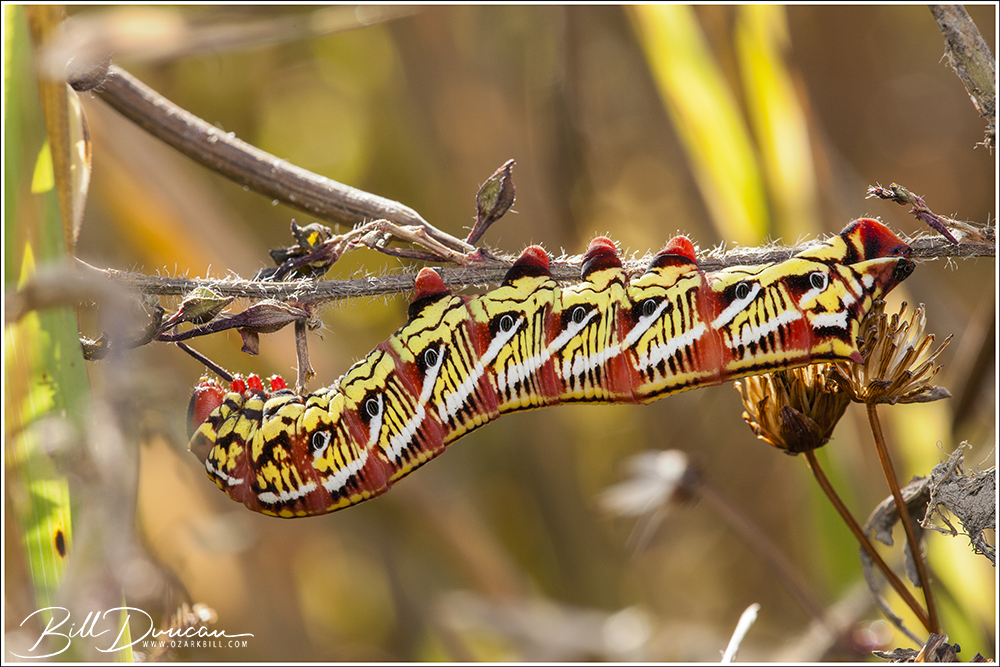
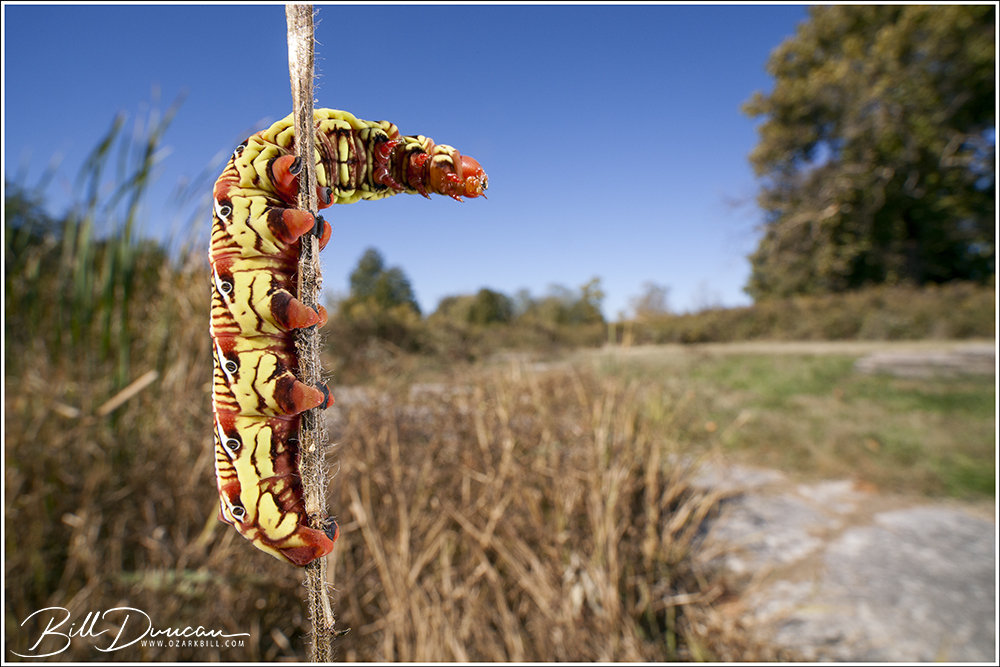
Here’s one from 2018 that I only posted on Facebook for some reason. As you can see this is too fantastic of a caterpillar not to capture in the blog. These are caterpillars of the banded sphinx moth (Eumorpha fasciatus, Hodges #7865) that were photographed on their host plant – primrose willow (Ludwigia sp.). Many thanks again to Kyran Leeker who turned me on to these guys.
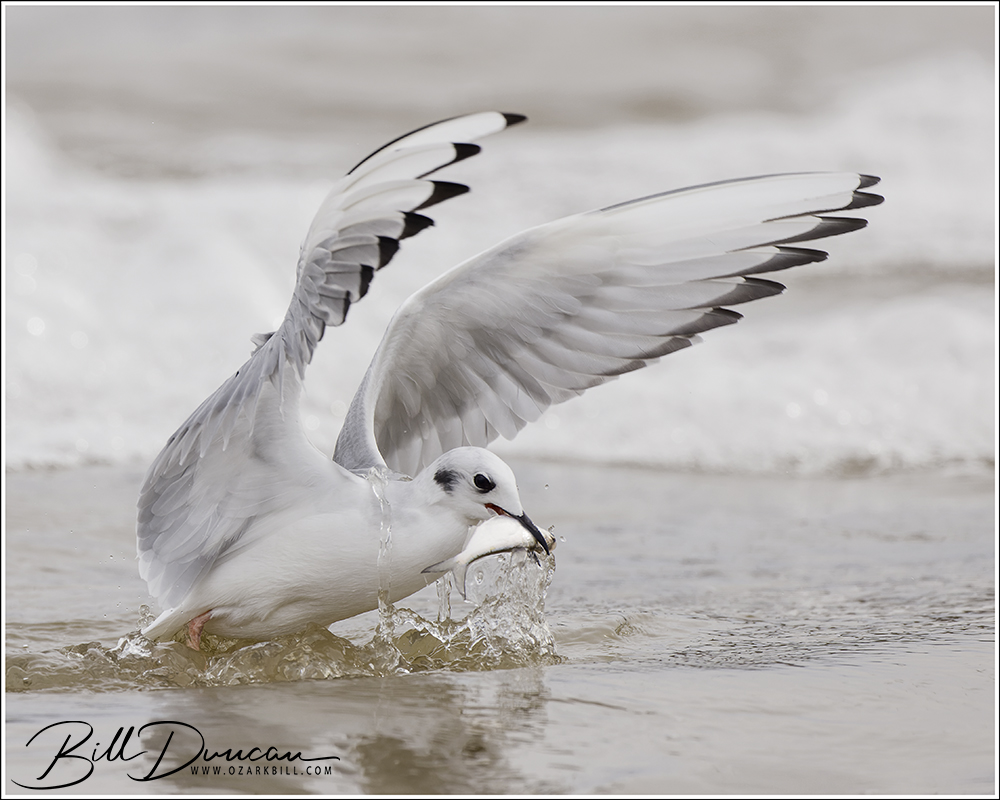
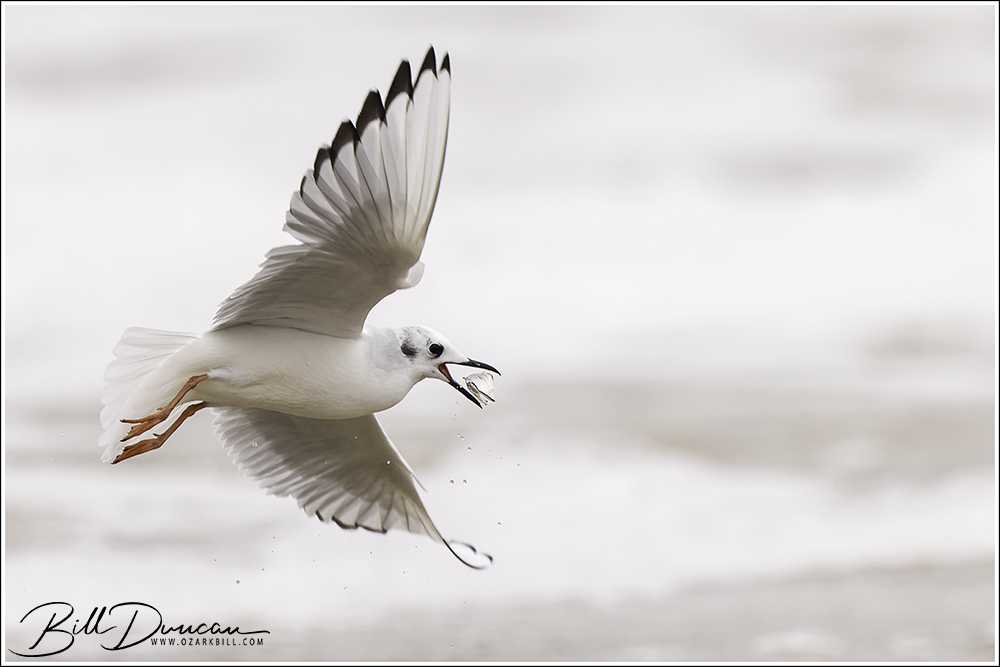
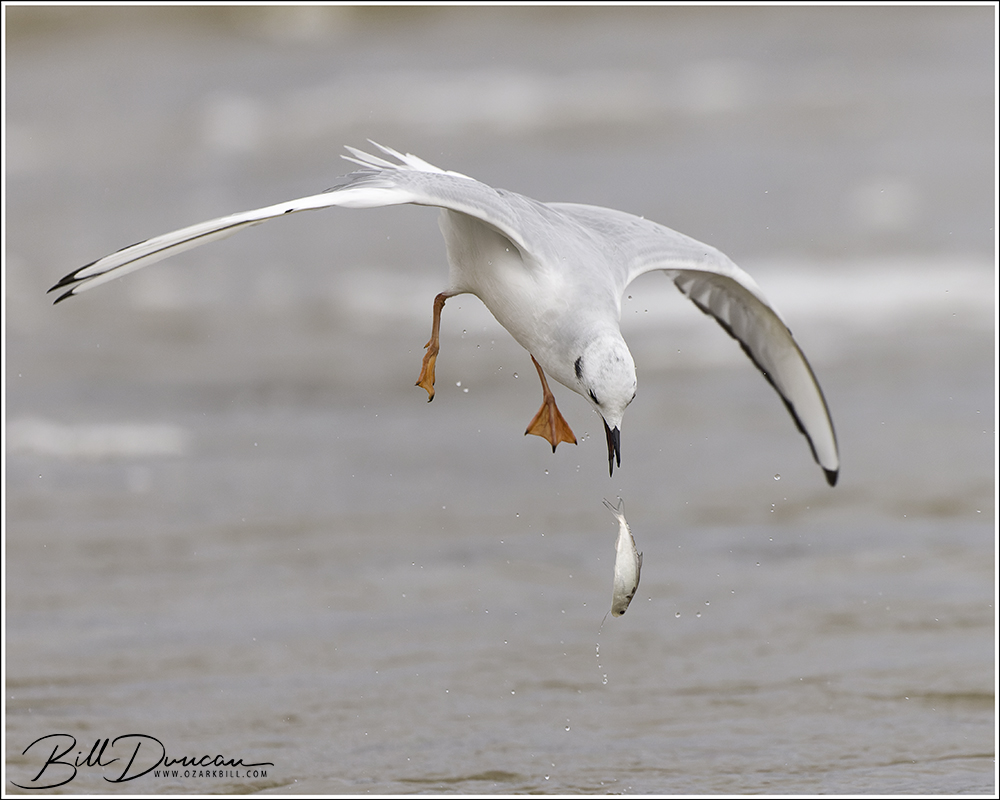
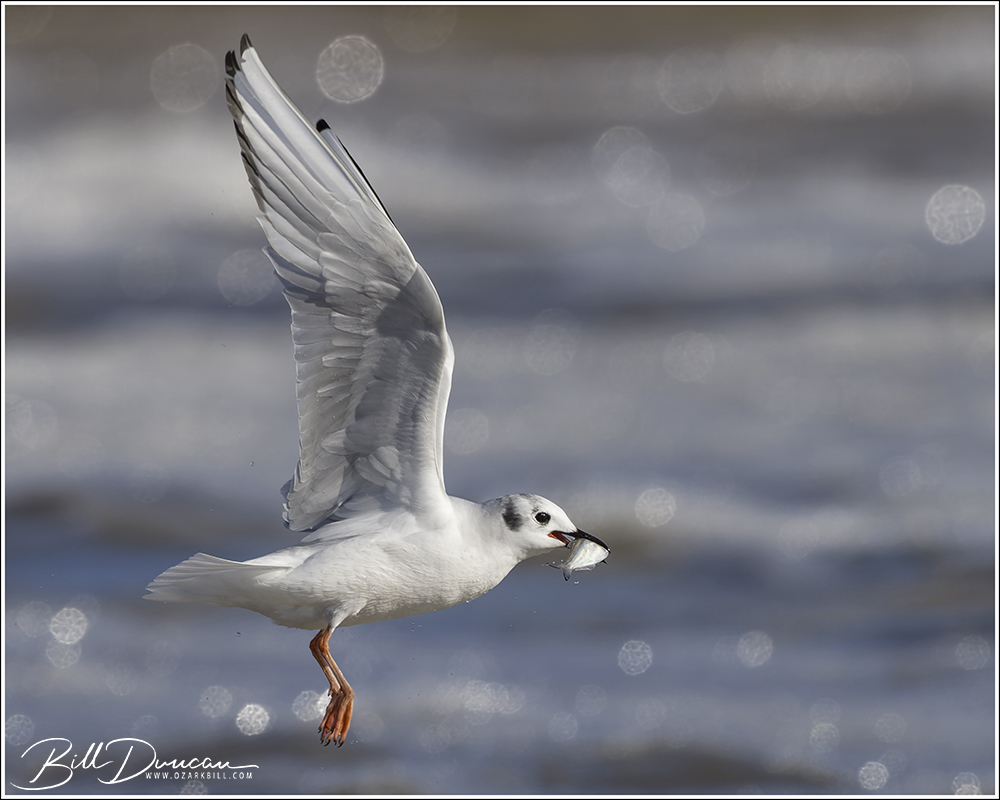
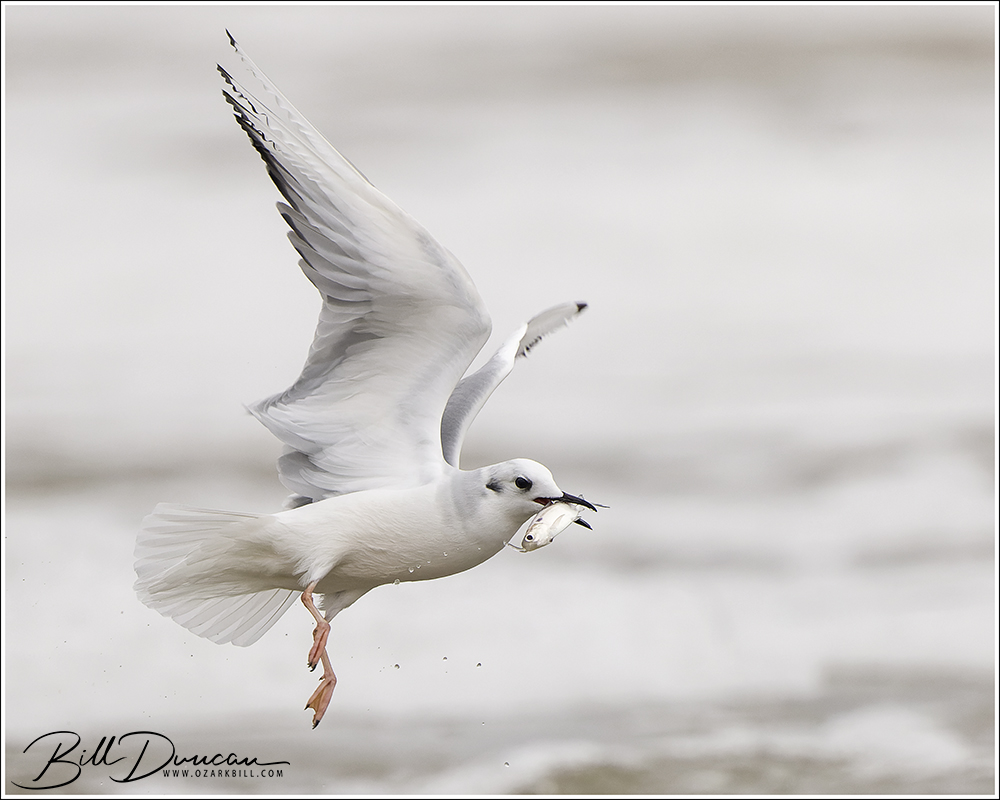
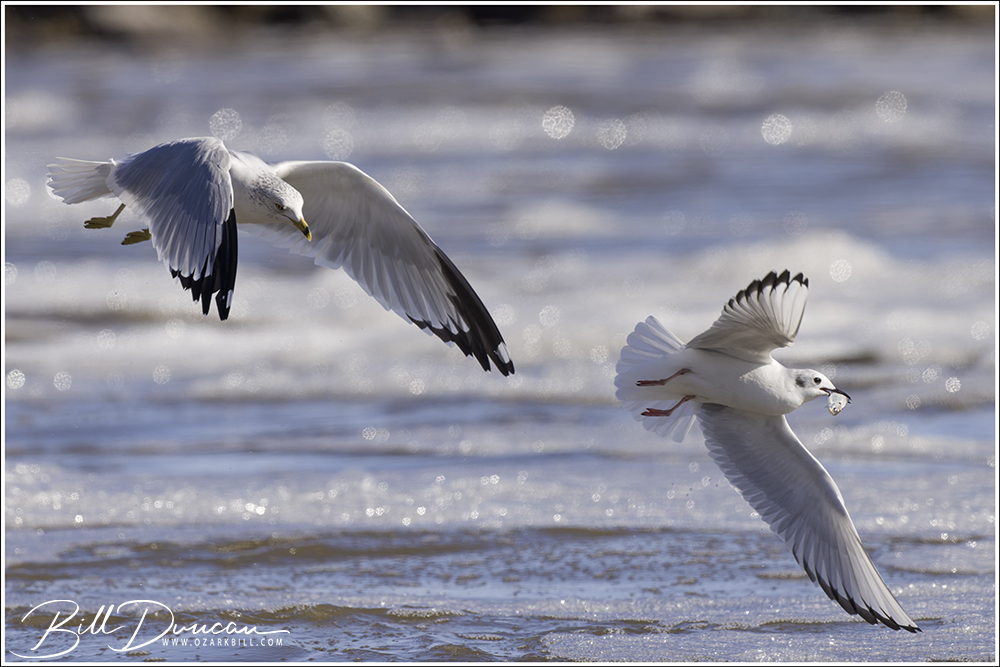
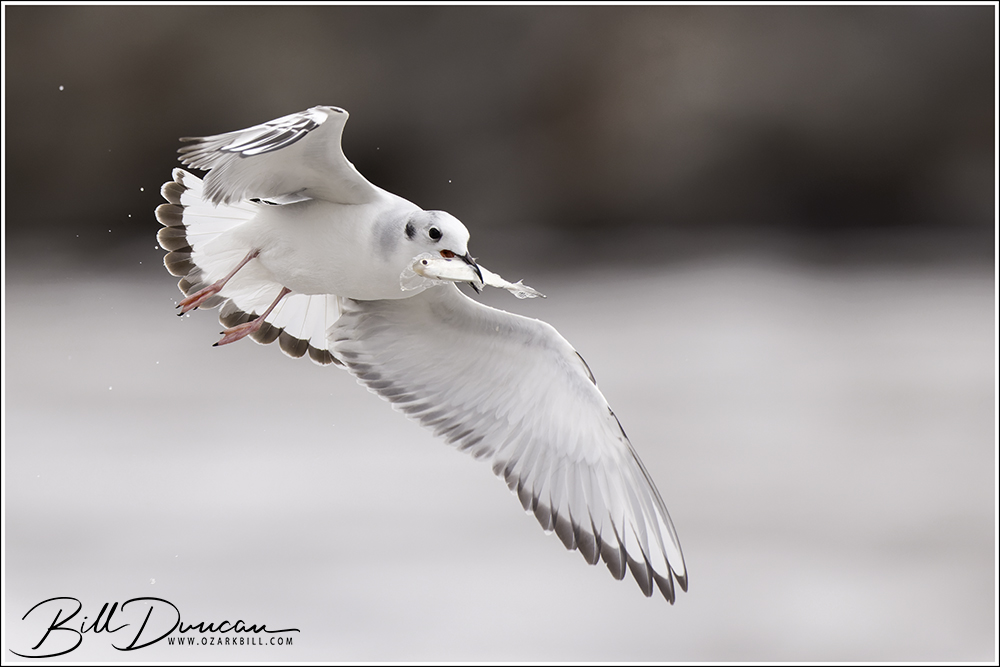
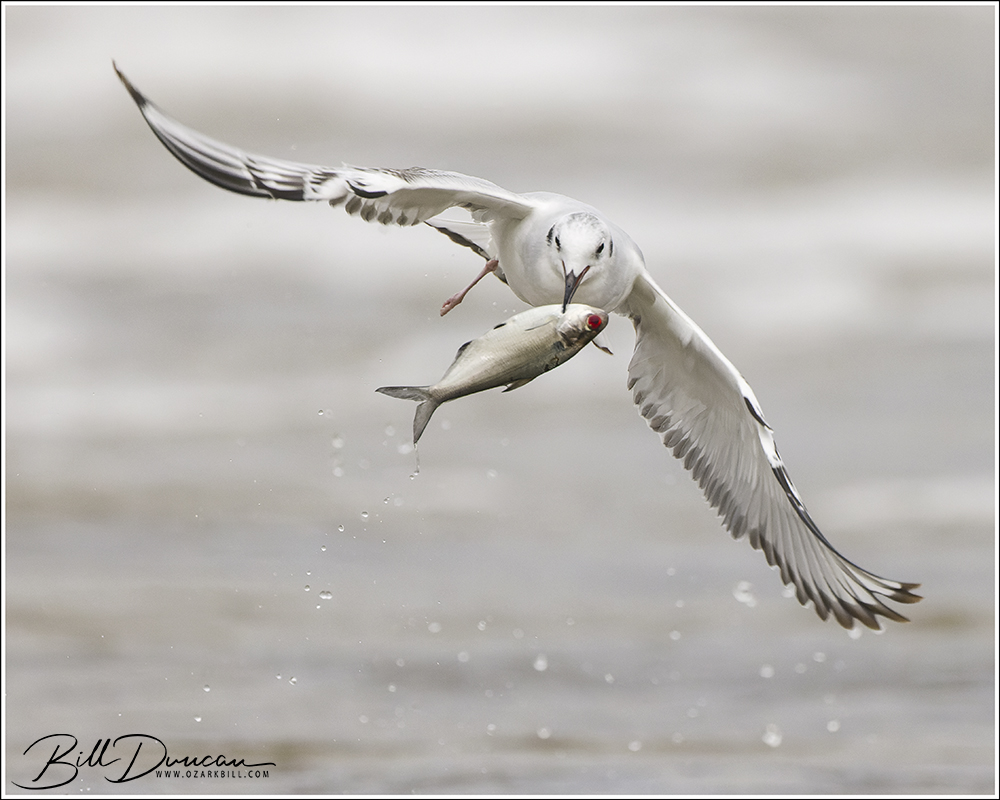
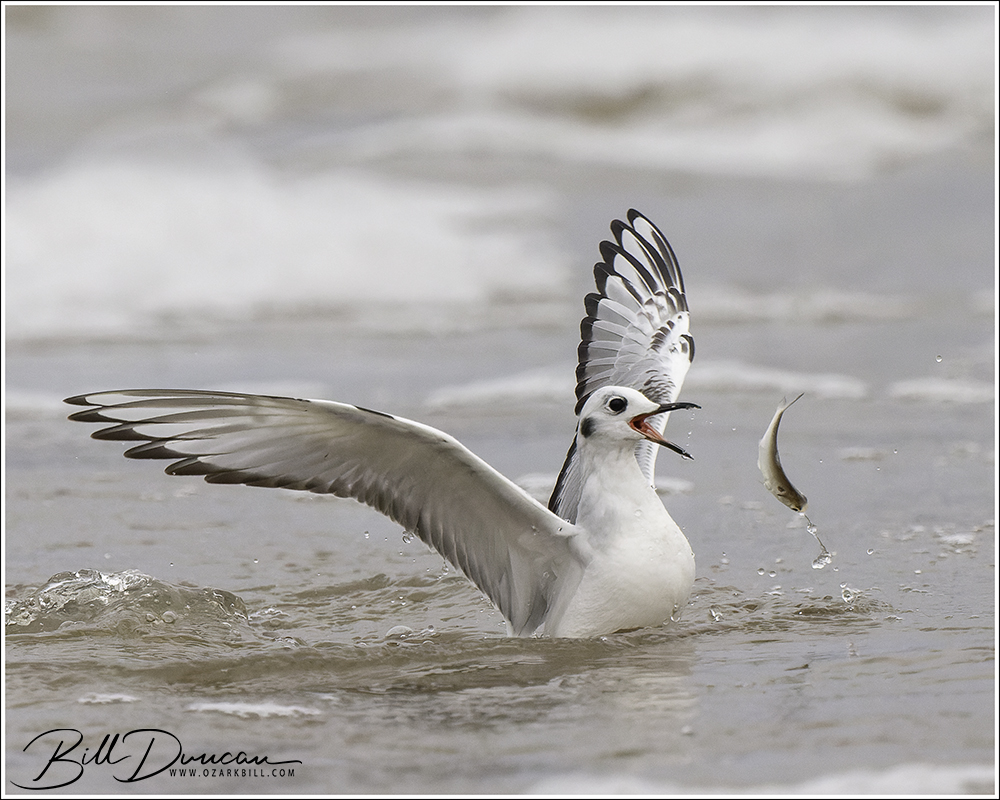
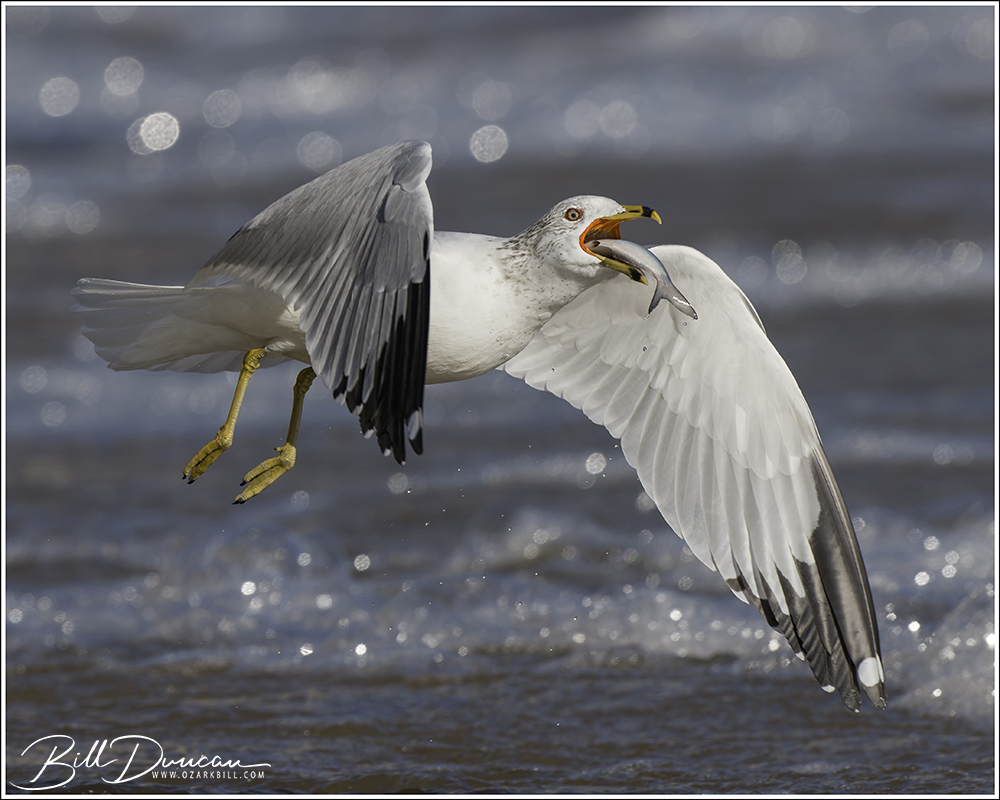
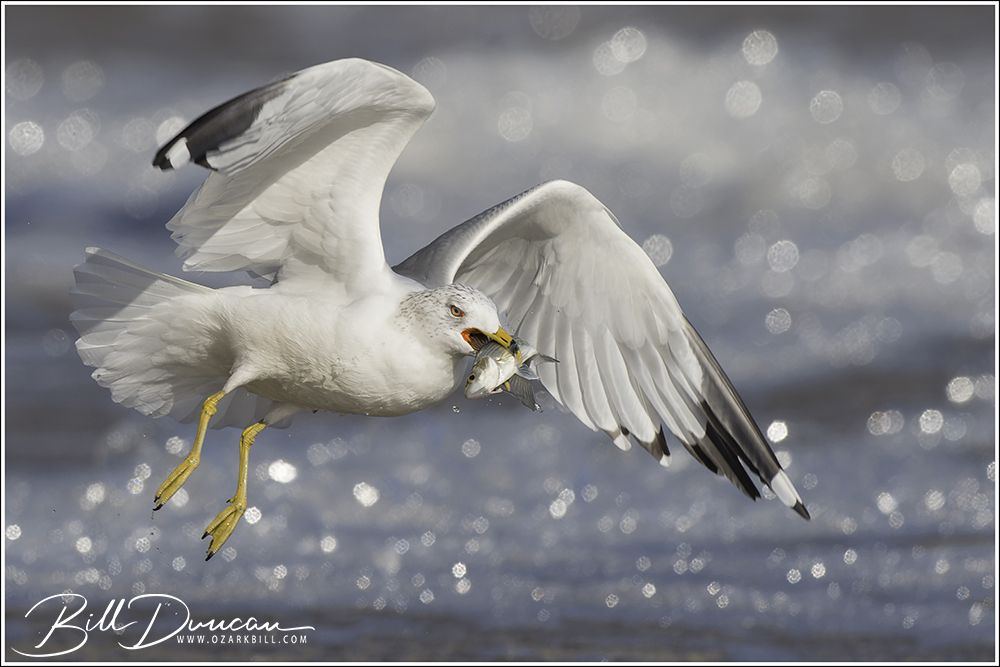
On a couple of successive Saturdays in mid-February, I had the pleasure to find myself at an old favorite spot to practice my high-speed action photography on some of the cutest little predators that I can imagine. In a spot more popular with fisher folk, I setup immediately behind the spillway of the Carlyle Lake damn with high hopes of shooting the Bonaparte’s Gulls that winter in this area.
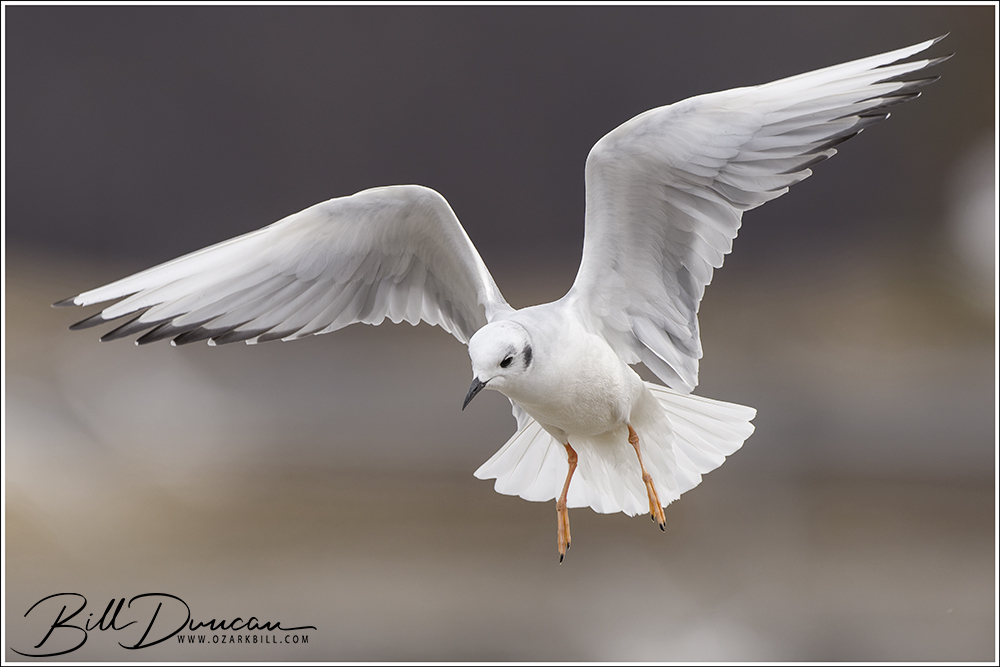
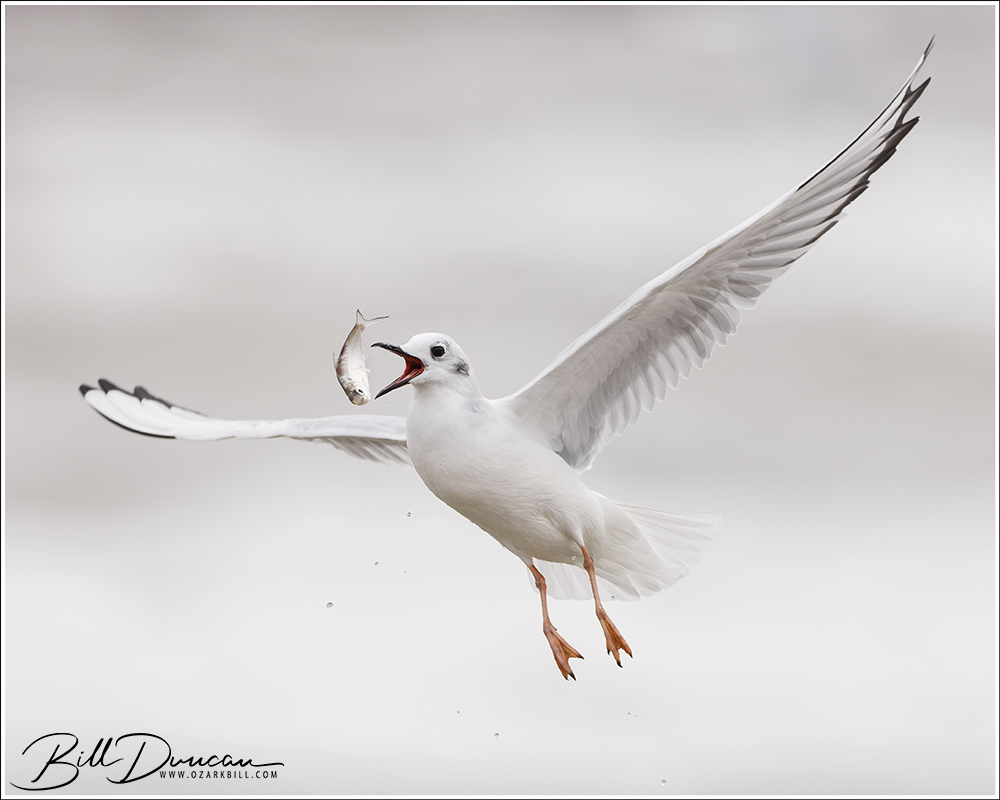
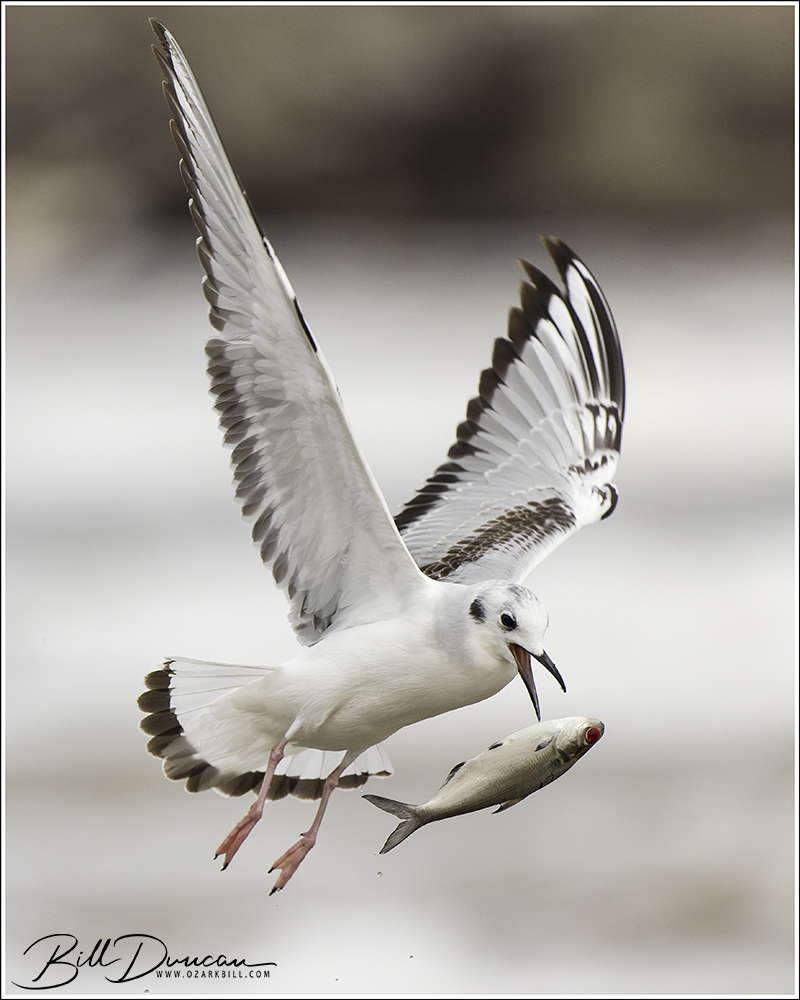
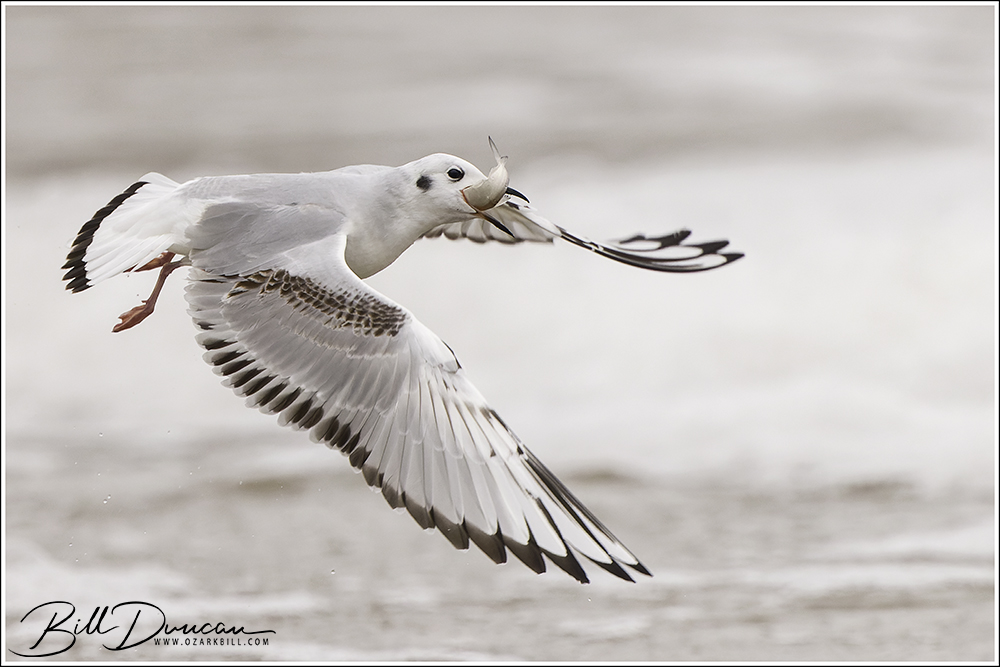
Faster than greased lightingLooking for shadBonnies everywhere!Adjusting for an easier swallow
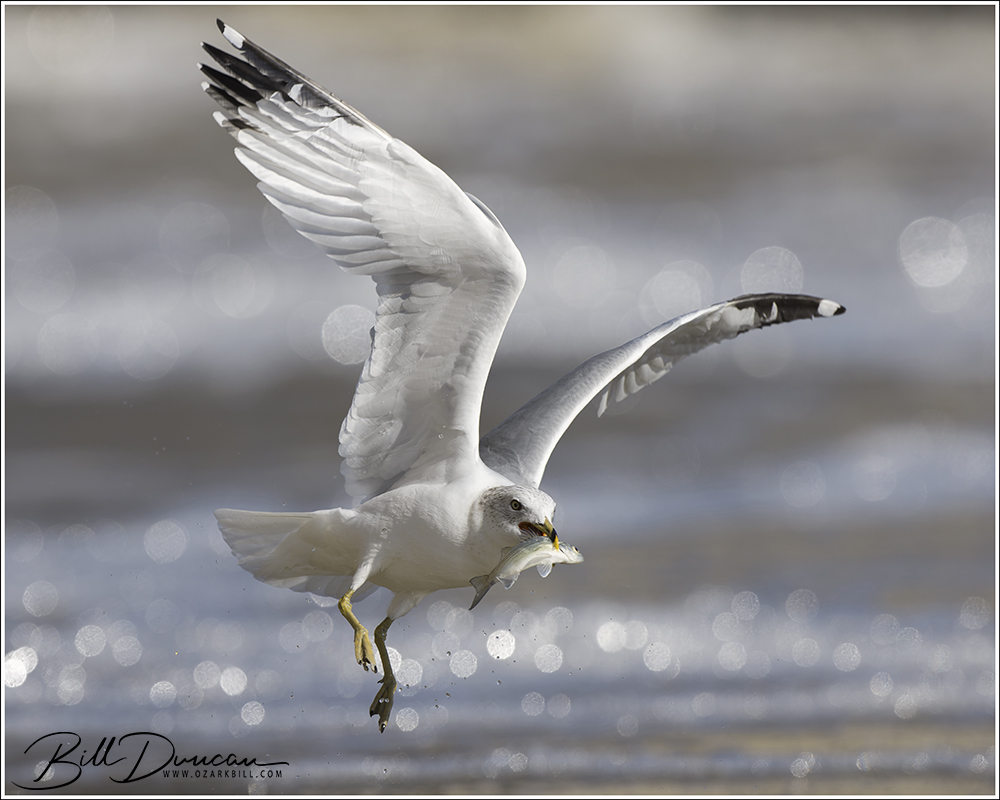
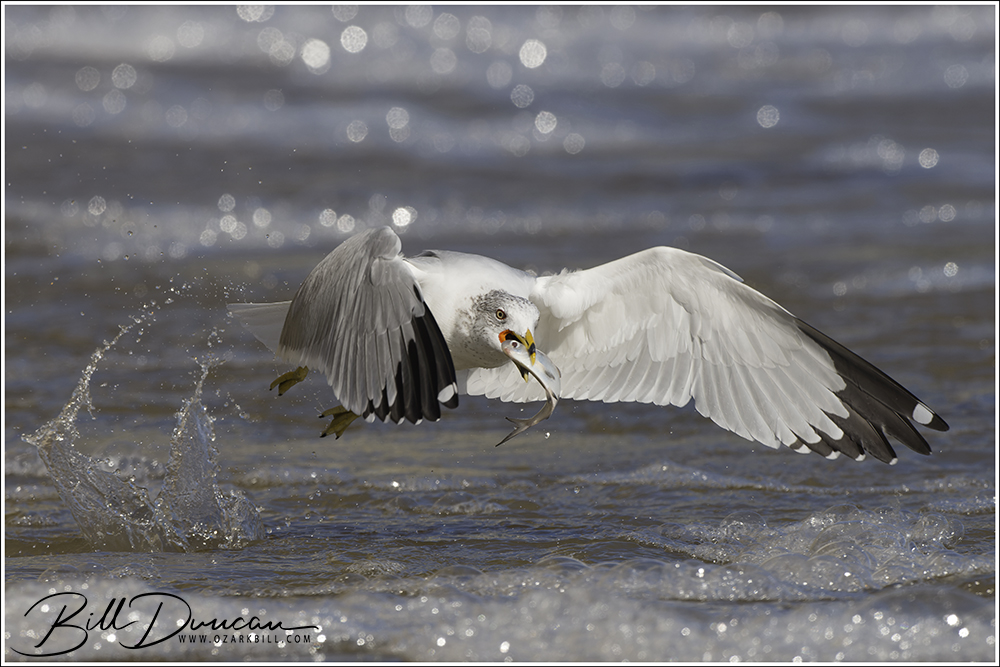
On my first Saturday visit, these cute little “Bonnies” represented at least 75% of the gull species taking advantage of the stunned gizzard and threadfin shad that come pouring through the spillway. This was great! Although photographing Ring-billed Gulls is always good for practice, they don’t excite me very much at all. What wasn’t great on this first day was the light, which I would describe as something like the sloppy end of a morning’s constitutional. Thank goodness for modern cameras with much improved high ISO performance and autofocus systems!
Photographing Bonnies while hunting like this is a real test of a photographer’s skills and their photographic gear. These guys are faster than a prairie fire with a tailwind. They have to be with the ever present Ring-billed Gulls nearby waiting to steal an easy meal.
A Ring-Billed Gull attempting to take the Bonaparte’s Gull’s fish. Typically the Ring-billed are much too slow once the Bonnie has their catch.
The photos I’ve shared so far all showed adult winter-plumaged Bonaparte’s Gulls. First-year winter birds are east to distinguish from the adults with their black tail bands and “M”-shaped black markings on their wing tops. These first year birds are every bit the skilled fishers that the adults are as you can see below.
On my next visit a week later, the skies were clear and I was now challenged with a pretty strong mid-day light coming into the spillway. I felt that this still should afford more speed and a bit better image quality than I had on my previous visit. Unfortunately, the Bonnies must have moved elsewhere. Most of the gulls present were Ring-billed and I only counted four Bonnies during the hour or so I was there.
Wildlife photographers looking for a fun and fast-paced challenge that has no chance of interfering with their photographic subjects should really consider visiting this location.
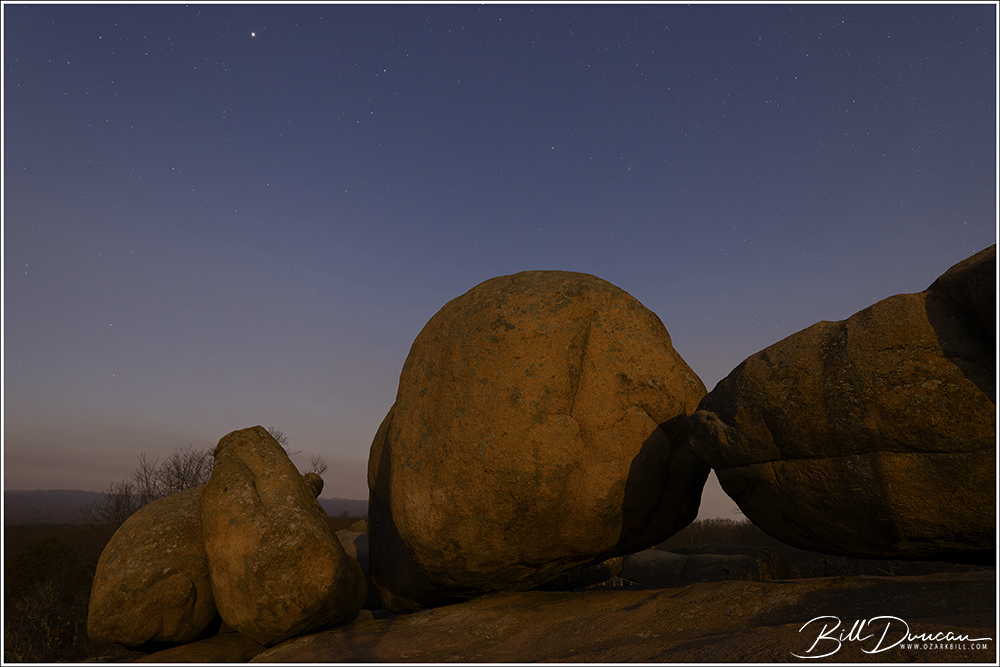
The WGNSS Nature Photography Group, led by the man with the great ideas, Casey Galvin, headed to Elephant Rocks State Park in Iron County, MO, for the group’s February field trip. Our primary target for the evening was to utilize the full moon to light our scene after sundown – images often referred to as “moonscapes.” This was my first real attempt at taking moonscapes; usually I am focused on low to no-moon nights in order to focus on stars and deep sky objects.
Reflections on Quarry Lake ISO-50, f/11, 3.2 sec. exposure, 140 mm focal length
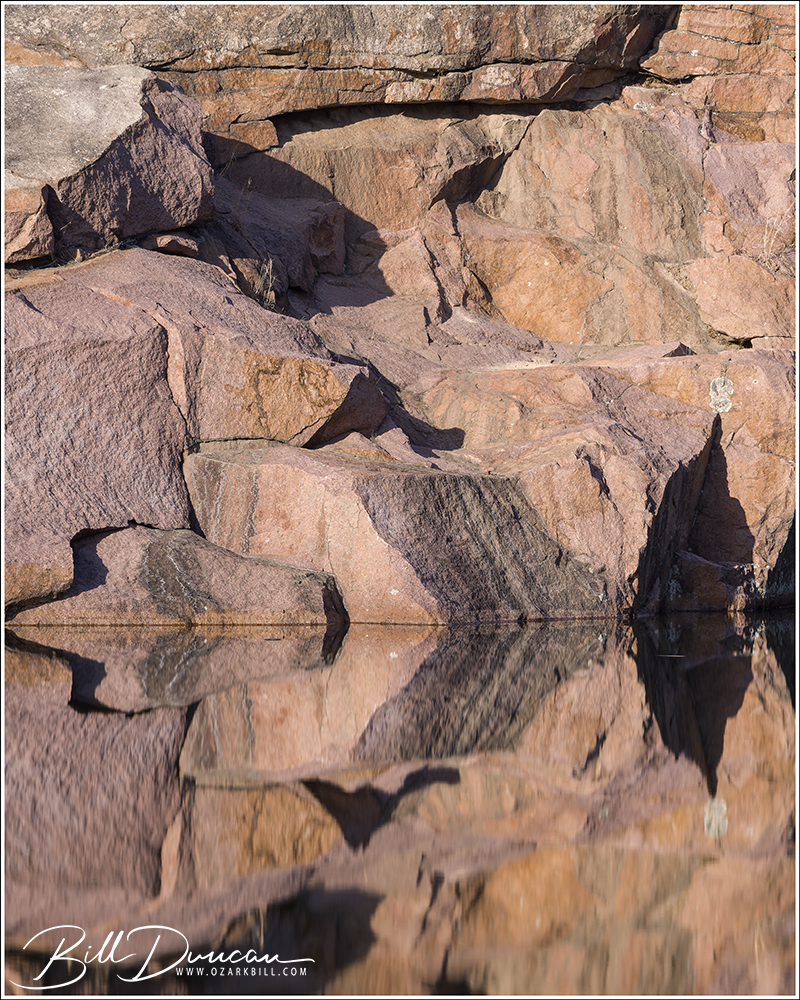
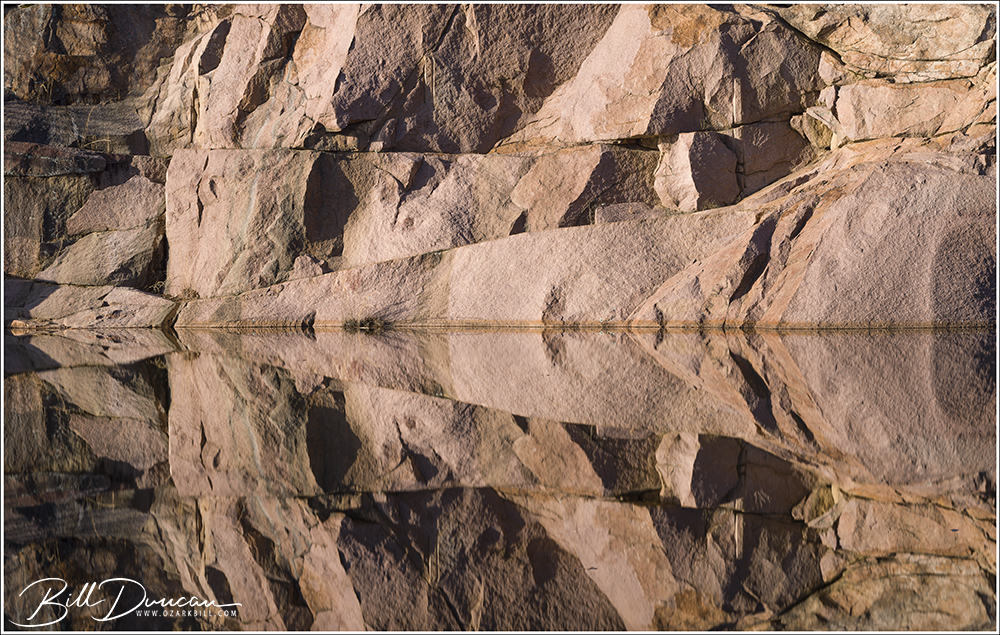
We arrived in time to have a walk around prior to sunset and the park’s official closing time. In order to be in the park after 5:00 pm, special permission must be made ahead of time. During our stroll, we made our way to the backside of the quarry lake – somewhere I had not been in many years. This turned out to be a serendipitous experience. There we encountered some very nice golden light and excellent reflections coming from the lake’s surface. Unfortunately, the winds were just strong enough to create some obnoxious ripples on the water, ruining the mirror effect I was going for. No worries, however; I added a CPL and a pretty strong neutral density filter (in order to increase shutter speed) to my mid-telephoto lens and the ripples magically disappeared.
Several abstract-like faces appeared in tight-compositions with the rock wall mirrored off the lake’s surface ISO-100, f/9, 2.5 sec. exposure, 84 mm focal length
I find capturing enough saturation in lighter colors a challenge with digital cameras. I am finally learning how to recover this in post-processing. The pretty light helped showcase the pink granites that the St. Francois Mountains are known for. ISO-50, f/11, 5 sec. exposure, 118 mm focal length
This one was too good to pass up the opportunity to make the face more obvious by orienting it vertically. ISO-100, f/9, 4 sec. exposure, 73 mm focal length
Shortly before sunset, we headed to the other side of the park to hang out with the rocks that give the park its famous identity. The remaining images were all taken after the sun had set and were exposed using only the light of the February full “snow moon.”
Moon rising over Elephant Rocks ISO-640, f/5.6, 10 sec. exposure, 20 mm focal length
Somewhat surprisingly, care had to be taken when shooting with the full moon at our backs as the shadows were very noticeable! ISO-3200, f/4, 6 sec. exposure, 20 mm focal length
Newer cameras shooting at longer exposures can pick up more stars than can be seen by the naked eye. I was happy to see the Pleiades and the Andromeda Galaxy in several of my moonscape images. ISO-320, f/4, 6 sec. exposure, 19 mm focal length
Can you spot the Pleiades star cluster in this moonscape? ISO-640, f/4.5, 8 sec. exposure, 15 mm focal length
This was certainly a special trip spent with friends. Temperatures and sky conditions were near perfect for photographing moonscapes. I was a bit surprised we did not have more WGNSS members take advantage of this special access. I won’t complain about that too much as I think having too many photographers would have made things more challenging with fighting shadows and finding access to good compositions.
























 A Thousand Acres of Silphiums