"What a thousand acres of Silphiums looked like when they tickled the bellies of the buffalo is a question never again to be answered, and perhaps not even asked." -Aldo Leopold
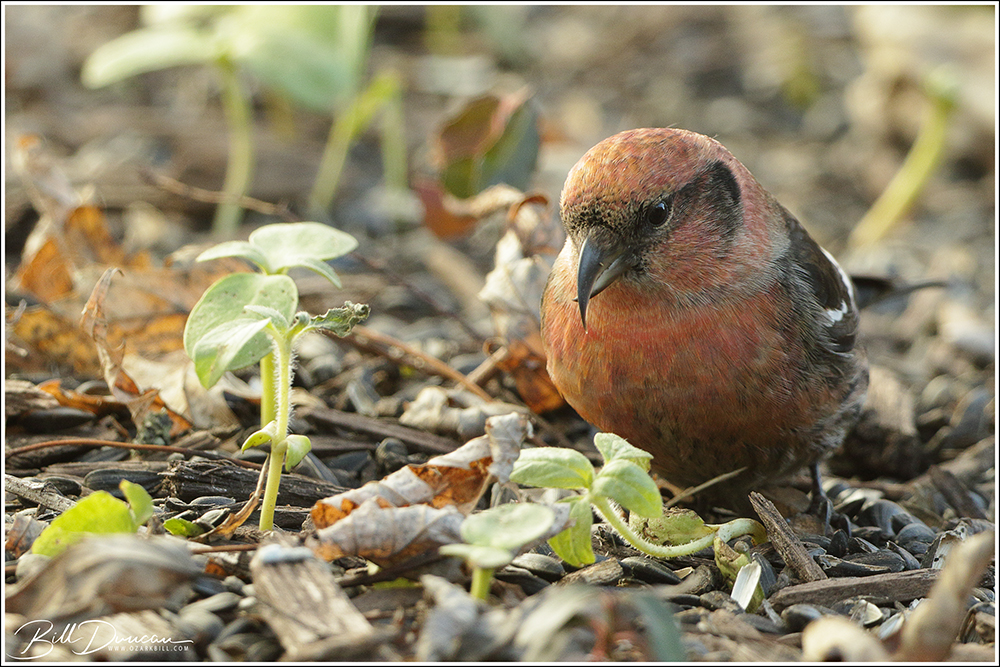
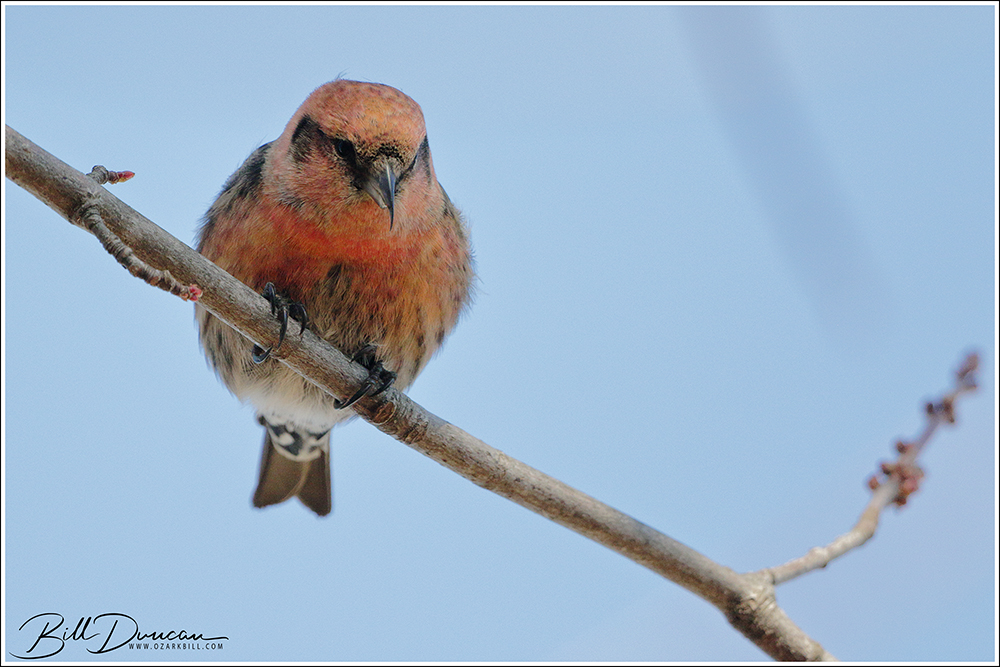
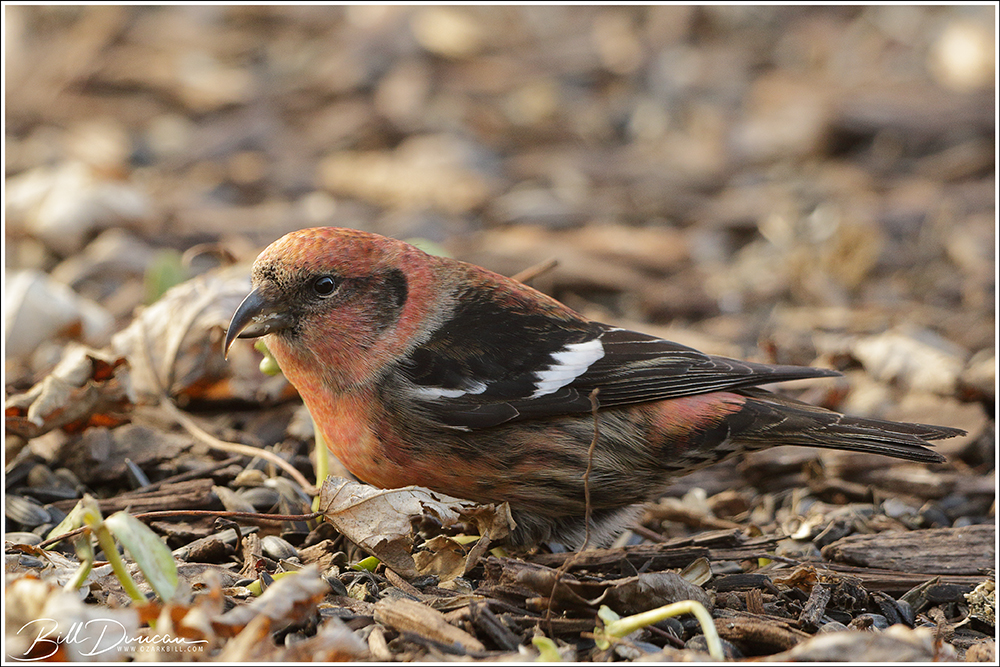
I haven’t been much focused on chasing down new birds to photograph lately, so my count for “Missouri and Contiguous States” hasn’t grown very rapidly during the past few years. With the news that a White-winged Crossbill, a bird with only a handful of records in the state, was visiting a feeder at the offices of the Missouri River Bird Observatory in Arrow Rock, MO, Sarah and I thought it worth going after.
A White-winged Crossbill taking a break between visits to the feeder.
A very cooperative bird, indeed. We stayed on the patio and watched as it came to feed underneath the feeders along with great winter species like Red-breasted Nuthatch and Purple Finches.
The remarkable White-winged Crossbill.
Hopefully this winter continues to bring the winter “invasion” even if we don’t wind up with much of a winter at all.
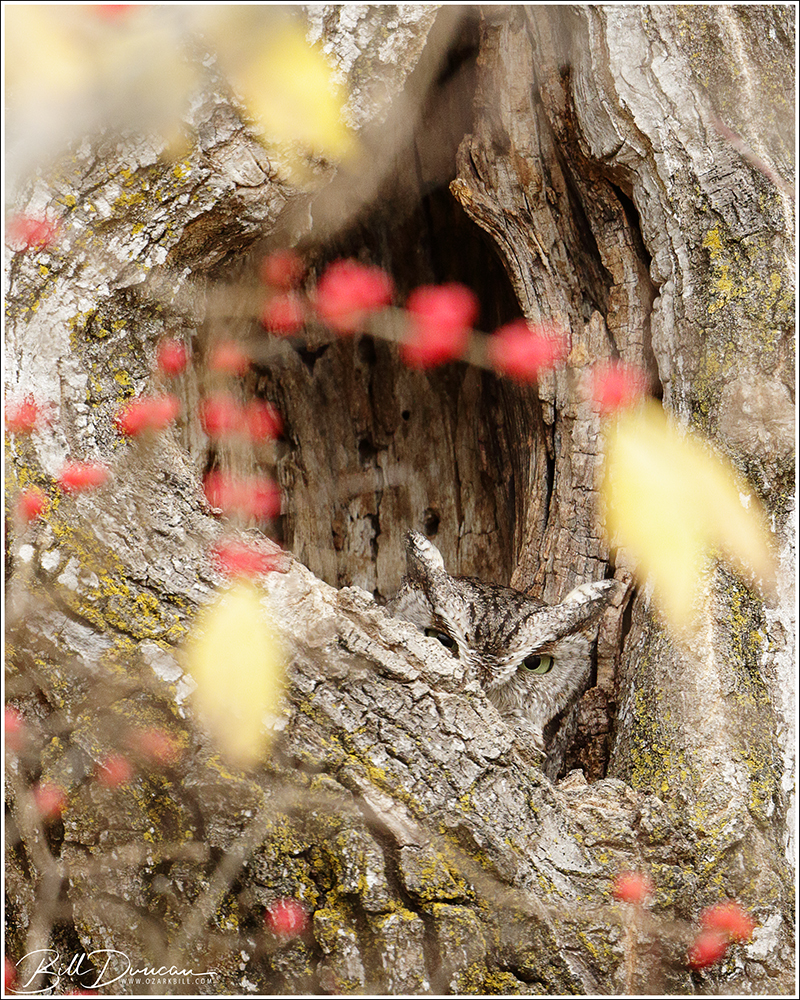
A gray morph Eastern Screech Owl examines its surroundings from the entrance to its roost tree.
This year it looks like the popular roosting tree at the Grafton, IL Visitor’s Center is playing host to this gray morph Eastern Screech Owl. I have photographed red morph individuals in previous years that were using this same cavity. You can find a few photos of those here and here. There have been reports of brown or “chocolate” morphs being found here or in another nearby location over the past couple of years, but as of yet, I have not been able to photograph that color morph.
My friend Dave and I made this visit and were fortunate to find this bird somewhat active. For a Screech Owl in the daytime, this is fortunate indeed. By “active” I simply mean it would move in and out of its tree cavity and open its eyes to have a look around once in a while.
An Eastern Screech Owl giving us a lookover.
We were told by a local constable that the name they have given the bird was “Winky,” which I find to be pretty apt for an owl. One thing we noticed during this visit is that the unobstructed viewing lanes are becoming harder to find due to the encroachment of the bush honeysuckle growth. Dave and I could only find two lanes that worked well for photography purposes. If I can confirm they do not use this cavity in the summer, I would like to return to do a little landscaping.
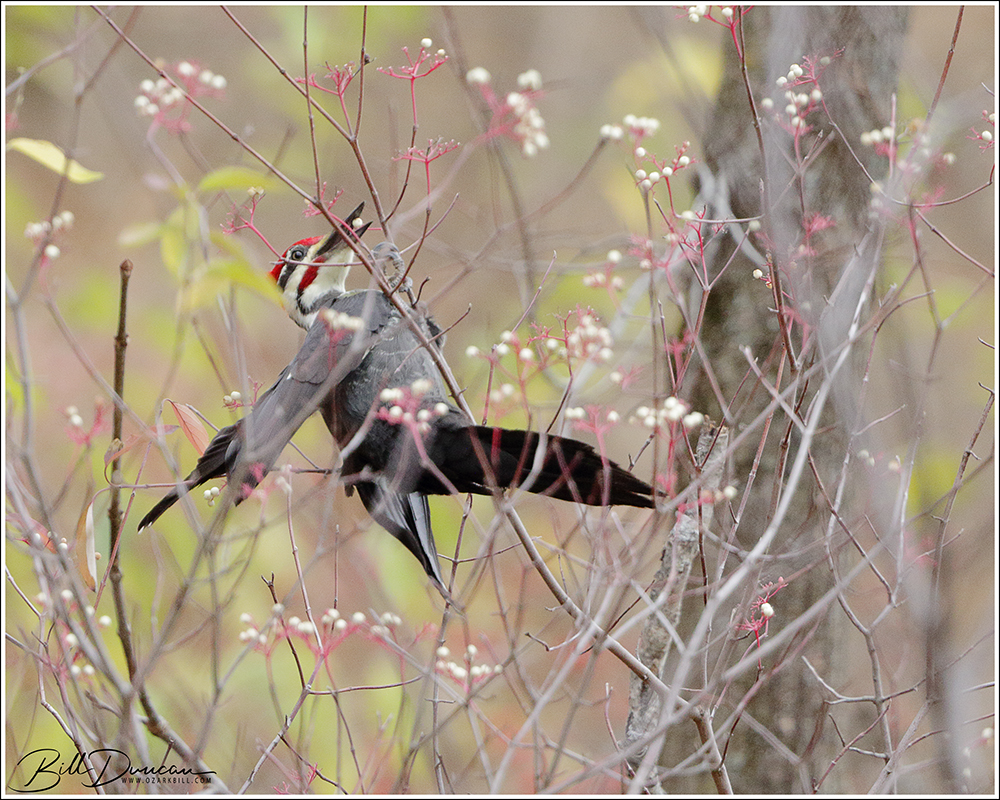
While we waited for the owl to return from its hiding inside the tree, we had a nice opportunity to photograph a Pileated Woodpecker that had flown in to forage among the dogwood berries.
Pileated Woodpecker eating a dogwood (Cornus sp.) berry.
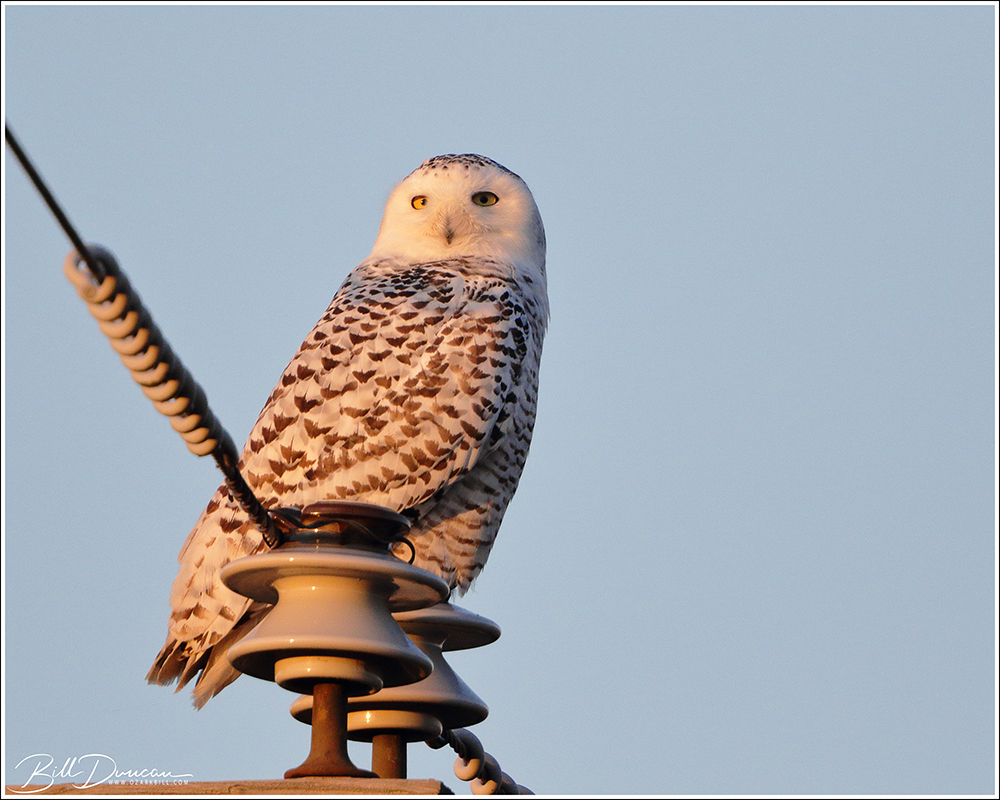
First Snowy Owl of the 2020/2021 season in eastern Missouri.
Although it looks like the next official Snowy Owl “irruption year” is predicted to be in the winter of 2021/2022, eastern Missouri has had its first bird of the season and other states have had a few handfuls of sightings as well. This bird was recently spotted in the area of BK Leach Conservation Area and the town of Elsberry, about a 45 minute drive north of the St. Louis metro area. Sarah and I hopped in the car yesterday afternoon and thought we would give it a try.
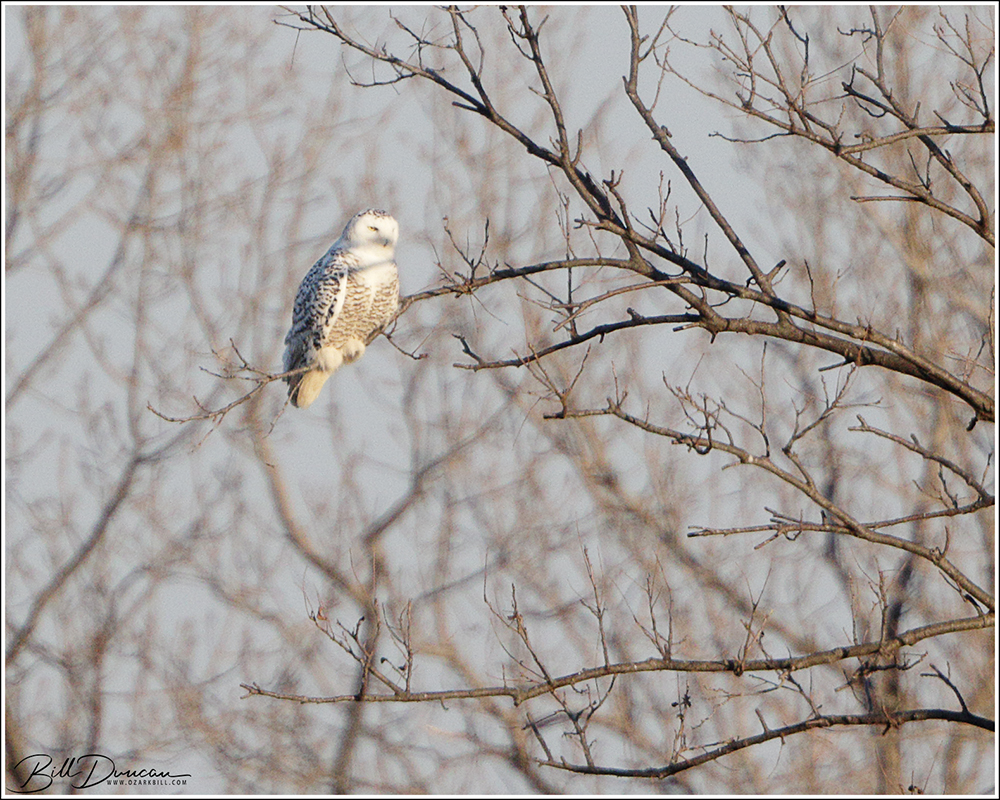
It didn’t take long to find the bird – by means of finding the birders who had found it for us. This bird looked healthy and was quite active, hunting from perch to perch. Most of our looks were from pretty great distances but we were fortunate to be able to see it up-close, perched on this utility pole just outside Elsberry in the last light of the day. See below of the bird from far away but on a natural perch.
Snowy Owl from our first vantage point from about 200 yards.
If you chase after this one, be aware of the ‘local flavor’. Sarah and I had a couple run-ins with more than the average passive-aggressive douchebags but I guess it takes one to know one. I was pleased to see several birders younger than me (teenagers, actually) out looking at this one as well. From what I heard, these guys were pretty serious birders.
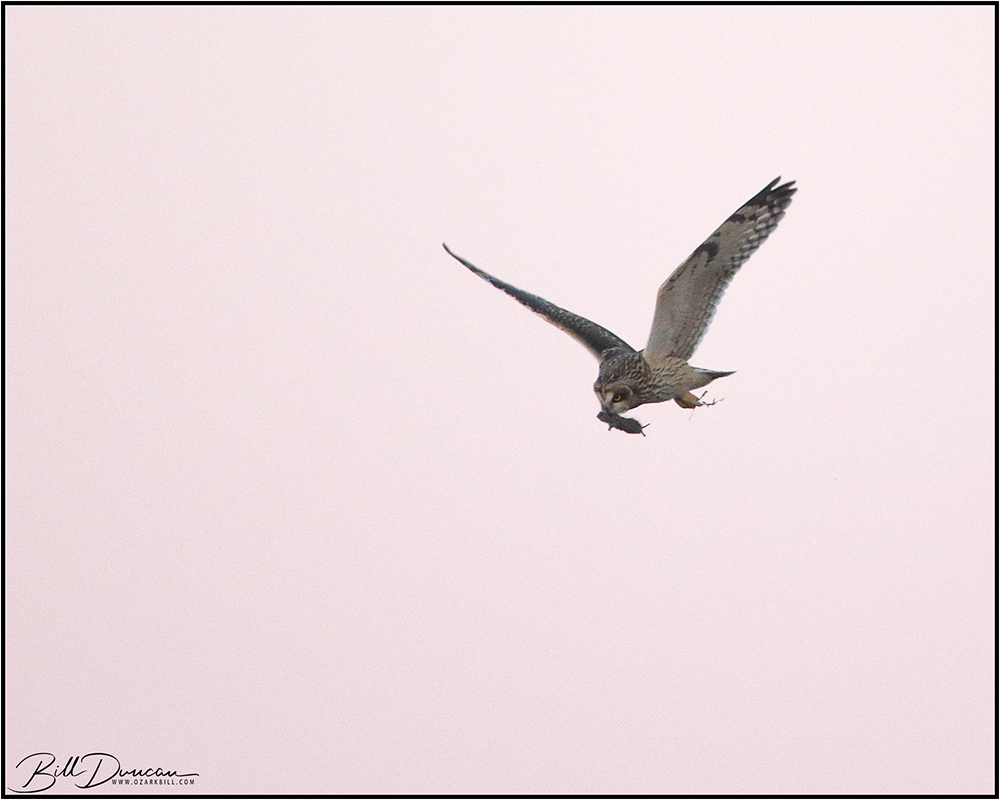
We then went slightly south to BK Leach C.A. proper, hoping to find some opportunities to view and photograph Short-eared Owls. We found approximately five birds during limited light but they were quite active, fighting amongst themselves and the Northern Harriers. The one photographed below came out from a group of birds carrying its prize.
Short-eared Owl flees with its rodent prey.
Overall it was a nice afternoon on another warmer than average December day.
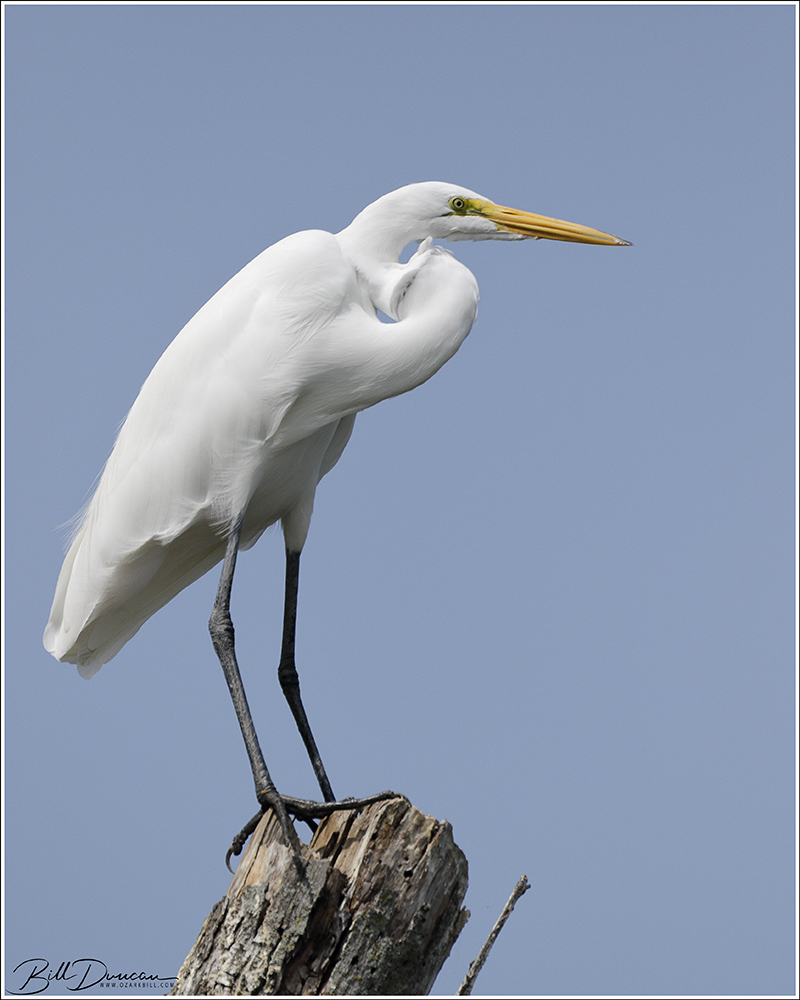
A Great Egret poses in front of early autumn colors.
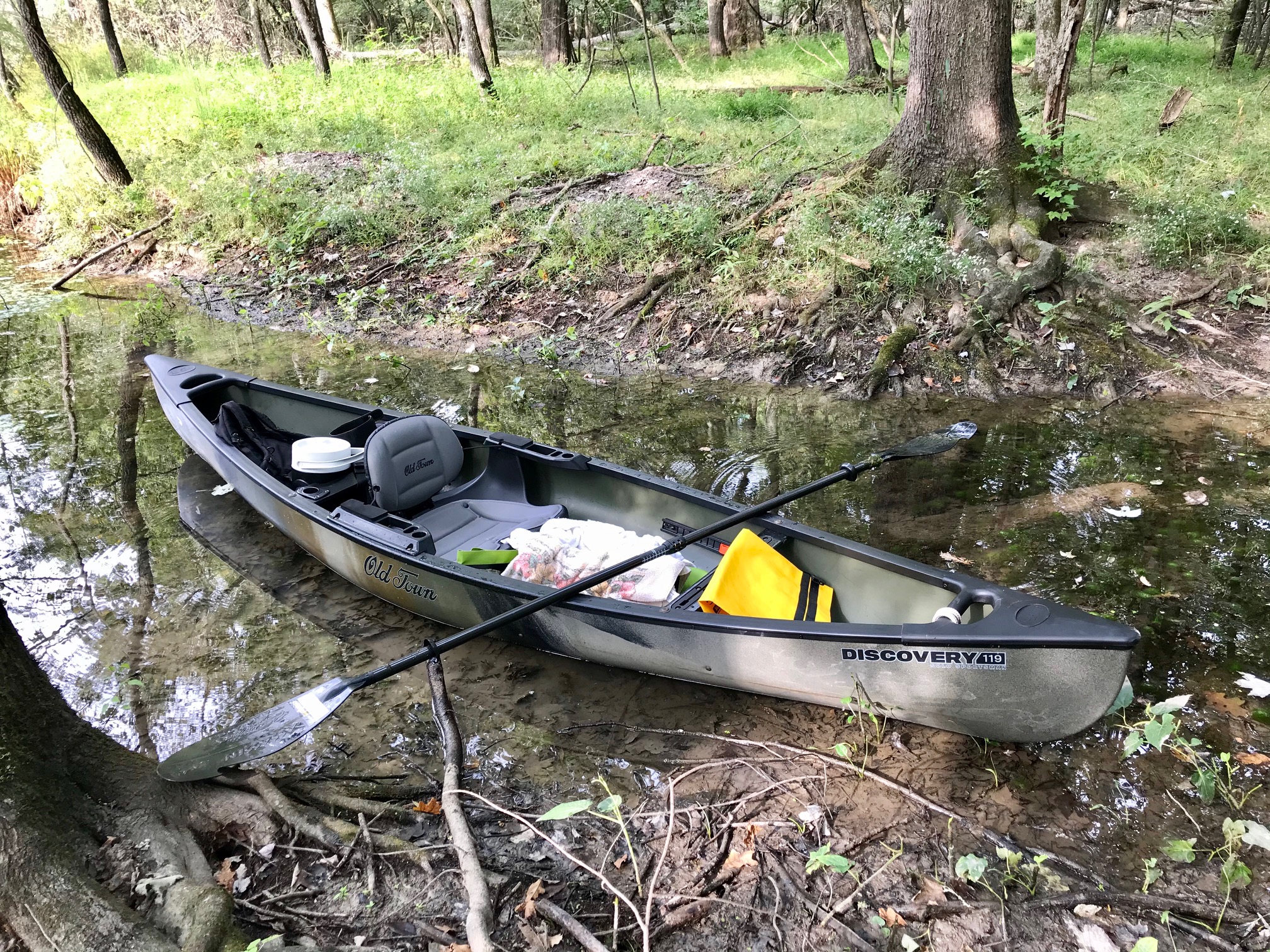
Back in September I was fortunate to join the boat owners club when I picked up a single-seater canoe/kayak hybrid. After my typical dive into researching the best potential model for my usage and pocketbook, I was pretty certain it would suit my needs. Excited to give it a try, my first stop in getting it wet was an early morning vacation day at Creve Coeur Lake.
The “Discovery 119” hybrid – very stable and easy to move to and from the water.
On this first outing, only minutes from my house, I did not expect the photographic opportunities to be very abundant. However, I was pleasantly surprised by the looks at wildlife and photos I was able to get.
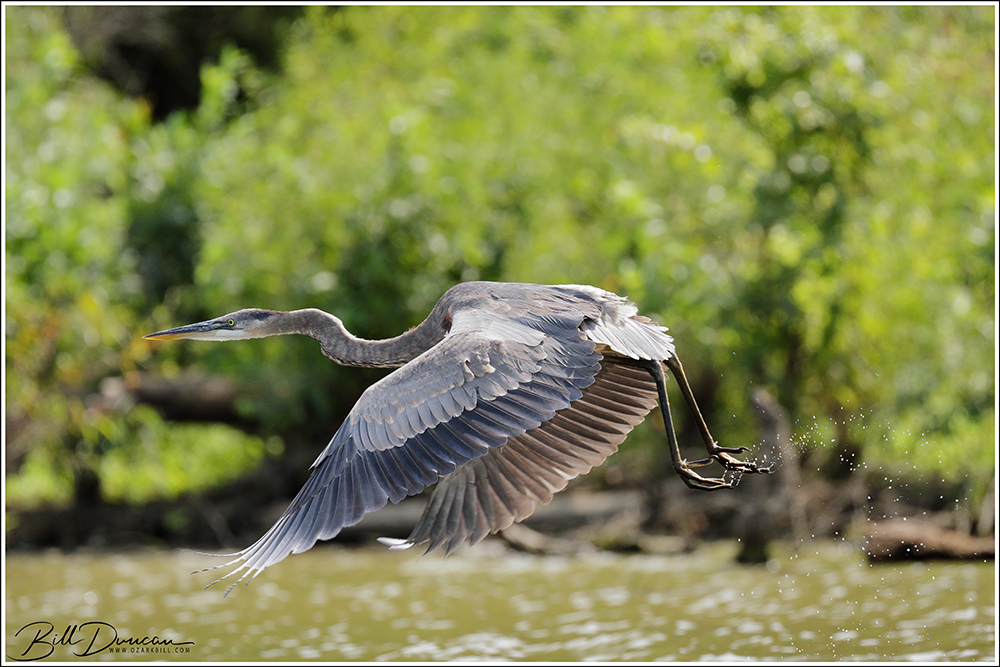
A Great Blue Heron, usually quite timid, was easy to get close enough to capture with a 400mm lens.
Maneuvering the boat into position while trying to get the photos was a bit of a chore and will definitely take more practice to get right. Facing your subjects is key and in still waters was usually doable before the subjects could complain.
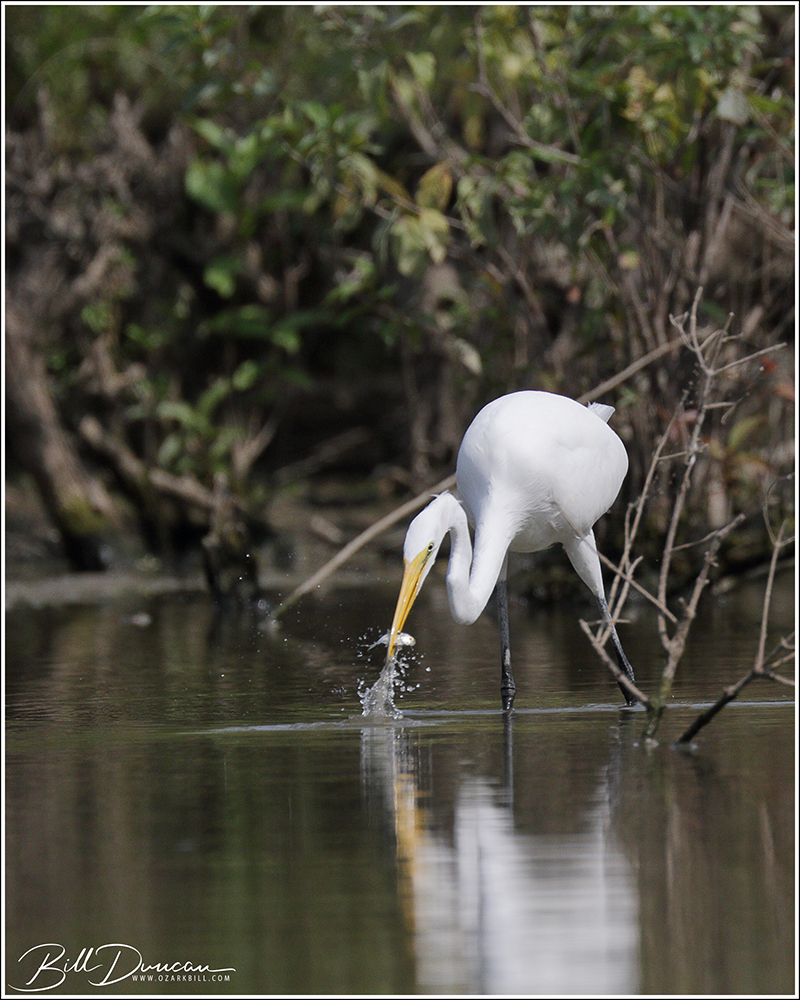
A Great Egret grabs a quick bite.A quick flip to align and down it goes.
This boat sits very shallowly in the water, allowing me to maneuver easily in the shallows wetlands found at the south end of the lake. I was often moving in less than three inches of water!
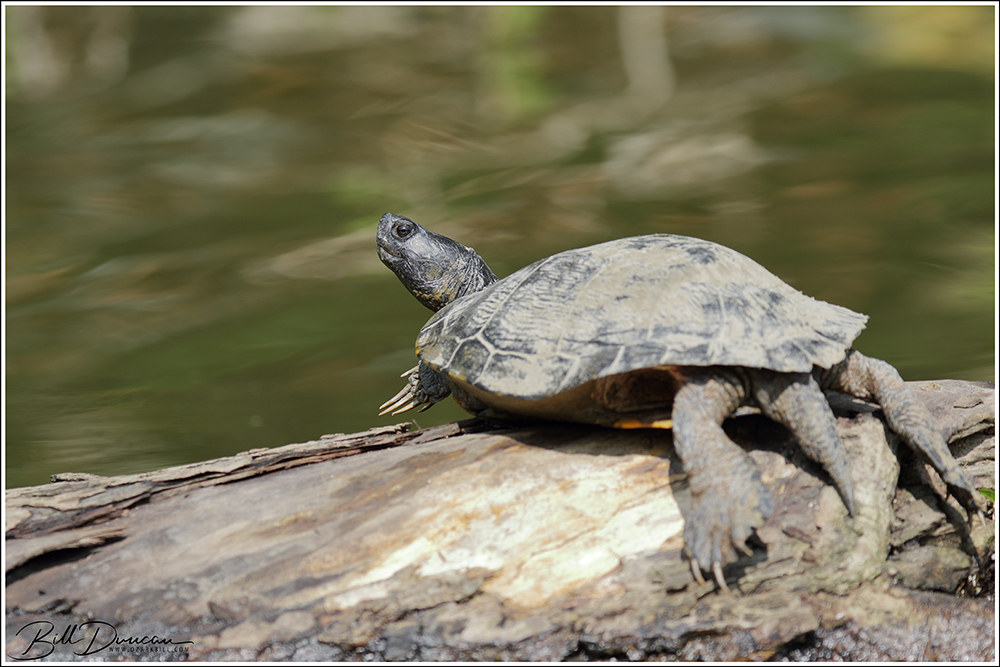
Green Herons tend to have a strong tolerance for humans in more populated settings, often allowing close looks.It’s not every day that you can get this close to a juvenile Little Blue Heron.The boat was stable enough for me to handhold track this LBHE in flight.Birds were not the only ‘reptiles’ I was able to get close to on this outing. This is an age-induced melanistic male red-eared slider (Trachemys scripta elegans) who was bold enough to stay on his sunning perch after his smaller conspecifics had fled to the water.This northern watersnake (Nerodia sipedon sipedon) was showing opaque eye scales, indicating it will be shedding its skin within a few days.
This wraps up the best of my keepers from my first day out in the boat. Needless to say I was quite satisfied with this activity and I am looking forward to getting out more often with it.
May seems such a long time ago. I don’t know how I get so behind on photo processing, but, better late than never. Here is the first of what will probably be three videos with stills of the White-eyed Vireo nest found by Miguel Acosta at Weldon Spring C.A. this past spring. I hope you like it.
As usual, I am woefully behind on processing images this year, probably worse than usual actually. I’ve also not put much work into birds this year, a general trend over the past few years. Too much I’m interested in and not enough time. Anyway, here is some avian miscellany from 2020 so far.
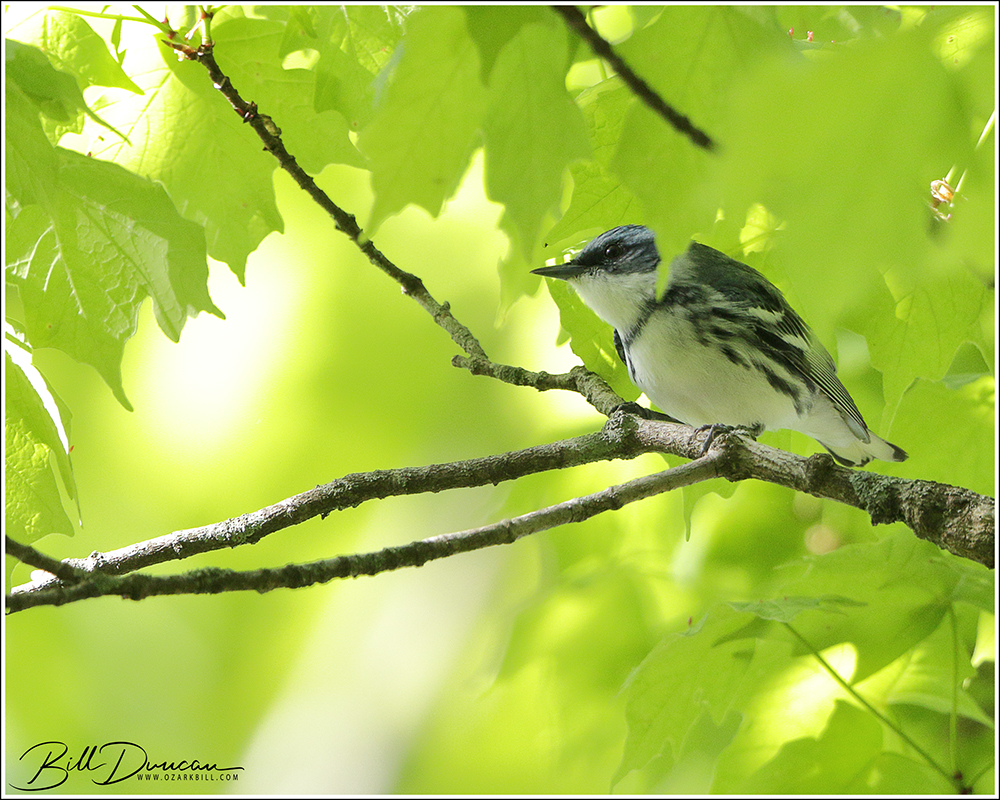
Cerulean Warbler photographed at Weldon Spring C.A.
My quest is to get the perfect Cerulean Warbler shot. These are not it, but getting closer. Better luck next year.
Cerulean Warbler photographed at Weldon Spring C.A.Cerulean Warbler photographed at Weldon Spring C.A.
This pair of Blue-grey Gnatcatchers were also photographed this spring at Weldon Spring Conservation Area.
I was happy to fins this Hairy Woodpecker nest this past spring, but, unfortunately, the parents never got used to my presence so I didn’t spend much time here.
Hairy Woodpecker bringing food to nest, Beckemeier Conservation Area
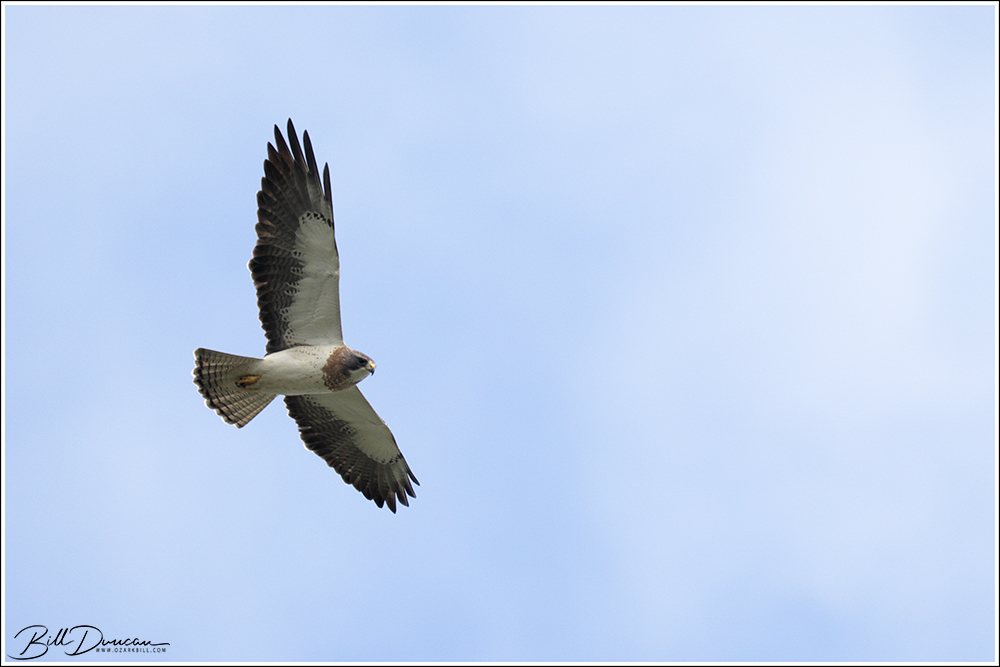
Back in April, Casey and I visited a hotspot for the small population of Swainson’s Hawks in Greene County. These hawks are rare in Missouri and nesting pairs are limited to the southwestern portion of the state.
Swainson’s Hawk
While waiting for more interesting subjects, Killdeer can sometimes get close enough to make it worthwhile. This one was strutting in some pretty good light.
Killdeer, RMBS
Finally, this Red-winged Blackbird was captured establishing his territory outside the Audubon Center in early spring.
Black Skimmer, Pea Island National Wildlife Refuge, N.C., USA.
Going to the archives to try and wrap up 2019, I want to share a few more birds taken in eastern North Carolina.
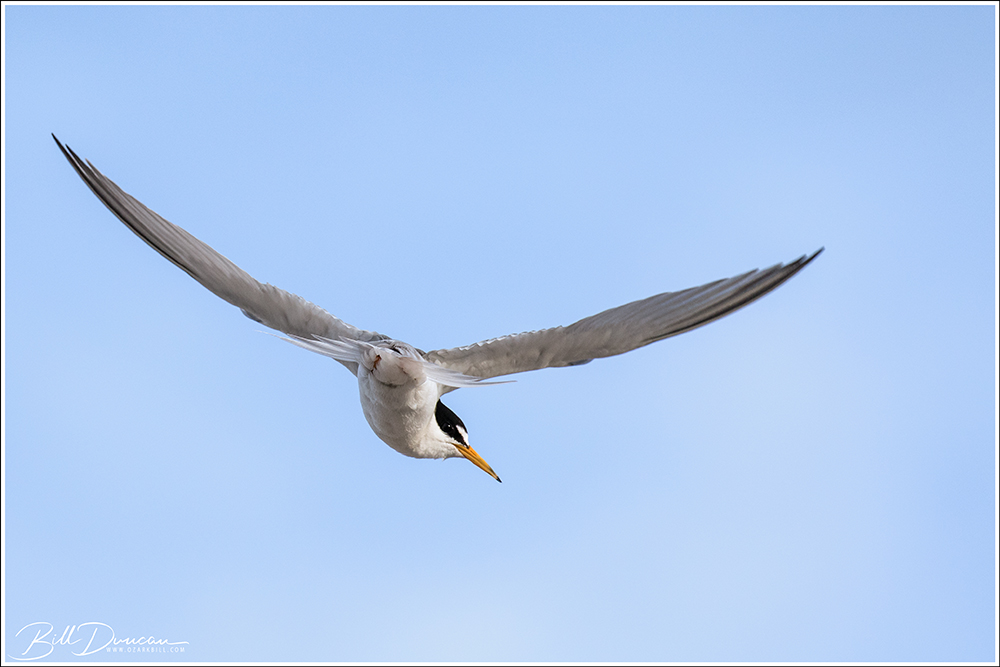
Least Tern, Pea Island National Wildlife Refuge, N.C., USA.
For me, the highlight of visiting Pea Island National Wildlife Refuge was visiting the Least Tern nesting colony. They put up a barricade to make sure you do not get to close to the nests and chicks, but it soon became obvious that the birds do a pretty good job at dissuading anyone from getting too close.
Least Tern dive-bombing the photographer. Pea Island National Wildlife Refuge, N.C., USA.
It was terrifying watching these birds react defensively, strafing and defecating until I moved back to a point they felt comfortable with. I remember I still had some of their ammunition on my camera body for at least six months before finally cleaning it off.
Least Tern, Pea Island National Wildlife Refuge, N.C., USA.
Least Tern with fish, Pea Island National Wildlife Refuge, N.C., USA.
You have to look really close towards the center of their nesting arena to spot the chicks – the reason for their territorial behaviors.
Can you spot the Least Tern chick? Pea Island National Wildlife Refuge, N.C., USA.
During a walk along the interior, marsh portion of the refuge, this beautiful Common Tern flew by.
Common Tern, Pea Island National Wildlife Refuge, N.C., USA.
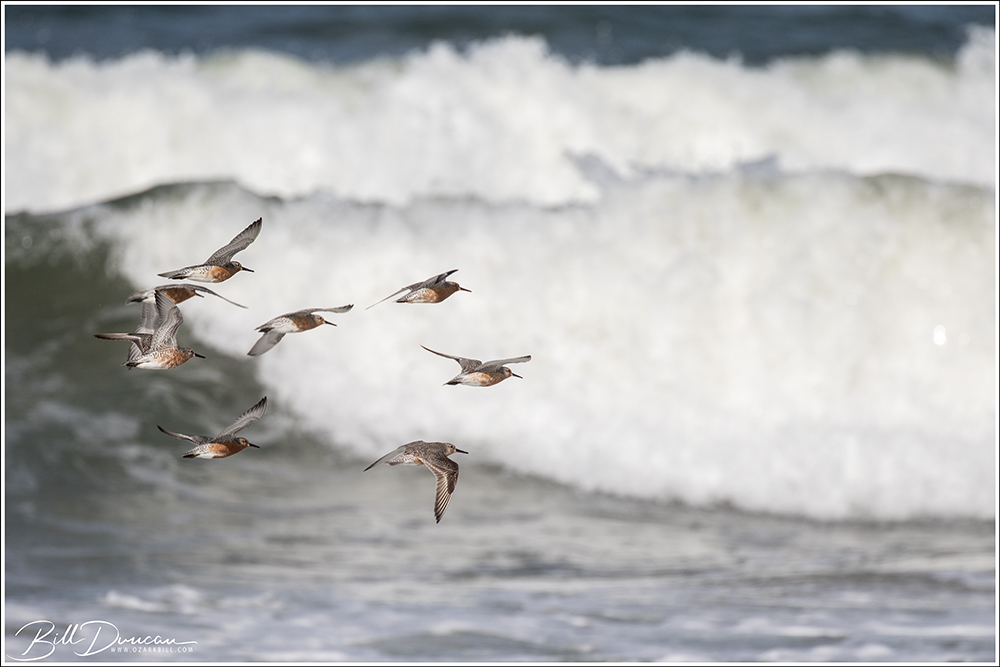
A real treat were my first looks and photographs of Red Knot.
Red Knot, Pea Island National Wildlife Refuge, N.C., USA.
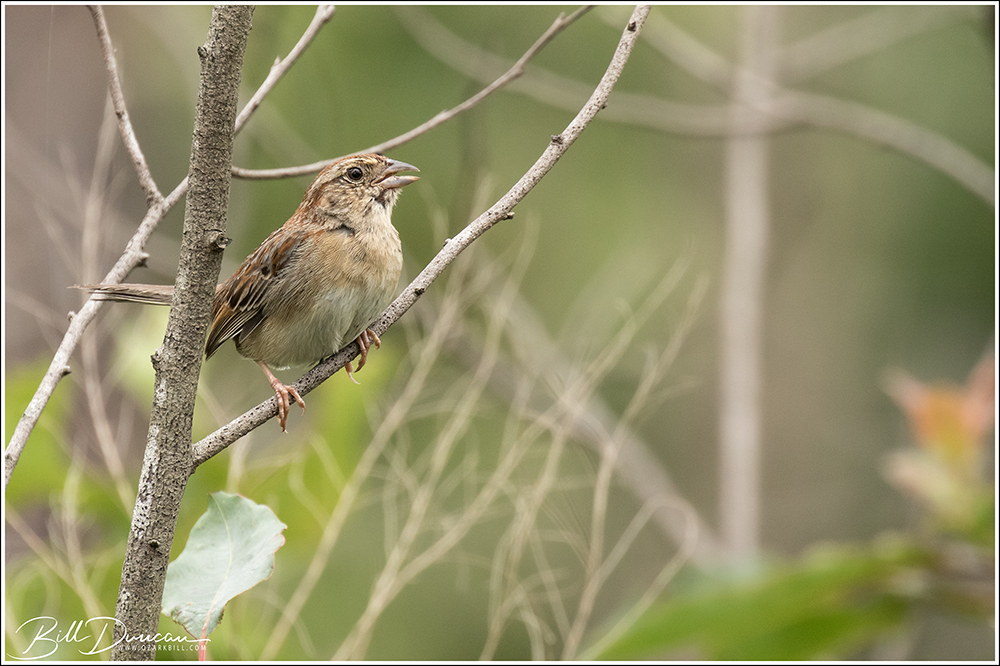
During the same trip, I was fortunate to visit a nice longleaf pine forest habitat at TNC’s Calloway Forest Preserve in Hoke County, NC. Here, along with the Red-cockaded Woodpecker, I got to find one of my southern favorites, the Bachman’s Sparrow.
Bachman’s Sparrow, Calloway Forest Nature Preserve, NC., USA.
Red-cockaded Woodpecker, Calloway Forest Nature Preserve, NC., USA.
From the few short trips I’ve been, North Carolina seems to be quite a place for birds and nature.
March 2020 seems so long ago. Back at the beginning of the COVID 19 pandemic, when we were all getting used to social distancing, I remember watching this nest with a few other photographers. I only made it to the park on a few days and unfortunately did not cover much of the course of the two chicks’ development. But what little time I did have with them I managed to capture a lot of interesting behavior. I’m sorry if this one is a little long, but I had a hard time cutting things out. Scenes where mom and the chicks are looking horizontally or up and mom is giving her best defensive display was in response to a pair of Canada Geese that would sometimes buzz the nest, apparently interested in potentially taking over that prized knot hole for their own nest. Then there is another sinister enemy that I won’t spoil for you… 😉
I hope you will find this as entertaining as I do.















 A Thousand Acres of Silphiums