"What a thousand acres of Silphiums looked like when they tickled the bellies of the buffalo is a question never again to be answered, and perhaps not even asked." -Aldo Leopold
May seems such a long time ago. I don’t know how I get so behind on photo processing, but, better late than never. Here is the first of what will probably be three videos with stills of the White-eyed Vireo nest found by Miguel Acosta at Weldon Spring C.A. this past spring. I hope you like it.
As usual, I am woefully behind on processing images this year, probably worse than usual actually. I’ve also not put much work into birds this year, a general trend over the past few years. Too much I’m interested in and not enough time. Anyway, here is some avian miscellany from 2020 so far.
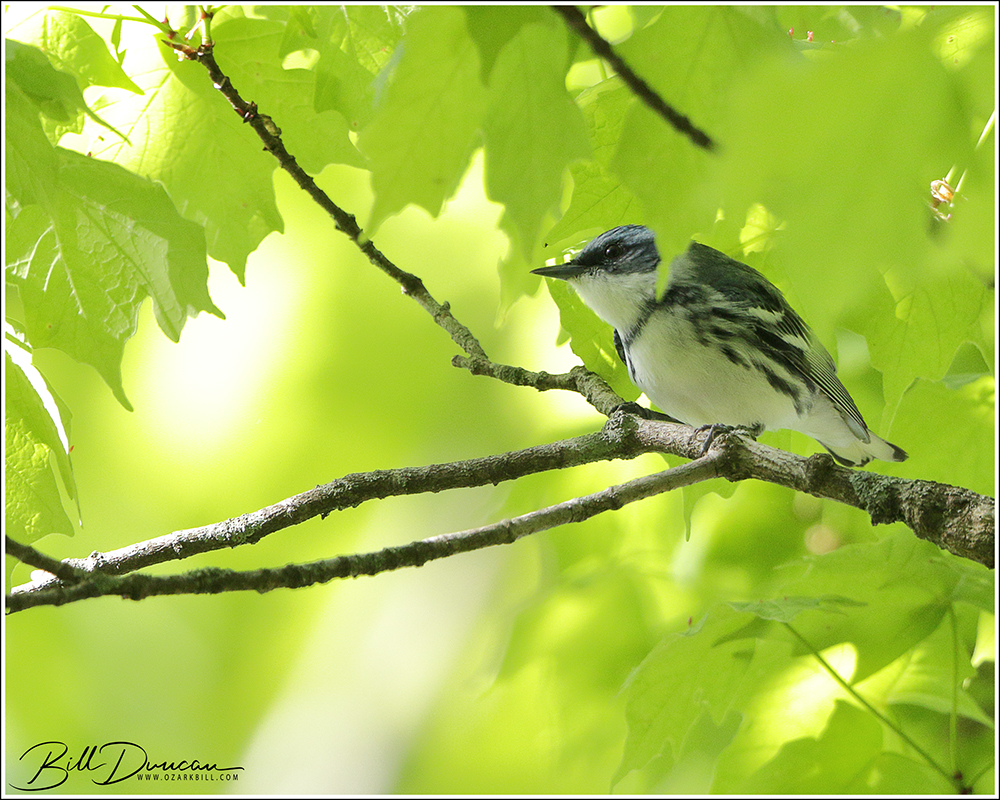
Cerulean Warbler photographed at Weldon Spring C.A.
My quest is to get the perfect Cerulean Warbler shot. These are not it, but getting closer. Better luck next year.
Cerulean Warbler photographed at Weldon Spring C.A.Cerulean Warbler photographed at Weldon Spring C.A.
This pair of Blue-grey Gnatcatchers were also photographed this spring at Weldon Spring Conservation Area.
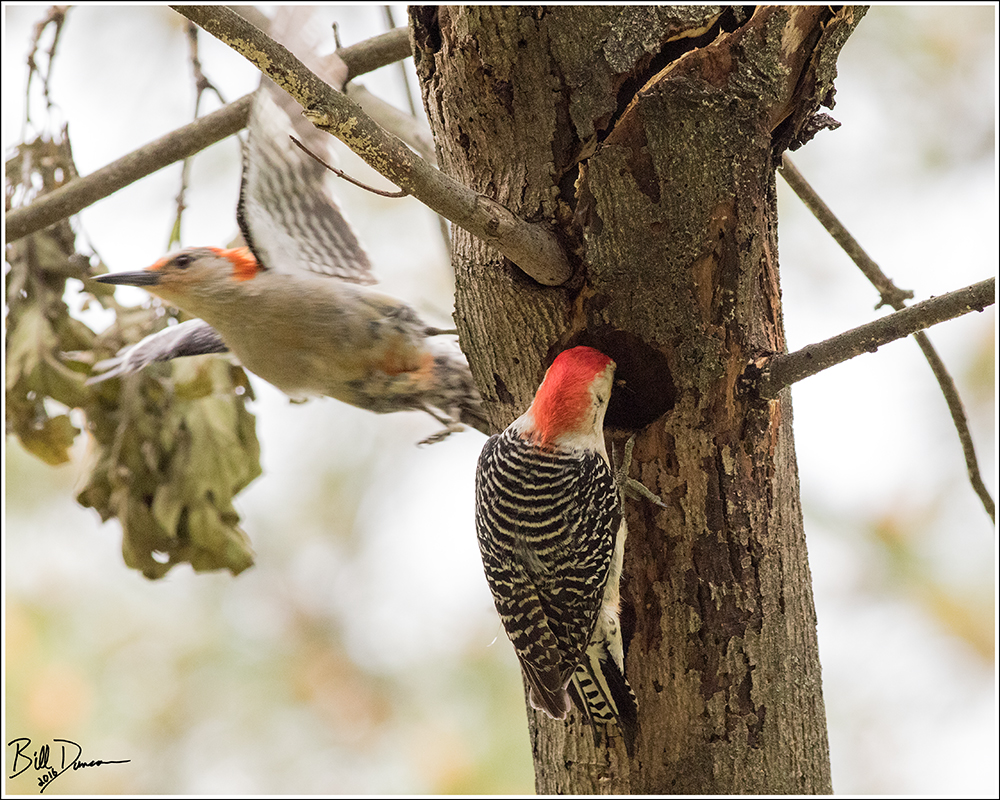
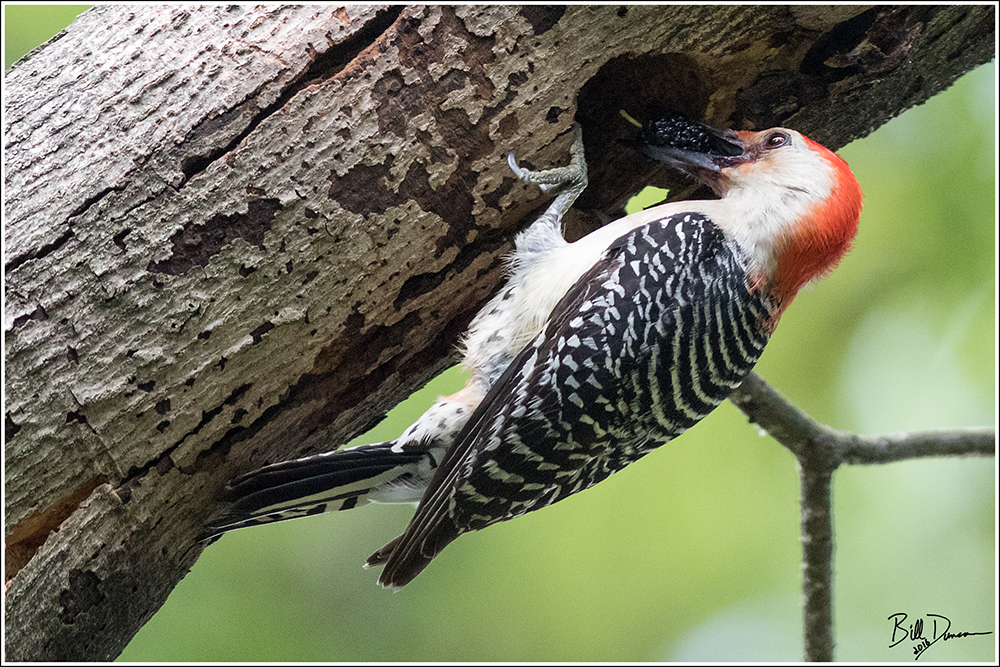
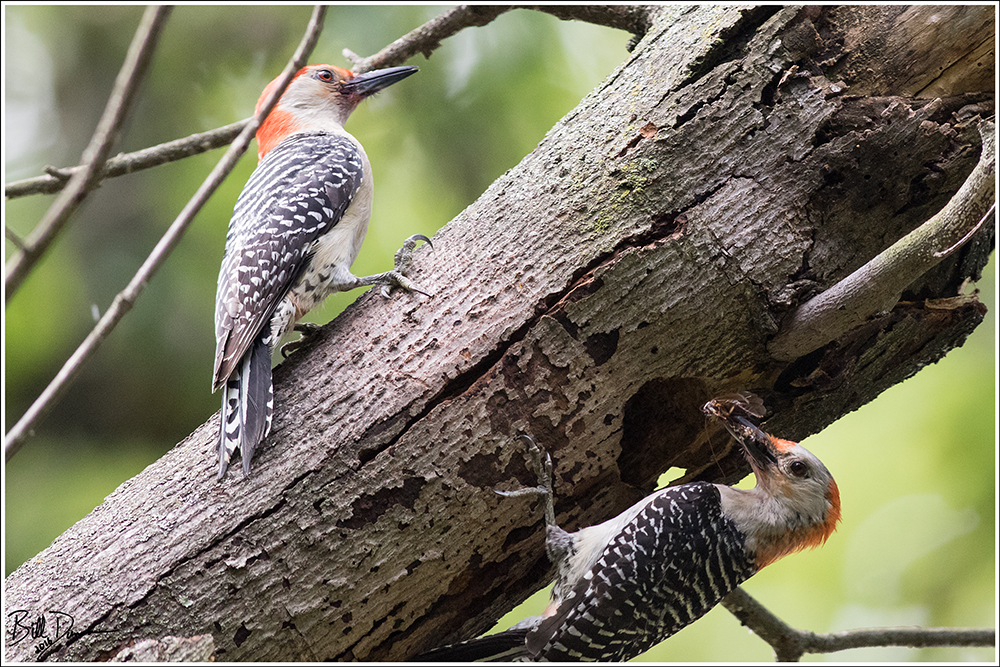
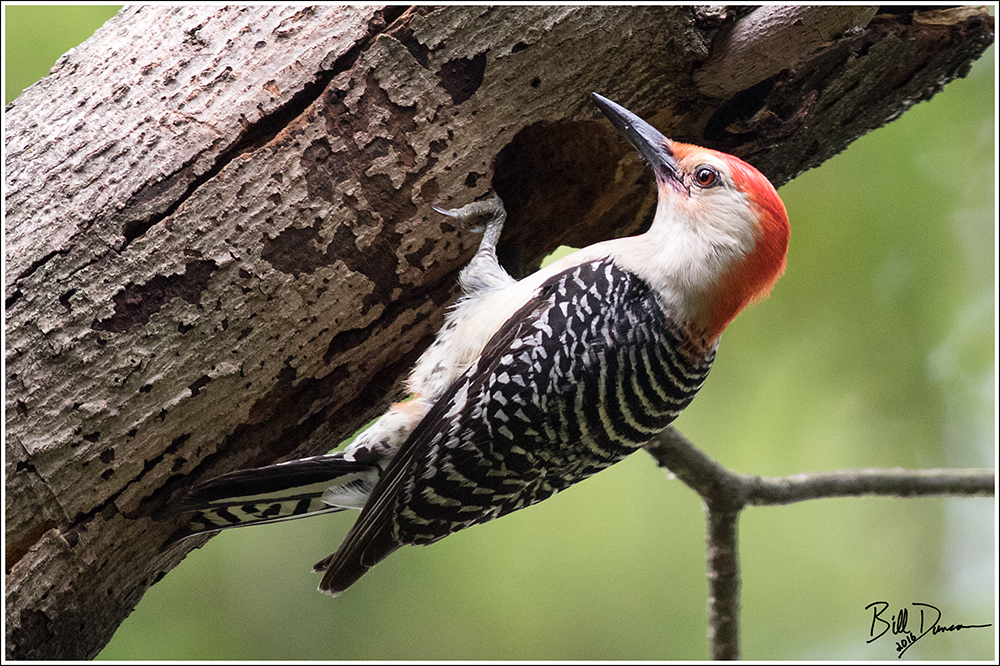
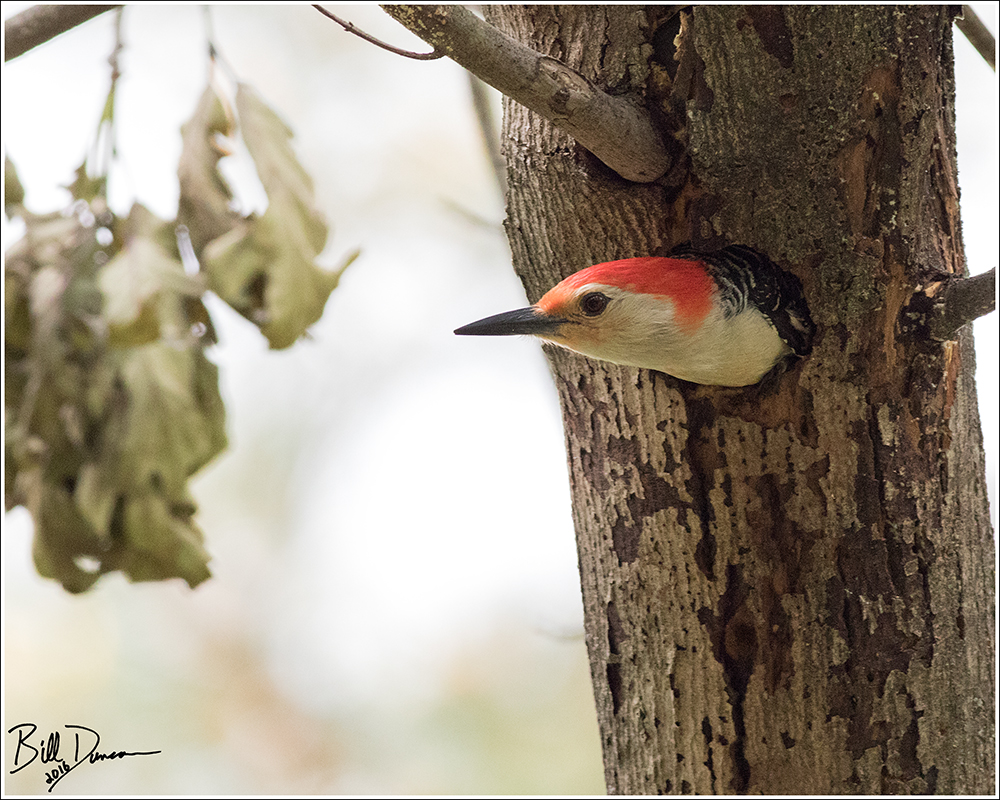
I was happy to fins this Hairy Woodpecker nest this past spring, but, unfortunately, the parents never got used to my presence so I didn’t spend much time here.
Hairy Woodpecker bringing food to nest, Beckemeier Conservation Area
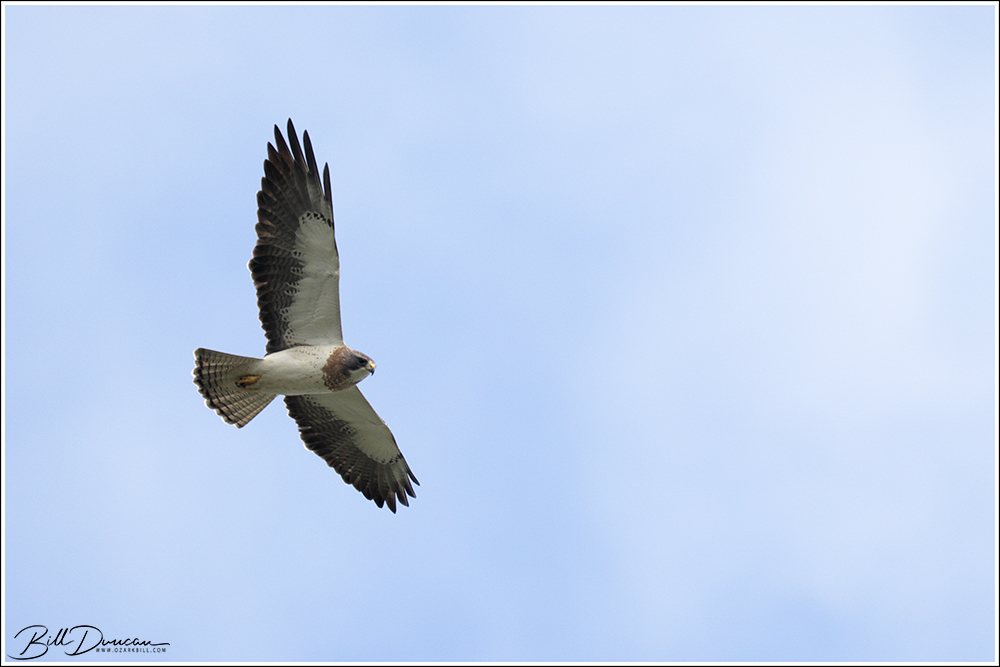
Back in April, Casey and I visited a hotspot for the small population of Swainson’s Hawks in Greene County. These hawks are rare in Missouri and nesting pairs are limited to the southwestern portion of the state.
Swainson’s Hawk
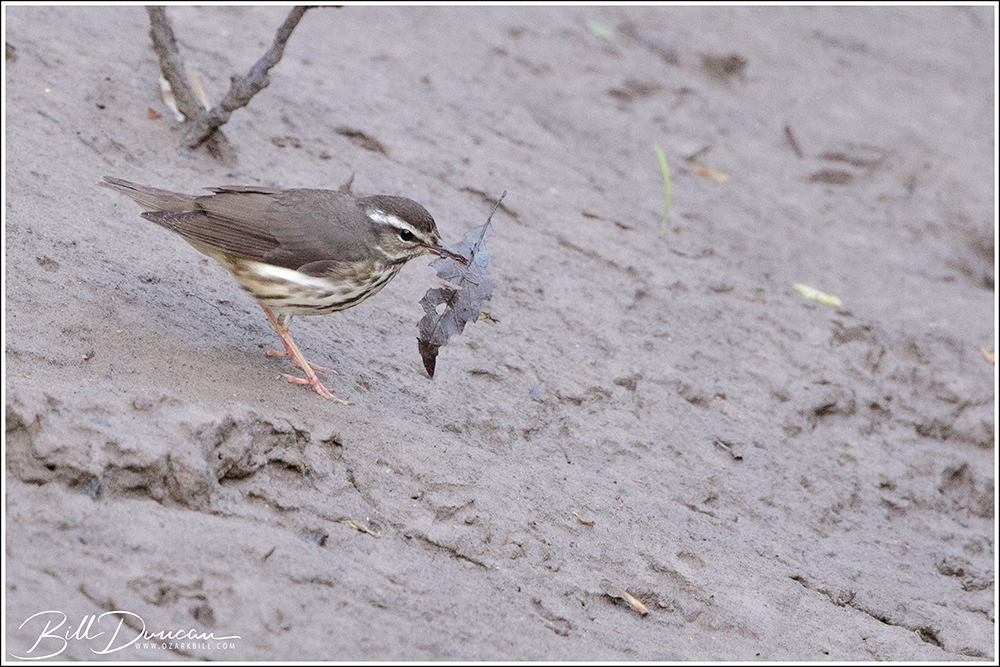
While waiting for more interesting subjects, Killdeer can sometimes get close enough to make it worthwhile. This one was strutting in some pretty good light.
Killdeer, RMBS
Finally, this Red-winged Blackbird was captured establishing his territory outside the Audubon Center in early spring.
It’s been quite some time since I’ve shared a blog post. This has primarily been due to being in a residence move that is seemingly never going to end. But, I have been finding time here and there to make new images and even get some post-processing done. I have switched themes in this blog, picking a theme that should allow me to create a “portfolio” page to showcase my stronger photos. Unfortunately, I haven’t been able to figure out how to do this in WordPress. So I have not gotten far in this endeavor.
My goal is to post more frequently, just to share photos. There may not be a lot of accompanying text, but will depend on the subjects, my amount of free-time and my mood.
Greater Prairie Chicken in golden light
The images in this post were taken back in April of 2019 during a WGNSS Nature Photo Group outing to Dunn Ranch Prairie. This visit was close to the end of the lekking period and was the latest date that the MDC was keeping the blind open. This was different than our previous visit when we visited in the earlier part of the season and had pros and cons associated.
Boomer
Visiting the lek later in the season created better chances for better light (clear skies) and warmer weather. However, what we didn’t expect was that the females typically choose the dominant males to copulate with in the earlier days of the season and will often be nesting come the later days of the lekking season. This is what we had found during this visit. We did not see a single hen during this visit.
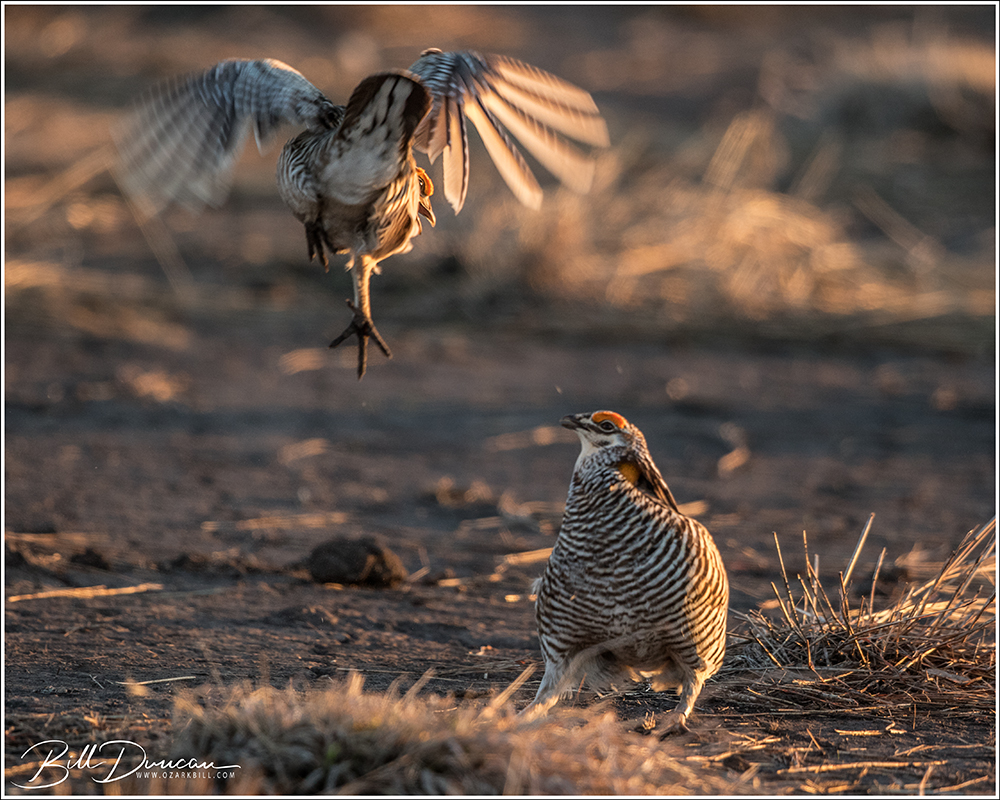
The standoff
Because there were no hens to compete for, the males had no heart for the competition. We had very few opportunities to photograph the action we had witnessed during our first visit to the lek two years prior.
One of the few opportunities to capture a fight between males
The light, however, was spectacular – we had no reason to complain and we all made memorable portrait style photos of these birds booming, dancing and cackling.
Never a disappointment, hopefully this Missouri population somehow continues to hang on so that WGNSS members can continue to enjoy this spectacle in Missouri.
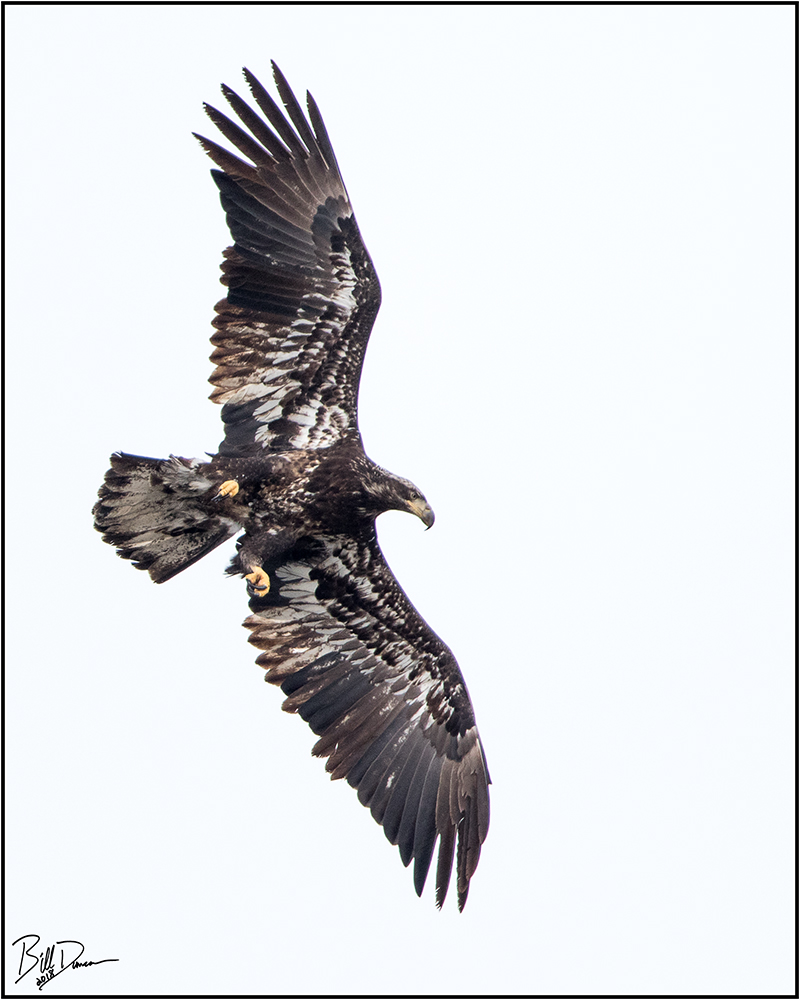
The WGNSS Natural History Photo Group had a fun field trip in January, when we headed north up the Mississippi to the riverside town of Clarksville. Here at lock and dam #24, we were fortunate to be alongside ~75 eagles of various ages that took turns in catching the stunned shad that is their primary winter food source along the great river. We arrived early in the morning and made a day of it, experiencing wide shifts in weather from grey and snowy to partly sunny skies. I’m not an expert in aging these eagles, but I believe the bird picture above is a subadult II, which means it is 2.5 – 3 years old. In this photo you can see several retained juvenile secondaries on each wing.
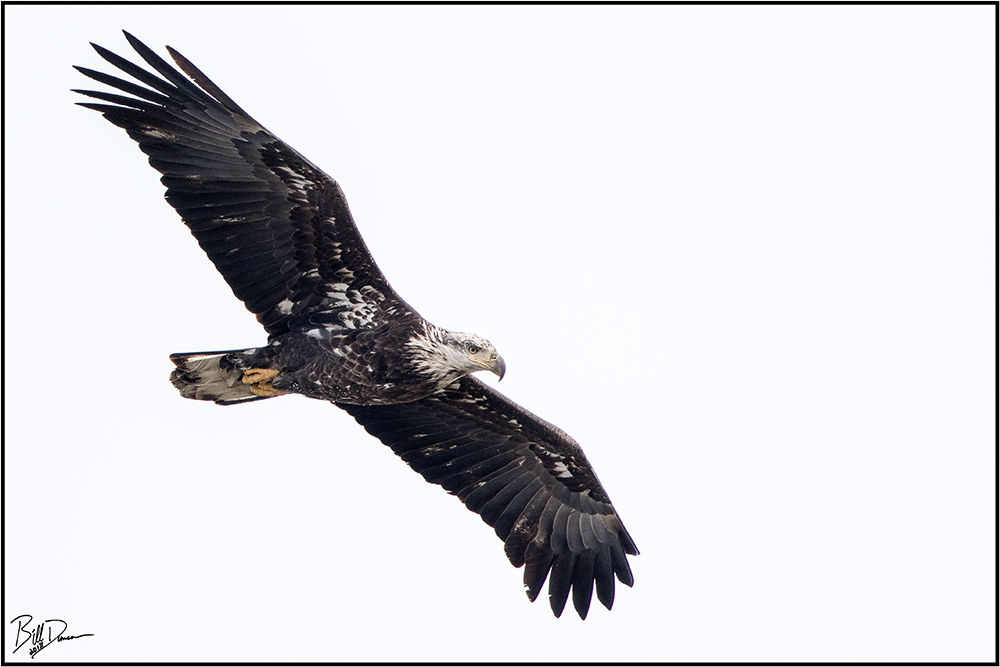
Bald Eagle subadult “2nd year”
The long and pointed secondaries make me think this bird is probably a year younger than the bird in the previous photo. I would guess this bird is 1.5 – 2 years old. The temperatures on this day were cold, but not too severe. We arrived with the car’s thermometer reading 16°F. There was a light wind most of the day, but not nearly as bad as there could have been.
Bald Eagle Adult
With patience, there were some opportunities to capture a bird’s profile as it came to pick up a poor stunned fish.
The successful fisher
The majority of prey captured in this way is small enough to be eaten immediately on the wing in a single “bite”. Sometimes, however, the bird is forced to retreat with its groceries and eat in seclusion.
Bald Eagle subadult “4th year”
The bird pictured above is much closer to looking like an adult bird, showing the mostly white head and tail. I estimate this bird as being 3.5 to 4 years old.
Bald Eagle – juvenile fishing
I noticed this in previous years, that it seems like the juveniles spend more time fishing than the adults. In the photo above, you can see a juvenile with an already full crop is pulling another fish from the river.
This is just a few I have processed so far. We have something in the works that may produce something much more in terms of eagle photography. Until next time.
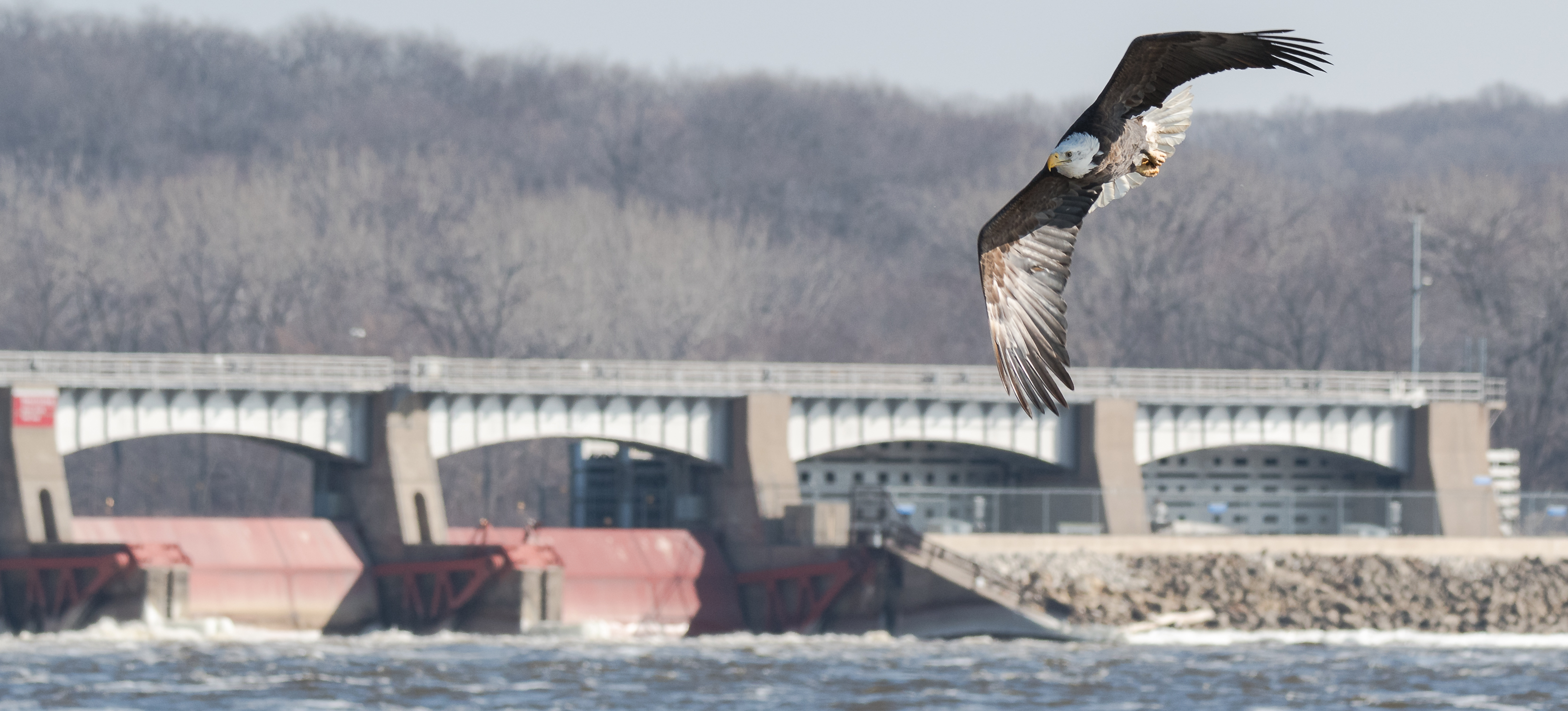
American Bald Eagle (Haliaeetus leucocephalus) at Lock & Dam 14.
Lock and Dam 14:
Located in the city of Le Claire, IA. Hailed as one of the better bald eagle viewing opportunities in the continental US, each winter hundreds of eagles congregate along the flyway of the sometimes frozen Mississippi River to catch fish that get stunned as they travel through the cascading water passing through the lock.
Hands downs, Lock and Dam 14 is my favorite because it provides closer views of the eagles from the viewing platform. The best light is in the afternoon, although I’ve still gotten some great images in the morning. Get there early to find a good spot on the platform as it gets crowded later in the day (especially on weekends).
While in Le Claire, plan a visit to the Buffalo Bill Museum, or a boat ride with the Riverboat Twilight Tour cruising…
The 275th bird species I have photographed in Missouri and contiguous states turned out to be a special one. This Eastern Screech Owl is definitely the current most famous bird in the bi-state area. Many thanks to Miguel Acosta for the information. A long time coming.
Today I watched as park workers cut down this tree at Wild Acres Park in Overland, MO, a municipality in St. Louis County. I estimate they have removed nearly 75% of all standing dead trees in this park during the last six months. This tree, that provided shelter and food to a number of Woodpeckers, the tree I watched and photographed an Olive-sided Flycatcher this past spring, two dead oaks that I watched Great-horned Owls display and duet in numerous times over the past 6+ years, a tree that provided a place for a nesting Great-horned Owl, dead snags near the pond that provided perches to herons and wood ducks that were stopping to rest on their way to somewhere more worthy. Even if the trees must come down due to “safety”, I wish that they would see the benefit that these trees can bring while decomposing in a forest. Lately, they are even hauling away the carcasses.
The original plans for the park when first established seem to suggest that the park was conceived to provide wildlife with an oasis amidst a suburban desert as much as it was to be a benefit to the humans with similar desires. I find little evidence in recent years that the park management has goals to this effect.
I have featured Bell’s Vireo on this site before, but it is one of my favorites and I never get tired of hunting, watching and photographing this grassland cutie.













 American Bald Eagle (Haliaeetus leucocephalus) at Lock & Dam 14.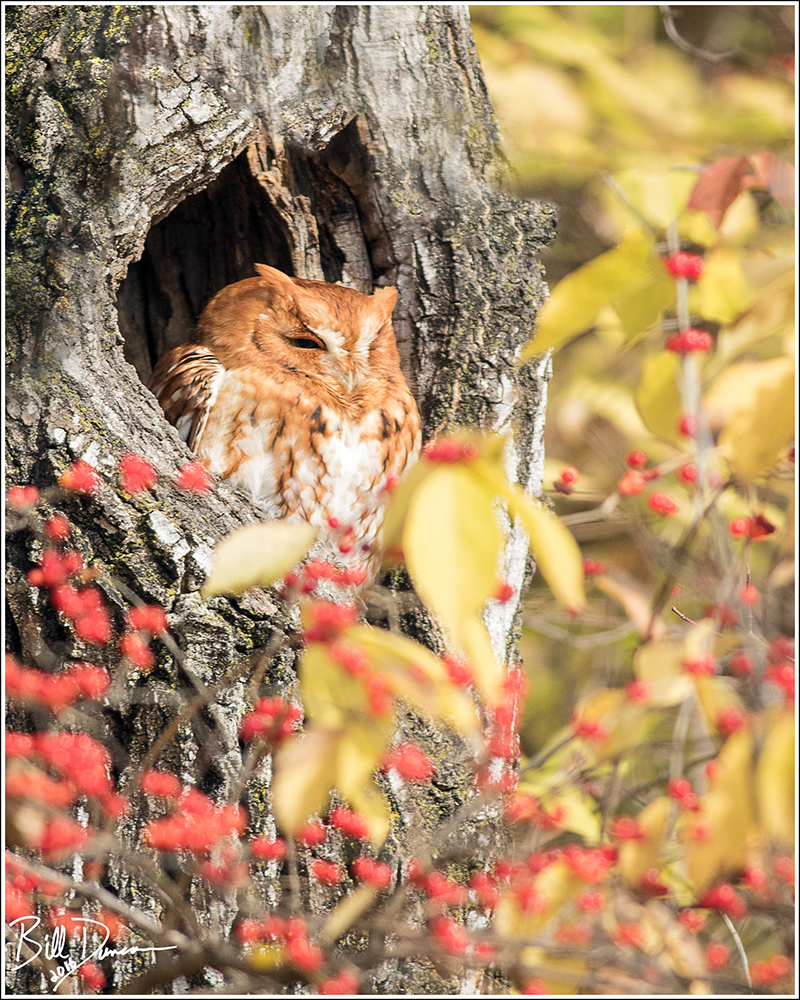



 A Thousand Acres of Silphiums