Wildlife photography from a boat

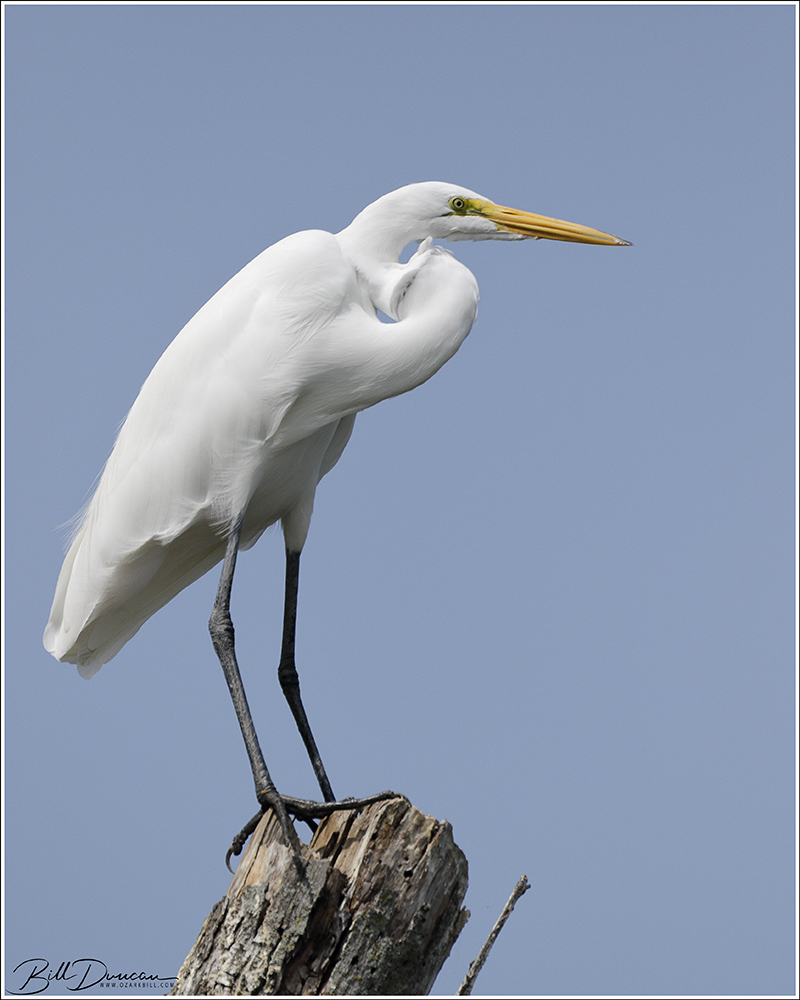
A Great Egret poses in front of early autumn colors.

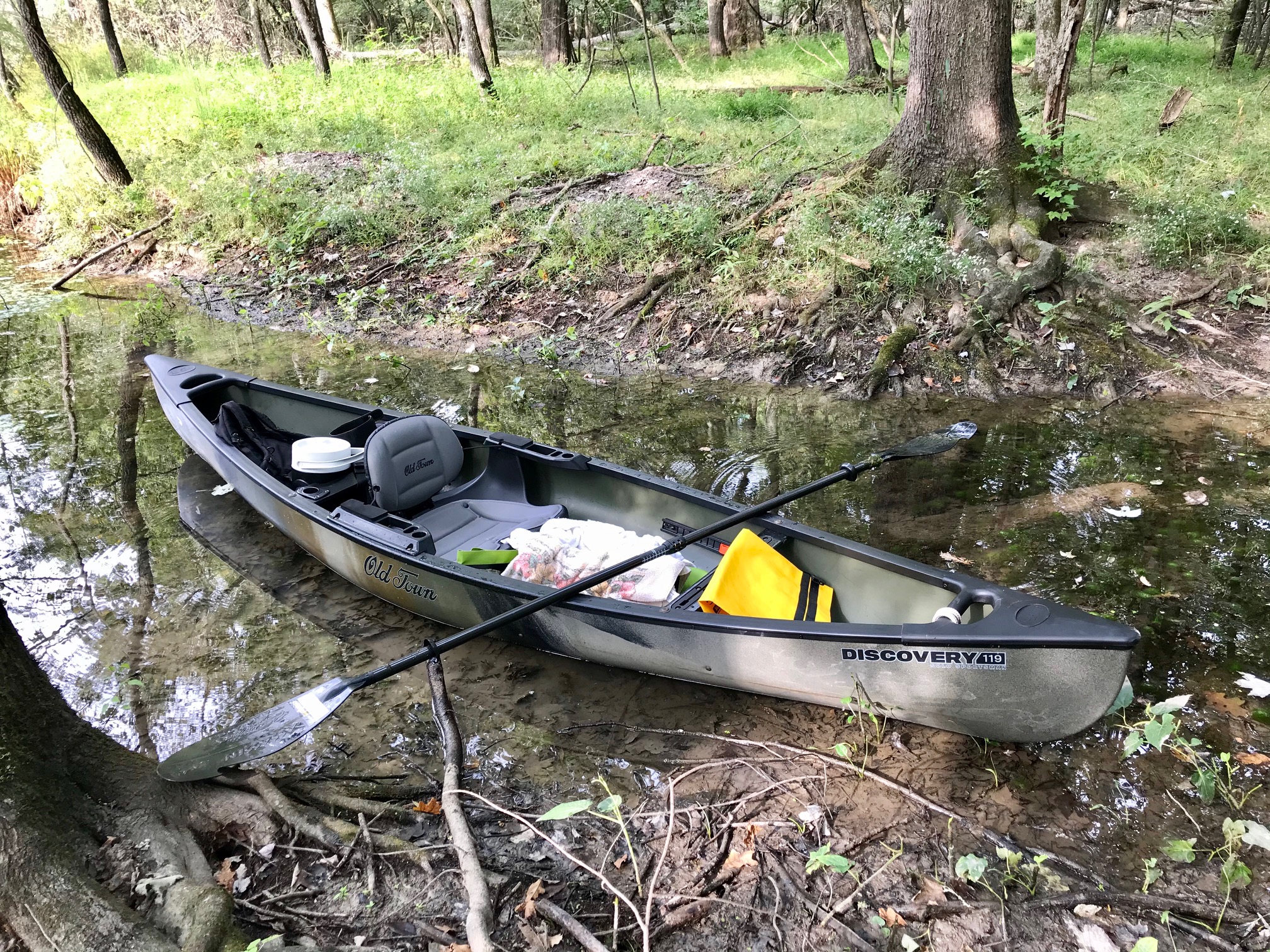
Back in September I was fortunate to join the boat owners club when I picked up a single-seater canoe/kayak hybrid. After my typical dive into researching the best potential model for my usage and pocketbook, I was pretty certain it would suit my needs. Excited to give it a try, my first stop in getting it wet was an early morning vacation day at Creve Coeur Lake.

The “Discovery 119” hybrid – very stable and easy to move to and from the water.

On this first outing, only minutes from my house, I did not expect the photographic opportunities to be very abundant. However, I was pleasantly surprised by the looks at wildlife and photos I was able to get.

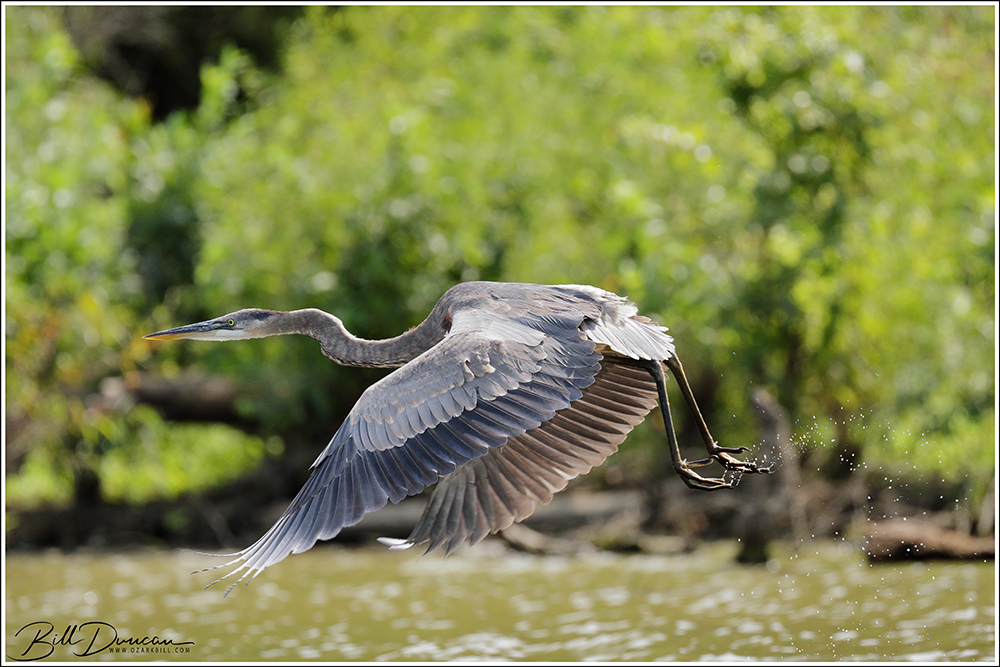
A Great Blue Heron, usually quite timid, was easy to get close enough to capture with a 400mm lens.

Maneuvering the boat into position while trying to get the photos was a bit of a chore and will definitely take more practice to get right. Facing your subjects is key and in still waters was usually doable before the subjects could complain.

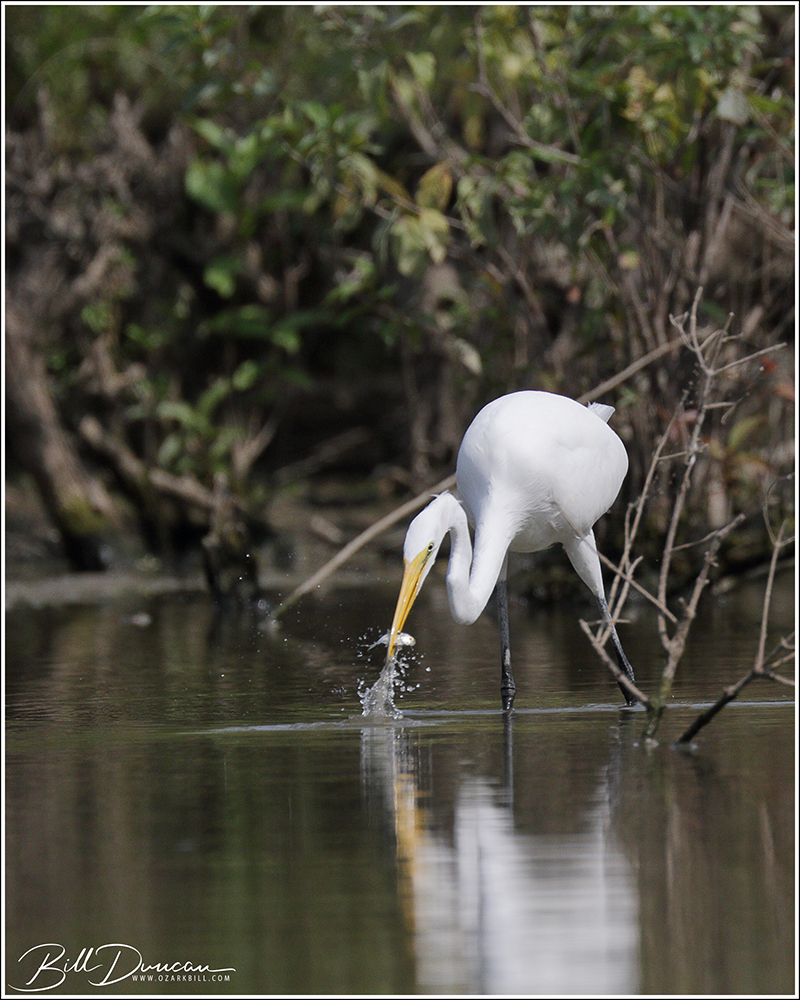
A Great Egret grabs a quick bite.
A quick flip to align and down it goes.

This boat sits very shallowly in the water, allowing me to maneuver easily in the shallows wetlands found at the south end of the lake. I was often moving in less than three inches of water!

Green Herons tend to have a strong tolerance for humans in more populated settings, often allowing close looks.
It’s not every day that you can get this close to a juvenile Little Blue Heron.
The boat was stable enough for me to handhold track this LBHE in flight.
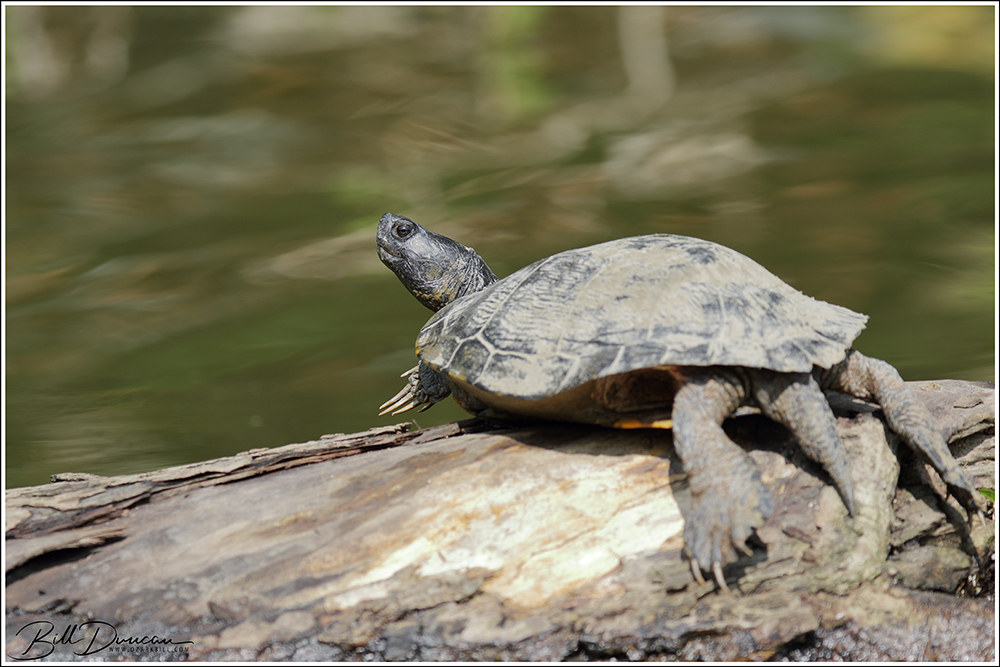
Birds were not the only ‘reptiles’ I was able to get close to on this outing. This is an age-induced melanistic male red-eared slider (Trachemys scripta elegans) who was bold enough to stay on his sunning perch after his smaller conspecifics had fled to the water.
This northern watersnake (Nerodia sipedon sipedon) was showing opaque eye scales, indicating it will be shedding its skin within a few days.

This wraps up the best of my keepers from my first day out in the boat. Needless to say I was quite satisfied with this activity and I am looking forward to getting out more often with it.

Great Egret

Thanks for visiting!

-Ozark Bill

White-eyed Vireo Nest – Part One

May seems such a long time ago. I don’t know how I get so behind on photo processing, but, better late than never. Here is the first of what will probably be three videos with stills of the White-eyed Vireo nest found by Miguel Acosta at Weldon Spring C.A. this past spring. I hope you like it.

-OZB
A tale of two Saturniids

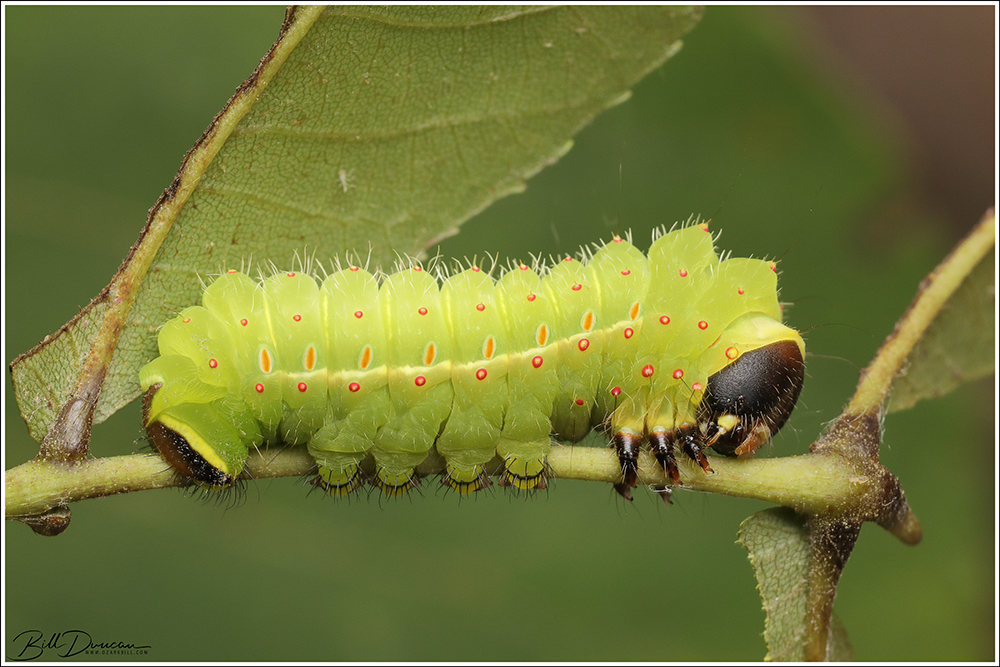
Actias luna (luna moth) caterpillar 

I typically don’t have very much luck finding caterpillars of the giant silk moths from the Saturnidae family. This past season was a little more successful. I found three polyphemus moth (Antheraea polyphemus) caterpillars and Sarah found the above luna moth caterpillar during our birthday hunting trip in mid-September. Larvae of these two species look very similar, but there are a few easy characteristics than can be used to distinguish between the two.

Antheraea polyphemus (polyphemus moth) caterpillar


A few nesting Missouri birds from 2020

As usual, I am woefully behind on processing images this year, probably worse than usual actually. I’ve also not put much work into birds this year, a general trend over the past few years. Too much I’m interested in and not enough time. Anyway, here is some avian miscellany from 2020 so far.

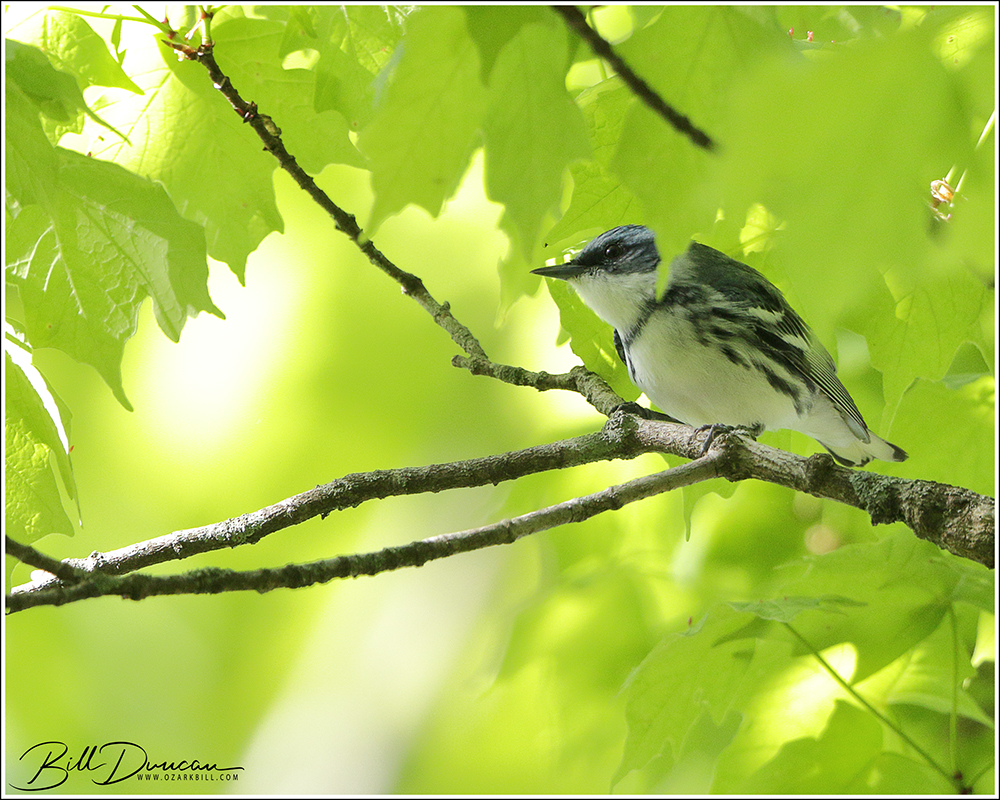
Cerulean Warbler photographed at Weldon Spring C.A.

My quest is to get the perfect Cerulean Warbler shot. These are not it, but getting closer. Better luck next year.

Cerulean Warbler photographed at Weldon Spring C.A.

This pair of Blue-grey Gnatcatchers were also photographed this spring at Weldon Spring Conservation Area.

Blue-grey Gnatcatcher (female), Weldon Springs CA
Blue-grey Gnatcatcher (male), Weldon Springs CA

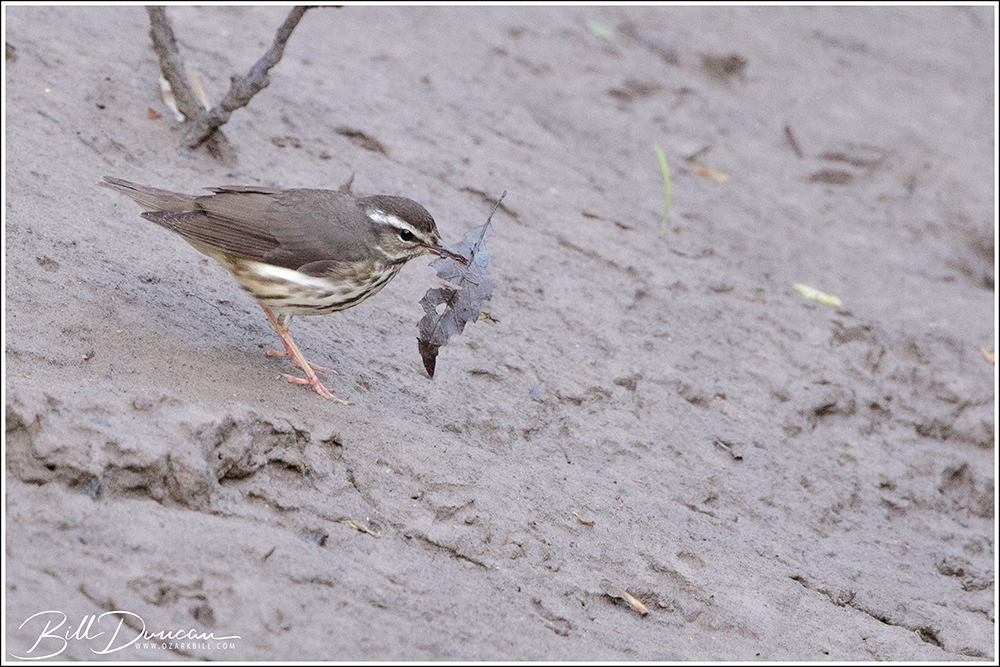
A pair of Louisiana Waterthrush were usually easy to find in a territory that the trail ran through.

Louisiana Waterthrush, Weldon Springs C.A.

This Horned Lark was found back in March at Riverlands.

Horned Lark, Riverlands Migratory Bird Sanctuary

I was happy to fins this Hairy Woodpecker nest this past spring, but, unfortunately, the parents never got used to my presence so I didn’t spend much time here.

Hairy Woodpecker bringing food to nest, Beckemeier Conservation Area

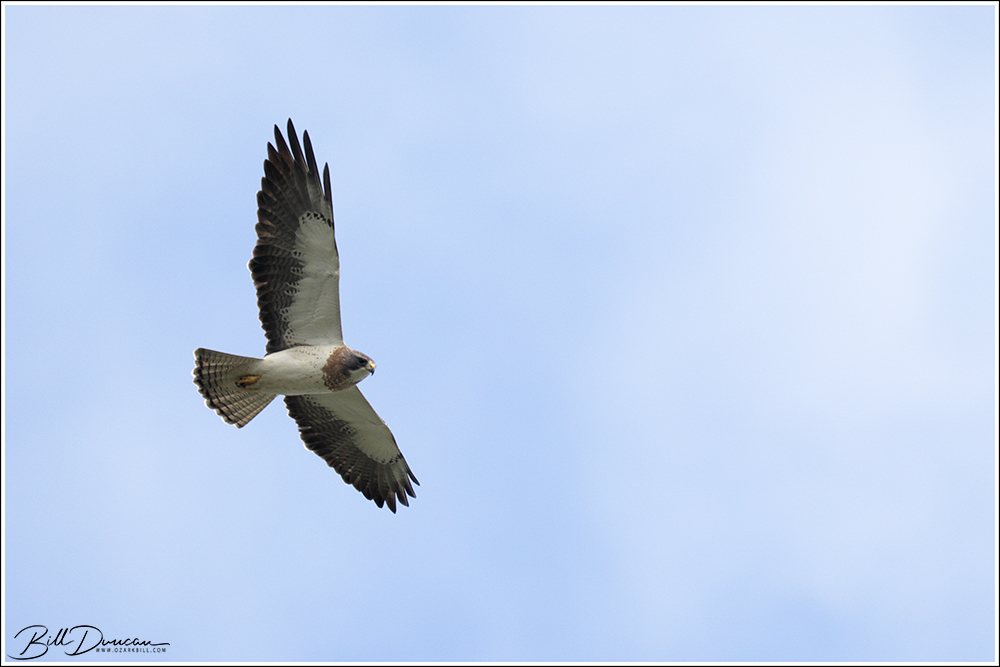
Back in April, Casey and I visited a hotspot for the small population of Swainson’s Hawks in Greene County. These hawks are rare in Missouri and nesting pairs are limited to the southwestern portion of the state.

Swainson’s Hawk

While waiting for more interesting subjects, Killdeer can sometimes get close enough to make it worthwhile. This one was strutting in some pretty good light.

Killdeer, RMBS

Finally, this Red-winged Blackbird was captured establishing his territory outside the Audubon Center in early spring.

Red-winged Blackbird, RMBS

-OZB

North Carolina Birding – 2019 Wrap-up

Black Skimmer, Pea Island National Wildlife Refuge, N.C., USA.

Going to the archives to try and wrap up 2019, I want to share a few more birds taken in eastern North Carolina.

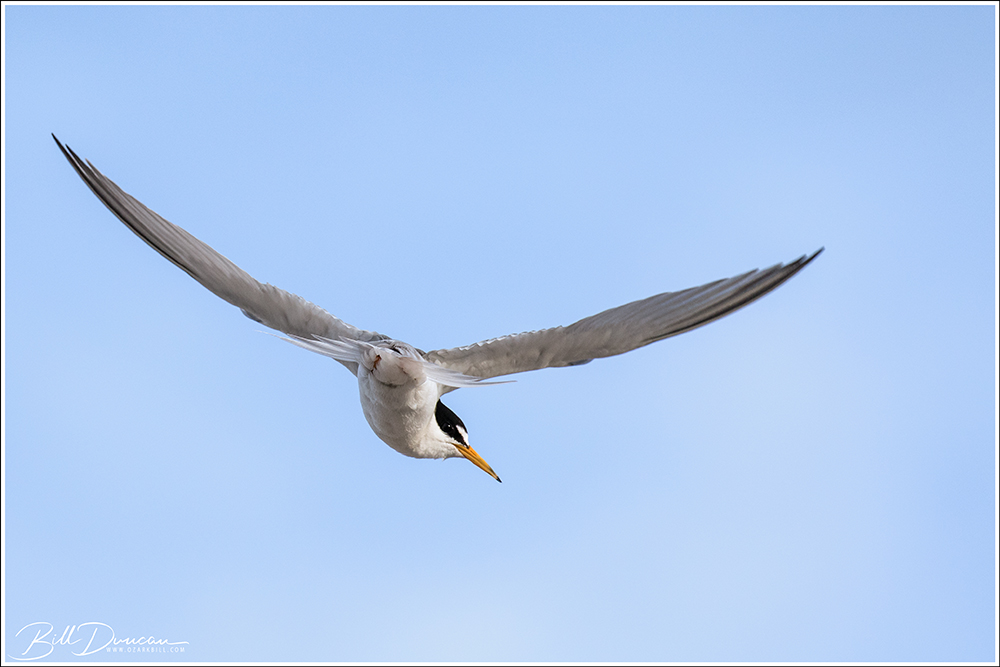
Least Tern, Pea Island National Wildlife Refuge, N.C., USA.

For me, the highlight of visiting Pea Island National Wildlife Refuge was visiting the Least Tern nesting colony. They put up a barricade to make sure you do not get to close to the nests and chicks, but it soon became obvious that the birds do a pretty good job at dissuading anyone from getting too close.

Least Tern dive-bombing the photographer. Pea Island National Wildlife Refuge, N.C., USA.

It was terrifying watching these birds react defensively, strafing and defecating until I moved back to a point they felt comfortable with. I remember I still had some of their ammunition on my camera body for at least six months before finally cleaning it off.

Least Tern, Pea Island National Wildlife Refuge, N.C., USA.

Least Tern with fish, Pea Island National Wildlife Refuge, N.C., USA.

You have to look really close towards the center of their nesting arena to spot the chicks – the reason for their territorial behaviors.

Can you spot the Least Tern chick? Pea Island National Wildlife Refuge, N.C., USA.

During a walk along the interior, marsh portion of the refuge, this beautiful Common Tern flew by.

Common Tern, Pea Island National Wildlife Refuge, N.C., USA.

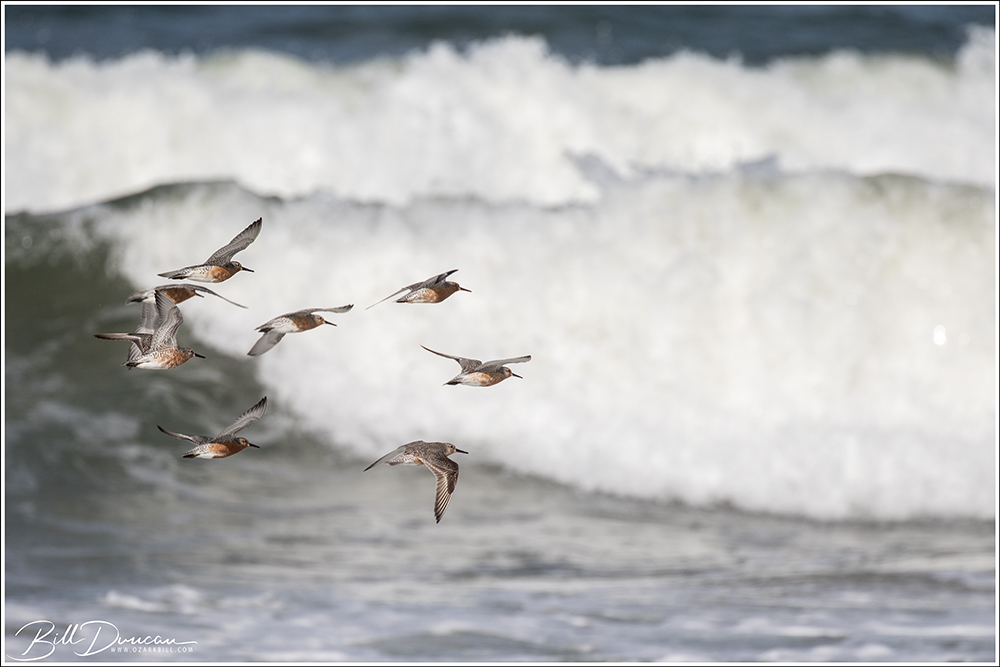
A real treat were my first looks and photographs of Red Knot.

Red Knot, Pea Island National Wildlife Refuge, N.C., USA.

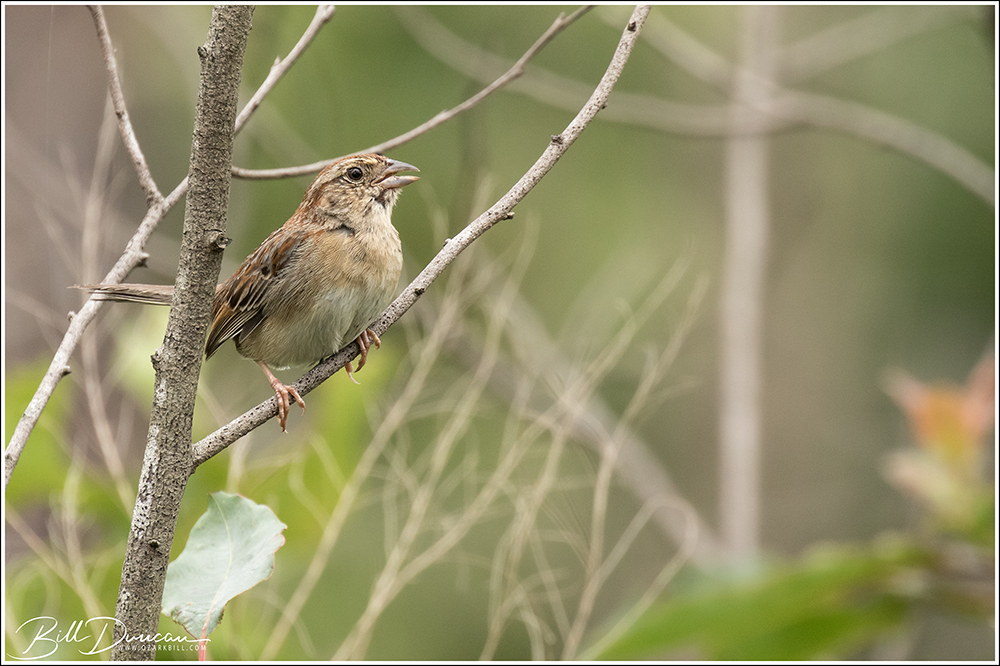
During the same trip, I was fortunate to visit a nice longleaf pine forest habitat at TNC’s Calloway Forest Preserve in Hoke County, NC. Here, along with the Red-cockaded Woodpecker, I got to find one of my southern favorites, the Bachman’s Sparrow.

Bachman’s Sparrow, Calloway Forest Nature Preserve, NC., USA.

Red-cockaded Woodpecker, Calloway Forest Nature Preserve, NC., USA.

From the few short trips I’ve been, North Carolina seems to be quite a place for birds and nature.

-OZB
Great-horned Owl Nest – Carondelet Park 2020

March 2020 seems so long ago. Back at the beginning of the COVID 19 pandemic, when we were all getting used to social distancing, I remember watching this nest with a few other photographers. I only made it to the park on a few days and unfortunately did not cover much of the course of the two chicks’ development. But what little time I did have with them I managed to capture a lot of interesting behavior. I’m sorry if this one is a little long, but I had a hard time cutting things out. Scenes where mom and the chicks are looking horizontally or up and mom is giving her best defensive display was in response to a pair of Canada Geese that would sometimes buzz the nest, apparently interested in potentially taking over that prized knot hole for their own nest. Then there is another sinister enemy that I won’t spoil for you… 😉

I hope you will find this as entertaining as I do.

-OZB
The Ruff

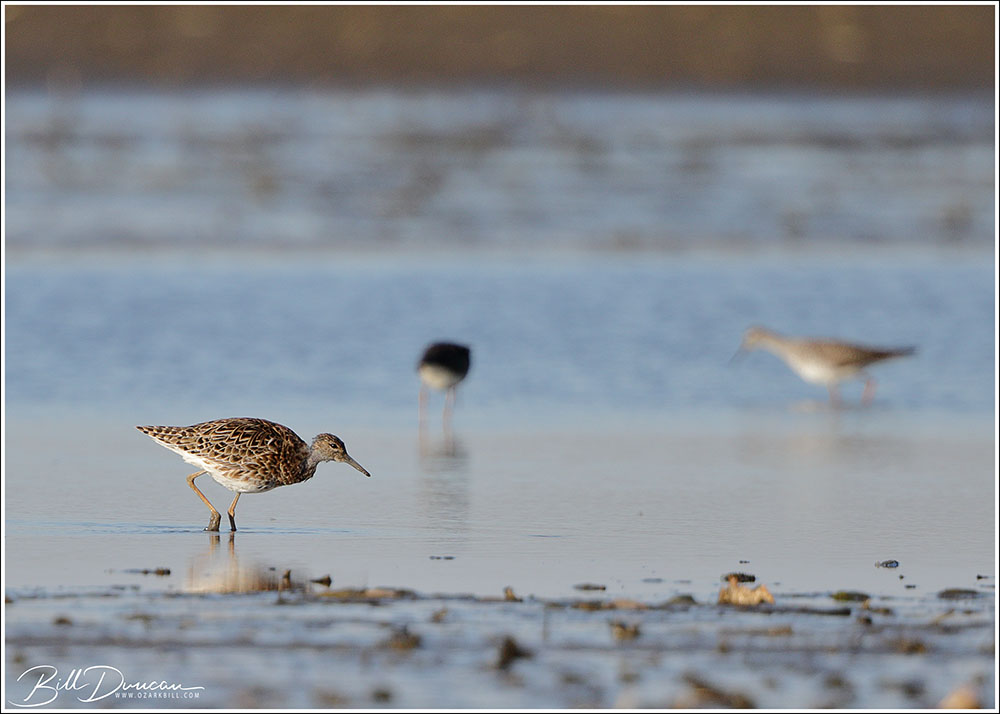
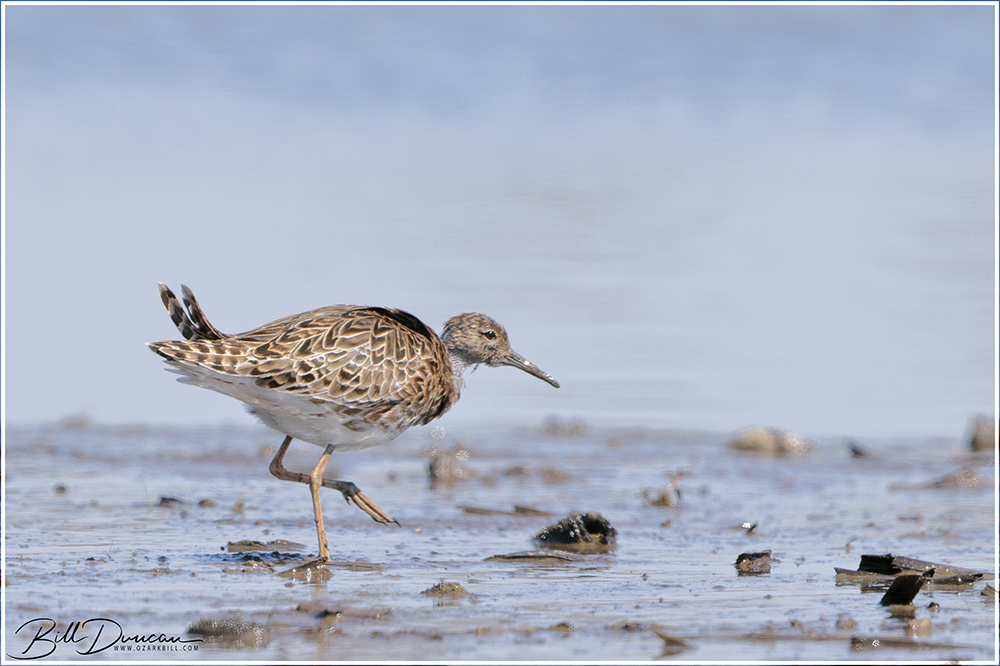
Ruff (Calidris pugnax)
Camera settings: f/8, 1/1000 sec., ISO-640, 1120 mm focal length equivalent.

Never have I worked so hard to get mediocre photos of such an ugly bird. The sky was clear, the air cool and this combination created a terribly turbulent atmosphere over the mud flats the bird was foraging in, making it near impossible to get the sharpness desired in a photograph.

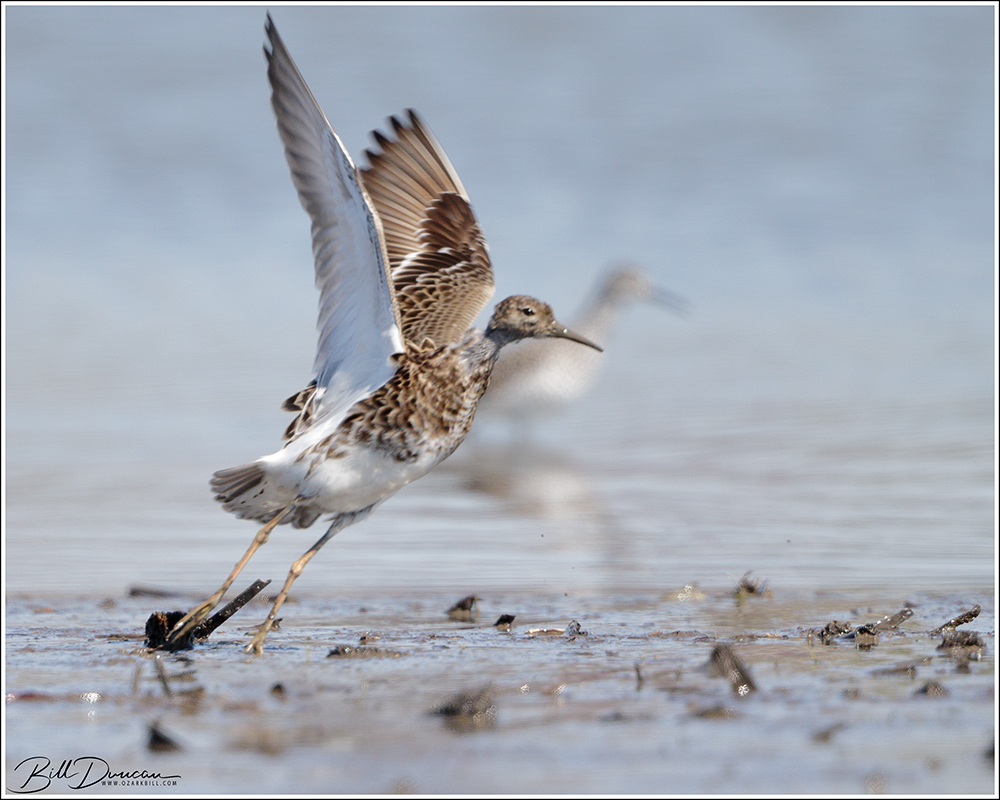
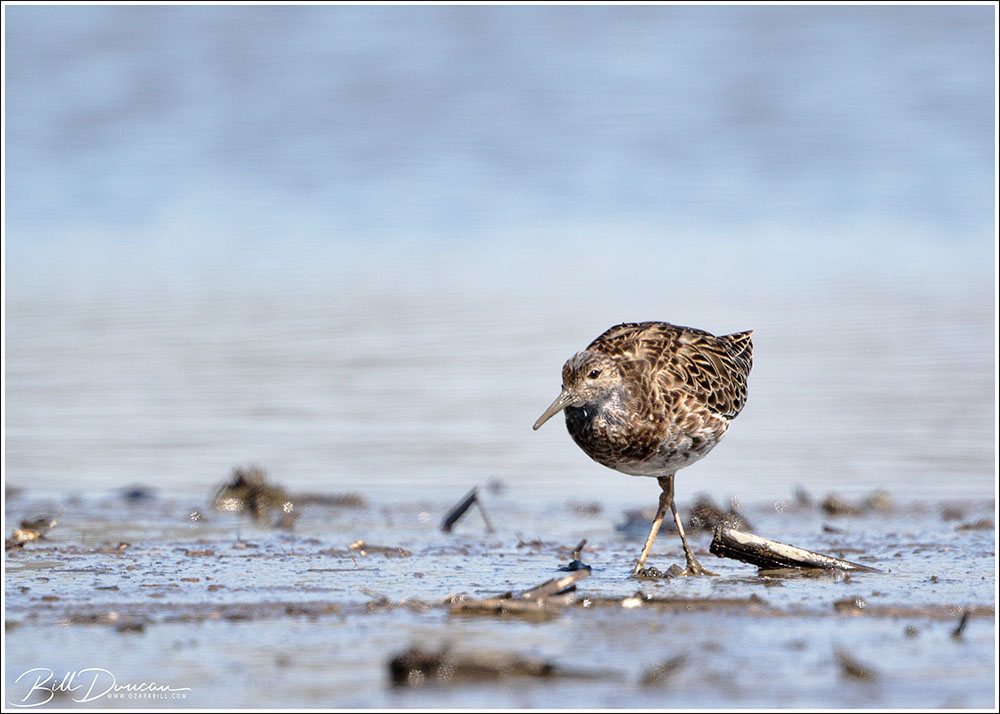
Ruff (Calidris pugnax) Camera settings: f/5.6, 1/1250 sec., ISO-400, 1120 mm focal length equivalent.

The Ruff is a bird that is native to Eurasia, visiting North America somewhat regularly. There have been sightings of this species in Missouri and Illinois in the recent past (at least three during this spring), but this is the first one I’ve been able to track down and photograph. Josh Uffman happened to discover this bird near Riverlands Migratory Bird Sanctuary on April 18th while we were in the area. I want to thank Josh who turned on the St. Louis birding community to this special visitor from overseas.

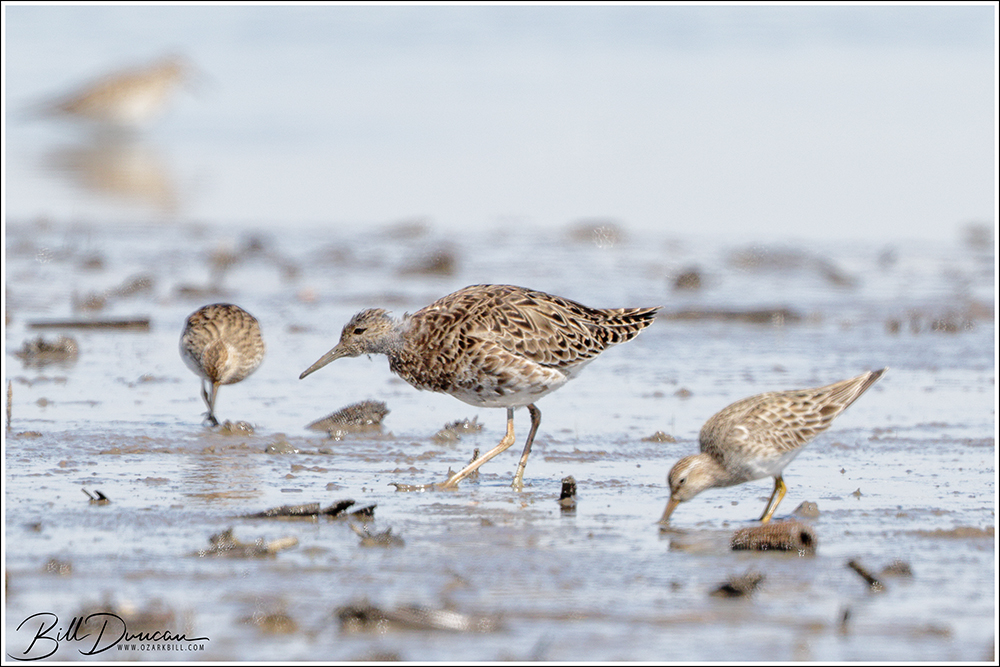
Ruff (Calidris pugnax) Camera settings: f/8, 1/1000 sec., ISO-640, 1120 mm focal length equivalent.

The Ruff is a member of the Calidris genus of shorebirds. Local members of this group include many of the sandpipers we are familiar with, like the peeps, Dunlin and Red Knot.

Ruff (Calidris pugnax) Camera settings: f/5.6, 1/1000 sec., ISO-200, 1120 mm focal length equivalent.

I know I called this particular bird ugly earlier in the post. However, if you are not familiar, look this bird up on the internet or your favorite bird guide. The birds in breeding plumage are absolutely stunning and their behavior on leks makes them a very special bird.

Ruff (Calidris pugnax) Camera settings: f/5.6, 1/1250 sec., ISO-400, 1120 mm focal length equivalent.

These were just a few of the couple thousand or so photos of this bird taken on that day. Most were boring shots of the bird foraging in the flooded farm field. Perhaps one day I’ll be fortunate enough to see these guys on their leks.

-OZB
Whooping Cranes visit Missouri and Illinois

Whooping Cranes
Camera settings: f/6.3, 1/3200 sec., ISO-320, 700 mm focal length.

I have traveled to Kaskaskia Island, IL at least 7 times in the past four years in hopes of being fortunate to find these beautiful birds in close distance to a road. Most visits result in being able to find them, but most often they are a football field or more away. Back in early January 2020, Sarah and I finally won the lottery.

Whooping Crane
Camera settings: f/8, 1/2000 sec., ISO-250, 700 mm focal length.

We found these birds quite close to the road and actively foraging in the permanent drainage canals of this river valley farming area.

Catching crayfish.
Camera settings: f/8, 1/2000 sec., ISO-250, 700 mm focal length.

Whooping Cranes are still endangered; however, thanks to the USFWS/USGS captive breeding and reintroduction program, this species has come back from the brink of extinction. In 1941 the species was down to only 21 individuals due to rampant conversion of natural habitat to farmland, coastal development, and unregulated hunting. The captive breeding program was initiated in 1967 and today there are now more than 800 birds in the wild.

Catching frogs in January Camera settings: f/8, 1/2000 sec., ISO-320, 700 mm focal length.

Captive breeding and reintroduction has now been transferred from the federal institutions to a good number of other organizations who will continue towards the goal of making the Whooping Crane self-sufficient again. This efforts is not completely without problems as there have been and continue to be problems associated with getting the reintroduced birds to migrate, interact and successfully nest.

Whooping Crane
Camera Settings: f/6.3, 1/2000 sec., ISO-250, 420 mm focal length equivalent.

A case in point may be the recent history of these birds in the state of Missouri (only the 8th record in MO since 1953). The first reports of a four-bird cohort observed in Columbia MO was in May, 2016. These were the same birds observed over-wintering in Kaskaskia Island, IL. These four birds were from a release who then strayed from their population that was following the traditional Wisconsin to Florida migration route. Since then at least two of the original four birds have died. Hopefully these two (I have been told, but have not yet been able to confirm that this is a sexual pair) will get back on track one day and do their part in propagating the species.

Whooping Crane Camera Settings: f/8, 1/2000 sec., ISO-125, 700 mm focal length.

Thanks for visiting.

-OZB