"What a thousand acres of Silphiums looked like when they tickled the bellies of the buffalo is a question never again to be answered, and perhaps not even asked." -Aldo Leopold
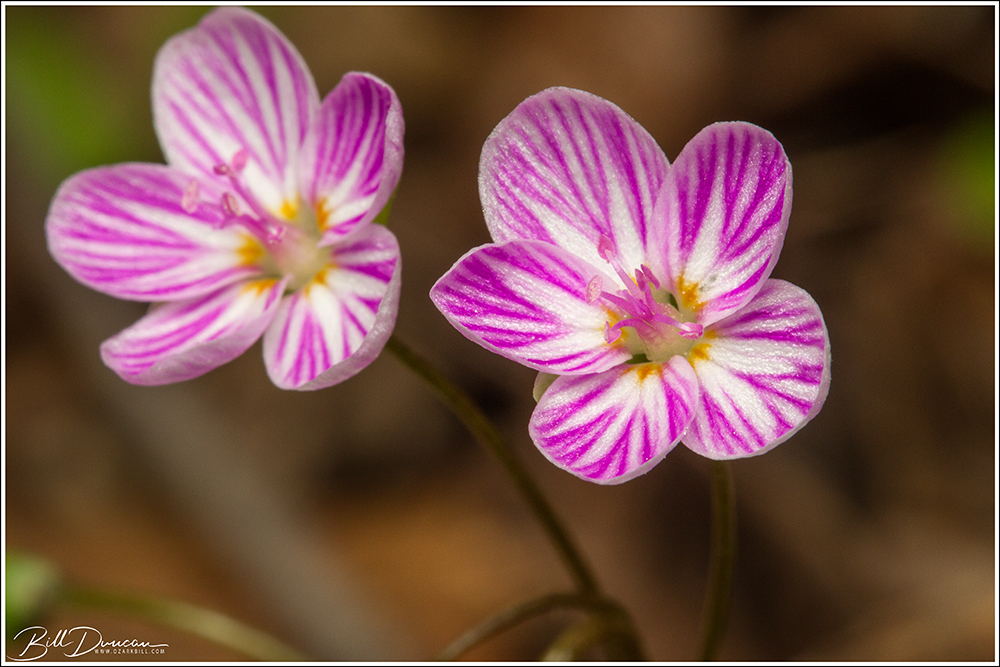
These images were taken during a trip with Ted MacRae and Chris Brown this past April at Tingler Prairie Conservation Area in Howell County, MO. The first shows an exceptionally colored spring beauty (Claytonia virginica) in peak bloom.
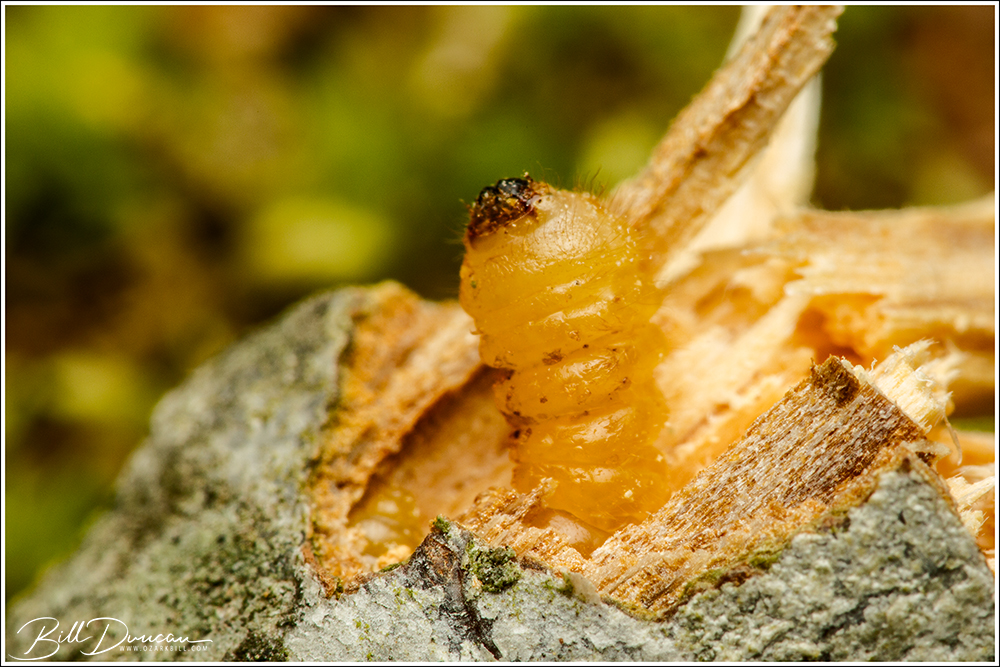
Elaphidionoides villosus (oak twig pruner)
This beetle larvae was something I had read about for years. Ted found several oak twigs that the mother beetles prune to serve as safe nurseries for their developing offspring as they rest on the forest floor. Ted delicately opened up the gallery to expose its occupant so we could take some photos.
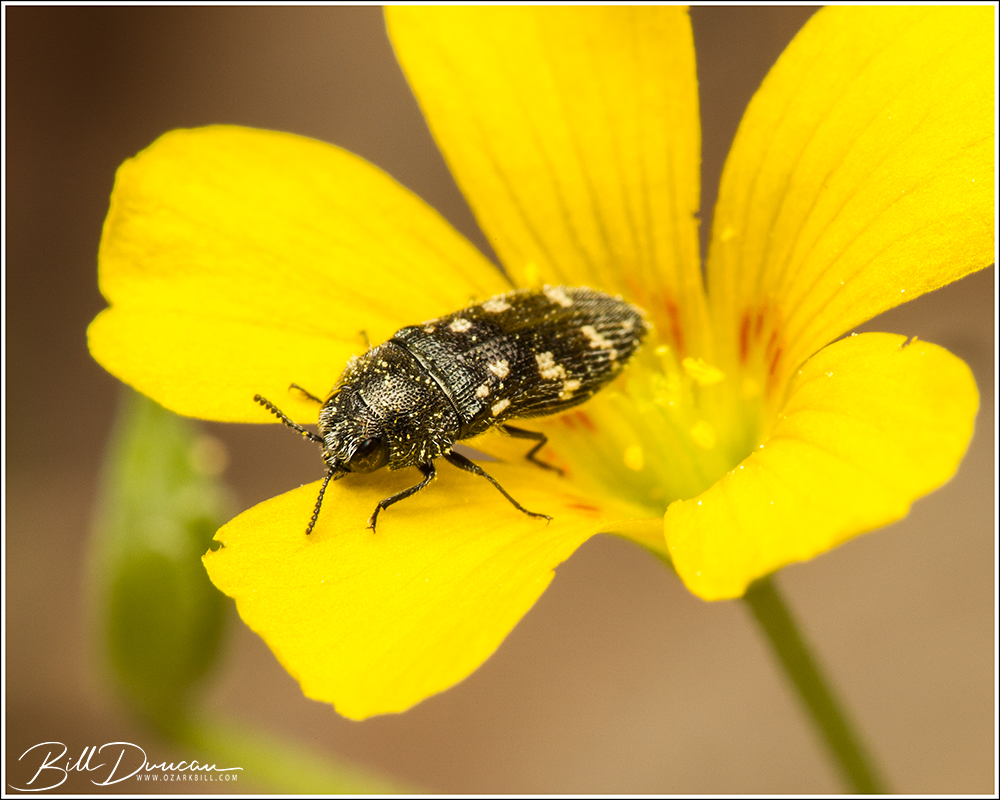
These Buprestid beetles were gorgeous as they foraged in the wood sorrel. Once in a while, they would stand still long enough to let us photograph them.
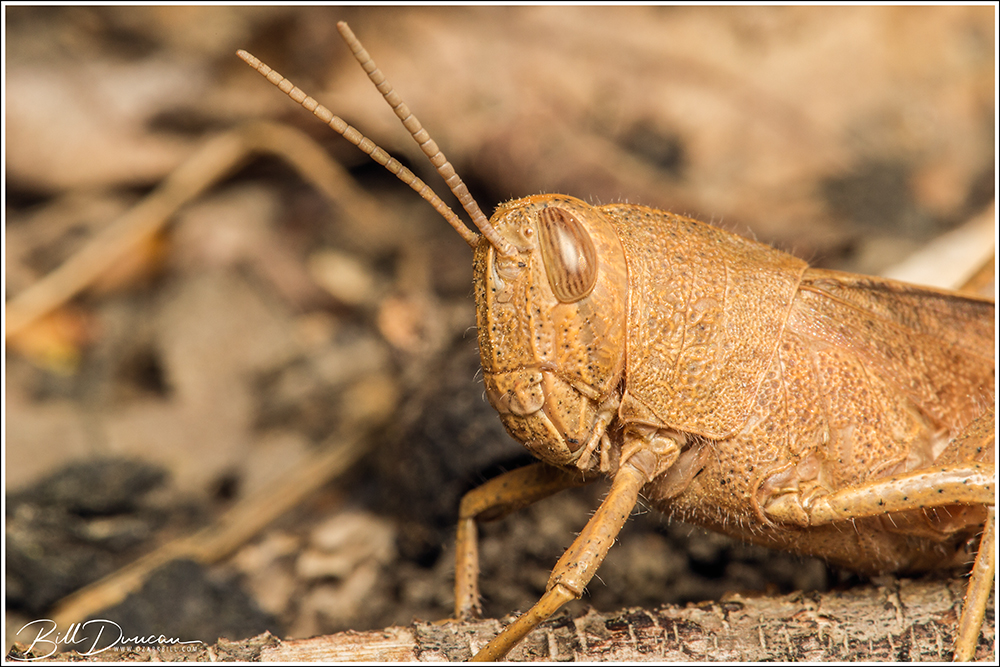
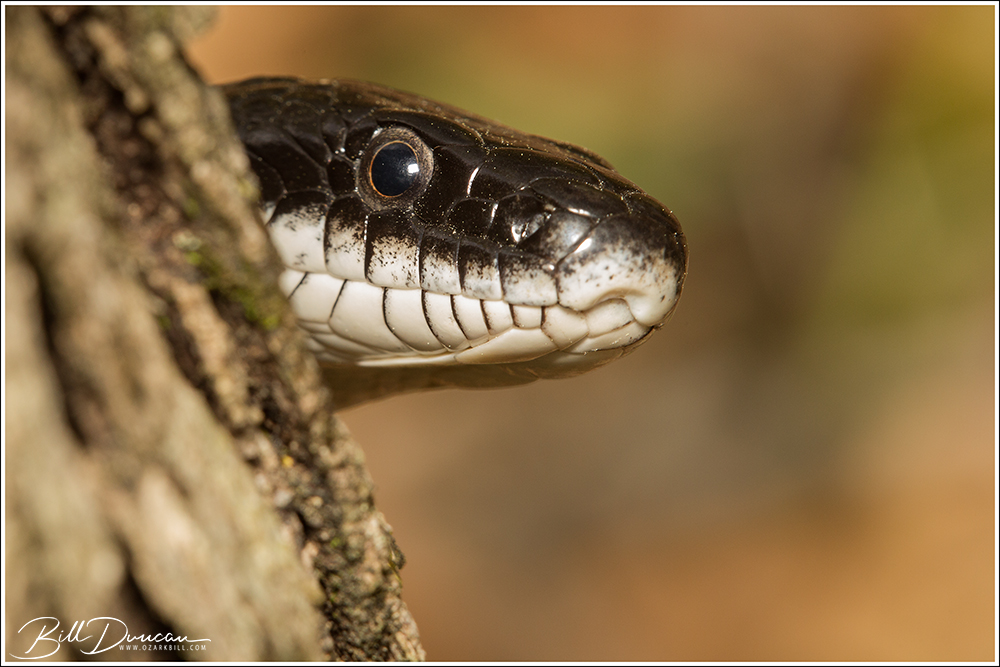
Arphia sulphurea ??Black Rat Snake (Pantherophis obsoletus)
Finally, we found this black rat snake as it attempted to climb a tree near the trail. Maybe caught a whiff of something higher up?
Passiflora incarnata (passionflower, maypops) Image composed of a focus stack of 27 exposures.
Recently, I’ve taken the plunge and given some serious efforts into focus stacking in macro photography. This method allows the photographer to increase the depth of field in a scene by combining multiple exposures, each focused on a separate plane of focus. Afterwards, the different exposures are combined using powerful processing software on the computer. This particular image was built from 27 photos all taken at an aperture of f/8.
I will definitely miss our yard full of native plants when we make our change in residence, including the passionflowers. Maybe I’ll get to harvest this year’s crop of fruit one more time to make my own juice.
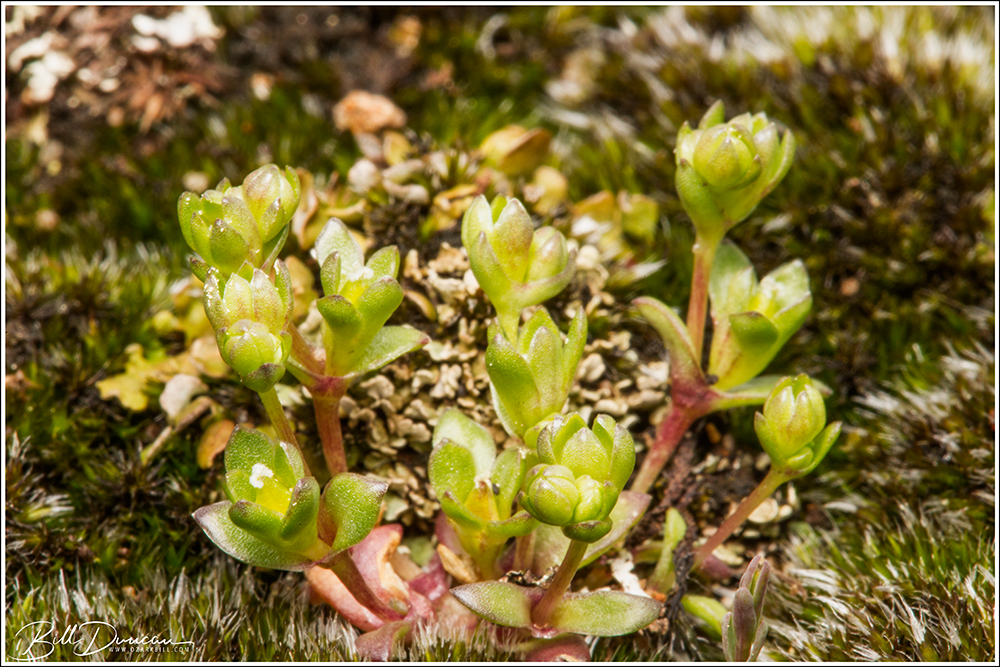
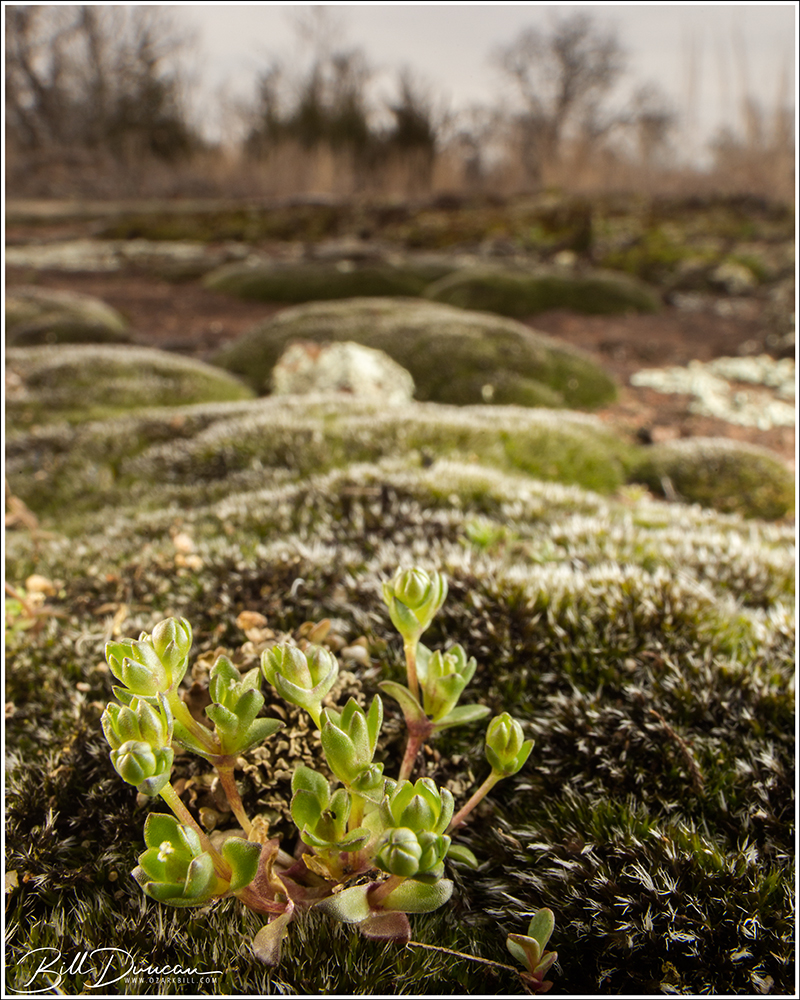
The WGNSS Nature Photography Group headed west early on a lovely day in early April with hopes of finding one of Missouri’s rarest plants – Geocarpon minimum, commonly referred to as tinytim, or earth-fruit. Geocarpon minimum (C=10) is a plant in a monotypic genus known for its diminutive size and rare status. It is listed as federally threatened and as endangered by the state of Missouri. The primary reason for its relative scarcity is its habitat needs; G. minimum requires sandstone glade habitats in Missouri as well as saline “slick spots” where it typically occurs in Arkansas, Louisiana and Texas. A fine balance must be the goal for managers of these areas. Competition and shading by native or exotic competitors is the primary limiting factor of this species and therefore, continuous disturbance is necessary for its continued success.
Geocarpon minimum “tinytim”
This plant’s life cycle is short, lasting only 3-6 weeks. Our objective was finding these plants in flower, but there were no guarantees we would find them flowering, or find them at all. Our first and primary hope for finding these plants was at Bona (pronounced Bonnie) Glade Natural Area. Here, our botany leaders, Casey Galvin, John Oliver, and Steve Turner showed us the microhabitat in which to find the plants and were able to point at the first few plants we found. With search images in mind, the group spread out and found the plants throughout the area. Better yet, we found the population in the early stages of flowering! As you can see in the accompanying photos, these are perfect subjects for the macro/micro lens.
In case you wondered how this species earned its name
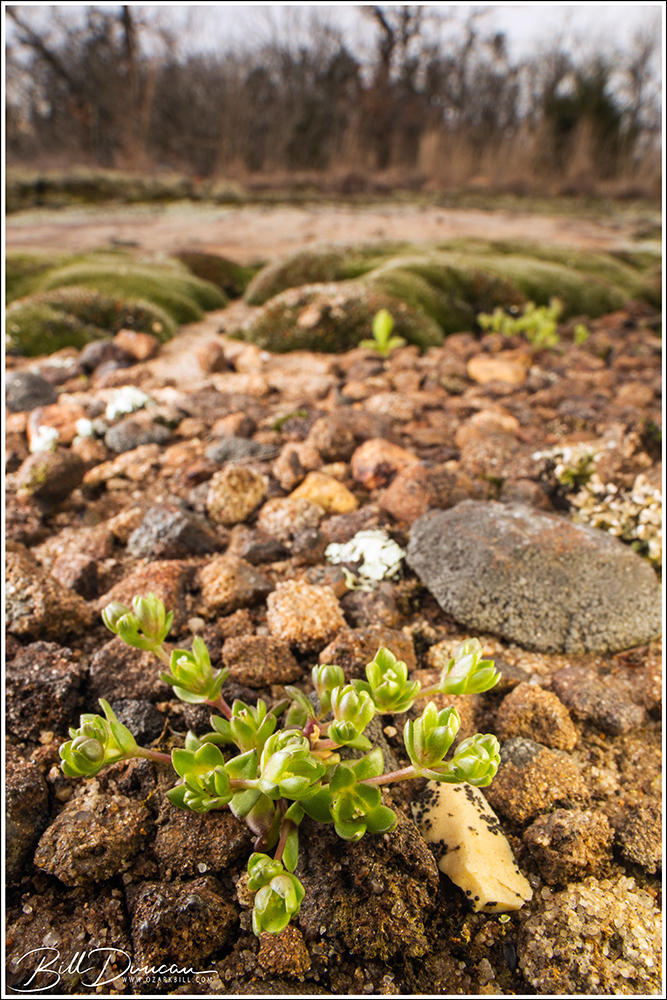
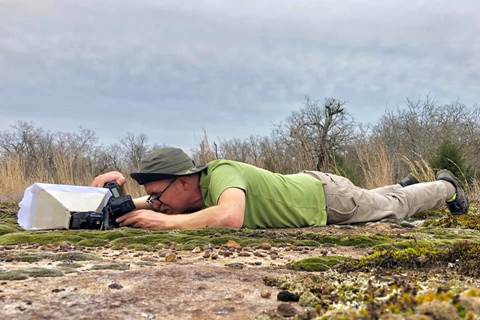
After grabbing a late lunch together, a few of us decided to return to Bona Glade. Ted MacRae and I were unsatisfied with earlier images we had taken with our Laowa 15 mm macro lens and we were eager to improve the photos using this specialty lens that, when used successfully, can showcase the plant within its specific habitat.
Geocarpon minimum growing from rock/sand substrate
We photographed the plant on the couple of substrates that we found it on and in the various stages of its development.
Geocarpon minimum growing from moss substrateOzark Bill getting low to meet Geocarpon at “eye level”. Photo by Ted MacRae
Finding and photographing this plant was a long-held goal of mine. It was a very special day spent with friends and newfound acquaintances. I am thankful for those who helped us find this plant and spent time with us. Hopefully future WGNSS members will continue to find tinytim in its Missouri homes for decades to come.
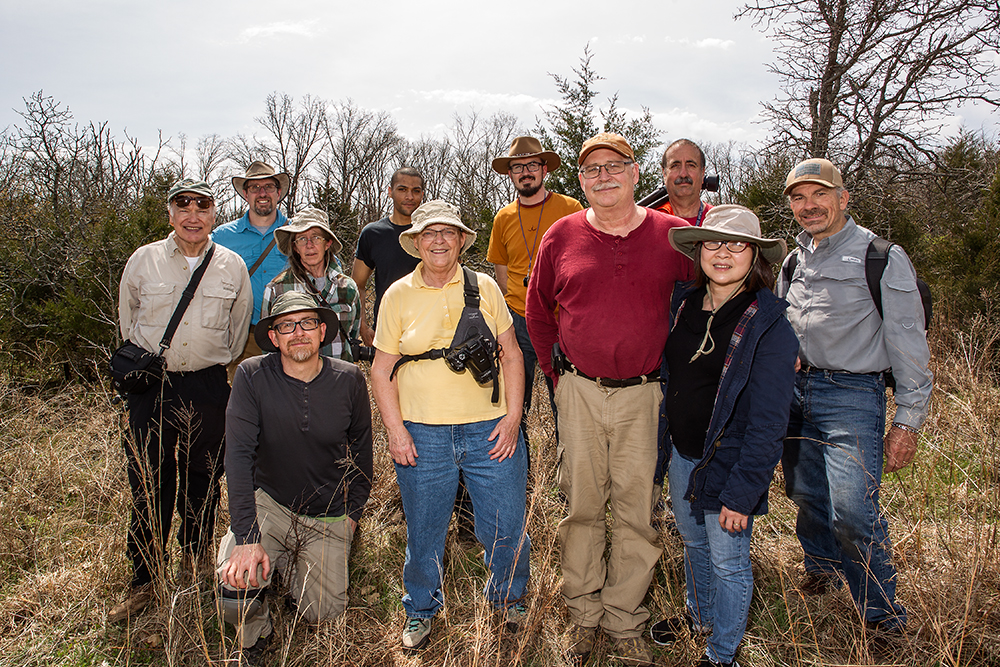
Tinytim hunters. From back row starting on left: John Oliver, David Seidensticker, Deb Tyler, Adam Rembert, James Faupel, Steve Turner, Front row starting on left: Bill Duncan, Evelyn Luecke, Casey Galvin, Anh do Galvin, Ted MacRae.
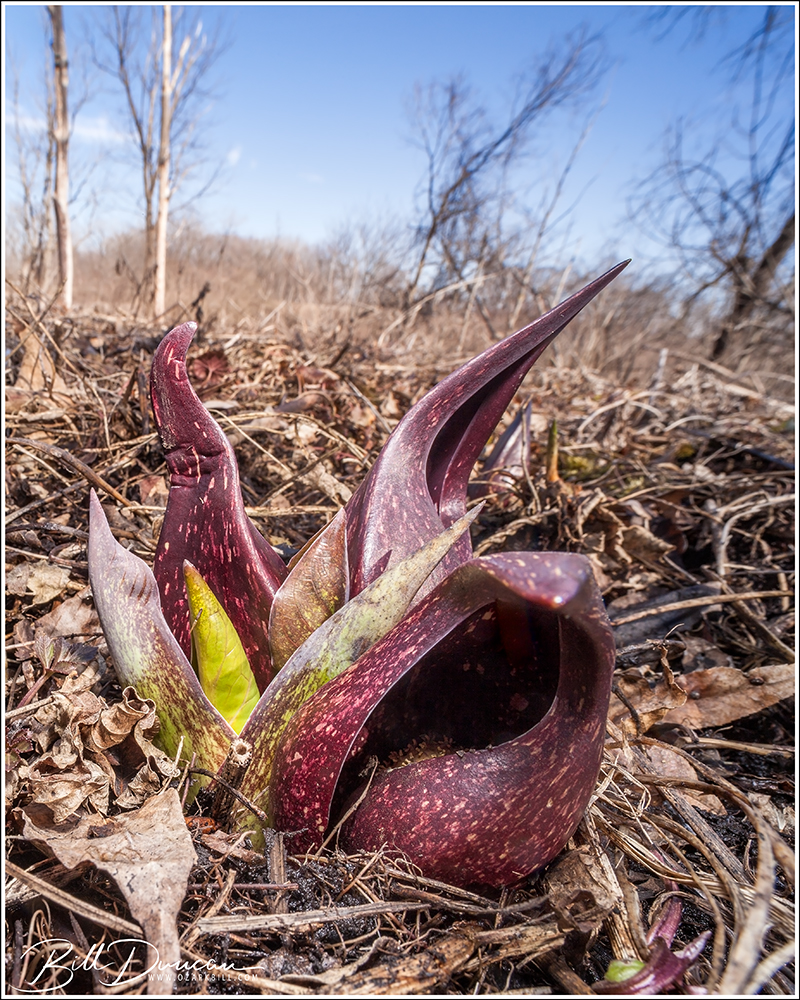
Eastern skunk cabbage (Symplocarpus foetidus) in bloom at Bennett’s Terraqueous Garden (Peoria County, IL)
Many thanks to Casey Galvin who turned me on to the closest places to find and photograph a plant species that had been a target of mine for some time now. Eastern skunk cabbage (Symplocarpus foetidus) is a fascinating plant that is typically found in eastern North America and the upper midwest. The nearest populations to St. Louis that I am aware of are near Peoria, Illinois, which is about a three hour drive from my front door.
These are one of several early blooming plants that start the spring botanical season. These members of the Araceae family, known as the aroids, bloom from February through April. Like several plants in this family, this species produces odors reminiscent of rotting meet in order to attract pollinators that are predominantly dipterans (flies), hymenopterans (bees) and other, more terrestrial arthropods. I did not find the odor too overpowering and I also thought I picked up a slightly sweet, syrupy smell.
Eastern skunk cabbage (S. foetidus) in its seep-spring habitat at Miller-Anderson Woods Nature Preserve (Bureau/Putnam counties, IL)
Another remarkable aspect to this species pollination biology is that the spadex and surrounding tissues are thermogenic – meaning they produce their own heat. This thermogenesis, produced via enzymatic reactions not too dissimilar to the reactions that occur in mammals, may serve to assist the inflorescence and leaves of the plant to break through frozen grounds. It also likely serves as to further the ploy that the plant is a rotting carcass, hopefully attracting flies and other insects interested in such things.
A honeybee (Apis mellifera) visiting the inflorescence of an eastern skunk cabbage (S. foetidus)
Other than a few very small flies and a couple of small native bees, the only pollinator I found during my visit was the honey bee. These were quite abundant.
Spathe and associated carpels of eastern skunk cabbage (S. foetidus)
To show the moisture associated with the seep habitat I was in, here is a skunk cabbage spathe surrounded by snakeskin liverwort (Conocephalum salebrosum).
That’s all I have for now. Most of the information in this post and much more can be found in the following source:
One of the penalties of an ecological education is that one lives alone in a world of wounds. Much of the damage inflicted on land is quite invisible to laymen. An ecologist must either harden his shell and make believe that the consequences of science are none of his business, or he must be the doctor who sees the marks of death in a community that believes itself well and does not want to be told otherwise.
Aldo Leopold
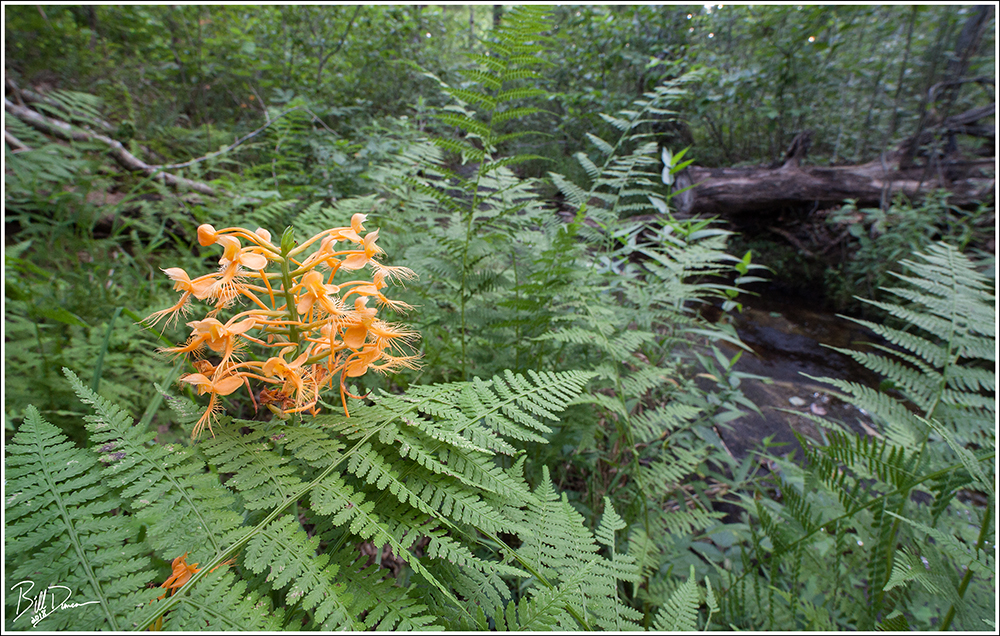
Yellow-fringed Orchid (Platanthera ciliaris)
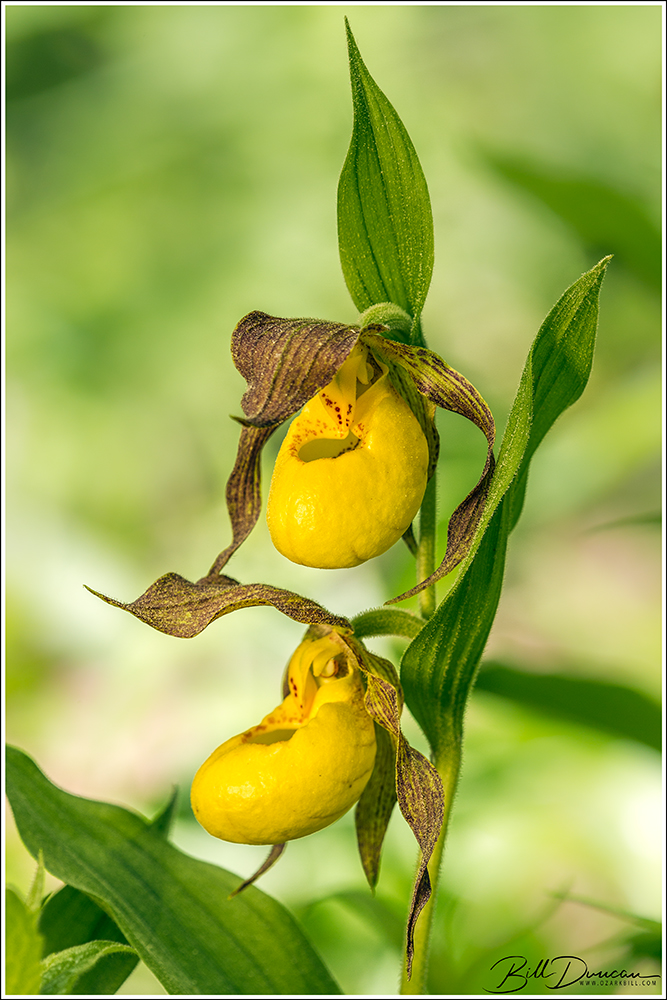
With the help of a friend, over the last few weeks I’ve been able to get a good start at finding and photographing as many of the 35 +/- orchids that can be found in Missouri. The yellow-fringed orchid (Platanthera ciliaris) is known from only a handful of threatened locations in the state. I was really thankful to be shown these in full bloom where they reside in acidic seeps in St. Francois County.
I had seen rattlesnake plantain (Goodyera pubescens) before, as its wonderful evergreen leaves stand out during winter hikes. This was the first time I’ve seen them in bloom. Photographed in Ste. Genevieve County.
Not the greatest photo of the greatest specimen, but this seemed to be the absolute last grass pink orchid (Calopogon tuberosus) to be found in bloom for the season at this location in St. Francois County.
With some extra nature time last week, I hit the trails at Shaw Nature Reserve hoping to get some shots of Claytonia virginica (spring beauty) being visited by its pollinators – particularly the small solitary Halactid bees. The problem I had on this day is that these bees don’t typically like to be very active on cloudy, grey days. There were a few flies visiting the spring ephemerals, but they were much to flighty to bother with. So, I decided to give some attention to the Linderabenzoin (spicebush) that were blooming in abundance along the river bottom trails. My goal then became to document the pollinators that visit this early-blooming bush.
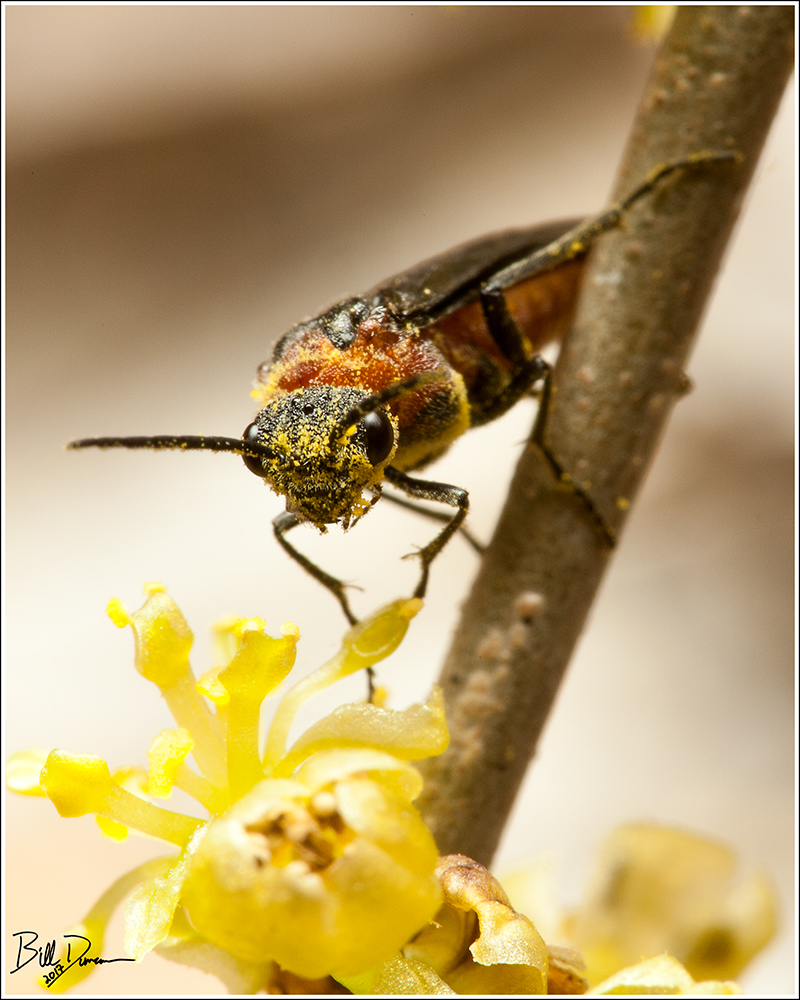
Sawfly – Tenthredinidae – Dolerus neoagcistus
One of the more obvious of these pollinators that I found was this sawfly. This is my best guess on identification. This sawfly was quite small and by the looks of it, is quite an efficient pollinator.
Sawfly – Tenthredinidae – Dolerus neoagcistus
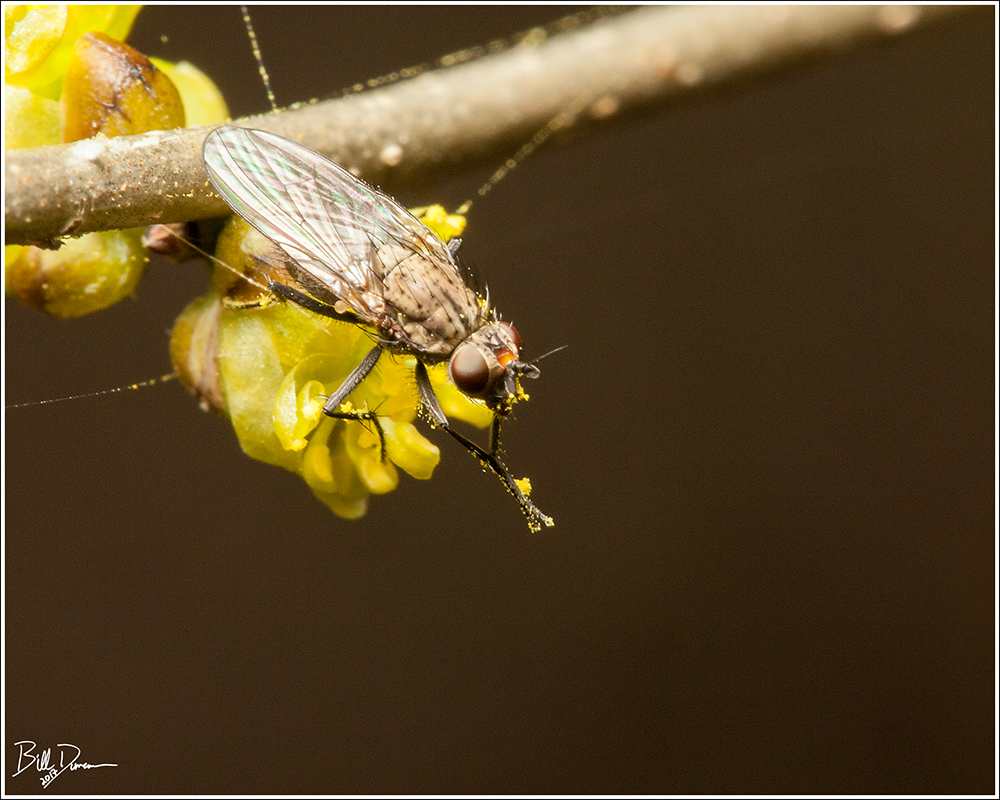
Probably the most abundant pollinator I came across were these Tachinid flies (again, flies are difficult and I could be wrong).
Tachinid Fly?
The hair-like setae that probably serve to aid the fly in responding to changing air pressures also serve as nice holders to move pollen from flower to flower.
Tachinid Fly?
I also found a number of multicolored asian lady beetles (Harmonia axyridis). Typically predators of aphids, these beetles are also known to feed on pollen. This is what I figure was going on in the image below. Since there are probably few aphids to be found during the early spring, with few leaves being available, pollen is the next best protein source. I suppose there could be aphids to be found hiding within the flowers, but did not inspect closely enough.
Multicolored Asian Lady Beetle – Coccinellidae – Harmonia axyridis
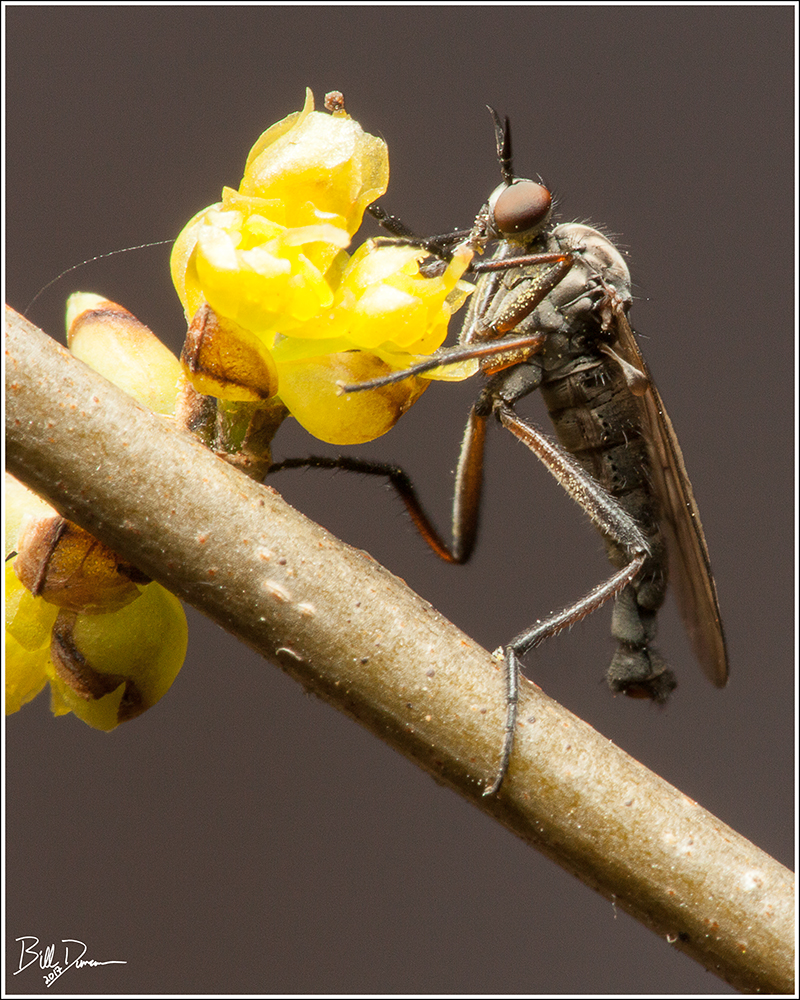
Probably my favorite find of the day were several flies of the family Empididae. These are fascinating flies that are primarily predatory, but a few taxa will visit flowers to feed on nectar or pollen.
Dagger fly – Empididae – Empis or Hilara genus
Within this family are at least a few where the females will not hunt themselves, instead relying on a “nuptial gift” of a prey item from a male. Males of some species will wrap their gift in a silk wrapper. In these taxa the sex roles will often be reversed – the females courting the males to get these gifts and the opportunity to mate. In at least one species, the females will inflate themselves grossly with air to give herself the appearance of being bound with eggs and fecund, to trick the male into thinking she is a prime candidate to provide his gift and have the opportunity to mate with.
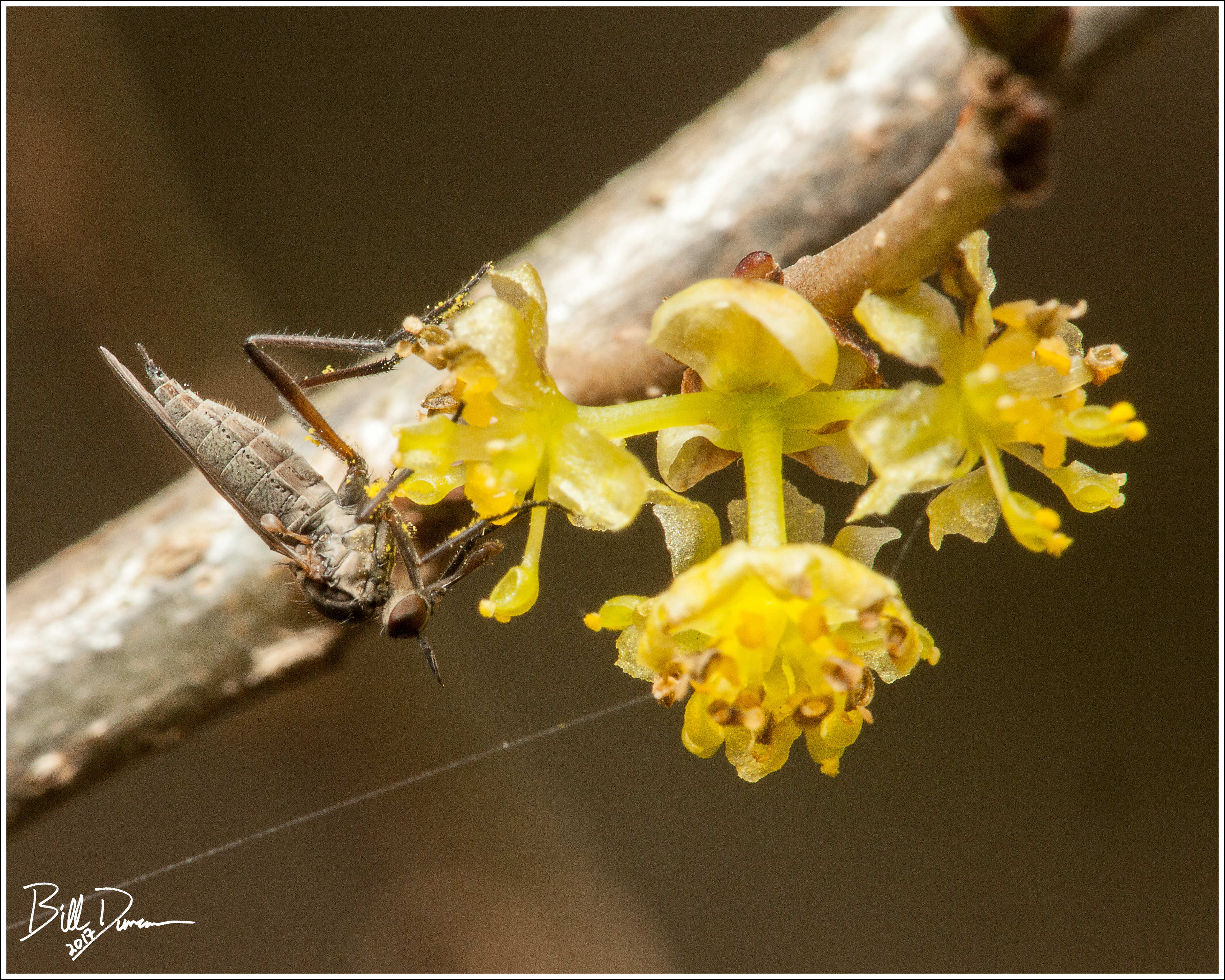
Dagger fly – Empididae – Empis or Hilara genus
At least one species has taken this system a step further. The males no longer provide a prey wrapped in its decorative covering, but simply provide the silken covering, or balloon, giving them the name “balloon flies”. The photo below provides a good look at the dagger-like moth parts that give these guys another of their common names. Another overlooked beneficial fly. Not only do these guys prey on mosquitoes and other potential pest insect species, but their larvae are also predatory, feeding on insects in the soil and leaf litter.
Dagger fly – Empididae – Empis or Hilara genus
I’ll leave you with one final image. This one isn’t a pollinator of the spicebush, but potentially feeds on its leaves in summer. What I believe this to be is a (Camptonotus carolinensis) Carolina leaf roller that was parasitized by one of the “zombie fungi”, potentially Cordyceps sometime last summer or early fall. This poor cricket was infected with this fungi that took control of its “mind”, forcing it it to climb high up on a branch of the spicebush. Once there, the fungi used the cricket’s resources to fruit and spread its spores from this higher location in order to reinfect others.
Here is a series of the freshly blooming Fragrant Water Lilies (Nymphaeaceae – Nymphaea odorata) taken at Shaw Nature Reserve this past summer. I converted these to look like oil paintings using Photoshop CS6.
Fragrant Water Lilies – 2
This plant uses an interesting pollination strategy. Insects are attracted to the flower and land on the concave tip of the ovary which contains a small amount of liquid. If the insect has visited another lily flower previously, then the pollen it is carrying gets washed off in this fluid and pollinates the flower. Often, the insect pollinator (usually small, native bees) will not be able to escape this small pool before the flower closes for the night and will therefore drown. See Steyermark’s Flora of Missouri by George Yatskievych for more details on these interesting wetland plants.
Most of us are familiar with many of the parasites that infect animals, since we, as animals, are susceptible to many. Tonight I am sharing a few easily spotted and recognizable forms of parasitism in the plant kingdom. The photograph above was taken, as were all in this post, at Shaw Nature Reserve and shows a relentless parasite that can infect a number of prairie plant species. Dodder (Cuscuta sp.) is an obligate parasite, meaning it must find a specific living host plant to infect in order to survive and reproduce. One can see by the orange coloration, this plant does not contain chlorophyll and must pull the necessary nutrients from its host plant.
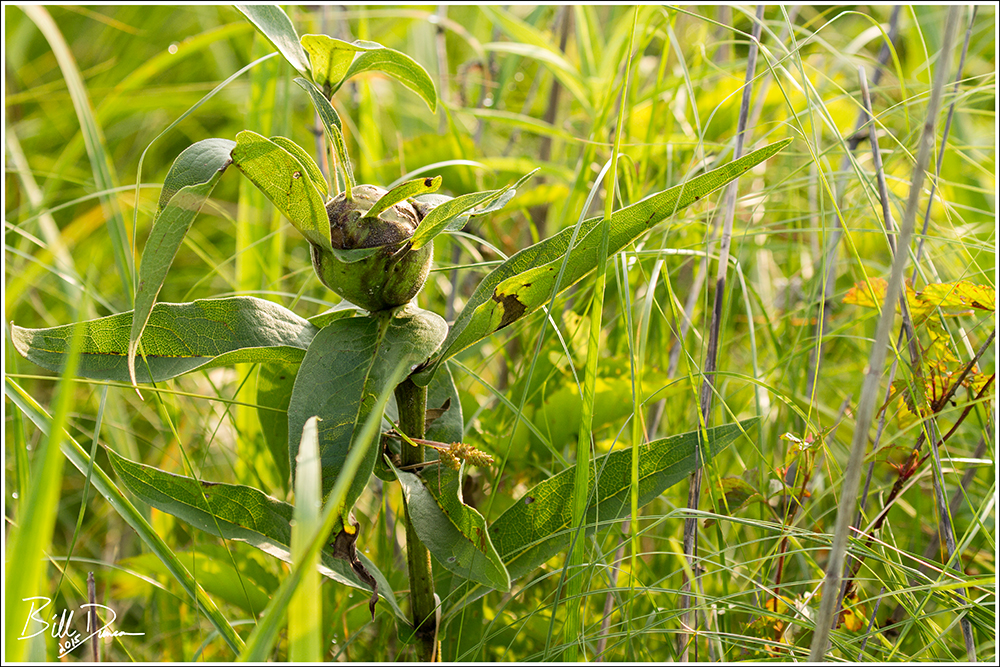
Silphium Wasp Gall
The next parasite is of a form that I am just beginning to study and am finding quite interesting. Plant galls are simply growths of plant tissue, formed not by the host plant, but by other organisms. The variety of gall former as well as gall formation is astounding, to put it mildly. Insects are the primary organisms that cause gall formations, but other arthropods, fungi, bacteria and viruses form galls as well. Researchers are just beginning to learn the basics behind how these parasites cause the formation of such specific, and often beautiful galls.
The particular gall that is found on this poor Rosinweed plant pictured above is caused by a Silphium Gall Wasp (Antistrophus sp.). One of the gloriously interesting facts about galls, much like other forms of parasitism, is the specificity most commonly found between host and gall former. Most often a gall former can infect only one species of plant, or sometimes a group of closely related plant taxa. Such is the evolutionary arms race between host and its necessarily specific parasite. In the case of so many prairie host and gall former relationships, the outcome is sad for both. The near elimination of this habitat has caused dramatic reductions in the variety and abundance of prairie plant species, and accordingly, has had similar effects on the insects that form galls on these plants.
Silphium Gall Wasp
Having observed these galls for so many years, I decided to cut one open to see the developments within. A single gall can host many developing was larvae. In this small section I was able to count no fewer than five wasp galleries, each harboring a developing wasp. The two examples of parasites presented above are just a small example of the number of parasitic species that the Silphium support. A number of other insects/arthropods use Silphium for food and shelter. Birds love the seed and use the plants’ long strong stems for perches. In many ways the Silphium are keystone species and can be considered as important to the prairies as trees are to the forests.
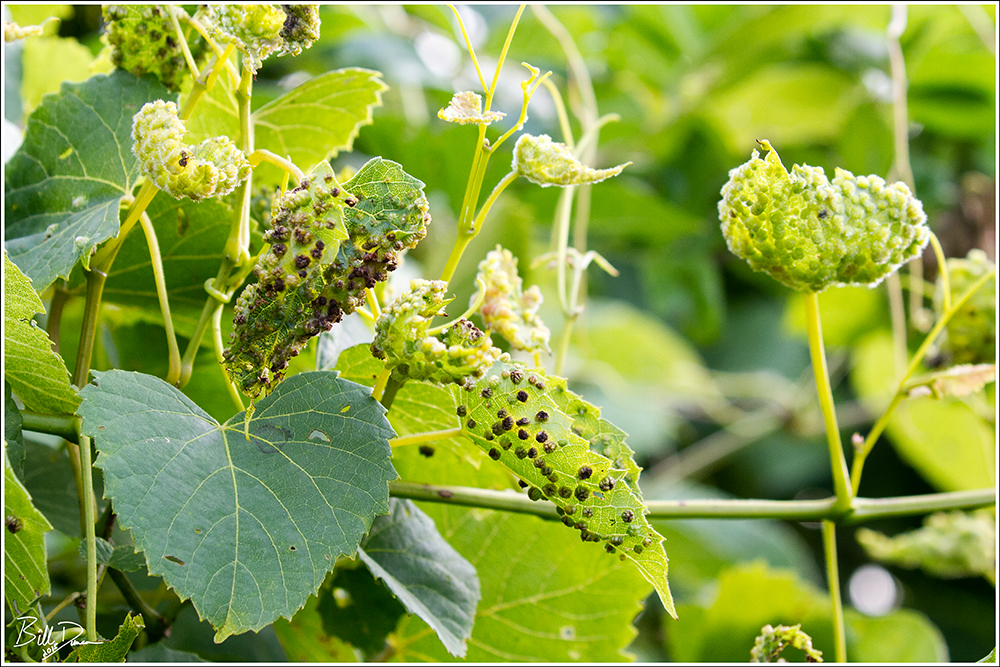
Grape Phylloxera
Grape Phylloxera is caused by an aphid-like insect and is a parasite to native grapes. In the mid-1800s this species was accidentally released in Europe and nearly destroyed the French wine industry. The life cycle of this insect and its relationship to its host is mind-boggling. As many as 18 different life stages have been identified – from sexual to asexual, winged, foliage feeding to root feeding. This complexity, as with so many other multi-stage, specific host-parasite relationships creates major problems in man’s attempt at developing commercial controls. To date, this parasite cannot be controlled with any pesticide solution; the only remedy is still resistant stock that nature has developed in this host-parasite arms race.

















 A Thousand Acres of Silphiums