"What a thousand acres of Silphiums looked like when they tickled the bellies of the buffalo is a question never again to be answered, and perhaps not even asked." -Aldo Leopold
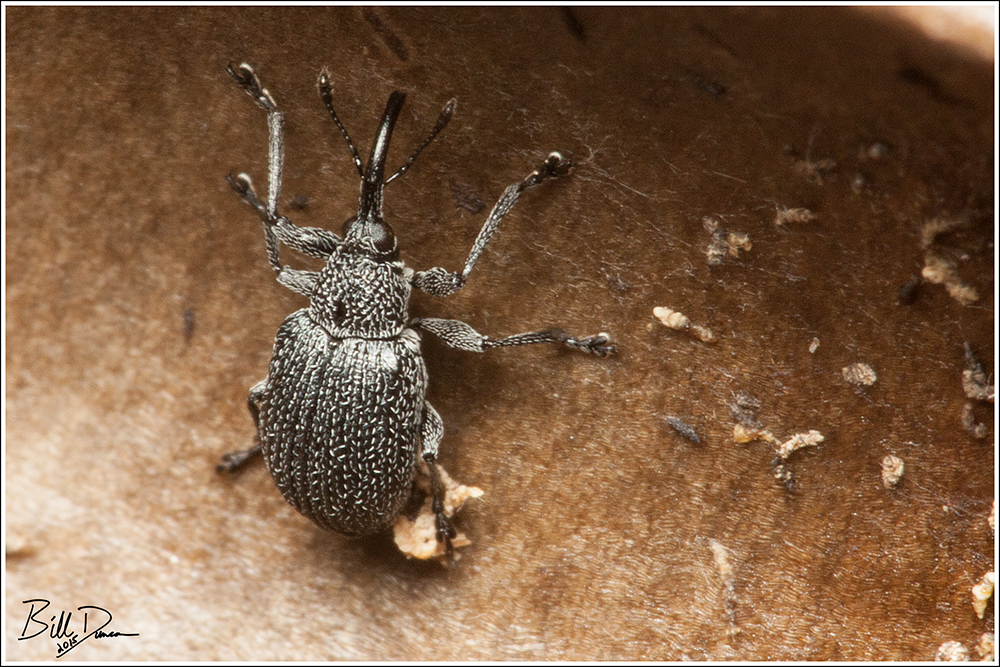
Almost reflexively, I pull the baby rattle-shaped seed pod from the stately White Wild Indigo (Baptisia alba) as I meander through Shaw Nature Reserve’s prairie trails. I can’t help it. I make sure the pods are always black, mature and any seeds left unravaged I simply help to disperse along my walk. But in doing this so often in the late summer and autumn for so many years I have come to notice that this common forb cannot disperse many seed. Because, inside the seed pods, like the one pictured above, I usually find multiple seed predators – the short-snouted weevils, Trichapion rostrum (Family Brentidae).
Trichapion rostrum
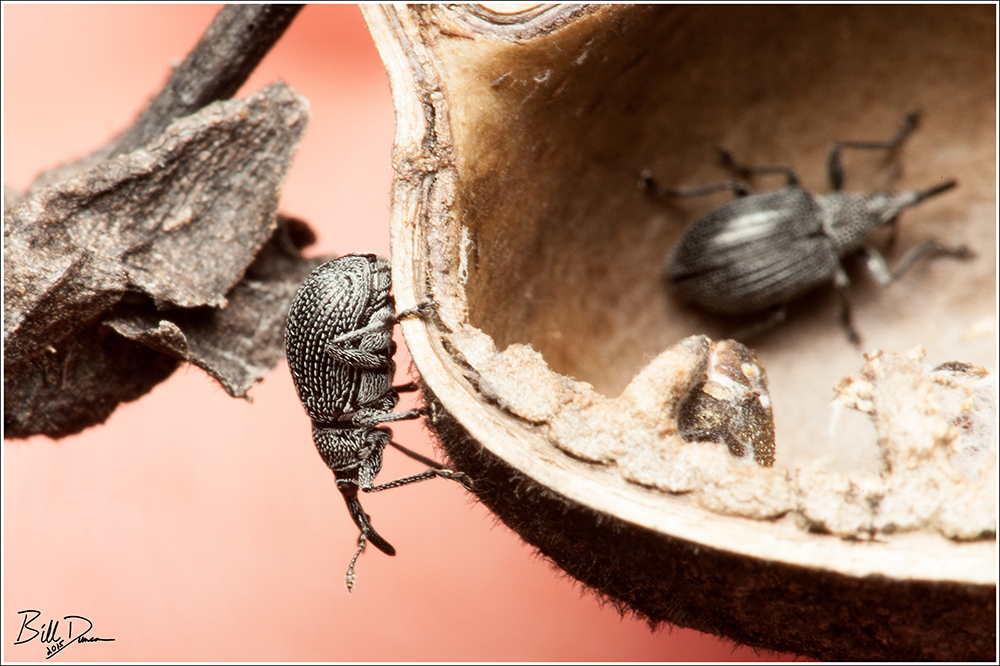
Baptisia seed are favored among other insects as well, but what they may lose in this stage of life, they pick up as they grow, for the false indigo are long-lived, drought-tolerant perennials that contain large amounts of secondary compounds that make them absolutely unpalatable to grazing mammals. The photo below shows these tiny beetles (3.0 – 3.5 mm) among the husks of a number of seeds. I have not been able to find a source that suggests if both larvae and adults feed on these seeds, or just one of the growth stages.
Destroyer of Seeds
Here is an image of a couple, shortly after I split their double-wide…
It’s the Visitors, Martha!
These little one have been a source of fascination for me. I hope to learn more about them someday.
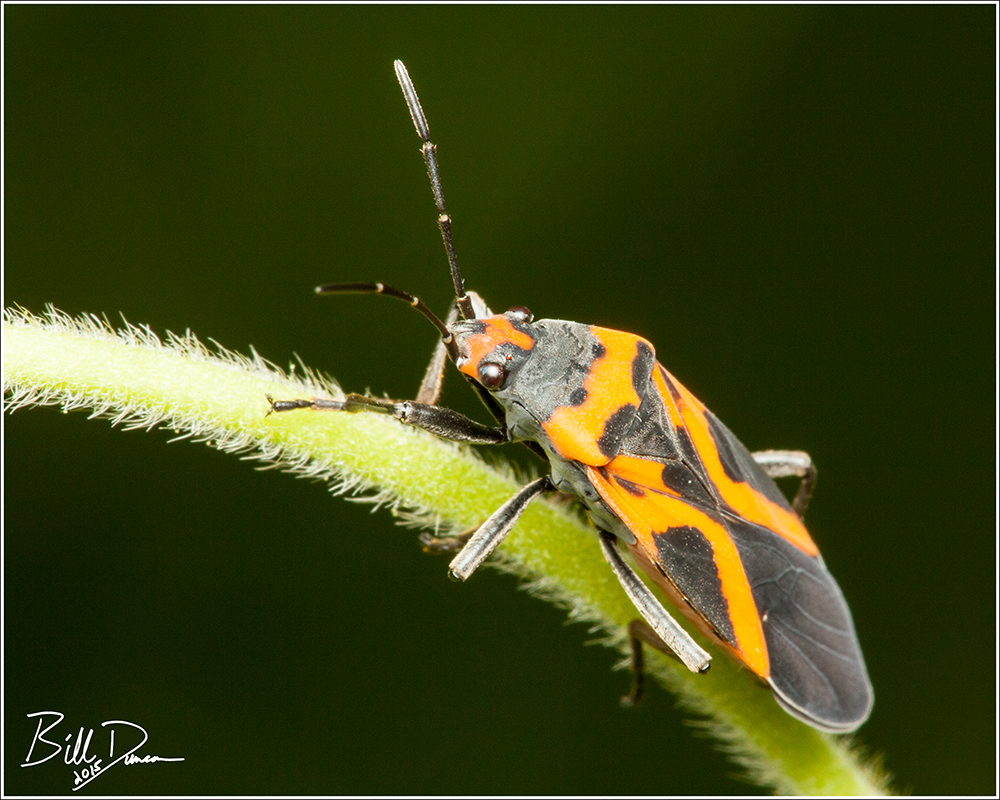
The False Milkweed Bug (Lygaeus turcicus) is a seed bug that, although quite similar in appearance to the Small Milkweed Bug (Lygaeus kalmii), is not strongly associated with milkweed.
False Milkweed Bug
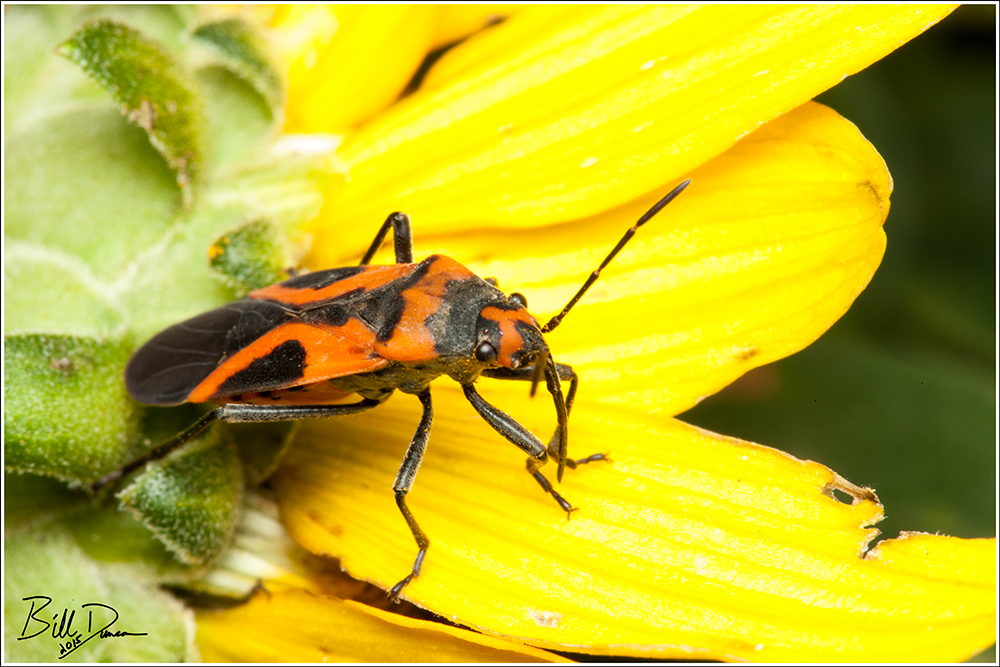
As can be seen in the photograph above, the False Milkweed Bug is most often found feeding on yellow composites (Family Asteraceae). These bugs were all photographed at Shaw Nature Reserve on what seems to be this insect species’ favorite food plant, the False Sunflower (Heliopsis helianthoides).
False Milkweed Bug
There are several members of the Lygaeidae family that are aposematically colored and found in North American prairies. As mentioned, it seems that the False Milkweed Bug does not typically utilize milkweeds. The Small Milkweed Bug feeds on milkweeds as well as other plant taxa. The Large Milkweed Bug feeds exclusively on milkweed. There is obviously a great case of Mullerian mimicry (distasteful organisms appearing similar to one another to benefit from a an easily identified color or body type) going on here, but it gets pretty complicated.
What has happened to the False Milkweed Bug? Is this a case of a species that once fed primarily on milkweed and developed aposematic coloration but has since switched food preference? Or, is this a case of a palatable species mimicking (Batesian mimicry this time) the aposematic coloration of a truly noxious species? Thinking about this, it is easy to see the selective advantages that could result from either possibility.
First, a little background…
Some insects that feed on milkweed benefit by concentrating chemicals called cardiac glycosides that are toxic irritants to vertebrate predators. Cardiac glycosides are an irritant to vertebrate herbivores (livestock) and vertebrates that feed on insects that feed on milkweed and store these compounds in their tissues. However, they are not a significant problem for insects that feed on milkweeds – they simply pass through their guts (insects that store these specific toxins, for example the monarch, must have biochemical changes to avoid toxic effects). The milkweed’s primary defense against the seed bugs and other herbivorous insects is the milky sap that gets forcefully pumped from any mechanical damage that is inflicted on the plant. For this reason the milkweed is a pain for an insect to feed on.
For a seed bug, with its piercing-sucking mouth parts, feeding on the gummy sap of a milkweed is a significant hurdle. Assuming the False Milkweed Bug once fed from milkweed primarily and gave it up would be a significant advantage. Keeping the aposematic coloration, which would allow it to gain the benefit from its vile-tasting, similarly colored cousins, still feeding on milkweed, would be advantageous as well. With my brief observations, the False Milkweed Bug still behaves conspicuously – feeding and doing everything else it does out in the open, suggesting that the aposematic coloration is still working in this mimic-model system, whatever the source history ultimately may be.
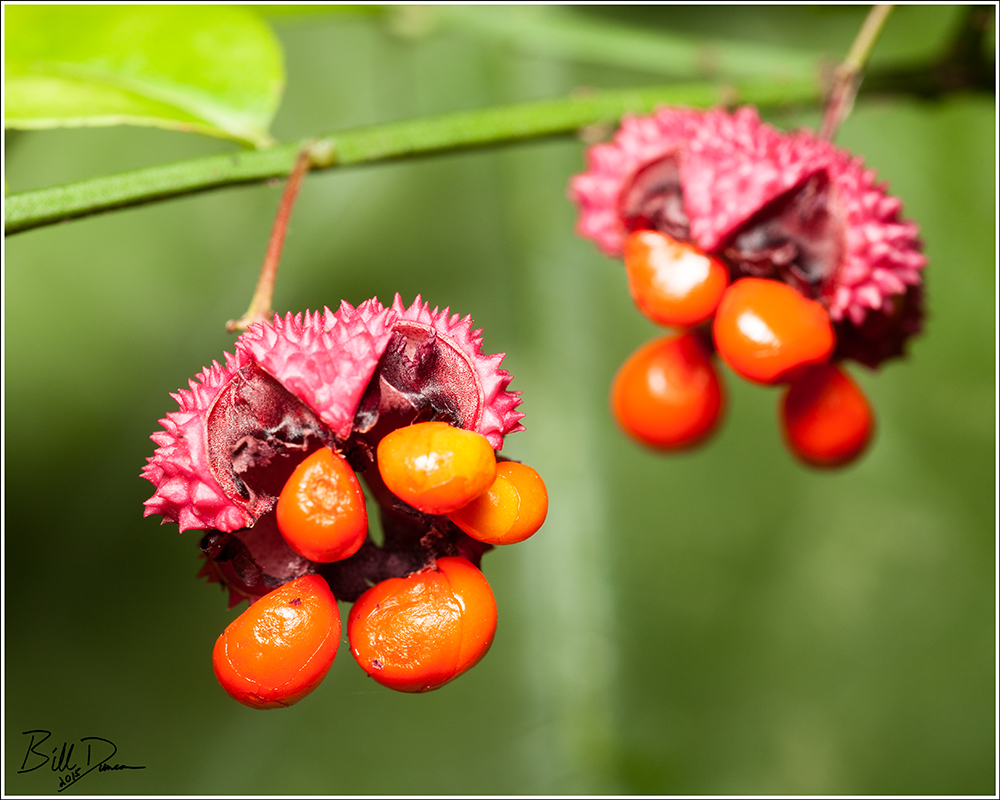
The Strawberry Bush is a rather new one for me. Steve and I found these plants, with freshly opened fruit capsules along the St. Francis River within Millstream Gardens CA this autumn. Rare due to loss of preferred habitat, this plant prefers moist, sandy soils along stream banks. Along with the St. Francois Mountain region, this plant also grows in extreme south-eastern Missouri.
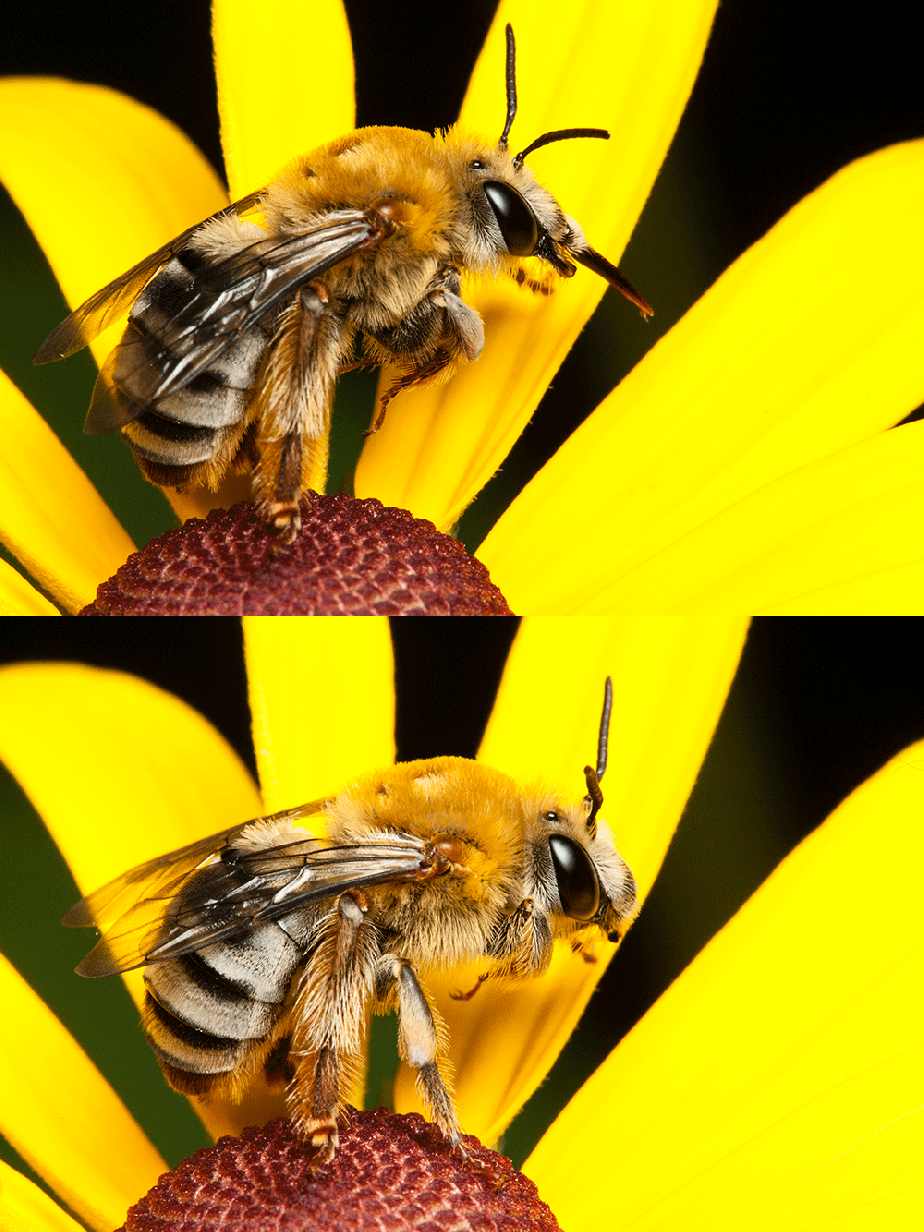
Tonight I thought I’d share a male Long-horned Bee. These guys are very tricksy in getting a photograph as they never seem to stop moving. I haven’t been able to find them resting early in the day yet.
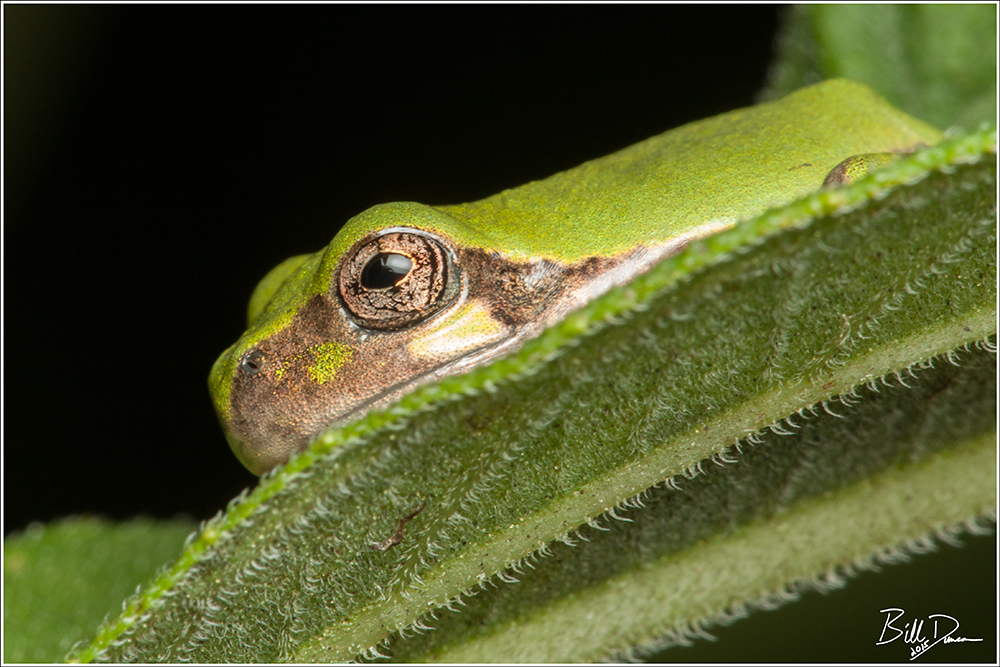
While hunting for interesting arthropods to shoot this summer at the wetlands of SNR, I cam across a large number of younger Grey Treefrogs.
Grey Treefrog
Some folks might get confused by the green coloration of the young Grey Treefrog, however this is likely due to the younger frogs being fond of denser vegetation.
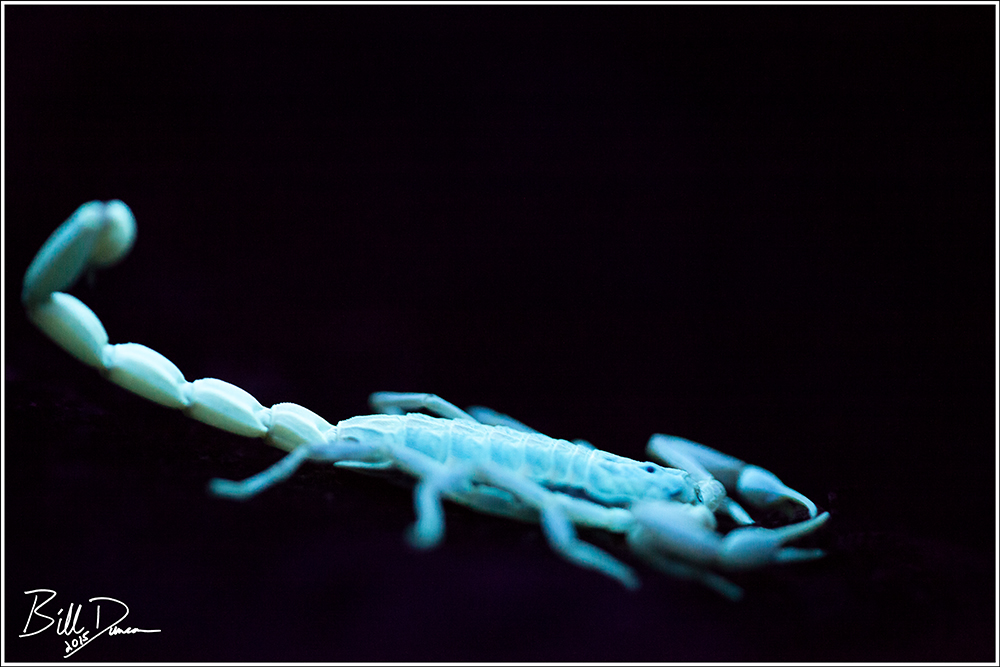
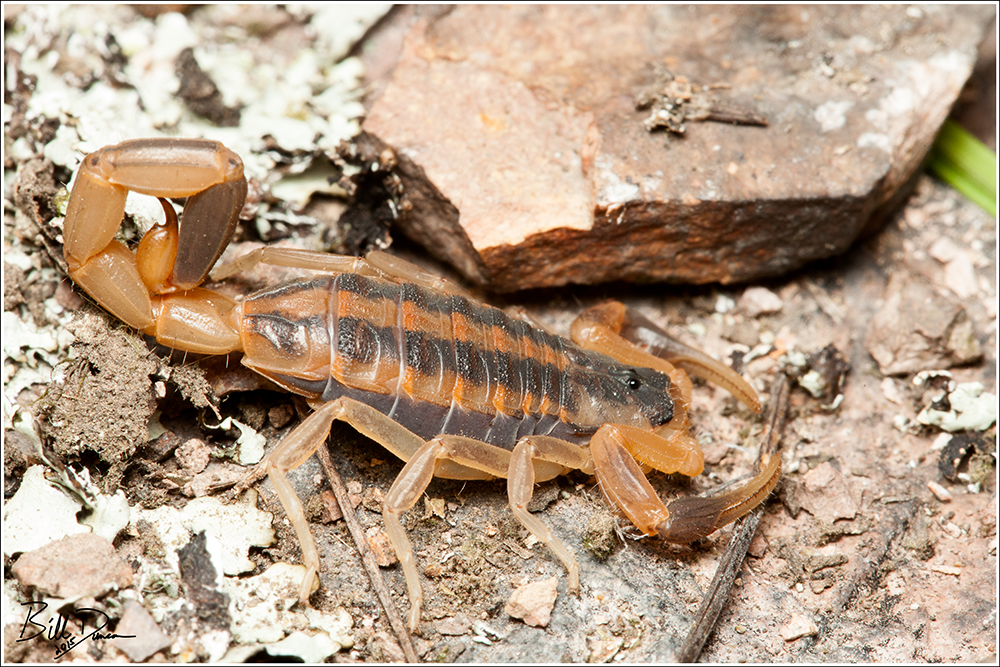
For today’s post I am presenting a few photos taken of a very common arachnid found in glades and drier forests of southern Missouri – the Striped Bark Scorpion. No, there is no reason to fear these secretive scorpions; they are only dangerous if you happen to be an arthropod smaller than they are. They are, however, much more common than I ever would have expected. Steve and I had much success finding them in the glades of Hughes Mountain Natural Area this past summer. Wait until the sun has well set, turn on your blacklight and walk around for a while. We were finding them easily every few steps.
The Striped Bark Sorpion
The photo above shows what they look like to the naked eye (illuminated by flash). These guys are extremely fast as well as stealthy. The use of blacklight is almost mandatory to efficiently find them. These lights as well as a typical flashlight/torch brings all sorts of other arthropod visitors to the glade top as well.
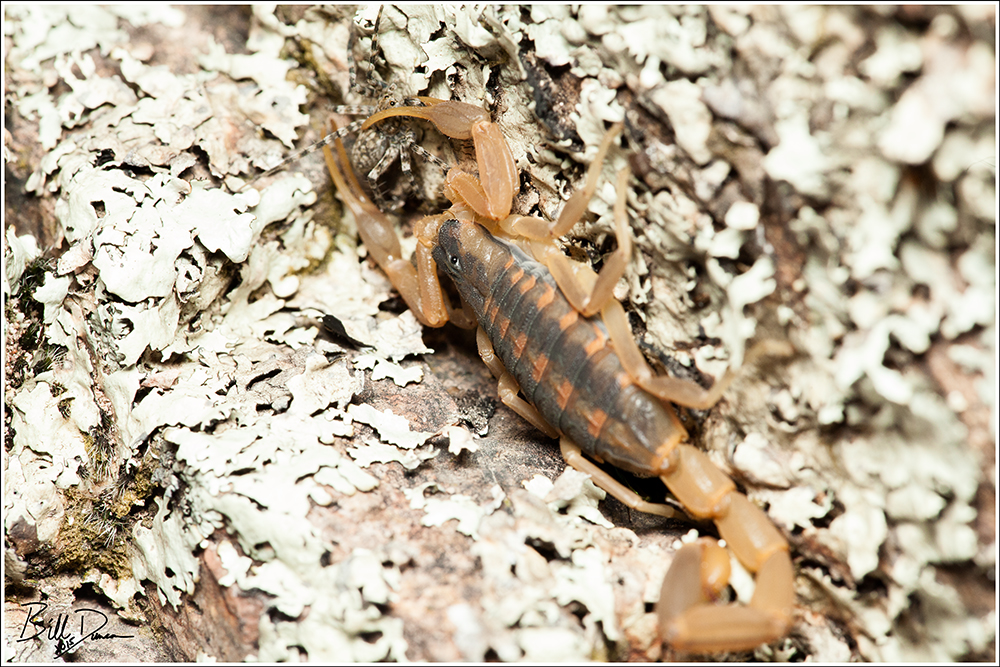
So, why do they glow under ultraviolet light? This is an interesting question that has not yet been satisfactory answered by those who study these creatures. Hypothesis range from helping to attract prey, to aiding in their ability to see and sense light. I took the photo above soon after we watched this guy sprint approximately a meter towards us in the blink of an eye. At the time, Steve and I assumed it was a defensive run (or lunge) in reaction to us being near it. It was not until days later that I discovered what the real purpose of that dash had been…
Can you see what that reason was? Here’s a closer look…
Yes, I believe its dash was in capturing a prey – this small wolf spider – probably the only other predator that might be as common or more common than the scorpions themselves in this nocturnal food web.
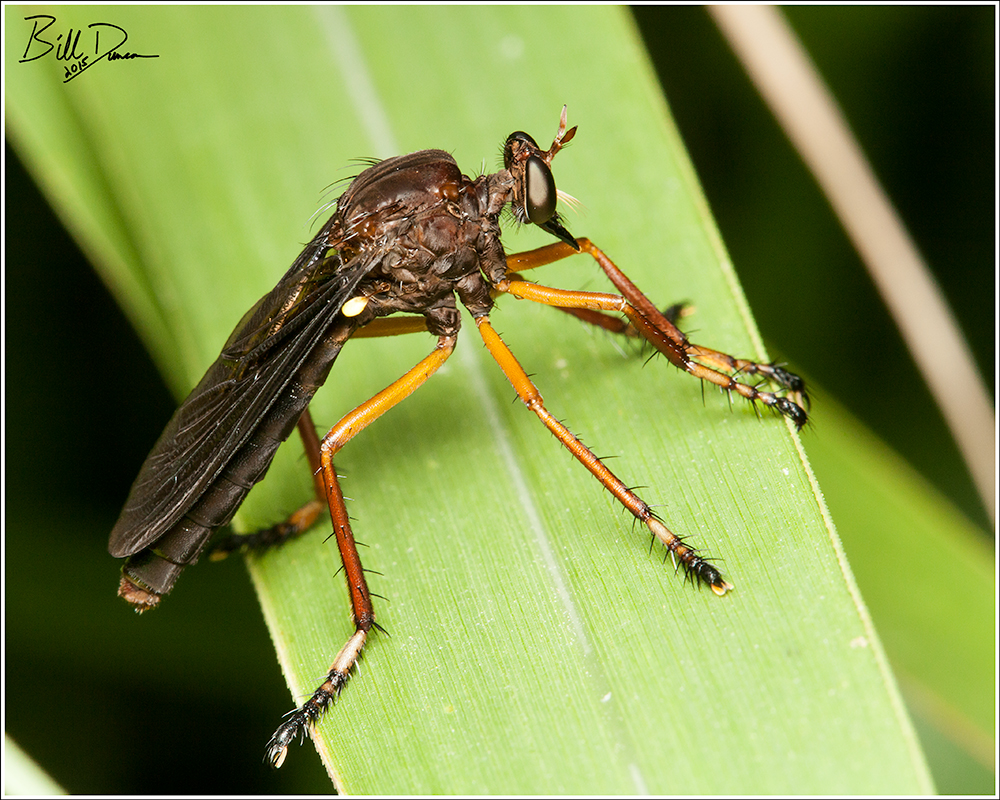
In keeping with the flies, I thought I would share this photo of a Robberfly (Asilidae – Dioctriinae – Dioctria sp.) that we found and photographed at Shaw Nature Reserve this summer.
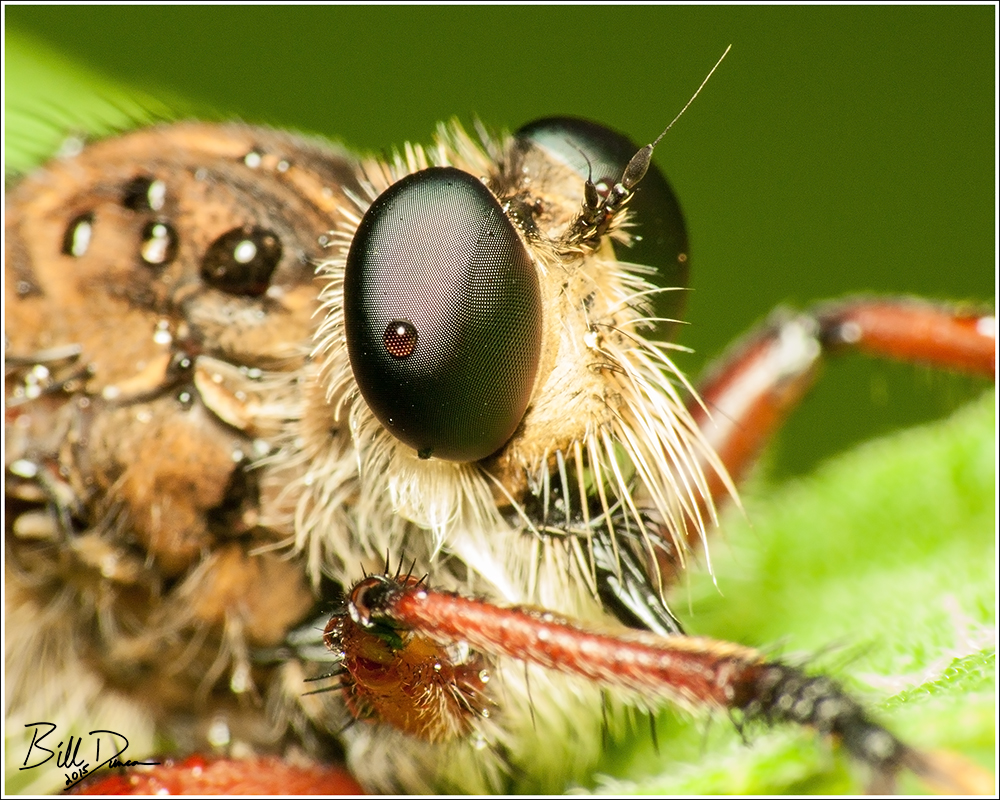
I find the flies to be one of the more interesting groups of insects and I was constantly on the lookout for new species to photograph this summer. There is such diversity in the flies, from size to form and function. There is still so much to learn about some flies, including some rather common species that researchers have still not described where or on what the larval forms live. To start, here is a closeup of a true giant of the flies, a Robber Fly (Family Asilidae). The Robberflies are true predators, with an intimidating beak that they use to inject neurotoxic and protein-dissolving cocktails.
Trichopoda pennipes
The photograph above showcases a fly that should be a favorite of gardeners and farmers. Flies in this family (Tachinidae) parasitize a number of different insects and this species specializes in many of the plant-feeding true bugs like Stink Bugs and Leaf-footed Bugs. The generic name can be translated from Greek to mean “hairy foot” and the specific name “pennipes” means feather. This namesake feature can be seen on the rear legs of this fly in the photograph above.
Thick-headed Fly
The Thick-headed Flies are extremely interesting and a joy to watch. These guys not only mimic bees and wasps, but they also parasitize the hymenoptera by depositing their eggs on the stinging insect, sometimes attacking the host to place their egg. The eggs hatch and the larvae become internal parasites of their host.
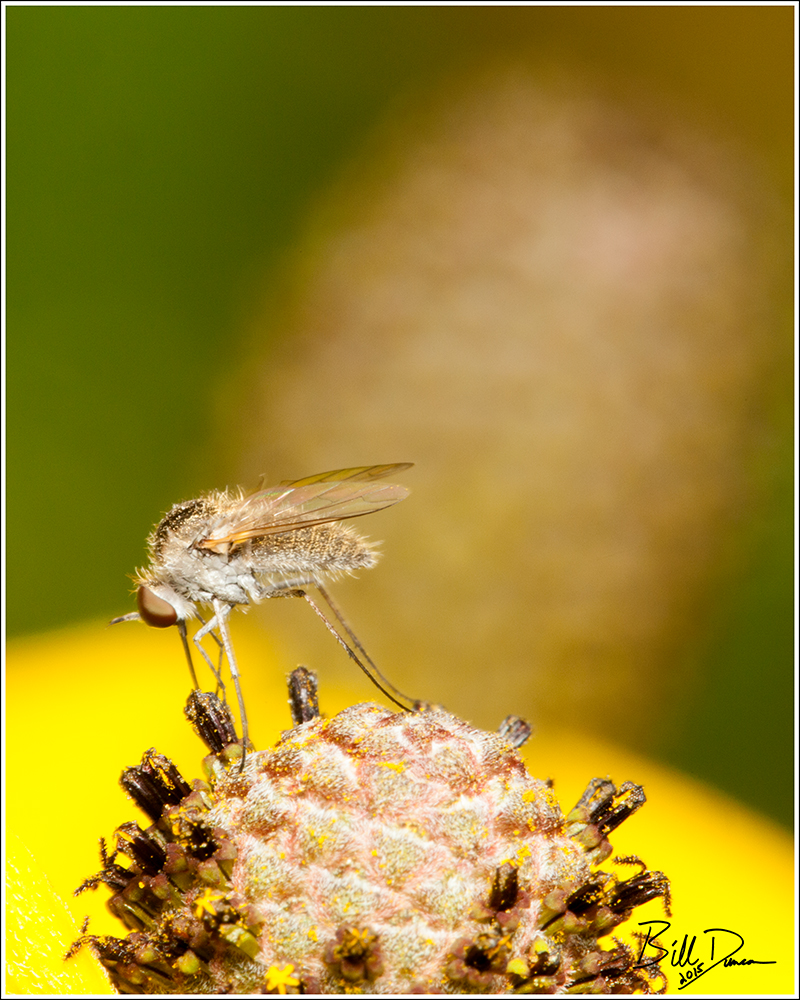
Geron Bee Fly
The minuscule Bee Flies in the genus Geron parasitize moth caterpillars. The adults of these flies feed almost exclusively on yellow-flowered Asteraceae.
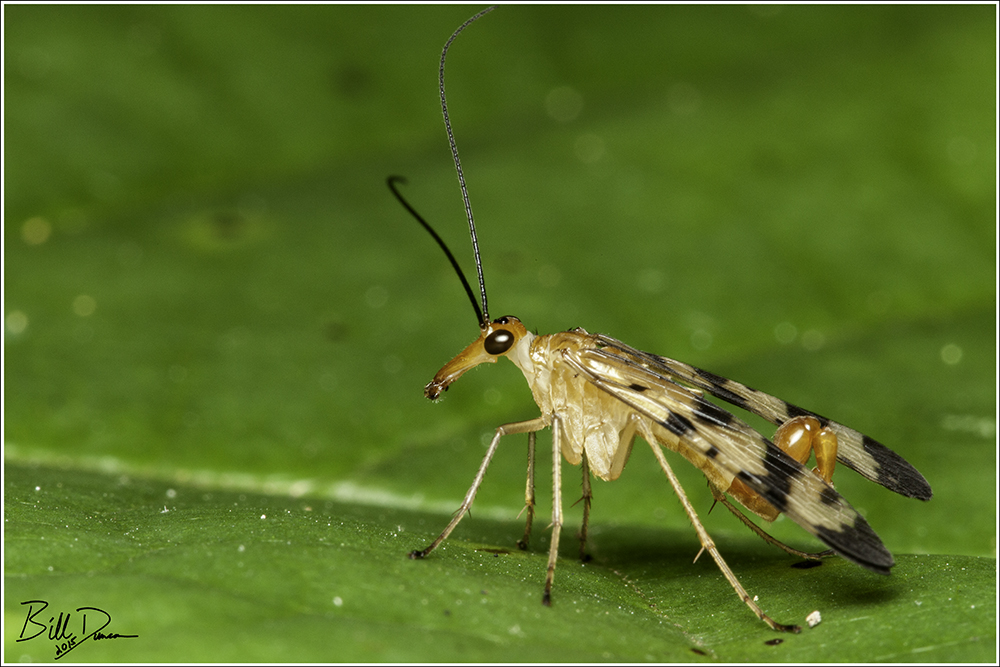
Scorpion Fly
Don’t be threatened by the sting-like structure that this Scorpionfly (Family Panorpidae) has arched over its back. This is simply the male genitalia and is quite harmless. Scorpionflies primarily make a living by scavenging on dead insects, and like many flies, exhibit elaborate behaviors to attract mates. These flies will perform various dances in front of females and will often provide a ripe insect carcass as a prenuptial gift.
So Long!
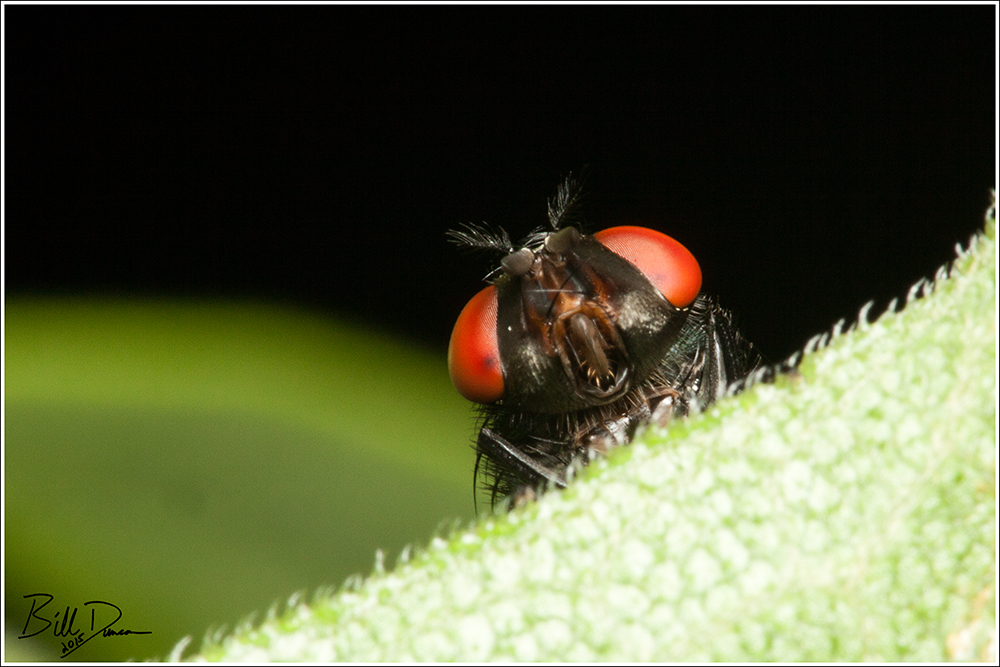
Finally, here is a rather different view of a Greenbottle Fly. I hope this helps to describe some of the fascinating diversity in form, function and behavior that can be found within the Diptera. These are but just a few of the easier to find and photograph! I hope to continue my exploration of these fascinating insects next year.











 A Thousand Acres of Silphiums