"What a thousand acres of Silphiums looked like when they tickled the bellies of the buffalo is a question never again to be answered, and perhaps not even asked." -Aldo Leopold
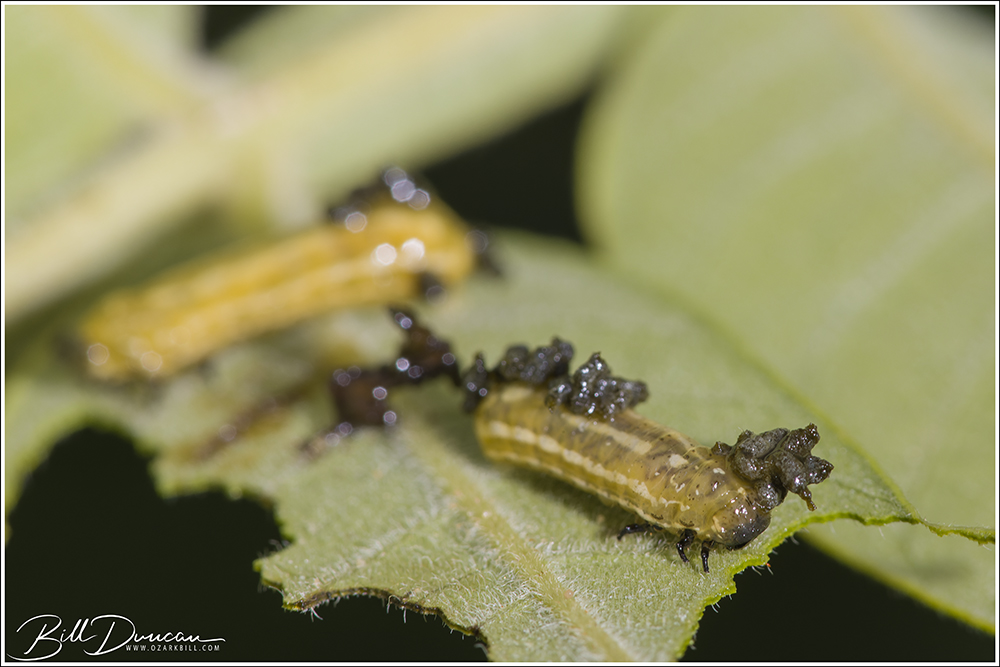
Today’s post features lovely little Chrysomelid beetle larvae. These were found at Taberville Conservation Area in St. Clair County, MO in June of this year. Blepharida rhois – the sumac flea beetle, create “shields” by retaining their feces as a means of protection from would-be predators. It has been discovered that chemicals from their sumac (Rhuss spp.) host plants, along with partial metabolites from the digestive process, act as swell deterrents in avoiding ant predators. When fed a diet of lettuce, the shields’ protective abilities were lost.*
*Vencl, F., Morton, T. The shield defense of the sumac flea beetle, Blepharida rhois (Chrysomelidae: Alticinae). Chemoecology8, 25–32 (1998). https://doi.org/10.1007/PL00001800
Belepharida rhois – the sumac flea beetle with protective shields composed of their own frass
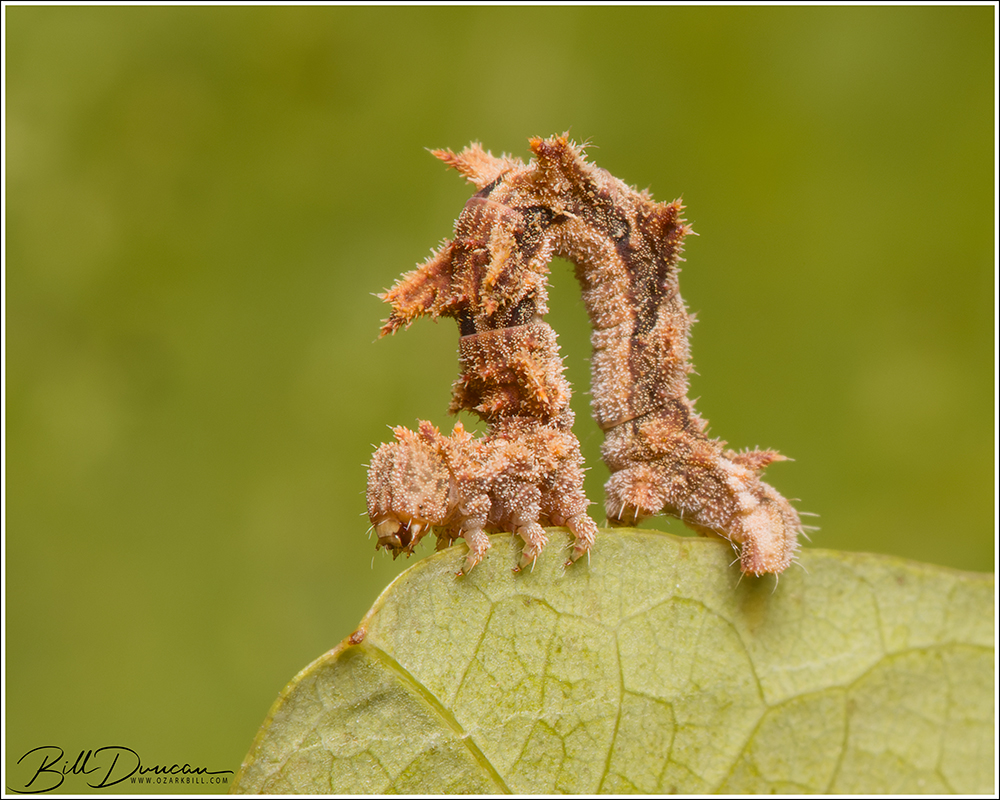
We had a great time this past Saturday when the WGNSS Entomology and Nature Photo Groups got together for our great caterpillar hunt at Pickle Springs C.A. in Ste. Genevieve County, MO. Of course I was primarily looking for the Limacodidae – the slug moth caterpillars. We’ve had better results with the slugs, but we did find five species over the course of the day, including a spun-glass slug (Isochaetes beutenmuelleri) and this saddleback (Acharia stimulea). Unfortunately, I was the only one to see this one as I spent some time by myself in the late afternoon looking through hundreds of young oak trees at Hawn State Park.
As always, we did find a few other species of interest, unexpected things and, as of now, unidentified creatures. I will be posting more from this trip in the near future.
I decided to go for stacking this nice saddleback. With so many details and intersecting lines, I knew this might be a risky attempt. I think they turned out pretty nice.
As much as I like the convenience and price of my wireless Godox flash system, it does come with some aggravations. One thing that frustrates me is the ease in which the controls can be inadvertently changed when carrying the system around on a strap. Then, the flash doesn’t work and I have to take the time to figure out what happened and make the necessary adjustments. Or, after powering the transmitter and flash down, the settings in one or the other change for some reason.
Another thing that drew my attention when putting these stacks together is the variable light output when taking a stack of images like these. Despite everything in the camera and flash units being on full-manual control, the illumination provided by the flash varied noticeably from one image to the next. This is something I never noticed when using my Canon branded speedlights. Thankfully, the differences between exposures, in the slivers that are used to make up these final images, is not noticeable at all. So, maybe I’m complaining about nothing.
Here is the first stack, also featured at the top of the post. The head of the caterpillar is facing you but is not visible as it is covered in the protective hood. Additional protection is also afforded by the obvious sharp tubercles that can break off into any would-be predator, injecting toxins that burn and irritate, an experience that I think is very similar to that of brushing up against nettles.
Saddleback caterpillar (Acharia stimulea). This image was taken with a 180mm macro lens on a full-sized sensor camera, composed of a 37 image focus stack at f/11, 1/125 sec and ISO-250.
The next stacked image is an overhead view. I am putting this one in as a full-sized jpeg file. So, be sure to click on the image to see the details up close! The remnants of the mucous-like silk they secrete as the glide about the leaf surface can be seen towards the bottom of the image.
Saddleback caterpillar (Acharia stimulea). This image was taken with a 180mm macro lens on a full-sized sensor camera, composed of a 26 image focus stack at f/11, 1/60 sec and ISO-250.
Sarah and I found this very little guy on a cat trip at Onondaga Cave State Park in Crawford County, MO in early September, 2023. Click here to see photos of the adults.
Virginia snakeroot (Endodeca serpentaria) is an easily overlooked cousin of the much more familiar Dutchman’s pipevine (Aristolochia macrophylla). Belonging to the Aristolochiaceae (birthwort) family, both species host the pipevine swallowtail butterfly. The Aristolochiaceae family is composed primarily of tropical woody vining species. Virginia snakeroot is an exception in the family, being neither tropical, woody nor a vine. This species is a low and slow growing herbaceous perennial native to Missouri and is a really nice find.
The hastate leaves and growing habit of Virginia snakeroot (Endodeca serpentaria). Note the ground-level flower.
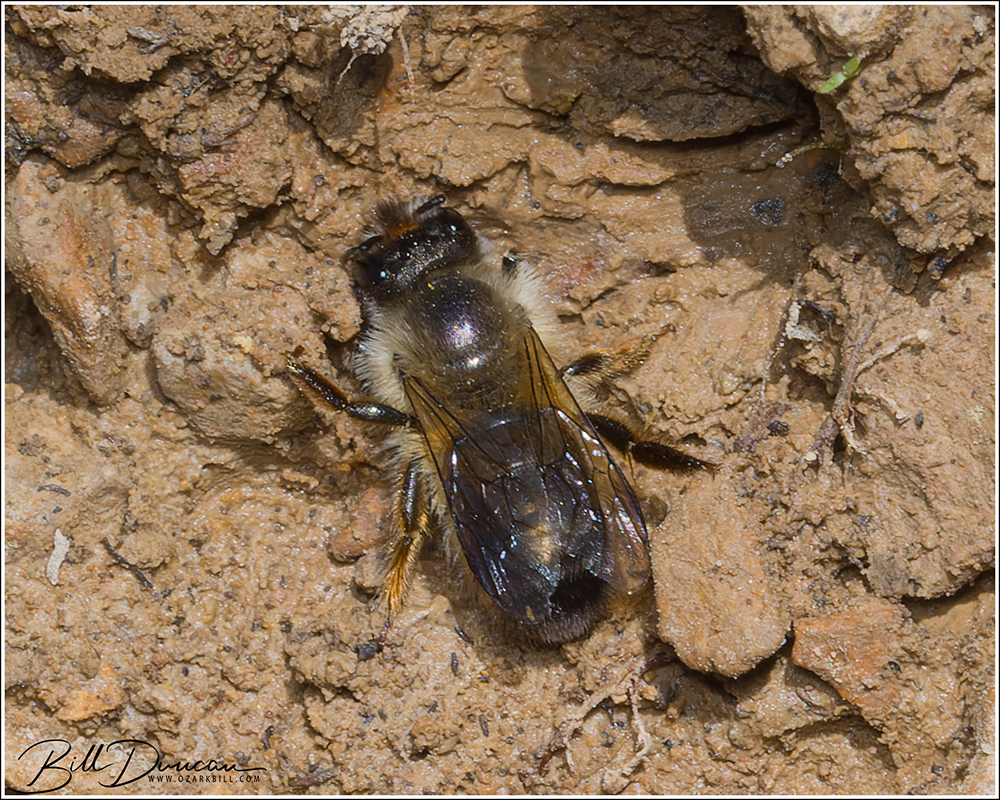
Casey and I found these mason bees in mid April this year at Hughes Mountain N.A. I had no clue what these were but was intrigued to “discover” a new-for-me bee so early in the season. Unfortunately, I was to find out it is yet another introduced species. Apparently these were first found in Maryland in the 1970’s and have spread west since then.
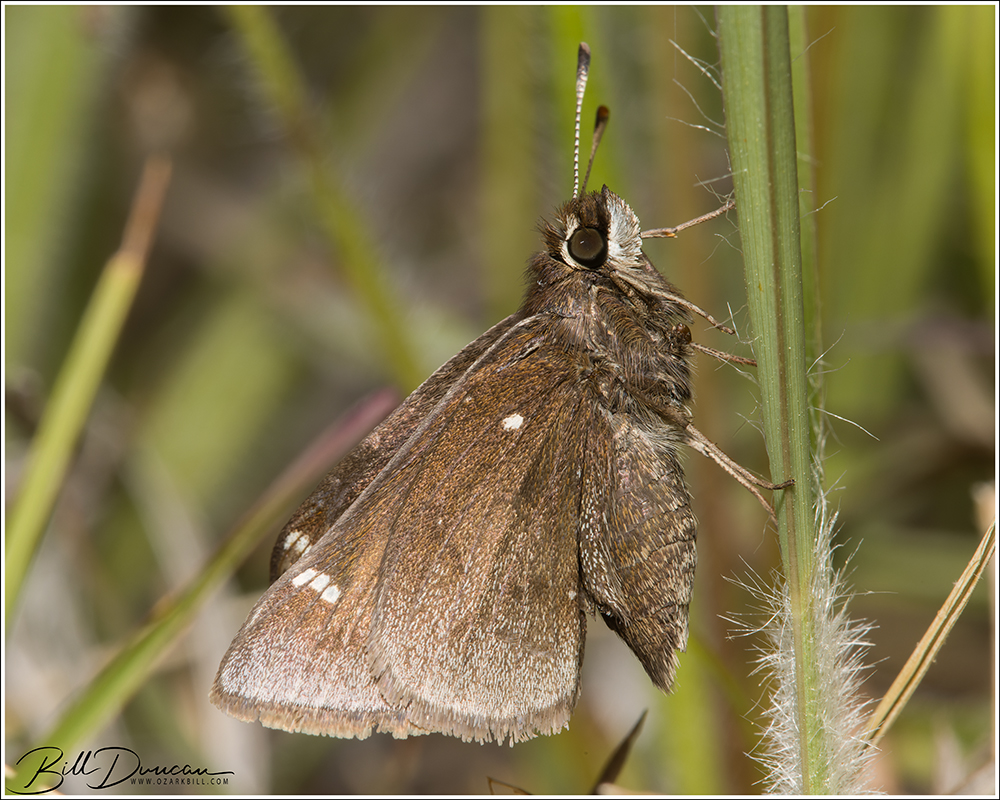
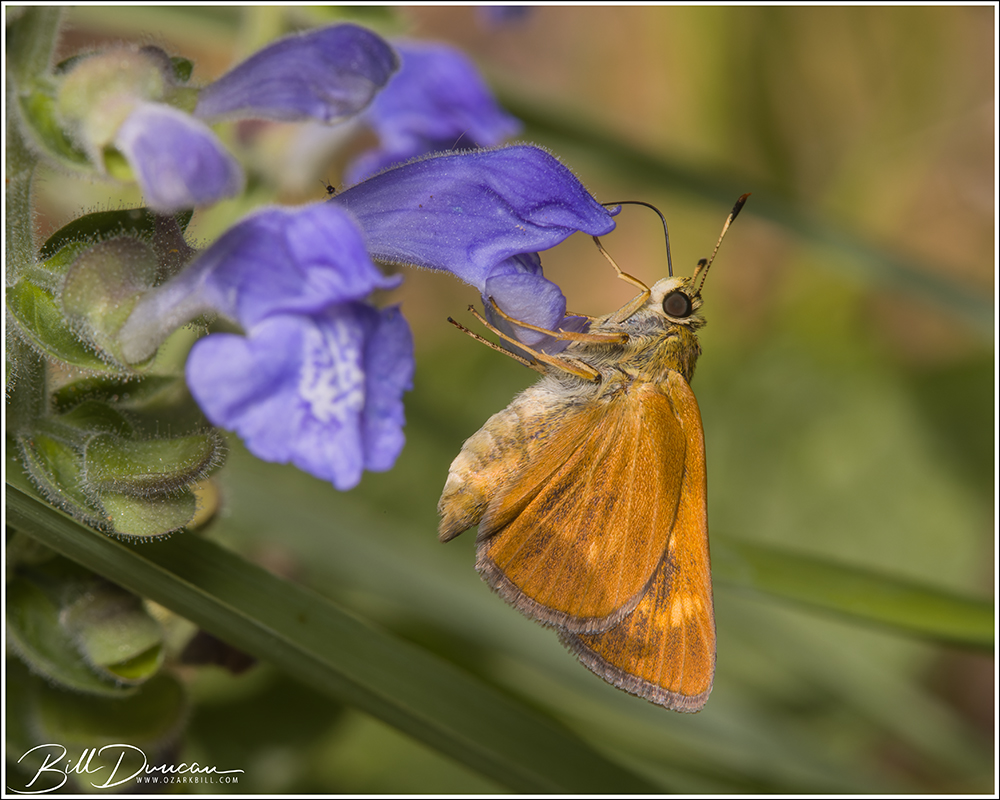
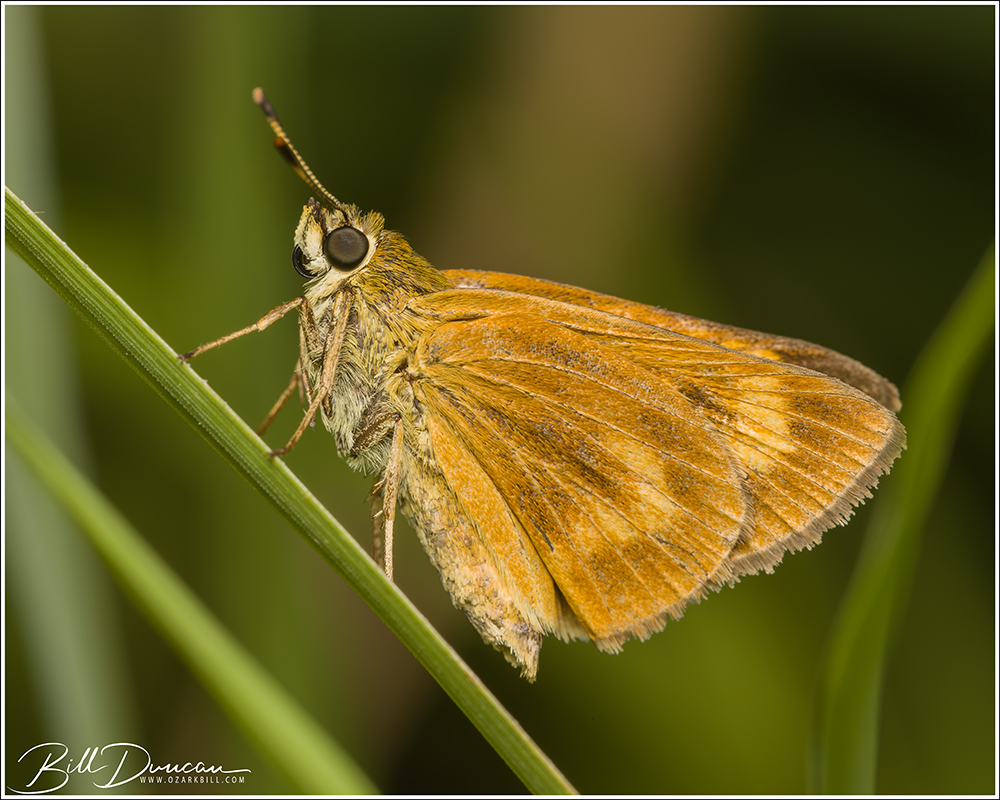
This season Casey and I have been focusing on trying to find some of the more rare and harder to find skipper butterflies in the family Hesperiidae. We’ve come up short a few times – there are several who seem to be on severe declines in our area and may be extirpated from previous well-known sites. Here are a few we had luck with finding and worked our tails of to get a few photos.
Atrytonopsis hianna (dusted skipper) This striking skipper was found in the glades of Jefferson County, MO in May of 2023.
Problema byssus (byssus skipper) Classified as vulnerable by the Xerces Society, the byssus skipper uses eastern gamma grass and big bluestem as its host and is threatened by the continued loss of prairie and grassland habitat throughout its range.
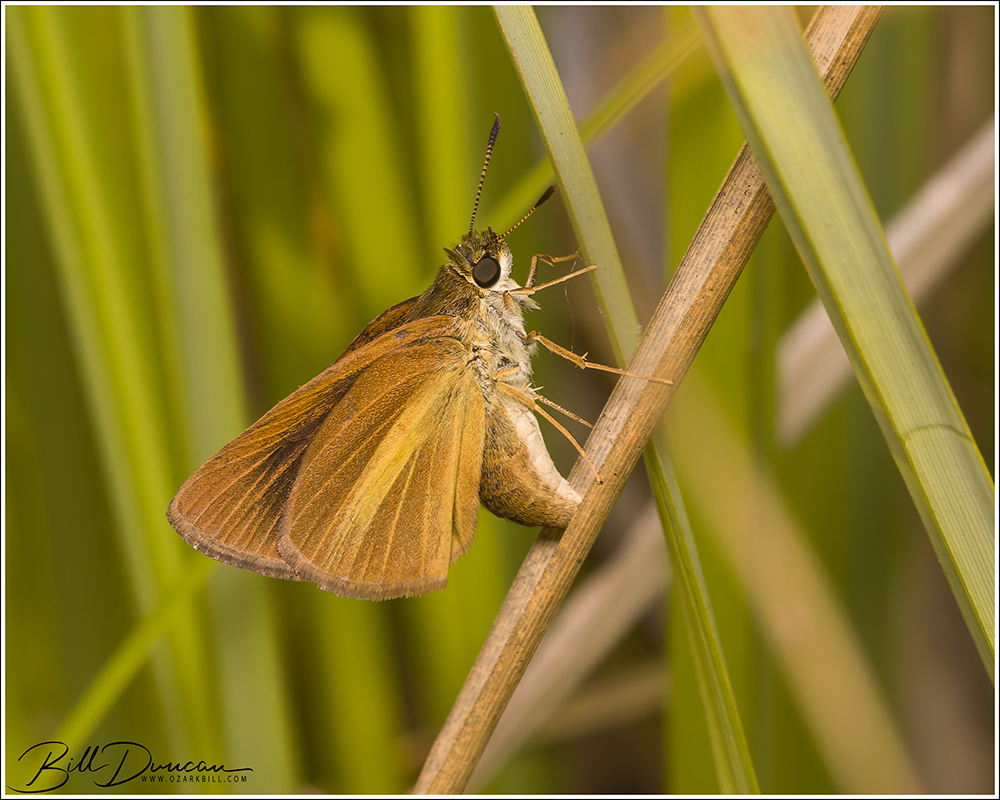
Euphyes dukesi (Duke’s skipper) Uncommon throughout its fragmented range, the Duke’s skipper uses sedges in moist fields, marshes and forests for its host. This species is highly vulnerable to ongoing draining and development of these habitats. Casey and I refound this particular population in St. Charles County and we were happy to find a few in ditches alongside heavily trafficked roads.
Dorsal view of Euphyes dukesi (Duke’s skipper)
I has thrilled to be able to catch this female Duke’s skipper ovipositing on a sedge stem
Amblyscirtes hegon (pepper and salt skipper) With a very large range, covering most of the eastern U.S., the pepper and salt skipper is nevertheless difficult to find and photograph.
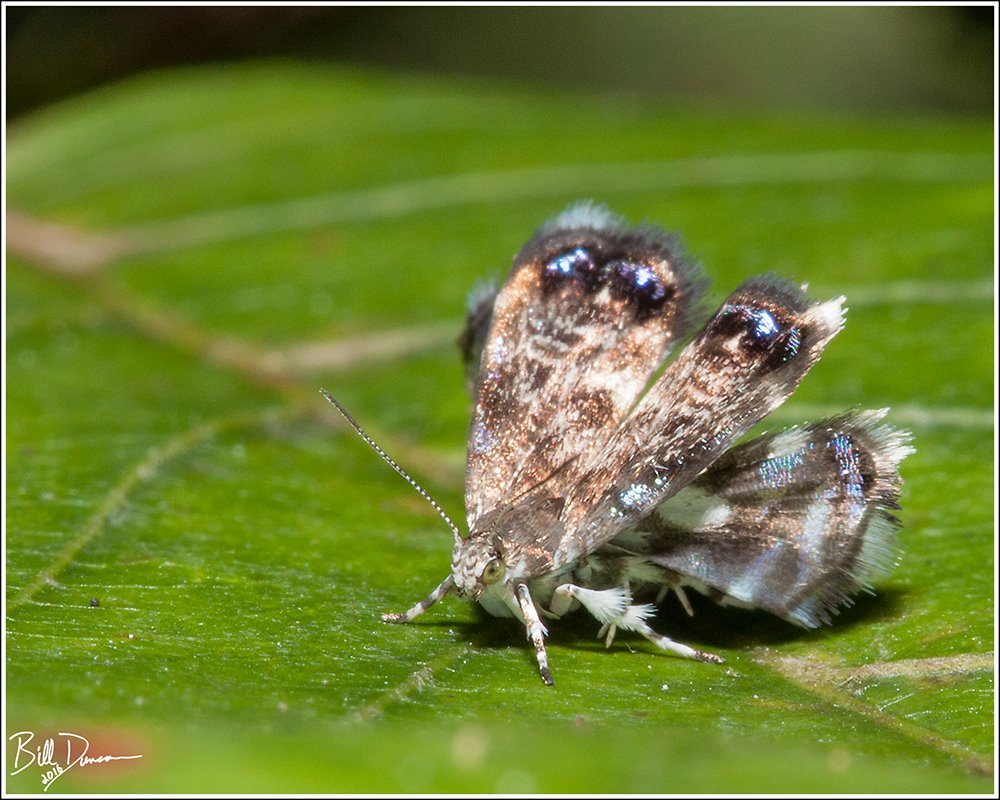
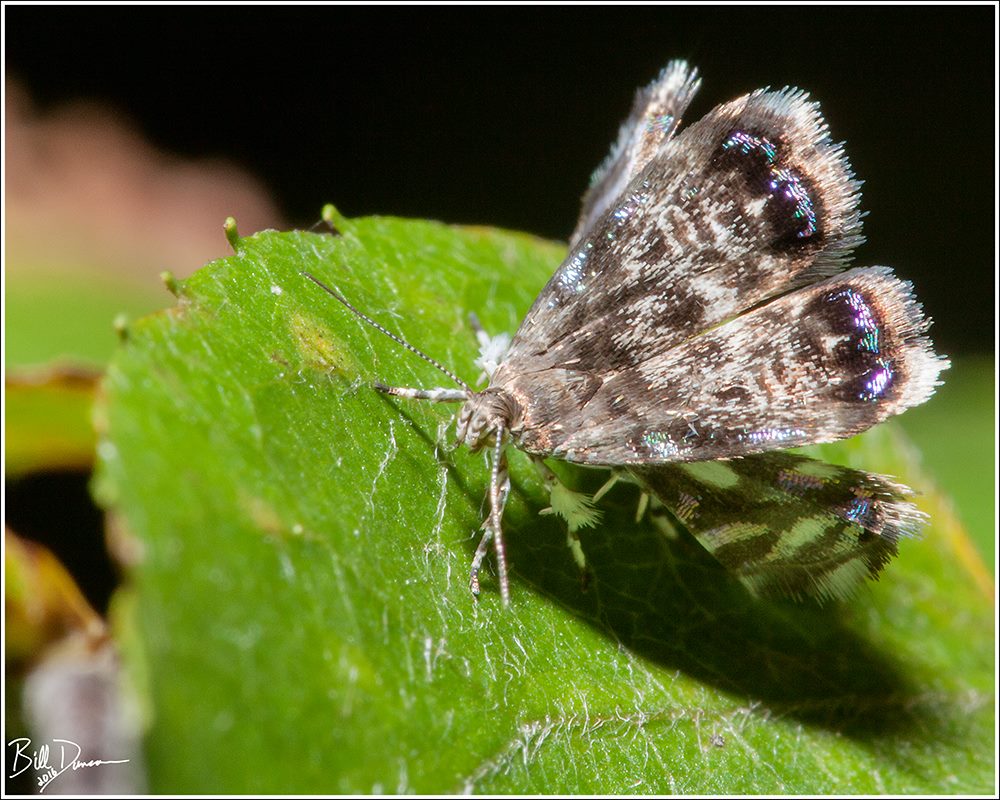
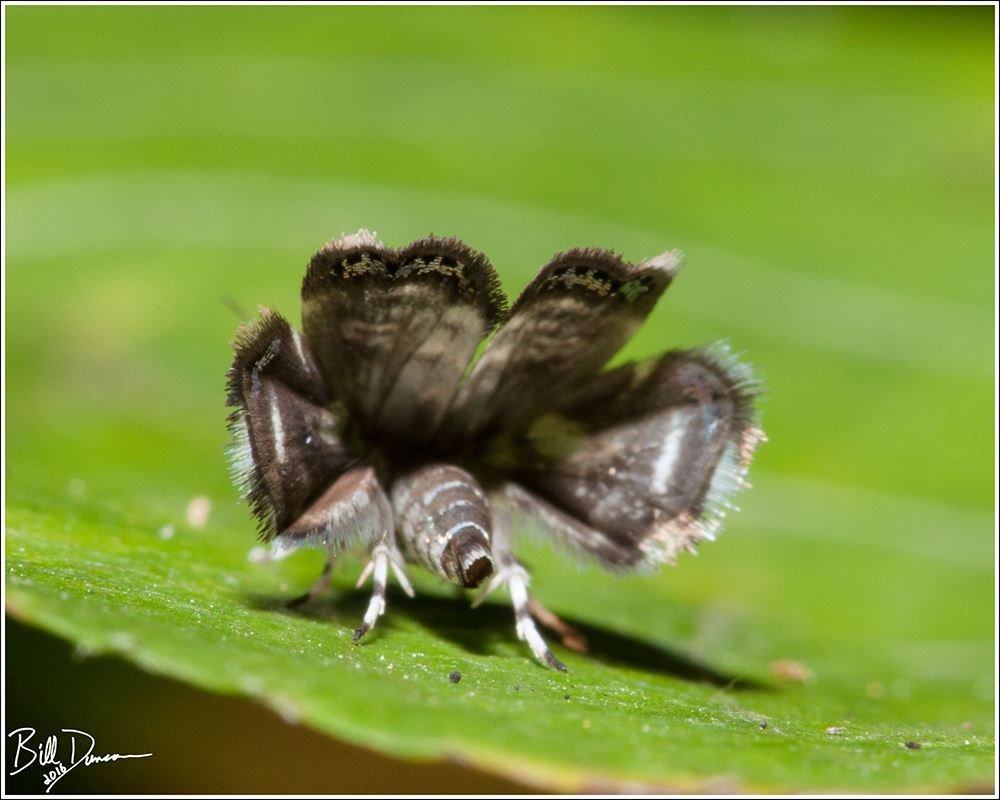
Here is another set from the bowels of Facebook that I wanted to make sure gets captured here. This is the diurnal metalmark moth (Choreutidae), Brenthia pavonacella (Hodges #2627). It is known as the peacock brenthia, due to its unusual mating display behaviors that can be seen here.
These are some older photos that I posted on Facebook back in 2018 when I had the annoying habit of posting some interesting topics only on Facebook for some reason.
Schinia nr-jaguarina (French-grass flower moth)
Only discovered in 2012, this species of flower moth (Schinia nr-jaguarina) has yet to be described and named. This was photographed at Desplaines State Fish and Wildlife Area near Joliet Illinois. This species seems to be an obligate feeder on Orbexilum onobrychis (scurf pea, french-grass, among others). To read more about this recent discovery, head over to this location: http://jimmccormac.blogspot.com/…/interesting-moth-new…
Schinia nr-jaguarina (French-grass flower moth)
2023 Update This past weekend, the WGNSS Entomology Group spent the better part of a day exploring the wonderful Horn’s Prairie Grove LWR, just north of Vandalia, IL, and discovered a population of Schinia nr-jaguarina (apparently, this species has still not been officially described and the specific name given here is just a placeholder).
One of us collected a specimen to rear so I might be able to get photographs of an adult soon.
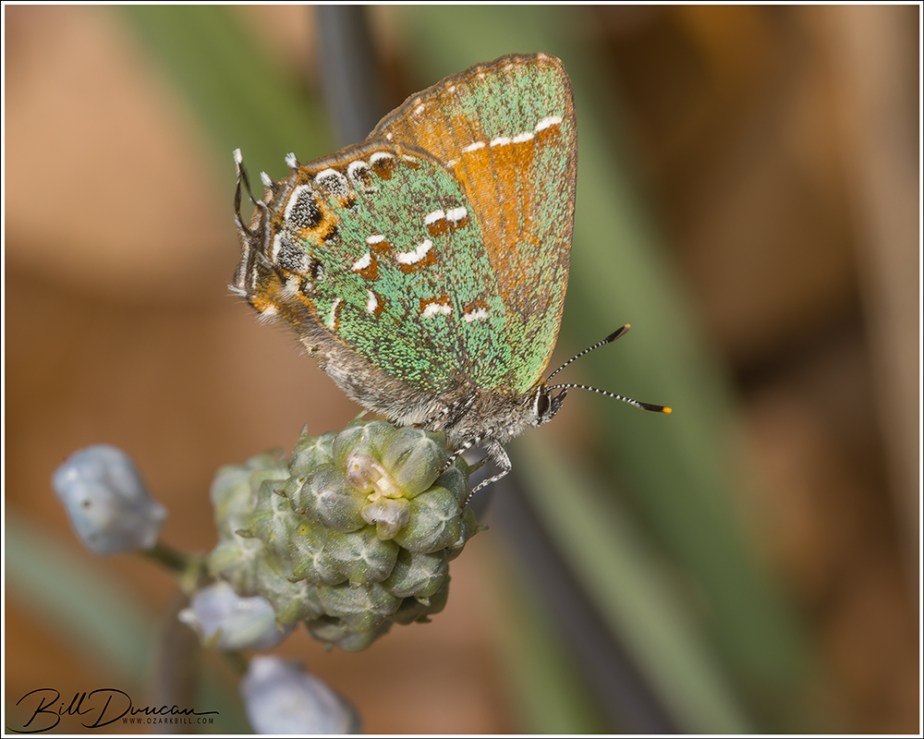
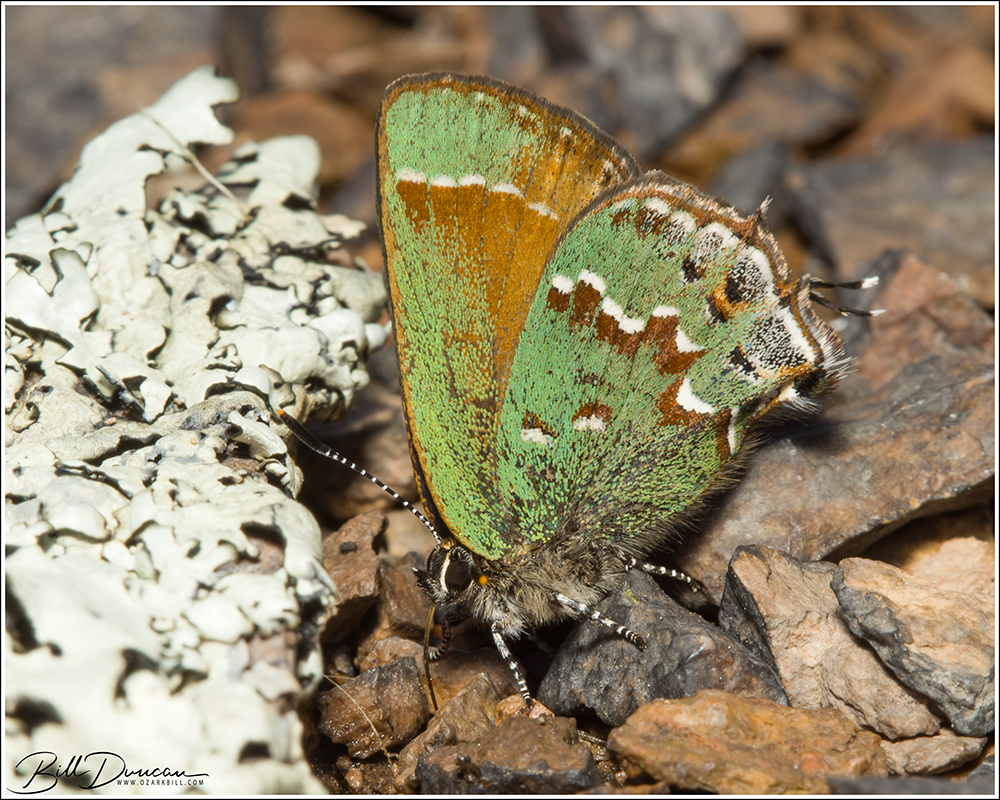
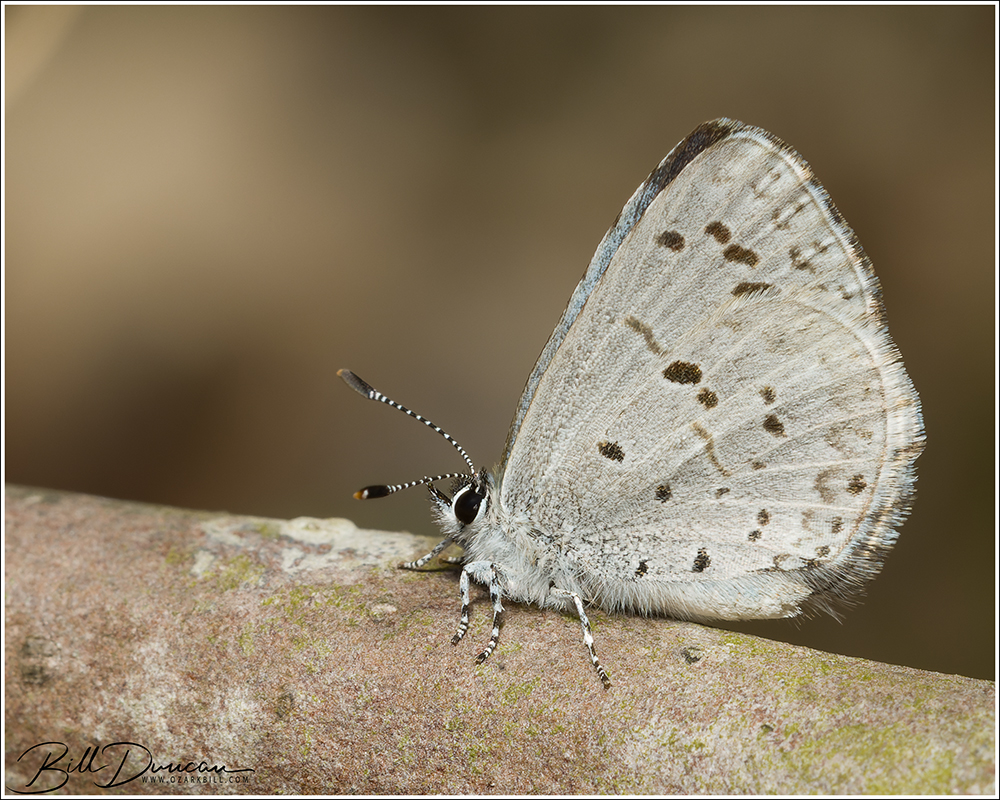
Tonight I’m just sharing some photos of a few lovely Lycaenid butterflies that I had the pleasure of photographing this season. The Lycaenidae family is the second largest family of butterflies, with about 6,000 species worldwide. The highlight was the bountiful season that the juniper hairstreak (Callophrys gryneus) had. Prior to this year, I had only seen one or two in a season, usually without my macro rig with me. In a few trips to the glades in Jefferson County this spring, Casey and I had at least two dozen individuals. They are not usually cooperative, but we worked pretty hard to get something.
First up is the afore mentioned C. gryneus.
A not so lovely eastern tailed-blue (Cupido comyntas)
The perfectly names spring azure (Celastrina ladon)



















 A Thousand Acres of Silphiums