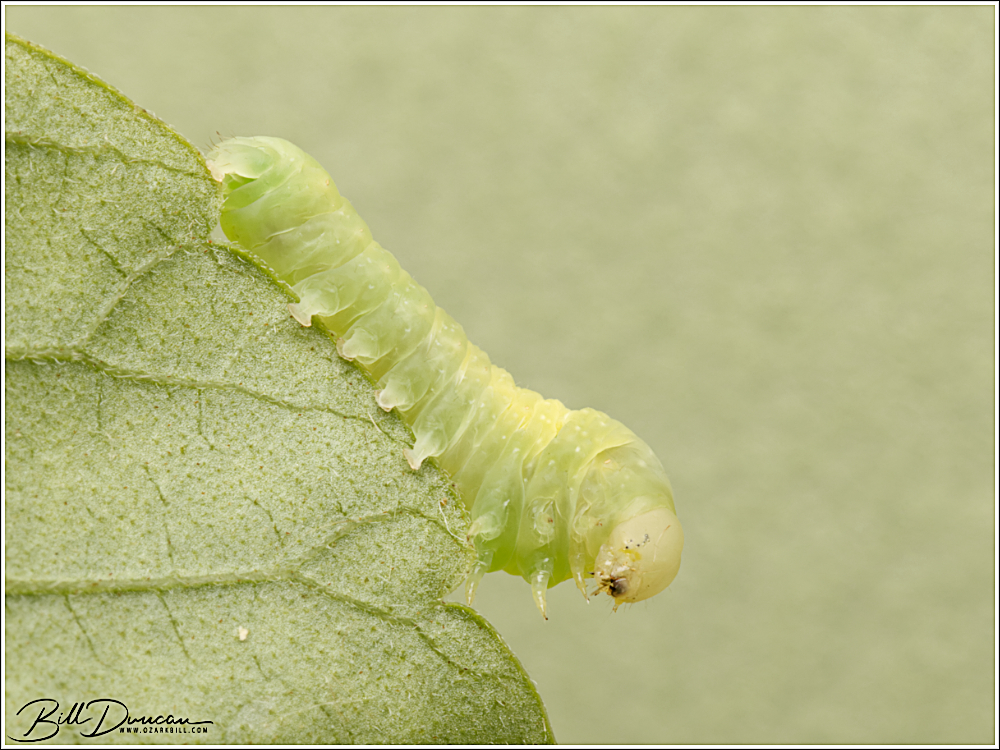
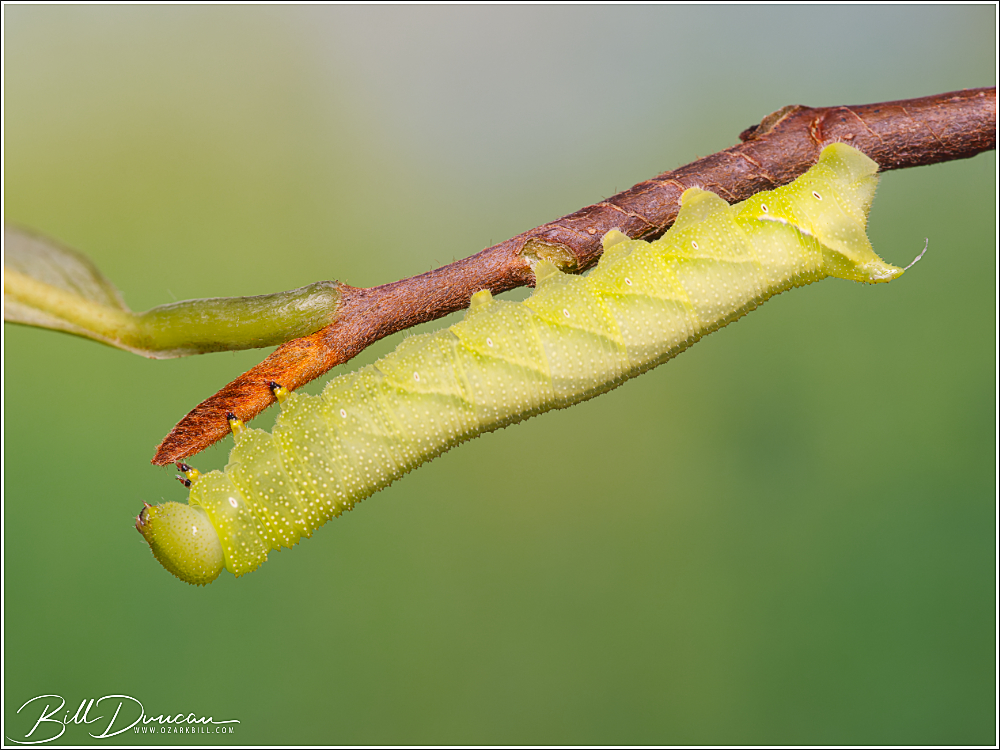
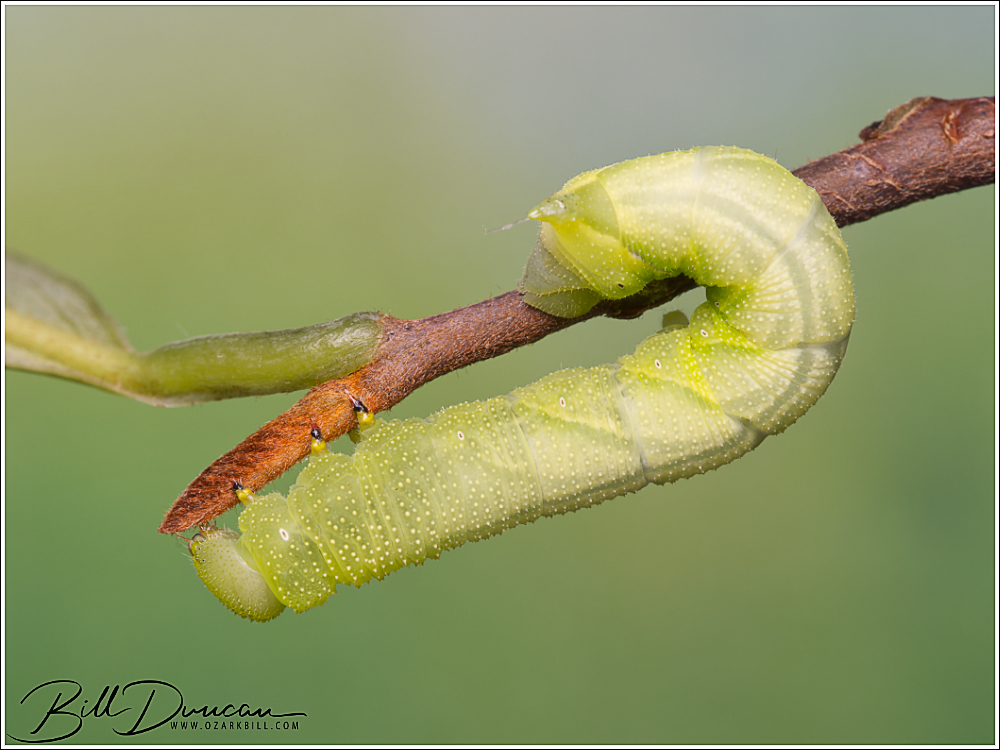
May Your Corruption be Your Shield!

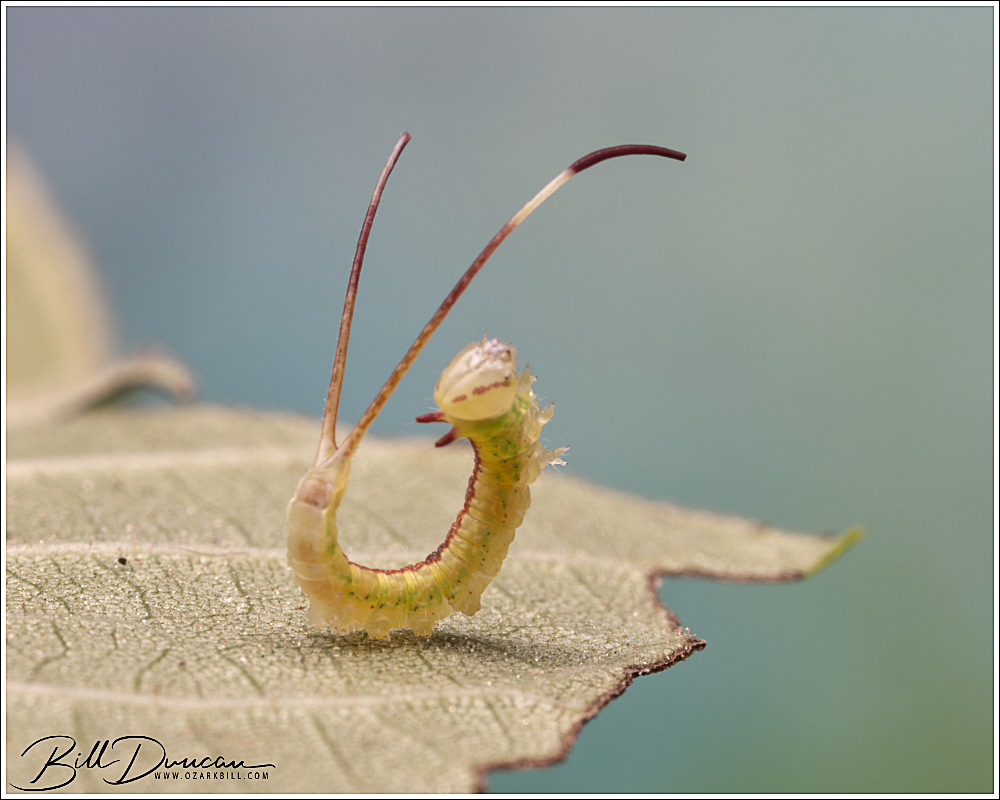
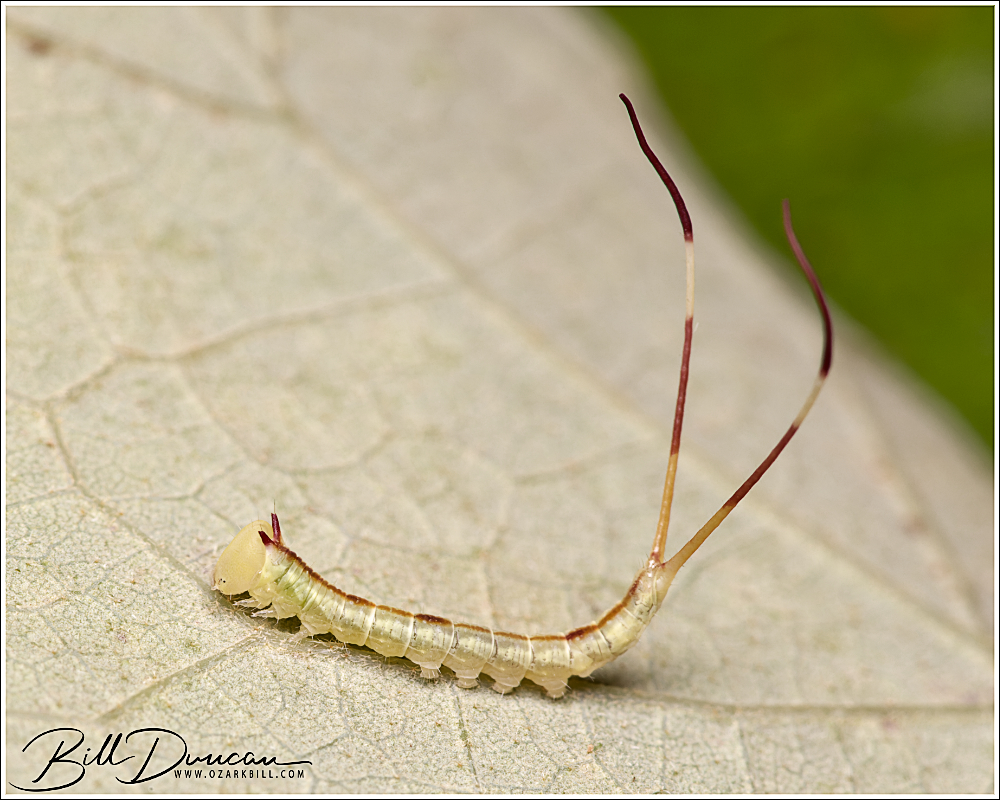
Today’s post features lovely little Chrysomelid beetle larvae. These were found at Taberville Conservation Area in St. Clair County, MO in June of this year. Blepharida rhois – the sumac flea beetle, create “shields” by retaining their feces as a means of protection from would-be predators. It has been discovered that chemicals from their sumac (Rhuss spp.) host plants, along with partial metabolites from the digestive process, act as swell deterrents in avoiding ant predators. When fed a diet of lettuce, the shields’ protective abilities were lost.*

*Vencl, F., Morton, T. The shield defense of the sumac flea beetle, Blepharida rhois (Chrysomelidae: Alticinae). Chemoecology 8, 25–32 (1998). https://doi.org/10.1007/PL00001800

Belepharida rhois – the sumac flea beetle with protective shields composed of their own frass

Saddleback Caterpillar – 2023

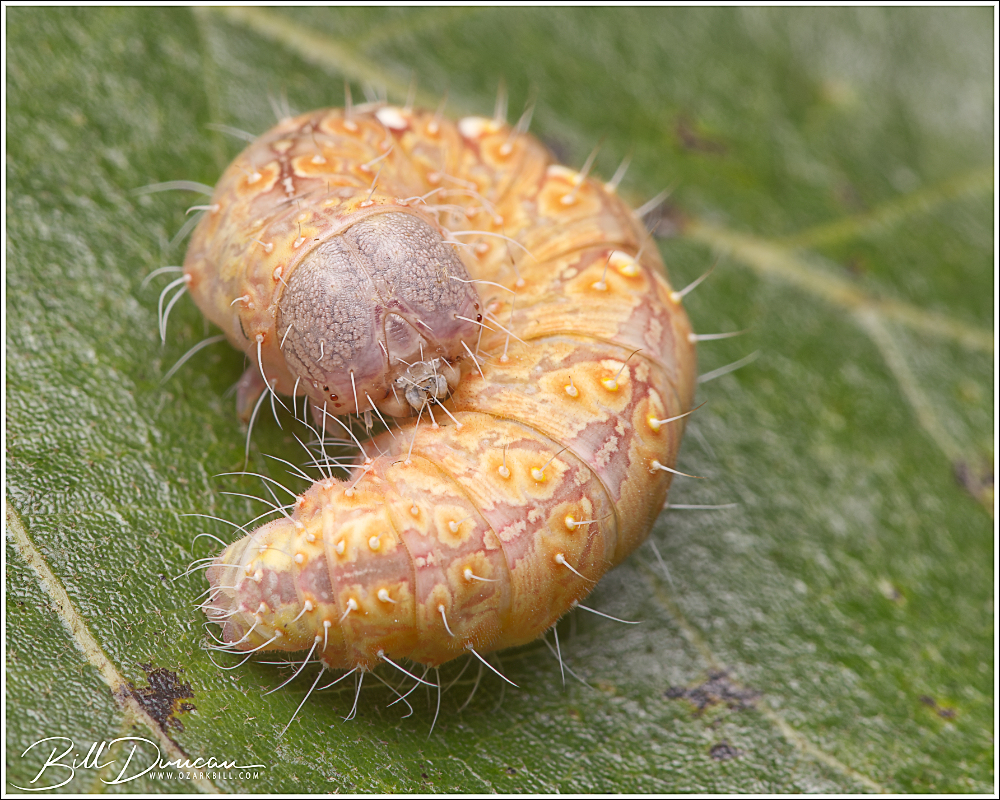
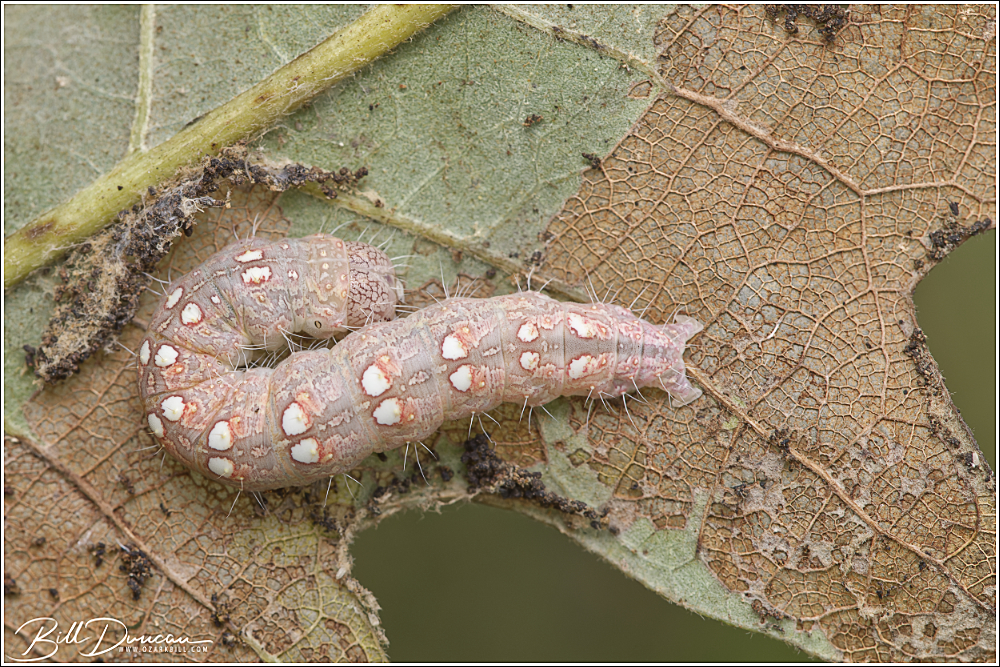
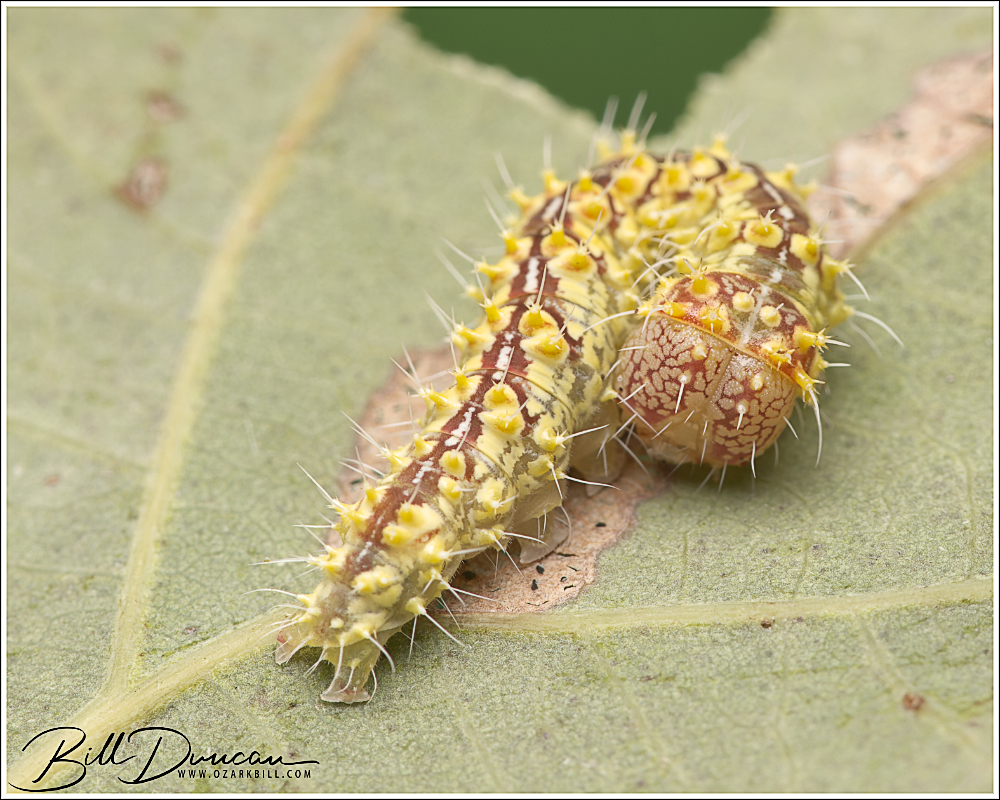
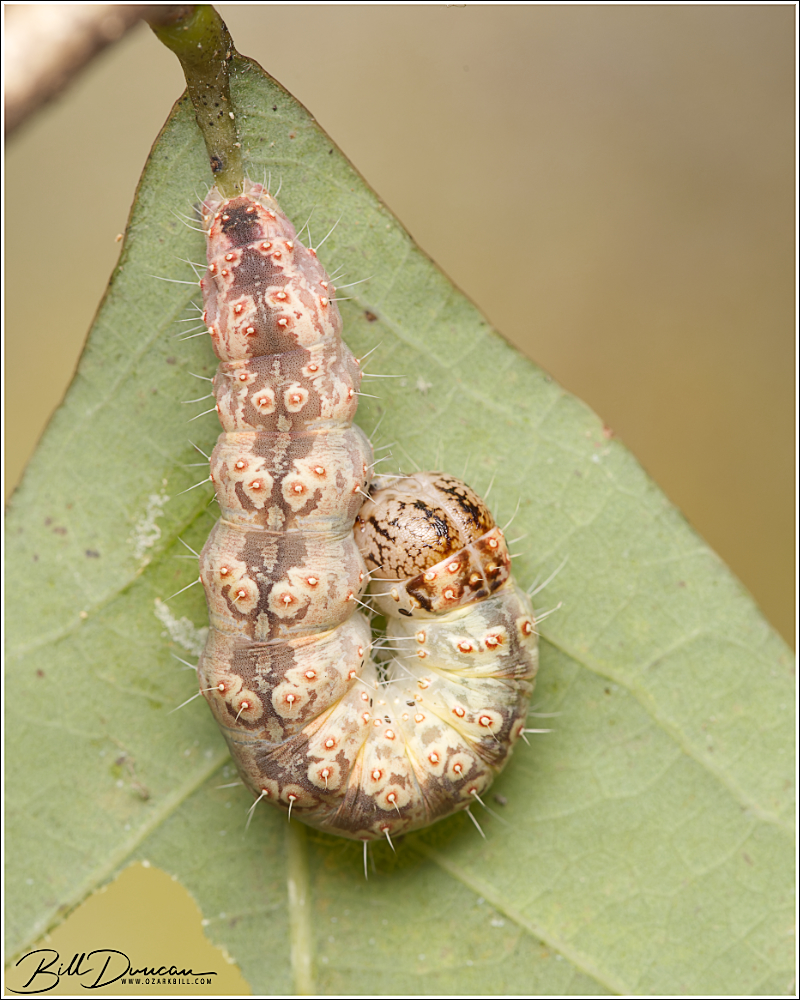
We had a great time this past Saturday when the WGNSS Entomology and Nature Photo Groups got together for our great caterpillar hunt at Pickle Springs C.A. in Ste. Genevieve County, MO. Of course I was primarily looking for the Limacodidae – the slug moth caterpillars. We’ve had better results with the slugs, but we did find five species over the course of the day, including a spun-glass slug (Isochaetes beutenmuelleri) and this saddleback (Acharia stimulea). Unfortunately, I was the only one to see this one as I spent some time by myself in the late afternoon looking through hundreds of young oak trees at Hawn State Park.

As always, we did find a few other species of interest, unexpected things and, as of now, unidentified creatures. I will be posting more from this trip in the near future.

I decided to go for stacking this nice saddleback. With so many details and intersecting lines, I knew this might be a risky attempt. I think they turned out pretty nice.

As much as I like the convenience and price of my wireless Godox flash system, it does come with some aggravations. One thing that frustrates me is the ease in which the controls can be inadvertently changed when carrying the system around on a strap. Then, the flash doesn’t work and I have to take the time to figure out what happened and make the necessary adjustments. Or, after powering the transmitter and flash down, the settings in one or the other change for some reason.

Another thing that drew my attention when putting these stacks together is the variable light output when taking a stack of images like these. Despite everything in the camera and flash units being on full-manual control, the illumination provided by the flash varied noticeably from one image to the next. This is something I never noticed when using my Canon branded speedlights. Thankfully, the differences between exposures, in the slivers that are used to make up these final images, is not noticeable at all. So, maybe I’m complaining about nothing.

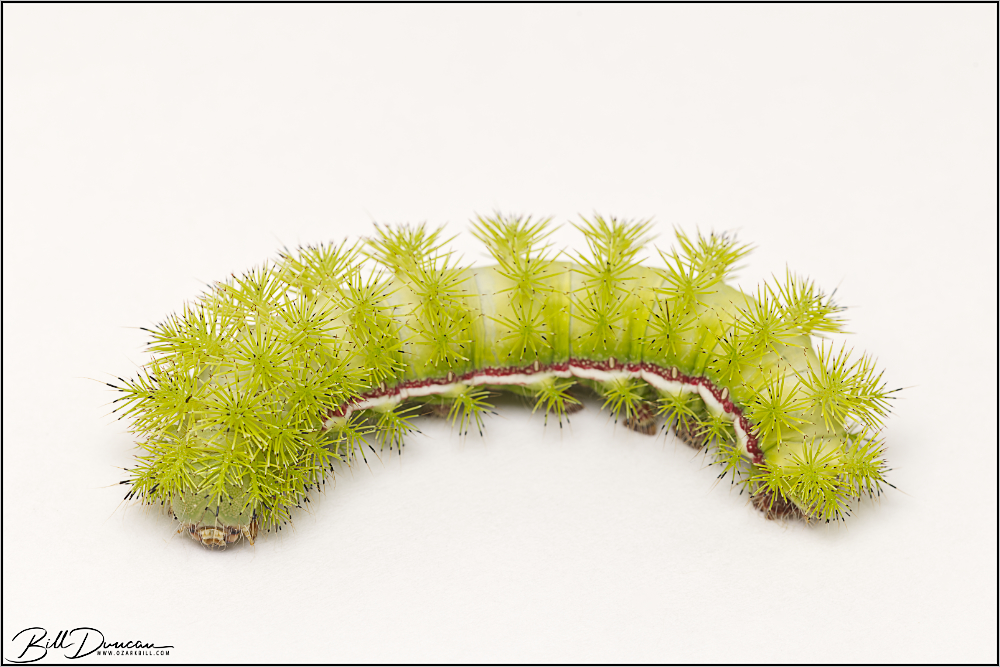
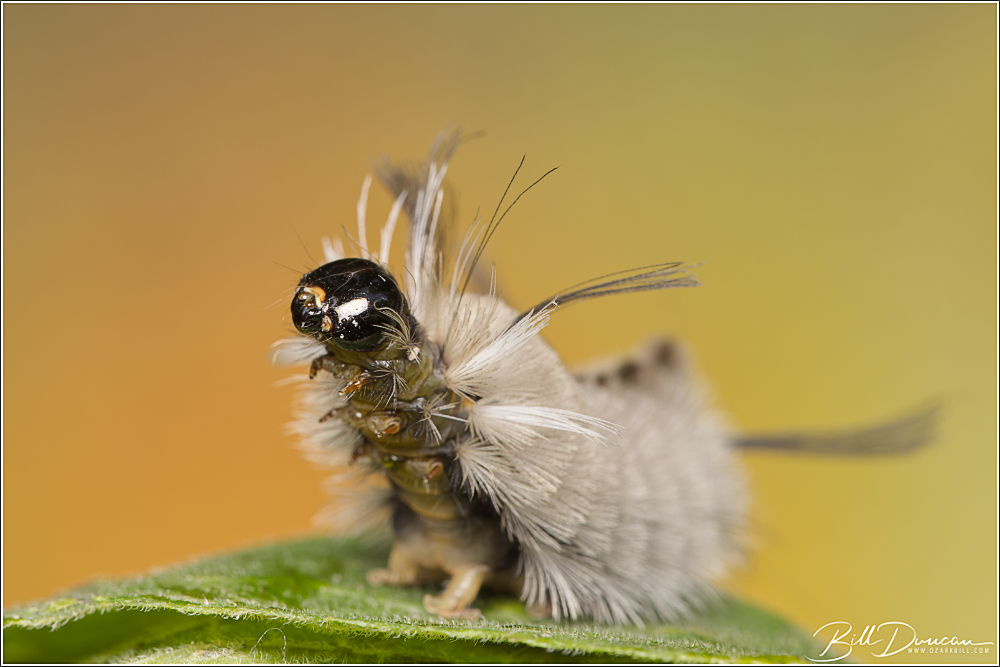
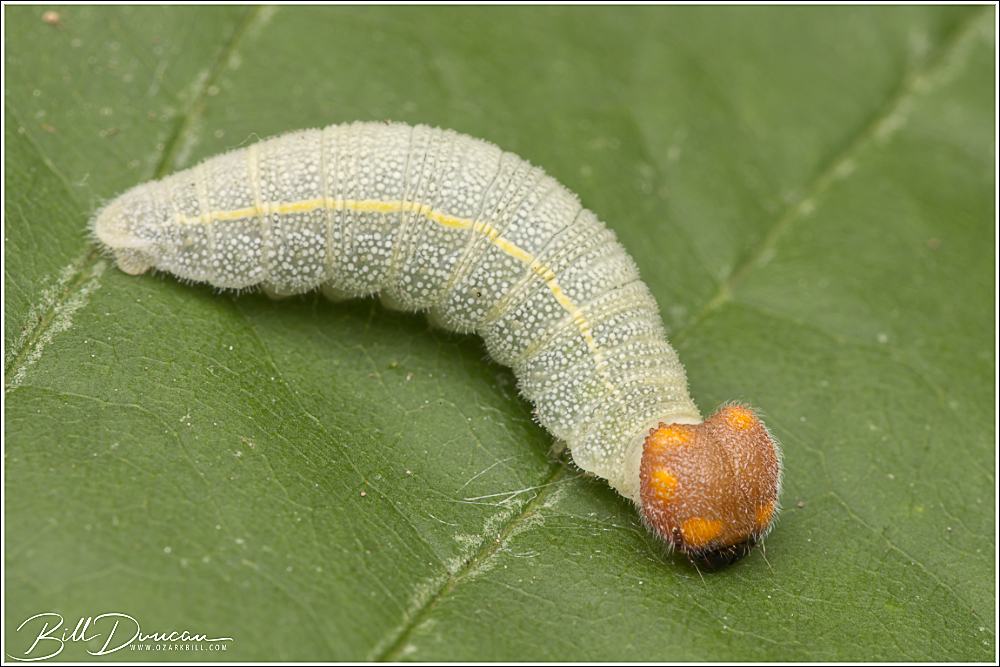
Here is the first stack, also featured at the top of the post. The head of the caterpillar is facing you but is not visible as it is covered in the protective hood. Additional protection is also afforded by the obvious sharp tubercles that can break off into any would-be predator, injecting toxins that burn and irritate, an experience that I think is very similar to that of brushing up against nettles.

Saddleback caterpillar (Acharia stimulea). This image was taken with a 180mm macro lens on a full-sized sensor camera, composed of a 37 image focus stack at f/11, 1/125 sec and ISO-250.

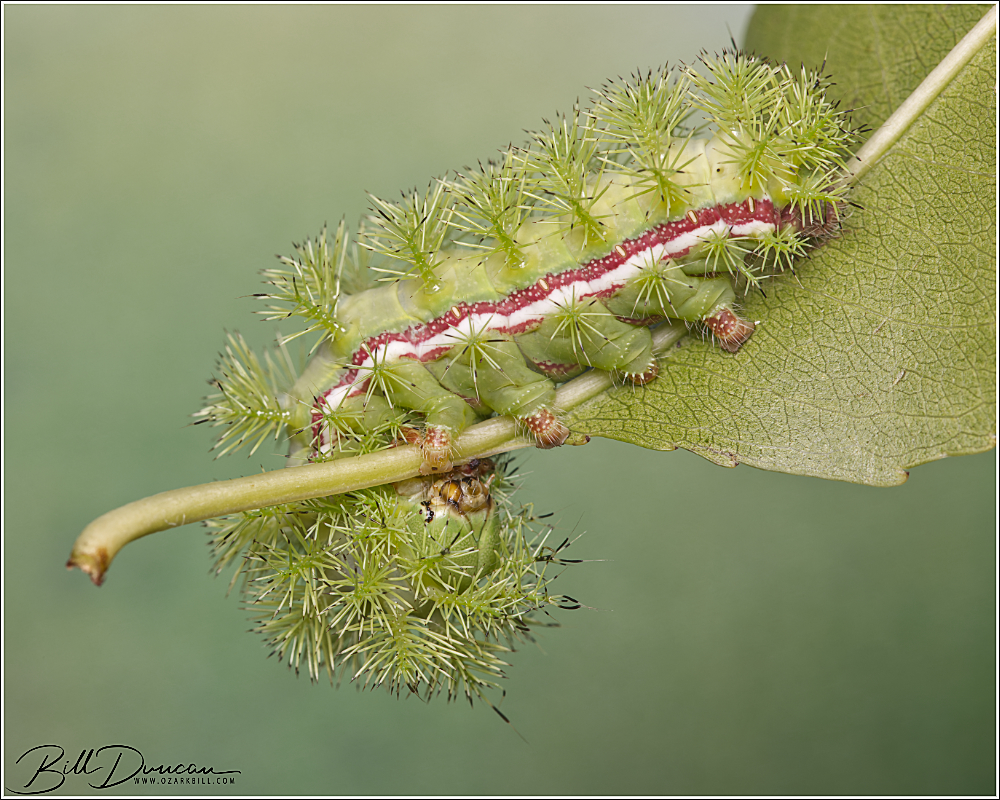
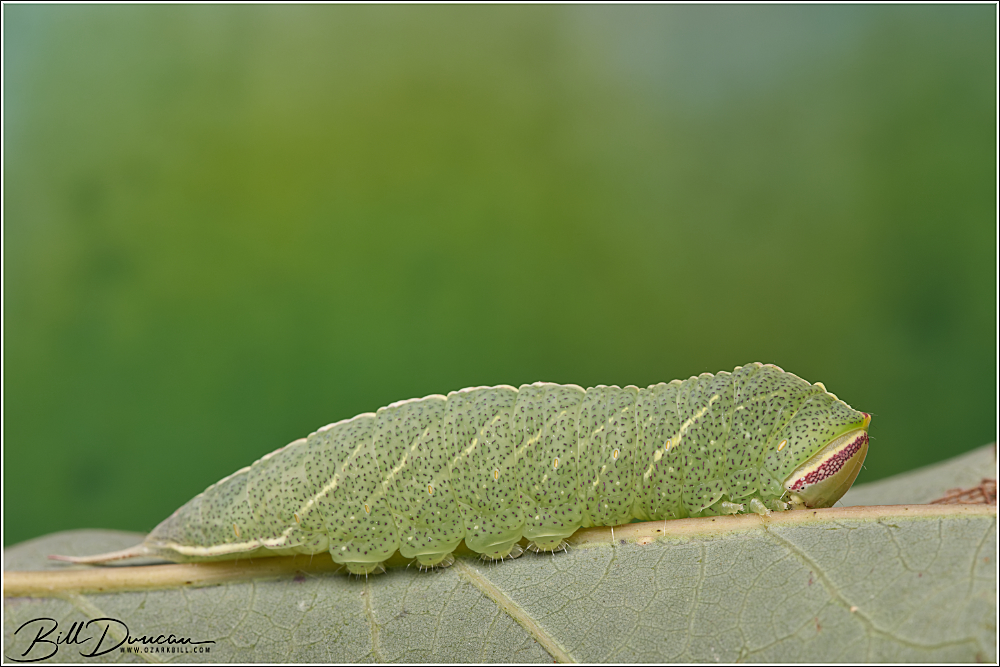
The next stacked image is an overhead view. I am putting this one in as a full-sized jpeg file. So, be sure to click on the image to see the details up close! The remnants of the mucous-like silk they secrete as the glide about the leaf surface can be seen towards the bottom of the image.

Saddleback caterpillar (Acharia stimulea). This image was taken with a 180mm macro lens on a full-sized sensor camera, composed of a 26 image focus stack at f/11, 1/60 sec and ISO-250.

Osmia taurus – Taurus Mason Bee

Casey and I found these mason bees in mid April this year at Hughes Mountain N.A. I had no clue what these were but was intrigued to “discover” a new-for-me bee so early in the season. Unfortunately, I was to find out it is yet another introduced species. Apparently these were first found in Maryland in the 1970’s and have spread west since then.

Hardworking for Hyperactive Hesperiidae

This season Casey and I have been focusing on trying to find some of the more rare and harder to find skipper butterflies in the family Hesperiidae. We’ve come up short a few times – there are several who seem to be on severe declines in our area and may be extirpated from previous well-known sites. Here are a few we had luck with finding and worked our tails of to get a few photos.

Atrytonopsis hianna (dusted skipper)
This striking skipper was found in the glades of Jefferson County, MO in May of 2023.

Problema byssus (byssus skipper)
Classified as vulnerable by the Xerces Society, the byssus skipper uses eastern gamma grass and big bluestem as its host and is threatened by the continued loss of prairie and grassland habitat throughout its range.

Euphyes dukesi (Duke’s skipper)
Uncommon throughout its fragmented range, the Duke’s skipper uses sedges in moist fields, marshes and forests for its host. This species is highly vulnerable to ongoing draining and development of these habitats. Casey and I refound this particular population in St. Charles County and we were happy to find a few in ditches alongside heavily trafficked roads.

Dorsal view of Euphyes dukesi (Duke’s skipper)
I has thrilled to be able to catch this female Duke’s skipper ovipositing on a sedge stem

Amblyscirtes hegon (pepper and salt skipper)
With a very large range, covering most of the eastern U.S., the pepper and salt skipper is nevertheless difficult to find and photograph.

Amblyscirtes hegon (pepper and salt skipper)

Peacock Brenthia (Brenthia pavonacella)

Here is another set from the bowels of Facebook that I wanted to make sure gets captured here. This is the diurnal metalmark moth (Choreutidae), Brenthia pavonacella (Hodges #2627). It is known as the peacock brenthia, due to its unusual mating display behaviors that can be seen here.

Peacock Brenthia (Brenthia pavonacella)
Back side

Schinia nr-jaguarina (French-grass Flower Moth)

These are some older photos that I posted on Facebook back in 2018 when I had the annoying habit of posting some interesting topics only on Facebook for some reason.

Schinia nr-jaguarina (French-grass flower moth)

Only discovered in 2012, this species of flower moth (Schinia nr-jaguarina) has yet to be described and named. This was photographed at Desplaines State Fish and Wildlife Area near Joliet Illinois. This species seems to be an obligate feeder on Orbexilum onobrychis (scurf pea, french-grass, among others). To read more about this recent discovery, head over to this location: http://jimmccormac.blogspot.com/…/interesting-moth-new…

Schinia nr-jaguarina (French-grass flower moth)

2023 Update
This past weekend, the WGNSS Entomology Group spent the better part of a day exploring the wonderful Horn’s Prairie Grove LWR, just north of Vandalia, IL, and discovered a population of Schinia nr-jaguarina (apparently, this species has still not been officially described and the specific name given here is just a placeholder).

One of us collected a specimen to rear so I might be able to get photographs of an adult soon.

Schinia nr-jaguarina (French-grass flower moth)

Dicerca pugionata – Witch-hazel Borer

Dicerca pugionata (Buprestidae) photographed at Victoria Glades Conservation Area, Jefferson County, MO.

Many thanks to Ted MacRae for introducing me to another stunner of a beetle. On more than one occasion Ted has taken me and others out to the field to find one of the strikingly beautiful and rare beetles that he knows so well. This time the treasure we sought was the jewel beetle, Dicerca pugionata (Buprestidae), also known as the Witch-hazel Borer. Witch-hazels (Hamamelis spp.) may be the preferred host plant but they are also found on alders (Alnus spp.) and ninebark (Physocarpus opulifolius). In this opportunity, we went to a specific patch of ninebark at Victoria Glades where Ted had found them previously.

Dicerca pugionata (Buprestidae) on its host plant, ninebark (Physocarpus opulifolius)

Photographic Observations of a Communal Nesting Sweat Bee (Agapostemon virescens)

For the past few years I have noticed a good number of native bee nest holes along exposed sections of bare soil at one of my favorite hiking and nature observation sites – August G. Beckemeier Conservation Area in St. Louis Co., MO. This past spring I finally decided to make this a project and set about a quest to make some images of these gals provisioning their nests. As usual, I wound up learning along the way.

An Agapostemon virescens pauses at the entrance of the largest of the communal nest entrances I observed. It is impossible for me to accurately count the number of females using this ~ 10 cm tall conical entrance, but I observed six individuals at one time on or hovering above the entrance.

As is commonly known, many of our native bees are solitary and nest without close contact or cooperation in regards to conspecifics. At the opposite side of this spectrum of sociality in the Hymenoptera are most species of bumble bees and the honeybee. These bees are considered truly social, or, eusocial. The characteristics necessary to be considered a eusocial species are 1) cooperative care of offspring of others within the colony, 2) overlapping generations within a colony of adults, and 3) a division of labor into reproductive and non-reproductive groups. Many of our bee species lie somewhere between these two extremes. The bee of focus here, Agapostemon virescens, lies early in the area we call being presocial, aka parasocial.

Two Agapostemon virescens females exiting a communal nest entrance having dropped off their loads into their individual cells.

Let’s clarify the differences between a presocial species such as A. virescens and the eusocial honeybee. The honeybee shows all three necessary characteristics of a eusocial species. The individual workers obviously care for brood that are not their own – they don’t even have offspring of their own, instead spending much of their lives caring for the offspring of their queen (sisters). They have multiple overlapping generations within the hive in a particular season, as well as across multiple seasons and as just mentioned, there is a division of labor into reproductive and non-reproductive castes. A. virescens on the other hand, is not nearly as cooperative. Individuals of this species share basically just a front door to their brood chambers and nothing more. After entering the communal nest, each female builds their own brood sub-chamber cells and each provisions their own by processing pollen into cakes and leaving them in their respective brood chambers. There is no brood care after the egg is deposited and the sub-chamber sealed. The offspring then emerges later in the summer.

So, what are the pre-conditions necessary for the eventual development of more complicated forms of sociality, i.e. eusociality? Or more directly, what advantages are there in adopting more of a social lifestyle if we assume the starting point was a solitary existence? Scientists consider two important pre-conditions need be met for the evolution of eusociality. First, the species offspring must be altricial, or require a great amount of parental care in order to reach maturity. Second, there need be low reproductive success rates of solitary pairs that attempt to reproduce. Here is what is believed to be the primary driver that pushed A. virescens into this presocial condition.

A sentry Agapostemon virescens stands guard at the communal nest entrance allowing only conspecifics to enter. This guarding of potential kleptoparastism is regarded as the primary benefit that led to communal nesting in this species.
This sentry Agapostemon virescens closely inspects an incoming conspecific. How it is determined who stands watch while its neighbors forage is not known.

Kleptoparasitism is where one animal takes advantage of the hard work of another by taking their prey or collected foods. In this case, we are primarily concerned with the large group of bees known as cuckoo bees. Kleptoparasitism has evolved numerous times in the Hymenoptera and cuckoo bees lay their egg on or near the host’s provisions. The parasite will hatch first and eat the host’s pollen and will often kill and eat the host’s larvae as well. With such an obviously successful reproductive strategy, it should come as no surprise that there would be a strong selective advantage of finding ways to thwart these parasites. In the case of A. virescens, evidence suggests that by communal living as described here, the rate of kleptoparasitism is much lower when compared to related species that have the completely solitary reproductive strategy.

A busy day of bringing in pollen provisions for these Agapostemon virescens sweat bees.

I guess the obvious next question is how in the world could eusociality evolve from this state? This is a fascinating story that involves terms like kin selection, altruism and haplodiploidy. It also involves a good deal of math and explanation from some of the greatest evolutionary thinkers since the time of Darwin (read anything by William D. Hamilton for example). It is also well out of the scope of this piece. But, I hope it is clear that before getting near the high rung of eusociality on this ladder, that a small first step like seen in this example would be necessary.

Although Agapostemon virescens sweat bees are communal nesters, this photo gives a clue that they are not cooperative foragers like the honeybee. Each of the three returning females is carrying different colored pollen, indicating different pollen source plants for each.

I hope I got most of this correct enough. It’s been a long time since I took Zuleyma Tang-Martinez’s Evolution of Animal Sociality class at University, which I thoroughly enjoyed. Please feel free to leave a comment to correct or clarify or ask a question.

Much of what I covered here and a lot more can be found in Malte Andersson’s The evolution of eusociality (Ann. Rev. Ecol. Syst. 1984. 15:165-89

The evolution of Eusociality

Myrmecochory – Dicentra cucullaria (Dutchman’s breeches)

In continuing my work from last year, this year I was able to capture a few Aphaenogaster rudis moving the diaspores of Dicentra cucullaria (Dutchman’s breeches). Although this was the best year I’ve ever seen for D. cucullaria, getting everything to work just right in order to photograph this process was difficult. I was often short on the time needed to do this. Also, the cool temps we had this spring made it a bit difficult to find the foraging ants, even when the supply of diaspores I had at my disposal were ample.

-OZB