Sunshine On My Shoulders Makes Me Happy

Hi everyone.  It’s an absolute gorgeous Saturday here in the northern Ozarks.  I hope the weather is to your liking wherever you are reading this.

This post is dedicated to my grandmother, Genny, who is currently recovering from a health crisis.  Sarah and I are so glad you are getting better and we wish you all the best in a speedy recovery.

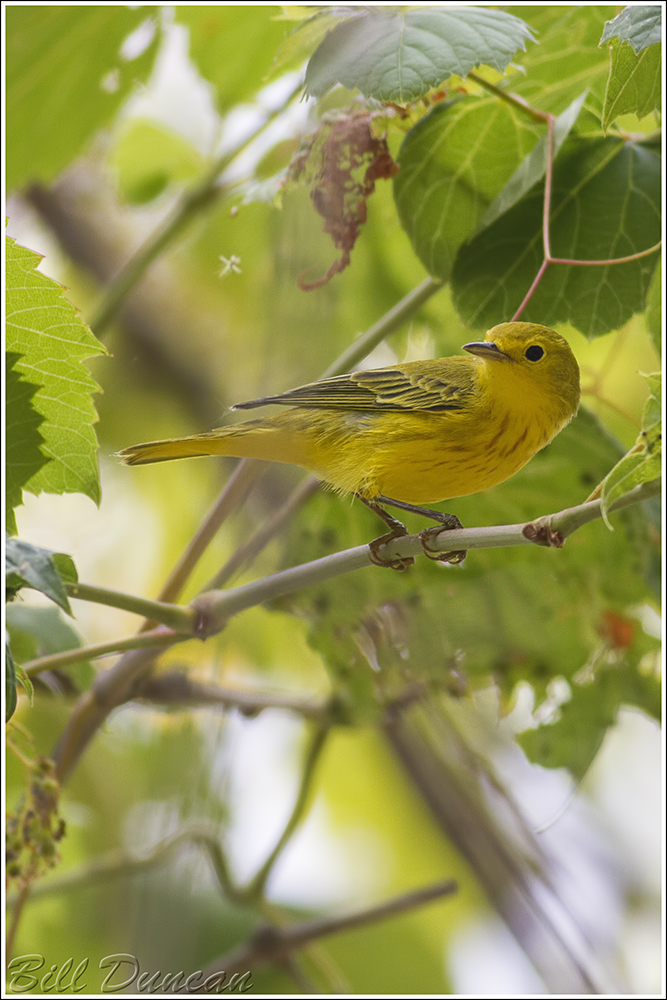
Today’s post is a result of one of the magical times I spent recently at Ellis Island at Riverlands.  During an evening hike I noticed I was in the middle of a huge mayfly hatch.  There seemed to mayflys in the millions.  This rang the dinner bell for migrating passerines for miles around the confluence!  This was definitely one of the coolest bird experiences ever for me.  The bird pictured below, a Yellow Warbler, was one of near 50 of this species I came across.  Also in huge abundance were Black and White Warblers, Empidonax Flycatchers, Red-eyed Vireo and many others.  Thirteen total warblers, four vireos and a large handful of other species were all gorging on this insect feast.  The swarm, so thick the flies were perching on me, lasted until sunset and unfortunately I had limited opportunities for getting decent lighting for photographs.  That was frustrating, but being able to watch this natural wonder was reward enough.

This is one of those species that I’ll always remember the first time I found.  It was a springtime male perched on a dead branch singing his heart out and touched by the morning sun.  I never truly saw the color yellow until that morning!  The image bellow does that guy no justice.

Enjoy the weekend and remember, in Missouri, dove and teal are in season so hunters will be out there doing their thing.  There are places nature watchers and hunters use in close proximity, so be careful and considerate.

“Sunshine On My Shoulder”

Technical details: Canon EOS 7D camera,  EF400mm f/5.6L USM lens, ISO 400,  f/5.6, 1/800 sec

King’s Realm

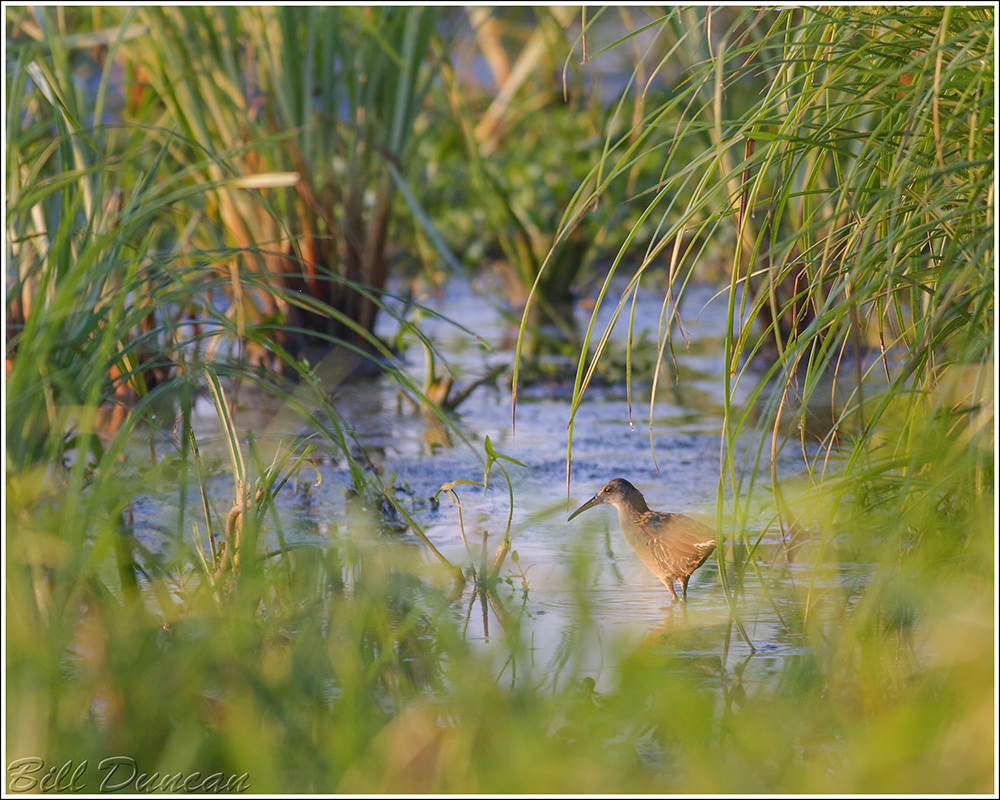
In the field, the brief views I was fortunate enough to get suggested to me this was a Virginia Rail.  The Virginia is only about half the size of the King and this obvious difference should usually make the identification quite easy.  Unfortunately my brief, distant and mostly obscured view of this bird did not allow me to get a good estimate on the bird’s size.  Once back home with the photo and field guides open I began to doubt my original ID call.  I listed as many reasons to feel KIRA as VIRA.  I quickly realized I needed help and rushed the photo and my thoughts to the three wise men of the birding community I knew would love the challenge.  The single photo was less than the smoking gun I was hoping it was.  All three agreed it was most-likely a King Rail, but there is still room for doubt.  Although a photo of a Virginia Rail would have added a new species to my bird-photo-life-list it always makes me happy to find and watch a bird of conservation concern, as is the King.

You can see in this “bird in habitat” photo just the sort of habitat that rails and other waders need.  Rails love to be in water about up to their knees with plenty of vegetation to use for cover.  Most shorebirds like the mud, while larger waterfowl, obviously like a little more water.  Heron Pond at RMBS is being managed to provide the habitat these groups of birds need.  Check out a few images of young KIRA I took a while ago.

“King Rail”

Technical details: Canon EOS 7D camera,  EF400mm f/5.6L USM lens, ISO 640,  f/5.6, 1/400 sec

The Marsh Chicken

This post/photo is dedicated to Paul Bauer, master birder, bird photographer, and steward – a responsible agent in the development and management of Heron Pond and other features of Riverlands Migratory Bird Sanctuary.  Thank you, Paul, for leaving something worthwhile.

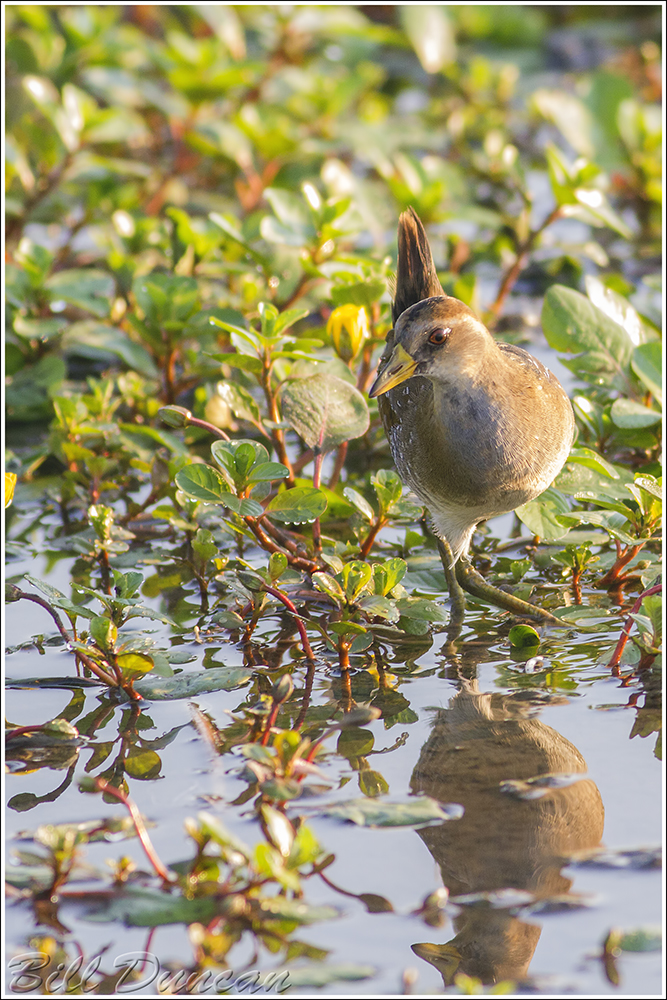
The Sora, or as I like to call them the Marsh Chicken is a small but quite abundant rail.  They definitely are one of the easier to view rails to be found during migration, but I found out how common they can be during a magical morning spent recently at my usual haunt at RMBS.  Arriving just before dawn I wandered the slow hike to a nice spot to watch the marsh of Heron Pond while waiting for the ol’ Sumatra brew to kick in.  I had the entire place to myself for most of the next two hours, standing still and counting the birds.  Besides being reminiscent of a chicken, I think Pete Dunn’s description of their bill as “candy-corn-shaped” to be quite fitting and a good field mark for identification.  These guys are often vocal and at certain times of the year their whinny-type calls and grunts can be heard all day long.  Being a rail these guys are definitely timid and spend a good amount of time hidden within the vegetation.  However, I have found these guys to be much more willing to spend time on the open mud in search of food, making a run back to the greenery at the first sign of trouble.  My total count for this particular morning was 62 birds!  Looking around the pond it seems that you would not be able to run through the vegetation without kicking one of these guys with every step.  Standing relatively still allowed me to catch this guy in a photo probably no more than 15 feet from where I stood.

“Sora”

Technical details: Canon EOS 7D camera,  EF400mm f/5.6L USM lens, ISO 640,  f/5.6, 1/320 sec

As Noisy as a Mouse

More often heard than seen, this quite secretive wren rarely is found more than a few feet off the ground.  Like a mouse, these guys spend a great deal of time low in the tall grasses and sedge of wet meadows/prairies.  In July and August taking a walk in this type of habitat within their range will certainly guarantee you will hear their consistent staccato vocalizations as they work to define their small territories and keep rival males at bay.  Trying to lay the glass on these birds is much more difficult.  These guys rarely will respond to pishing, and if driven out of their particular patch of grass they will simply skirt above the grasses for a second or two before dropping back into the bush, yielding partial, unsatisfying glimpses at best.  To get this shot, I admit, I used a vocalization playback.  I played just a few bars and waited.  This guy was not happy with that!  He raced out of his hiding whole and began singing forcefully in attempt to send the potential usurper out of his territory.  I was happy with the few quick bursts of the shutter I was able to get and that was that.  He may have been a bit stressed, but I bet the burst of testosterone he received from successfully defending his kingdom more than made up for it.

“Sedge Wren”

Technical details: Canon EOS 7D camera,  EF400mm f/5.6L USM lens, ISO 400,  f/5.6, 1/1250 sec

Kid ‘n Play

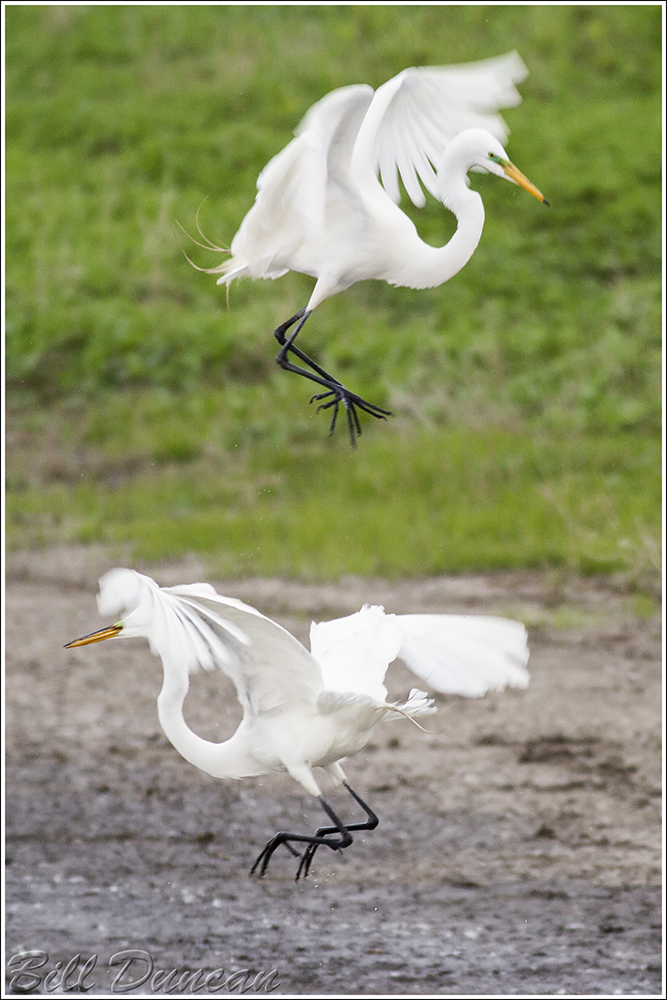
This image is from a series I took early this summer at Colombia Bottom Conservation Area.  These two dancing birds were among a large group of Great Egrets competing for standing room only space in a shrinking pool that was loaded with fish.  These moves reminded me of the dancing and rhyming styles of that old hip hop dynamic duo of my youth, Kid ‘n Play.  If I ever get around to processing all the keepers from this series, you will definitely not want to miss the shot I took of the bird I was able to get to wear a “Kid wig”.  😉

Ain’t Gonna Hurt Nobody… We Just Dancin’ Ya’ll!

“Kid ‘n Play”

Technical details: Canon EOS 7D camera,  EF400mm f/5.6L USM lens, ISO 640,  f/5.6, 1/400 sec

The Sandhill Crane

This stained adult Sandhill Crane is currently visiting some soy fields near St. Louis.

“Our ability to perceive quality in nature begins, as in art, with the pretty.  It expands through successive stages of the beautiful to values as yet uncaptured by language.  The quality of cranes lies, I think, in this higher gamut, as yet beyond the reach of words.”

-Aldo Leopold

“A Sand County Almanac And Sketches Here and There”

“Stained Adult Sandhill Crane”

Technical details: Canon EOS 7D camera,  EF400mm f/5.6L USM lens, ISO 400,  f/5.6, 1/500 sec

Summer at the Confluence

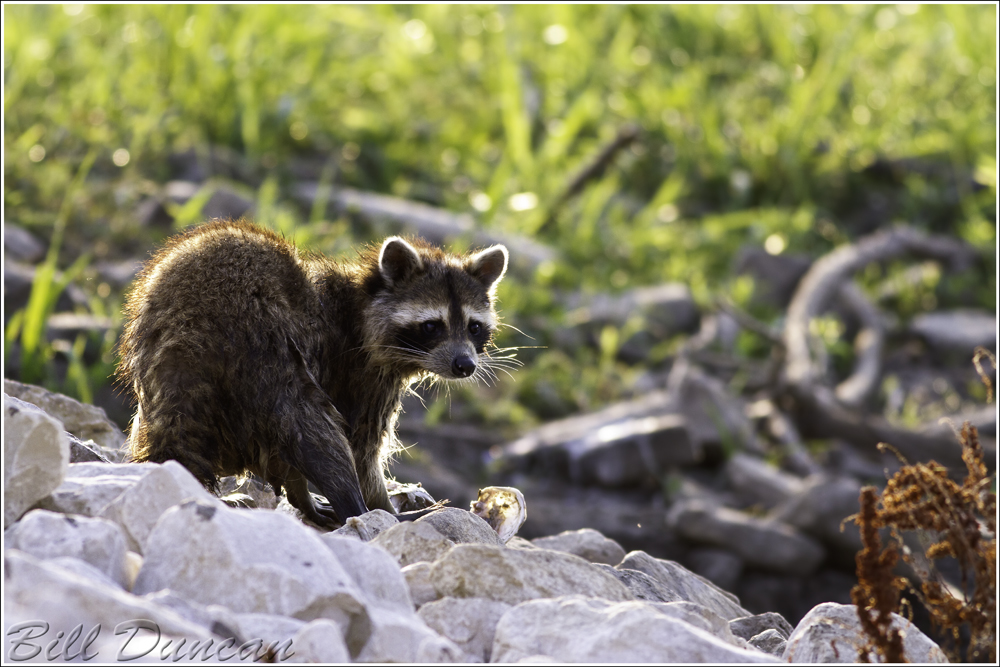
This weekend I spent both mornings at Riverlands Migratory Bird Sanctuary, arriving near dawn and walking around the trails for a few hours before the extreme heat of the day took over.  Sarah got up early and came with me this morning. Saturday morning I was fortunate to spot this guy feasting on carcases of fish that succumbed to the poorly oxygenated waters of the shrinking, heated pools of the wetlands.  This was my first opportunity at shooting a raccoon.  Even at such an early morning hour, the back-light serves to give a sense of the heat and humidity that were already noticeable.

Technical details: Canon EOS 7D camera,  EF400mm f/5.6L USM lens, ISO 640,  f/5.6, 1/400 sec

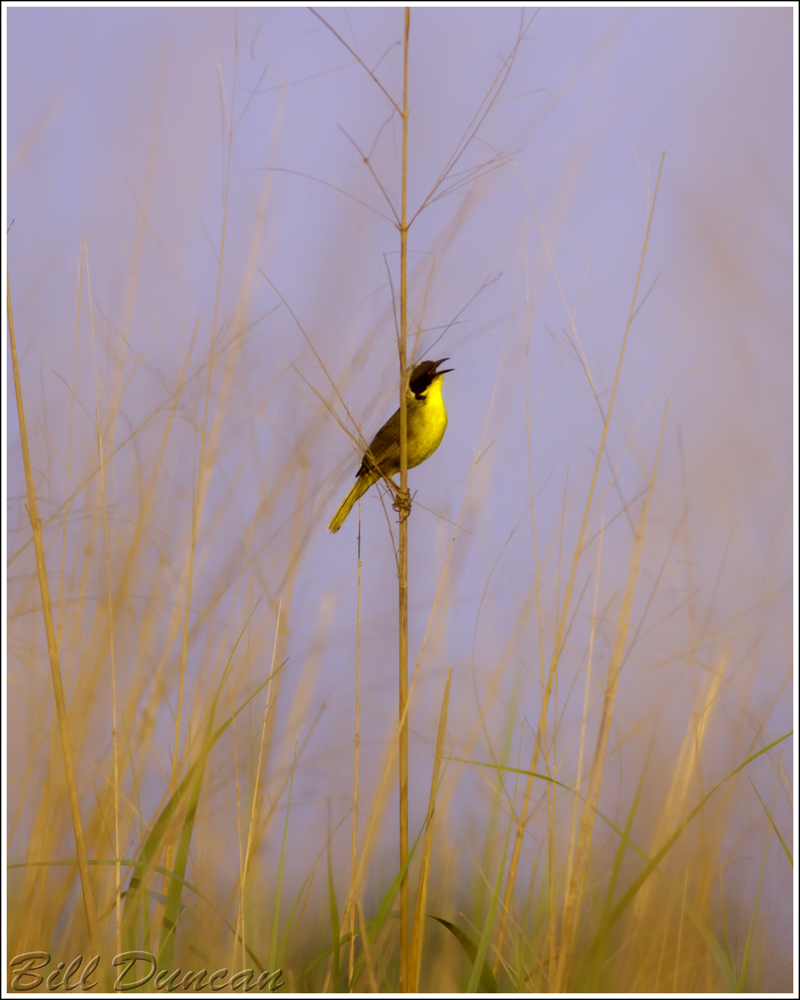
One of the photographic challenges of this location is trying to get shots of the song birds that live among the tall grasses.  They usually stay pretty far from the trails and are usually hidden low in the vegetation.  This Common Yellowthroat Warbler was close enough and partially obscured by the grasses.

Technical details: Canon EOS 7D camera,  EF400mm f/5.6L USM lens, ISO 640,  f/5.6, 1/1250 sec

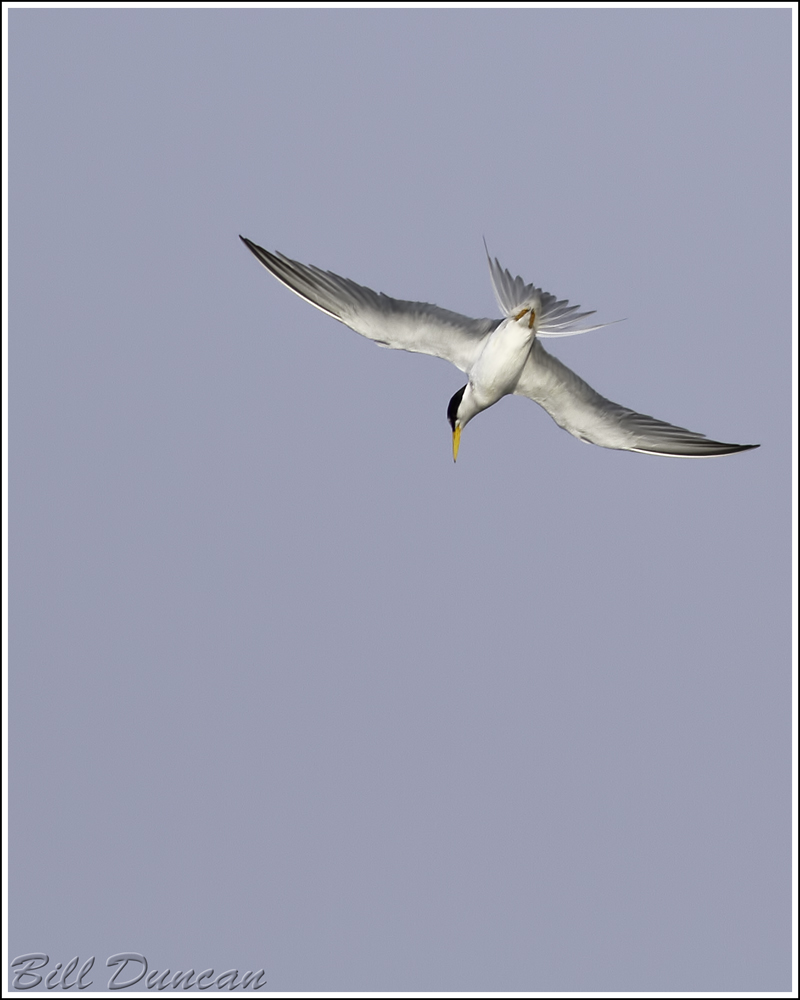
One of the pleasure one can get from a summertime visit to RMBS is watching the Least Tern.  I love watching these guys fish.  This one is beginning the plunge into the water off of Ellis Island to grab a little fish.

Technical details: Canon EOS 7D camera,  EF400mm f/5.6L USM lens, ISO 250,  f/5.6, 1/1600 sec

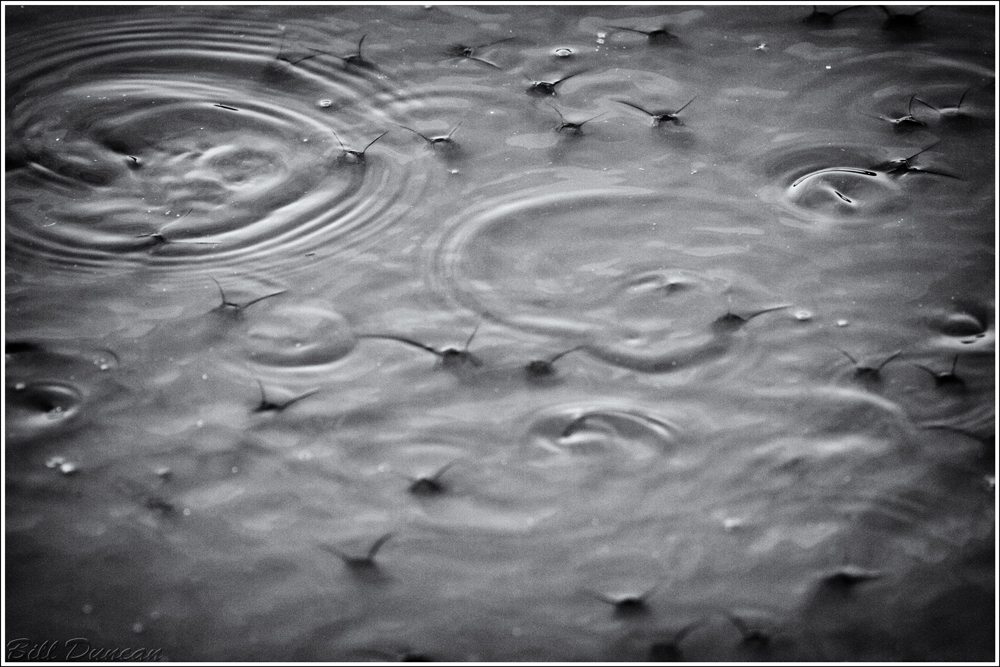
Kudos to Sarah, who took a closer look at these guys.  What looked like a bunch of tadpoles gulping at the surface of one of these rapidly vanishing pools was actually a nice-sized school of small catfish.  If rains do not come soon, these guys have no chance.

Technical details: Canon EOS 7D camera,  EF400mm f/5.6L USM lens, ISO 800,  f/5.6, 1/400 sec

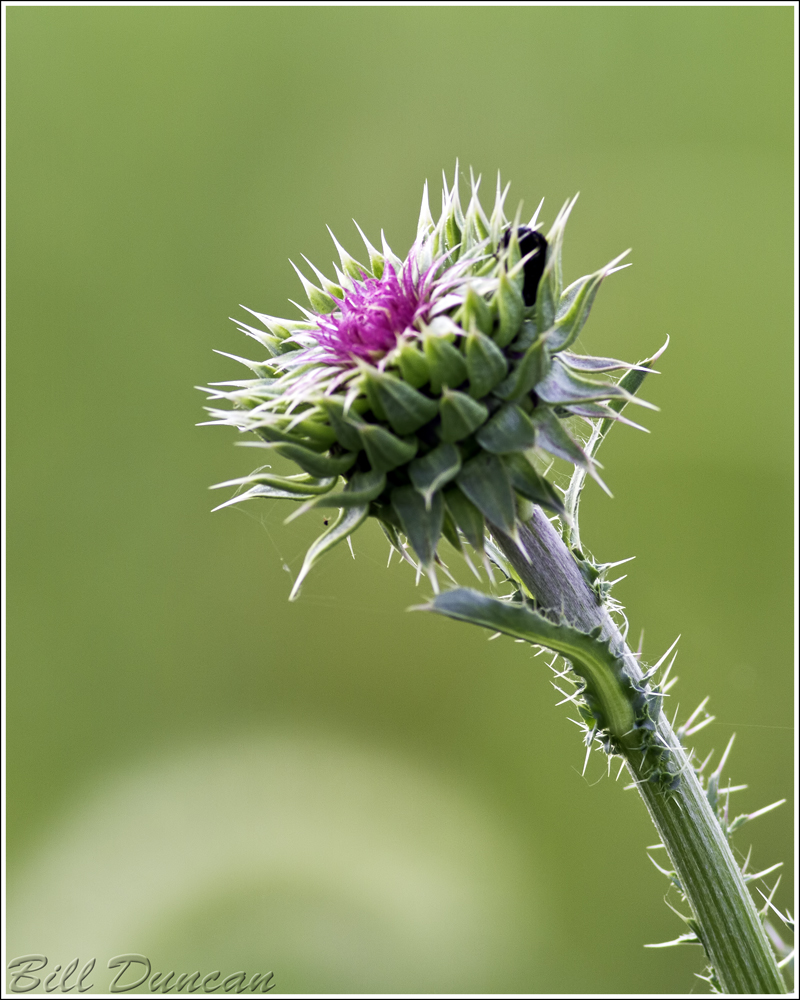
Sarah also spotted this thistle in early bloom and asked that I take its picture.  I haven’t done a lot of macro style shooting with the 400mm, but I know that using the super tele’s to do this can work magic.  The focus isn’t perfect, but I was actually fighting the minimum focus distance.  I need to try this with dragonflies and other large insects.

Technical details: Canon EOS 7D camera,  EF400mm f/5.6L USM lens, ISO 800,  f/5.6, 1/400 sec

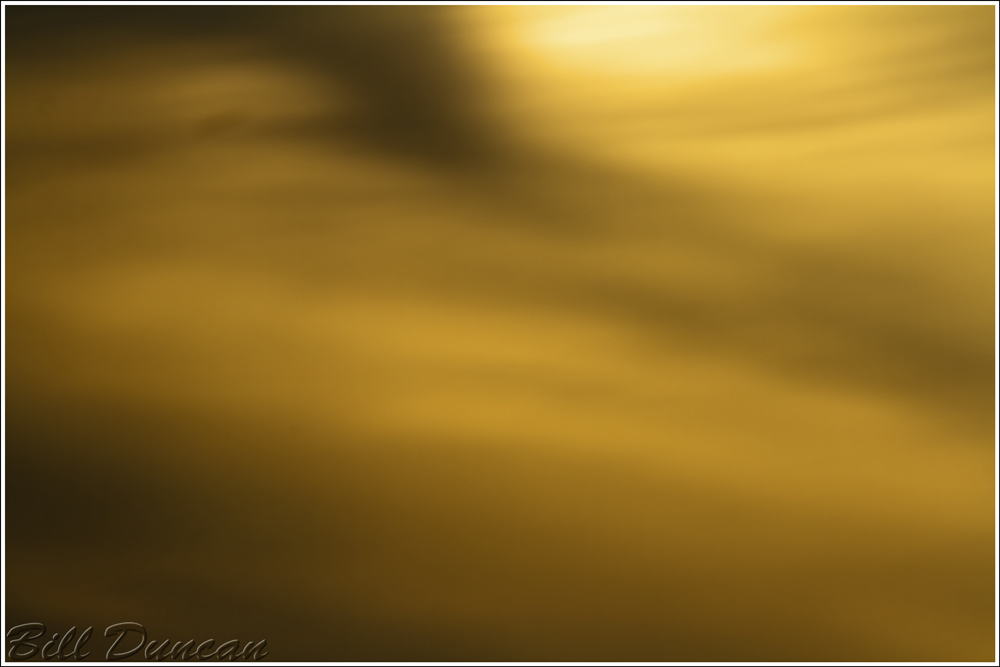
This morning there was actually a bit of cloud cover over the sun.  I decided to try a little panning blur and thought this was an apt image to go along with the record breaking heat we’ve been experiencing.  Stay cool everyone.  I am sure looking forward to all the time I’ll have to spend in the greenhouse this week.  ;=)

Technical details: Canon EOS 7D camera,  EF400mm f/5.6L USM lens, ISO 100,  f/14, 1/125 sec

Location Spotlight: Squaw Creek National Wildlife Refuge

“Traditional Boundaries”

Technical details: Canon EOS 7D camera,  EF400mm f/5.6L USM lens, ISO 400,  f/10, 1/1250 sec

I’m finally taking a few of the images I made during my first visit to Squaw Creek National Wildlife Refuge last autumn and putting them into a blog post.  Living within miles of the Mississippi River Flyway – an ancestral route many migratory birds follow in their north-south seasonal movements – I have all sorts of options in visiting well-managed wetland areas to watch and photograph waterfowl.  Of all these locations none has the opportunities for getting great looks at numbers and diversity of bird species that can be found at Squaw Creek NWR, located near Mound City in north-western Missouri, not too far from the Nebraska Border.

“Cacophonic”

Technical details: Canon EOS 7D camera,  EF400mm f/5.6L USM lens, ISO 1600,  f/5.6, 1/125 sec

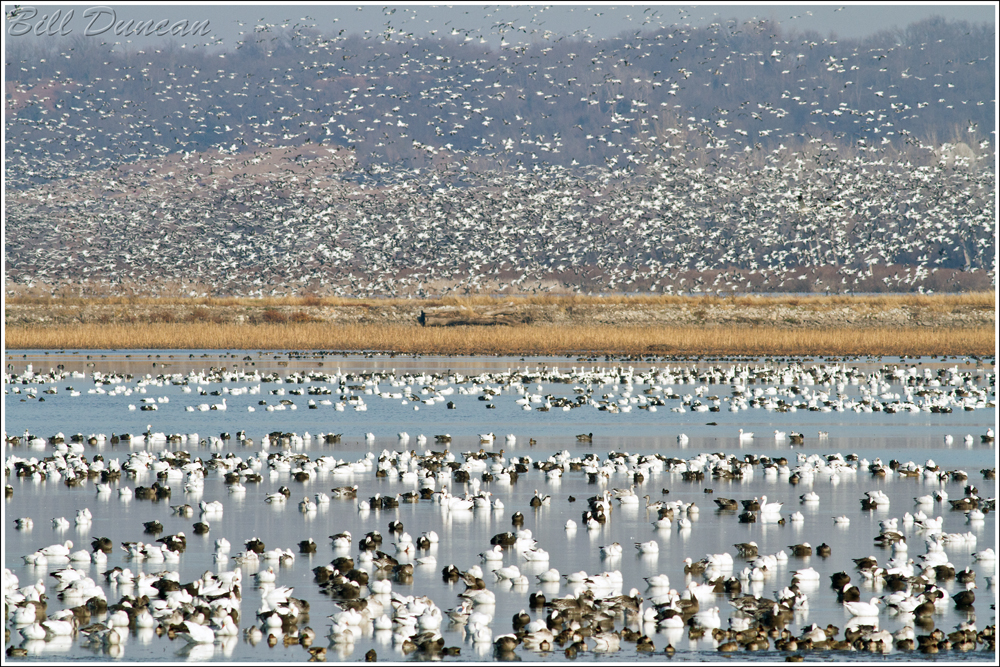
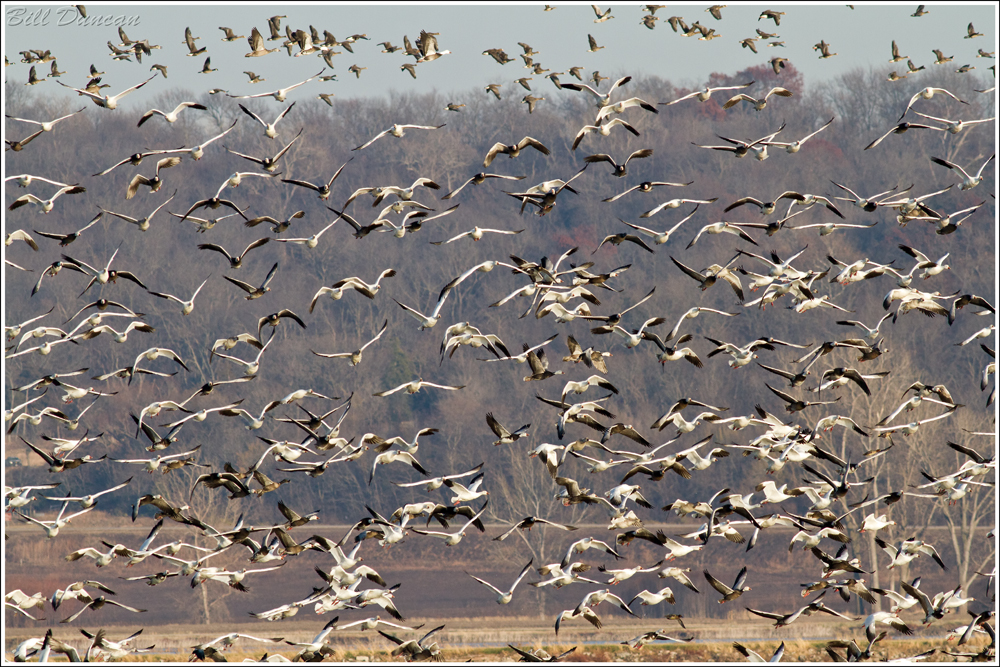
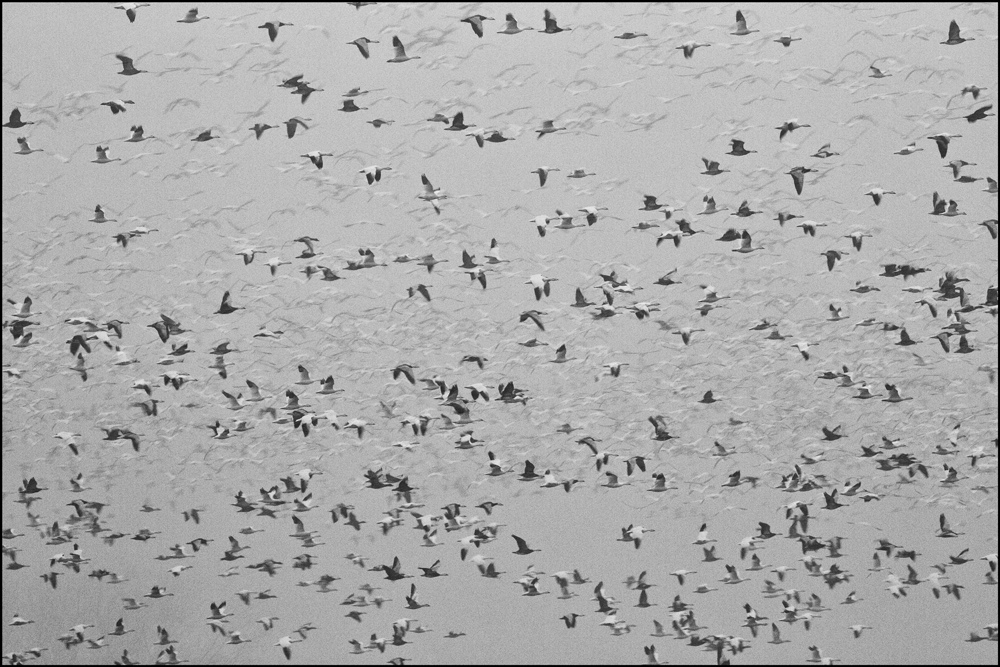
The big stars at Squaw Creek around Thanksgiving and surrounding weeks are the Snow Geese.  For years I had read about and seen images of the more than one million birds that pass through this location every fall.  At peak times more than 500,000 birds can be counted on the reserve at one time.  I had images in mind that I hoped to make if I could find the birds present in these kinds of numbers.  I really had little clue of where and when I needed to be set up and if I had the ammunition (lenses) to make the images I had in mind.  I feel the photos I was able to get are of mixed success due to several reasons.  I was quite lucky in the numbers of birds that showed up.  A week before my visit the counts were only a little more than 10,000.  The day I arrived the latest weekly count suggested there were more than 250,000 on the reserve.  This is shy of the 500-600K that can be found during peek times, but for my first visit, it was quite a treat!  Of the 1.5 days I had to spend here, one full day was very cloudy and dark, making bird photography particularly troublesome.  Around noon on my last day the sky cleared and I was able to get some nice light.  Hopefully I can spend a few days more during my next visit.

“Let My Army Be The Rocks And The Trees And The Birds In The Sky”

Technical details: Canon EOS 7D camera,  EF400mm f/5.6L USM lens, ISO 400,  f/8,  1/1250 sec

Snow Geese are not the only waterfowl that can be found in good numbers here.  In almost every one of these types of images Greater White-fronted Geese, Green-winged Teal, Northern Pintail, Mallards and more can be found as well.

“The Snow & the Mist”

Technical details: Canon EOS 7D camera,  EF400mm f/5.6L USM lens, ISO 1600,  f/8,  1/100 sec

Squaw Creek NWR and its 7500 acres was established in 1935 just in time.  Close to 98% of the original marshes and related wetlands that border the Missouri River in the state of Missouri have been destroyed or permanently altered – mostly for use as farmland.  Thankfully sportsmen realized the importance for providing habitat for migrating and over-wintering waterfowl and a series of these man-made marshes were built near Kansas City, Columbia and St. Louis.  This image is actually a composite of two separate photographs – the foreground and the background, both taken in extremely cloudy and grey conditions.  I was surprised by how well this blending worked and I feel it represents what it was like on this first day, the geese constantly taking off in large groups and others taking their place in the marshes.

“Squaw Creek Eagle”

Technical details: Canon EOS 7D camera,  EF400mm f/5.6L USM lens, ISO 800,  f/5.6,  1/400 sec

Waterfowl are not the only birds or wildlife that utilize the reserve.  Although you can see more Bald Eagles in spots along the Mississippi River, I have never been able to get as close to these birds perched as I did during this visit.  This is true with the wildlife in general.  The auto-route roads were set perfectly in the reserve, in my opinion.  Getting close enough to the wildlife can be troublesome from the roads at other places I visit, but here the roads are much better situated near the pools and the wildlife never seem to be overly stressed.  During the time of my visit with cloudy weather and poor light, I was able to get closer to several duck species than I have ever been able to before.

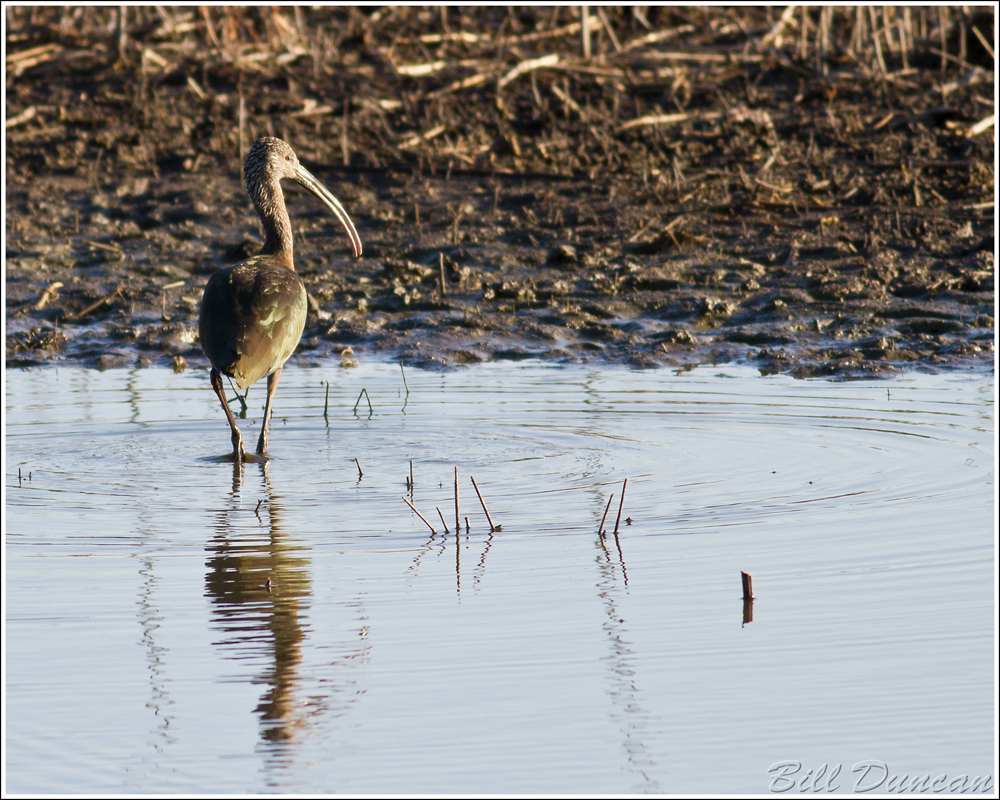
“White Ibis”

Technical details: Canon EOS 7D camera,  EF400mm f/5.6L USM lens, ISO 400,  f/5.6,  1/640 sec

This White Ibis was actually a very late bird for this part of Missouri and it made a bit of noise in the MO birding community.  This was also one of my best looks at this species.  I had found it the day before and took some rather poor photos.  I was happy to see it still in the same pool the next day when light was better.

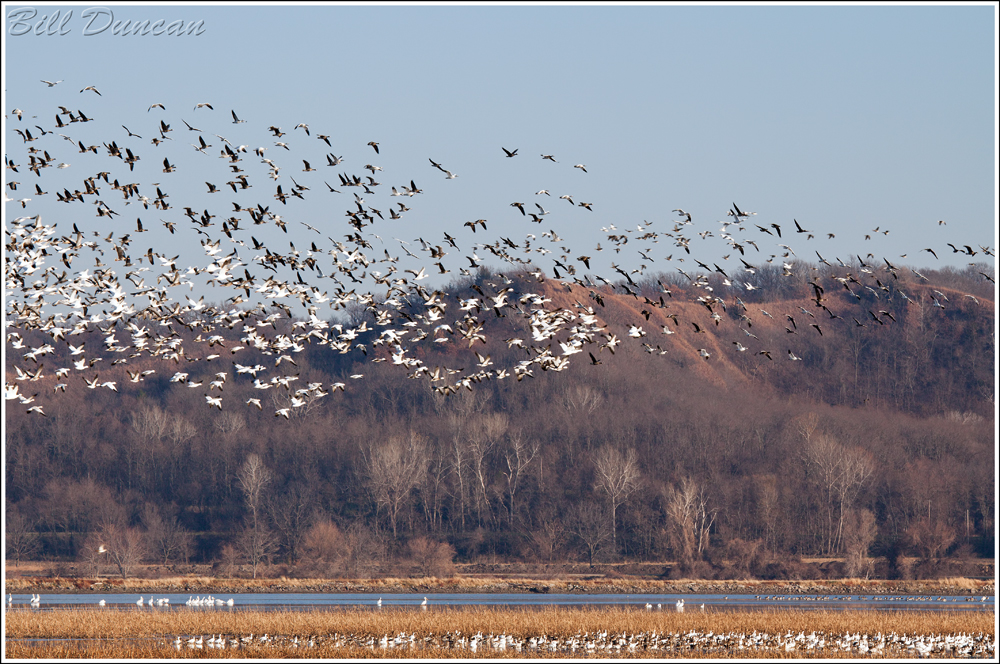
“Snow Geese on Loess”

Technical details: Canon EOS 50D camera, EF70-200mm f/4L IS USM lens @ 150mm, ISO 100,  f/10,  1/200 sec

This image is probably my favorite from this trip.  To me, it really captures the essence of the place and I believe this is what this area looked like when Lewis and Clark first laid eyes to this part of the country.  The bluffs in the background are known as loess hills and are formed by the actions of glaciers.  Along with draining the natural wetland habitats along the Big Muddy, European settlers also got busy destroying many of the impressive loess hills, using the fertile soil for numerous development and farming projects.  Many of these features are still being harvested and destroyed to this day.

There are several more nationally well-known reserves like this throughout the country that scores of photographers, nature lovers, biologists and sportsmen flock to every year.  I can’t imagine a spot being more suited for these activities than Squaw Creek NWR.  I hope to make an annual pilgrimage to this location on Thanksgiving week.

If you make the visit and are looking for a nice place to eat, I highly recommend “Klub”.  This is a great place to enjoy a late dinner after spending the day at the reserve, which is only about ten minutes away.  They have a great menu using a lot of fresh, local ingredients.  I ate here twice during my visit and I was quite surprised to find such a quality establishment in such a little town like Mound City.

Thanks for paying a visit.  You can find more photographs taken from this location by visiting my Squaw Creek Flickr Set

More Snipe than You Could Fit in Your Bag

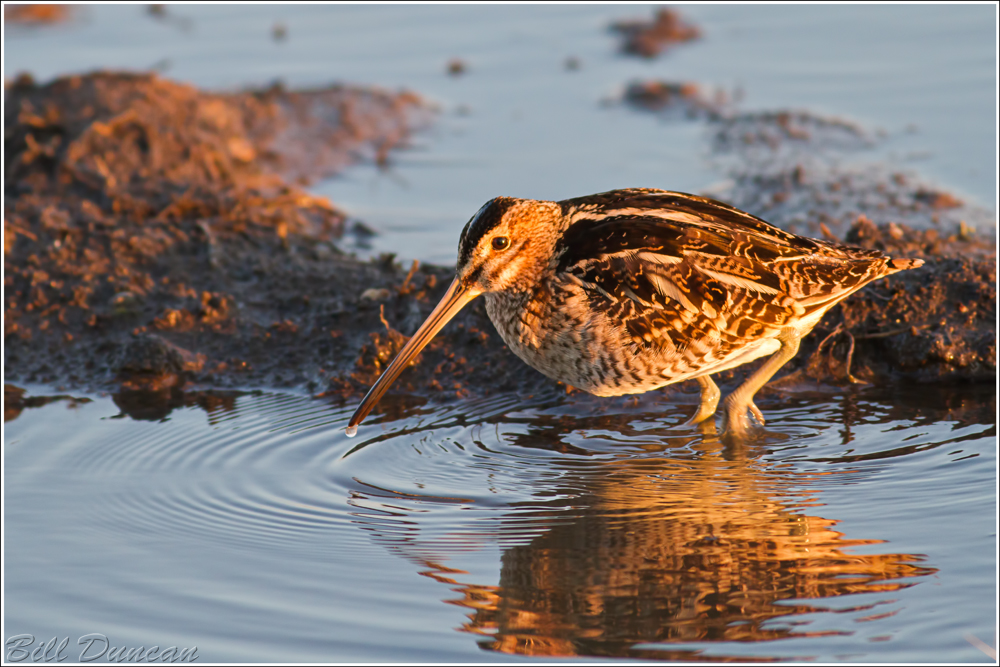
“Scolopacid Dawn”

Technical details: Canon EOS 7D camera,  EF400mm f/5.6L USM lens, ISO 640,  f/5.6, 1/400 sec

I arrived at CBCA well before dawn.  I knew from a visit a week earlier that a large amount of waterfowl, specifically Pintail, were using the habitat here and my hope was to catch some early morning photos of these birds flying by.  In one of the large pools alongside the road I saw nearly 50 of these bizarre birds with a bill almost as long as their bodies.  They were not very flighty at all, allowing me in my “mobile blind” to easily get within distance for some decent shots.

Members of the Scolopacidae family of shorebirds include the traditional Sandpipers, the beautiful Phalaropes, the Curlews, the Dowitchers, and several others – including the bird pictured above, the Common Snipe.  The Scolopacids are well known for their complex and diverse mating behaviors.  Not as complex or developed as the Passerine songbirds, this group also uses extensive advertisement vocalizations, most likely evolved to be well understood on their vast tundra breeding grounds.

Similar to its cousin, the Woodcock, the Common Snipe uses a “winnowing display” to attract mates.  These birds will fly high into the air and plummet towards the ground while fanning their tail feathers, which make a distinctive winnowing noise as the air rushed rapidly over them.

Looking closely at the length of a shorebird species’ bill gives a great clue to what the bird feeds on and how much water they typically forage in.  With the great diversity in the morphology of these birds, the specific depth of water and vegetation these species are accustomed to and food sources they utilize, it is no wonder that habitat management programs can be quite complex.  What works great for waterfowl or a particular species of shorebird may not be useable at all for another species.  CBCA has come a long way in providing the diversity of habitat and the managers seem to be doing a great job in their management practices, especially considering the unpredictable weather patterns we have had in this region the past several years.

Birds of the Great Confluence – Part Two – Columbia Bottom Conservation Area

Technical details: Canon EOS 50D camera, EF400mm f/5.6L USM lens, ISO 400,  f/5.6, 1/640 sec

The Great Rivers Confluence is the area where North America’s two largest rivers, the Missouri and the Mississippi, meet together and flow as the Mississippi.  This confluence is just north of St. Louis, Missouri and provides many opportunities for birds along the Mississippi migratory flyway to find the habitat they need.  These areas provide great opportunities for bird-watchers, hunters, and other outdoors types and go by names such as Riverlands Migratory Bird Sanctuary, Jones Confluence State Park, Columbia Bottom Conservation Area, Marais Temps Clair CA, and a handful of other public properties that have been given mandates based on conserving the basic habitat that wild birds and our other wildlife kin rely upon for their existence.

I have been bird watching in this region for about five years and taking bird photographs here for the last two or three.  In a previous post I showcased six of my favorite images I made at Riverlands MBS and Confluence SP.  Today, I will feature another group of bird photographs taken at Columbia Bottom CA, which sets on the south side of the Missouri River.

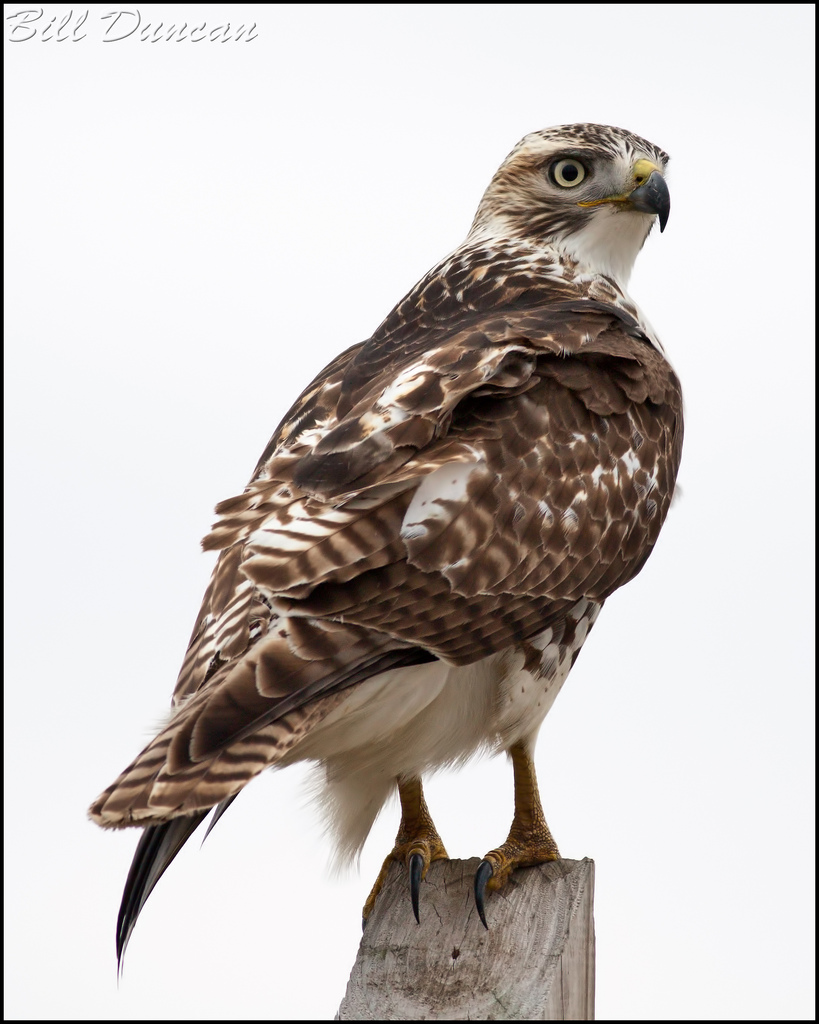
These areas may seem very different to us bird watchers because it is about a 15-20 minute drive between the two.  The birds, however can literally move between the two locations in 20-30 seconds.  Such was the case with this Red-tailed Hawk, which is pictured above.  This guy was present in the confluence area for three weeks or so and I had several great opportunities to photograph it.  This is probably my favorite bird photograph to date.  My wife and I were doing a drive through CBCA and in one of the smaller gravel parking lots here was the bird perched atop a post.  I slowly pulled within about 25 feet or so from her going as slow as possible so not to flush her.  The bird cooperatively sat still for maybe five minutes before another car flying by a nearby road caused her to take off.

Technical details: Canon EOS 7D camera, EF400mm f/5.6L USM lens, ISO 250,  f/5.6, 1/1000 sec

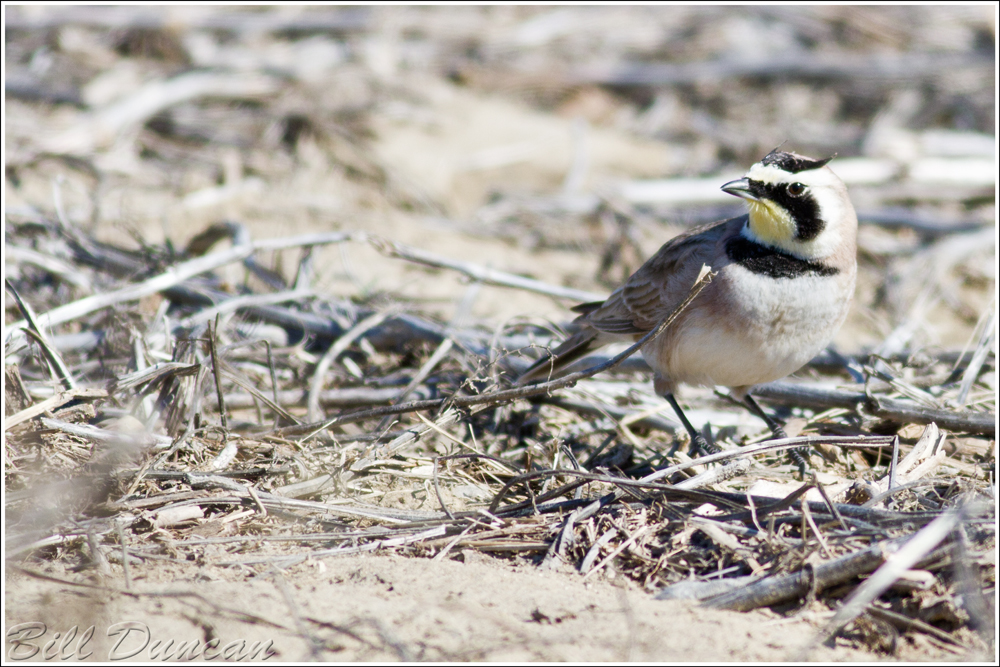
One of the great things about birding the confluence region is that every season brings with it a different species composition.  On a monthly basis you will find that some species have arrived and some have left in the ever ongoing event we call migration.  The bird pictured above is a Horned-Lark and he is found in about equal numbers year round.  They are a little more noticeable in the winter season, however, because they tend to aggregate in small flocks – most likely to make finding food easier and potentially spotting predators quicker.  Starting in early spring they will slowly form the mating pairs that will spend the breeding season together.

Technical details: Canon EOS 50D camera, EF400mm f/5.6L USM lens, ISO 400,  f/5.6, 1/250 sec

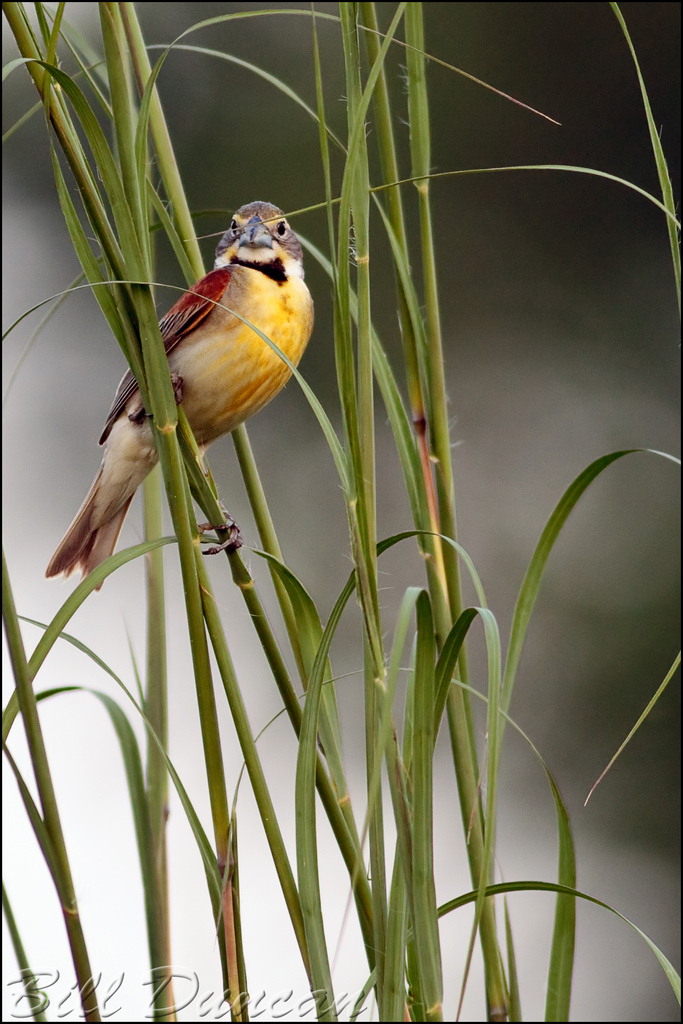
This relative of the Cardinal is the monotypic, Dickcissel, and is very much a summer visitor.  These guys arrive en masse to the confluence area around mid-May and following the breeding season leave just as abruptly to their over-wintering homes that lie from southern Mexico to northern South America.  These guys are usually very numerous, but their population in recent decades are facing pressures.  Dickcissel are grassland specialist, seed eaters.  As such they have found there are easy pickings in agricultural areas.  In their off-breading homes in Latin America, where there are fewer regulations against such things, farmers are using very dangerous poisons that have been documented in the killing of thousands of these birds as well as other non-targeted species.

Technical details: Canon EOS 50D camera, EF400mm f/5.6L USM lens, ISO 640,  f/5.6, 1/320 sec

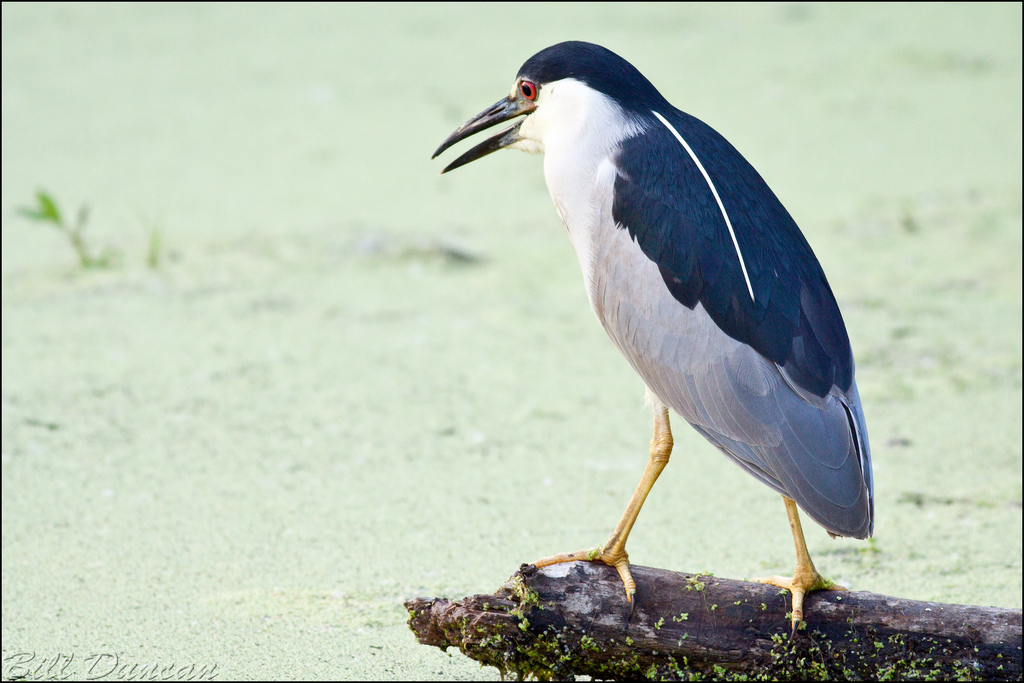
The widely distributed, Black-crowned Night Heron is the quintessential marsh associated bird.  These guys are perfectly adapted at catching and consuming a wide variety of animal prey items that they come across in wetlands across the world.  I very much enjoy watching and photographing these birds.  They can be found in the confluence region during the warmer months of the calendar.
Technical details: Canon EOS 50D camera, EF400mm f/5.6L USM lens, ISO 400,  f/6.3, 1/1000 sec

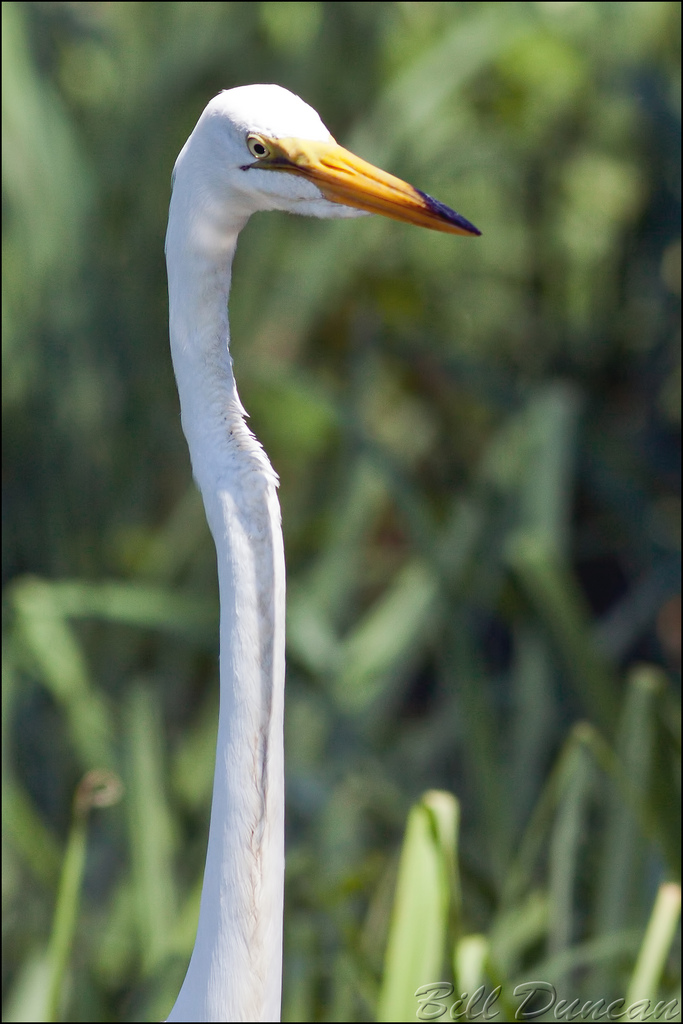
In bird photography nothing beats a typical, perfect, “documentary” style shot.  You know, the photograph in which you were actually able to get close enough to your subject to come close to filling the frame, acheive a perfect exposure and obtain sharpness that will make your eyes bleed?  That is definitely nice, but just as much, I appreciate the “bird as art” image; the photograph in which, with intent or not, you are able to show the subject and/or its environment in a way that looks different than a mere documentary of what the species “looks like”.  The image above of a Great Egret is probably somewhere in between these two image styles.  I wanted to exaggerate the length of this bird’s neck by cutting it from its body.  The shallow DOF separates the bird from the background to further emphasize the subject and its lengthy proportions.

Technical details: Canon EOS 7D camera, EF400mm f/5.6L USM lens, ISO 250,  f/5.6, 1/1600 sec

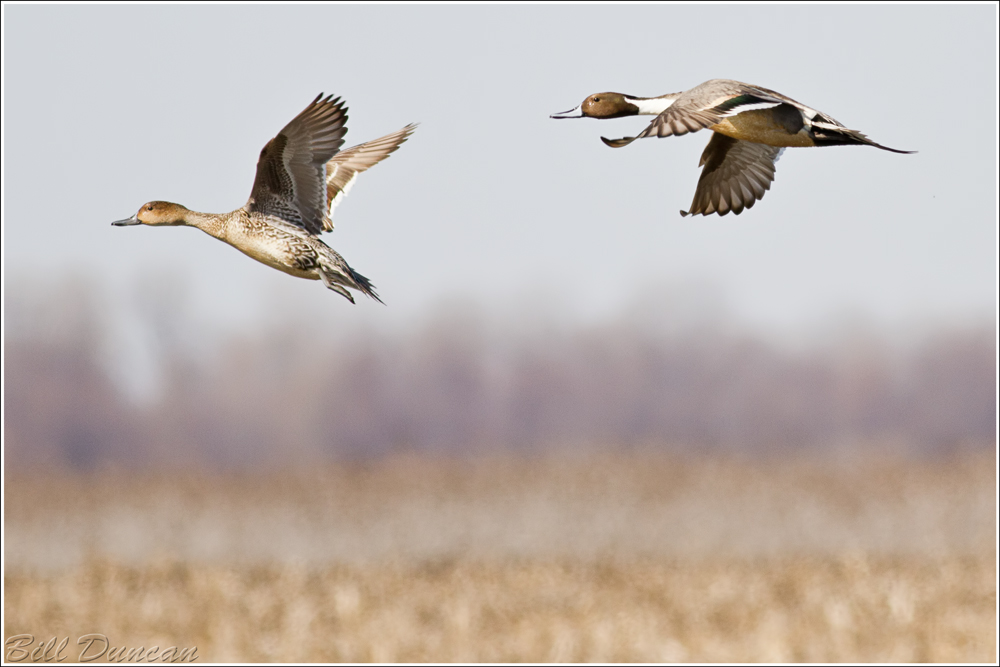
The Cadillac driving, fancy-pants of the duck world, the Northern Pintail is probably my favorite of the waterfowl.  Much like any photographer who can’t afford to own $10K in glass that will reach, I always struggle to get close enough to ducks.  I made this image just this weekend and it’s probably the closest I’ve ever been able to get to this species with a camera.  The Confluence area lies almost directly in the middle of these guys range.  We are near the northern limit of their wintering range and the southern limit of their breeding range.  Their presence is hard to predict in this area.  Typically they will start to arrive in early spring, but they are not uncommon to find any time during the winter when unfrozen water is present in marshy habitats.  They typically are not found here in the summer as northern Missouri has only a small number of breeding pairs on record.

Folks who give a darn about things other than economic concerns have recently saved the confluence region from an environmental threat.  The development that was proposed would have threatened and endangered many of the birds that rely on this region of the Mississippi River Flyway.  I have attached a few links below for those of you who may be interested in this story.

http://missouri.sierraclub.org/home.aspx?/emg/sierrascape/s2009m10/05_casino.html

http://www.savetheconfluence.org/

http://blogs.riverfronttimes.com/dailyrft/2009/11/conservation_area_casino_faces.php