WGNSS Visits Snake Road – October 2025

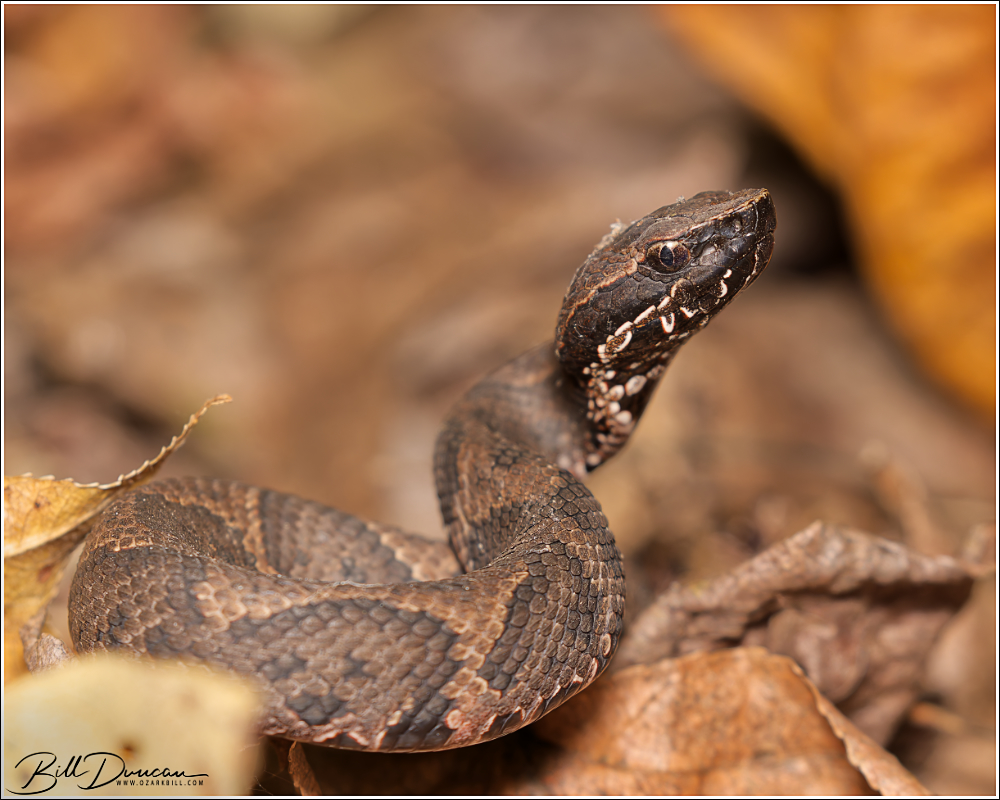
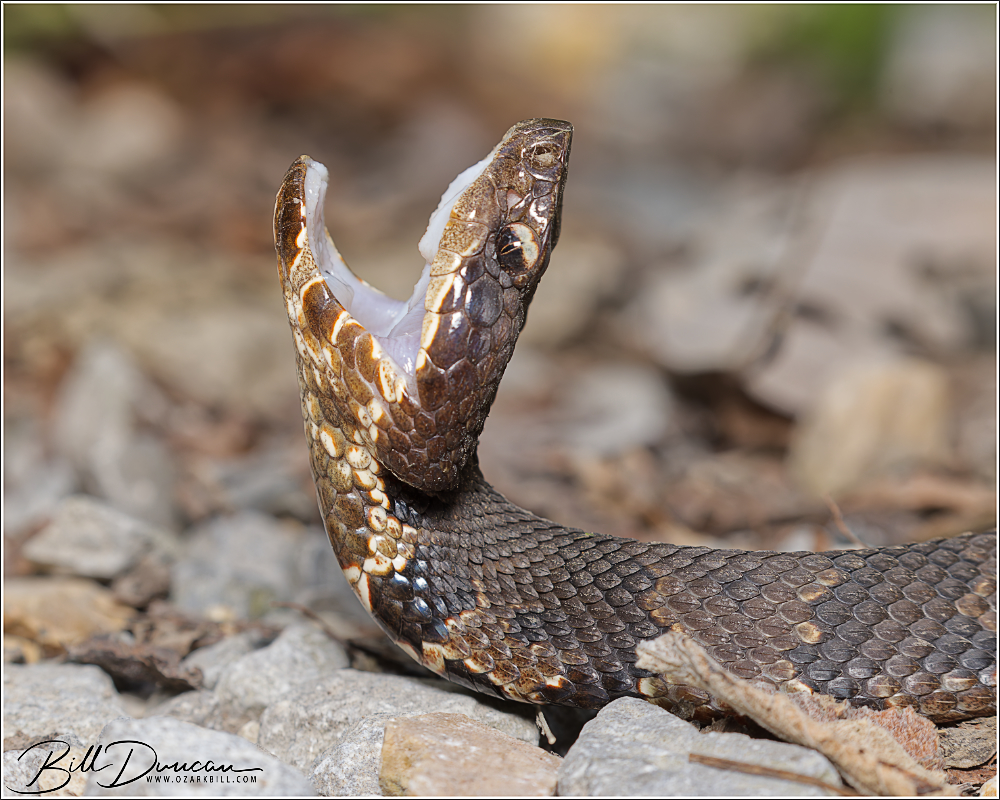
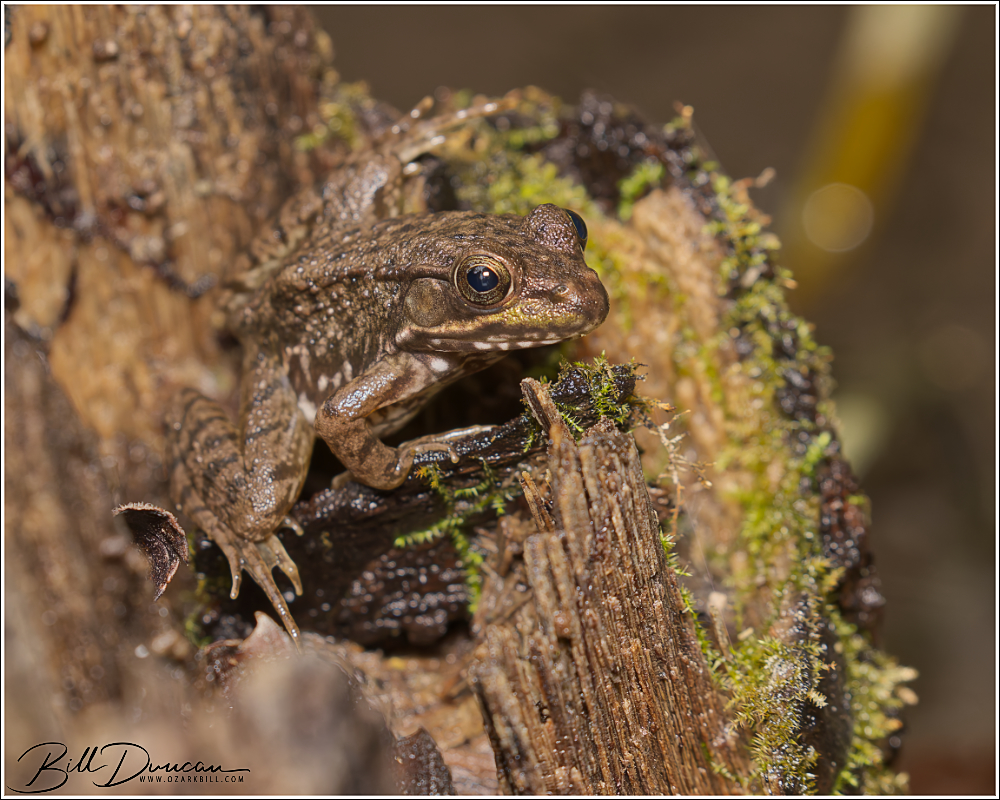
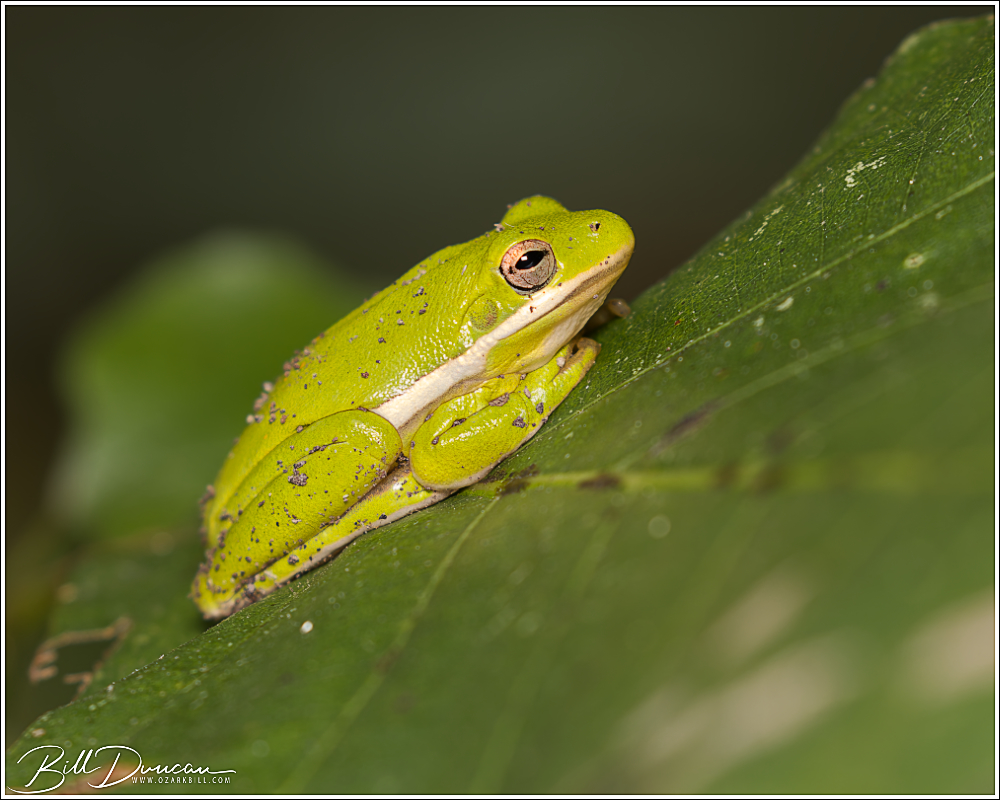
The Webster Groves Nature Study Society’s (WGNSS) Nature Photography Group headed to the LaRue Pine Hills in mid-October to visit the famous LaRue Rd, better known as the “Snake Road.” Our targets for the day were snakes, of course, along with any other herps that we could be fortunate enough to find. Unsurprisingly, the snake of the day was the cottonmouth (Agkistrodon piscivorus), of which we found close to 15 individuals. We found several different frog species and a real good number of cave salamanders (Eurycea lucifuga).

Cottonmouth (Agkistrodon piscivorus)

Green Frog (Lithobates clamitans)
Green Tree Frog (Dryophytes cinereus)
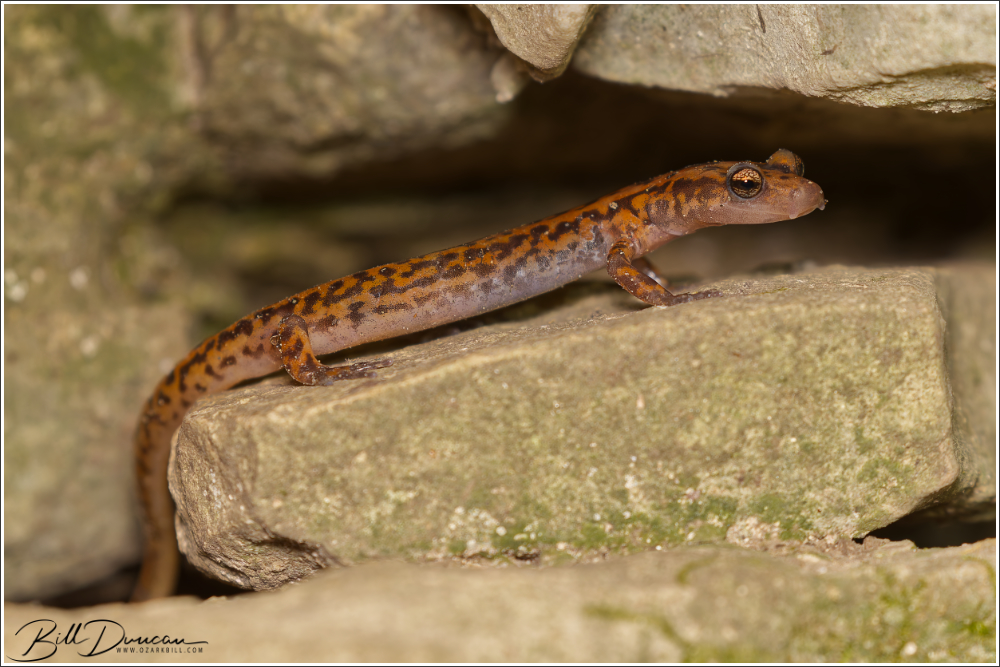
Cave Salamander (Eurycea lucifuga)
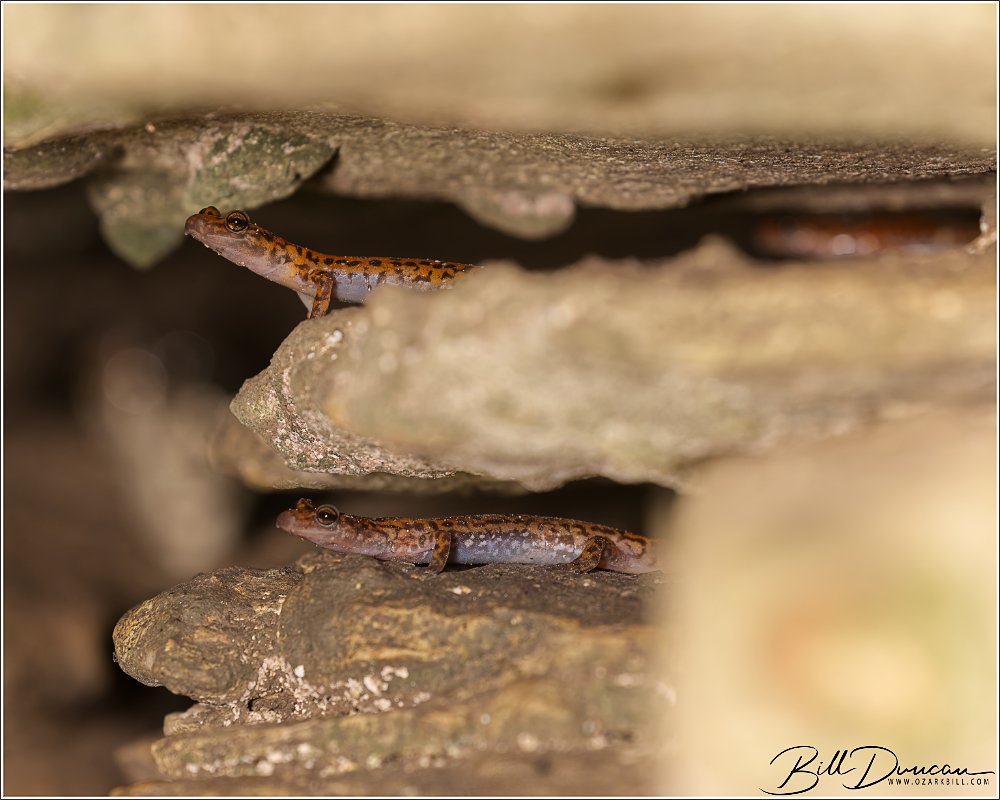
Cave Salamanders (Eurycea lucifuga)

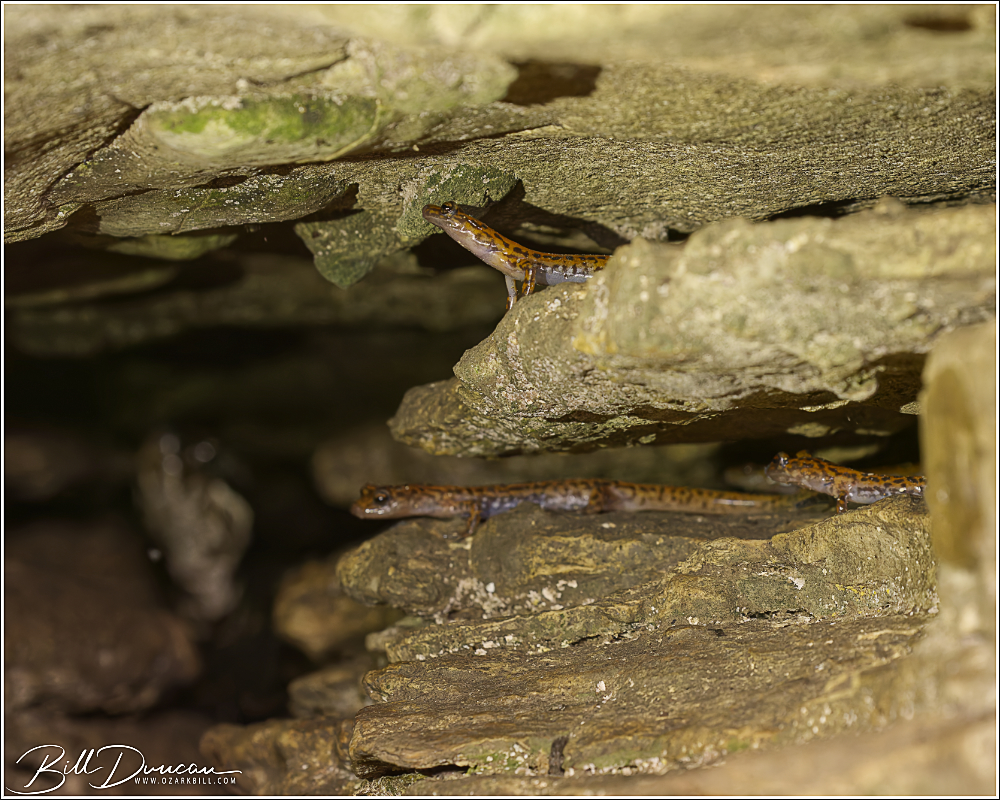
A short ways from the main road, we came across a small grotto. Looking closely with a light, I was able to find at least five cave salamanders resting on different shelves. After about 15 minutes on my knees, working out how to best light and photograph these guys, I finally focused my attention towards the back end of this small cave. There I noticed a medium-sized cottonmouth with its head raised that was apparently watching me the entire time, about a foot or so behind the salamanders.

Cave Salamanders and an unexpected guest. Can you find the cottonmouth?

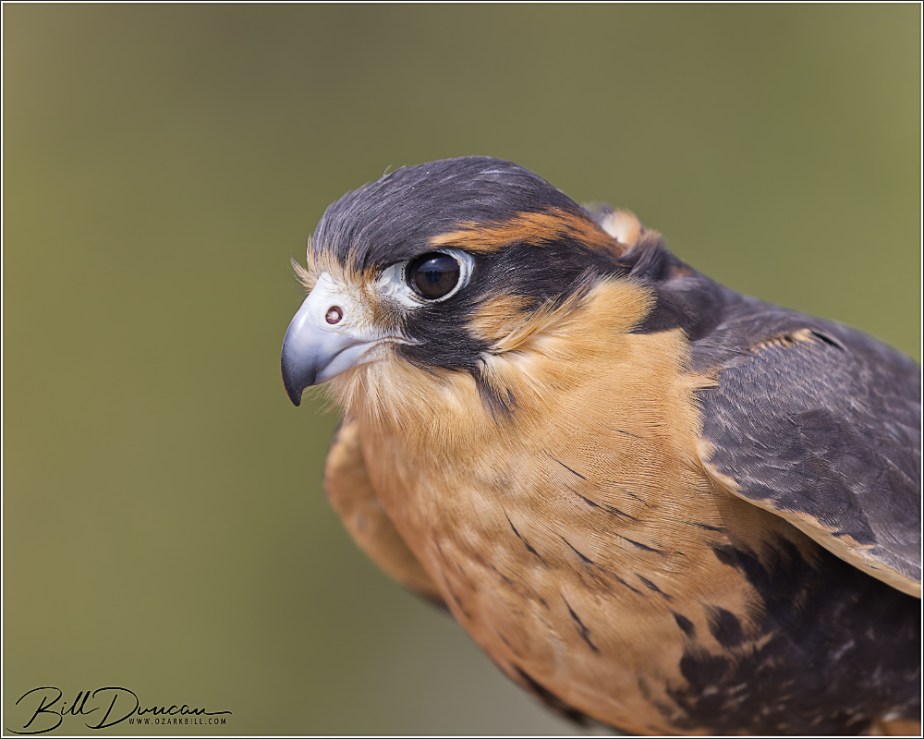
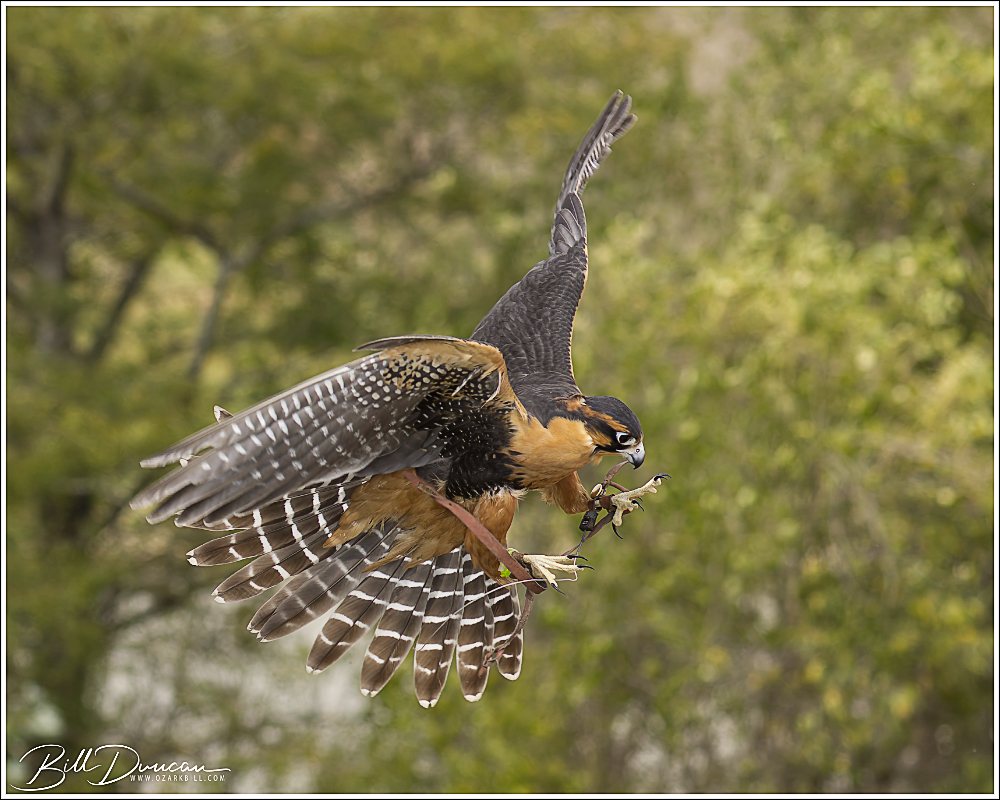
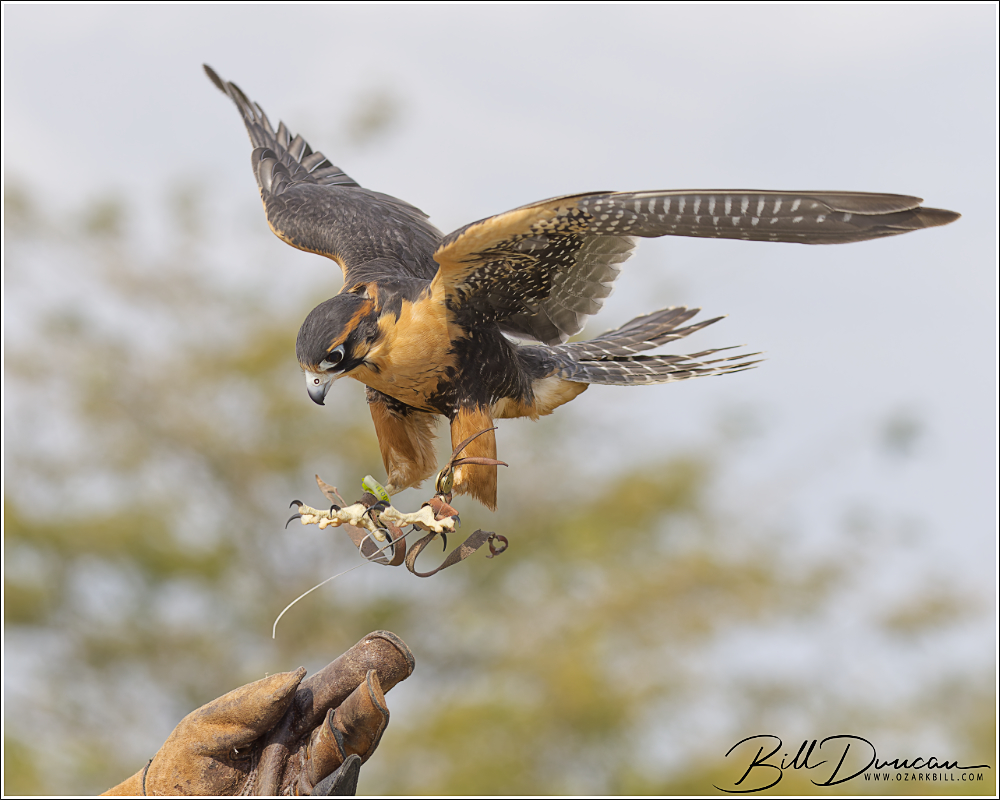
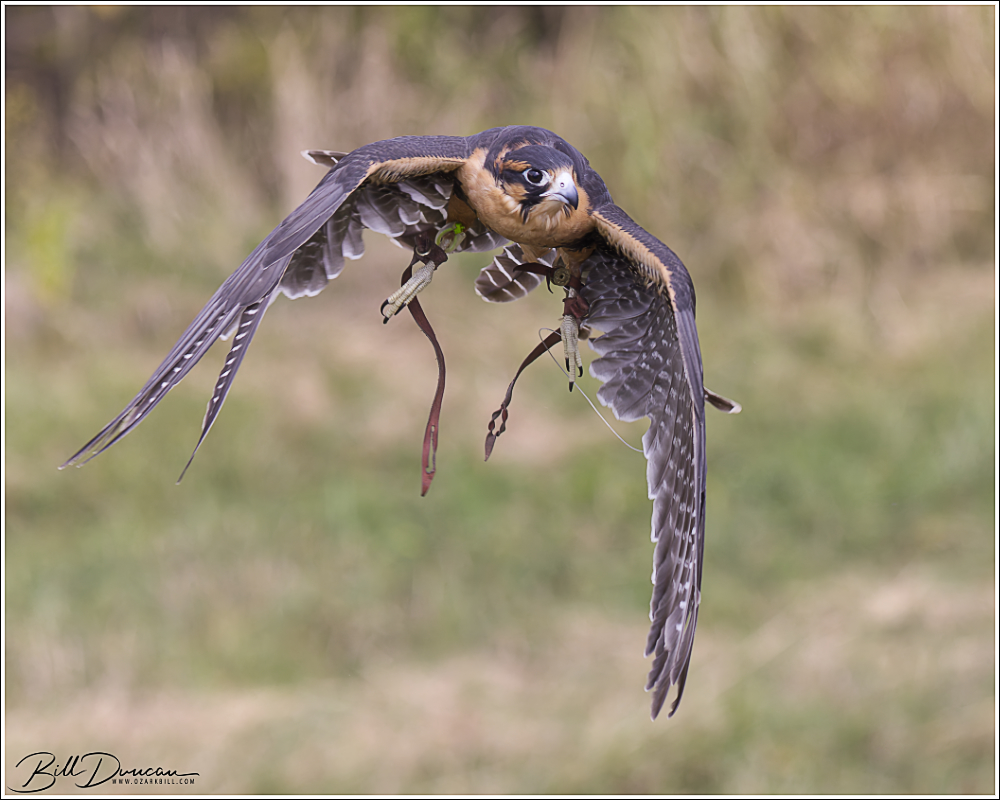
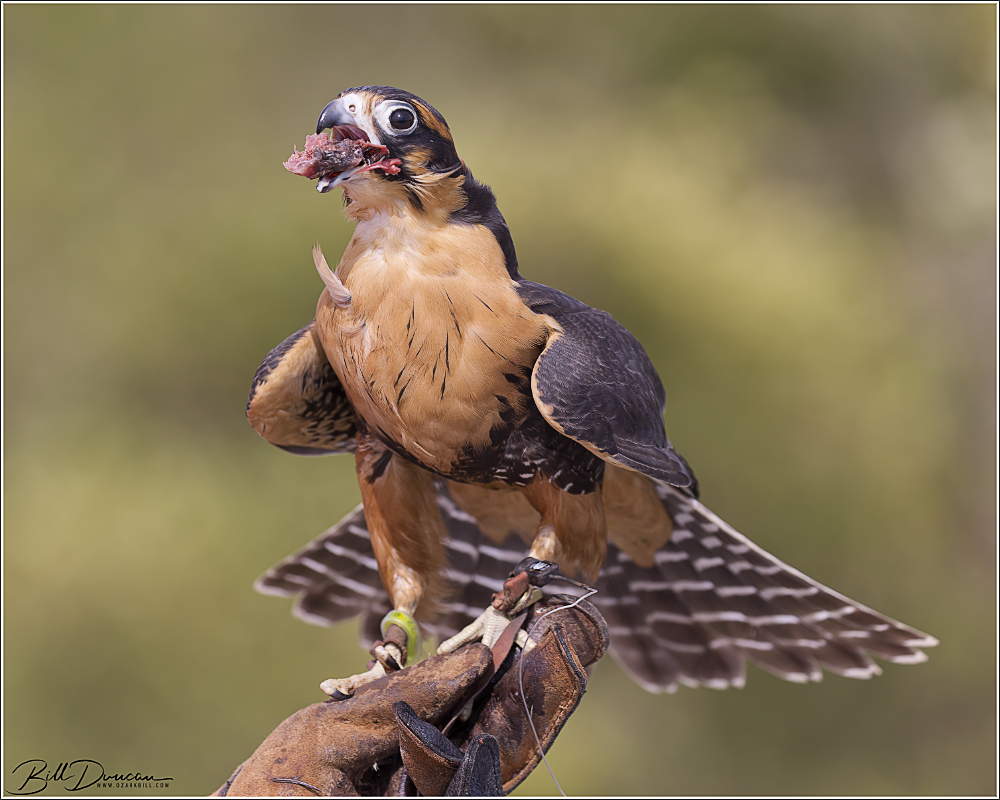
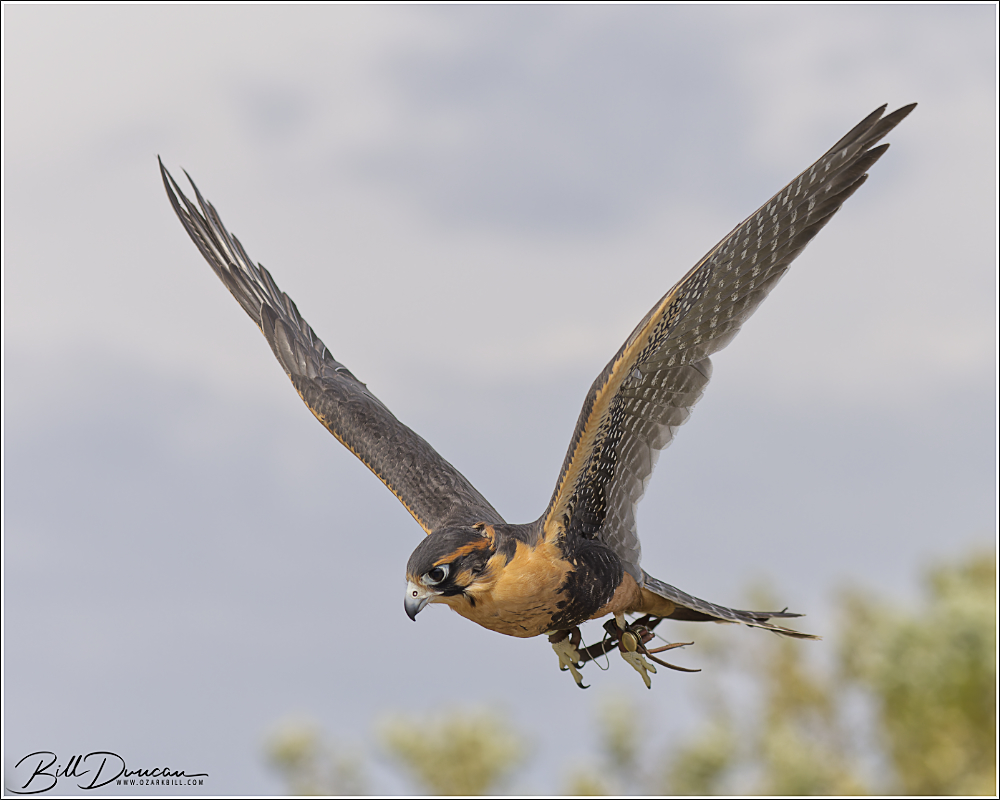
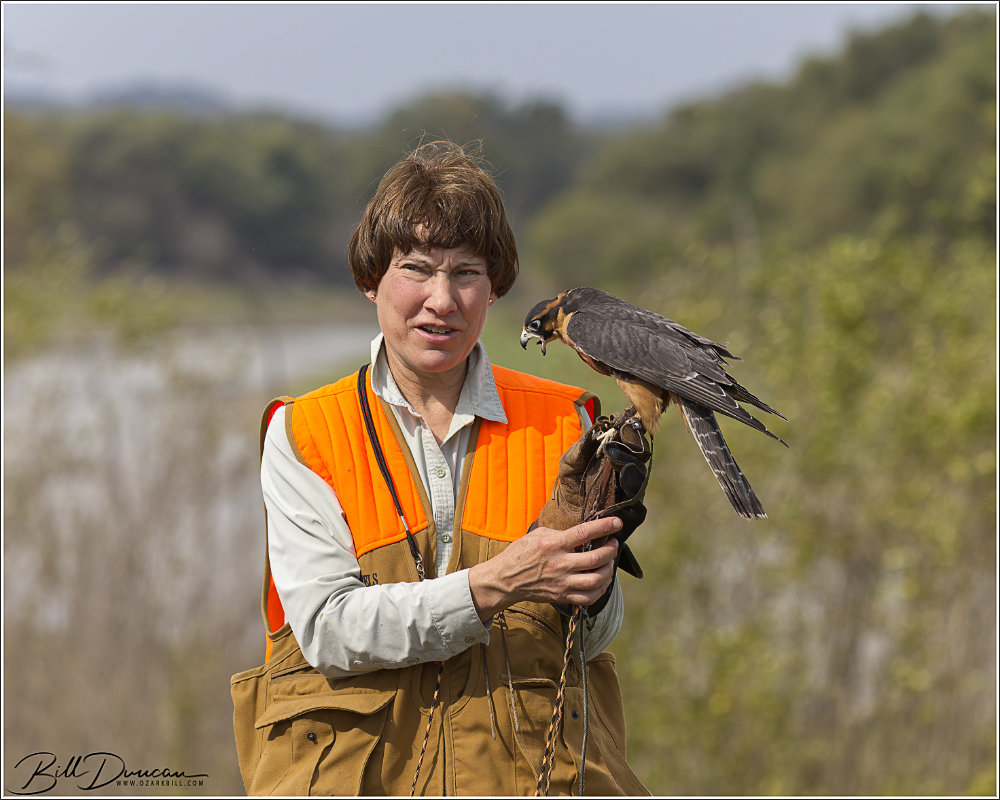
We were joined by our friend, Stacia Novy, on this trip, who provided an unexpected treat! She brought along her two Aplomado Falcons that we had an opportunity to photograph, pet, and watch eat. Unfortunately, strong winds and a few soaring Bald Eagles that would not leave the area limited the amount of flight time the birds had, but we really appreciated the opportunity.

A couple photos of Stacia with her bird

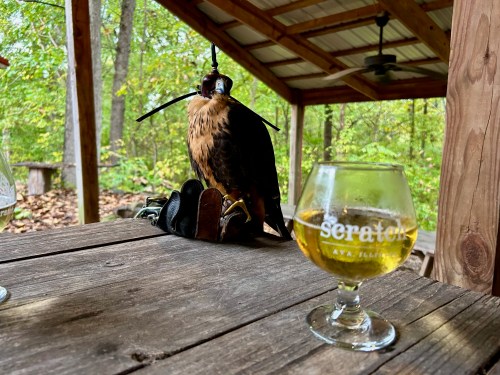
Afterwards, the group headed to one of my favorite breweries – Scratch in Ava Illinois. Stacia brough one of the Falcons to the outside location and we had a most unique partner to go along with our wood-fired pizzas and beer.

My drinking partner

Grassland Bird Nesting

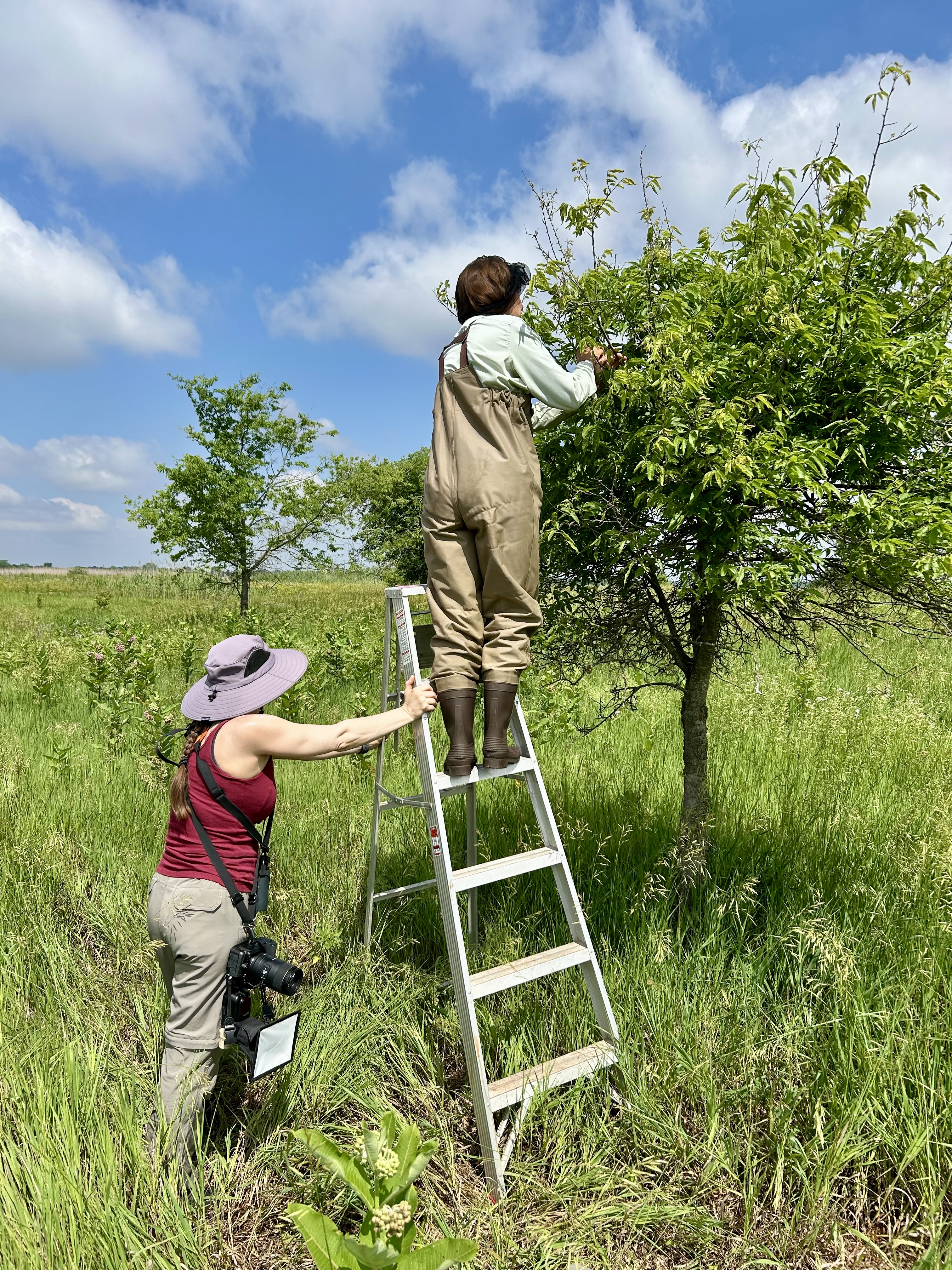
Back in early June of this year, the WGNSS Nature Photography Group travelled east to Pyramid State Recreation Area in Perry County, Illinois. Here we met with Stacia Novy, a wildlife biologist working with Southern Illinois University. Stacia’s goals are to find and identify grassland bird species nests, collect morphometric, embryonic and maturation data on eggs and nestlings, and to document fledging and depredation rates. Stacia is a true professional and she took care in how we approached nests and got our photographs. She finds dozens of nests each year and collects important data used for conservation and habitat management decisions.

Stacia Novy (on ladder) collecting data on eggs and nestlings

Approximately 60% of all of North America’s grasslands have been destroyed due to agriculture and other development purposes. Unsurprisingly, grassland species in general are the most at risk birds from this loss of habitat. The numbers of these obligate grassland species have declined by 40% since 1970.

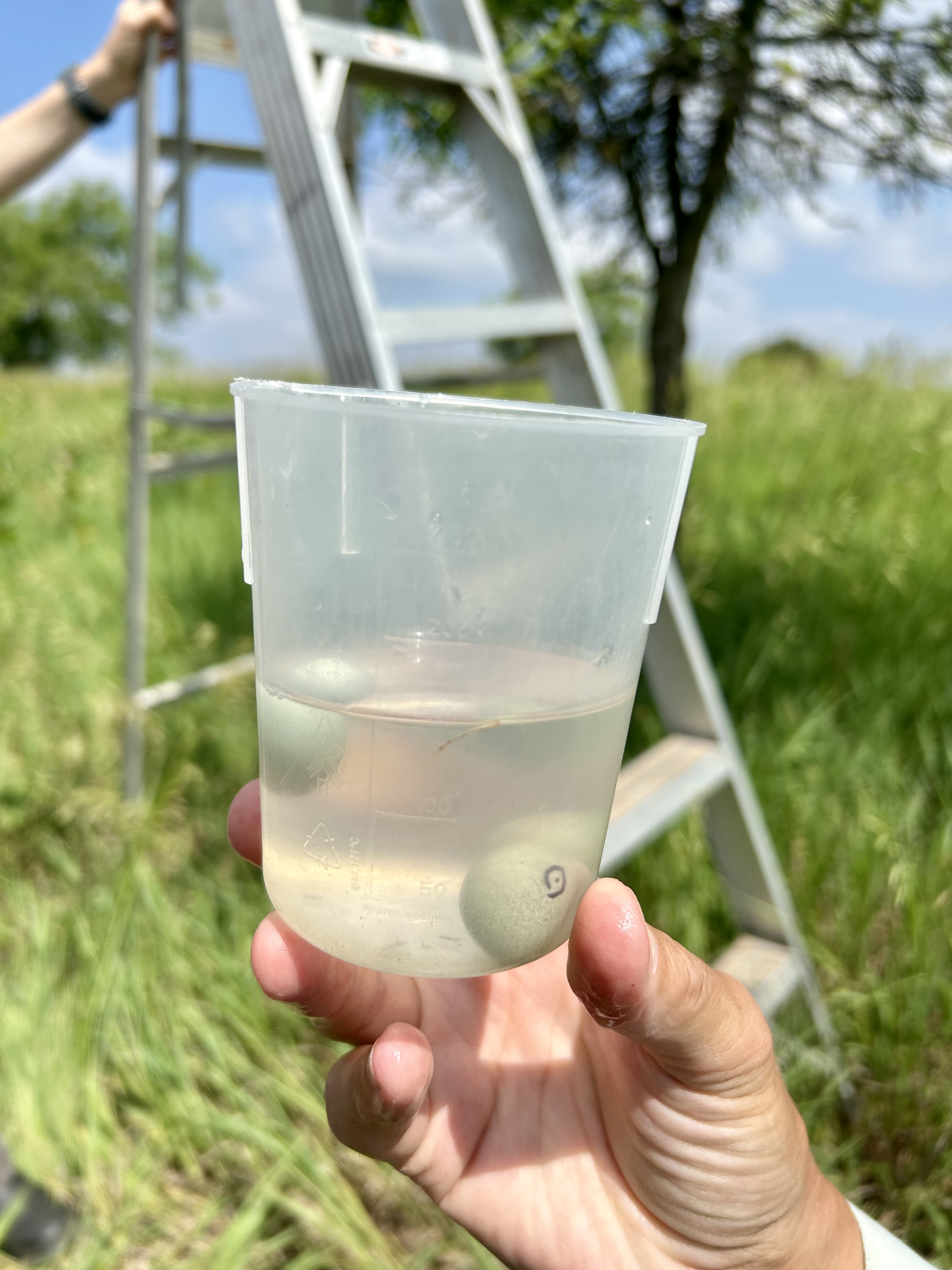
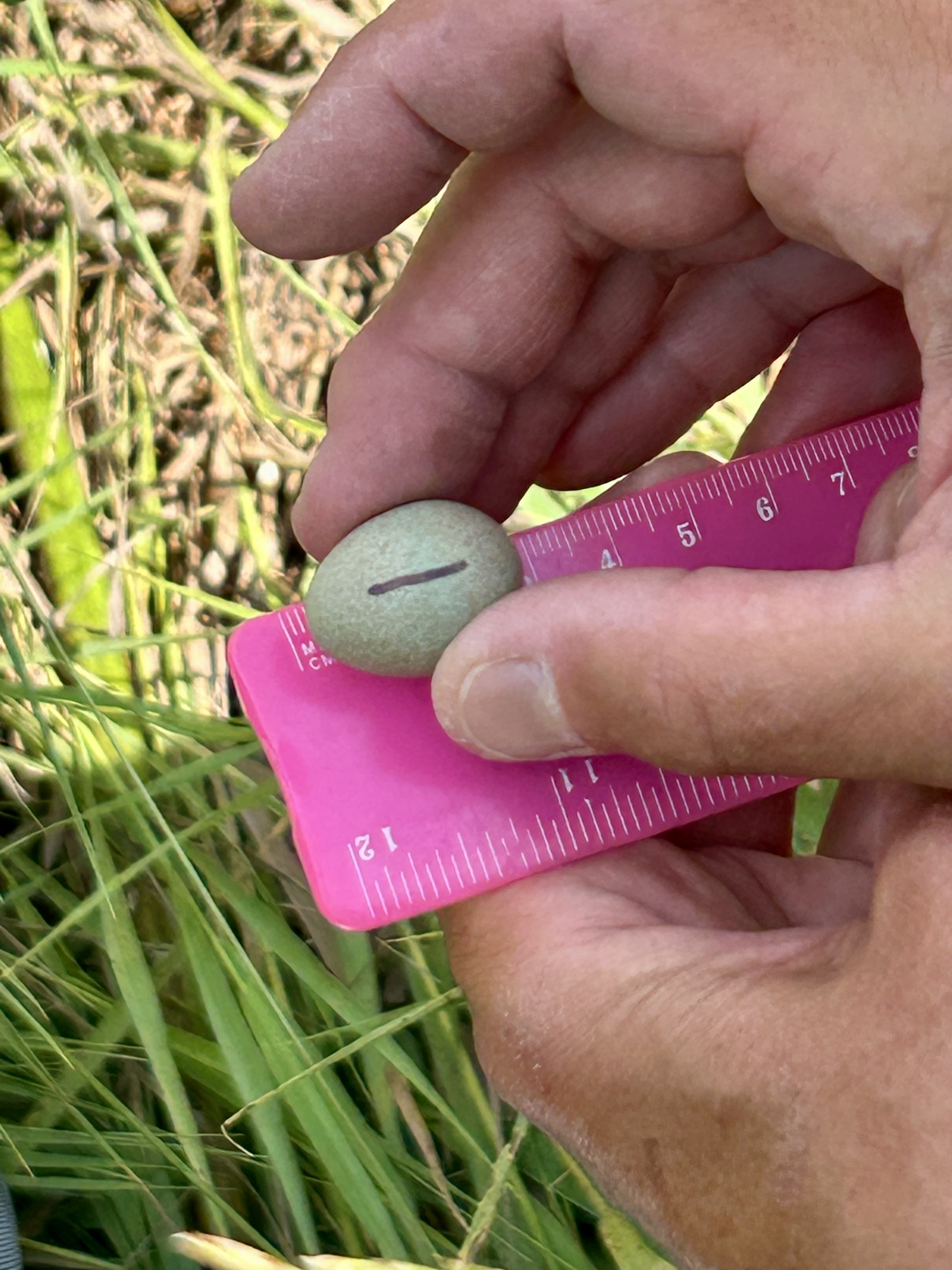
An egg buoyancy/density test is performed to determine egg age and potential viability

Due to high incidence of predation, grassland bird species must be quite careful about where and how they place their nests. Stacia showed us the types of vegetation different species like to use and how they attempt to camouflage their nests. It takes a lot of work and diligence to find these nests and we appreciated Stacia sharing some of these with us.

Stacia measures eggs

Here are some of the photos I took with my cellphone of some of the species we were fortunate to be able to see.

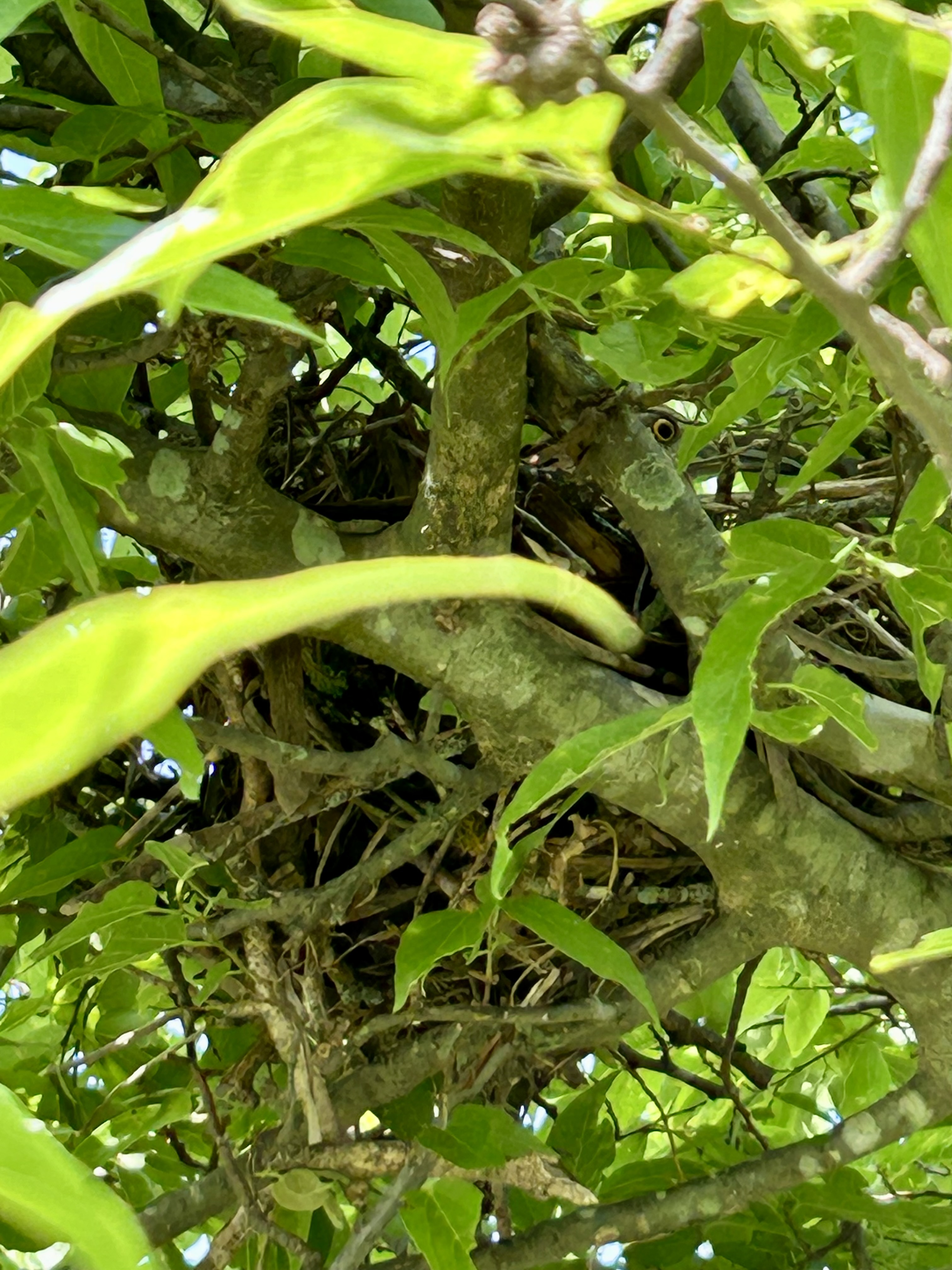
A Brown Thrasher parent staying on the nest until the last minute
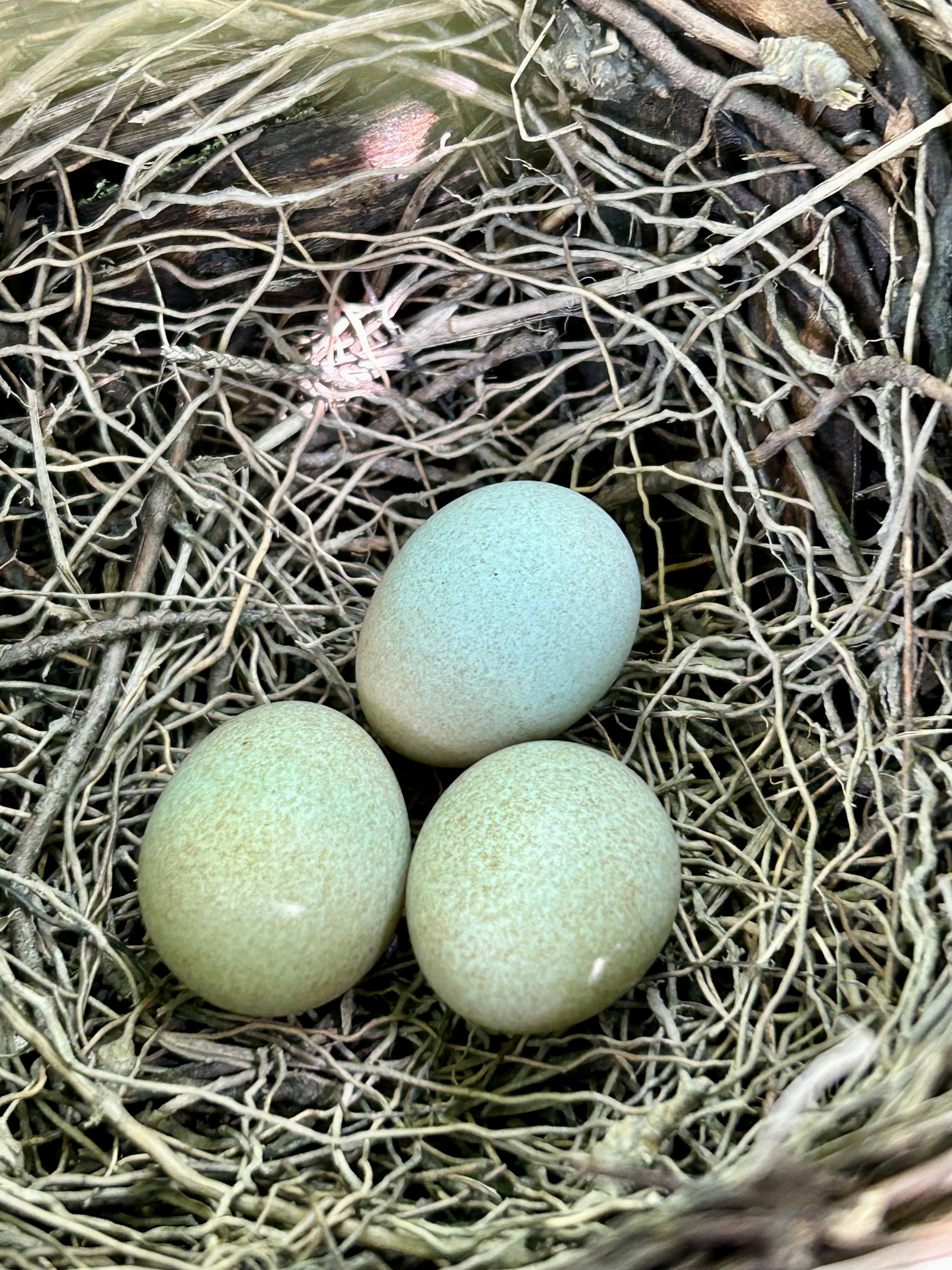
Inside the Brown Thrasher nest
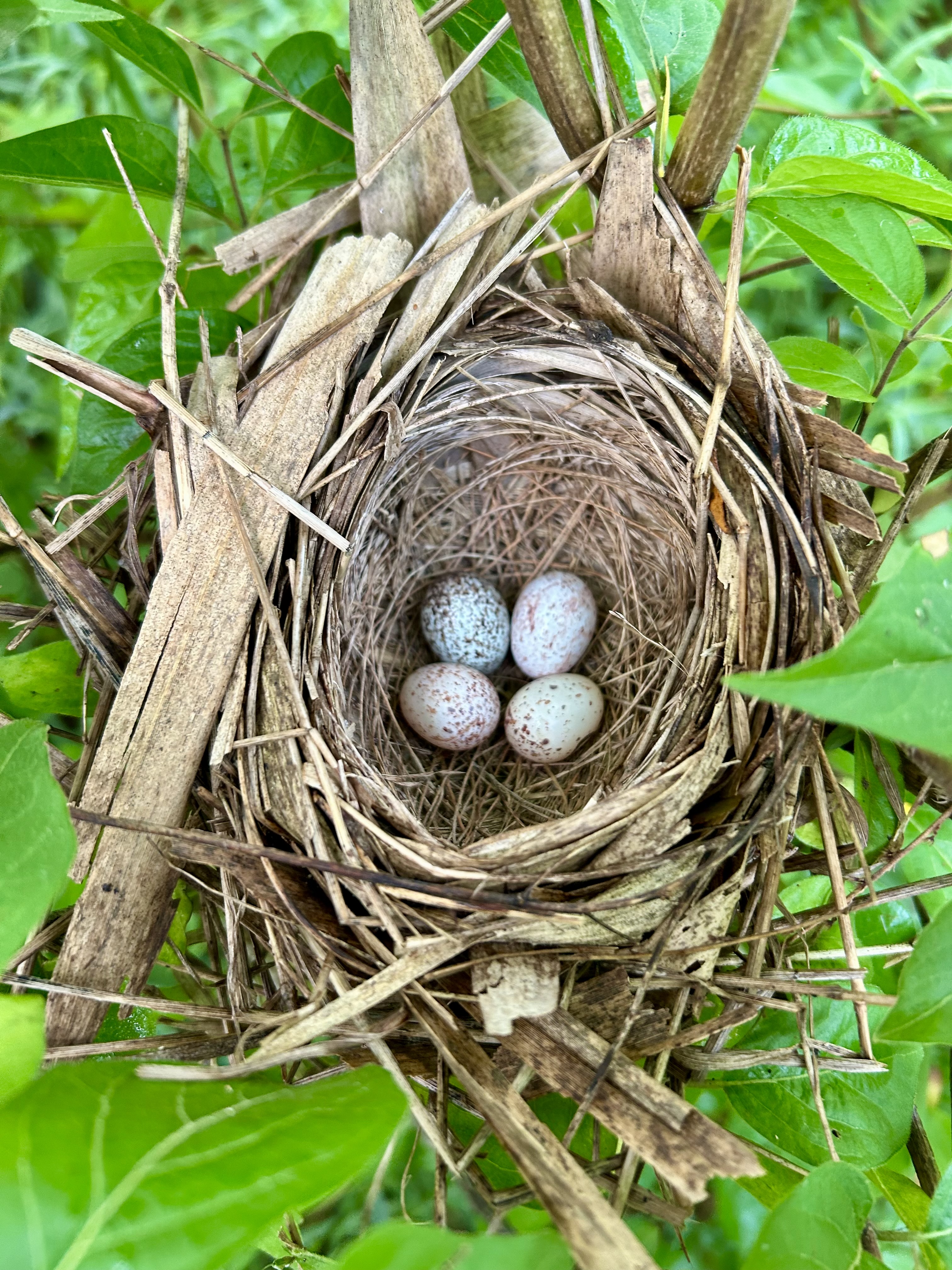
A Gray Catbird’s nest
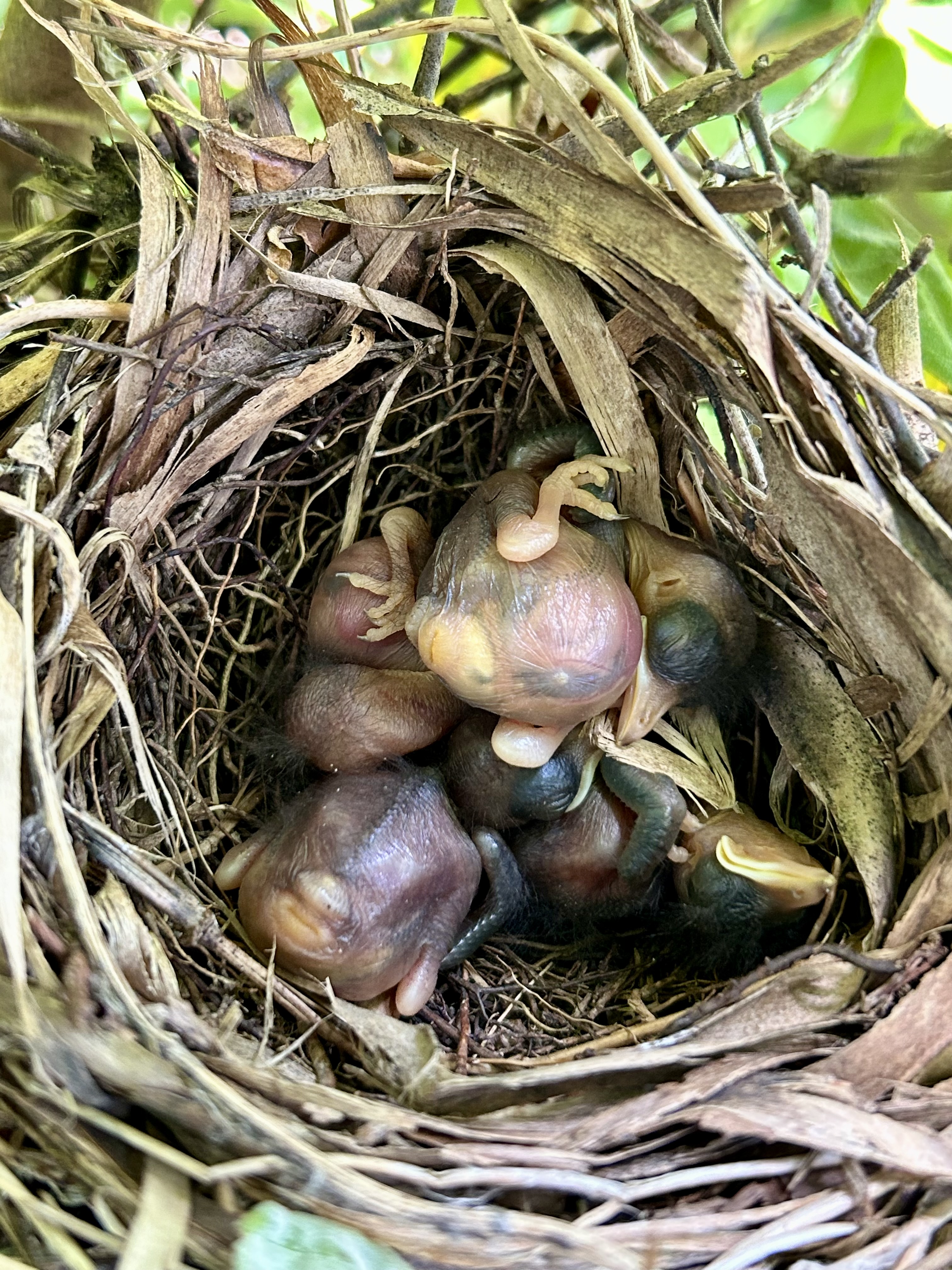
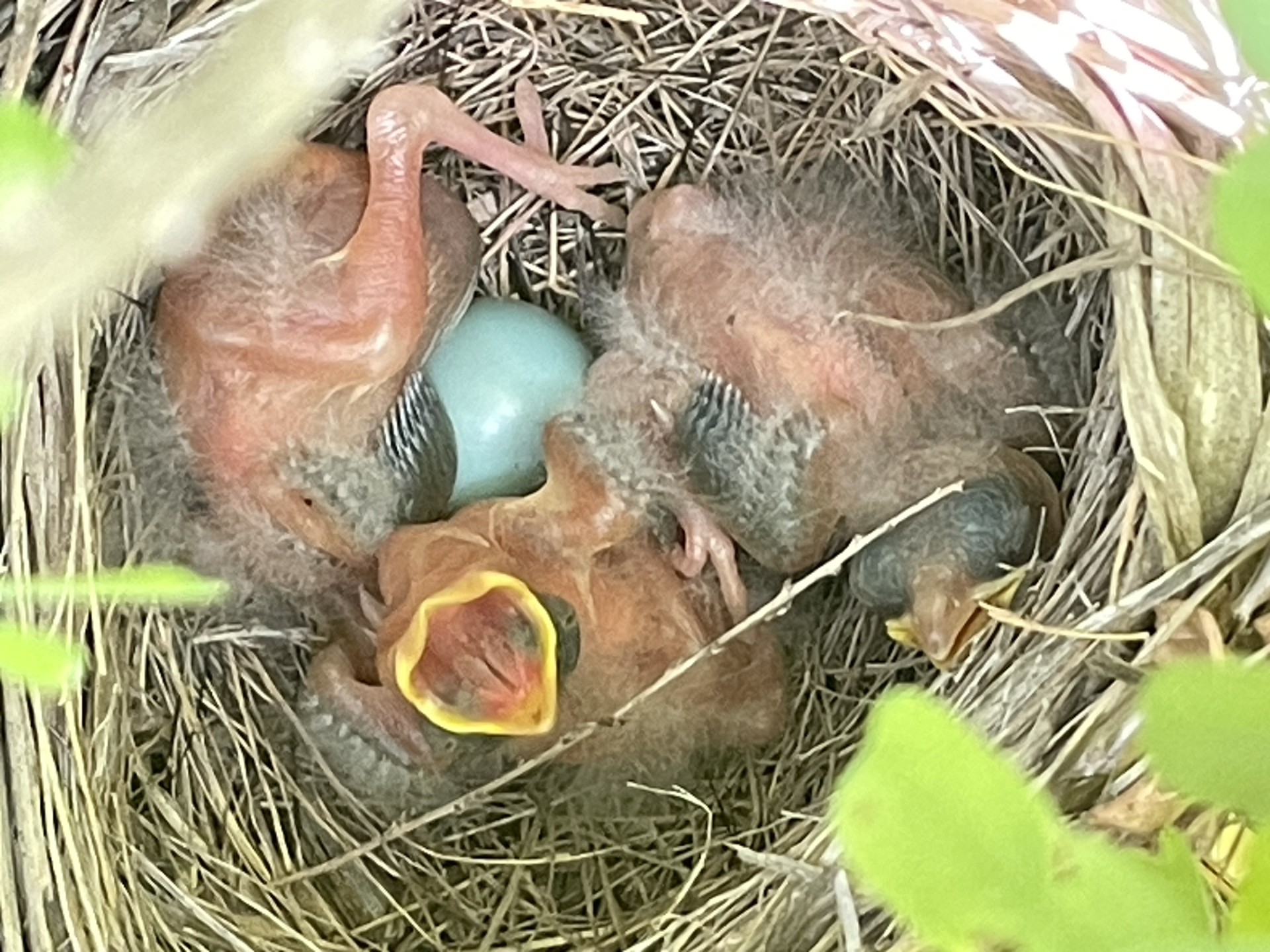
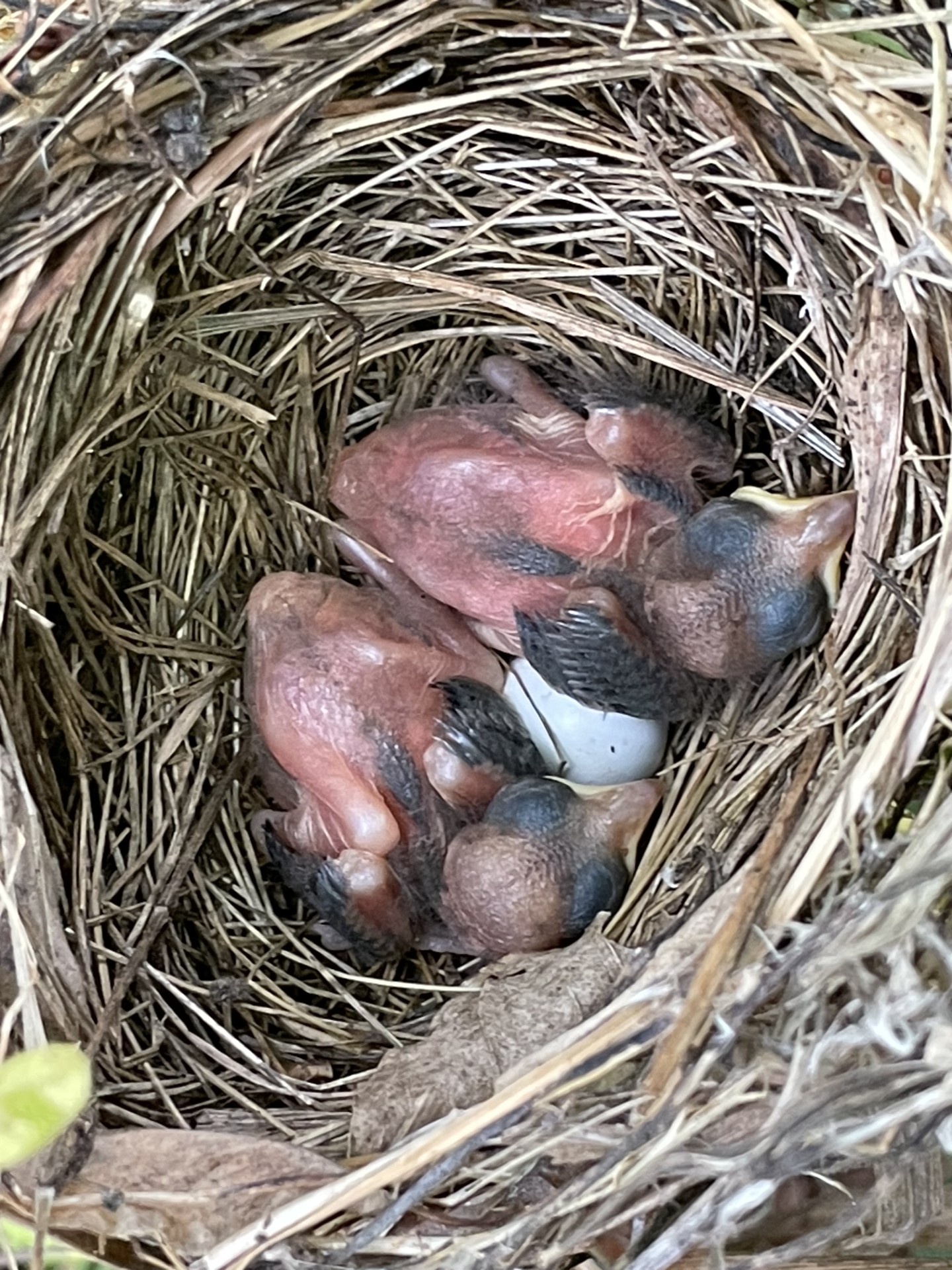
Another Gray Catbird nest we found this day with newly hatched chicks
Beautiful eggs inside a Redwing Blackbird nest
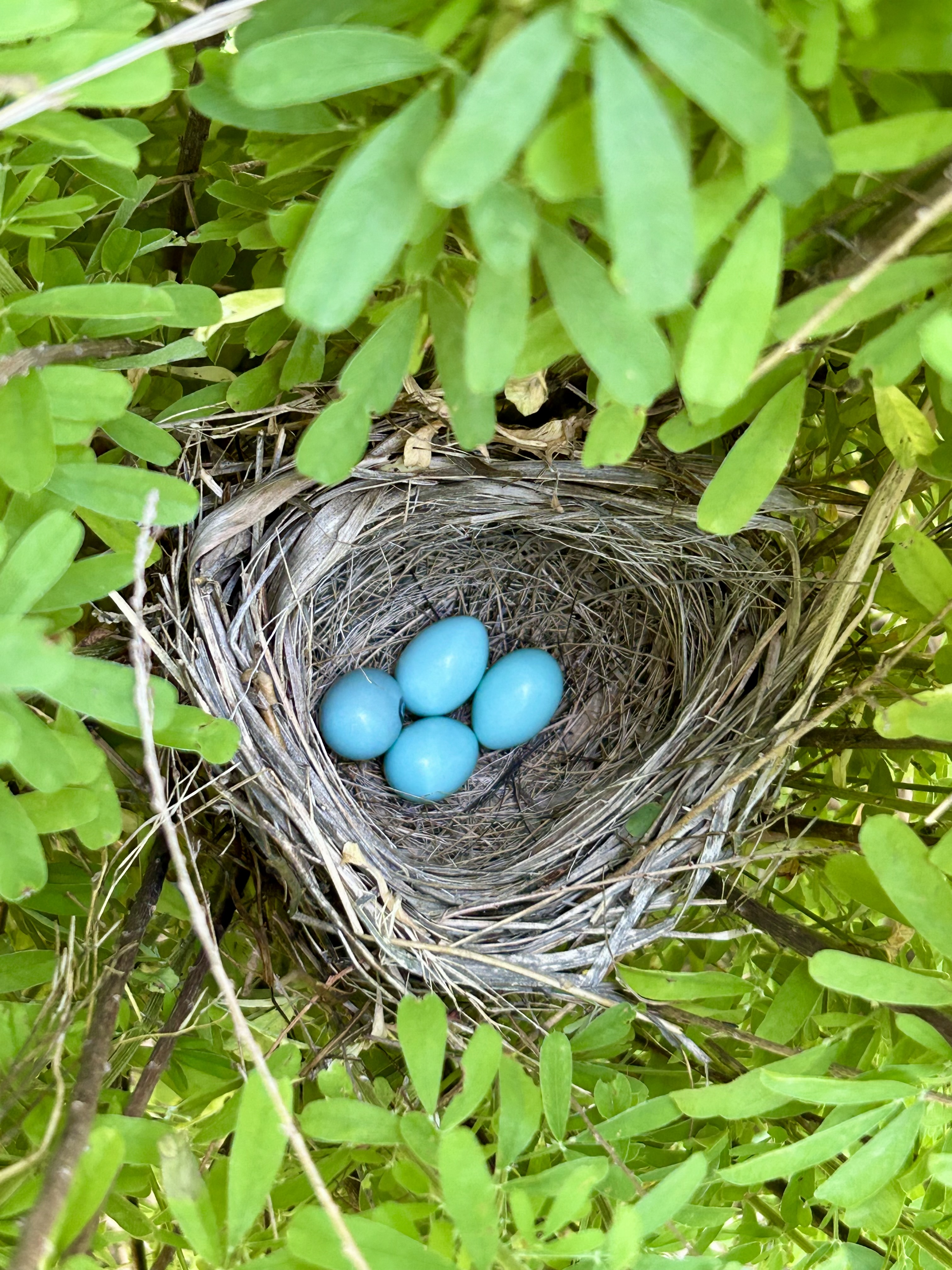
The even more startingly-blue eggs of the Dickcissel
The same Dickcissel nest days later. Photo by Stacia Novy.
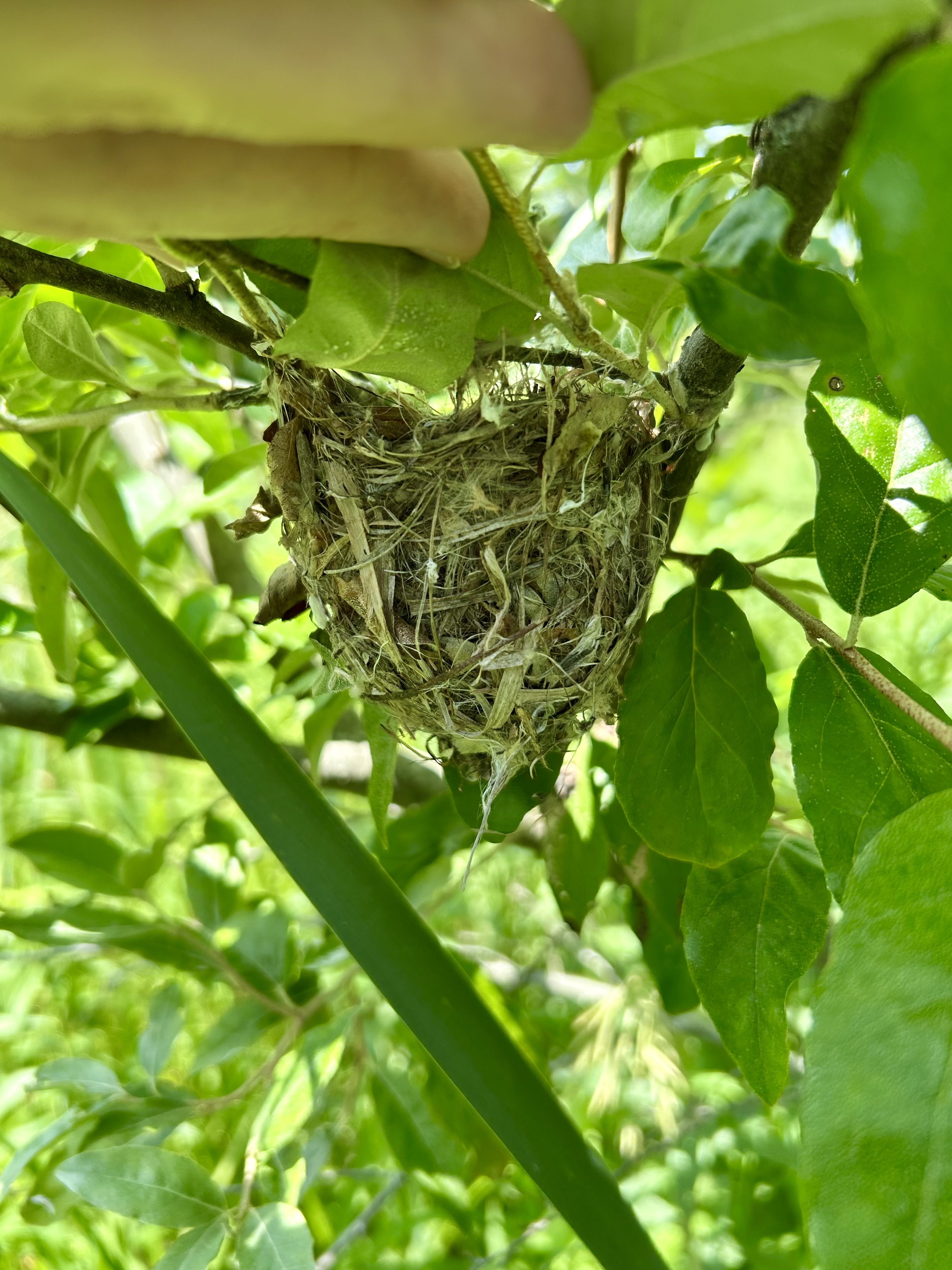
The nest of one of my top five favorite birds – the Bell’s Vireo
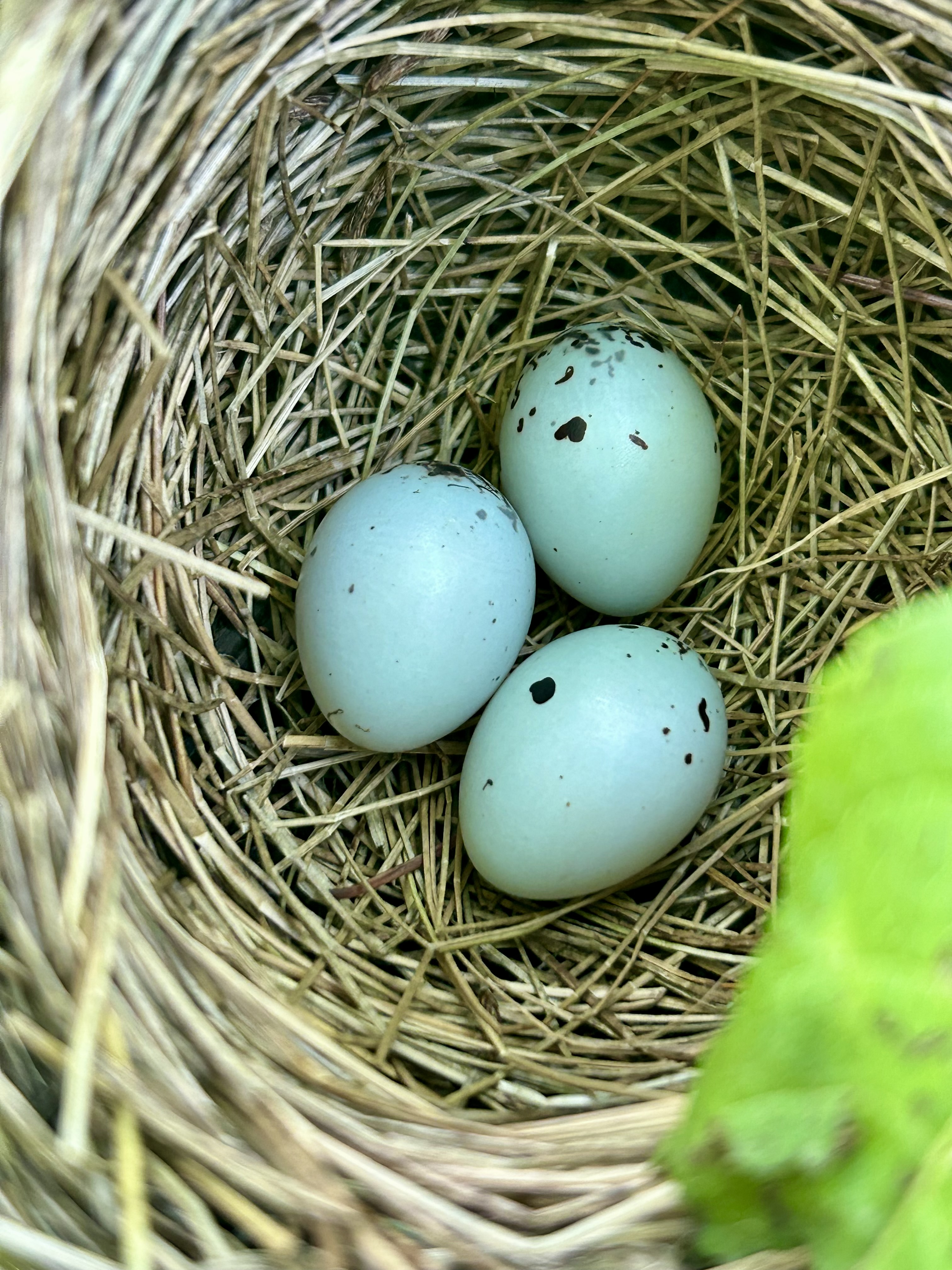
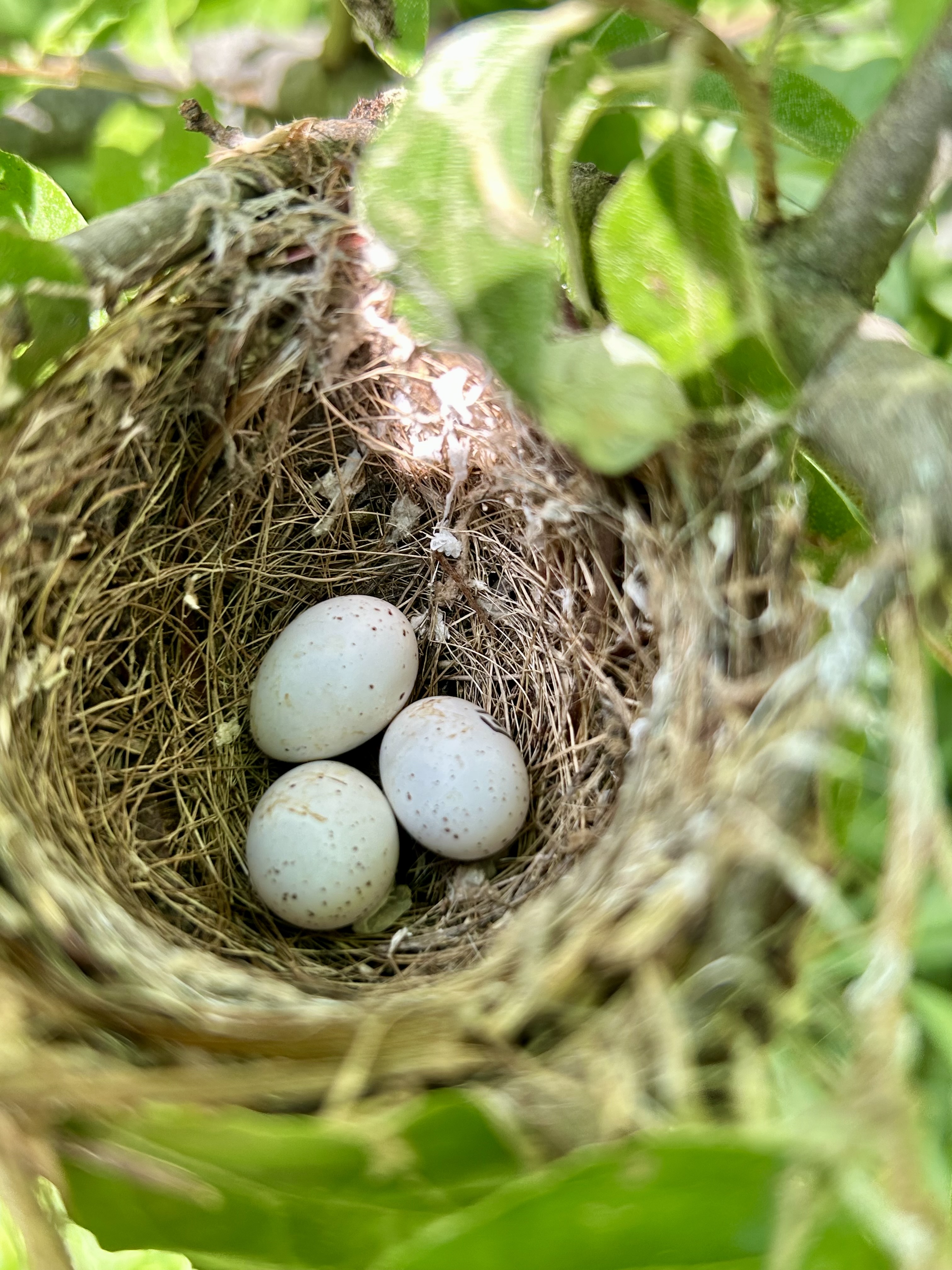
Bell’s Vireo eggs
The same Bell’s Vireo nest days later. Photo by Stacia Novy.

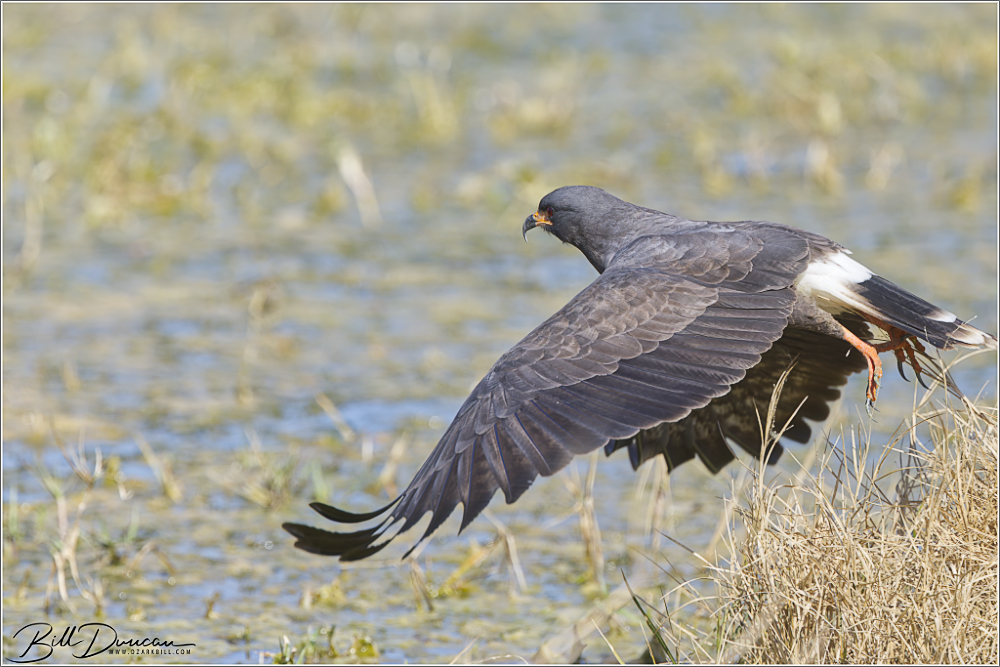
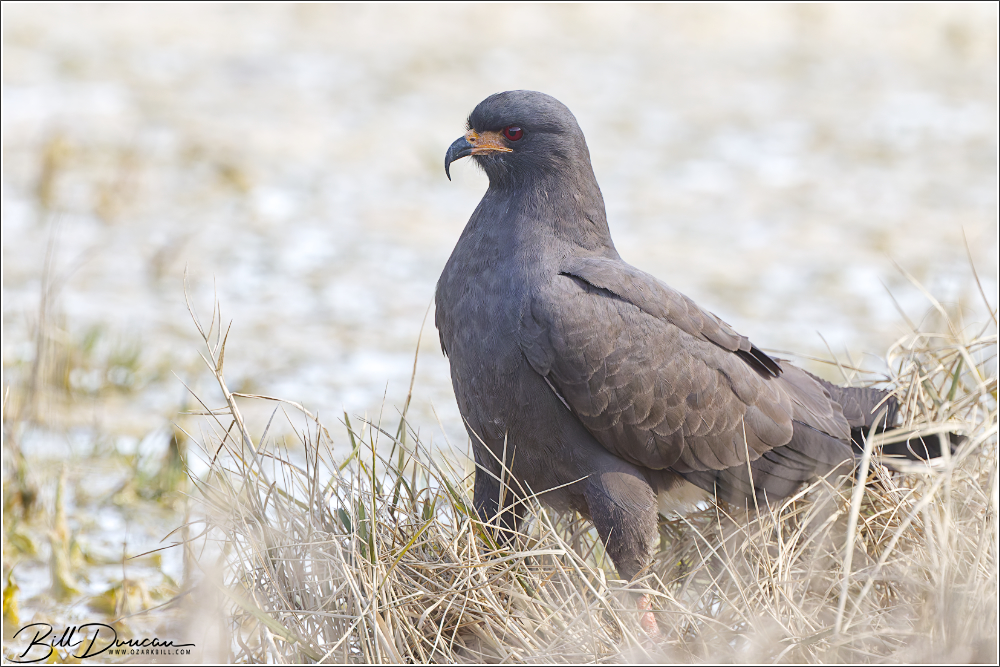
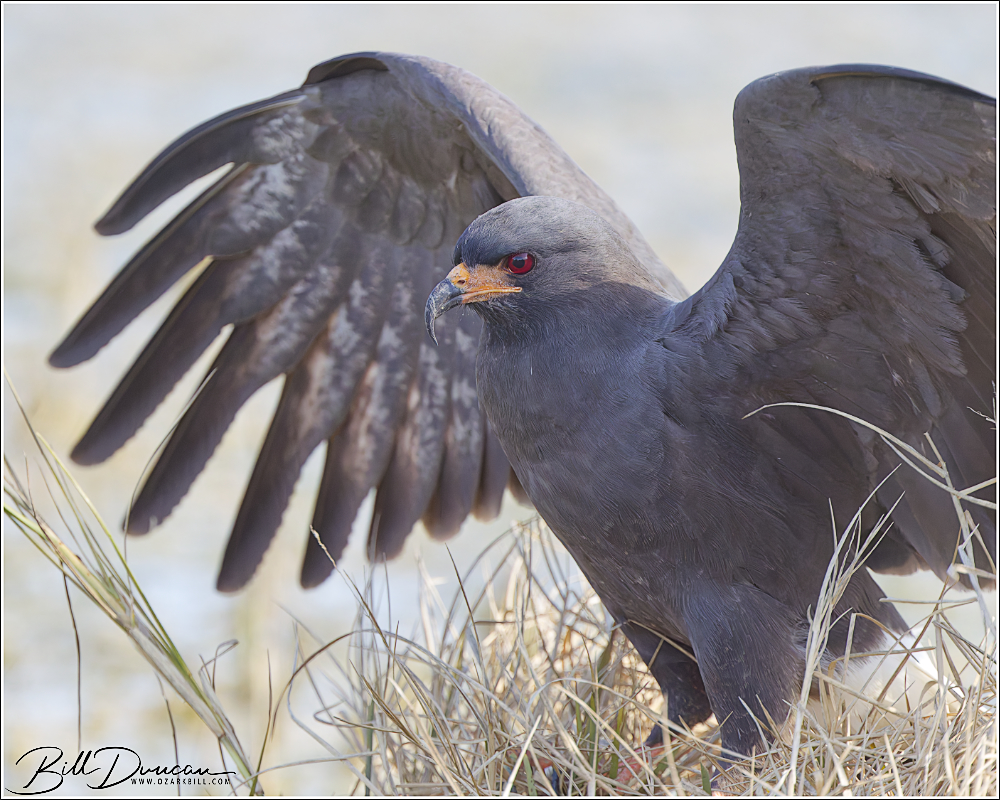
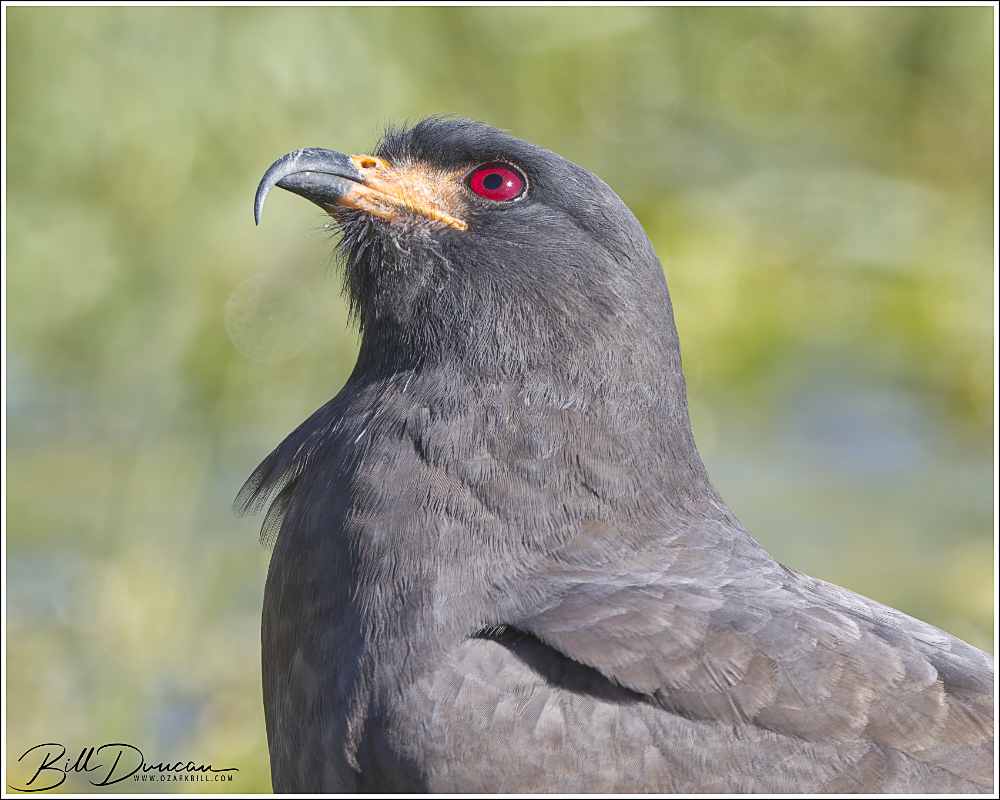
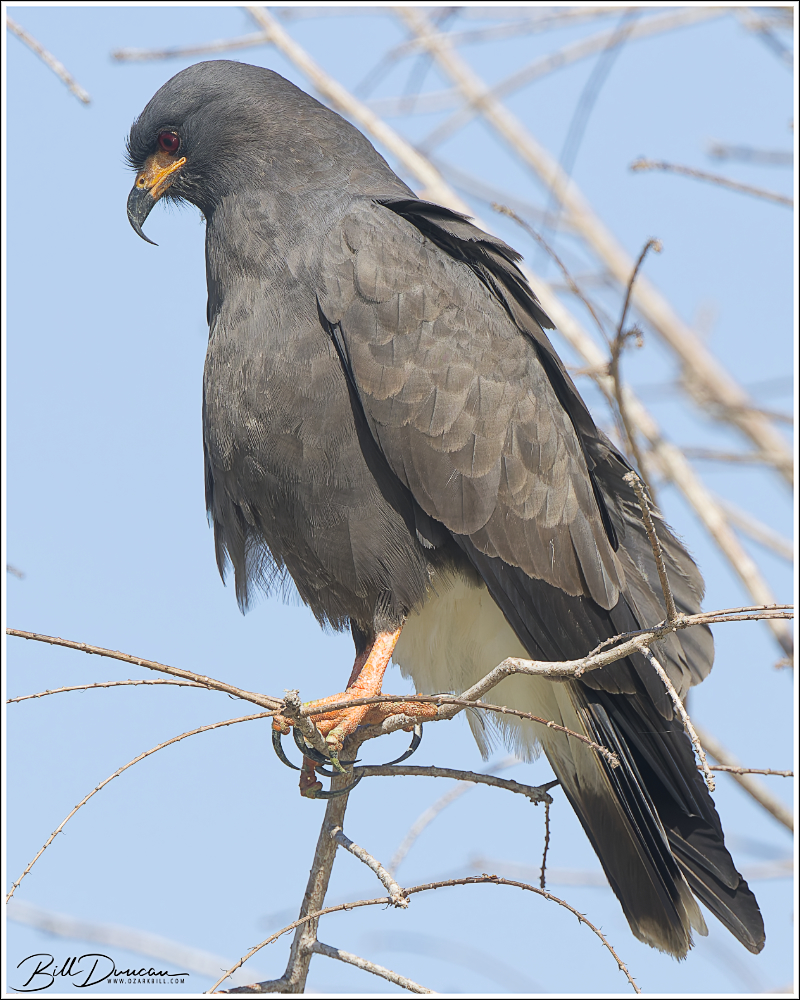
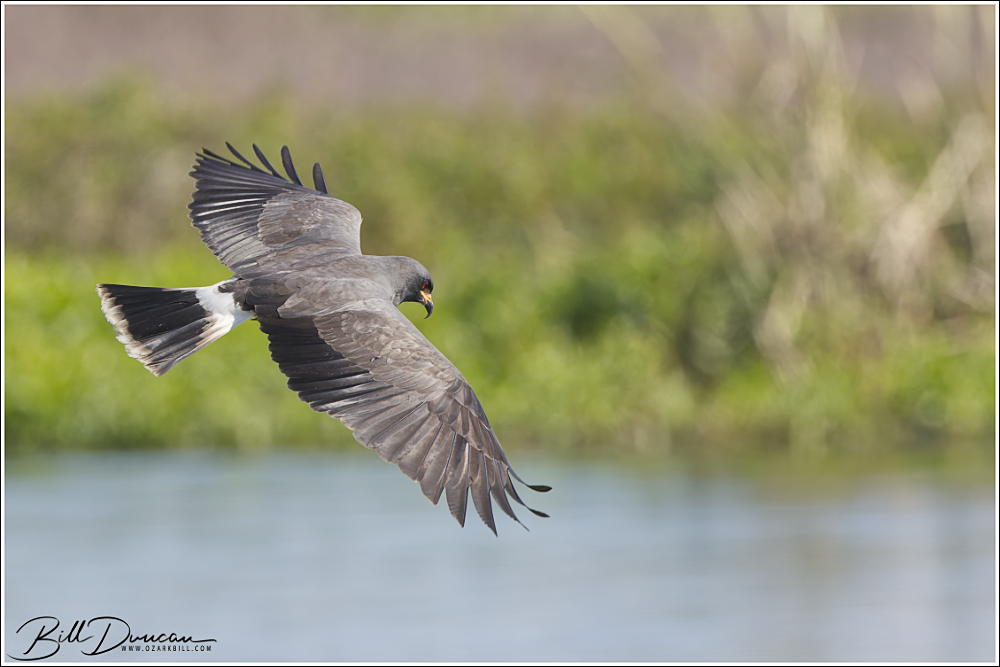
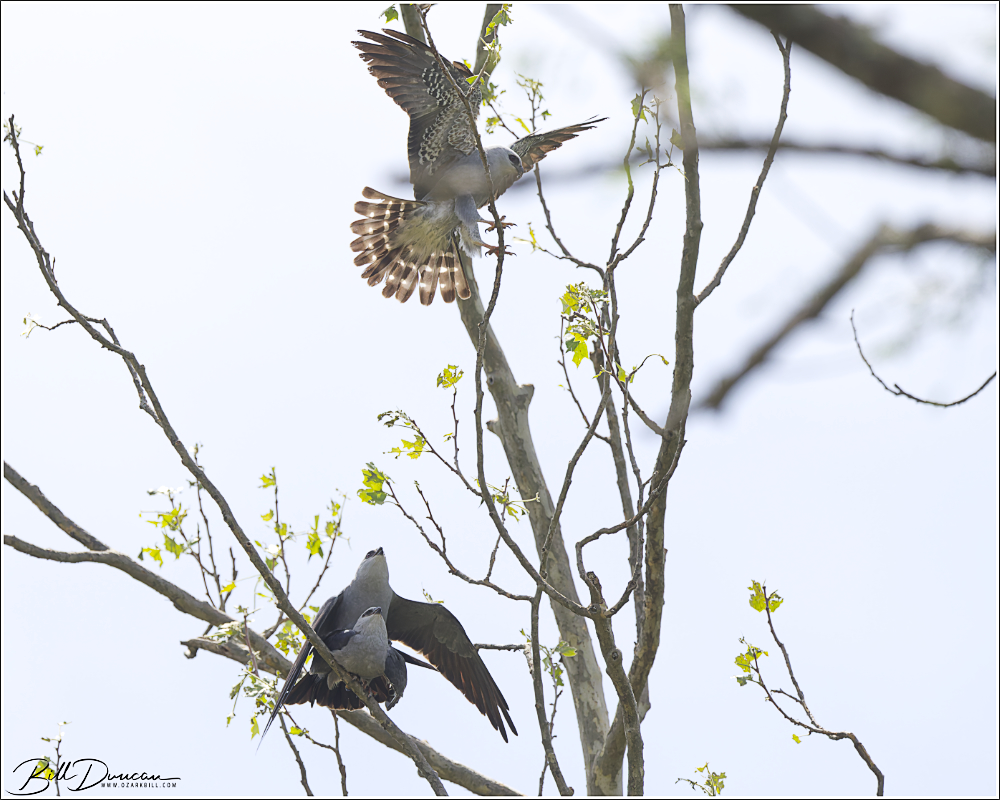
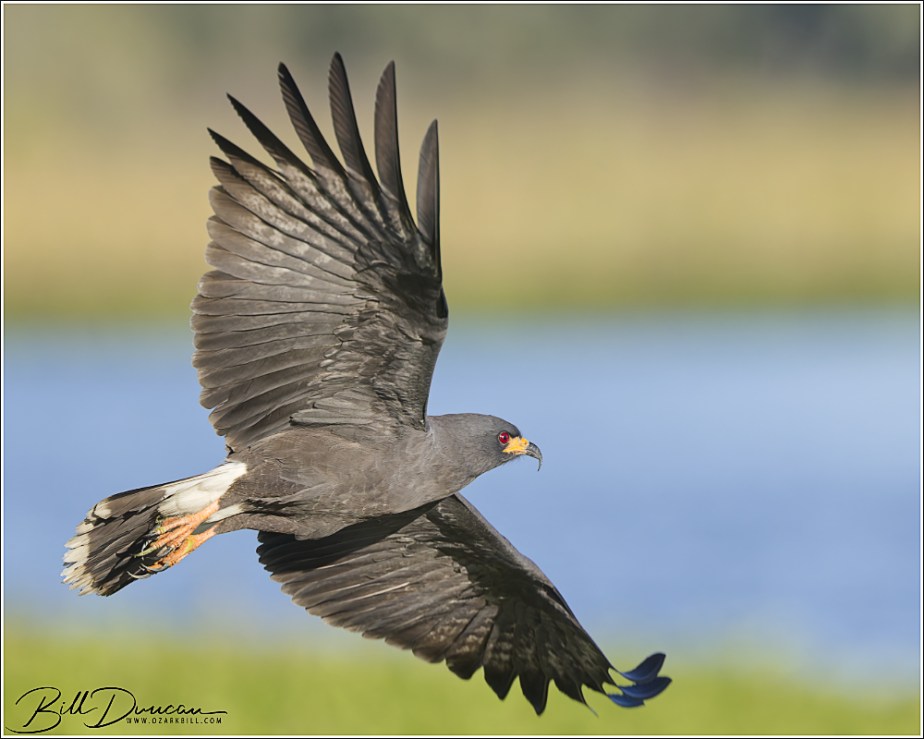
Mississippi Kites at Weldon Spring C.A.

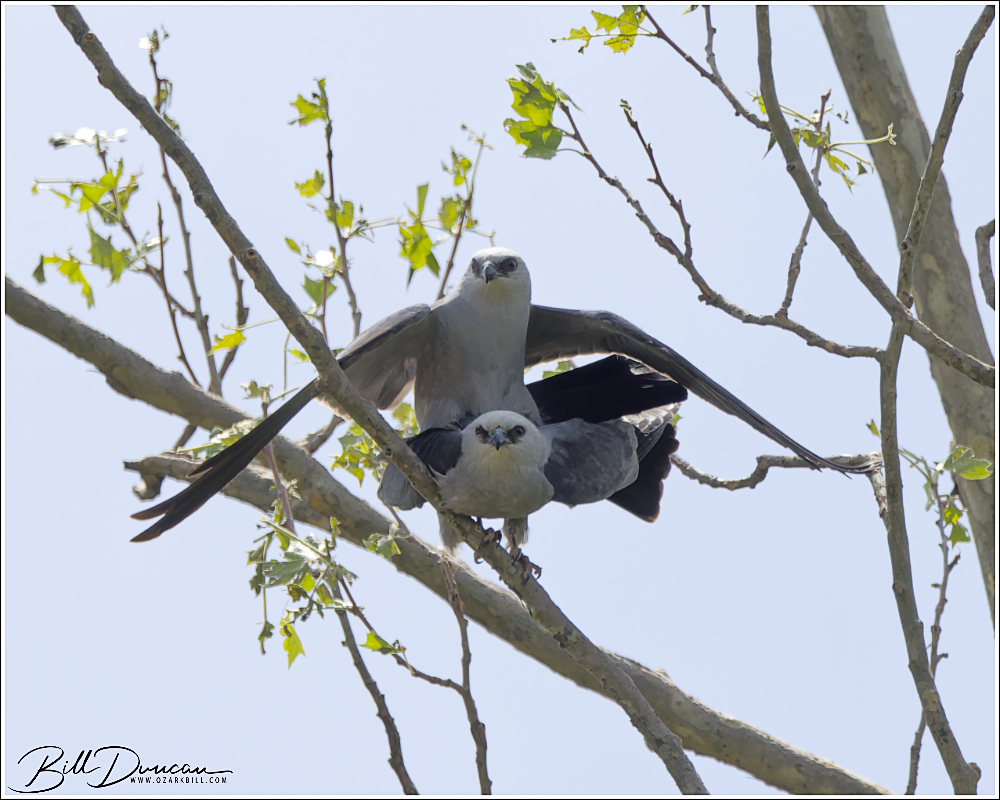
Here are a couple from a birding hike that Miguel and I took along the Lost Valley Trail at Weldon Springs Conservation Area back in May. The light was harsh but the story unforgettable. We watched this adult pair take turns perching and soaring above the treetops. Eventual the female called in the male that resulted in a few matings. On the last one we watched, this juvenile came in to their tree to try and break it up. Eventually the male lost his patience and went after the juvenile. I’m not sure if this might be their chick from last year or an unrelated individual.

Mississippi Kites at Weldon Spring C.A.
Right before “dad” had to dish out some punishment

Eastern Kingbird Nest – Part 3

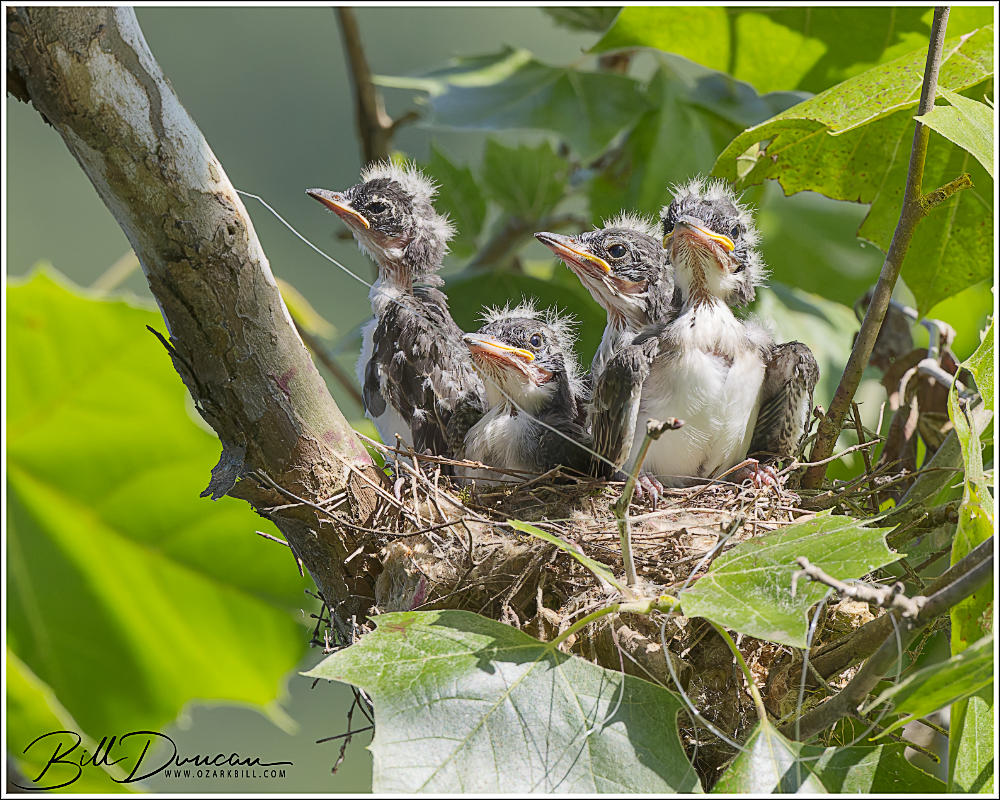
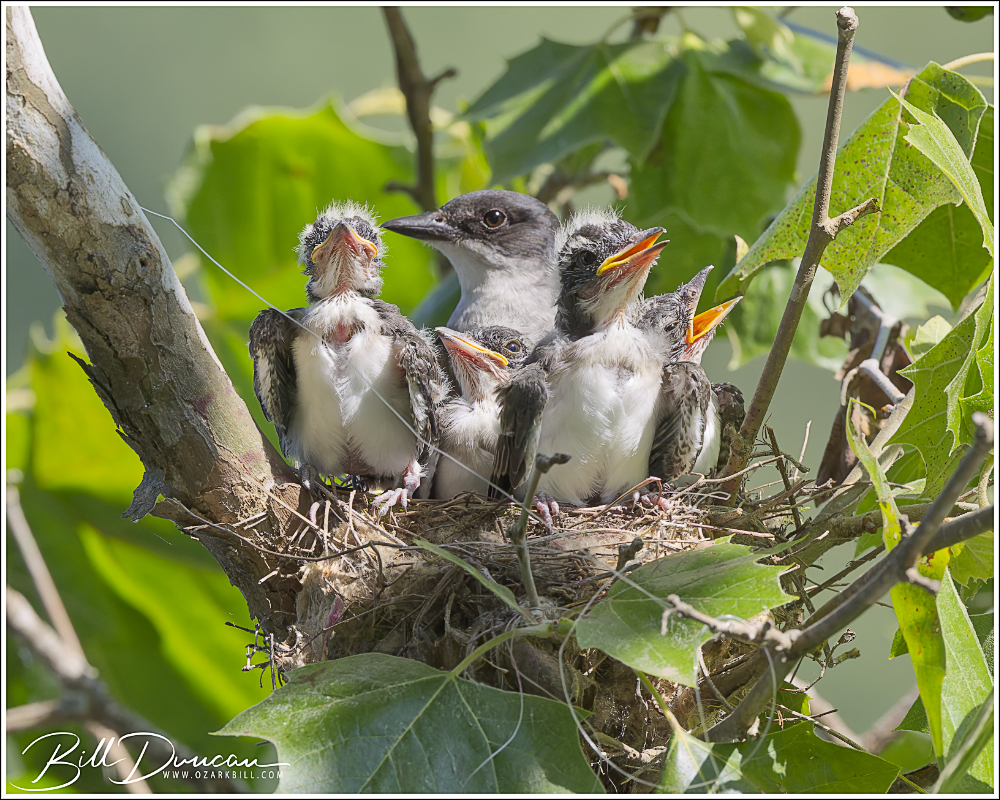
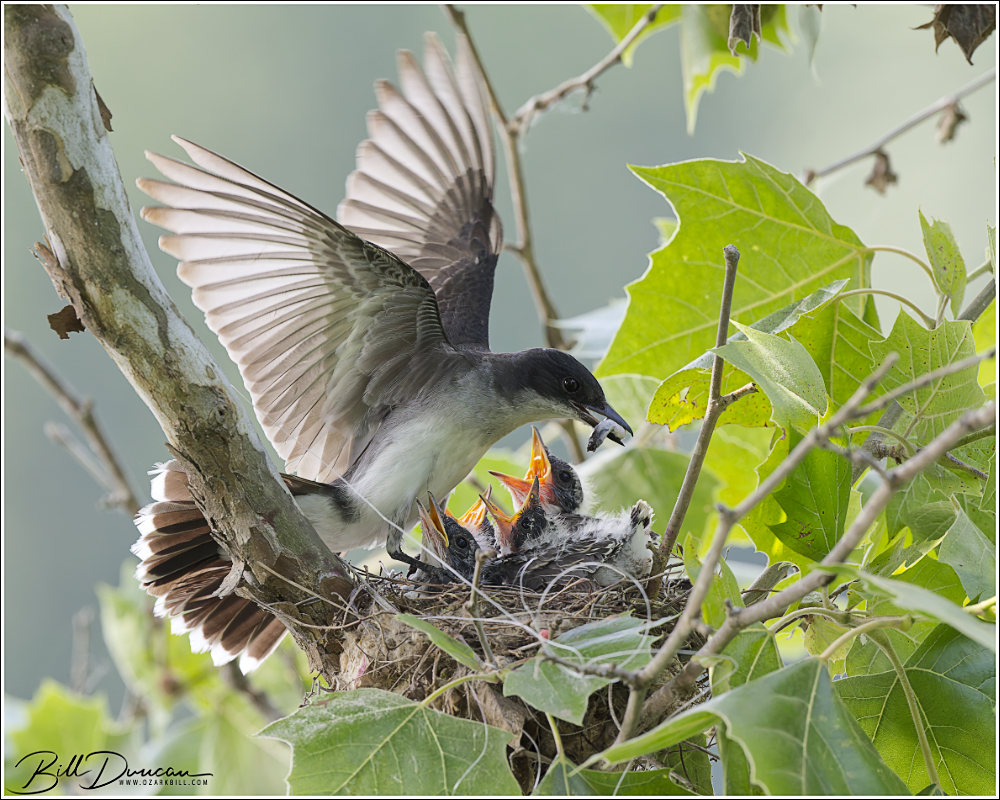
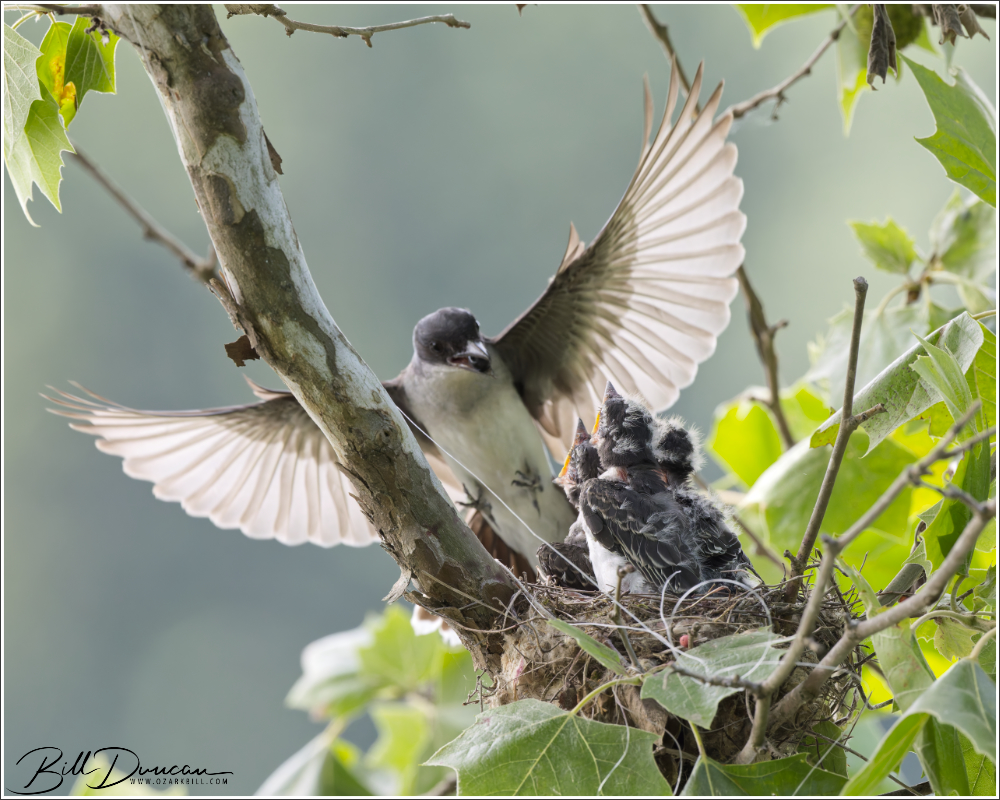
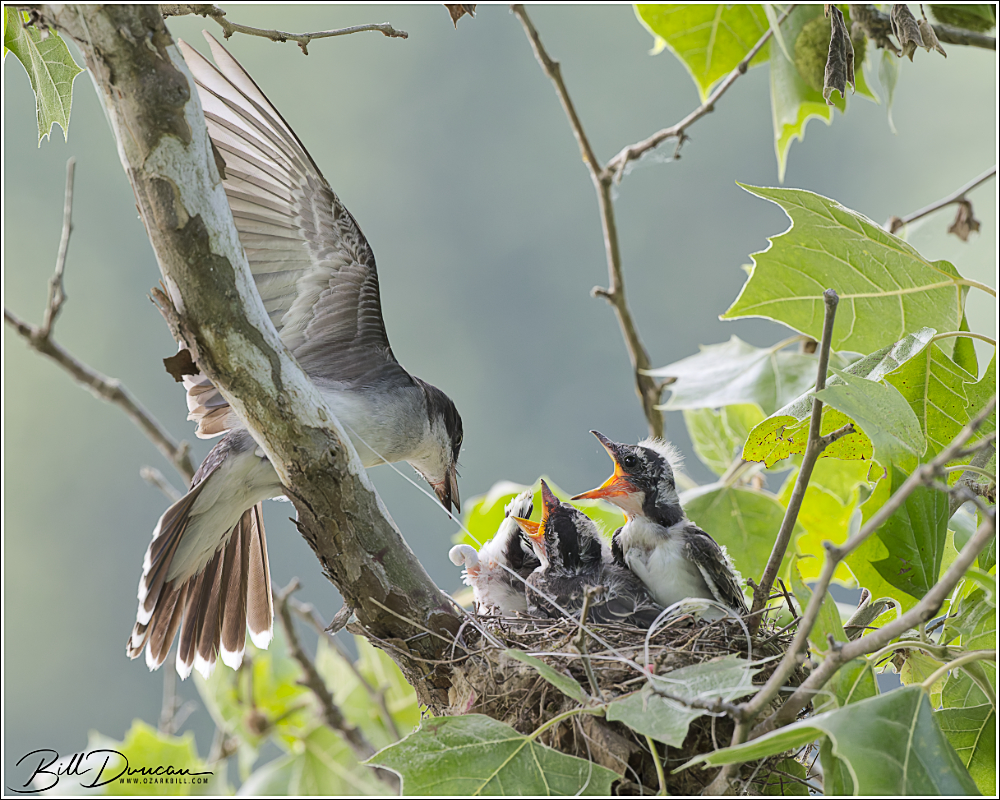
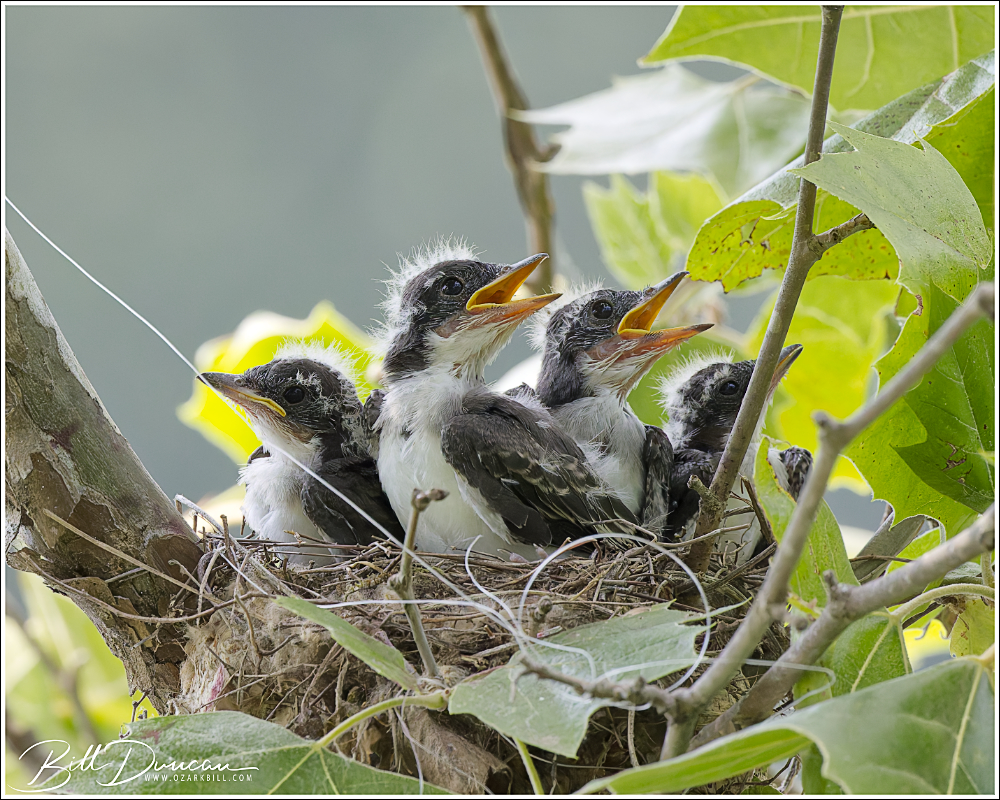
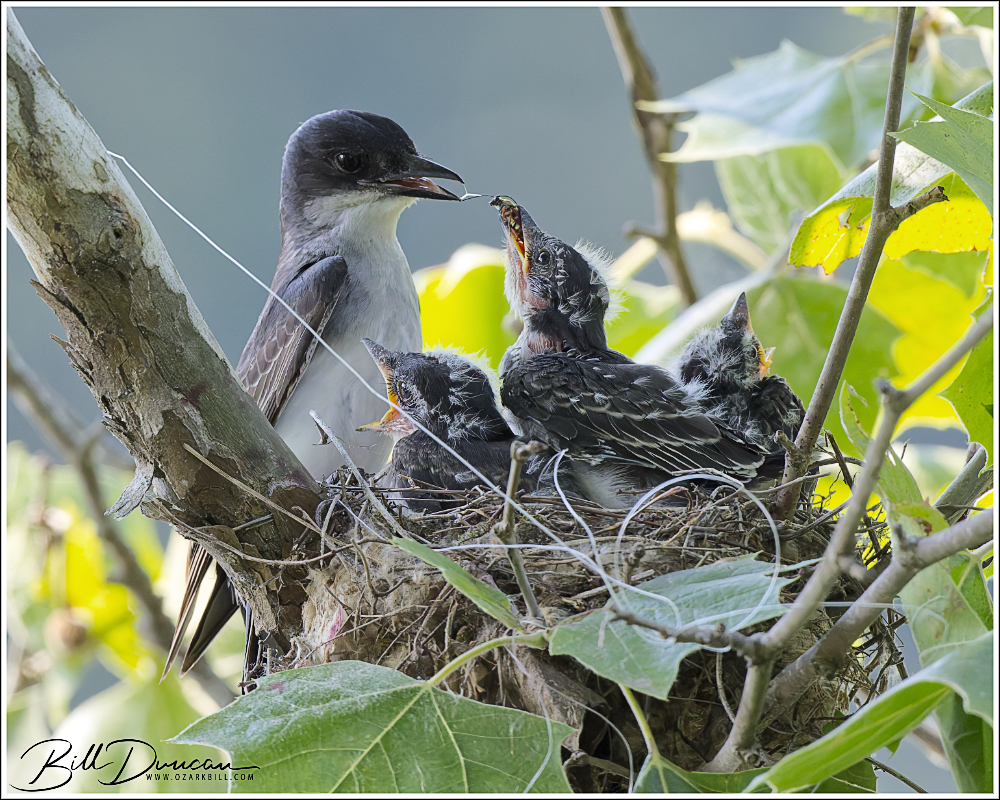
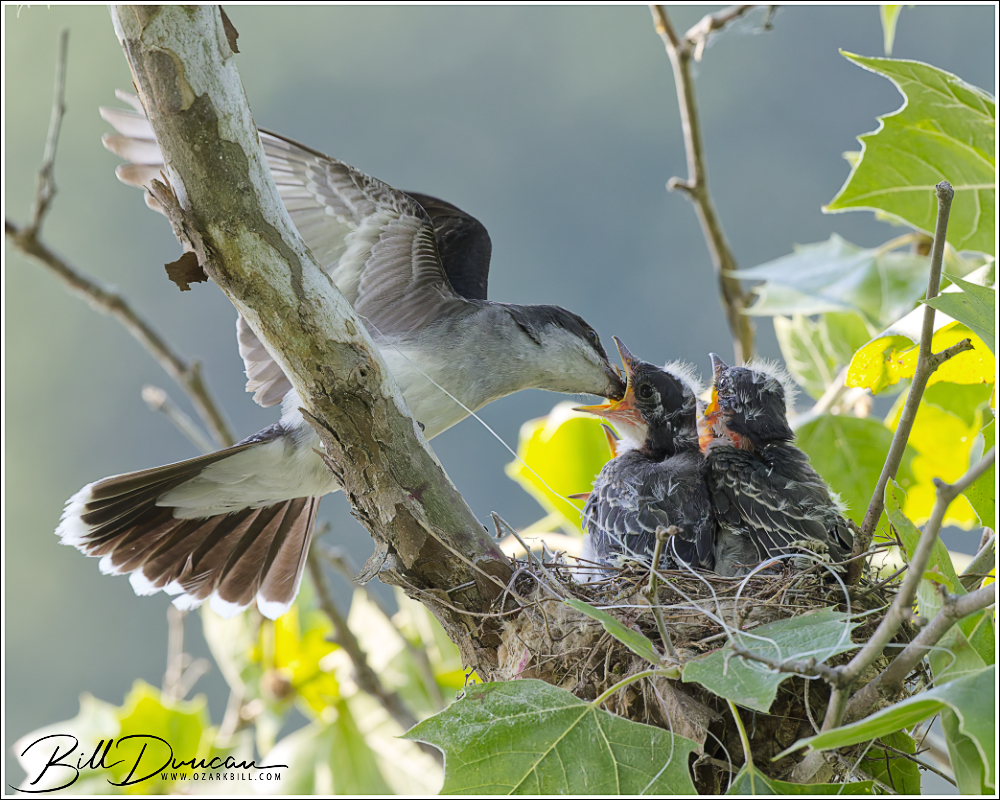
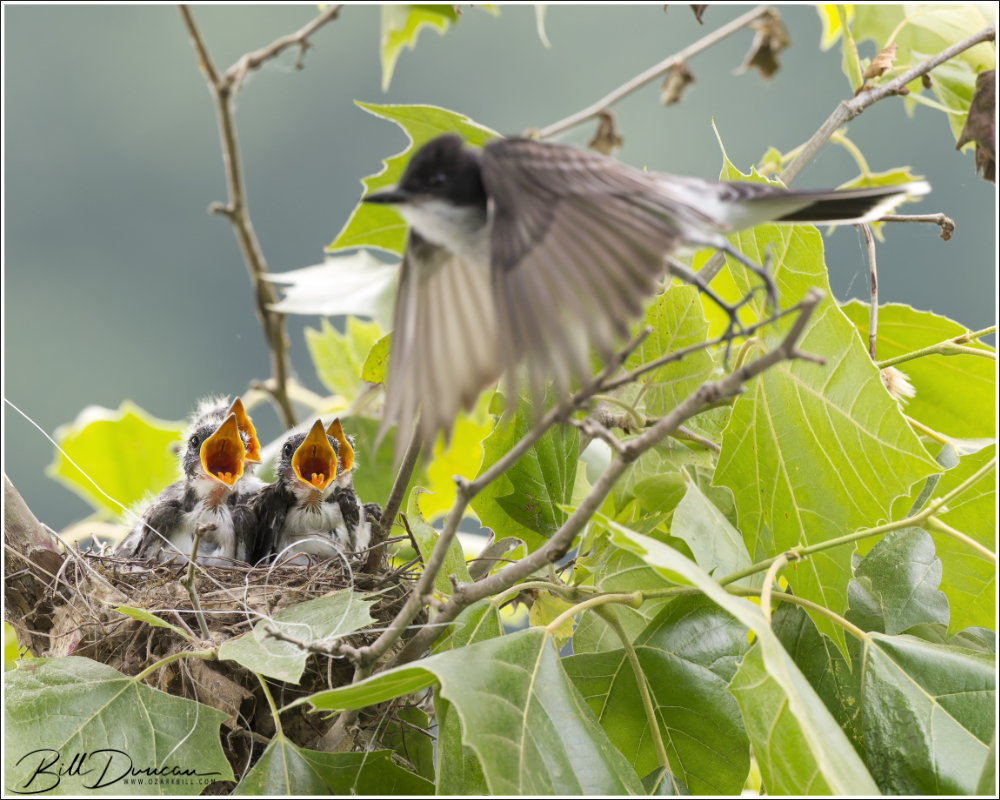
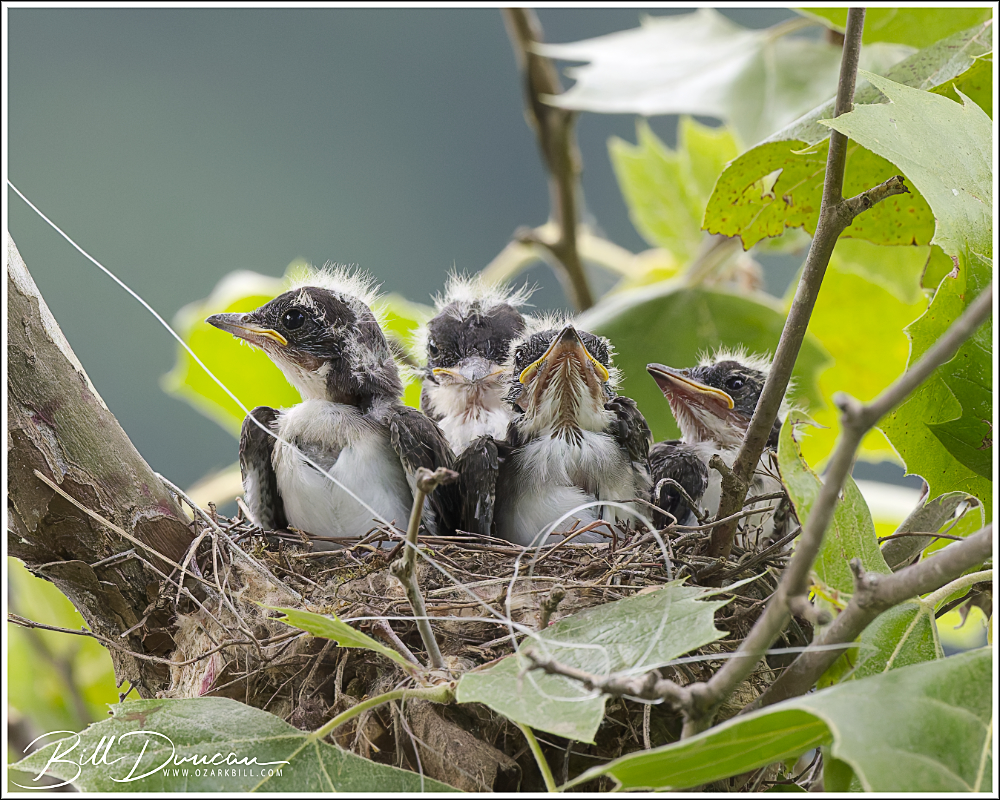
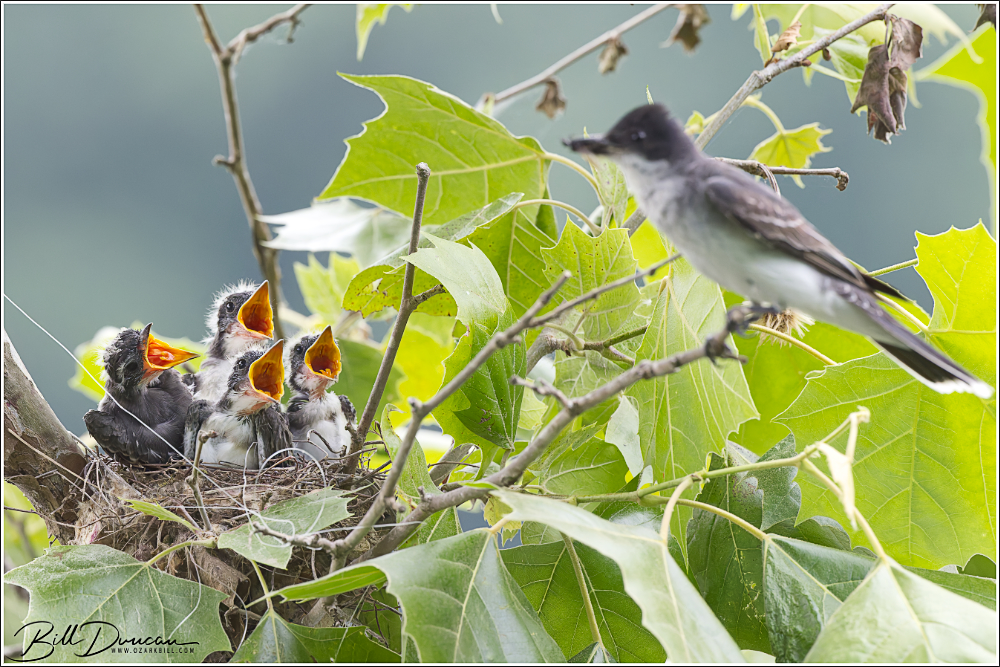
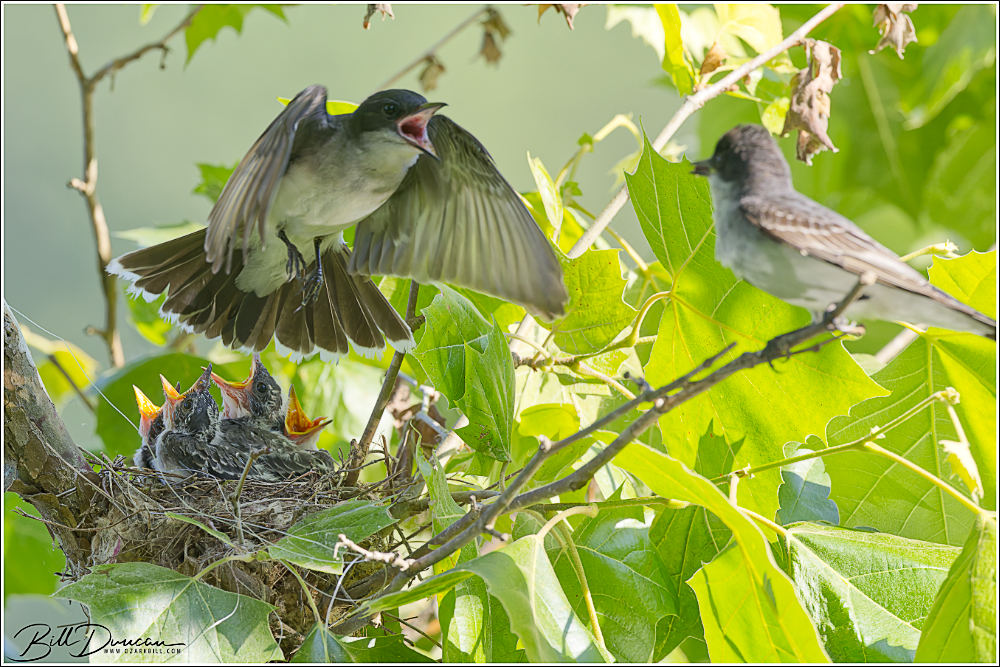
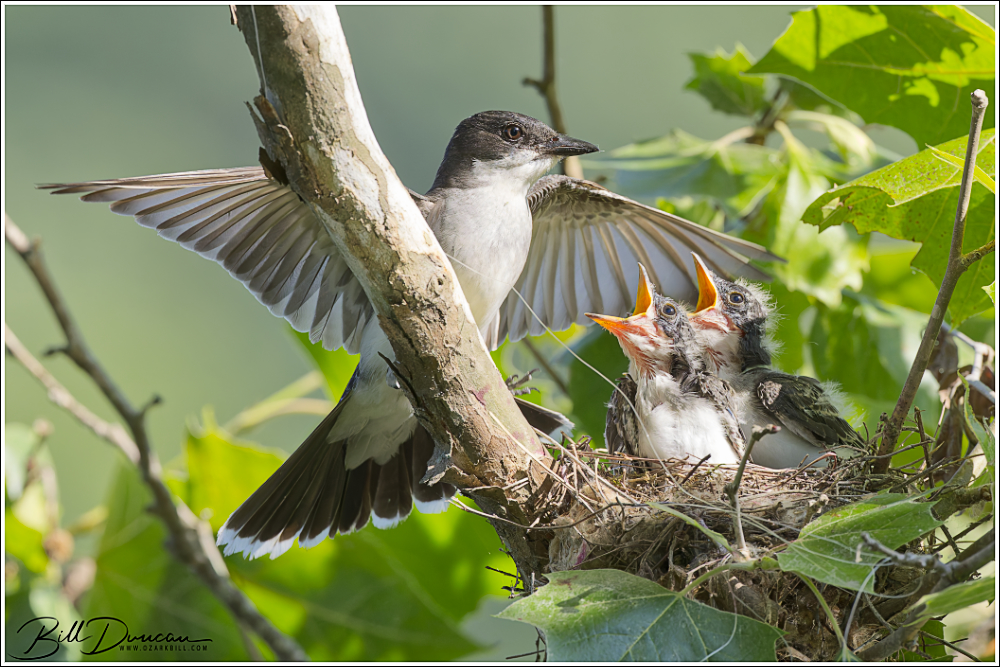
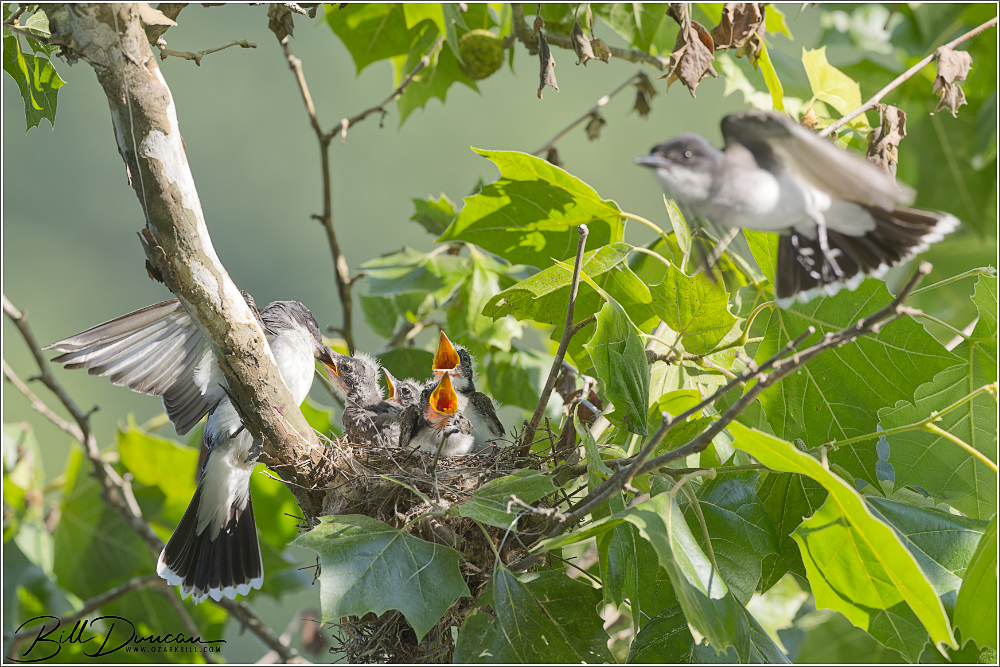
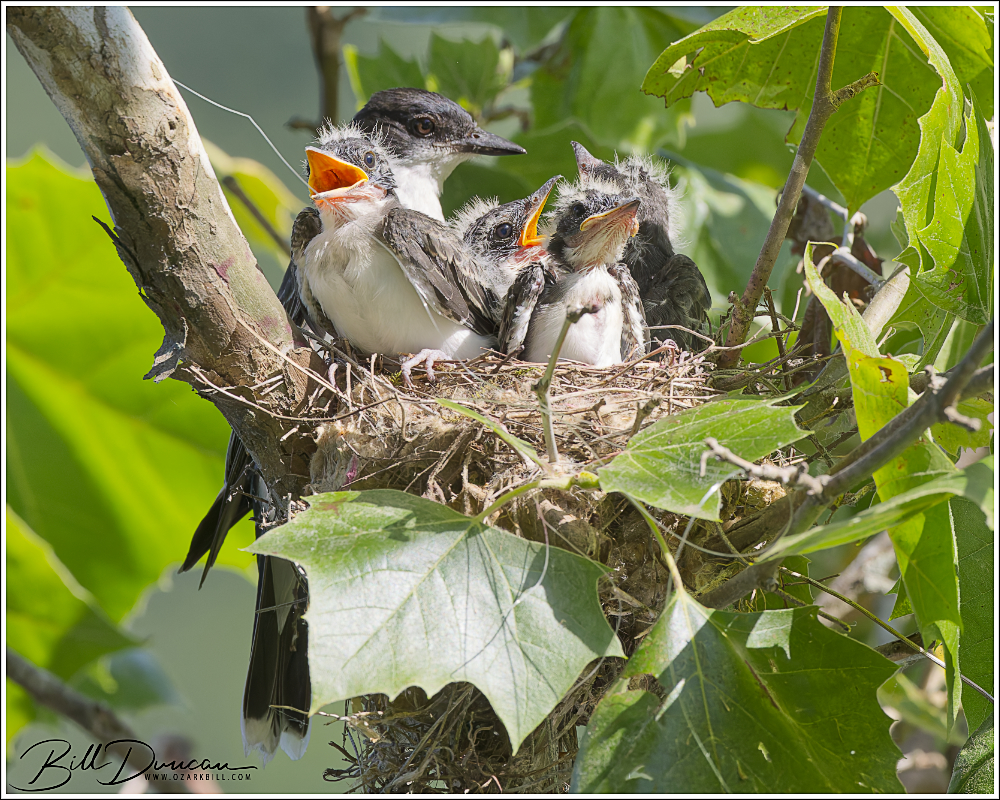
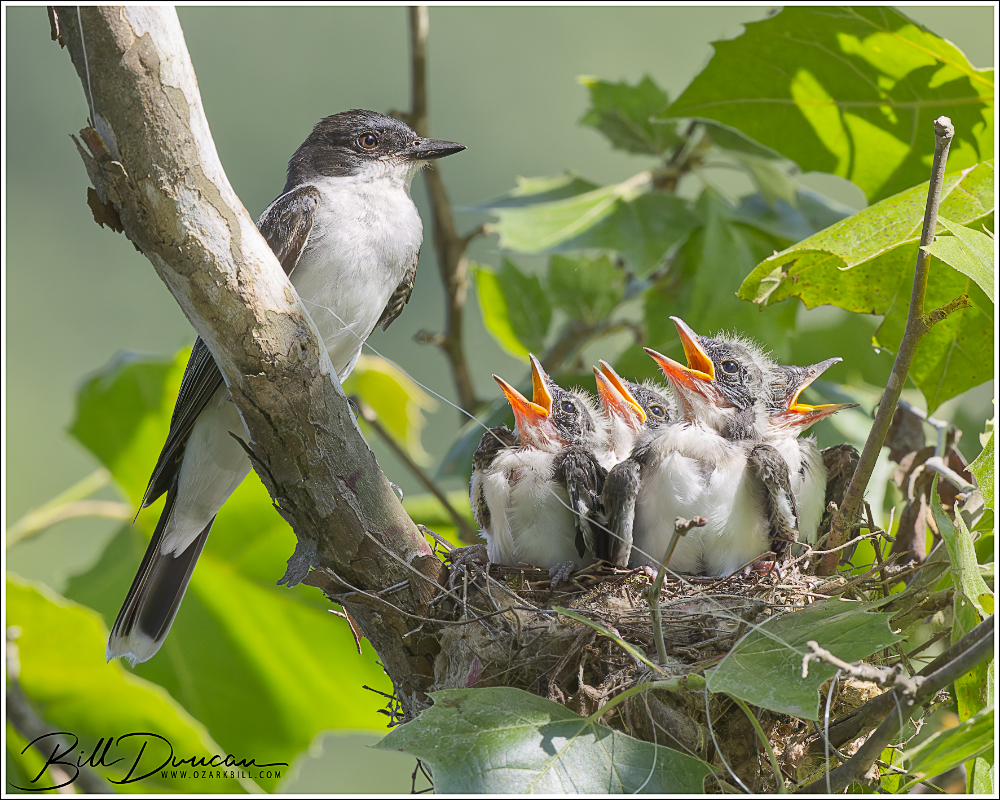
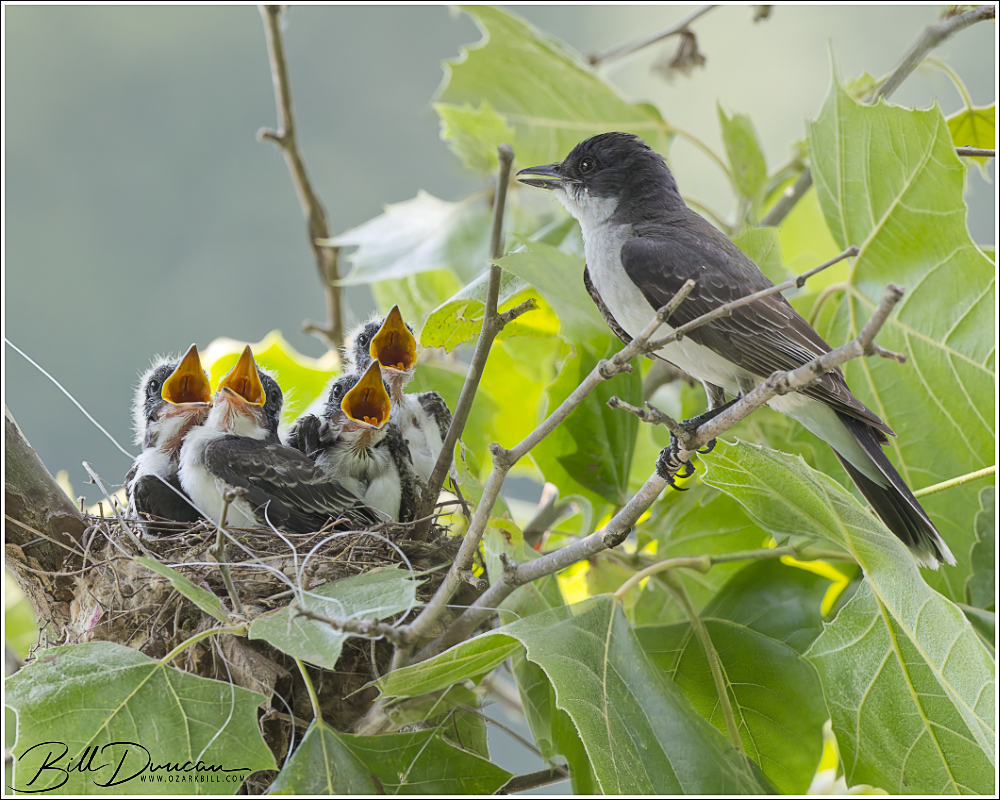
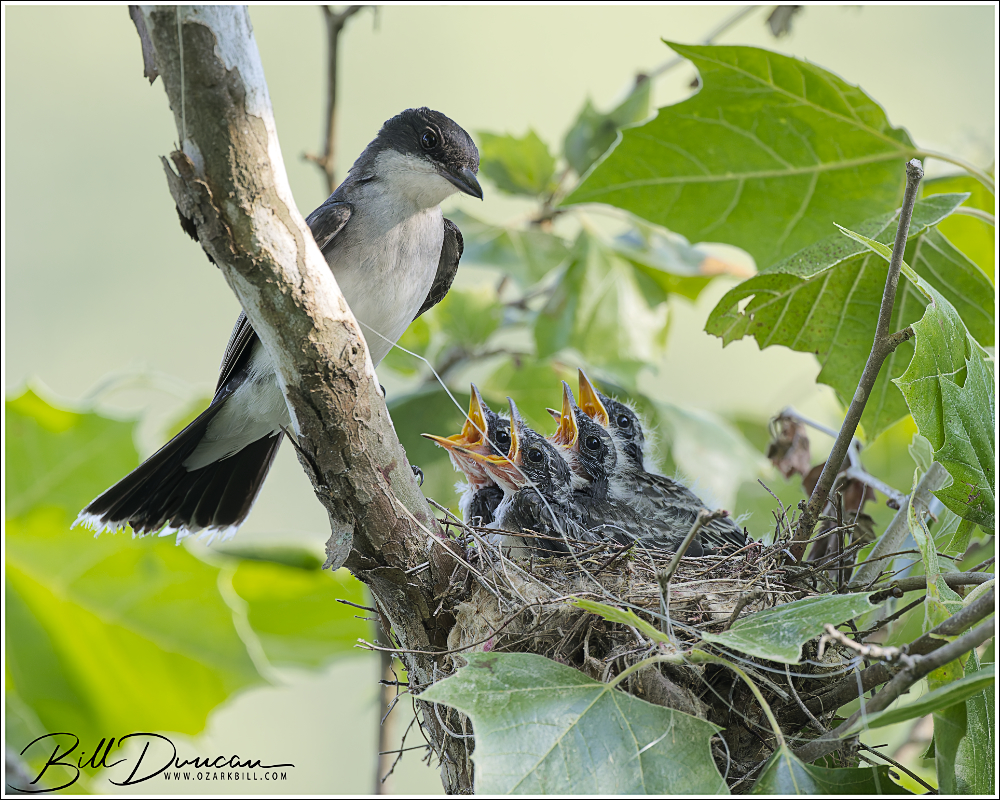
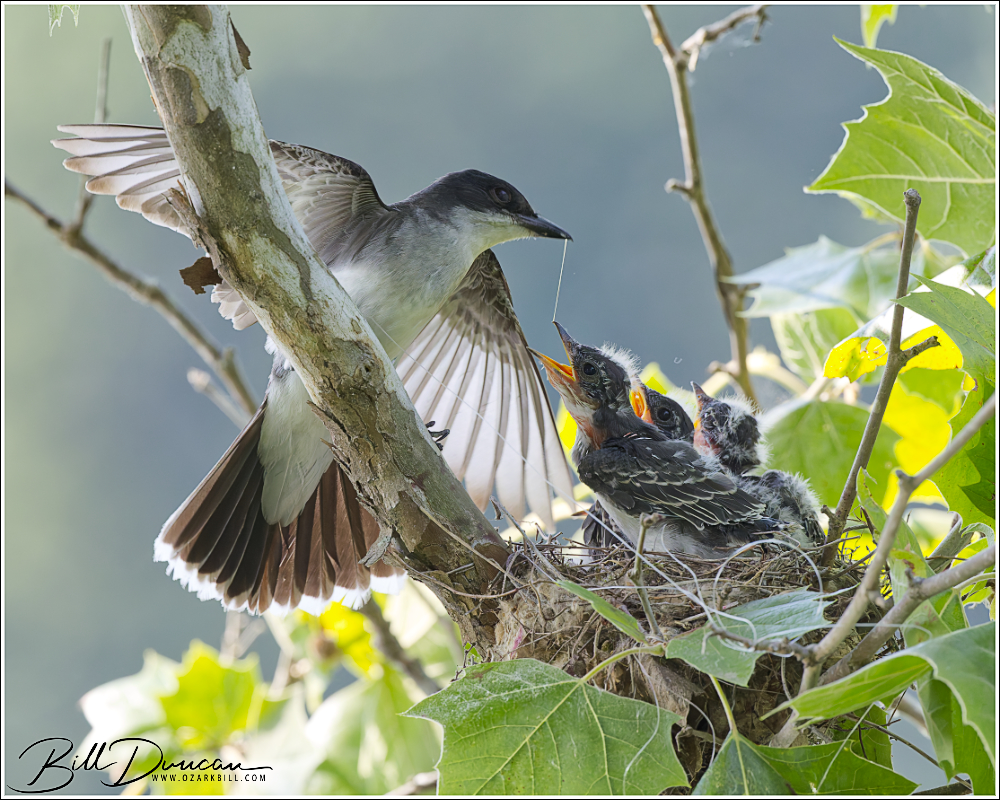
A few of my favorites of the Eastern Kingbird nest photographed at Logger’s Lake.

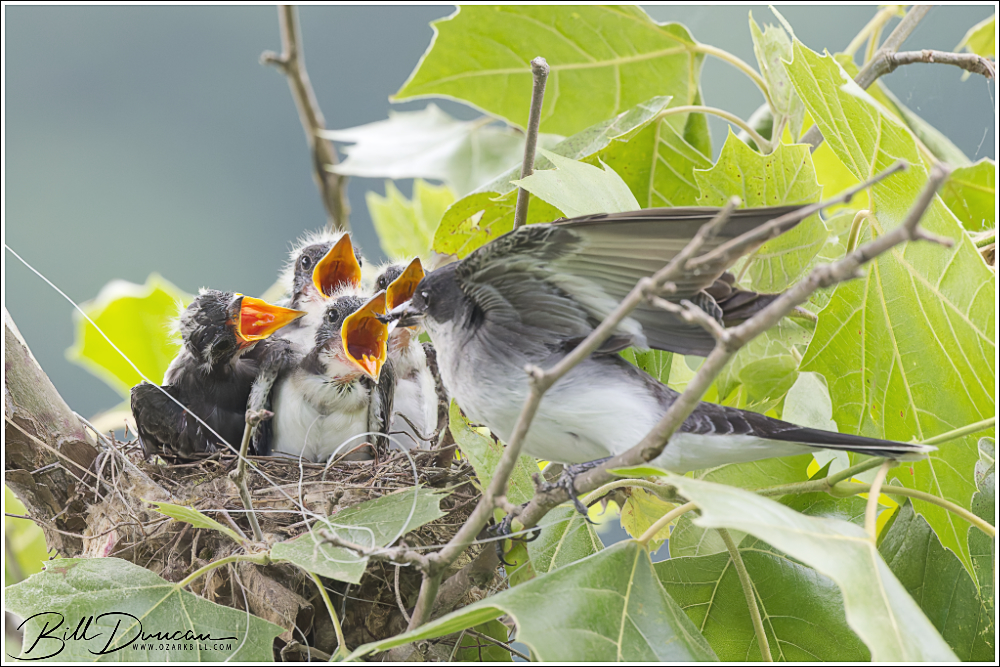
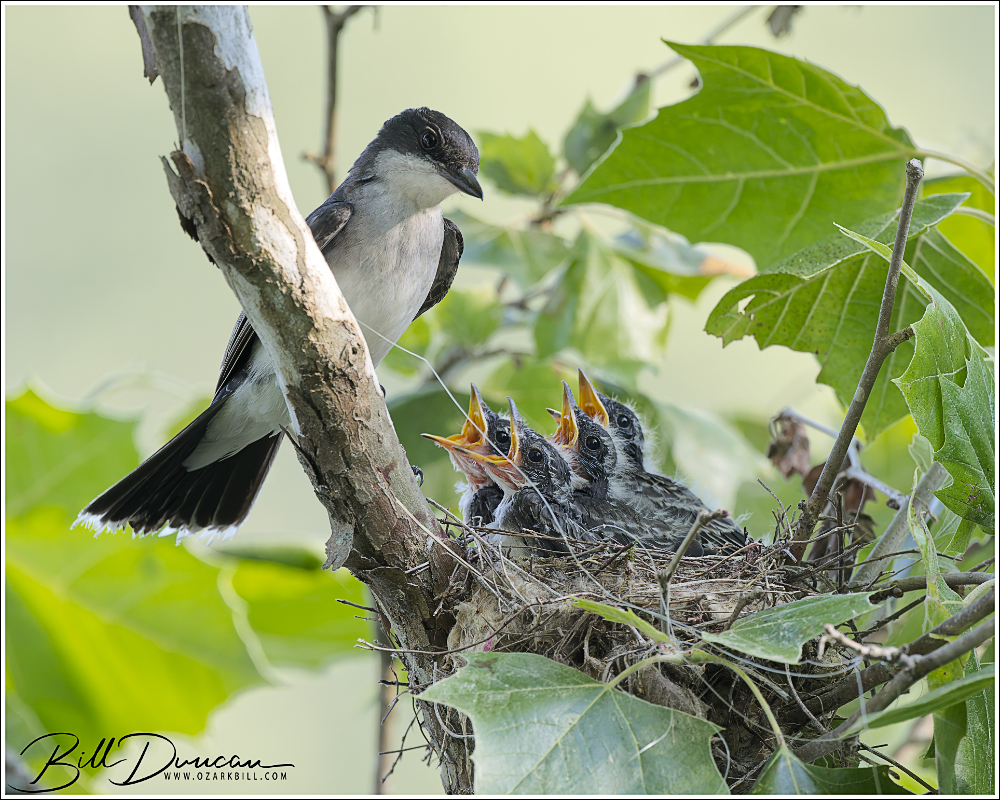
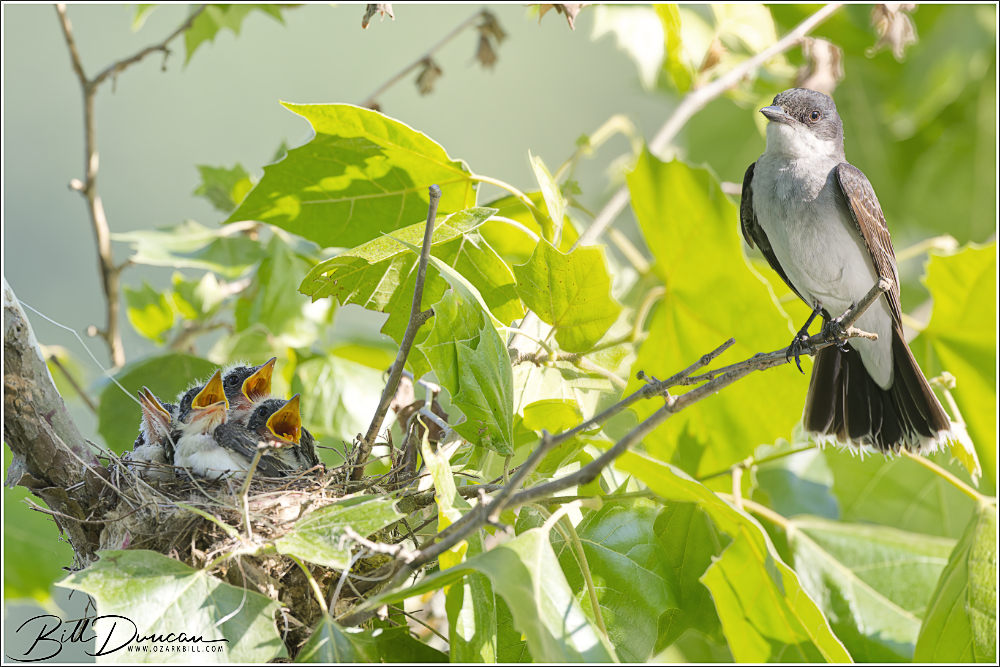
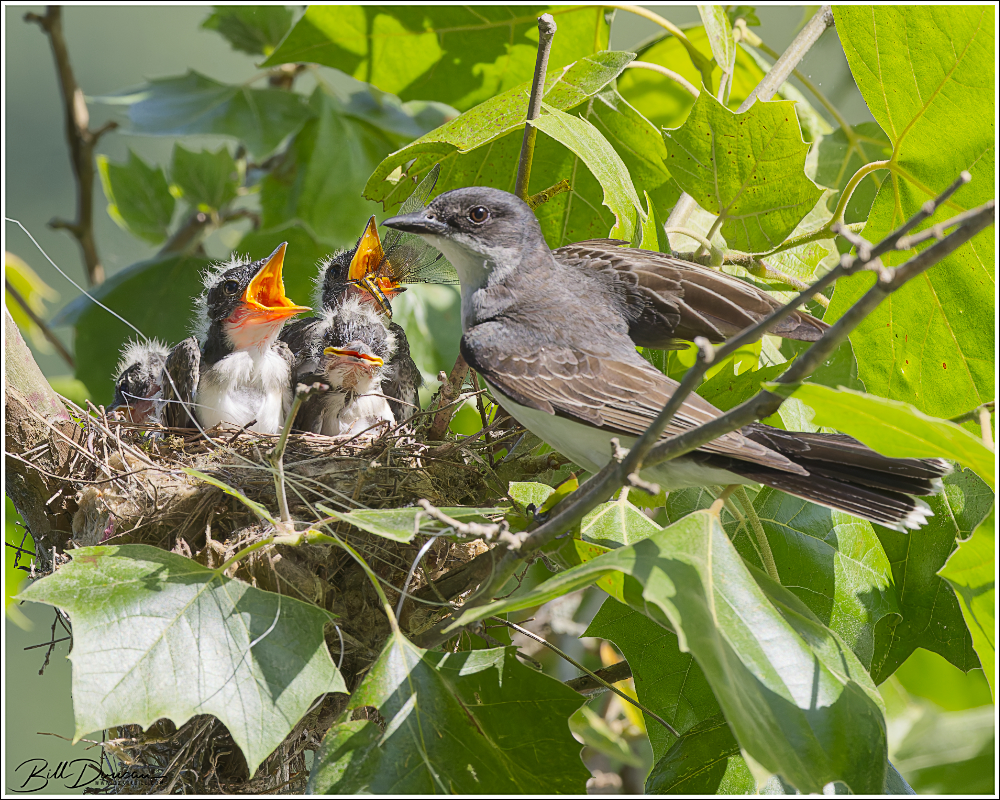
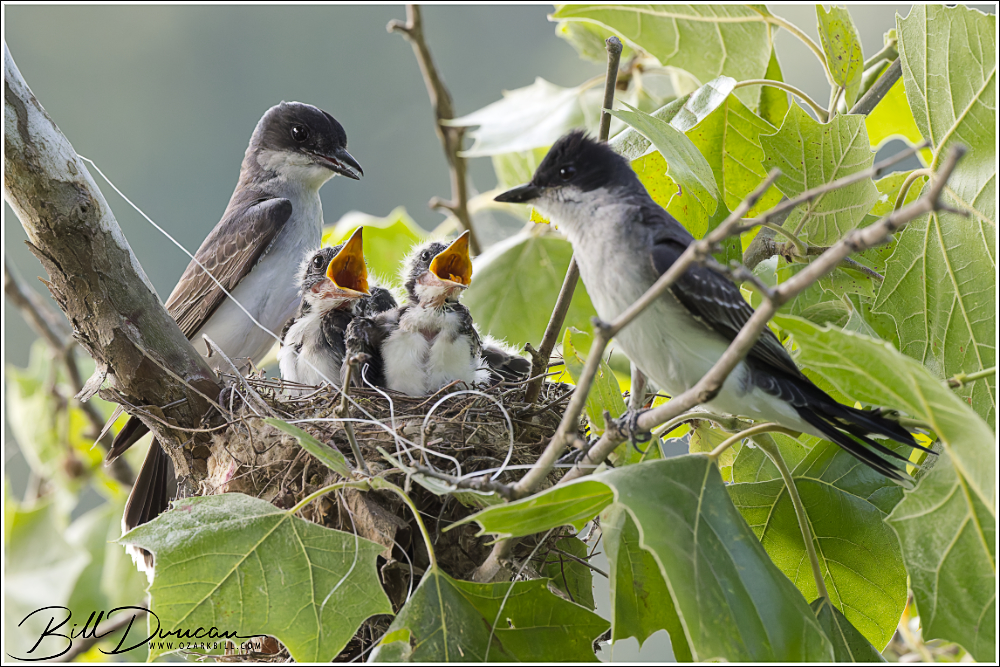
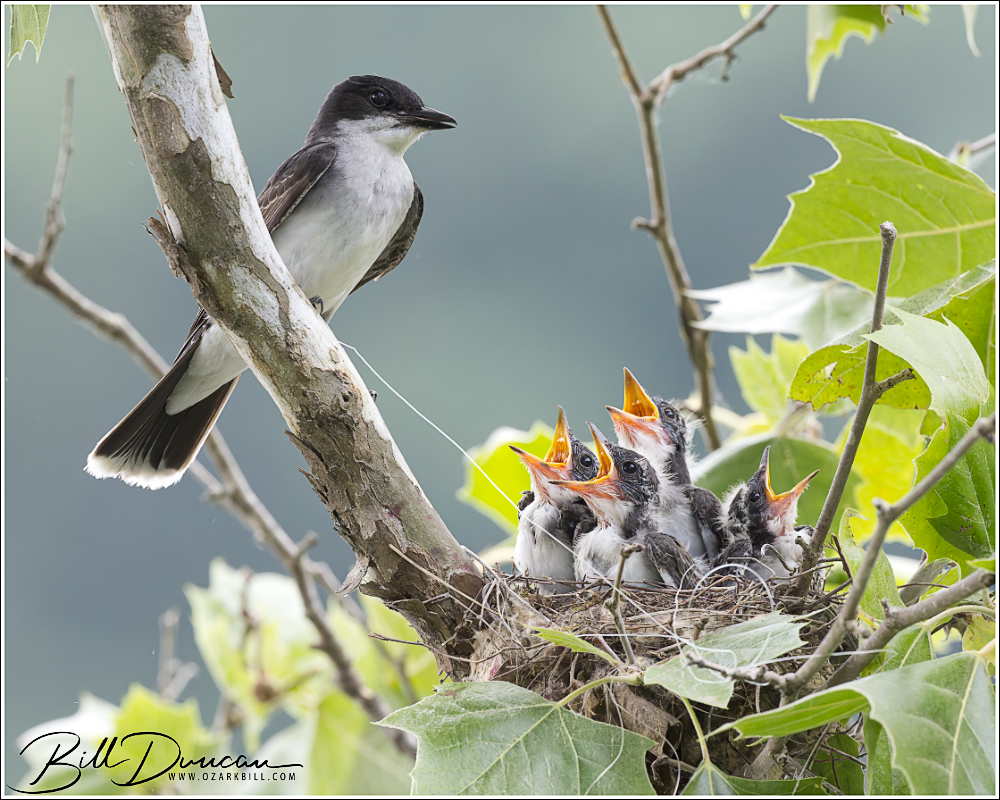
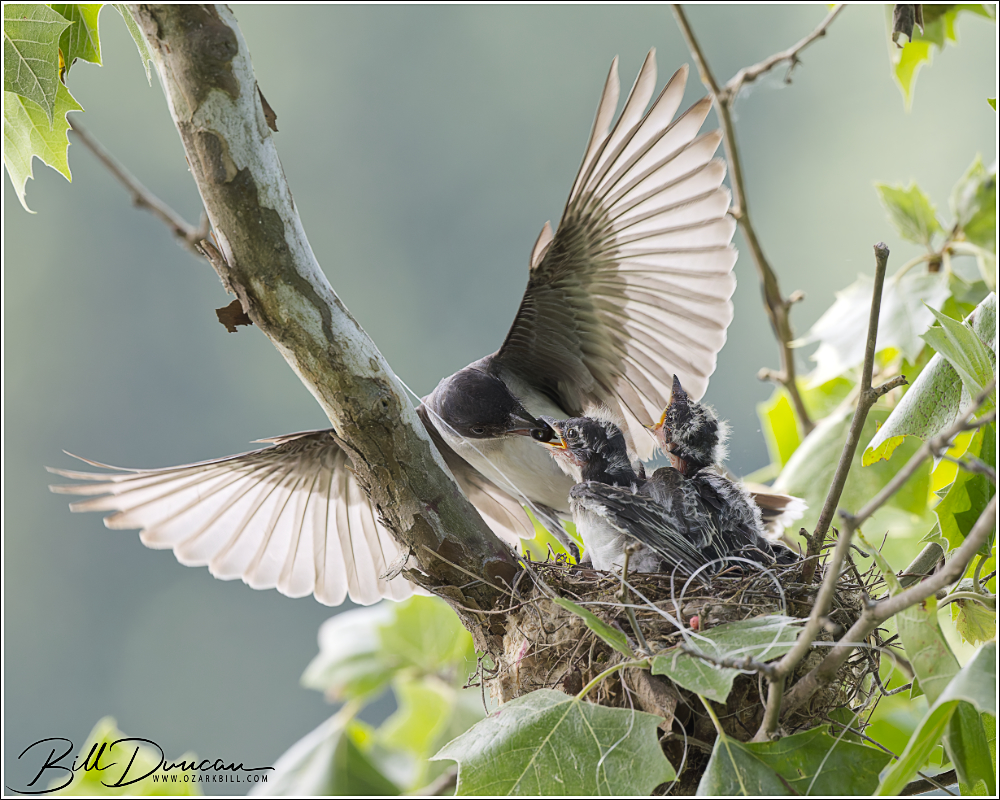
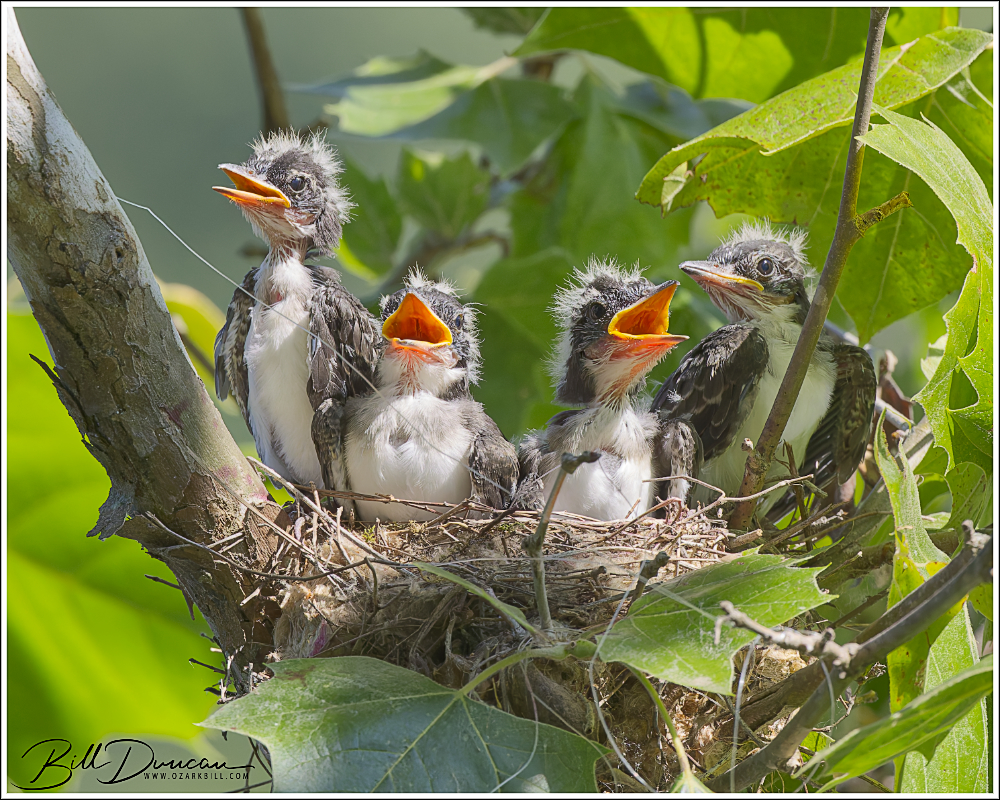
This first batch consists of the begging brood with a parent sitting nearby, usually just after delivering an insect. These guys never stopped their food response. If a parent was in sight, they were begging.

Immediately after dropping off a meal.
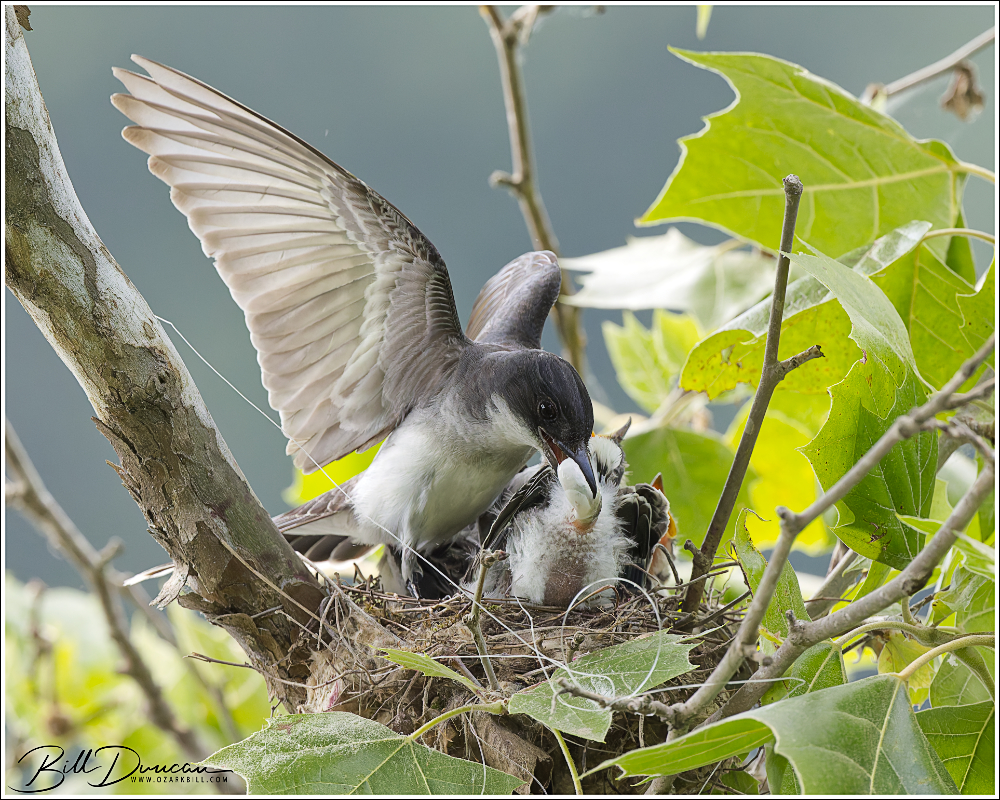
I was surprised to find that the parents would sometimes bring in berries to feed the brood. I do not know which species the berries came from.
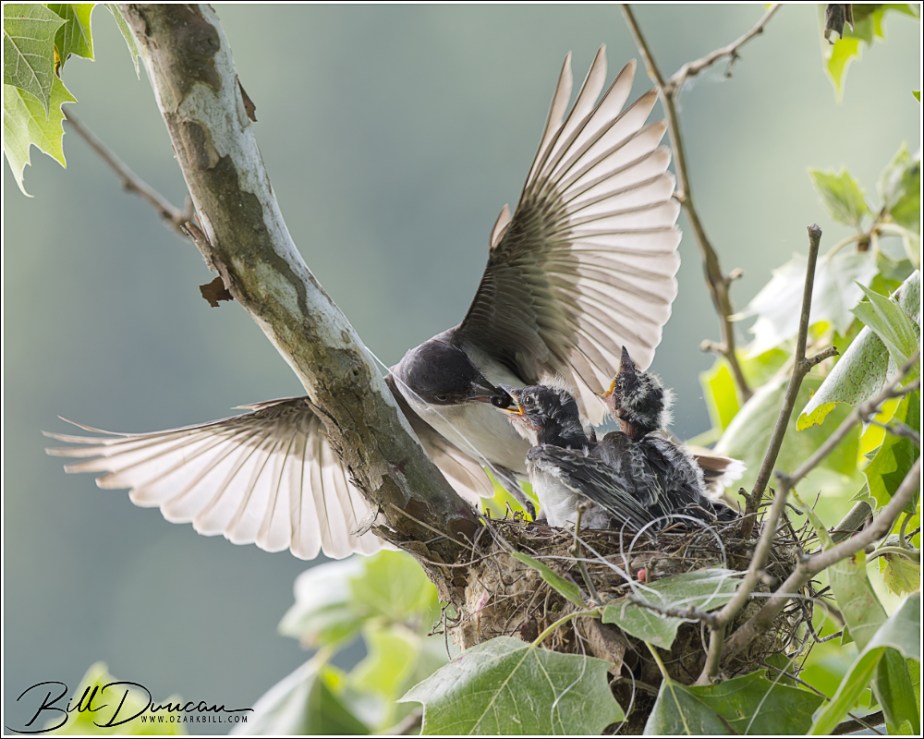
Just as automatic as the begging response, nearly every instance of a parent bringing a food item, one of the young would present the adult with a fecal pellet. The parent would usually wait and watch for this event and be ready to grab it as it was being eliminated. It then would take it away from the nest to be disposed, assumedly as part of a predator defense strategy.
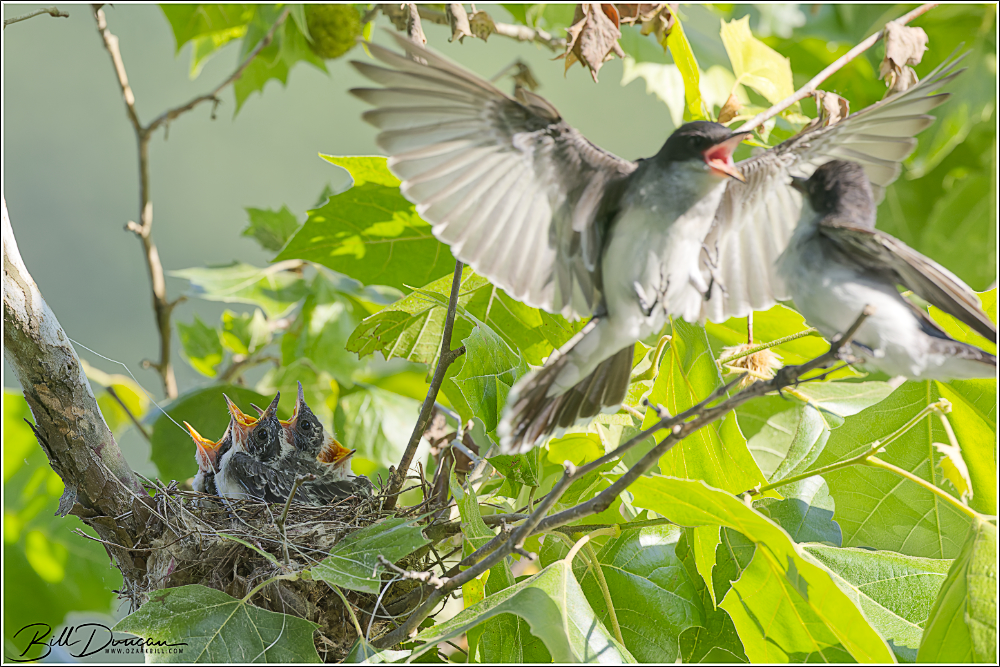
A parent decided to meet the other parent on its perch to take the prey item back to the nest itself.
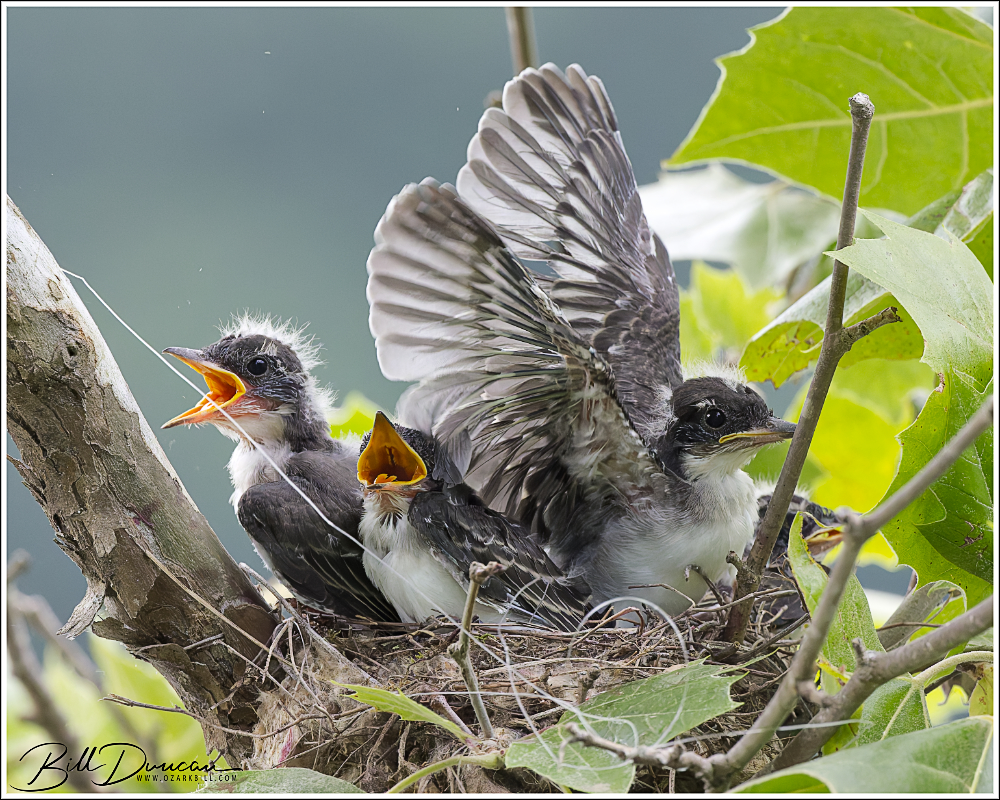
One of the chicks exercising its wings.
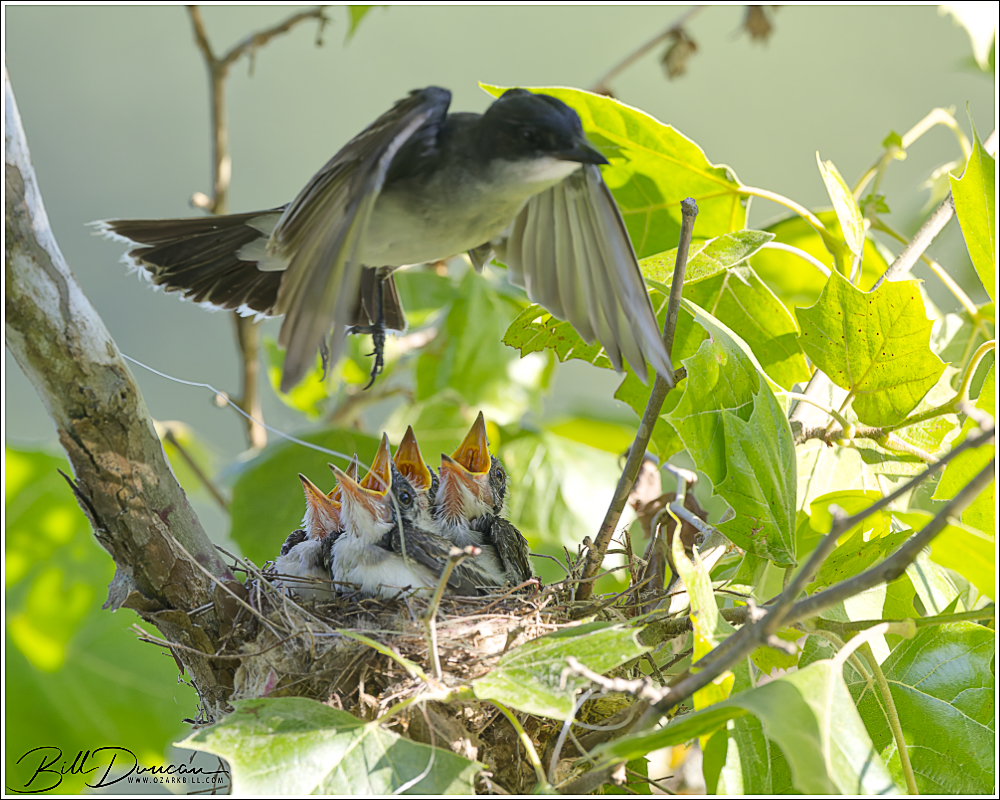
Here the chicks are gaping, not as a begging response to a parent bringing in food, but as a cooling method as the sun is in position to shine down directly on the nest.

Eastern Kingbird Nest – Bird Nest Entomology

It’s funny when I think of some of the interactions I’ve had with friends who are specialists. I remember multiple times when bringing up insects in the field with birders, that I would hear some form of the reply “they’re just food for the birds.” Alternatively, when on an insect outing, you’re lucky to have an entomologist lift their head from the ground to see or listen to an interesting or rare bird. And the botanists? Well, let’s just say they typically have a very specialized set of interests.

One of the things I love about spending lots of time watching and photographing bird’s nests is that, at least with good enough optics, you can often be fortunate to identify the food that the parents bring to feed their young. This sure beats killing a bird or causing them to regurgitate in order to identify their prey.

Being a tyrant flycatcher after all, these kingbirds do not typically bring in the caterpillars that are so often the main prey that passerines feed upon. Instead, the kingbirds prefer taking their prey on the wing, which means any arthropods that can fly. Here are a few images where I can get a good idea of the identification on the insect prey.

I’m no expert in identifying the Odonata, but dragonflies seemed to be a staple food source brought back to the nest. If you have a good idea on the identification of this one, please let me know.
A large dark bee. Potentially a Bombus?
A widow skimmer (Libellula luctuosa) goes down the hatch.
One of these lucky nestlings will soon be ingesting a very pretty snowberry clearwing moth (Hemaris diffinis).
While dragonflies seem to make up the bulk of the prey brought to the nest during the heat of the day, early morning and later evening prey seem to mostly consist of beetles. Here a parent holds a cerambycid beetle (Typocerus sp. prob. velutinus).
Here a parent brings in a rose chafer beetle (Macrodactylus sp., either M. subspinosus or M. angustatus).

I hope you enjoy seeing some of these nest photos. In the next couple of posts I will share more of these showcasing other behaviors.

-OZB
Eastern Kingbird Nest – Part One

A few weeks ago the WGNSS Entomology Group planned on an overnight camping trip to Logger’s Lake in Shannon County, MO. This was a first visit to this location for me and I was very impressed with the floral diversity and the potential for insect diversity as well. Our visit coincided with the June new moon, and with hopes of a typical warm and humid summer’s night, we had high hopes for some great blacklighting for nocturnal insects.

An Eastern Kingbird feeding its young

We knew the forecast called for about a 50% chance of rain, but we were hoping for a typical short summer shower, if we saw any precipitation at all. Unfortunately, shortly after my arrival around noon, it began raining and continued for the next five hours. Thankfully, it wasn’t a hard enough rain to keep us out of the field and we took a short and slow insect and botany hike along one of the two trails around the campground area. With the long soaking rain and the drop in temperature accompanying it, we were all in agreement that setting up the blacklight setups would not be worth the effort.

Typical with bird species that are not sexually dimorphic, both sexes of Eastern Kingbird help to provision their brood.

Around dawn the next morning, the skies really opened up and dumped on us for another hour or so. The area received so much rain that the small drainage creek that feeds into the lake, and that we had to cross to get into the campground, looked to be 3-4 feet above the road. So, we weren’t going to be leaving right away. After the rain stopped, everyone had a perfect camping breakfast, courtesy of Karen Bilgere, and then broke down our wet tents and other camping paraphernalia.

I tried to tell my disappointed bug enthusiast friends about “bird nest entomology.” I will share more about this in a future post. Here a parent waits with a dragonfly before heading to the nest to feed the brood.

Afterwards, while taking a stroll around the lake margin, fortune finally smiled upon us, or at least, especially me. We found a perfectly placed Eastern Kingbird nest! Located a few feet above the lake’s surface, the nest afforded wonderful views of the chicks. Additionally, the parents were well used to people at this well-visited campground and did not have a care in the world at the eight or so humans who watched near the lakeshore. Thankfully I brought a bird lens and spent the better part of the next hour watching the busy parents come and go while feeding the hungry brood of four chicks who seemed to never get enough. Then, of course, the skies grew dark and opened up once again. In what seemed less than two minutes, everyone was in their cars and heading back to town.

A dragonfly of this size is quite the meal for this young chick.
The last shot I took of the nest on this day. Within seconds of the literal sheet of rain that was coming at us from across the lake, mom showed up at the nest to be a rain guard.

These were the photos I took on the first day I spent at the nest. This was such a great opportunity and location that the following weekend I drove the nearly three-hours back to do it again. I’ll share more of these in future posts.

Thanks for visiting!
-OZB