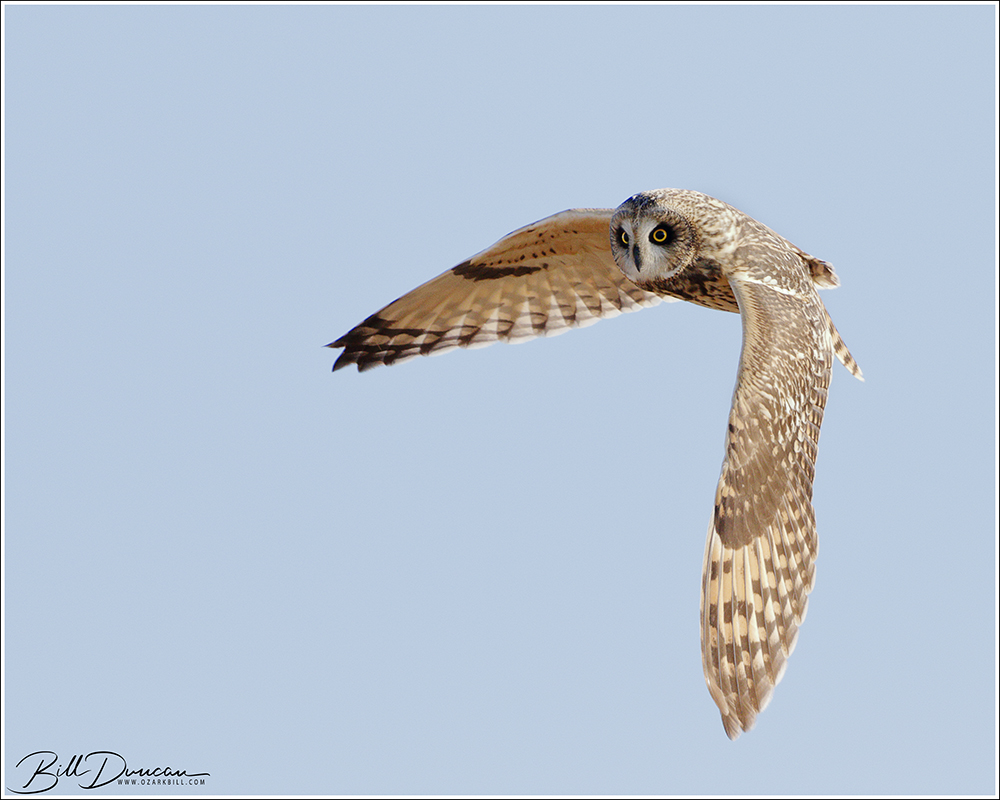
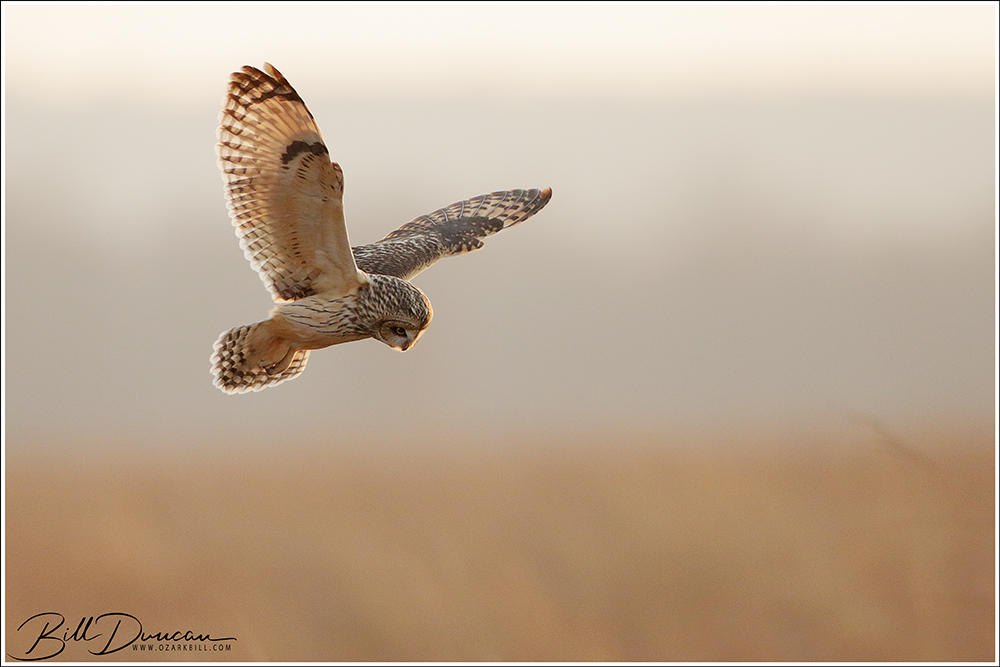
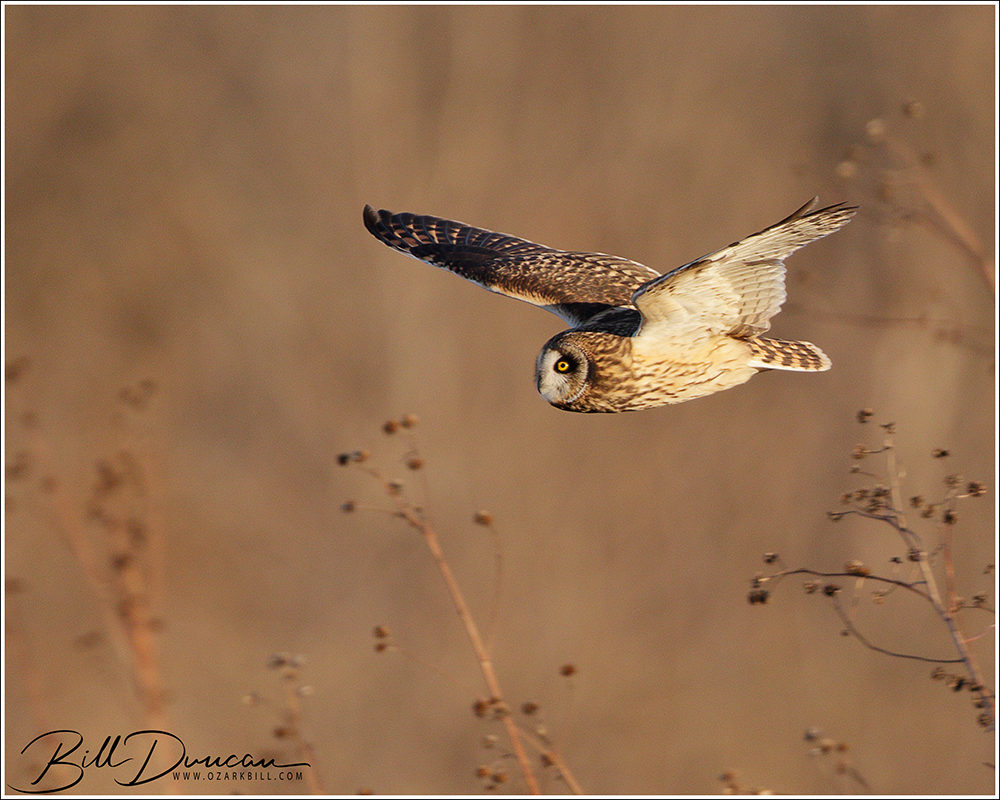
I processed a heap of these images. I might as well share them.
"What a thousand acres of Silphiums looked like when they tickled the bellies of the buffalo is a question never again to be answered, and perhaps not even asked." -Aldo Leopold
I processed a heap of these images. I might as well share them.
This series was actually from the winter of 20/21. I finally got around to turning these into a GIF. Hopefully John Grisham doesn’t sue me for copyright infringement… 😉

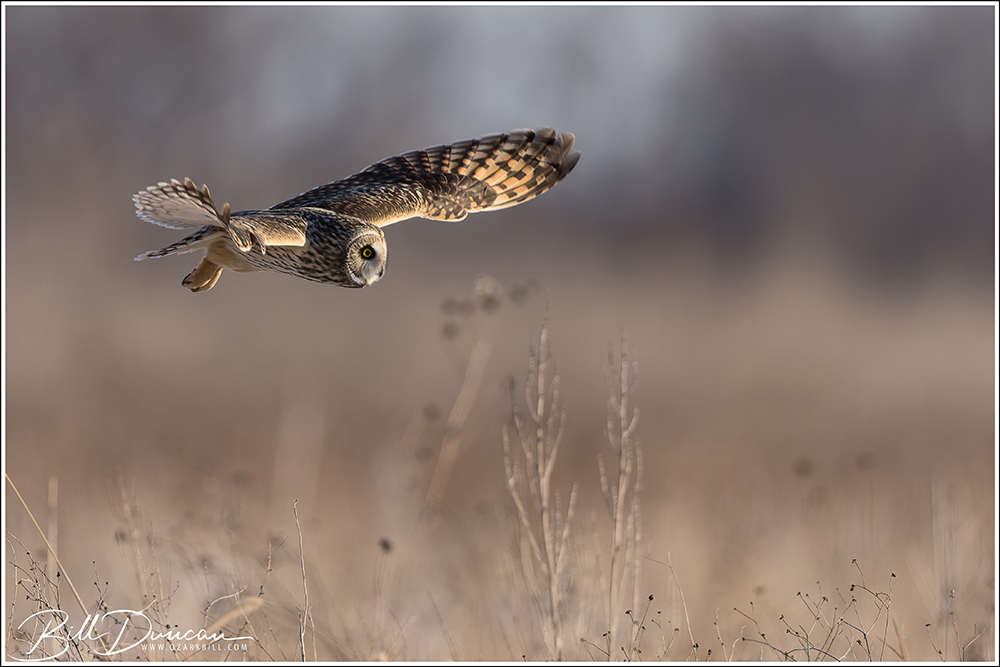
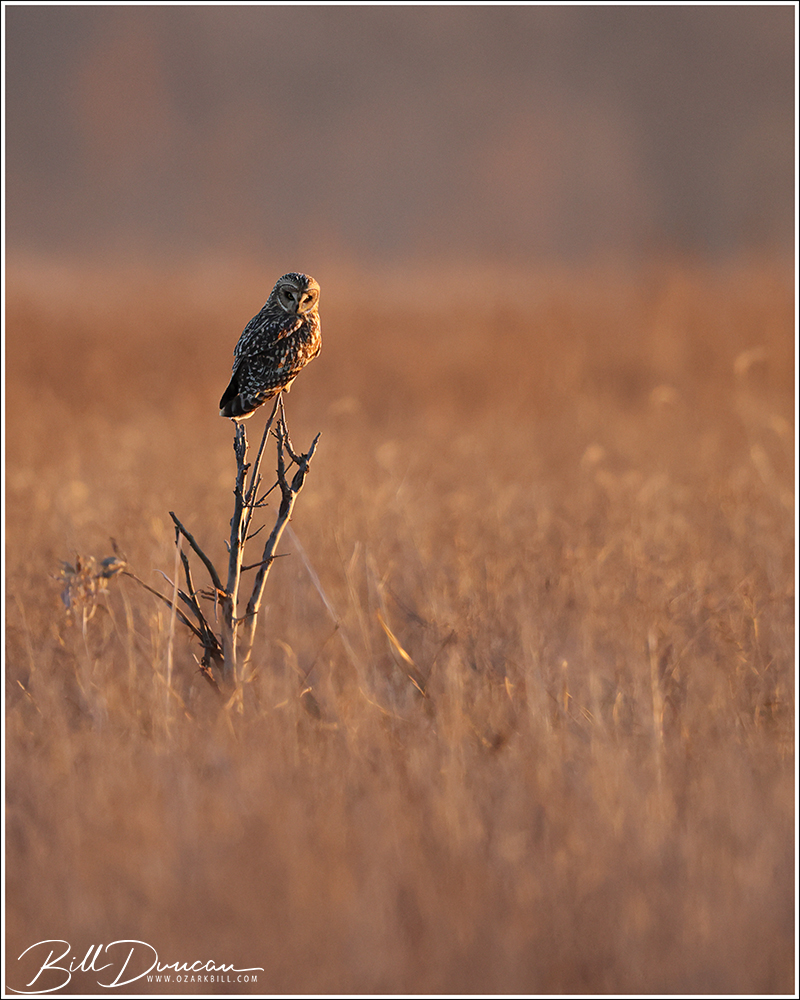
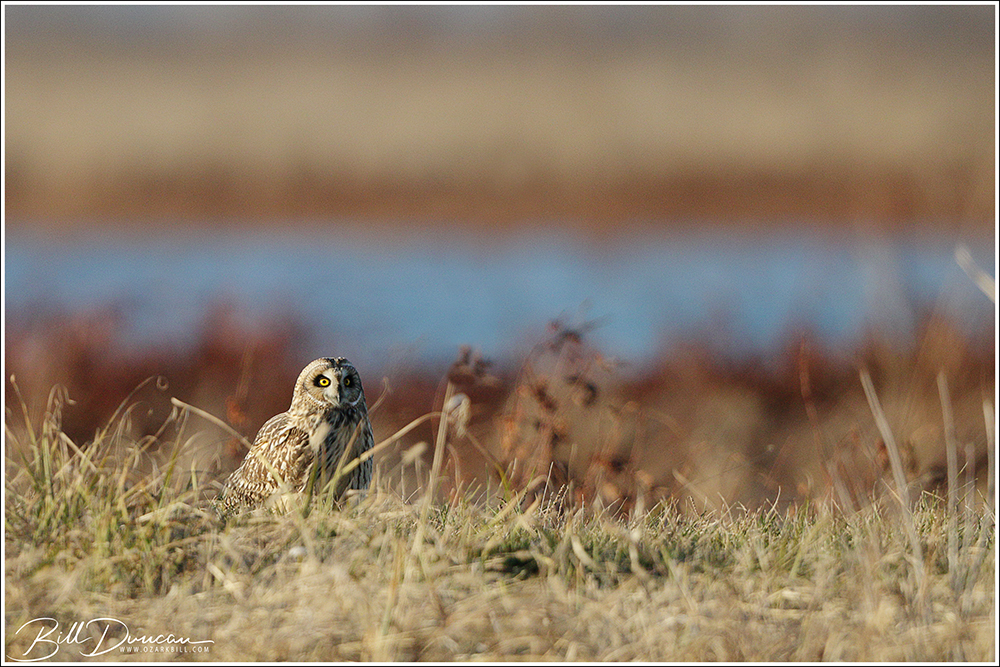
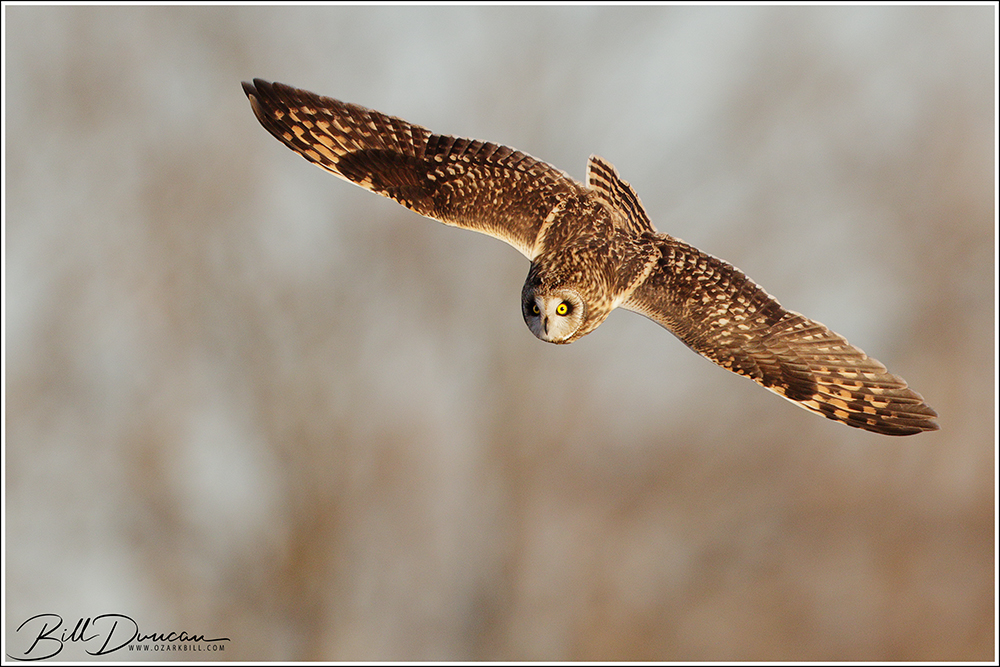
Another thing that makes Short-eared Owls so fascinating to observe is their vocalizations. These birds make sounds in a variety of ways. First, is their primary “hoot”. I have never heard this in person because this is primarily used by males in advertising for mates and establishing territories in the nesting season. You can, however, hear the barks and screams given by both males and females on their wintering grounds. The screams seem to be primarily given while in flight and the barks can be given in flight or while perched. I do not know the purposes of these two call types but will put this on my list to research. Another sound these birds deliver is the wing clap. This seems to be primarily used by males in their courtship flights and I have not observed this yet in Missouri.
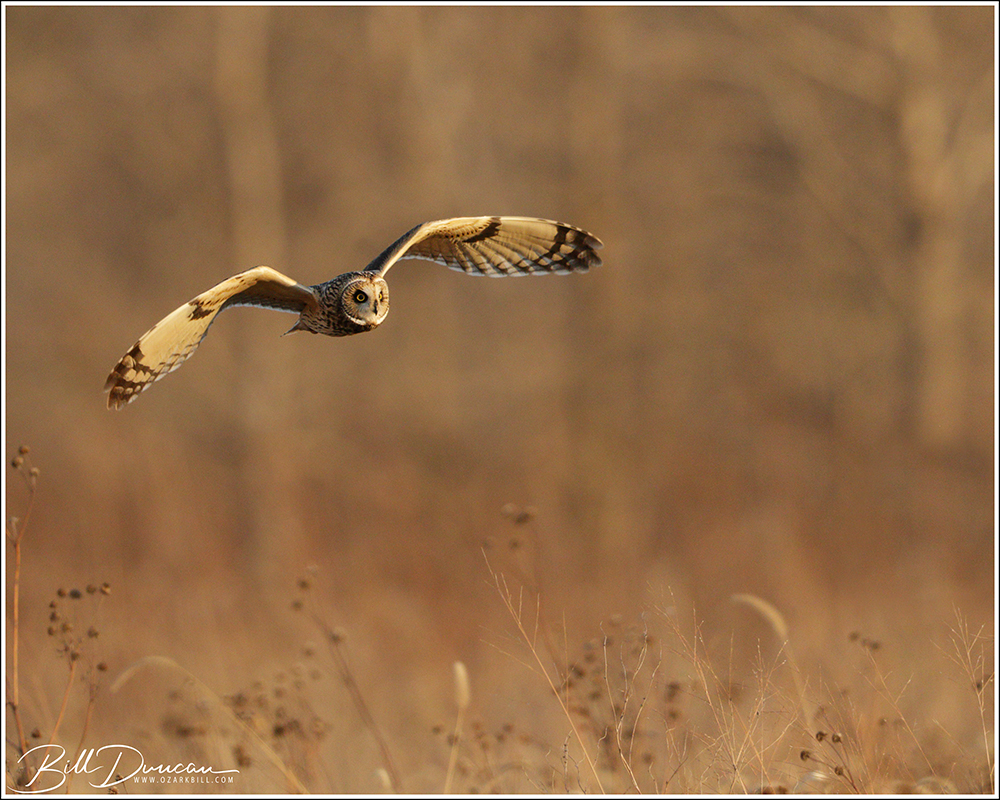
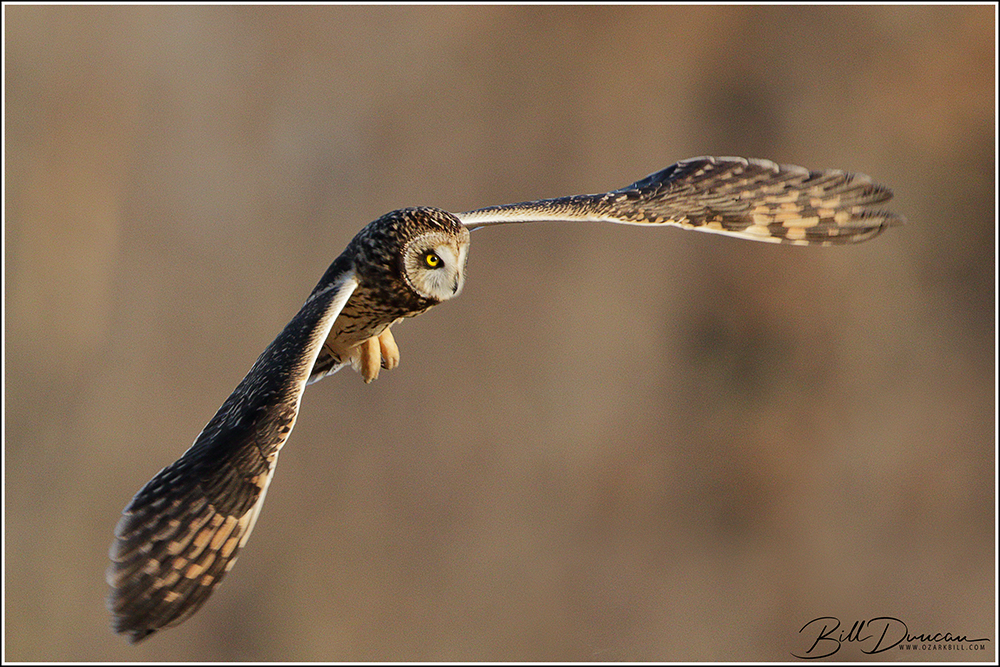
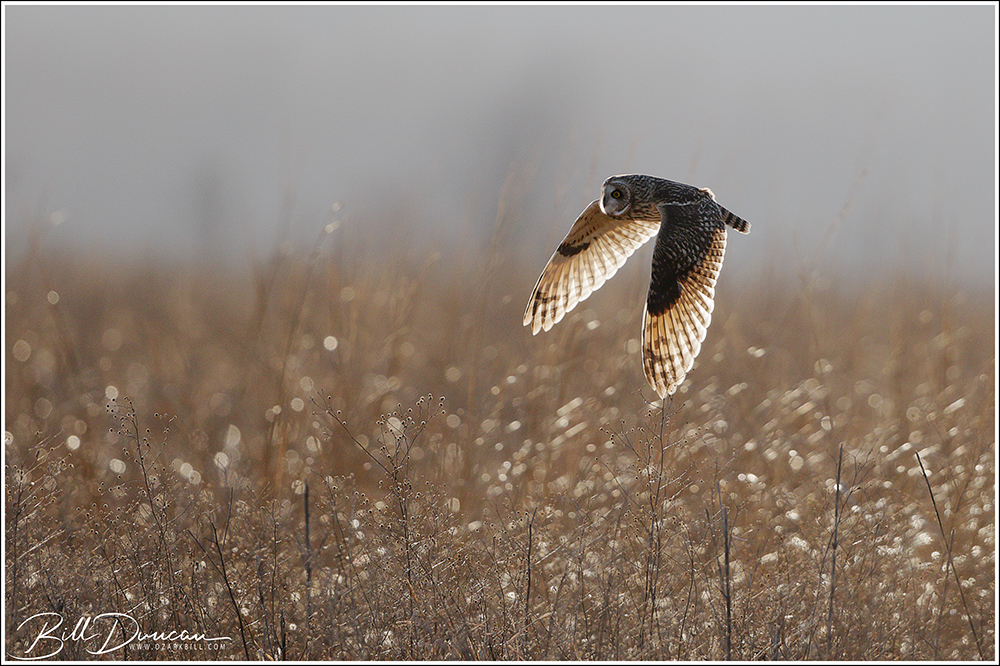
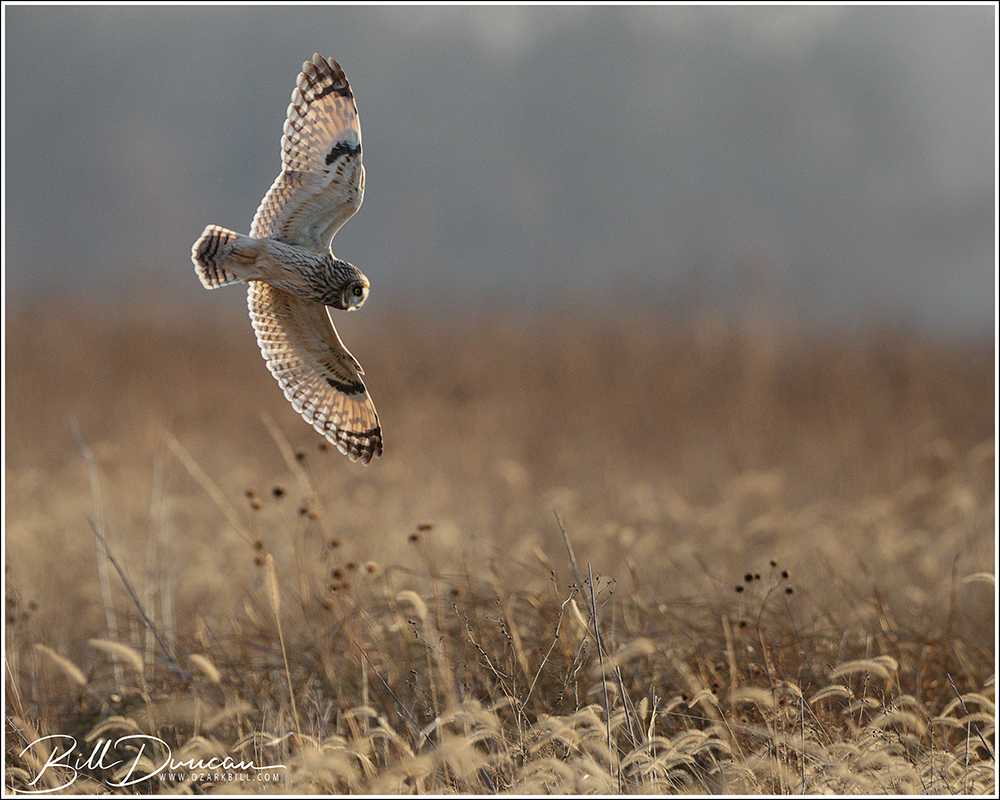
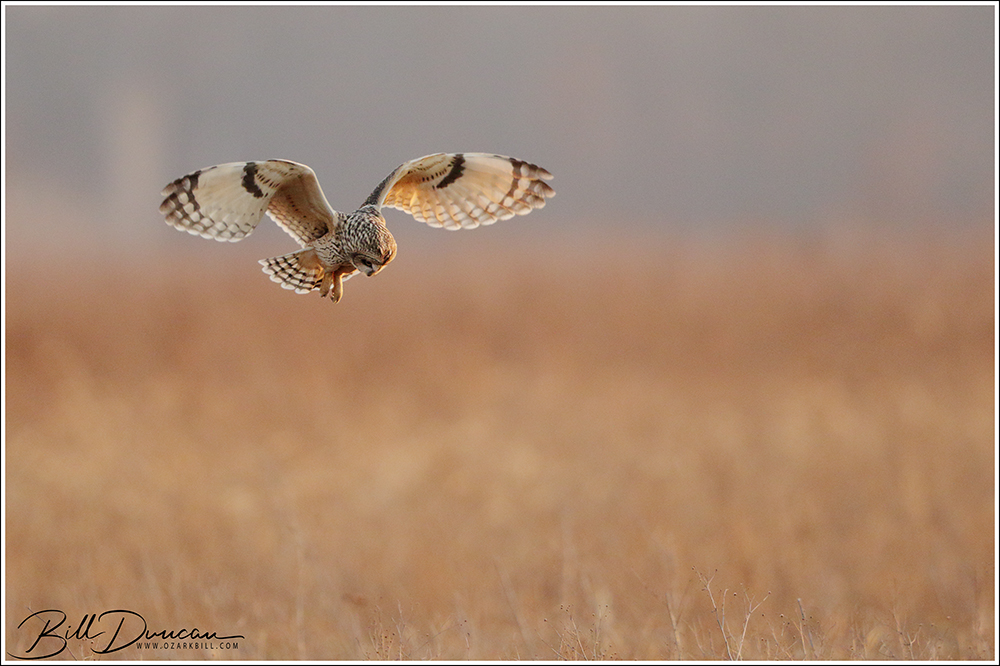
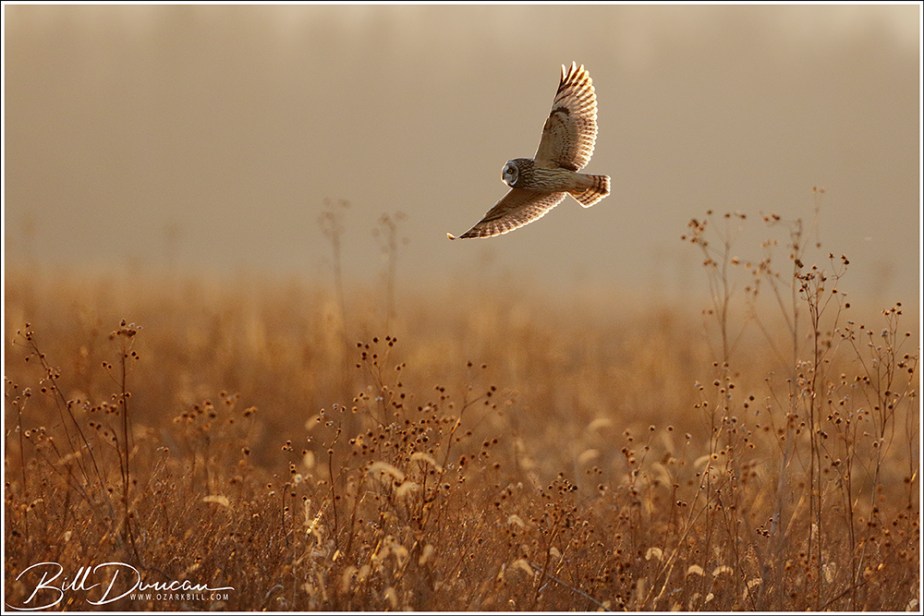
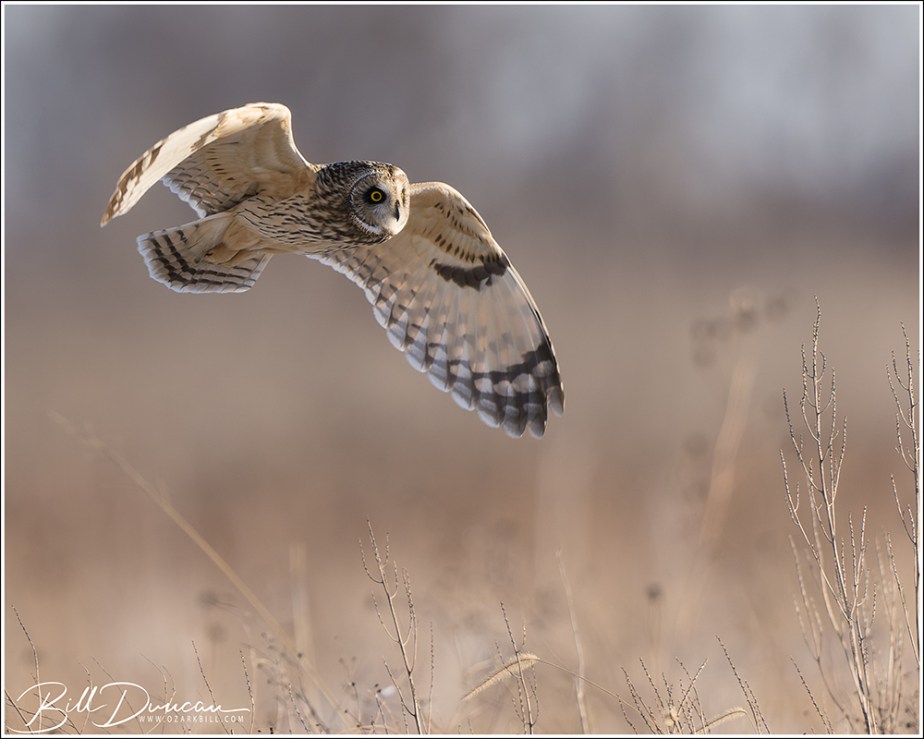
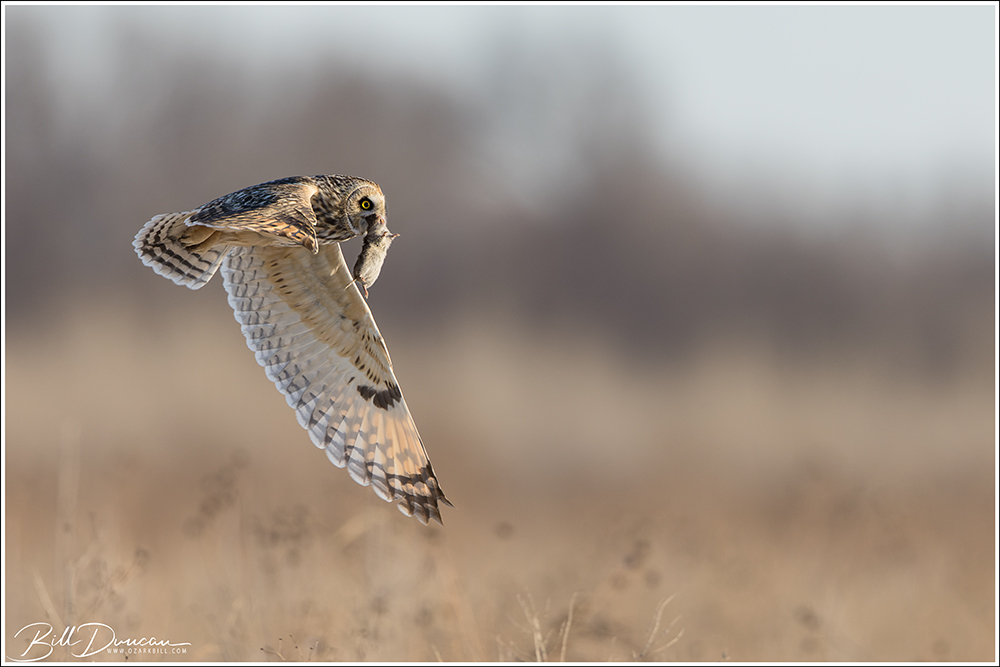
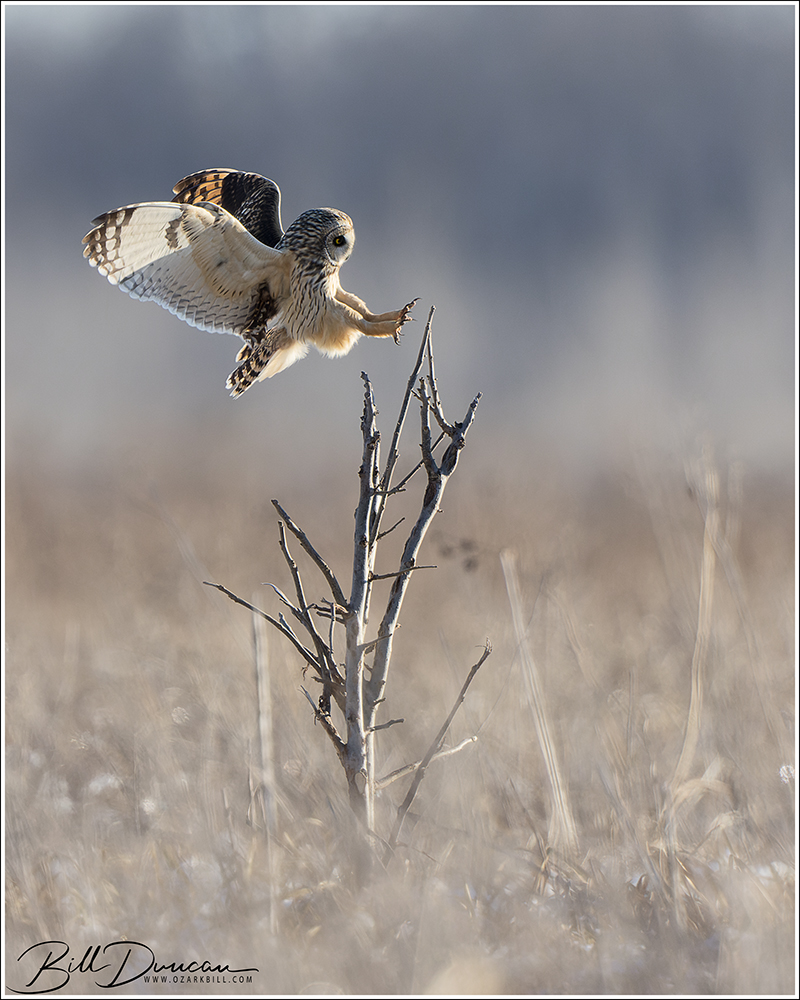
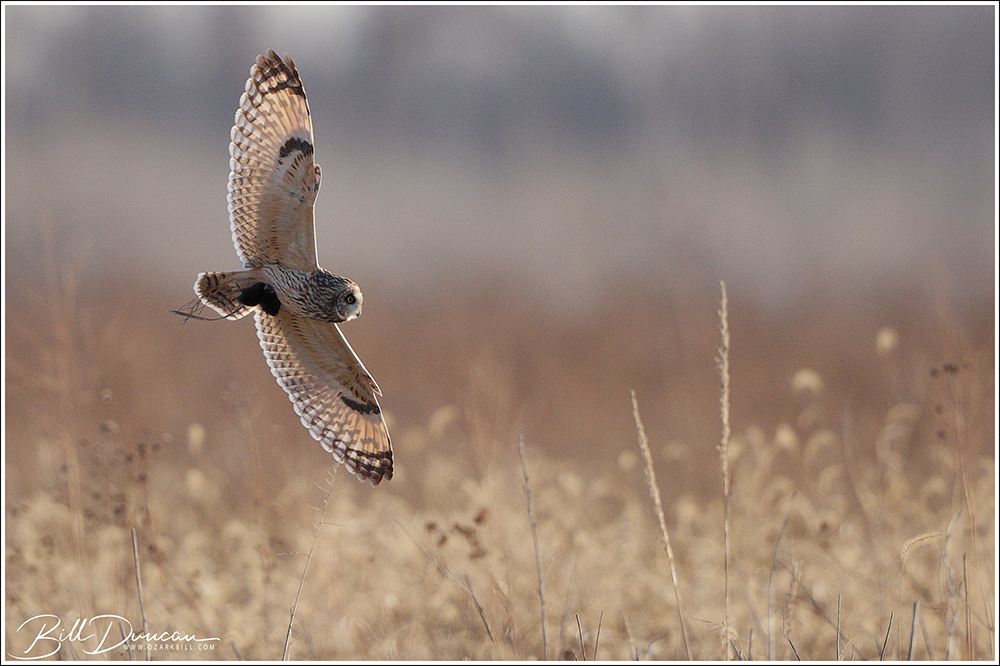
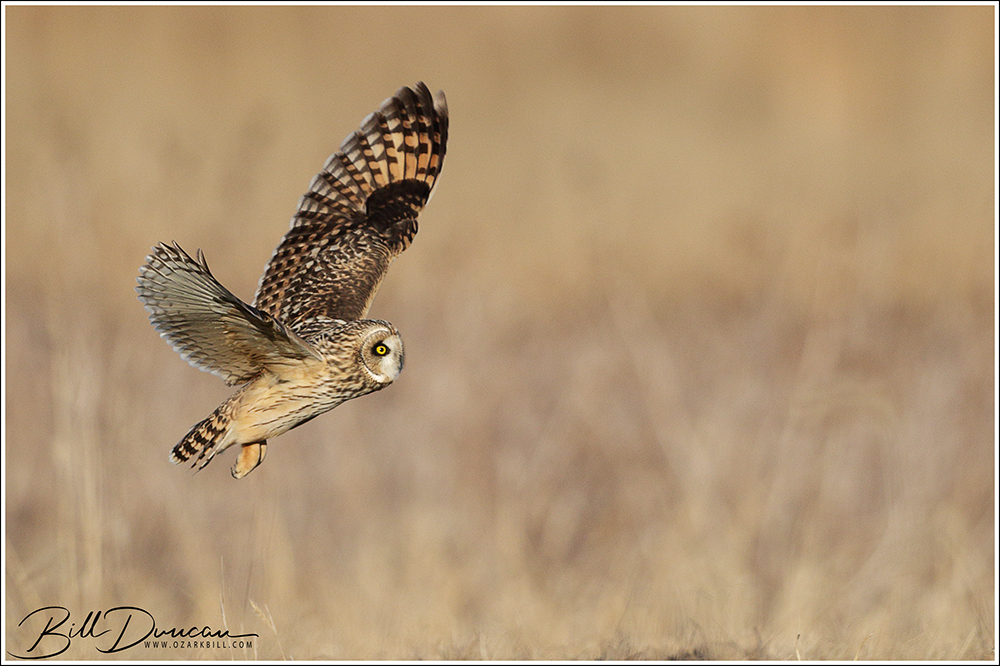
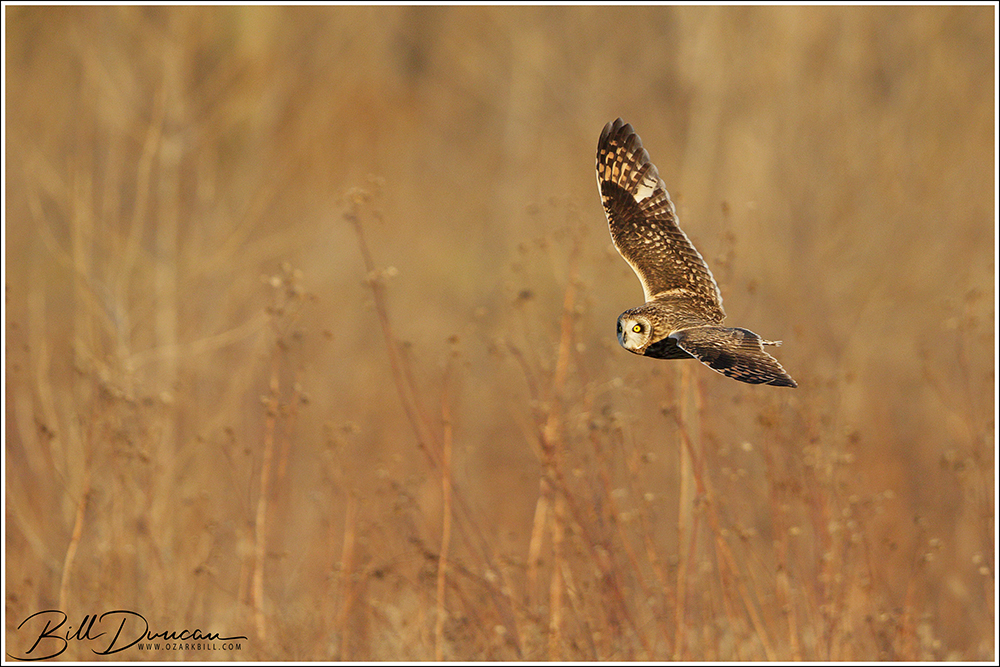
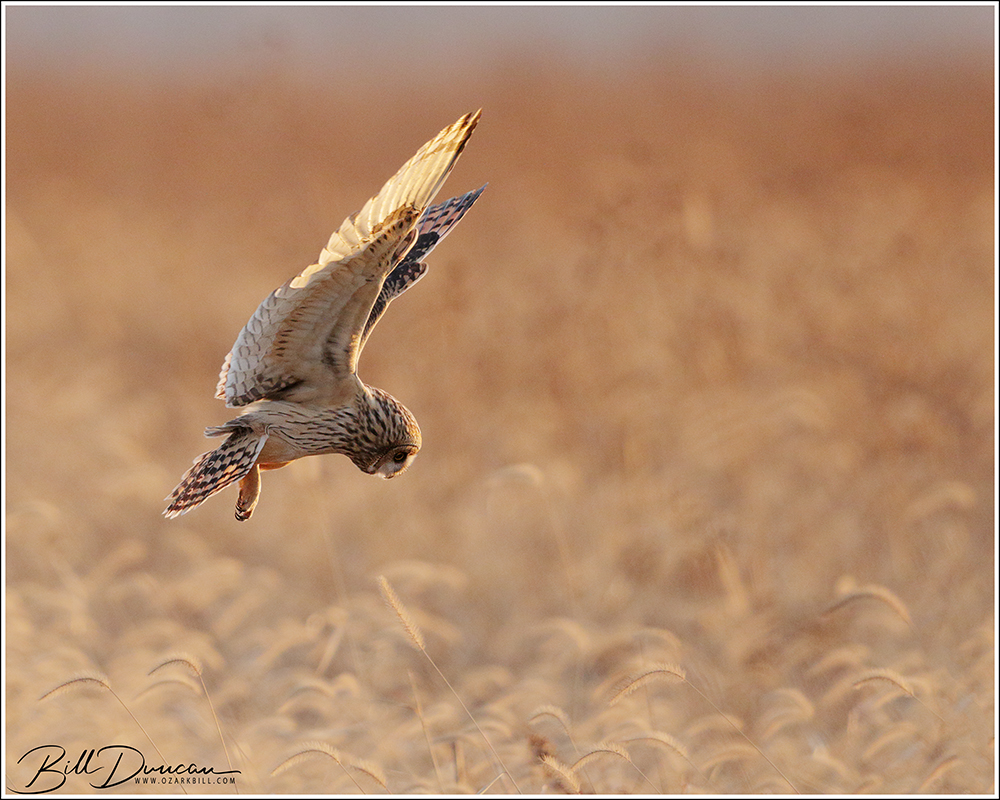
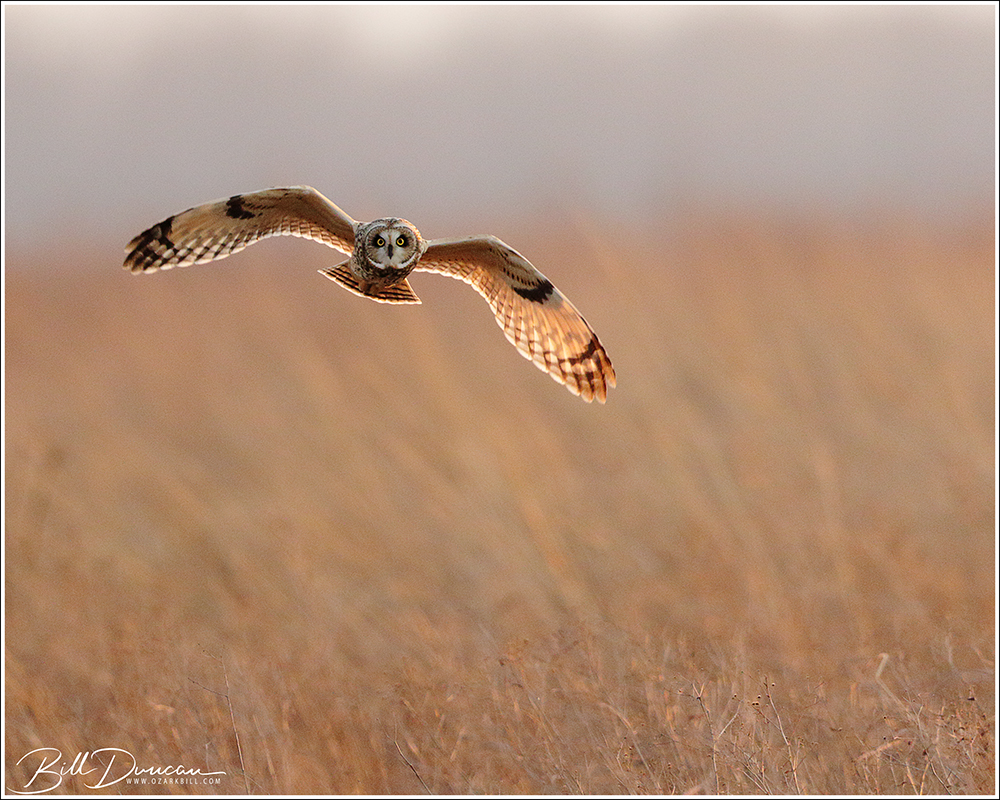
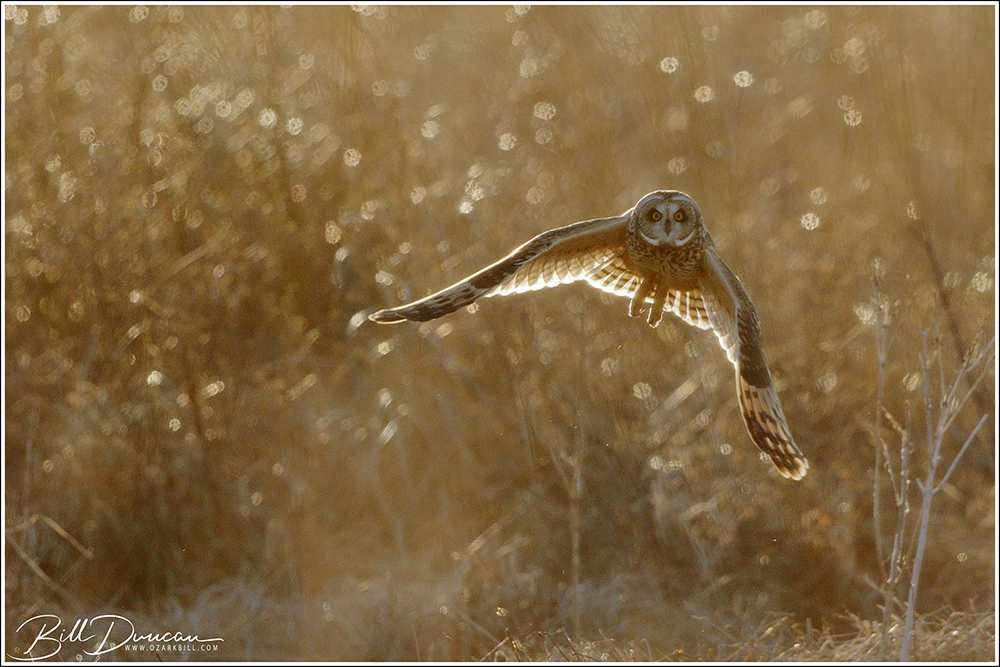
The Flaming Owl was the original English name given to the Short-eared Owl. This directly represented its Latin binomial of Asio flammeus, and assumedly refers to the fiery textures and colors of its plumage. I like to think that it might better represent the look of the bird when it is typically seen – in the golden warm light of the setting or rising sun.
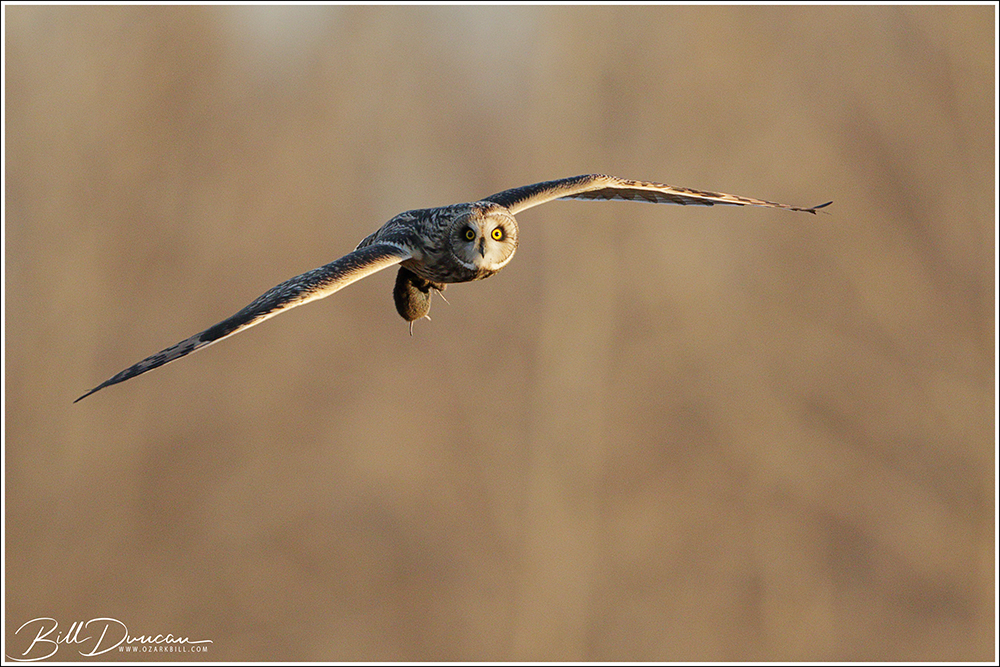
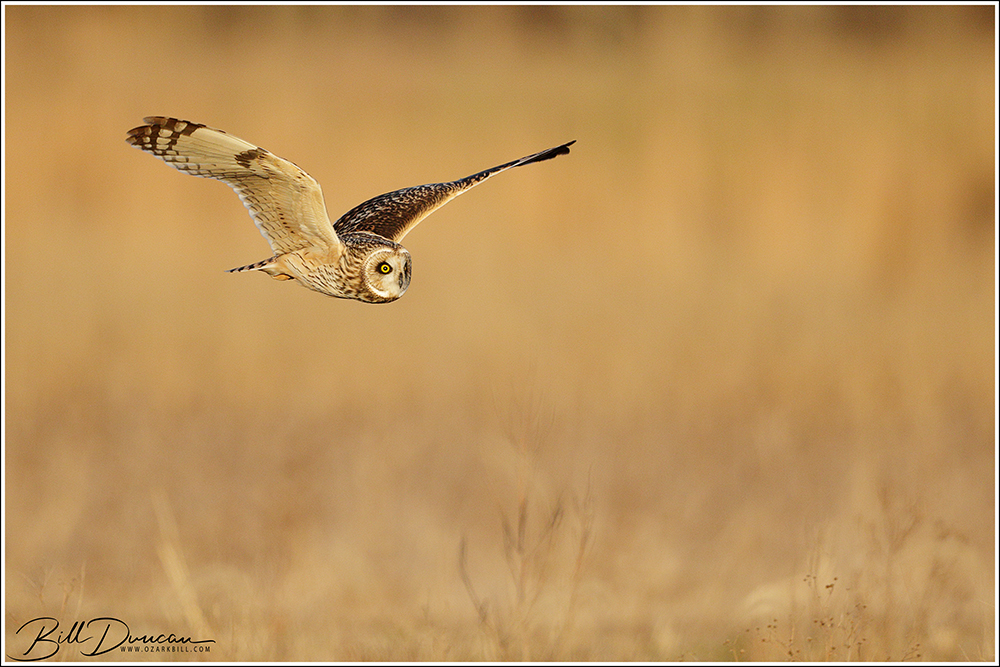
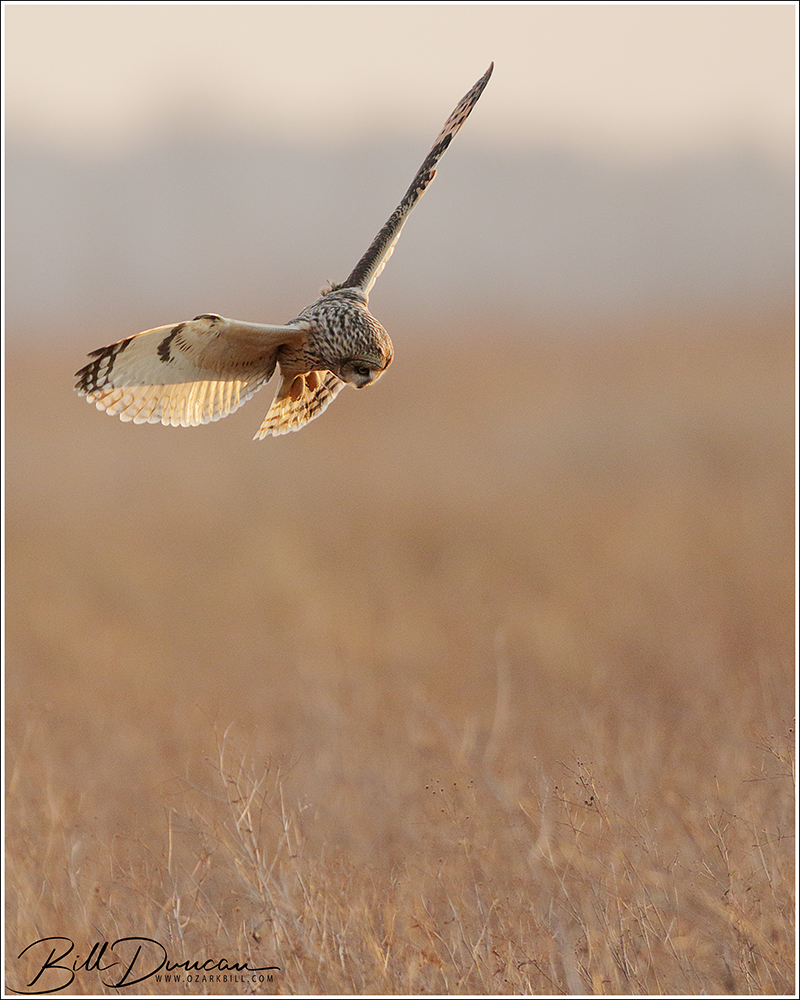
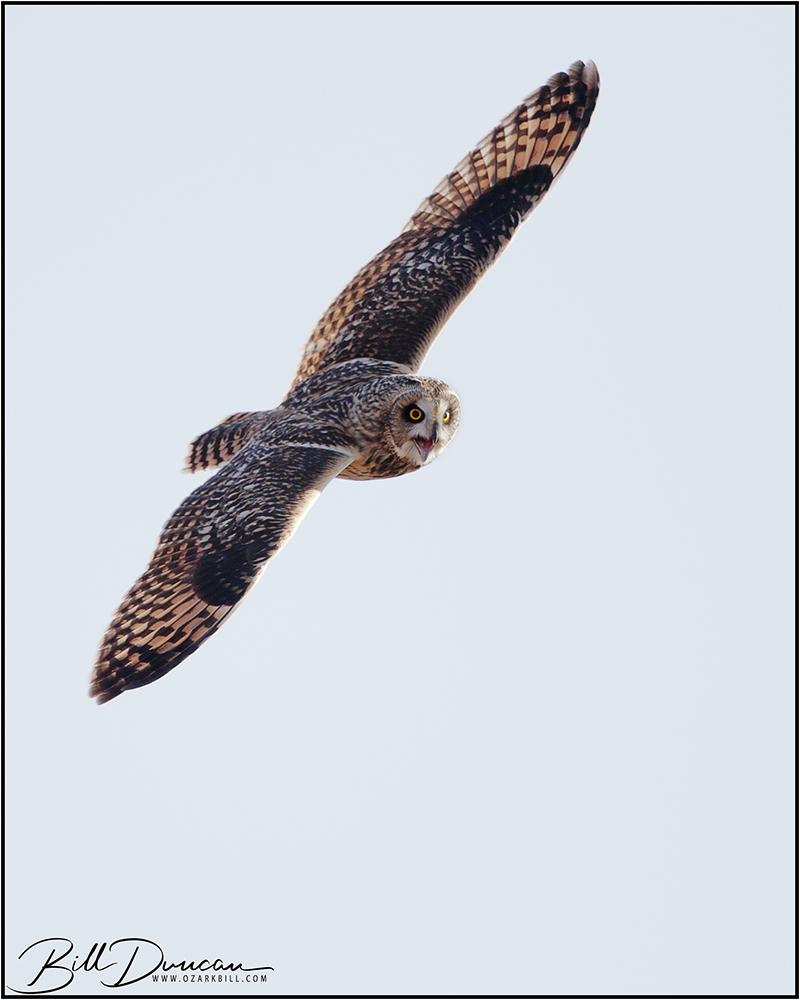
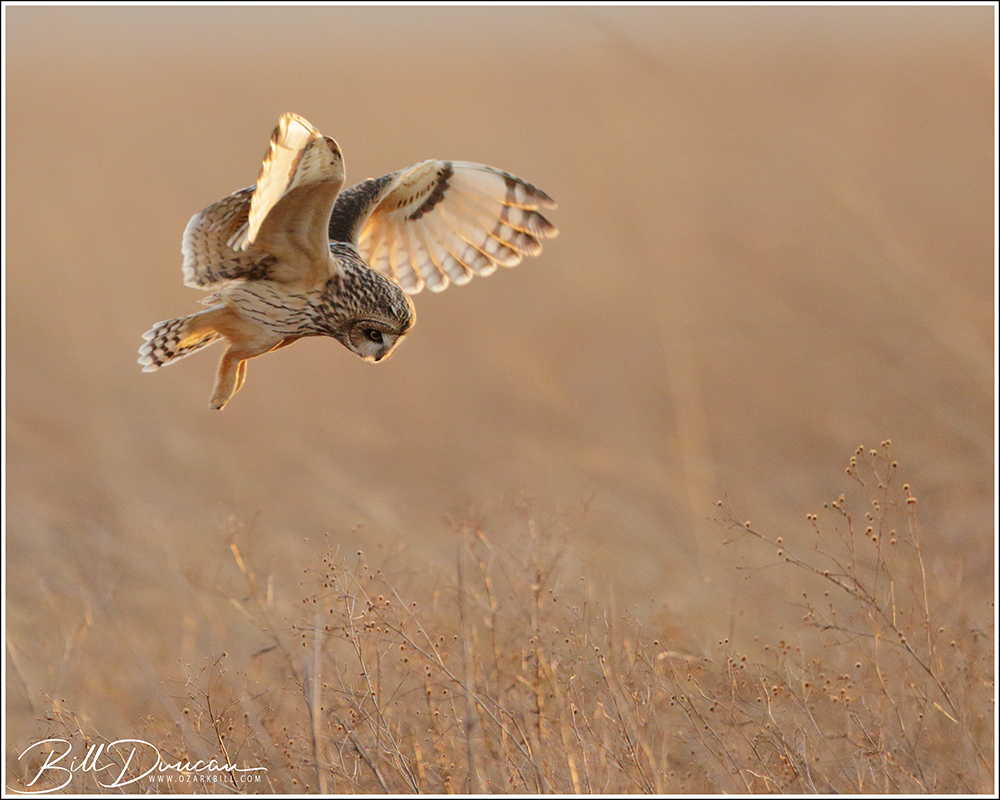
I’ve been hunting and trying to photograph Short-eared Owls in Lincoln County, MO for nearly 10 years with mixed success. The past three years or so have been particularly challenging with lower numbers than typical, often without seeing a single owl on several outings. We hypothesize that a year or two of bad flooding in these areas adjacent to the Mississippi River have caused dramatic declines in the small rodents that these and other birds of prey need in order to spend their winters here.
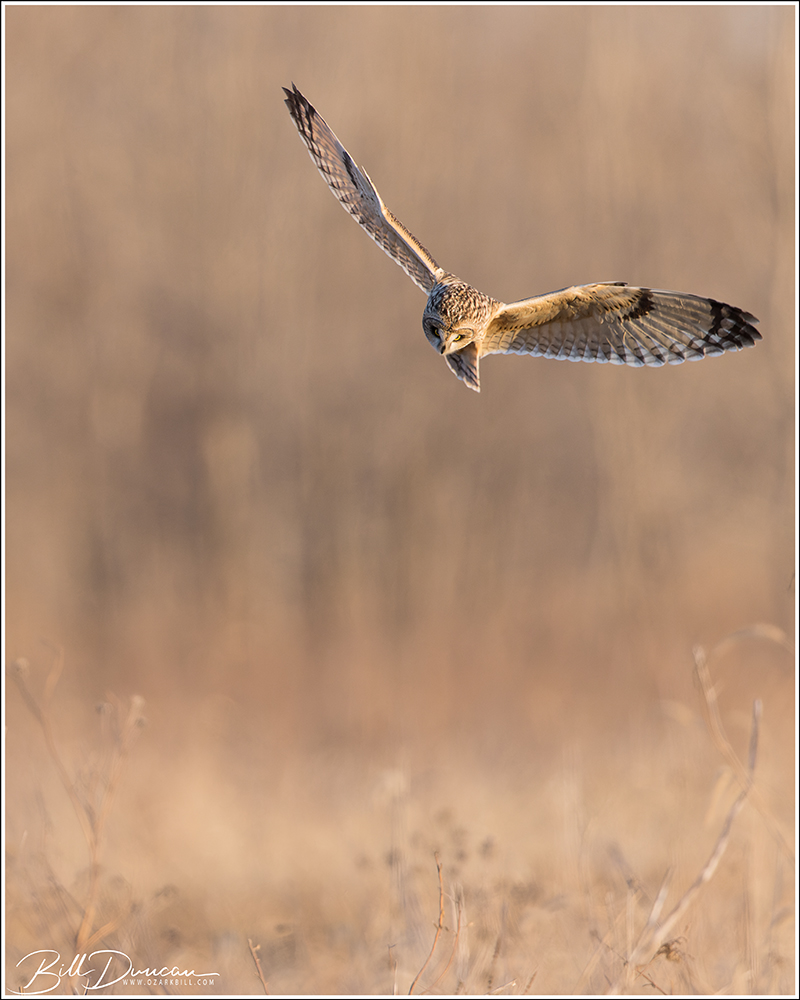
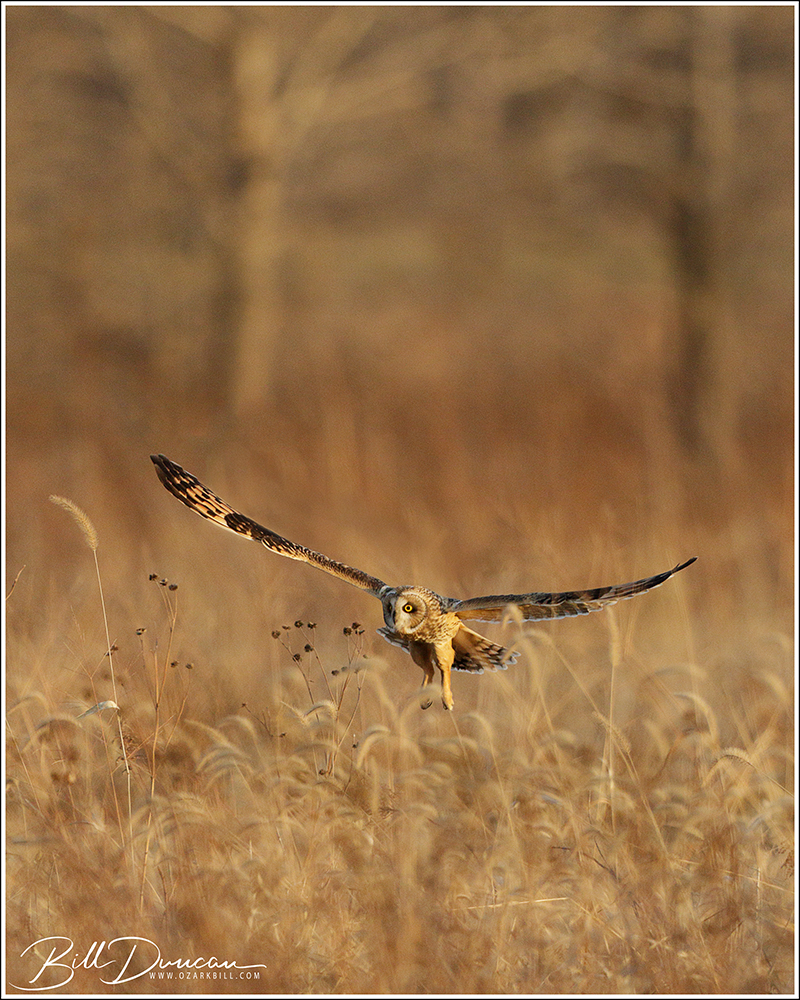
Whatever the reasons, this winter (2021/2022) we are seeing incredible numbers of these long-winged beauties. Although primarily nocturnal, this species also exhibits diurnal and crepuscular habits and this is another area where we have been fortunate. I have spent close to 25 afternoons and evenings with these birds over the past six weeks, sometimes alone and sometimes with friends. On most of these days at least one or two owls were seen flying with the sun still well into the sky. This makes for excellent opportunities for observing their behaviors and working on better strategies to get the meaningful photographs we are after.
I have probably kept way too many photographs that will require purchasing new external drives much sooner than I anticipated and I have probably processed too many as well. Still, I plan on sharing many of these here over the course of the next several weeks. Hell, the season isn’t over. I’ll probably try for more before they head back to the great north for the breeding season.
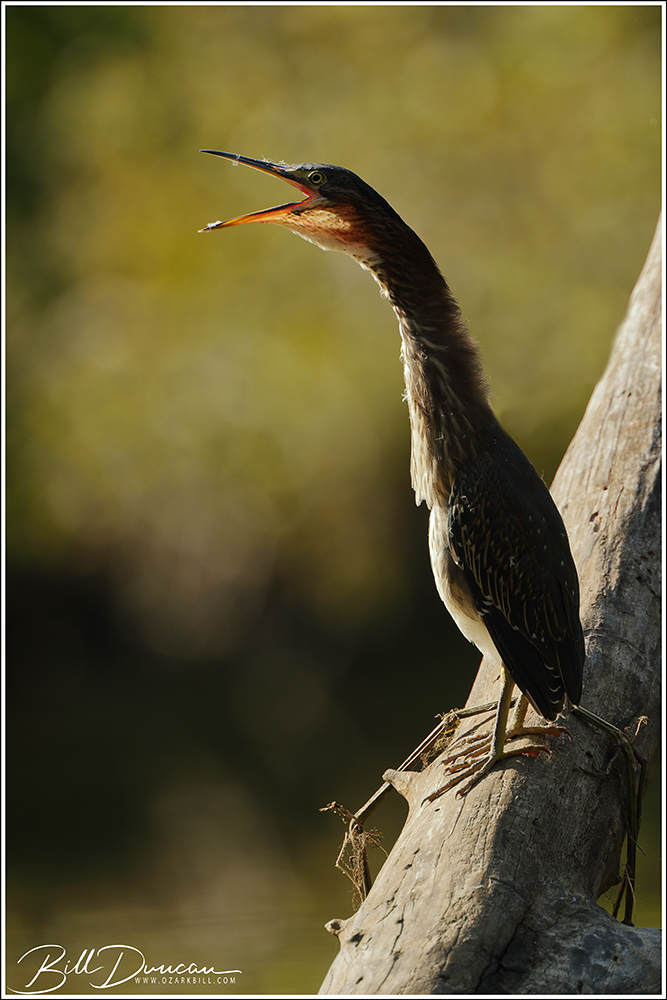
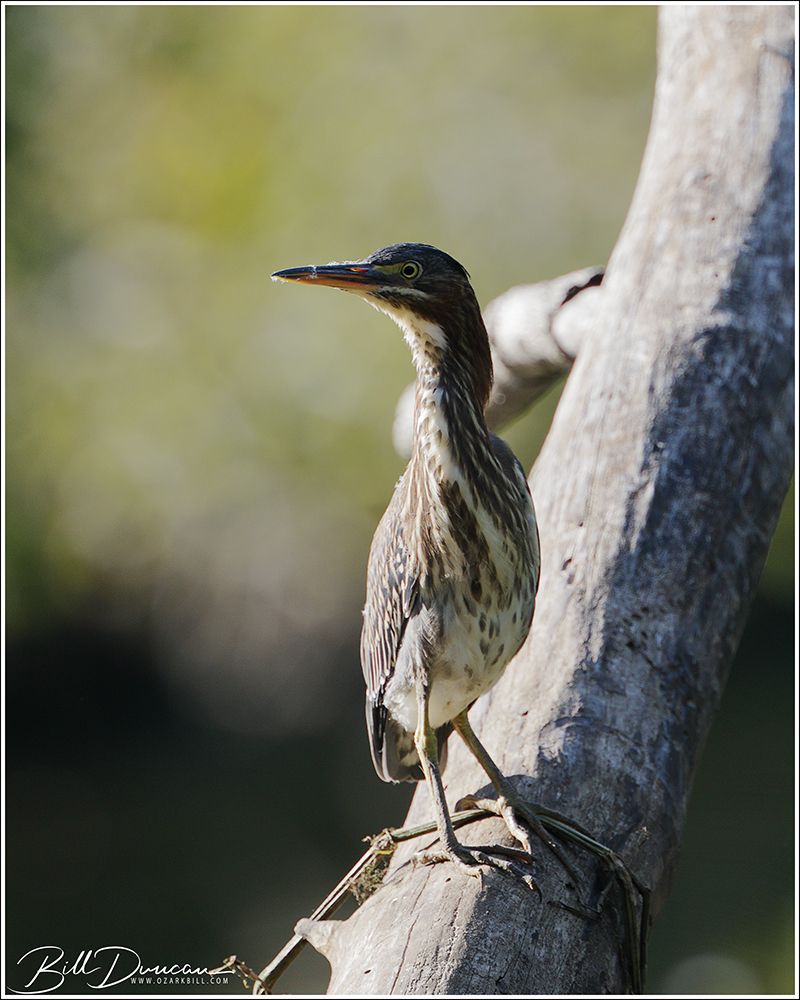
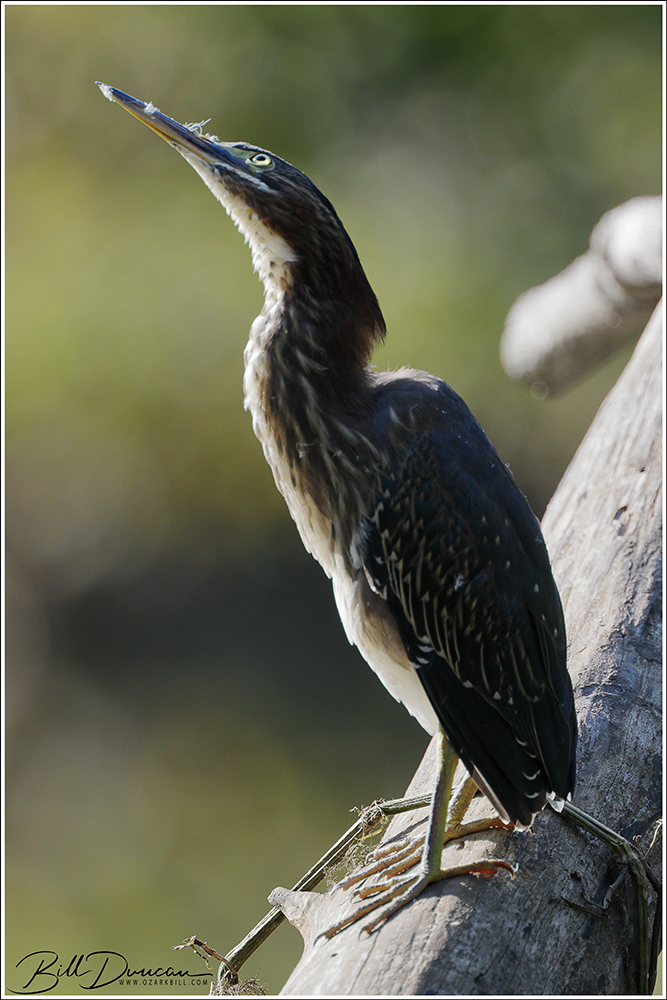
On my last trip out with the canoe, back in September, I came across this most cooperative Green Heron. It did not care at all that I was hanging out watching it hunt. It was a fun challenge, maneuvering around as quietly and methodically as I could in order to get the right light on the bird and the best background possible.
The benefits of wildlife photography from a boat.
Thank you for stopping by.
-OZB




Recently, I jumped into the world of mirrorless cameras by trading in for the Canon R5. I plan on writing a post in the near future about the pros and cons of switching to this new technology. For now, I will say that this is the beginning of a new photography paradigm, not just because they removed the mirror box and much of the remaining mechanical systems in the camera, but because of a lot of other technology that has been introduced in the latest generations of cameras. I’ve only had a few opportunities over the past ten days or so to try out the new camera. Like any new tool, it will require some time and practice before it becomes second nature but I am confident that, in time, this will be a great benefit in my nature photography.
One of the big benefits for me about the Canon R5 is that it will unify my process. Previously to the R5, I used a full-frame camera for landscapes and macro work and a cropped-sensor body for wildlife/birds (due to the extra reach these types of cameras provide). With the Canon R5, the 45mp full frame sensor allows me to shoot all the subjects I am interested in with just this single body.
On top of this, 4K video taken at 120 frames per second is now an option. This may be the most overlooked feature of this camera/technology. In my opinion, this slow-motion photography is the pinnacle of nature photography. You have the perfect blending of the freezing action of stills but with the increased action that video story telling provides. I know, this is nothing compared to the jaw-dropping speeds and quality achieved by the folks at the BBC but I really like having this option and I hope to do more of this in the future.
Photography Details
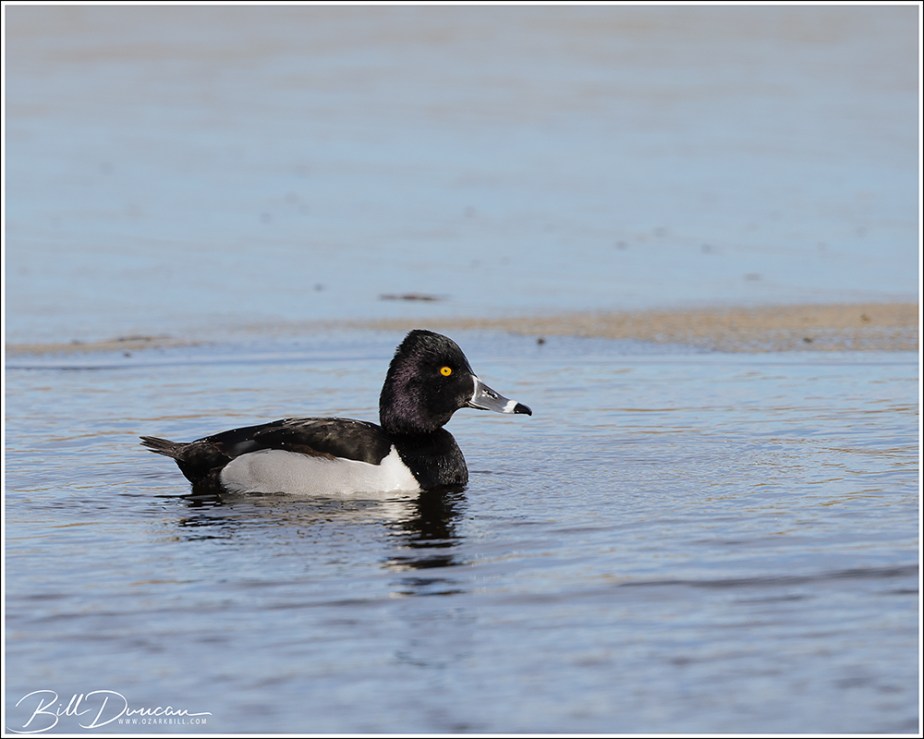
First, I want to share some of the details behind capturing the two completely different subjects and scenes in this video. Neither were taken at optimal conditions. The fish is Senator Scales. She is a long-eared sunfish that we have had for a little more than two years. She is currently sharing the tank with Major Mad Tom, the slender madtom catfish. I photographed her using the R5 and a 500 mm f/4 lens handheld. The only light was the poor old florescent in the aquarium hood fixture. I was shocked this turned out as well as it did. The Ring-necked Ducks were photographed this past weekend in Pike County, MO. These videos were shot with the same kit. Some of the panning is not very smooth because I shot on a beanbag from my car window and not a smooth gimbal head. I’m glad to see that autofocus in videography is now a legitimate option in this camera whereas it really wasn’t with dSLRs.
Technical Details
I originally setup the camera for video based on a few recommendations from photographers on YouTube. For the most part, these were right on and what I was used to from shooting video on dSLRs. However, after discovering I could not find a player or editor that would run these, I knew something was amiss. My computer is relatively new with a processor that should be more than adequate, so I was pretty sure that it could handle the large 4K files. The problem turned out to be the fancy-pants new c-log codec that everybody was talking about. I won’t go into unnecessary details, but this codec allows for better video compression and extra dynamic range in the neighborhood of one to three stops. However, what I have come to realize is that 95% or greater of the video cards and software are not built to support this codec. Because I did not know this at the time, I was forced to create a ‘proxy’ by converting the duck videos into smaller, 1080p versions. Therefore, these videos are not up to 4K standards. After troubleshooting things, I discovered that by turning off c-log, the files behaved as expected on my machine.
Did I say “as expected?” Not exactly. My usual video editing software, Power Director, would still not properly play the 4K, 120 fps clips. So, I thought this might be the perfect time to finally learn the incredible (and free!) DaVinci Resolve editing program. Definitely a step up in video editing, DaVinci is not as straight forward as what I was used to. But, after a couple very well done tutorials on YouTube, I was up to speed on the basics of the program in no time. There are tons of features in DaVinci, most of which I’ll probably never use. I can say that I’ll probably never open Power Director again! Da Vinci Resolve is that good.
Anyway, I hope this rambling wasn’t too boring and perhaps made some sense to those who might be in a similar position of learning the video side of things. Without further ado, here is the first videos I have taken with the R5. I’d appreciate any comments or questions you might have, especially if they serve to educate me!
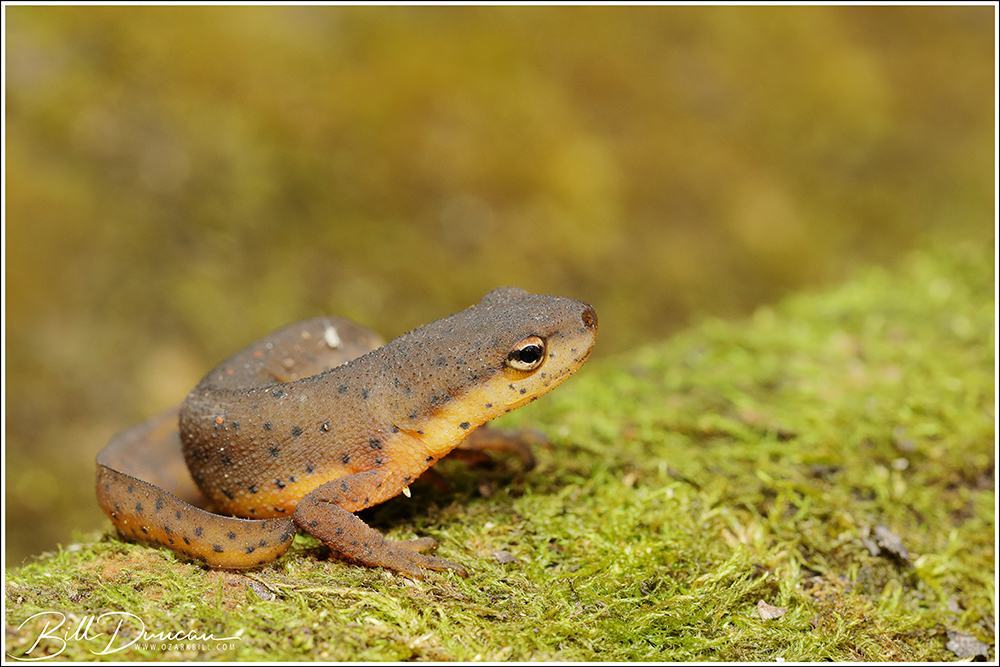
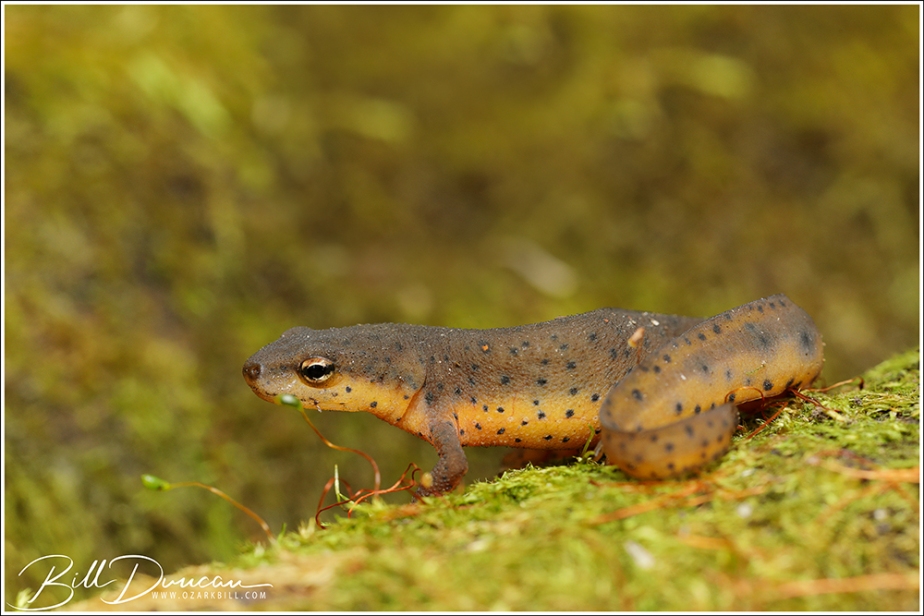
Casey, Dave and I found this nice little eastern newt eft in Lincoln County, MO in mid-October of this year. Did you know… Newt species like this one have a variety of options in their life stages and reproductive strategy. Typically, newts will have three stages in their development, starting with an aquatic larvae, then changing into a terrestrial juvenile, or eft, and finishing as an aquatic adult. There are examples, however, of some populations that stay and breed in both the aquatic larval stage and as efts.
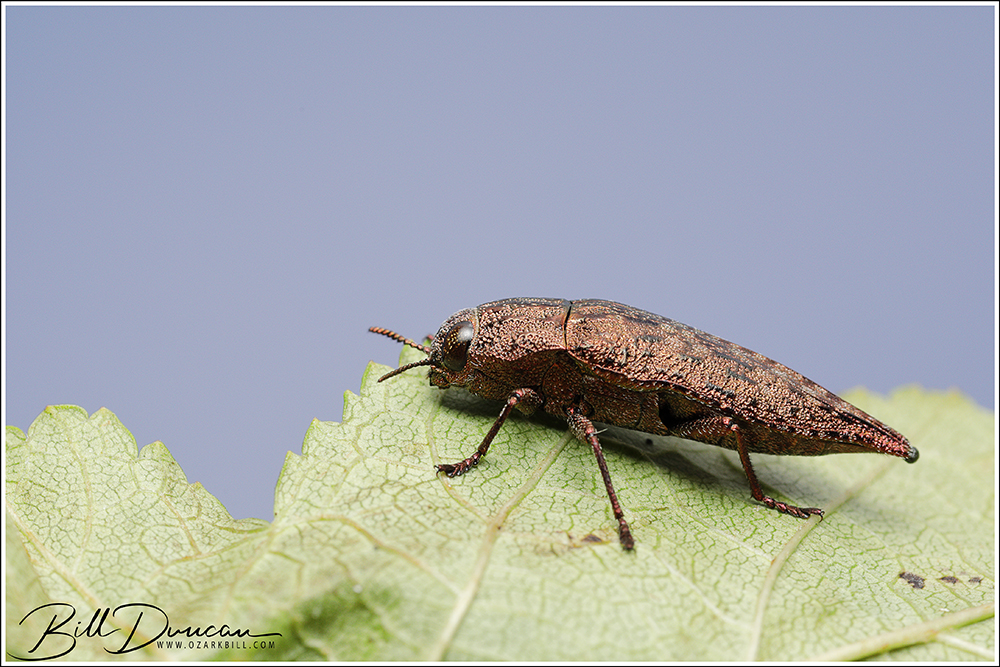
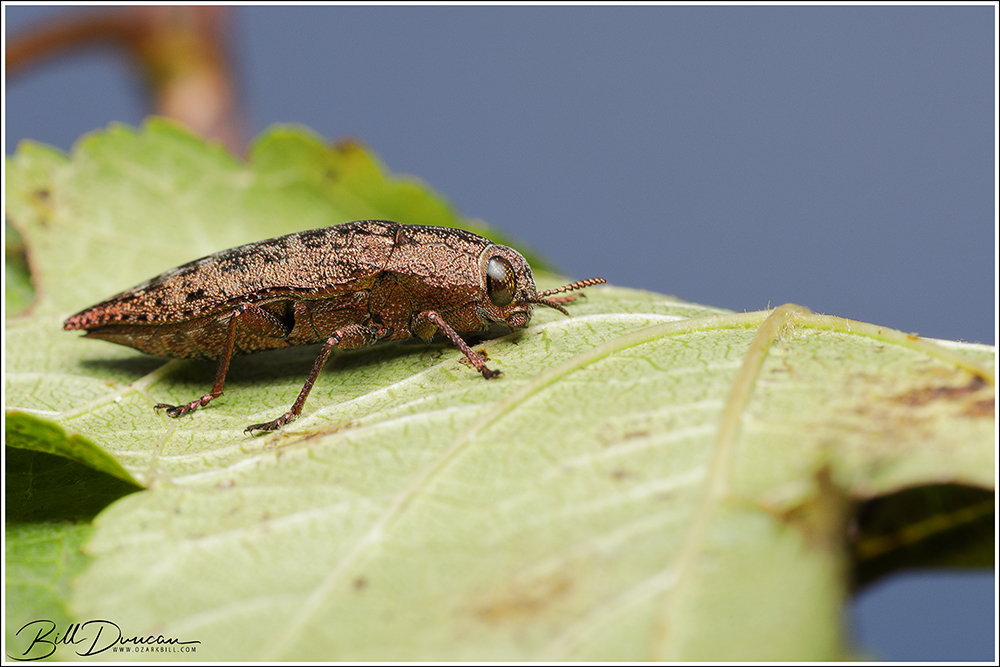
Many thanks to Ted MacRae for introducing me to another stunner of a beetle. On more than one occasion Ted has taken me and others out to the field to find one of the strikingly beautiful and rare beetles that he knows so well. This time the treasure we sought was the jewel beetle, Dicerca pugionata (Buprestidae), also known as the Witch-hazel Borer. Witch-hazels (Hamamelis spp.) may be the preferred host plant but they are also found on alders (Alnus spp.) and ninebark (Physocarpus opulifolius). In this opportunity, we went to a specific patch of ninebark at Victoria Glades where Ted had found them previously.