"What a thousand acres of Silphiums looked like when they tickled the bellies of the buffalo is a question never again to be answered, and perhaps not even asked." -Aldo Leopold
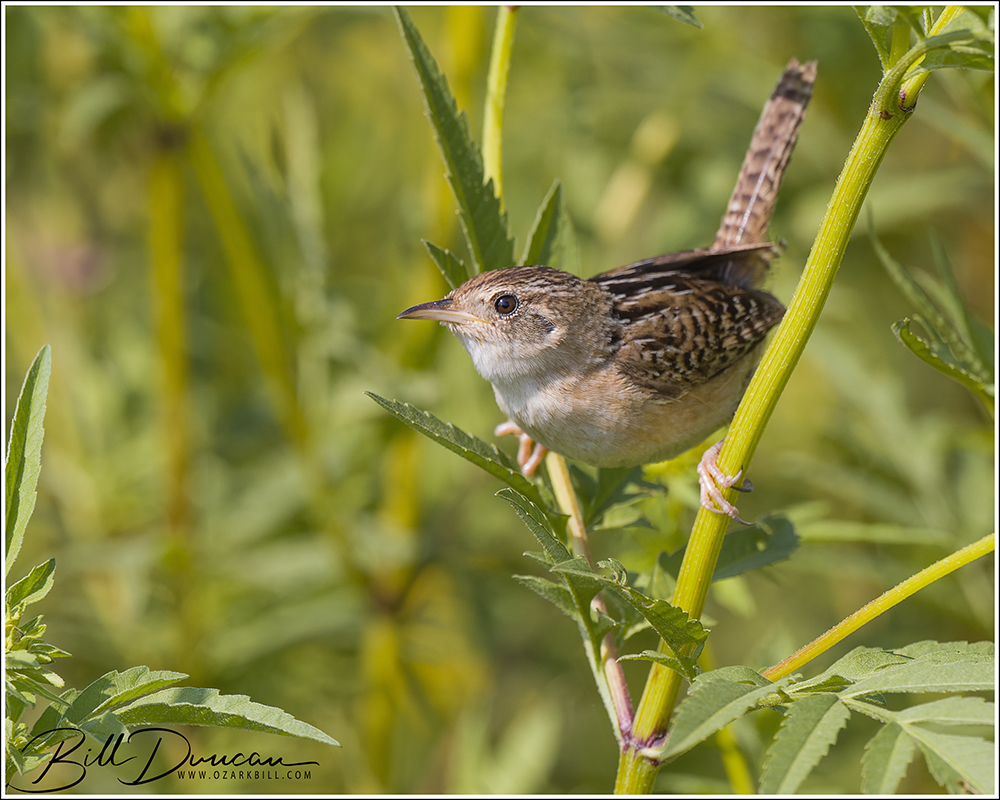
I’ve photographed Sedge Wren on numerous occasions and it never gets old. These guys seemed more numerous than I ever remember in eastern Missouri this year. This past Saturday I spent a few hours at BK Leach and Riverlands Migratory Bird Sanctuary and found more than 40 during my travels, including sure pair territories. I’m glad the grasslands are to their liking this year. No Marsh Wrens, however.




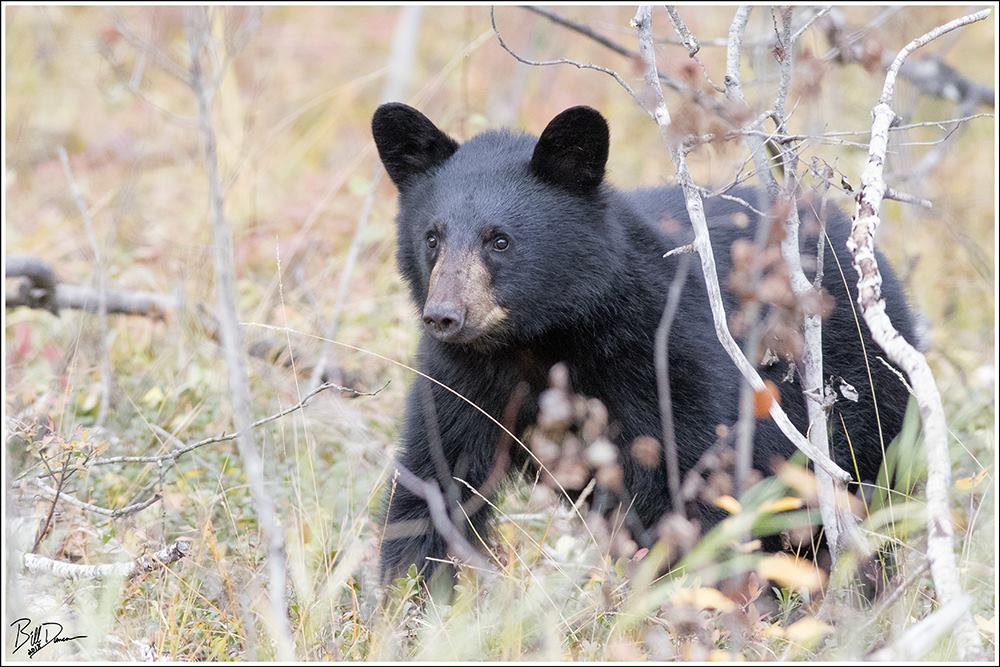
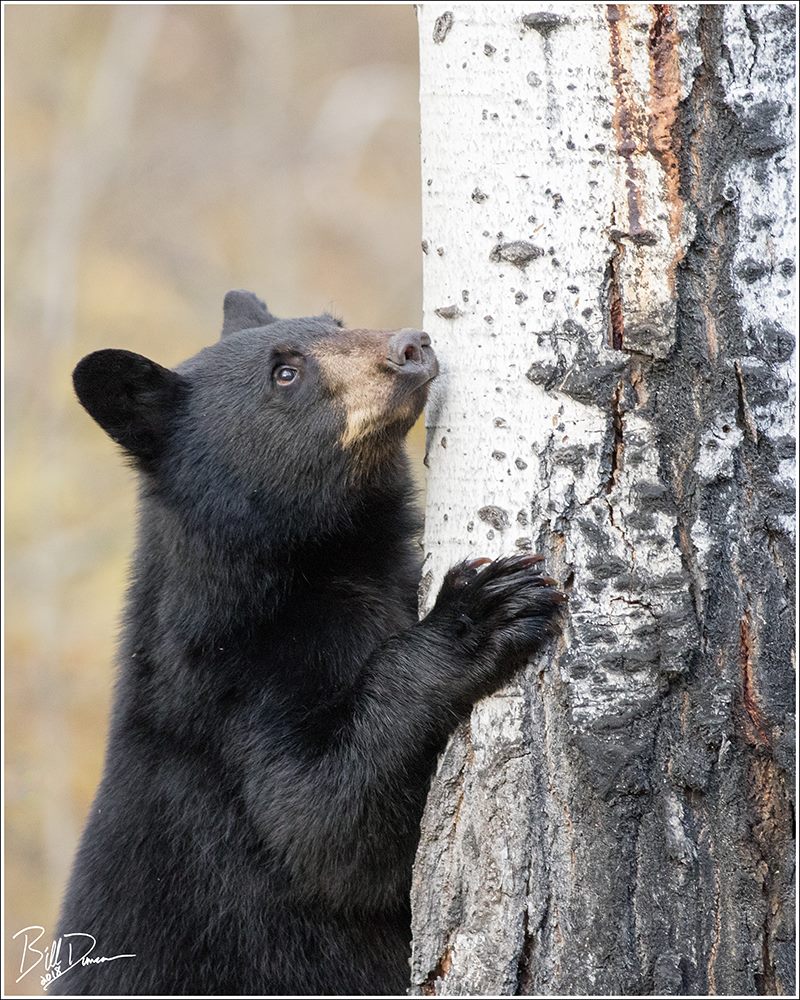
Another set from the bowels of Facebook that I want to capture on the blog. These were taken on a work trip to inspect Canola fields in Saskatchewan. We had some extra time to visit Prince Albert National Park where I had the opportunity to photograph my first bears – this mom and her cub.

Spent some time recently looking for mink in a St. Louis County park. No luck on the mink but this vocal Cooper’s Hawk flew in for a minute on this perch and allowed me to get a few shots. This species was named after the American naturalist, William Cooper, who was a contemporary of John James Audubon and Charles Lucien Bonaparte.

This season Casey and I have been focusing on trying to find some of the more rare and harder to find skipper butterflies in the family Hesperiidae. We’ve come up short a few times – there are several who seem to be on severe declines in our area and may be extirpated from previous well-known sites. Here are a few we had luck with finding and worked our tails of to get a few photos.
Atrytonopsis hianna (dusted skipper)
This striking skipper was found in the glades of Jefferson County, MO in May of 2023.


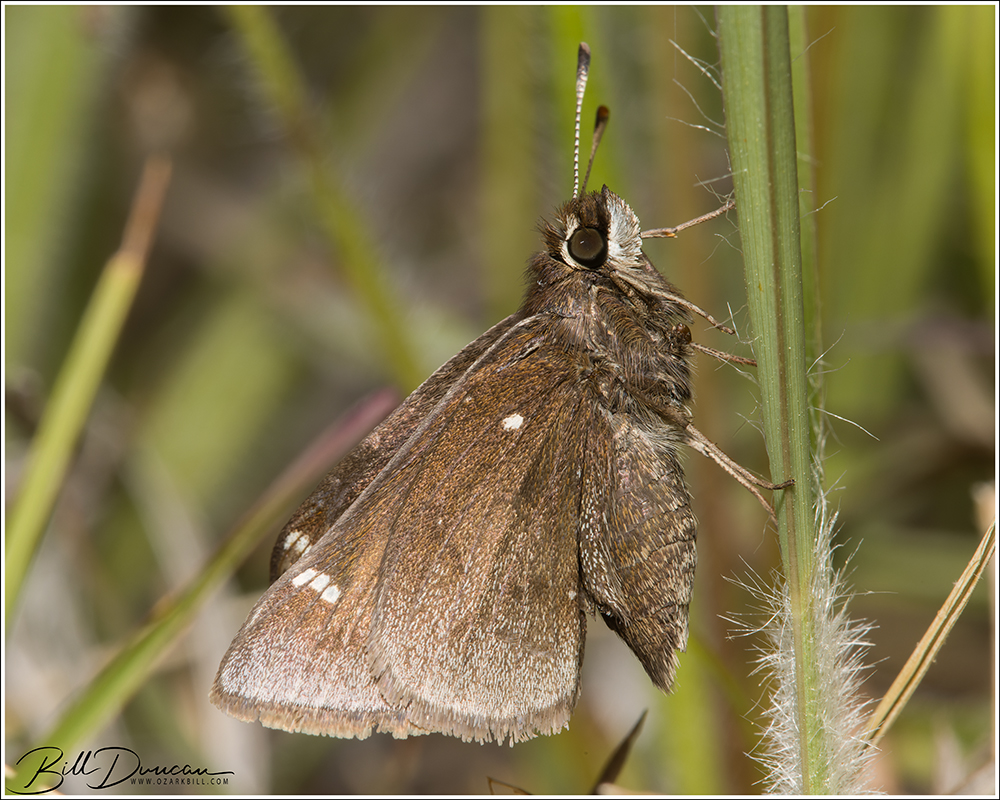

Problema byssus (byssus skipper)
Classified as vulnerable by the Xerces Society, the byssus skipper uses eastern gamma grass and big bluestem as its host and is threatened by the continued loss of prairie and grassland habitat throughout its range.

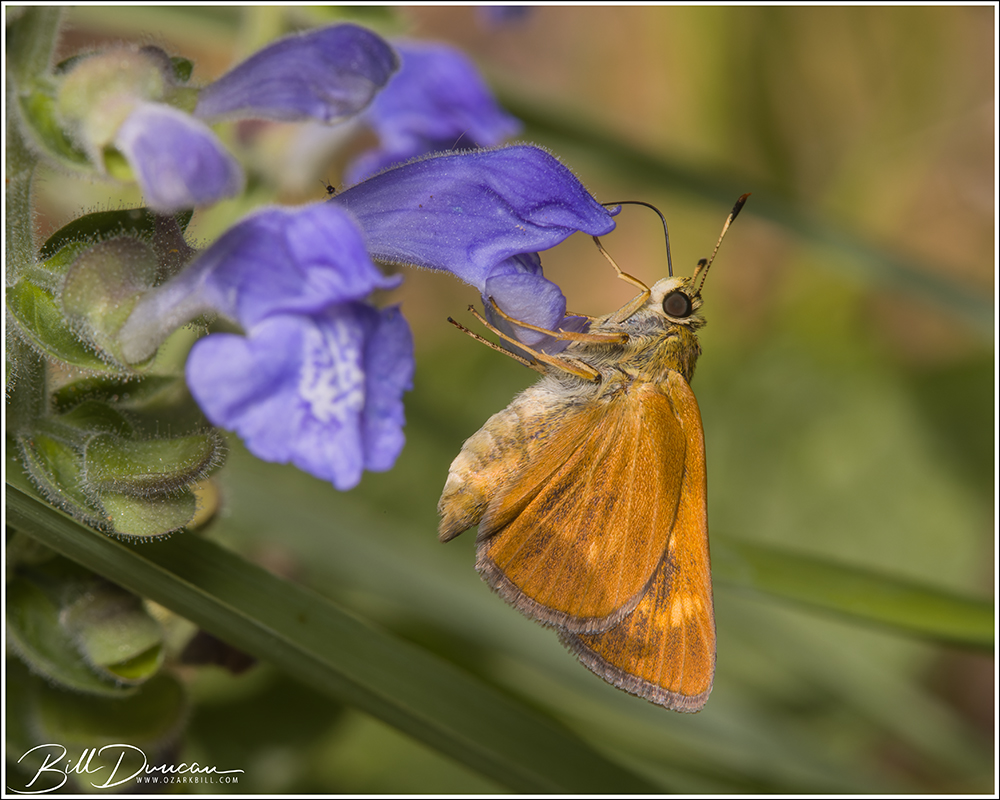


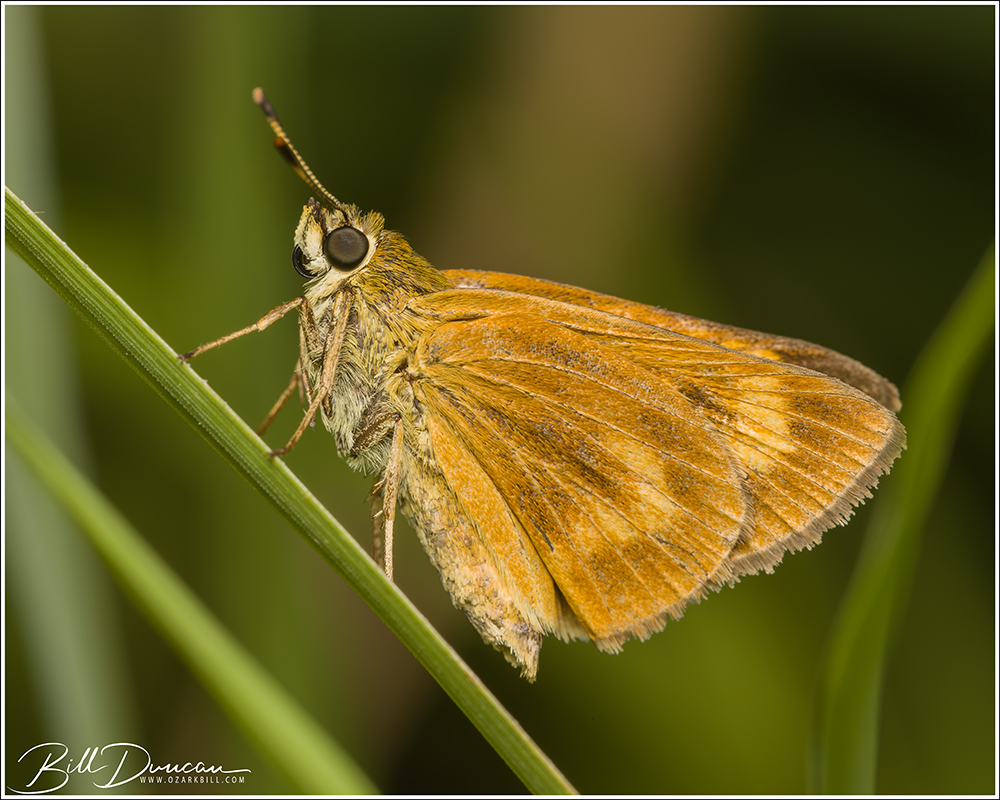
Euphyes dukesi (Duke’s skipper)
Uncommon throughout its fragmented range, the Duke’s skipper uses sedges in moist fields, marshes and forests for its host. This species is highly vulnerable to ongoing draining and development of these habitats. Casey and I refound this particular population in St. Charles County and we were happy to find a few in ditches alongside heavily trafficked roads.

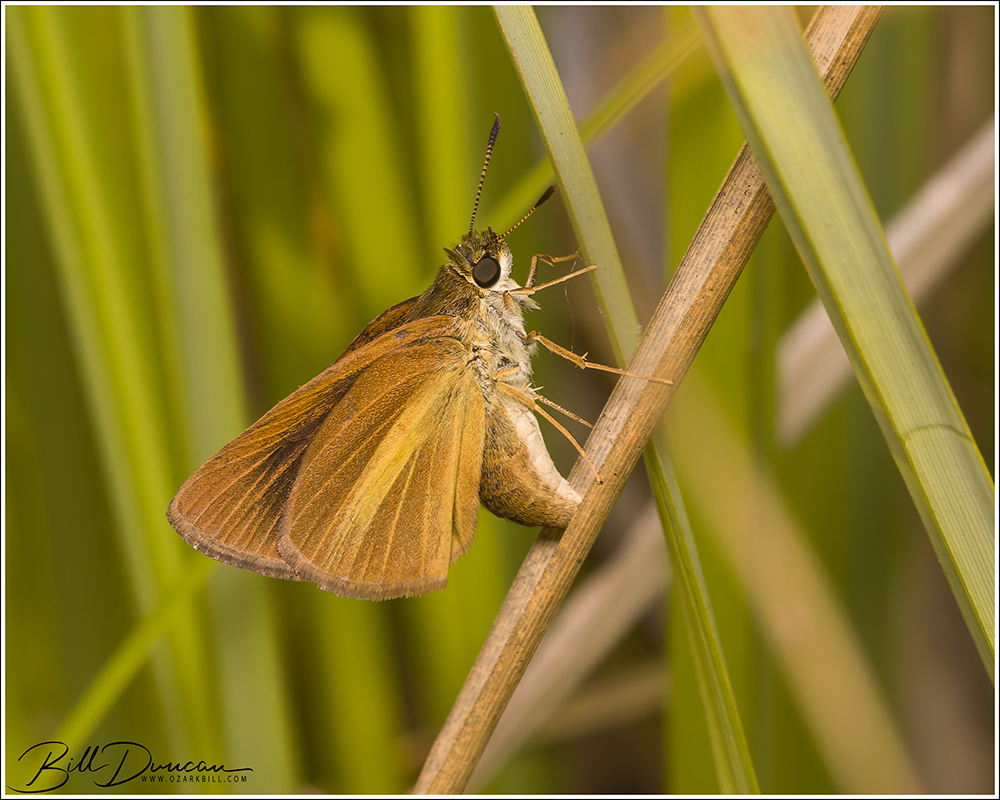
Amblyscirtes hegon (pepper and salt skipper)
With a very large range, covering most of the eastern U.S., the pepper and salt skipper is nevertheless difficult to find and photograph.

Here is another set from the bowels of Facebook that I wanted to make sure gets captured here. This is the diurnal metalmark moth (Choreutidae), Brenthia pavonacella (Hodges #2627). It is known as the peacock brenthia, due to its unusual mating display behaviors that can be seen here.
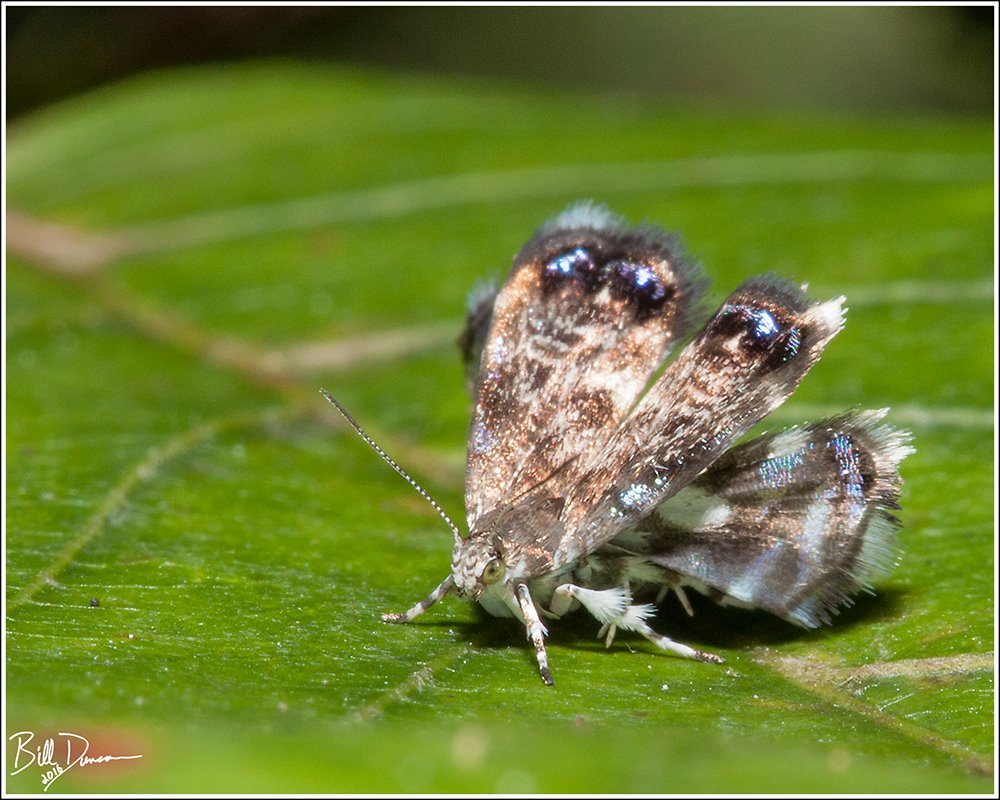
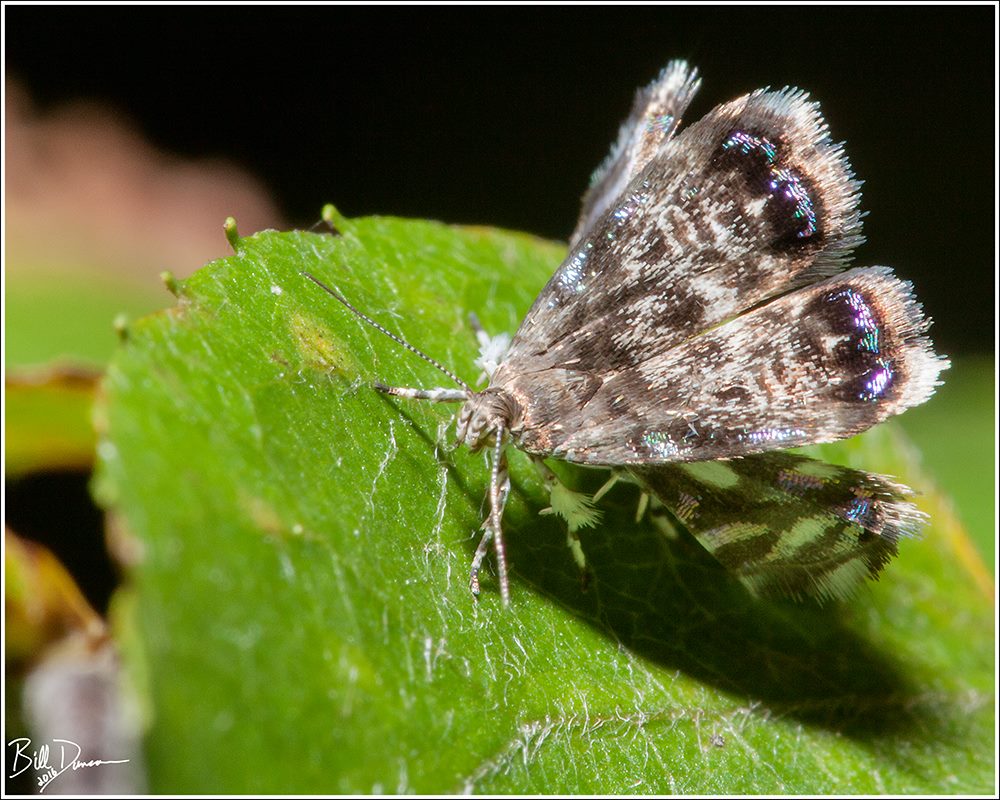
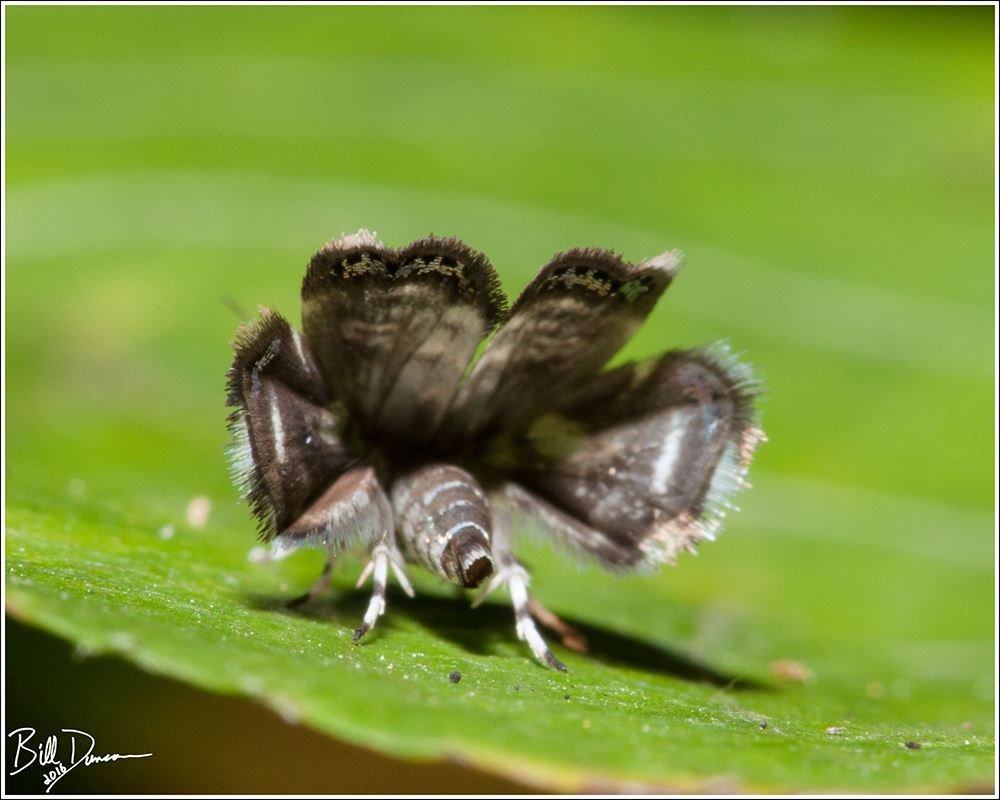
These are some older photos that I posted on Facebook back in 2018 when I had the annoying habit of posting some interesting topics only on Facebook for some reason.

Only discovered in 2012, this species of flower moth (Schinia nr-jaguarina) has yet to be described and named. This was photographed at Desplaines State Fish and Wildlife Area near Joliet Illinois. This species seems to be an obligate feeder on Orbexilum onobrychis (scurf pea, french-grass, among others). To read more about this recent discovery, head over to this location: http://jimmccormac.blogspot.com/…/interesting-moth-new…
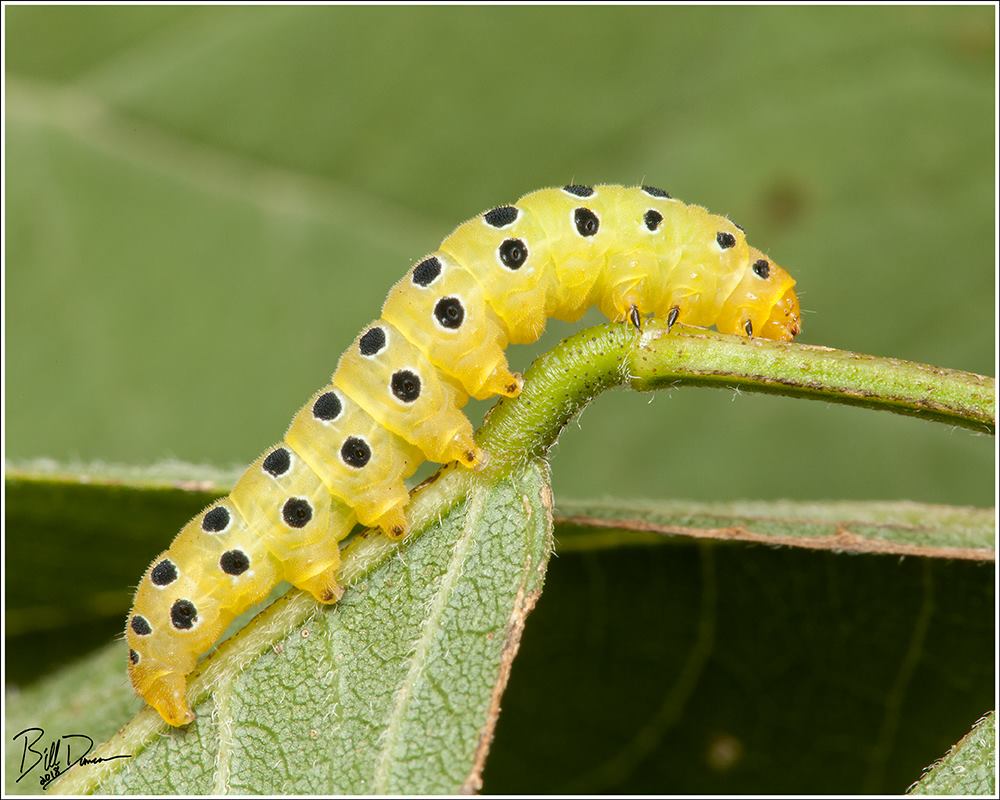
2023 Update
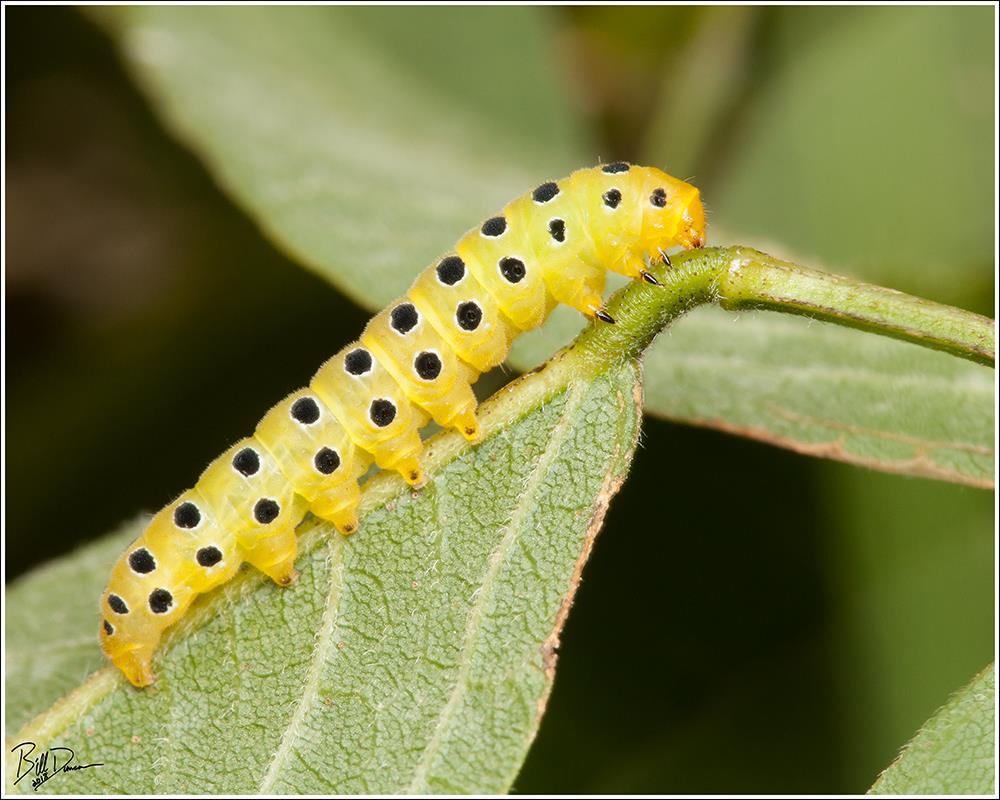
This past weekend, the WGNSS Entomology Group spent the better part of a day exploring the wonderful Horn’s Prairie Grove LWR, just north of Vandalia, IL, and discovered a population of Schinia nr-jaguarina (apparently, this species has still not been officially described and the specific name given here is just a placeholder).
One of us collected a specimen to rear so I might be able to get photographs of an adult soon.
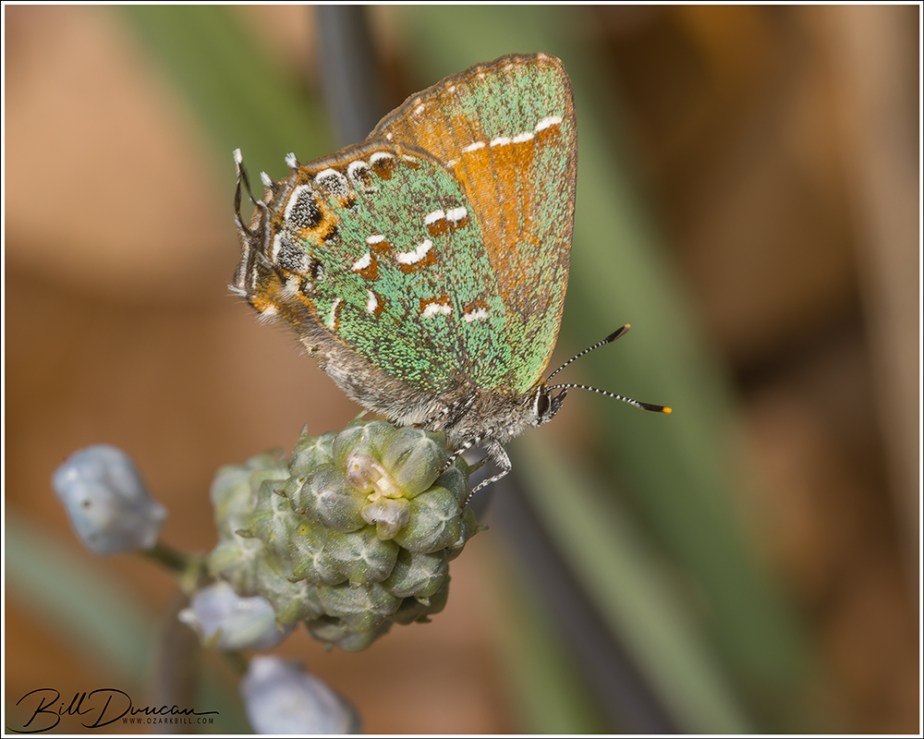
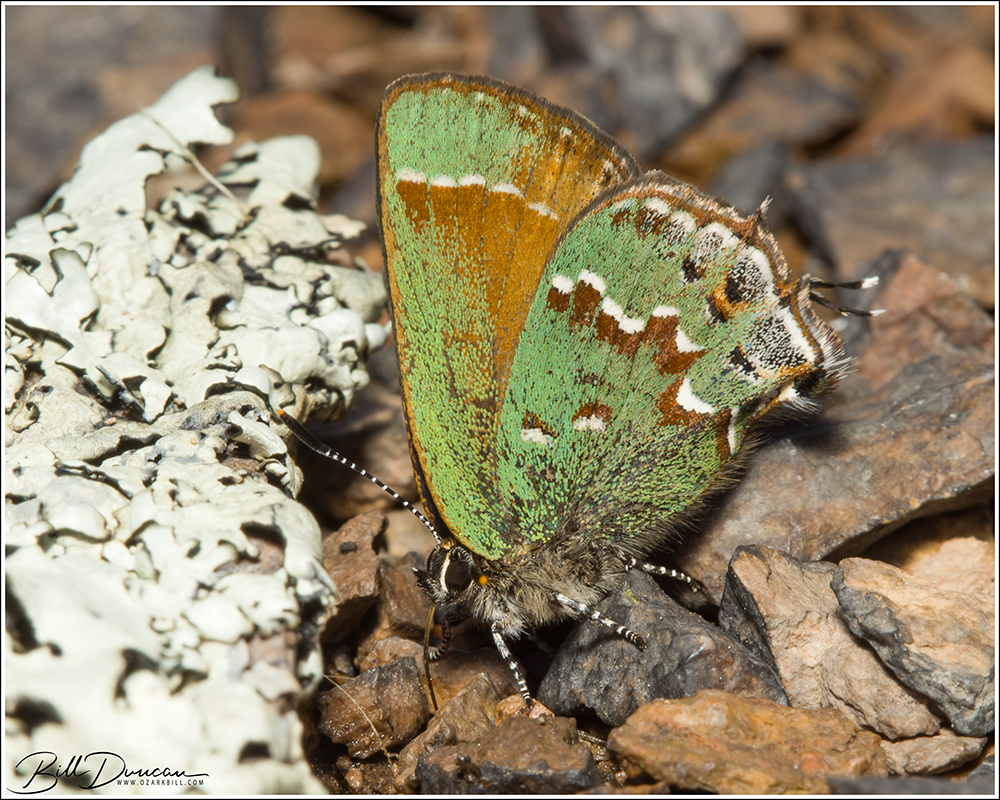
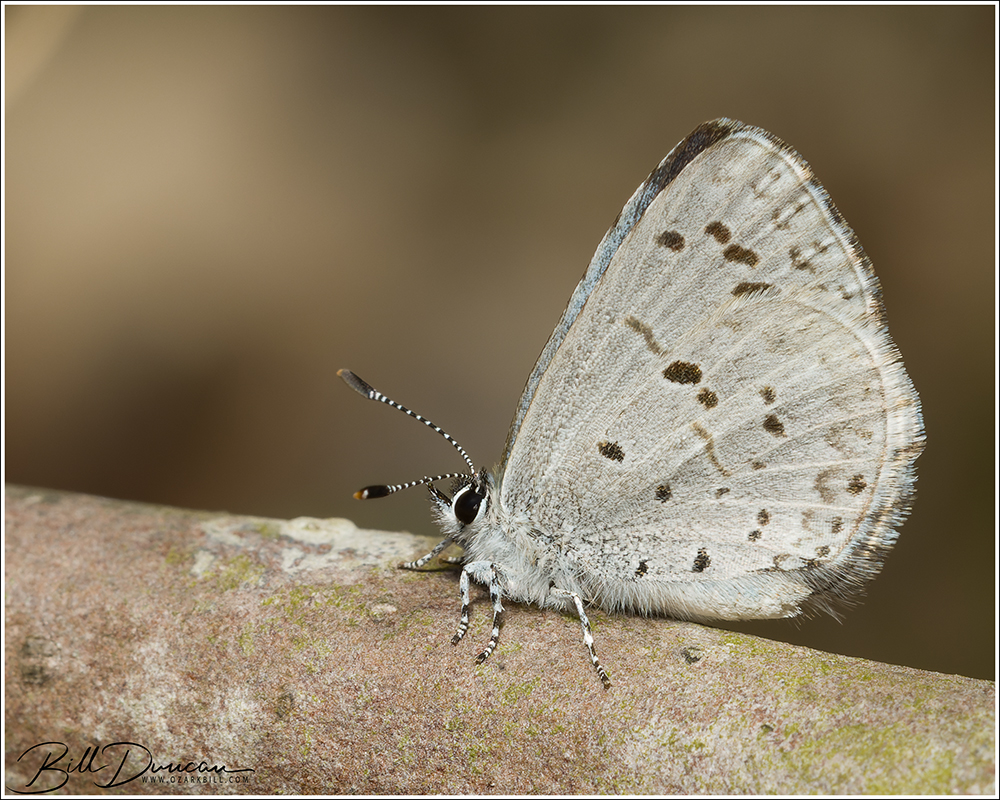
Tonight I’m just sharing some photos of a few lovely Lycaenid butterflies that I had the pleasure of photographing this season. The Lycaenidae family is the second largest family of butterflies, with about 6,000 species worldwide. The highlight was the bountiful season that the juniper hairstreak (Callophrys gryneus) had. Prior to this year, I had only seen one or two in a season, usually without my macro rig with me. In a few trips to the glades in Jefferson County this spring, Casey and I had at least two dozen individuals. They are not usually cooperative, but we worked pretty hard to get something.
First up is the afore mentioned C. gryneus.





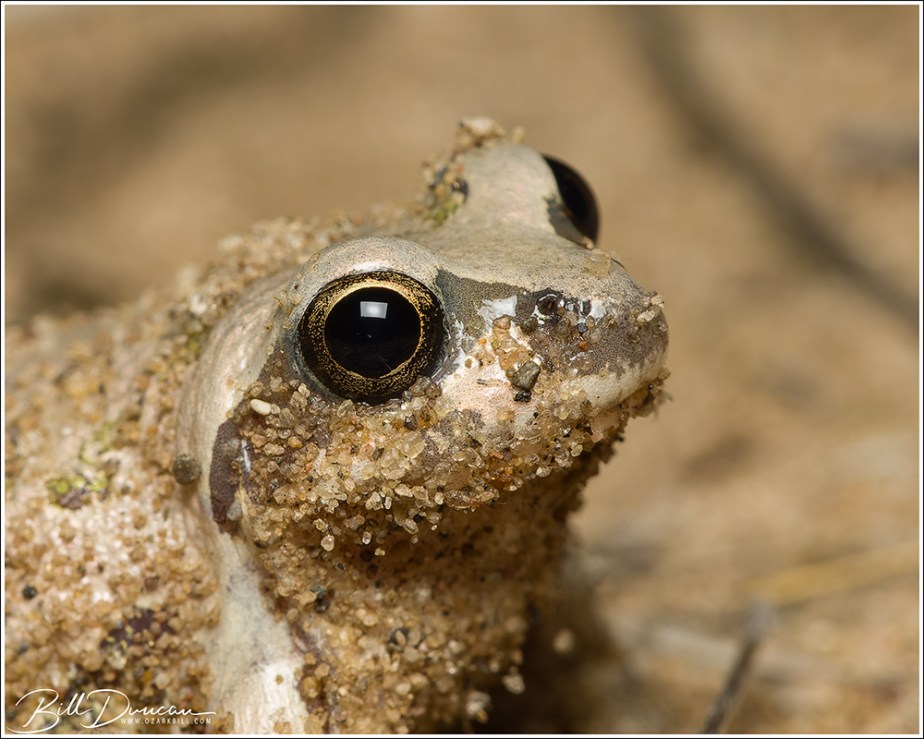
Miguel and I were offered a very special treat back in April when our new friends and gracious hosts, Rick and Jill, offered to show us a very unique and amazing animal, the Illinois chorus frog (Pseudacris illinoensis). The Illinois chorus frog is a species of study for Rick and his students, who are hard at work trying to document the life history and ecological details of this species of conservation concern. Existing in only a handful of counties scattered across Illinois, Missouri and Arkansas, this frog is classified as G3, meaning it is vulnerable to extinction. The primary forces causing the decline of this species is land development, primarily from agriculture.
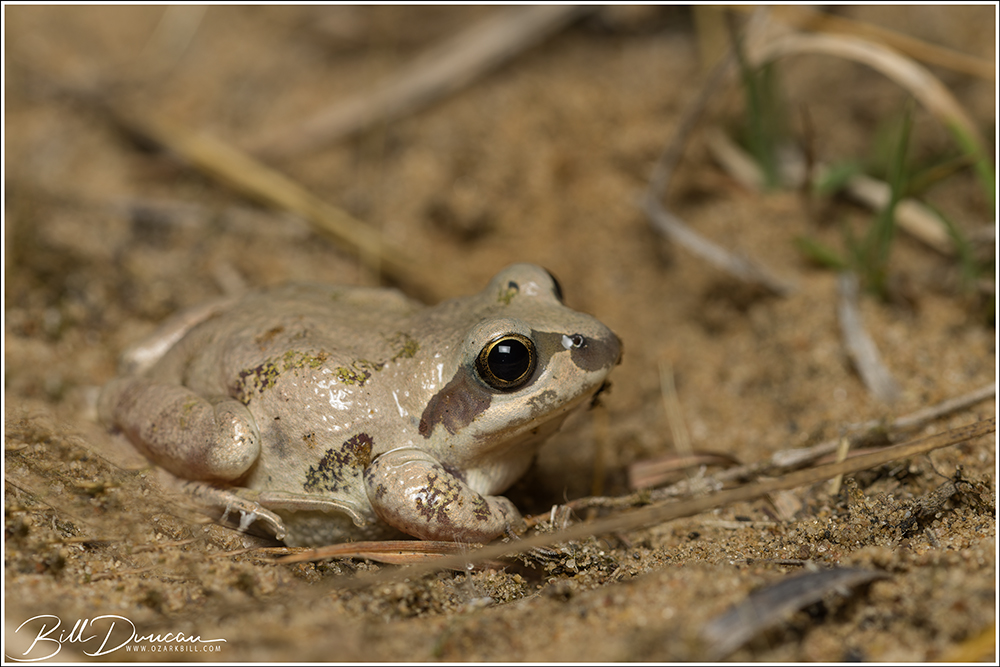
The Illinois chorus frog requires sandy wetlands. These types of areas are being lost due to drainage efforts for agriculture. The scattered remnants of these habitats are increasingly becoming isolated, likely limiting geneflow between pocketed populations.
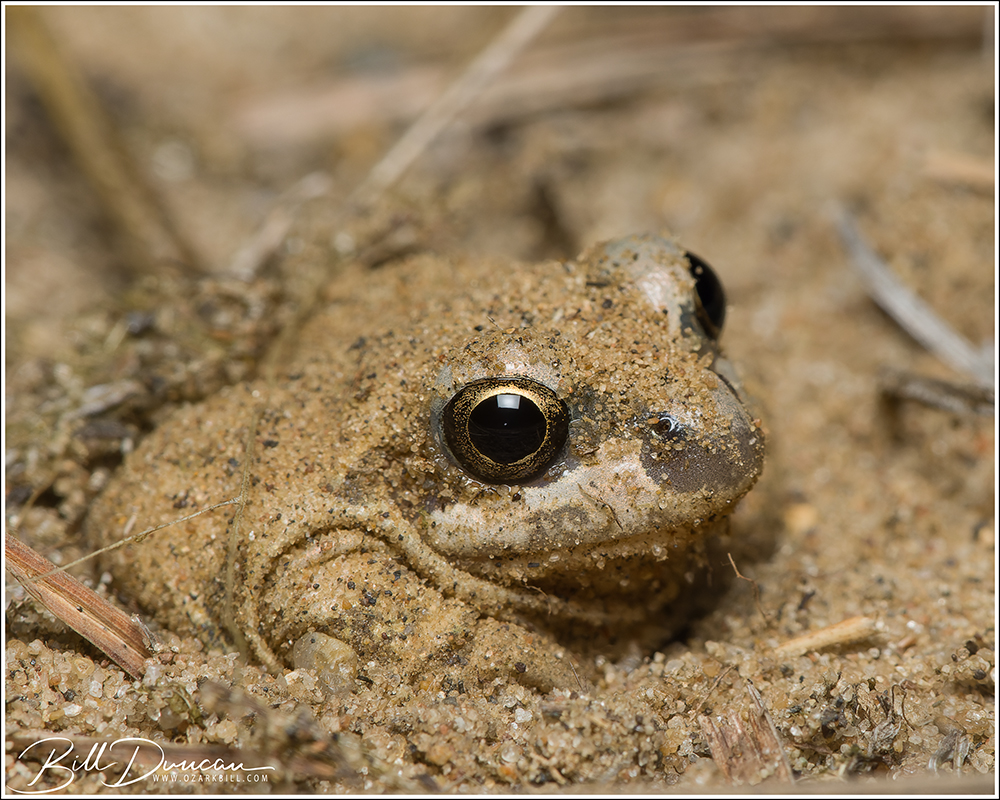
The natural history of this species is incredible. Due to the quick draining nature of their preferred sandy habitat, these frogs spend 90% of their lives below ground. Their breeding season typically begins in February, where they take advantage of water from icy thaws and early spring rains to breed in ephemeral pools. By May, the frogs have buried themselves in underground tunnels that they dig with muscular forearms. Unlike most other frog species that spend large amounts of time in subterranean environments, the Illinois chorus frog is known to feed, eating worms and small invertebrates.
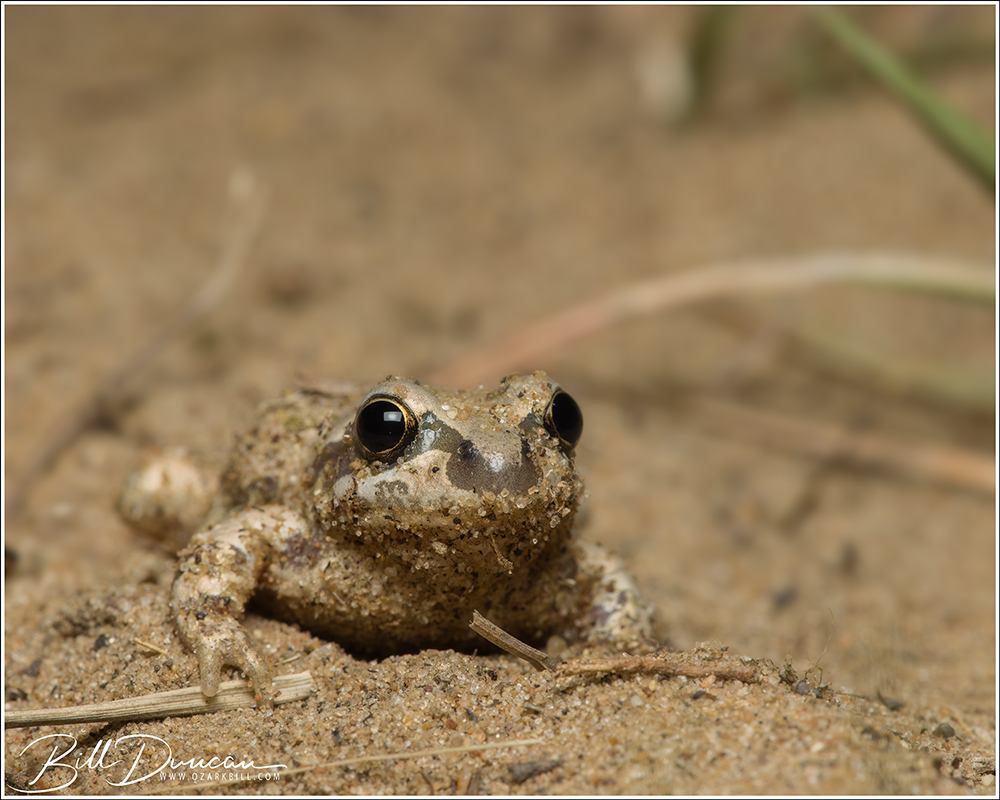
Organizations like the University of Illinois, Illinois Department of Natural Resources and the Heartland Conservancy are doing a lot of work in a number of places to discover more about their ecological needs and protecting and managing habitat these frogs need.
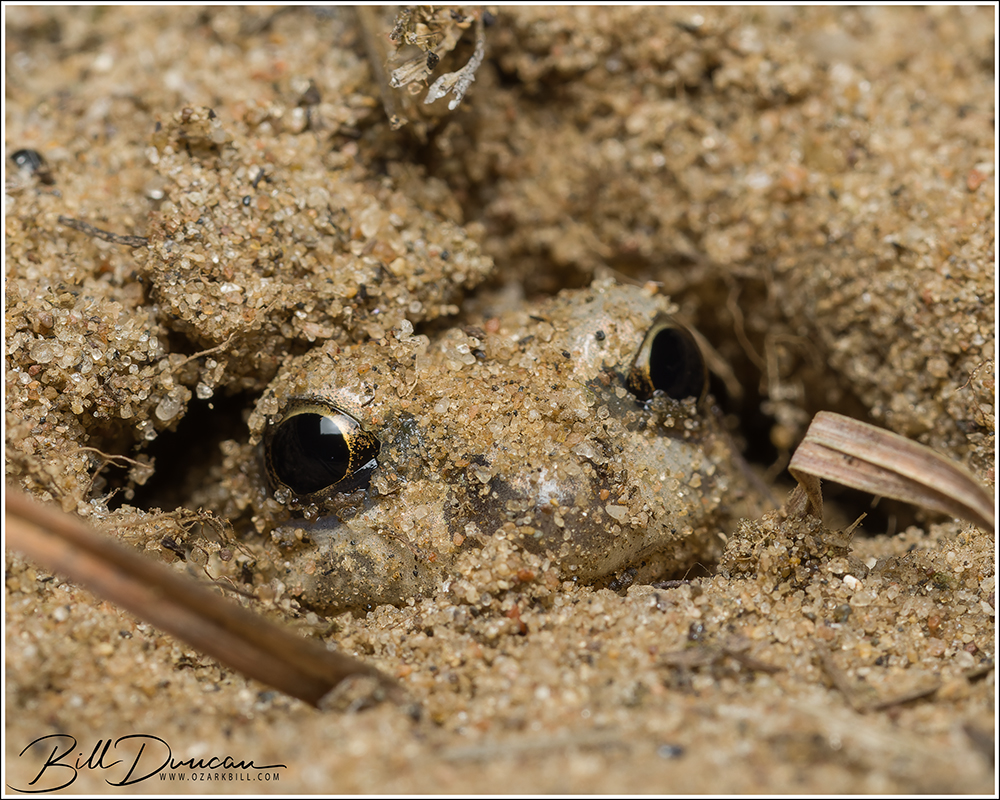
Another great thing Rick and Jill showed us were Illinois chorus frog tadpoles that were in artificial breeding “ponds” that were setup for them. As the hundreds of tadpoles we saw suggest, they were doing really well here.
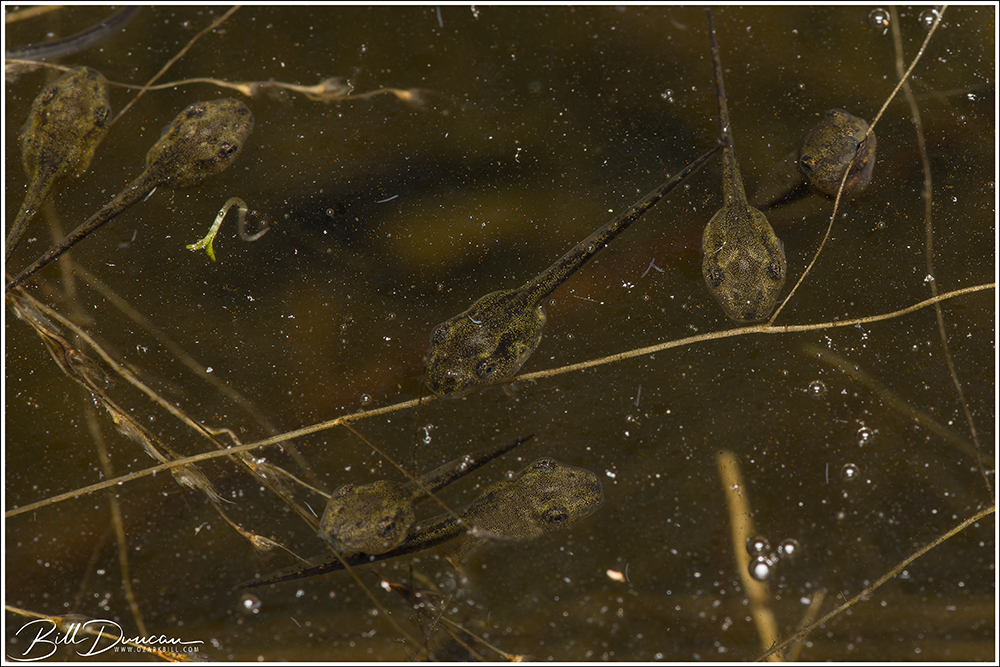
I’m still excited about being able to see and photograph these wonderful frogs and hope to visit them again during an early spring.
OZB
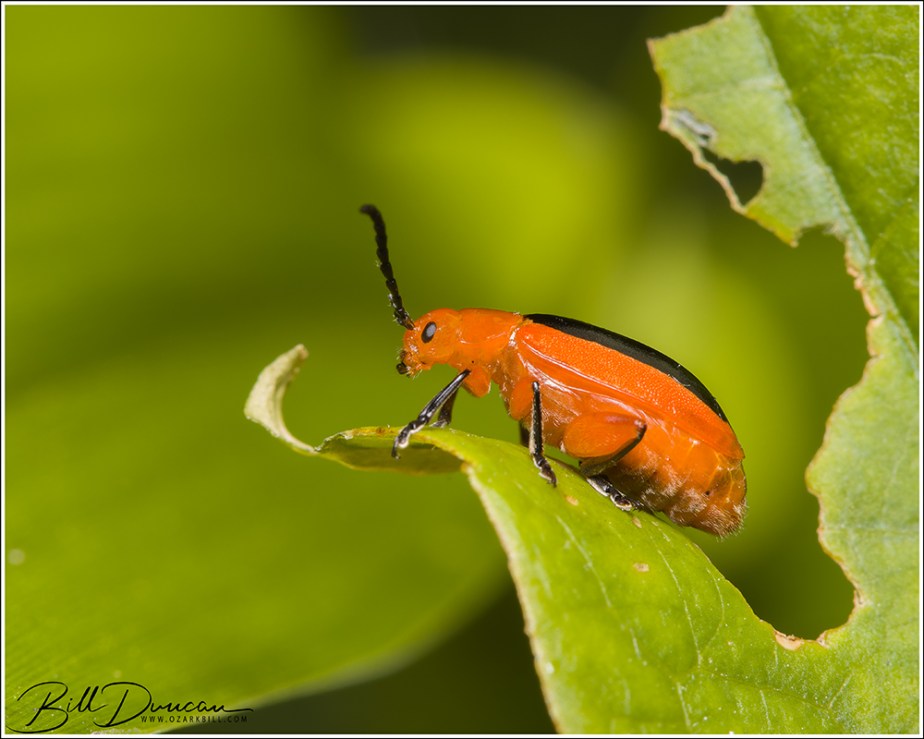
Ever since seeing the photo of Disonycha discoidea in Arthur Evans’ “Beetles of Eastern North America,” I have been wanting to find and photograph this gorgeous Chrysomelid. I have looked for years for this species around St. Louis and southeastern Missouri, and even planted one of its host plants, Passiflora incarnata, in our yard hoping to possibly attract them.
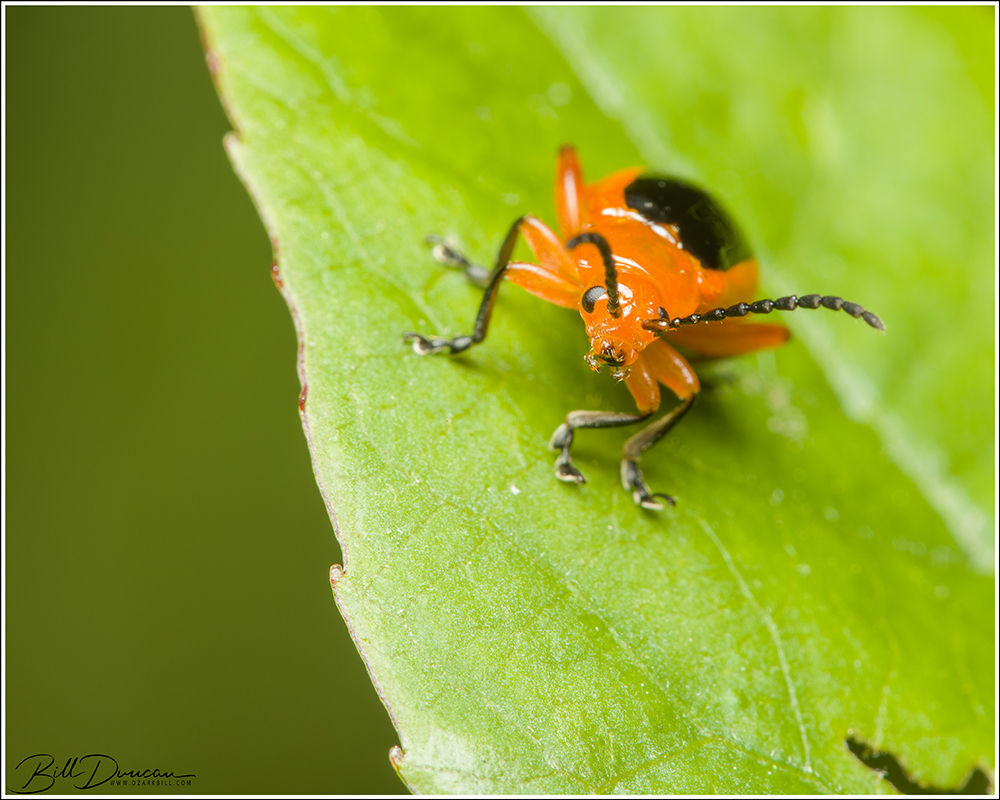
Just a couple weeks ago, my friend, Pete, posted a bunch of picks from his botany trip to southern Illinois on Facebook. As I perused through his collection of fascinating plants he found, I stopped at a photo of several beetles that were on a grape vine. In this photo was a single D. discoidea. Getting a little upset, I messaged Pete to see if he could tell me exactly where he had found this. He was at Giant City State Park and because of smartphone technology, he forwarded me his geotagged photo and I had access to exactly where he had taken the picture.

However, I knew this was a big risk and I didn’t get my hopes up. First, Pete had taken his photo approximately a week before Sarah and I took the 2.5 hour drive south. In addition, the beetle he photographed was on a grapevine, not their typical host plant. Was this just an accidental occurrence of this beetle or could they use grapes as an alternative host? Nothing in the literature suggested that this occurred with this species; apparently, it is monophagous and only uses members of the Passiflora to feed.
We decided it was worth the drive. Giant City State Park is a high quality area and I knew that if we struck out we wouldn’t have to try hard to find something else of interest. We found Pete’s spot of original find pretty easily and started searching. After a couple hours of looking as hard as we could among the grape and poison ivy we decided we weren’t going to find the species there. Utilizing smartphone technology again, I thought it might be a good idea to look for Passiflora plants that had been documented in iNaturalist within the park. My phone signal was pretty poor, so we drove to one of the highest points we could find and I found a single spot that had these plants documented.

These plants were found in a poor scrub prairie habitat along with blackberry and even more poison ivy. We started looking, finding and searching between 50 and 100 of these short plants. We looked very closely and I had a chance to try my DIY collapsible beat sheets that I made over the winter. No luck. I couldn’t believe it. I really thought we had a good chance. We knew the species had been found in the park and here we were within a sizeable population of the host plants. You’ve seen the photos already, so obviously we found our target. And, of course, insect finder extraordinaire, Sarah, was the one to find the beetle on a ragged, half-eaten P. incarnata plant. I immediately got to work photographing from a safe distance. One of the reasons they call them flea beetles is that they will jump great distances upon being disturbed. Ultimately, we found four individuals all on the same plant. Thankfully, this species is quite large for a flea beetle and I didn’t need to get too close that higher magnifications would require.

So what’s up with that coloration?
This species exhibits aposematism, also known as warning coloration. This is the same reason that unpalatable or downright toxic species like monarchs and milkweed bugs along with stinging predators like yellowjackets or velvet ants show warning colorations. Disonycha discoidea picks up cyanogenic glycosides from its Passiflora host plant, making it distasteful or toxic to would-be predators. By evolving this aposematism, the insects can advertise this and avoid the predators that would be on the lookout for an easy meal. In the tropics, a group of butterflies known as the heliconiines also acquire these toxic compounds from the larval feeding on Passiflora.
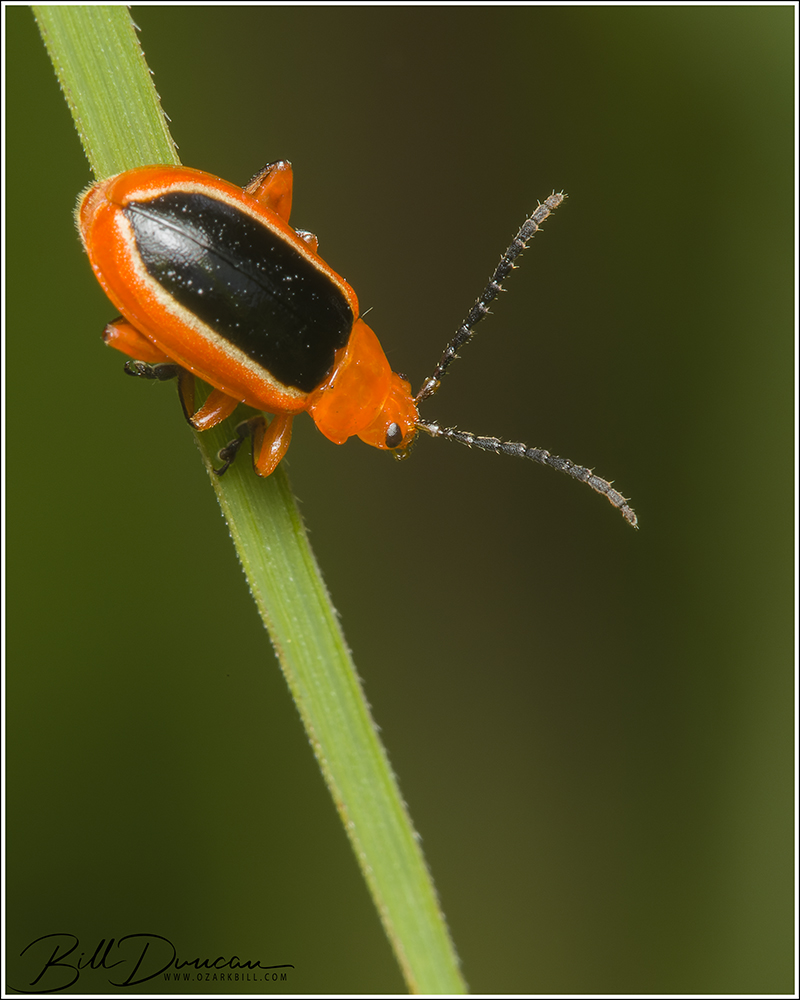
It was great to finally find this target species. The larvae of this species is also quite photogenic. If I find the time to make a return visit this summer, I would love to find a few of them as well.
Thanks for stopping by!
OZB