"What a thousand acres of Silphiums looked like when they tickled the bellies of the buffalo is a question never again to be answered, and perhaps not even asked." -Aldo Leopold
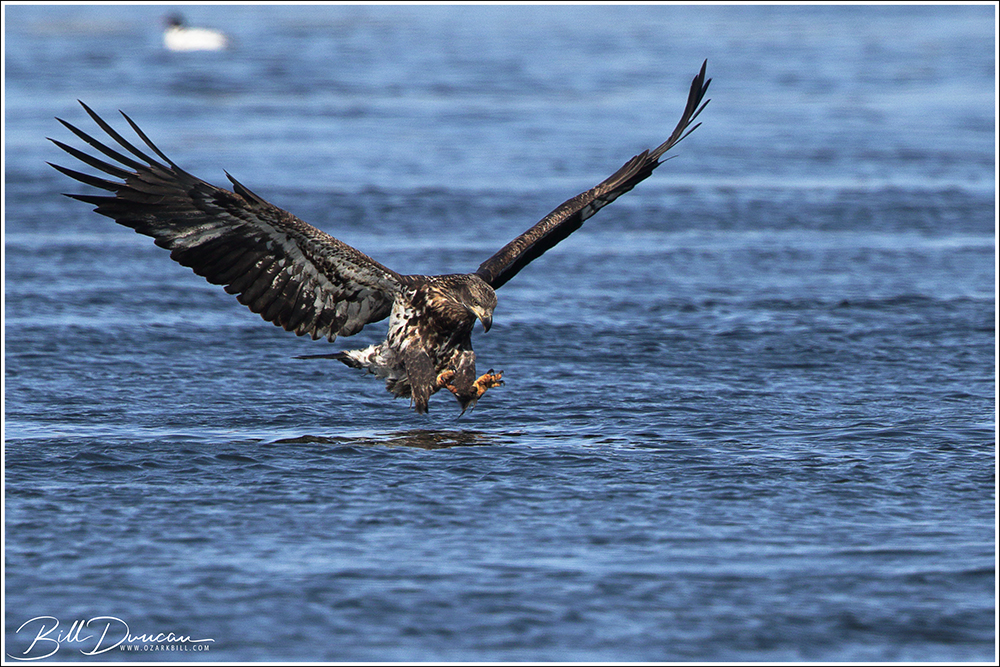
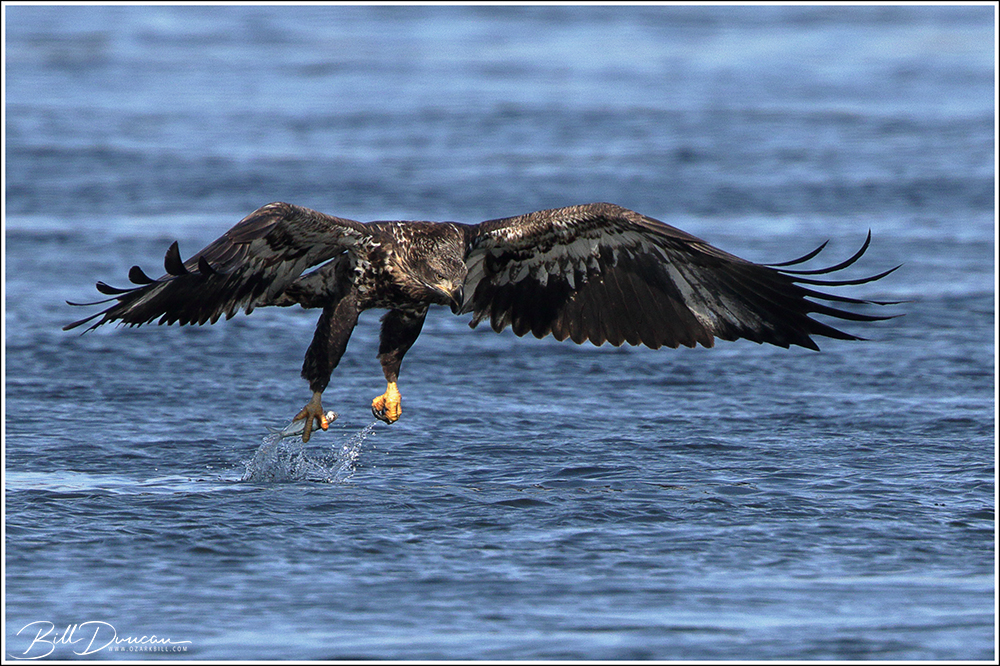
We actually had a couple weeks of a deep freeze, old-fashioned winter during the 2020/2021 season. It was enough to get a lot of ice on our rivers and lakes but it didn’t seem to be quite long enough to bring the eagles into Lock and Dam #24 in big numbers. A couple friends and I tried during the last couple days of the deep freeze and although we had fewer than 12 birds, there were opportunities that made it worth our time. Here are a couple photos of a juvenile eagle (a 1.5 to 2.5 year old bird) that I captured as it came to the water to catch a fish that was stunned following its passage through the dam.
A catch!
Check back soon as I will be posting more photos of eagles and other birds that were making their living in the open waters beneath Lock and Damn #24.
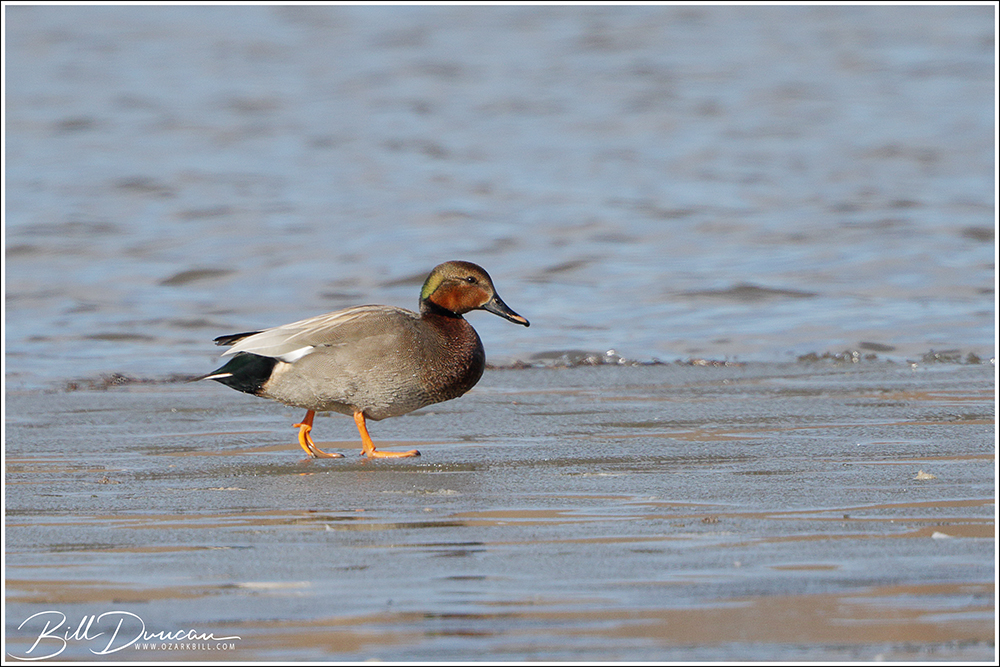
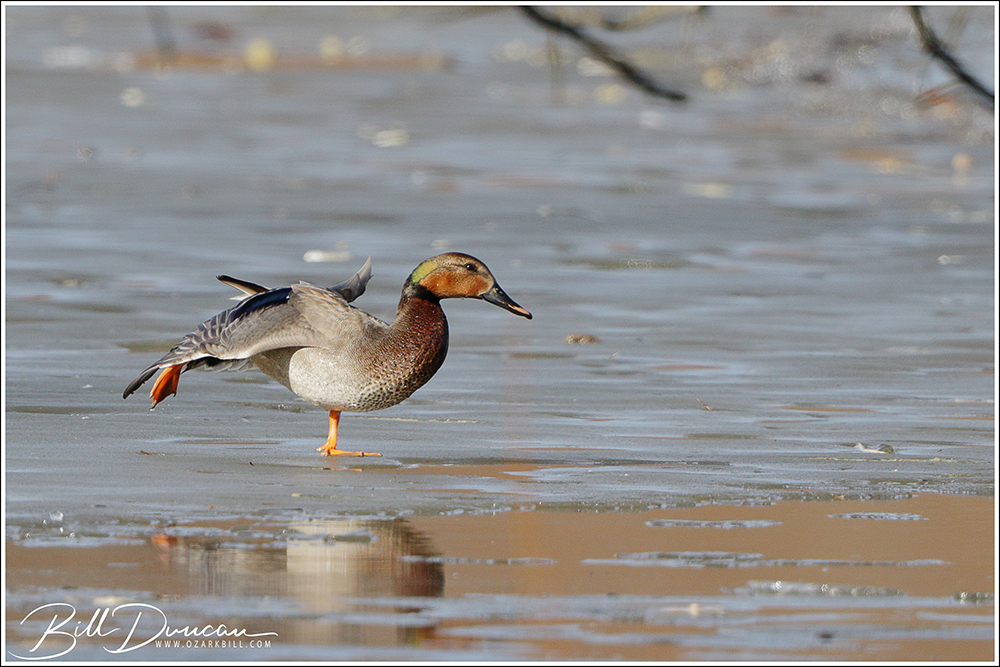
The Brewer’s Duck is a hybrid between a Mallard and a Gadwall
Although I cannot count it as a new species on my lists, I do believe this bird is worthy of a little attention. The “Brewer’s Duck” has been noticed for centuries, even being painted by J. J. Audubon himself. But, he called it the “Bemaculated Duck”, an apparent misspelling of the descriptor, bimaculated, meaning “marked with two spots.” The Brewer’s Duck is an intergeneric hybrid between a Mallard (Anas platyrhynchos) and a Gadwall (Mareca strepera).
This bird was originally spotted at Bush Conservation Area on February 23rd by Michelle Davis and reported via eBird and MOBIRDS. These photos were taken on February 24th.
The Brewer’s Duck is a true blending of its two-species heritage and they apparently are quite variable in appearance.
In the above photo, the blue speculum patch can be seen, coming from the Mallard. The fine lines of the Gadwall can be seen on the breast and sides. The head is a mixture of both species. Some green can be seen towards the back of the head, although this could only be seen at just the right angle to the sun. The bill is also a mix of the yellow Mallard’s and the all black Gadwall. In my opinion, the feet are more reminiscent of the color of the Gadwall’s feet.
A nice comparison of Mallard, Brewer’s and Gadwall drakes.
So far I have been unable to find out much about the Brewer’s Duck from books or internet sources and I have lots of questions. This bird seemed to mostly associate with Gadwalls. Is this common, or does it depend on which species was the mother? Does the parentage have to be directional? Are they fertile? How common are they?
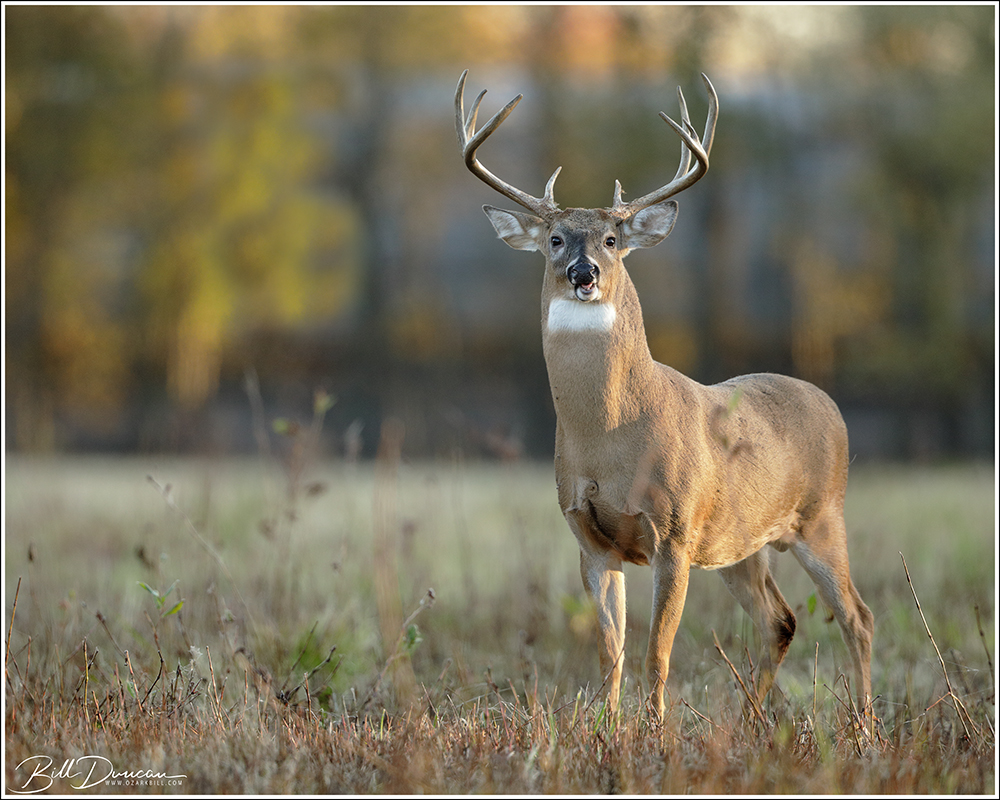
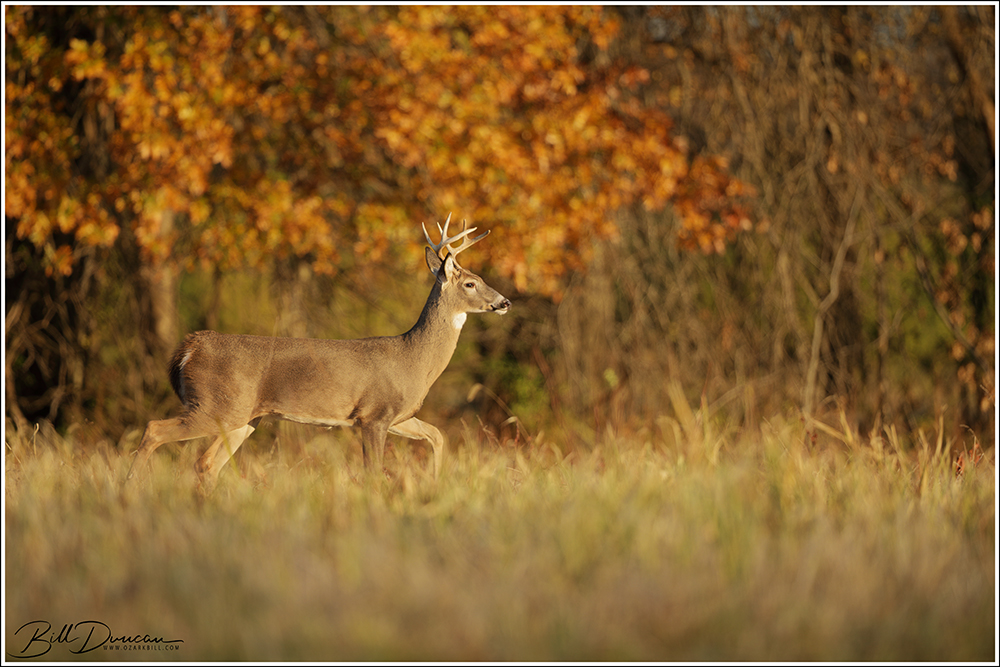
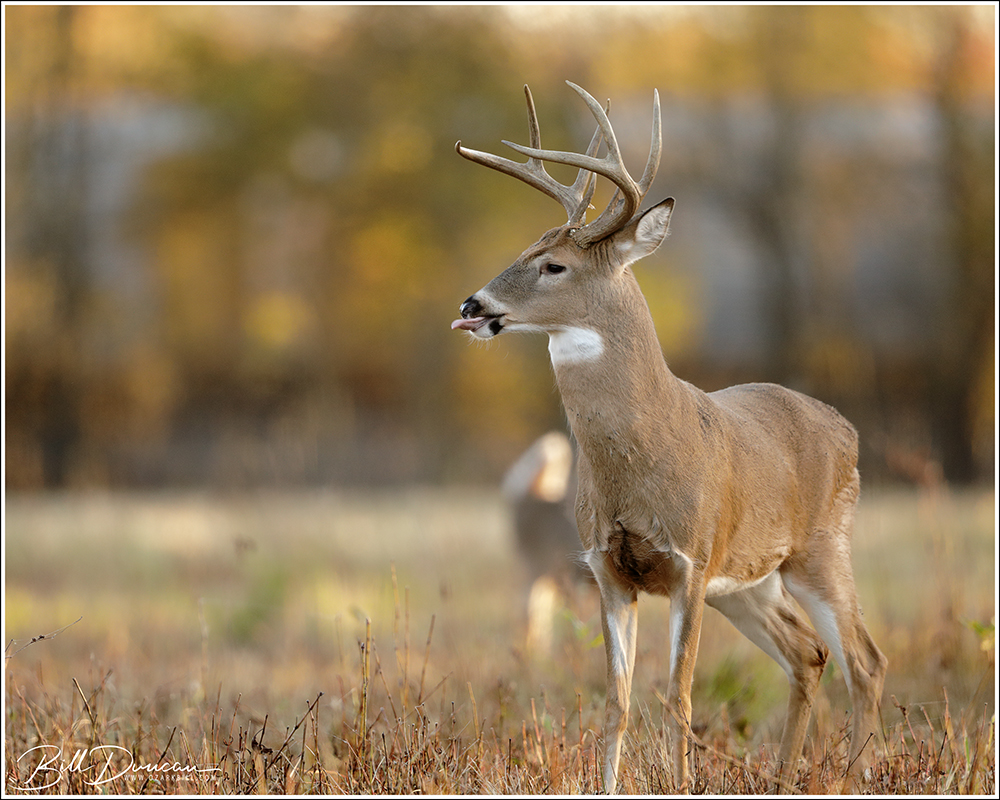
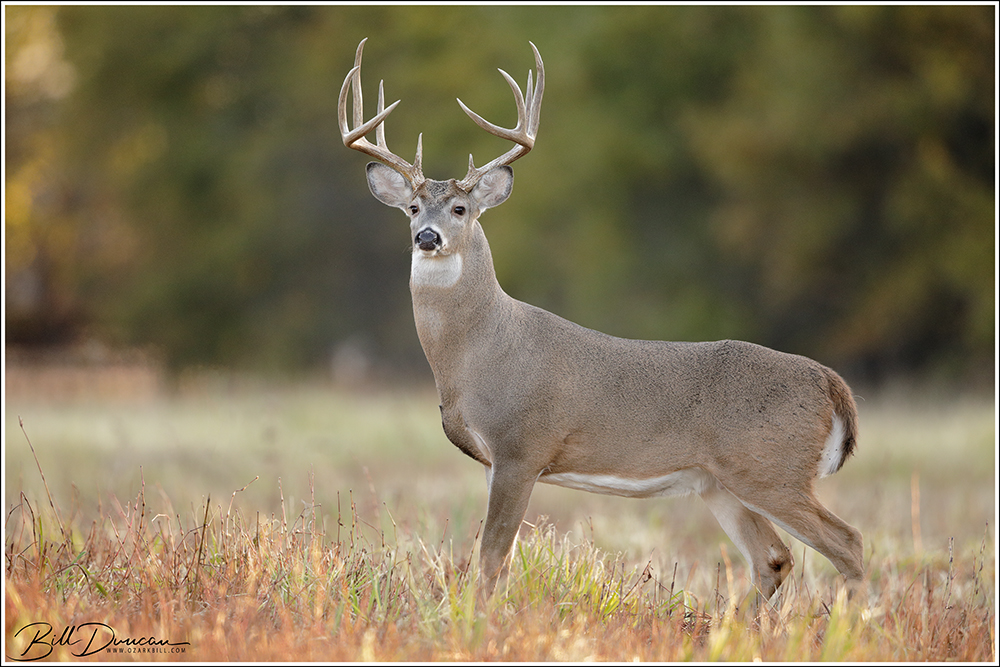
The rut of 2020 turned out pretty well for me. I was able to get to my favorite place for this type of photography five or six times. I tried for a few more days, but weather and flooding caused me to change plans. I didn’t get any high action shots, but I am happy with the portraits I got of some of the larger bucks in this herd.
This smaller eight-pointer has an extra antler growing.White-tailed bucks will often drool in the heat of the rut.This “wide eight” knew somebody was watching but never did find me.A buck looking for just the right scent on the breeze.This guy thinks he found the one. He chased her into the bush and beyond my sight.Waiting on the edge of the dance floor.This location was not the greatest for fall colors, but I lucked into a couple of interesting environmental portraits.I lucked into this guy walking under the nicest colored tree in the area.The class clown.My favorite portrait of the year.Here’s looking to bigger and brighter in 2021.
A buck with small, deformed antlers. Antler growth like this is usually caused by injury or poor nutrition.
Tonight I’m finishing off the neighborhood deer photos from 2020. This buck pictured in the first two photos was a bit odd. Not just because of the aberrant antlers, but he also did not mind my close approach or my following him as he browsed.
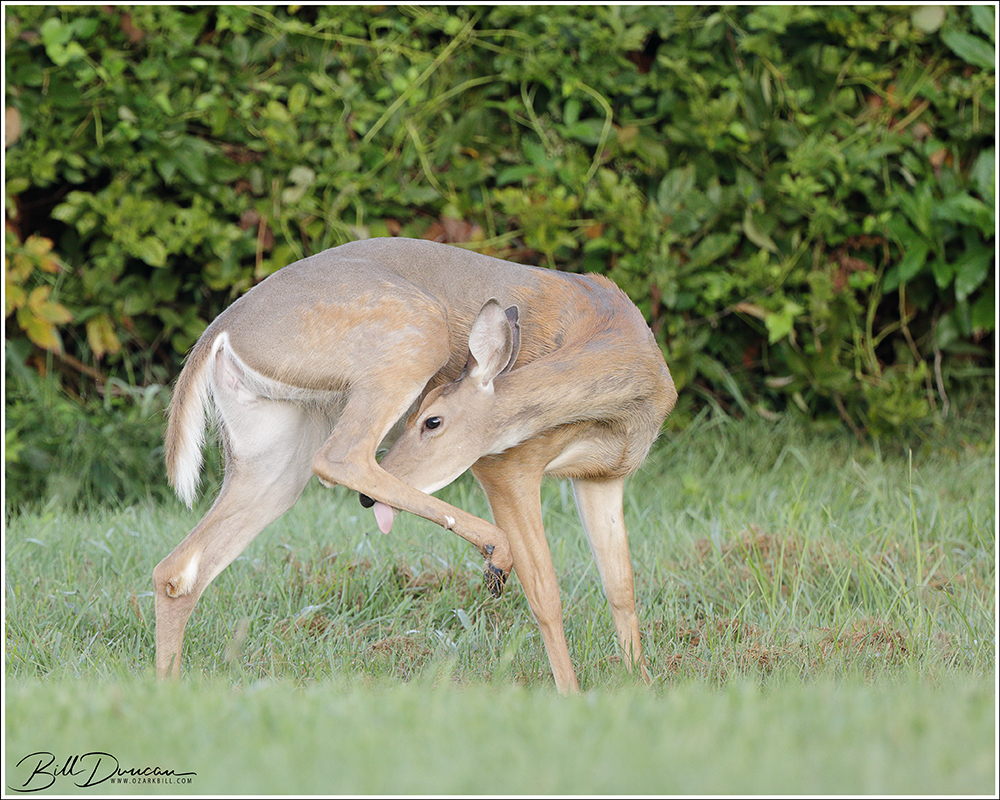
Same oddball buck stretching to reach wild grapevine.A young buck in velvet.A forky at dawn.The curious fawn, never too far from mother, browsing in the background.A velvet IN fog.A young doe giving attention to her tarsal glands.On the first of September this fawn still looks to mother for reassurance.
A fortunate position led to a rather regal portrait for this suburban prince.
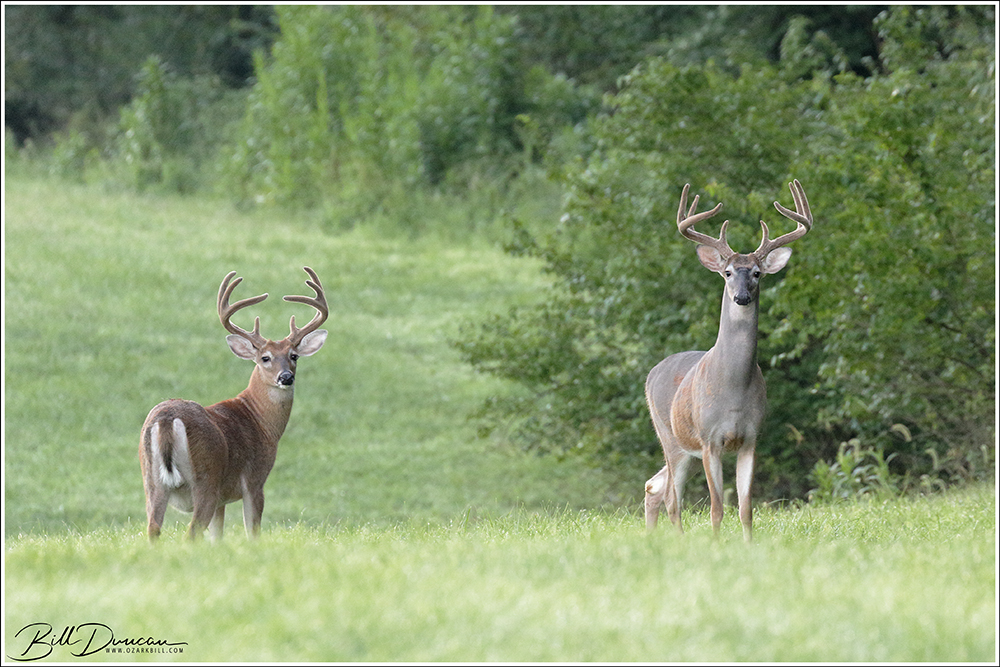
A few more white-taileds from August. Have a look at the next three images. I’m hoping someone with some knowledge in the genetics of these guys might have some idea what is going on with the buck on the right. With his rack and size, he obviously has the genes, but he looks so different from what I think we would agree is a more typical buck next to him. In addition to the shapes of their heads and faces, their coats are vastly different as well. Thanks for sending any thoughts you might have about what these difference might be caused by.
A couple of different bucks. These are the largest and most impressive of the lot that I found in the neighborhood this year.Another look at these juxtaposed bucks.Another look at the contrasting colors and facial shapes of these two buddies.A white-tailed fawn.A younger buck in velvet.See you next time!
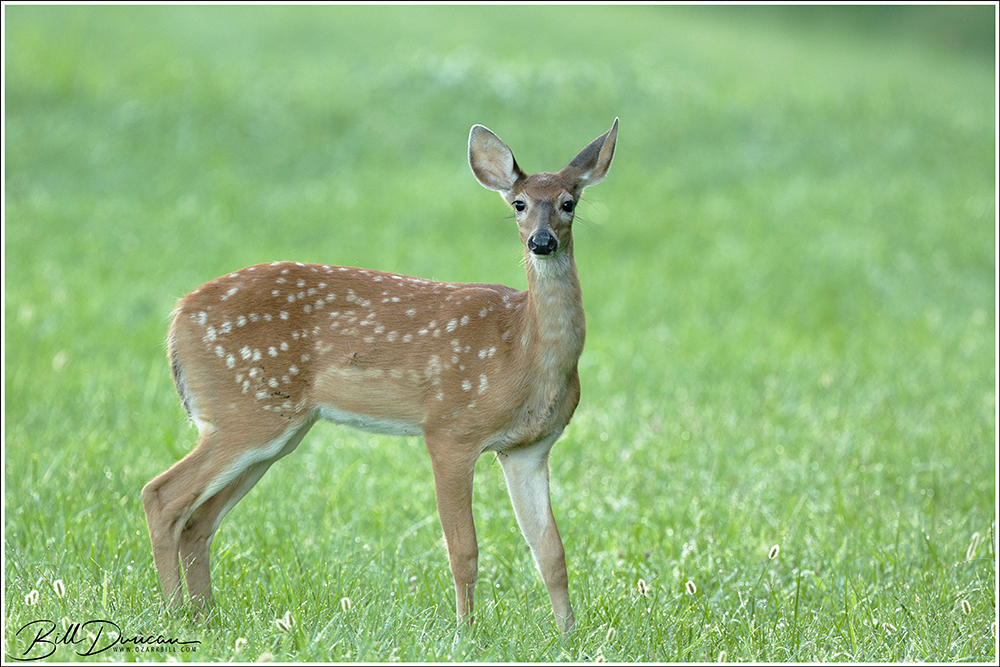
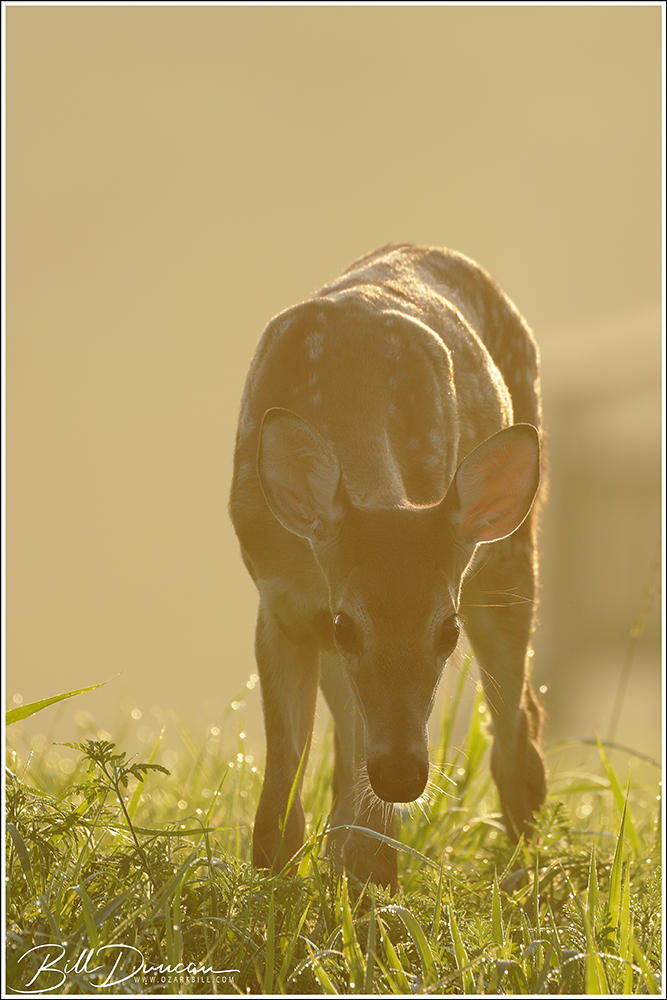
A brave white-tailed deer fawn stands on its own, not concerned by the photographer.
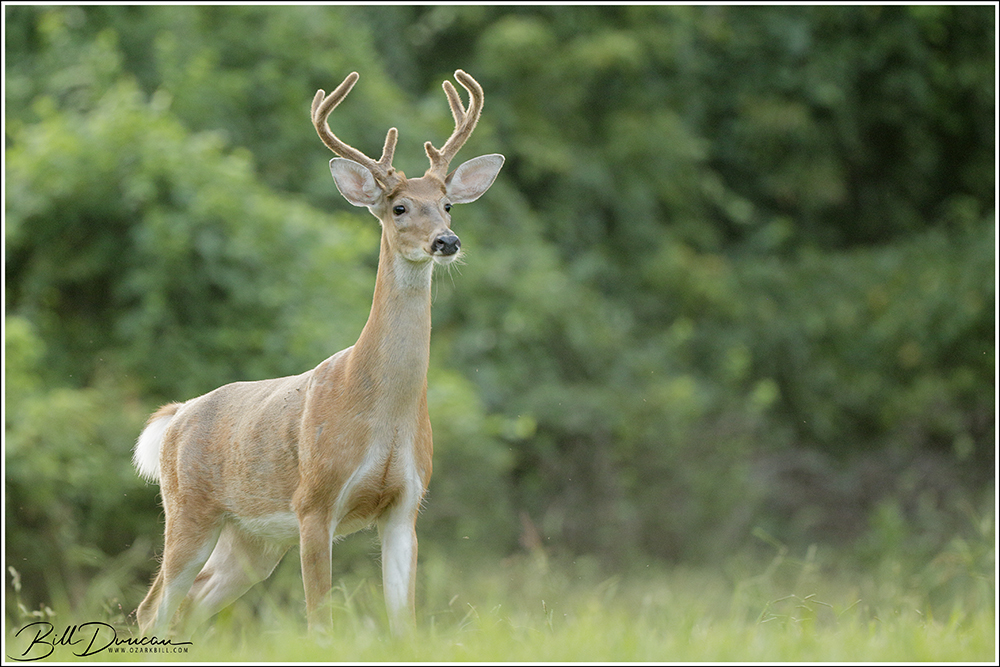
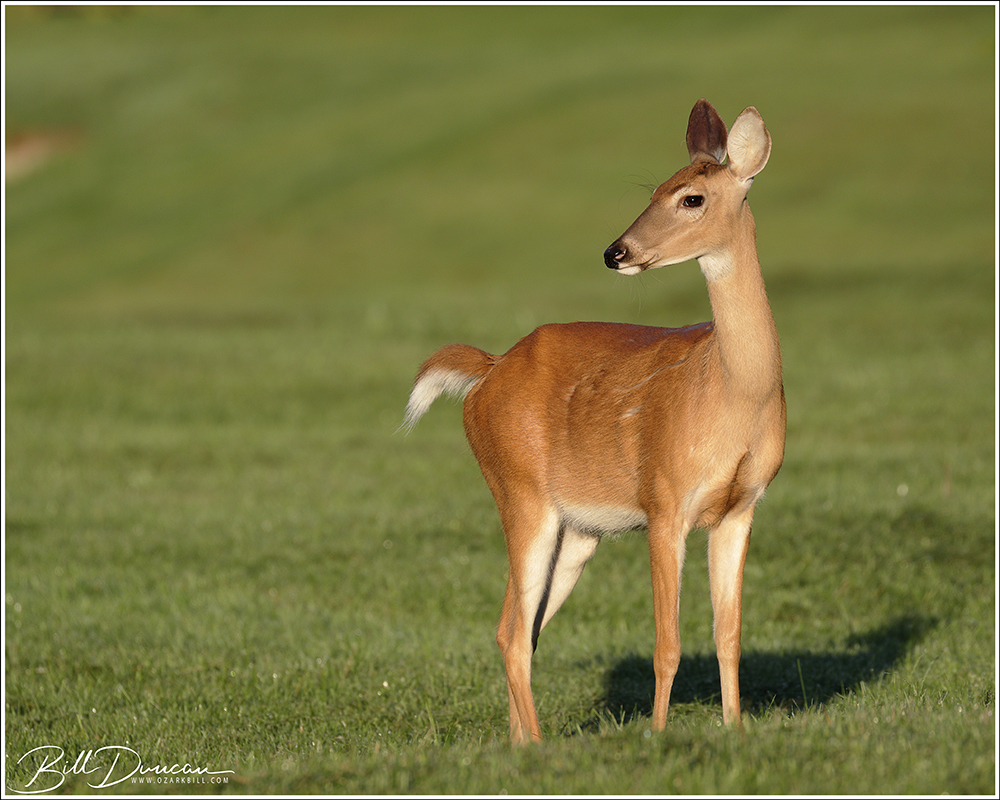
2020 was a decent year for me in finding and photographing white-tailed deer. It started in the summer a I walked the high-voltage line cuts that run through our neighborhood. These turf fields, the wood lots and scrub fields that run along this area and our yards are home to a good size population of these deer. As I get more into landscaping our yard with native plants, I’m sure I’ll develop issues with these guys, but they are a lot of fun to watch and photograph.
Four bucks and a baby.
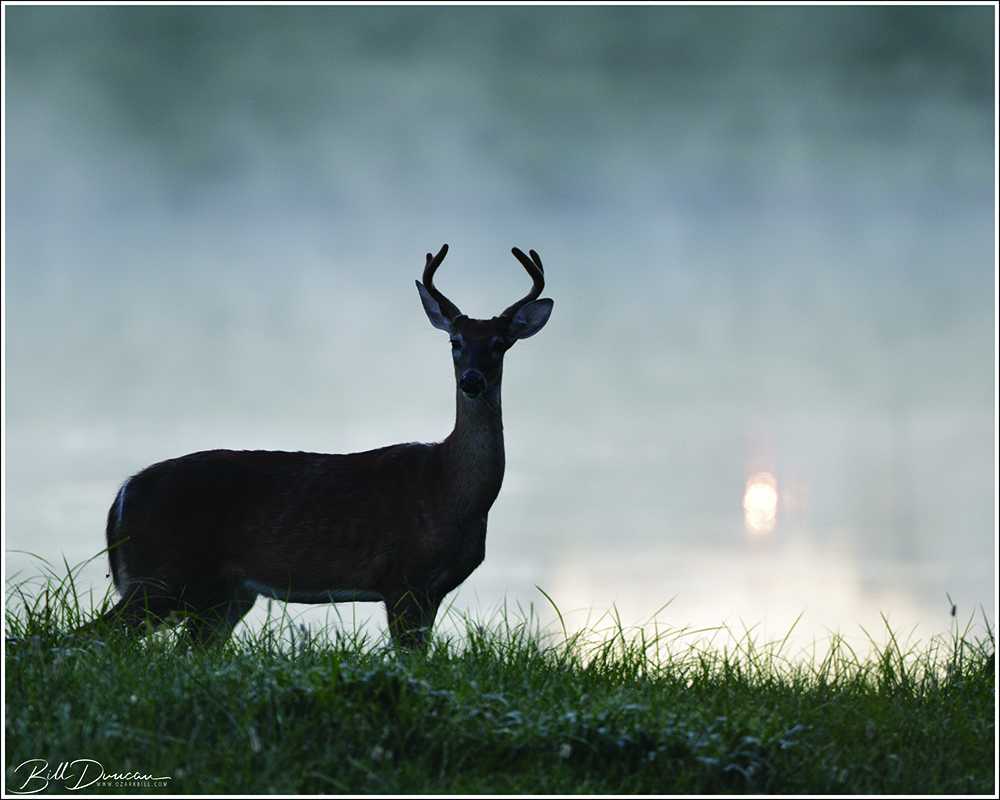
Typically, summer bucks in velvet are not easy to see in the daytime. They typically stick to a small area, eat the abundant greenery and try not to damage their sensitive new headwear. Suburban bucks are different. In fact, I had much easier times finding bucks this summer in the neighborhood than I did during the rut season when they are typically easier to find and get close to.
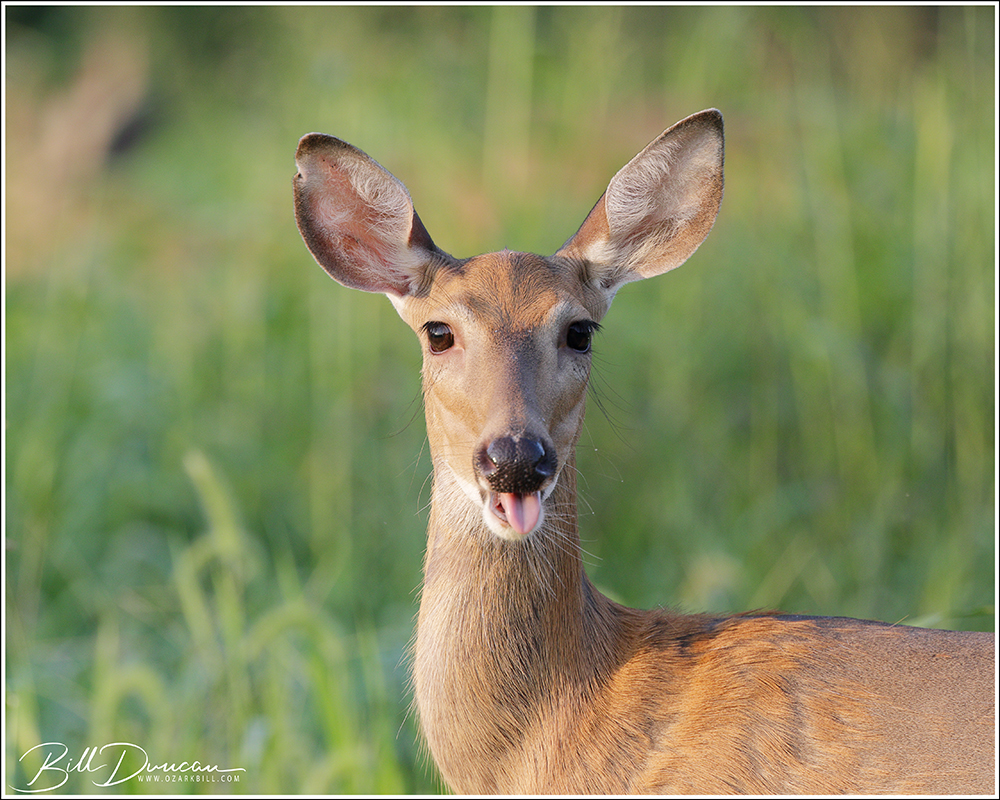
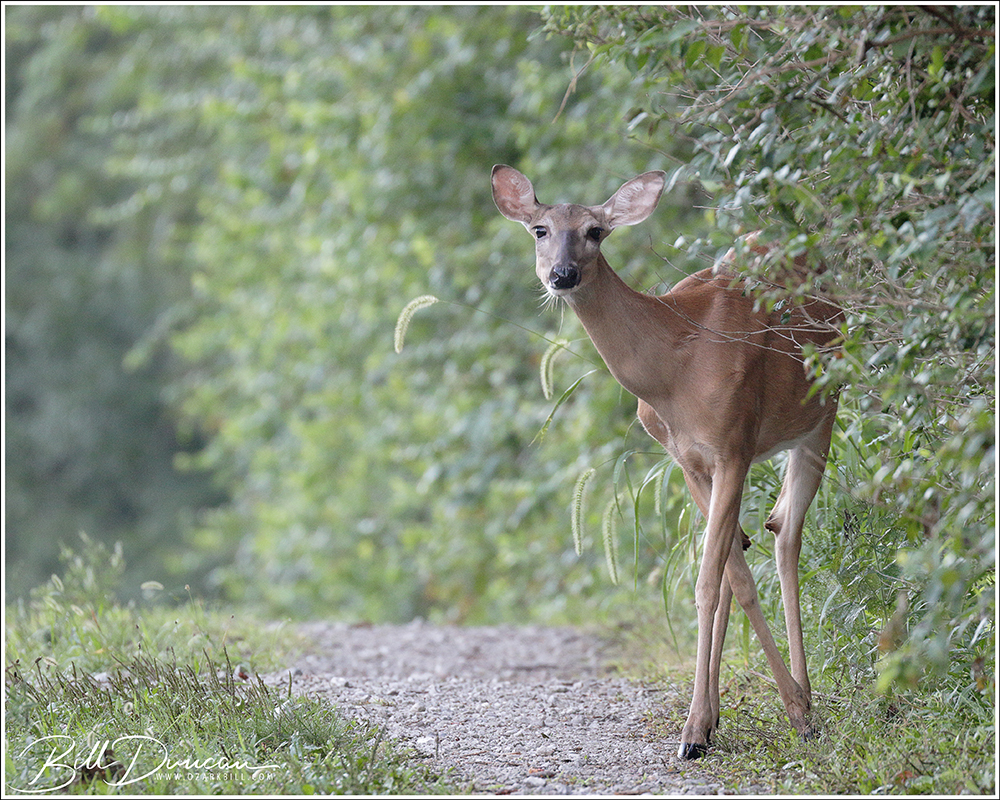
I came across this doe early one morning when walking up this gravel trail.I tell them its not polite to stare but they never listen.Great light for a portrait.The back-lighting here causes the velvet of this buck’s developing antlers to glow.This curious fawn, photographed the same morning as the previous image, actively pursued me and eventually got closer than the minimum focusing distance of my lens!I found these three in the turf fields later in the day and the season than the rest of their herd. I imagine mom wanted to refuel for as long as she could before heading to the woods.
That’s all for this set. Stay tuned and check back later to see more from the neighborhood this summer as well as images I took during the rut.
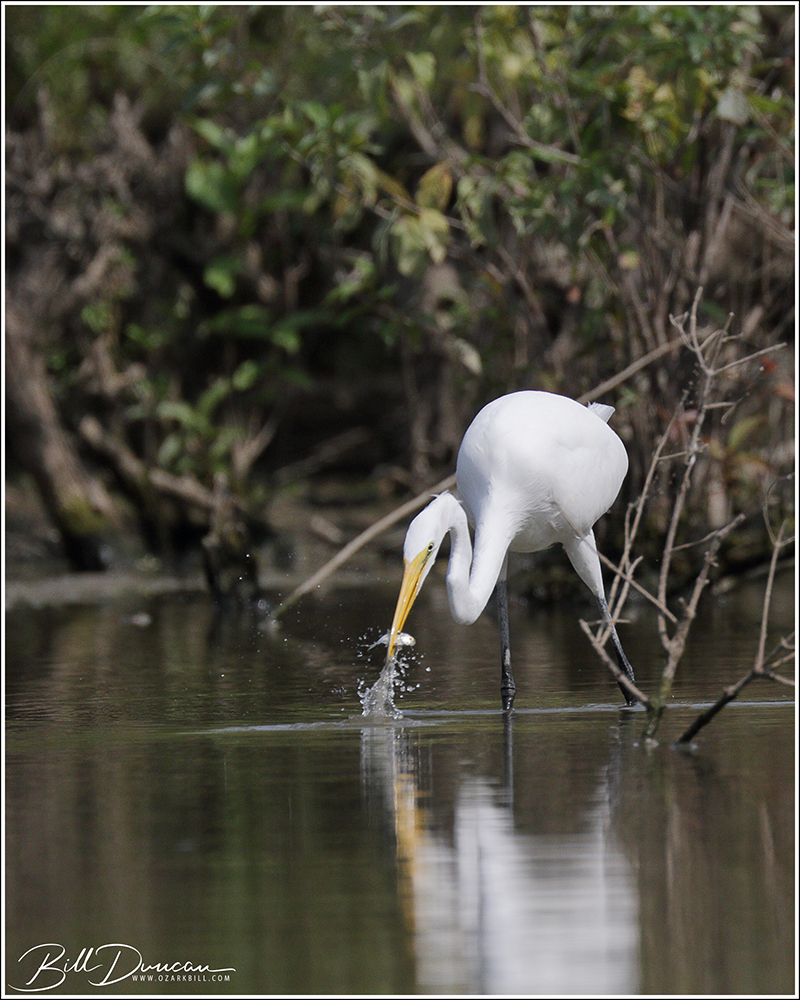
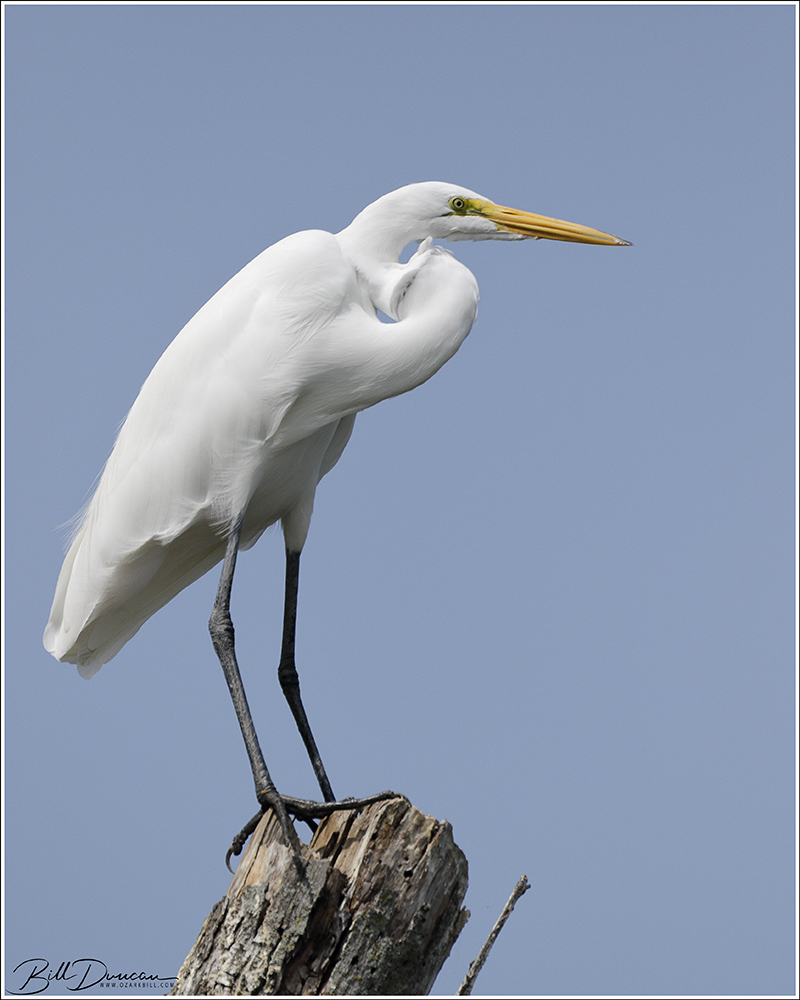
A Great Egret poses in front of early autumn colors.
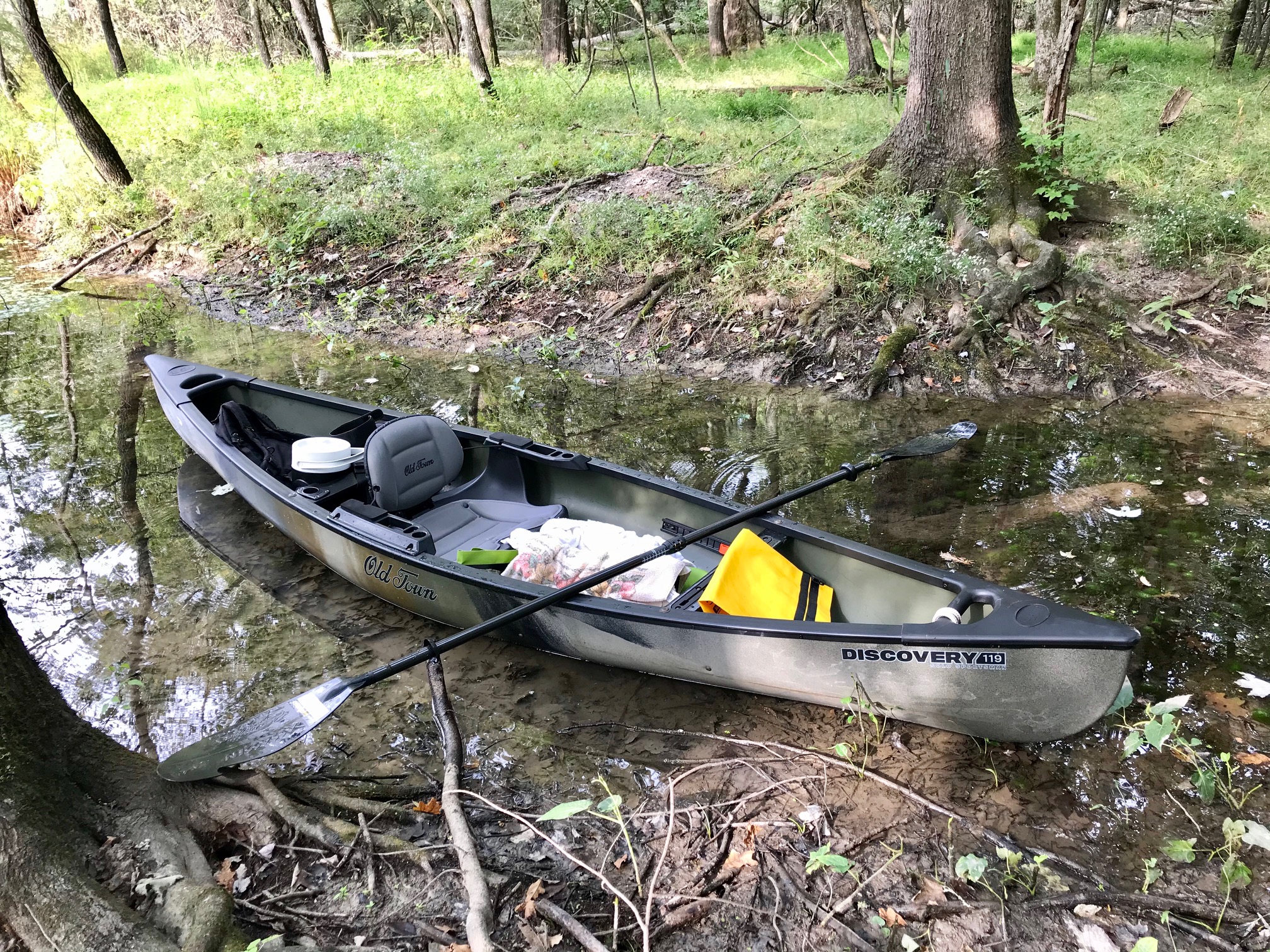
Back in September I was fortunate to join the boat owners club when I picked up a single-seater canoe/kayak hybrid. After my typical dive into researching the best potential model for my usage and pocketbook, I was pretty certain it would suit my needs. Excited to give it a try, my first stop in getting it wet was an early morning vacation day at Creve Coeur Lake.
The “Discovery 119” hybrid – very stable and easy to move to and from the water.
On this first outing, only minutes from my house, I did not expect the photographic opportunities to be very abundant. However, I was pleasantly surprised by the looks at wildlife and photos I was able to get.
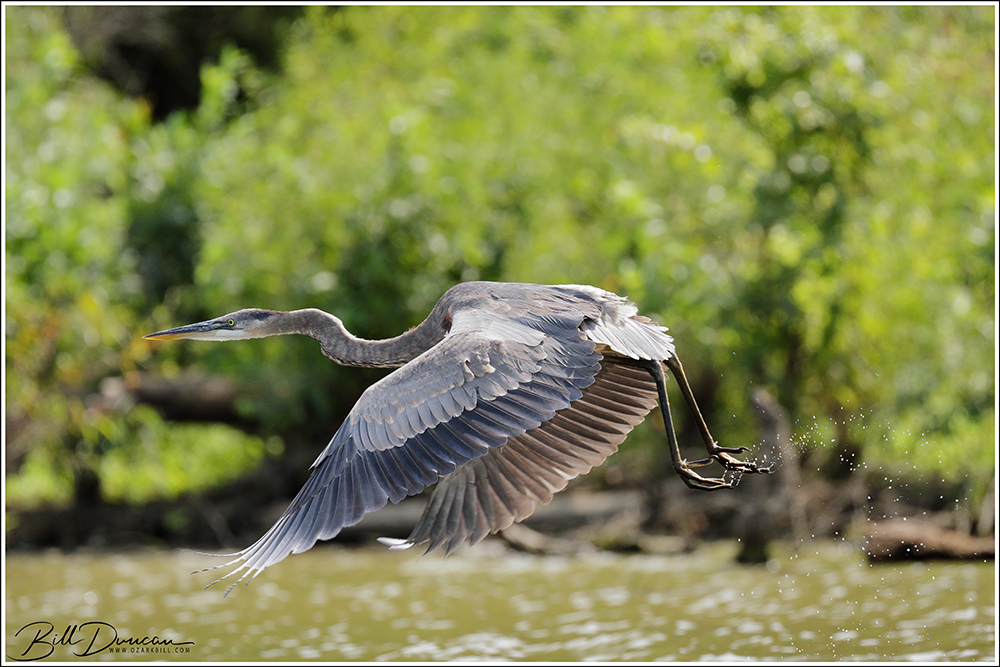
A Great Blue Heron, usually quite timid, was easy to get close enough to capture with a 400mm lens.
Maneuvering the boat into position while trying to get the photos was a bit of a chore and will definitely take more practice to get right. Facing your subjects is key and in still waters was usually doable before the subjects could complain.
A Great Egret grabs a quick bite.A quick flip to align and down it goes.
This boat sits very shallowly in the water, allowing me to maneuver easily in the shallows wetlands found at the south end of the lake. I was often moving in less than three inches of water!
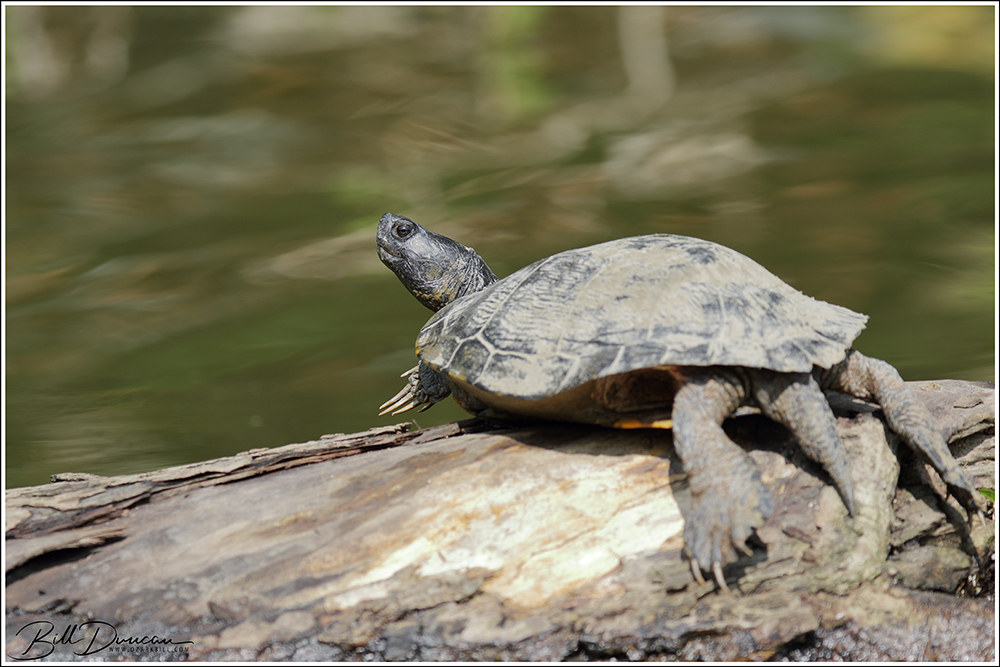
Green Herons tend to have a strong tolerance for humans in more populated settings, often allowing close looks.It’s not every day that you can get this close to a juvenile Little Blue Heron.The boat was stable enough for me to handhold track this LBHE in flight.Birds were not the only ‘reptiles’ I was able to get close to on this outing. This is an age-induced melanistic male red-eared slider (Trachemys scripta elegans) who was bold enough to stay on his sunning perch after his smaller conspecifics had fled to the water.This northern watersnake (Nerodia sipedon sipedon) was showing opaque eye scales, indicating it will be shedding its skin within a few days.
This wraps up the best of my keepers from my first day out in the boat. Needless to say I was quite satisfied with this activity and I am looking forward to getting out more often with it.
May seems such a long time ago. I don’t know how I get so behind on photo processing, but, better late than never. Here is the first of what will probably be three videos with stills of the White-eyed Vireo nest found by Miguel Acosta at Weldon Spring C.A. this past spring. I hope you like it.