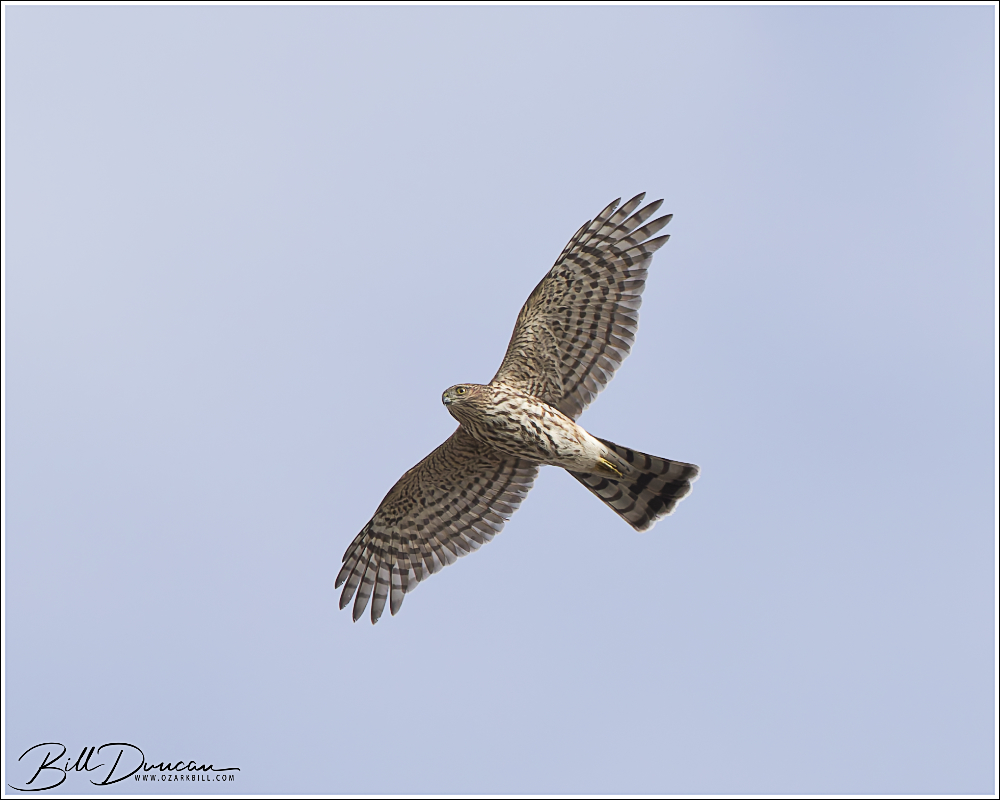
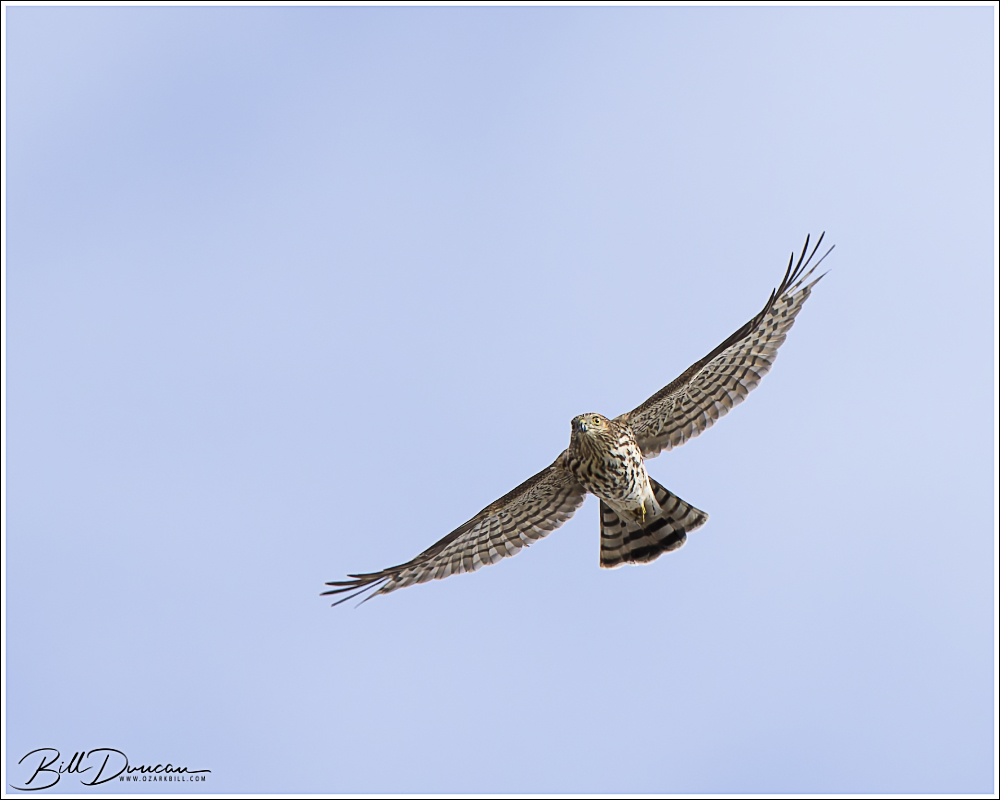
During a WGNSS Photography Group outing to the Weldon Spring Site Interpretive Center back in November of 2025, we had some nice luck with a Sharp-shined Hawk. My best photos to date of this species.
"What a thousand acres of Silphiums looked like when they tickled the bellies of the buffalo is a question never again to be answered, and perhaps not even asked." -Aldo Leopold
During a WGNSS Photography Group outing to the Weldon Spring Site Interpretive Center back in November of 2025, we had some nice luck with a Sharp-shined Hawk. My best photos to date of this species.
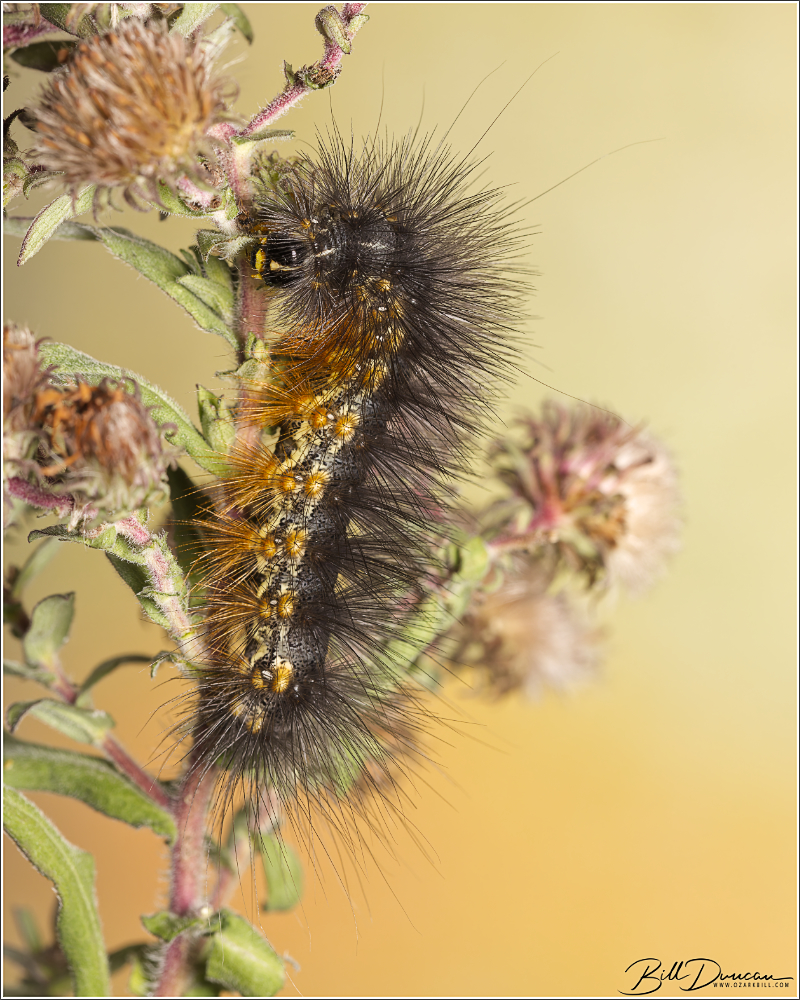
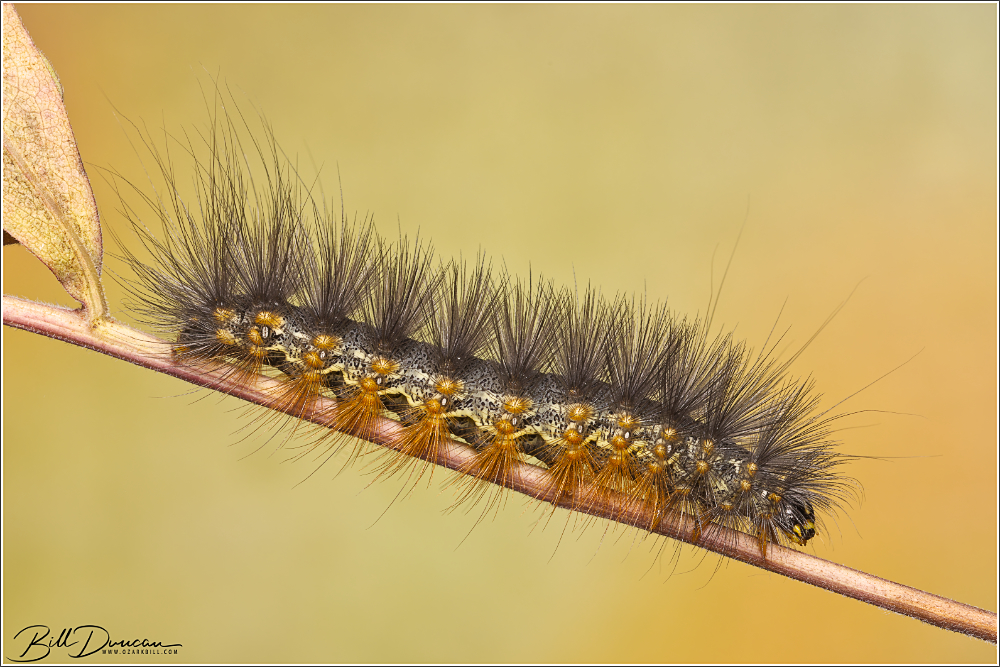
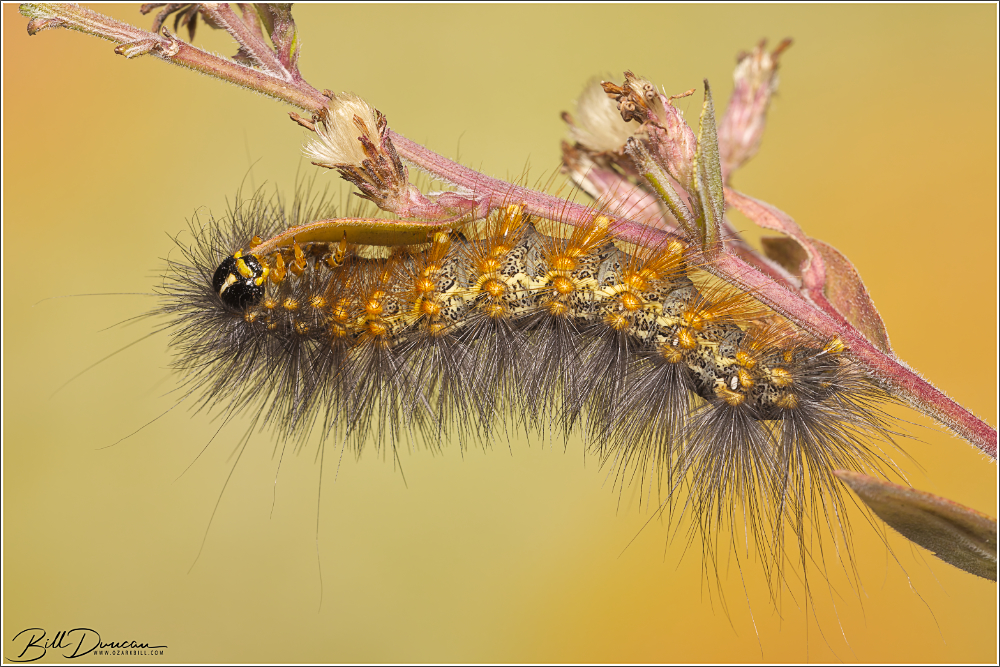
Salt Marsh Moth
Estigmene acrea fam. Erebidae (Hodges#8131)
Host plant: Found on New England aster (Symphyotrichum novae-angliae)
Date found: 11 November, 2025
Location found: Weldon Spring Interpretive Center, St. Louis County, MO
Notes: Feeds on a wide variety of herbaceous plants.
Missed on a few target species this fall but you can never have enough Sedge Wren.


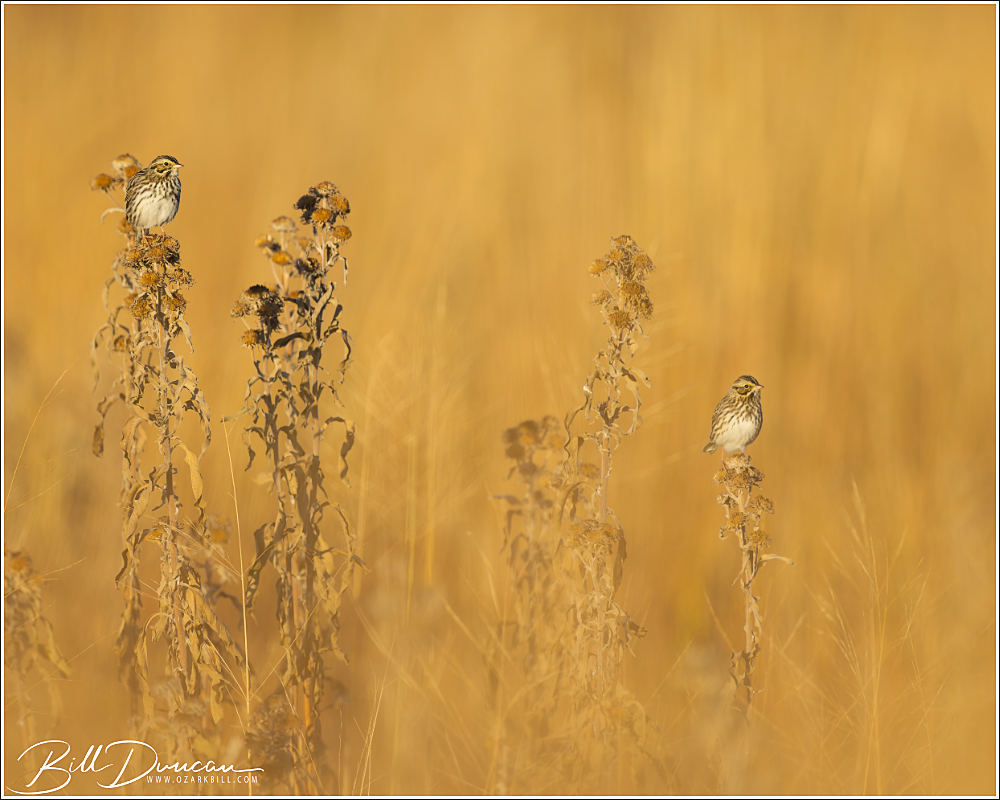
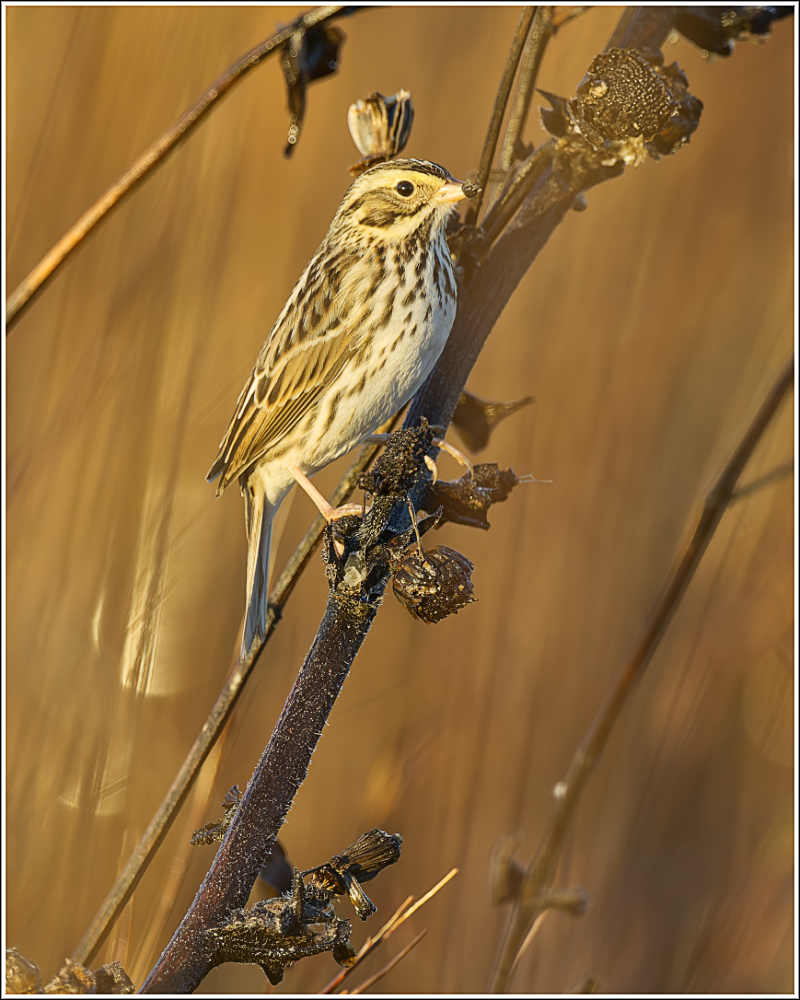
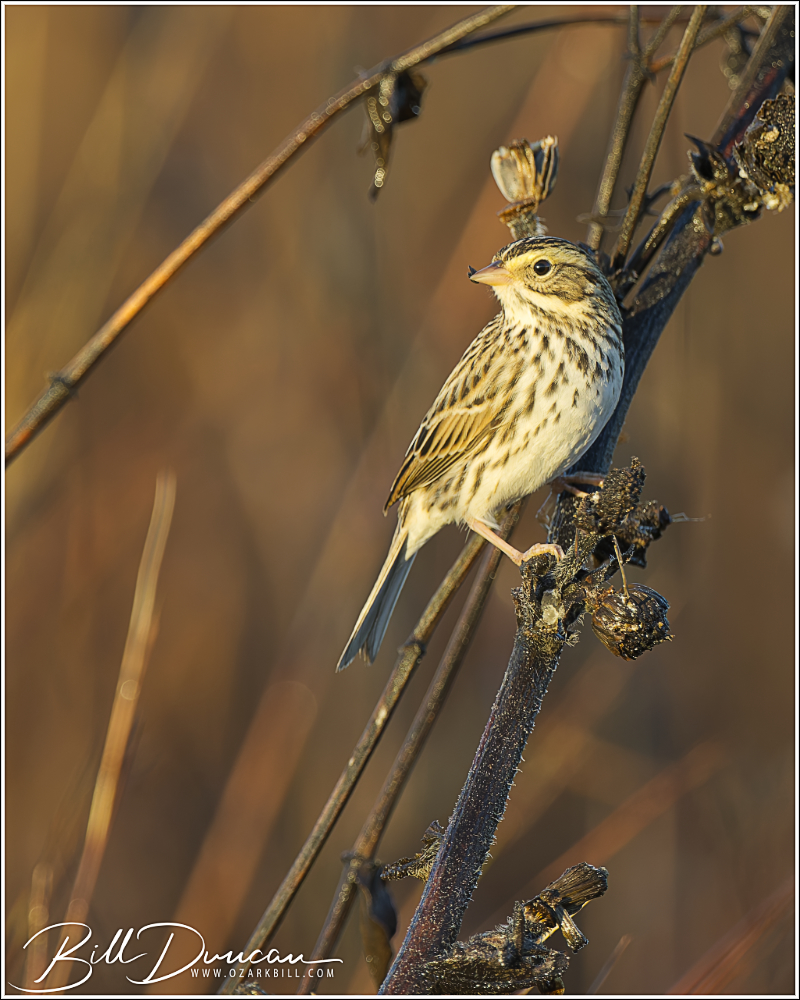
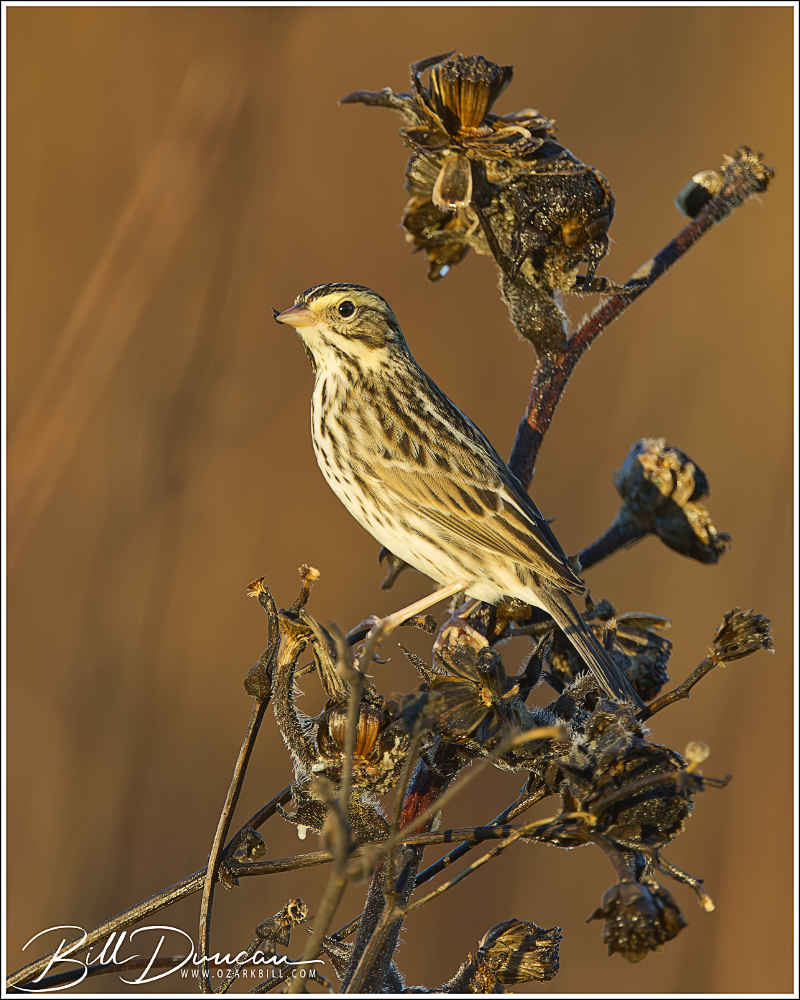
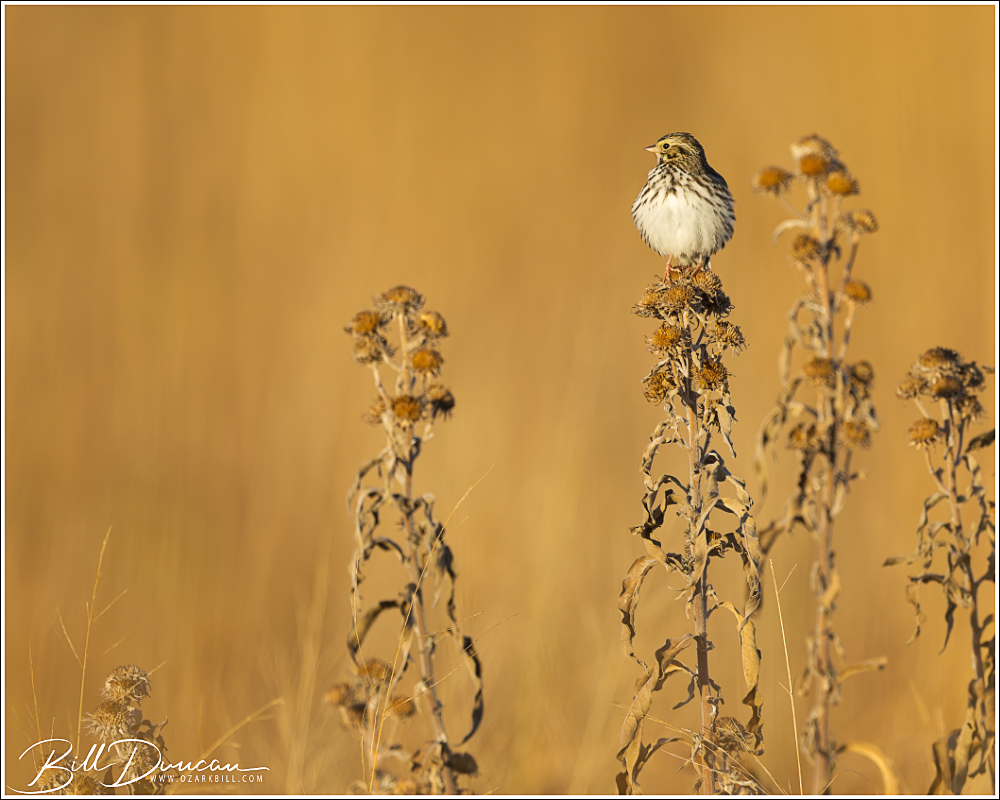
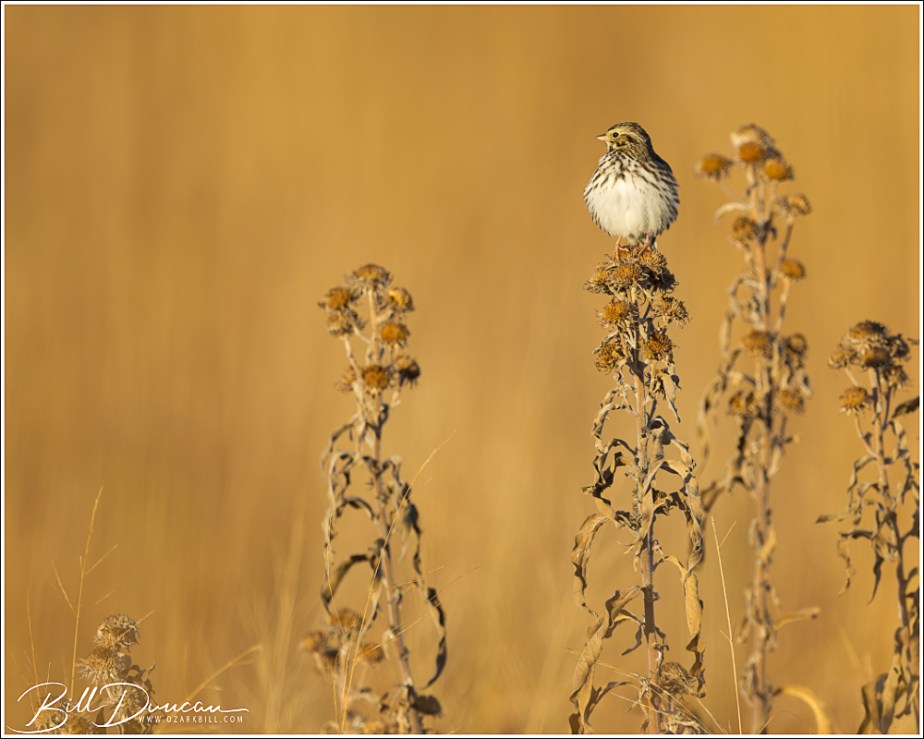
Savannah Sparrows have been easy to find this year.
This past August while visiting the Weldon Spring Site Interpretive Center in St. Charles, County MO, I stumbled upon one of my favorites that I have not seen since taking entomology at the University close to 20 years ago. When first encountering this insect you immediately think it must be one of the spider wasps or perhaps the great black wasp (Sphex pensylvanicus). For those who don’t immediately flee the area and instead look a little closer, you will see this is actually a very special species of fly.
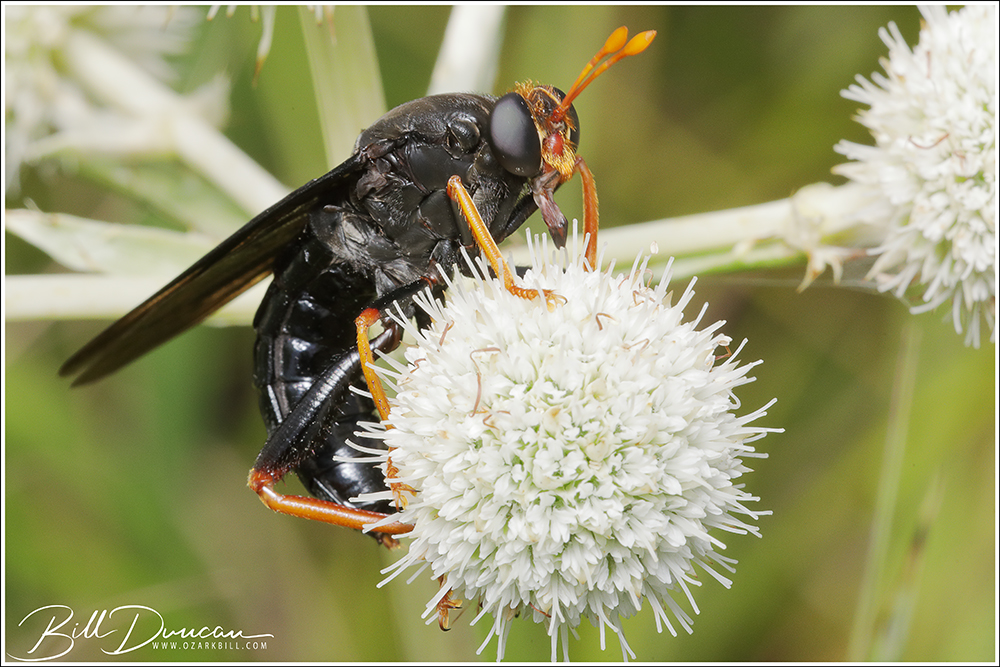
Mydas tibialis (golden-legged mydas) are Batesian mimics, meaning they are harmless mimics of a potentially harmful species, such as wasps. The adult form of mydas flies are purportedly short-lived. They spend the most of their lives underground where they feed on grubs in the soil.
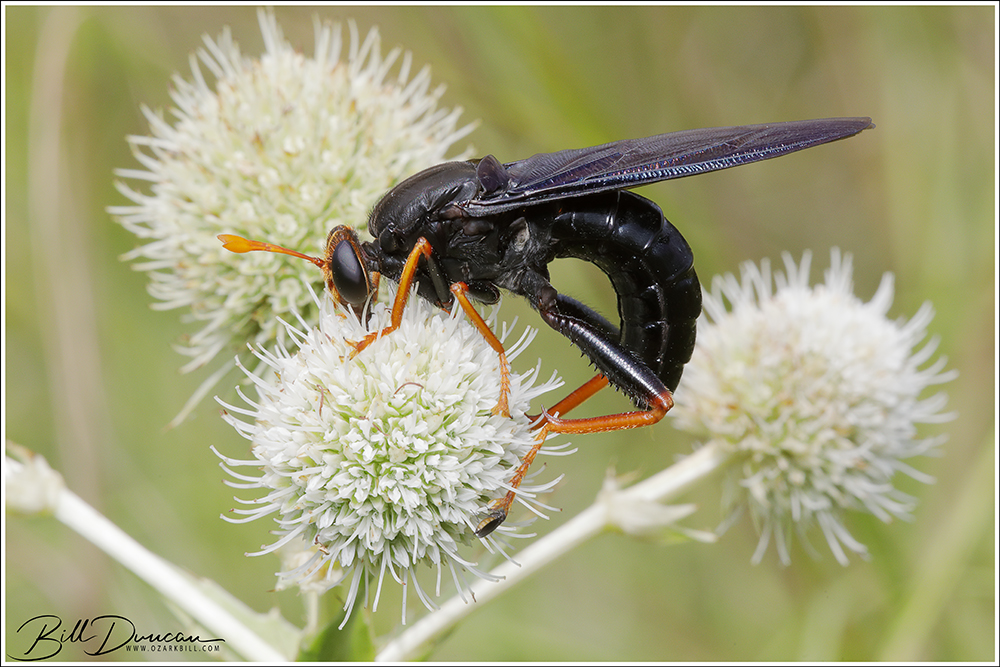
After doing a short bit of research, there doesn’t seem to be nearly enough known about the life history of our mydas flies. This is a shame. Not only are they fascinating animals with much waiting to be discovered but it also looks like they can be good biocontrol agents. Hopefully it won’t be another 20 years before I find one again.

 A Thousand Acres of Silphiums