The Fascinating Ozark Witch Hazel

From one of my favorite birds to one of my favorite plants, the shrub known as Ozark Witch Hazel (Hamamelis vernalis).

Ozark Witch Hazel
Ozark Witch Hazel

I have featured and discussed this plant a number of times on this blog and on Flickr over the years, but there were (and still are) a number of things I did not know and hoped to discover about this fascinating shrub of the Ozark Highlands.  As the species name vernalis suggests, these shrubs flower from January through late March, while their sister species, the more easterly Common Witch Hazel (H. virginiana) blooms in the fall.  There may be some overlap in flowering and hybridization might actually occur in certain circumstances, but I was unable to find anything that suggests how frequently this might take place.

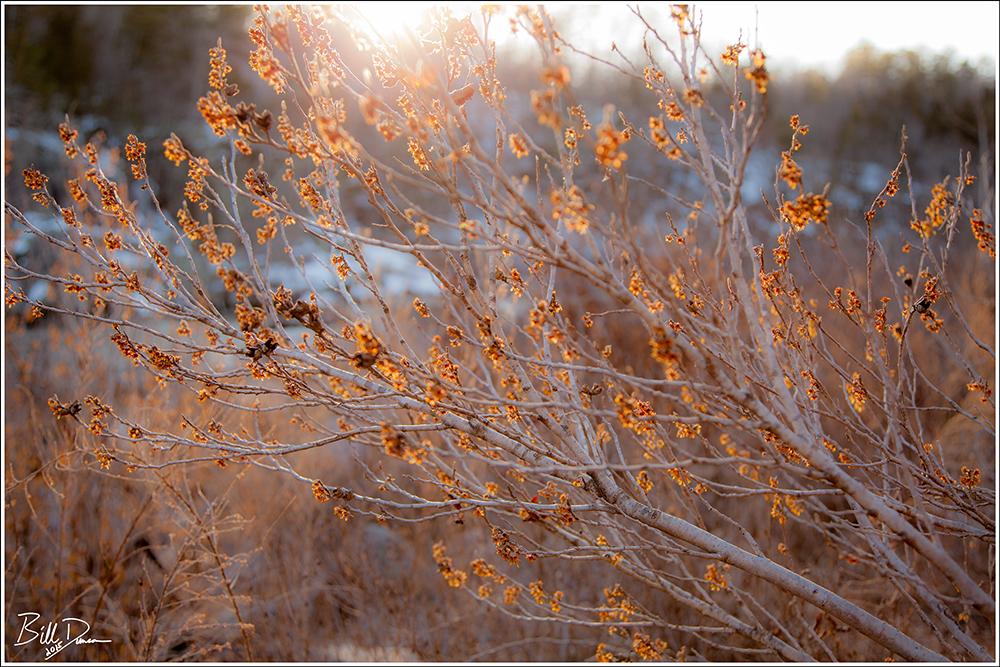
Here is an image I made this year.  Notice the snow and ice in the background.
IMG_2851
The Winter Blooms

One of the things I wanted to get to the bottom of, either through direct observation or finding in literature is what are the specifics of pollination for a shrub that blooms in the winter months?  Nearly all of the scholarly articles I could find dealt mostly or exclusively with H. virginiana, but I believe that we can assume that most of these results can be used to describe OWH as well.  There are several things to consider.  The first and perhaps most logical consideration is that the plant may predominantly self pollinate or rely on wind-pollination.  A couple of papers suggest that although self-pollination does occur, self-fertilization does not, making the species self-incompatible, so we can eliminate that option.  The potential for being primarily gravity or wind-pollinated does not make sense when considering that the plants put some considerable resources into making colorful flowers with a noticeable and pleasant odor.  The flowers of OWH have all the classic signs entomophily – brightly colored, nectar producing, fragrant, large, sticky pollen, with male and female structures found in close proximity to one another.

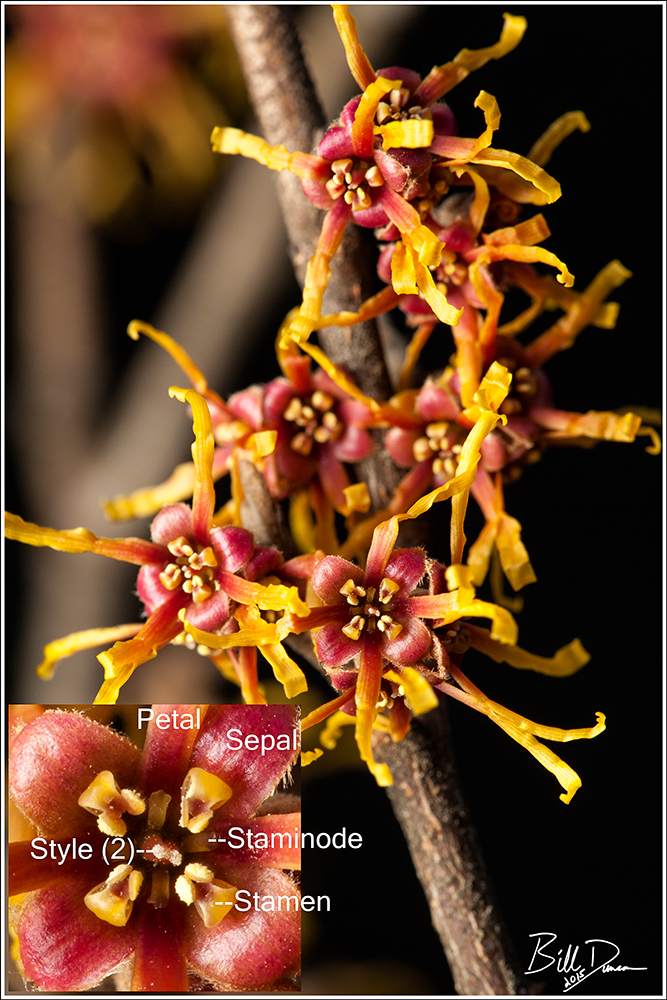
The long strap-like petals of these flowers (see photo below) will unfurl on warmer days and odors increase, thus suggesting the strong likelihood of attracting diurnal pollinators.

OWH - Yellow Flowered
OWH – Yellow Flowered

Assuming there must be an active pollinator that moves the sticky pollen from plant to plant, what are the potential options for such an insect species in the Ozark Highlands?  An interesting article written by Bernd Heinrich of popular science writing fame gave one possibility, at least for the more eastern H. virginiana.  In this paper he recorded that winter-active moths he was researching used that shrub’s flowers as a food source.  This has been picked up by a number of writers on the internet who have jumped to the conclusion that these moths must be the primary pollinators of the North American Witch Hazels.  However, as these primarily warm-colored (preferred by bees) flowers often roll their petals closed and cease odor production at night, the case for nocturnal moths as pollinators should be considered fortuitous at best, and not a reliable vector for pollination by this plant.
IMG_2692
Witch Hazel Flower Anatomy

I wanted to visit a good stand of blooming OWH on a warm, sunny day in early February or March and see if I could identify and hopefully photograph a pollinator.  No such luck.  We were able to see a few small midge-like flies and a few native bees surrounding the plants, but photographing one while visiting a flower was to be impossible.  Next time I will bring my handy corn syrup in order to coax pollinators to stay a while longer.  To get an answer, it was off to the literature.  In a study focused on Common Witch Hazel, insects of six orders were identified as visiting flowers.  Of these, flies (order Diptera) were most prevalent and comprised 73% of floral visitors and 52% of the identified species, followed next by Hymenoptera (bees, wasps and ants).

Why flower during colder months?  Advantages and disadvantages can be identified with a little thought.  What are the advantages of an entomophilous plant that opens its doors for business in the colder months?  Not many plants will be flowering in such cold conditions, therefore, on warmer days that allow for flying insects to move about and earn a living, there will be little competition and most pollen collected and moved from flower to flower will be of a compatible, intraspecific origin.  In contrast, insects moving about in mid June might be carrying loads of pollen from a number of species, and if these other species provide a higher quantity or superior quality of nectar and pollen, you might find yourself unable to be cross-pollinated.

This strategy is not as clear-cut of an advantage as it may sound, however.  It has been found that the North American Witch Hazel have a pretty poor flower to fruit ratio – with a less than 1% fruit set on average (the average fruit set in angiosperms is close to 25%).  This makes sense.  If you bloom in the winter then there will be generally fewer pollinators, and in particularly long and harsh winters fruit set can and has been documented to fall to zero in Common Witch Hazel.  One thing the Hamamelis do to assure that a minimum number of successful seed are produced is by increasing the number of flowers.  It has been studied and determined that these plants produce more flowers than similarly sized shrubs.  So, although the success rate of each flower is generally poor, when factoring in the number of flowers produced per plant along with the fact that these plants are usually found in dense stands, the total number of seed produced per season is enough to keep the population sustained.

Another of the fascinating natural history notes of the North American Witch Hazels are their means of seed dispersal.  These plants exhibit what is termed “explosive dehiscence”, similar to another Ozark native – the Jewelweed.  The drying fruit capsules split suddenly, ejecting the seed(s) contained within up to three meters.  In the following photo you can see an empty fruit case some time after it has expelled its seeds.  An observer will notice another interesting characteristic in the photo.  These plants hold onto their spent fruits long into the next season, in this case the plant is in full bloom with its next flowers while still holding onto last years spent fruits.

Explosive Remains
Explosive Remains

For now, that is about all I have to say and share about the Hamamelis of the Ozark Highlands.  If you find yourself in a sandy stream-bed within the St Francois Mountains during the first quarter of the calendar year, be sure to keep your senses open and prepared for an unexpected blast of spring.

Ozark Witch Hazel in Bloom

Please note – other than a few easy observations and a little bit of thought, I produced no original work in the written portion of this post.  If I was worth my carbon, I would have cited the source of each work I used within the text, but this is my blog, so I don’t have to.  Instead, here is a list of works I consulted in writing this.

  • Anderson, G.J., & Hill, J.D.  (2002).  Many to flower, few to fruit: The reproductive biology of Hamamelis virginiana (Hamamelidaceae).   American Journal of Botany, 89(1): 67-78.
  • Bradford, J.L., & Marsh, D.L. (1977).  Comparative studies of the Witch Hazels Hamamelis virginiana and H. vernalis Arkansas Academy of Science Proceedings, 31: 29-31.
  • De Steven, D. (1982).  Seed production and seed mortality in a temperate forest shrub (Witch-Hazel, Hamamelis virginiana).  Journal of Ecology, 70: 437-443.
  • Gapinski, A. (2014). Hamamelidaceae, Part 1: Exploring the witch-hazels of the Arnold Arboretum.  Arnoldia, 72(2): 2-17.
  • Yatskievych, G. (2013).  SteyerMark’s Flora of Missouri Volume 3 – Revised Edition.


Busy Bees…

I apologize for the tacky post title.  I just wanted to let everyone know that I am busy at work in preparation for the ninth annual Art at the Shaw Nature Reserve Show and Sale – 2014.  If you are reading this and have the ability to visit, please stop by to see more than 20 talented artists of many different media.  I look forward to meeting and talk with you.  It is a very nice event.

Here is a photo…

Honeybee Harvesting Silphium

Nesting Birds of Missouri – Acadian Flycatcher

Warning: although I find the material in this post quite interesting and I am pleased with the observations made and detective work accomplished, there is not, unfortunately, a happy ending.

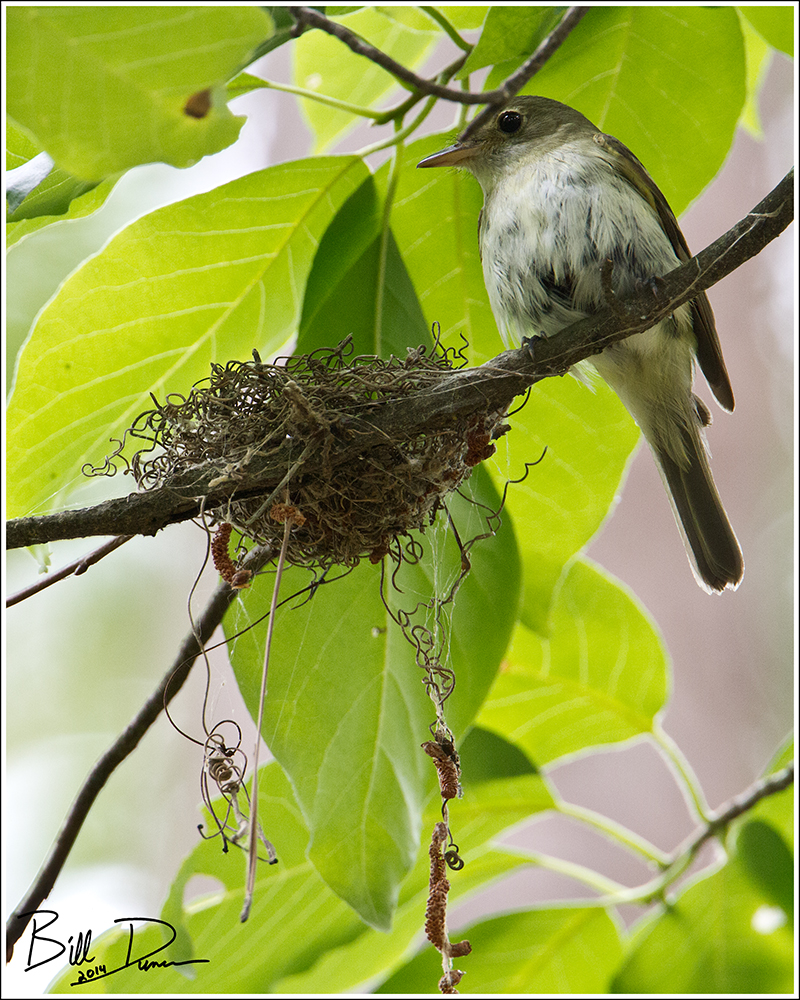
Having the fortune of living within minutes of a few Ste. Genevieve County gems, this summer Steve was fortunate to find something we had been on the lookout for while on a stroll at Hawn S.P.  He sent word that he had found an active nest of a pair of Acadian Flycatchers.  Not only that, but it was in a fairly nice position for photography and the pair did not seem too concerned if the viewer stayed low and silent.  Needless to say, I was excited.  We visited days later to find mom on the eggs – yet to hatch.

Acadian Flycatcher - On Nest
Acadian Flycatcher – On Nest

The female would leave the nest for less than three to four minutes at a time to feed herself.  The male was primarily concerned with scouting and announcing his territory, vocalizing continuously as he traveled its circumference.

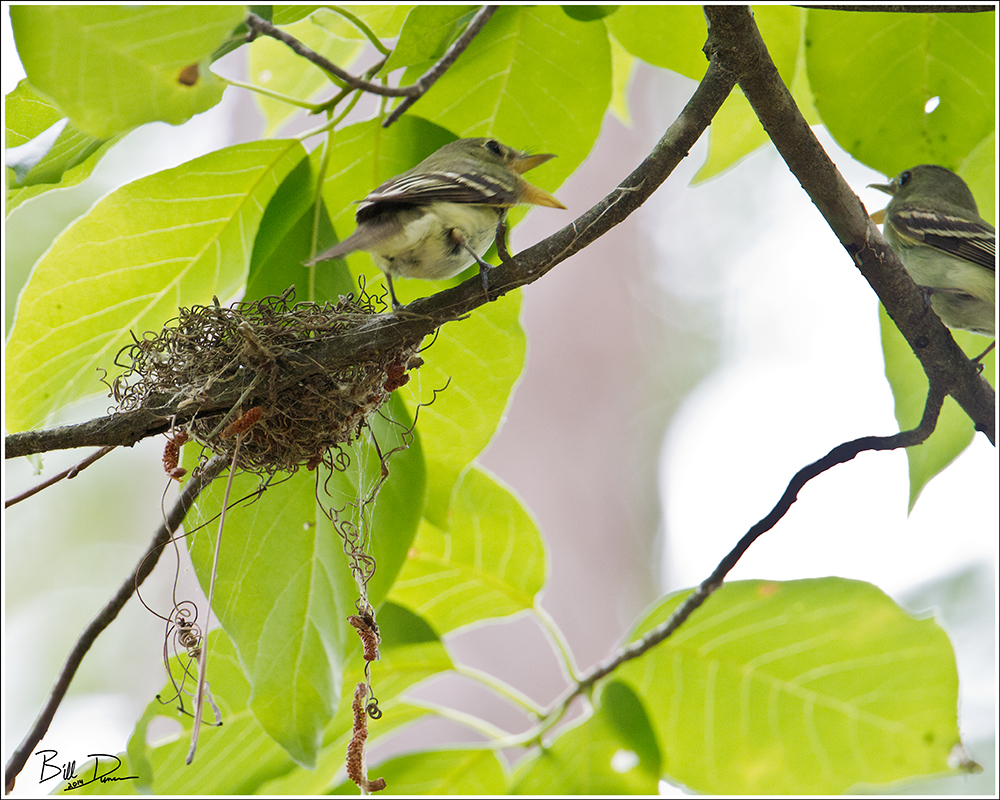
Acadian Flycatchers - Mom Taking a Break
Acadian Flycatchers – Mom Taking a Break

Once in a while both parents would be at the nest at the same time.  Gee, I wonder why dad doesn’t come around more often… 😉  We were surprised by the relatively large size of the bird’s beaks and the small size of the nest!

Acadian Flycatchers - Giving the Business
Acadian Flycatchers – Giving the Business

To give some idea of the habitat these guys were using…  These are definitely forest dwelling birds.  This section of Hawn was close to a 50:50 mix of Short-leaf Pine and deciduous trees.  The nest itself was located in a Black Gum that was approximately 30-40′ tall.

Acadian Flycatchers - Habitat Shot
Acadian Flycatchers – Habitat Shot

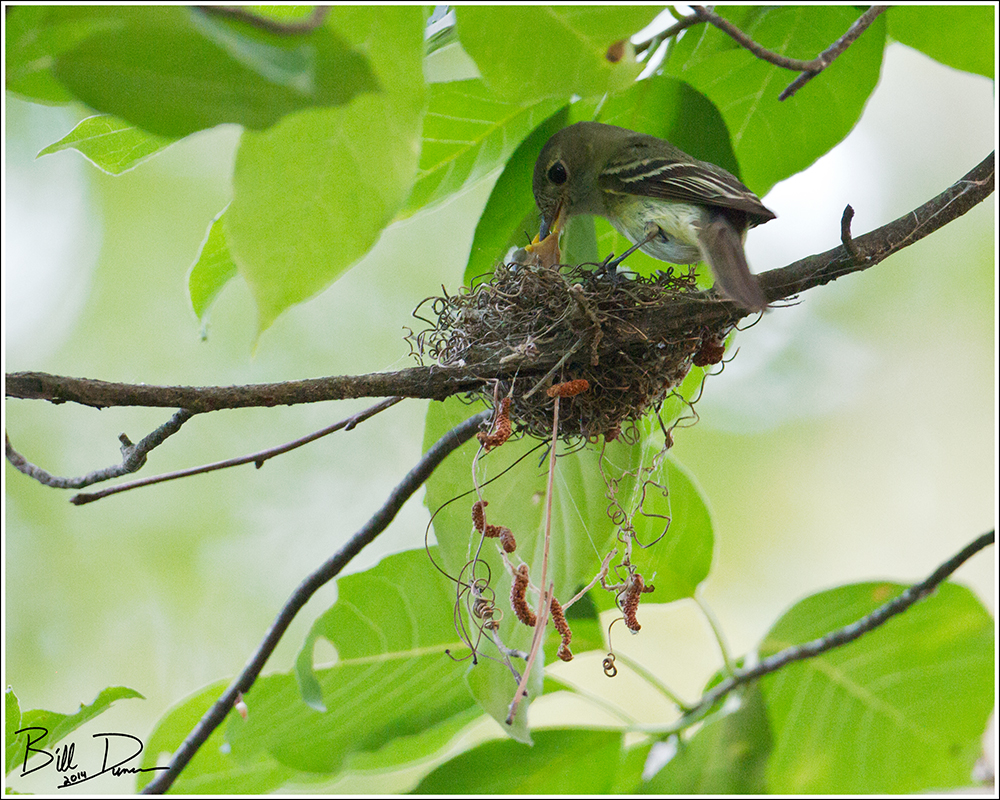
A follow up visit a week later found that two visible chicks were in that tiny nest!  In the photo below, one of the parents had just brought a spider back to feed to one of the altricial young.

Acadian Flycatchers - Feeding Time
Acadian Flycatchers – Feeding Time

The next photo documents the large, developing eyes of these sightless young.  Also take note of the characteristic nests of these birds.  The tendrils on these nests are strung up with spider webs and can be up to a meter long.  According to the literature, this nest is near the maximum height range from the ground (~25′) that this species will build.  As great as this was, I would love to find a nest built lower.

Acadian Flycatchers - Unmistakable
Acadian Flycatchers – Unmistakable

The following Saturday we visited during prime lighting hours for where the nest was located.  With the relatively quick fledging time of these songbirds, we gave it about a 50% chance that the chicks would still be in the nest.  We got to our viewing spot – a dry creek bed that gave us partial cover, and waited.  Other than an occasional song from dad at a distance, we had no sign whatsoever of anything going on at the nest.  After sitting silent and ready for about 40 minutes, we had concluded that the nest was no longer in use.  The chicks might have fledged?

We decided we could safely walk directly under the nest without interfering with anything.  When we arrived we were disappointed to find that both chicks were lying directly underneath the nest, dead.  For a while we contemplated what could have happened.  Could a storm or wind gust have knocked them from the perch?  As we lamented the demise of these fresh beings, Steve saw something near the crotch where the nest branch met the trunk.  Here is what we observed and answered our questions.

Black Rat Snake - Eater of Chicks
Black Rat Snake – Eater of Chicks

See that bulge in this young Rat Snake?  We hypothesized that this was a third chick that this guy had preyed upon.  We suppose that during the process of ingesting this chick, the other two were either pushed or decided they were better off jumping from the nest, then wait for the fate of the unfortunate sibling.  We were fortunate to arrive at the nest in time to spot this snake before it had moved on.  We bothered it long enough to take some images, then let him hide in peace to digest his meal.
 

Nesting Birds of Missouri – Pine Warbler

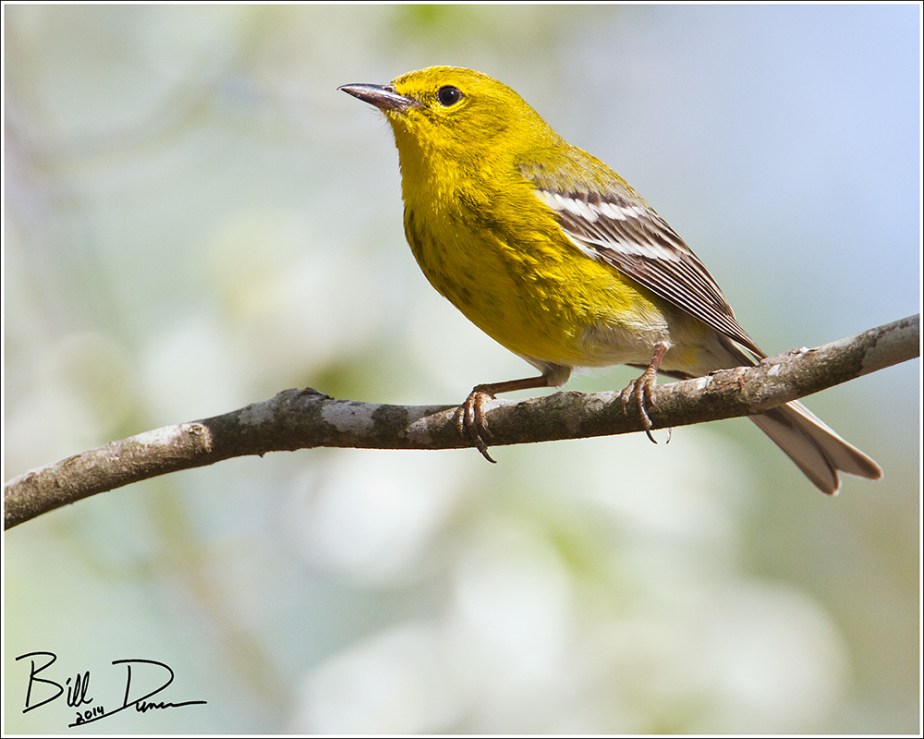
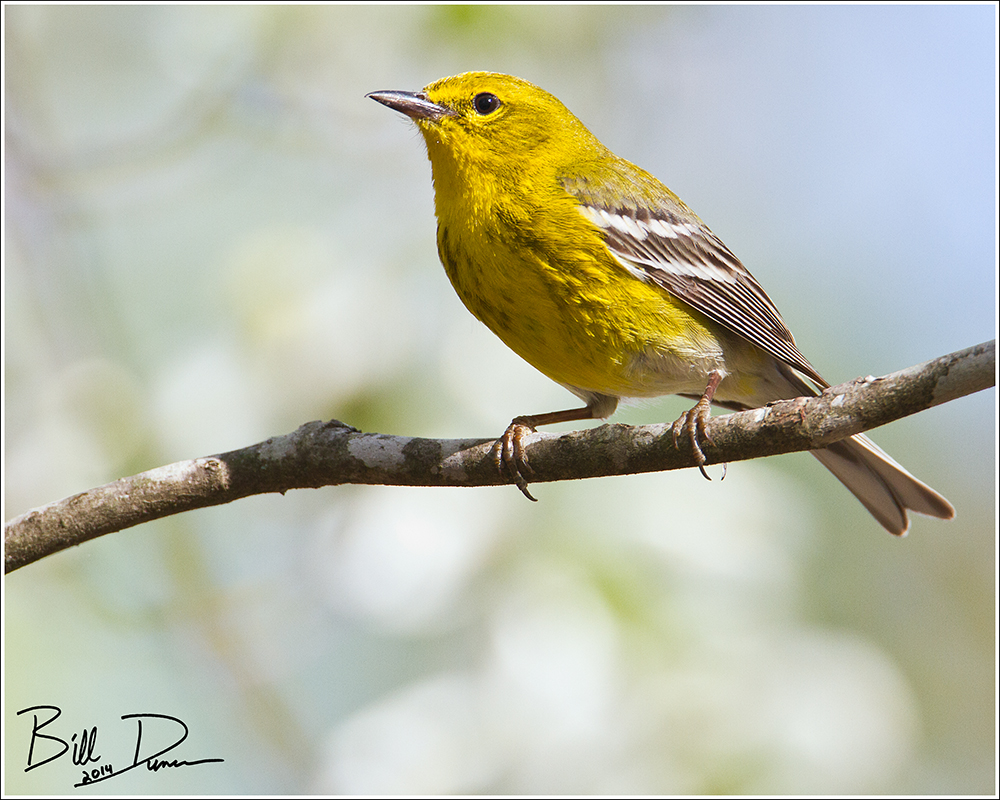
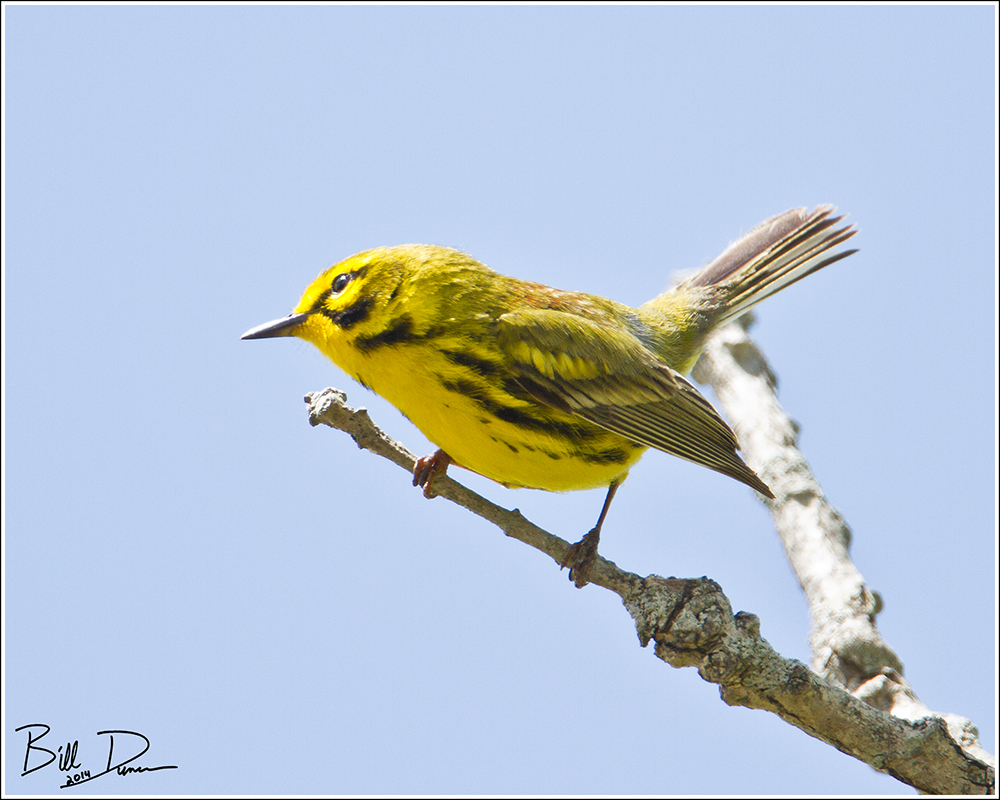
Perhaps the most appropriately named warbler, this special bird is said to nest almost exclusively in pine trees and is one of the earliest nesting warblers within it’s range.  These special birds were a thrill for us to find and watch.  Closeup images of the male bird were taken at Big Spring State Park, while the nest was located in a Short-leaf Pine located on a parking lot within Shaw Nature Reserve.

Male Pine Warbler, Big Spring State Park, April 2014

The chicks were adorable and near-helpless, only able to open their gigantic craws at anticipation of a juicy insect meal.

IMG_1393
Pine Warbler Chicks, Shaw Nature Reserve, May 2014

During the time Steve and I strained our necks watching the child care from ~50 ft below, we were able to observe that when dad visited the nest he always approached from the side of the nest facing us as seen in the image below.  Mom always visited on the opposite side, affording us poor looks.  It was interesting to observe that both parents approached the nest in a slow and indirect manner, usually starting low in the nest tree or an adjacent neighbor.  They would then hop from branch to branch, often in a spiral up the tree to reach the nest.  I do not remember watching either parent make a direct flight to the nest.

IMG_1603
Pine Warbler Father with Chicks, Shaw Nature Reserve, May 2014

I’ll leave you with the Pine Warbler advertisement song and with hopes of seeing them as soon as possible in the next spring.

IMG_9914
Male Pine Warbler, Big Spring State Park, April 2014


April Remembered

About three months ago Steve and I made a trip to southern Missouri in perfect time to catch the songbird migration near its peak.  Our primary areas of focus were the two largest springs in Missouri – Big Spring and Greer Spring, two areas located within Ozark Scenic National Riverways.  This National Park contains some of the best habitat in Missouri for newly arriving nesting birds as well as good stopping grounds for those birds heading to more northerly destinations.

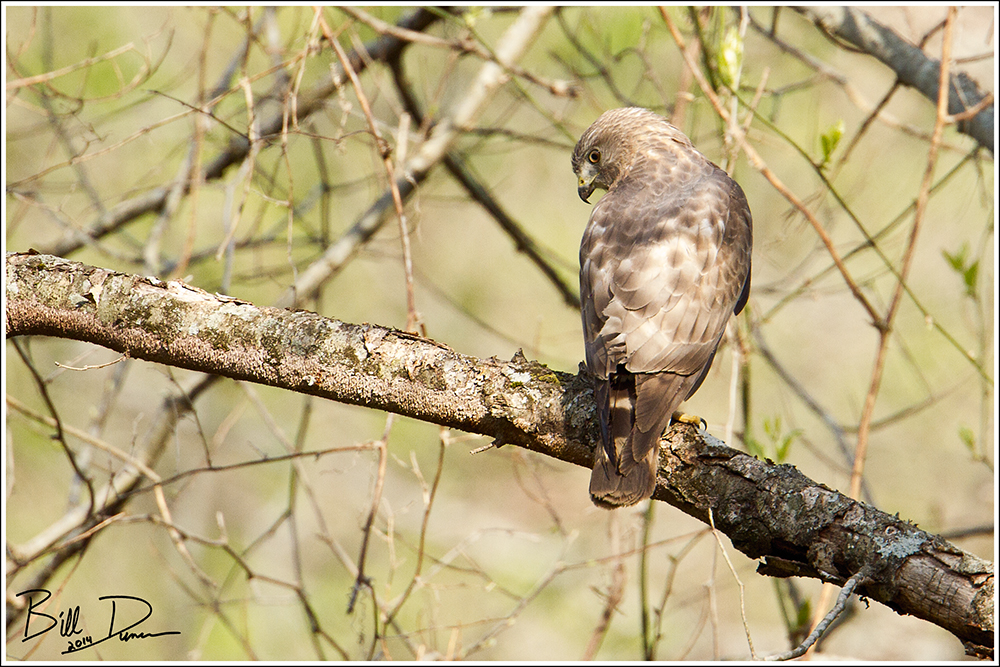
I was very fortunate in being able to take first photos of several new species during this trip, one of which was this amazing Broad-winged Hawk – a species whose diagnostic vocalization is often heard among the treetops in densely wooded areas but is less frequently seen.

Broad-winged Hawk
Broad-winged Hawk

Another species that I finally captured on camera was this Yellow-throated Vireo.  This species advertising song is quite similar to the Red-eyed Vireo.  The difference being that the Yellow-throated will give you a chance to answer his questions, whereas the Red-eyed won’t shut up long enough for you to respond!  😉

IMG_0427
Yellow-throated Vireo

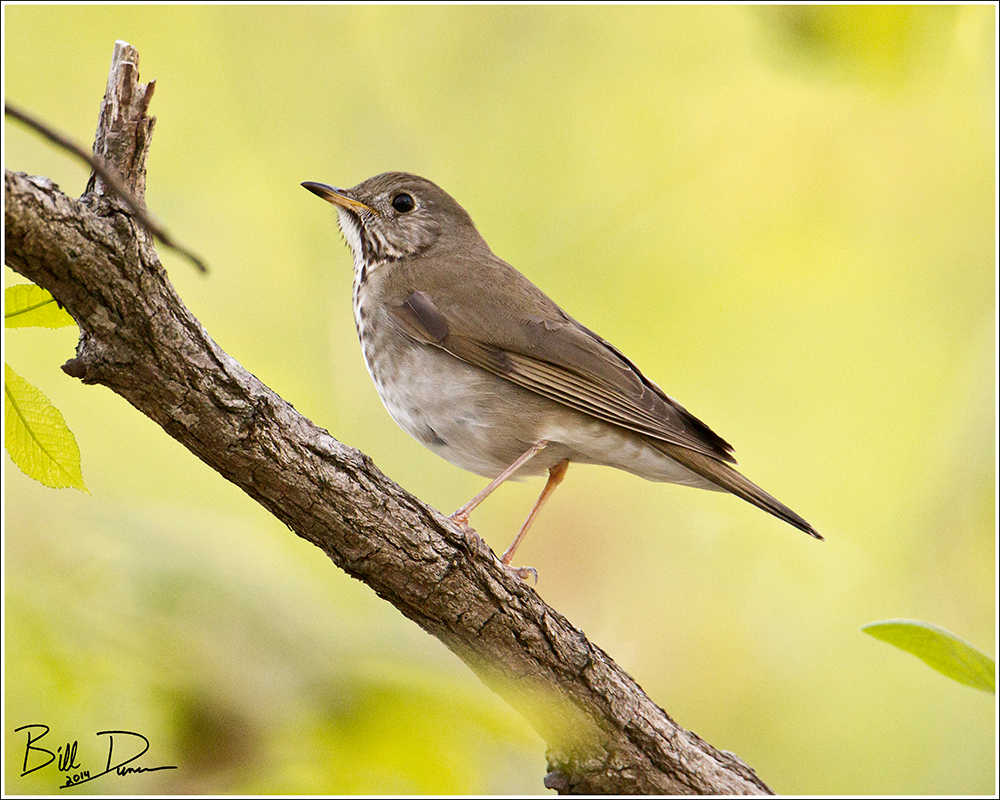
Next up is a species that was just passing through, on its way to nest in northern Canada or Alaska.  The Grey-cheeked Thrush is the least studies of North American Catharus species.

Grey-cheeked Thrush
Grey-cheeked Thrush

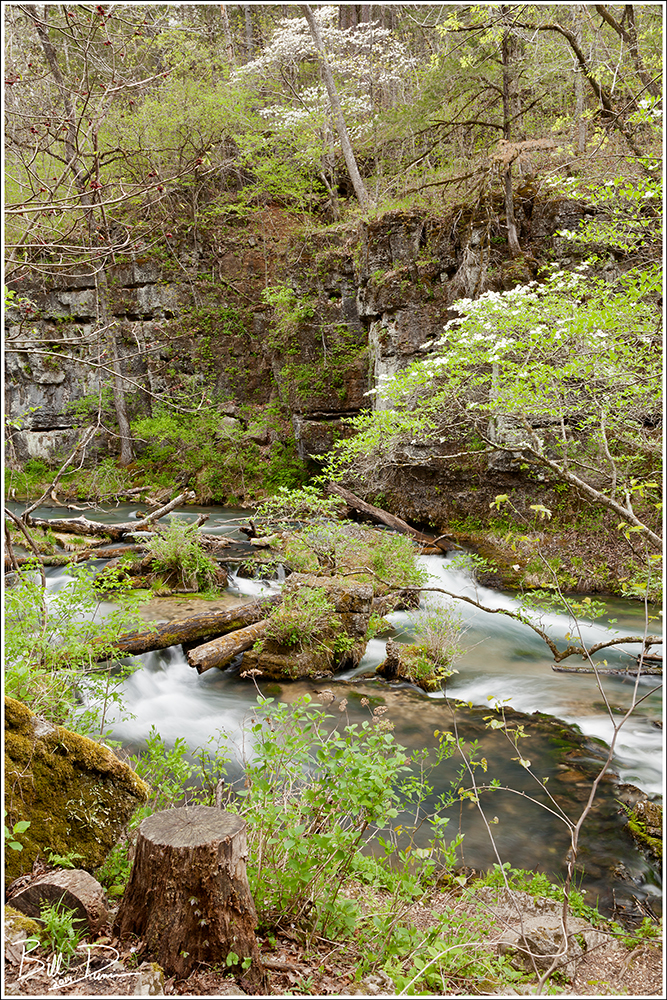
Greer Spring is always a place of great beauty, although usually stingy with pleasing compositions.  On this visit we took the plunge into the first deep boil immediately outside the cave opening.  An unforgettable experience!

Greer Spring in Bloom

At the trail-head on the way down to the spring, Steve found this Pheobe nest with mom on eggs.  She patiently sat while I took a few photos.

A Step Back In Time
A Step Back In Time

Probably the most exciting find and photographs for us was this resident Swainson’s Warbler.  This warbler is likely the least common of Missouri’s nesting songbirds and is considered endangered in the state.  Loss of its preferred habitat of thick shrubby understory within flood plain forests has caused this species to decline across its entire breeding range.  The boat dock at Greer Spring is one of the few locations that this species can be expected to be found every spring in Missouri.

Swainson's Warbler
Swainson’s Warbler
Swainson's Song
Swainson’s Song

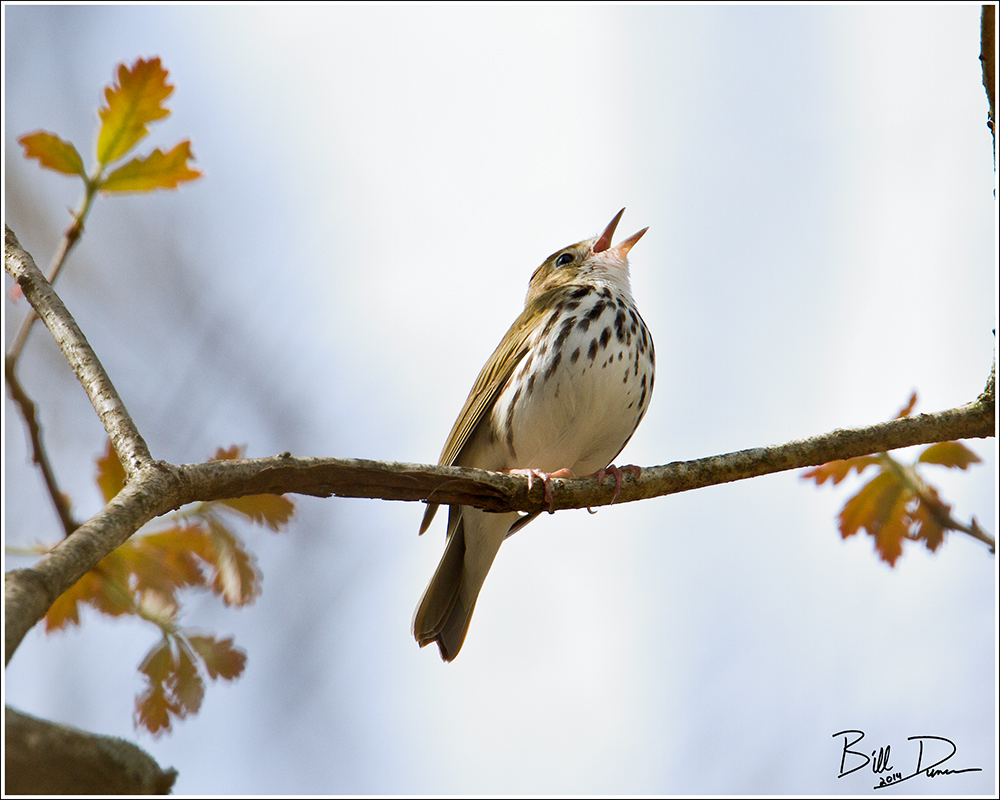
This last image, which may be my favorite of the trip, shows a singing Ovenbird, a species of the understory within high-quality hardwood or hardwood/conifer forests.  It’s song, often described as teacher, teacher, teacher, can be confused with the similar sounding song of the Kentucky Warbler.  We have noticed the difference of habitat preference between the two species, which may aid the novice birder.  The Ovenbird is most often observed in dry upland areas with sparse vegetation, whereas the Kentucky Warbler prefers lower, wet areas with dense undergrowth.

IMG_9261
The Ovenbird

In my opinion, one has not experienced anything in the Missouri Ozarks until having spent a sunrise on an April morning listening to the newly arrived nesting songbirds and those just passing through.

There could not possibly be enough Aprils in a lifetime.

An April Morning
An April Morning

A Spring Day at Victoria Glades

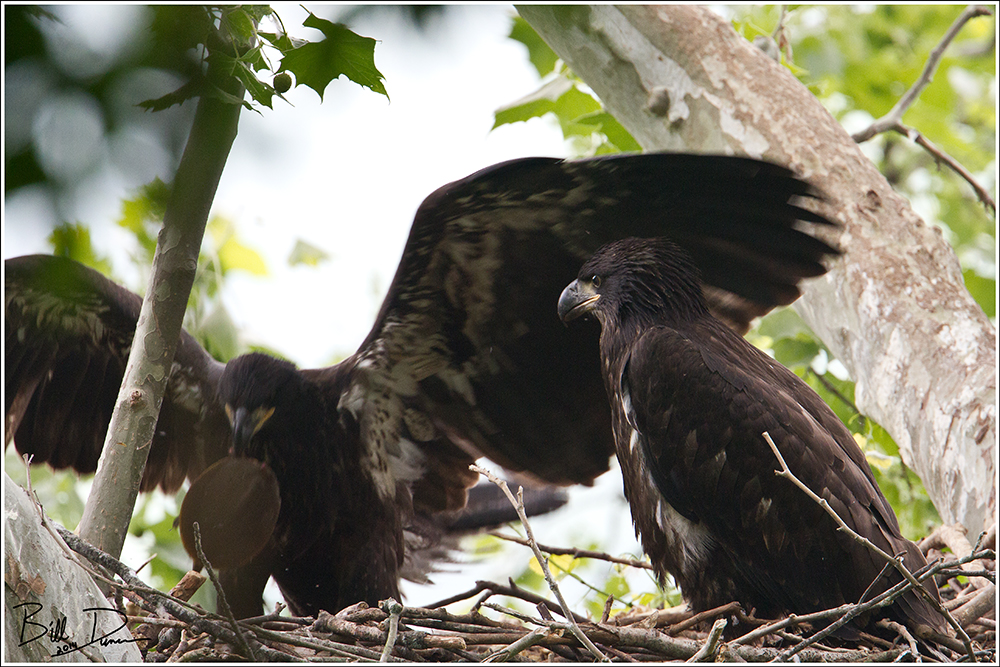
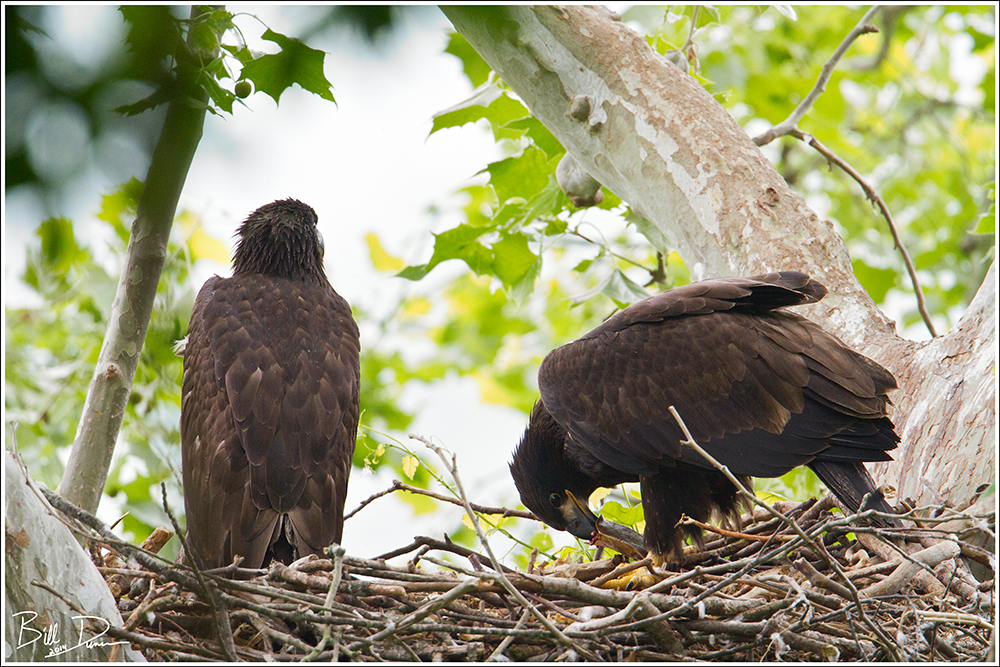
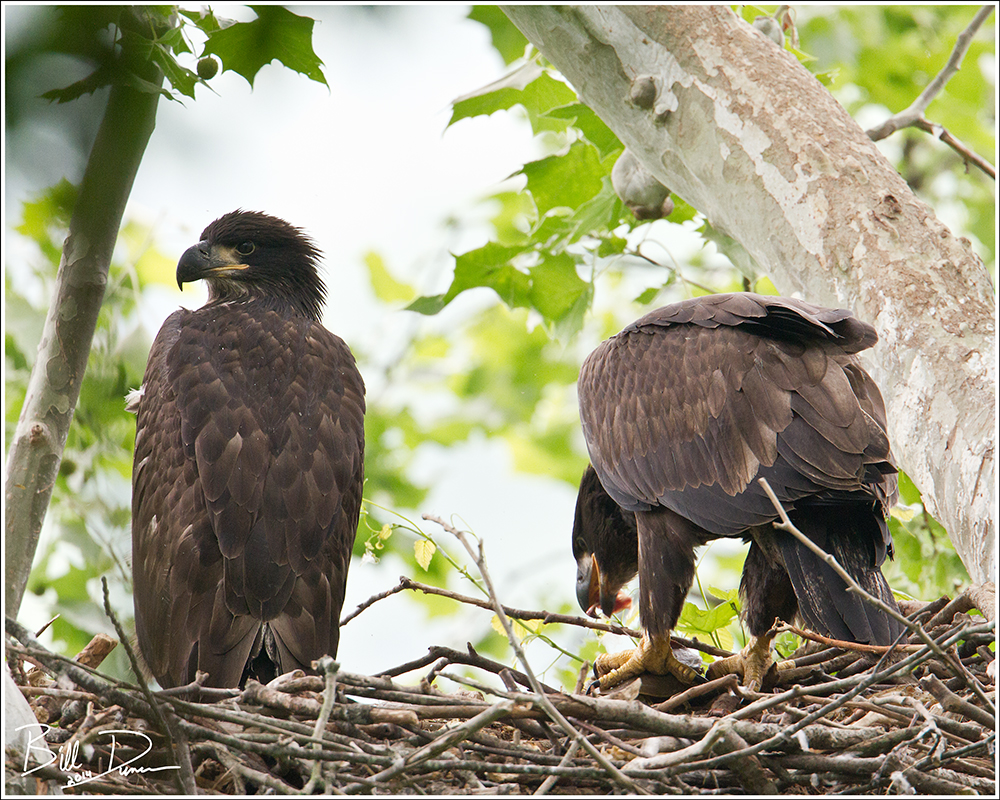
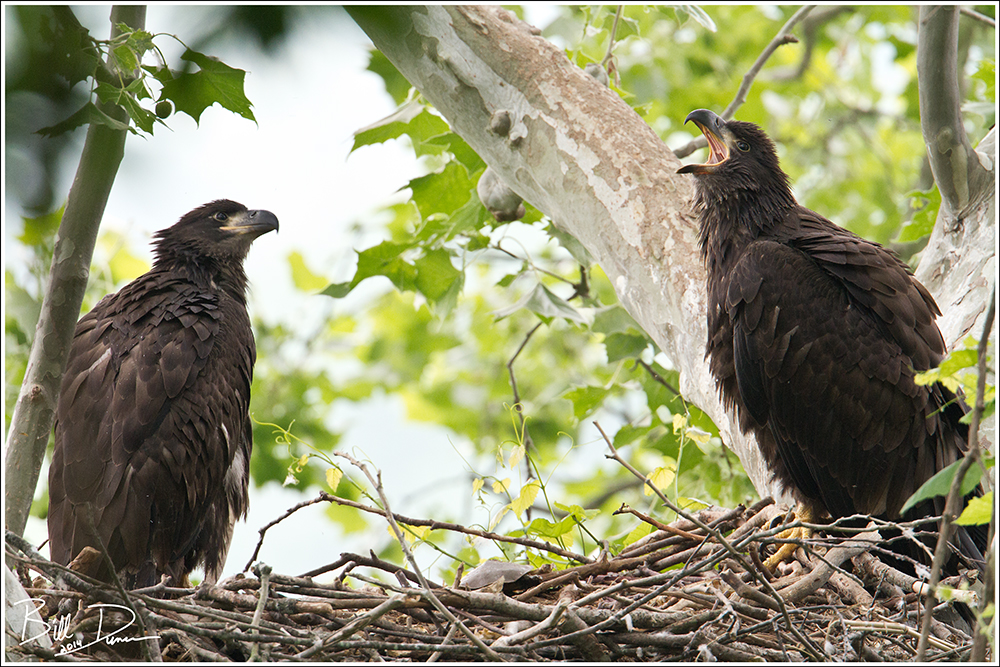
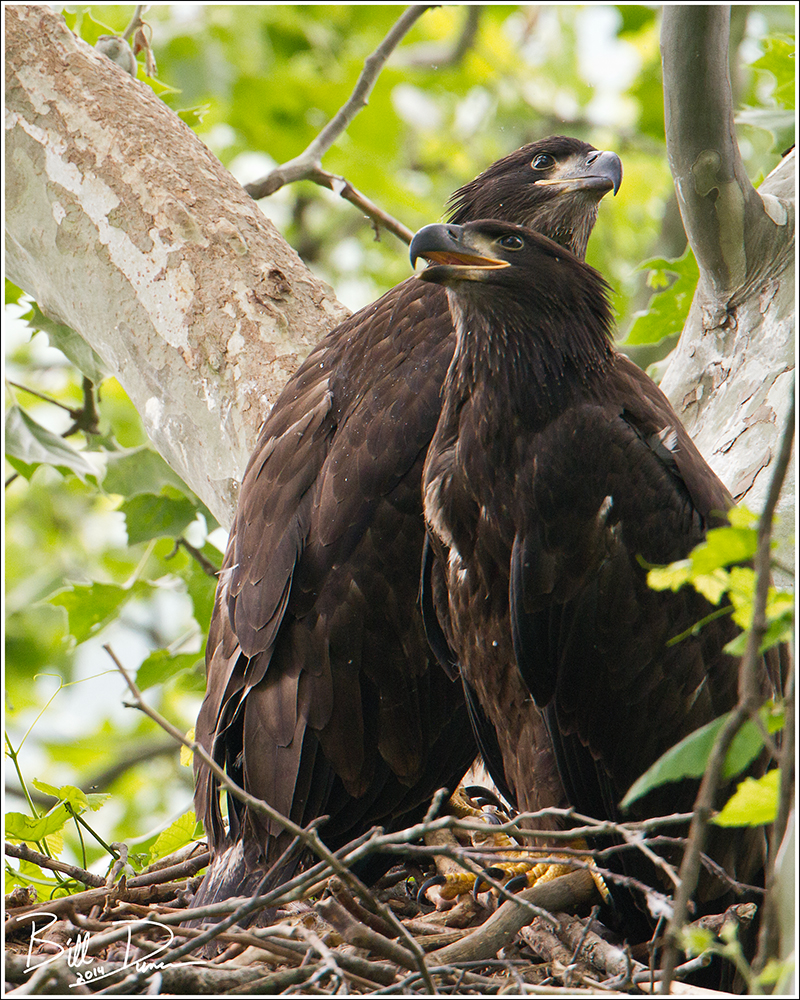
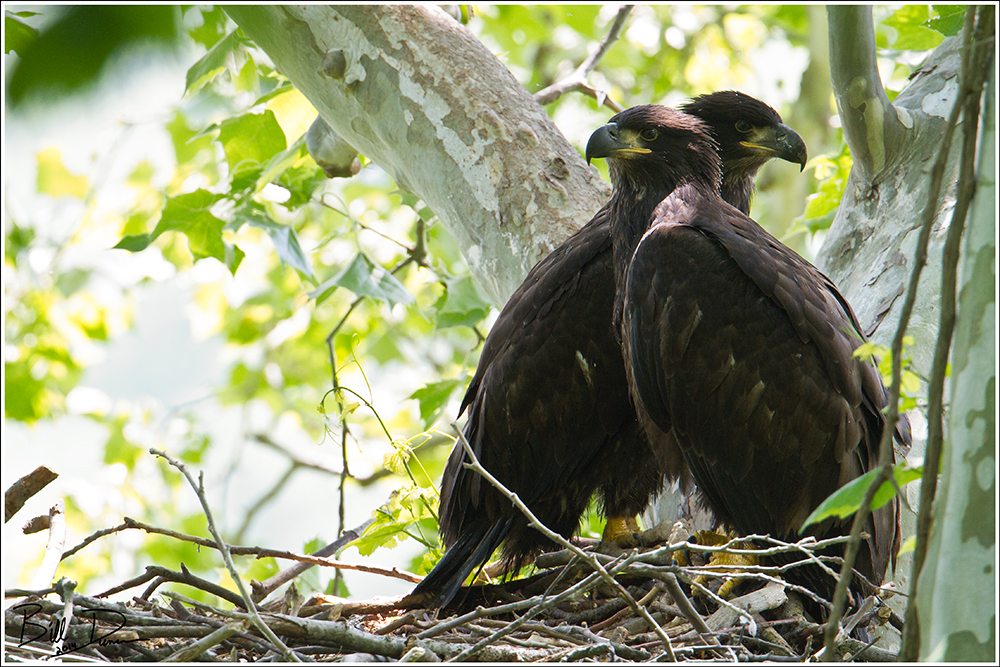
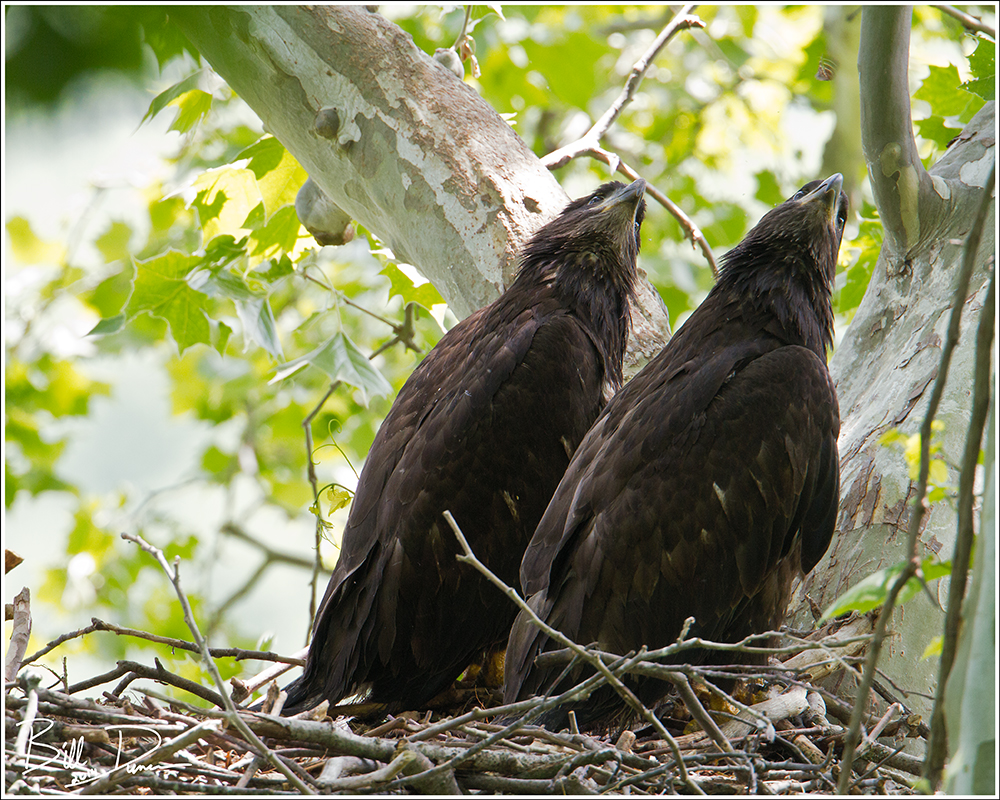
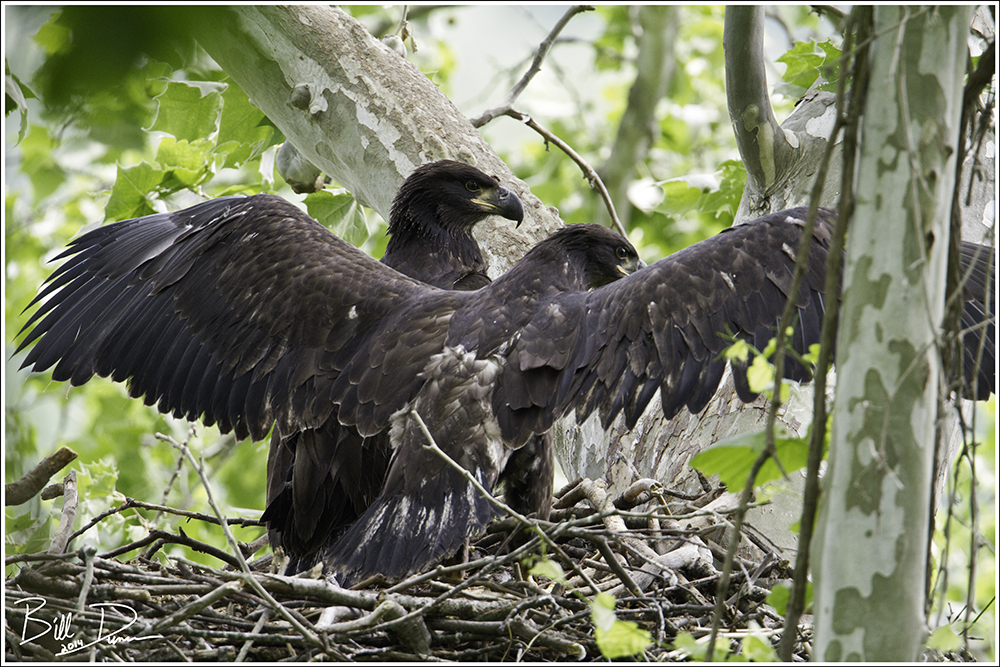
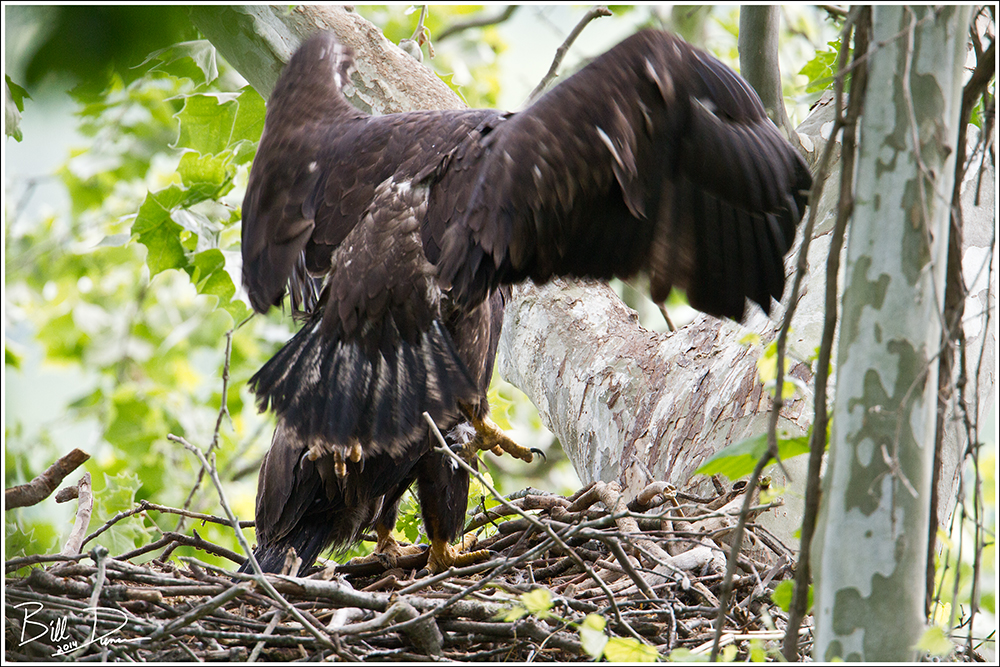
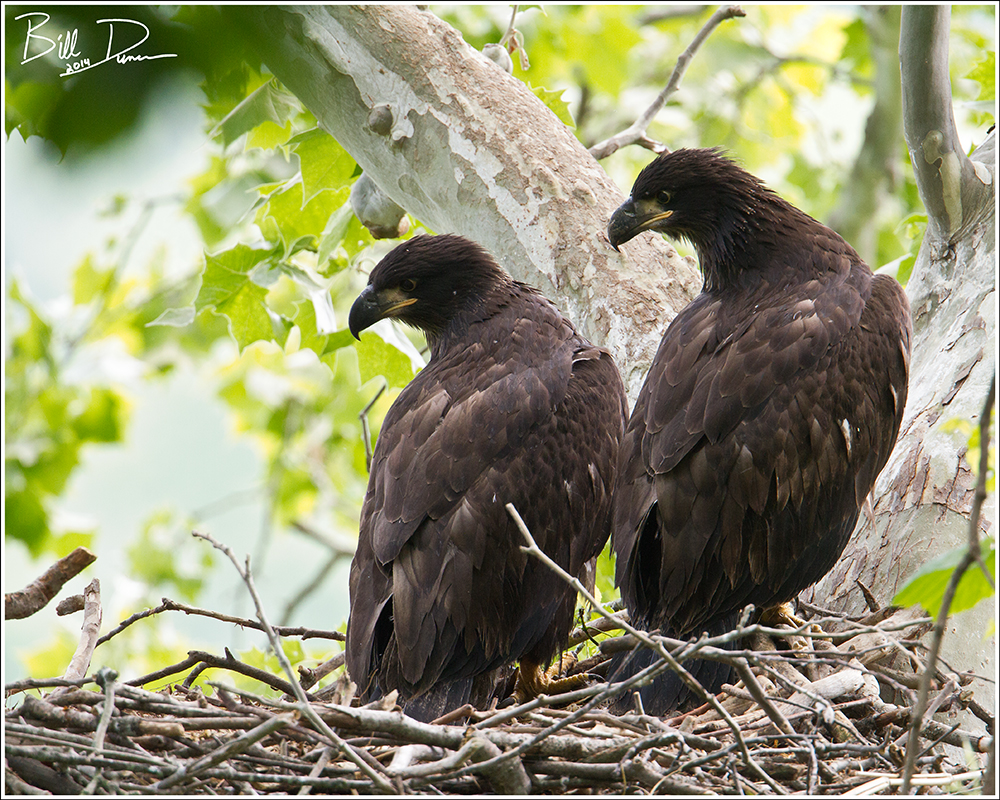
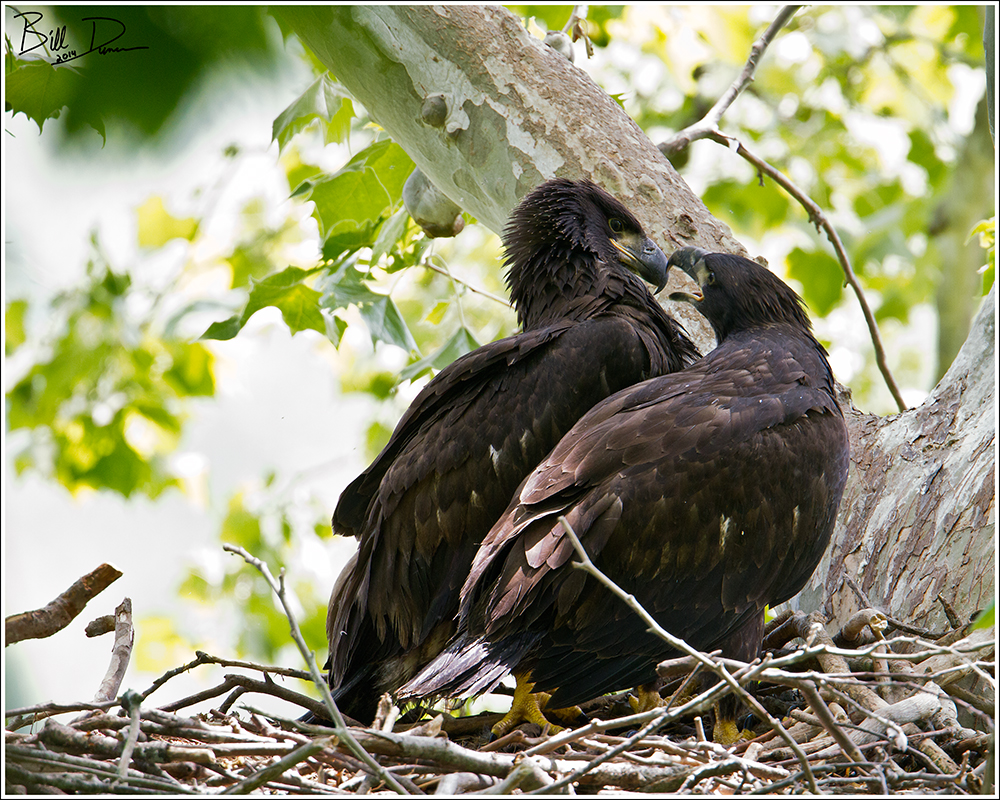
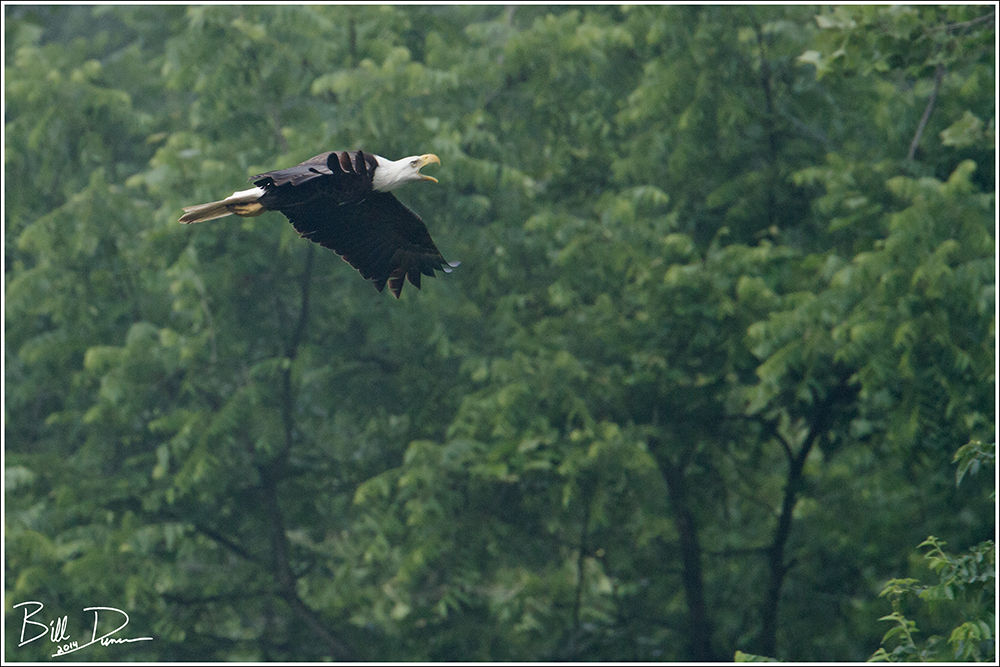
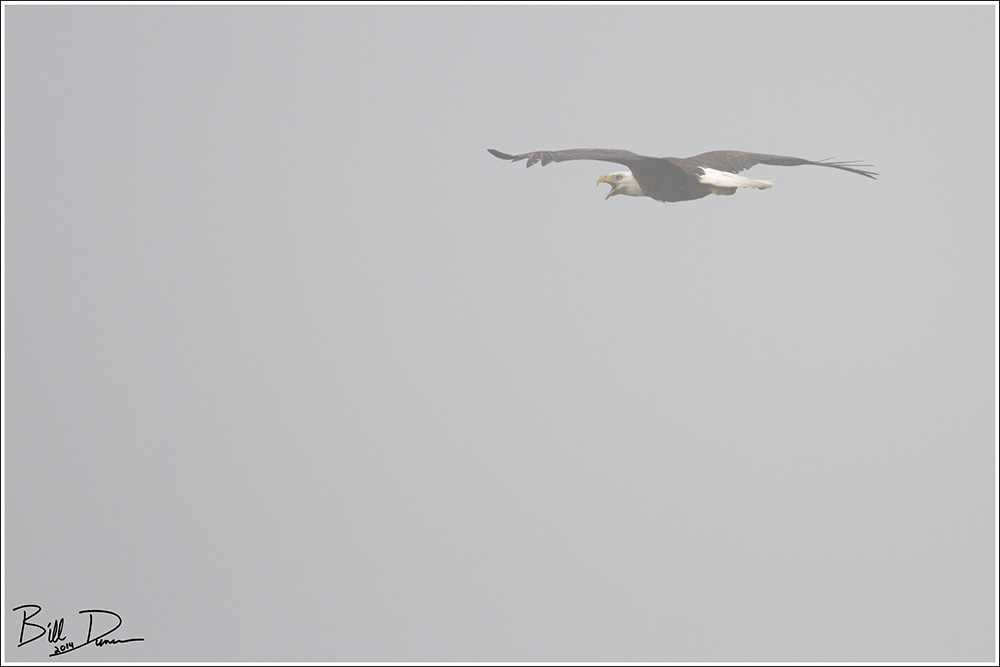
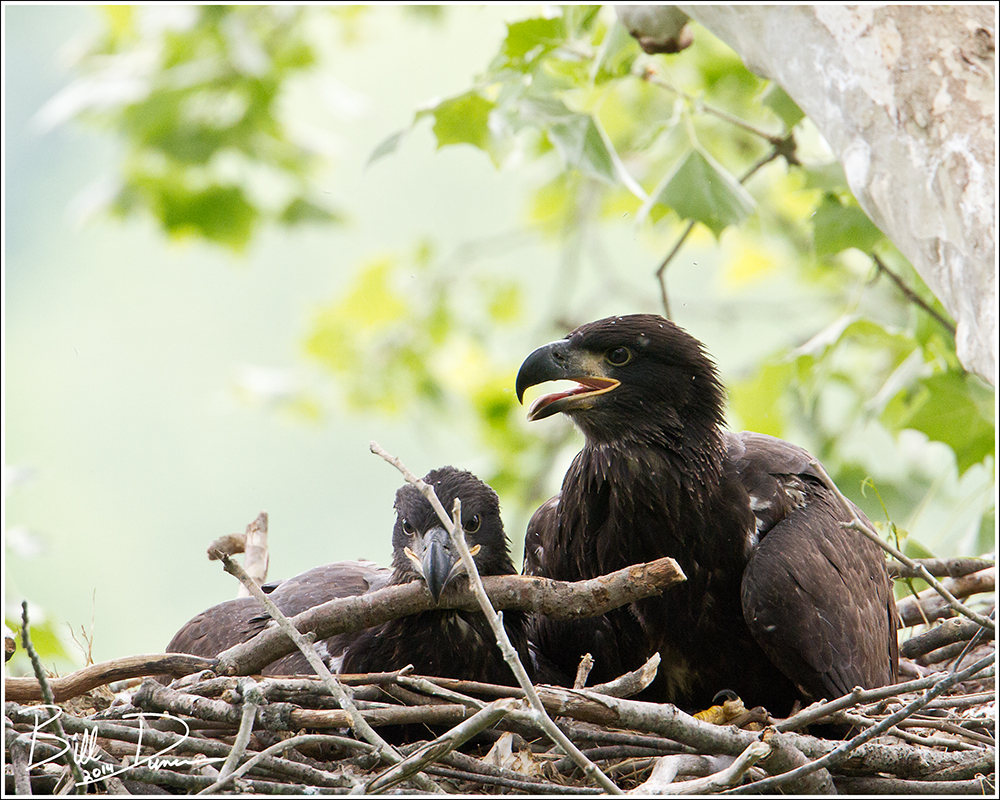
Following up a Saturday morning spent at the Eagle’s nest, Steve and I traveled to Victoria Glades to finish up the day during the perfect season to spend time on Missouri Ozark Glades.  We decided to focus on the MDC side of things as we explored The Nature Conservancy holding about the same time the previous year.  My primary goal of the day was to get some acceptable shots of a Prairie Warbler while performing his song.  I had no idea how relatively easy this would be.  We were able to find this male almost immediately along the trail as he patrolled his territory – focusing on trees isolated within the glade habitat.

Prairie Warbler in Song
Prairie Warbler
Prairie Warbler
Prairie Warbler
Prairie Warbler

Lovers of the treetops and focused more on trees that make up the forest edge border with the glade, the Yellow-breasted Chat is a bird I have wanted to get photos of for quite some time.  Not perfect, but acceptable.  Steve and I watched and listened as neighboring males carefully partitioned the area into well established boundaries that they seemed to know so well.

Yellow-breasted Chat


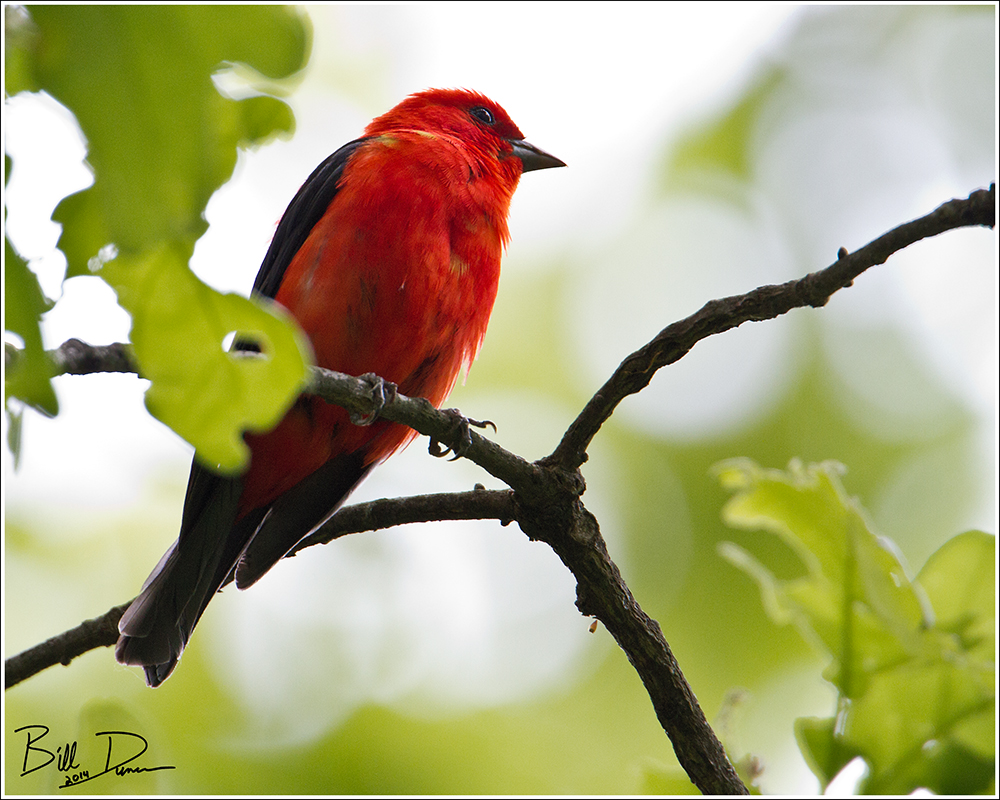
What’s that?  Getting bored with yellow?  Okay, let’s change things up a little and look at this Scarlet Tanager male that we found within the forest canopy.  With a song similar to the Summer Tanager, the chip-burr call note of the Scarlet Tanager is most diagnostic.  We were somewhat surprised to find a couple of Summer Tanagers singing in the open areas of the glade near sunset later this evening.

Scarlet Tanager
Scarlet Tanager


And now for something downright plain.  Well, at least from the front, which is not the Field Sparrow’s best side.  This female was definitely not interested in us as we got these close looks of her trying to feed on insects and seed at the same time.  We watched her and listened to her mate advertise his rights to their home with his dropping ping-pong ball like song.

Field Sparrow
Field Sparrow

Just when you thought we were done with the yellow…  Along with the Chat, these were my first photographs of a Blue-Winged Warbler as well.  After we discovered what the hell was going on, Steve and I discovered and learned the dawn song of this feisty bird.

Blue-Winged Warbler
Blue-Winged Warbler

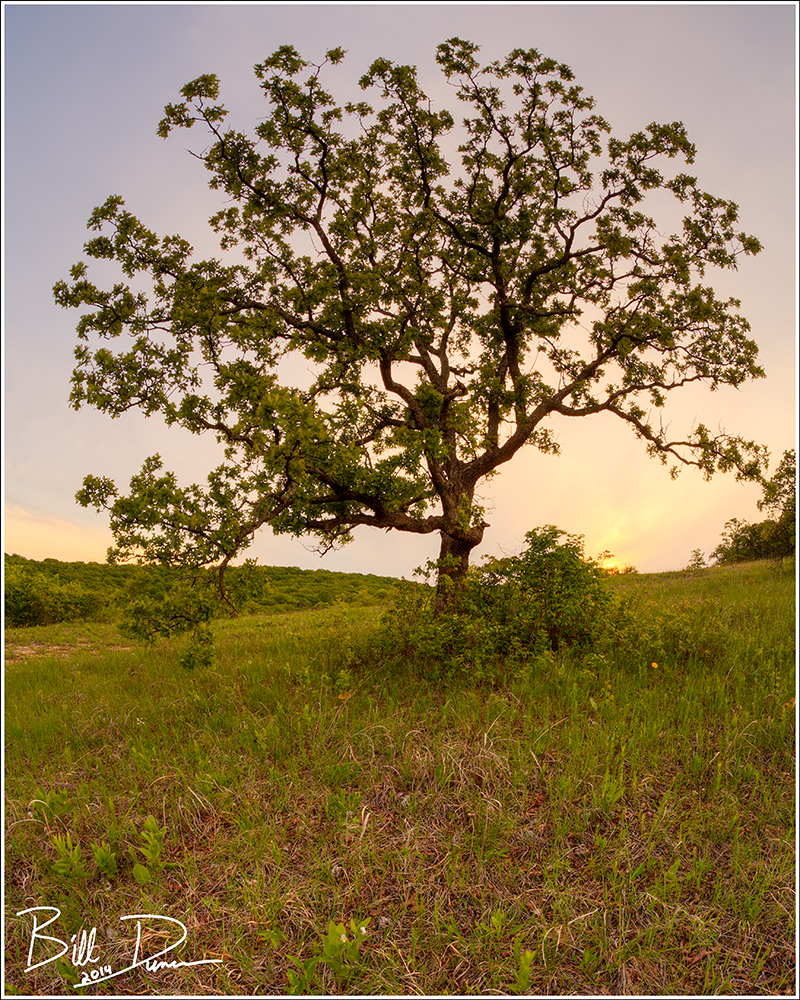
On our travels through the glades we couldn’t help but take note of this truly magnificent Post Oak, surrounded by blooming prairie/glade forbs such as Fremont’s Leather Flower and Lance-leaved Coreopsis.  Mostly secluded on a low hill, this was the spot to wait and see if the sunset would turn into anything special.  As we watched the progression of dusk we were most fortunate in hearing a special symphony composed of Woodcock, Whippoorwill, Chuck-Will’s Widow and Barred Owl.  Twas quite the memorable day and it goes without saying, I can’t wait to get back.

IMG_0531_2_3_4_tonemapped Final