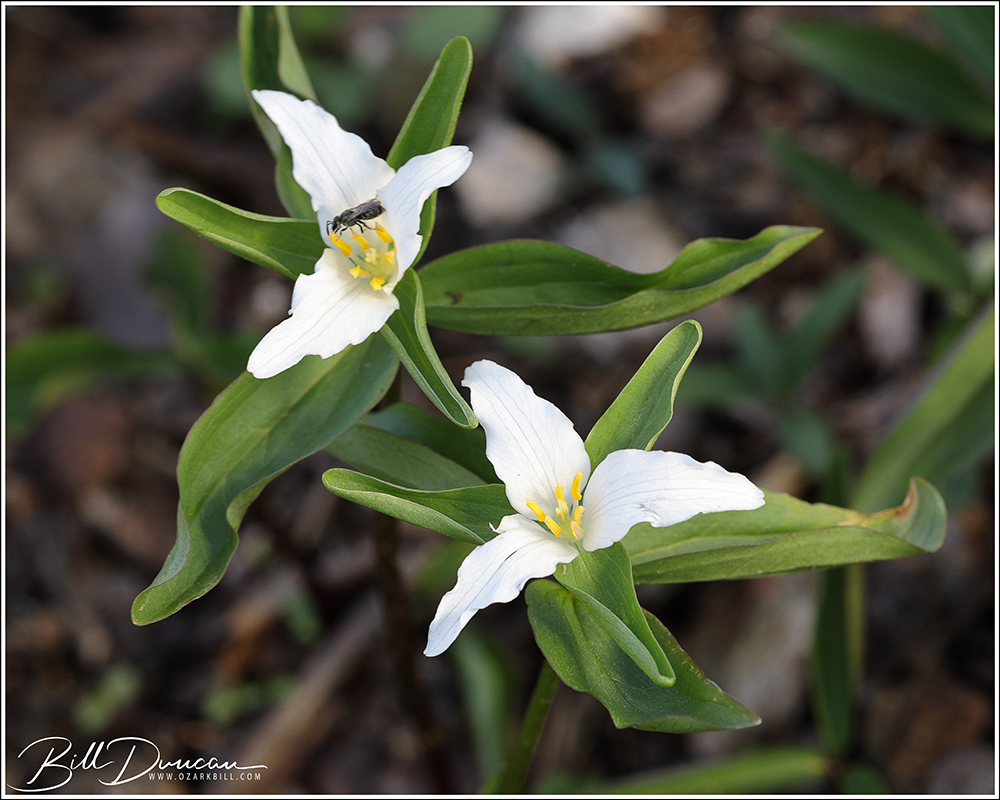
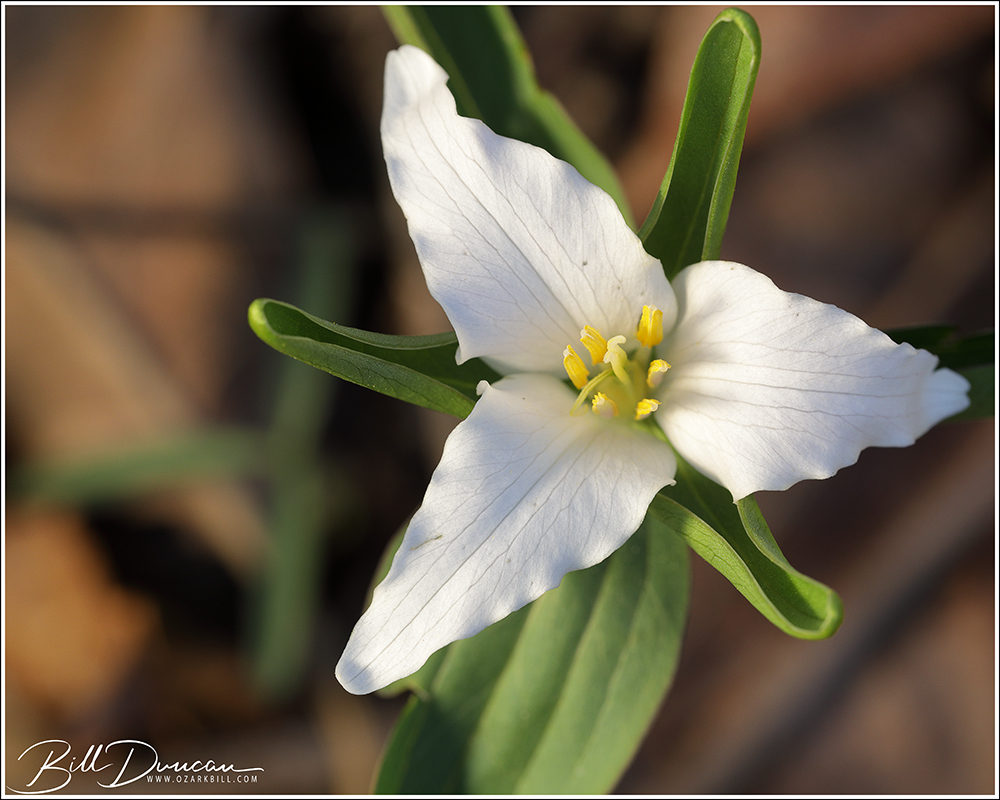
Another early-blooming trillium that is rare in Missouri. These Trillium pusillum var. ozarkanum were photographed in late March in southwestern Missouri.
"What a thousand acres of Silphiums looked like when they tickled the bellies of the buffalo is a question never again to be answered, and perhaps not even asked." -Aldo Leopold
Another early-blooming trillium that is rare in Missouri. These Trillium pusillum var. ozarkanum were photographed in late March in southwestern Missouri.
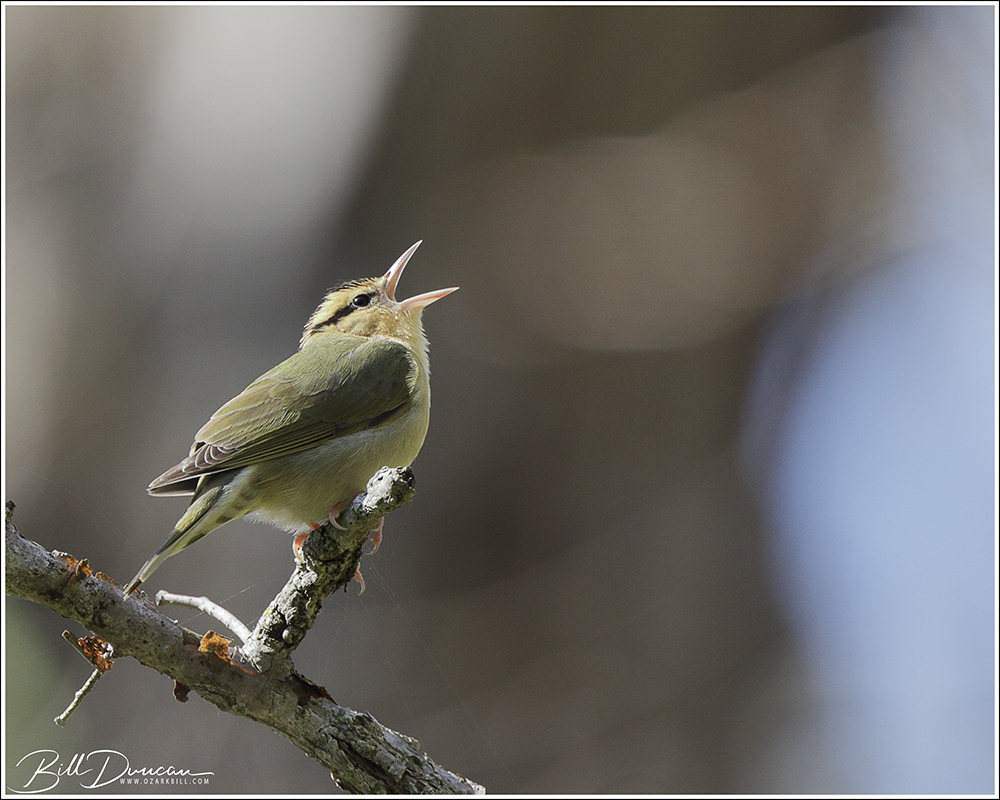
This spring has been flying by. With great cool and wet weather, the spring ephemeral wildflower season has been one of the best I’ve experienced and in the past two weeks the bird diversity has been on the rise. Just today, I had a Wood Thrush, a Cooper’s Hawk and a Barn Swallow from my suburban yard alone! This morning I found a Sedge Wren in the grasses at Beckemeier Conservation Area among about half a dozen warblers.
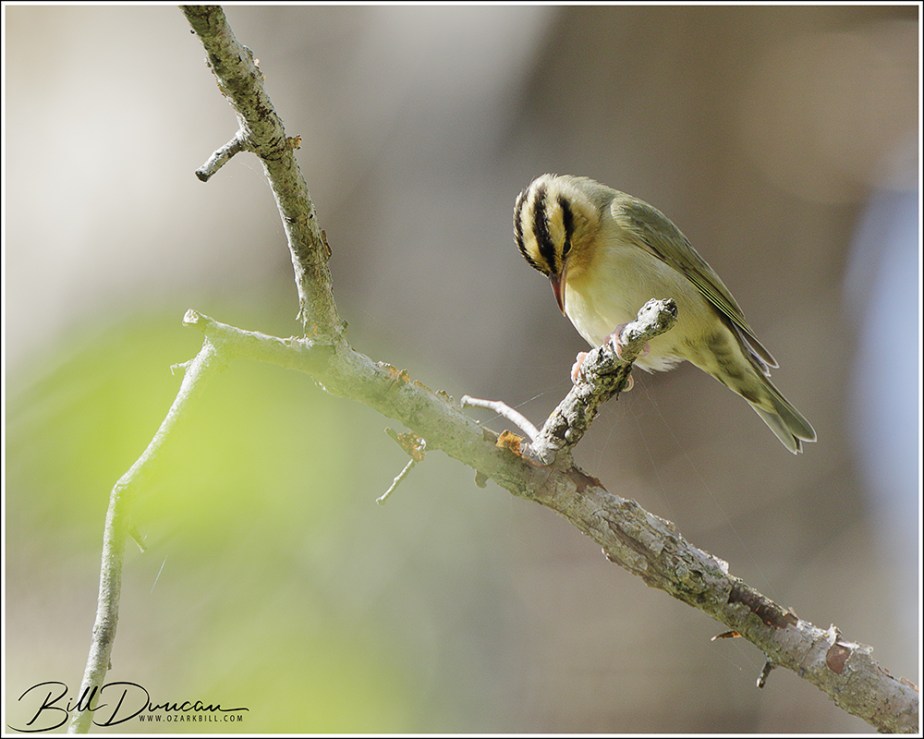
I hope you are getting out to enjoy some of this action and I want to share a few photos of one of my many favorites, this Worm-eating Warbler that is already setting up territory at Bush Wildlife Conservation Area.


Thank you for visiting!
-OZB
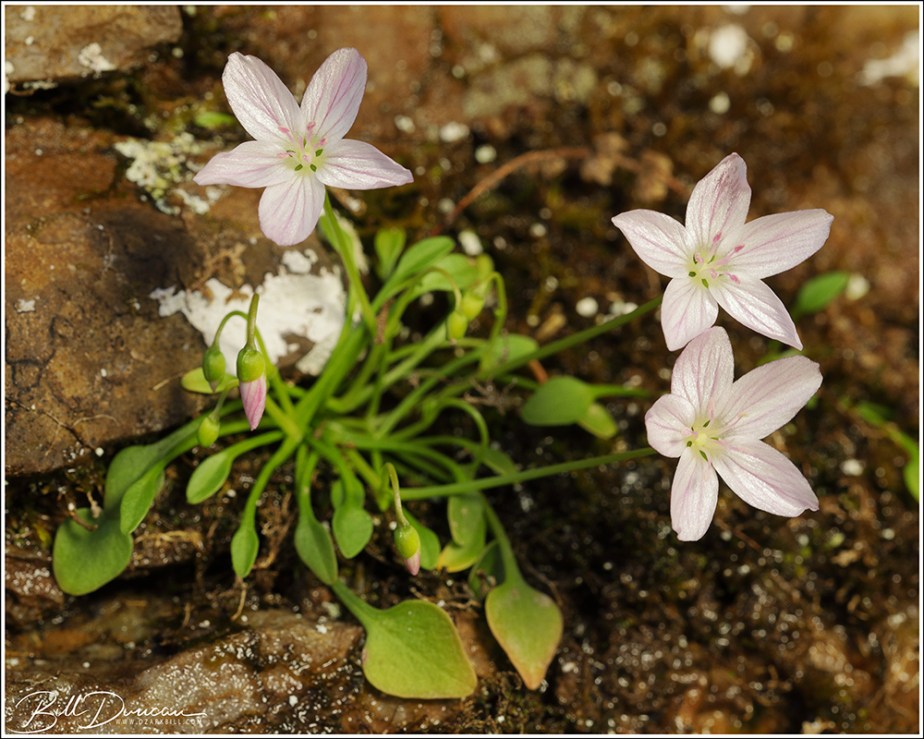
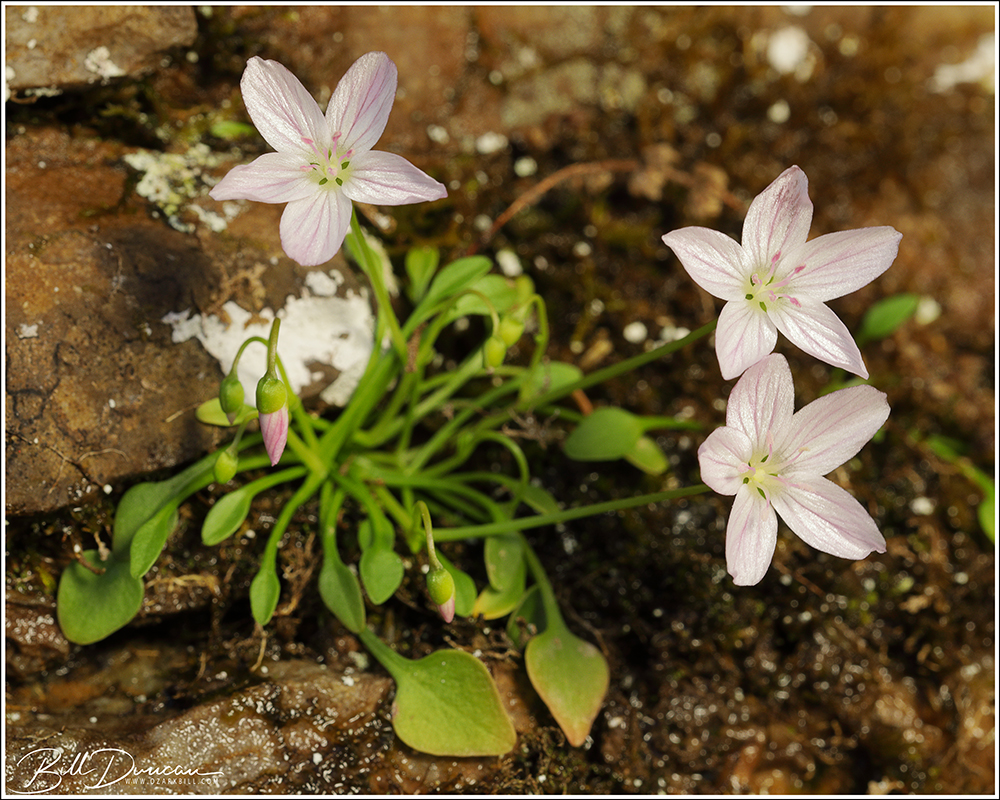
Originally described in 2006 as Claytonia ozarkensis, this plant was considered a near-endemic to the Ozarks, being found in Missouri, Arkansas and Oklahoma. Yatskievych et al. (2013) further defined this form and re-described this as C. arkansana. This species is known from only three counties in Arkansas and is classified as G2, or globally imperiled due to its required specialized habitat. C. arkansana is only found on sandstone bluffs and ledges. An interesting adaptation this plant has required to ensure its offspring remain in this required habitat is by negative phototropism of the pedicle after flowering. As the fruits develop, the pedicle turns away from light so that the seed may be dispersed in the cracks and bluff ledges where they need to germinate.
I want to thank Casey Galvin and John Oliver for helping me find this fascinating plant!
Yatskievych, G., R.J. Evans, and C.T. Witsell. 2013. A reevaluation of the Ozark endemic Claytonia ozarkensis (Montiaceae). Phytoneuron 50: 1-11.



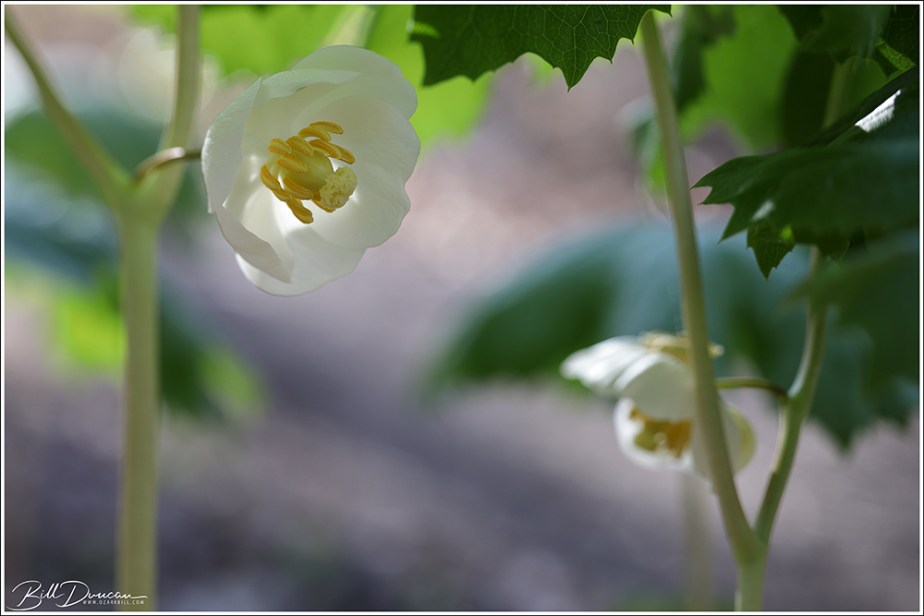
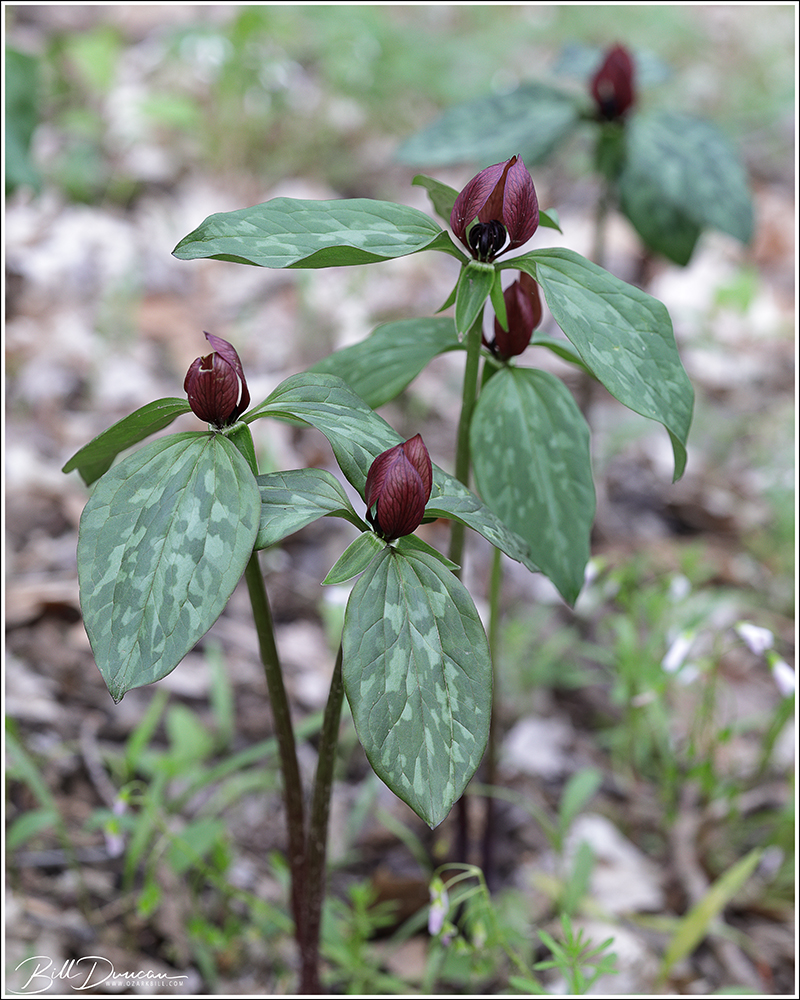
In my 15 or so years of paying attention to important things like this, I have never seen spring ephemerals having a better year than this one. Places within the St. Louis metro area, such as Englemann Woods Natural area and Beckemeier Conservation Area are loaded with wildflowers right now. Whether this is because of the cool and mild spring we have been having so far, or some other reasons, I don’t know. Here are a few photos taken this week at Beckemeier C.A. I hope you get out to enjoy these yourself.



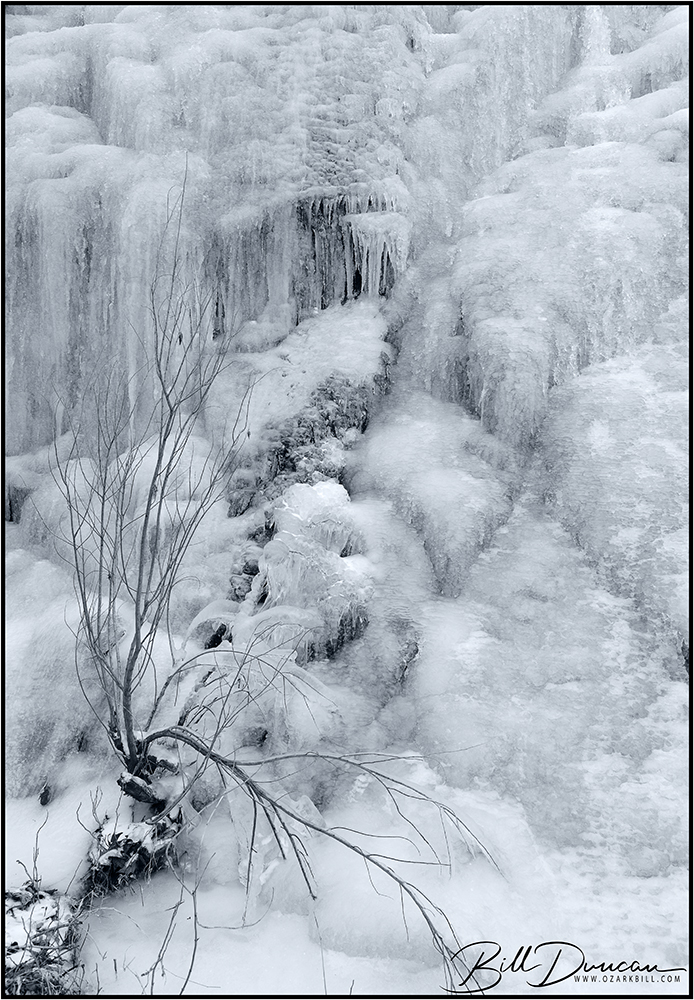
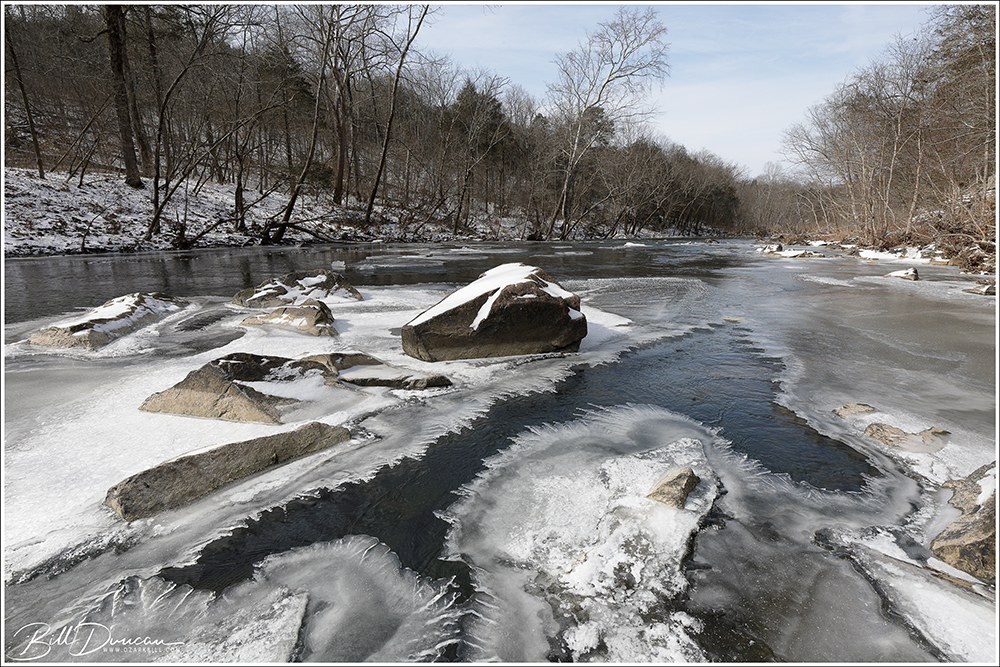
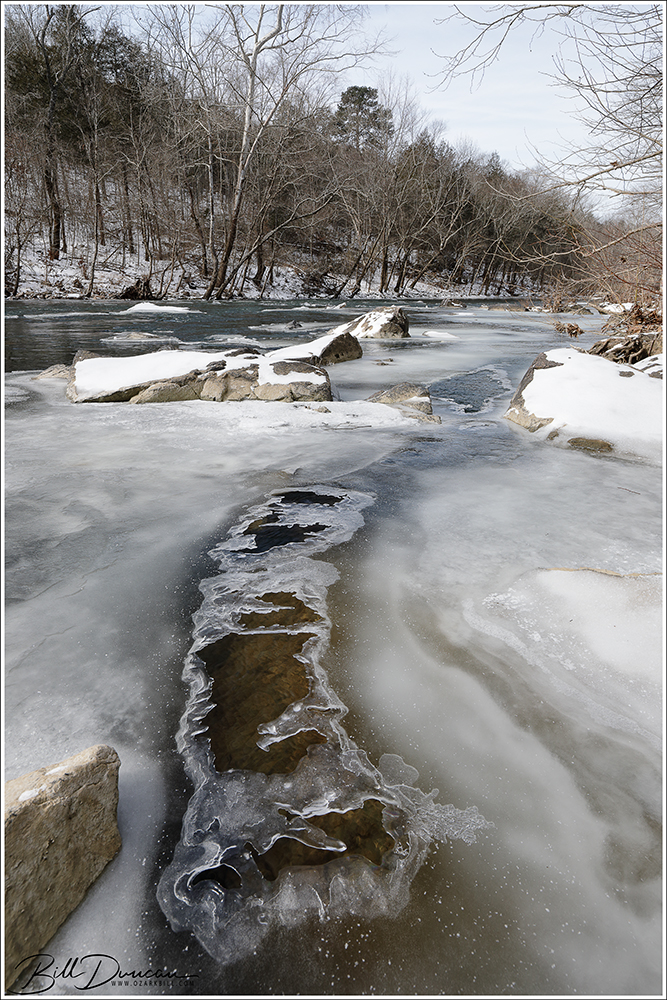
A few images from our recent deep freeze. Casey and I visited the St. Francois Mountains and collected some images along the Little St. Francis River and Little Rock Creek.
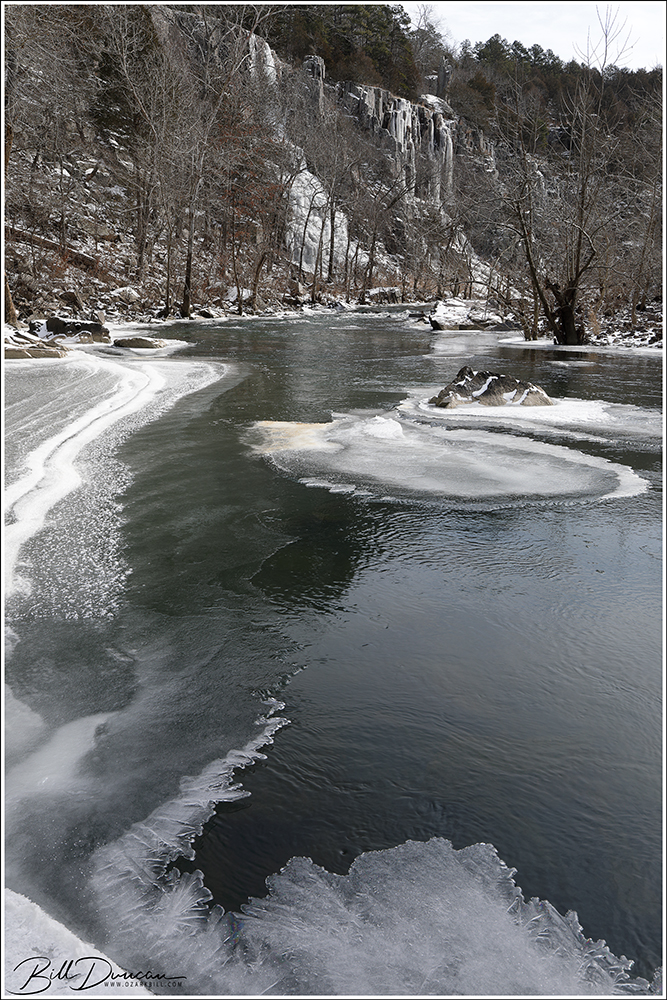
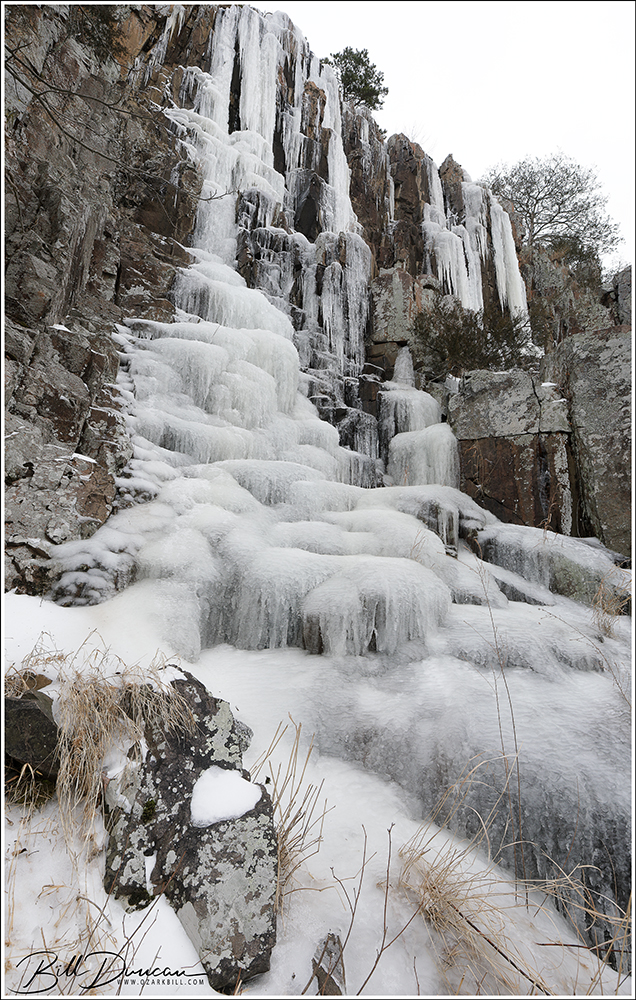
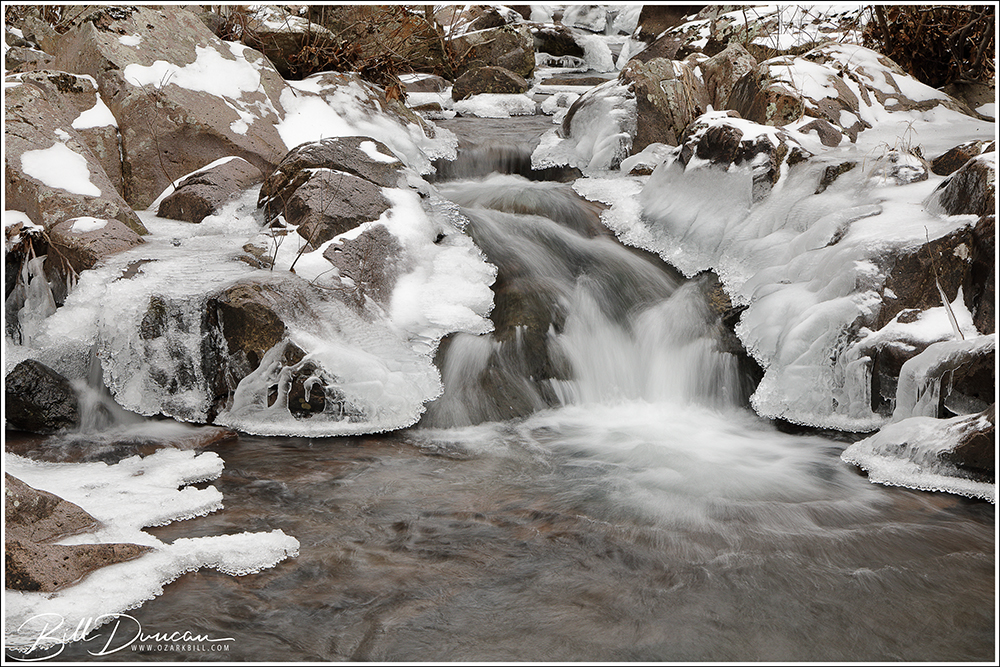
-OZB

Tonight I’m finishing off the neighborhood deer photos from 2020. This buck pictured in the first two photos was a bit odd. Not just because of the aberrant antlers, but he also did not mind my close approach or my following him as he browsed.

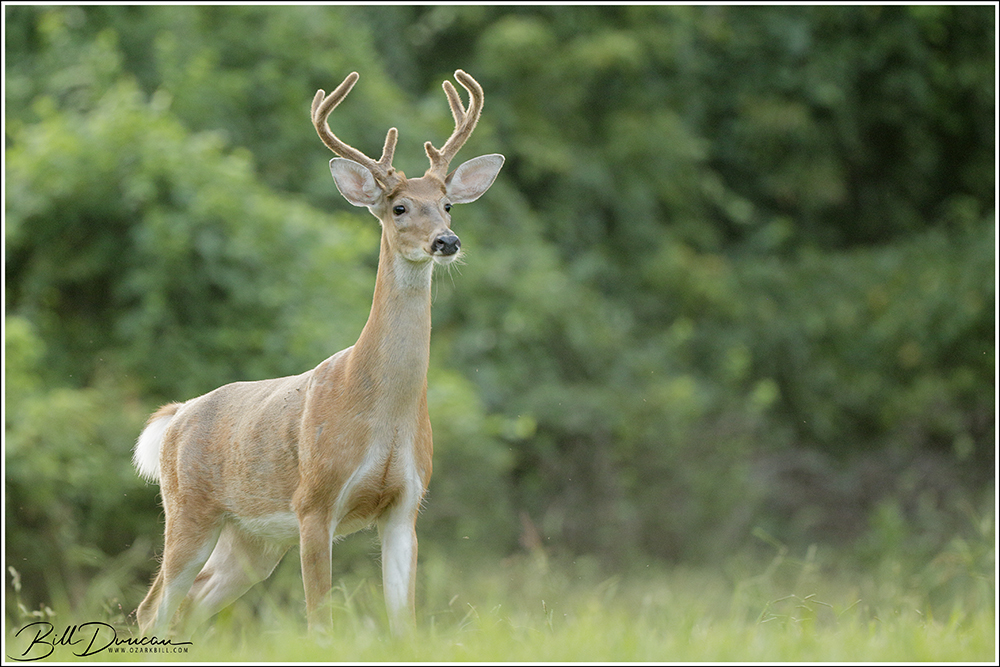
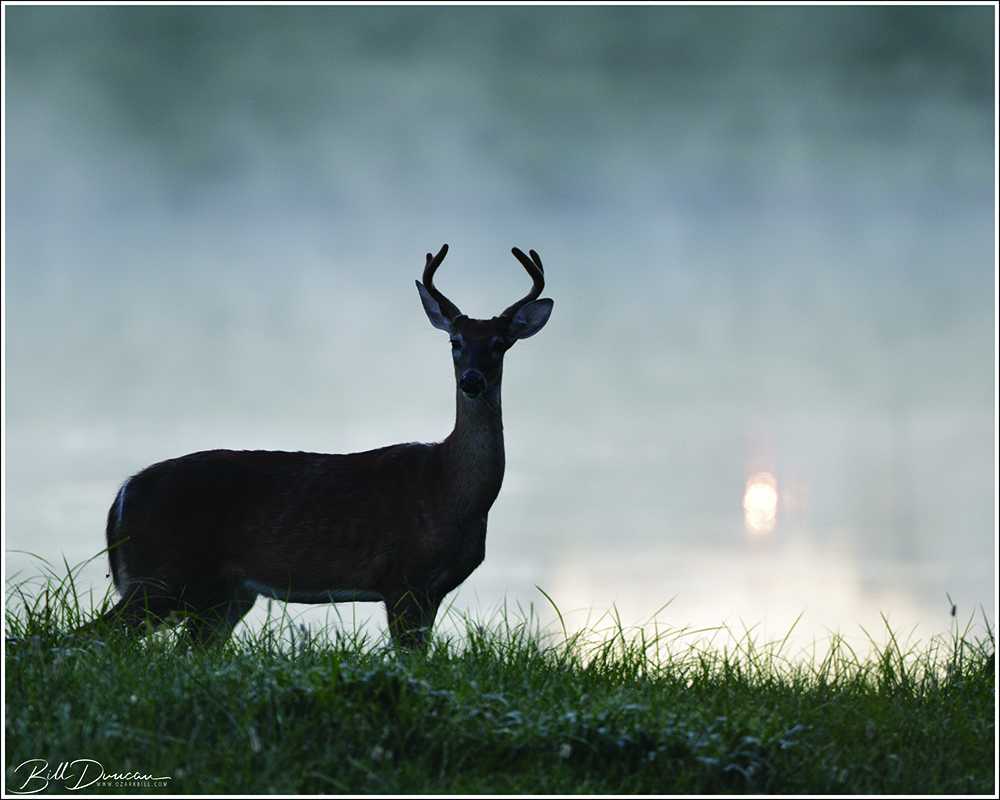


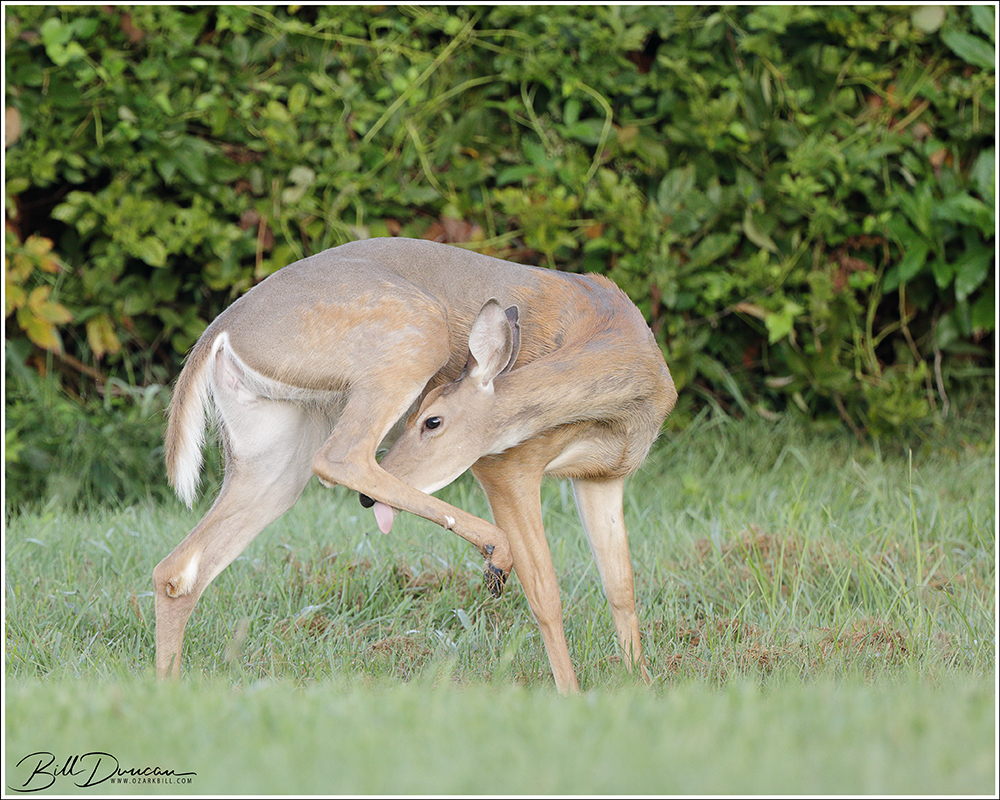

-OZB

A few more white-taileds from August. Have a look at the next three images. I’m hoping someone with some knowledge in the genetics of these guys might have some idea what is going on with the buck on the right. With his rack and size, he obviously has the genes, but he looks so different from what I think we would agree is a more typical buck next to him. In addition to the shapes of their heads and faces, their coats are vastly different as well. Thanks for sending any thoughts you might have about what these difference might be caused by.

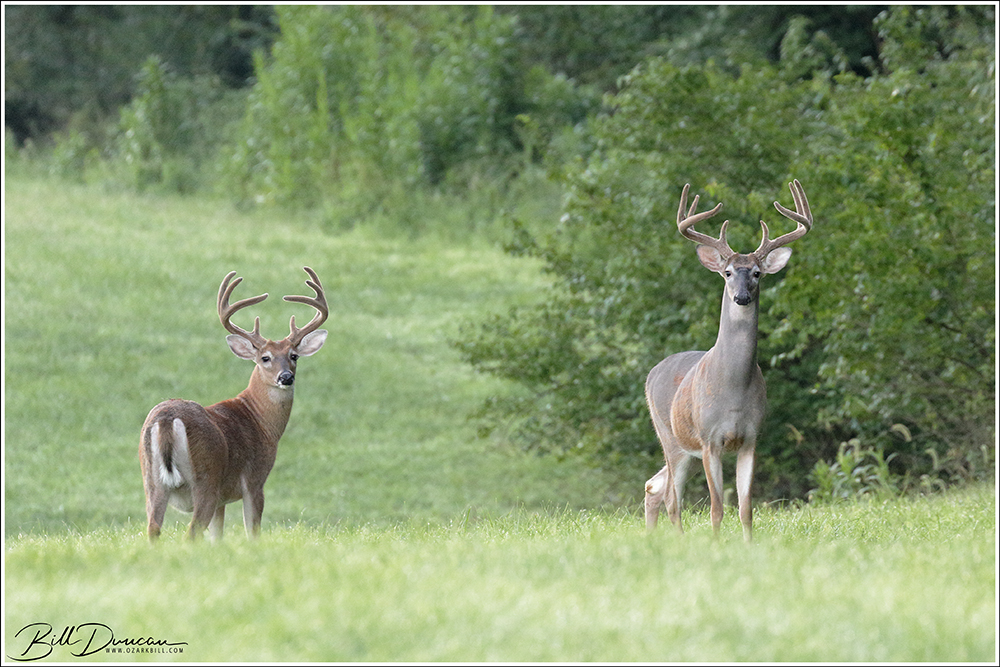

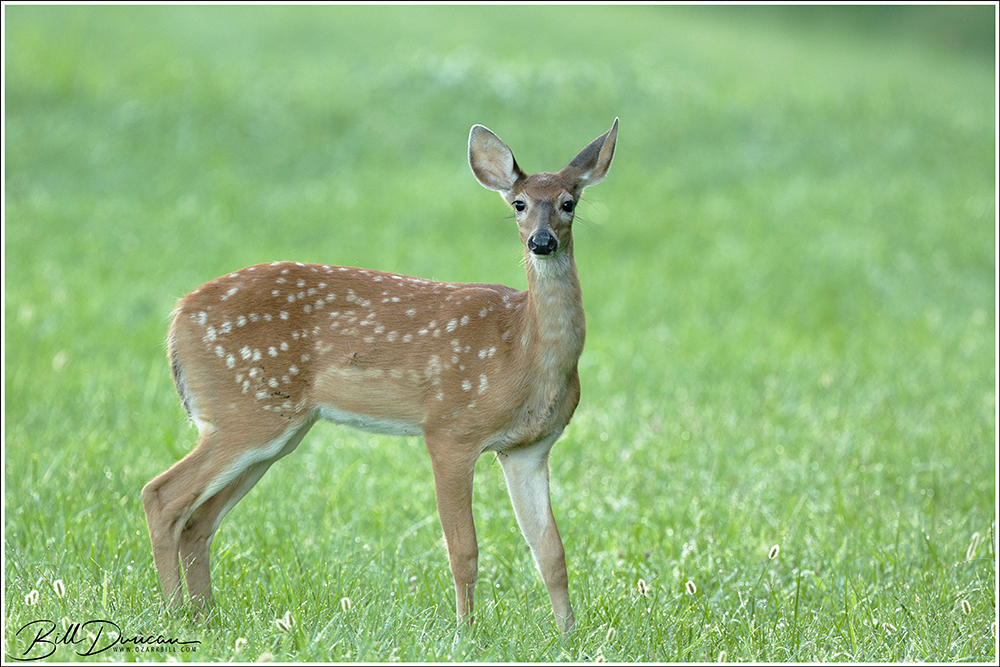

-OZB

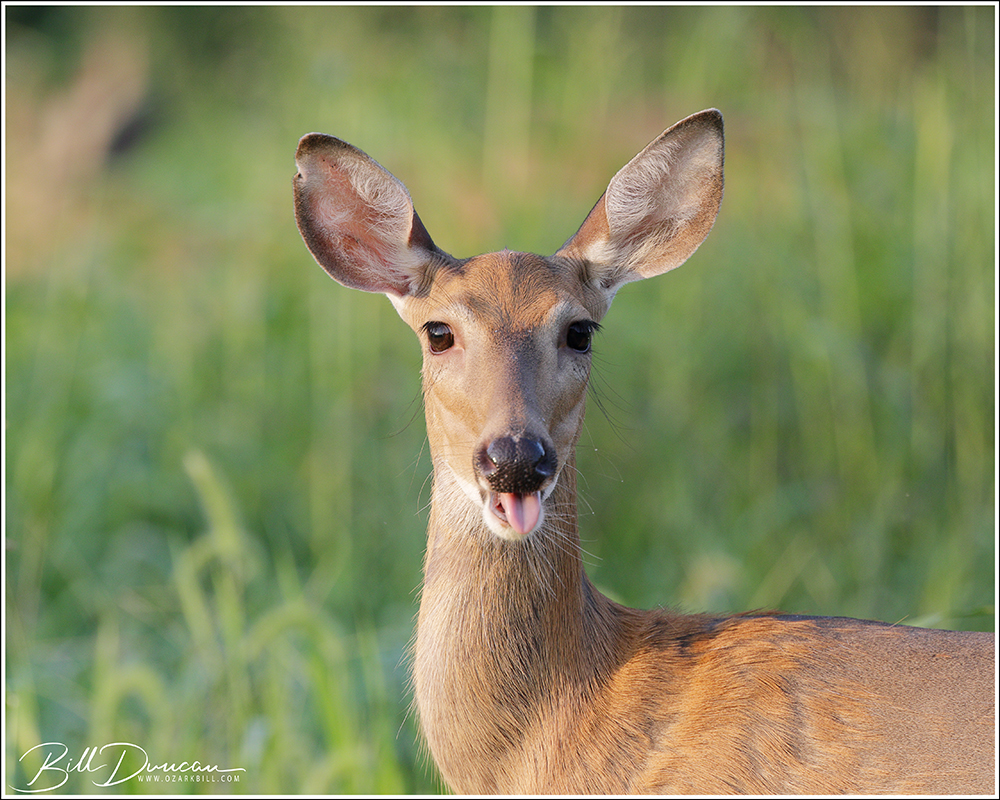
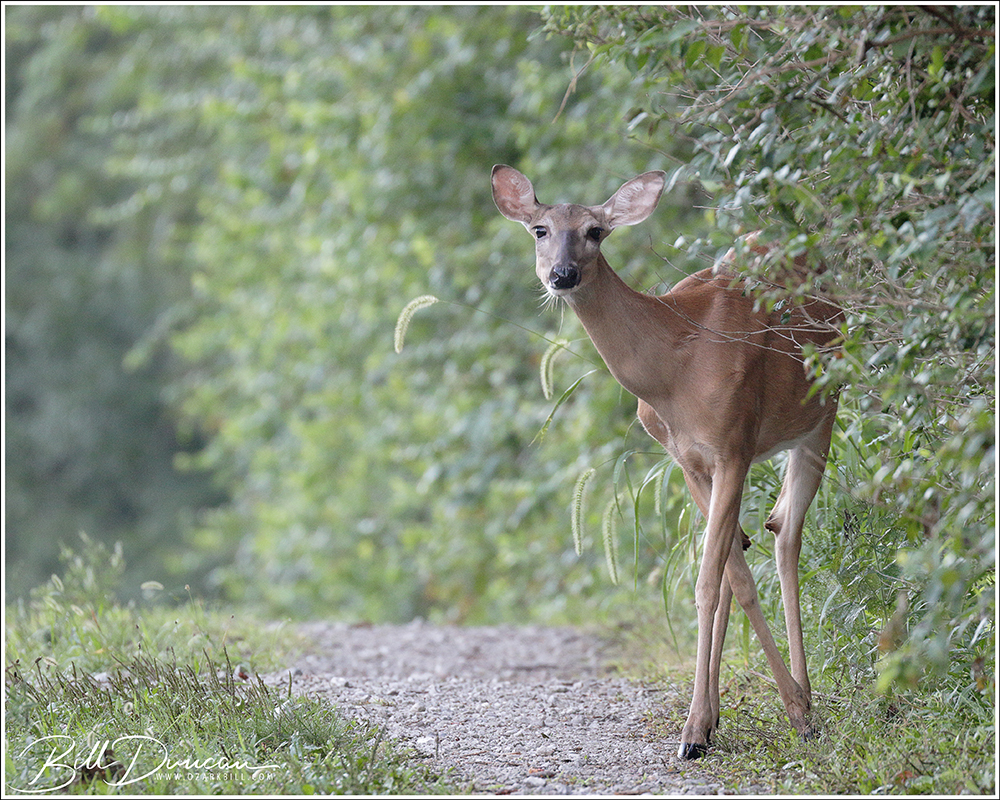
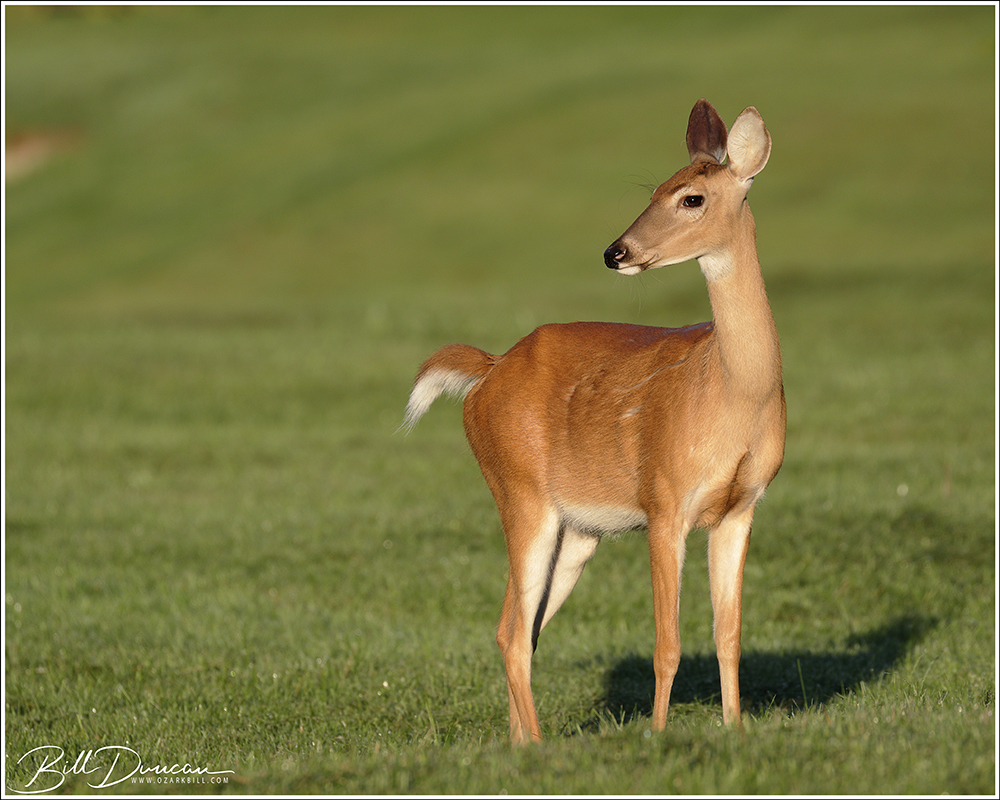
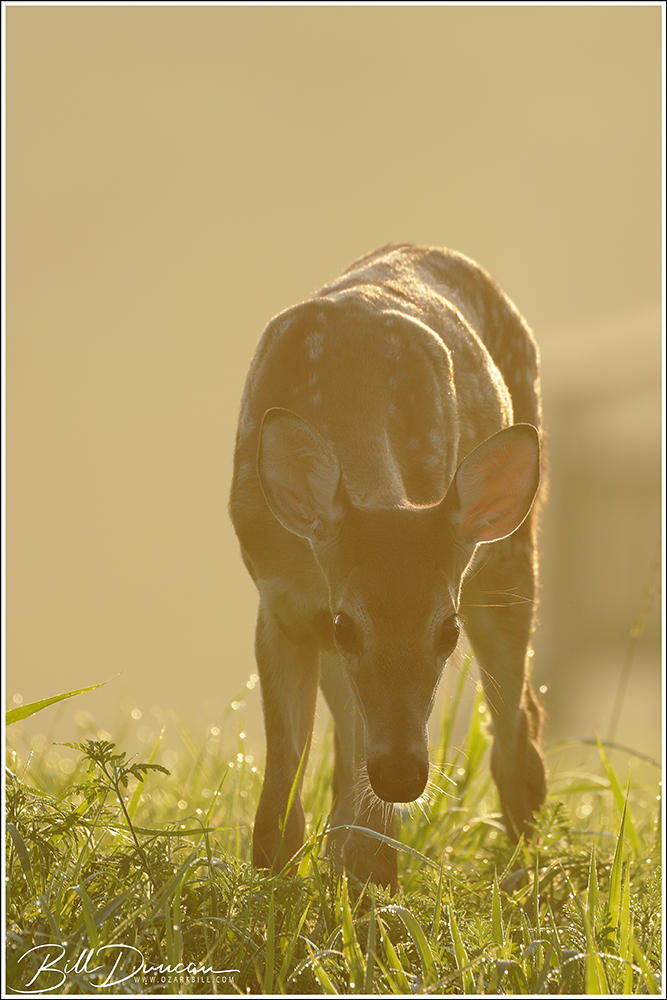
2020 was a decent year for me in finding and photographing white-tailed deer. It started in the summer a I walked the high-voltage line cuts that run through our neighborhood. These turf fields, the wood lots and scrub fields that run along this area and our yards are home to a good size population of these deer. As I get more into landscaping our yard with native plants, I’m sure I’ll develop issues with these guys, but they are a lot of fun to watch and photograph.

Typically, summer bucks in velvet are not easy to see in the daytime. They typically stick to a small area, eat the abundant greenery and try not to damage their sensitive new headwear. Suburban bucks are different. In fact, I had much easier times finding bucks this summer in the neighborhood than I did during the rut season when they are typically easier to find and get close to.



That’s all for this set. Stay tuned and check back later to see more from the neighborhood this summer as well as images I took during the rut.
-OZB
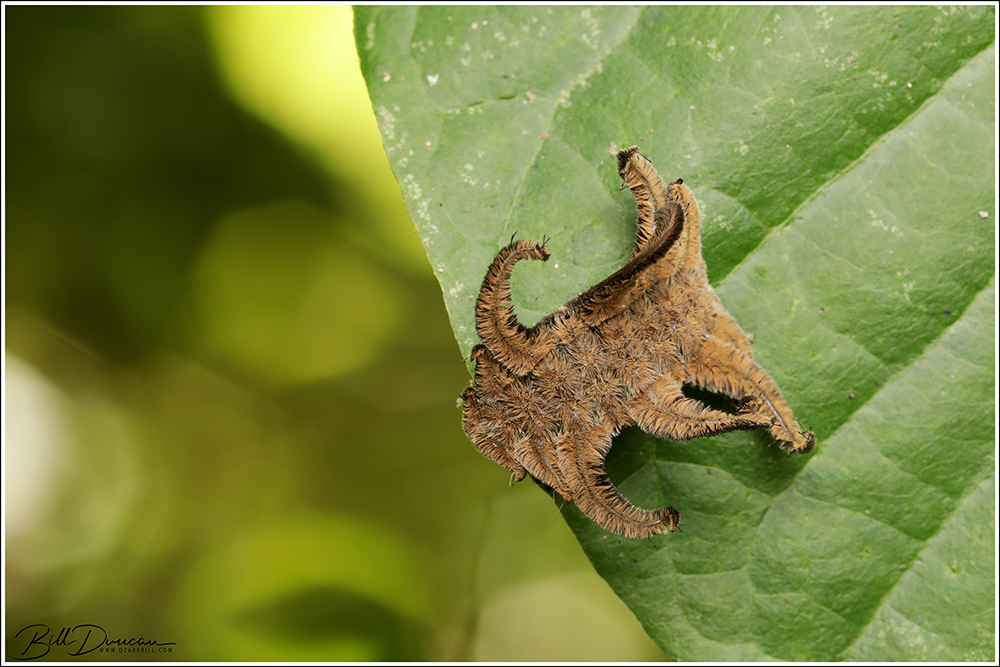
As it seems I say every year, I did not find the time to go out looking for insects as much as I had hoped for in 2020. Here are a few of my favorites from this past season. As always, please correct any inaccurate species identifications if you are in the know. I try my best, but can always be wrong. Thanks.
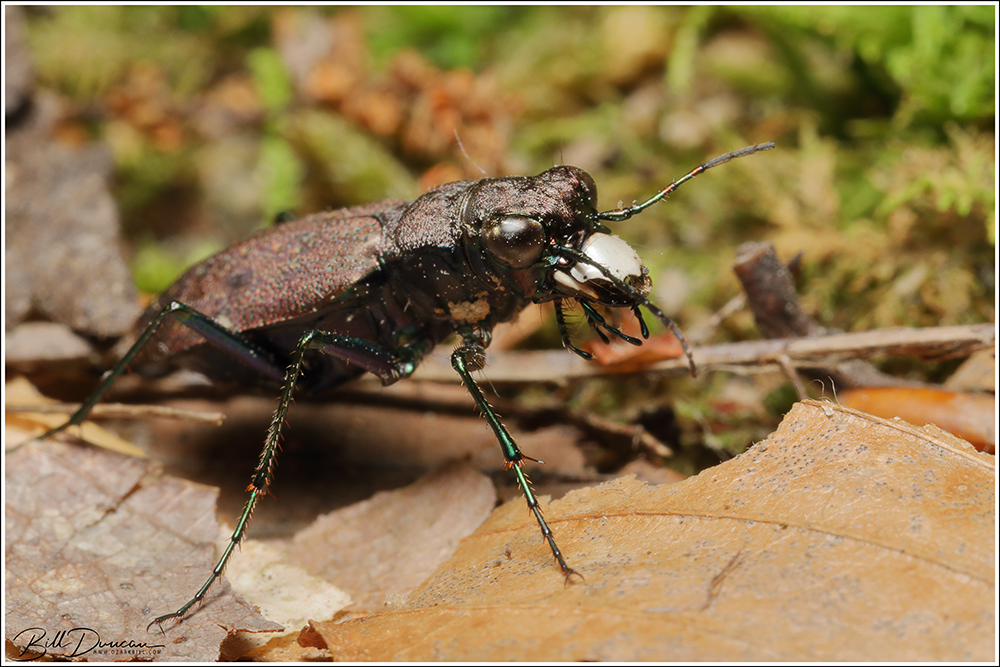
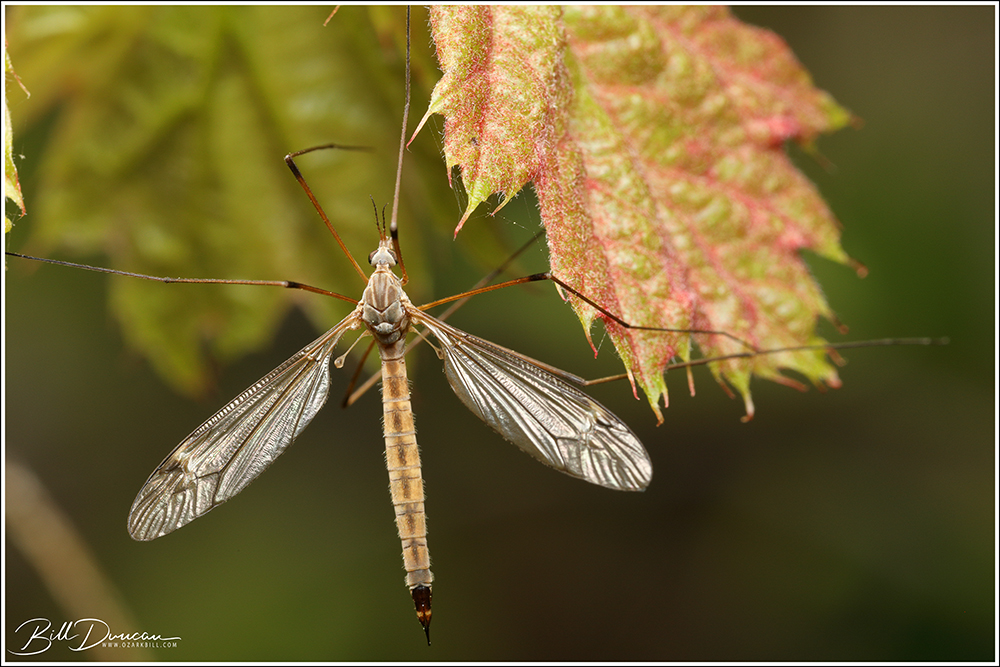

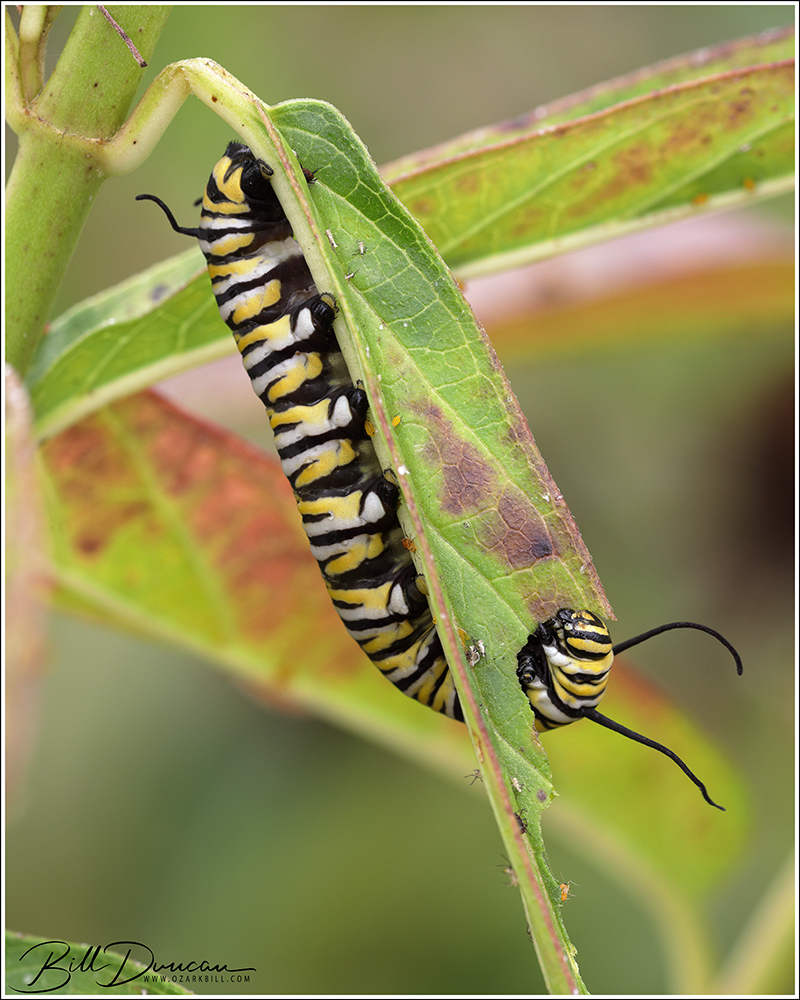


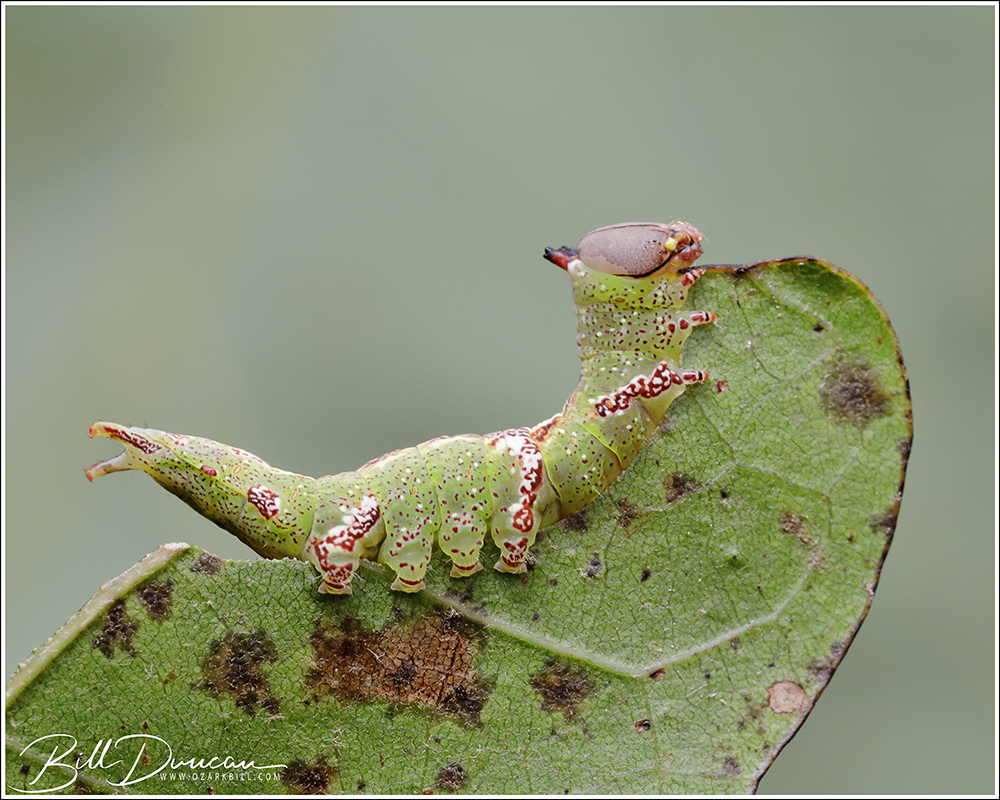
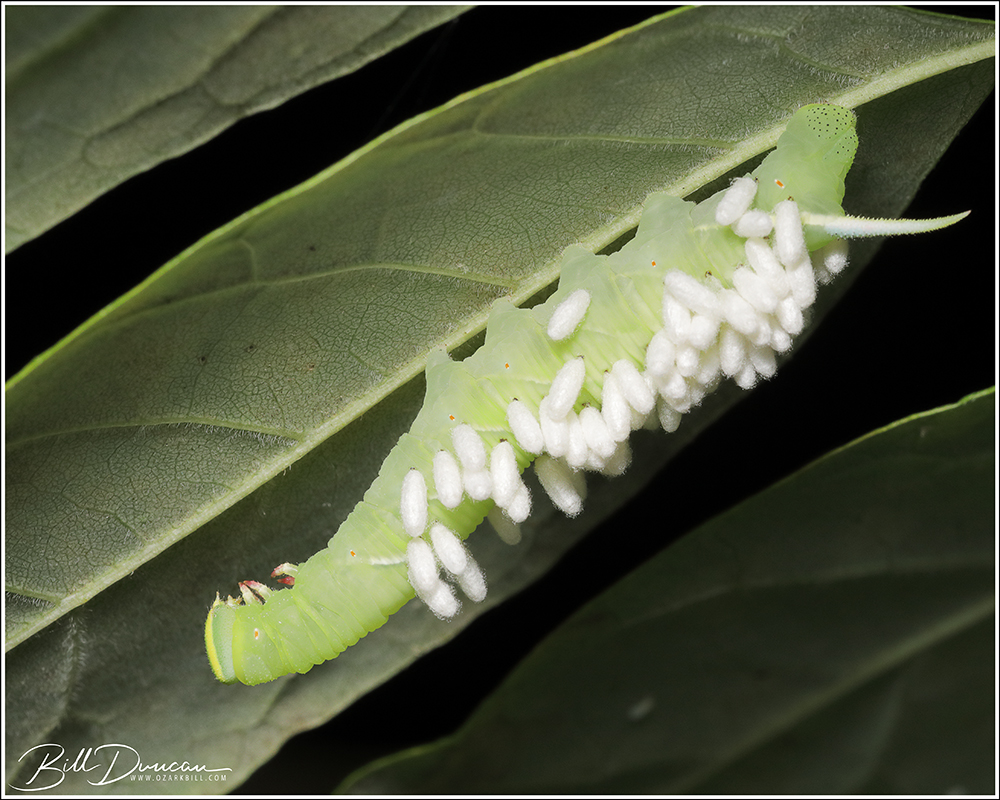

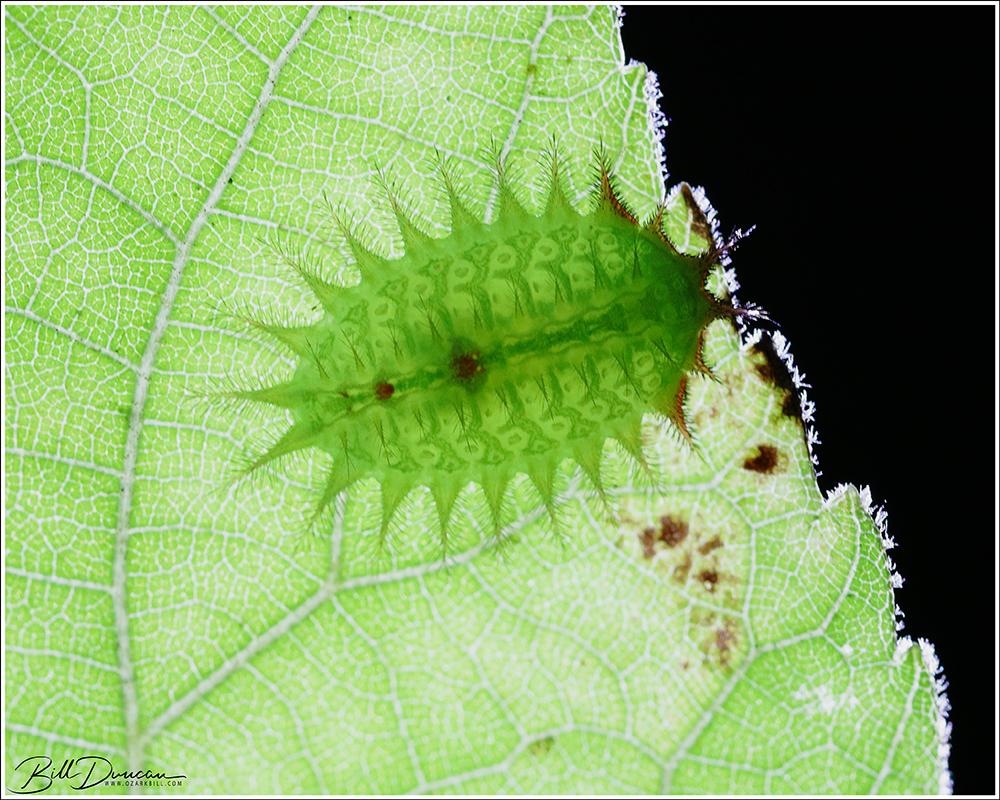

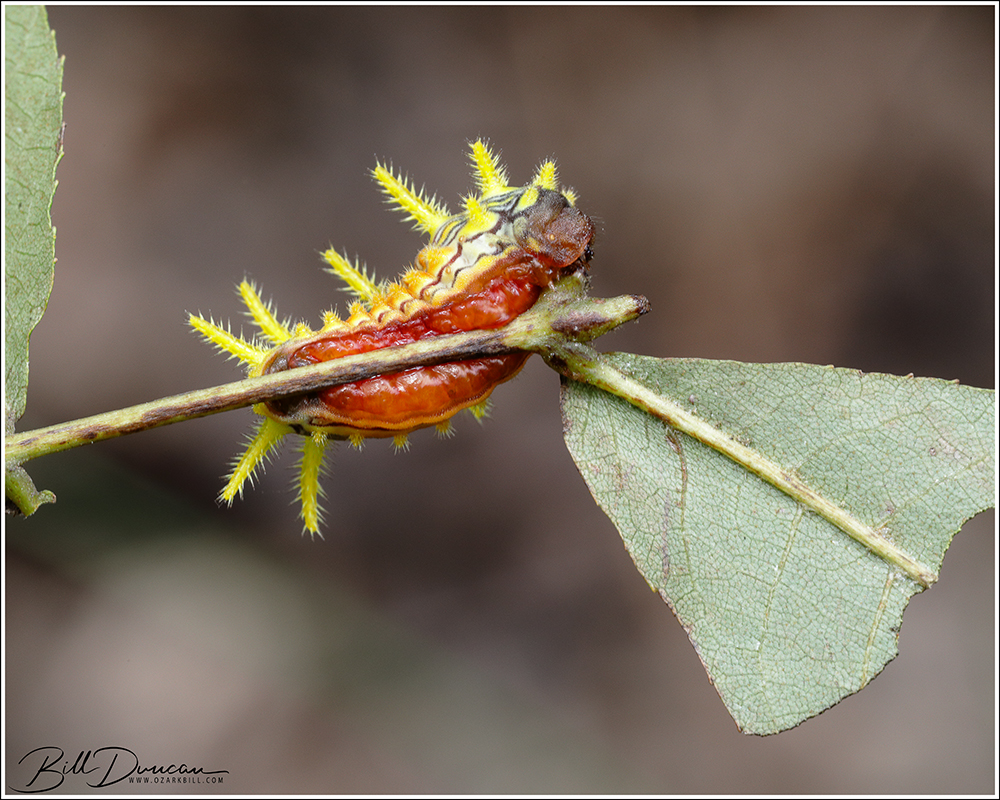
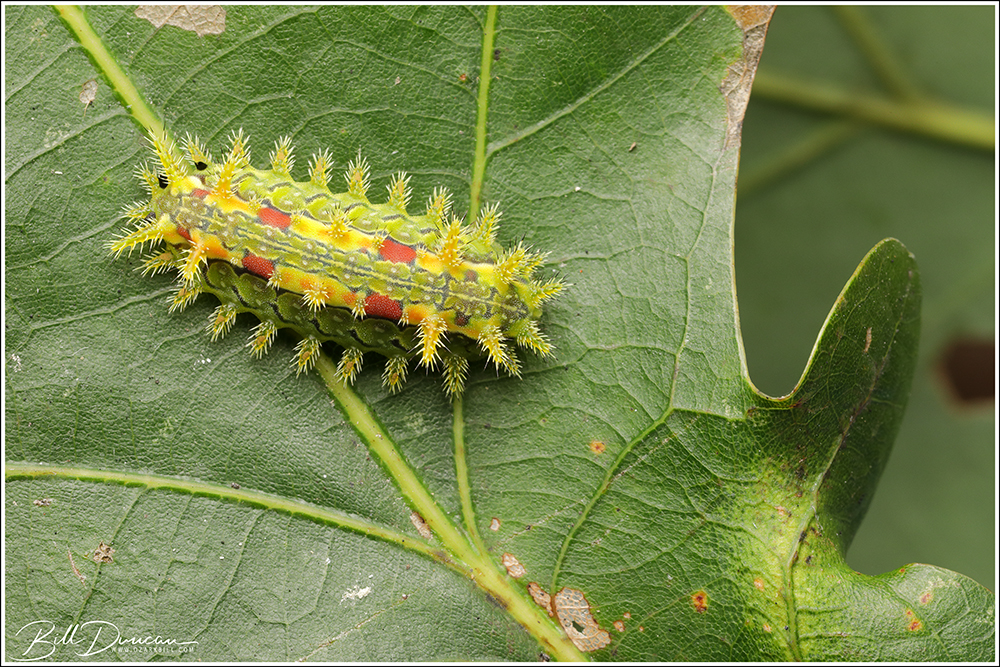

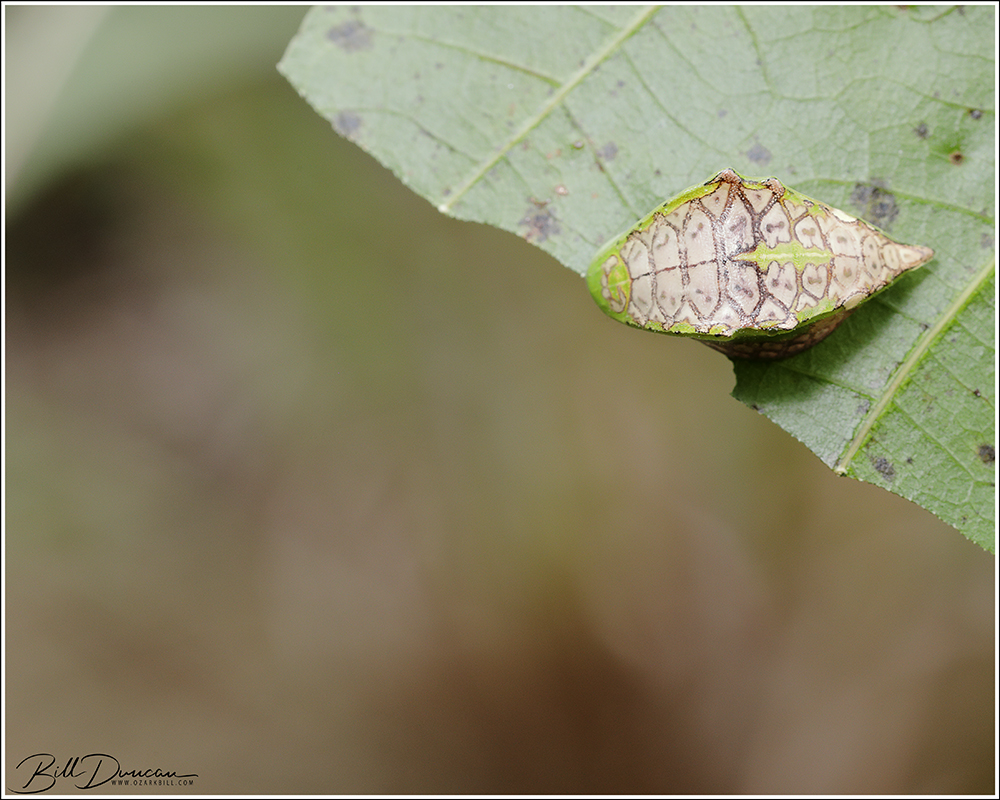
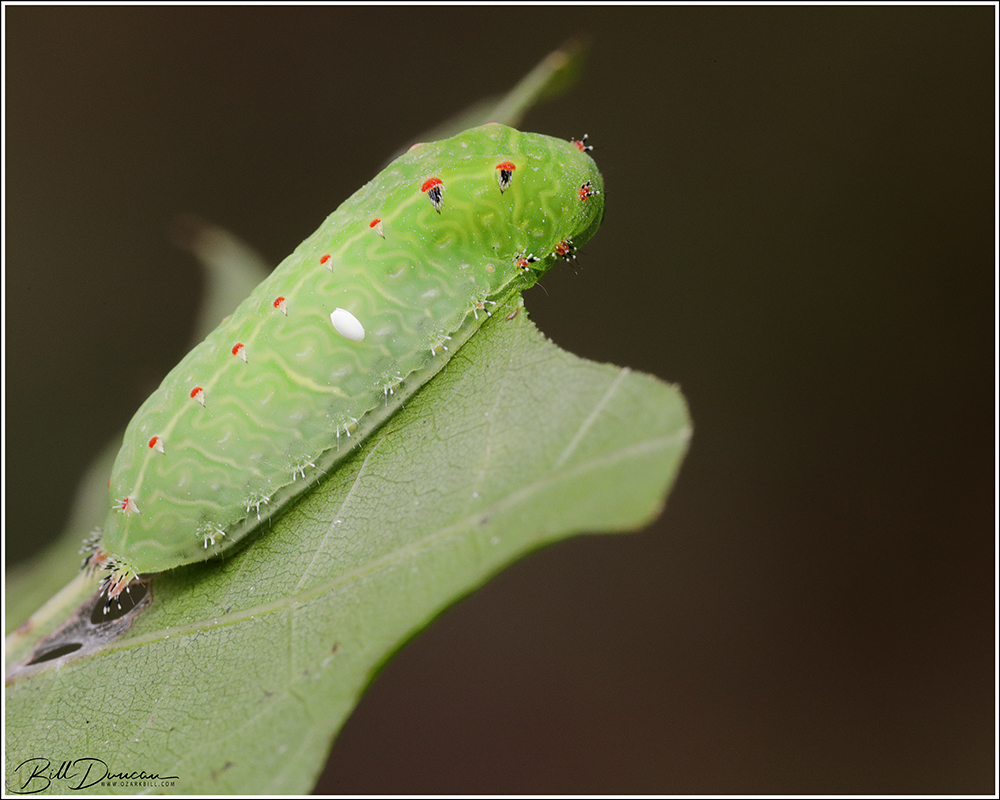
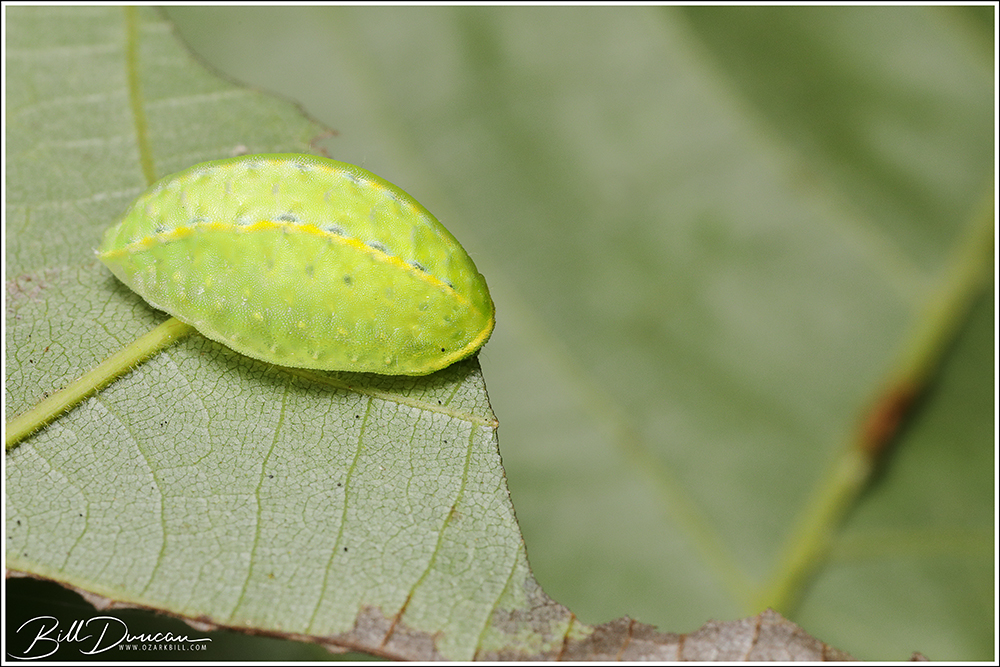
Thanks for the visit and wishing you a great 2021 filled with more insects!
-OZB

Myrmecochory is a term that comes from Greek, created from “myrmeco” – of or pertaining to ants, and “chory” – plant dispersal. It is one of approximately seven plant “dispersal syndromes” classified by ecologists, is found in approximately 5% of the angiosperms and occurs in numerous ecosystems around the world.

Mutualism is thought to be the basis for this dispersal syndrome. Although this is not necessarily crystal clear, the ants are attracted to the eliasome – the fleshy structure attached to the seed that is a rich source of lipids, amino acids and other nutrients. The ants typically will move the diaspore (eliasome + seed) back to their nests. Dispersal distances vary, but are generally not great – most often 2 meters or less. However, for small forbs this distance is often adequate for moving these propagules outside the range of competition of the parent plant.

Distance dispersal is not the only selective advantage that plants gain from this mutualistic relationship. When the ants have moved the seeds to their nests, they remove the eliasome to feed their young and typically dispose of the seeds in their midden heaps or eject them from the nest. Seeds that are moved to midden heaps or other such locations benefit in multiple ways. First, they are placed in microenvironments that are conducive for germination and early growth. They are protected from heat of fire that could destroy the seeds and benefit from not being accessible to birds and other seed predators. This is referred to as ‘directed dispersal.’ Some studies have shown that the removal of the eliasome may promote germination, similar to the process of seed being removed from their fleshy fruit as it is passed through the gut of a vertebrate.
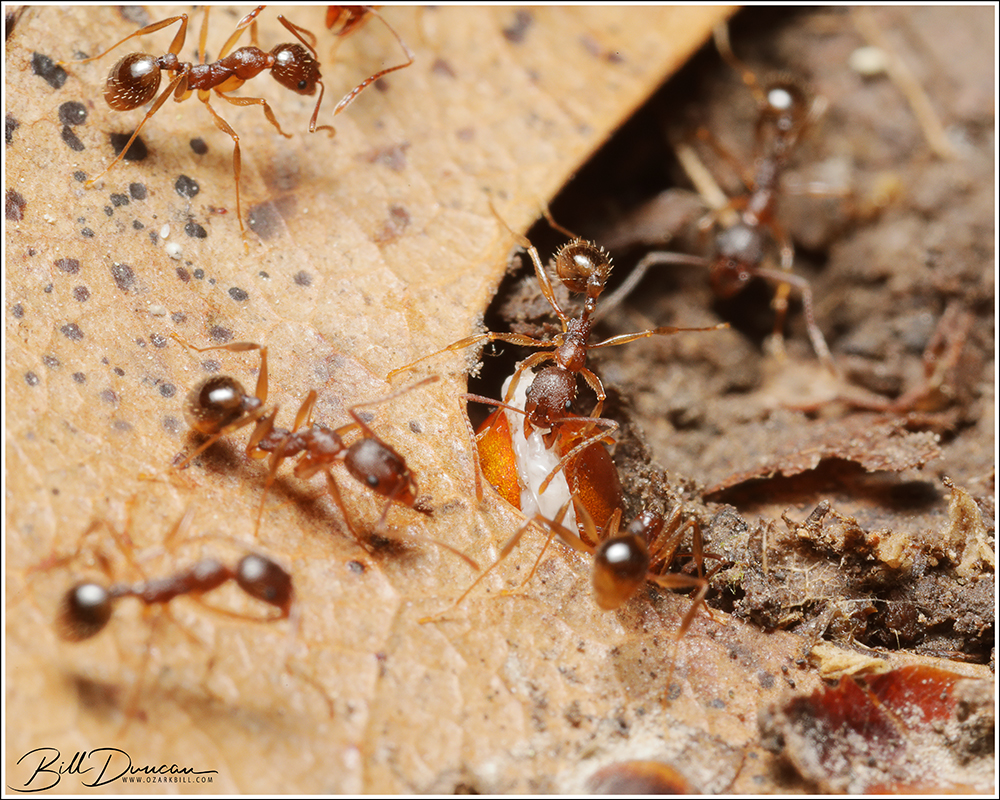
Their is typically no specialization of particular ants dispersing a particular plant species, with almost any ant species being ready to take advantage of a free meal. The possible exception being that larger diaspores must be dispersed by larger ant species.
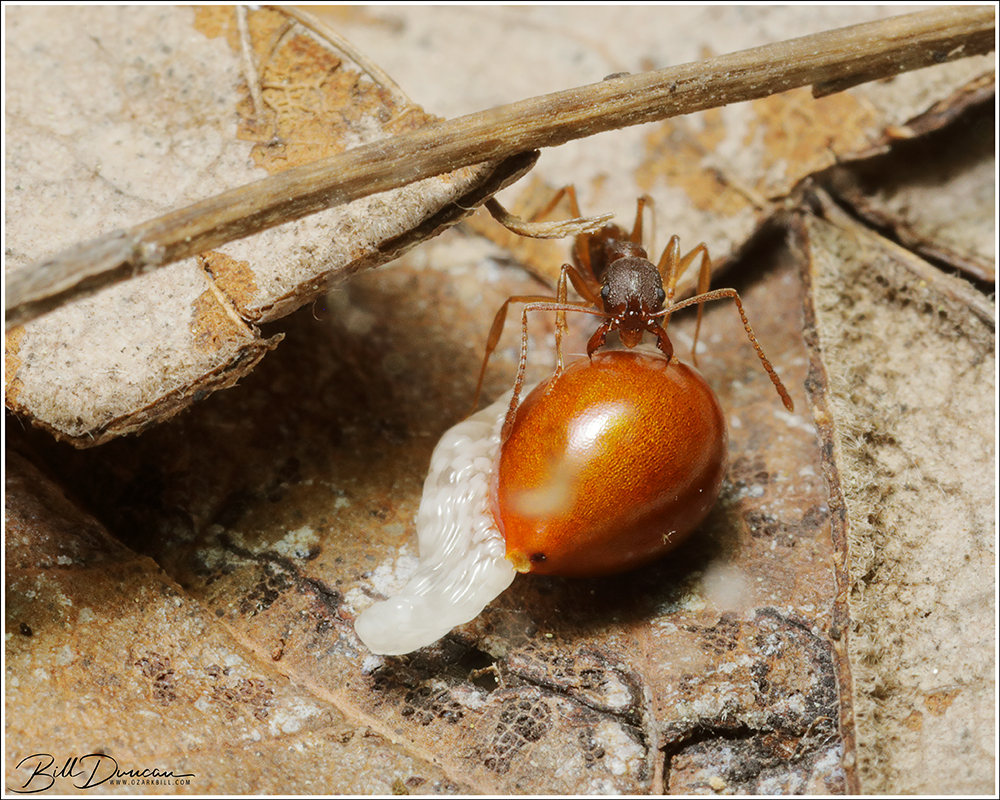
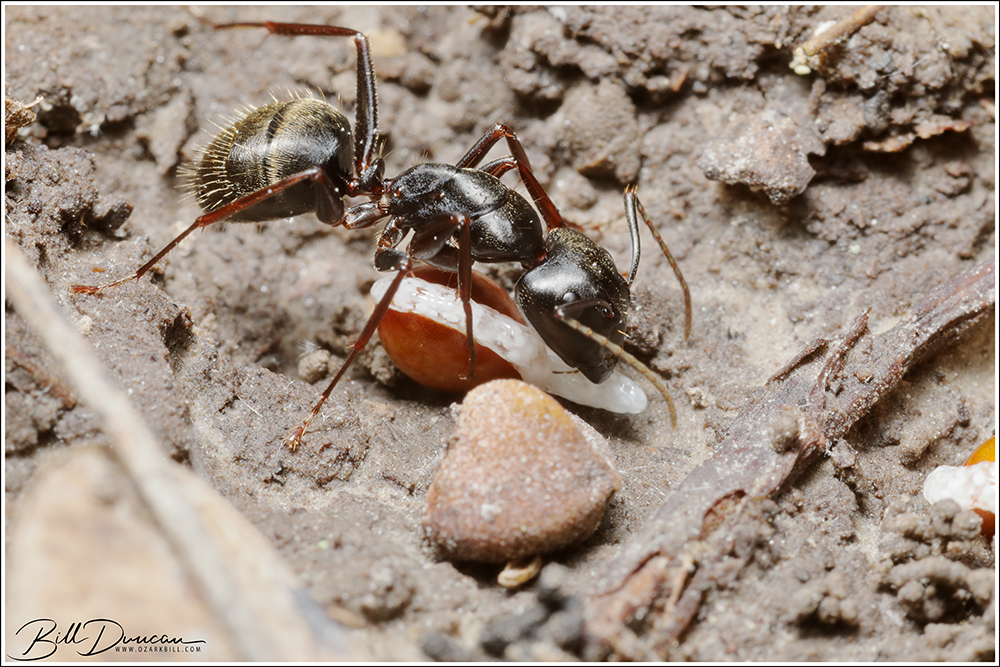
My hope was to photograph myrmecochory across a variety of species this year. I was fortunate to find success with Sanguinaria canadensis but had no luck in my attempts with Dicentra cucullaria (dutchman’s breeches). I tried hard for trillium species as well but discovered the plants I was waiting for mature fruits for weeks were being harvested most likely by SNR staff. I will be trying for these again in the future and hope to photograph prairie species as well.

The fruits of Stylophorum diphyllum (celandine poppy), I discovered, had a much smaller window of ripening. I had to check at least every two days or I would miss the opportunity of a large fruit full of diaspores.


See below for my attempts at filming myrmecochory. This was definitely challenging. I had troubles predicting the ants’ behavior, especially while under the bright, continuous lighting needed for high-magnification photography such as this. Something else to try and improve upon next year.
I’d like to thank James Trager for his assistance with ant species identification.
-OZB