"What a thousand acres of Silphiums looked like when they tickled the bellies of the buffalo is a question never again to be answered, and perhaps not even asked." -Aldo Leopold
This beautiful adult Cooper’s Hawk flew through the yard a few times recently, attempting to catch diner. On this occasion it stopped on a shepherd’s hook and had a rest. I explained to it that it could have all the Starlings and ETS’s it could catch but to leave the juncos alone.
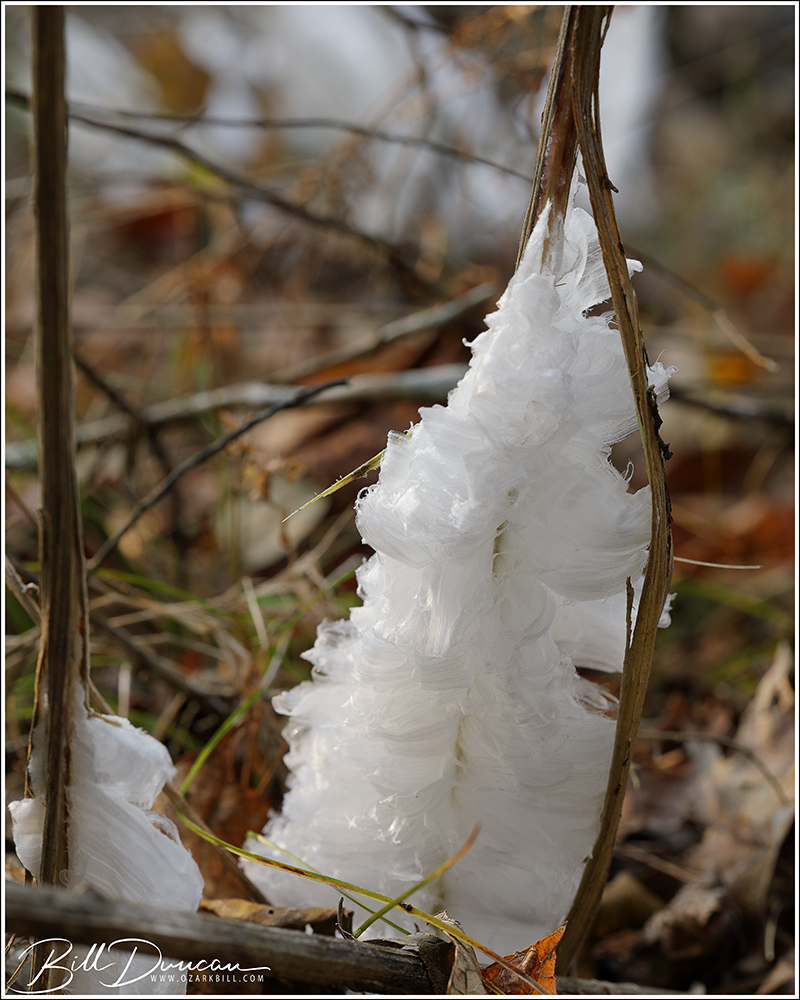
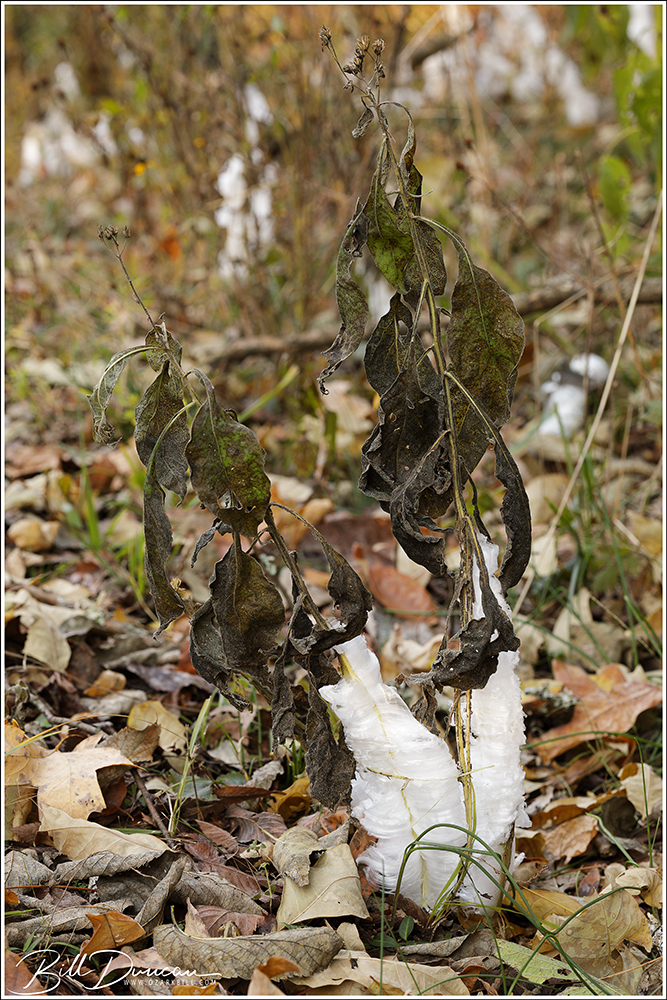
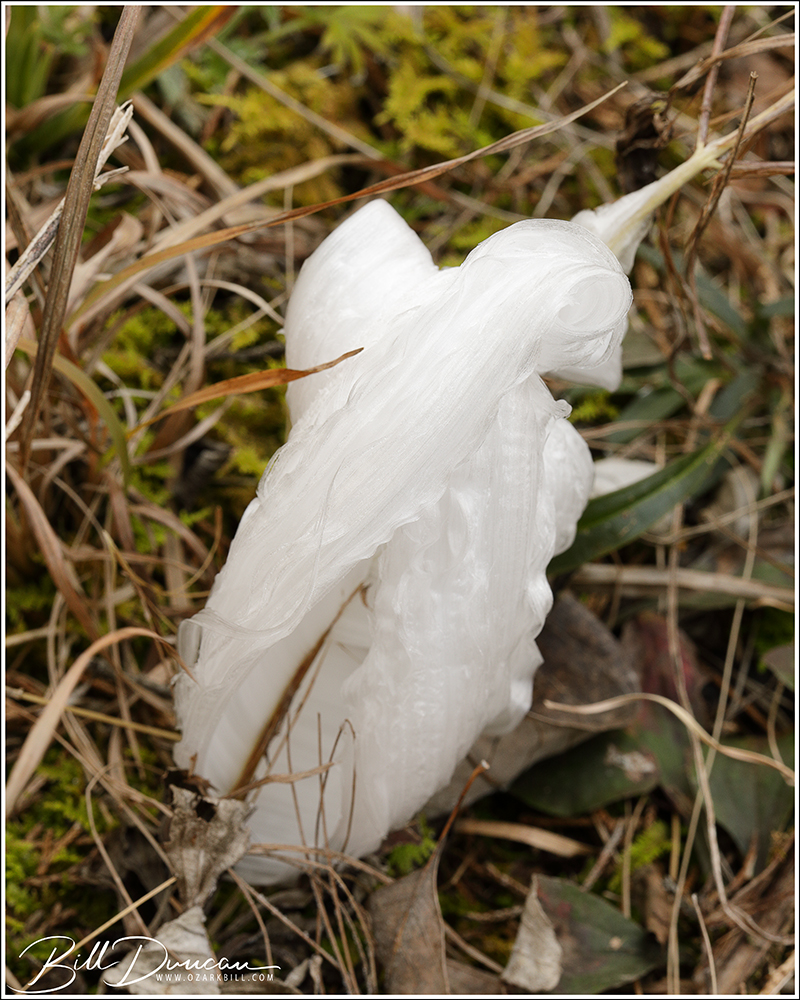
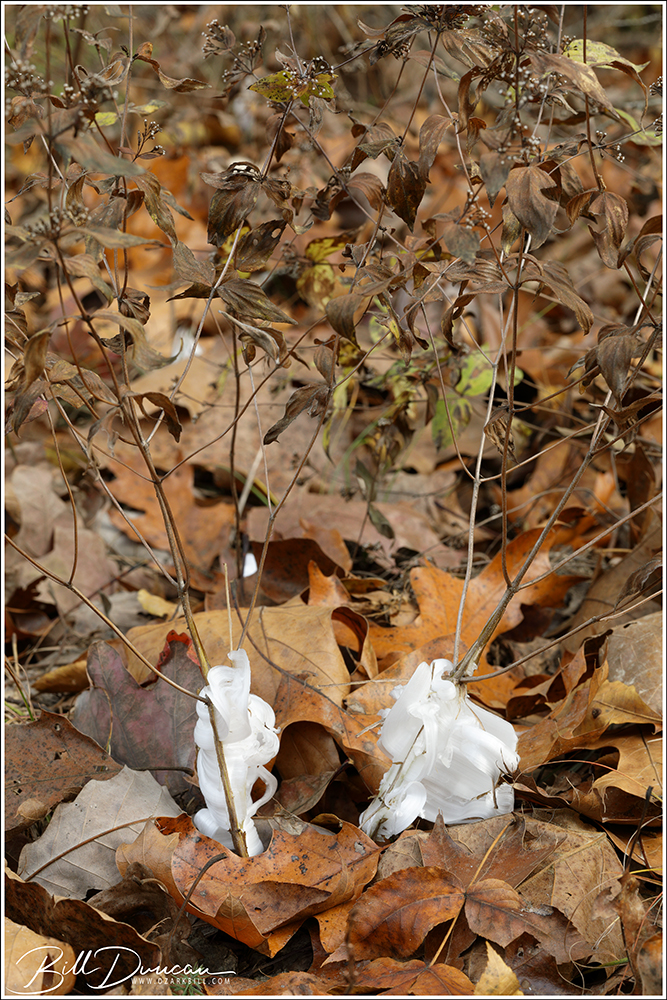
I first posted about frost flowers a little more than ten years ago on this blog. This season, after learning about the two plants that are most likely to form them in our geography and having the flexibility to be on location at the specific times they are capable of forming, I was able to take advantage and take my time in capturing them with the camera.
The first gallery are the more robust of the crystallofolia. Dave and I stumbled across these in Madison County, MO. These are formed on the dying stalks of Verbesina virginica (F. Asteraceae), aptly named “frostweed” or white crownbeard. This is the more robust plant of the two featured here and, consequently, forms larger and more robust frost flowers. Some of these were up to 12″ in height.
A note about how crystallofolia form. Because these later-maturing species are still somewhat viable during the first deep freeze, the xylem pathways responsible for moving water from the roots to the shoots are still functional. The roots in the still unfrozen soils are pushing water to the shoot of the plant via capillary action. On the first few nights when temperatures drop to the mid 20 degrees F, the water in the shoot freezes, bursting the sides of the stem pushing the freezing water out and forms these gorgeous petals. If you look closely, you can see the individual “tubes” of ice that make up the petals of the frost flowers. These tubes correspond directly to the xylem rays – the tubes that distribute water from the vertical rising xylem to the outer tissues of the plant. Another interesting thing about these structures is that they will often dissipate through sublimation. The super cold and dry conditions can cause these thin and delicate petals to evaporate directly to gas, skipping the liquid water phase.
The second species featured here were found in Jefferson County, MO on a trail. Earlier in the season I had noted the abundance of dittany (Cunila origanoides) F. Lamiaceae. This species is smaller and forms dainty frost flowers, mostly no more than four inches in height. They can also be much more elaborate than the frost flowers formed by V. virginica, with long, curling petals that have a tendency to curl back on themselves.
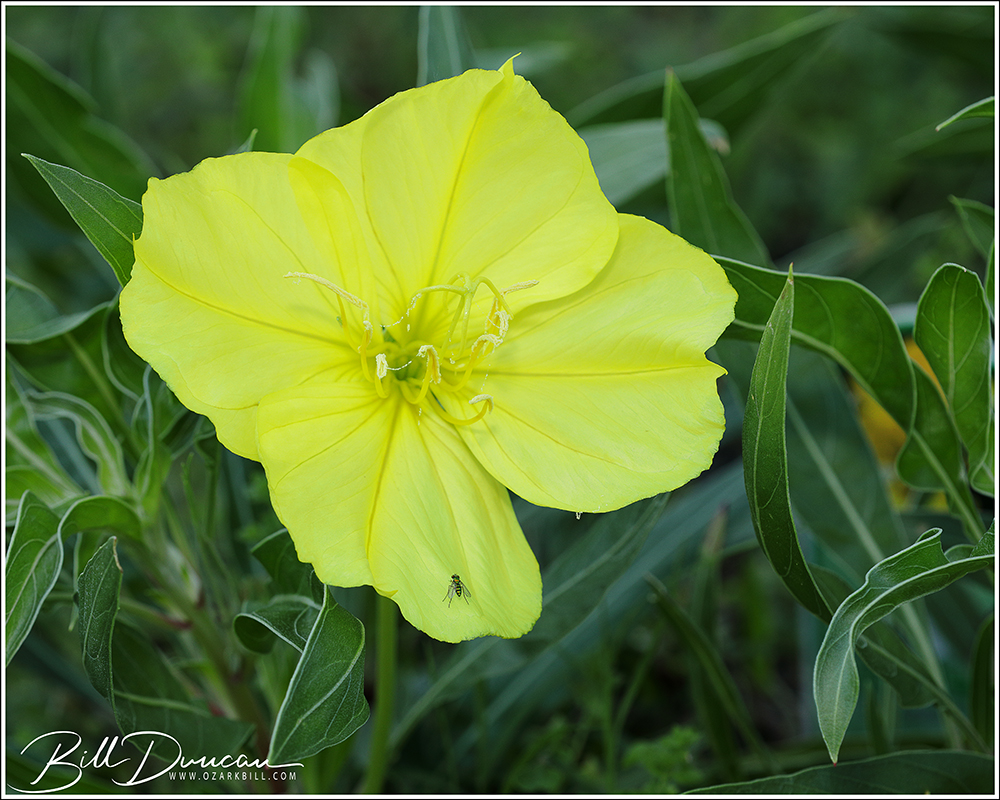
I know this is a well-known plant for those of us who care about such things, but I can’t believe it isn’t more popular than it is. For the most part, it gets along pretty well with much of our soils (I’m hoping it will stick around in our yard despite the fact that its growing in a mostly clay bed), needs no watering, is easy to propagate and is a perennial! You will typically see this plant listed as “Missouri evening primrose”. However, I recently read it referred to as “Ozark sundrop” and thought that was just perfect.
Oenothera macrocarpa (Ozark Sundrop) grown in my front yard bed.
Anyway, I was pleasantly surprised that the couple of potted plants I put in the ground last spring decide to bloom in their first year. I know the flowers last but a day, but I don’t have to tell you how much they’re worth seeing when they bloom right outside your front door. Check these out in the wild too. They grow in great numbers at a couple of glade spots in Jefferson County – Valley View Glades and Victoria Glades – along with a lot of other fantastic species that bloom at the same time.
Prolimacodes badia (Skiff Moth) Hodges#4671. Until looking closely at this photograph, I never noticed the whisker-like setae these caterpillars sport. Freshly deposited out-of-focus frass for scale.
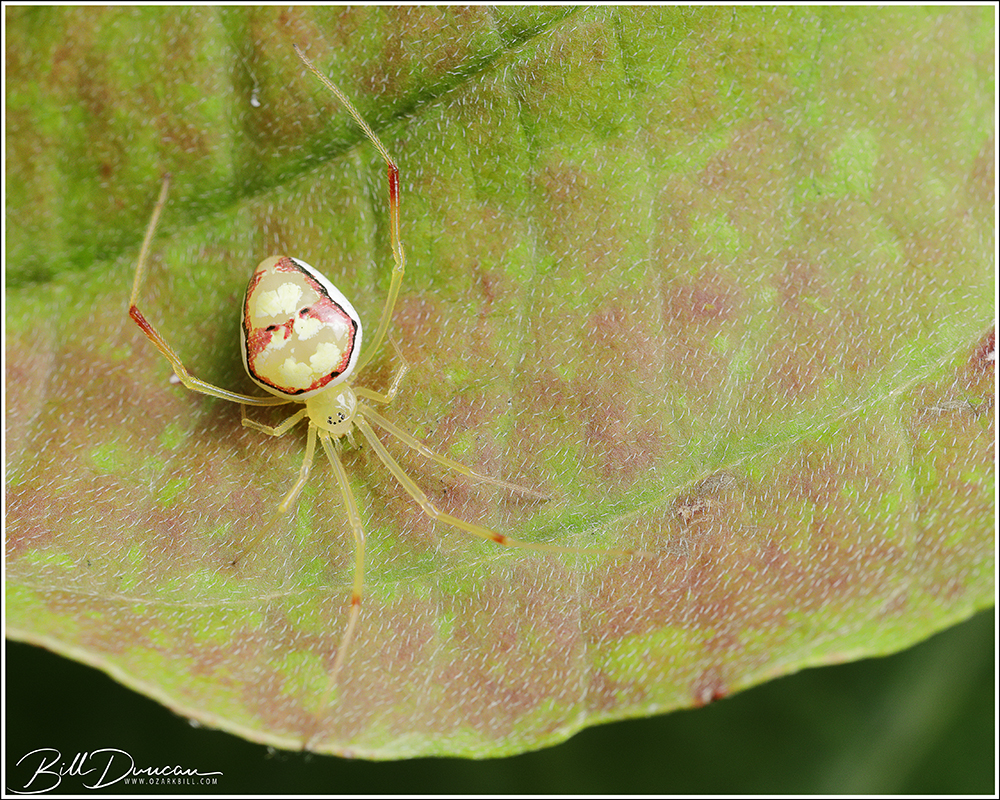
Spintharus flavidus is a gorgeous member of the cobweb spiders (Family Theridiidae). In Missouri, it can typically be found underneath leaves in shaded woodlands.
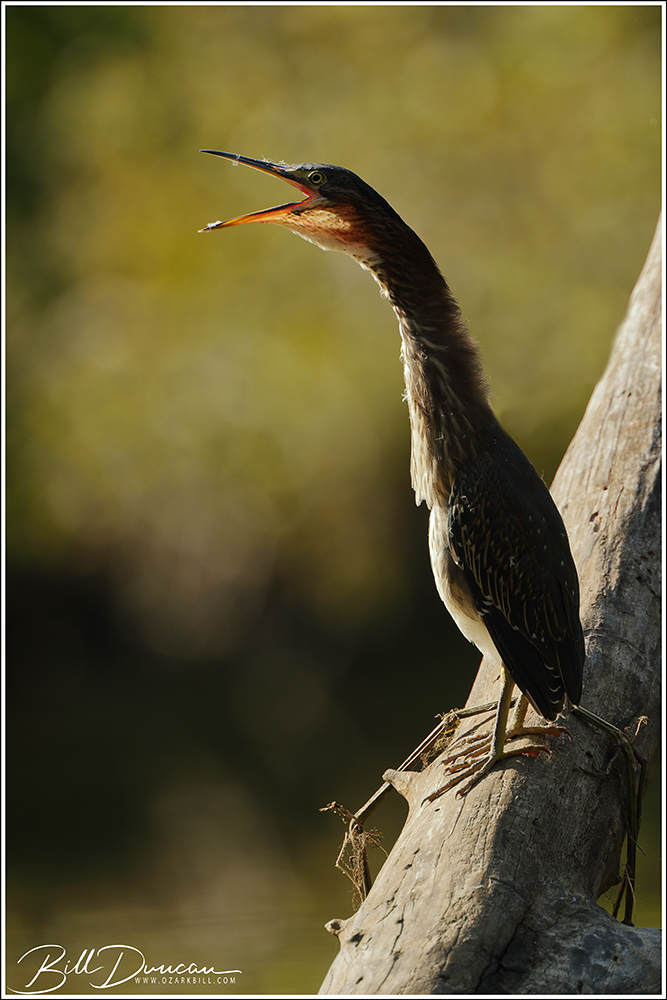
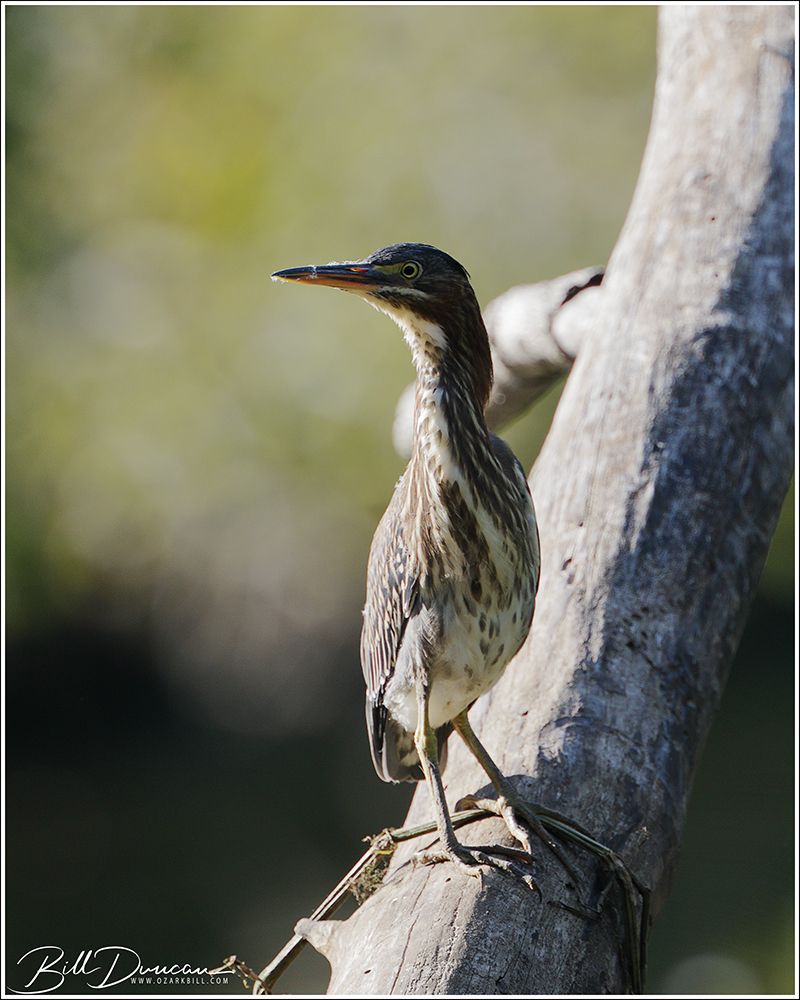
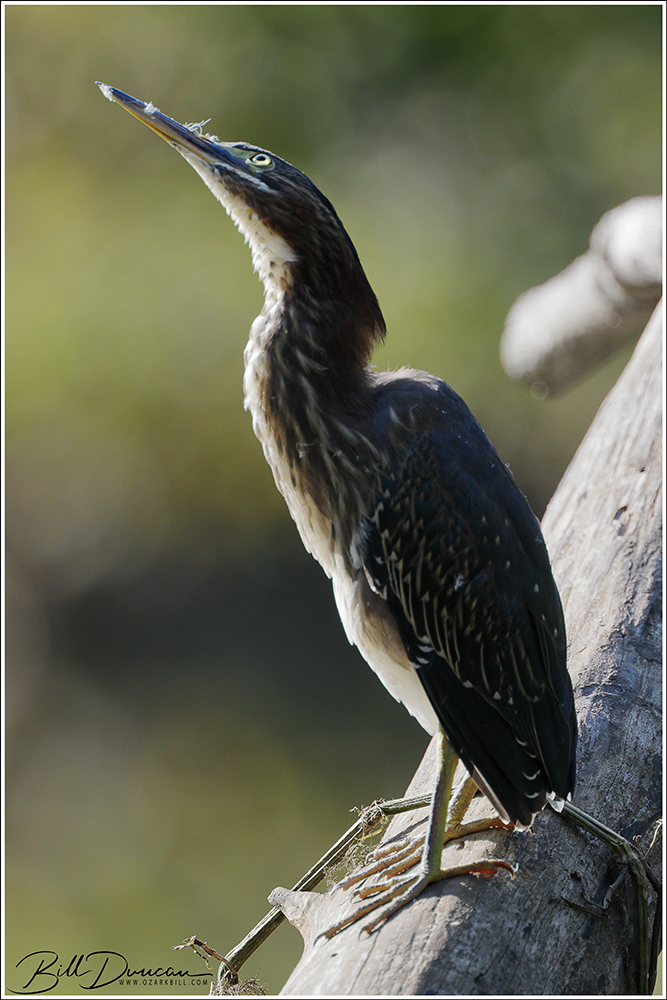
On my last trip out with the canoe, back in September, I came across this most cooperative Green Heron. It did not care at all that I was hanging out watching it hunt. It was a fun challenge, maneuvering around as quietly and methodically as I could in order to get the right light on the bird and the best background possible.
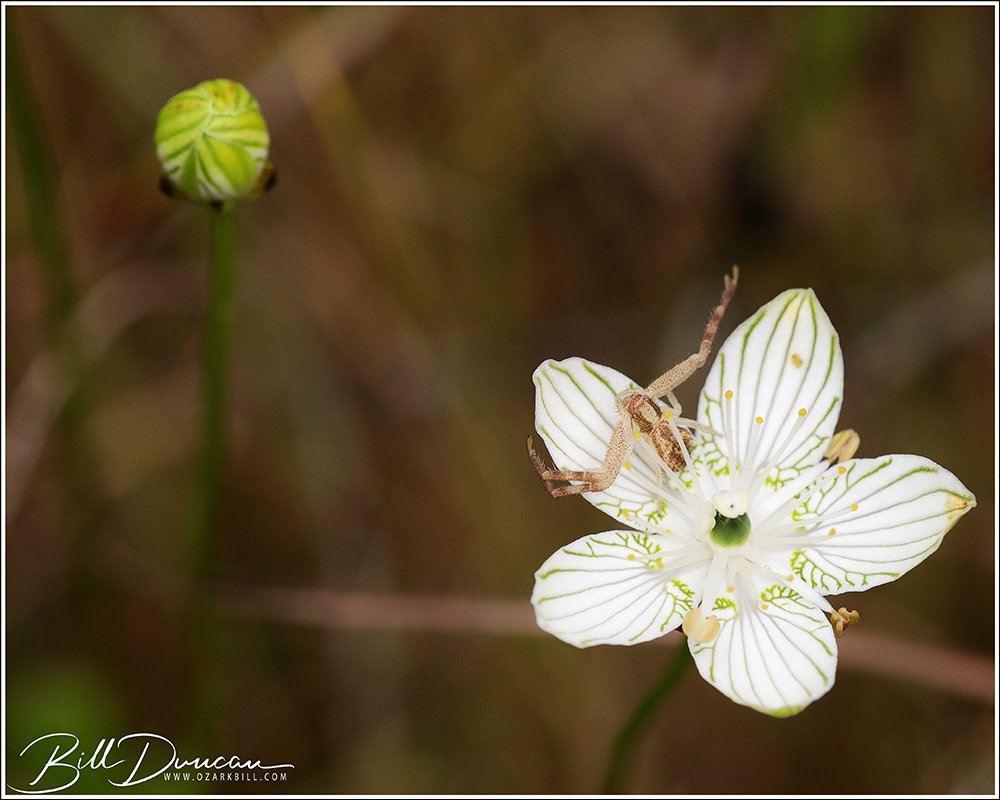
A crab spider (Mecaphesa asperata) waits in ambush for an insect to visit what is arguably one of the most beautiful native flowers in Missouri. Photographed in St. Francois County, Parnassia grandifolia is typically found in high-quality calcareous fen habitats.
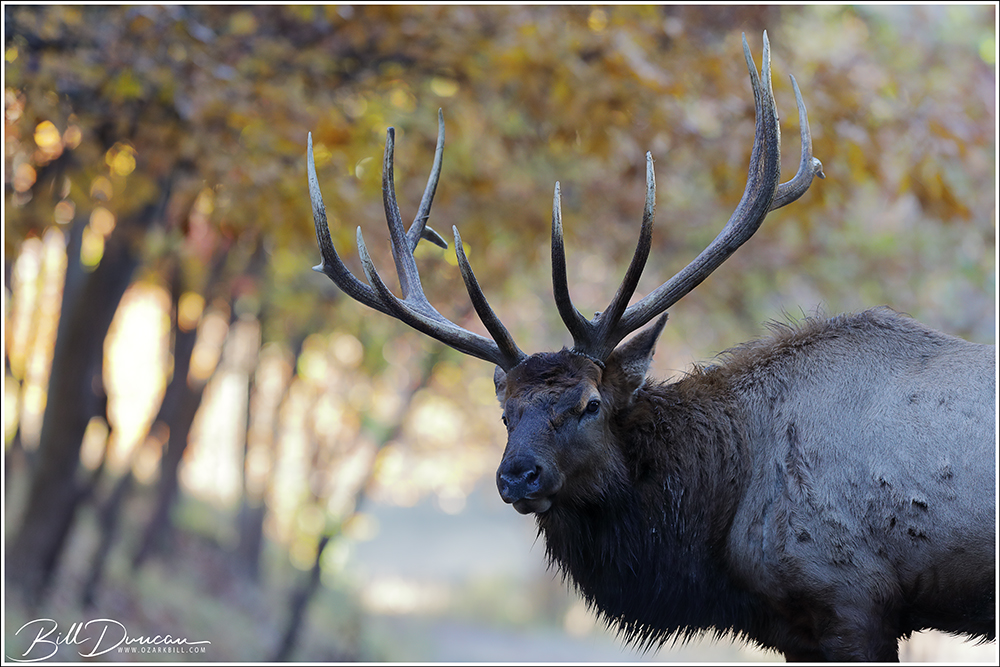
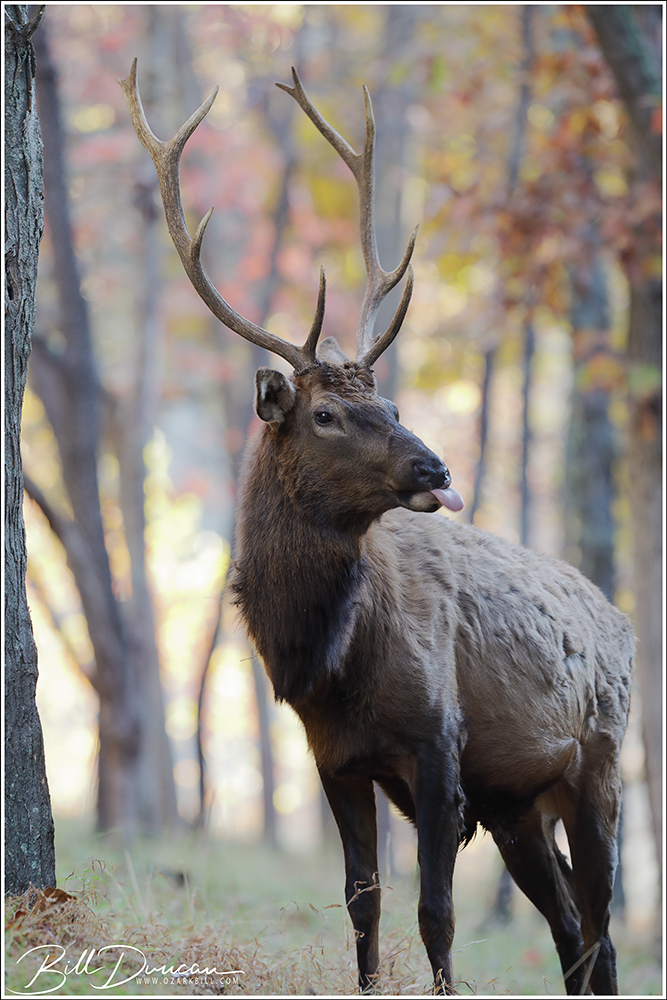
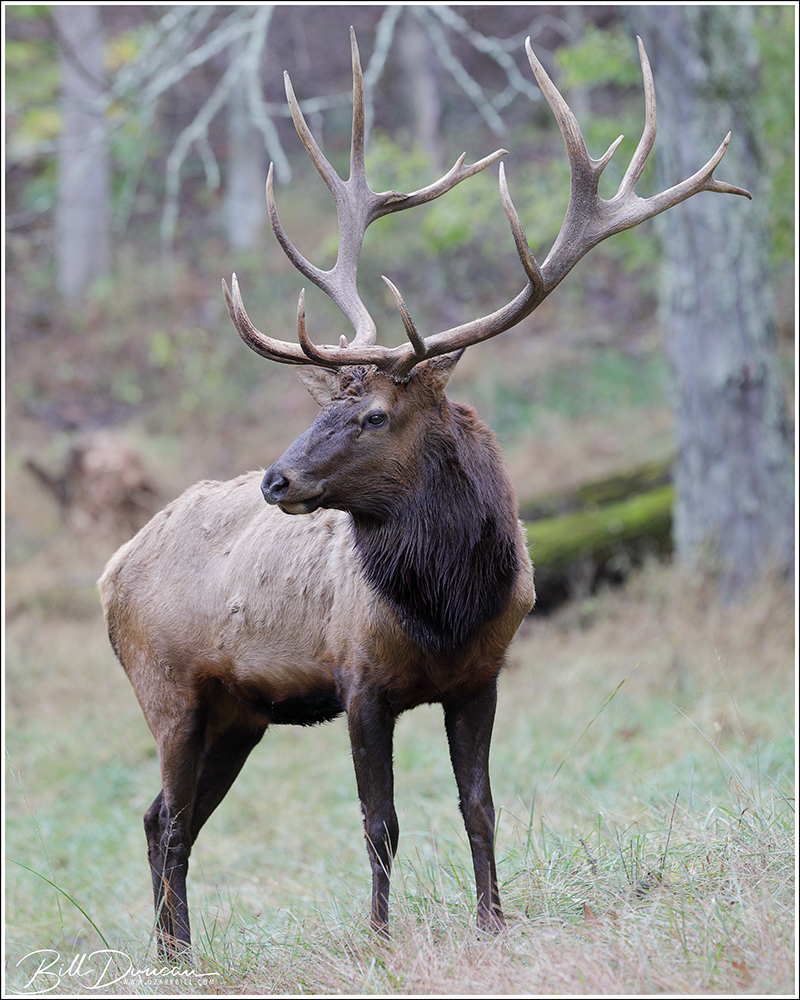
The dominant bull of the park gives a glance to the group of photographers has he roams his ground.
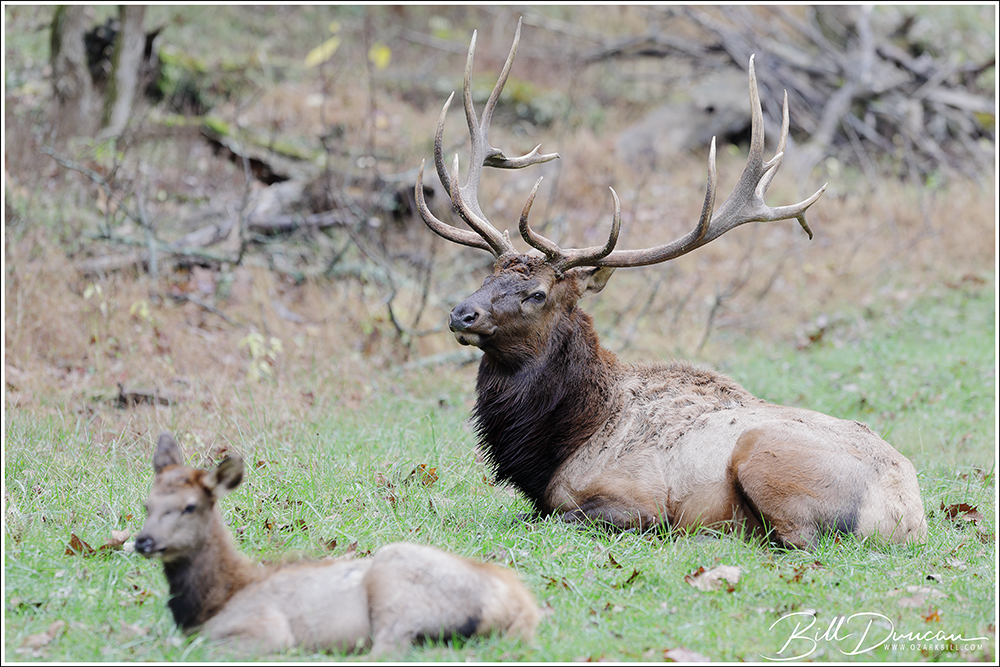
On a crisp and beautiful autumn morning this past Halloween, the WGNSS Nature Photo Group group enjoyed the rare occasion of visiting a relatively close St. Louis County location. Part of the St. Louis County Park system, Lone Elk Park has contained herds of elk and bison in some fashion since the original introduction in 1948. This is a beloved park that offers visitors up close looks at bison, elk, deer and other wildlife. Because of the constant visitors, the animals have no fear of humans and, therefore, are an easy subject for the nature photographer.
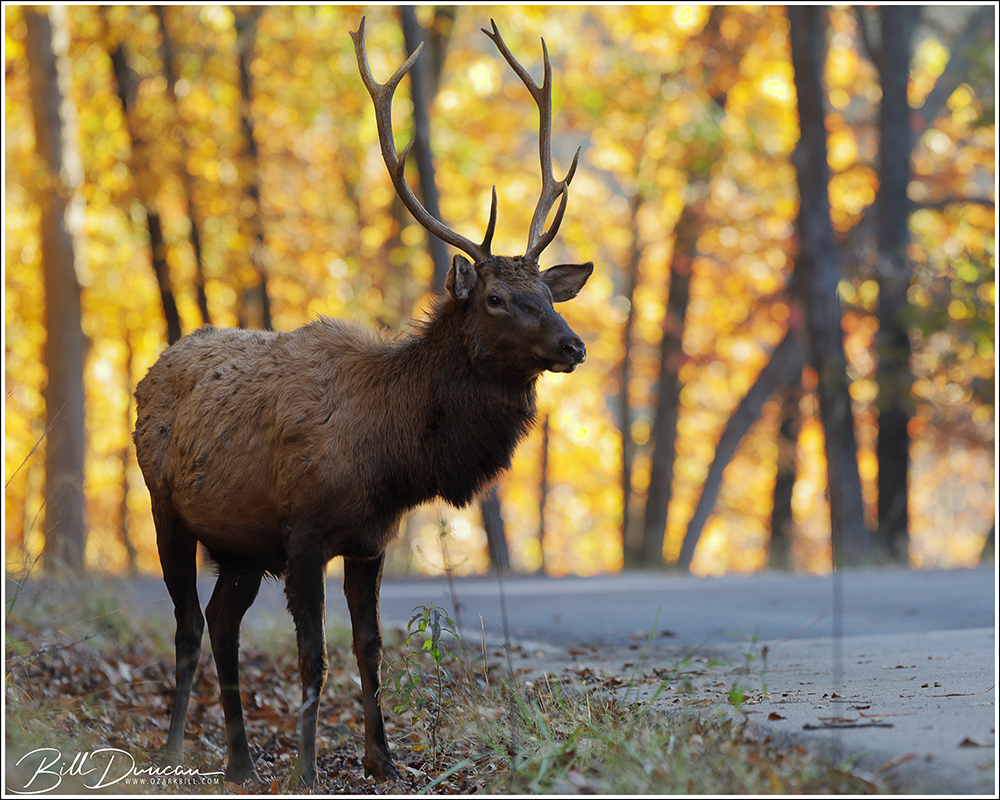
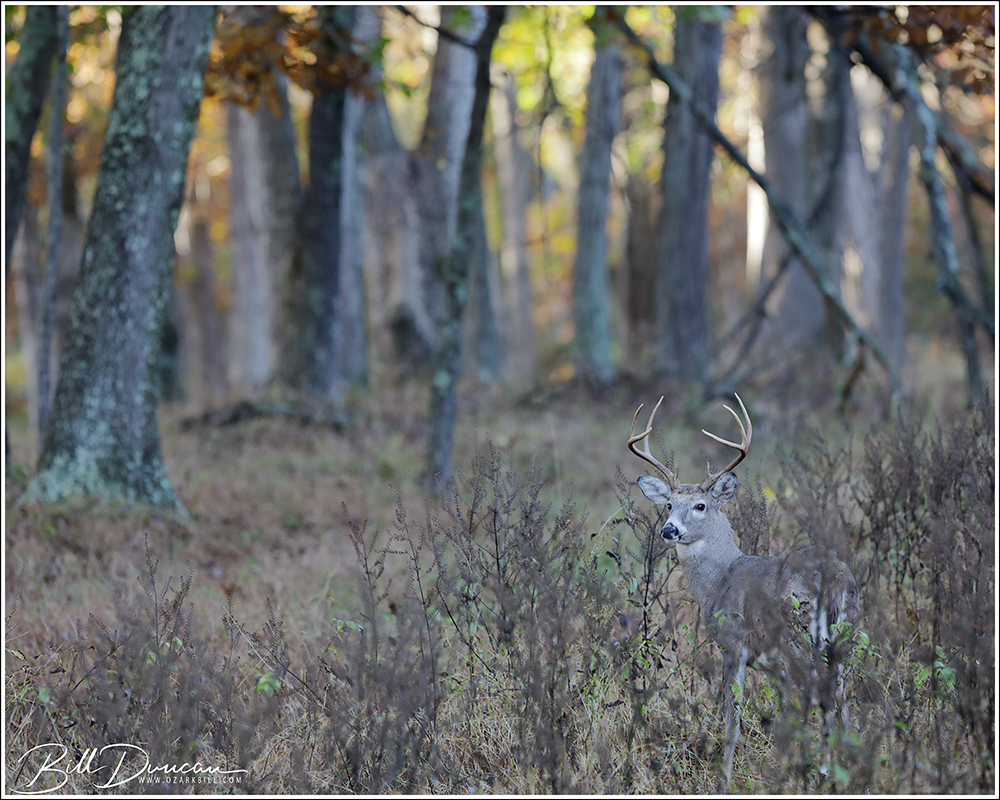
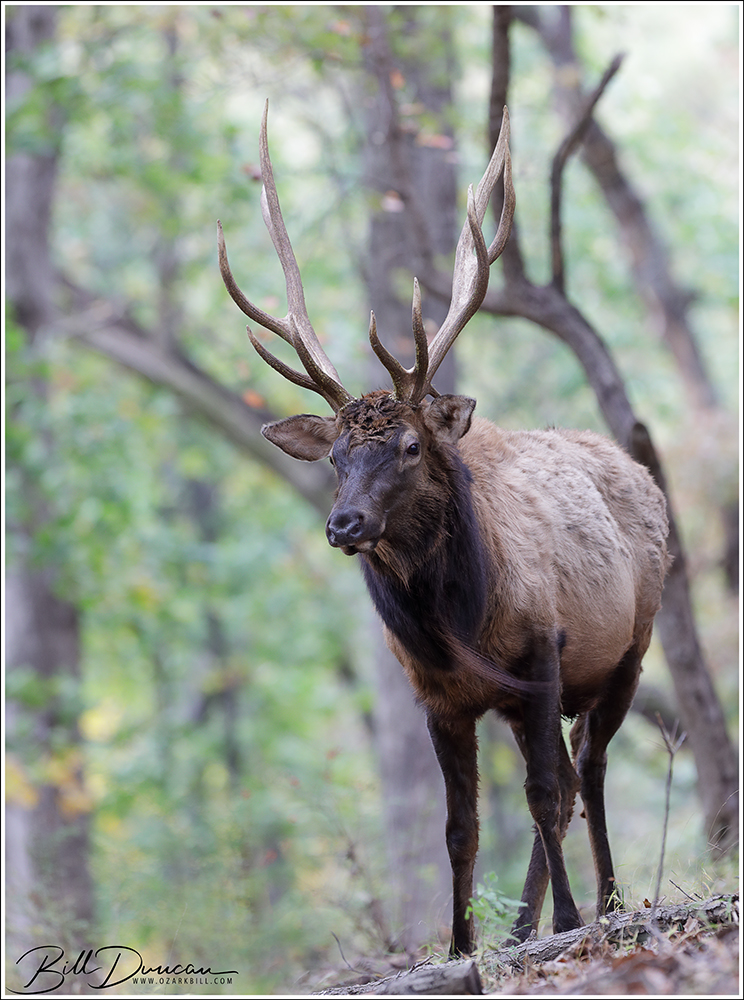
A “small satellite male” keeps to the outer boundary of the dominant bull’s area, hoping to find a stray cow.
Due to the cooperative nature of these subjects, a long telephoto lens, typically needed for wildlife photography is not required here. However, it is a good idea to give these animals their space and use common sense to keep the proper safe distance or remain in your vehicle while photographing here. Always be aware of your surroundings and photograph in a group when possible.
I recommend a mid-range telephoto focal length – a zoom lens in the neighborhood of 100-400 mm is an ideal choice. Depending on available light, a support like a tripod or monopod may be needed. However, with modern cameras and their ability to provide acceptable results at high sensitivities, handholding is usually a viable option.
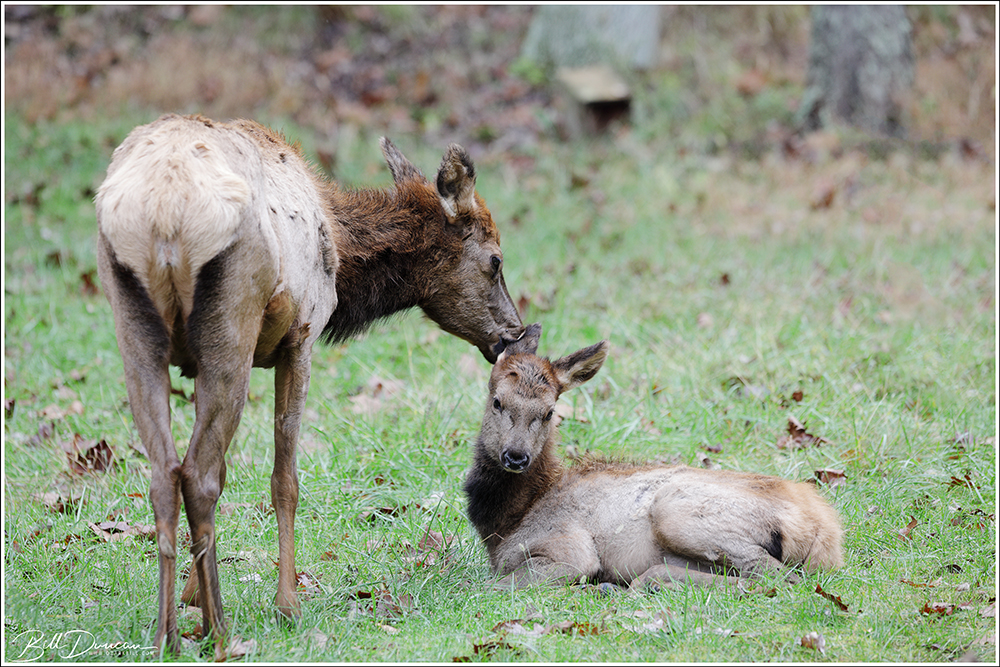
A mother cow gives her calf a reassuring muzzle nudge.
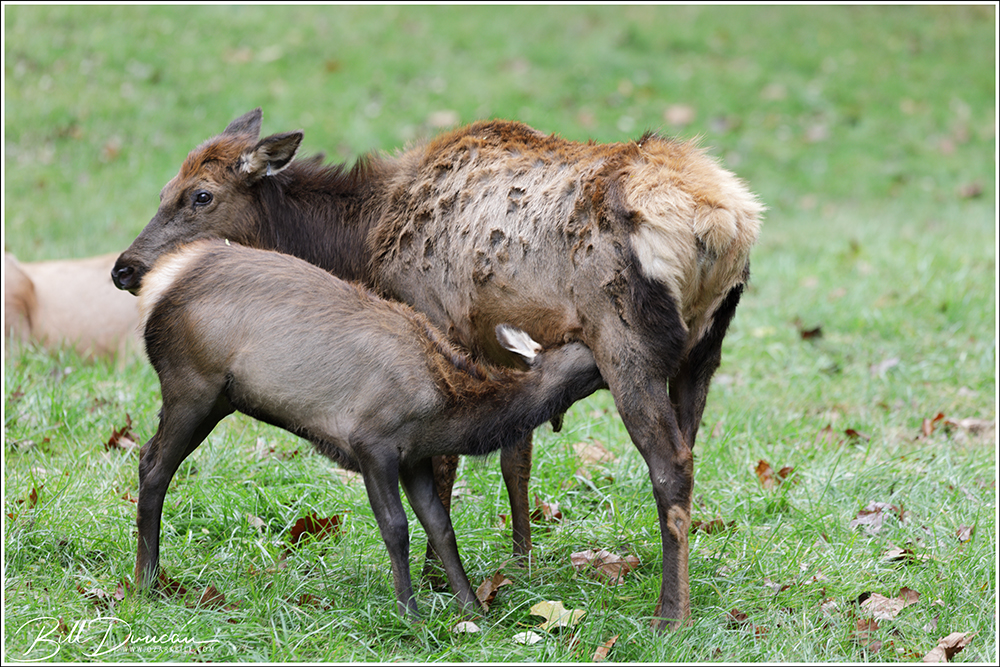
Because this is a nearby location, Lone Elk Park is a great spot to practice with wildlife while building a portfolio of a variety of images. Plan to visit during every season to include the greens of summer, the warm backgrounds associated with autumn and the snows (when available) of winter. Multiple visits will allow for photographing these animals at different life stages, such as when bull elk are in velvet in the summer or while bugling during the autumn rut. From time to time photographers have also been able to capture birthing of bison and elk and the subsequent play of the growing young. I hope to visit this location more frequently in the future.
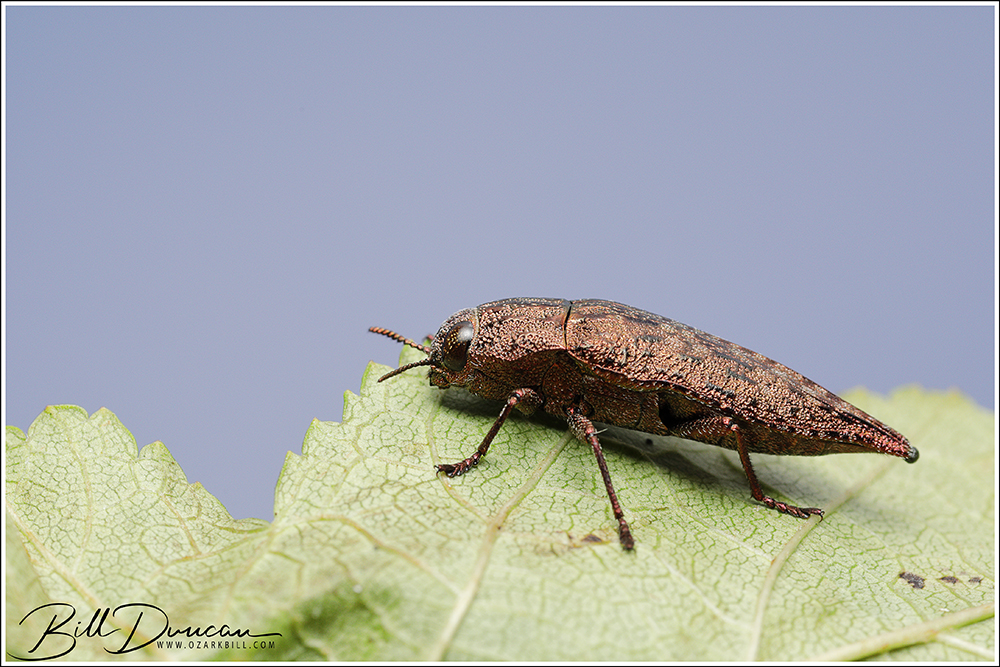
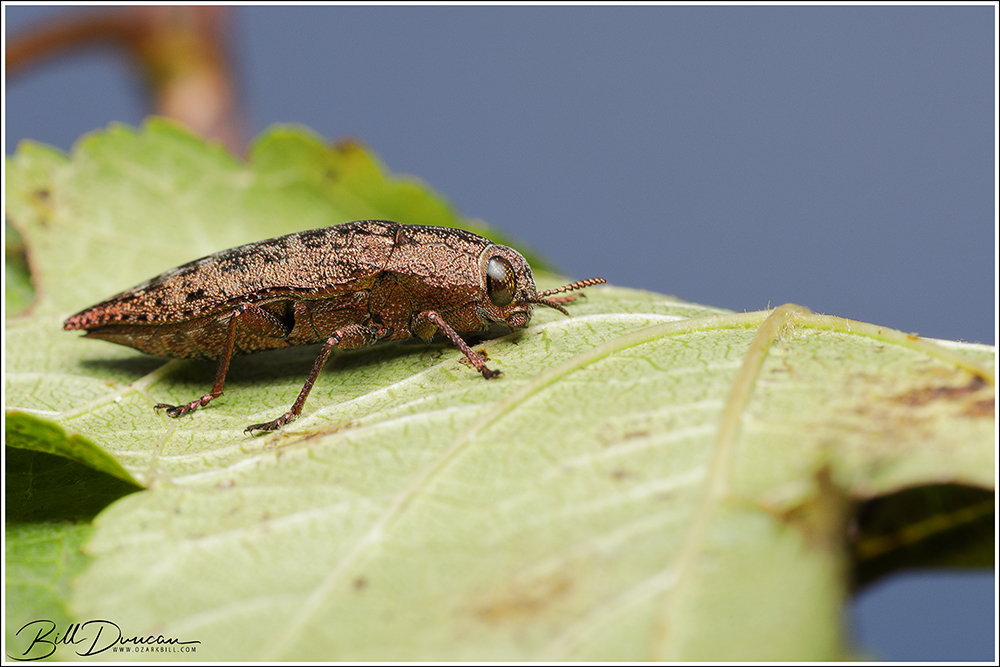
Dicerca pugionata (Buprestidae) photographed at Victoria Glades Conservation Area, Jefferson County, MO.
Many thanks to Ted MacRae for introducing me to another stunner of a beetle. On more than one occasion Ted has taken me and others out to the field to find one of the strikingly beautiful and rare beetles that he knows so well. This time the treasure we sought was the jewel beetle, Dicerca pugionata (Buprestidae), also known as the Witch-hazel Borer. Witch-hazels (Hamamelis spp.) may be the preferred host plant but they are also found on alders (Alnus spp.) and ninebark (Physocarpus opulifolius). In this opportunity, we went to a specific patch of ninebark at Victoria Glades where Ted had found them previously.
Dicerca pugionata (Buprestidae) on its host plant, ninebark (Physocarpus opulifolius)
A couple of interesting Missouri Natives from a monogeneric family – the Hydroleaceae. The genus, Hydrolea, comes from the Greek hydor (water) and eleia (olive), referring to the wet habitats these plants prefer (they definitely like their feet wet and can withstand long periods of partial to complete submersion) and their leaves resemblance to the leaves of the olive. The flowers of these plants are downright stunning – these shades of blue are pretty rare in the flora of Missouri.
Hydrolea uniflora, photographed at Big Cane Conservation Area, 22 August 2021.
Hydrolea ovata is ranked S2 (imperiled) in the state of Missouri. This plant was photographed at Tingler Prairie Natural Area in Howell County, MO.














 A Thousand Acres of Silphiums