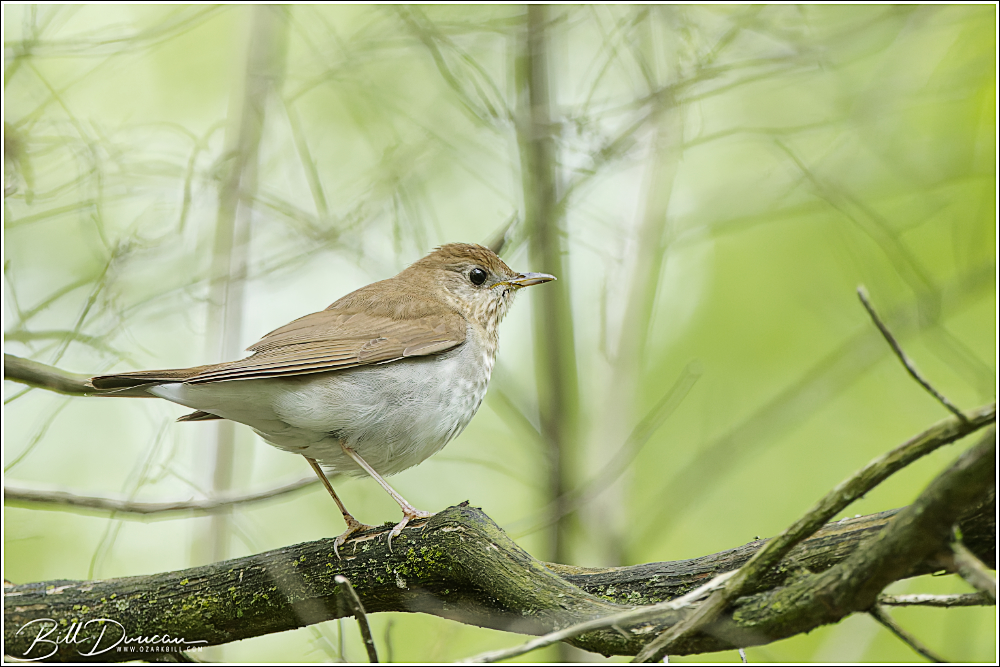
Veery
"What a thousand acres of Silphiums looked like when they tickled the bellies of the buffalo is a question never again to be answered, and perhaps not even asked." -Aldo Leopold
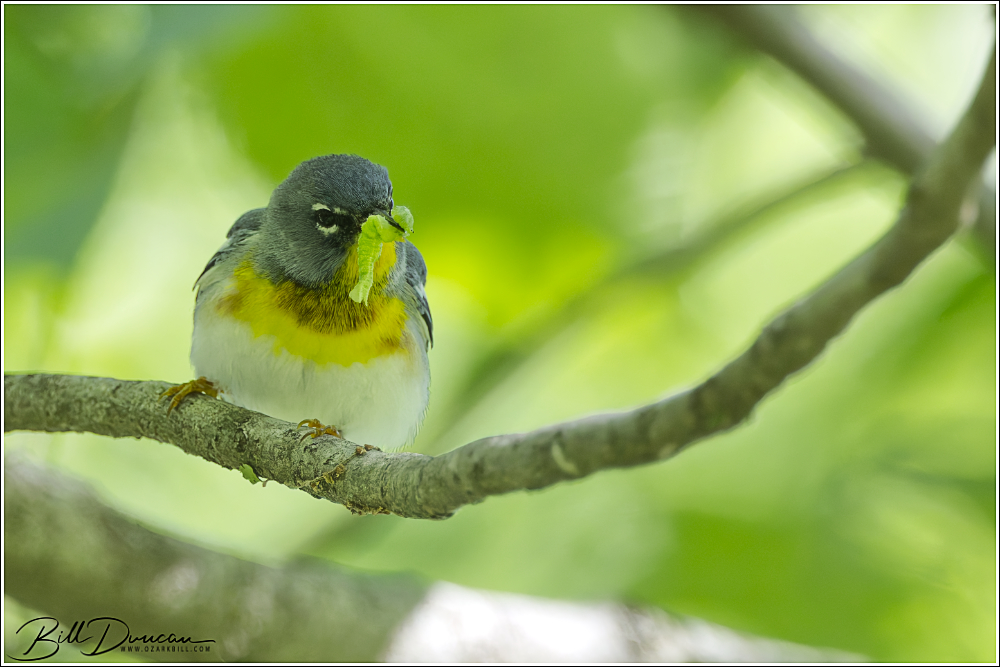
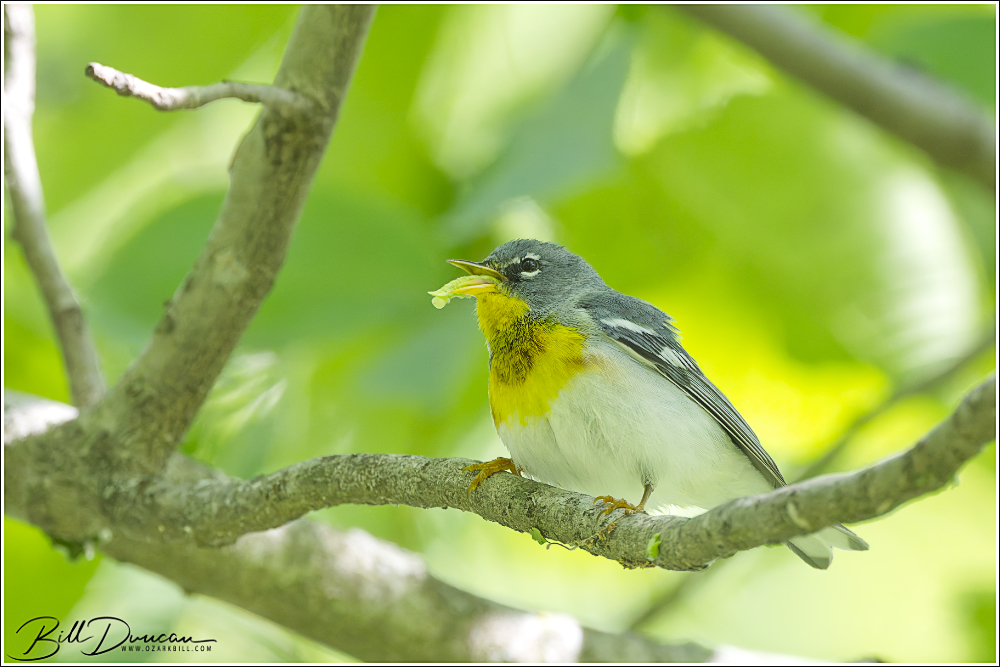

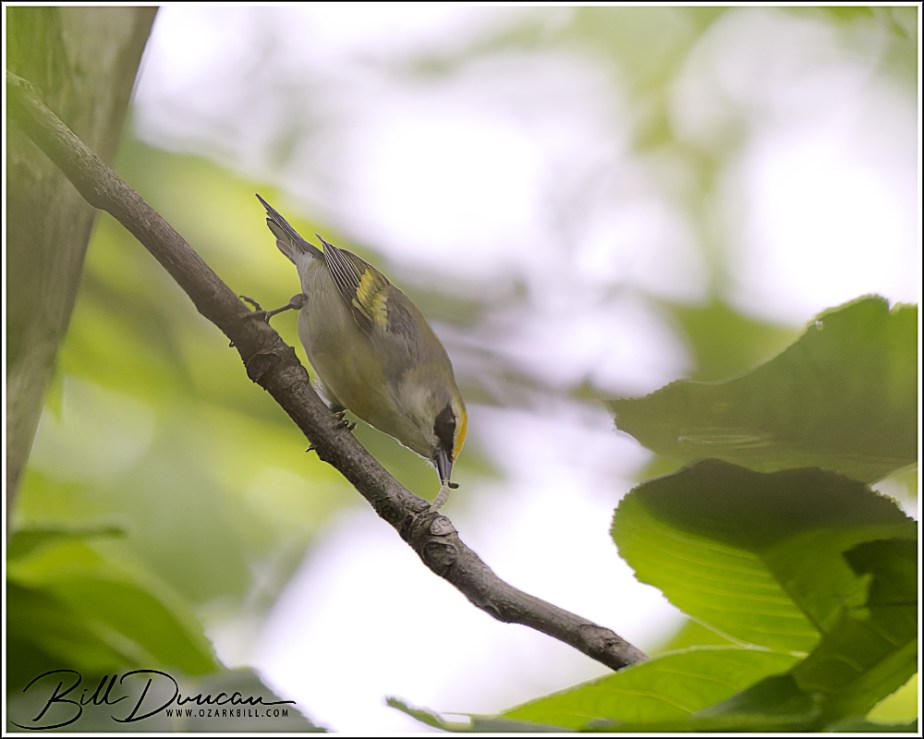
One of my goals this spring has been to get a better photograph of the Golden-winged Warbler (GWWA), a species that passes through Missouri during migration to nest in the upper Midwest, Ohio valley and northern Appalachia. Although I have been lucky in finding at least ten of these birds so far this spring, they are primarily treetop dwellers and I have struck out in getting one near enough and in good light.
While birding at Babler State Park in St. Louis County last weekend, I heard the familiar “bzzzzzzz buzz buzz buzz” vocalization of the GWWA. My birding companions and I began our search and I grabbed a few mediocre images before the bird quickly departed. Because I knew the lighting was poor and the distance was long, I didn’t spend much time reviewing the photos in the field. Arriving home later that evening, I reviewed the photos I collected that day and realized I captured something I was not expecting.
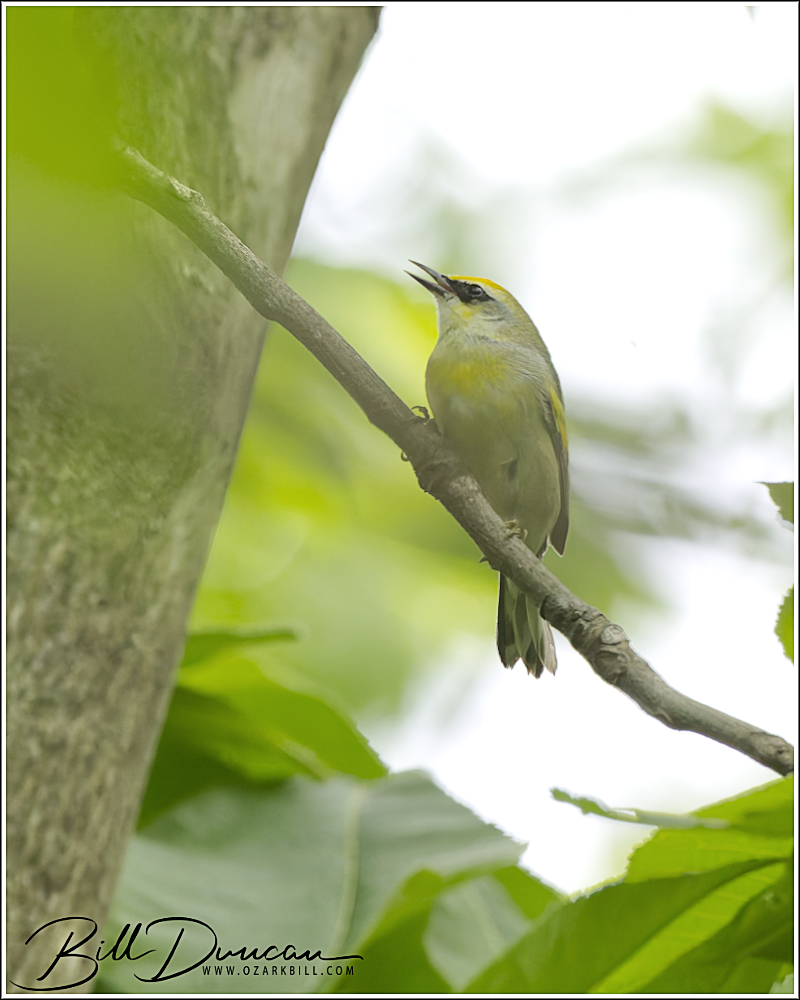
It is well known in the birding community that the Golden-winged Warbler is closely related to it’s more southerly cousin, the Blue-winged Warbler (BWWA). Despite completely different physical appearances and different vocalizations, it has now been shown that the two species are 99.97% genetically alike. Where the nesting range of these two species overlap, hybridization occurs. There are two primary forms of this interspecies union. The first is what is known as the Brewster’s Warbler pictured here. The Brewster’s Warbler looks pretty much like a GWWA but lacks the dark throat patch and has an eye stripe more similar to the BWWA. This is the more common of the two hybrid forms between the BWWA and GWWA. The other hybrid form is known as the Lawrence’s Warbler. The Lawrence’s Warbler keeps the yellow belly coloration of the BWWA and has the black throat of the GWWA that is the recessive version of this trait.
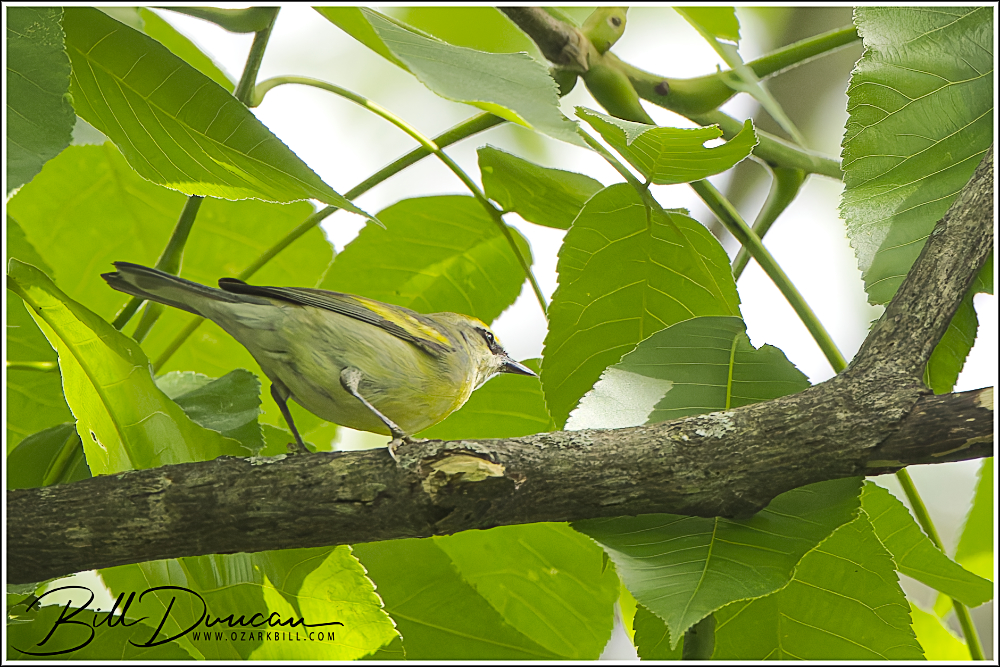
Little did I know I’d be getting a “lifer” so close to home this weekend!
As much as I love the change of seasons generally, nothing can beat the excitement and enjoyment of the arrival of spring. I simply can’t get out of doors enough during April and May. This past weekend Miguel and I had a great time in hunting newly arrived birds and newly emerged plants at a few of our favorite spots not too far from home. Here are a few photos from our day out.
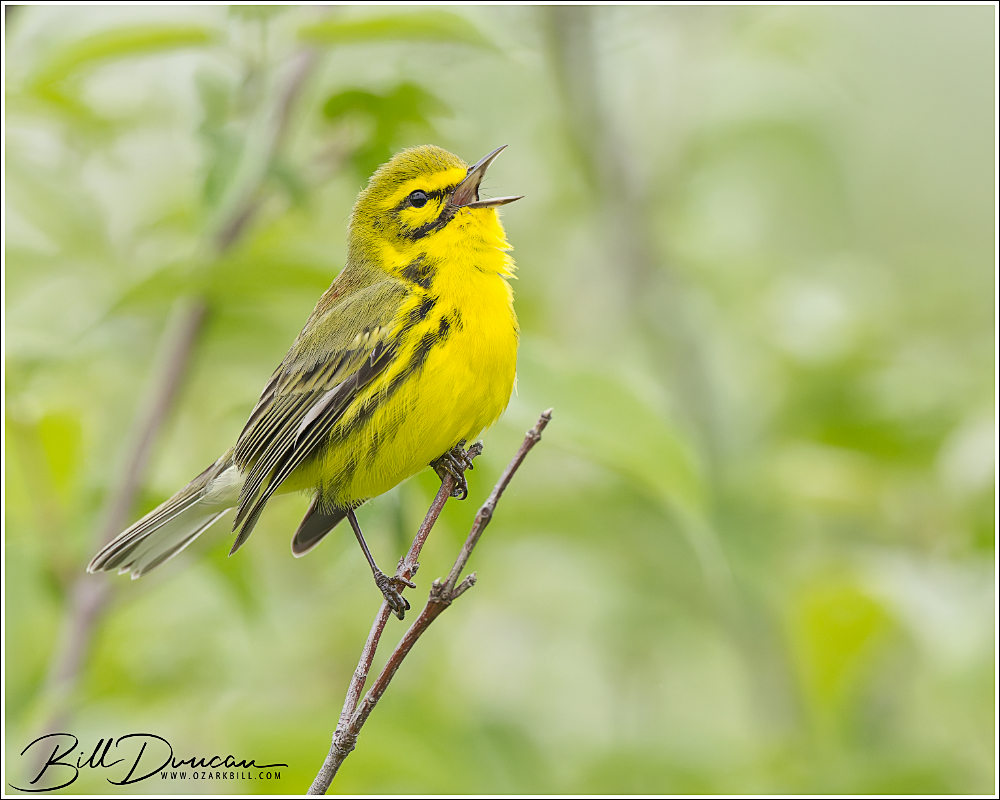
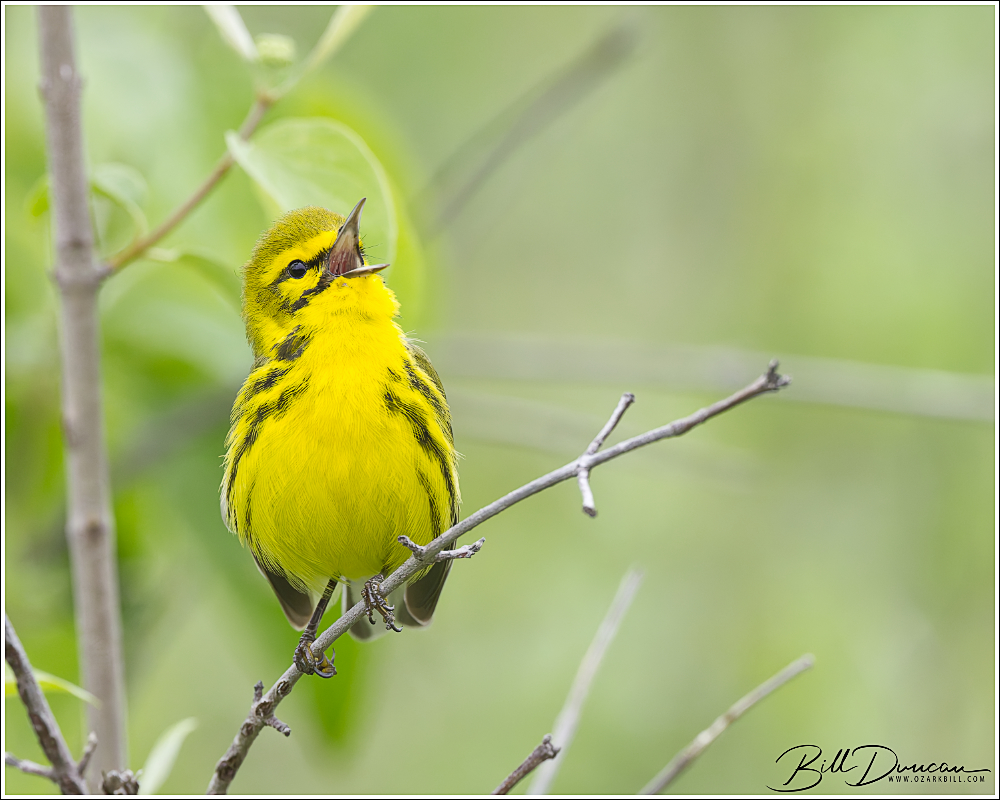
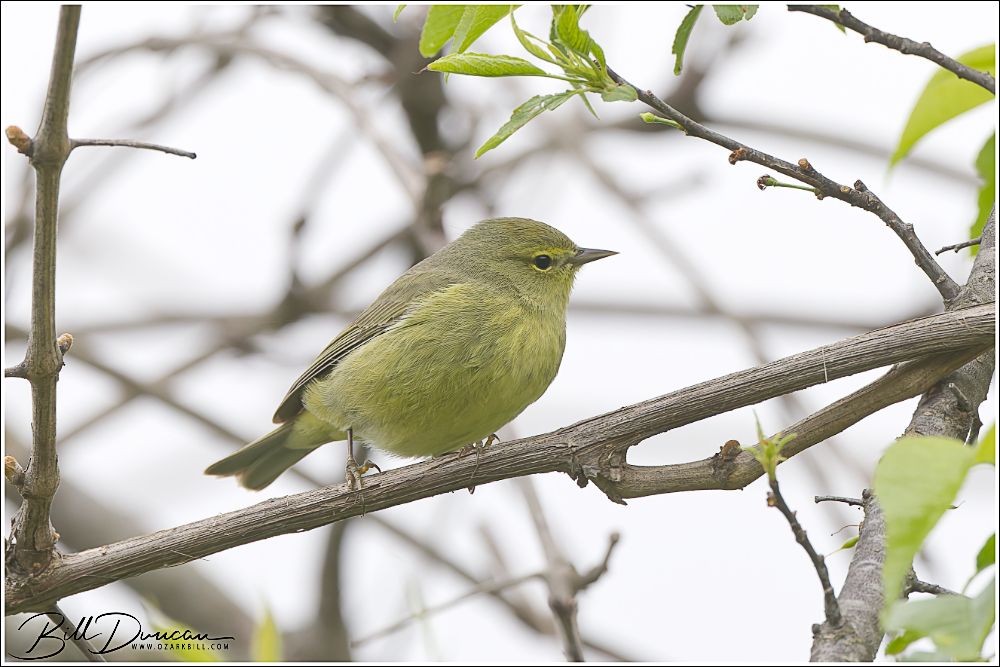
First, a beautiful male Prairie Warbler from Weldon Springs Conservation Area.
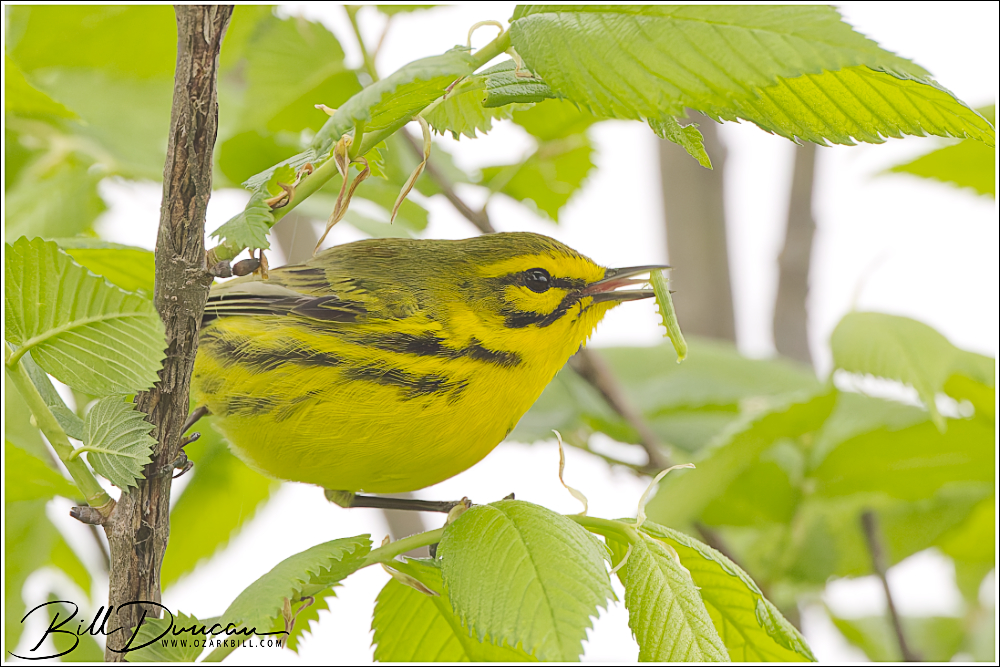
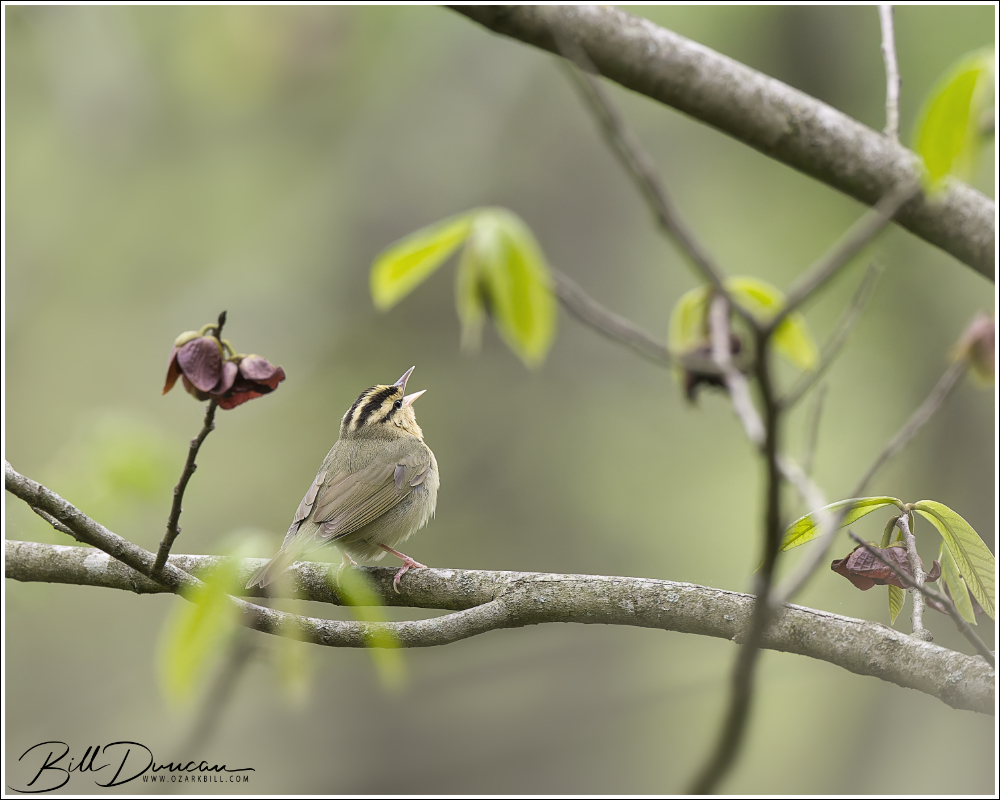
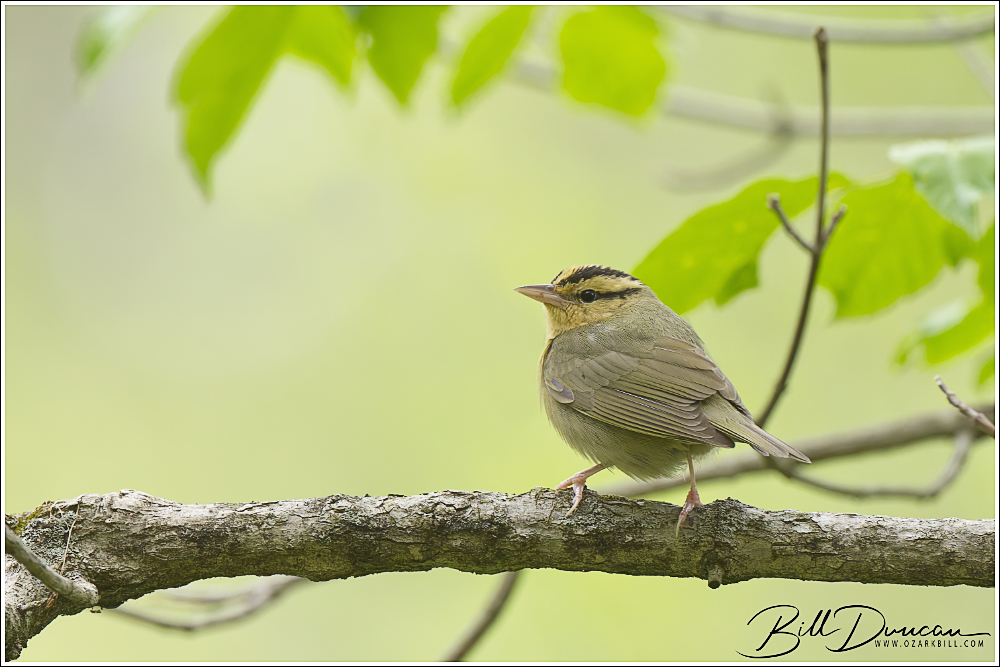
A Worm-eating Warbler also found at Bush Wildlife C.A.
After a brick-fired pizza for lunch, we crossed the river to another favorite nearby location – Engelmann Woods Conservation Area. Here we were hoping to find the Wister’s coralroot orchid for Miguel to scratch off his list. During a good year, hundreds of flowering stems of this species can be found here. This year we found 15-20 stems just by looking along a mile or so along the trail.

Finally, we were able to find three stems of the parasitic Orobanche uniflora (one-flowered broomrape) mere inches off of the trail.

Hoping you find the time to get out and enjoy this wonderful spring!
-OZB
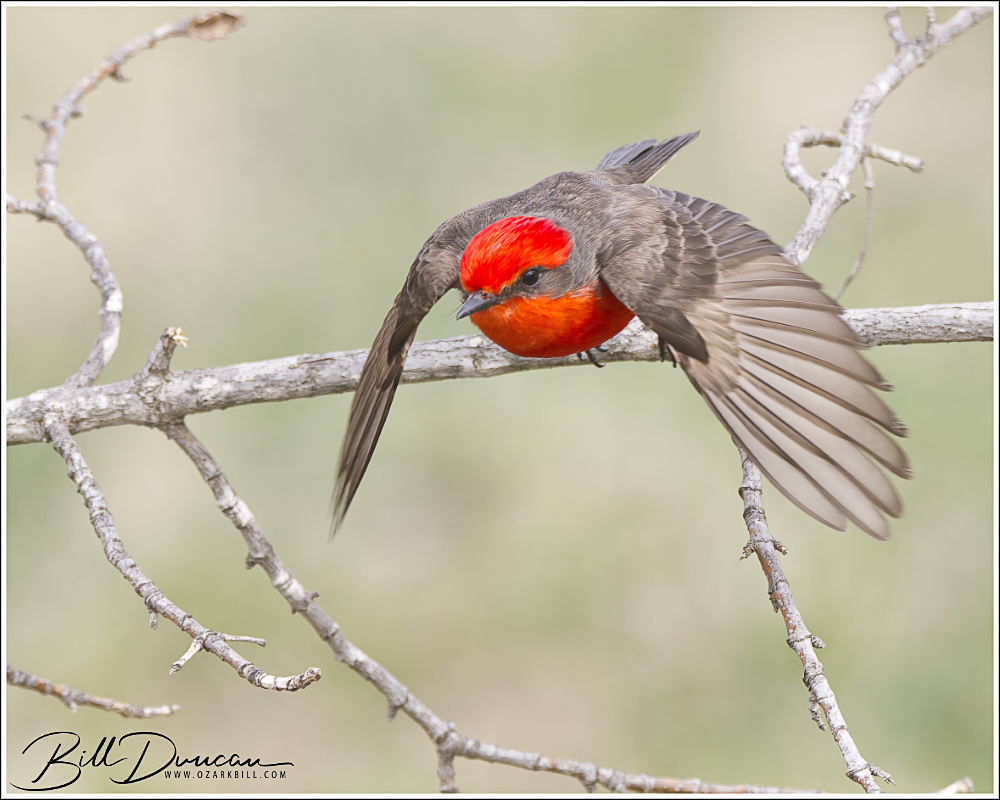
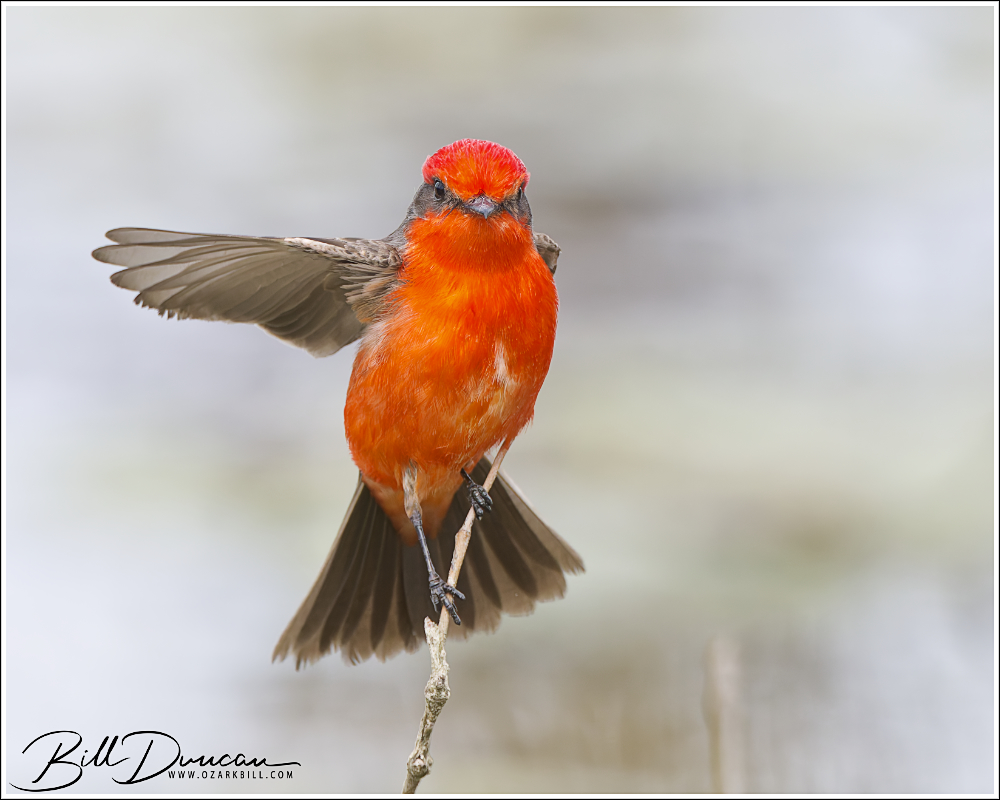
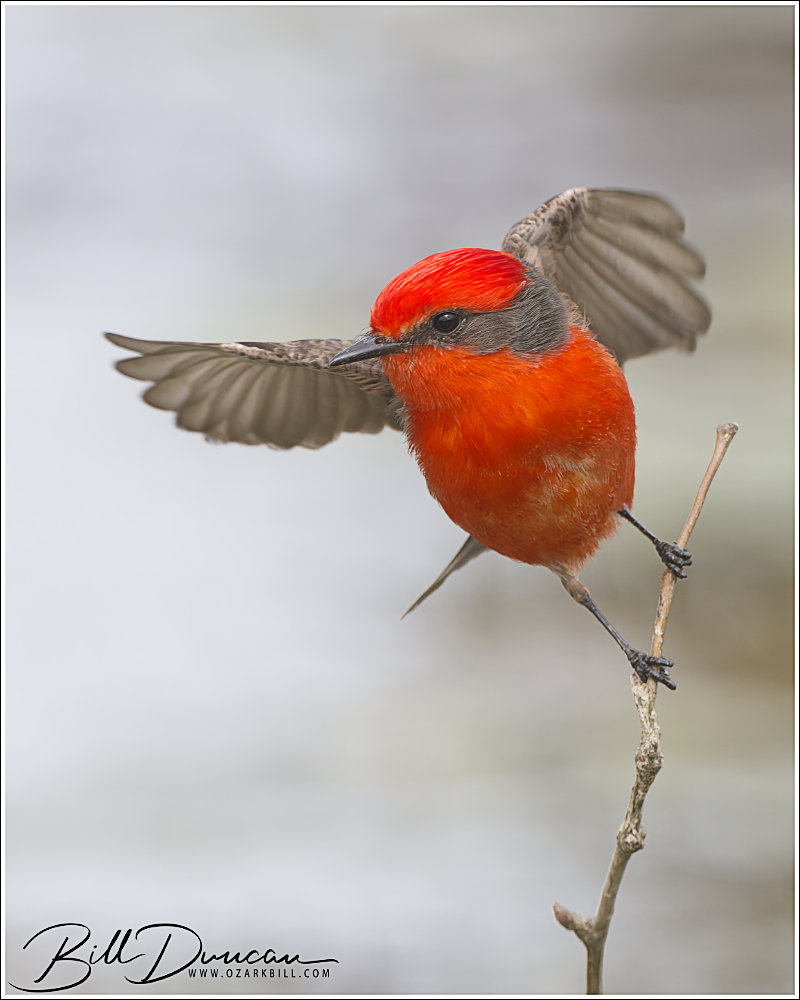
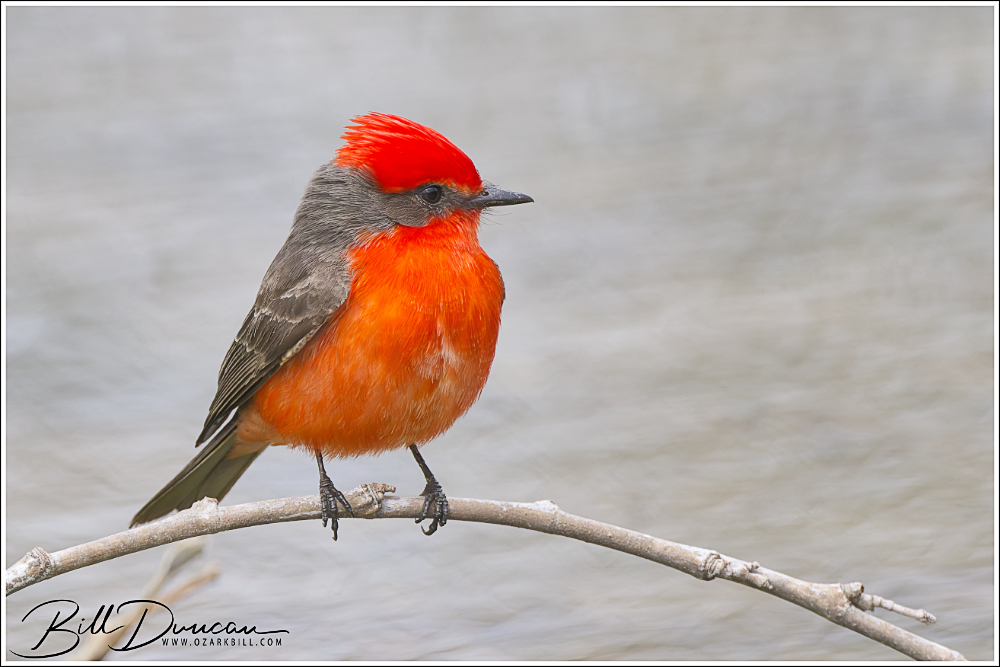
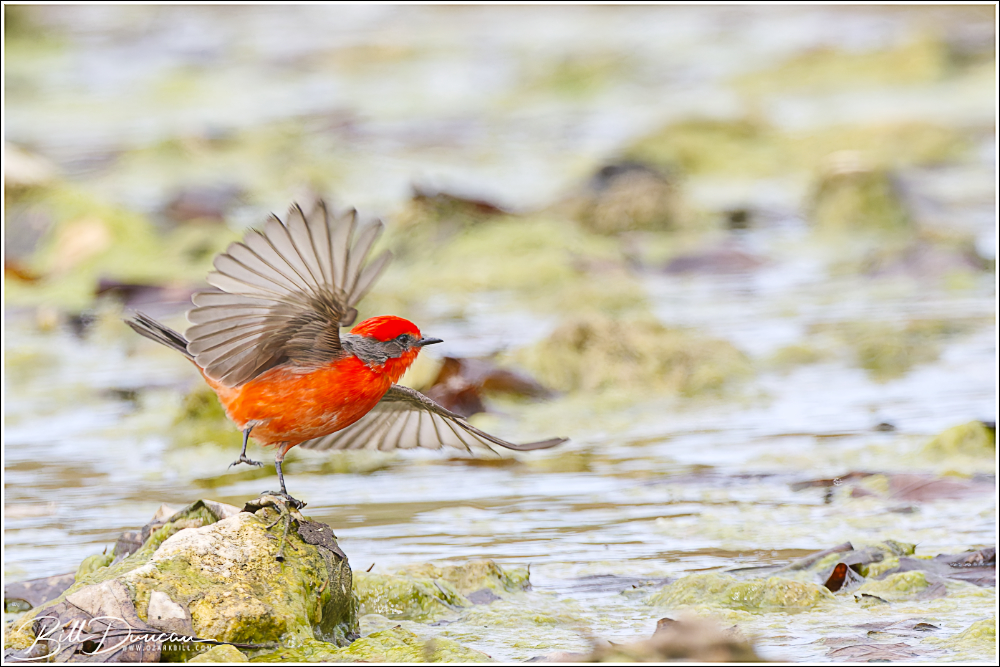
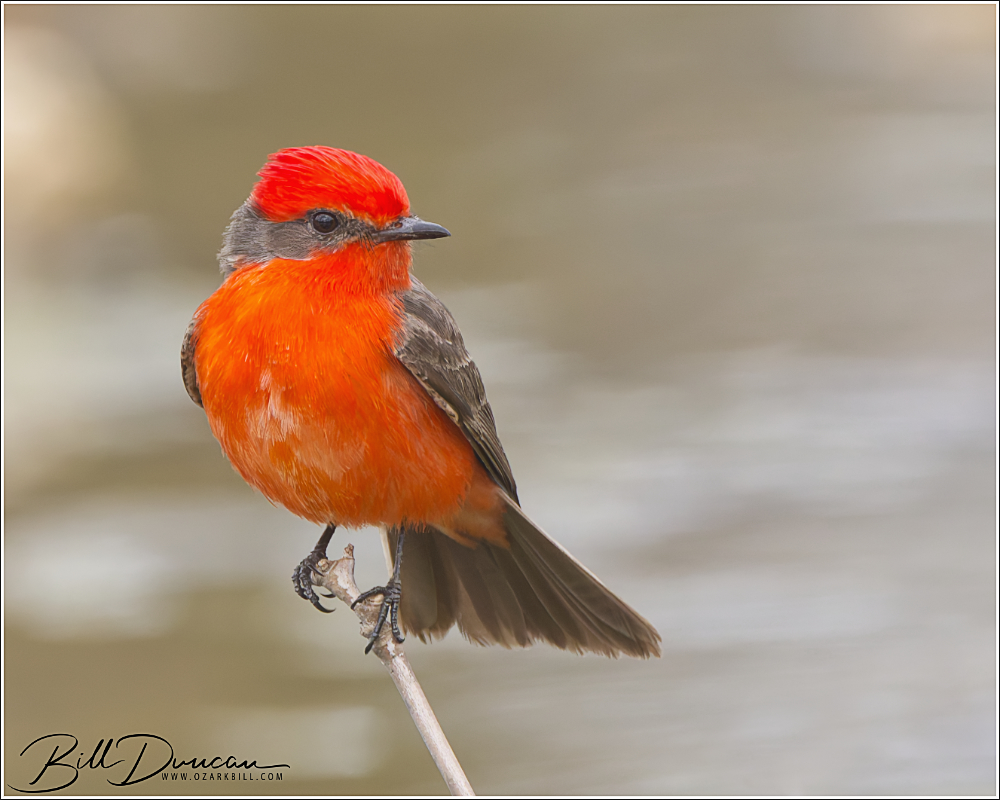
This beautiful Vermilion Flycatcher (Pyrocephalus rubinus) was recently found in the central Missouri’s Miller County. Many thanks to Chris Barrigar, who first found this bird and shared it with the birding community.
The Vermilion Flycatcher’s typical range includes much of South and Central America. It is also found in the southwestern U.S. states like Texas, Arizona, and New Mexico. Chances are likely that this bird was pushed along with a series of storms that moved through Missouri in the last week. Appropriately, this bird’s genus name, Pyrocephalus, means “fire-headed.”





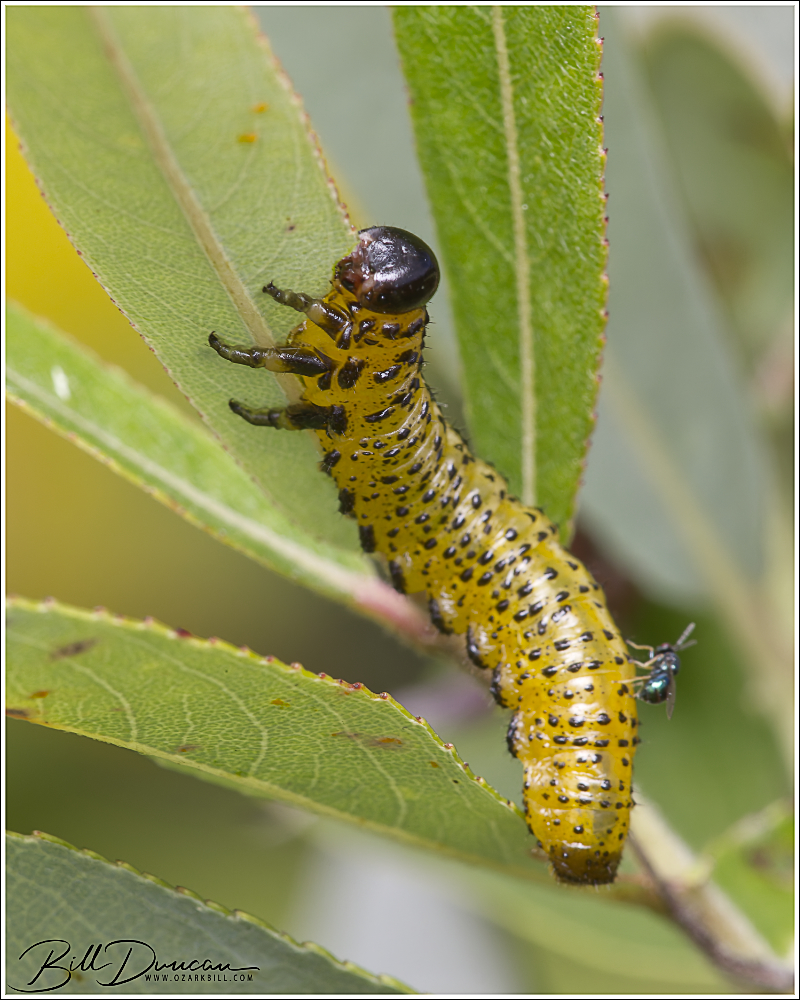
While hunting caterpillars in mid-September. I found this sawfly larvae in the middle of the Kaintuck Hollow Fen in Phelps County. This might be in the Nematus genus as this group feeds a lot on willows. It wasn’t until I looked closely at the photo much later that I noticed it was being parasitized by a small wasp. I would have loved to have gotten a closer photo of the wasp.
I believe this is the last I have to share from this year’s caterpillar season. Overall, I think this was a successful season and I had a lot of fun finding some cool species. I still have tons to learn and species to find. I’m hoping to continue this next year and hopefully get going on early season hunting. This is quite difficult because the spring and early summer are great for things like birds and plants as well. I need more Saturdays!
I’ll finish up with this fantastic late season walnut sphinx caterpillar (Amorpha juglandis) that I found at Onondaga Cave State Park in late September. I finally noticed that this genus name, Amorpha, is shared with one of my favorite groups of plants, the false indigos, like Amorpha fruticosa. I looked this up and Amorpha comes from Greek for “shapeless” or “deformed.” This genus of plants received this name due to their having only one petal on their flowers, unlike the rest of the Fabaceae.
Amorpha juglandis has been in a few other genera and now is placed in it’s own monotypic genus. I have not been able to find out which particular characteristic provides the “deformed” nature for the Amorpha epithet. If you know this, I’d be grateful to learn this.

Silvery Checkerspot
Chlosyne nycteis fam. Nymphalidae
Host plant: yellow wingstem (Verbesina alternifolia)
Dates found: 30, Jun, 2024
Locations Found: Young Conservation Area, Franklin County, MO
Notes: This species overwinters as third instar caterpillars.

With books, apps and internet sources, I think I did a fair job of identifying most of the caterpillars that came my way this year. There are still a few that I have not been able to identify, however. I placed the following on iNaturalist and Bugguide months ago, but so far no experts have given their opinions. If you have any ideas that could help, I’d appreciate to hear them.
This first cute little one I found at Englemann Woods N.A. in Franklin County, MO in late June. I wish I had taken more photos. I think this could be one of the punkies (fam. Nolidae), but it might also belong to one of the other spiney families.

This next one is part of a group I really loath to try to identify – nondescript green cats. I’ve gone through the guides numerous times but simply couldn’t find a perfect match. It most likely belongs to the Noctuidae family, but that doesn’t narrow it down very far. This was also found at Englemann Woods N.A. in late June and found on white oak (Quercus alba).
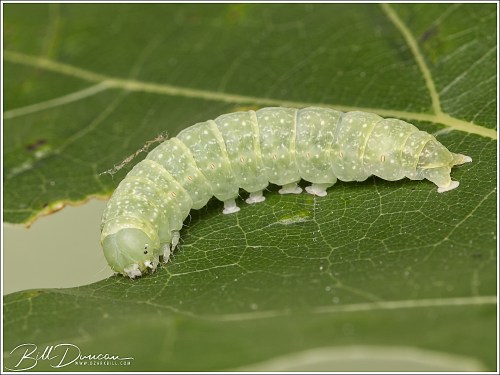
Next up is also a group that I haven’t gotten the hang of yet. This is likely a tiger moth (subfam. Arctiinae), but I’m not sure where to begin there. Found at Prairie Garden Trust on July 6th. Host plant not recorded.

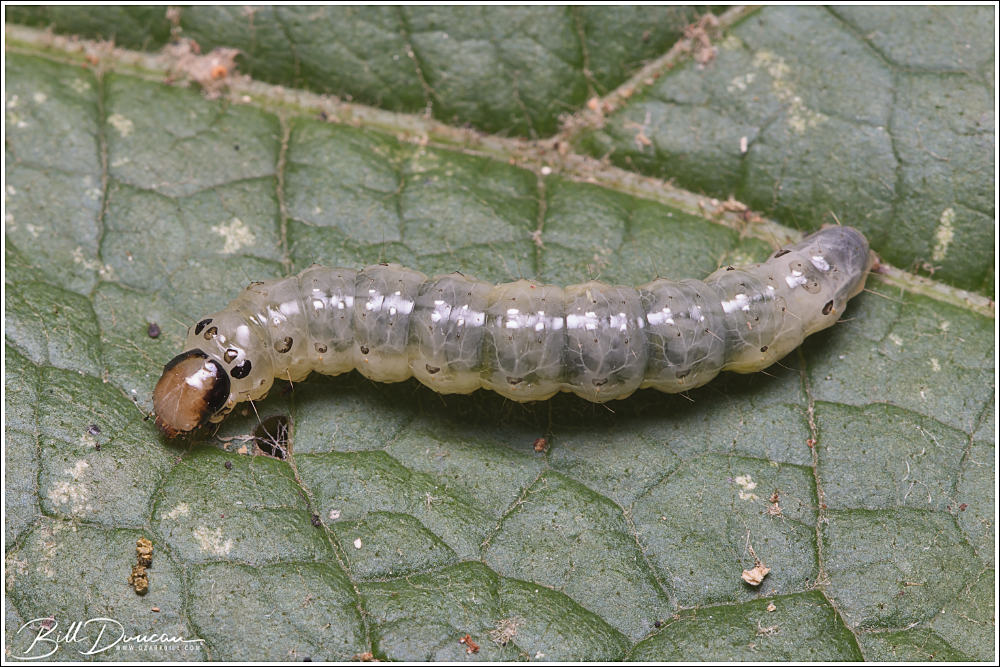
Finally, a cat that I found in a leaf shelter of Vitis aestivalis at Kaintuck Hollow in Phelps County on July 13th. I believe this might be Herpetogramma aeglealis (fam. Carambidae) but it’s not close enough for me to be certain.
I missed getting photos of Mydas clavatus (fam. Mydidae) on group photo outings, I believe, for three straight years. I seemed to be somewhere else and my “friends” failed to let me know… 😉 Well, back in July, I finally got lucky and found this one nectaring on some Pycnanthemum at Prairie Garden Trust in Callaway County, MO on a WGNSS Photo Group trip.

These are downright fascinating insects. The larvae of mydas flies feed on beetle larvae that reside in soil or rotting wood. The adults, who are Batesian mimics of spider wasps (Pompilidae), apparently feed solely on nectar and can be found in the heat of the day skimming across the prairies to find their favorite flowers.


 A Thousand Acres of Silphiums