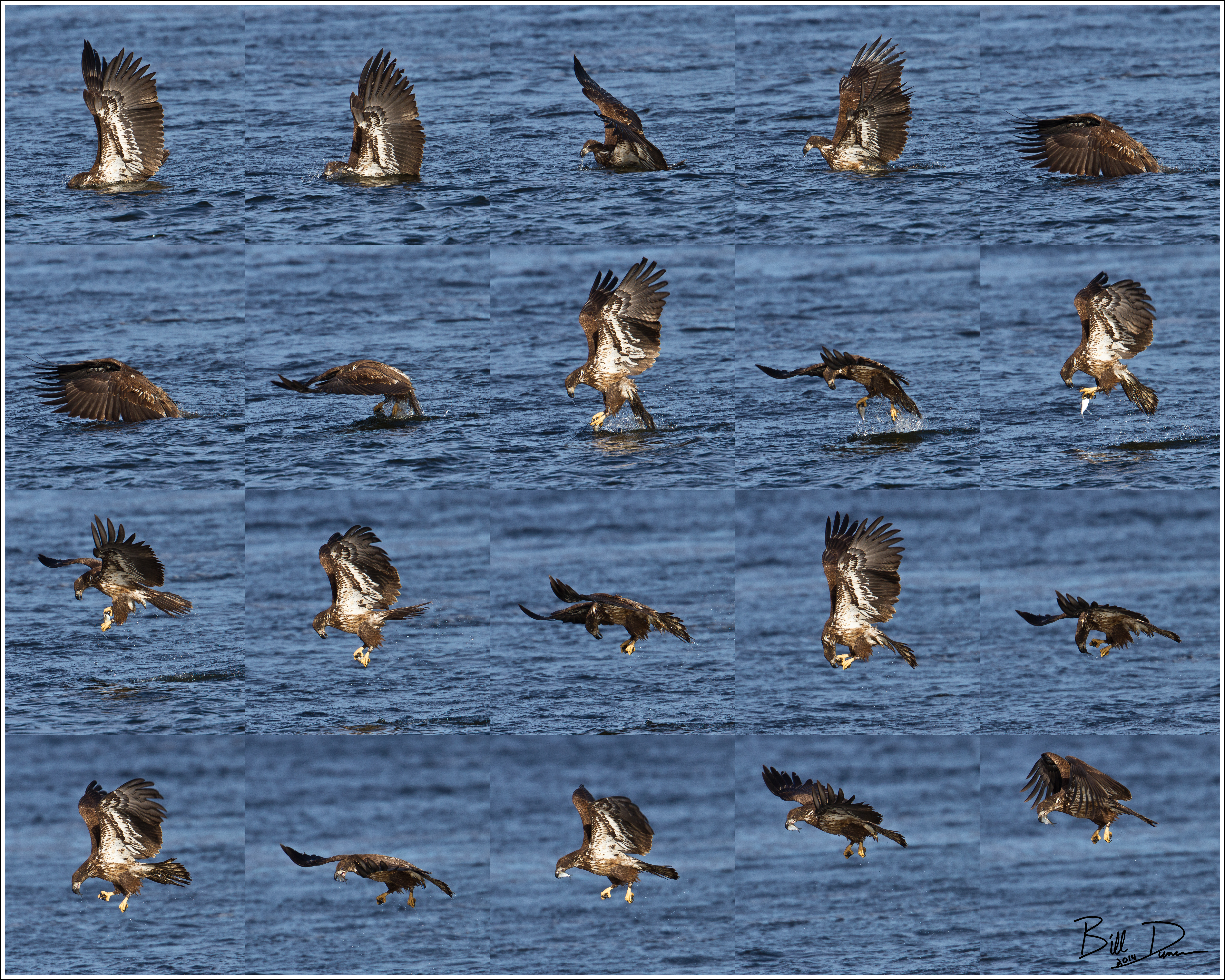
This youngster plunged a bit deeper than they usually do. I like this series and am presenting it here in a pretty large size for viewing. Happy fishing!
"What a thousand acres of Silphiums looked like when they tickled the bellies of the buffalo is a question never again to be answered, and perhaps not even asked." -Aldo Leopold
This youngster plunged a bit deeper than they usually do. I like this series and am presenting it here in a pretty large size for viewing. Happy fishing!
Yeah, I know. We are almost through two months of 2014, however that’s possible. But, I really wanted to make a post like this (I still don’t have all of 2013’s images processed) . I know it’s popular in the photo-blog community, but I think it really is a nice way to cap the year. I had quite a time in narrowing this list to ten. I’m not saying these are my best images of the year, but these are the ones I found to be the perfect combination of capturing something special, being meaningful for me and being at least competently captured. Follow the links to the posts that each image was featured in. I apologize to the images that did not make the list. 😉
Here we go…
#10) “Confluence Contradiction”
Taken on a trip to Big Spring this April, this one was something I had never seen in all of my visits to this feature. Sarah and I were really excited to see the Current in high water and I was lucky to make this image before the water from the river had overtaken the blue colored spring effluent later on this day.

Taken early one cloudy autumn morning following an evening storm, the diffused light, and saturated foliage worked well with the complacent attitude of the alpha buck.

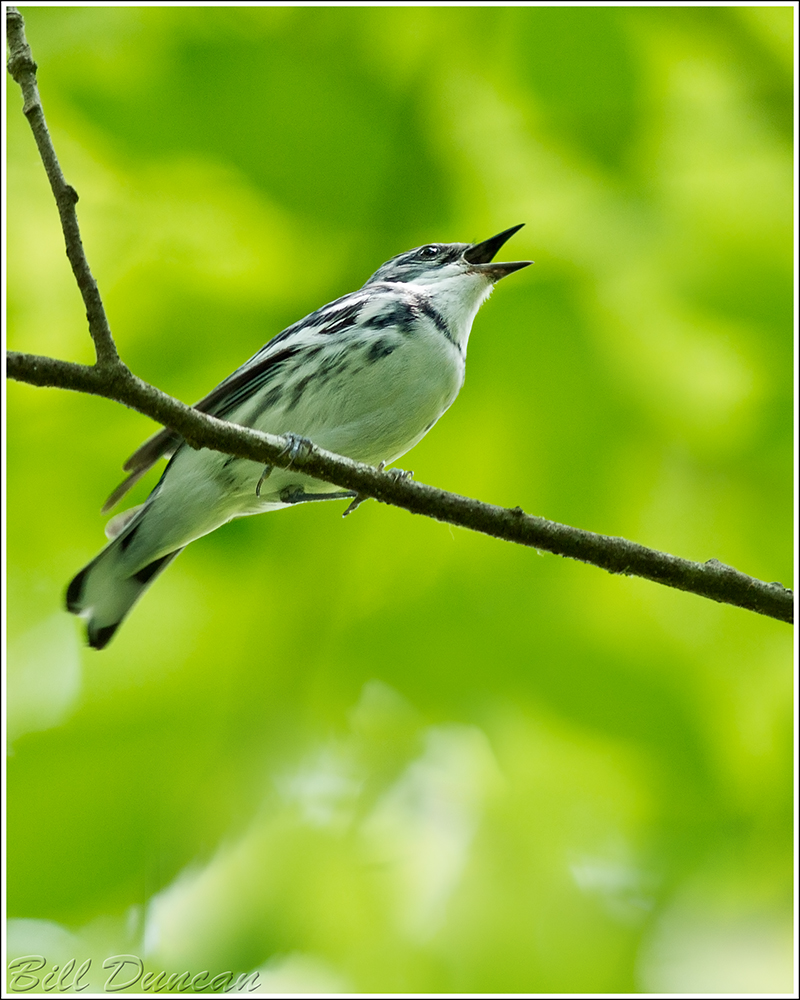
Observing multiple Cerulean Warblers was one of several things that made putting up with the heat and insects worth our while.
#7) “Greater Prairie Chickens in Flight, February 2013“
Lifers for both Steve and me, spotting and photographing two of Missouri’s literal handful of Prairie Chickens was the highlight of our trip to Prairie State Park last winter.

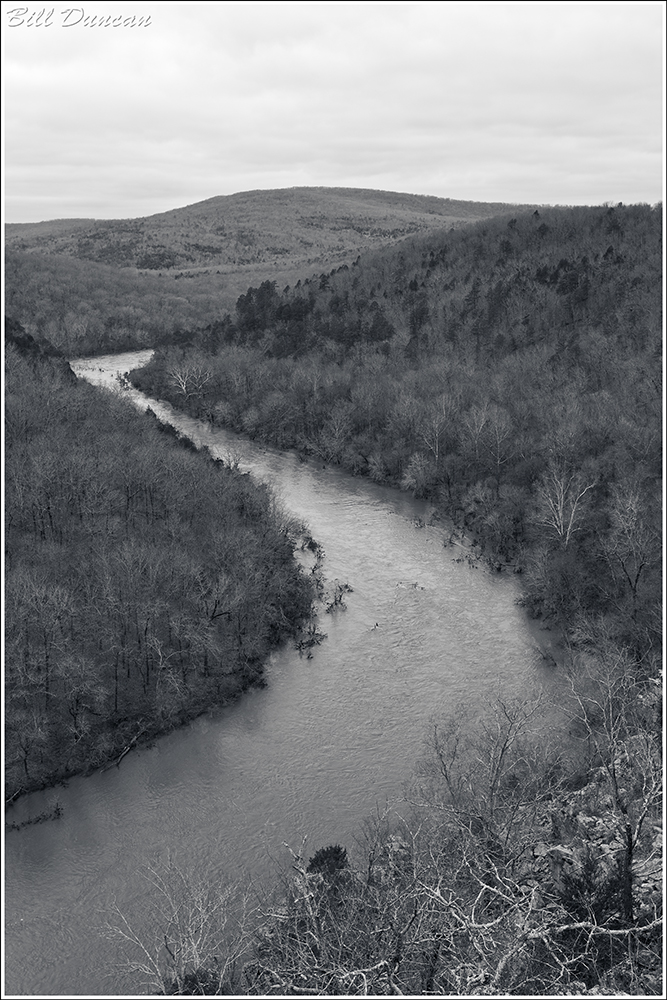
#6) Untitled composition taken at Lee’s Bluff on the St. Francis River
This was a recent finding for us, and one in which I hope to get back to soon and often. This relatively easy S-curve was but one of many potential compositions that I tried to capture.
#5) Untitled composition of Short-Eared Owl
I’ll never forget the day when we were able to watch multiple SEOW up close and personal. The highlight was taking a shot of this one perched on an MDC sign at B.K. Leach C.A.

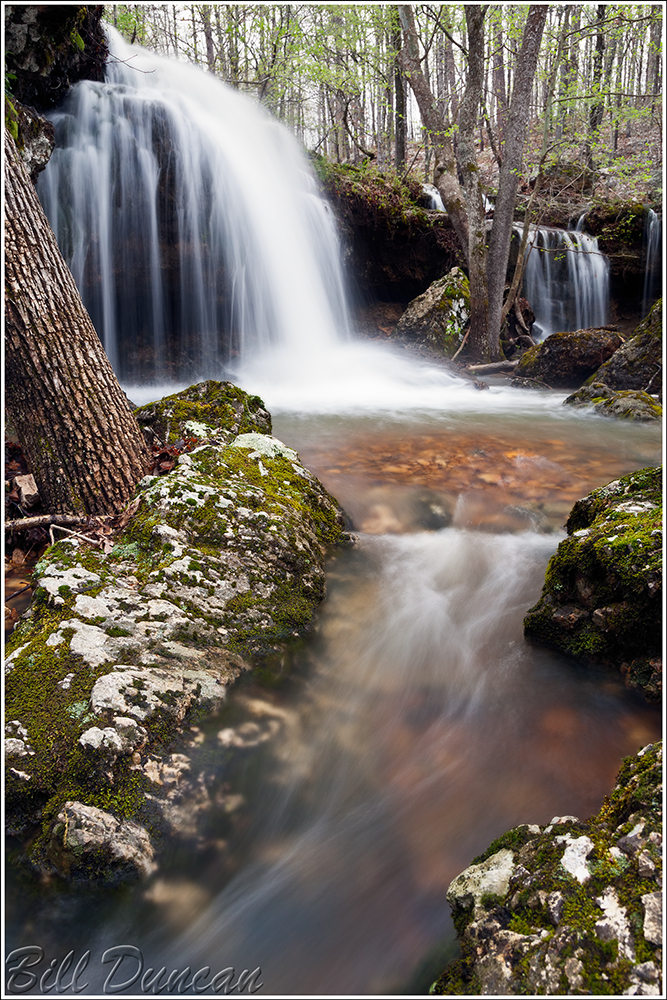
I had been looking for this spot since I first started exploring the MO Ozarks several years ago. This year I was able to find it, and just after an incredible amount of rain!
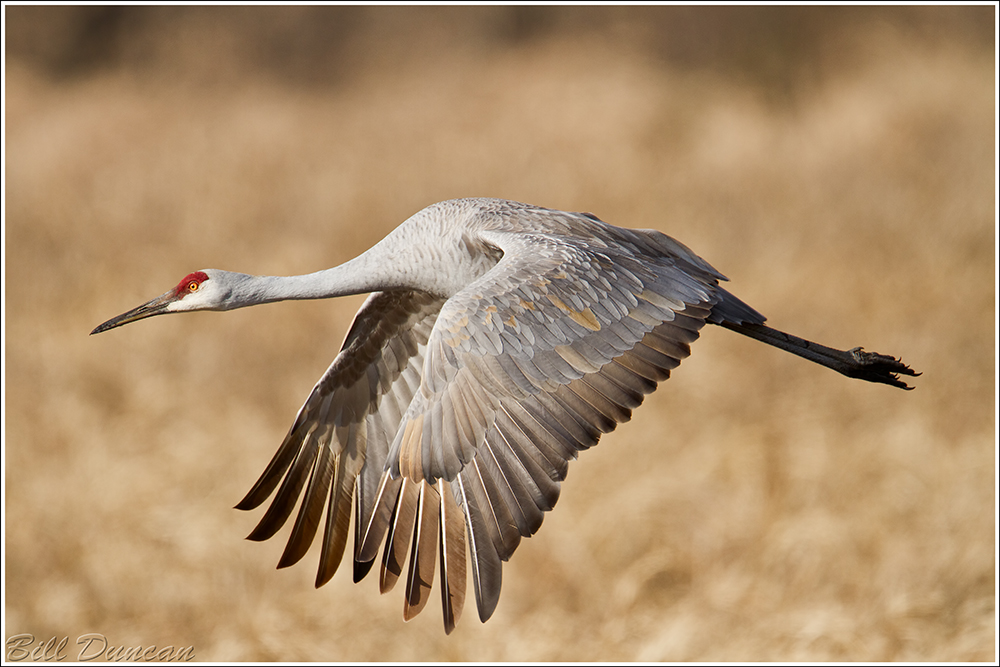
#3) Untitled composition of Sandhill Crane in flight
Taken with my newest bird lens, I was in the right place at the right time to squeeze off this keeper.
#2) Star Trails at Dunn Ranch Prairie
Among so many other unforgettable experiences from Steve’s and my trip, the chilly July night spent working on my first serious attempts at astro-photography ranks near the highest from 2013.

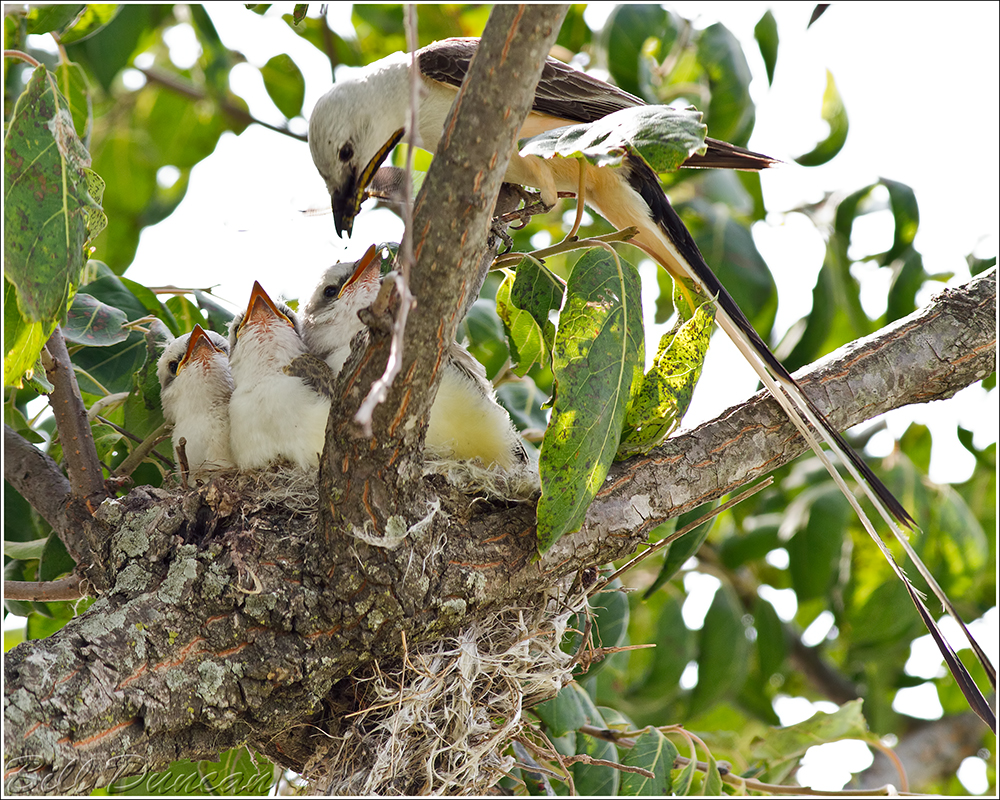
With my medically documented disorder for decision making, it’s an official miracle that I was able to narrow down the subject and the specific image for the top spot in my favorite images of 2013. Finding such a nest at just the right place and time to observe these parent Scissor-tailed Flycatcher raising a healthy brood was such serendipity. This image was taken at Tucker Prairie C.A., the first stop of this particular journey. We were torn between watching these guys until fledging and heading on to the other great spots along our route.
Well, I hope I did my 2013 collection justice with this list. I can’t imagine 2014 could top the experiences of last year. If the experiences and associated photographs of 2014 even come close in comparison, I will truly be a fortunate creature. Happy New Year.
Ozark Bill
“There are those who say that only spring is beautiful, and hie themselves to a warmer climate for the winter months. There are others, who, without the means of fleeing from the beauties about them at all seasons, waste their happiness with complaining. And there are some who must even go to Europe for scenery, and poets as well. But give me my native land at all hours of the day, all seasons of the year, and for all the years of my life; because its beauties, its interests and its ennobling influences are intended for its sons above all others. And have no fear, all who may doubt, that anyone by trying may get far more of use from a stroll over its hills, than even I did on this momentous ‘Tramp in November”
-Aldo Leopold

“Autumn Regality”
Referred to as the “feathered mouse”, the Sedge Wren is most easily seen in his nesting territory during breeding season. During this time one must simply listen for his song and follow by ear. With patience, the vociferous little wren can be viewed. These guys were plentiful at Dunn Ranch and adjacent Pawnee prairies this past July. This species has been affected by the destruction wet prairies, meadows and wetland type habitats that they rely upon.
 “Sunshine & Song”
 “Con Fuoco”
Don’t forget to thank a turkey today.
 “Turkey Pride”
Every since I heard of the weird sandpiper that decided to live in the plains, away from considerable amounts of water, I dreamed of seeing and photographing them. Our trip this summer to Dunn Ranch Prairie provided for that, adding a new bird to both Steve’s and my life lists.
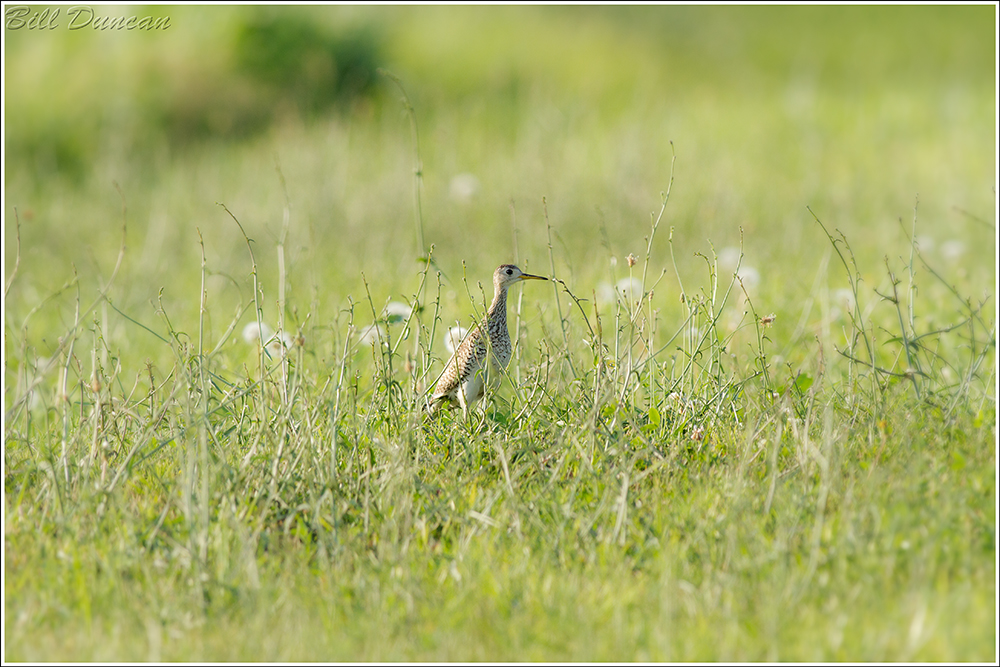 “Upland Sandpiper, Dunn Ranch Prairie, 2013”
 “Upland Sandpiper in Flight, Dunn Ranch Prairie, 2013”
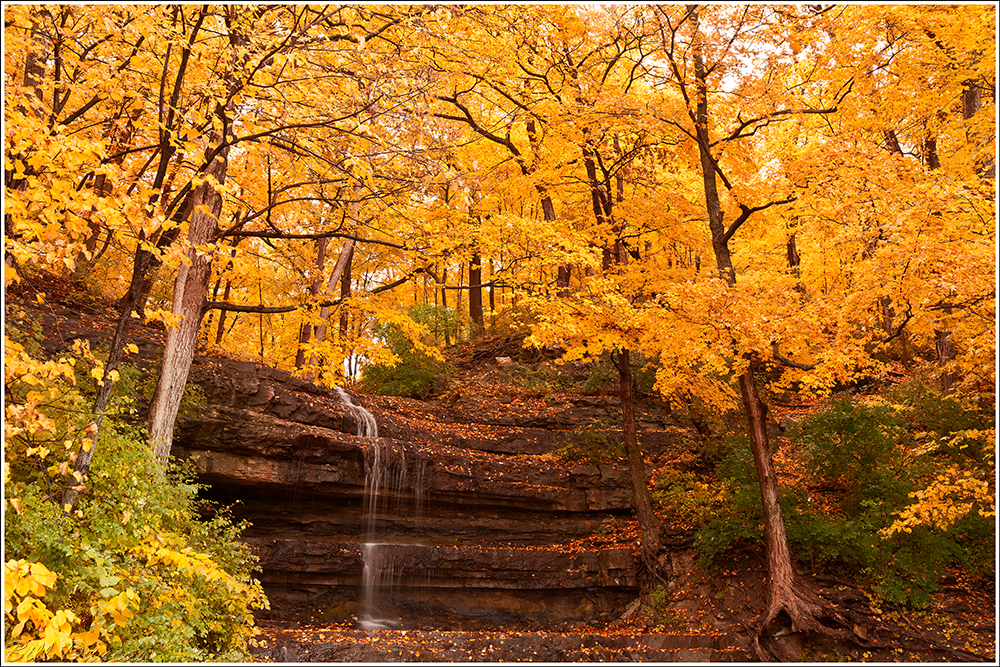
A couple taken of “Dripping Springs” at Creve Coeur Lake this Autumn.

Bobwhite Quail were surprisingly and pleasantly abundant across Dunn and neighboring Pawnee Prairies. We even flushed a covey of chicks along our drive. This guy was kind enough to find a nice perch to pose on.
 “Bobwhite Quail”
While at Dunn we got to see our first ever Bobolink in breeding plumage. What a treat!
 “Male Bobolink on Wild White Indigo”
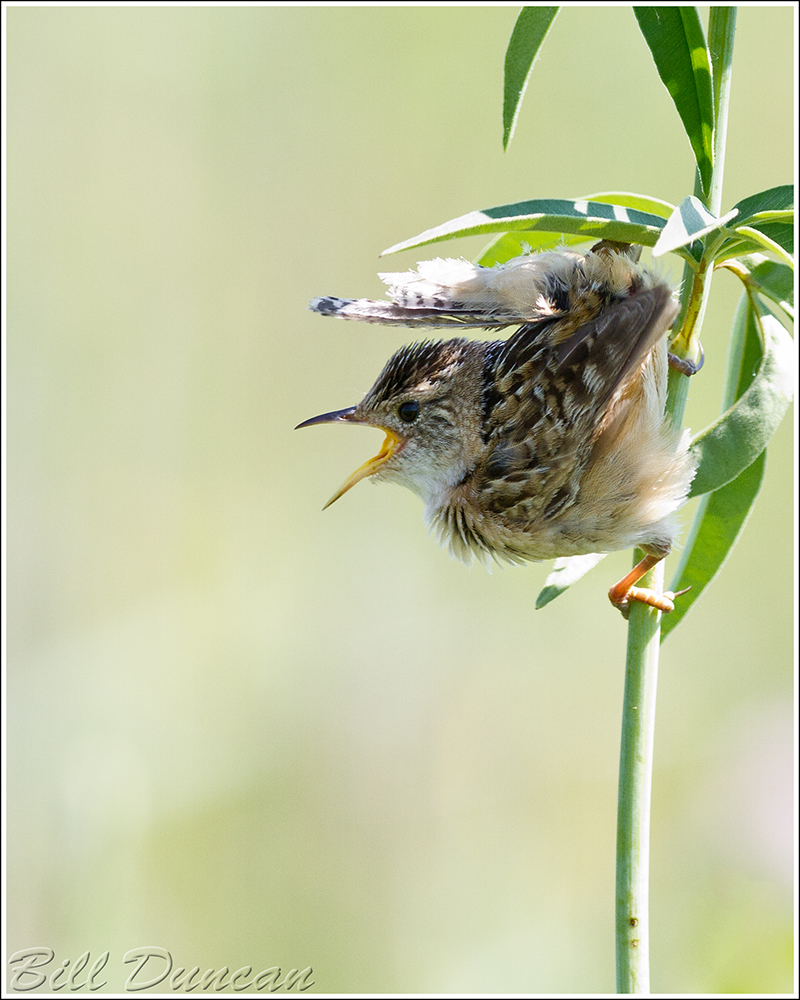
The first bird photographed at Dunn Ranch, this Grasshopper Sparrow was trying his best to dry off following an early morning shower.
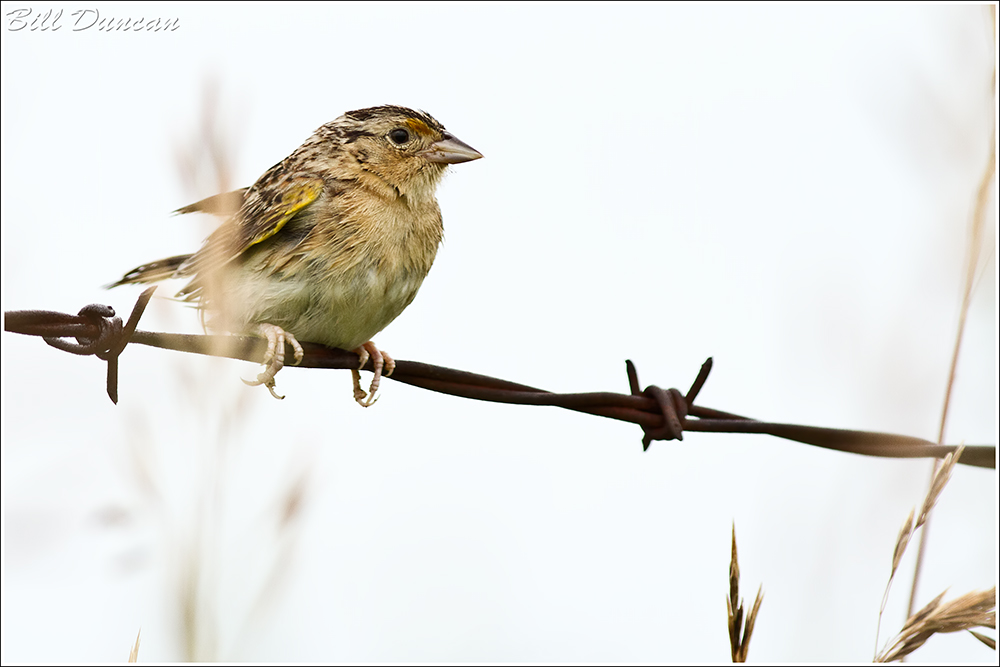 “Grasshopper Sparrow”

