The Last of the Ladies Tresses

This year I was able to find and photograph the last two of the Spiranthes (ladies tresses) orchids that can be expected to be found in Missouri.

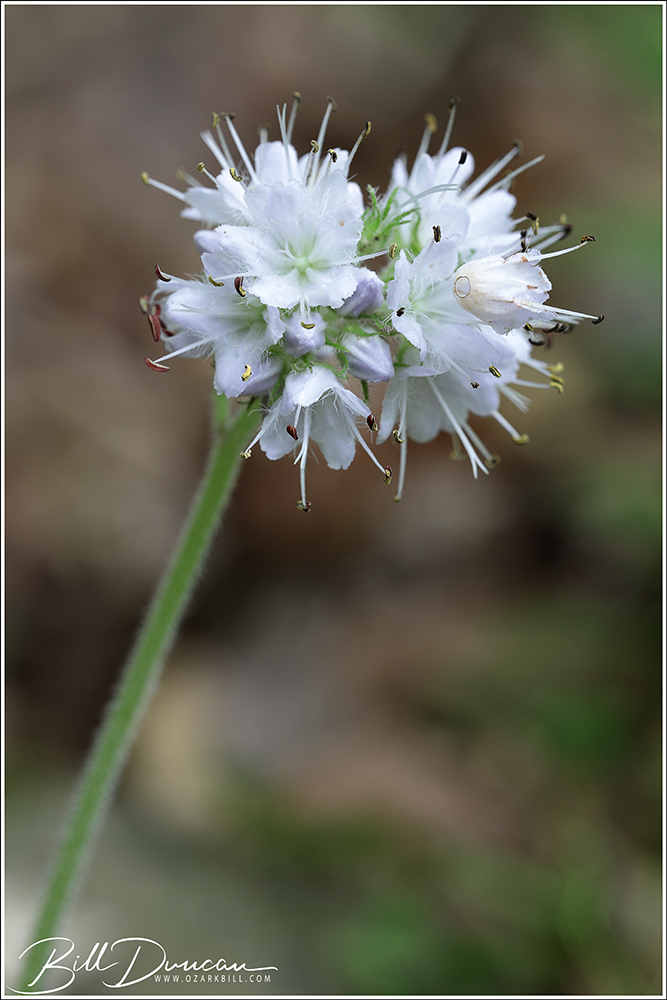
First up is a plant that Casey and I found in Nevada County, Arkansas on May 9th. To my knowledge, S. praecox (grass-leaved ladies tresses) is found in only one location in the Show Me State. However, after checking for it on a few occasions, it looks as though the plant(s) did not bloom this year. Hopefully this population is still there and will bloom in a future year. The couple of blooming spikes Casey and I found in Arkansas were very striking, with deep green venation on the labellum.

Spiranthes praecox, grass-leaved ladies tresses

It is interesting to me that the final two Spiranthes orchids I had to add to my list are the largest two species by far. While S. praecox can reach heights of up to 75 cm, S. vernalis (spring ladies tresses) has been recorded at a meter in height! This species is distributed throughout the state, but is considered locally rare. This plant was found at Otter Slough C.A.

Spiranthes vernalis, spring ladies tresses
Small Carpenter Bee (Ceratina sp.)

Here we have a few shots of a small carpenter bee that was very cooperative this past April at Beckemeier Conservation Area as it nectared from a spring beauty blossom. This is one of the bees that nests and overwinters in old broken pithy stems that it excavates. So here is who you might be helping by leaving your dead stems sit through the winter.

Back to the Prairie Platanthera

We really lucked out this past June when Casey and I took a trip to the northwest of Missouri in search of the two state-endangered prairie-fringed orchids. We were not sure if we would find Platanthera leucophaea (eastern prairie-fringed orchid) at all and chances were iffy to find both species flowering simultaneously. During some years, there may be gaps in the phenology of flowering of these two species in the state, which would require at least a couple of these long trips. As mentioned above, we not only found both species in our search but found them both at near-peak bloom.

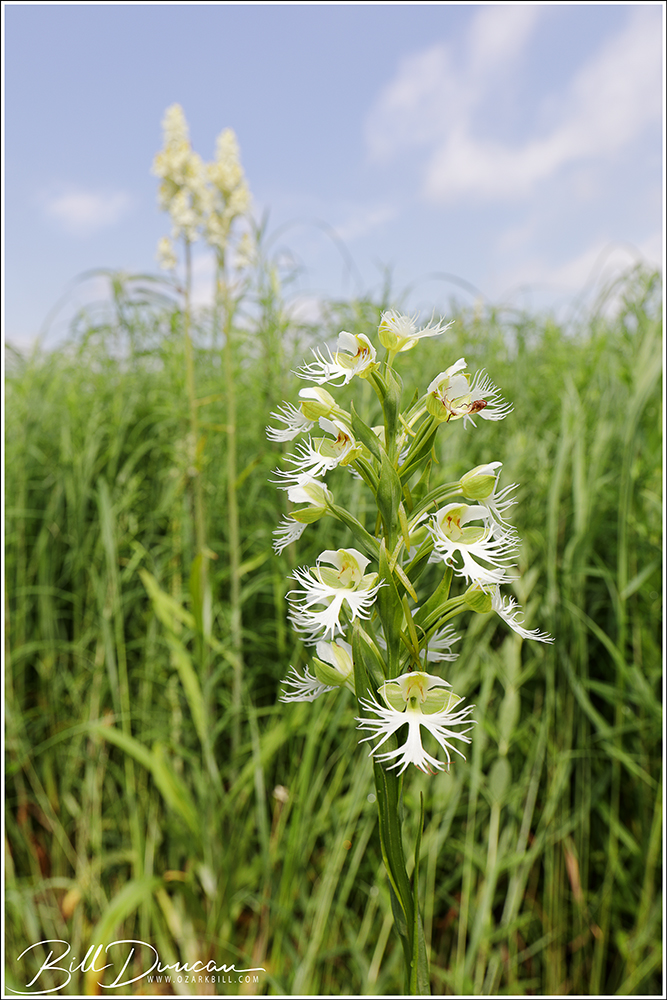
First up is Platanthera praeclara (western prairie-fringed orchid) that we found in a reliable spot in Harrison County.

The state-endangered and federally-threatened Platanthera praeclara was photographed with a backdrop of tallgrass prairie in Harrison County, MO
Naturally pollinated by nocturnal sphinx moths, some state programs are now hand-pollinating prairie-fringed orchids in efforts to increase populations and reintroduce the plants to new areas.

We were thrilled to find a population of approximately 40 Platanthera leucophaea (eastern prairie-fringed orchid) plants at a Grundy County location.

A pair of Platanthera leucophaea stand tall in a wet prairie in Grundy Co, MO.
The long nectar spurs require an insect with a long proboscis to act as pollinator of Platanthera leucophaea.
A pair of grasshopper nymphs feeding on Platanthera leucophaea. This was the only plant we observed with heavy arthropod feeding pressure like this.

Edit – September 2025
Unfortunate news for this population of Platanthera leucophaea pictured above. It has come to my attention that this field was plowed by the landowner, essentially dooming this species at this location. Whether this was done accidentally or on purpose is unclear to me, but this is obviously a horrendous situation for this protected species in Missouri.

Blanchard Springs

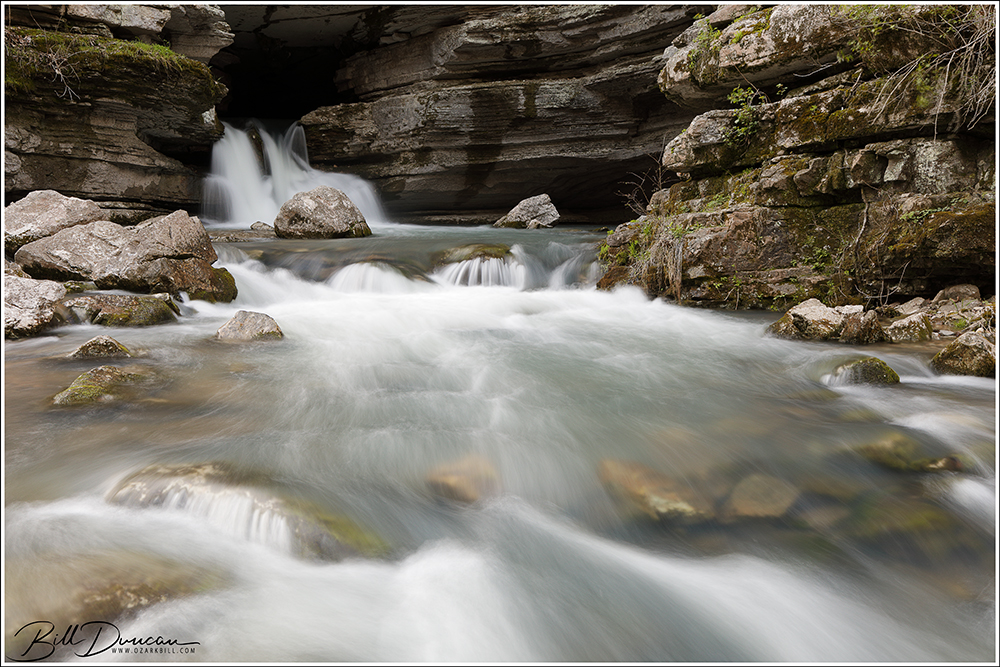
Casey introduced me to this location early in the spring. This is Blanchard Springs in Stone County, Arkansas. With an average daily flow rate of ~10 millon gallons per day, it doesn’t fall near the top ten of the fantastic and popular springs found in southern Missouri. However, this amount of water finding its way through a limestone rock face and plunging ten feet or more makes this a spectacular spring indeed!

Blanchard springs is a fun and easy spring to visit in north-central Arkansas.