"What a thousand acres of Silphiums looked like when they tickled the bellies of the buffalo is a question never again to be answered, and perhaps not even asked." -Aldo Leopold
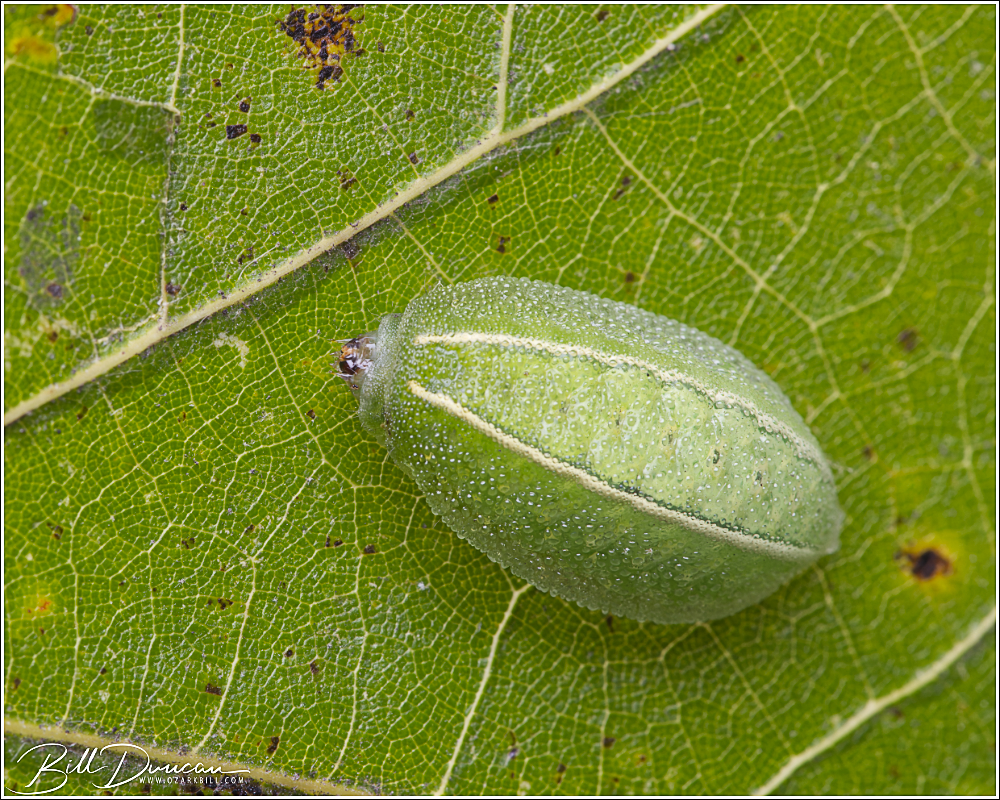
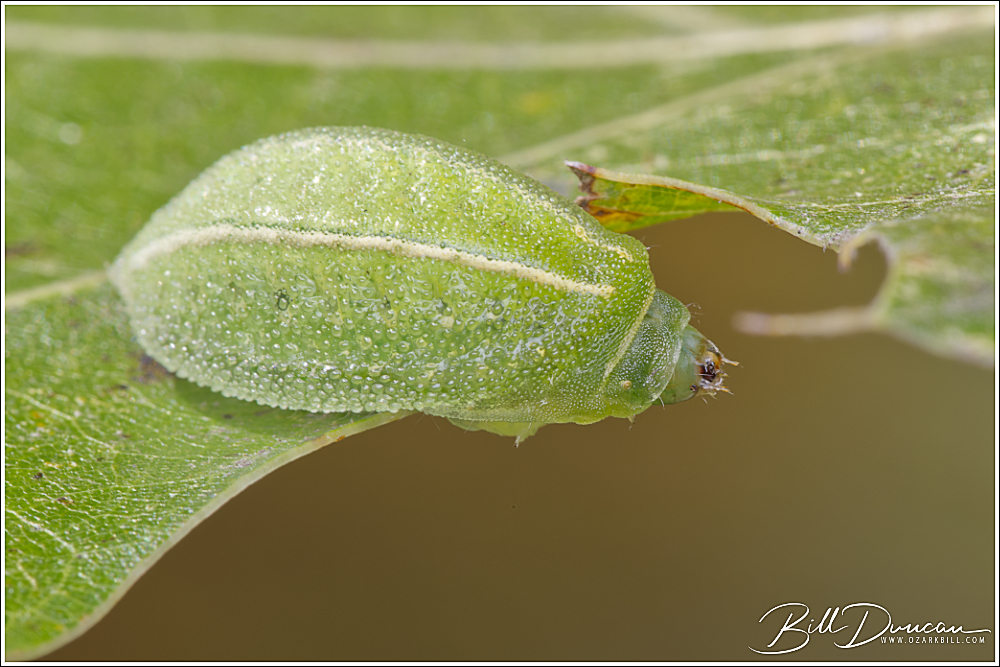
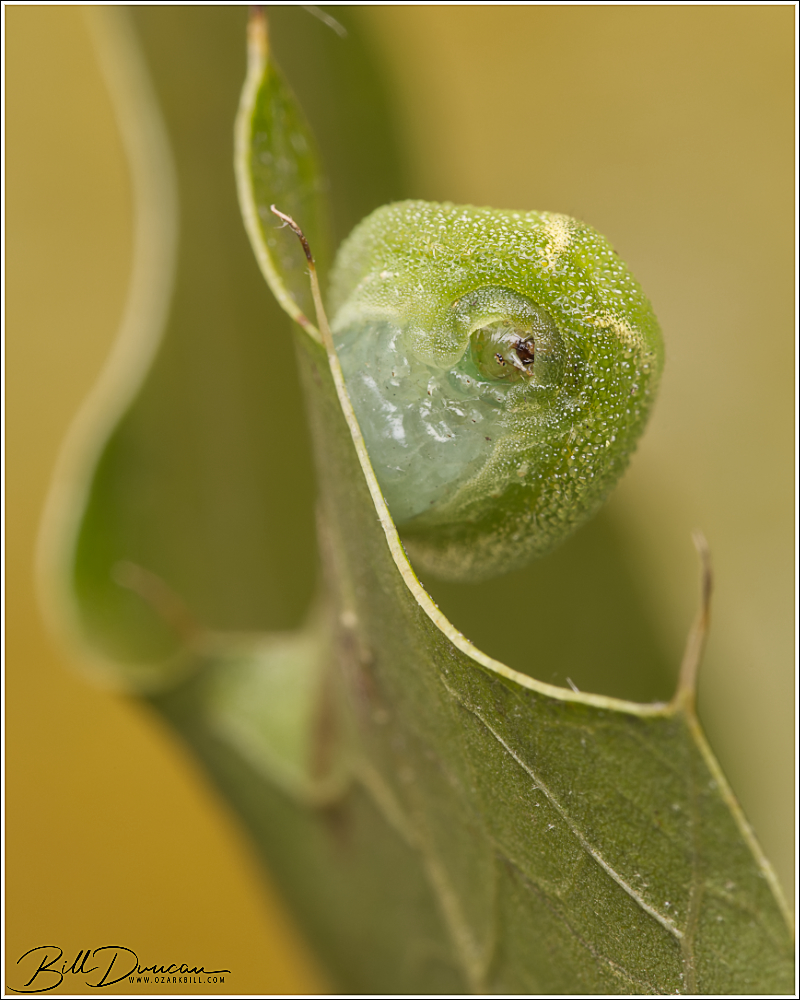
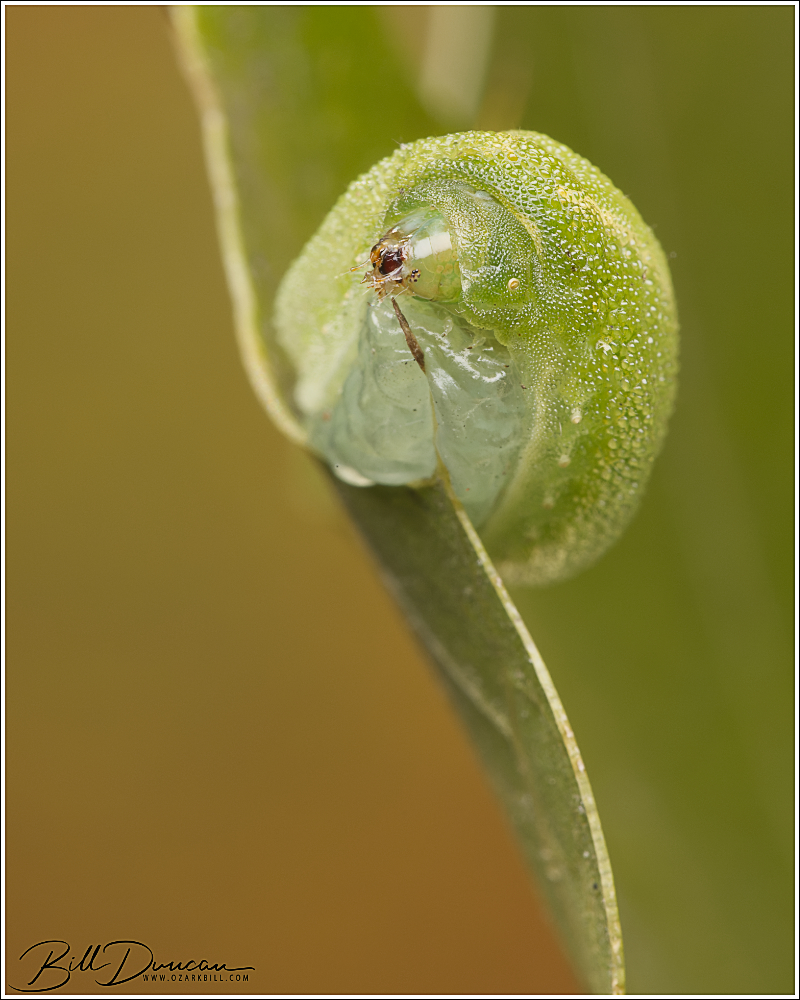
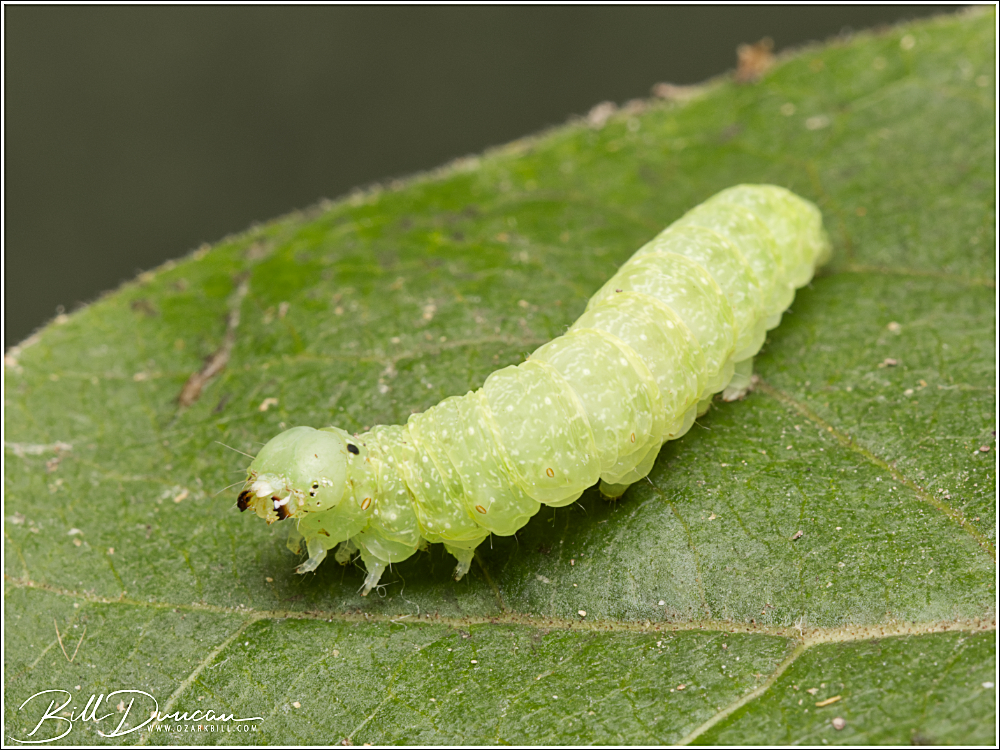
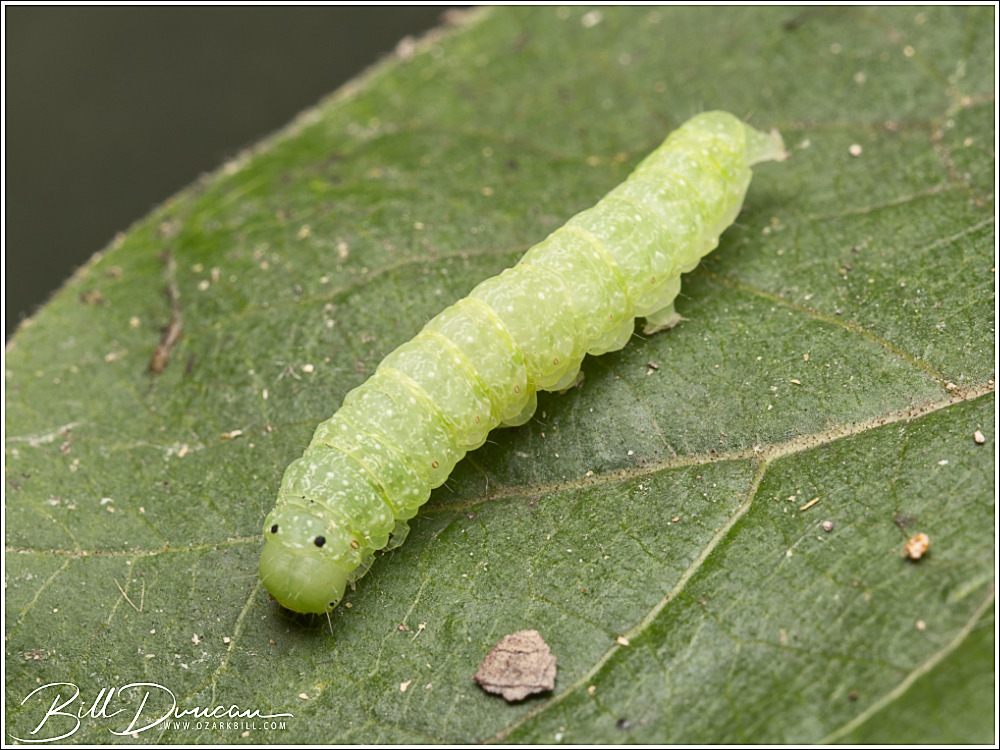
Shagreened Slug Moth Apoda biguttata fam. Limacodidae Host plant: Found on white oak (Quercus alba) Date found: 21, Sep, 2024 Locations Found: Onondaga State Park, Crawford County, MO Notes: Named for its resemblance to the bumpy texture of shagreen rawhide.
Shagreened Slug Moth Apoda biguttata fam. Limacodidae Host plant: Found on red oak species (Quercus sp.) Date found: 5, Oct, 2024 Locations Found: Daniel Boone Conservation Area, Warren County, MO Notes: Careful examination is needed to distinguish caterpillars of Apoda biguttata, A. y-inversum, and Lithacodes fasciola.
Red-fringed Emerald Nemoria bistriaria fam. Geometridae Host plant: Found on white oak (Quercus alba) Date found: 7, Sep, 2024 Locations Found: Kaintuck Hollow, Phelps County, MO Notes: Although some reports suggest other host plants are used, it is likely that this species specializes on white oak.
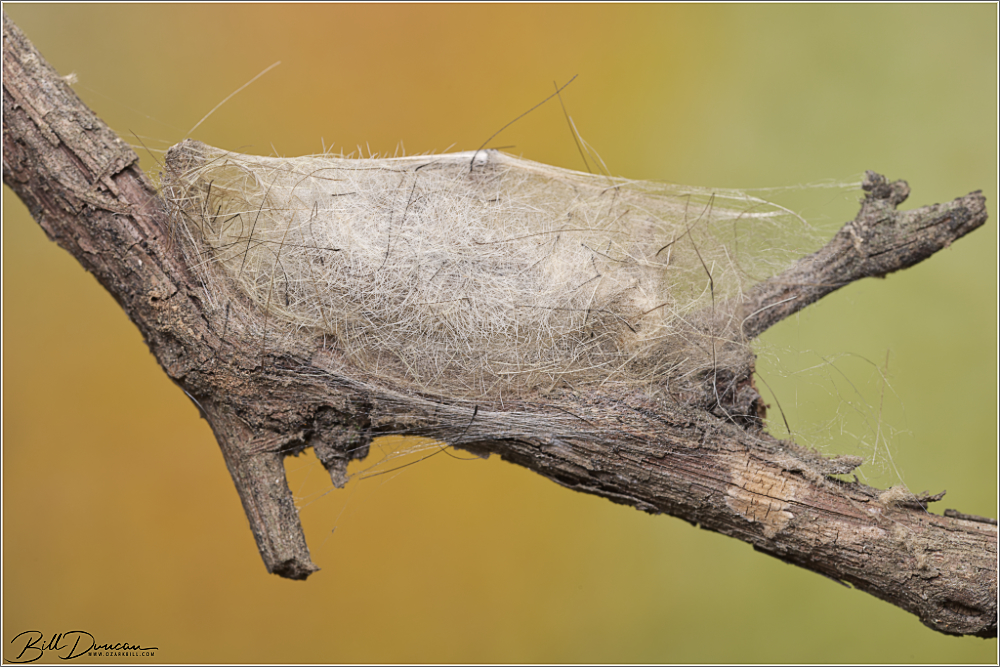
This post is related to the rearing work I shared previously of the Orgyia leucostigma (white-marked tussock moth). During a caterpillar hunting outing with Sarah, I found what was obviously a cocoon of a tussock moth. I can’t say for certain it belonged to O. leucostigma, but it is likely. So, I photographed it in the field and brought it home, keeping it separate from the O. leucostigma cocoons that I was rearing that were collected from my yard. As time went on and the other cocoons I was rearing began producing moths, I figured something was going to be different with the one pictured below.
A tussock moth (Orgyia sp.) cocoon collected on 21, Sep, 2024 at Onondaga Cave State Park. Note the long setae from the tussock moth caterpillar that are incorporated into their cocoons
Checking the container on 6-October, I found this beautiful Orgichneumon calcatorius, an Ichneumonid wasp with a Holarctic range that is a parasitoid of moths in the Orgyia and Dasychira genera. After taking a few photos, I let it go in the backyard. After emerging, females of the species mate and then overwinter as adults utilizing crevices in tree bark. In the spring and summer of the following year, they look for new caterpillars to insert their eggs.
A newly emerged Orgichneumon calcatorius with the pupa and cocoon that hosted it in the background.
A closeup look of the brilliantly patterned Orgichneumon calcatorius
Small Necklace Moth Hypsoropha hormos fam. Erebidae Host plant: Found on persimmon (Diospyros virginiana) Date found: 3, Aug, 2024 Locations Found: Cuivre River State Park, St. Louis County, MO Notes: Described by one of the fathers of entomology, German lepidopterist, Jacob Hübner.
Virginia Creeper Sphinx Moth Darapsa myron fam. Sphingidae Host plant: Found on wild grape (Vitis sp.) Date found: 13, Sep, 2024 Locations Found: River’s Edge Park, St. Louis County, MO Notes: Other common name is hog sphinx.
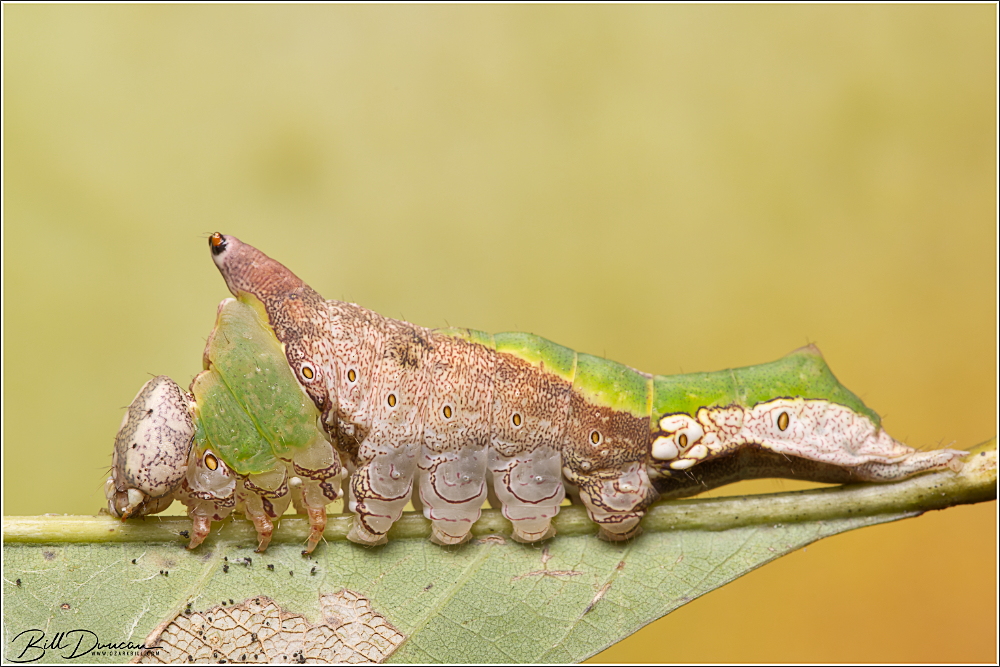
Lace-capped Caterpillar Ianassa lignicolor fam. Notodontidae Host plant: Oaks and other Fagaceae members Date found: 21, Sep, 2024 Locations Found: Onondaga Cave State Park, Crawford County, MO Notes: Adult moth is named white-streaked prominent.
Ianassa lignicolor
Characteristic head mottling of Ianassa lignicolor head capsule
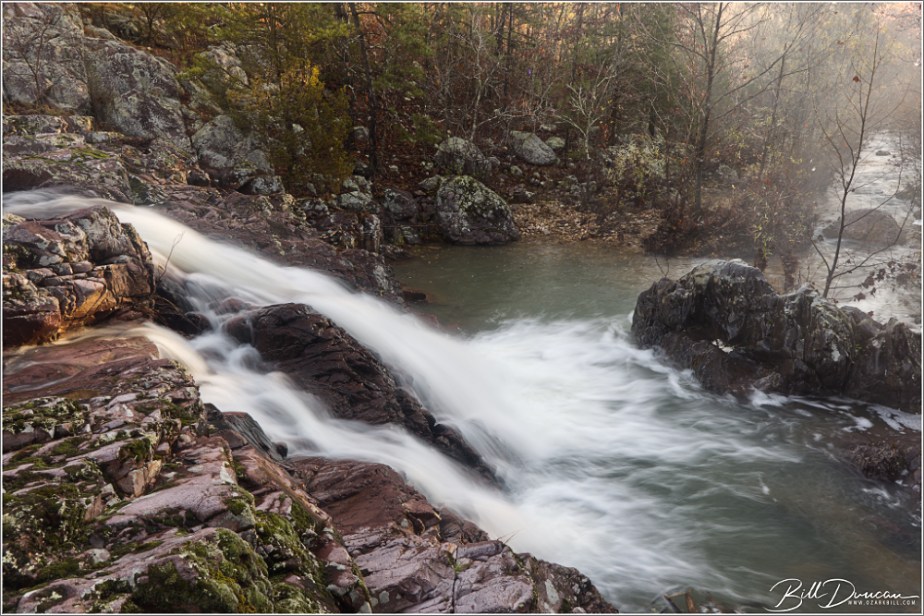
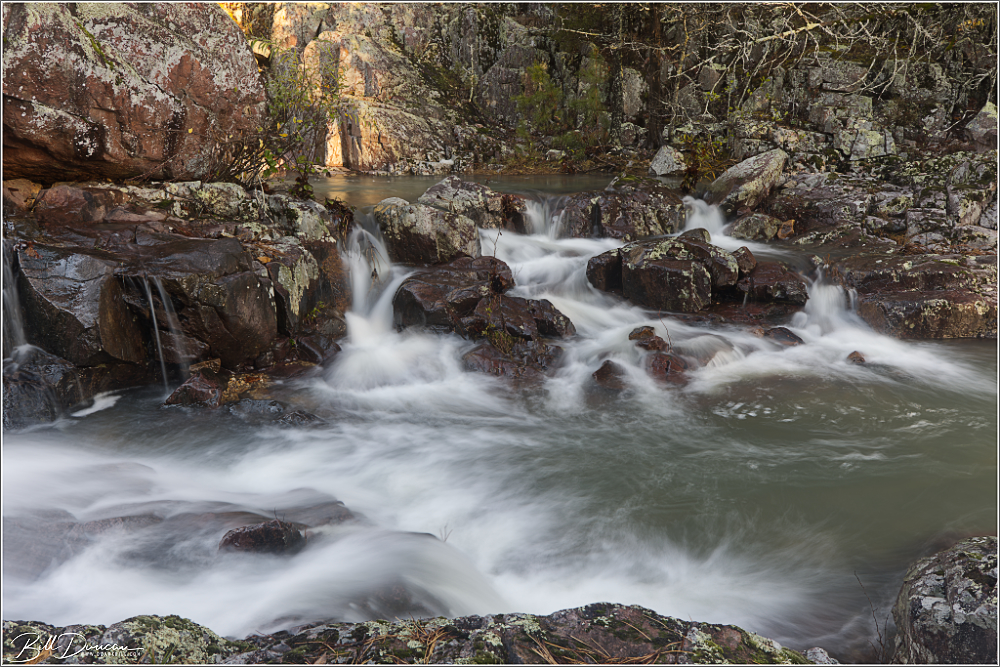
After record breaking rainfalls in southeastern Missouri, Casey and I headed down to visit some favorite waters in the St. Francois Mountains a couple days later. We expected a little more flow but this area drains so quickly, if you aren’t there immediately after the rains stop you won’t get to see the shut-ins and waterfalls at their peek. We were also unfortunate to have a mostly cloud-free day. Not the skies you want for shooting waters like these. But, we made the most of it – focusing our efforts near sunrise and sunset.
First up is a few from Leatherwood Creek Shut-ins.
We then headed over to the St. Francois River to see how high the water was flowing at the Einstein Dam. This dam, built in 1879, was used to provide power to a mill and other facilities surrounding a nearby quartz mine. I have seen the water rolling higher over the dam, but we still had some impressive flow.
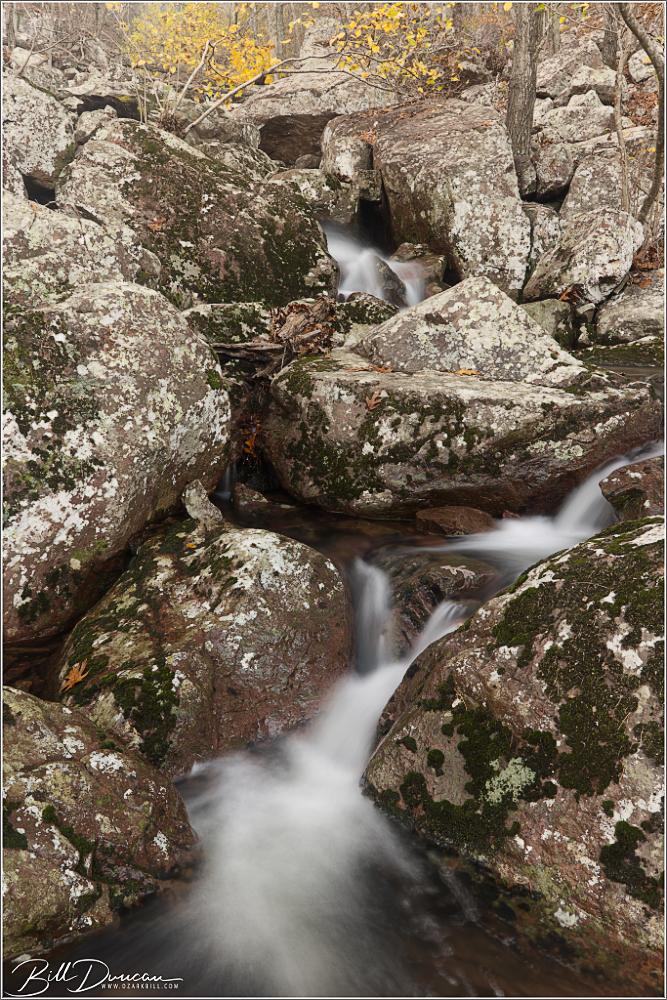
Our final stop of the day was the cascades of Black Mountain. With light running out, we climbed a little and made the following images.
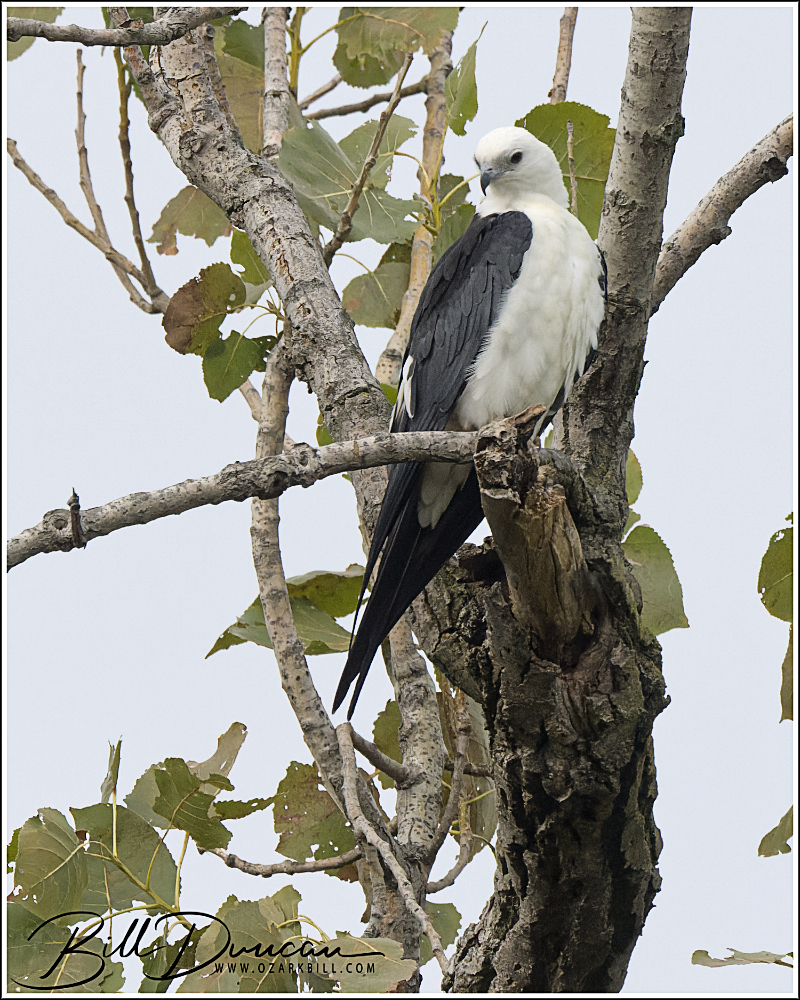
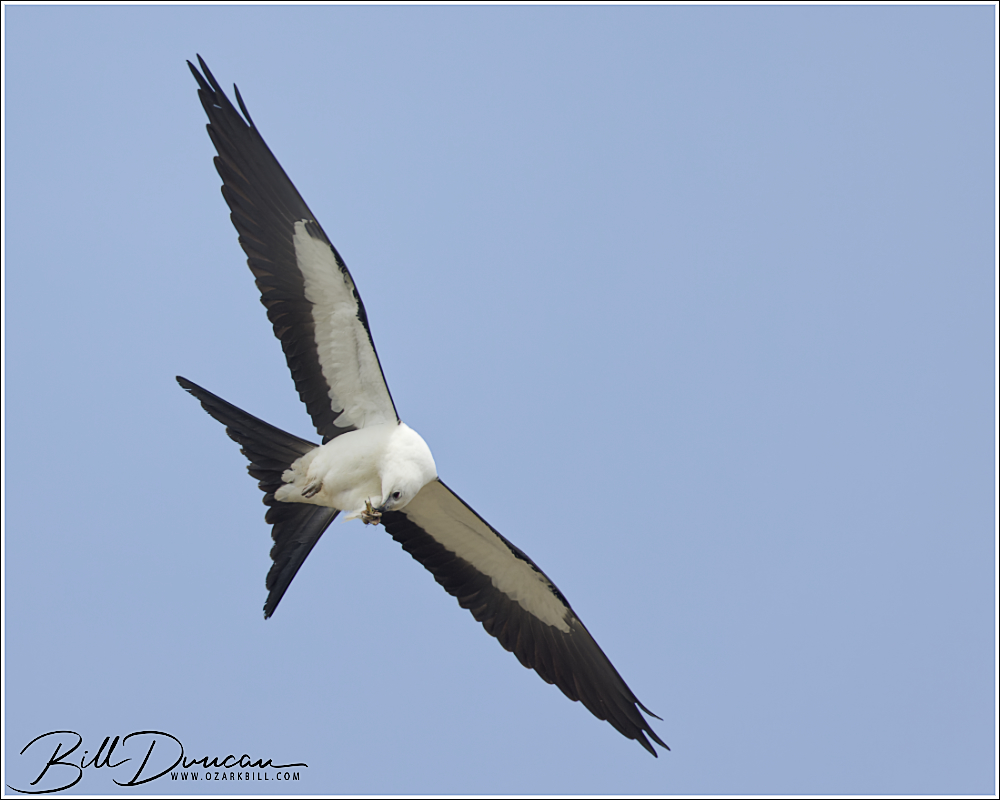
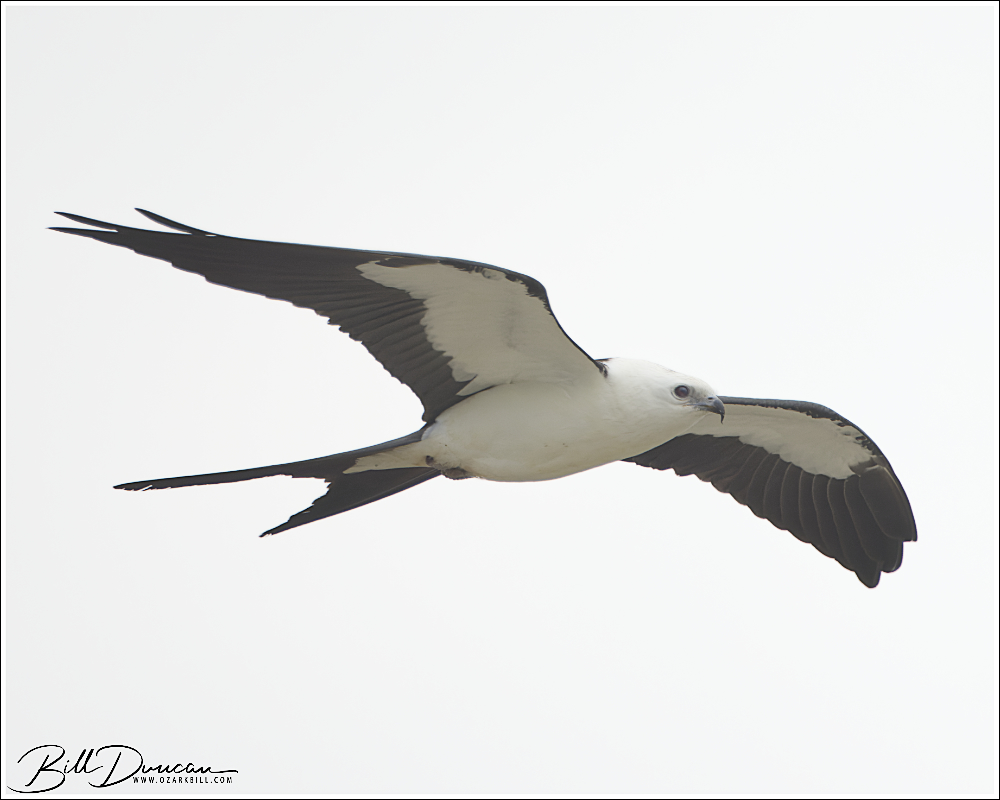
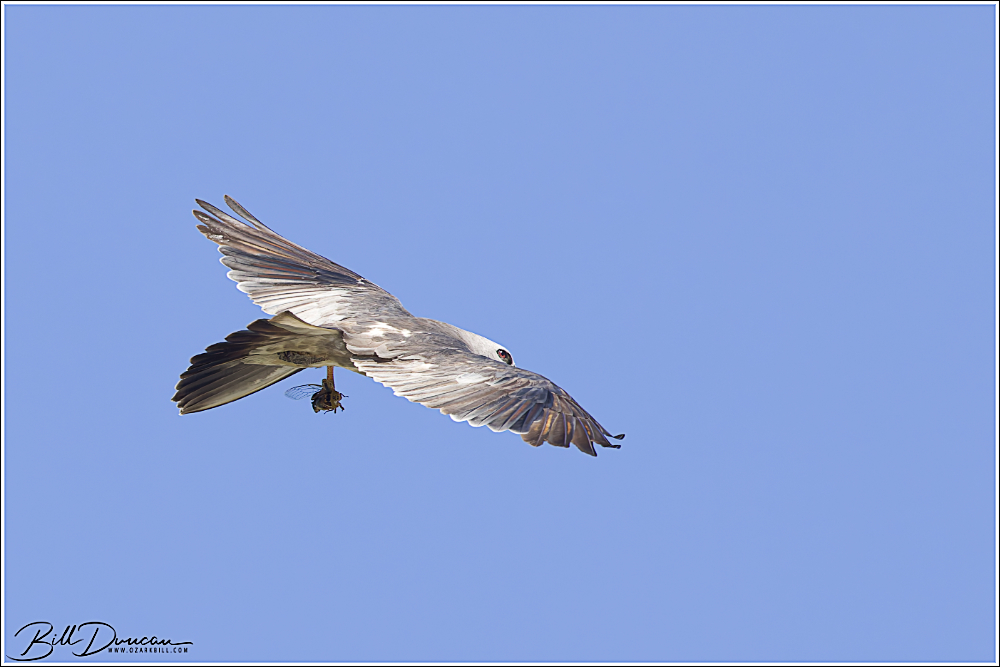
The St. Louis birding community had quite a treat in late August and early September of this year. At Columbia Bottom Conservation Area, soaring among literally dozens of Mississippi Kites were a few Kites not like the others. Three Swallow-tailed Kites, a species that is most often found in southern-Atlantic and gulf coast states of the U.S., were visiting the area taking advantage of the abundant grasshoppers, dragonflies and annual cicadas in the skies above the grasslands and woods of the confluence area.
Swallow-tailed Kite
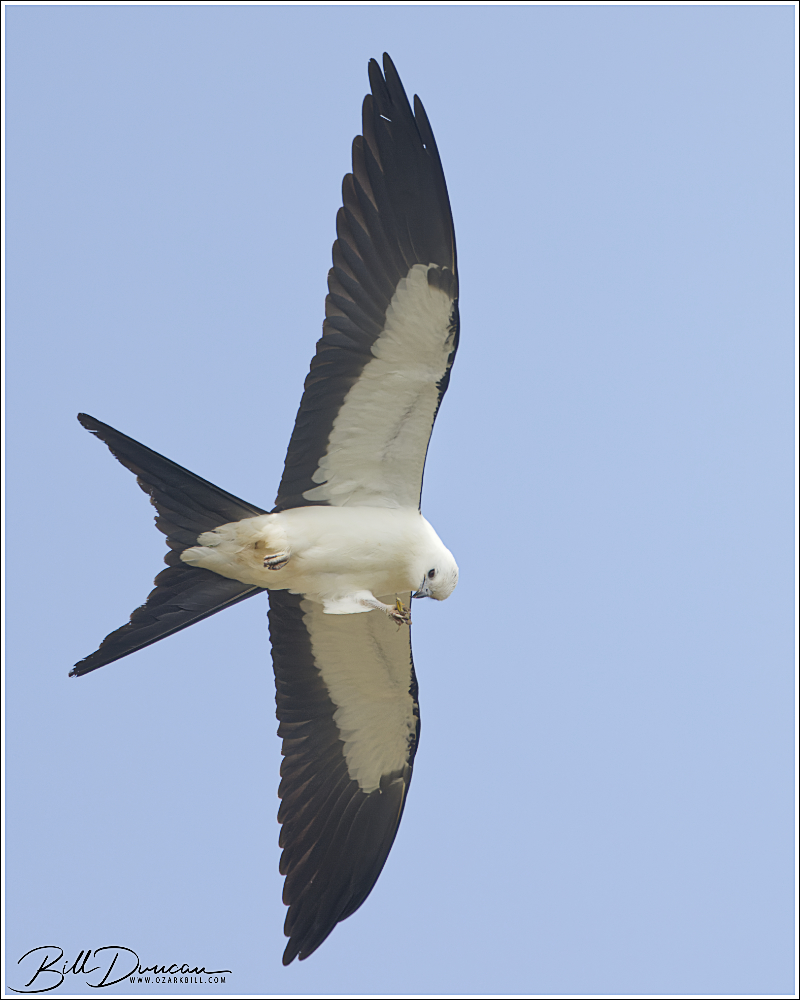
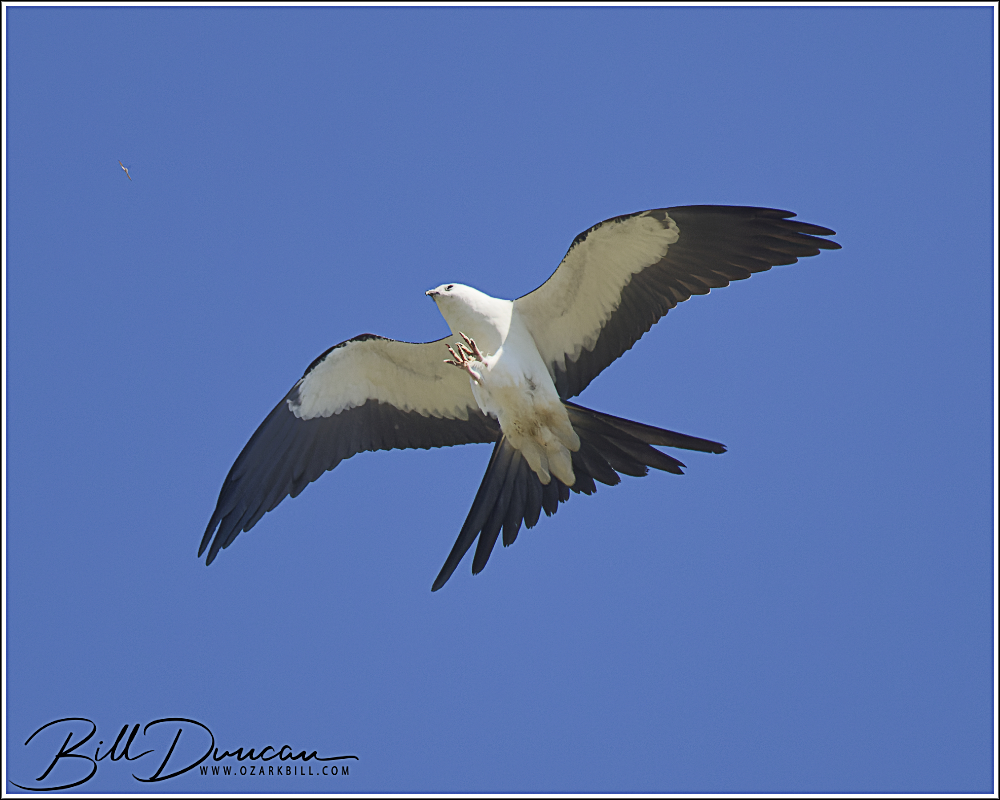
I was naive to the feeding habits of these large birds. In my limited experience with this species in states like Georgia and Texas, I had observed them feeding on larger vertebrate prey like snakes, lizards and small birds. Like their smaller relatives, the Mississippi Kite, this species primarily consumes larger flying insects like cicadas. During my three days of chasing these three birds, I found them eating mostly large grasshoppers.
Swallow-tailed Kite with grasshopper picked off on the wing.
Photographing these birds was unexpectedly frustrating for me and my friends. On the days we were there, the birds did not take to the air until temperatures were sufficiently high to have their insect prey in flight. This meant that we saw them mostly in the hours between 9:00 am and 3:00 pm when light was not ideal and heat distortion in the air would brought us severe frustrations. Although we often found the birds soaring fairly close over our heads, the heat distortion rendered most of our images with disappointing softness. Most of the thousands of images we took were destined for the recycle bins.
Soaring Swallow-tailed Kite
Swallow-tailed Kite with soon to be grasshopper meal
Swallow-tailed Kite tucking wings for quick dissent
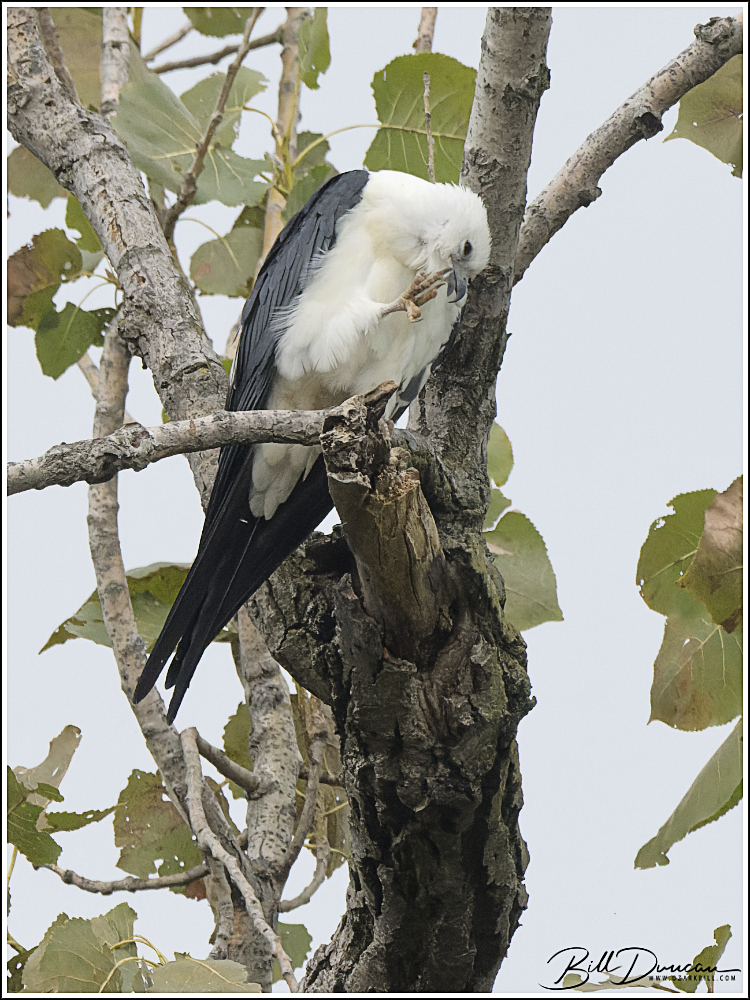
Swallow-tailed Kite having a scratch
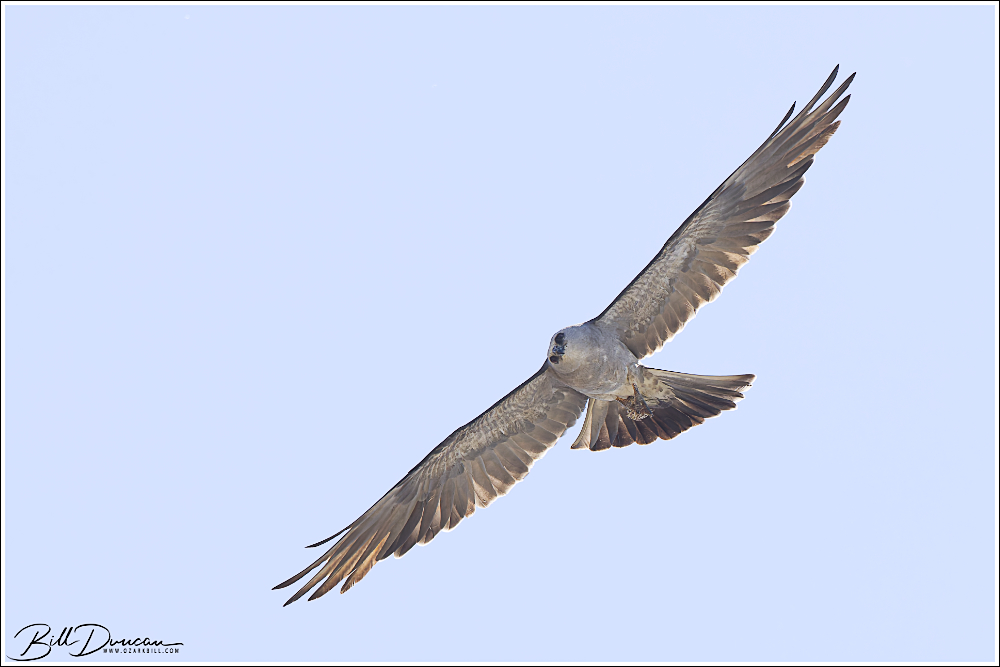
As I mentioned above, Mississippi Kites were found in abundance as well. They must have had a great nesting season as most of the birds I observed seemed to be juveniles. Here are a few of the images I was able to get of these guys.
This seems to have been an unprecedented year for Swallow-tailed Kites in Missouri. In addition to the three I mentioned here, birds of this species were found in other counties across the state. Hopefully this might be another species that we see more often in the future.
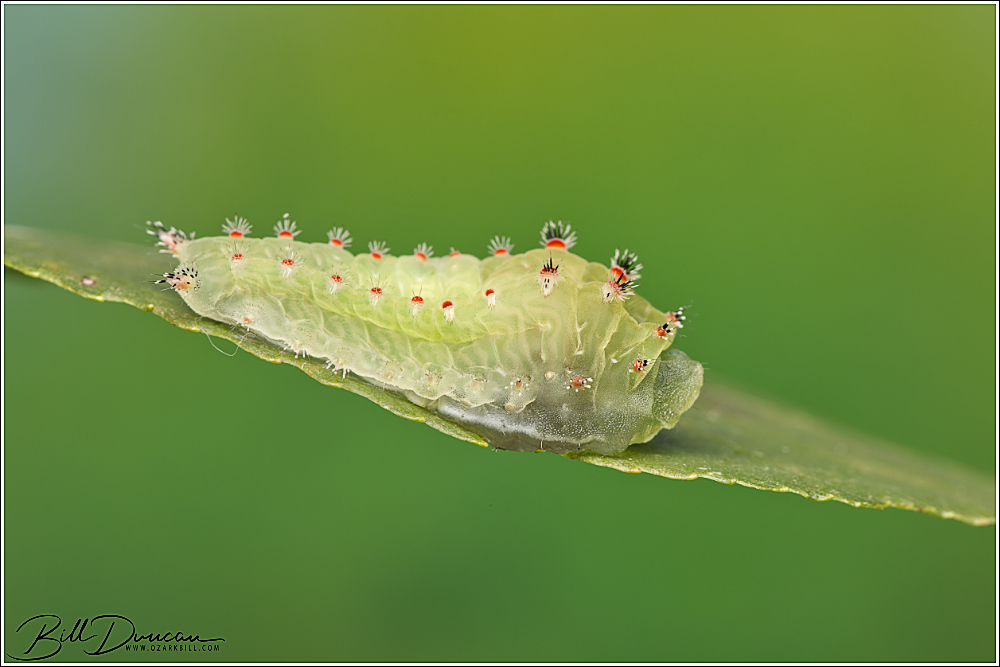
Nason’s Slug Moth Natada nasoni fam. Limacodidae Host plant: Found on oak (Quercus sp.) Date found: 07, Sep, 2024 Locations Found: Kaintuck Hollow, Phelps County, MO Notes: Named after William Abbott Nason, American entomologist (1841-1914).




























 A Thousand Acres of Silphiums