"What a thousand acres of Silphiums looked like when they tickled the bellies of the buffalo is a question never again to be answered, and perhaps not even asked." -Aldo Leopold
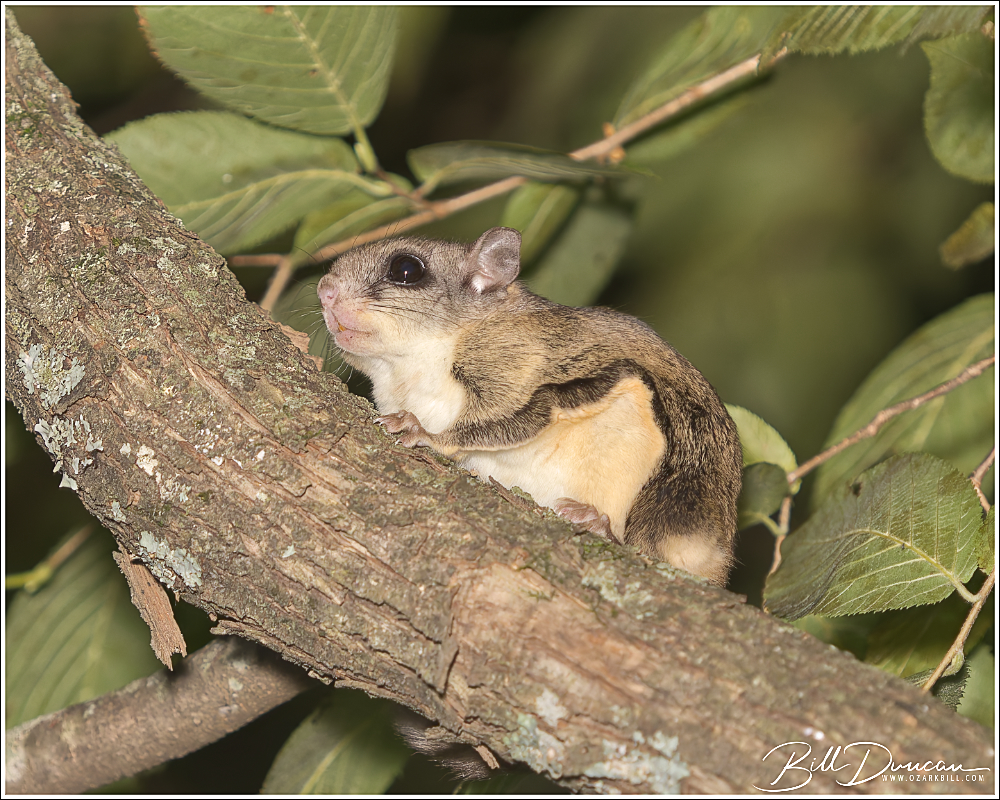
I can’t believe I forgot to include a photo of this wonderful flying squirrel that visited us during a blacklighting night at Engelmann Woods N.A. back in July of this year. I assume it may have been attracted to all of the moths and insects that were being drawn to our lights
southern flying squirrel
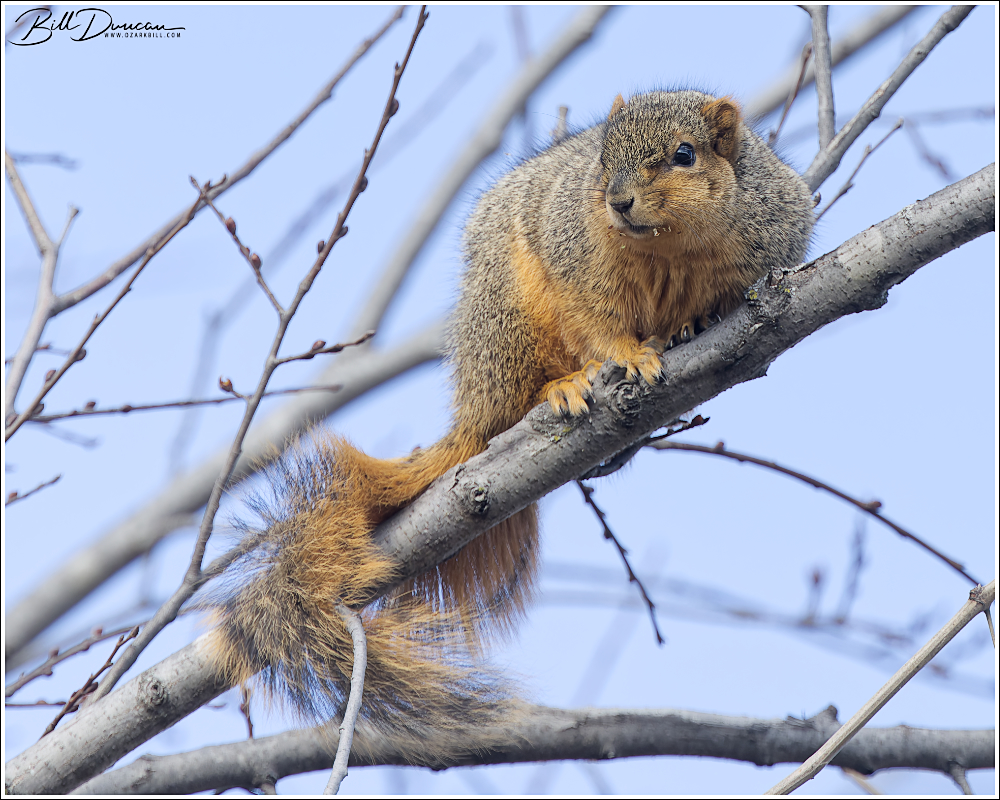
Next up is a photo of a fox squirrel we encountered during the Confluence Area Christmas Bird Count on New Year’s Day. I wish we had these guys in the suburbs rather than the destructive gray bastards.
In population biology the term “refugium” is used to describe a location that supports an isolated population of a once more widespread species. Refugia are almost always referenced in regards to climate. For example, a plant species that has found refuge in a cool and moist valley in a geography that is mostly inhospitable for its survival. I have come to discover another important example of this term in my own suburban neighborhood and examples of which can be found in most major metropolitan areas.
The photos I am sharing today come from the woodlot refugia that supply critical habitat for a variety of organisms that find themselves in the relative ecological desert known as the suburbs.
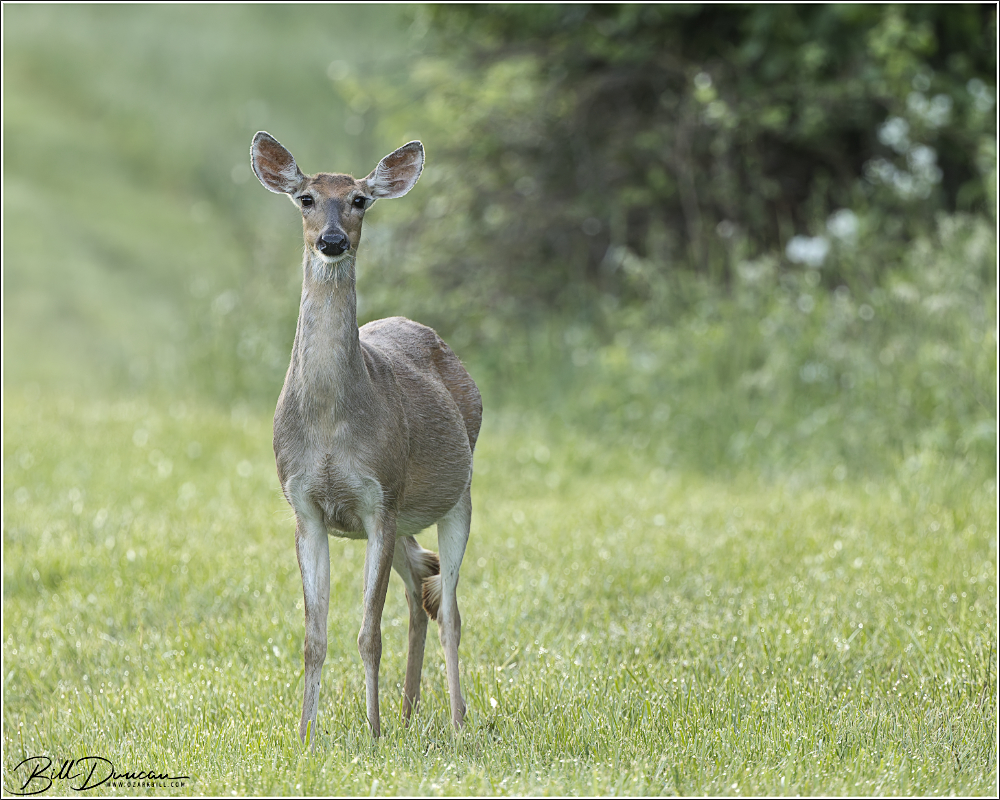
Although white-tailed deer will leave the woodlots to feed in our suburban lawns at night, they use these refugia for much of their feeding and daytime refuge.
Another mammal I frequently encounter on my early morning hikes through the woodlots is the Virginia opossum.
Woodlot refugia are green oases for migrating songbirds looking for food and shelter during their stopovers. There are also resident nesting birds that rely heavily on this resource as well.
Barred Owls (pictured above) and Great-horned Owls reside and nest in woodlot refugia.
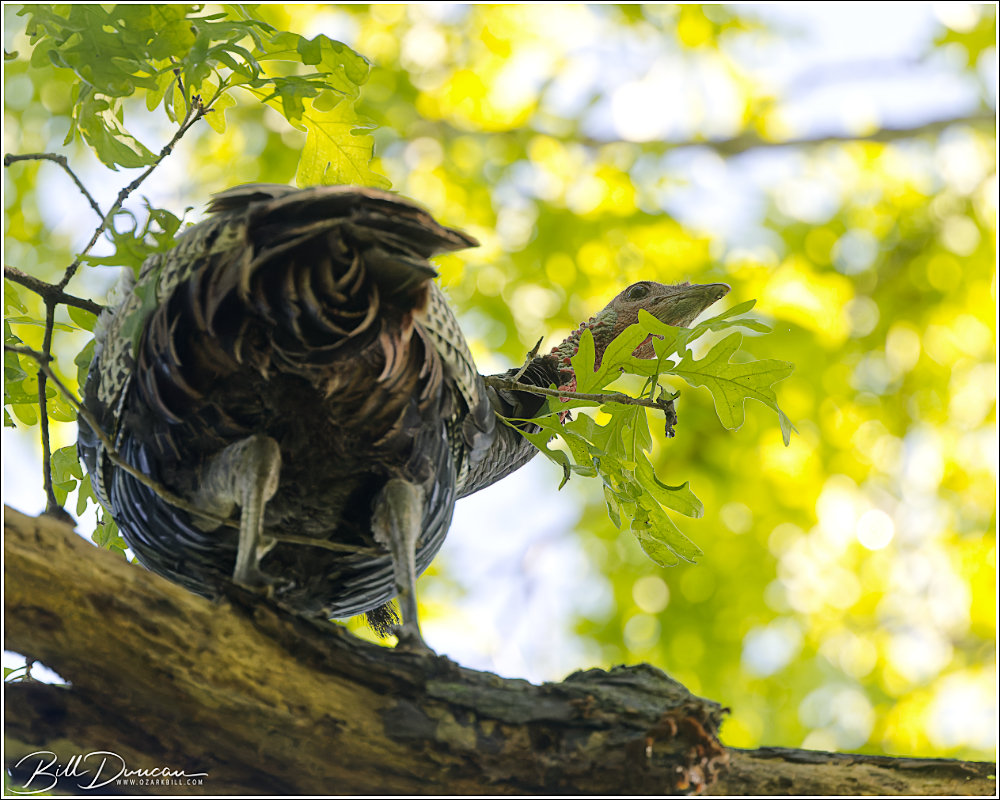
One of my woodlots, that I have named “Gobbler Hollow” holds a flock of close to two dozen Wild Turkeys.
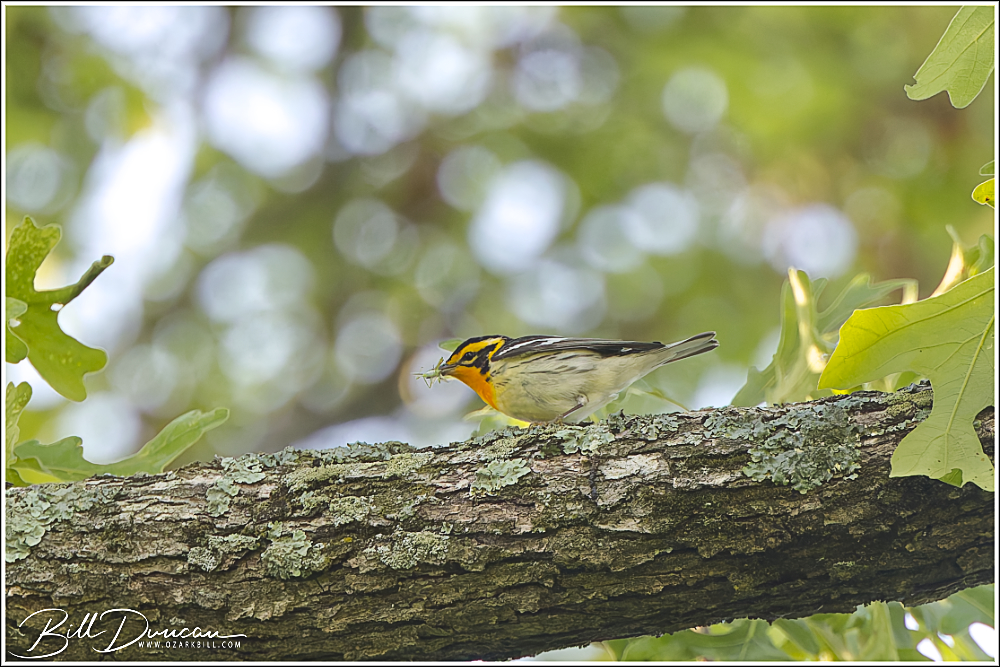
Here are a few migrant songbirds that stop at our woodlot refugia during their northward trip to nesting grounds.
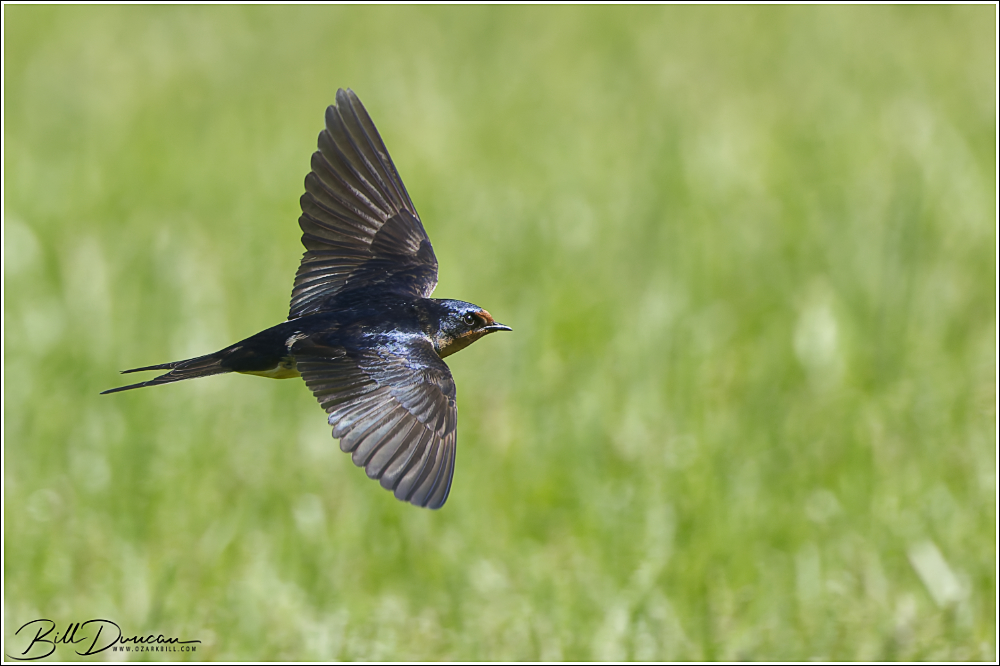
This final bird is not necessarily a user of the woodlot refugia, but it is a bird I always look forward to seeing return in the spring when I walk through our common grounds turf fields on my way to the woodlots.
Barn Swallow flying over turf picking up insects.
Please make note of potential woodlot refugia in your neighborhoods. It is so easy to lose a 1-10 acre woodlot in the name of neighborhood development, but these places are critical refugia to the flora and fauna we share our homes with.
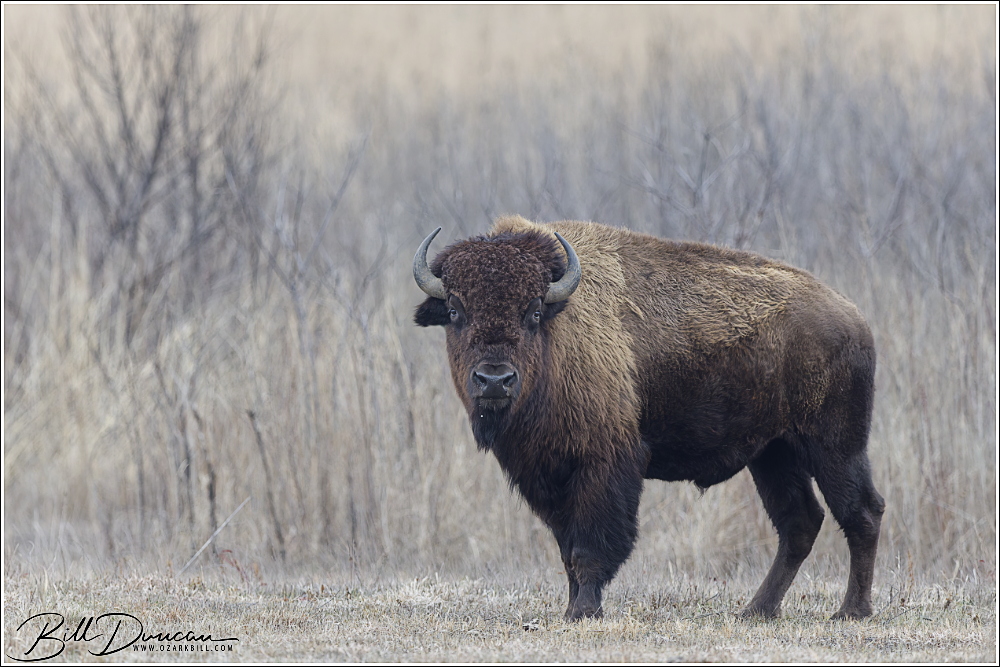
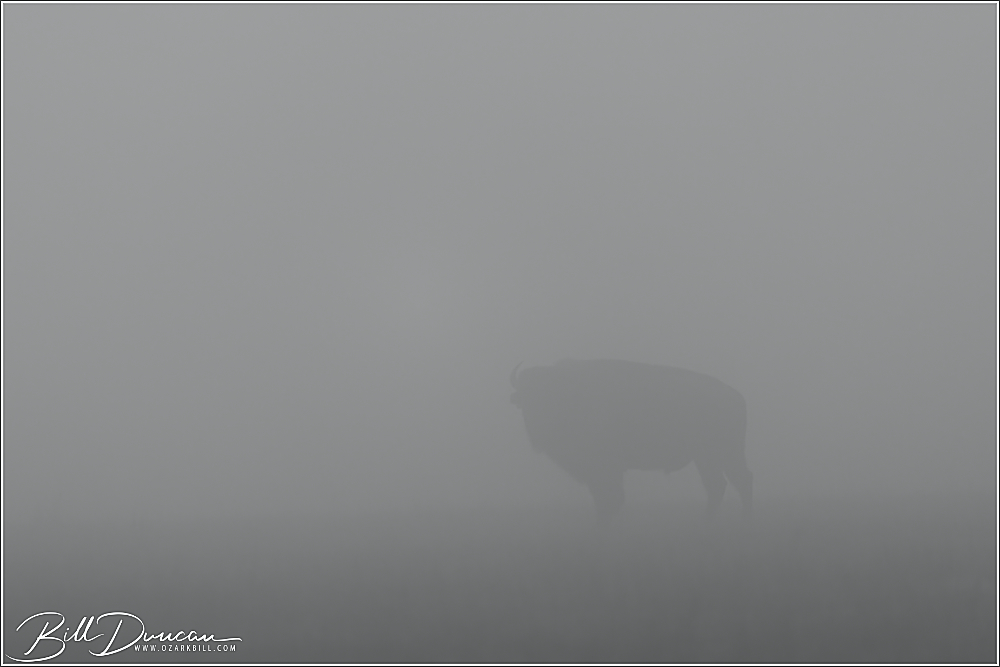
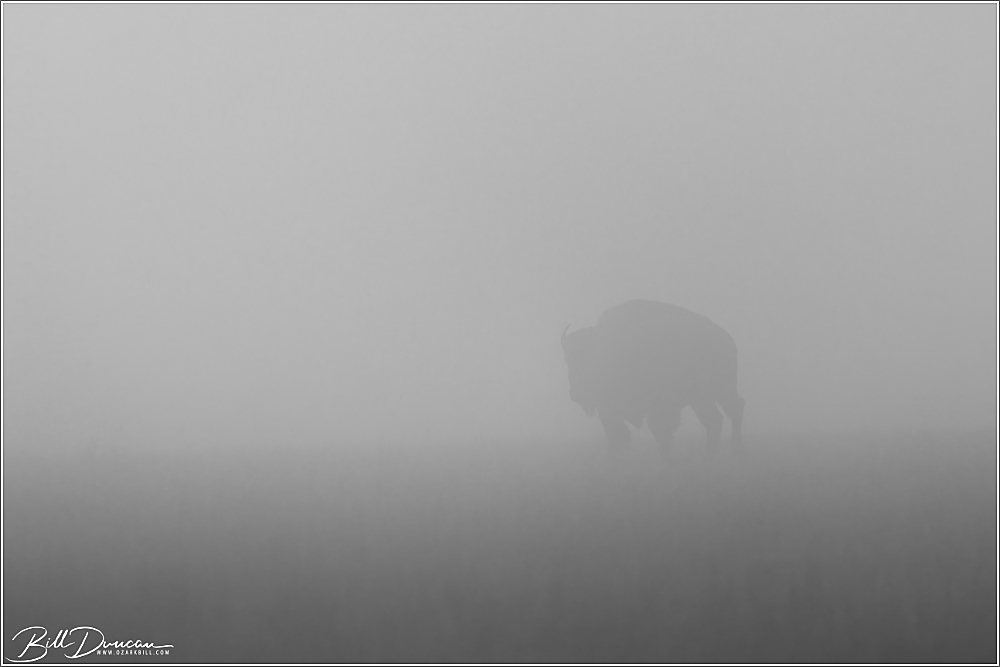
Over the holiday break, the WGNSS Nature Photography Group traveled to southwestern Missouri to visit Prairie State Park and surrounding prairie and wetland locations. We were hoping for opportunities to photograph the free-roaming bison within Prairie SP and hopefully find some interesting winter vagrant bird species. Likely due to the unseasonably warm conditions we were having, finding birds was a no-go. Thankfully the bison were there as expected. On two of the mornings we were there, the fog was incredibly thick. It made for some interesting photos but we had to be careful to not stumble too closely onto fog-concealed bison that probably would not appreciate that.
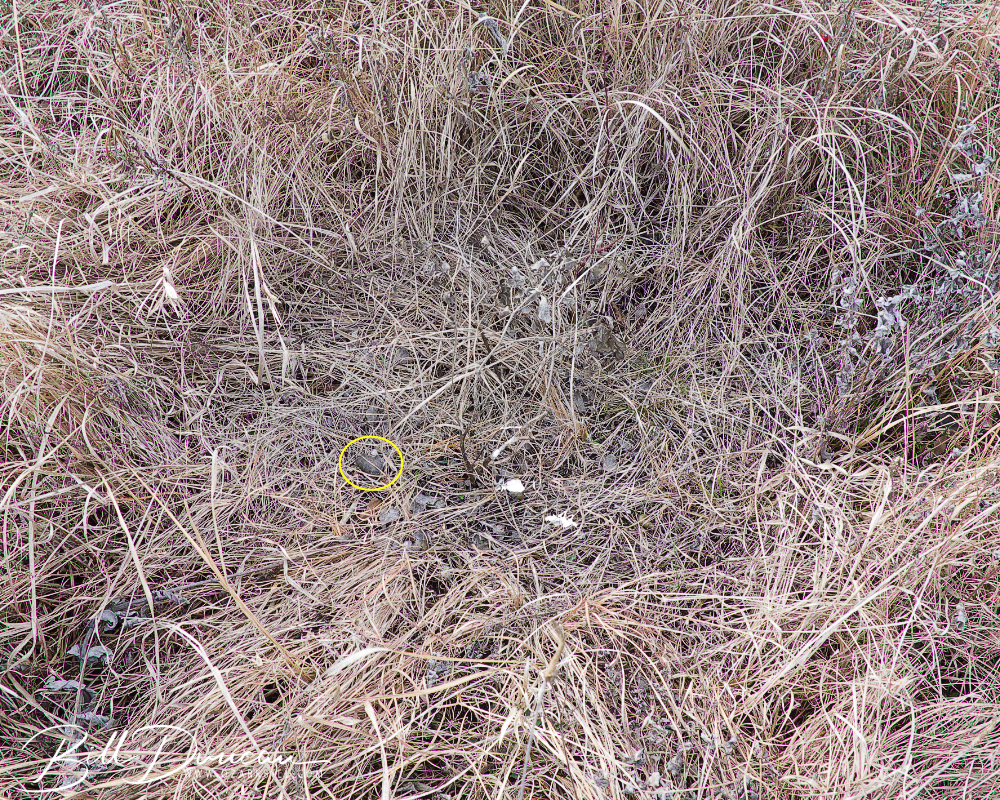
I did have a bird related first on this trip. While walking through Golden Prairie in Barton County, we stumbled upon the depression pictured below. In the center of the depression were fresh urates (nitrogenous waste produced by birds and reptiles) and also within the depression was a fresh owl pellet, still warm and stinking. We stumbled across the day-roost of a Short-eared Owl! After taking a picture, I picked up the pellet to add to my collection. I now only need to collect pellets of the Eastern Screech Owl to finish the owls of Missouri. The pellet can be seen within the yellow circle in this picture.
Theis depression in the prairie grasses was a daytime roosting area of a Short-eared Owl
In five years living in our current home, there has not been a single occurrence of any of the numerous, and often misbehaving, white-tailed deer of the neighborhood jumping the short fence that encloses the upper half of our backyard. I had gotten so convinced that we would never see a deer in this area that I put more deer-palate-friendly woody plants in this part of the yard and only have minimal protection against rabbits. The absence of deer from this enclosed portion of the yard, I suspect, is due to the relatively small area and closeness to the house. The fence is short and is an easy hop for the average deer.
Bucky on the first day we met. Notice the swollen front right leg.
About two weeks ago our new guest, Bucky, arrived. I had first seen Bucky early one morning as I was leaving the house for a walk. He was standing in the yard, very close to the side of our house. I hadn’t given it too much thought, but upon returning about an hour or so later, he hadn’t moved. As I got closer to the house, I guess I got a bit too close for his liking and he began to walk away. Then I noticed he had a very injured front leg. The leg, dangling and disjointed, was obviously of little use and Bucky was hesitant to put any weight at all on the appendage. He was able to move far enough that I eventually lost sight of him and I figured if I ever saw him again, he would probably be deceased somewhere in the neighborhood.
One of Bucky’s resting spots
A few days later as I was sleeping in during my holiday break, Sarah rudely woke me up and told me to look out the blinds. There was a buck lying down, damn near touching the edge of our screen porch inside the fenced area of our backyard! Well, I was concerned and perturbed and I went outside as fast as I could to persuade this brute to move on. Upon watching him get up and start moving, I discovered it was the deer I had seen several days earlier – Bucky! I stood in disbelief as this prime, but severely injured deer leaped over the fence with only three working legs.
Cleaning out the “deer feeder”
Moving this story along, Bucky has now been a regular visitor inside my fenced fortification. We do not see him every day, but he often arrives during the night to take his usual sleeping spot. By the looks of what he’s been dropping in the yard, he even seems to be getting plenty to eat. I imagine he might be using this spot to escape other large bucks in the area and potentially coyotes that I have heard in the neighborhood. I have sprayed my tasty woodies with deer repellent to dissuade him from nibbling but he has destroyed a couple of tree enclosures and has damaged, now for the forth time since planting, my poor nannyberry. Despite this, we have decided to let him squat. It’s a relatively secure spot for him to attempt to recuperate and he can access my lower bird feeder to get a little bite now and then. Hopefully in return, he can do me the favor of dropping those antlers in the yard.
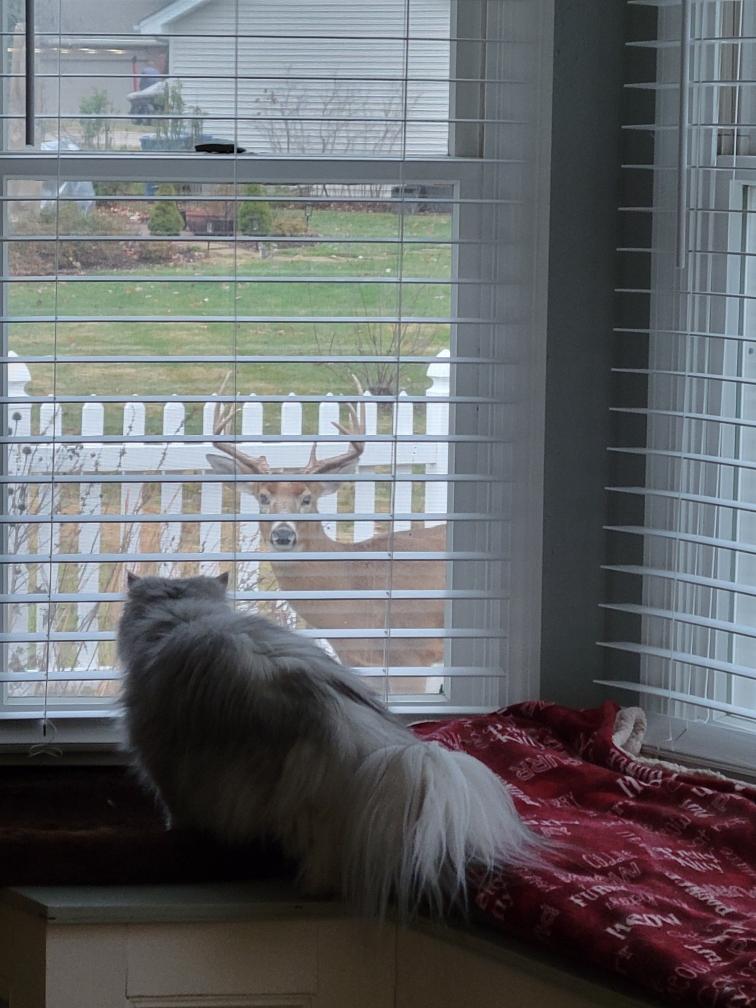
Bucky and Phoebe getting acquainted
Time will tell whether Bucky will get back on his feet or not. He’ll definitely have to be tough to get through the weather we are having currently. It has been two days since we last saw him. If I find out anything else about his fortune, I’ll be sure to update here.
-OZB
January 10th update.
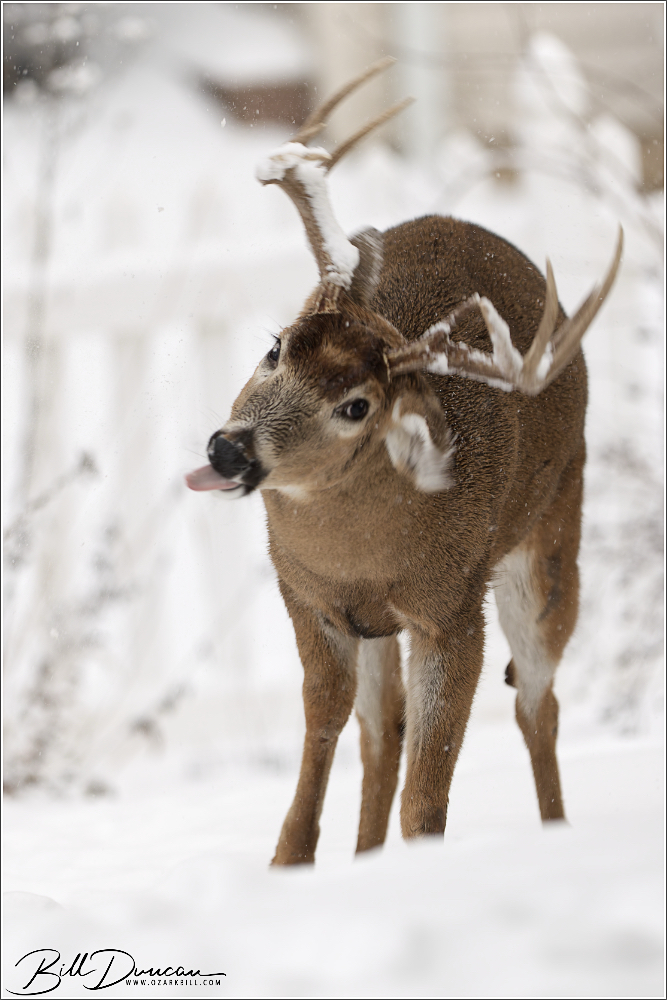
Bucky returned last night after not being seen for four days. Unfortunately I wasn’t paying attention as I fed the birds and by the time I noticed he had already stood up from his bedding area. I went and grabbed the camera and got some shots as he shook off some snow and did a little grooming. He then jumped the fence to make his daily rounds.
The WGNSS Nature Photography Group headed to the St. Louis Zoo during a frigid winter spell this past weekend. Light could have been better and we struck out on a few things we were targeting, but I am pleased with a few images I was able to make. Everyone was well bundled for the conditions and I think had a nice time.
The takin, one of my favorite animals, is a large ungulate classified as vulnerable to extinction. It can be found in the eastern Himalayas.
The closest living relative of the giant panda and equipped with false thumbs used for grasping bamboo stalks, the red panda can also be found in the eastern Himalayas. Its conservation status is currently endangered.
Listed as vulnerable to extinction, the Red-naped crane can be found in eastern Asian countries of Mongolia, China, Russia, Korea among others.
With a current population in the wild of around 100 individuals, the Amur leopard is critically endangered.
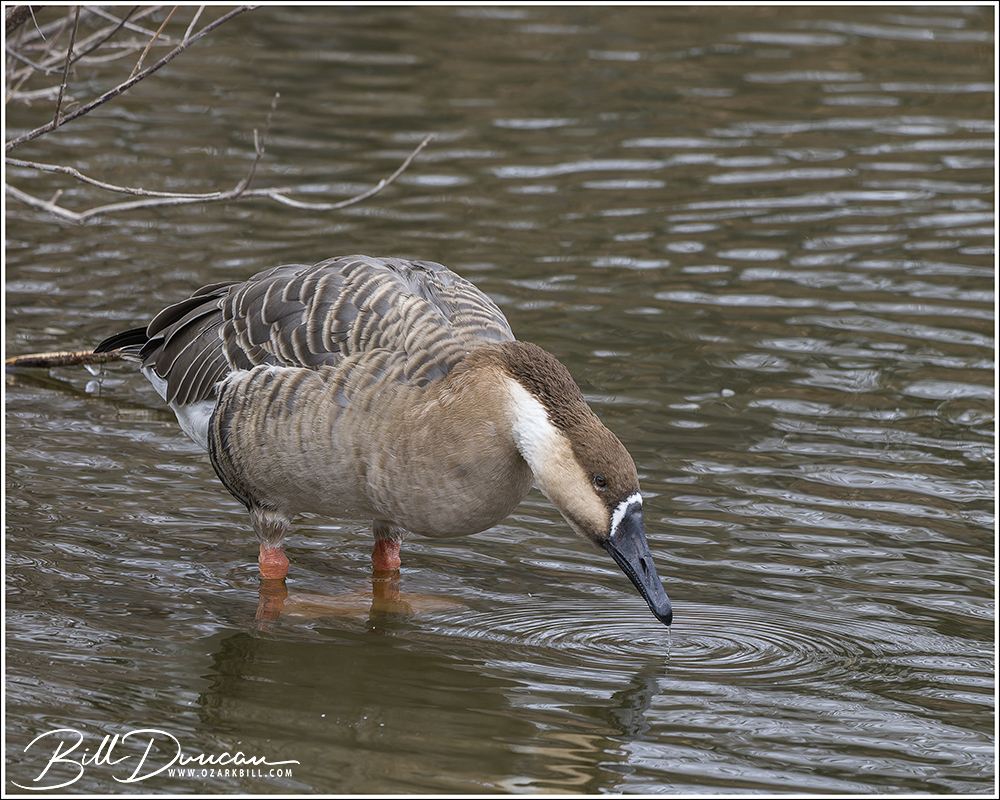
Classified by the IUCN as endangered, the Swan Goose can also be found in feral and domesticated populations outside its original north and east Asian distributions.
The St. Louis Zoo also contains a number of species native to Missouri, most of which are rescued animals that have poor chances of survival in the wild. Some, like the eastern grey squirrel and eastern cottontail, along with some waterfowl and wading birds are wild species that stick to the zoo grounds looking for easy meals.
Bald Eagle
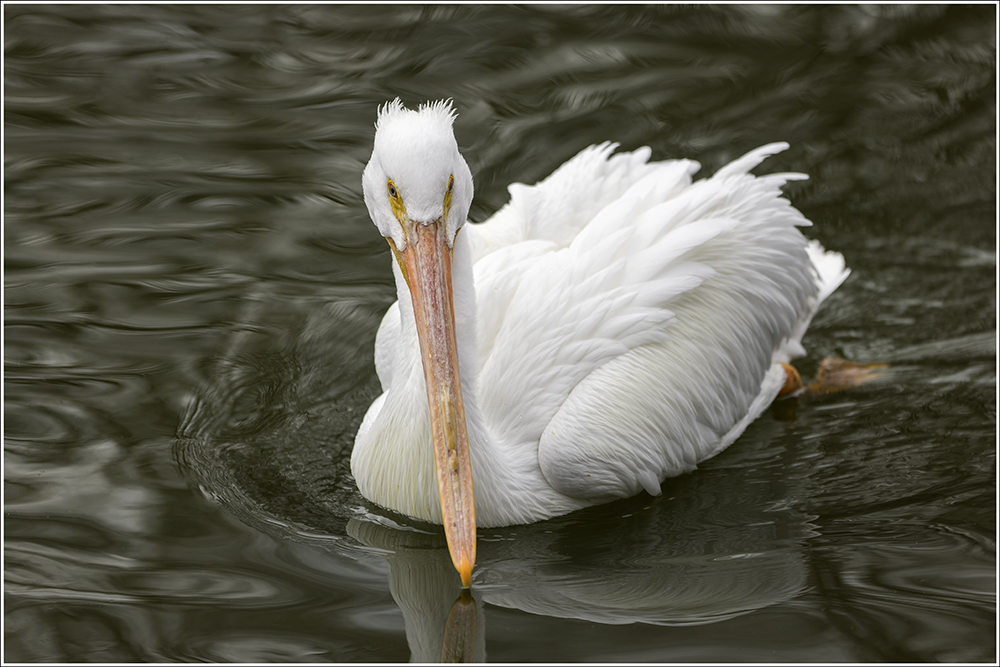
Trumpeter Swan cygnet Trumpeter Swan adultAmerican White PelicanAmerican White Pelicaneastern cottontaileastern grey squirrel
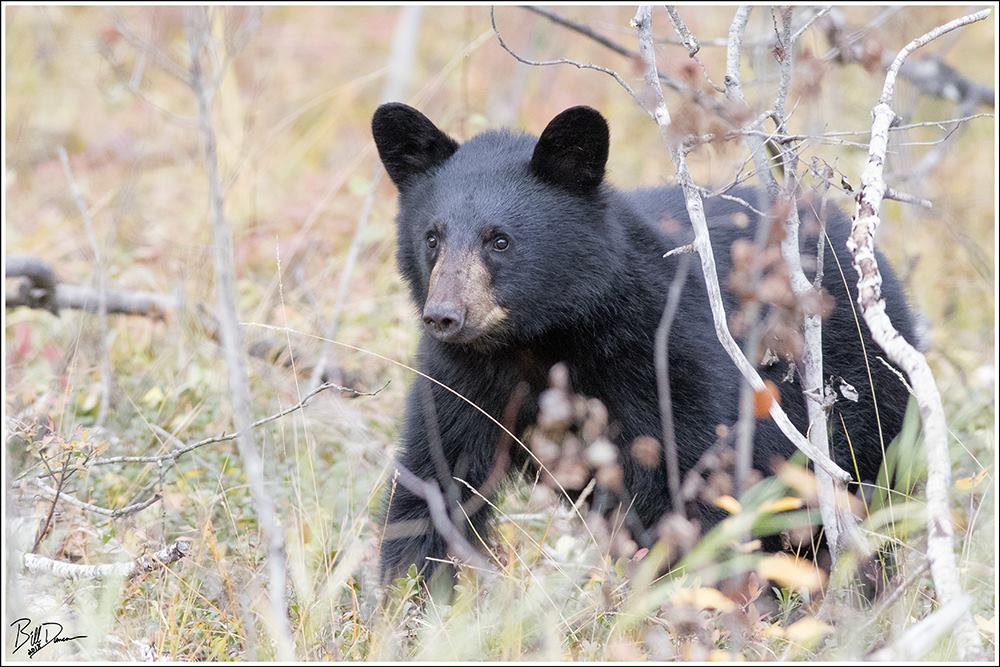
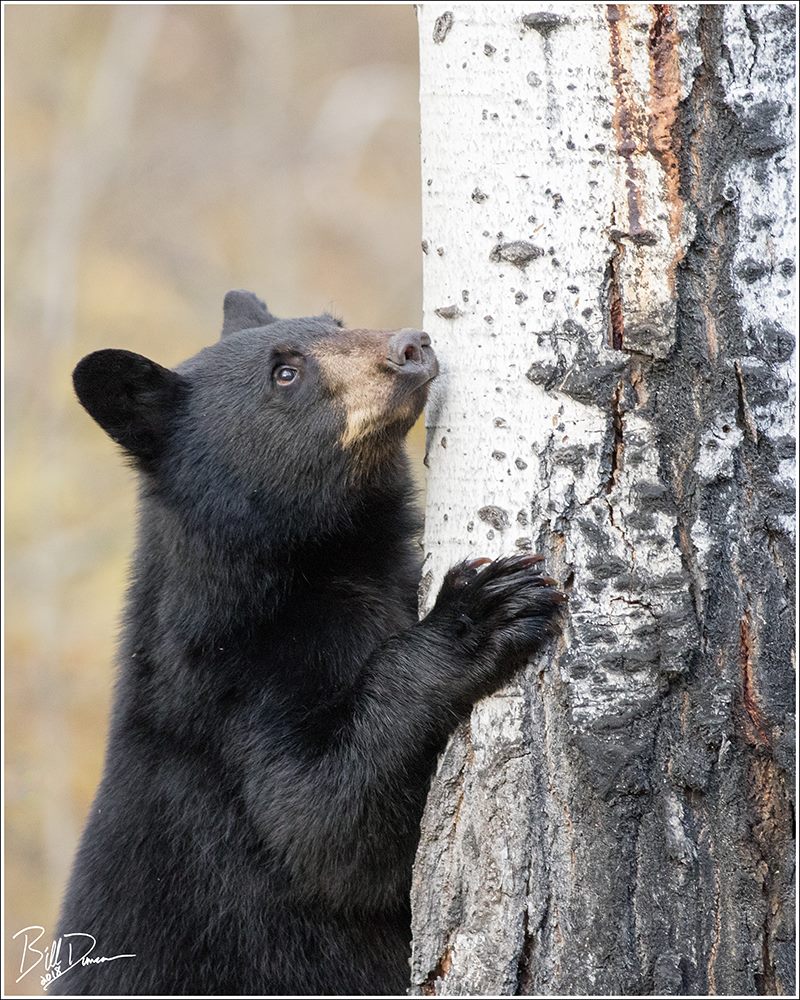
Another set from the bowels of Facebook that I want to capture on the blog. These were taken on a work trip to inspect Canola fields in Saskatchewan. We had some extra time to visit Prince Albert National Park where I had the opportunity to photograph my first bears – this mom and her cub.
The upcoming rut season brings mixed feelings. I’m definitely looking forward to shooting the brutes in a couple months or so, but I also know they’ll be trying their best to rub on my establishing trees and bushes in the yard. I have most everything protected but still have some trunks that I need to cover before the first of September when they’ll begin rubbing the velvet off of their antlers. We lost a flowering dogwood to one of them last year and hope not to have that repeated.
Here are some photos that I took on an outing with Miguel last autumn. All images were taken with a 500 mm lens.
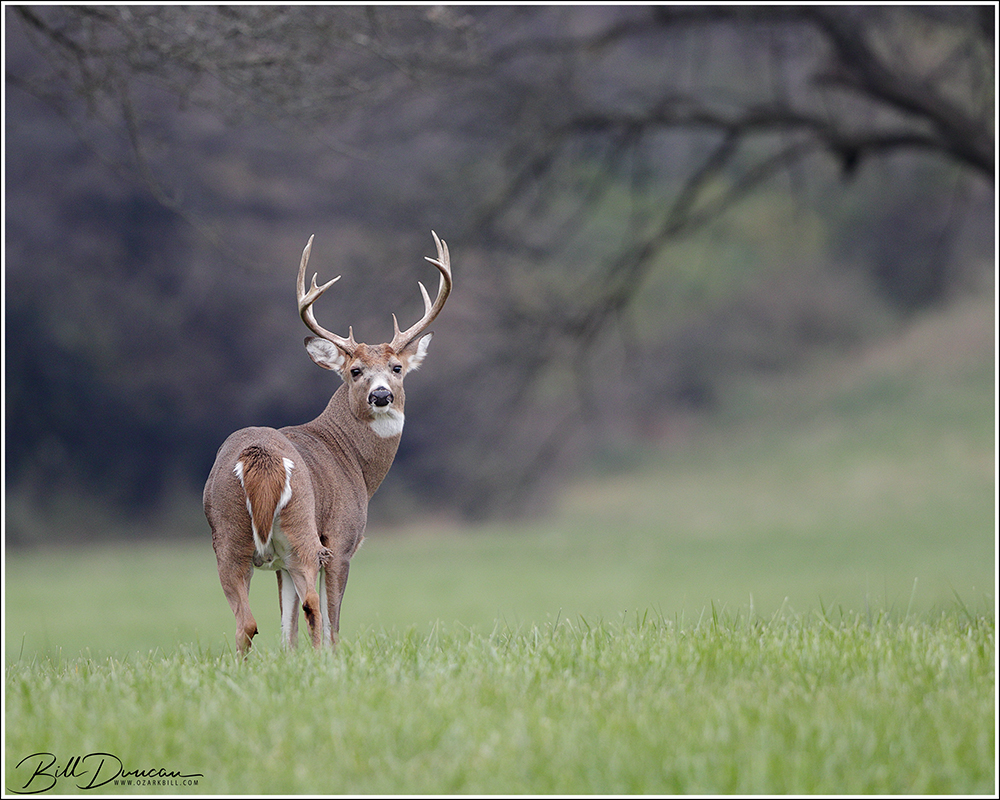
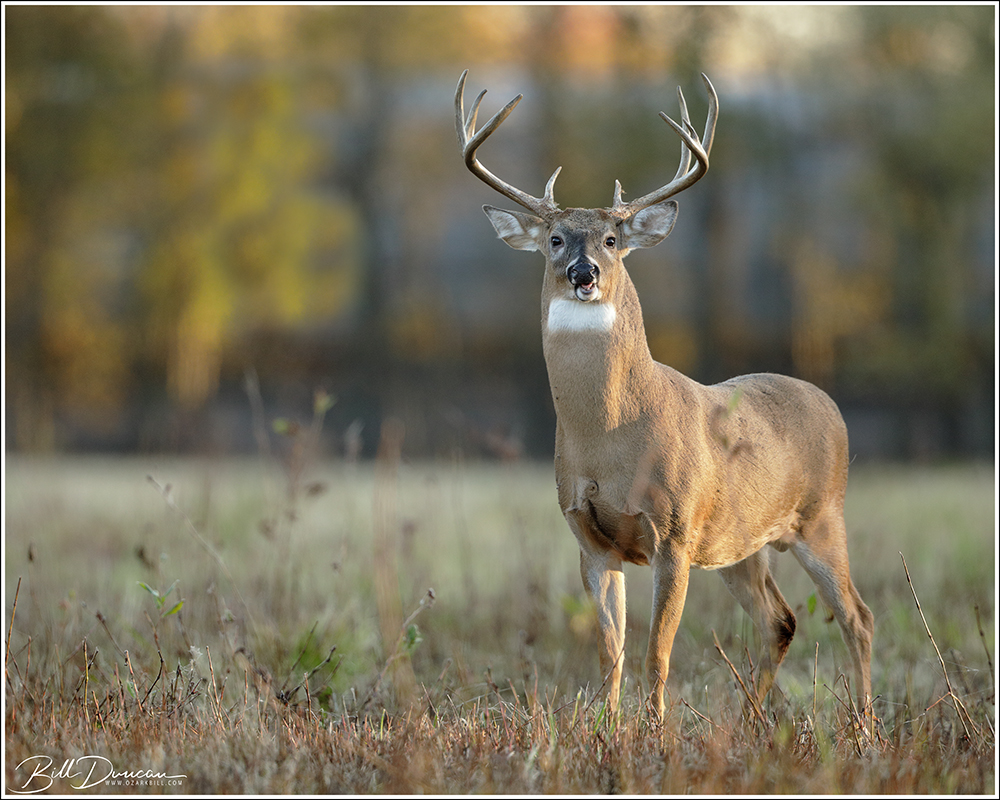
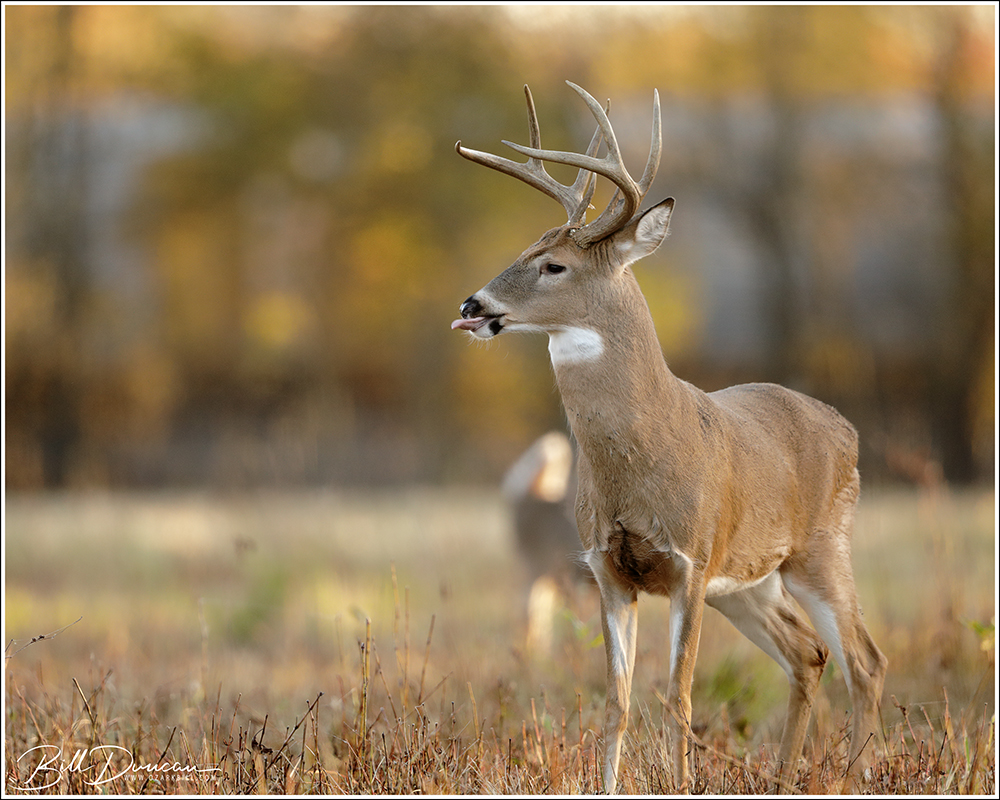
The rut of 2020 turned out pretty well for me. I was able to get to my favorite place for this type of photography five or six times. I tried for a few more days, but weather and flooding caused me to change plans. I didn’t get any high action shots, but I am happy with the portraits I got of some of the larger bucks in this herd.
This smaller eight-pointer has an extra antler growing.
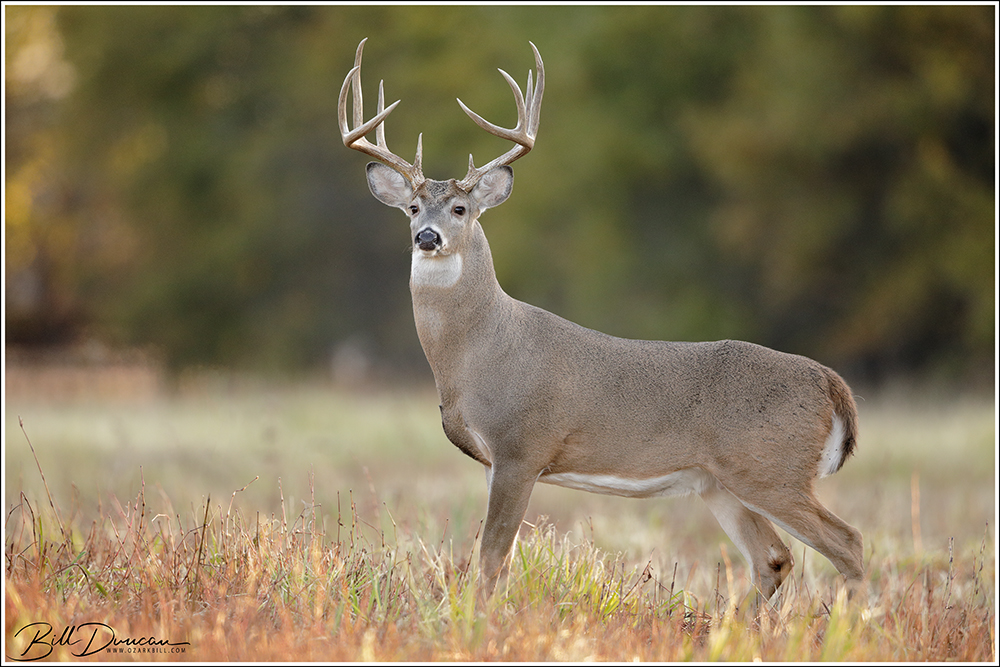
White-tailed bucks will often drool in the heat of the rut.
This “wide eight” knew somebody was watching but never did find me.
A buck looking for just the right scent on the breeze.
This guy thinks he found the one. He chased her into the bush and beyond my sight.
Waiting on the edge of the dance floor.
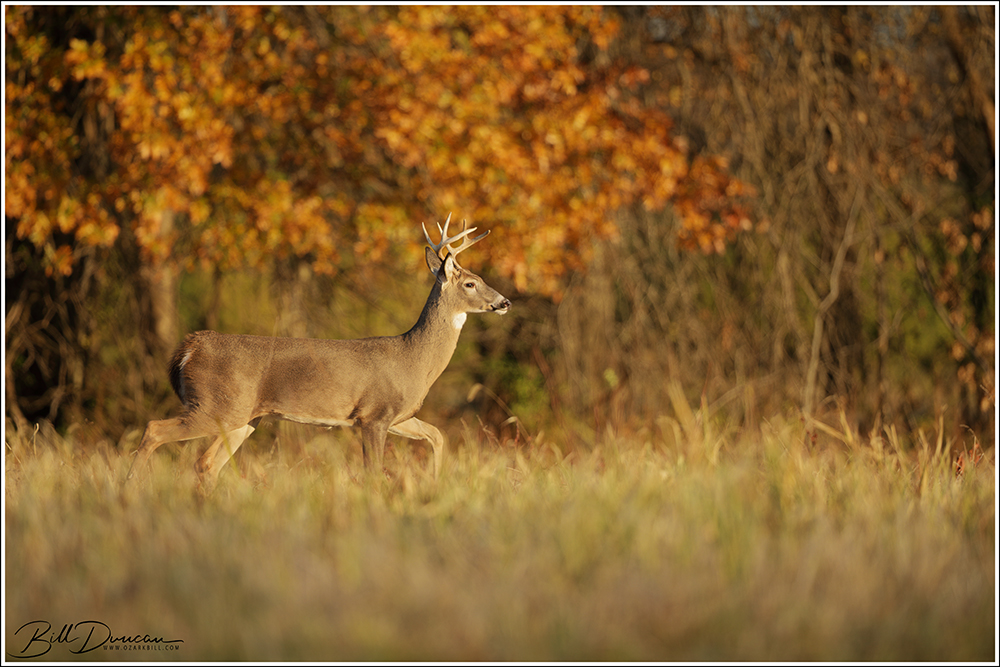
This location was not the greatest for fall colors, but I lucked into a couple of interesting environmental portraits.
I lucked into this guy walking under the nicest colored tree in the area.
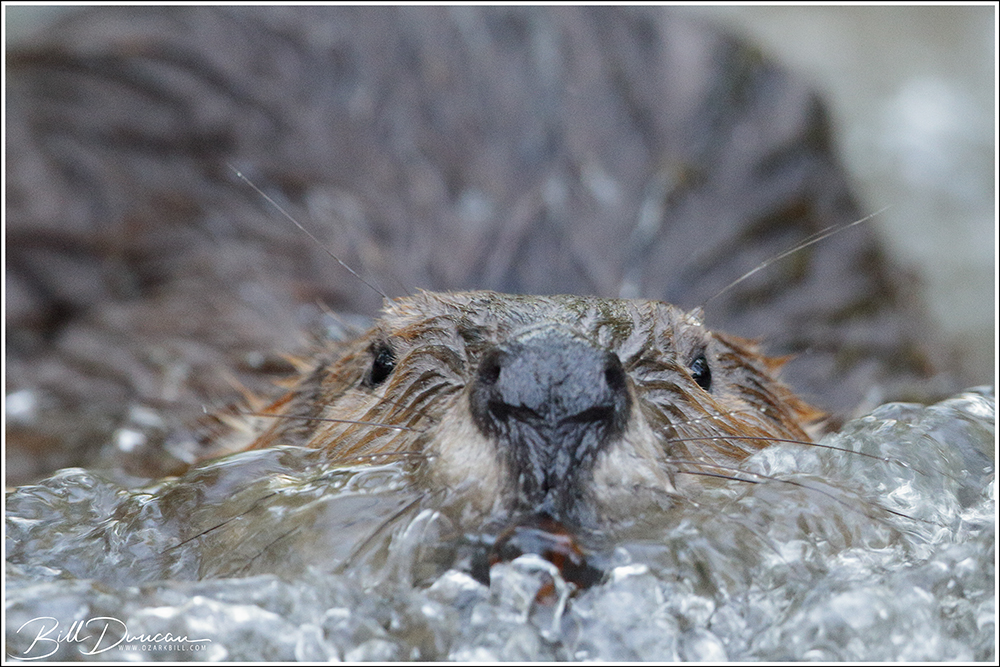
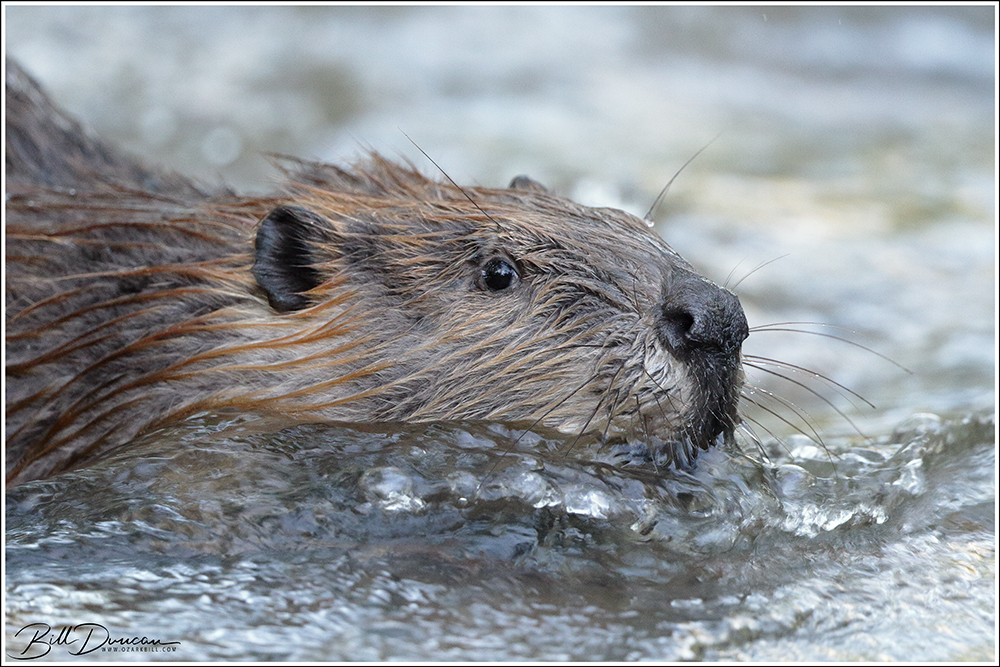
A North American beaver pushing its way upstream to get back to its den to spend the day.
Thought I was getting racy? These photos were taken at Weldon Springs CA this past spring when Dave, Miguel and I were hoping to score some photos of newly arriving birds. The birding was slow this day, if I remember correctly, but here is a fantastic example of why it is always worth while to get out as early as possible.
North American beaver (Castor canadensis)
While standing on a low-water crossing the guys and I noticed a mass coming upstream towards us. It didn’t take long to discover that a beaver was on its way and would have to get by us to reach its destination farther upstream. We all shot away with our long lenses until this guy got closer than our minimum focal distances. It hesitated a bit and hurried back downstream as Miguel moved to get in a different position, but eventually climbed up the crossing and moved to the other side. He was so close to us during its crossing that Dave could have potentially petted him if he had wanted to.
Striped Skunk (Mephitis mephitis)
This Stinkor was found in a nearby field later that same morning. The eyesight of both species is pretty awful. If you come across these guys, there is no need to be concerned. Simply move slowly and as silently as possible and you will likely have plenty of time to observe them without being noticed. I have had several close encounters with skunks and have never felt threatened with being sprayed.
Until this autumn, I never considered targeting our abundant white-tailed deer as a photo subject. When my friend, Miguel, brought up the idea along with a place with a lot of potential, I asked him to lead the way. We set up in a copse of trees located near the center of a scrub field in an area that does not allow hunting and Miguel’s predictions of worry-free males still on the hunt came to fruition.
Buck and Foxtail
Although I cam ill-prepared, leaving my tripod and any other means of support at home, the light was just sweet enough to allow for proper hand-holding the big 500mm. Once I took off the unnecessary teleconverter, it worked even better.
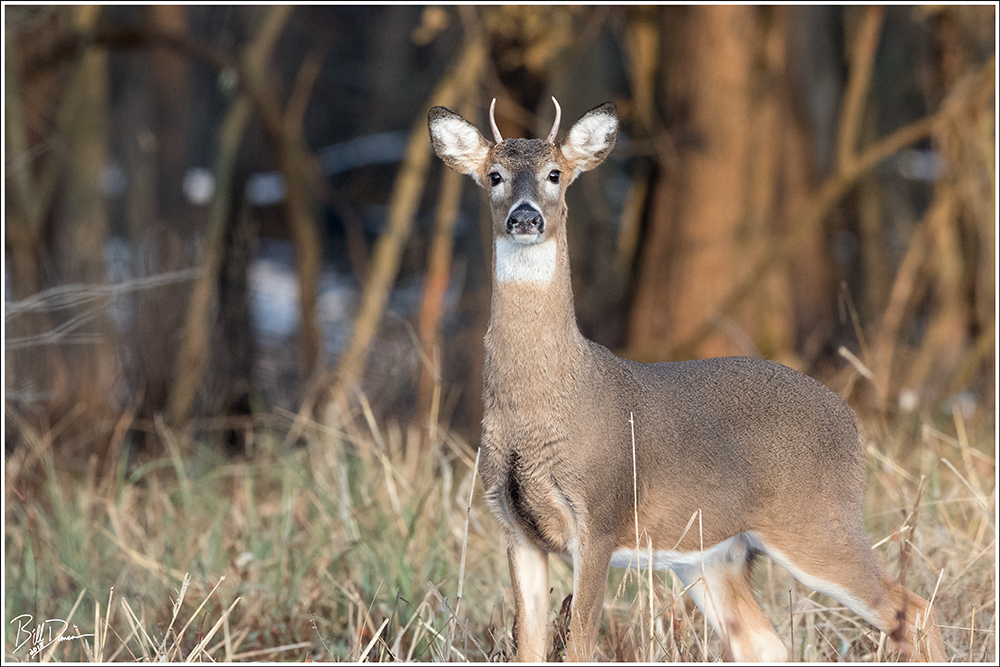
Spike
We counted at least two larger bucks that patrolled the area, but found this young spike buck as well. He was not quite as confident as the other two.
Doe
Females walked the area as well, but were more skittish. The bucks were more curious when they first heard the sounds of our shutters slapping and picked up our sent in the light morning breeze. The does, however, tended to trot away at first sign that something different lurked in our copse.
White-tailed Deer
This spot turned out to be quite nice. With the rising sun to our backs, the trees at the far edge of the field provides for a nice backdrop for that warm light to hit against. These guys have probably, or will soon be dropping these nice racks. With any luck we can try more of this next year.


























 A Thousand Acres of Silphiums