Caterpillars of 2023 – The Notodontidae

Today I am featuring the more interesting larvae we found of the Notodontidae Family, commonly known as the prominent moths. This is a widely distributed and diverse family with close to 4,000 species described worldwide. Hosts for this family are mostly woody plants and we often find these feeding on oaks and hickories.

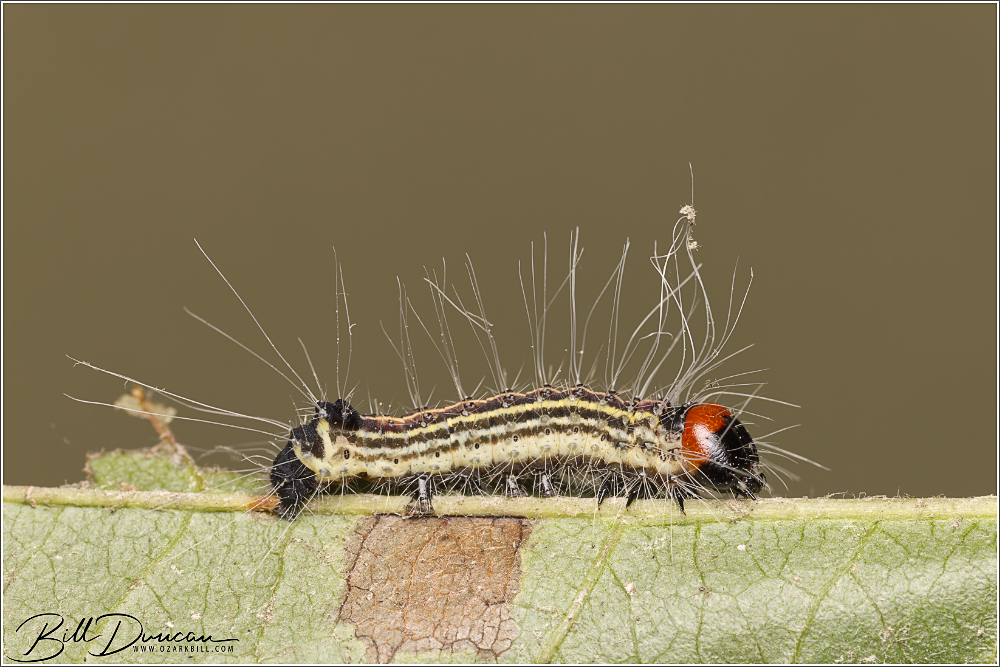
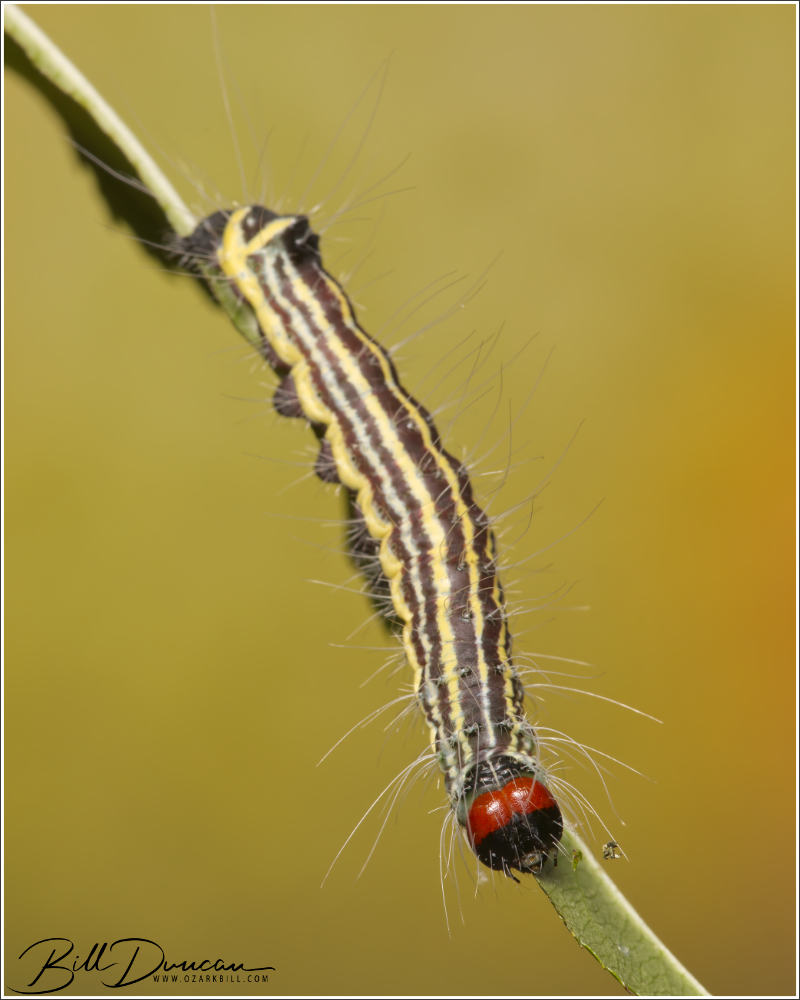
Variable Oakleaf Caterpillar (Lochmaeus manteo) Notodontidae, Hodges#7998
Finding a lot more than I decided to photograph, this aptly-named species feeds primarily on oaks (Quercus sp.) and is highly variable in coloration and pattern. This is a species you may get tired of finding when focusing on oaks during your searches.

Mottled Prominent (Macrurocampa marthesia) Notodontidae, Hodges#7975
We found a few of these guys this year and I find these to be very handsome little cats.

Heterocampa pulverea, Notodontidae, Hodges#7990.1
Until recently, this was a pretty large genus, containing close to 50 species. A couple of years ago, armed with molecular data, this genus was split and now contains 18 species. This one was found on a WGNSS group outing at Pickle Spring Conservation Area in early September.

Orange-banded Prominent (Litodonta hydromeli) Notodontidae, Hodges#7968
We found this guy on another WGNSS outing while looking for the bumelia borer beetle (Plinthocoelium suaveolens). We did not find our target that day but I was thrilled to find this cat that previously I did not know existed. This is another specialist that only feeds on the gum bumelia (Sideroxylon lanuginosum).

Saddled Prominent (Cecrita guttivitta) Notodontidae, Hodges#7994
This is a very common species that feeds on oaks and until recently belonged in the genus Heterocampa.

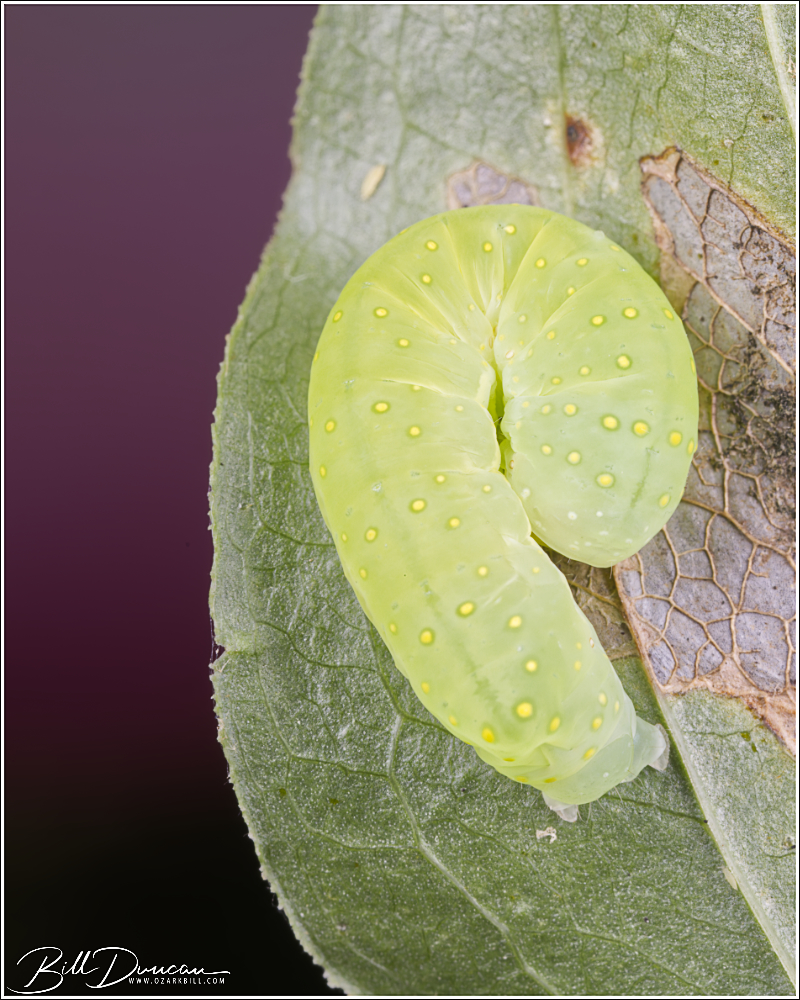
White-streaked Prominent (Ianassa lignicolor) Notodontidae, Hodges#8017
Also known as the lace-capped caterpillar, this is one of many caterpillars in this family that hide in plain sight. You will almost always find these sitting on the section of leaf they have previously eaten, using their coloration and patterns to look like a diseased or senescent portion of the leaf. These can be quite tricky to find until you get the right search engine installed in your brain.

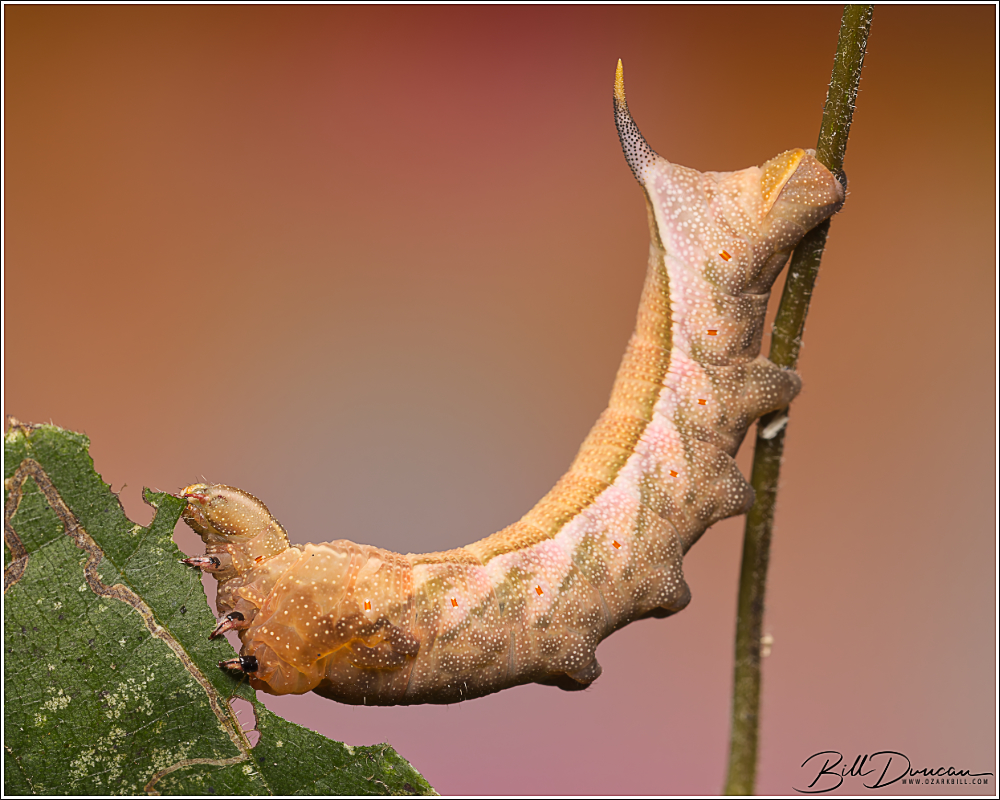
Red-washed Prominent (Oedemasia_semirufescens) Notodontidae, Hodges#8012
Although considered fairly common, this was the first year I was finally able to find one of these outstanding cats. This species is quite polyphagous, feeding on almost any native woody plants. One of the two we found this year was feeding on pawpaw (Asimina triloba).

Datana Caterpillars (Datana sp.) Notodontidae
Most notodontids are solitary. But certain groups, like these Datana are gregarious and can be found in large groups even in later instars.

Contracted Datana Caterpillars (Datana contracta)
A group of datana caterpillars (Datana sp.)

Symmerista Prominents (Symmerista sp.) Notodontidae
Another gregarious taxa, the Symmerista are notoriously difficult to identify to species in both larval and adult phases.

Symmerista sp. caterpillars

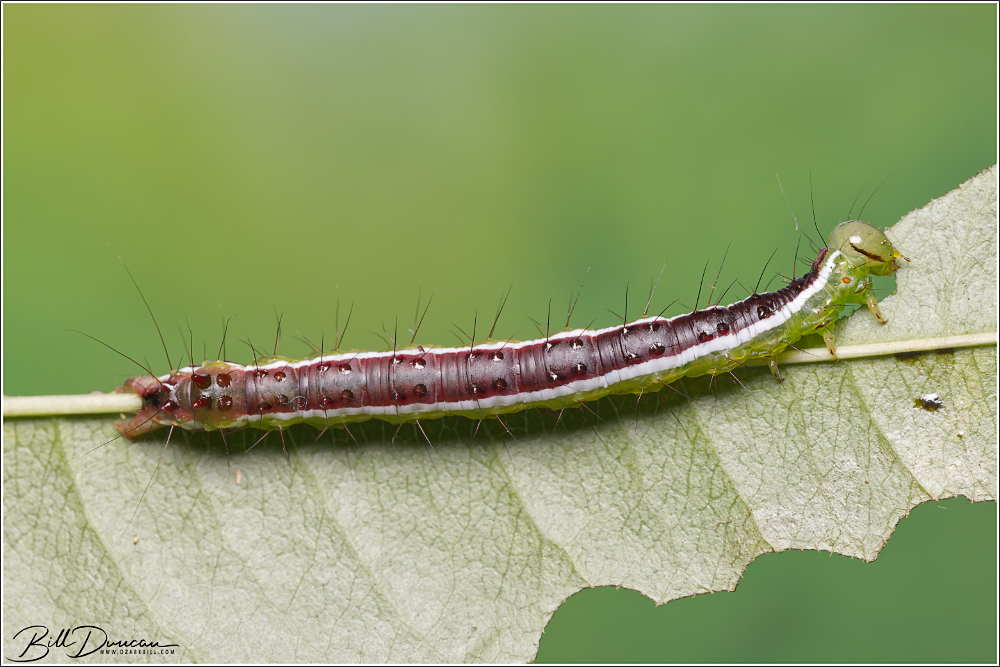
White-dotted Prominent (Nadata gibbosa) Notodontidae, Hodges#7915
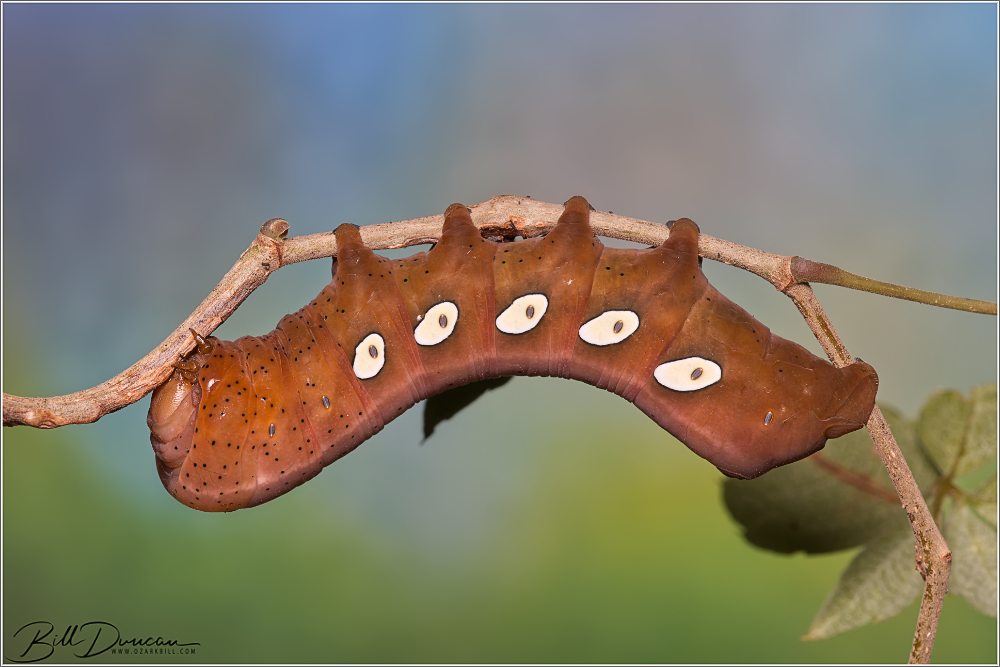
Perhaps the most common caterpillar we find on our hunting trips, the white-dotted prominent can be found in large numbers on oaks. We find these so often that I rarely even tell the others in the group when I find them. But here we find a common species in a not so common situation. We came across this one on its way to find its pupation spot that would likely be in the ground or leaf litter. You can tell this was the case by the reddish or maroon coloration. Many caterpillars will change to this type of coloration immediately before they begin the pre-pupal stage. Unfortunately for the caterpillar, some southern yellowjackets (Vespula squamosa) found it as well. We watched the drama unfold as the wasps continued to sting and bite at the poor creature that will not likely make it to adulthood.

Thanks for stopping by!
-OZB

Leps from the Prairie Garden Trust

I’m finally getting around to posting photos of some Leps that were taken during the WGNSS Nature Photography Group’s quite enjoyable visit to Prairie Garden Trust located in Calloway County, MO. I can’t express how much I appreciate this location and the people that manage it. Lorna and Henry Domke gave our group a personal walking tour around much of their fabulously managed naturescapes – in my opinion the perfect exemplar of how and why to manage natural areas. I thought I would have been back by now, but time has a way of moving too fast and there’s only so many weekends in the year.

Delaware Skipper (Anatrytone logan)

Text from their website:

Vision

What the PGT will become

The PGT is a gem of a nature garden in central Missouri where people enjoy strolling by woods with large old trees, prairies filled with a mix of native wildflowers, and ponds and streams rich in native aquatic life. It is free of exotic, invasive plants and animals. Visitors are inspired there to learn about and take better care of nature.

Zebra Swallowtail (Protographium marcellus)

Mission

What we do

The Mission of the PGT is to inspire people by letting them experience the beauty of nature found in a variety of enhanced native habitats on the PGT property.

Values

What we believe

Native plants are good for healthy habitats, while invasive, non-native plants are detrimental and should be removed.

We believe that knowing what plants and animals exist here and how they change over time is valuable. We want to avoid harvesting natural resources on the property for income so mature habitats can develop here.

We support removing plants (using fire, herbicides and mechanical means) and animals (by trapping or hunting) as needed for the management of a beautiful habitat and to maintain the balance of nature, but not as a source of income or recreation.

We believe that quiet personal experiences in nature enhance well-being and that crowds detract from that.

Hummingbird Clearwing (Hemaris thysbe)

We believe that unmanaged habitats tend to be messy, but they can be made more visually appealing by following an artistic landscape design. By having some areas of the PGT less tended and other areas along trails more tended, we offer a nature garden within a natural area.

We believe that knowing the natural, geologic and cultural history of the PGT property is of value. It’s where a coral reef developed 360 million years ago, where the Ozark hills meet the glaciated plains, where native Americans hunted 2000 years ago and where settlers built a thriving pottery almost 200 years ago.

Clouded Sulphur (Colias philodice)
Northern Broken-Dash (Wallengrenia egeremet)
Wild Indigo Duskywing (Erynnis baptisiae)

A tale of two Saturniids

Actias luna (luna moth) caterpillar 

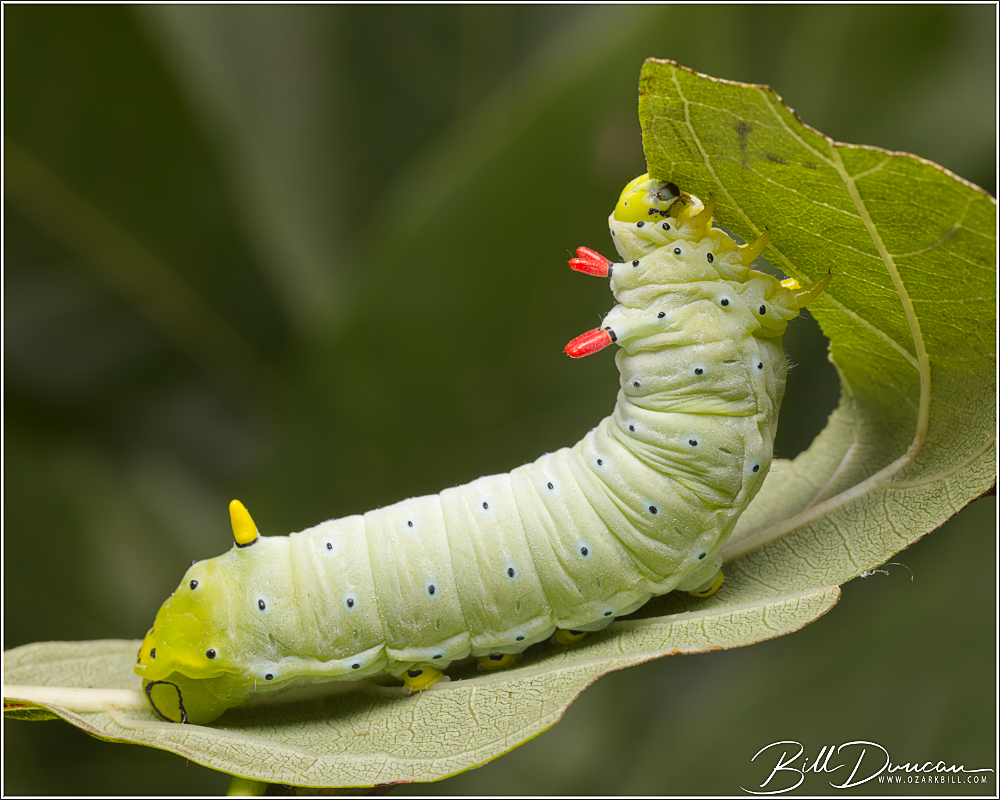
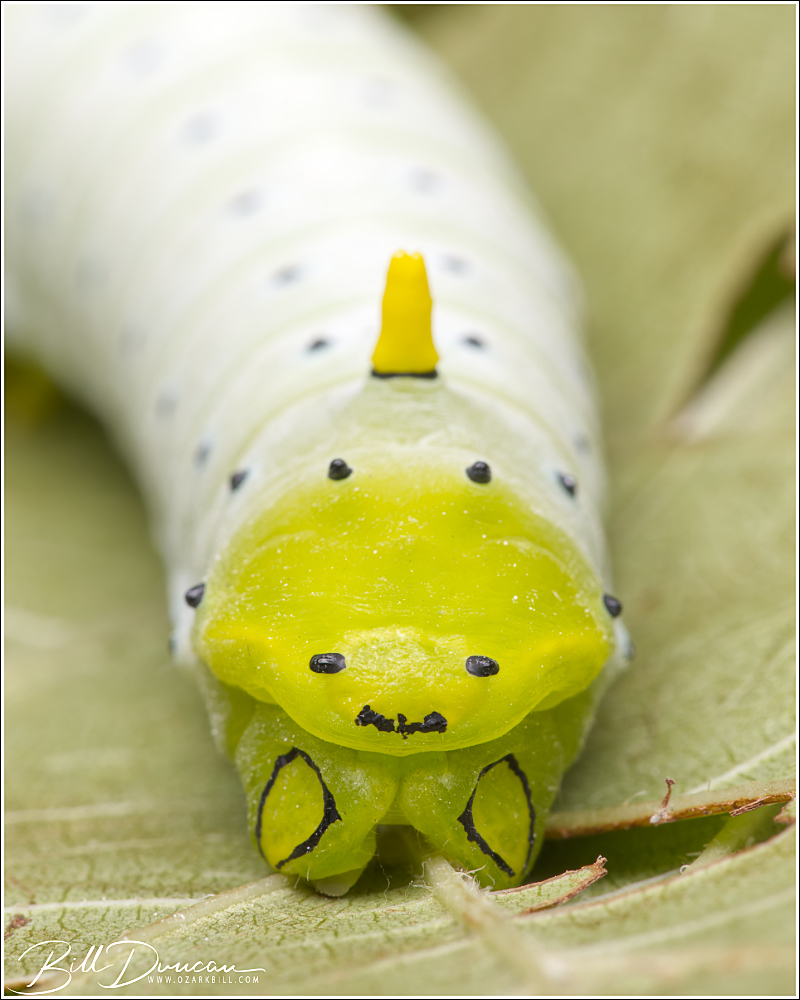
I typically don’t have very much luck finding caterpillars of the giant silk moths from the Saturnidae family. This past season was a little more successful. I found three polyphemus moth (Antheraea polyphemus) caterpillars and Sarah found the above luna moth caterpillar during our birthday hunting trip in mid-September. Larvae of these two species look very similar, but there are a few easy characteristics than can be used to distinguish between the two.

Antheraea polyphemus (polyphemus moth) caterpillar