"What a thousand acres of Silphiums looked like when they tickled the bellies of the buffalo is a question never again to be answered, and perhaps not even asked." -Aldo Leopold
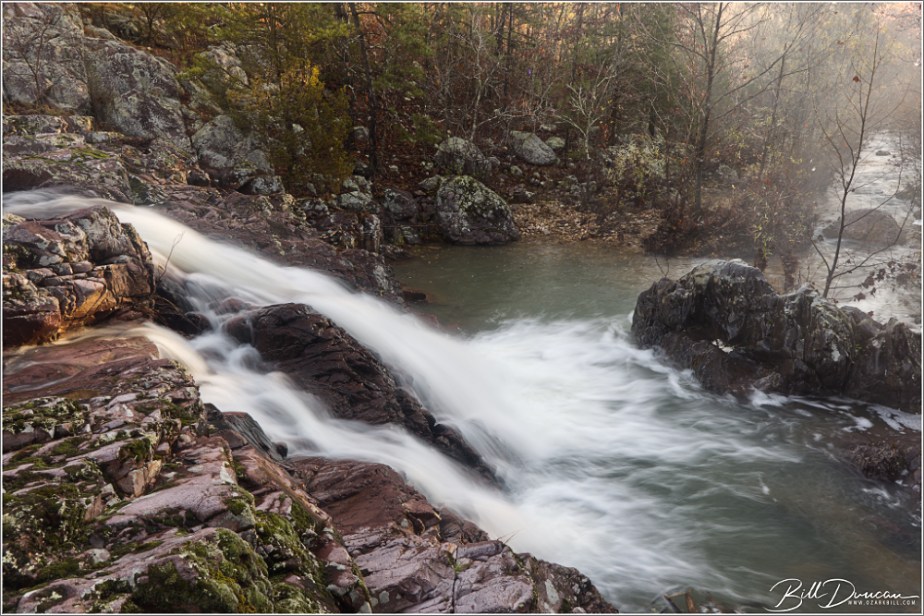
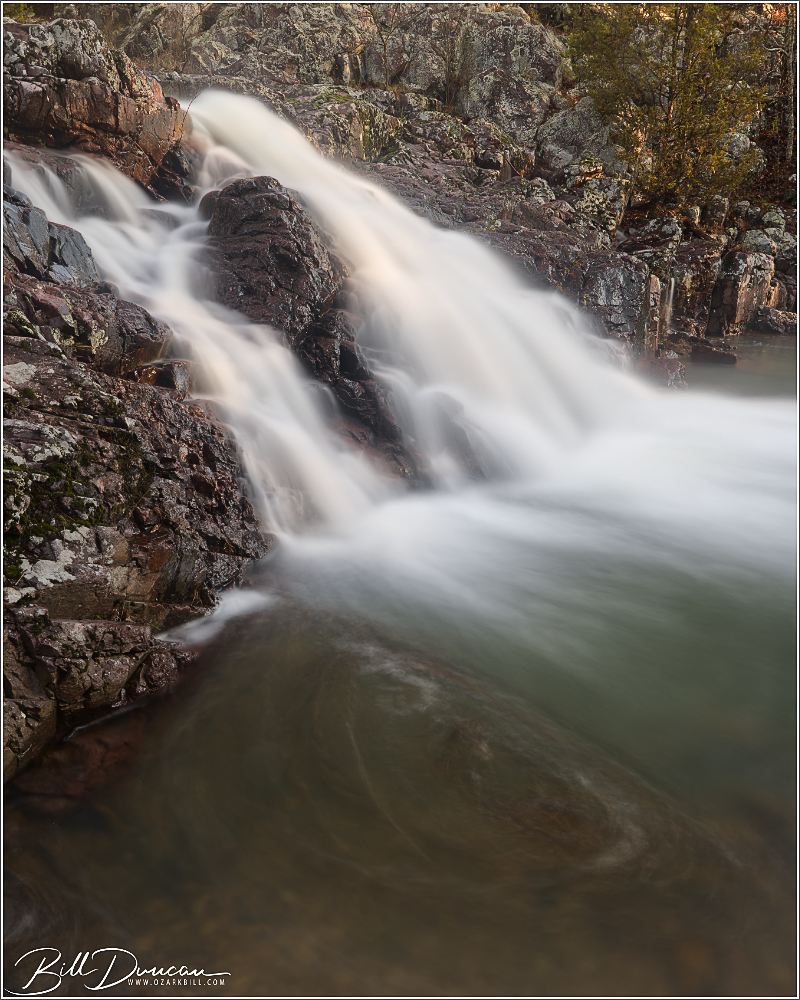
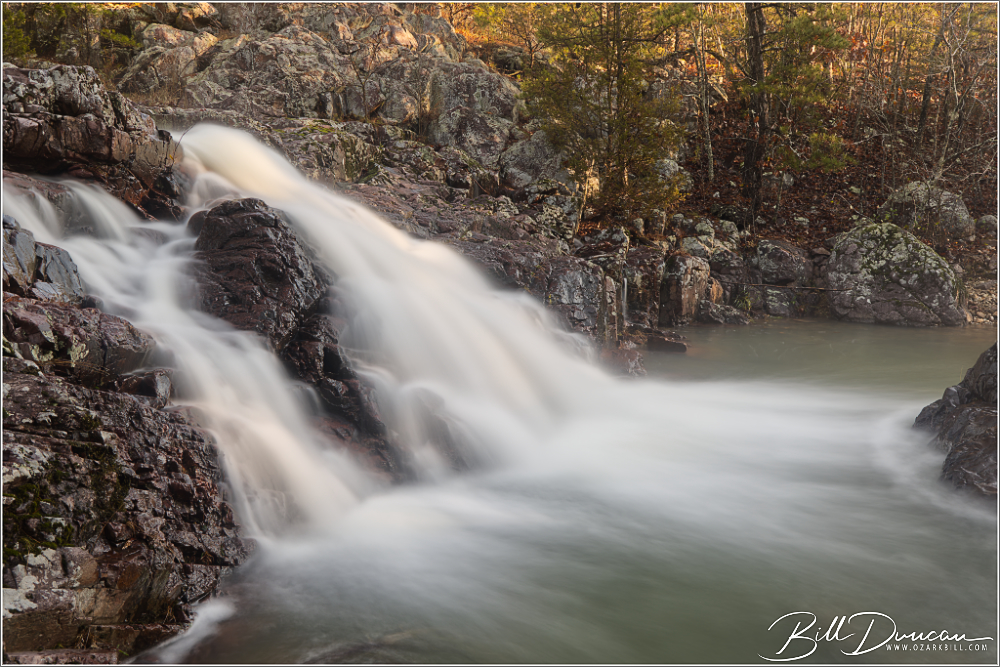
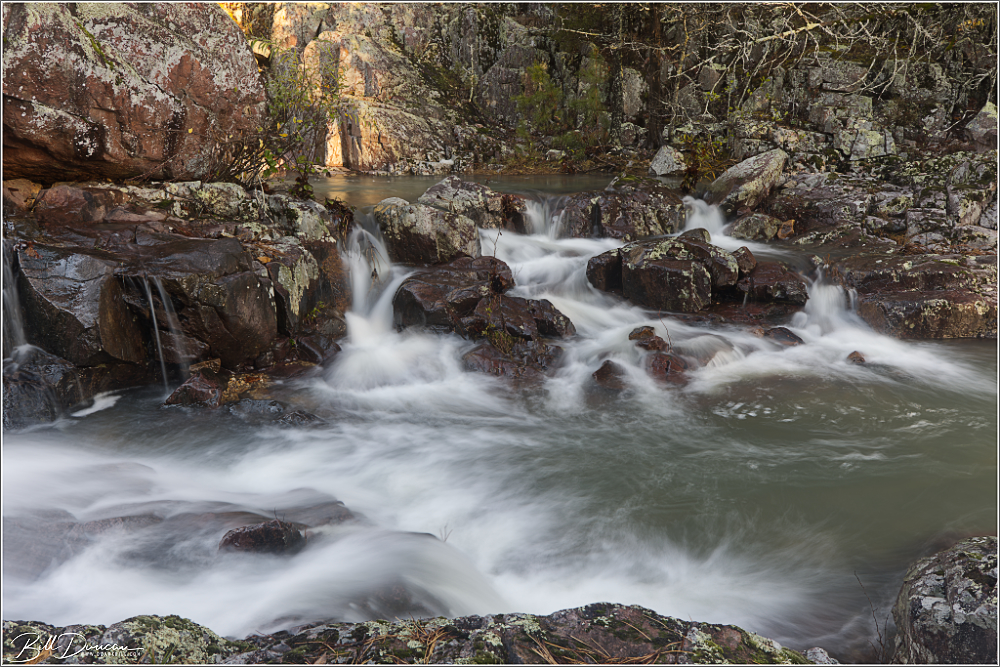
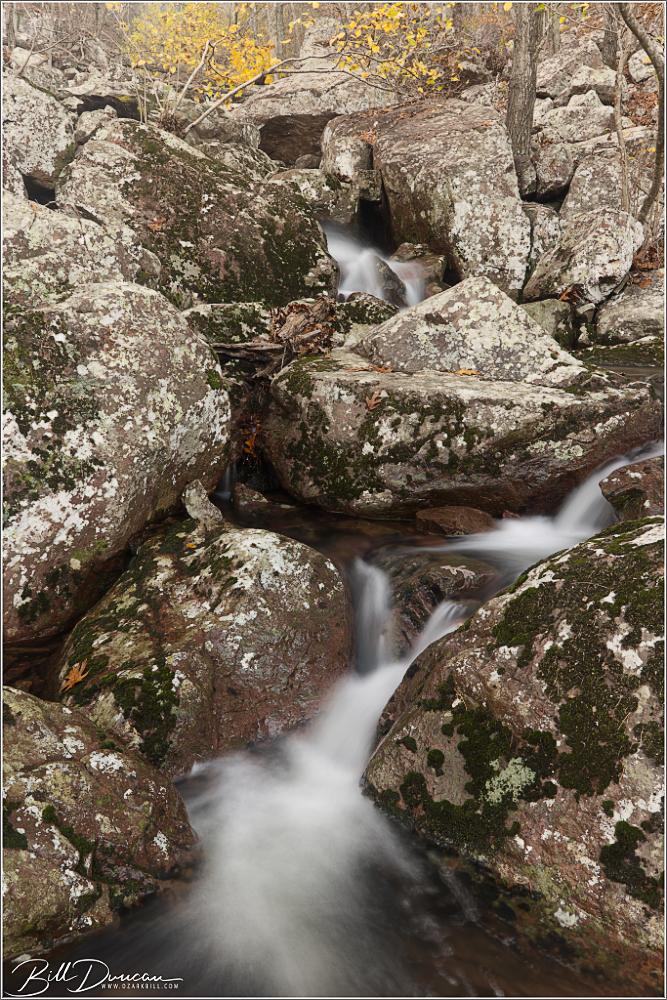
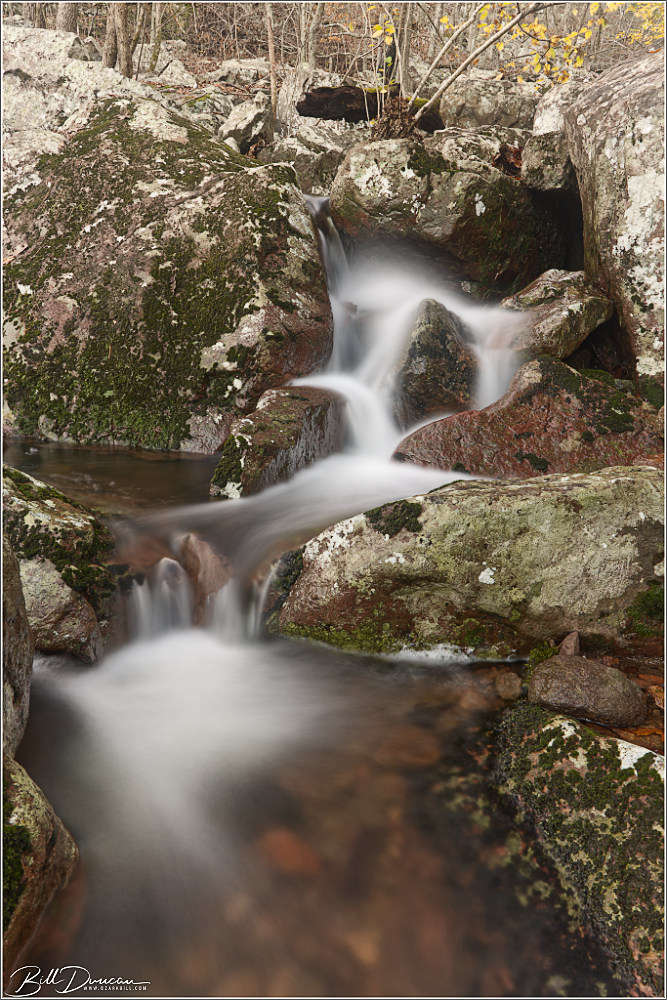
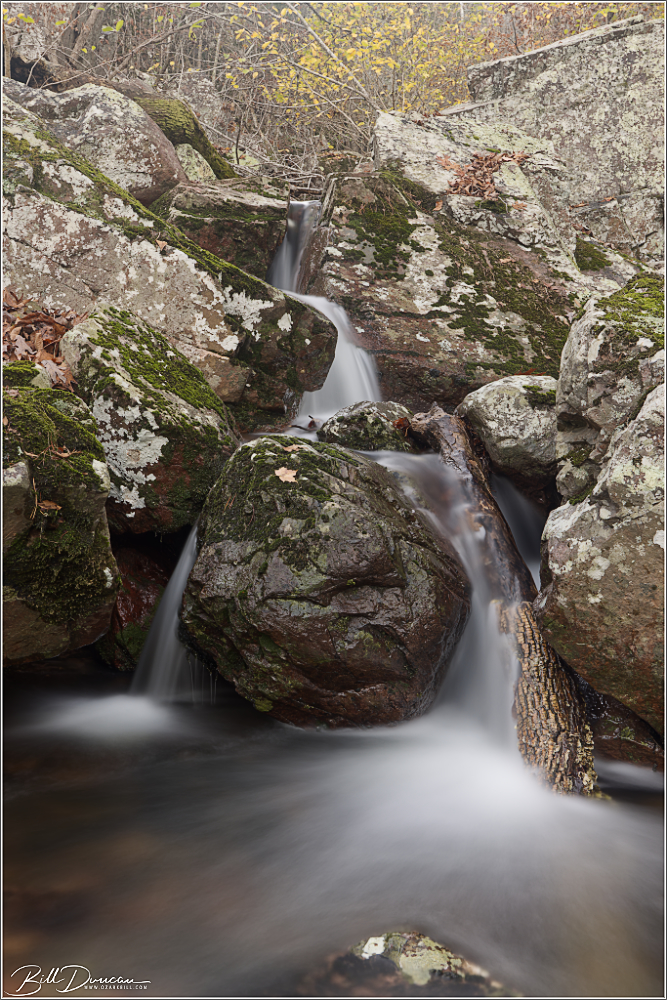
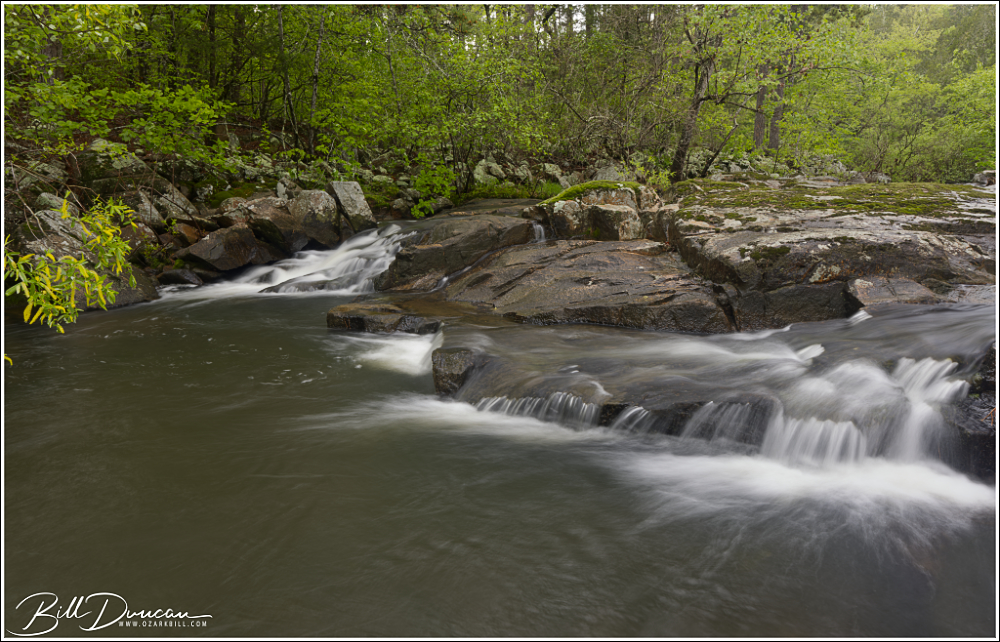
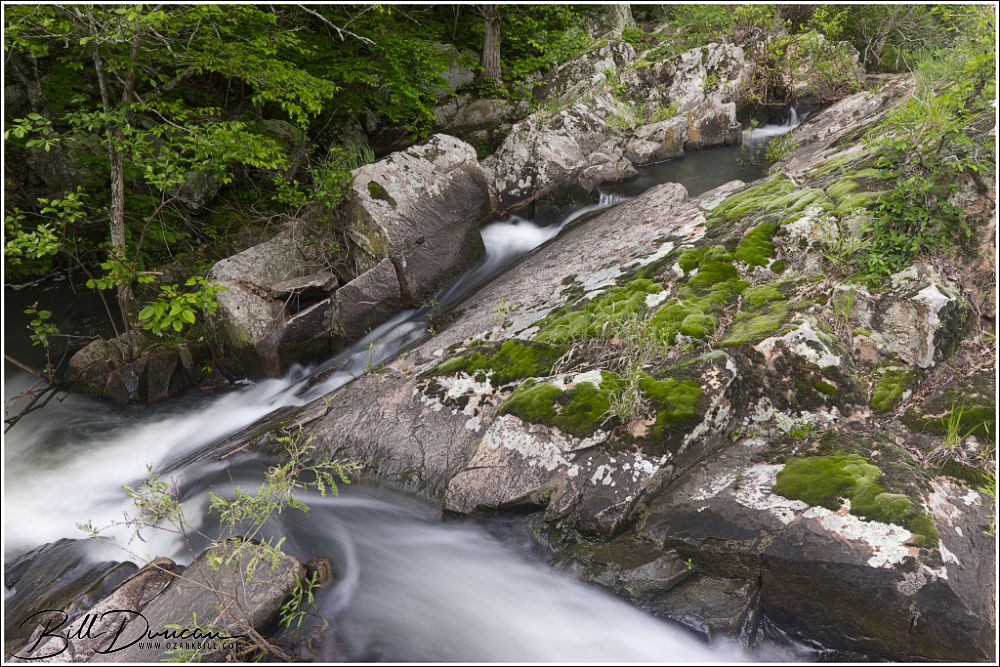
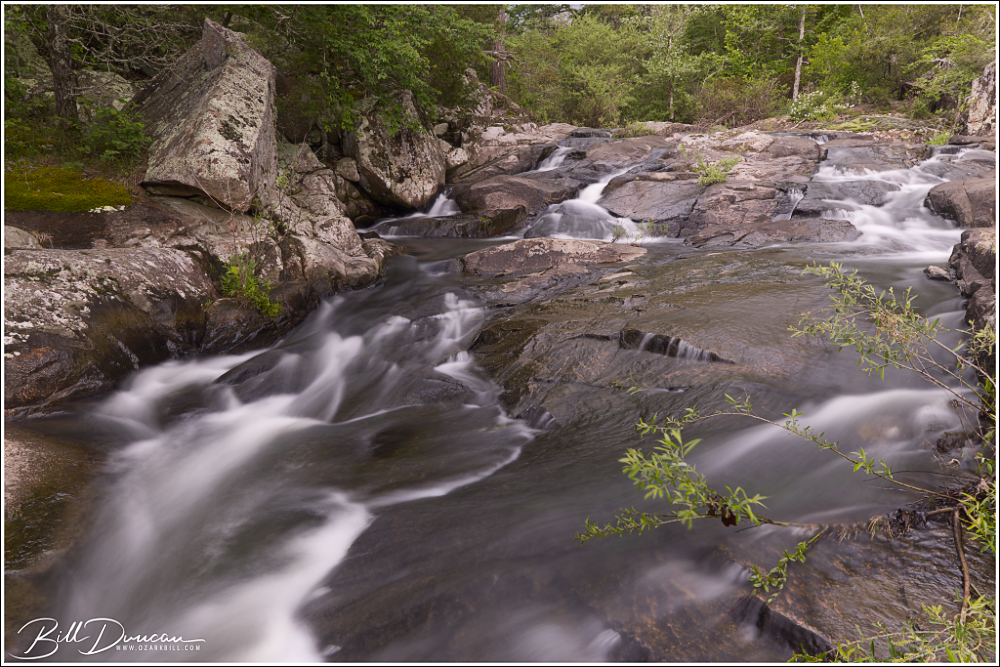
After record breaking rainfalls in southeastern Missouri, Casey and I headed down to visit some favorite waters in the St. Francois Mountains a couple days later. We expected a little more flow but this area drains so quickly, if you aren’t there immediately after the rains stop you won’t get to see the shut-ins and waterfalls at their peek. We were also unfortunate to have a mostly cloud-free day. Not the skies you want for shooting waters like these. But, we made the most of it – focusing our efforts near sunrise and sunset.
First up is a few from Leatherwood Creek Shut-ins.
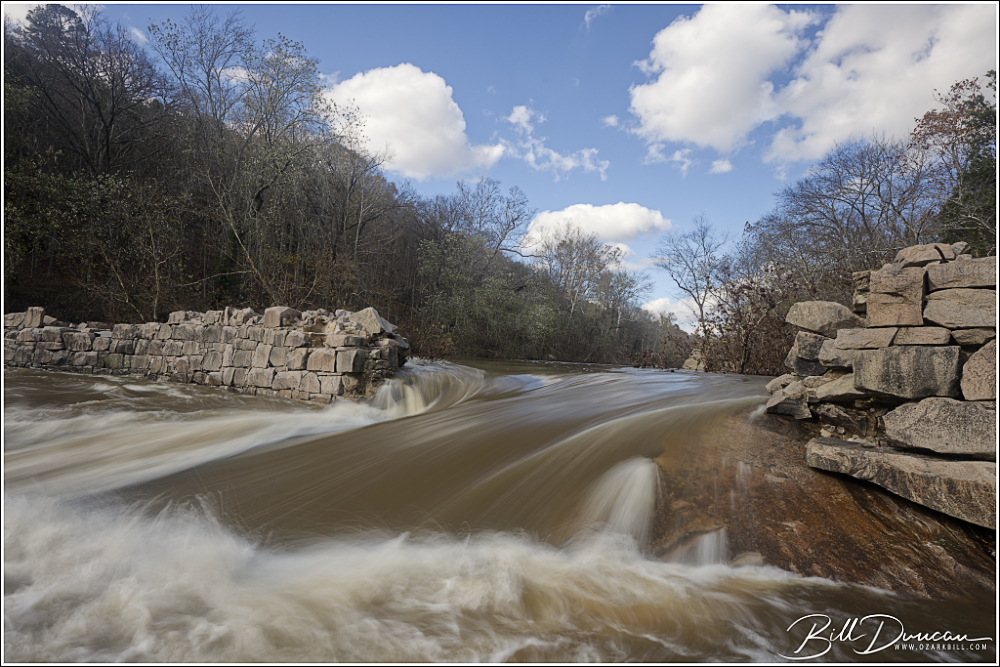
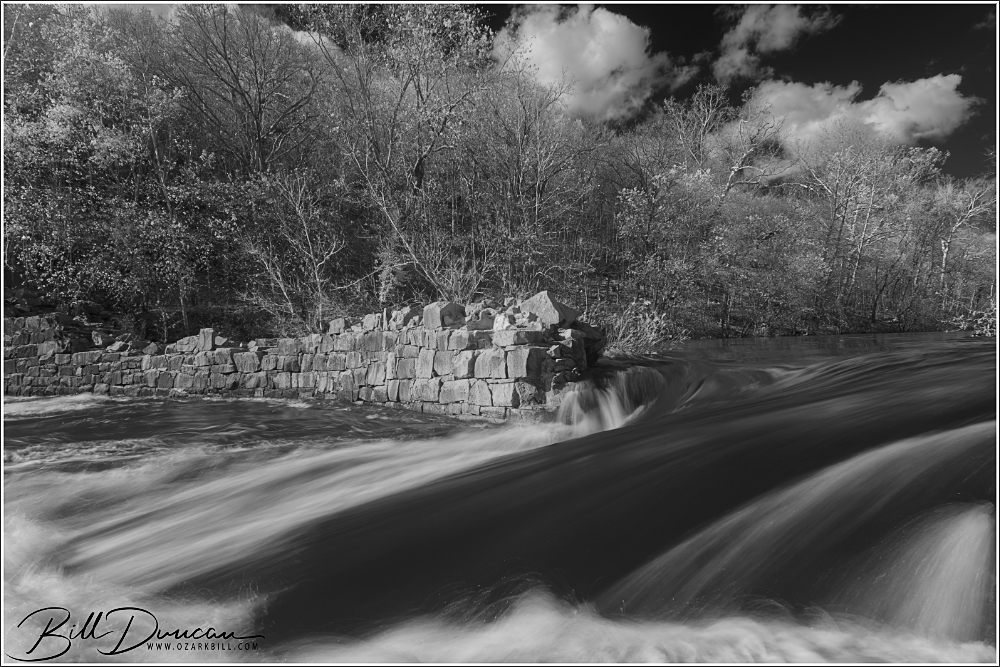
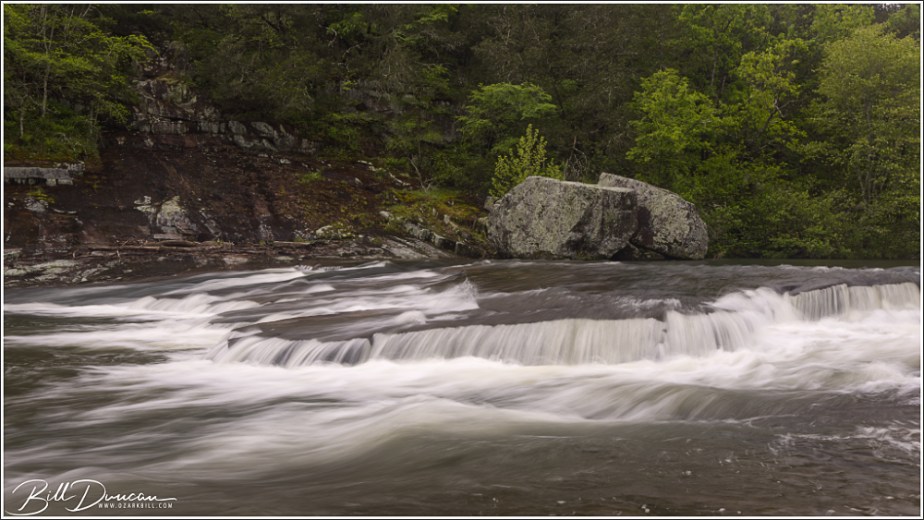
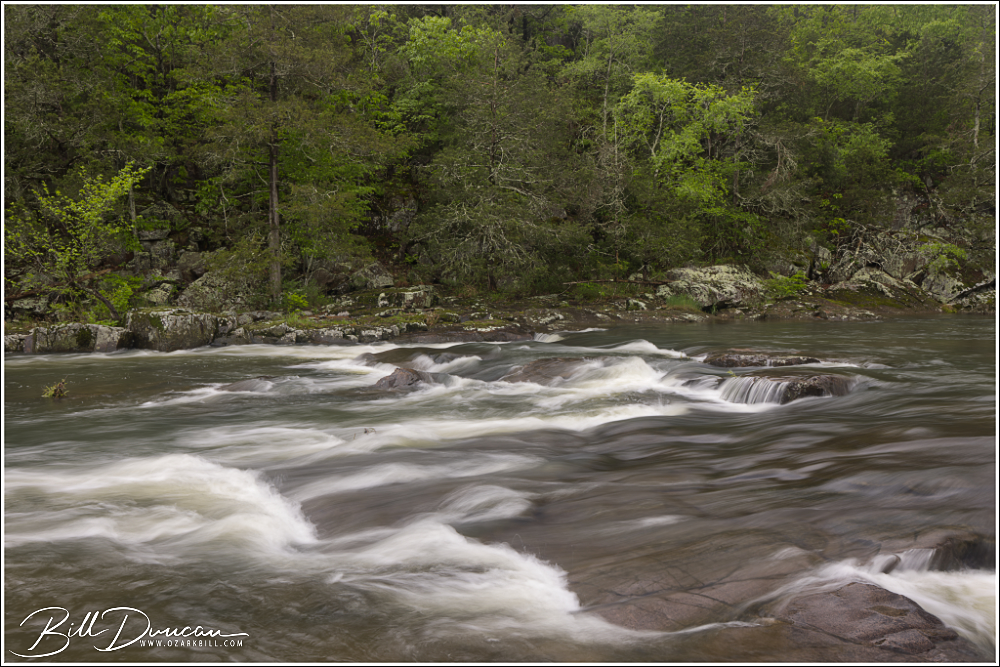
We then headed over to the St. Francois River to see how high the water was flowing at the Einstein Dam. This dam, built in 1879, was used to provide power to a mill and other facilities surrounding a nearby quartz mine. I have seen the water rolling higher over the dam, but we still had some impressive flow.
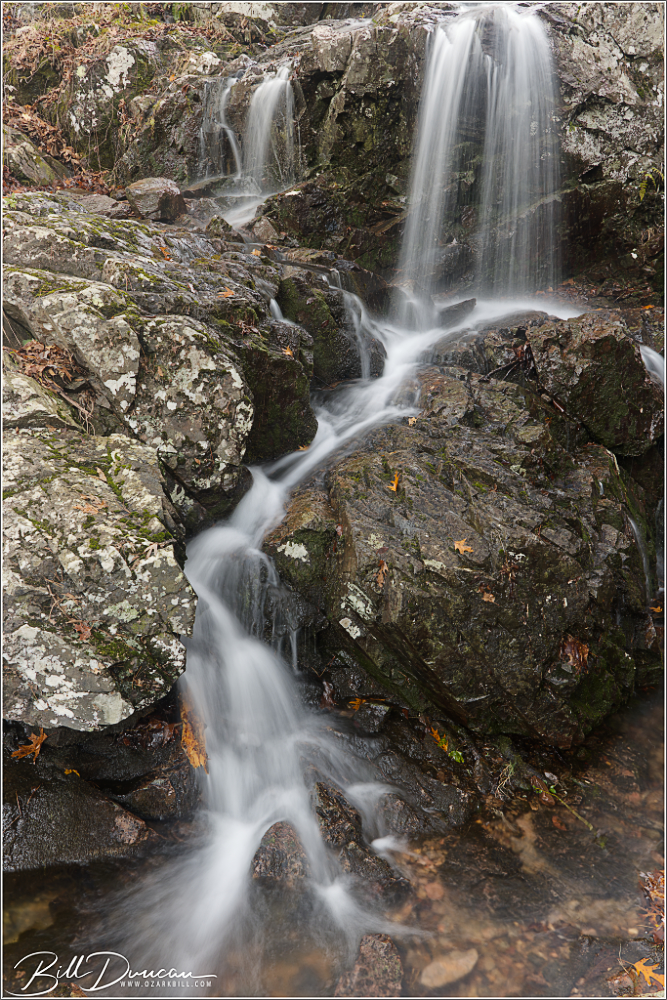
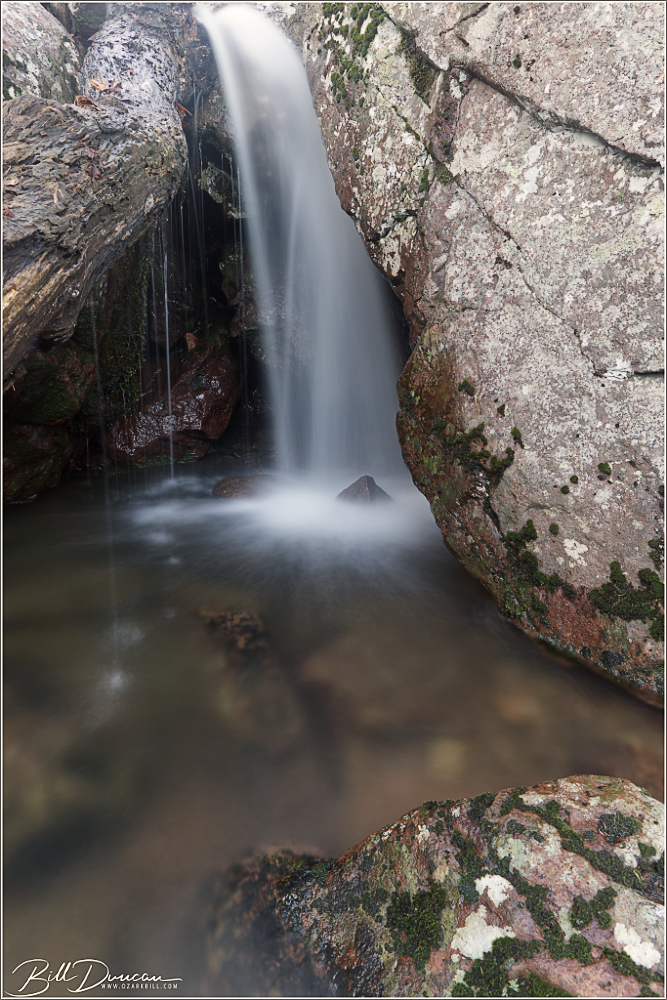
Our final stop of the day was the cascades of Black Mountain. With light running out, we climbed a little and made the following images.
Anyone with a bit of knowledge about the St. Francois River of southeastern Missouri has probably heard of or has even visited the well-known stretch of the Tiemann Shut-ins that create the great series of class 1-3 rapids that experienced kayakers long to ride. The stretch of this river between Millstream Gardens and Silver Mines Recreational Area is one of the most scenic and biodiverse areas of the Show-Me State.
This spring I was turned on to three new-to-me shut-ins in the St. Francois watershed that I should have visited long ago. At first, it was surprising to me that these three geological features are not more well known. However, once I found out a little of the difficulty of getting to these locations, I am now not surprised at all.
Looking up Turkey Creek
The St. Francois Watershed The geological history of the St. Francois River watershed is a tale written in stone, shaped over millions of years by dynamic processes. At its core lies the ancient Ozark Plateau, characterized by its resilient dolomite and limestone bedrock, remnants of a bygone era when shallow seas covered the region. Erosion and uplift sculpted the landscape, carving out rugged hills, steep bluffs, and winding valleys that define the watershed’s topography today.
Upper Stouts Creek Shut-ins
Within the embrace of the St. Francois River watershed thrives a rich tapestry of ecological diversity, harboring a multitude of habitats that support an abundance of plant and animal life. The forested slopes of the Ozarks provide refuge for a myriad of tree species, from towering oaks and hickories to delicate dogwoods and redbuds. Beneath the canopy, a lush understory of ferns, wildflowers, and mosses carpet the forest floor, while clear, spring-fed streams meander through the landscape, sustaining populations of freshwater mussels, fish, and amphibians.
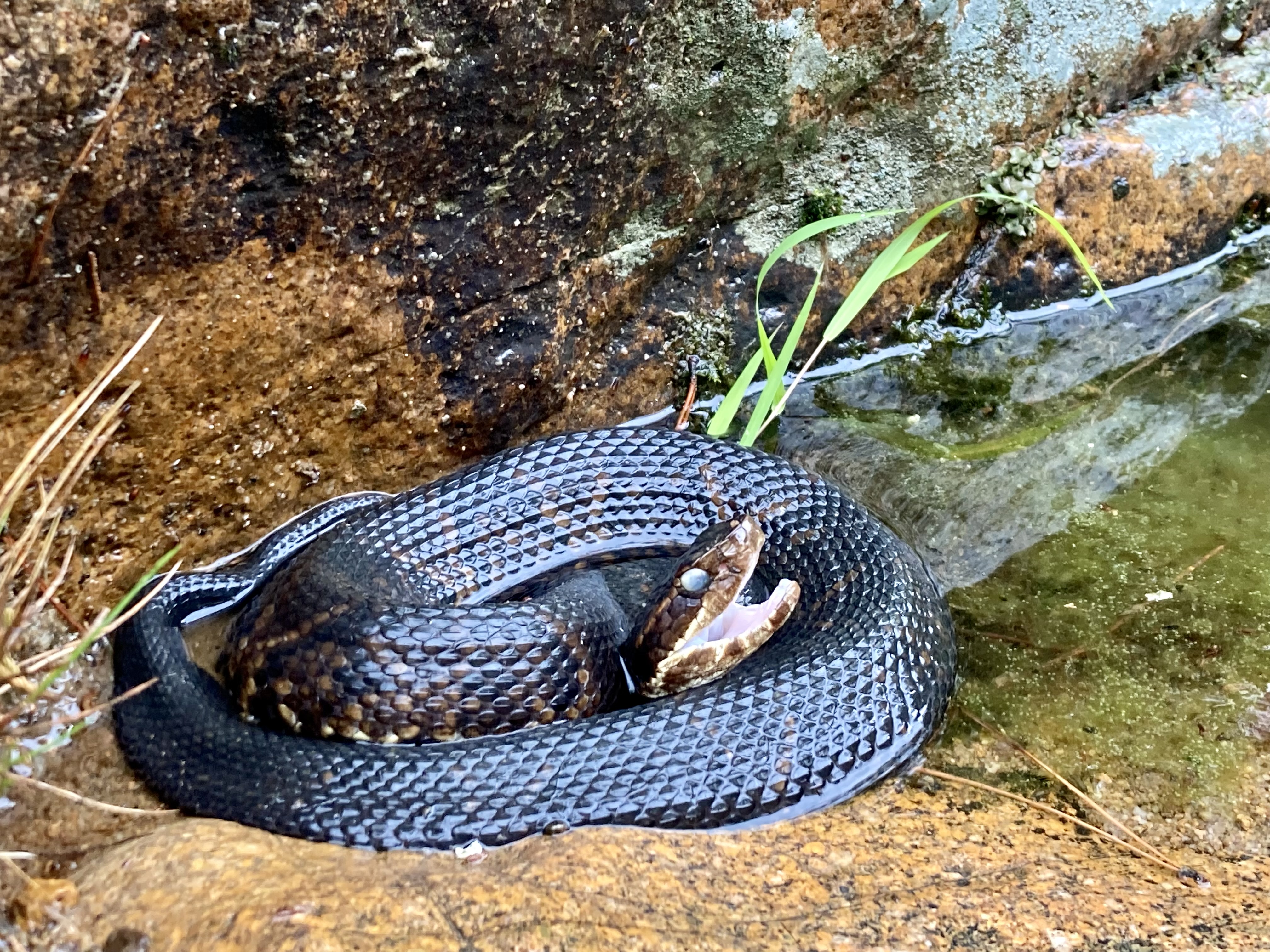
The traveler to the shut-ins of the St. Francois River watershed should always be on the lookout for cottonmouths.
The river itself serves as a lifeline for countless species, offering vital habitat and nourishment along its meandering course. From the elusive Ozark hellbender to the Bald Eagle, the St. Francois River watershed supports a diverse array of wildlife, including many species of conservation concern. Endemic flora and fauna, such as the Ozark chinquapin and the Hine’s emerald dragonfly, find sanctuary within the watershed, highlighting its importance as a stronghold for biodiversity.
About Missouri’s Shut-ins Shut-ins are a testament to the enduring forces of nature. Formed over many thousands of years, these unique rock formations are the result of a complex interplay between water erosion and geological upheaval. The shut-ins, characterized by narrow channels and cascading waterfalls, are formed when swiftly flowing streams encounter resistant igneous bedrock, creating natural barriers that redirect the flow and sculpting the surrounding landscape into breathtaking formations.
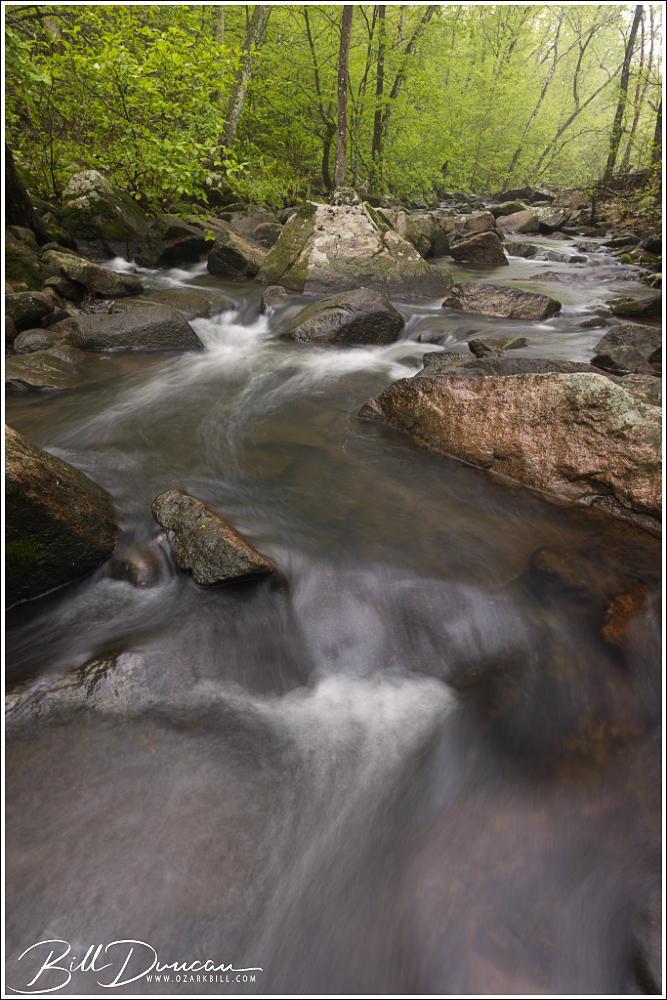
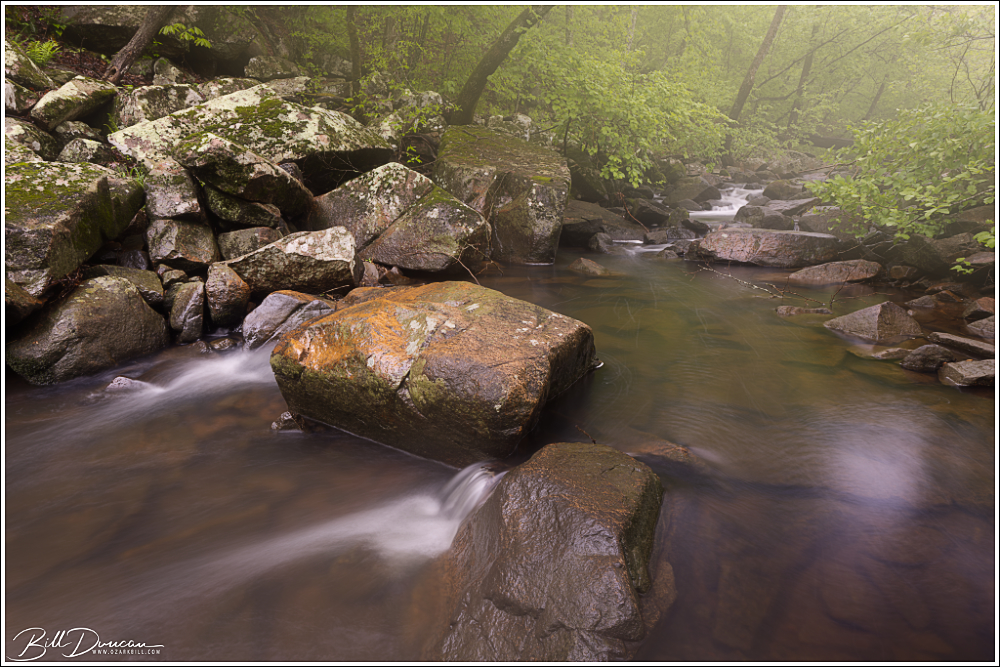
Humidity in these creek beds is usually very high, creating fog and haze. Turkey Creek Shut-ins.
Beyond their stunning beauty, shut-ins are also home to a diverse array of flora and fauna. The cool, clear waters of the shut-ins provide a habitat for various aquatic species, including aquatic invertebrates, freshwater mussels and fish. Along the rocky banks, towering hardwood forests thrive, offering refuge to an abundance of wildlife, from songbirds to white-tailed deer. The unique microclimate created by the shut-ins supports a rich tapestry of plant life, including rare species adapted to the harsh conditions of the rocky terrain.
Upper Stouts Creek Shut-ins One of the main feeding branches of the St. Francois River, Stouts Creek contains a number of picturesque shut-ins. Casey and I had noted this particular one driving by for years but had never made the stop. We had to trespass a little to get our shots, but the folks who own this property are, theoretically at least, supposed to be inclined to forgive those who trespass. We spent just a few minutes here and were in and out without incident.
Upper Stouts Creek Shut-ins
Turkey Creek Shut-ins Flowing from the north, Turkey Creek empties its contents into the east side of the St. Francois River, just upriver from the historic Silvermines Dam. Getting to the Turkey Creek Shut-ins requires either a treacherous hike along the creek from the confluence, or a slightly less arduous bushwhack up and over a highland to the sight of the more picturesque parts of the shut-ins. Taking the easier way means missing portions of the shut-ins but will also result in fewer potential run-ins with cottonmouth snakes and ankle-snapping rocks.
Turkey Creek Shut-ins
Swimming holes abound in shut-ins like these at Turkey Creek.
Turkey Creek Shut-ins
Mud Creek Shut-ins Mud Creek Shut-ins are definitely one of the most memorable shut-ins that I have had the pleasure to visit – not only because of their classic St. Francois Mountain beauty, but due to my story in reaching them. As is the case with Turkey Creek Shut-ins, these shut-ins can be reached by paddling the St. Francois River. However, I doubt my kayak skills would service safe passage across the class-3 rapids of this stretch of the river, especially while carrying expensive camera gear.
Moving upstream along Mud Creek from its confluence with the St. Francois, one first gets to view this very nice waterfall.
The next best option? Footing it across. I began this trek from the parking lot of the Silvermines Recreational Area. In times of high water, the low footbridge across the St. Francois River can be underwater, so I recommend parking on the north side of the river and paying the ridiculous $5.00 to park your car for a few hours.
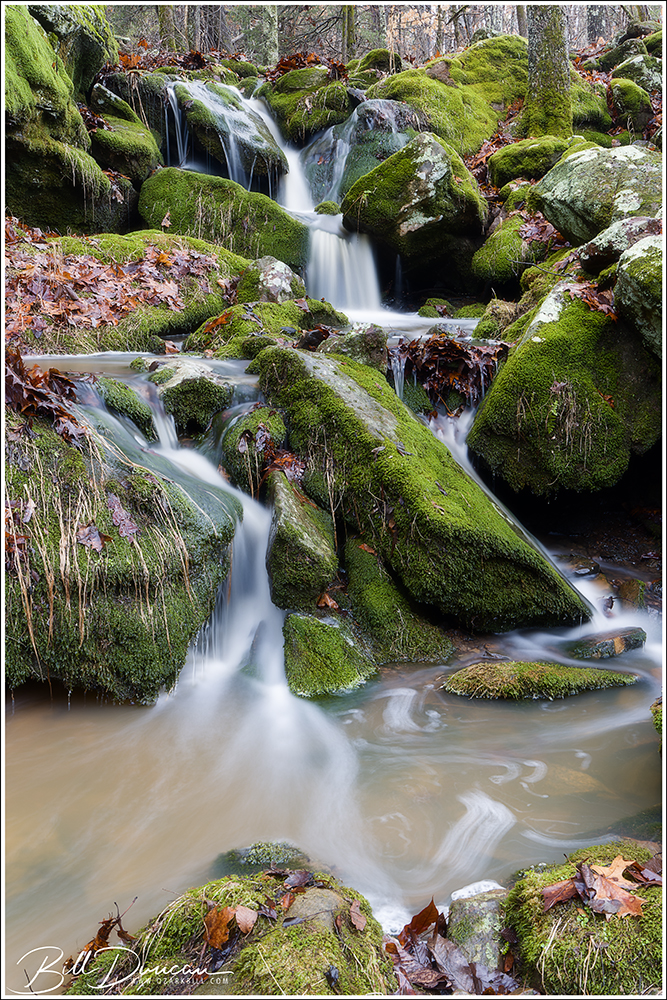
The water finds multiple pathways against the rock as the creek races down the ravine.
From the parking area, I took the “trail” that runs upstream along the north side of the river until I got to the namesake mines. From here, it was steep climbing until I eventually ran into an old two-track that allowed for some switch-backing until I eventually rose from the river’s ravine into a more upland forest. Although the topology here was more manageable, fallen trees were everywhere, presumably from strong storms of recent years. The bushwhacking got frustrating, especially with the need to eat a spider or two every five to ten steps! Using my GPS, I kept the river to my right side and generally headed to the northeast to where Mud Creek meets the St. Francois. I should have headed much further to the north, but I kept finding myself heading back into the boulder-strewn ravine of the river. Eventually, I learned my lesson and rose to the highest elevation possible and made a direct line to where the GPS told me the confluence would be. Finally arriving, I realized I was then facing the hurdle of heading back down the ravine to the confluence. I could hear rushing water from the east and the north, shut-ins along the river and creek, respectively. I chose my point to descend into the ravine, not knowing if this would take me to sheer cliffs that would force me back up to try again. I eventually stumbled into the relatively small river bank that was thick with twenty foot tall alder and witch-hazel thickets.
Mud Creek Shut-ins
Clearing these thickets, with water halfway up my wellies (I got my first pair of Gumleaf boots recently, so I can no longer call these muck boots), I was finally able to see the confluence. Navigating around huge boulders, I began clambering up Mud Creek and almost immediately came upon the nicest waterfall of these shut-ins. About this time, the sky began to darken. Most of my trek to this point was in mostly sunny skies, making me wonder if the overcast skies forecasted for this afternoon where ever going to happen. Now I was hearing thunder and watching dark skies closing in quickly from the west.
Porphyry and swirls
I realized I probably had limited rain-free time with the shut-ins so I got to work, moving myself and my gear from one point of interest to the next upstream. This type of landscape photography is not for the faint of heart! Due to the sharp sides of the ravine, I was forced to cross the creek several times, negotiating deep pools, fast-moving water and slippery rocks. On several occasions, I used my tripod as an extra set of legs, helping me stabilize myself while crossing the creek.
Mudd Creek Shut-ins
Getting about a half mile upstream from the confluence, the shut-ins widened, opening up to large sections of exposed granite. It was around here that I decided the storm was not going to pass me by, but come right down on me. The thunder was getting closer and more frequent. I put my camera bodies and lenses into individual Ziplock bags and put the rain cover over my bag just when the sky opened up with torrential rains. It was then that I realized I was on the wrong side of the creek to get back to where I needed to be. I also sensed the waters in Mud Creek were starting to rise. The opposite side of the creek this far upstream looked like near-vertical cliffs, but I knew I probably did not have time to head back downstream to a point where I made the crossing earlier. I found the closet point to make a relatively safe crossing and found myself with just a few feet between the steep rise of the ravine and the creek that seemed to be increasing inch by inch. I found some handholds and started climbing. Spiders be damned!
St. Francois Mountain Beauty!
I climbed as carefully as possible, making progress while the rain came down in sheets and lighting danced across the sky directly above me. In five to ten minutes I made it up the approximately 400 feet of increased elevation and reached the top of the ravine. Not liking the idea of clambering down the opposite side of the ravine to get back to the mines, I decided a better route back would be to stay in the uplands and head north to Highway D to get back to my car. That was another two-mile bushwhack, back through the fallen trees, my wellies filling up with rain water, and limited visibility. I eventually made it to the road, finding my way safely back to my car. Not wanting to ruin my seat with my soaking wet cloths and not having a dry change of cloths, I striped to my boxer-briefs, put a towel down on my seat and drove the two-hours home. Thankfully I did nothing to raise the attention of any authorities on the way. 😉
I’d Like to thank Casey Galvin, Kathy Bildner and midwesthiker.com for the information that helped me reach these fantastic locations!
The WGNSS Nature Photography Group, led by the man with the great ideas, Casey Galvin, headed to Elephant Rocks State Park in Iron County, MO, for the group’s February field trip. Our primary target for the evening was to utilize the full moon to light our scene after sundown – images often referred to as “moonscapes.” This was my first real attempt at taking moonscapes; usually I am focused on low to no-moon nights in order to focus on stars and deep sky objects.
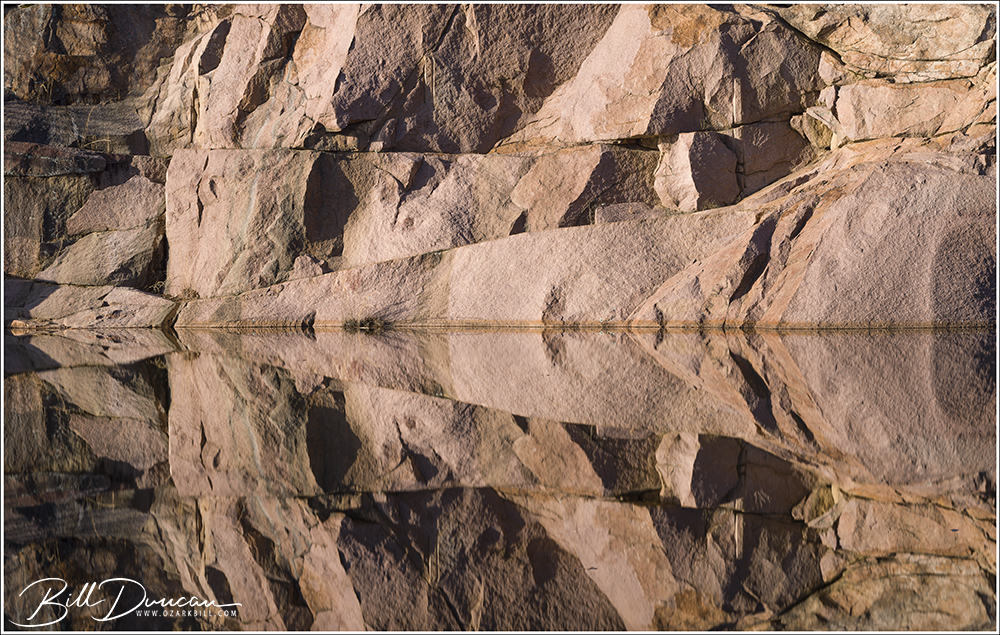
Reflections on Quarry Lake ISO-50, f/11, 3.2 sec. exposure, 140 mm focal length
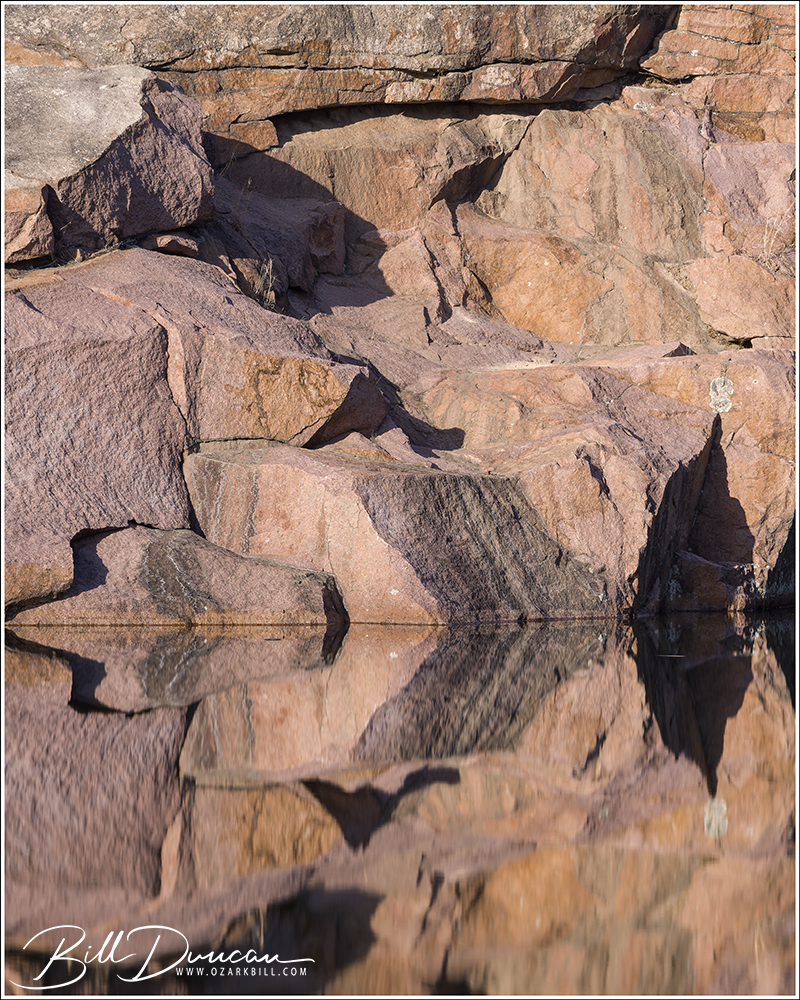
We arrived in time to have a walk around prior to sunset and the park’s official closing time. In order to be in the park after 5:00 pm, special permission must be made ahead of time. During our stroll, we made our way to the backside of the quarry lake – somewhere I had not been in many years. This turned out to be a serendipitous experience. There we encountered some very nice golden light and excellent reflections coming from the lake’s surface. Unfortunately, the winds were just strong enough to create some obnoxious ripples on the water, ruining the mirror effect I was going for. No worries, however; I added a CPL and a pretty strong neutral density filter (in order to increase shutter speed) to my mid-telephoto lens and the ripples magically disappeared.
Several abstract-like faces appeared in tight-compositions with the rock wall mirrored off the lake’s surface ISO-100, f/9, 2.5 sec. exposure, 84 mm focal length
I find capturing enough saturation in lighter colors a challenge with digital cameras. I am finally learning how to recover this in post-processing. The pretty light helped showcase the pink granites that the St. Francois Mountains are known for. ISO-50, f/11, 5 sec. exposure, 118 mm focal length
This one was too good to pass up the opportunity to make the face more obvious by orienting it vertically. ISO-100, f/9, 4 sec. exposure, 73 mm focal length
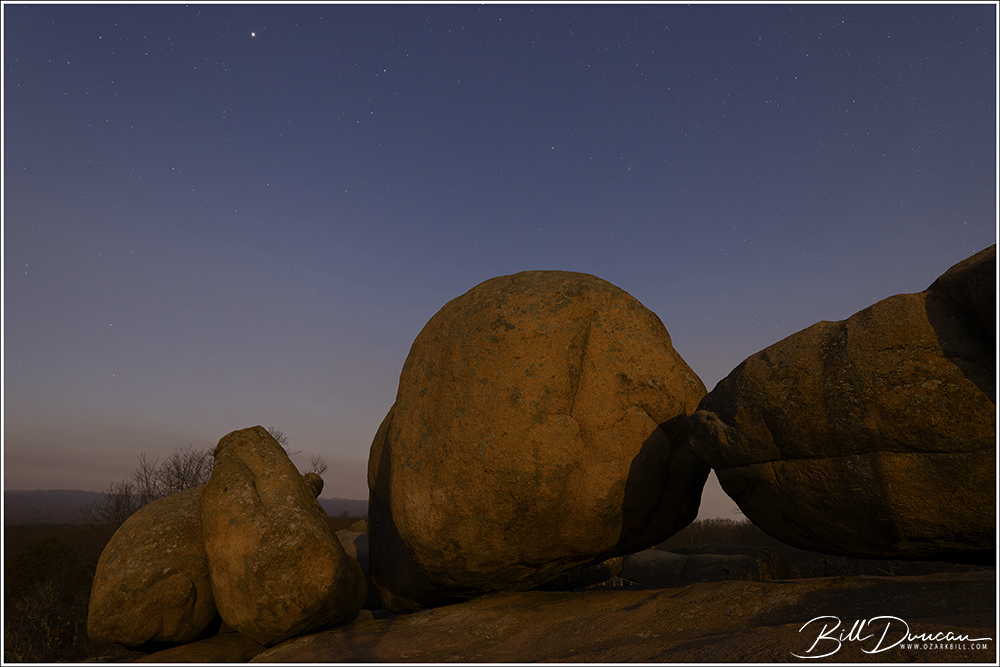
Shortly before sunset, we headed to the other side of the park to hang out with the rocks that give the park its famous identity. The remaining images were all taken after the sun had set and were exposed using only the light of the February full “snow moon.”
Moon rising over Elephant Rocks ISO-640, f/5.6, 10 sec. exposure, 20 mm focal length
Somewhat surprisingly, care had to be taken when shooting with the full moon at our backs as the shadows were very noticeable! ISO-3200, f/4, 6 sec. exposure, 20 mm focal length
Newer cameras shooting at longer exposures can pick up more stars than can be seen by the naked eye. I was happy to see the Pleiades and the Andromeda Galaxy in several of my moonscape images. ISO-320, f/4, 6 sec. exposure, 19 mm focal length
Can you spot the Pleiades star cluster in this moonscape? ISO-640, f/4.5, 8 sec. exposure, 15 mm focal length
This was certainly a special trip spent with friends. Temperatures and sky conditions were near perfect for photographing moonscapes. I was a bit surprised we did not have more WGNSS members take advantage of this special access. I won’t complain about that too much as I think having too many photographers would have made things more challenging with fighting shadows and finding access to good compositions.
Casey and I hit the roads and trails back in January looking for new waterfalls in the Shawnee Forest area of southern Illinois. January isn’t the prettiest time for waterfalls but finding them is often easier in the winter.
Burden Falls Wilderness Area
Up first is Burden Falls. Like most of the falls and features in the Shawnee, Burden only flows following significant rainfall. The amount of water flowing over the falls was not the highest it could be, but there was enough flow to be interesting. Here are a few more from this fantastic area.
Next up is Bork Falls.
Happy Hollow Falls
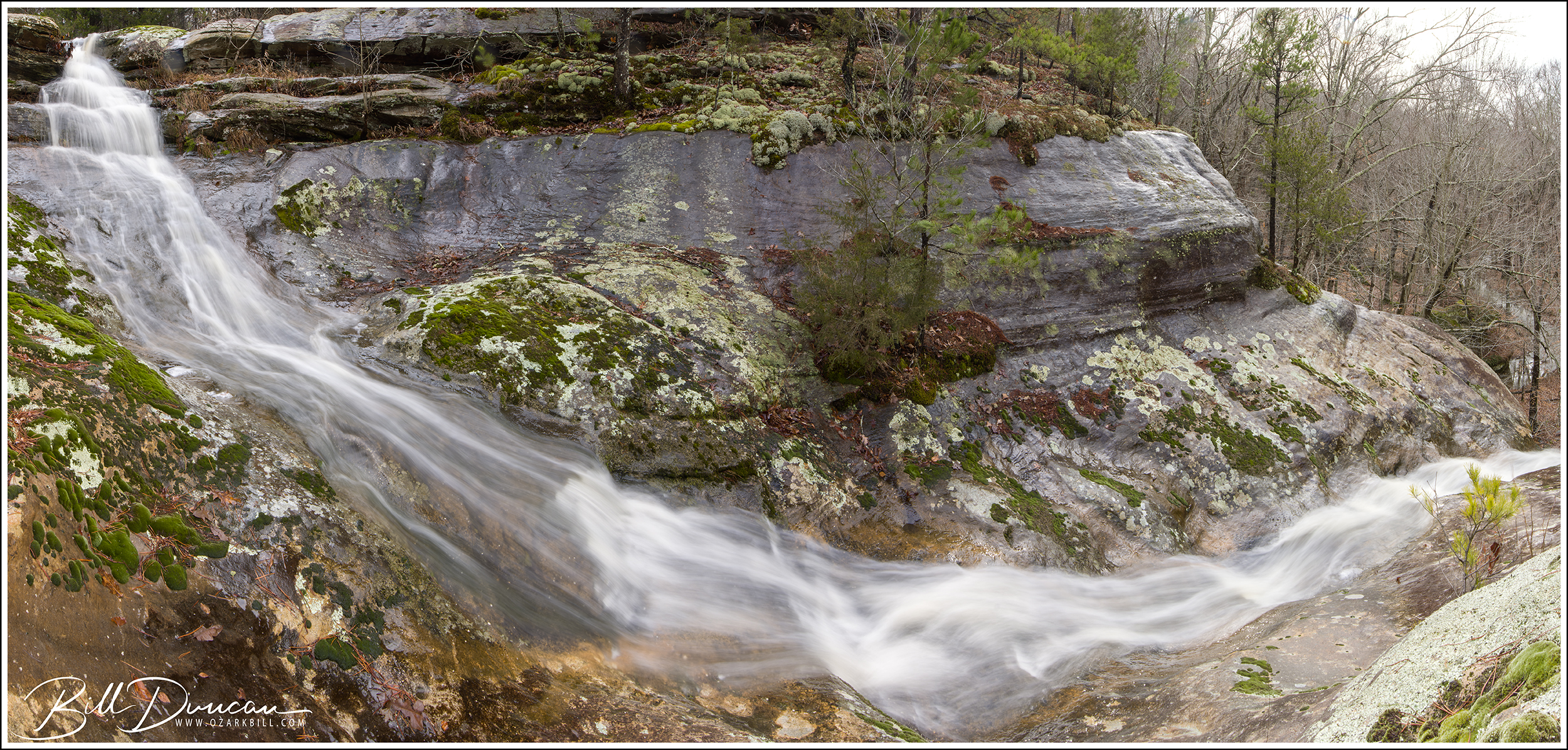
Last up is Jackson Hole Falls. This incredible two-stage set begins with a long slide that I captures in the panorama below. It then ends in an approximate 40′ drop.
The following images were taken during the WGNSS Nature Photography Group’s trip to Garden of the Gods (GOTG) and other locations this past April. This group is currently being led by Miguel Acosta. If you are interested in joining us for one of the group’s monthly outings, please see details at http://www.WGNSS.org!
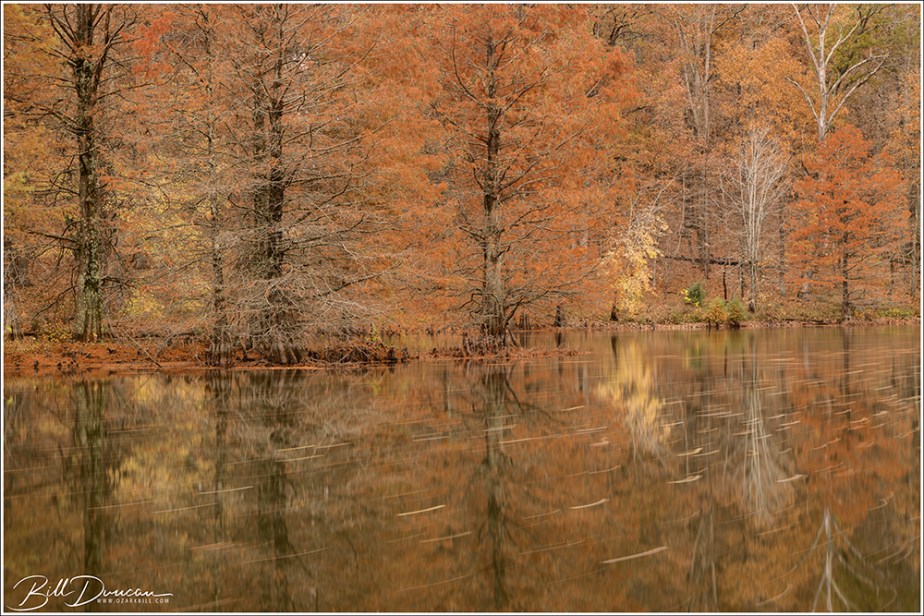
Late autumn colors on a mirror lake.
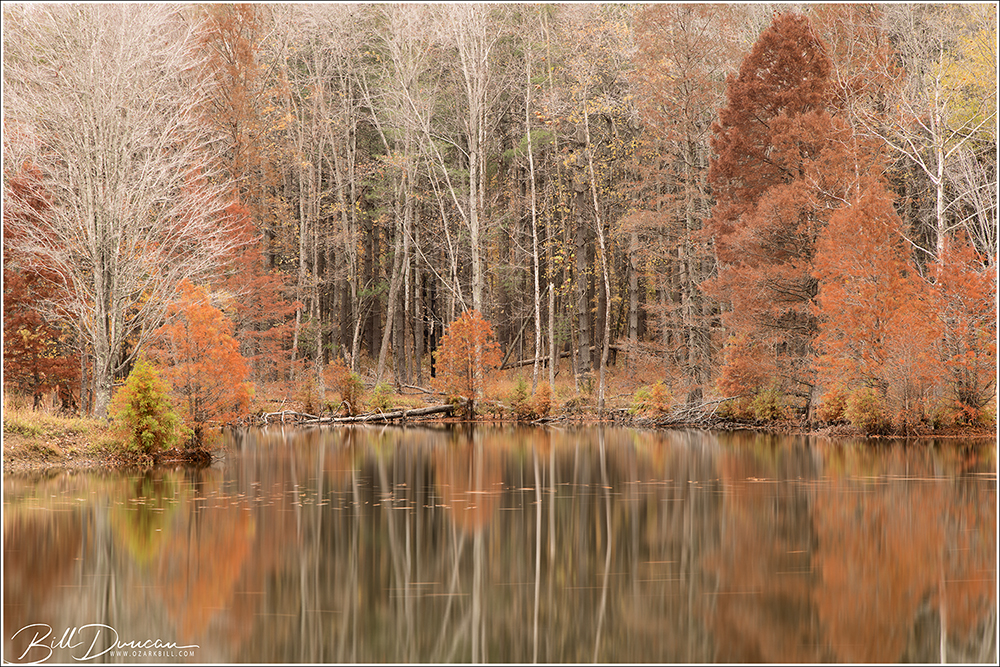
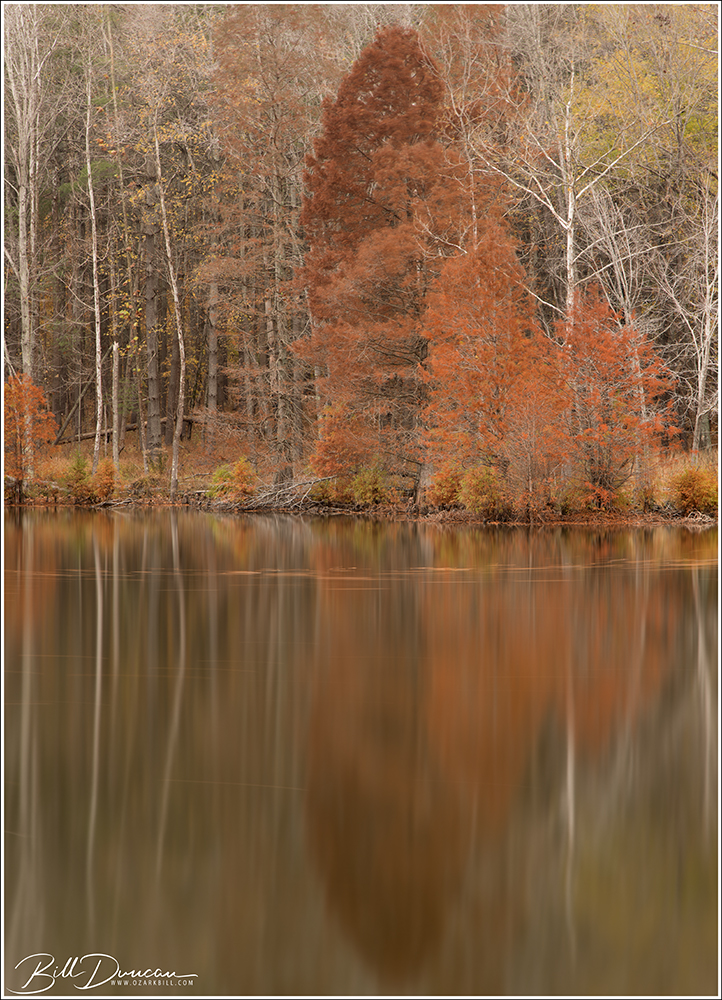
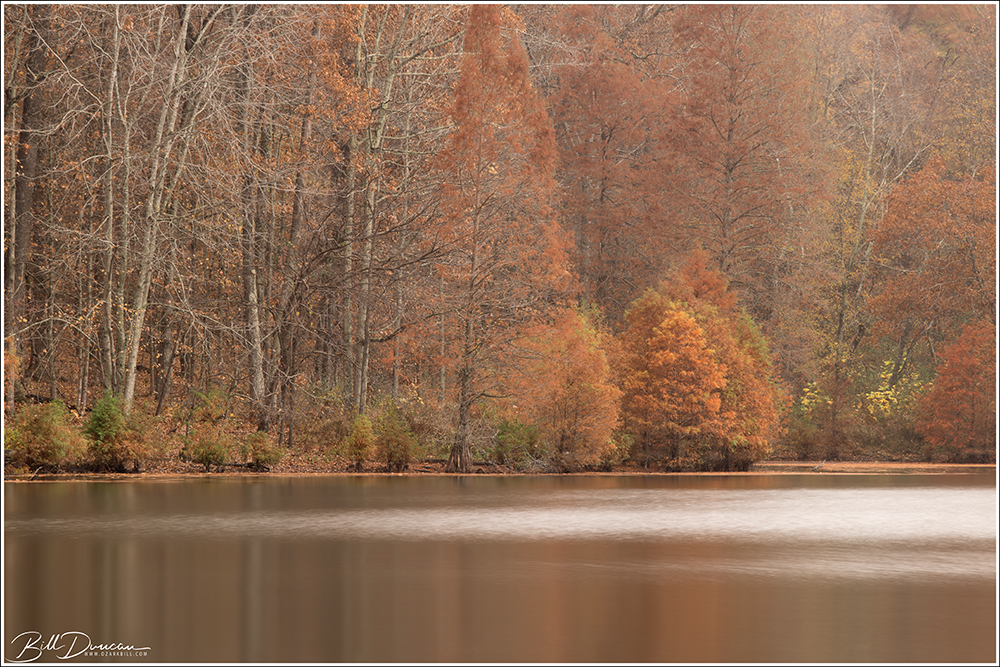
Many thanks to the photographers we met on the trail at Bell Smith Springs Wilderness who tipped us off to a spectacular mirror lake in the Shawnee. Miguel and I stopped at this location before heading back to St. Louis. The peak fall colors were obviously passed but this place screams potential and I hope to get there again next year. We had really nice conditions for this type of photography, with cloudy skies and winds which weren’t too bad. We could have found a few more compositions but the rains came and the winds got worse so we called it a day.
A different composition from the same scene as above.
The waters here were not as calm as to be desired for our purposes, but using polarizer and neutral density filters allowed us to get long shutter speeds that helped to lessen the effects of any wind-blown ripples on the water’s surface. All images in this post from this location were taken with shutter speeds between 20 and 30 seconds.
A wind-blown mirror lake
In the photo above the wind was starting to move pretty quickly across the wider portion of the lake. Using a shutter speed of 30 seconds allows the ripples created to appear with a more painterly appearance.
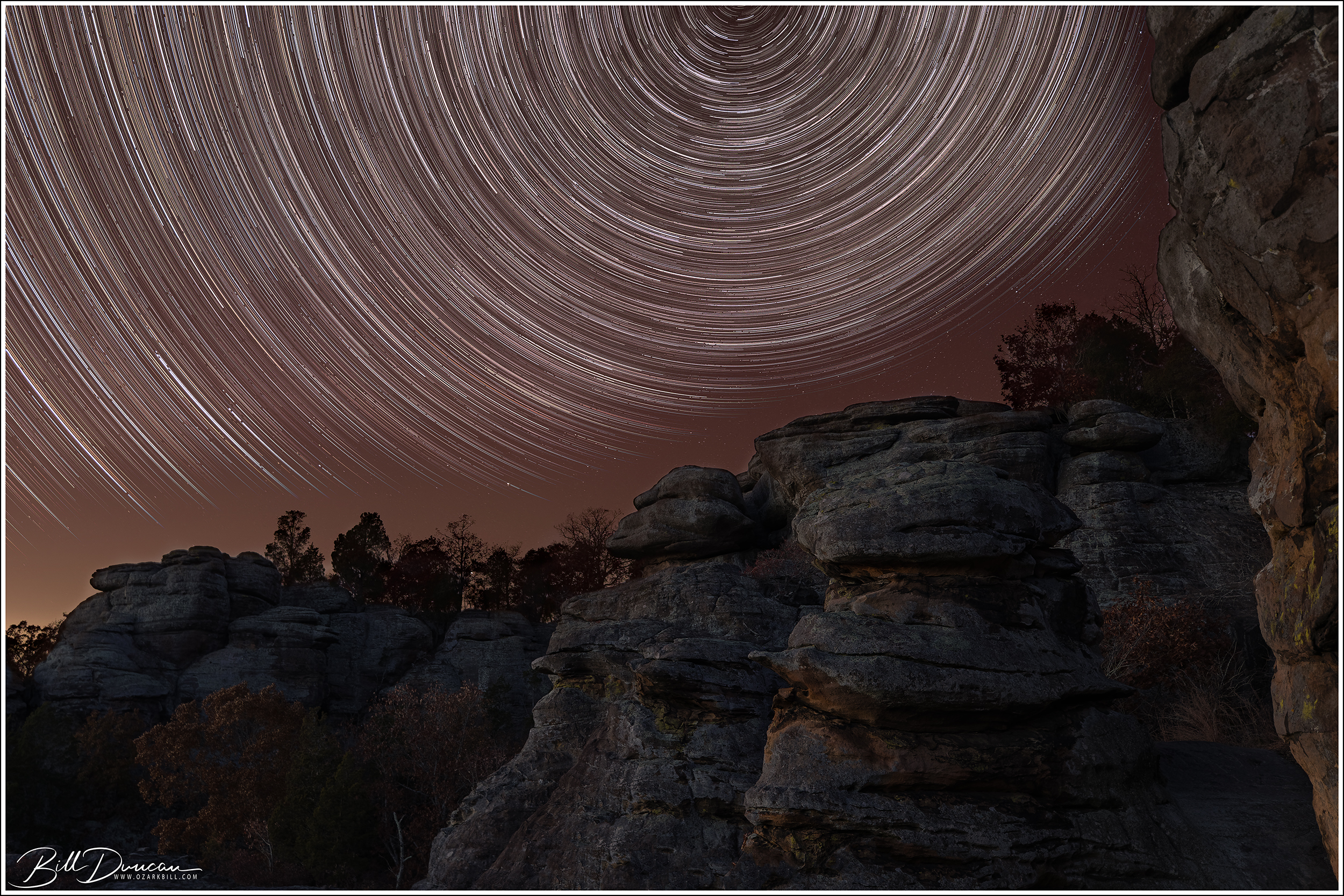
Monkey face with star trails
During this weekend trip, some of us enjoyed the camping experience while others chickened out and stayed at hotels or cabins. Similarly, some of us stayed late at GOTG to do a little astrophotography. Well, I should say that I stayed late. 😉 After my friends nabbed a couple of quick Milky Way images, they headed back to their air conditioned rooms and I was left by myself to work on the photo seen above. This photo was made by combining 213 30-second images in the computer to build the star trails with the iconic “monkey face” and other rock formations that GOTG is known for in the foreground.
This was a great weekend of friends, photography, hiking and camping.
I can’t help but to marvel at this grand post oak every time I visit Victoria Glades in Jefferson County, MO. I’m always hoping to be there in good light and skies to take a worthy photograph of it. On a morning of a WGNSS Nature Photo Group field trip, I arrived a little early with this in mind. Not an interesting sky, but I used the bright sun to my advantage to create a starburst.
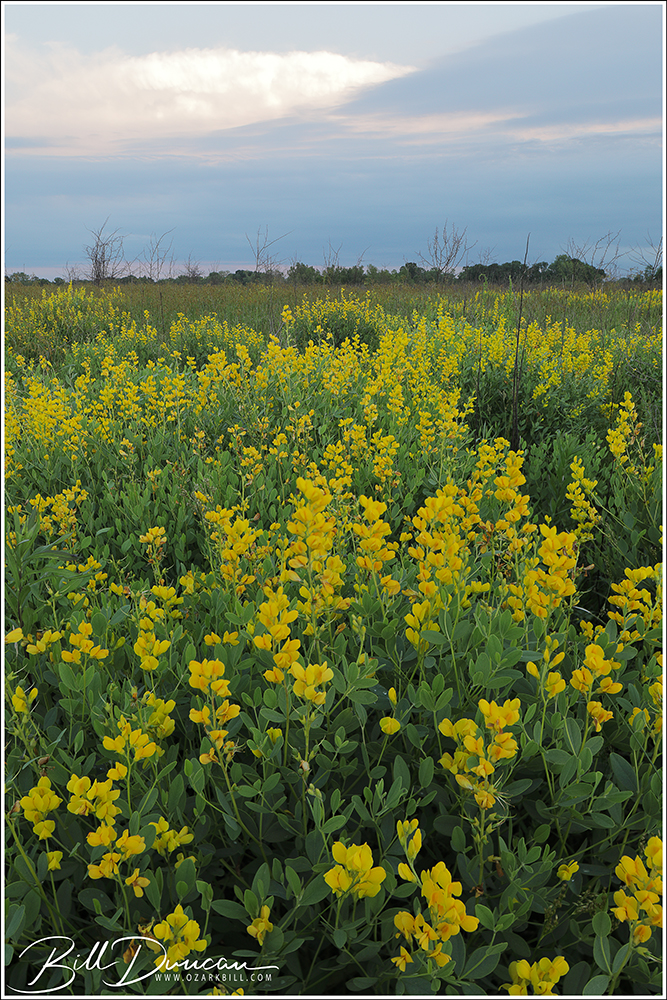
This nice patch of Baptisiasphaerocarpa was found back in May of 2021 at Rick Evans Grandview Prairie WMA in Hempstead Co., AR. Although this species is found in a few of our southwestern prairies, most consider these to be introductions and not a native plant of Missouri.
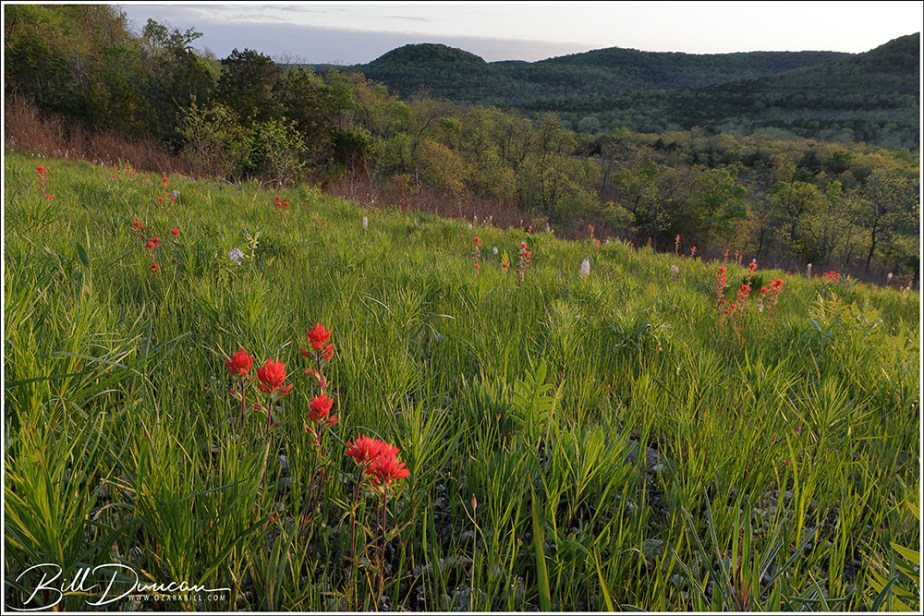
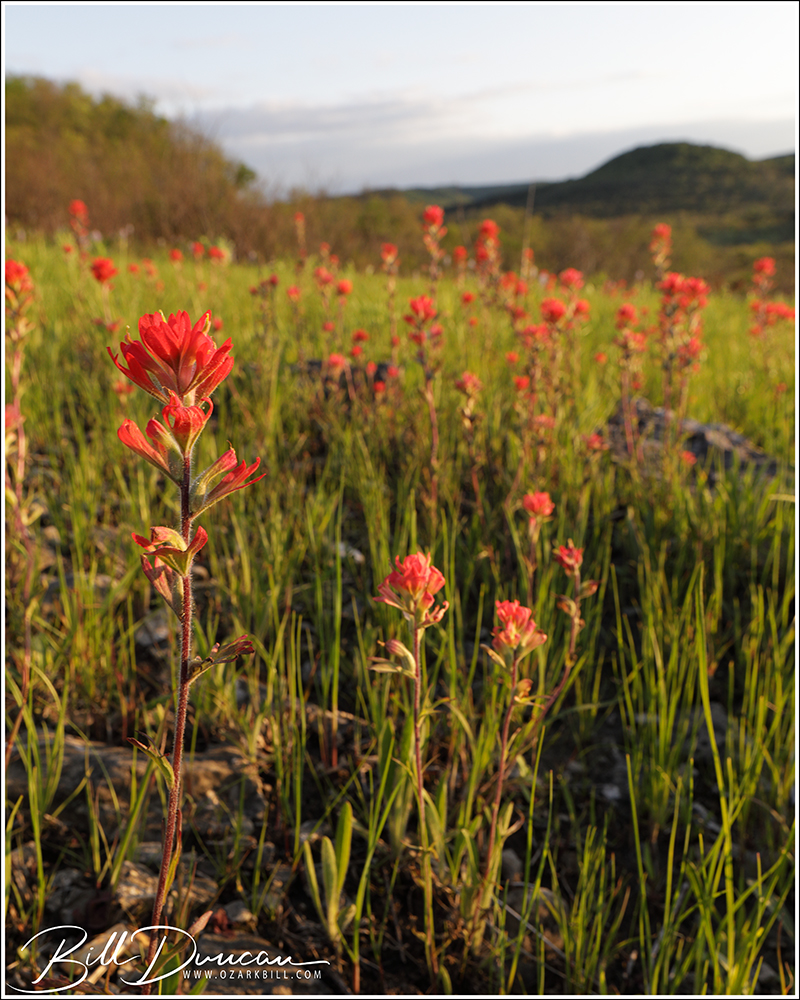
I finally got to spend some time at Roaring River C.A. this past spring when Casey and I made a trip to the southwest of the state. This location is easily seen driving to and from Roaring River State Park. At this time, the Castilleja coccinea (Indian paintbrush) and Camassia scilloides (wild hyacinth) were the stars of the show, accenting the hilly glades and savannahs.
Castilleja coccinea (Indian paintbrush) in bloom at Roaring River Conservation Area.
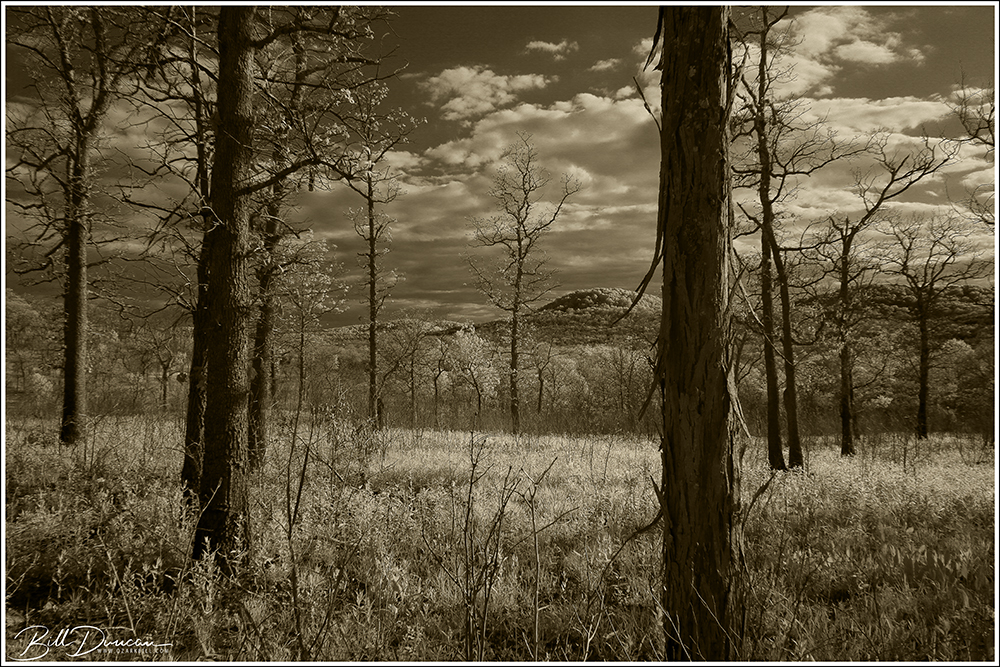
A sepia treatment was given to this infra-red capture of the savannah at Roaring River Conservation Area.
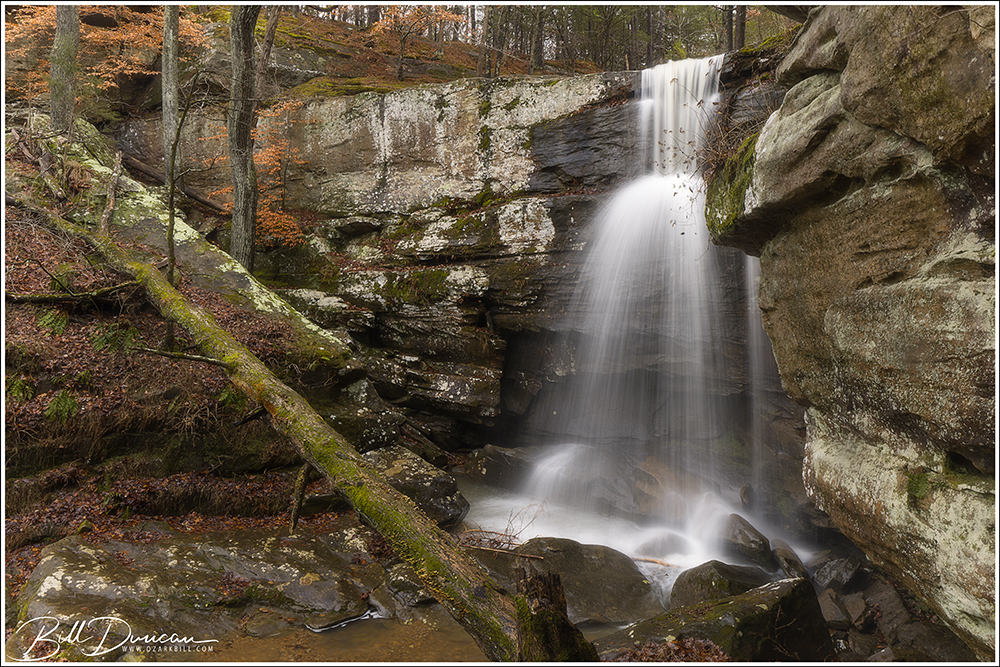
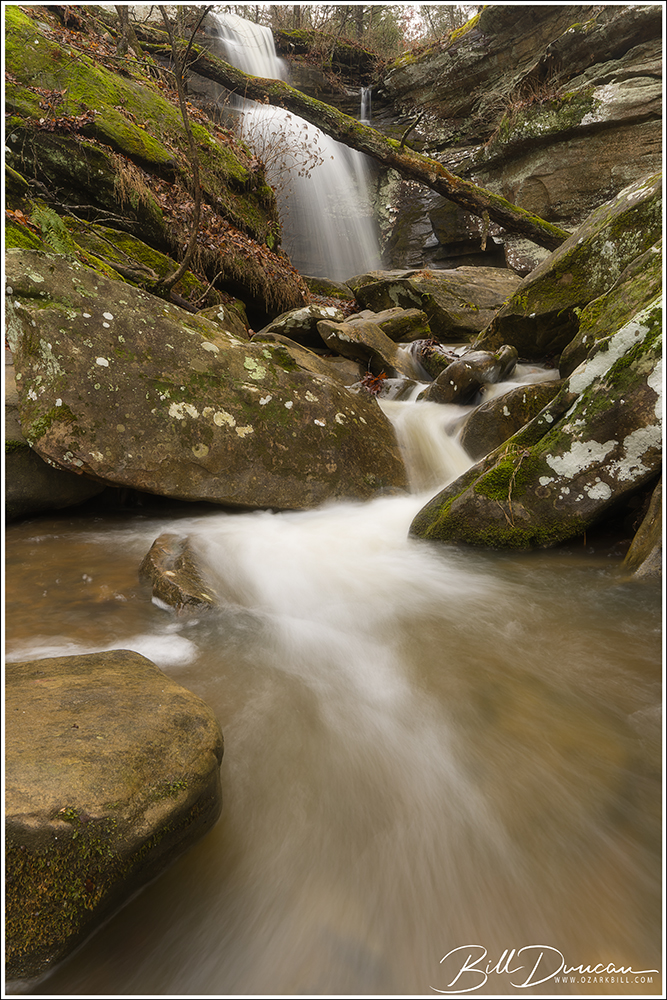
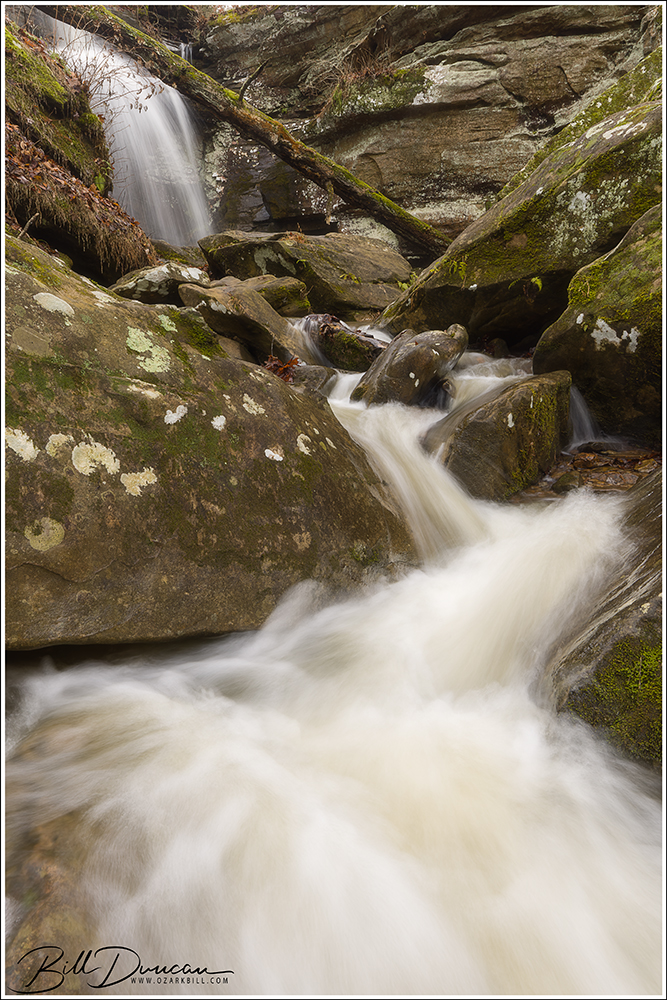
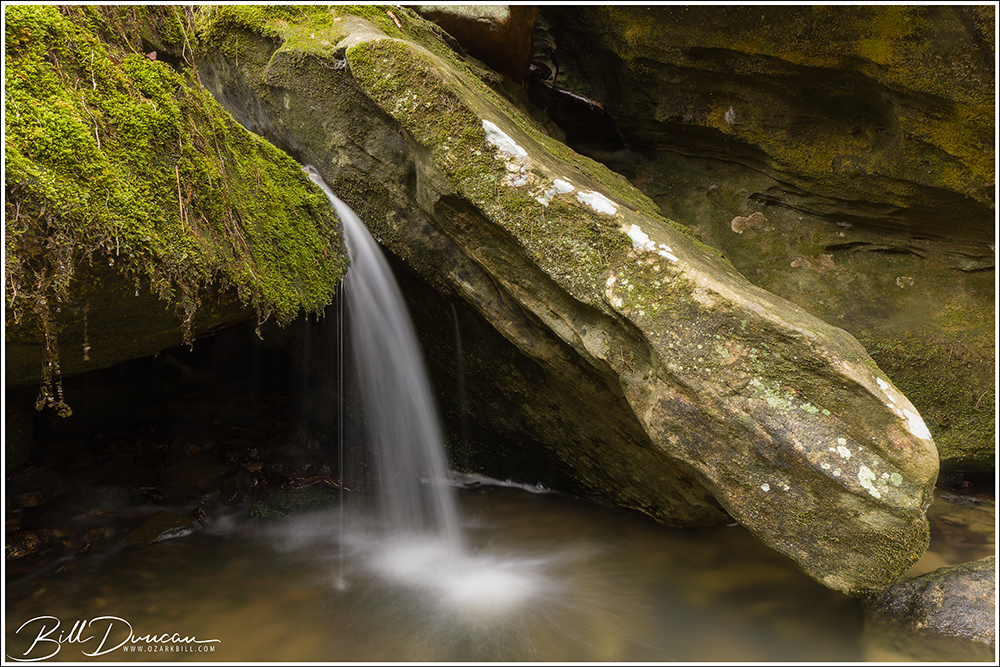
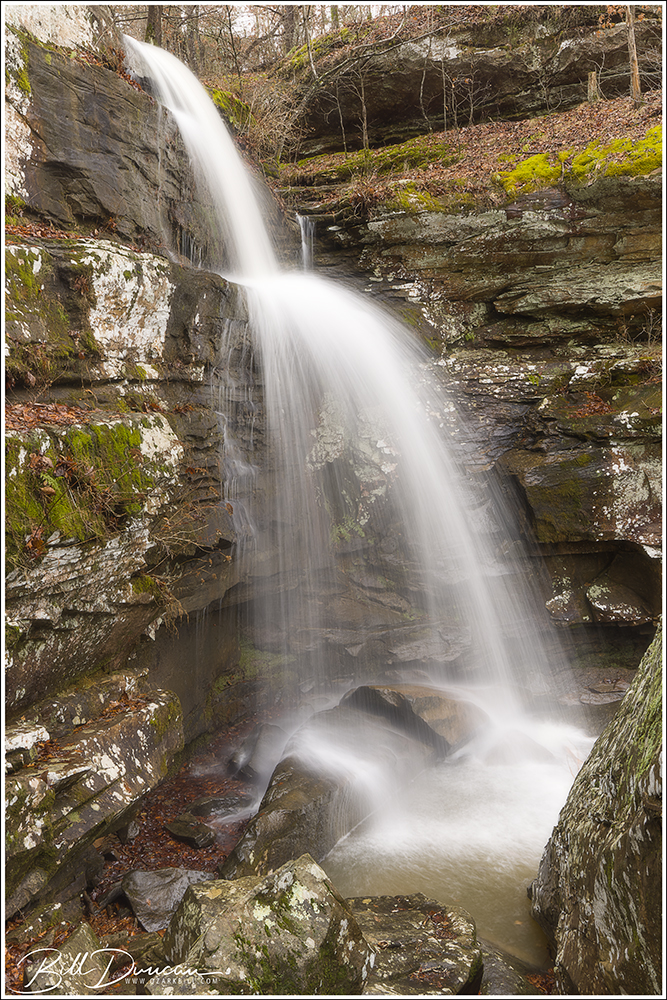
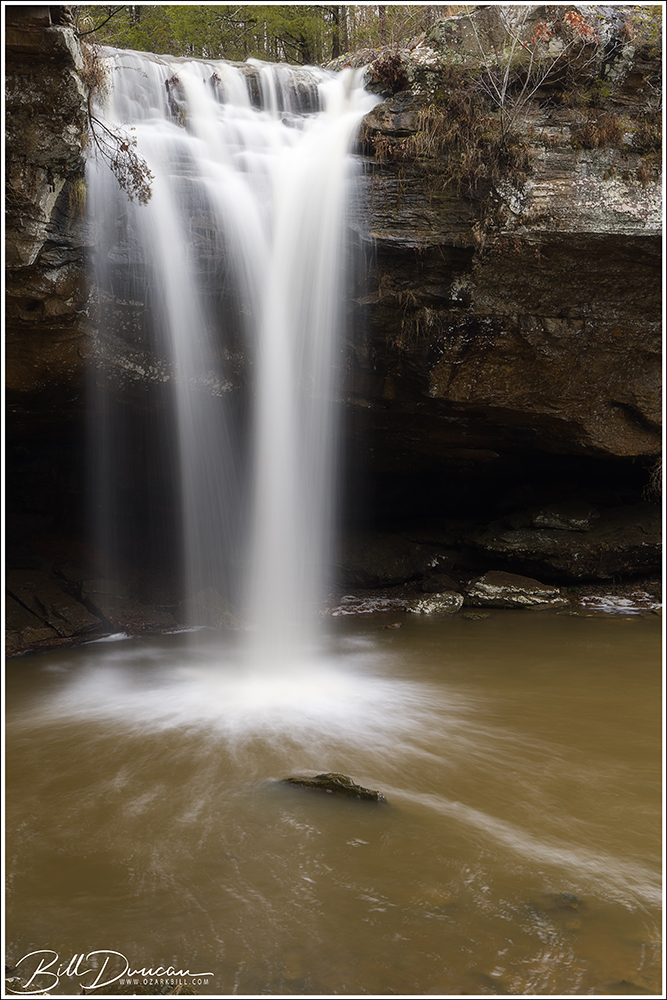
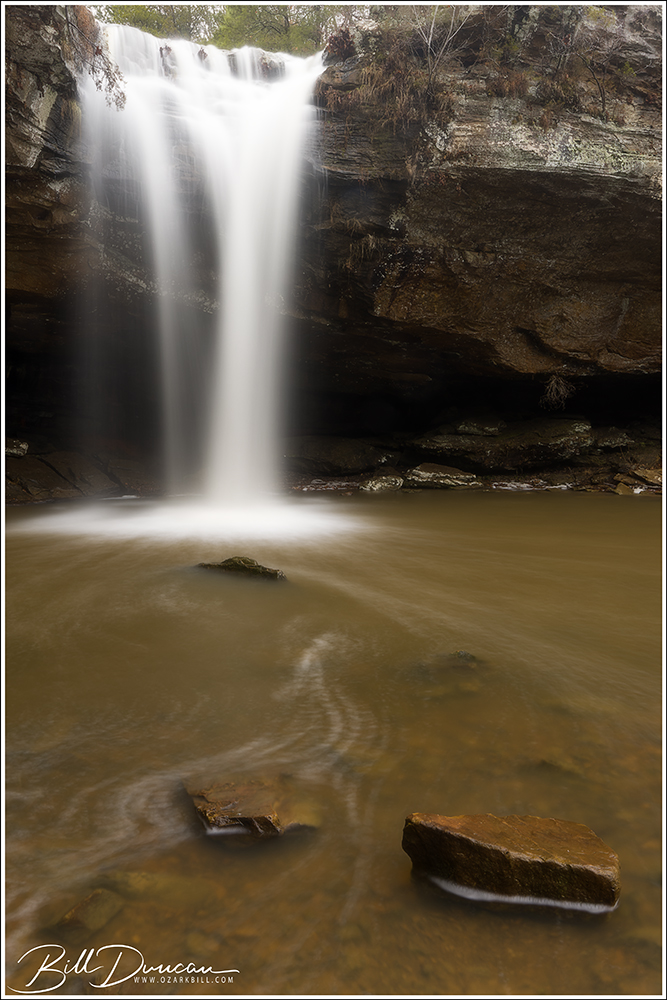
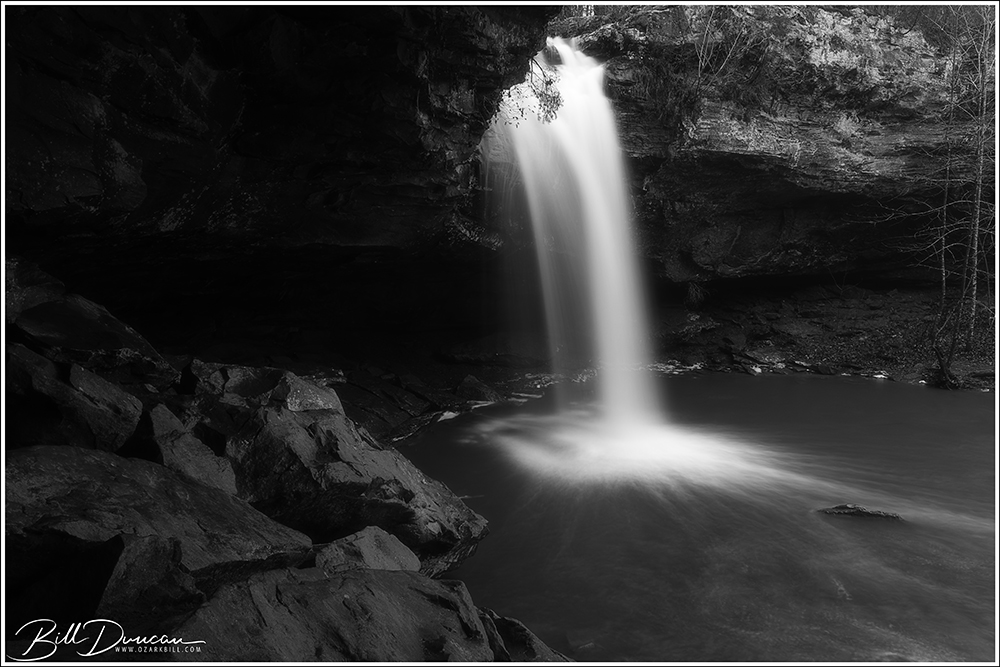
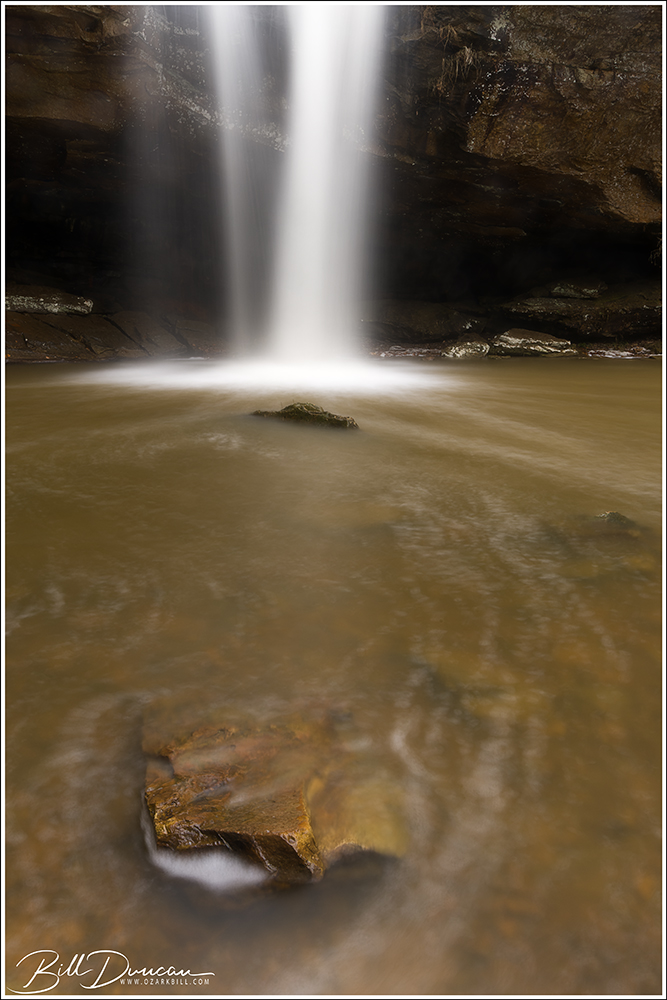
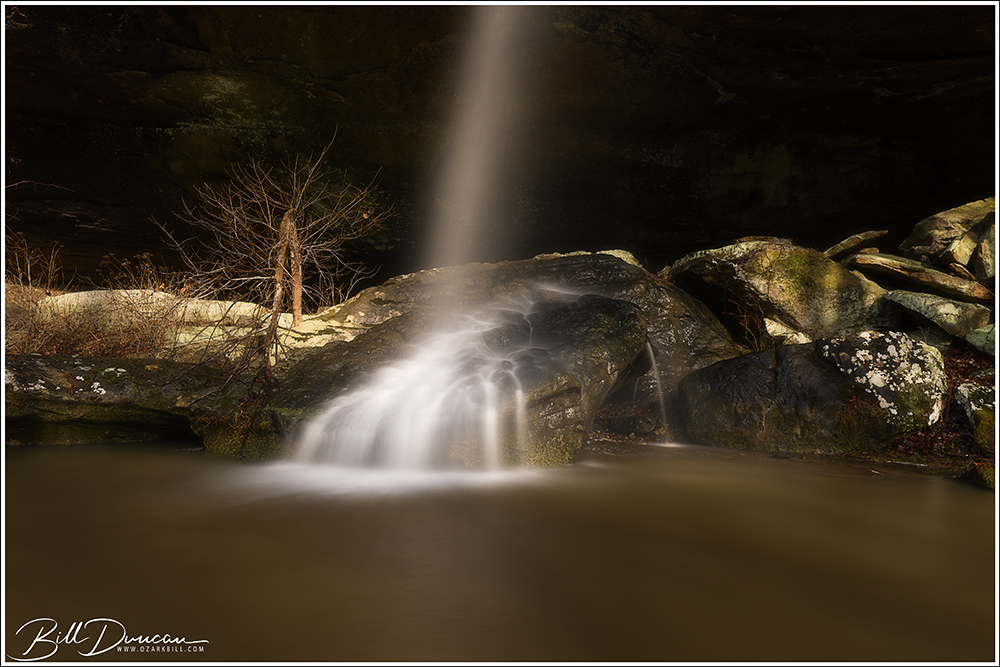
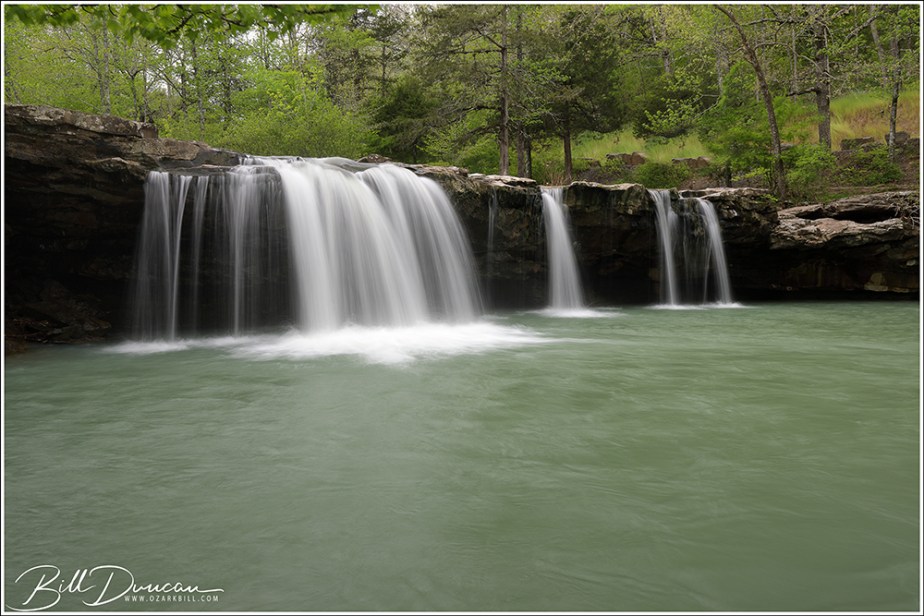
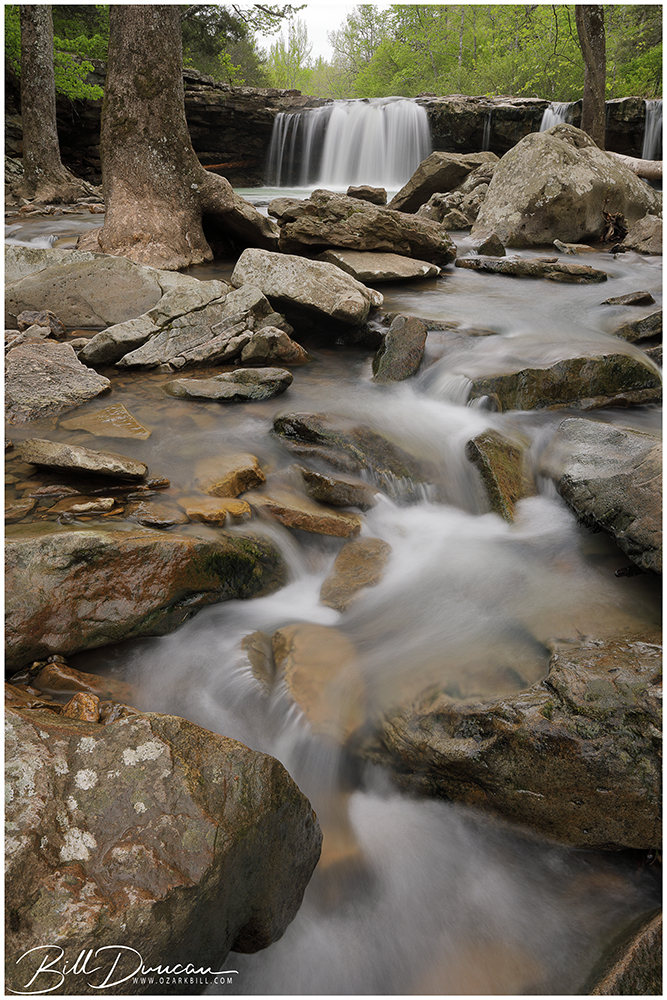
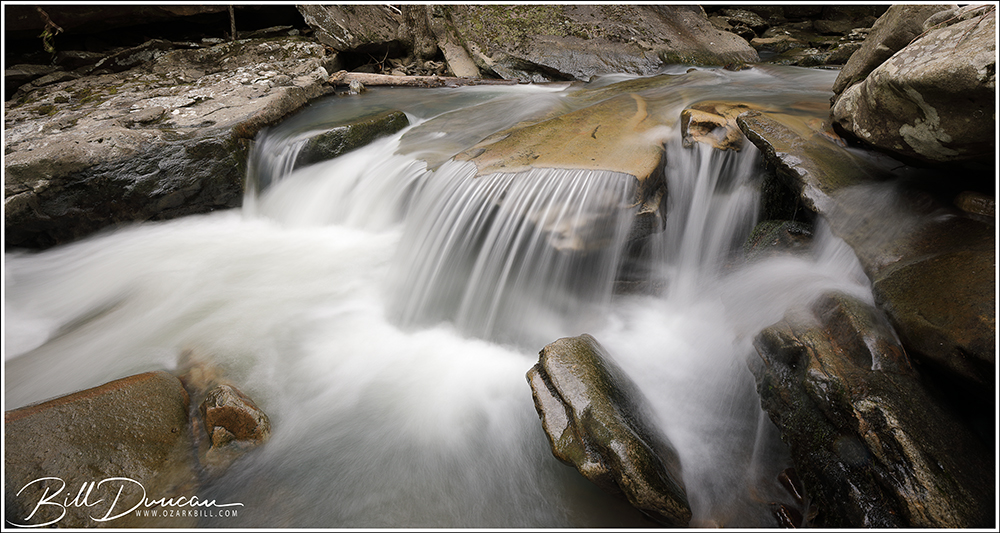
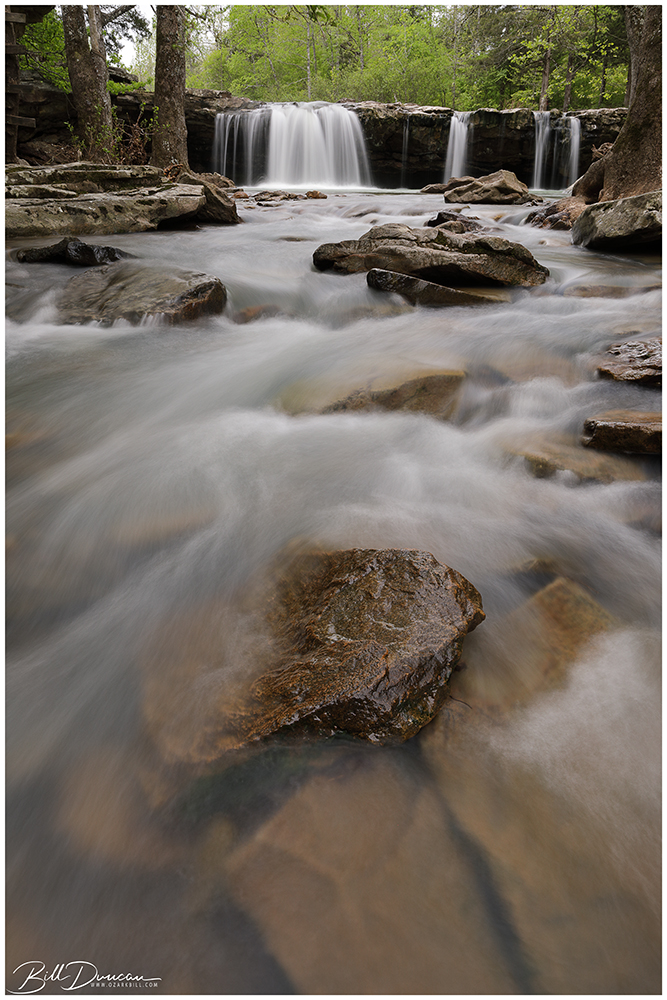
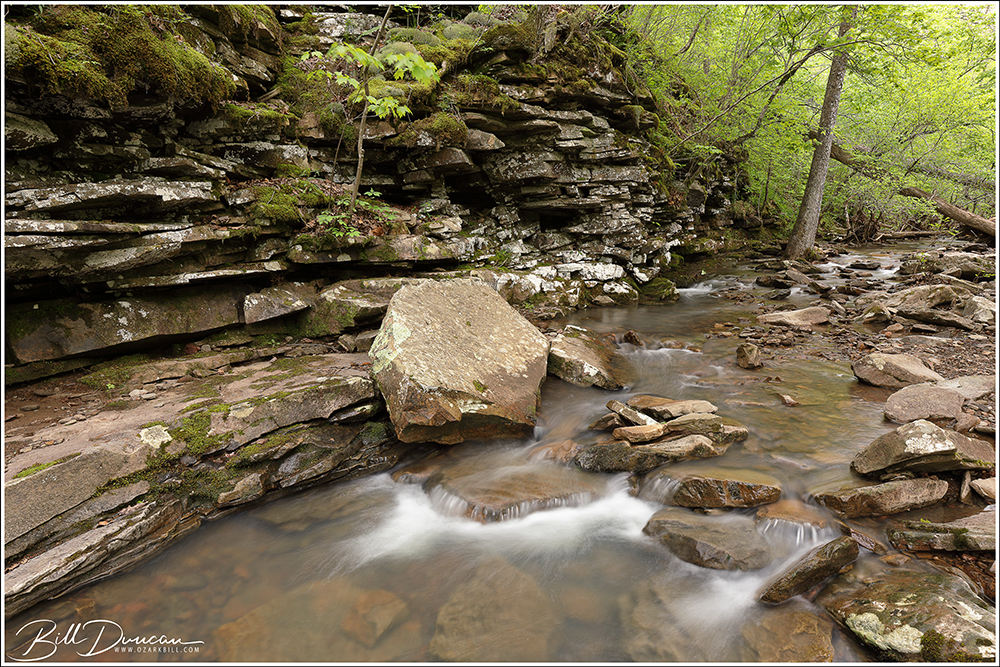
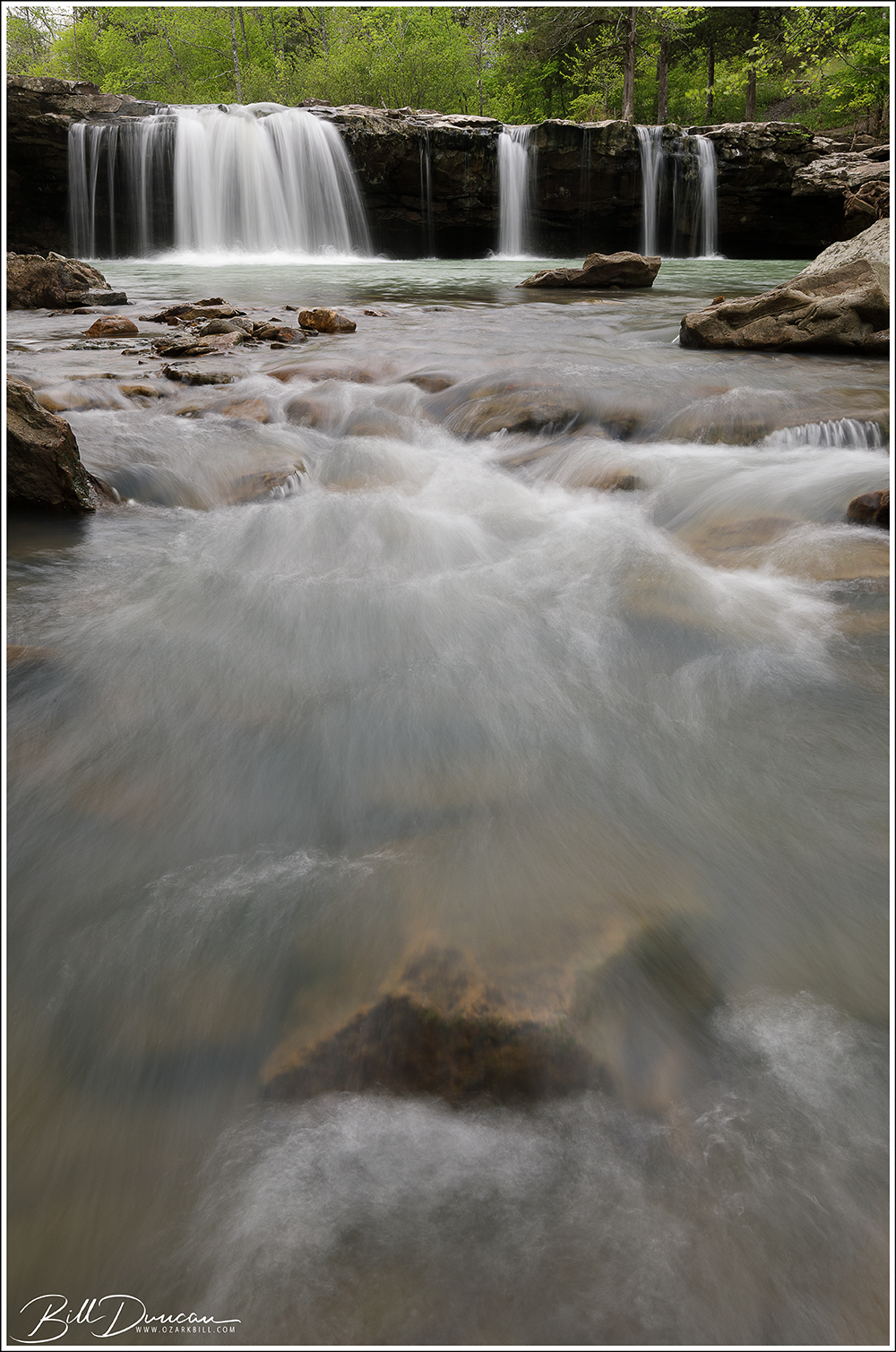
Another great spot from our Arkansas trip back in May 2021 was the appropriately, if not too imaginatively, named Falling Water Falls in Pope County. This one was a lot of fun.











 A Thousand Acres of Silphiums