"What a thousand acres of Silphiums looked like when they tickled the bellies of the buffalo is a question never again to be answered, and perhaps not even asked." -Aldo Leopold
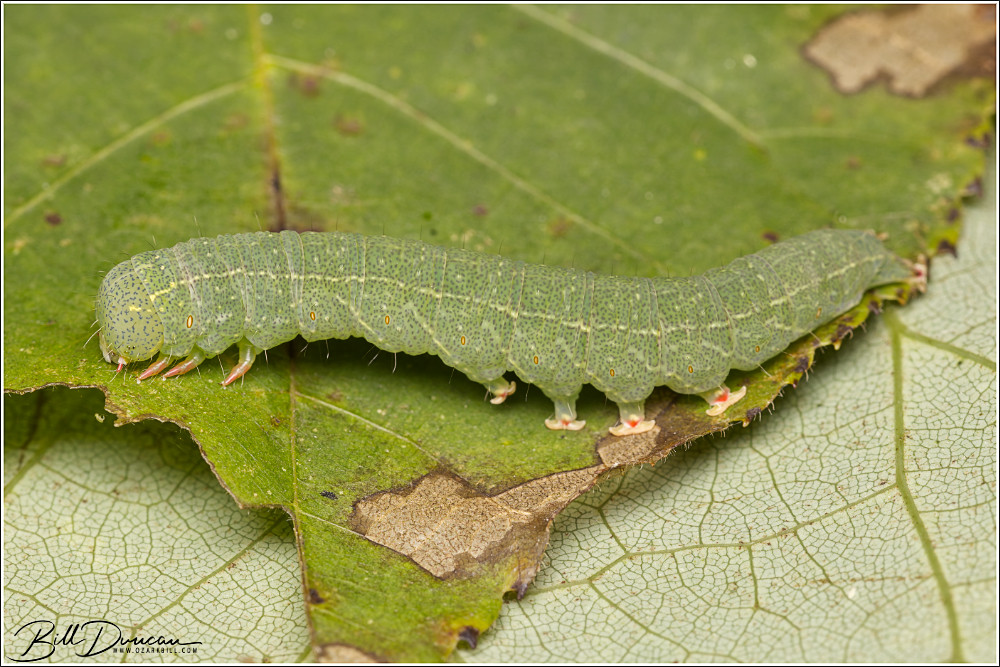
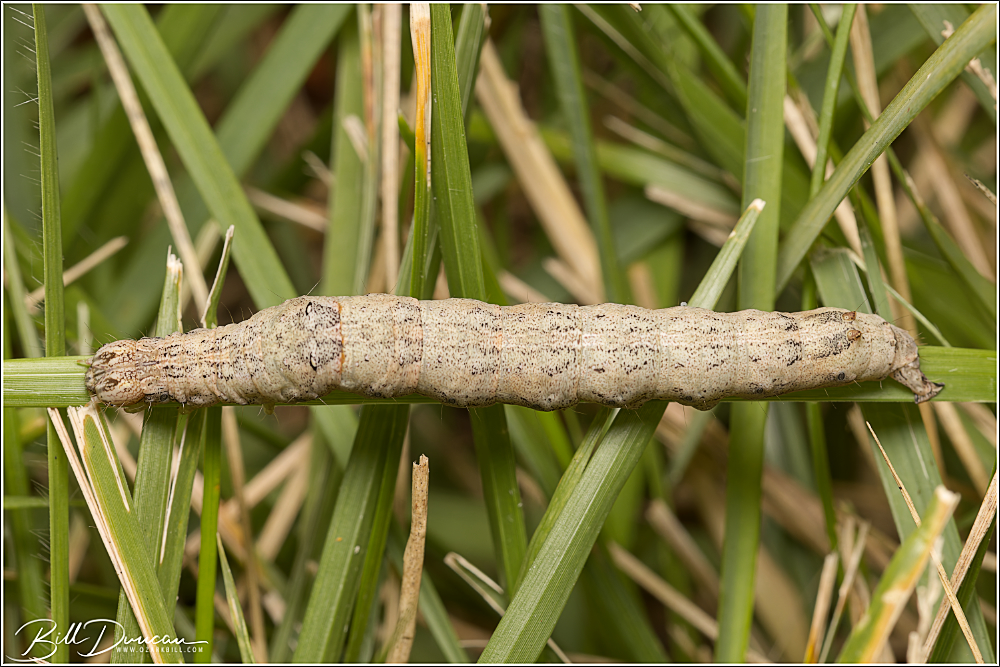
Brown Panopoda Panopoda carneicosta fam. Erebidae (Hodges#8588) Host plant: Found on hickory (Carya sp.) Date found: 09, 16, 23 Aug, 2025 Location found: BK Leach Conservation Area, Lincoln County, MO; Council Bluff Lake, Iron County, MO; Tyson Research Center, St. Louis County, MO Notes: With information I have, there appears to be no easy methods to discern between larvae of Panopoda carneicosta and P. rufimargo (red-lined panopoda). However, there is suppose to be distinct differences in host preferences, with P. carneicosta showing strong preferences for hickory and other members of Juglandaceae, while P. rufimardo reportedly feed on oak and beech (Fagaceae). My identification is based on the host plants on which the cats were found.
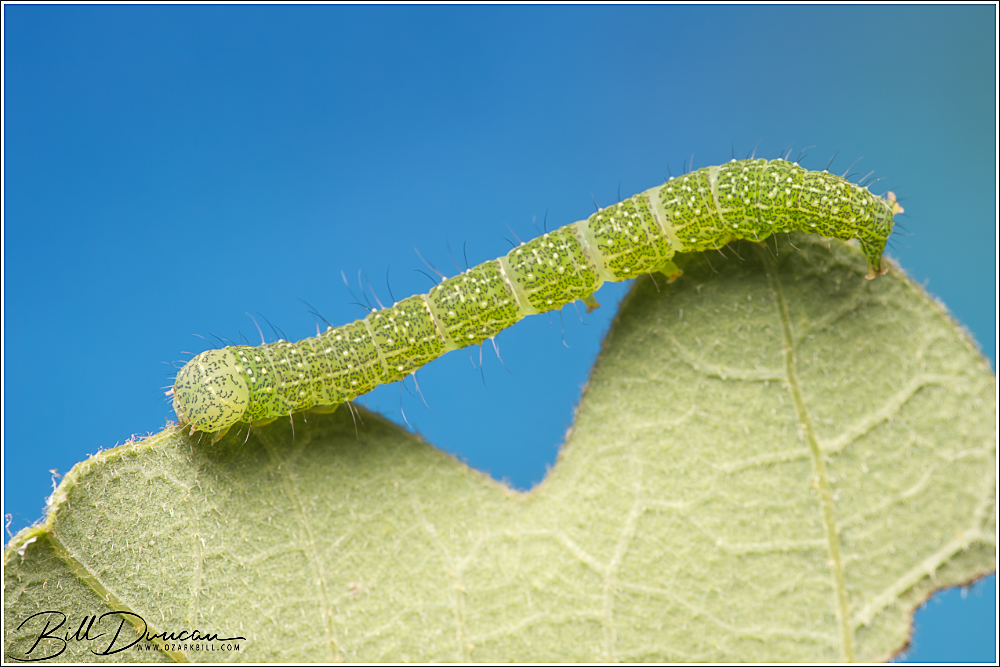
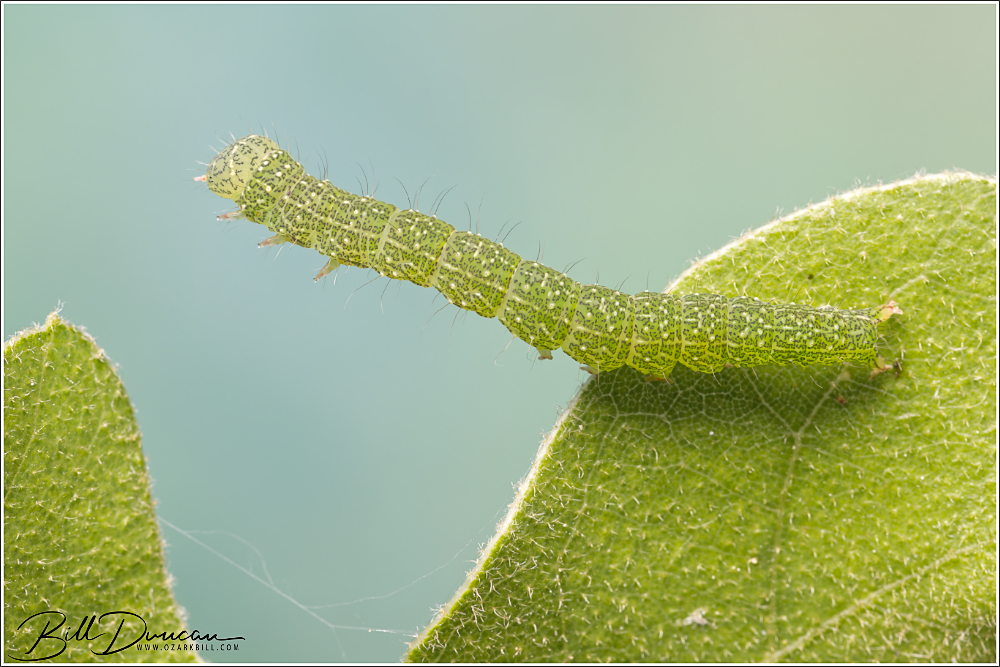
Small Necklace Moth Hypsoropha hormos fam. Erebidae (Hodges#8528) Host plant: eastern persimmon (Diospyros virginiana) Date found: 02 & 09, Aug, 2025 Location found: Trail of Tears State Park, Cape Girardeau County & BK Leach Conservation Area, Lincoln County, MO Notes: Both common and specific names (hormos – Greek for ‘a chain’) refer to the necklace-like pattern of dots across the postmedial line of the adult moth.
Hypsoropha hormos found at Trail of Tears State Park on 2-Aug-25
Hypsoropha hormos found at BK Leach C.A. on 9-Aug-25
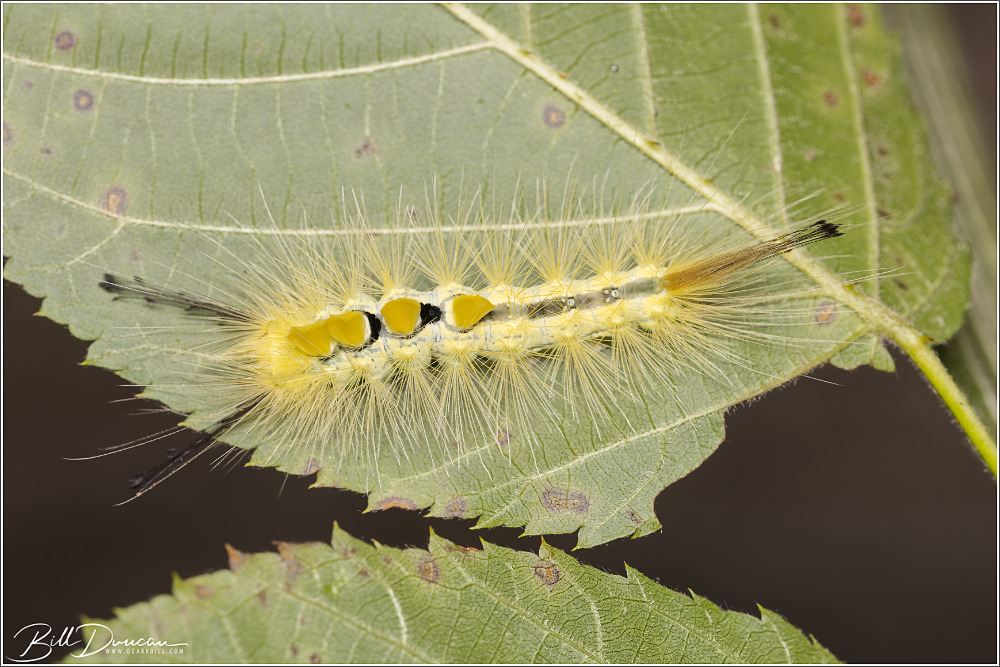
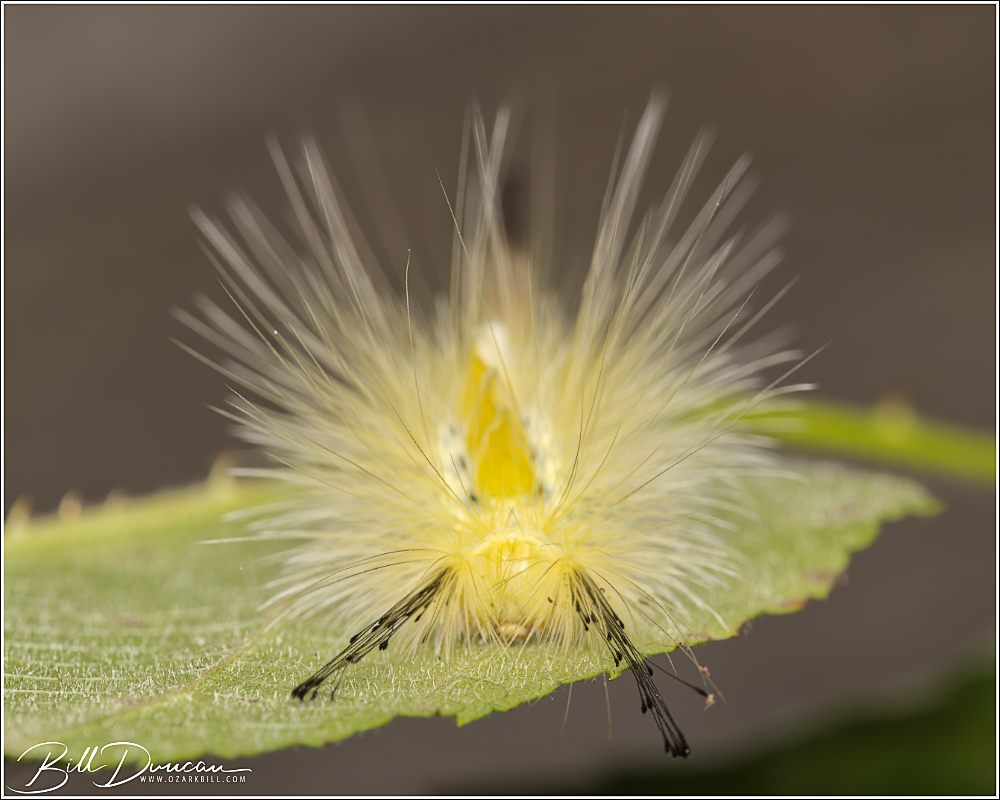
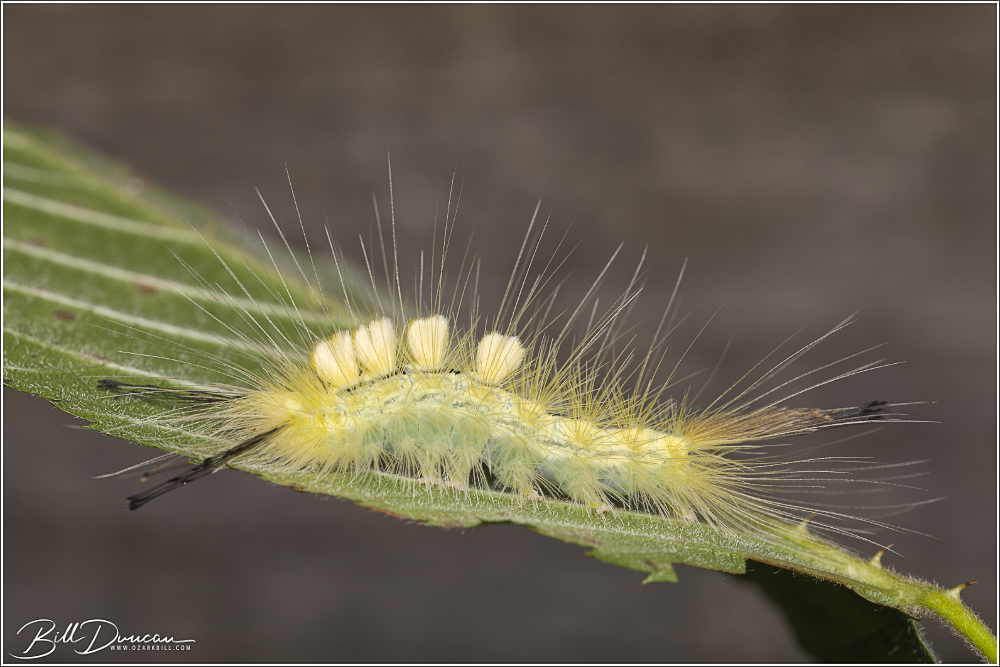
Definite Tussock Moth Orgyia definita fam. Erebidae (Hodges#8314) Host plant: Found on common blackberry (Rubus allegheniensis) Date found: 09, Aug, 2025 Location found: Cuivre River State Park, Lincoln County, MO Notes: Found in dense populations east of the Mississippi River, this species has only a handful of records in Missouri databases such as iNaturalist and butterfliesandmoths.org. I realize that I had seen this caterpillar before, but being the amateur that I am, I though I was looking at a lightly colored or recently molted Orgyia leucostigma.
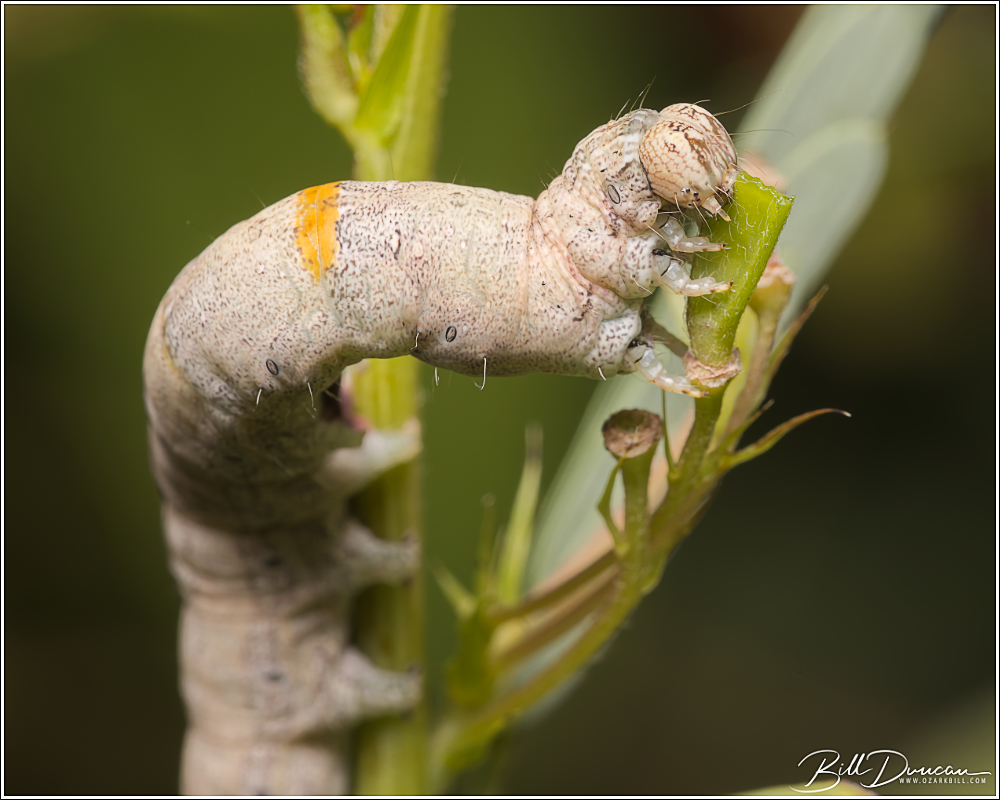
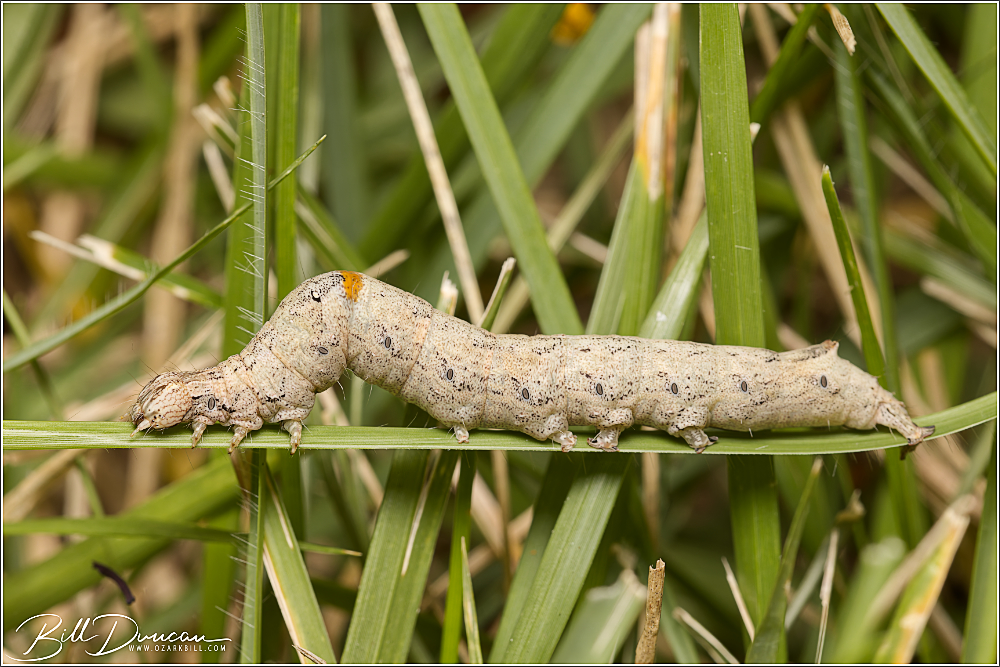
I’ve tried hunting for caterpillars among my native plants in the yard over the past several years, hoping to find some interesting caterpillars with very little success. This past weekend I was looking around my little prairie patch in the backyard with my UV flashlight and found something exciting. Two large caterpillars feasting on partridge pea (Chamaecrista fasciculata). It took me quite a bit of research to finally identify them as one of the Zale moths (Zale sp.) in the Family Erebidae. I am fairly certain this must be Zale lunata (lunate zale), but according to Wagner in “Caterpillars of North America” and “Owlet Caterpillars of Eastern North America,” Z. lunata and Z. minerea are nearly indistinguishable as larvae. However, because there are no records I could find of Z. minerea feeding on herbaceous plants and Z. lunata is known to feed occasionally on herbaceous plants, particularly those in the pea family, I think it is a safe bet to call these Z. lunata. To test this for certain, I hope to be able to find them again and try rearing one to an adult, which are easy to distinguish between these two species.
15-August update:
A couple of nights after taking these photos, I visited the prairie patch and found four of these zale caterpillars. I collected one and put it into a flight cage along with some freshly cut partridge pea.
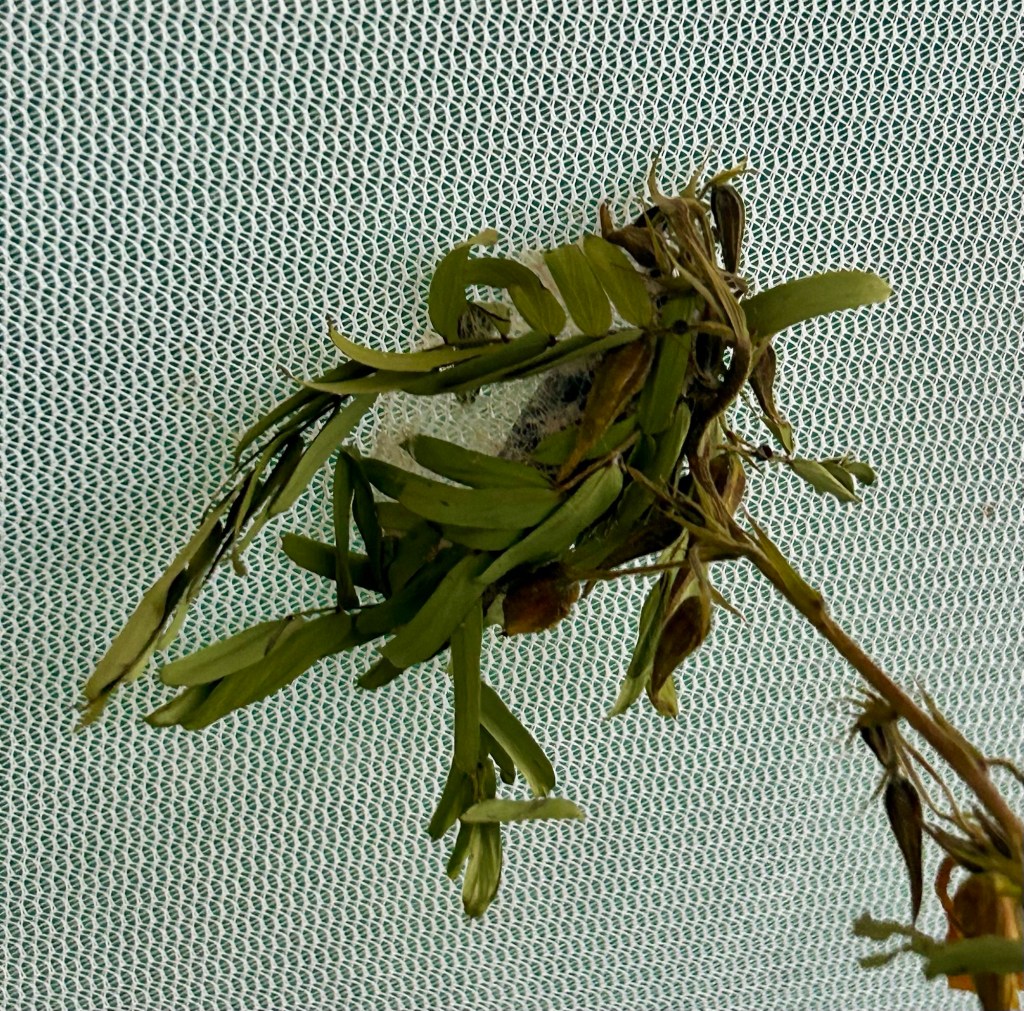
After not being able to find the caterpillar for the past two days, I finally discovered that it had pupated and has used some of the vegetation to cover its cocoon. There’s a chance it might eclose this year. If not, I’ll have to wait until the spring, assuming it survives that long. Here’s a photo of its pupation site.
Zale sp. cocoon
28-August update:
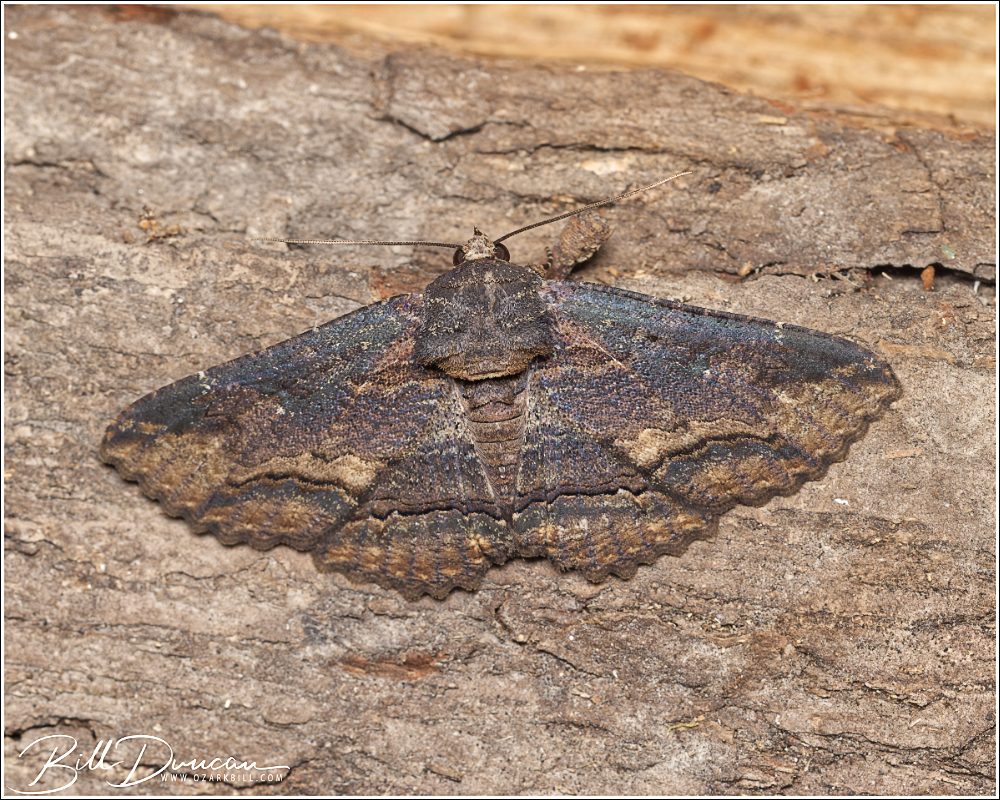
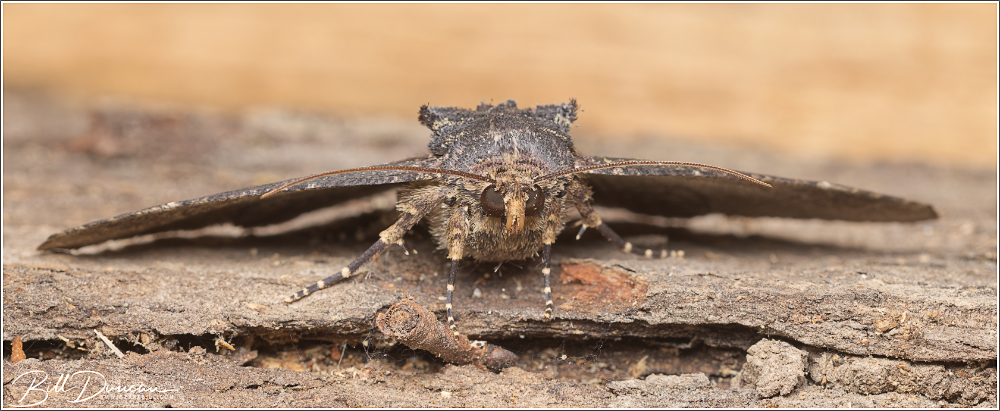
Upon returning from work today, I found that my Zale had eclosed! I took a few photos and I think we can now definitely say this is Zale lunata.
Today’s cat is the tephra tussock moth (Dasychira tephra) in the Family Erebidae. This one was found feeding on hickory (Carya sp.) in July at Meramec State Park in Franklin County, MO. This guys has somehow lost the long dorsal lash on the eighth abdominal segment – a feature that is key in identification. All other characteristics seem to match. This species seems to prefer oaks but can be found on a variety of deciduous woody species. Members of Dasychira exhibit variable patterns and coloration and seem to vary geographically.








 A Thousand Acres of Silphiums