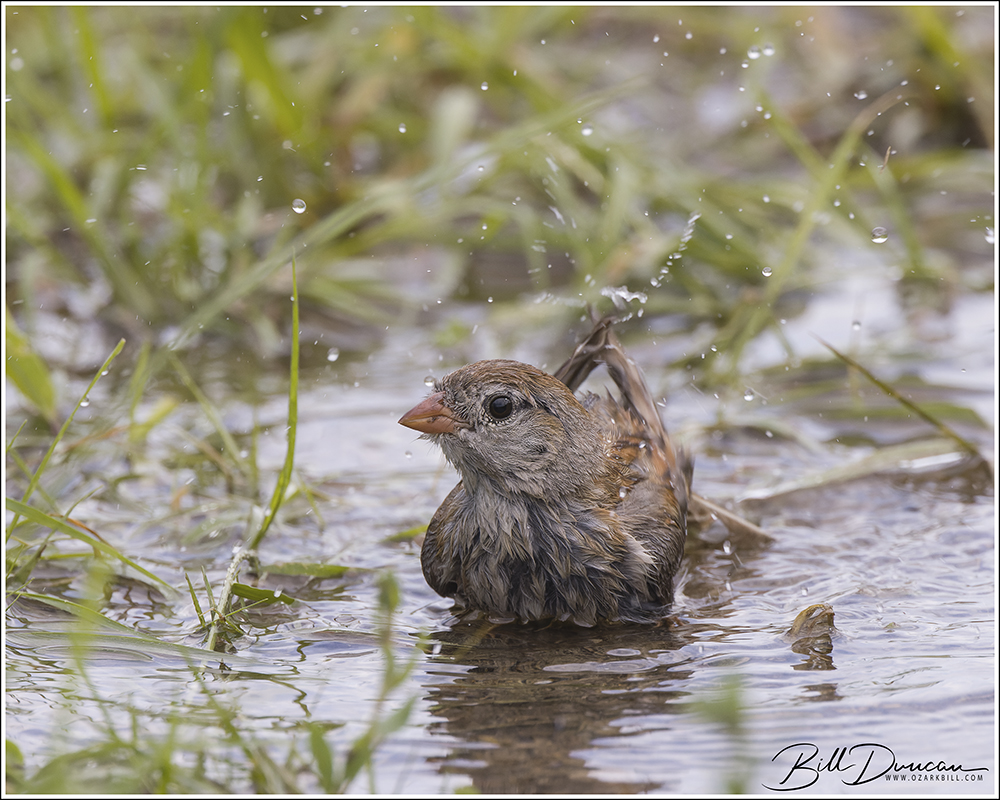
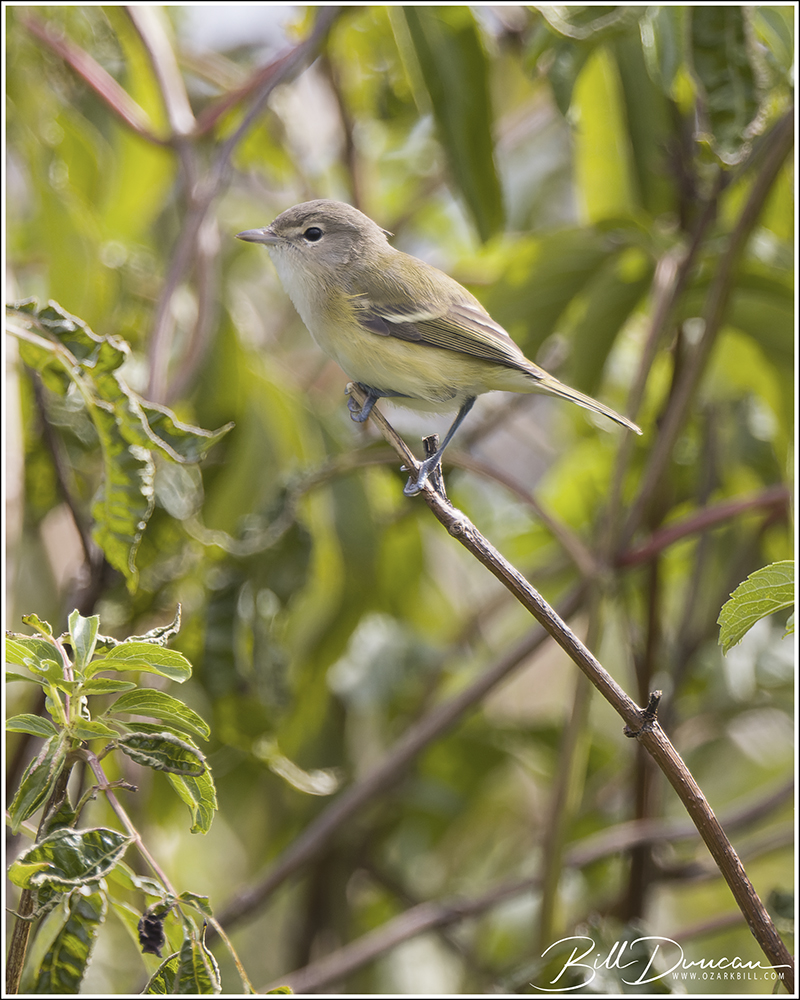
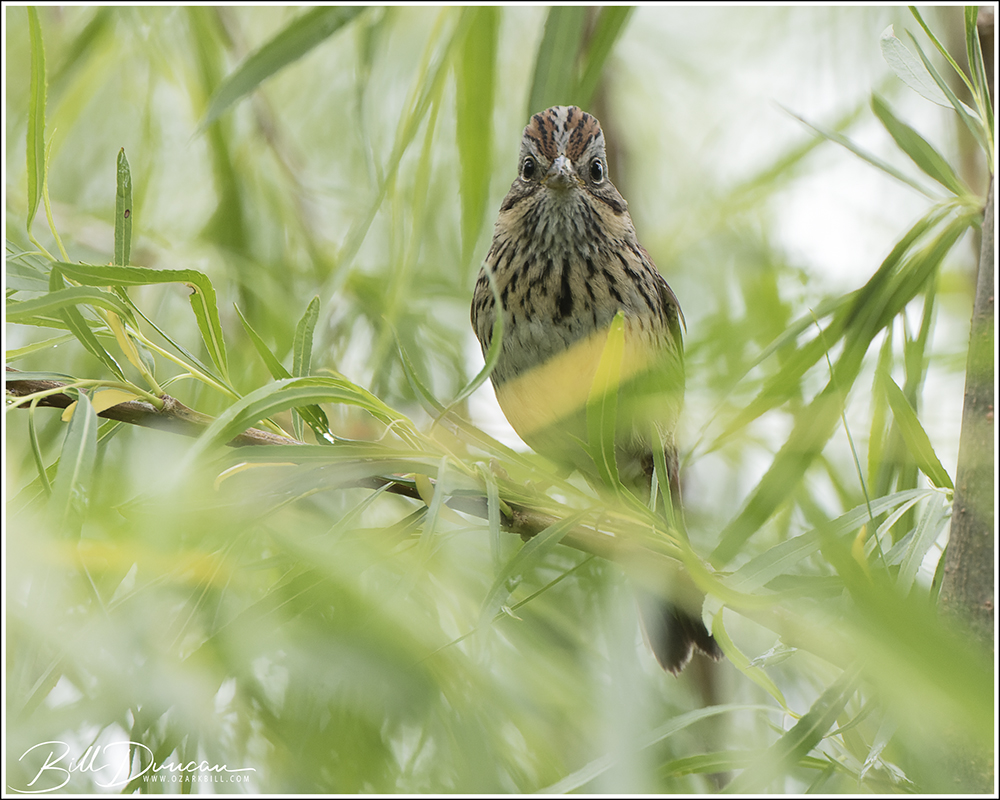
Just a trio of birds photographed in 2023 that didn’t fit into any specific post.
"What a thousand acres of Silphiums looked like when they tickled the bellies of the buffalo is a question never again to be answered, and perhaps not even asked." -Aldo Leopold
Just a trio of birds photographed in 2023 that didn’t fit into any specific post.
On a couple of successive Saturdays in mid-February, I had the pleasure to find myself at an old favorite spot to practice my high-speed action photography on some of the cutest little predators that I can imagine. In a spot more popular with fisher folk, I setup immediately behind the spillway of the Carlyle Lake damn with high hopes of shooting the Bonaparte’s Gulls that winter in this area.
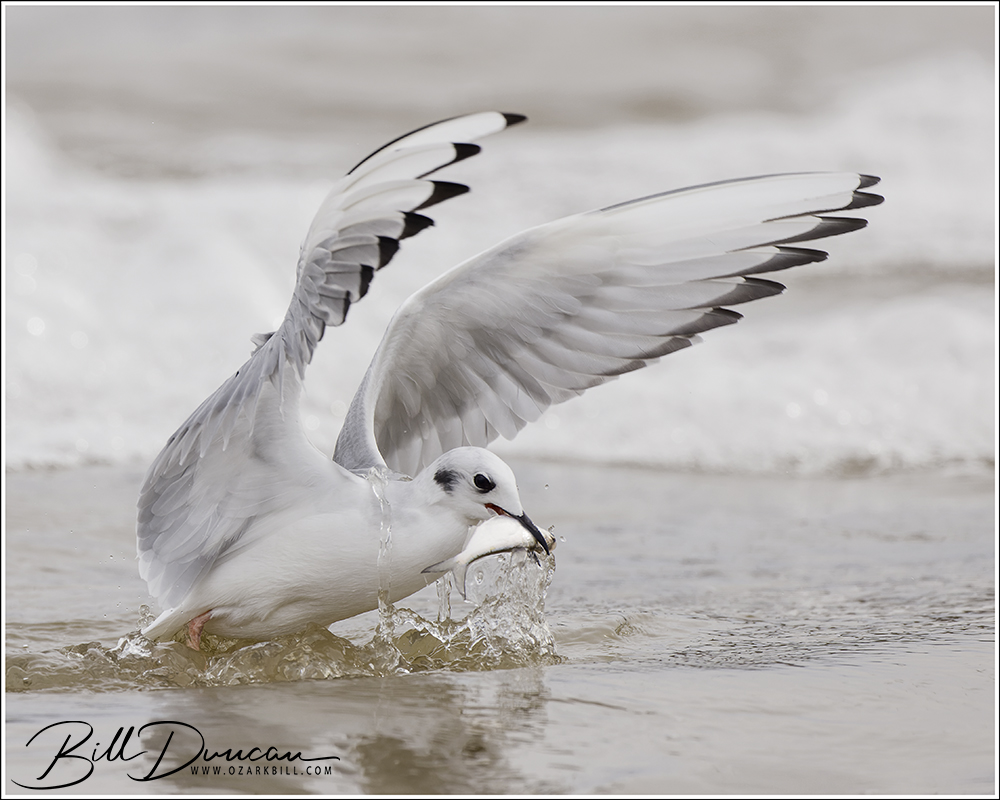
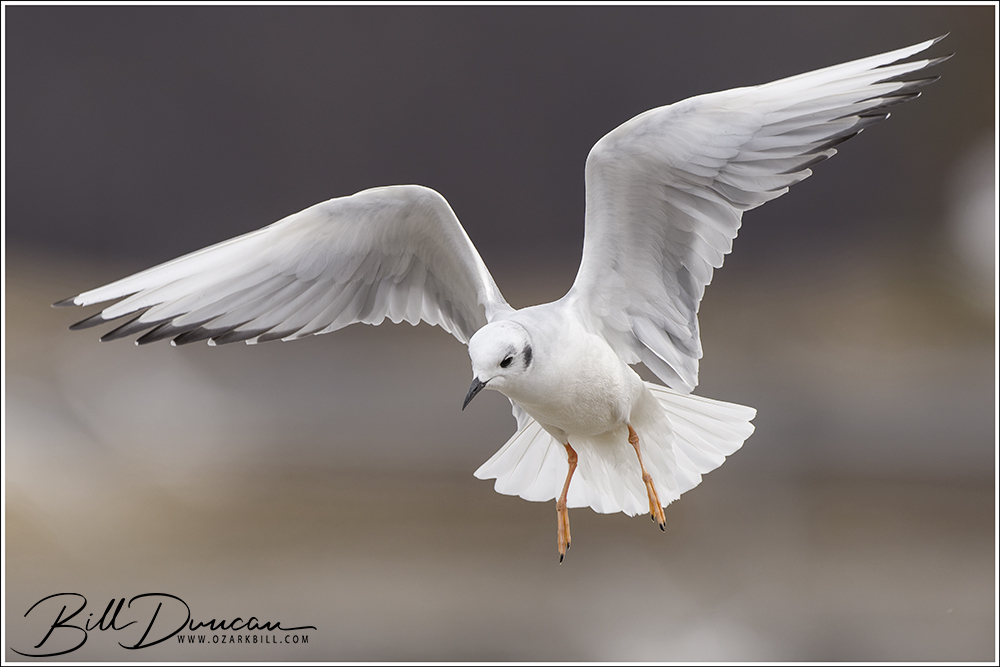

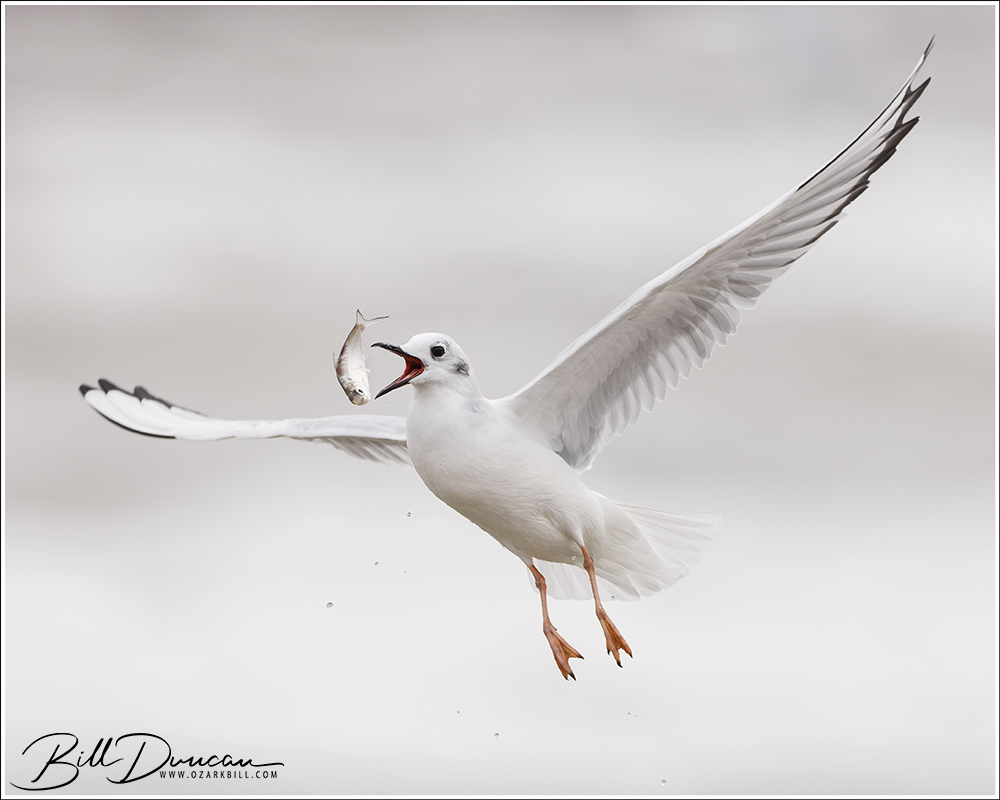
On my first Saturday visit, these cute little “Bonnies” represented at least 75% of the gull species taking advantage of the stunned gizzard and threadfin shad that come pouring through the spillway. This was great! Although photographing Ring-billed Gulls is always good for practice, they don’t excite me very much at all. What wasn’t great on this first day was the light, which I would describe as something like the sloppy end of a morning’s constitutional. Thank goodness for modern cameras with much improved high ISO performance and autofocus systems!
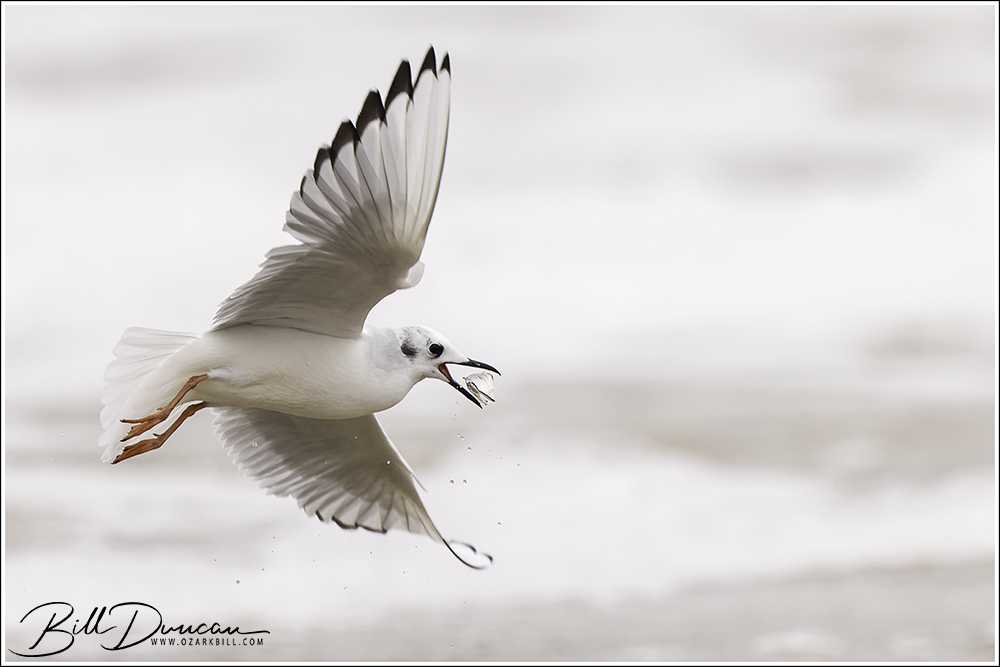
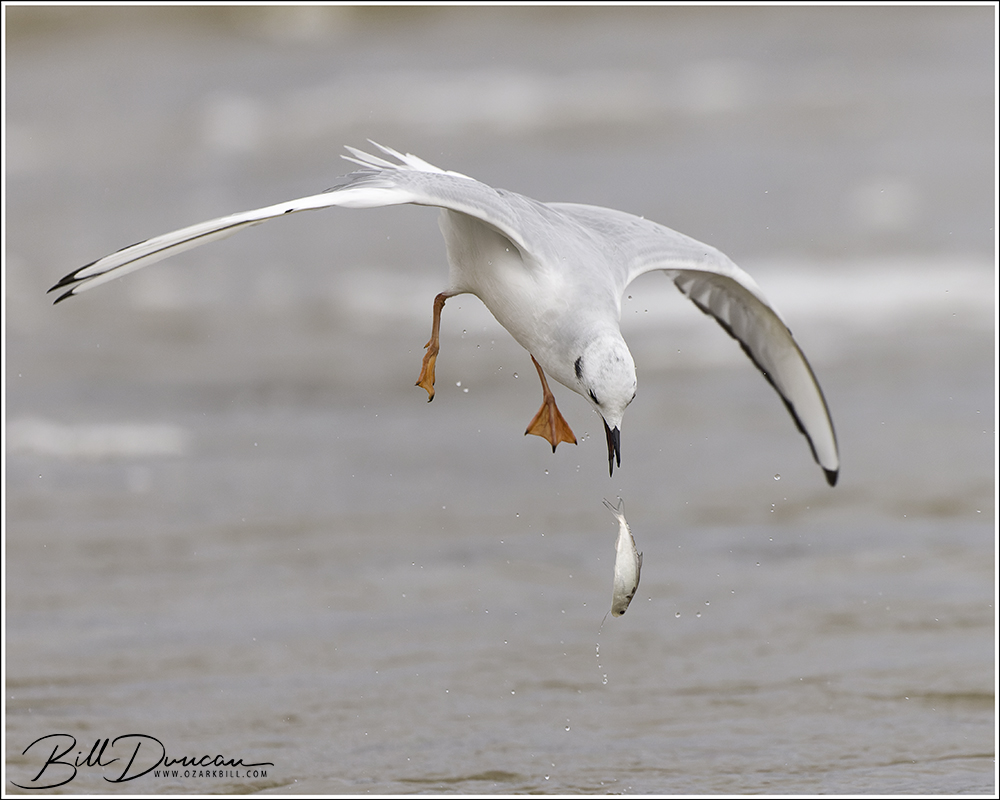
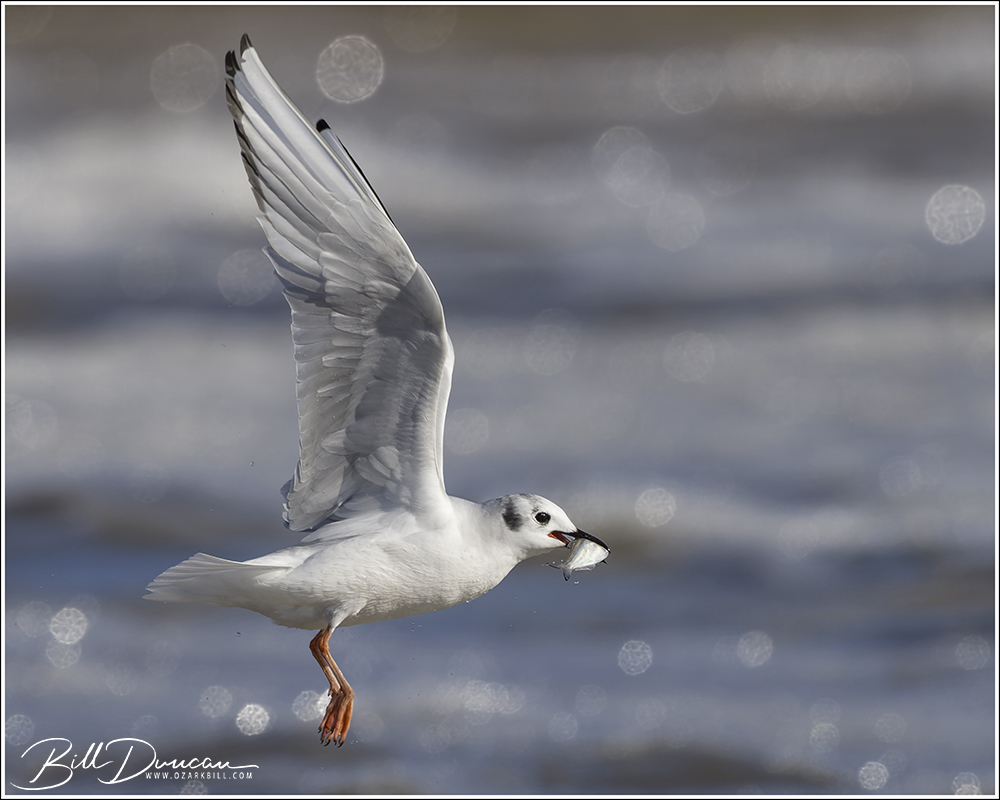
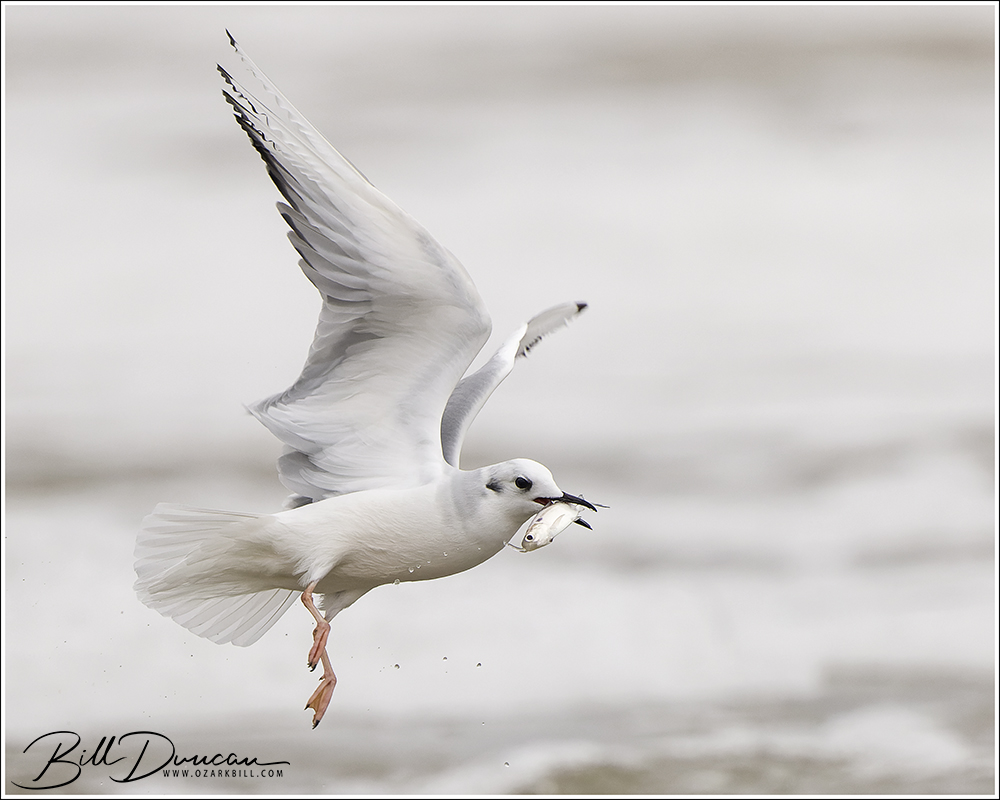
Photographing Bonnies while hunting like this is a real test of a photographer’s skills and their photographic gear. These guys are faster than a prairie fire with a tailwind. They have to be with the ever present Ring-billed Gulls nearby waiting to steal an easy meal.
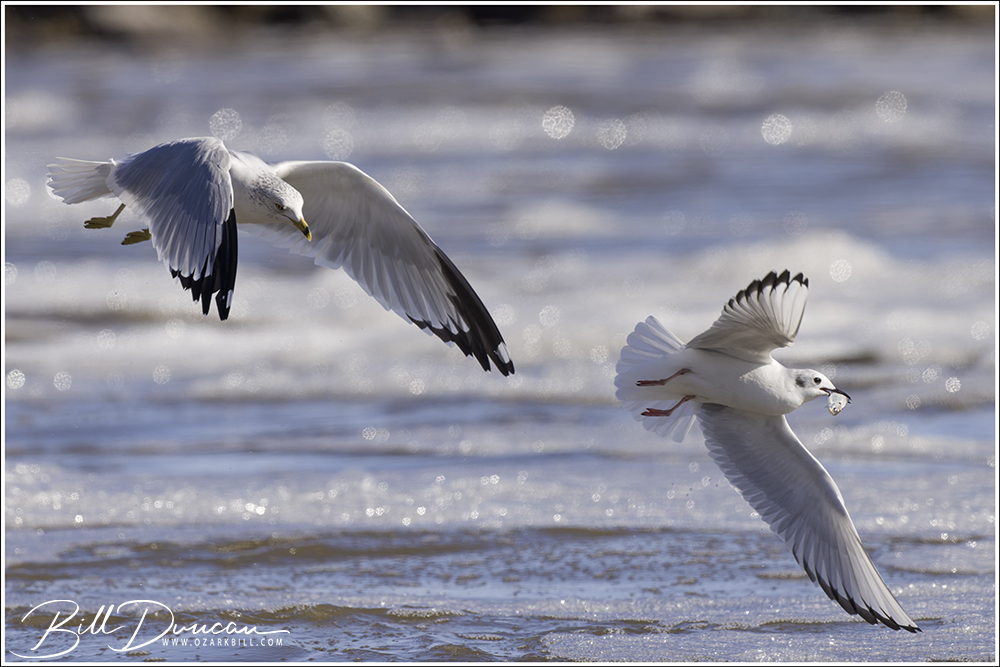
The photos I’ve shared so far all showed adult winter-plumaged Bonaparte’s Gulls. First-year winter birds are east to distinguish from the adults with their black tail bands and “M”-shaped black markings on their wing tops. These first year birds are every bit the skilled fishers that the adults are as you can see below.
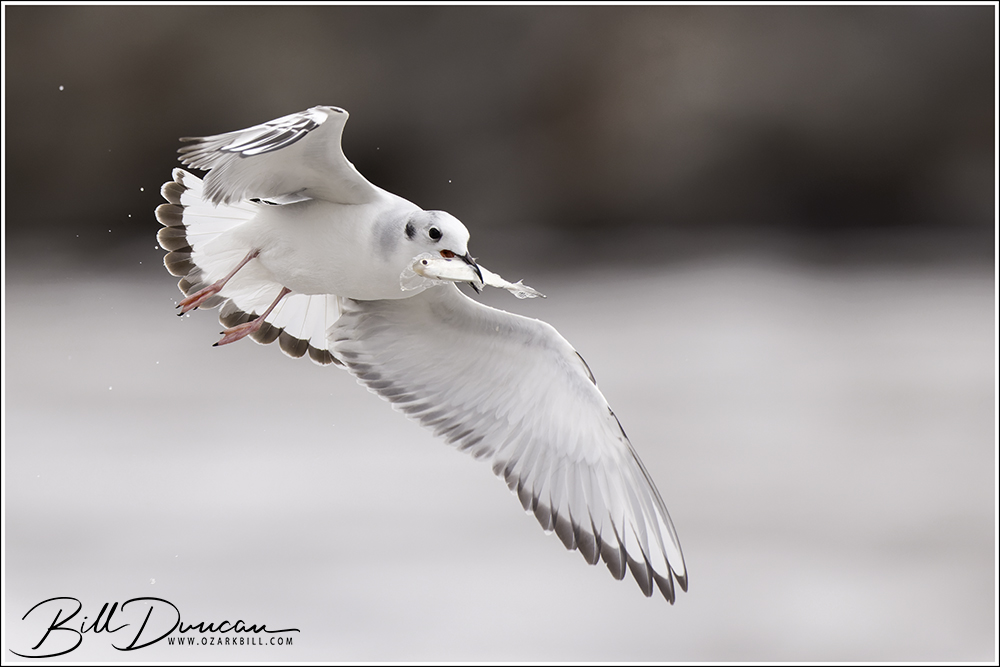
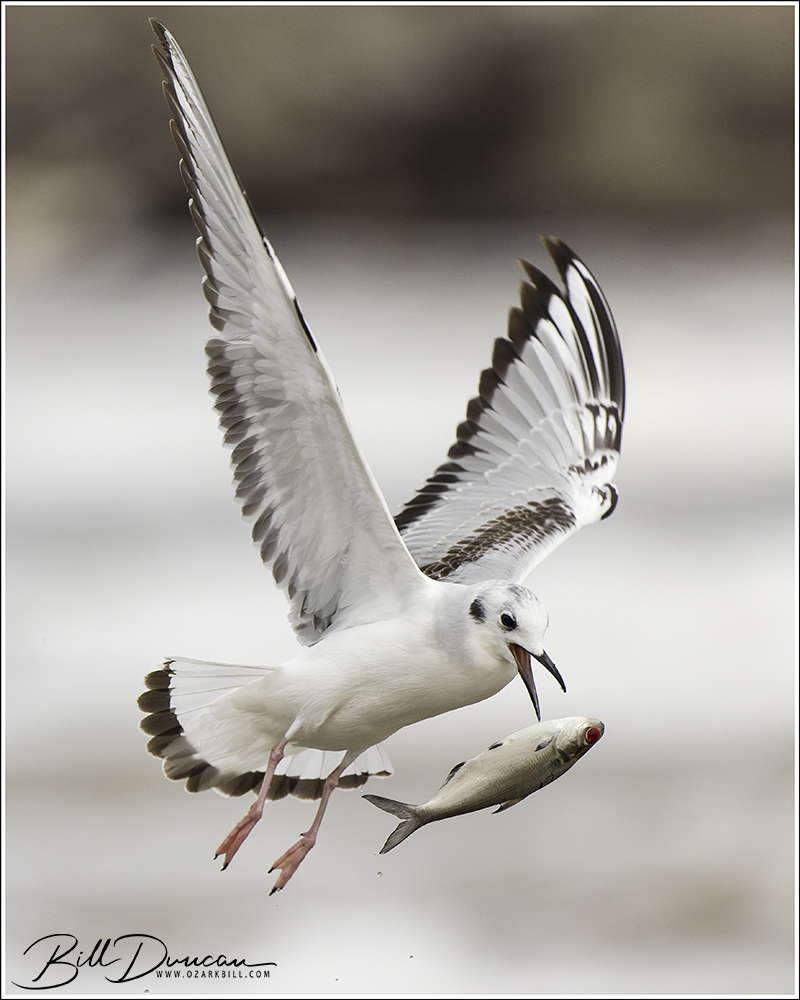
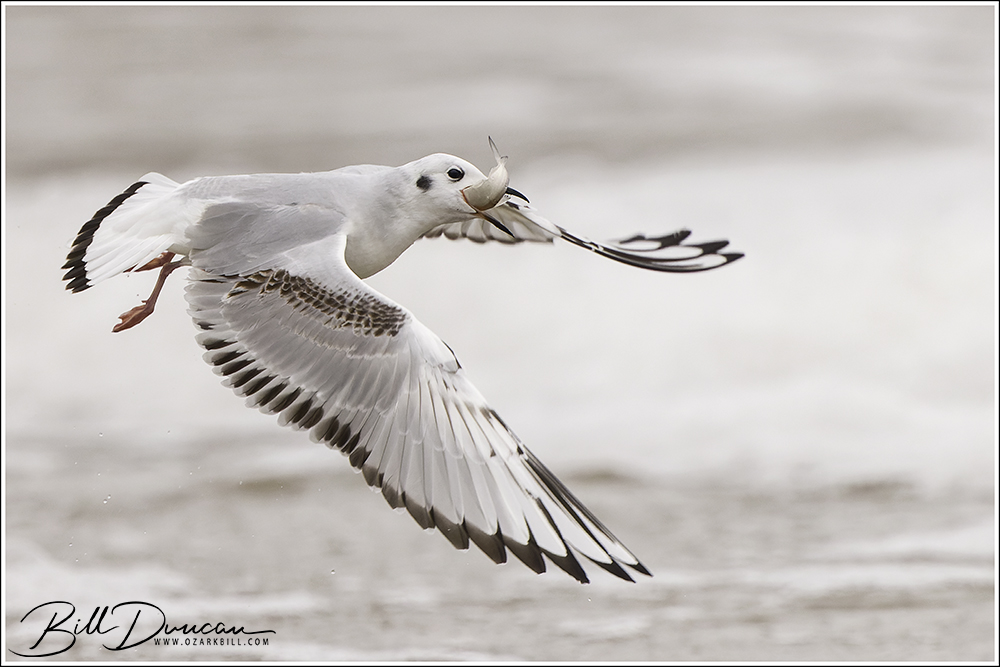
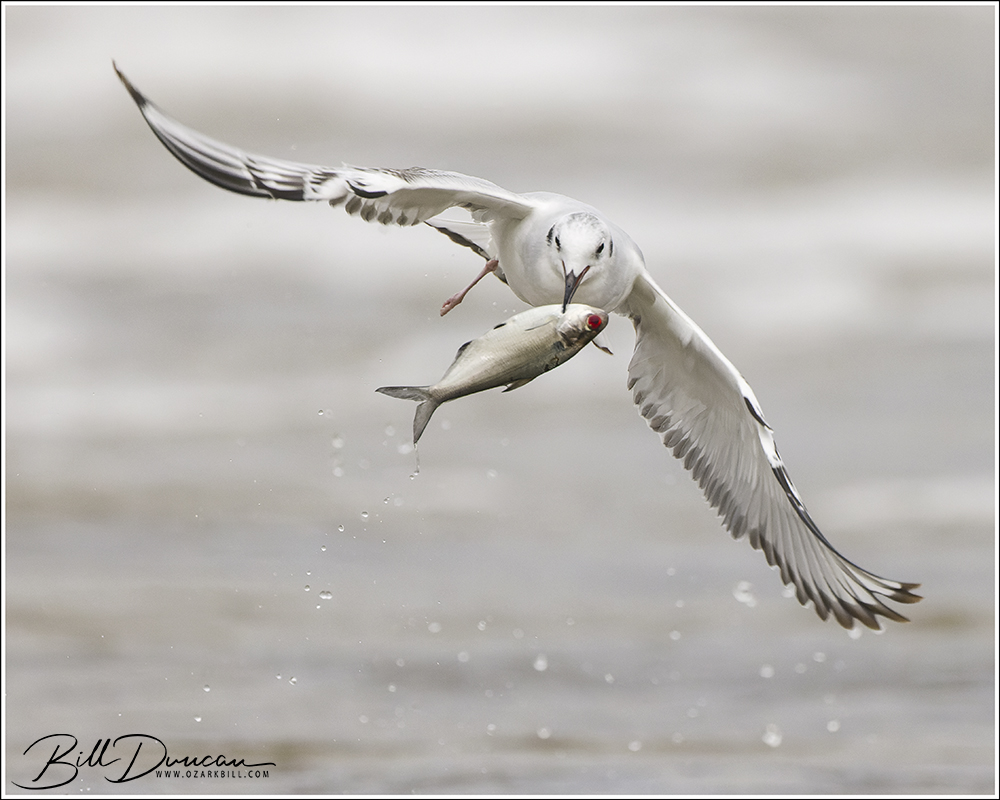
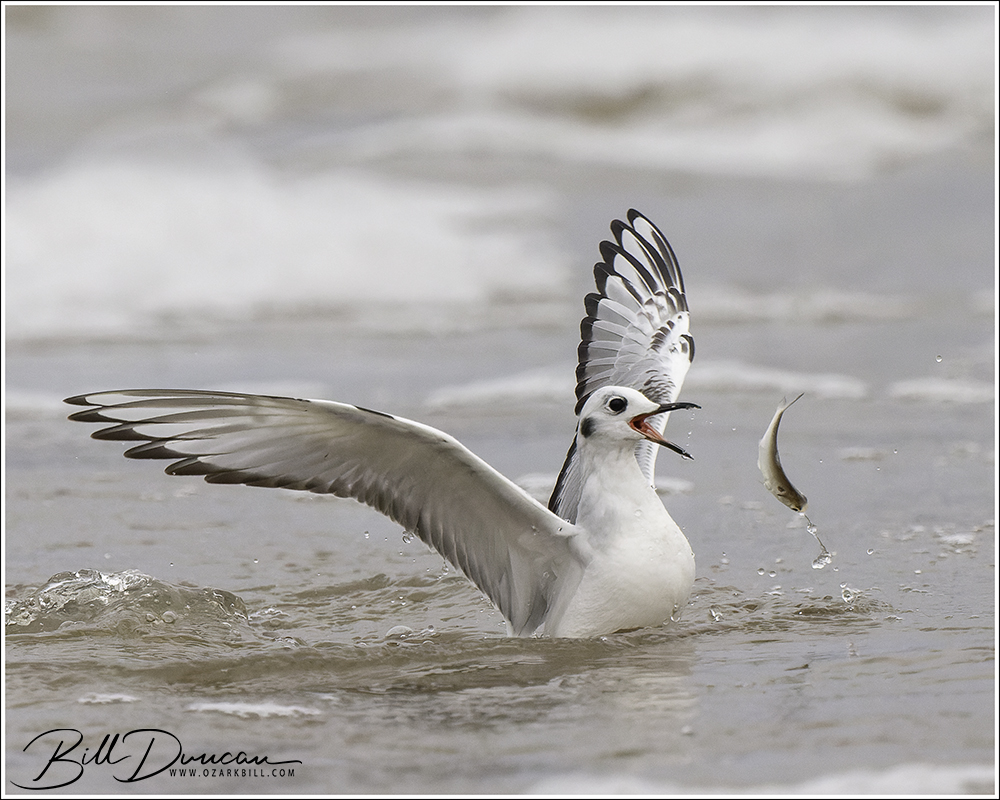
On my next visit a week later, the skies were clear and I was now challenged with a pretty strong mid-day light coming into the spillway. I felt that this still should afford more speed and a bit better image quality than I had on my previous visit. Unfortunately, the Bonnies must have moved elsewhere. Most of the gulls present were Ring-billed and I only counted four Bonnies during the hour or so I was there.
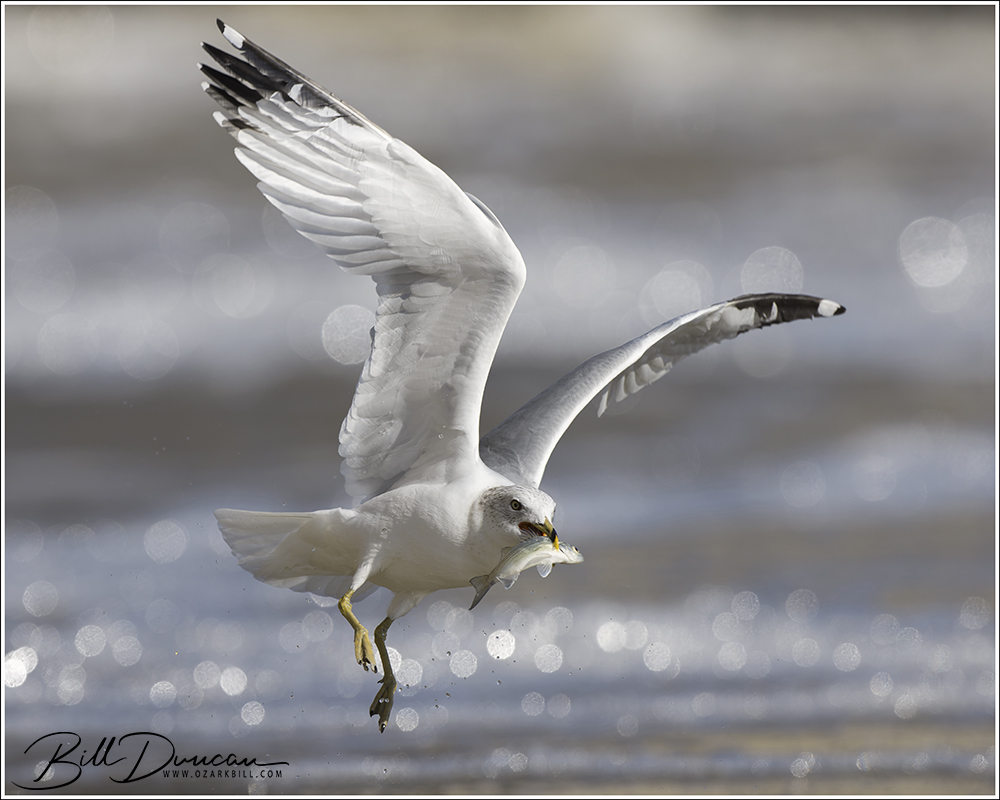
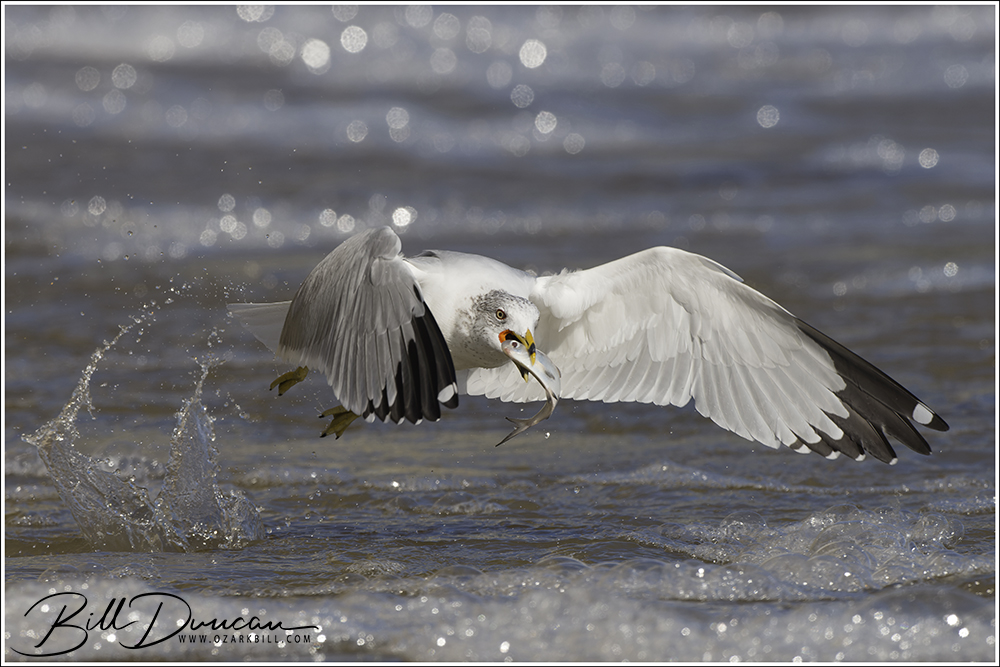
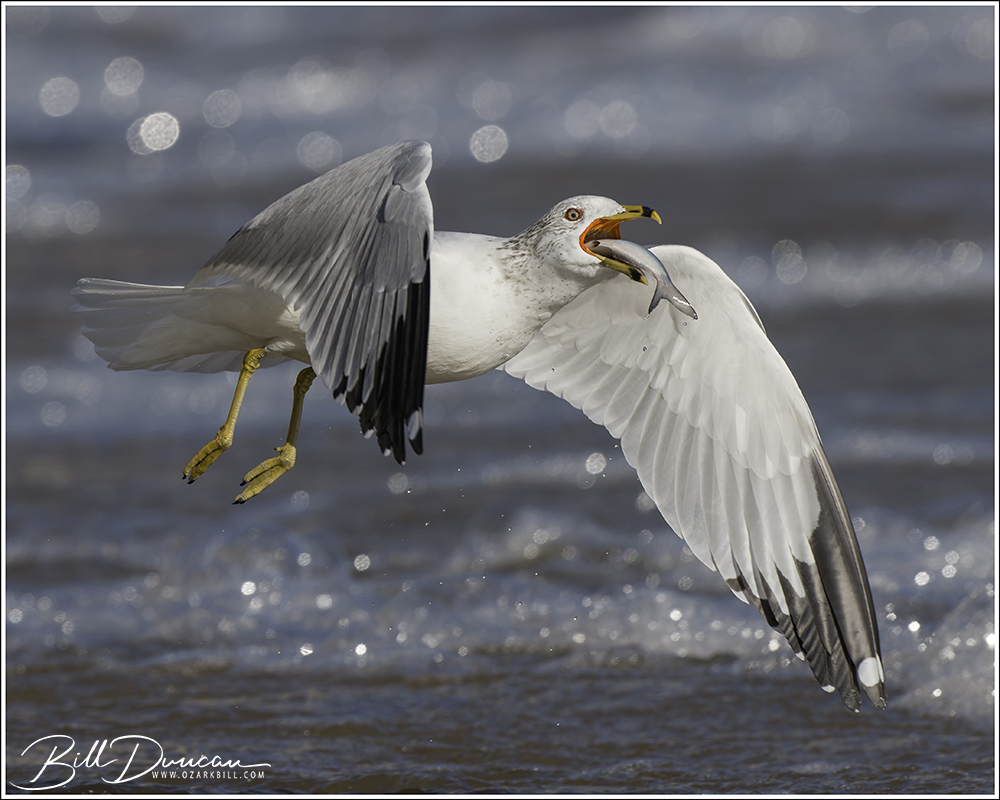

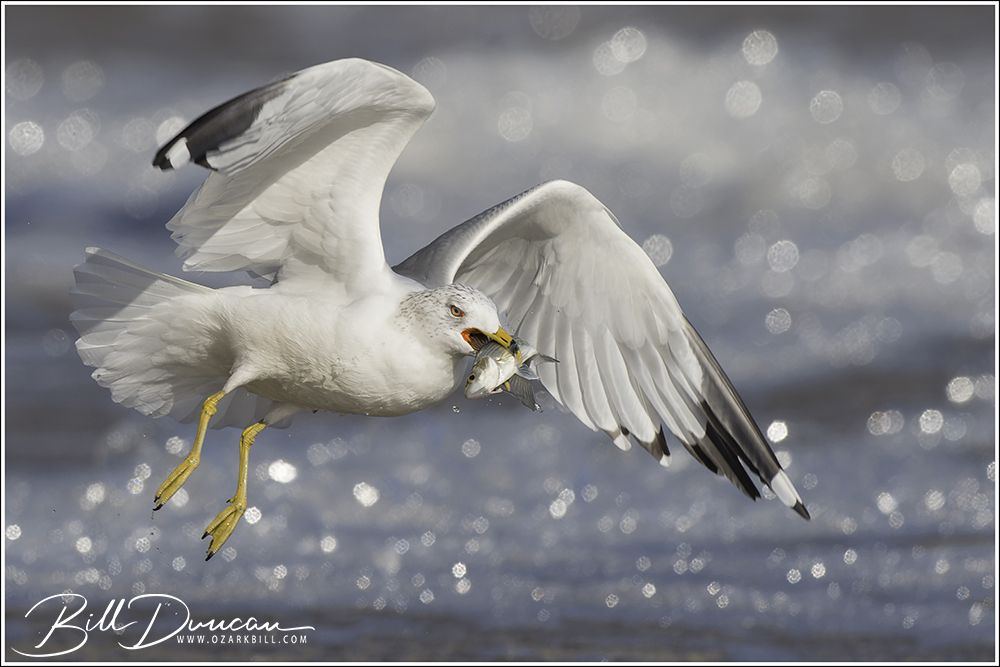
Wildlife photographers looking for a fun and fast-paced challenge that has no chance of interfering with their photographic subjects should really consider visiting this location.
-OZB
The WGNSS Nature Photography Group headed to the St. Louis Zoo during a frigid winter spell this past weekend. Light could have been better and we struck out on a few things we were targeting, but I am pleased with a few images I was able to make. Everyone was well bundled for the conditions and I think had a nice time.


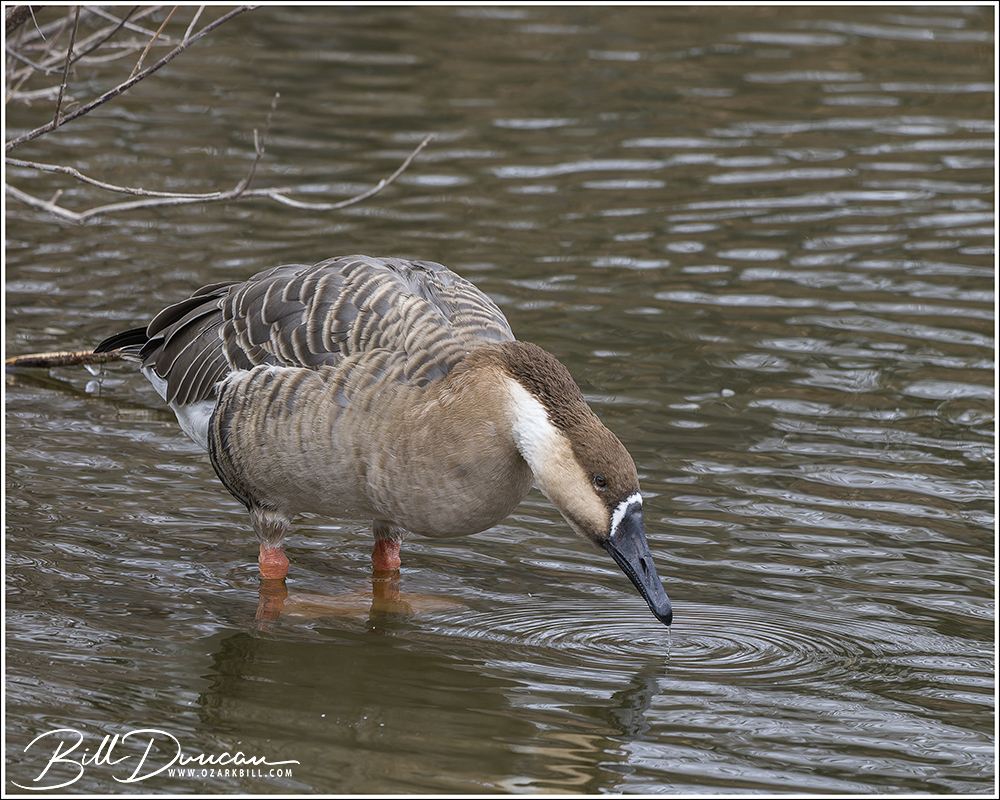
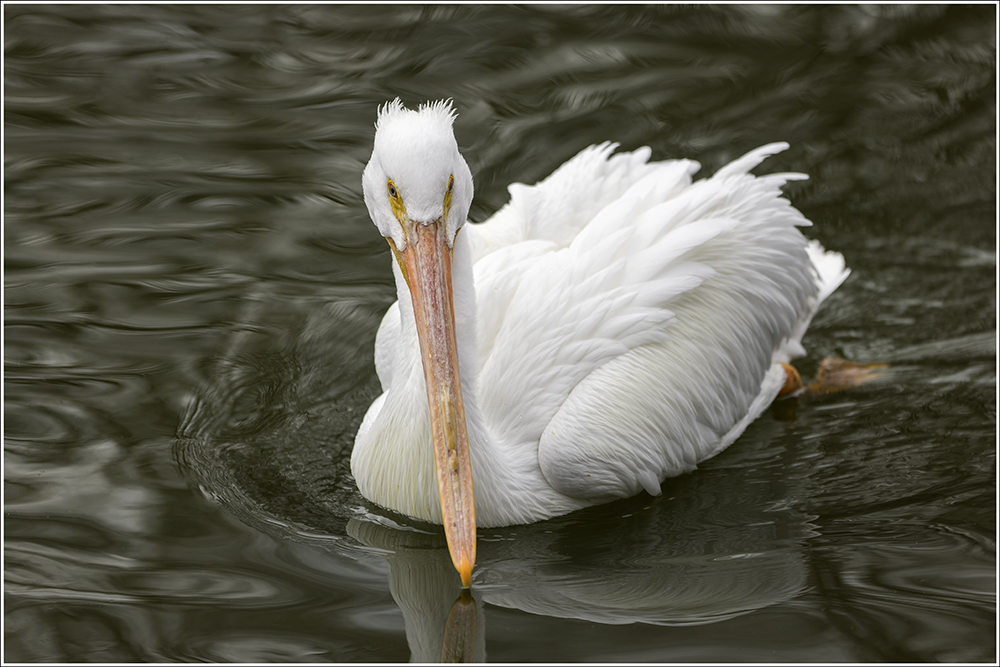
The St. Louis Zoo also contains a number of species native to Missouri, most of which are rescued animals that have poor chances of survival in the wild. Some, like the eastern grey squirrel and eastern cottontail, along with some waterfowl and wading birds are wild species that stick to the zoo grounds looking for easy meals.




In early October of this year, while hunting for autumn migrating sparrows among the marshy grasslands at BK Leach Conservation Area, I came across this cooperative Merlin. As you can see in the photos, this bird appeared to be having the same poor luck as me at finding sparrows or any passerines whatsoever. I watched it catch and consume four dragonflies in the hour or so I sat watching from my car. They are known to prey on dragonflies and other large insects but birds make up the majority of their diet.
Another thing I found interesting in watching this bird is that it seemed to prefer sitting on the power lines although there were plenty of telephone poles and some dead snags available in the area. One of the things I’ve read about Merlins in some field guides, and have heard from my birding mentors over the years, is that when you see a small falcon perched on a wire it will almost always be a Kestrel. This is the third time I have come across Merlin sitting on wires that I can remember. But, I am sure it is still the case that they prefer more natural perches in general.
There are two subspecies of Merlin that can be found in our area during migration and winter. This bird appears to be a juvenile Taiga/Boreal (ssp. columbarius).


Merlin feeding on dragonflies


This Indigo Bunting was found in mid-August of this year at Little Creve Coeur Ecological Area in St. Louis County, MO. This is either an immature male or an adult male that quickly molted into nonbreeding colors.

Dave and I found this cooperative female Dickcissel at Heron Pond in Riverlands Migratory Bird Sanctuary in August of 2023.

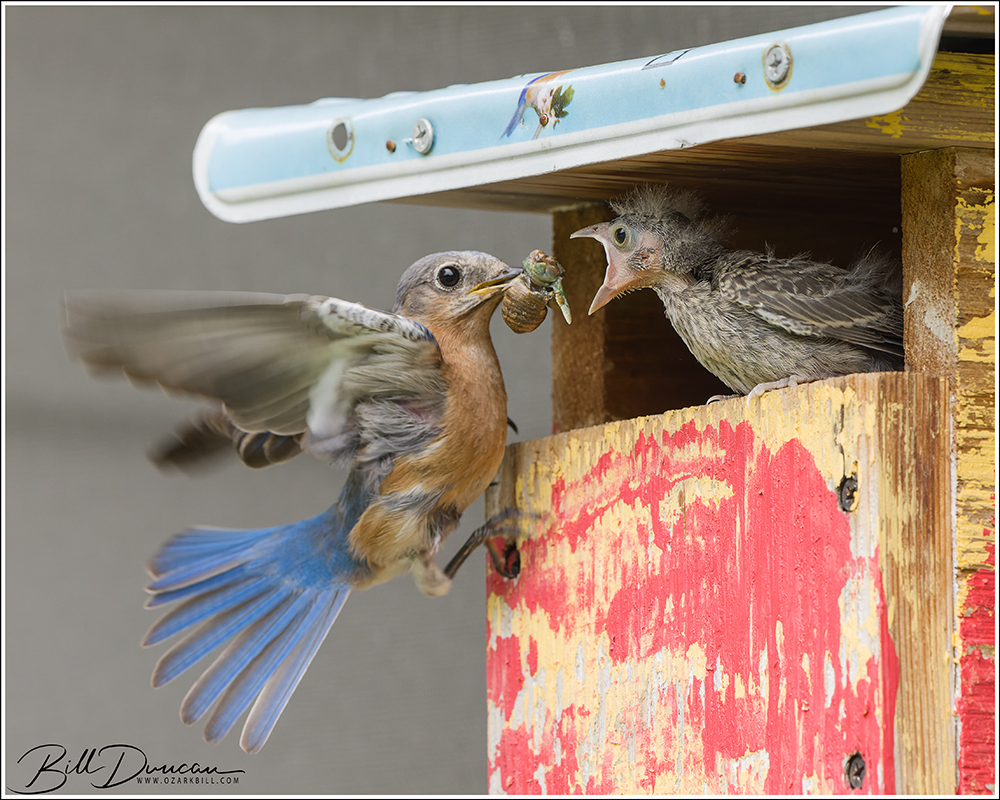
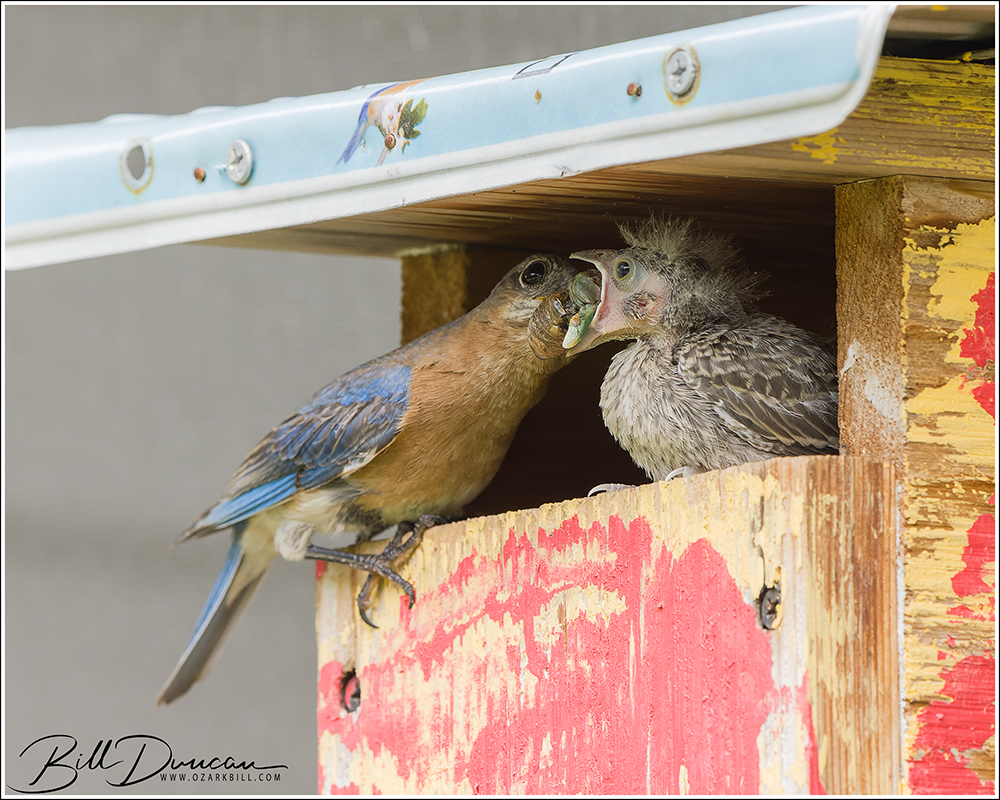
Here are some more photos of the nest I shot this spring that I thought I would share.

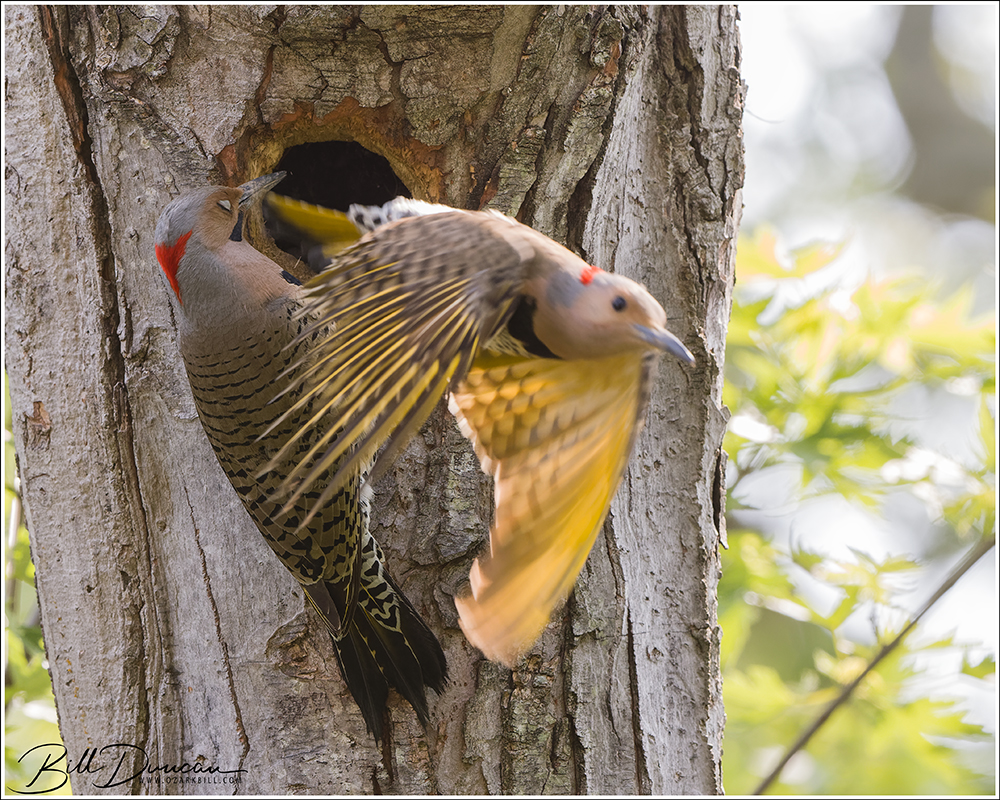


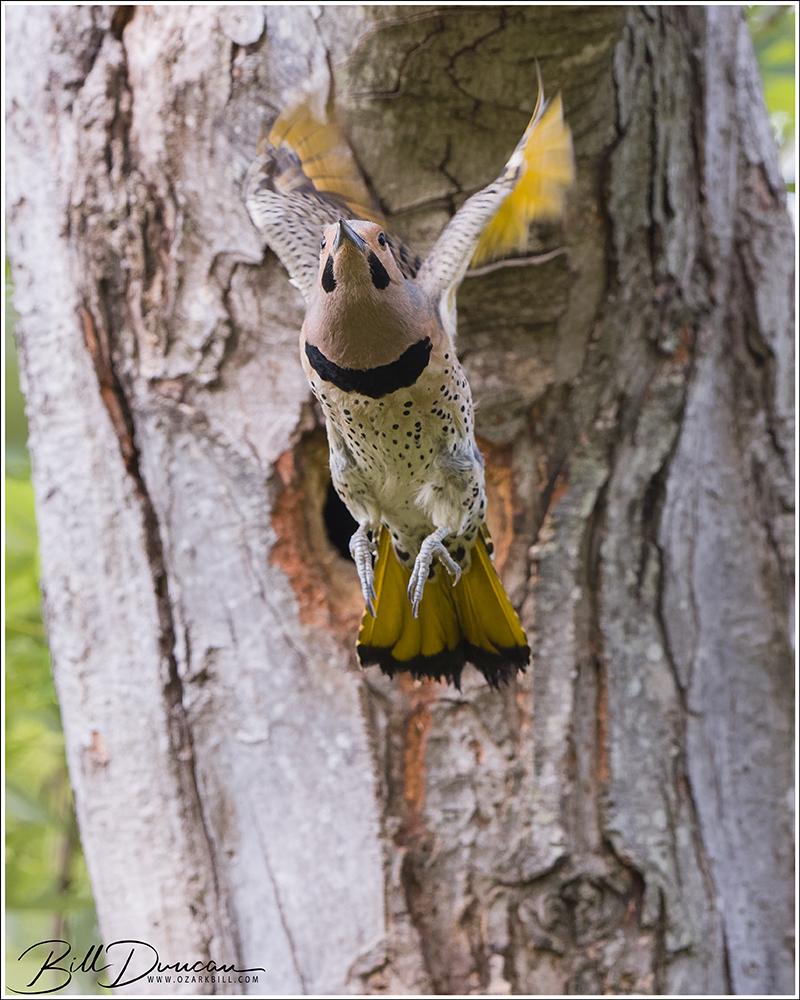




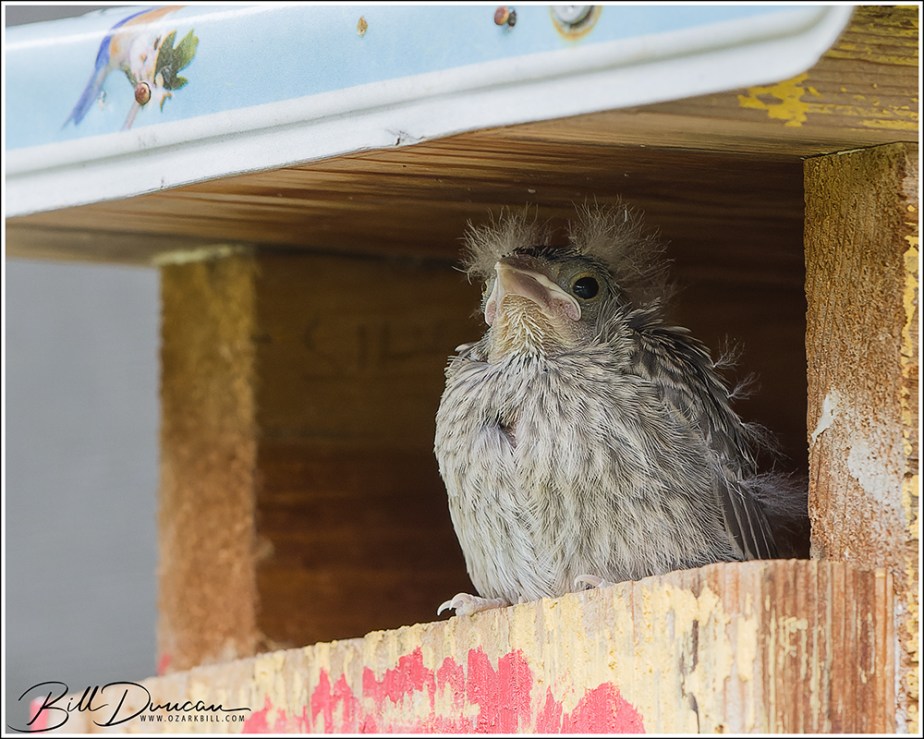
The Bluebirds had another great year. I was much to busy to do the typical monitoring I normally like to do, but they did have three clutches this year with a total of 12 fledged birds (3, 5 and 4 eggs in 1st, 2nd and 3rd nests). Immediately after putting up the nest box in early March, a pair took control and made their first nest. After completing this, I cleaned the box and began a daily routine of removing nesting material from the non stop Eurasian Tree Sparrows. I removed nests 1-2 times per day, often removing up to eight inches of nest and sometimes with an egg or two. They were relentless. This went on for at least six weeks. I was wondering why the Bluebirds didn’t come in and take over so I could have a break when I finally decided to have a look in the Wren box, which they did use in a previous year. Yep, inside I found five young chicks (nest 2). I took advantage of this and was able to take a few photographs that I am sharing here. They then went back to the Bluebird box for their third nest. These chicks fledged a couple weeks ago.
I knew the ETS would be back to this box in a heartbeat like they do every late summer and fall, so I removed the Bluebird box for the season. I think three clutches for the season is great, although it wouldn’t have surprised me to see that the Bluebird pair might try for a forth. But, I think it might be better not to push the female too far and let her build some fat for the winter.


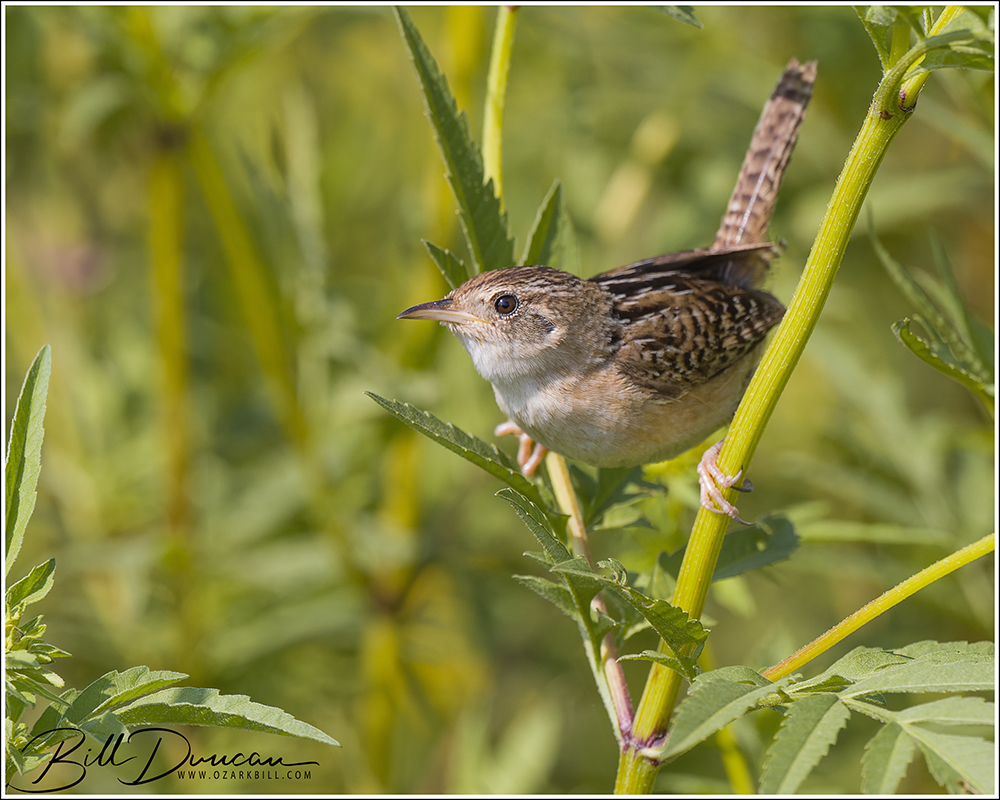
I’ve photographed Sedge Wren on numerous occasions and it never gets old. These guys seemed more numerous than I ever remember in eastern Missouri this year. This past Saturday I spent a few hours at BK Leach and Riverlands Migratory Bird Sanctuary and found more than 40 during my travels, including sure pair territories. I’m glad the grasslands are to their liking this year. No Marsh Wrens, however.






 A Thousand Acres of Silphiums