Dave and I found this cooperative female Dickcissel at Heron Pond in Riverlands Migratory Bird Sanctuary in August of 2023.

"What a thousand acres of Silphiums looked like when they tickled the bellies of the buffalo is a question never again to be answered, and perhaps not even asked." -Aldo Leopold
Dave and I found this cooperative female Dickcissel at Heron Pond in Riverlands Migratory Bird Sanctuary in August of 2023.
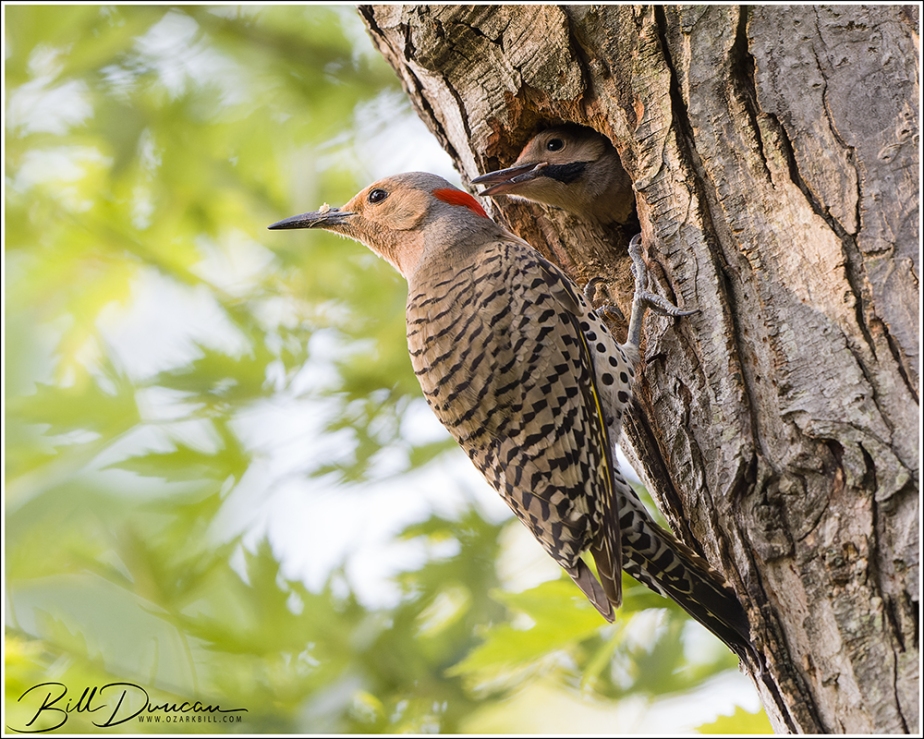
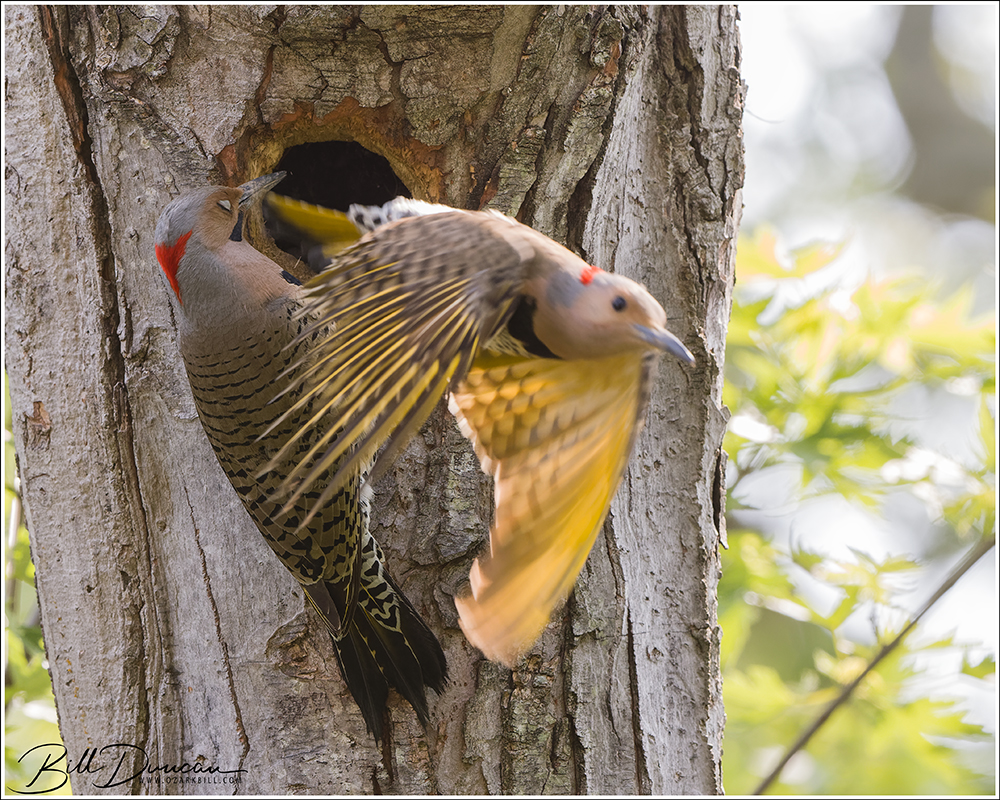
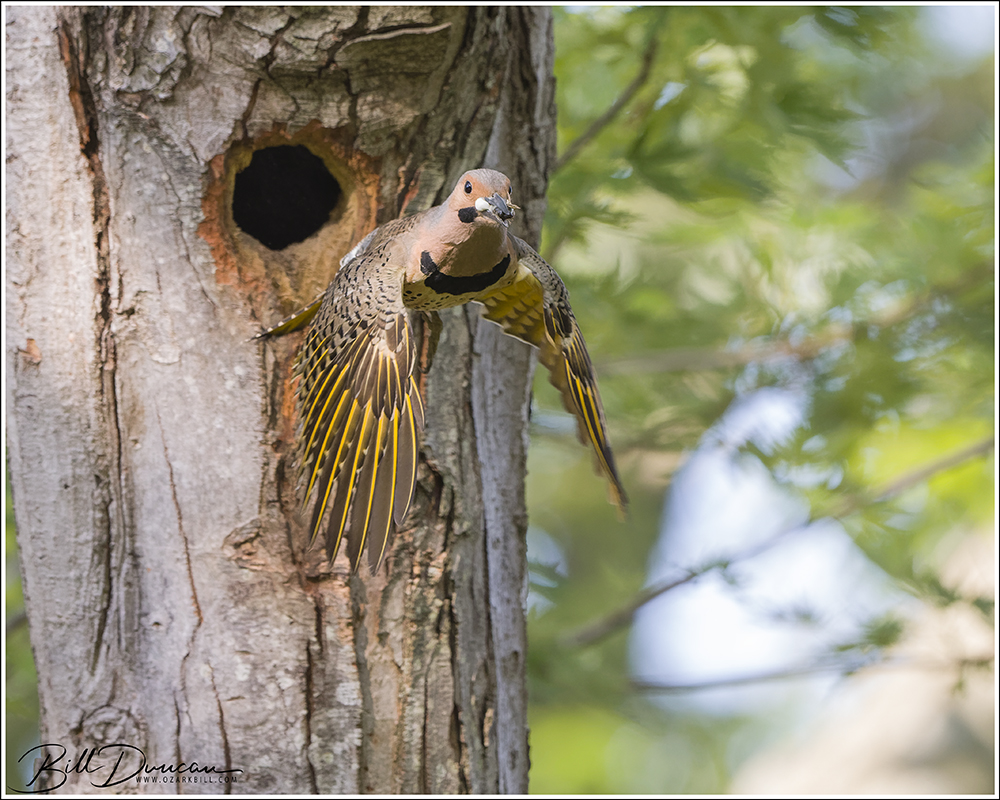
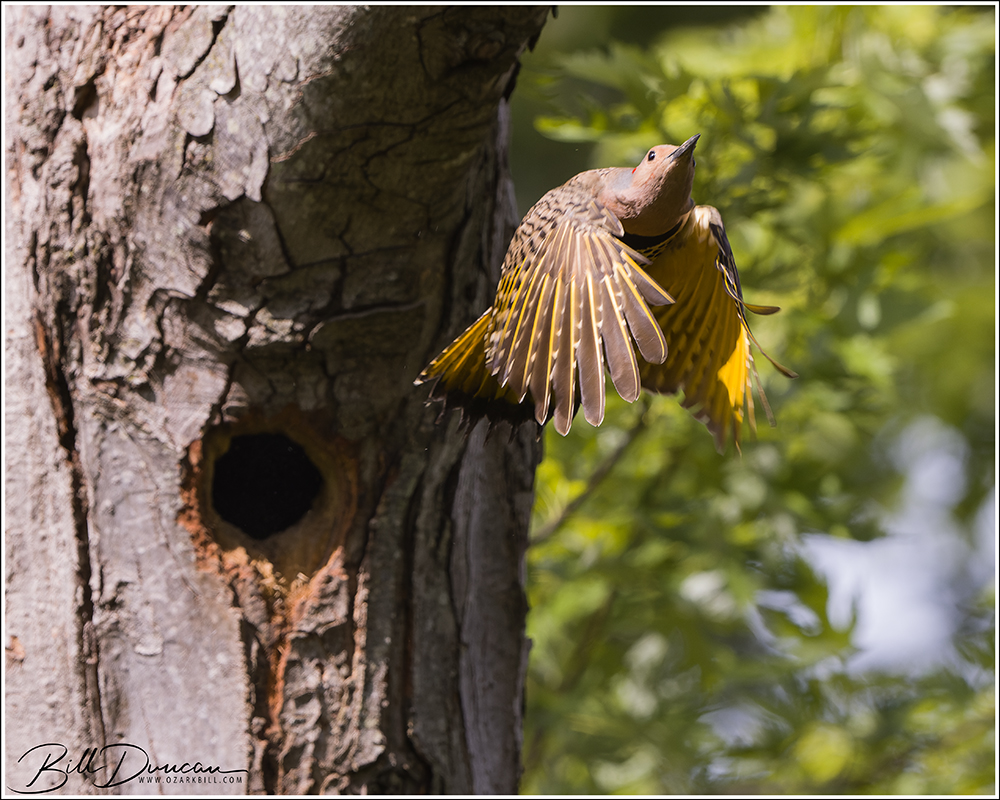
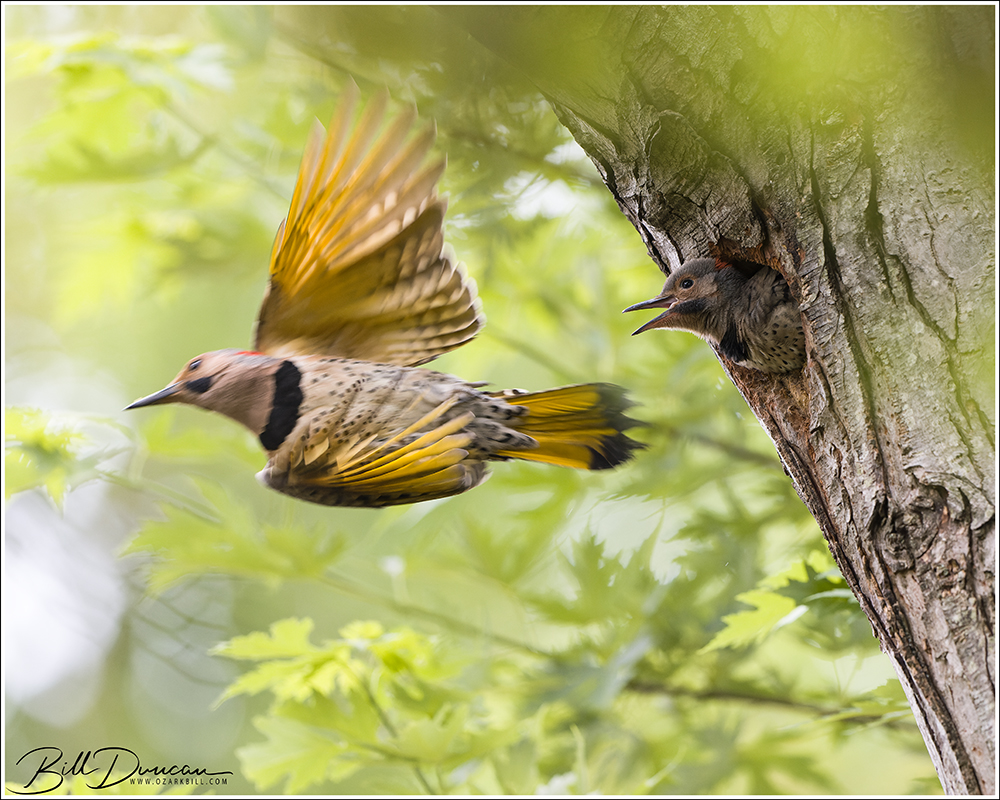
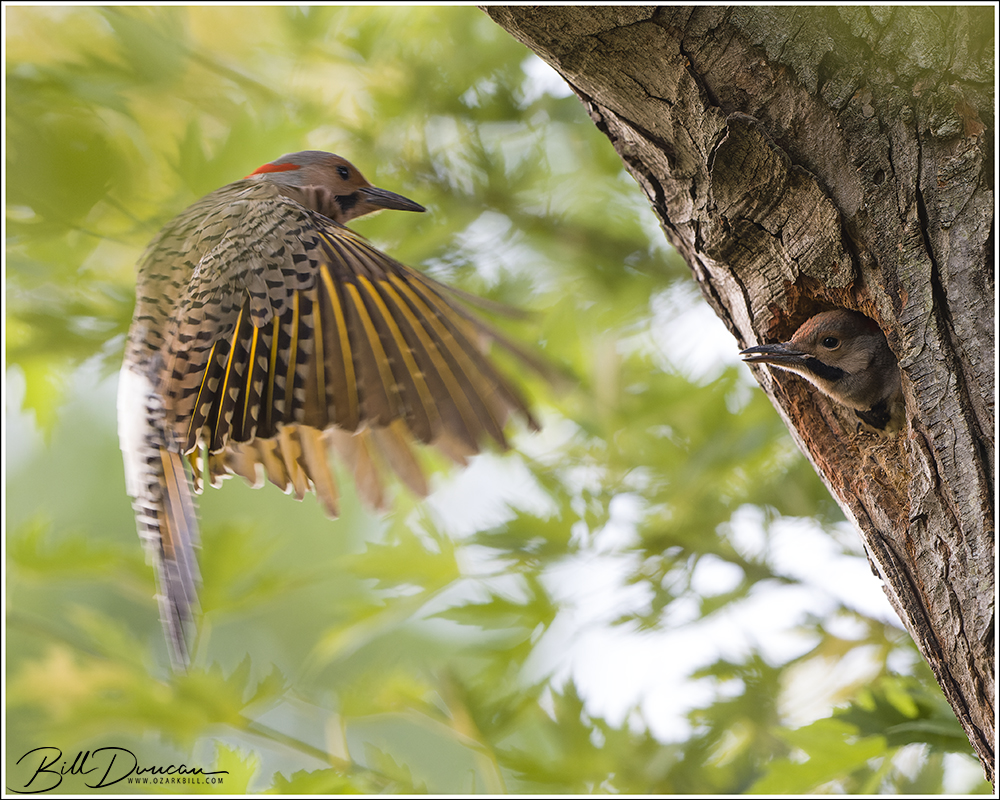
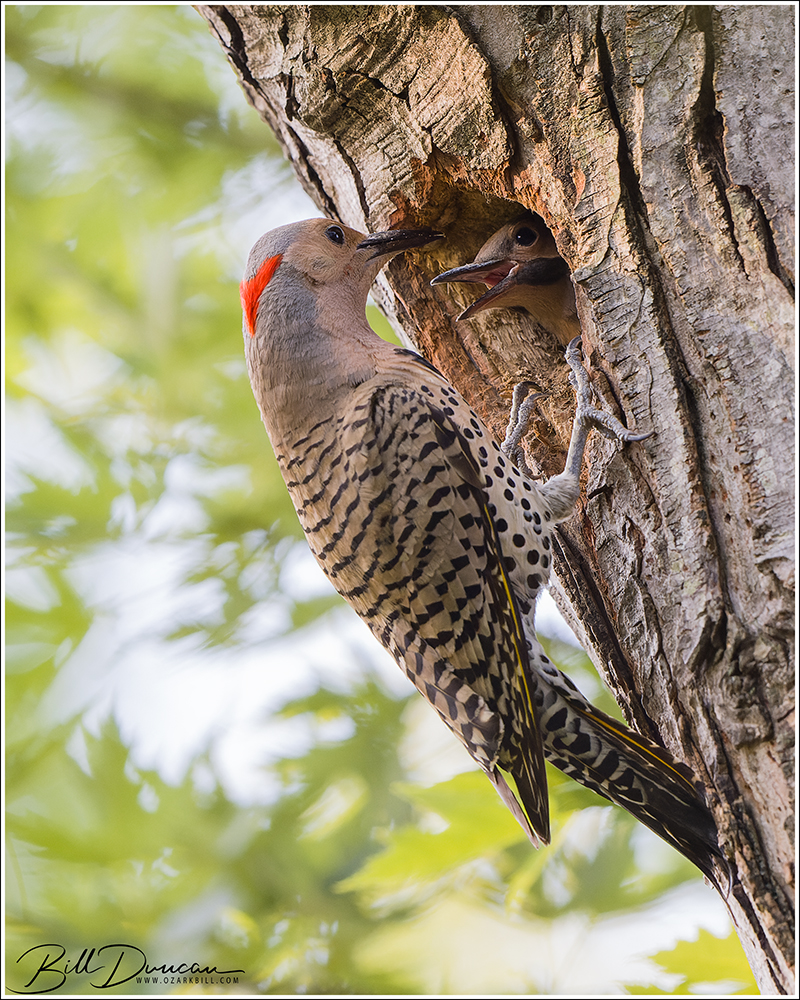
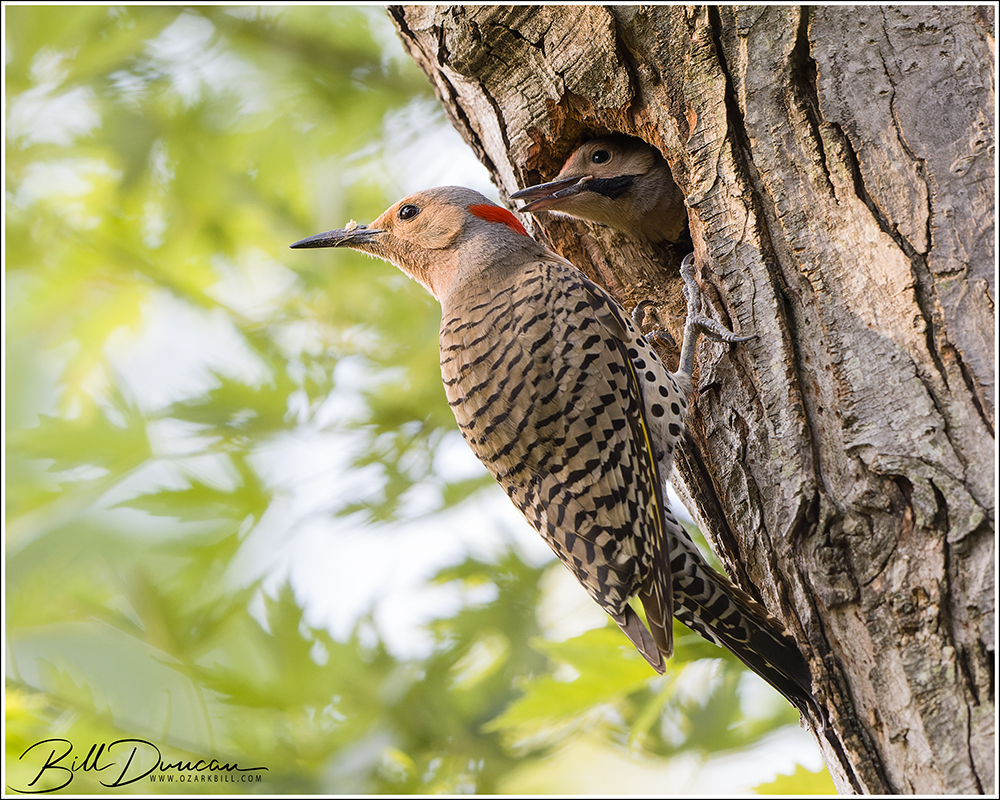
Here are some more photos of the nest I shot this spring that I thought I would share.



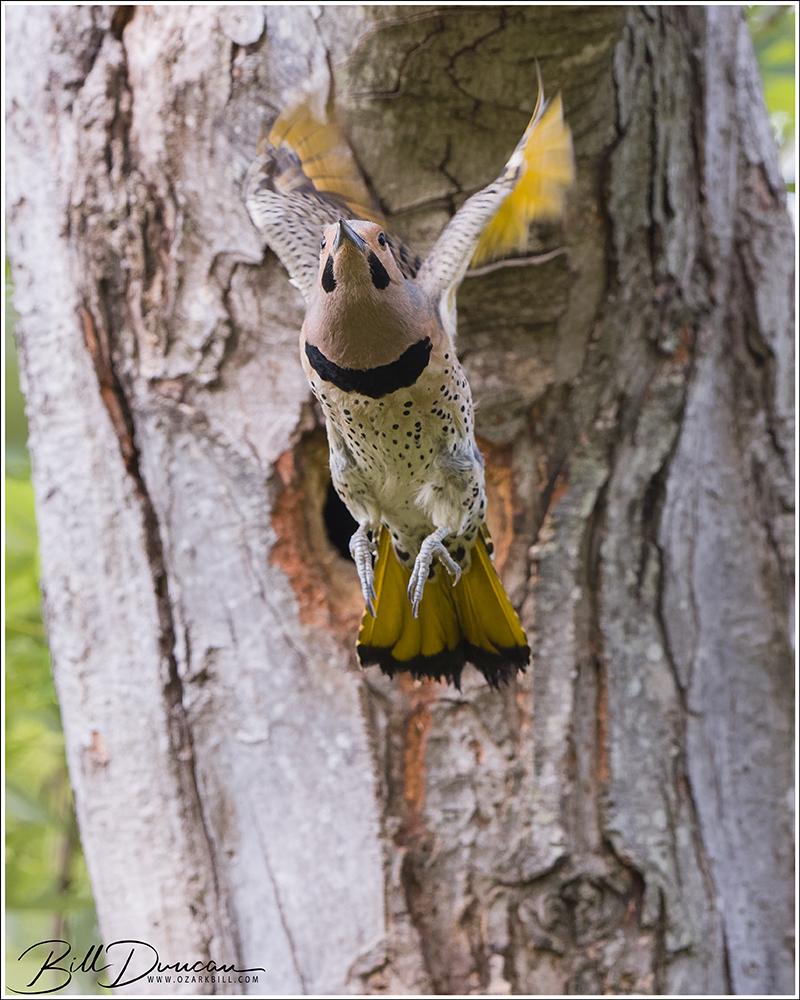
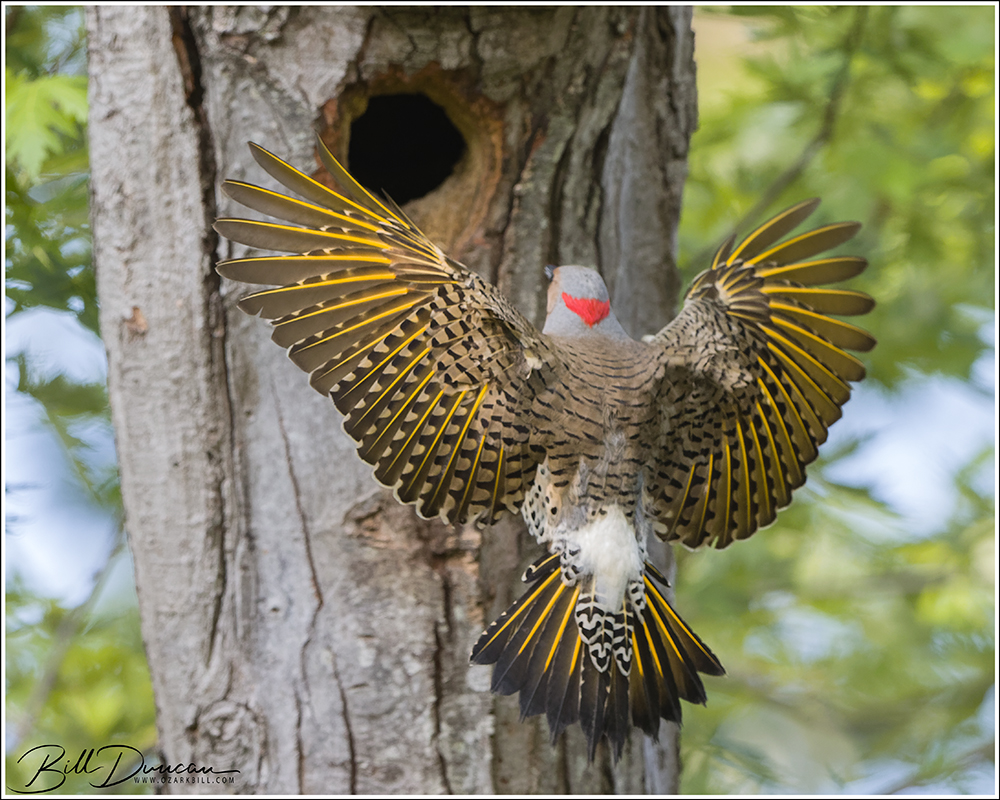
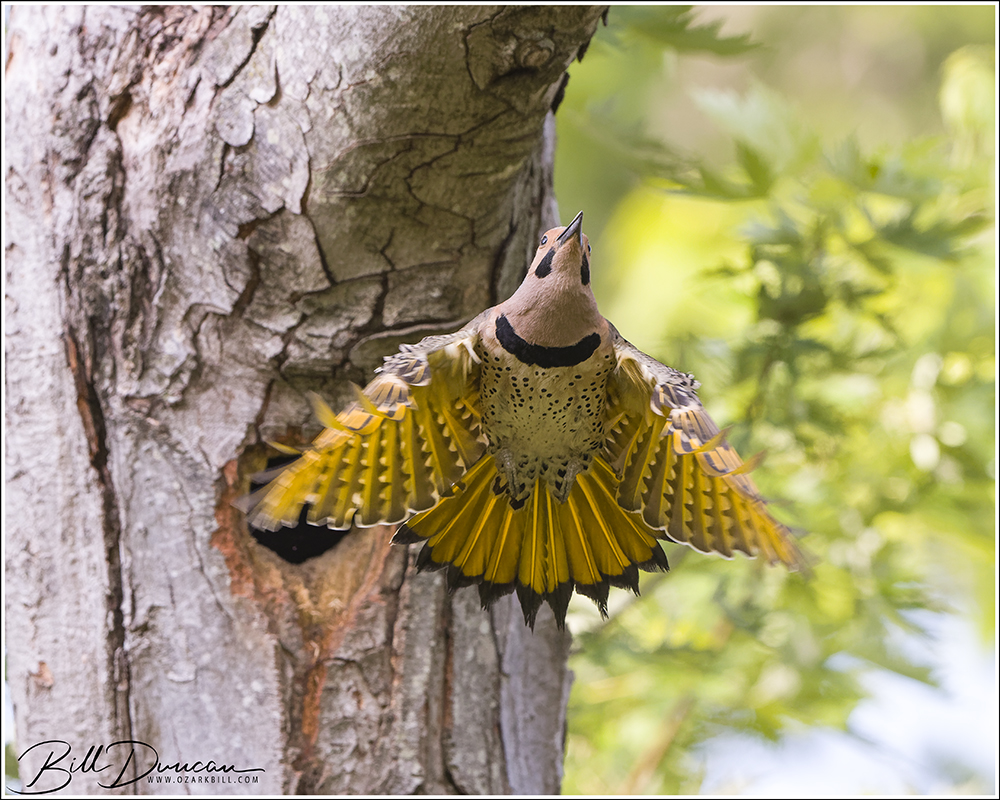
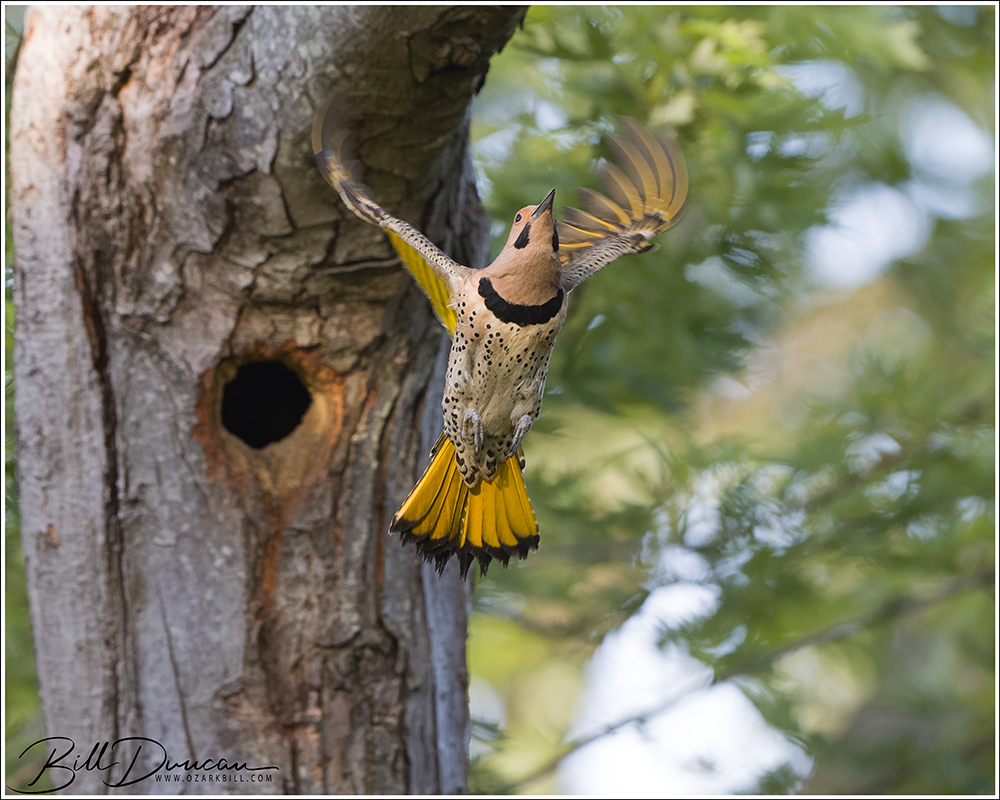




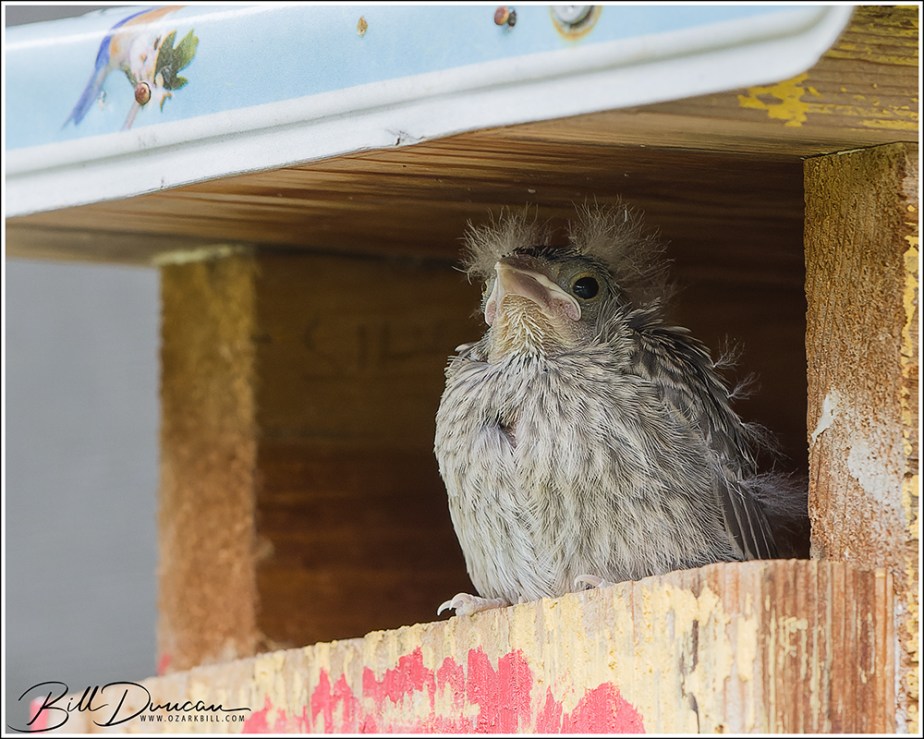
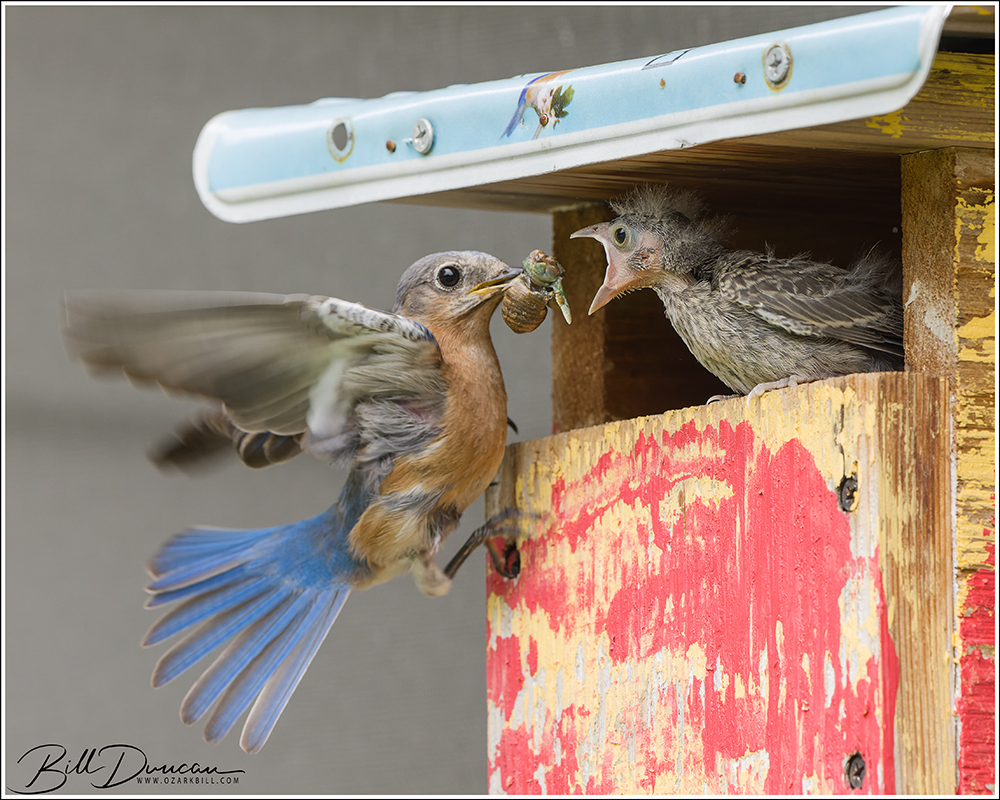
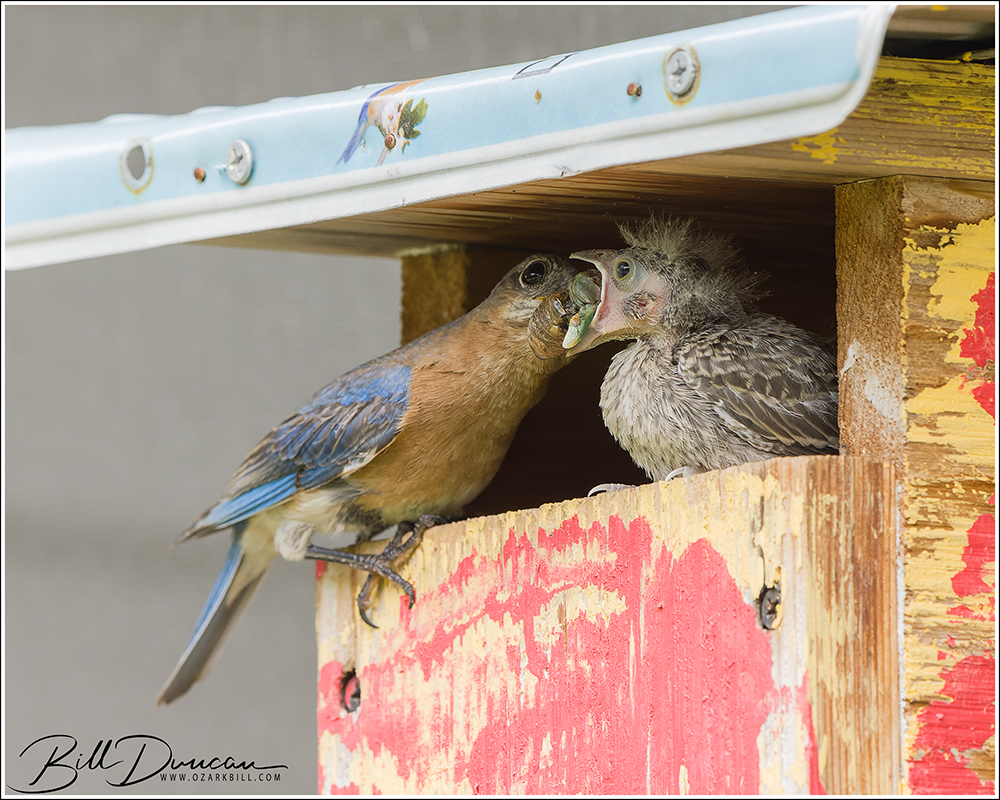
The Bluebirds had another great year. I was much to busy to do the typical monitoring I normally like to do, but they did have three clutches this year with a total of 12 fledged birds (3, 5 and 4 eggs in 1st, 2nd and 3rd nests). Immediately after putting up the nest box in early March, a pair took control and made their first nest. After completing this, I cleaned the box and began a daily routine of removing nesting material from the non stop Eurasian Tree Sparrows. I removed nests 1-2 times per day, often removing up to eight inches of nest and sometimes with an egg or two. They were relentless. This went on for at least six weeks. I was wondering why the Bluebirds didn’t come in and take over so I could have a break when I finally decided to have a look in the Wren box, which they did use in a previous year. Yep, inside I found five young chicks (nest 2). I took advantage of this and was able to take a few photographs that I am sharing here. They then went back to the Bluebird box for their third nest. These chicks fledged a couple weeks ago.
I knew the ETS would be back to this box in a heartbeat like they do every late summer and fall, so I removed the Bluebird box for the season. I think three clutches for the season is great, although it wouldn’t have surprised me to see that the Bluebird pair might try for a forth. But, I think it might be better not to push the female too far and let her build some fat for the winter.


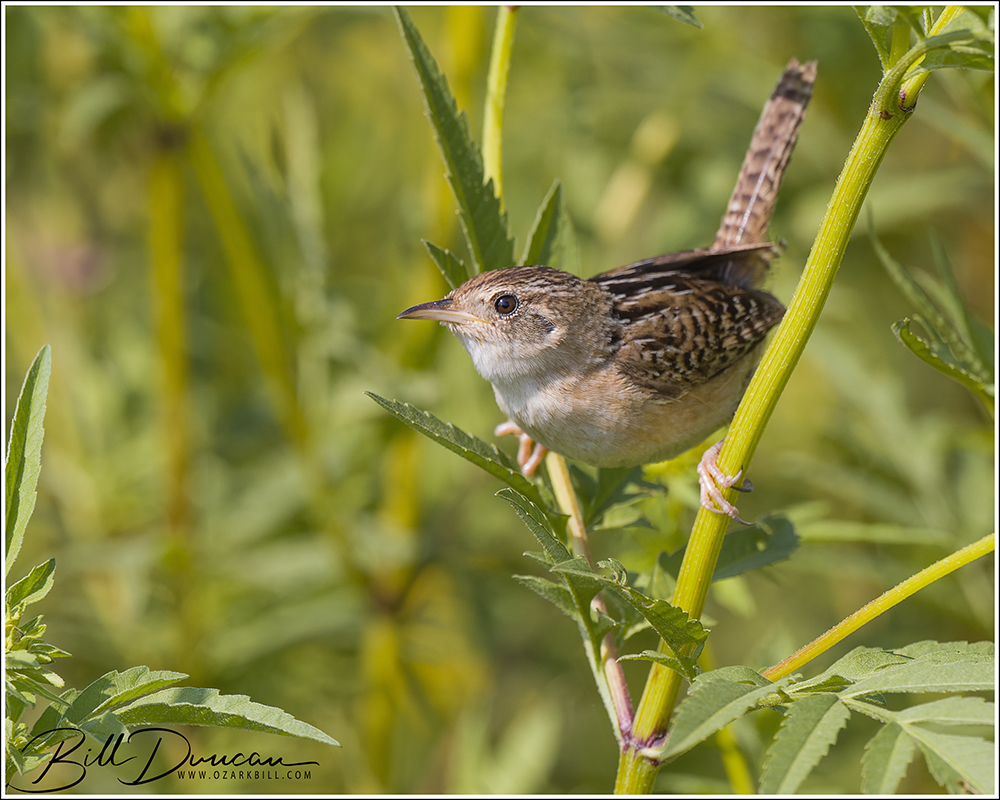
I’ve photographed Sedge Wren on numerous occasions and it never gets old. These guys seemed more numerous than I ever remember in eastern Missouri this year. This past Saturday I spent a few hours at BK Leach and Riverlands Migratory Bird Sanctuary and found more than 40 during my travels, including sure pair territories. I’m glad the grasslands are to their liking this year. No Marsh Wrens, however.




Spent some time recently looking for mink in a St. Louis County park. No luck on the mink but this vocal Cooper’s Hawk flew in for a minute on this perch and allowed me to get a few shots. This species was named after the American naturalist, William Cooper, who was a contemporary of John James Audubon and Charles Lucien Bonaparte.

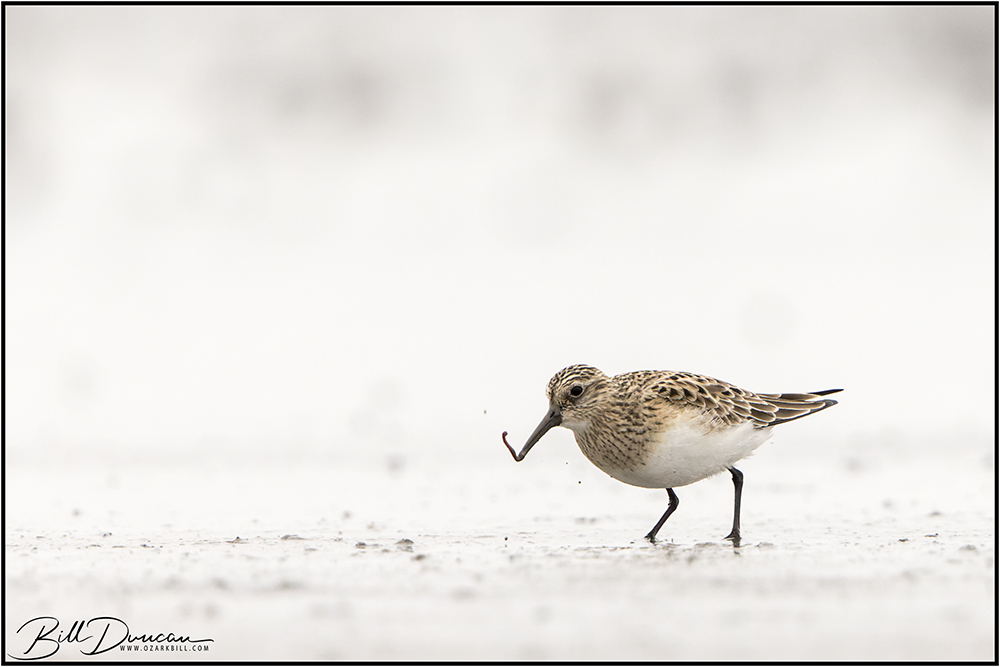
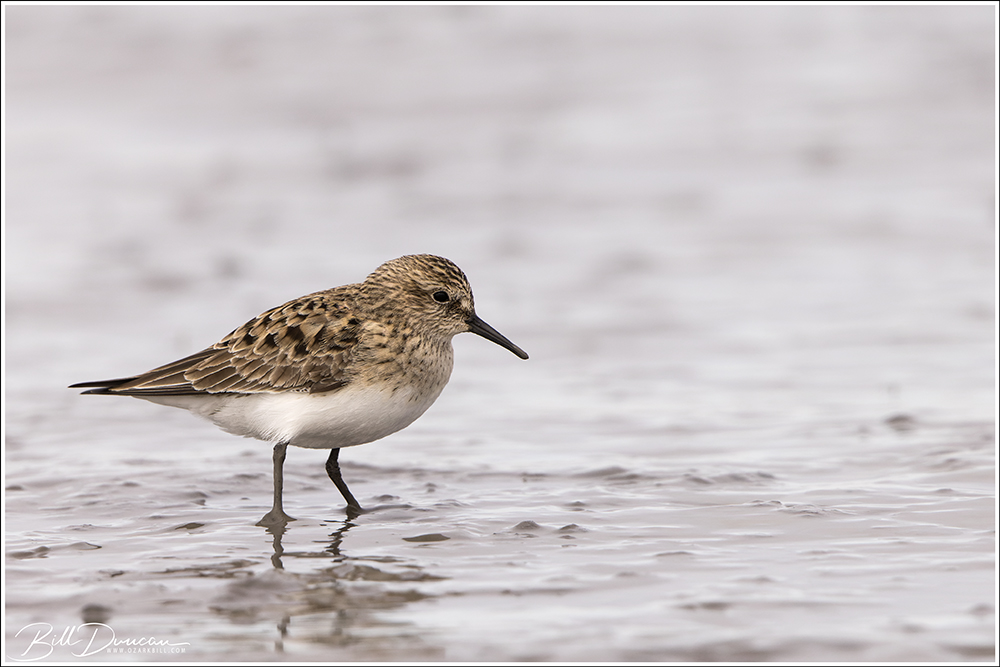
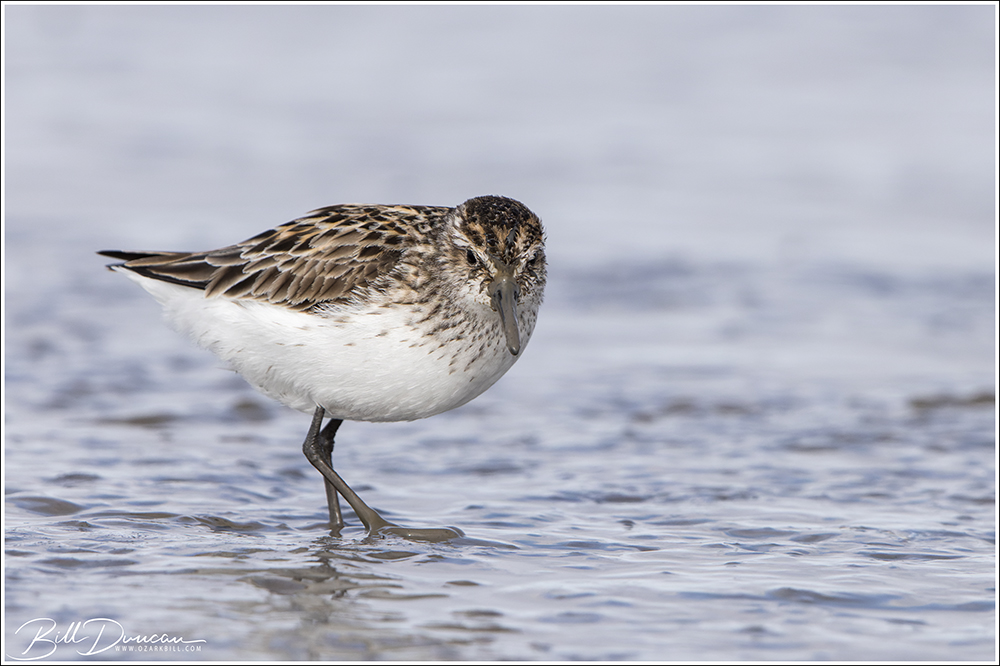
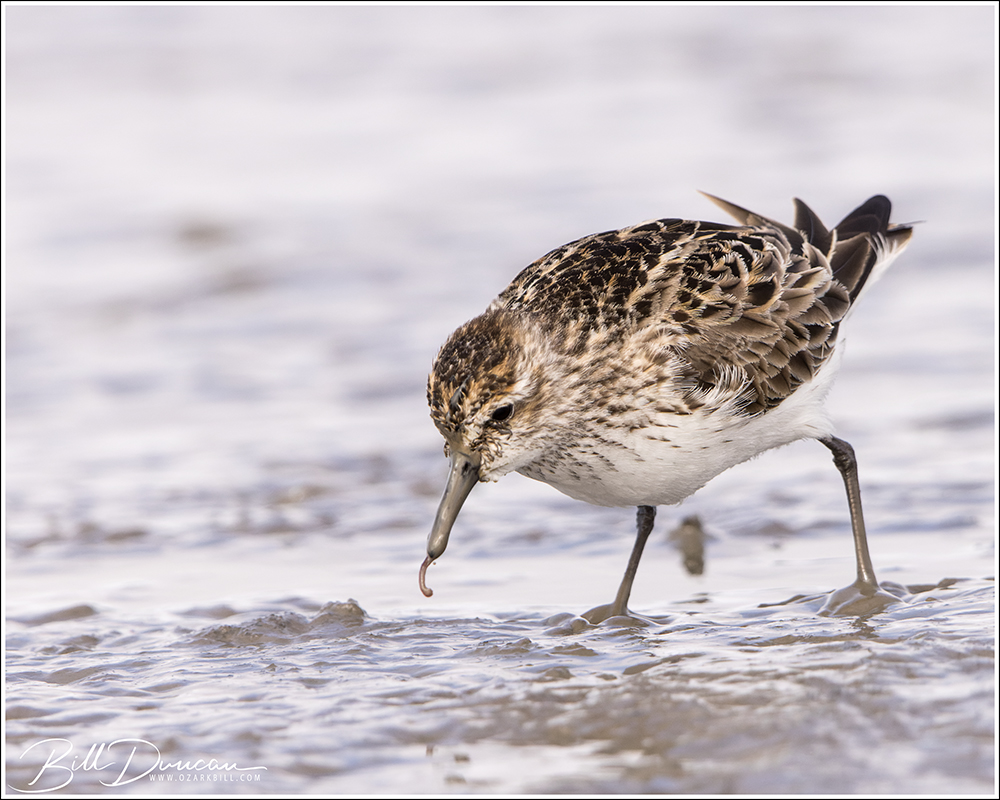
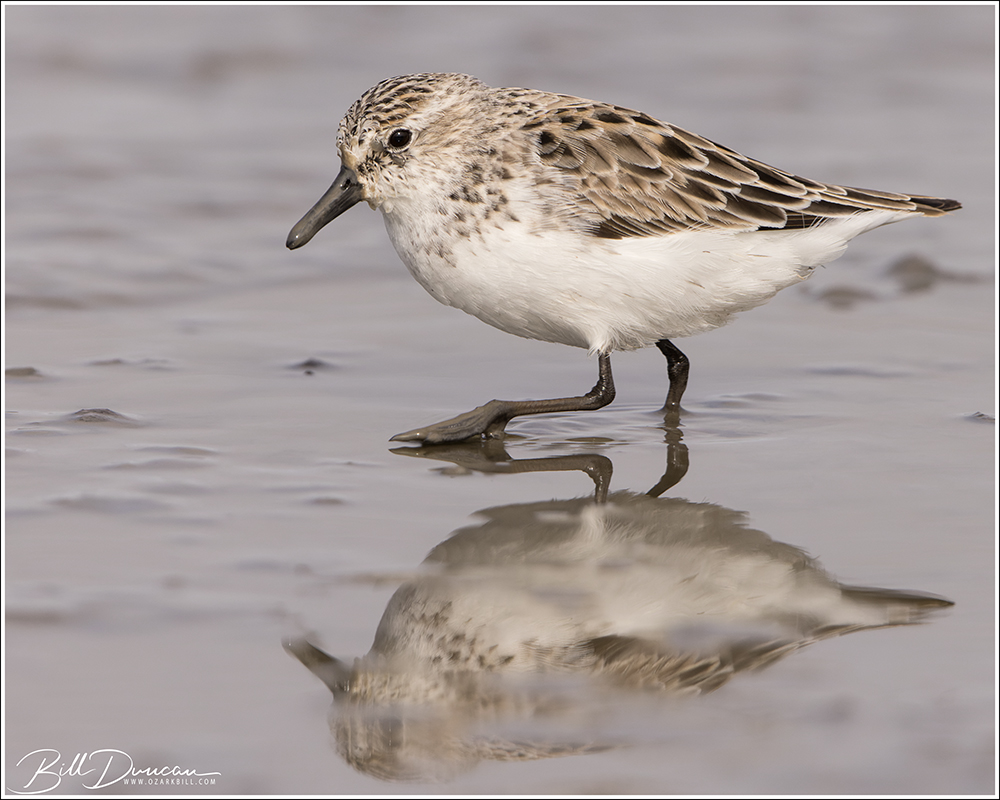
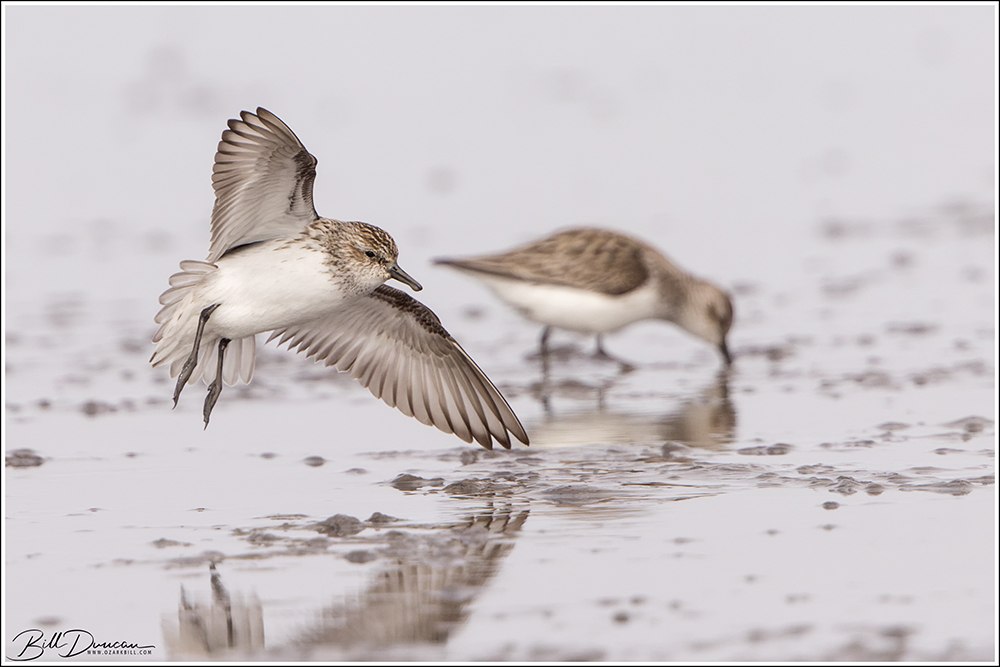
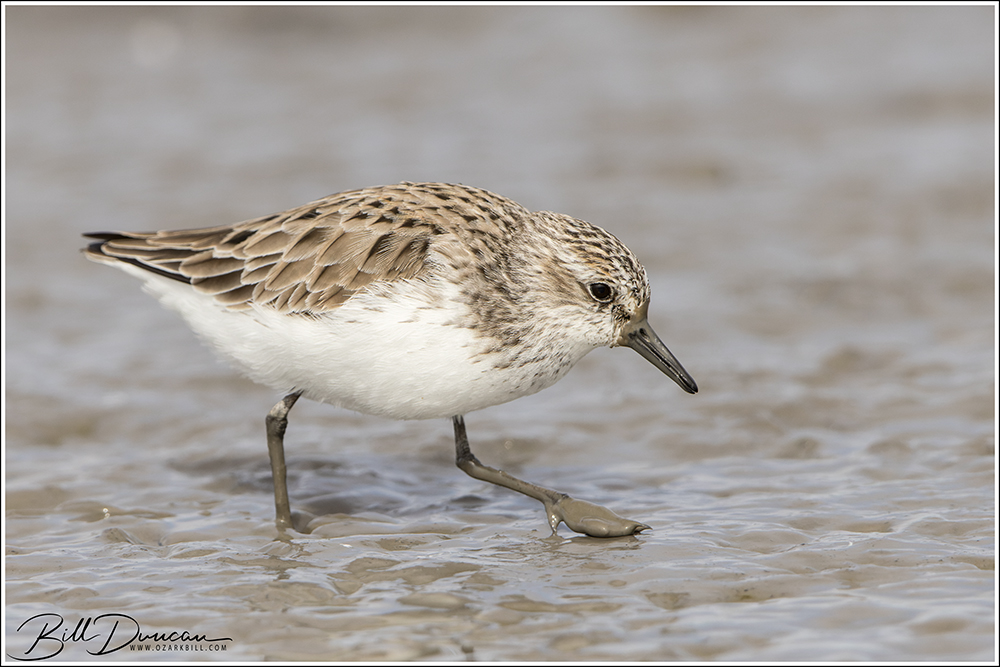
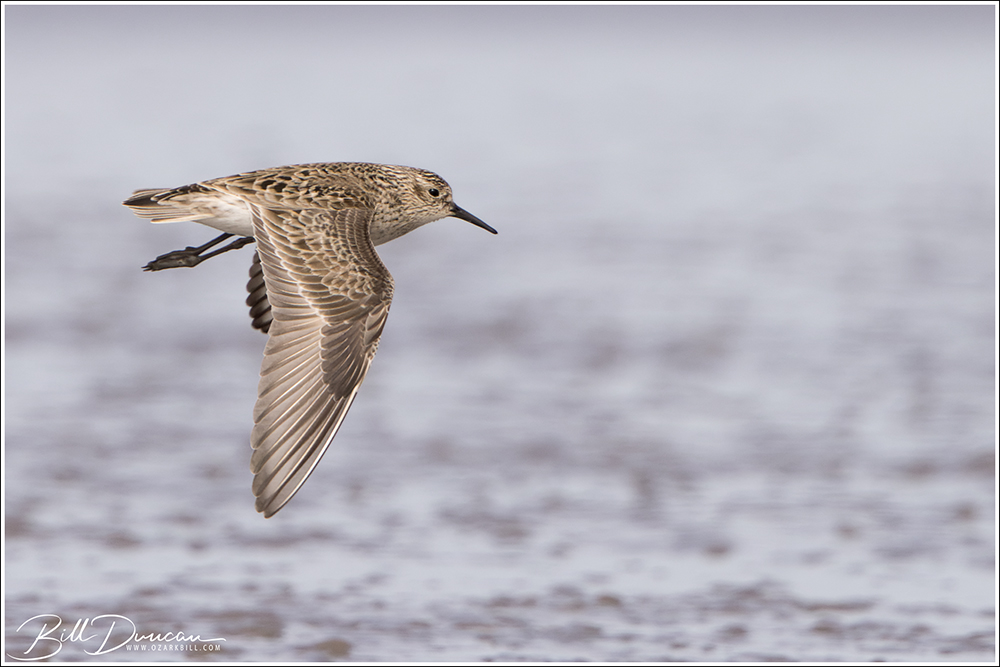
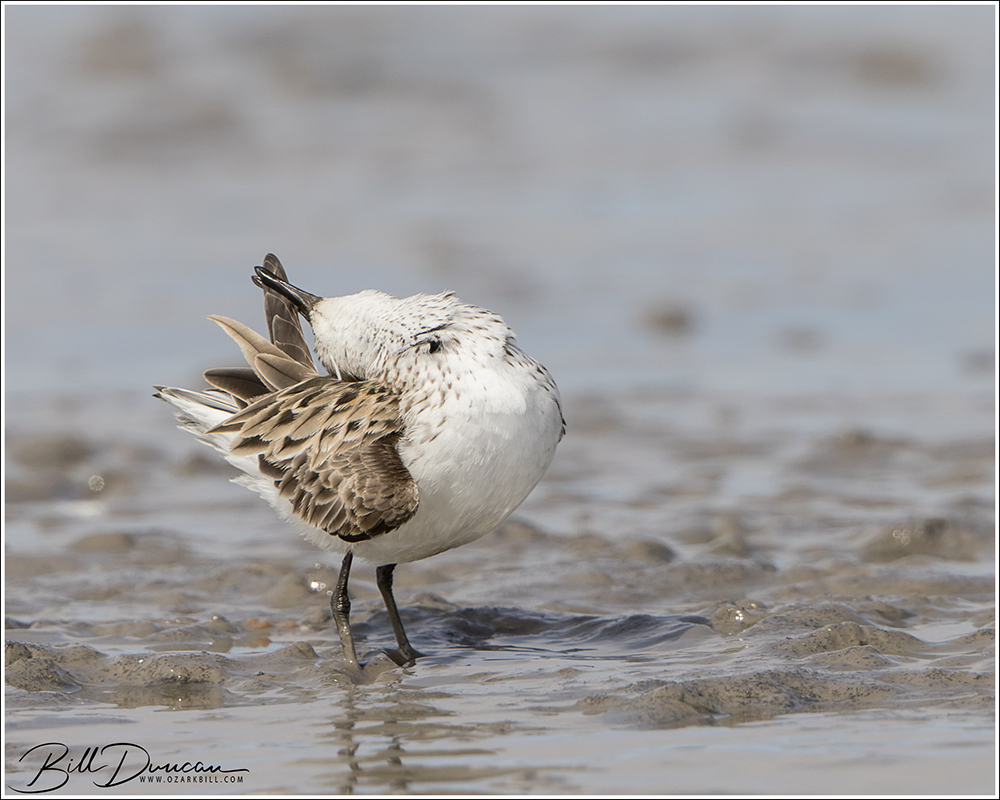
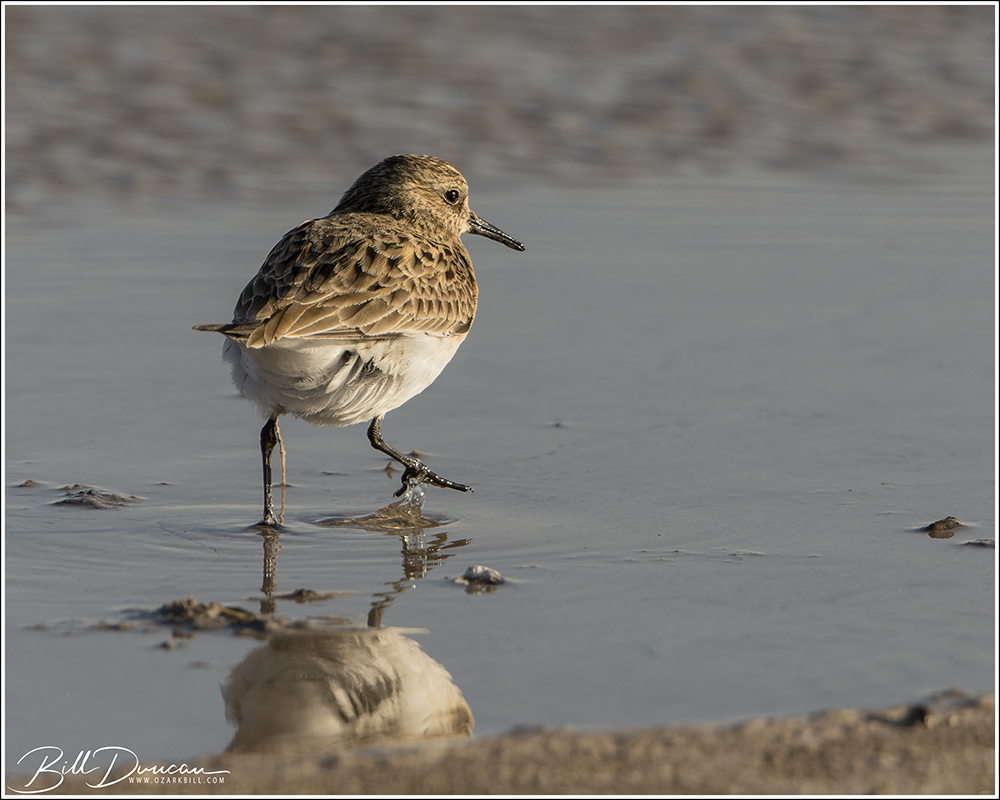
I can’t believe it’s been more than a year since this trip and I still have quite a few photos to share. Not much time or gumption to post much lately. Here are some photos of one of the more abundant shorebirds we had on this particular visit – the Semipalmated Sandpiper. It was fun and interesting to see so many individuals up close. You can really see variations in individual plumages at this time of year, as I hope this collection shows
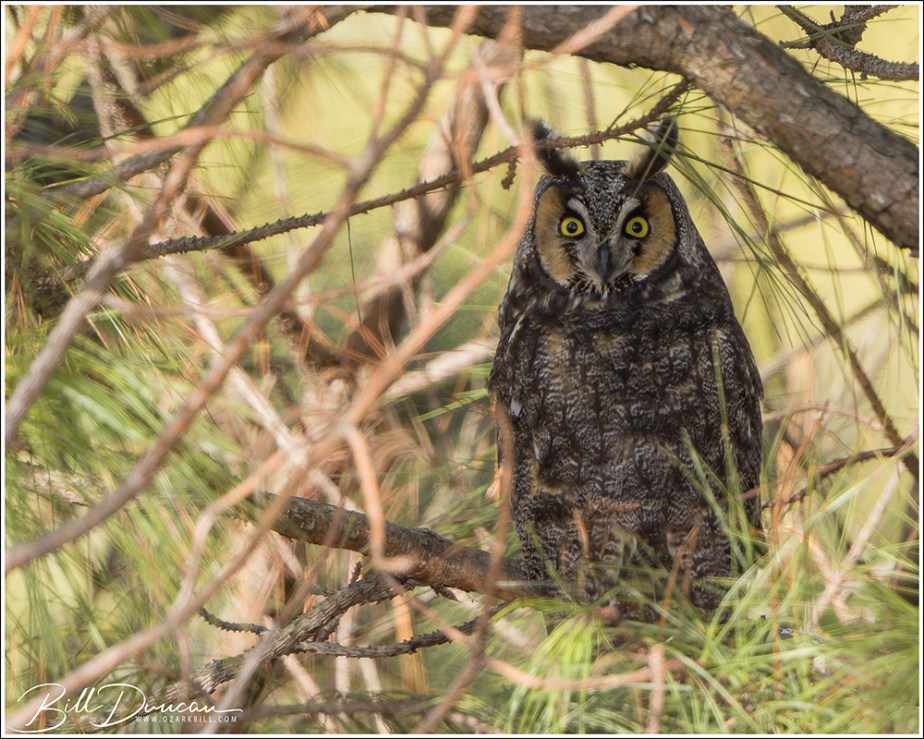
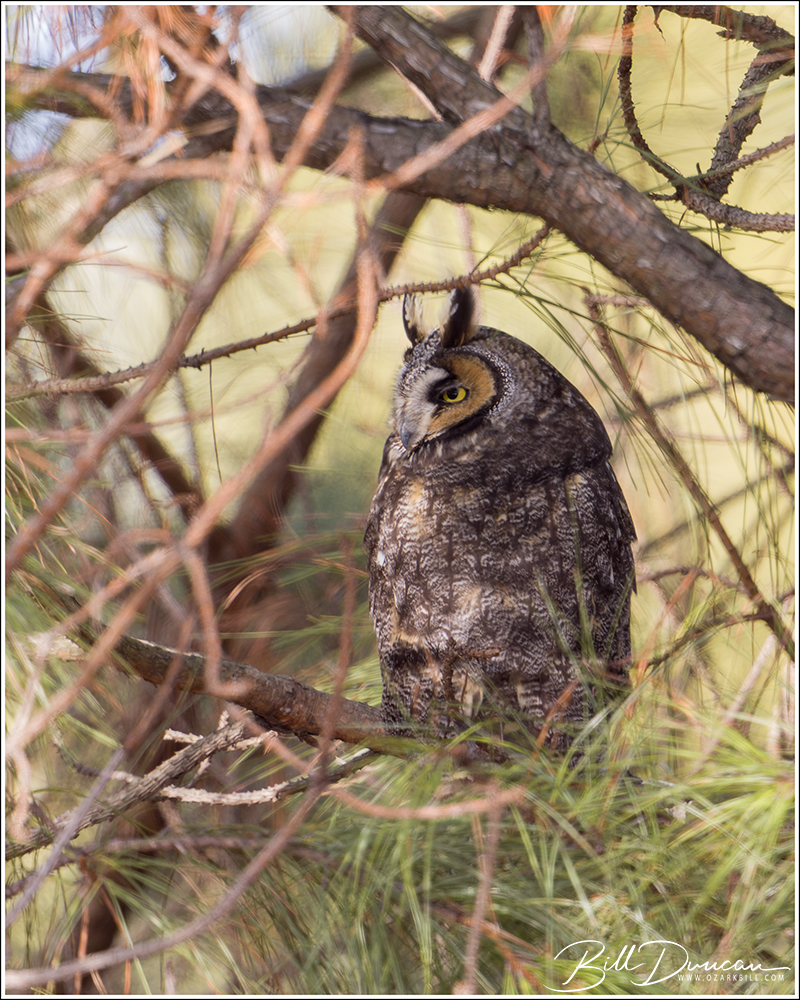
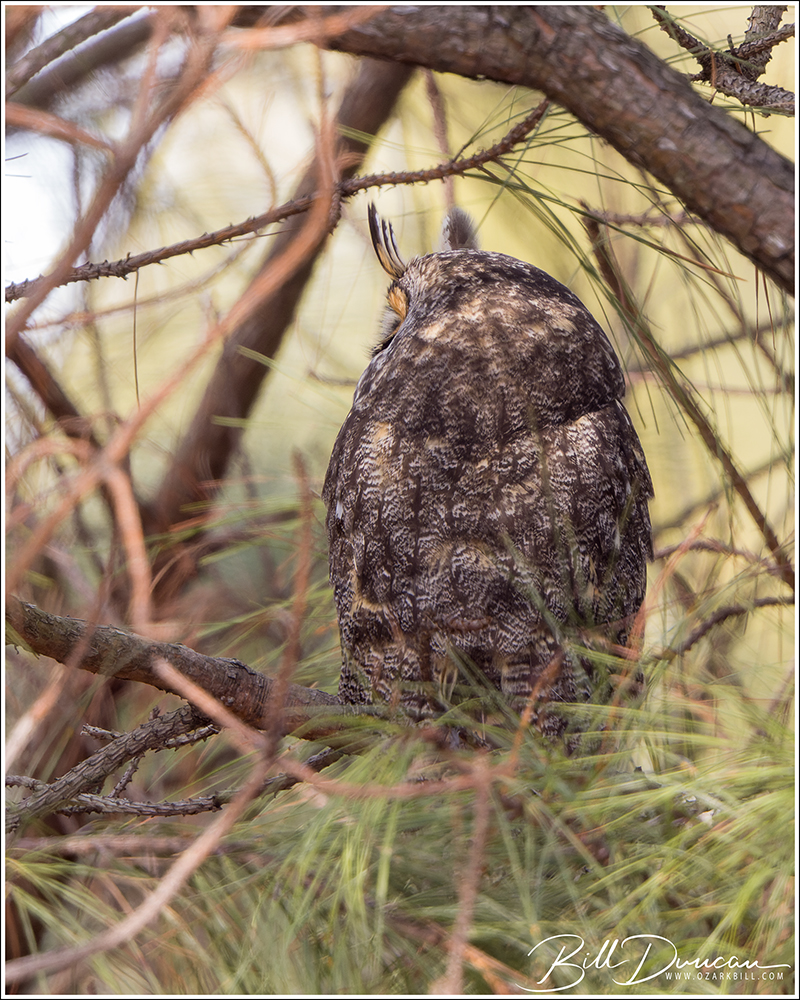
The Long-eared Owl has been on my top most wanted list for adding to my photographed species list for nearly 15 years. During this past New Years Eve, I finally found that opportunity.
Long-eared Owls are a bit different in that they hold and keep winter roosting sites, sometimes using the same trees or a single tree for these winter roosts year after year. This was the case here, where we found five birds roosting in a couple of exotic pine trees. Unfortunately, all but the one pictured here were too far in the mix of branches to be photographed. I am sure happy to have this one.
I had heard that this species is particularly weary, flushing with the least provocation. I did not find this to be the case at all with this group. Yes, this was a hard to find location and they do not likely see many visitors. When we stepped from the car they did become aware, moving their heads back and forth to get better looks at us from between branches. But, with keeping low voices, slow movements and respectful distances, they got used to our presence fairly quickly. I was even amused that they began ignoring us, turning their backs to us, going back to sleep and having what seemed to me normal behaviors and interactions. We stayed until dusk at which point they began stirring, moving from perch to perch and interacting with one another. This was too dark for still photographs but I did collect a little bit of video that I hope to process and share someday.
I know this is a sought after species in our region. This roost is on private property in which we were invited. I will not be able to share the location information for this site. Thanks for understanding.


A cooperative Sedge Wren from August of last year.


Here are a few songbirds I’ve photographed over the past couple of winter seasons.

Northern Cardinal

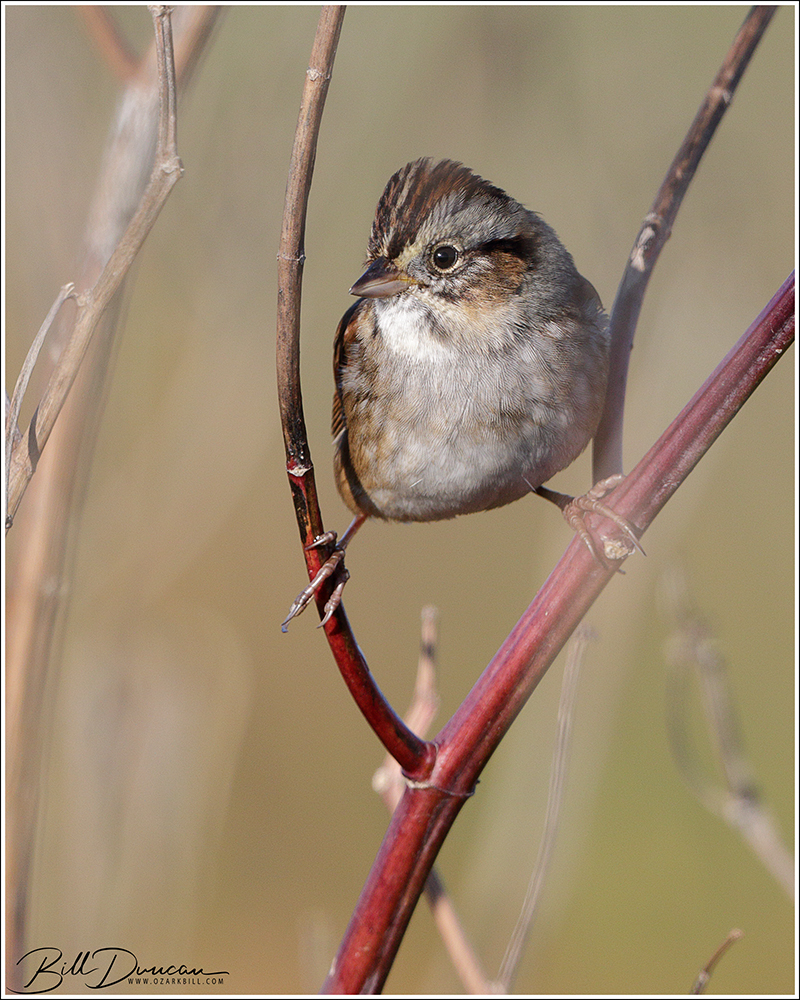
Swamp Sparrow
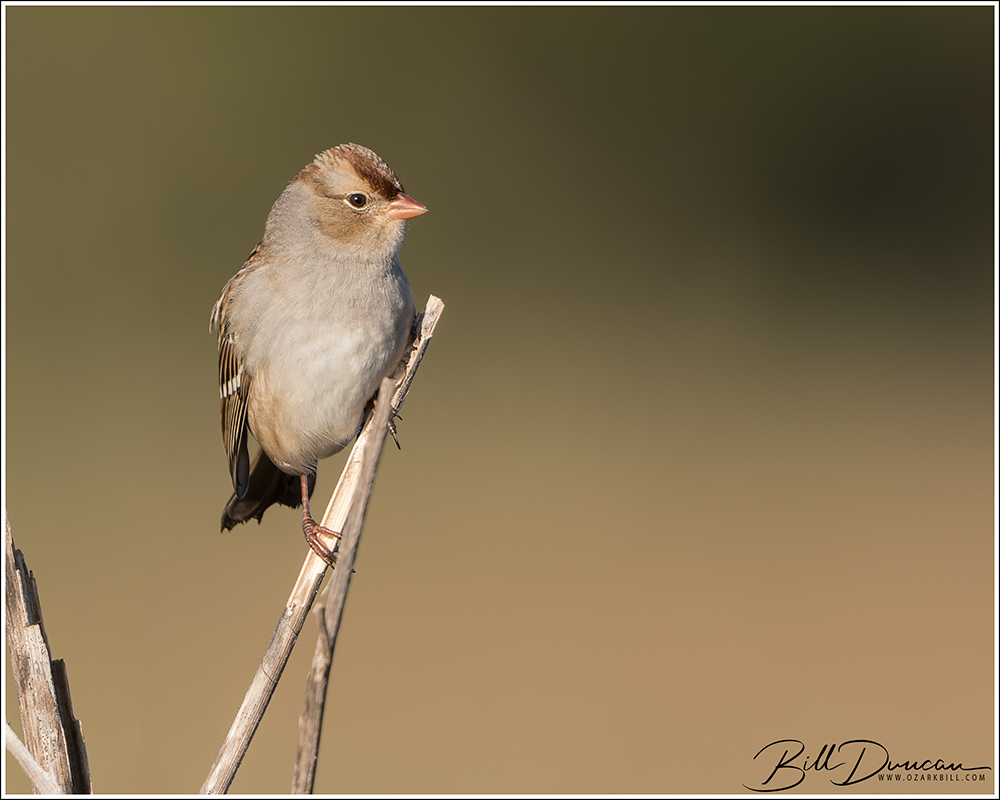

White-crowned Sparrow
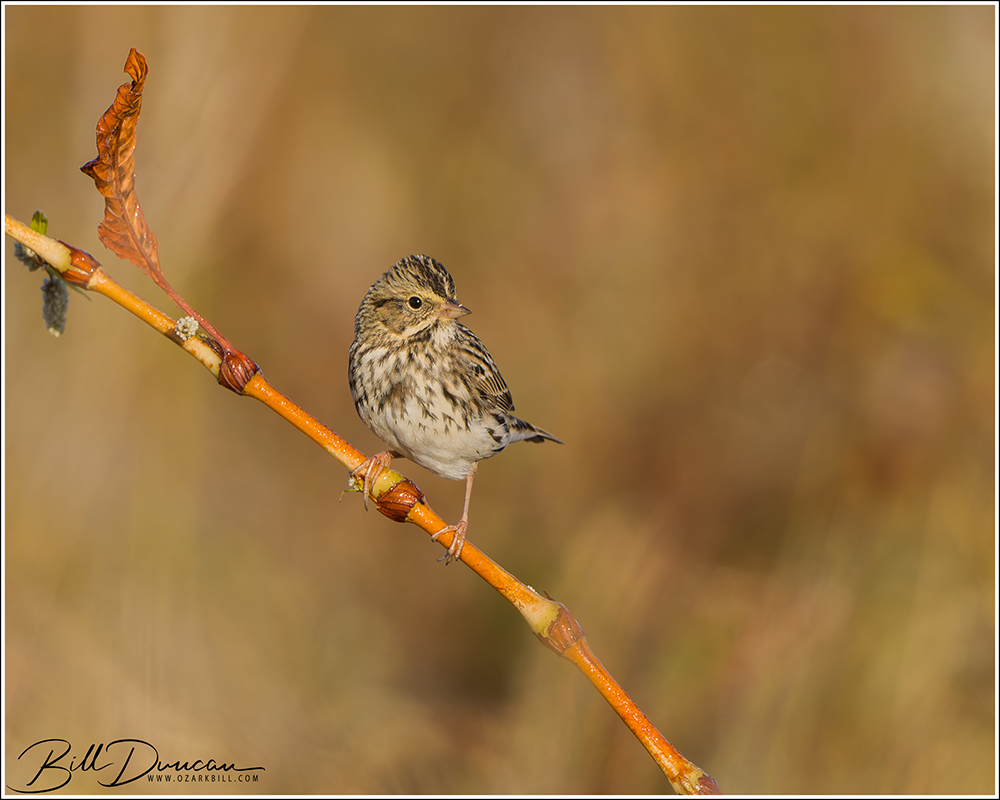
Savannah Sparrow