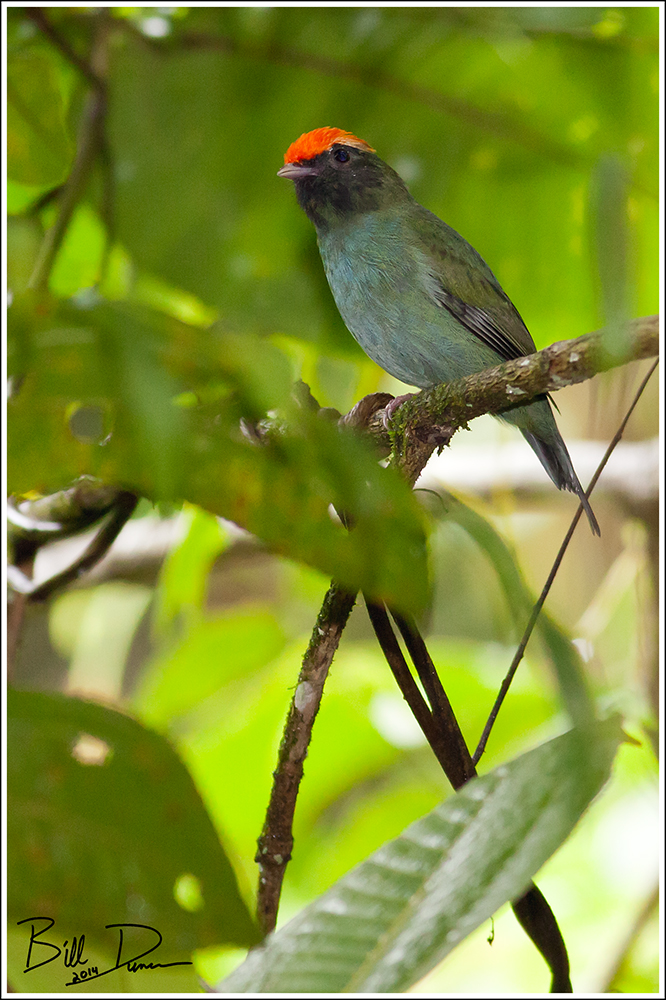
English: Blue Manakin
Portuguese: Tangara
LB: Chiroxiphia caudata
Song
"What a thousand acres of Silphiums looked like when they tickled the bellies of the buffalo is a question never again to be answered, and perhaps not even asked." -Aldo Leopold
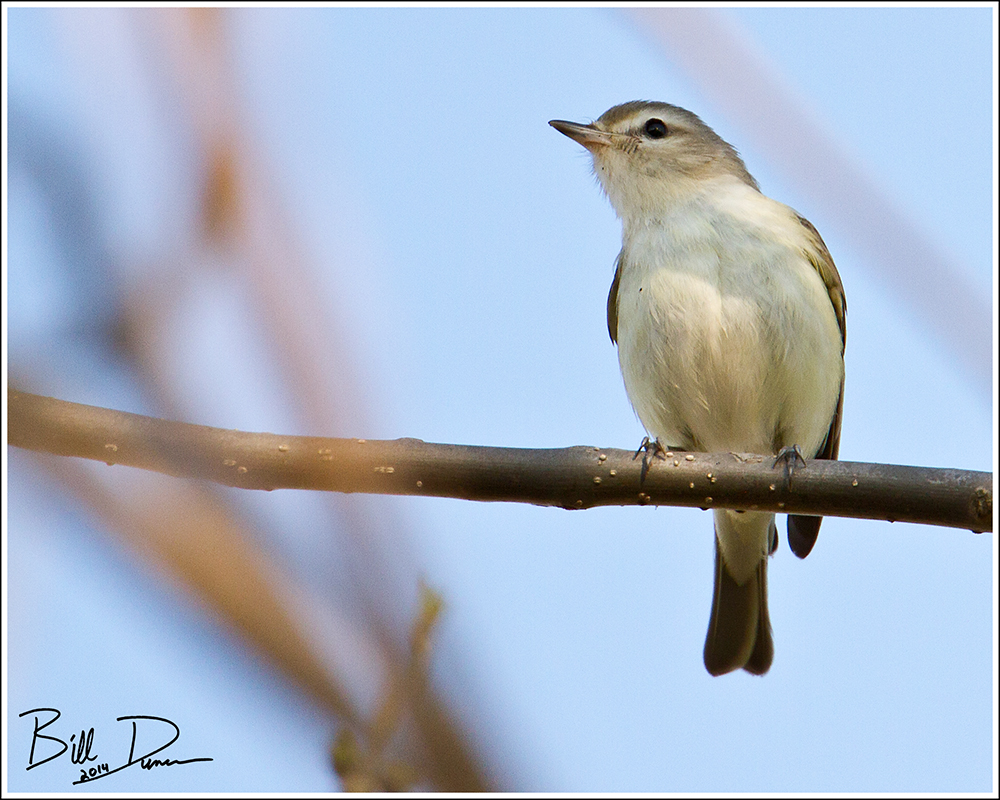
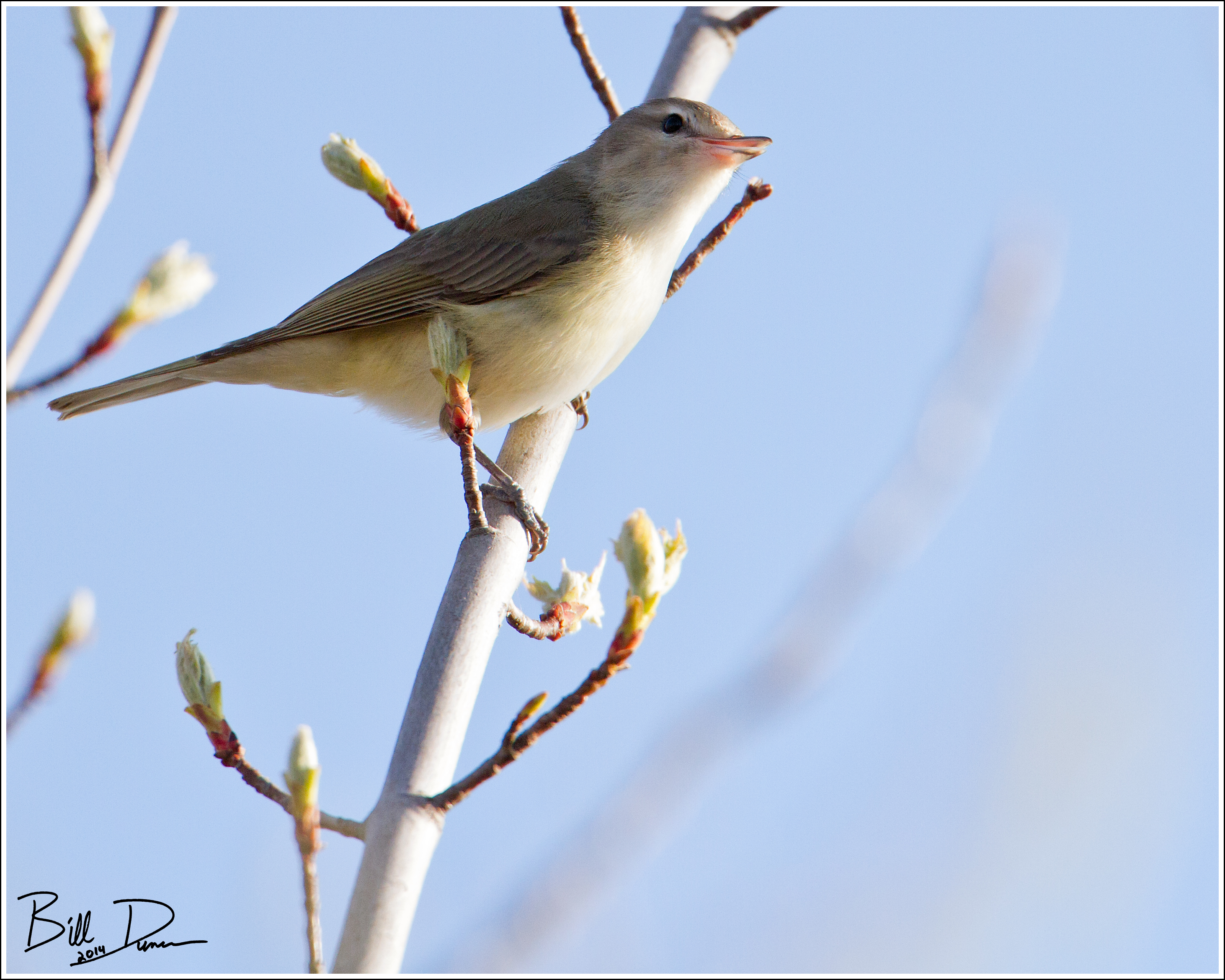
At riverine locals like RMBS, the warbling song of the Warbling Vireo can be heard all day long throughout the summer. However, they have always given me grief when it came to getting a photograph – lurking shyly among the leafy branches of the Cottonwood. This year, I hit a trail where I know they set territories for nesting. Early in the spring, before the leaves expanded, I was able to follow this guy as he made the rounds and get some photos.
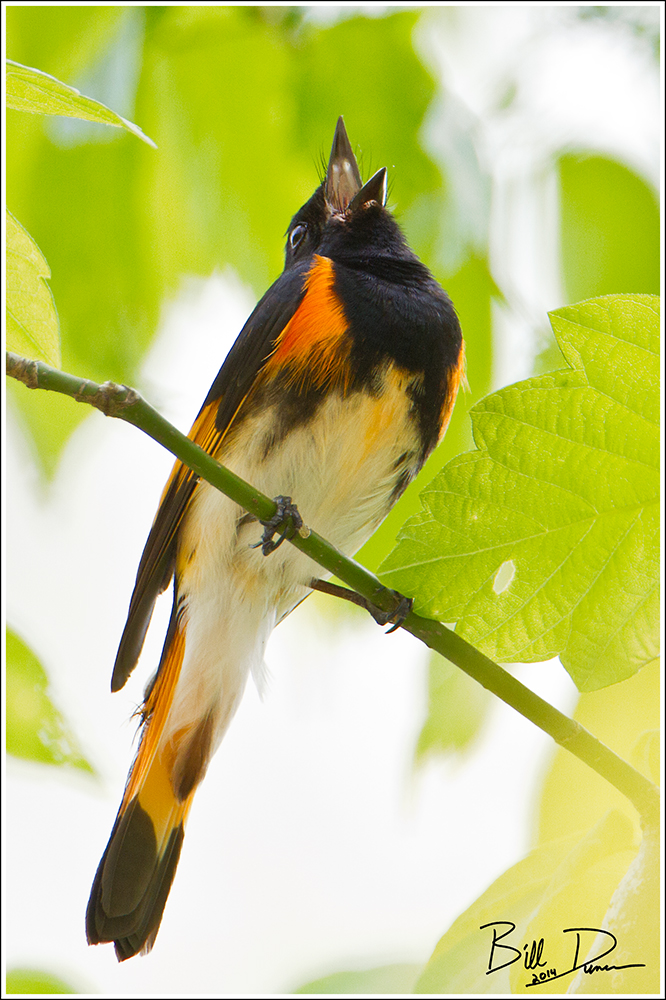
Photographed at Big Spring State Park. The American Redstart song seems to be more variable than any of the guidebooks suggest.
Who cooks for you all? My chef of a wife, Sarah, that’s who… 😉
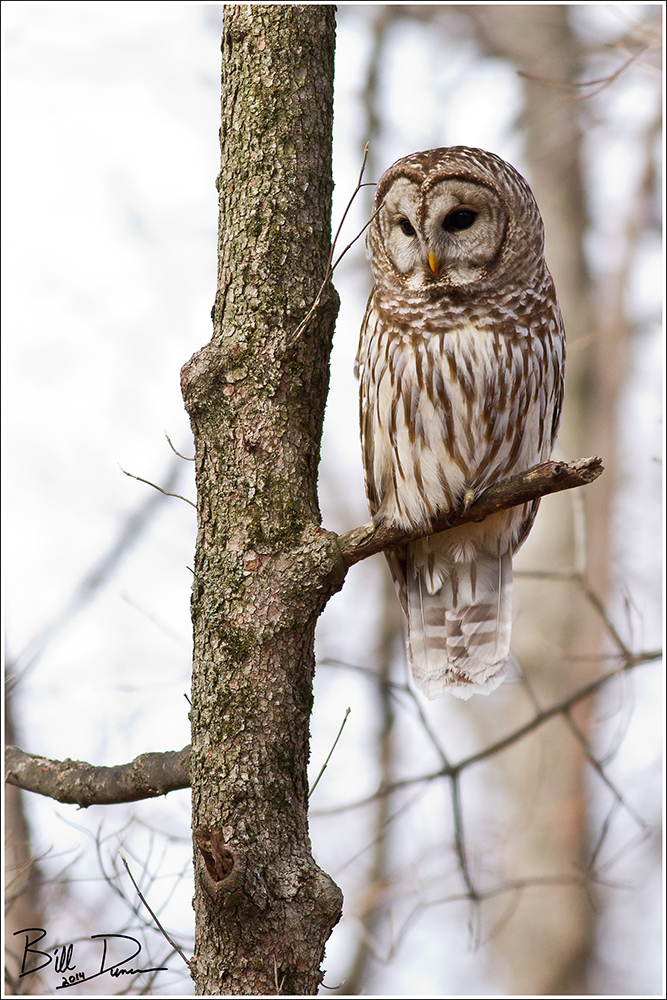
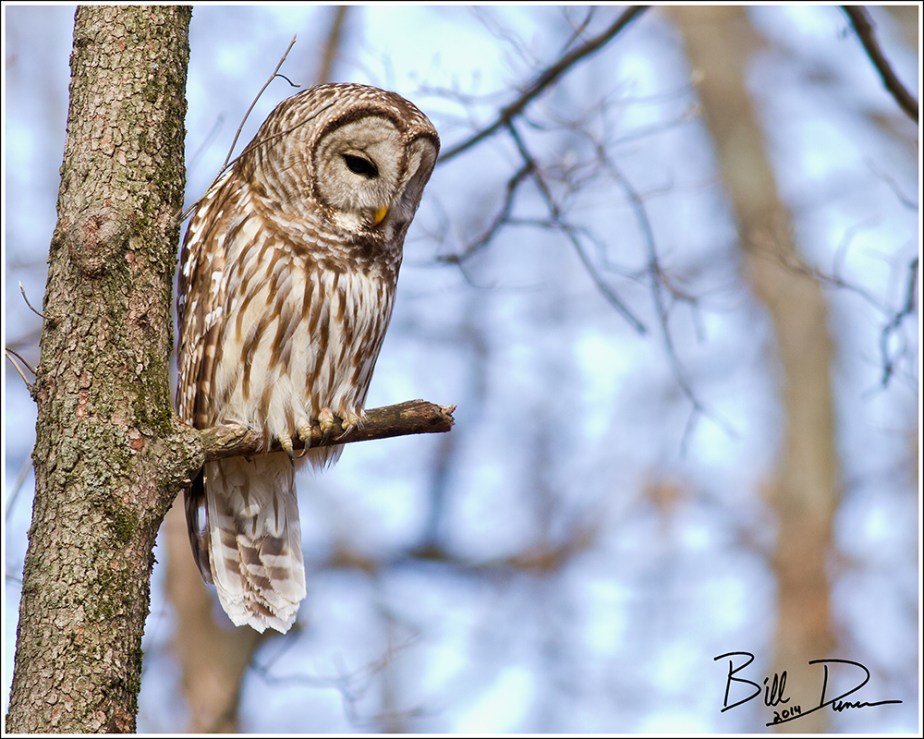
No, not a song bird today. I was lucky enough to come across this Owl during a day hike this spring. Usually, an Owl spotting OZB does whatever it can to escape, but this guy seemed not to be concerned and continued to scan the ground for mice and voles roaming through the leaf litter as I took its picture.
The Kentucky Warbler’s chury, chury, chury can sometimes be difficult to discern from the songs of the Ovenbird or the Carolina Wren. This warbler builds its nest usually just off the ground, confined within heavy vegetation, and often are parasitized by Brown-headed Cowbird. This guy was coaxed out with a little playback in a woody thicket near the parking lot at Greer Spring. Check out the short tail, easily evident in this photo, which is a good field mark for this species.

The male Hooded Warbler’s song can be heard within the Ozark National Scenic Riverways longer into the heat of the day than many other songbirds. This guy, singing alongside quite a few other males occupying adjacent territories, was photographed on the Greer Spring Trail this spring.



 A Thousand Acres of Silphiums