I did not take a lot of video footage during my brief time at the nest, but I did get some interesting enough footage to put the following together. Available in 4K on YouTube. Enjoy!
Tag: bird nests
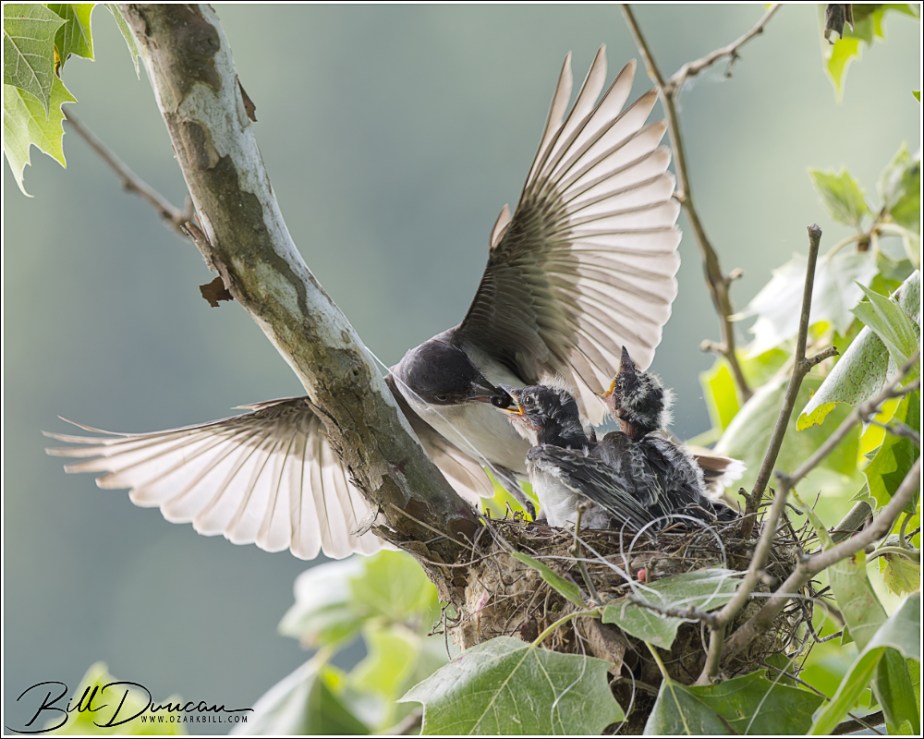
Eastern Kingbird Nest – Part 4 – The Rest
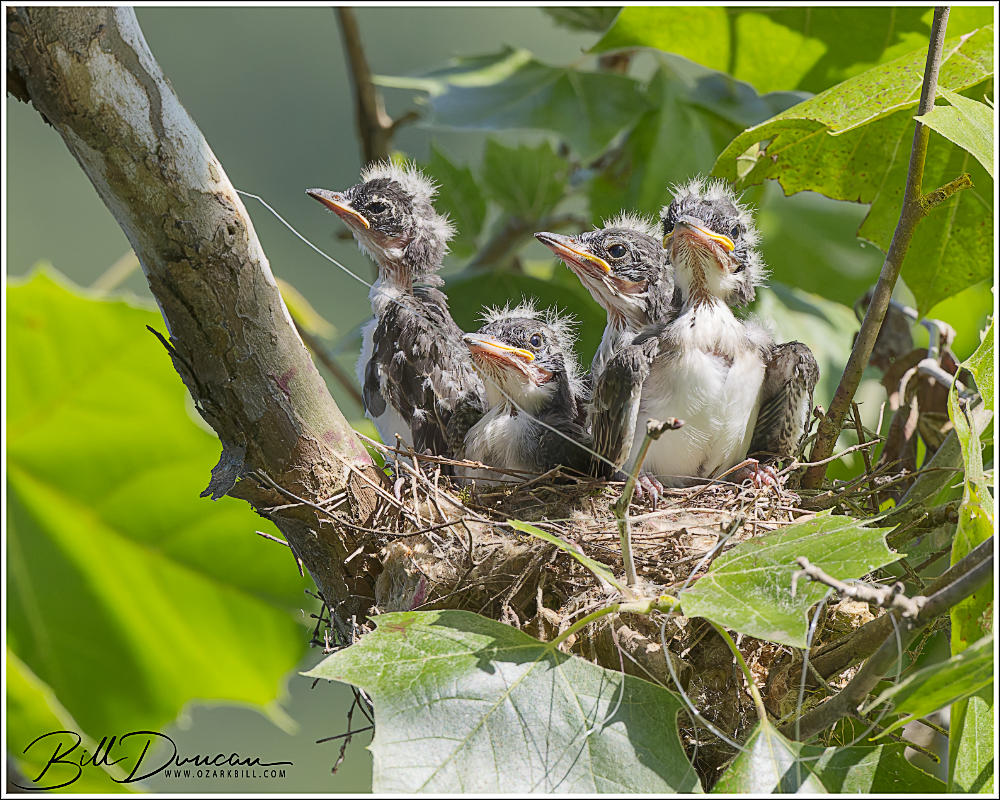
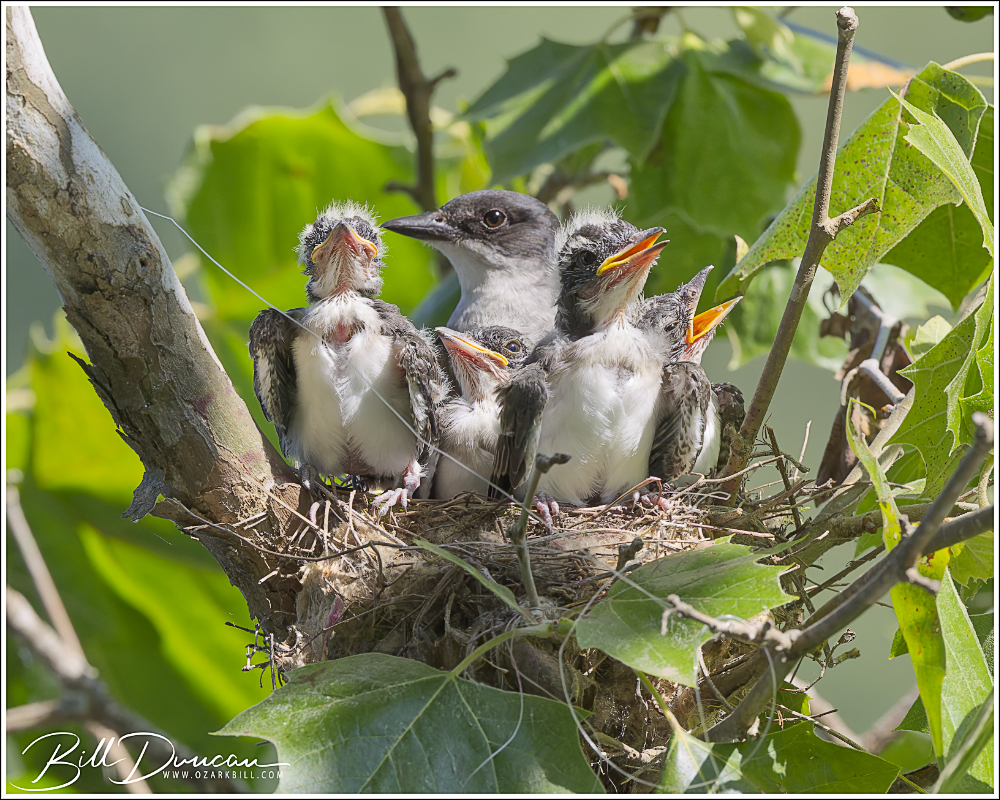
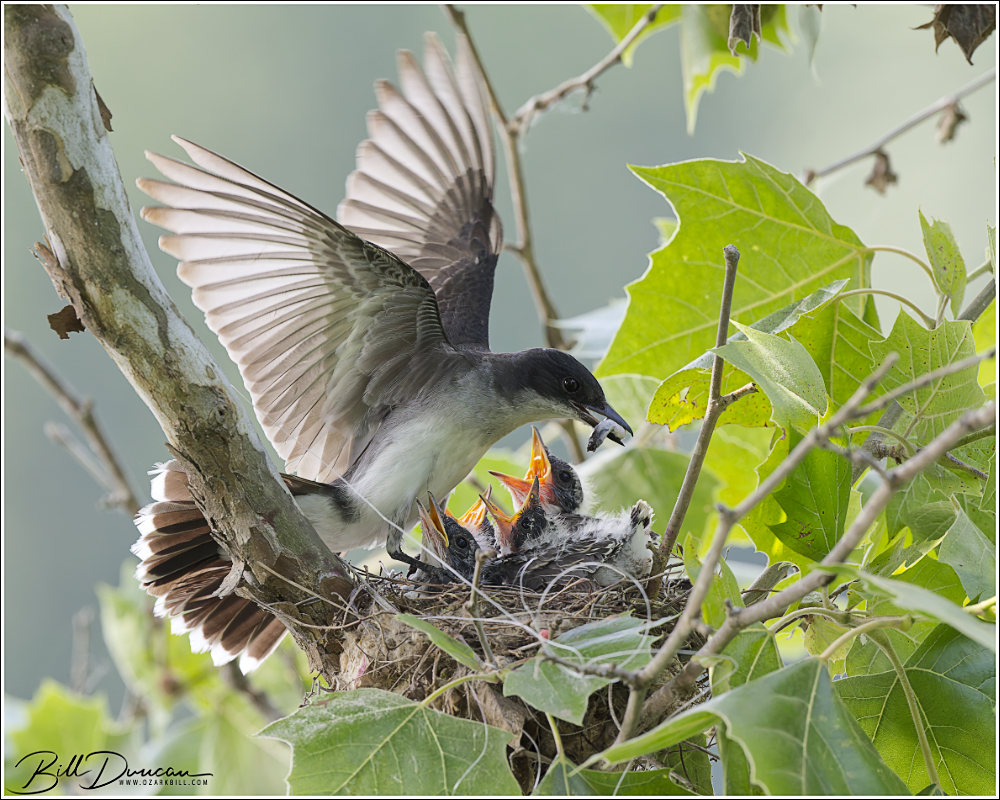
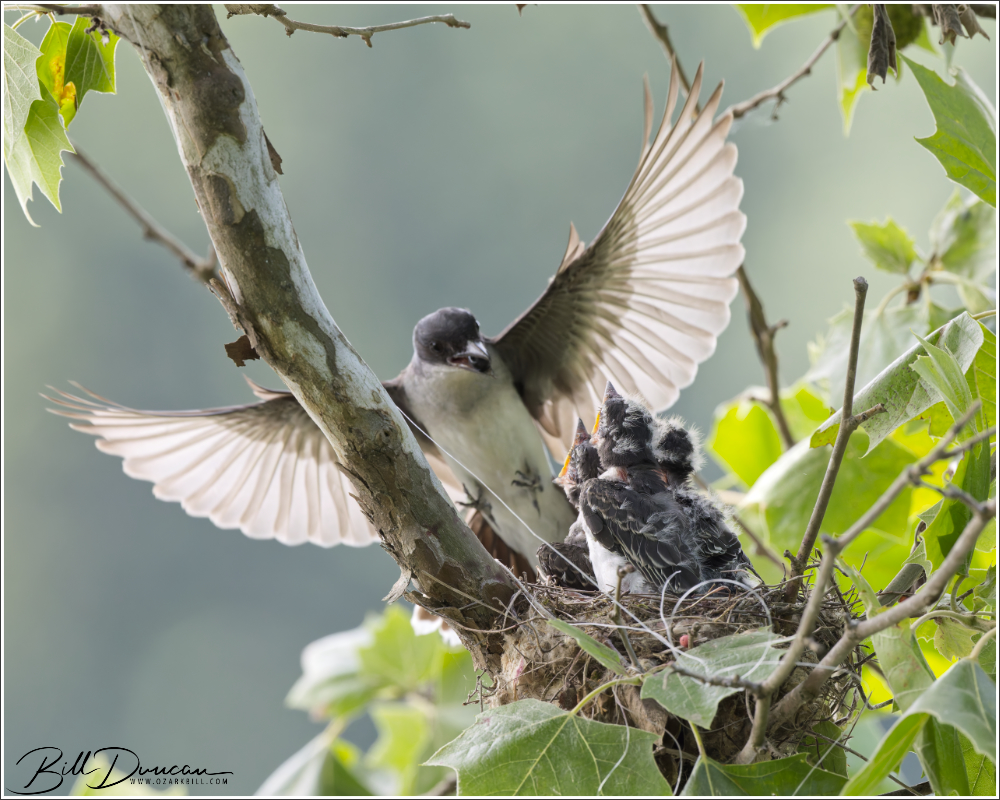
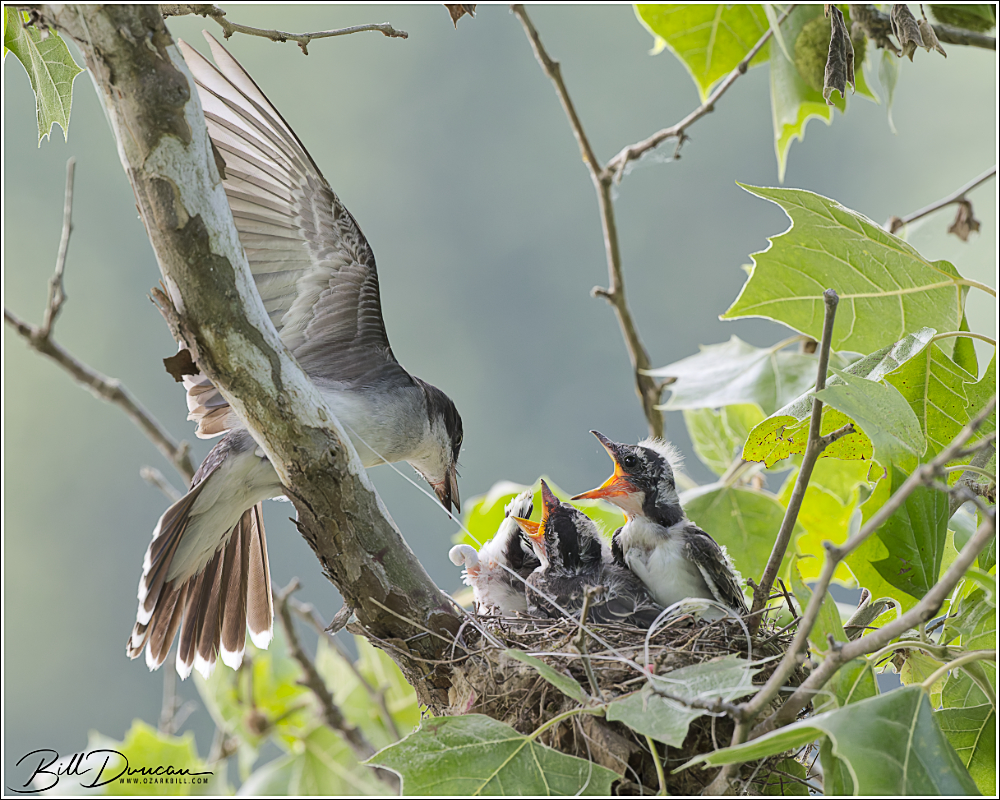
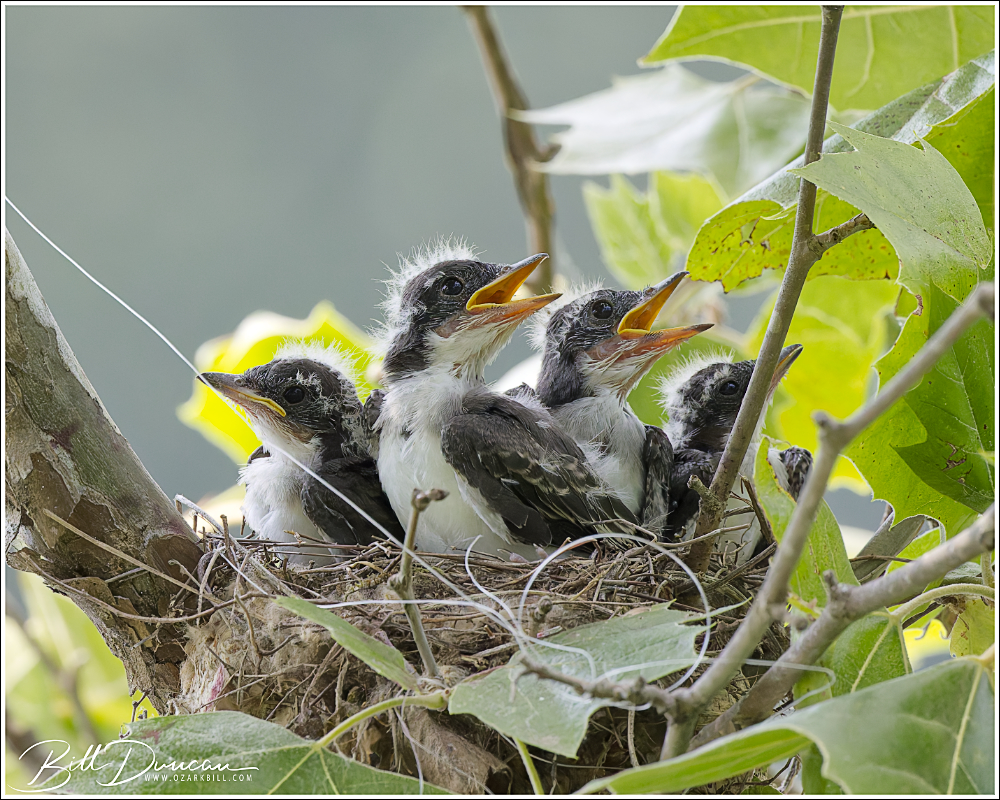
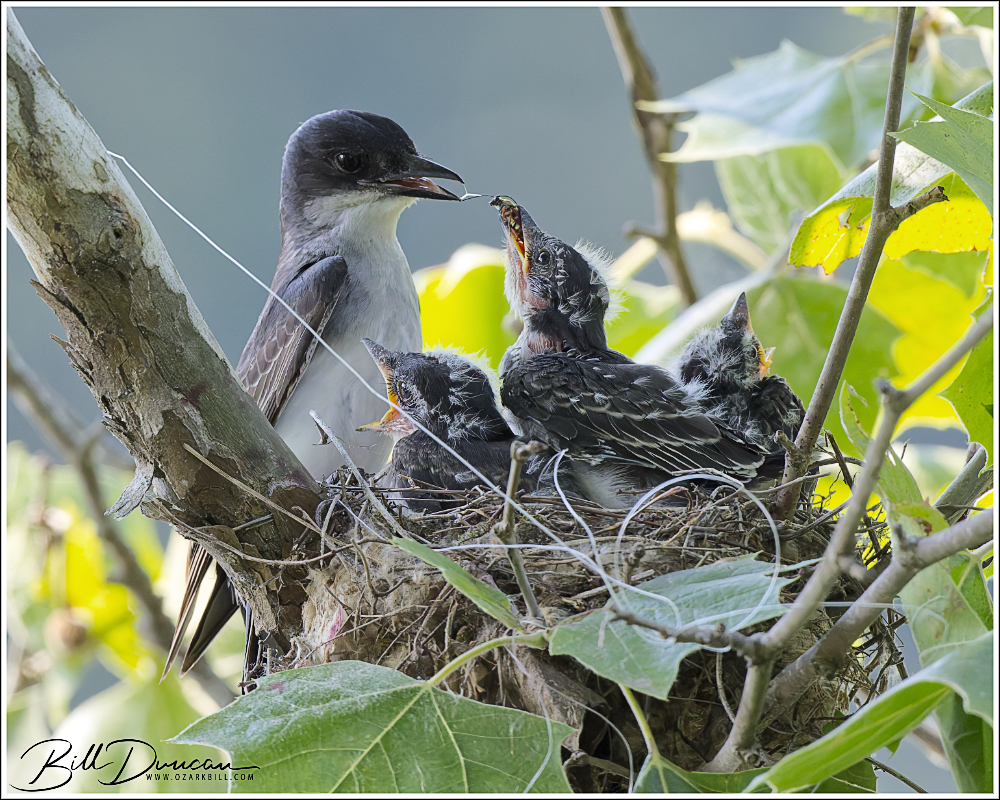
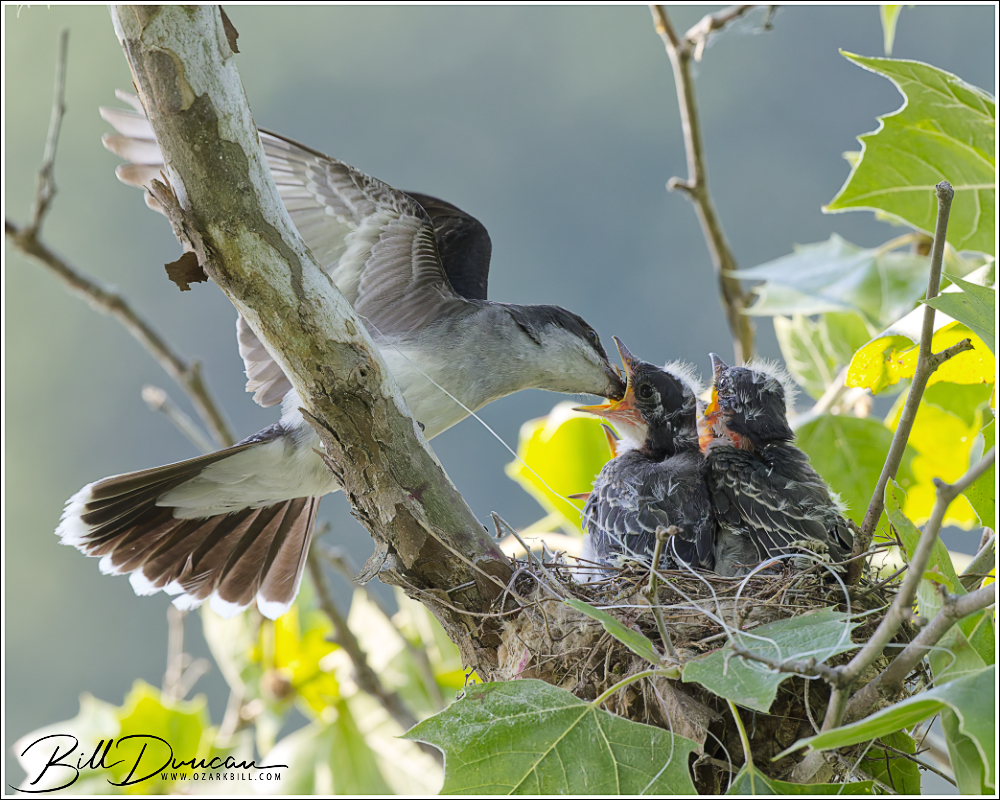
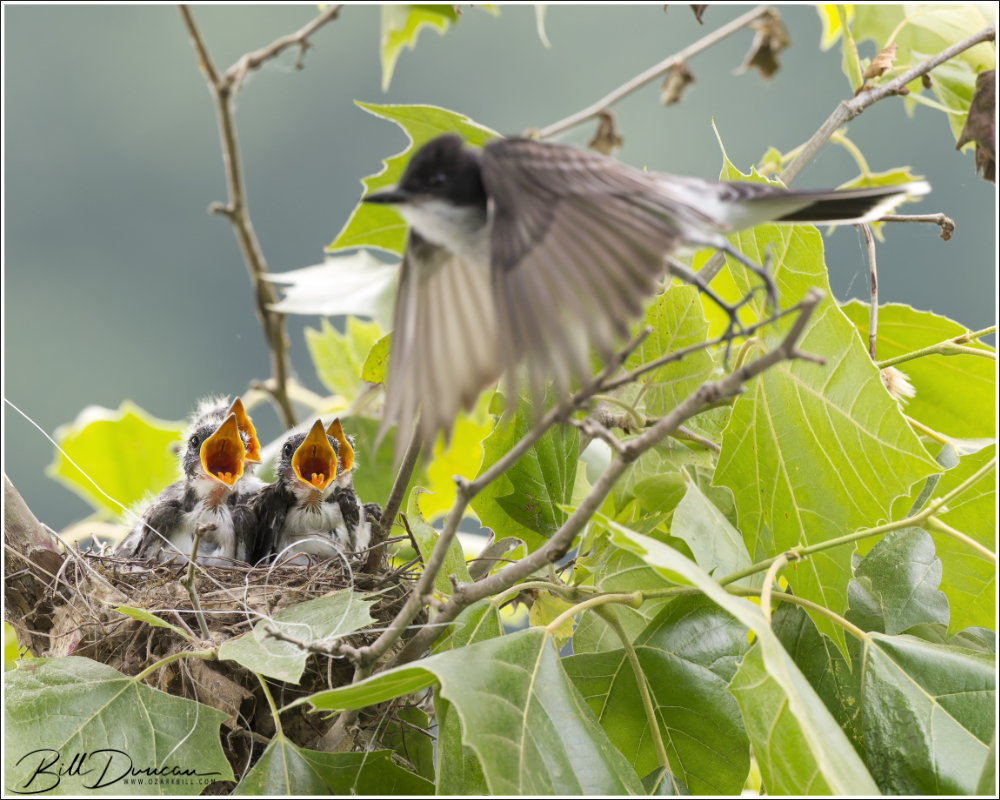
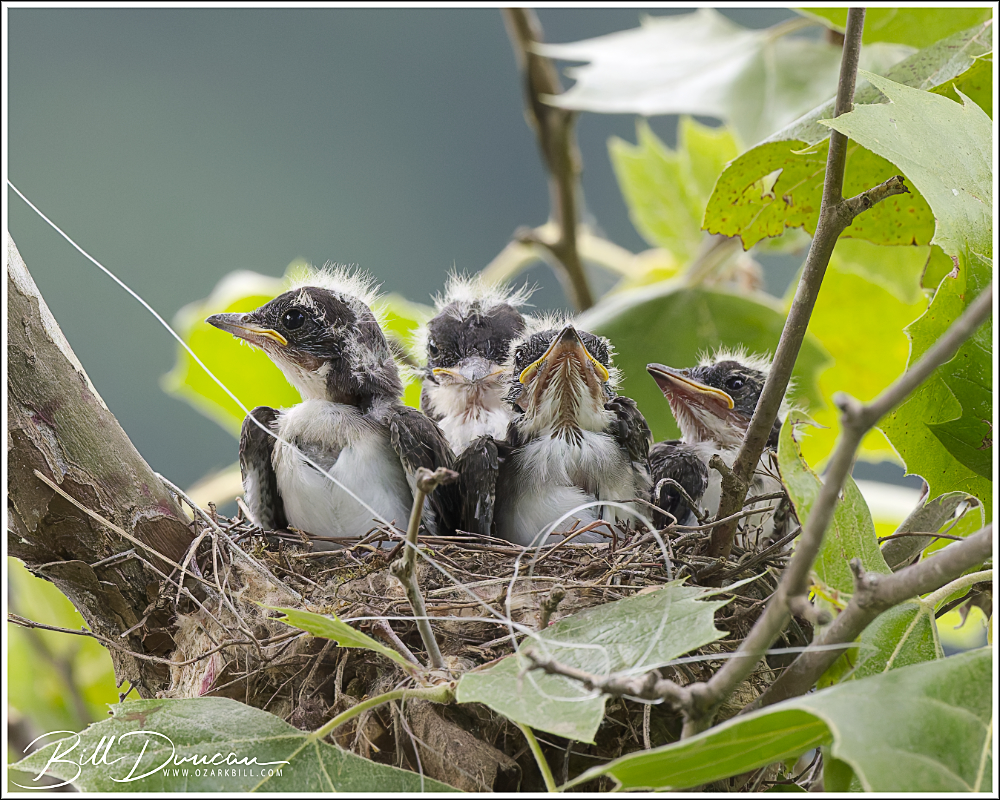
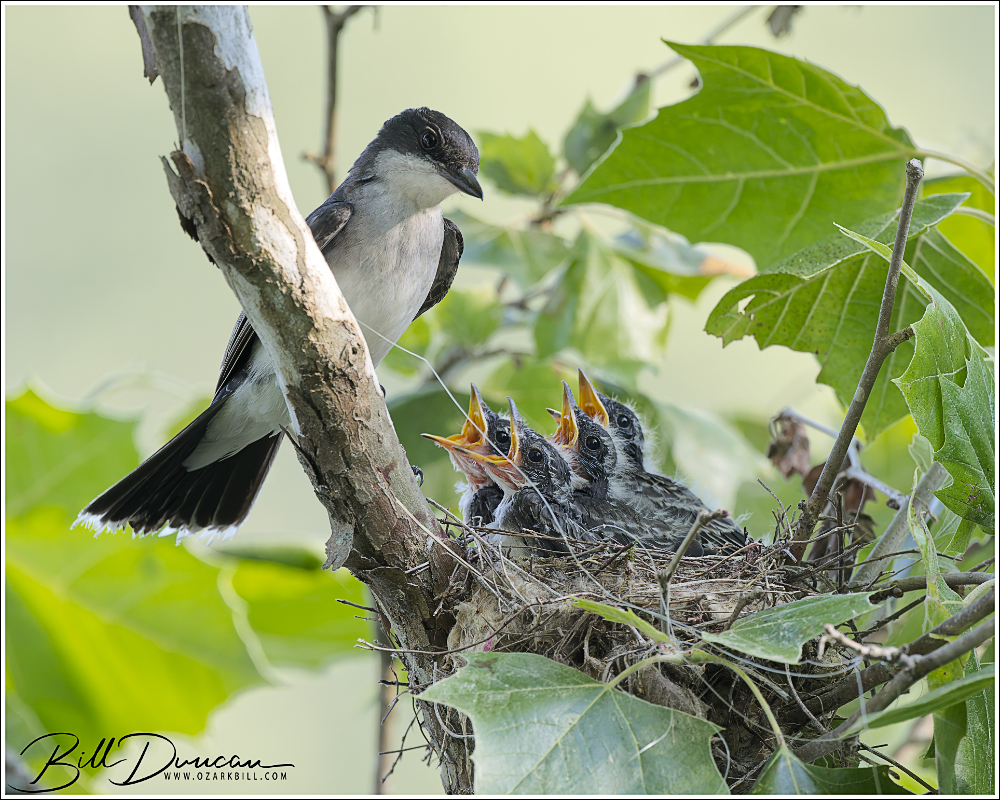
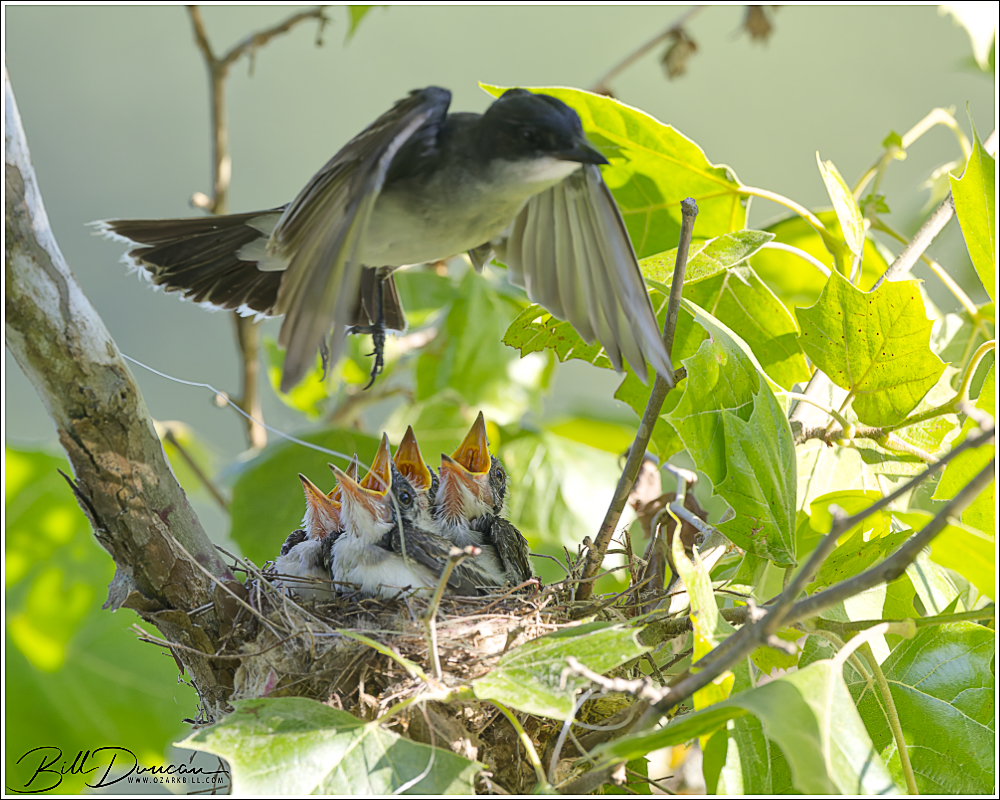
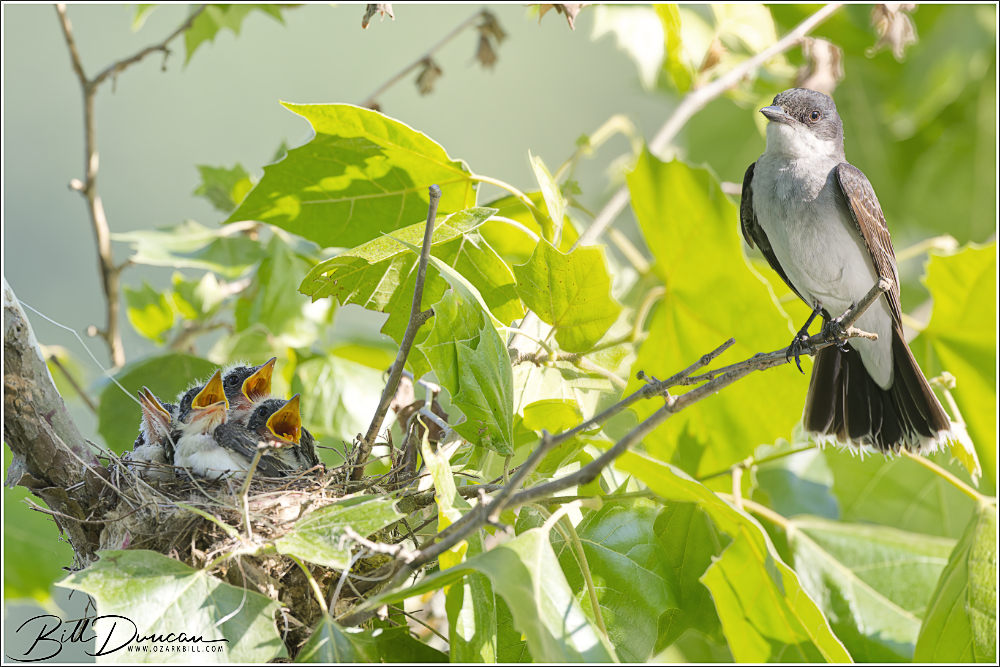
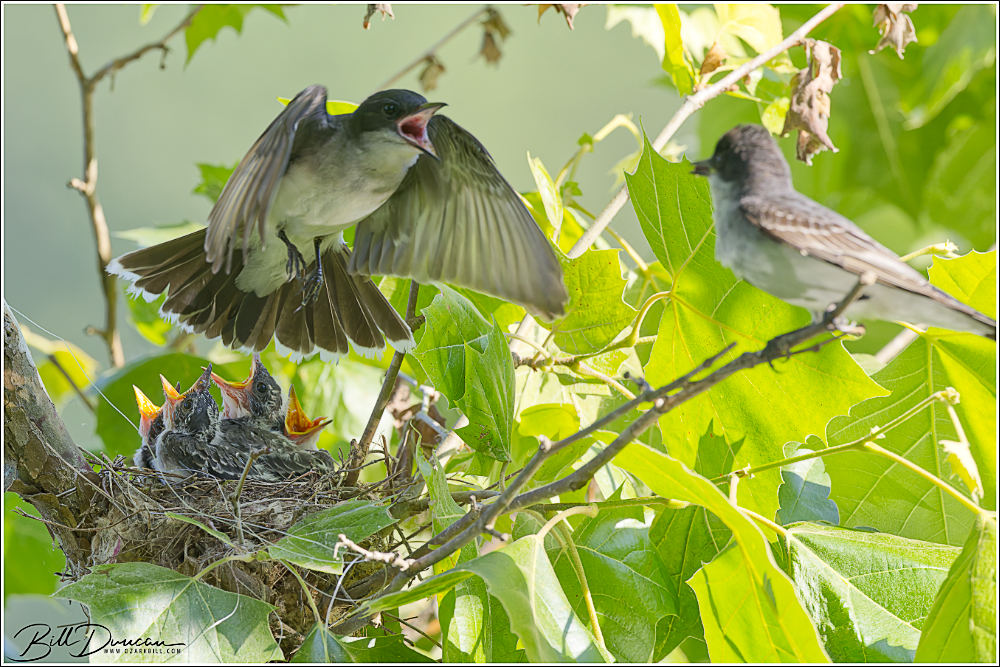
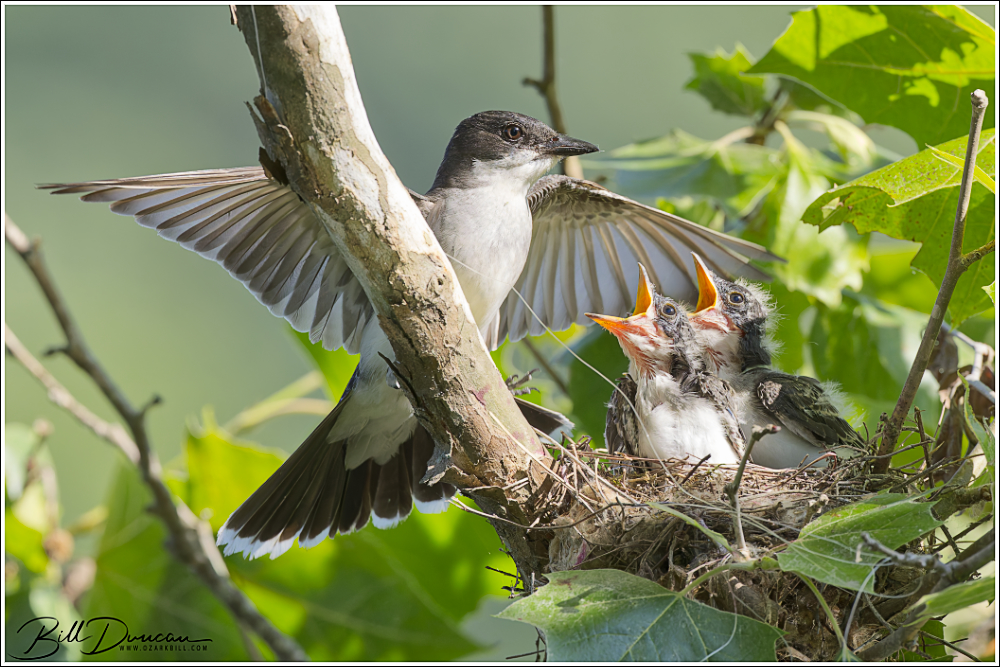
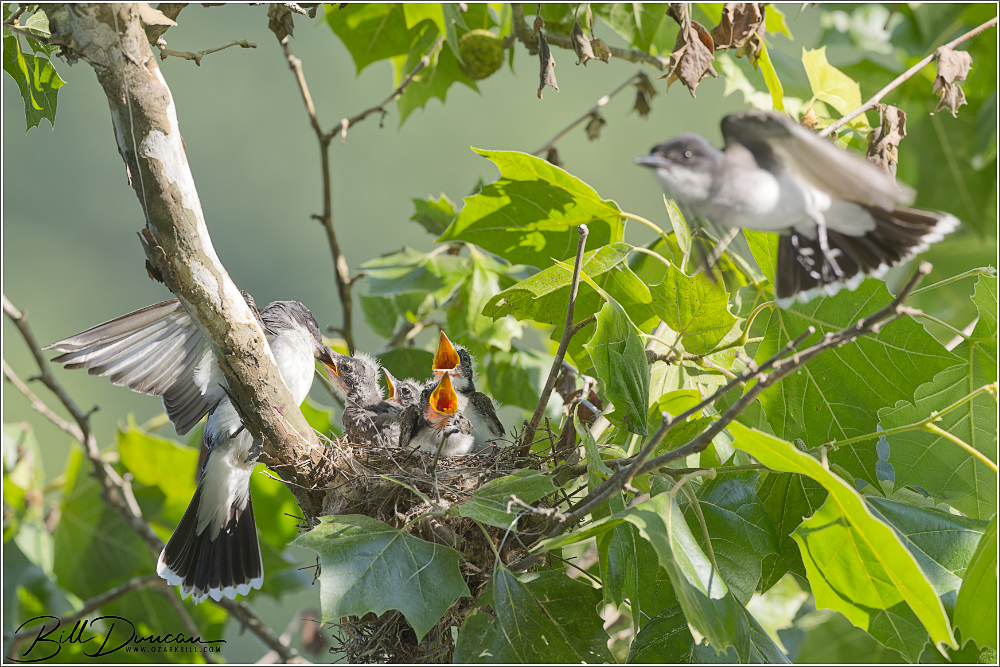
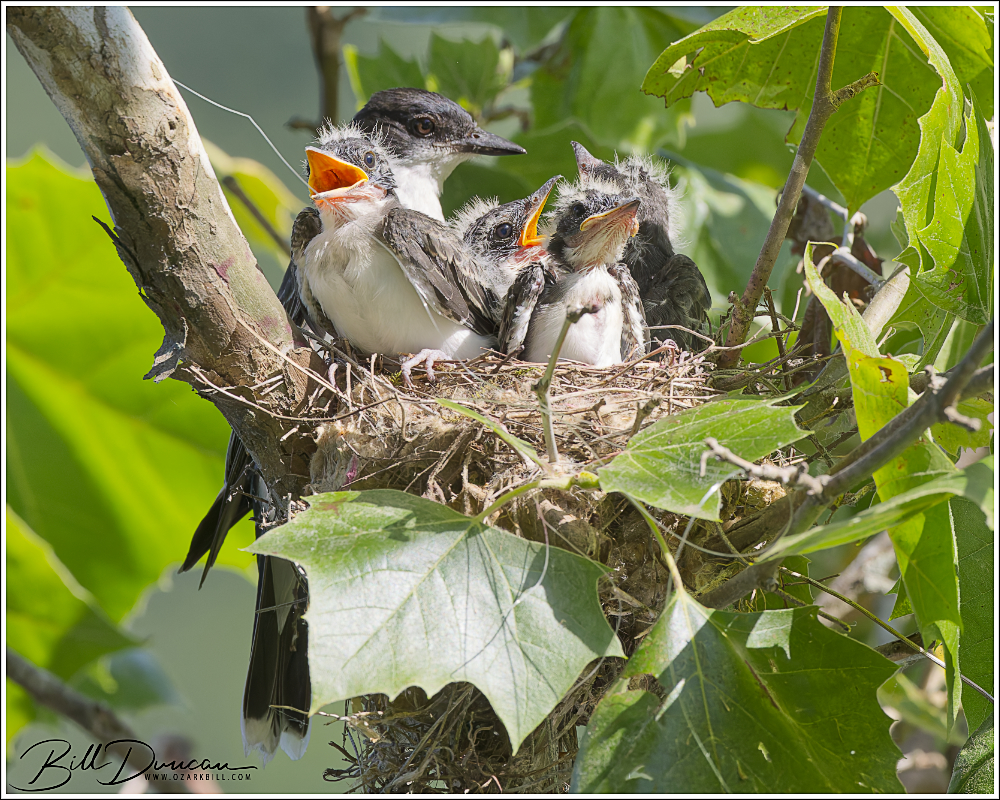
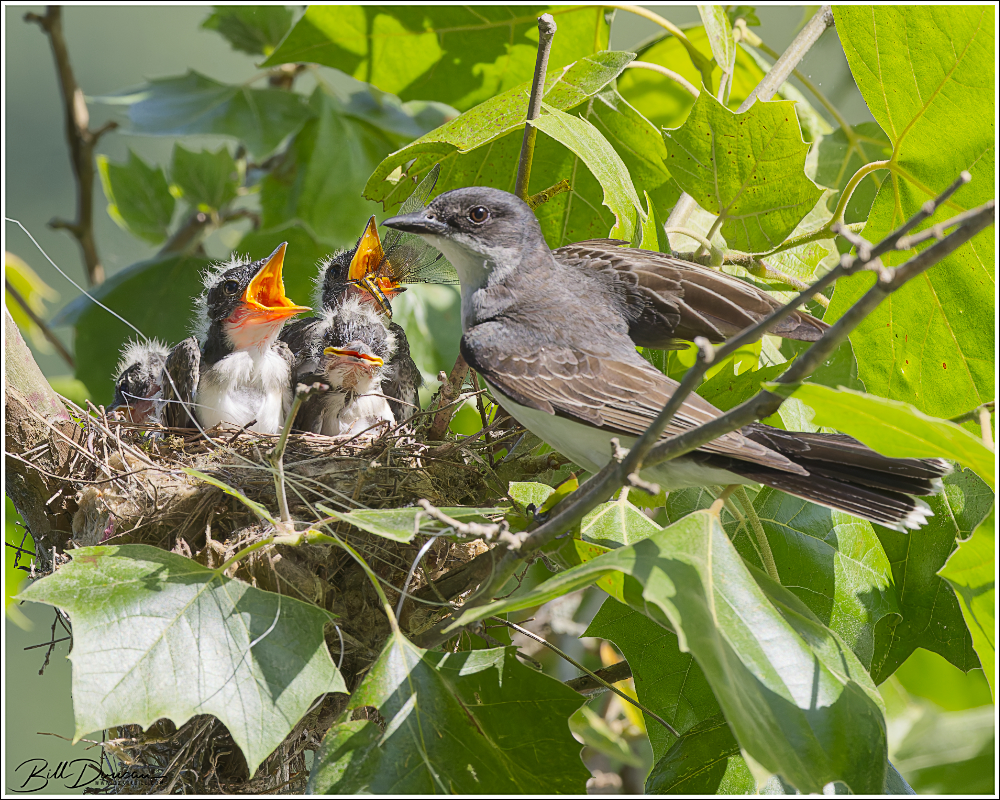
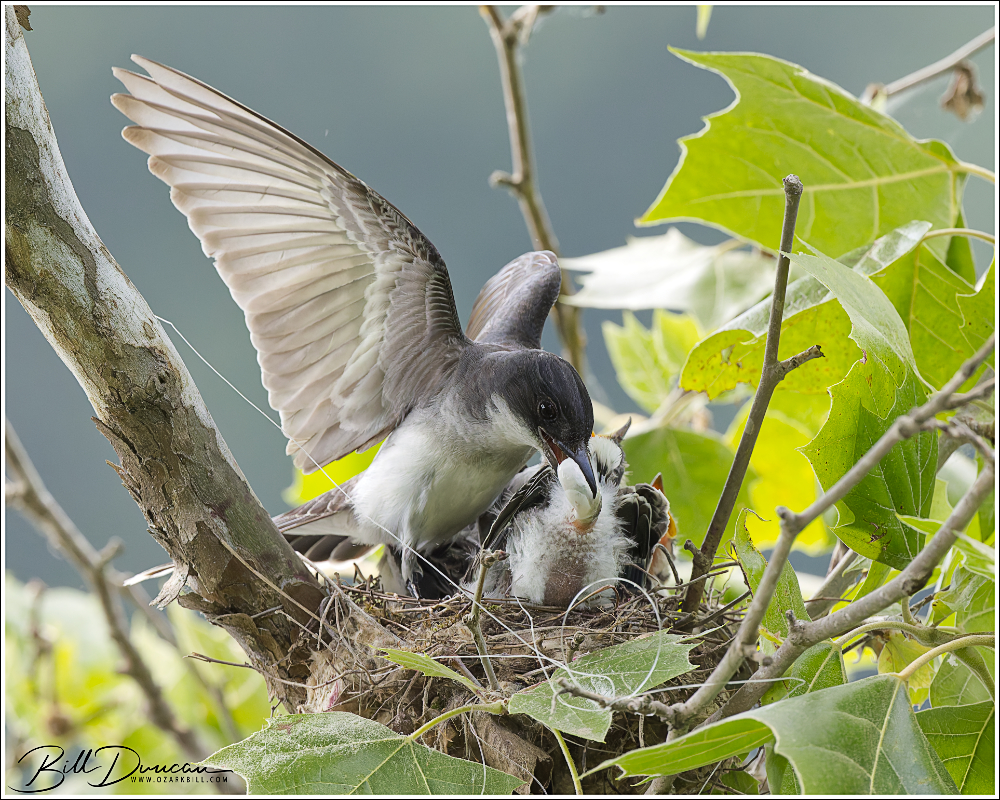
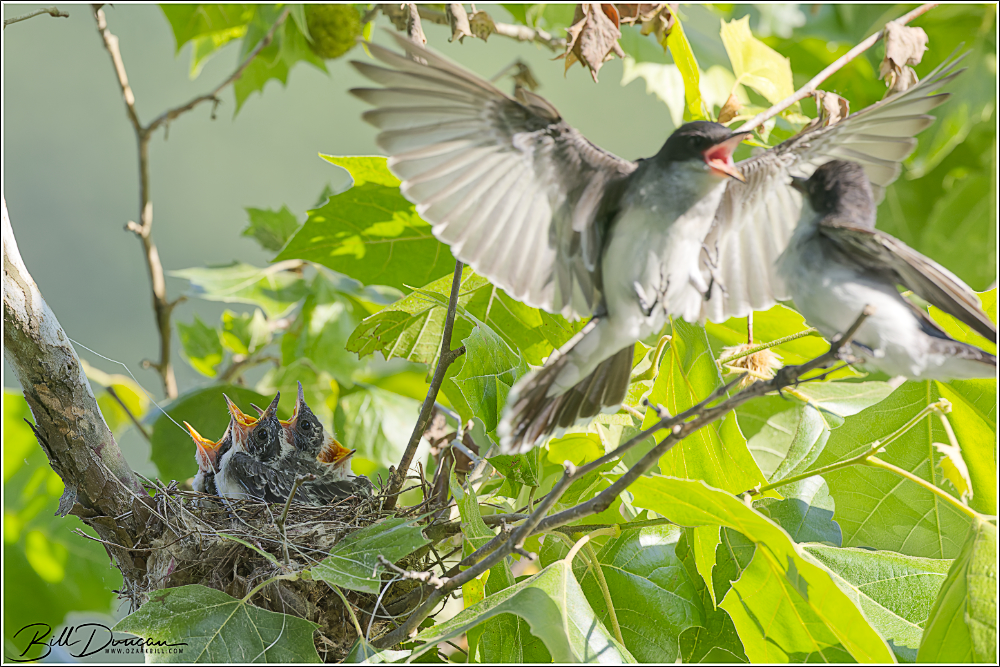
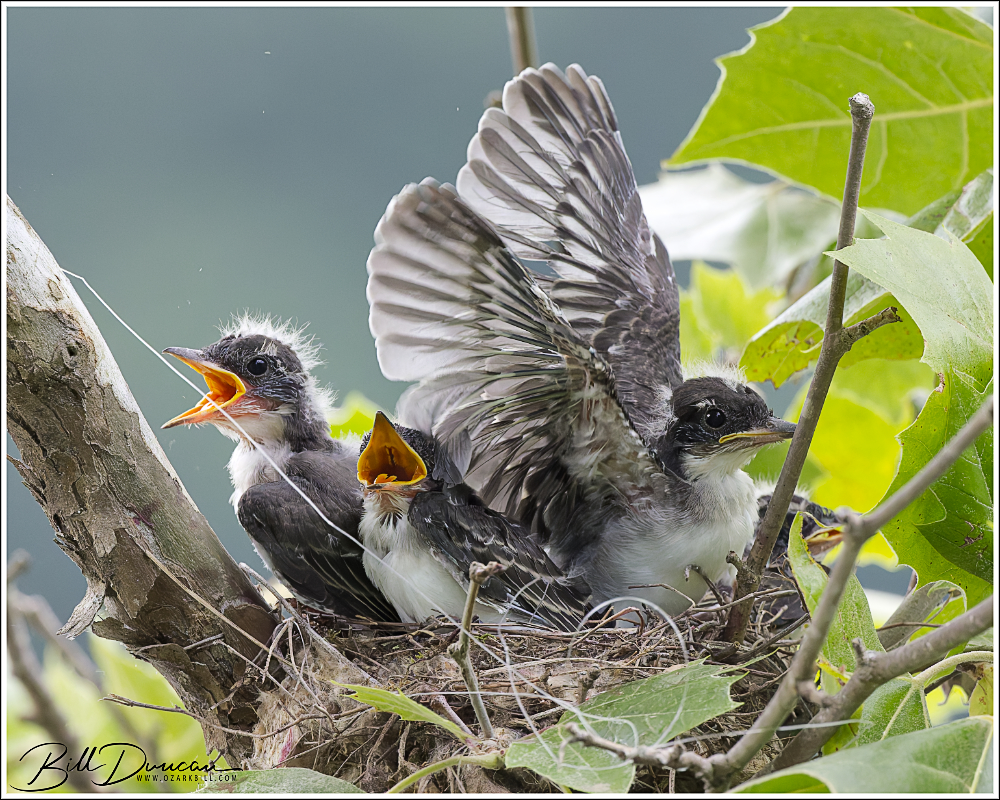
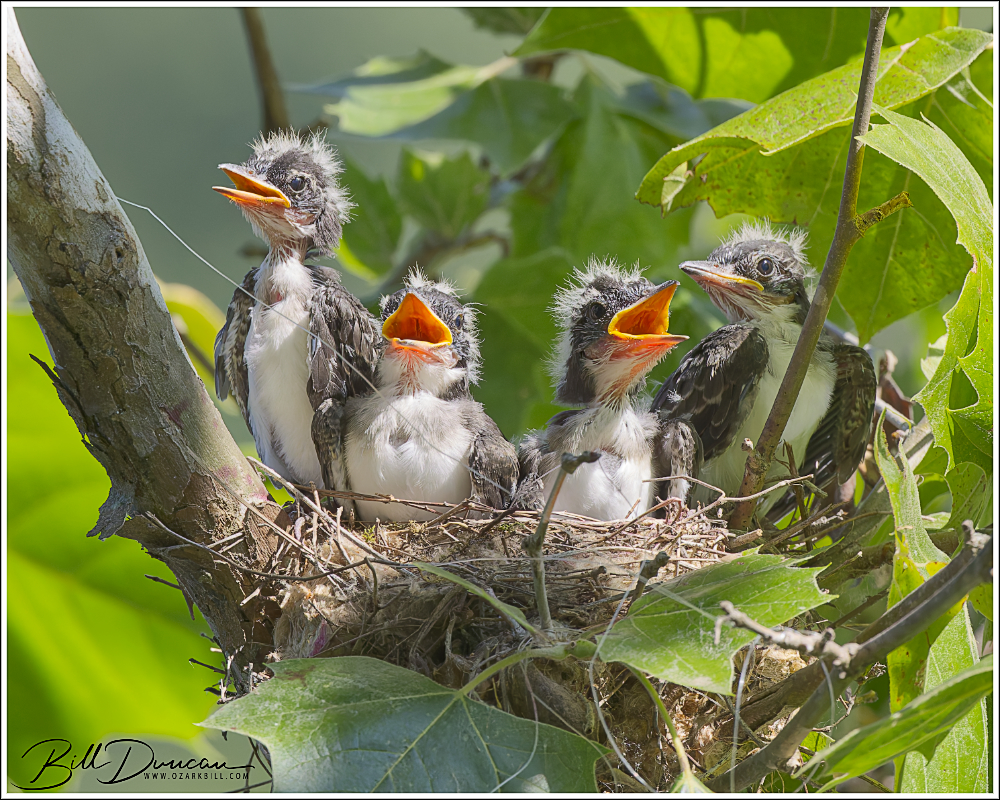
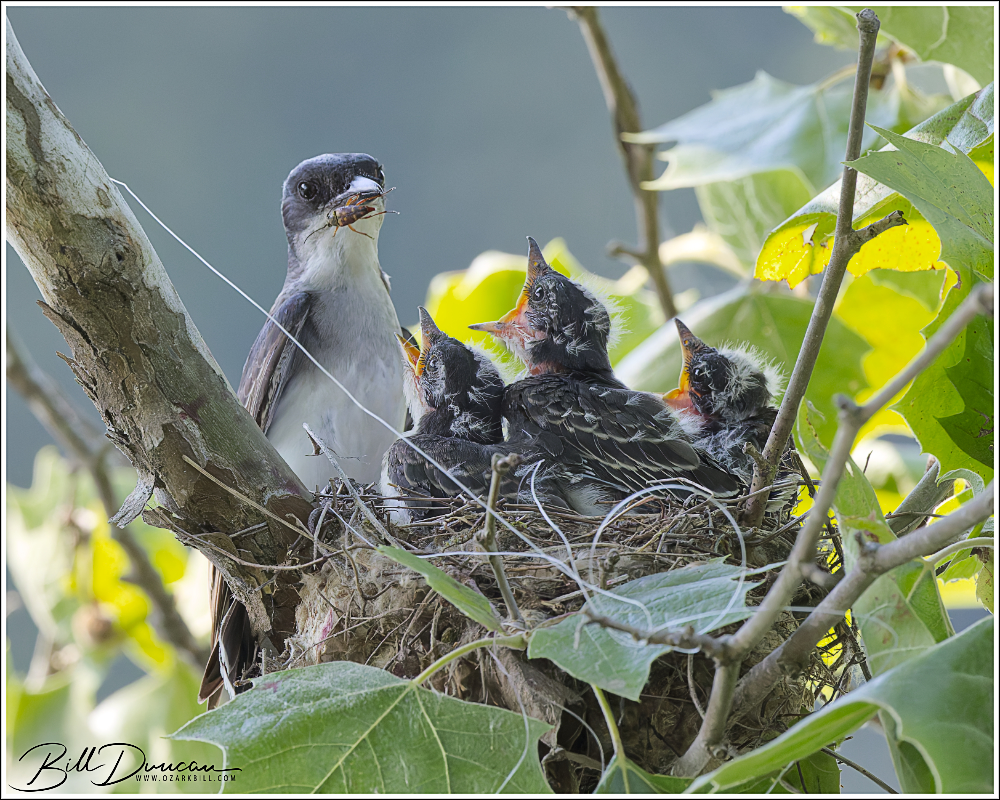
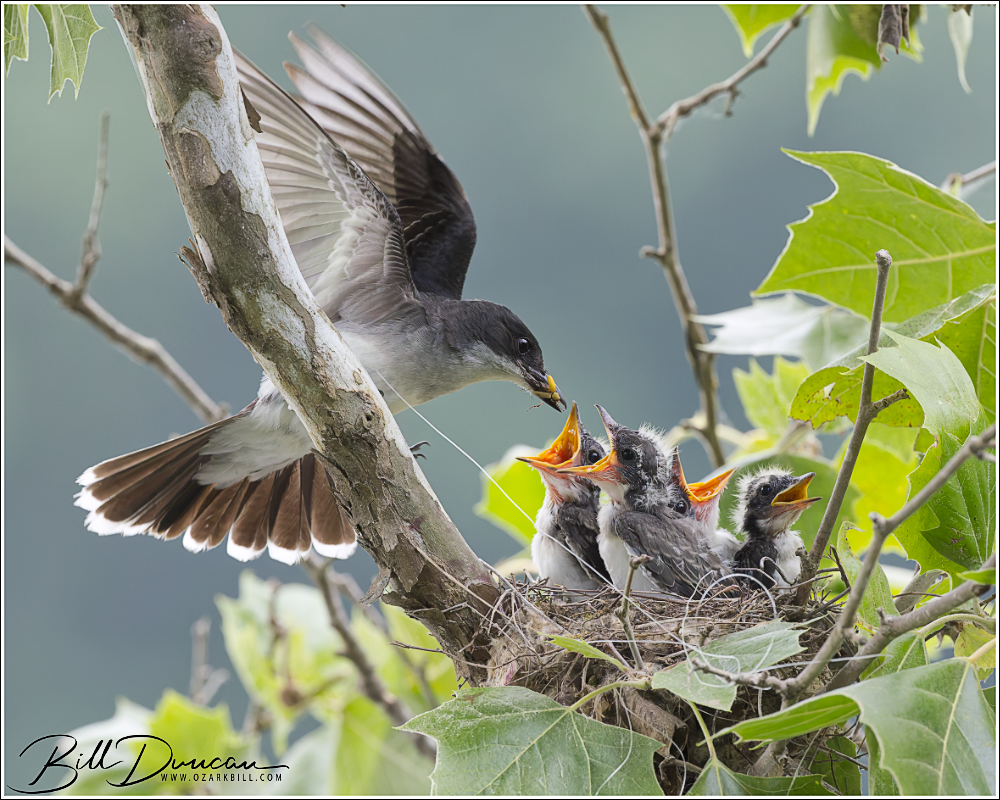
I processed all of these, so I might as well share them. This is the remainder of the images from the second day I spent photographing the Eastern Kingbird nest at Logger’s Lake.
Eastern Kingbird Nest – Part 3
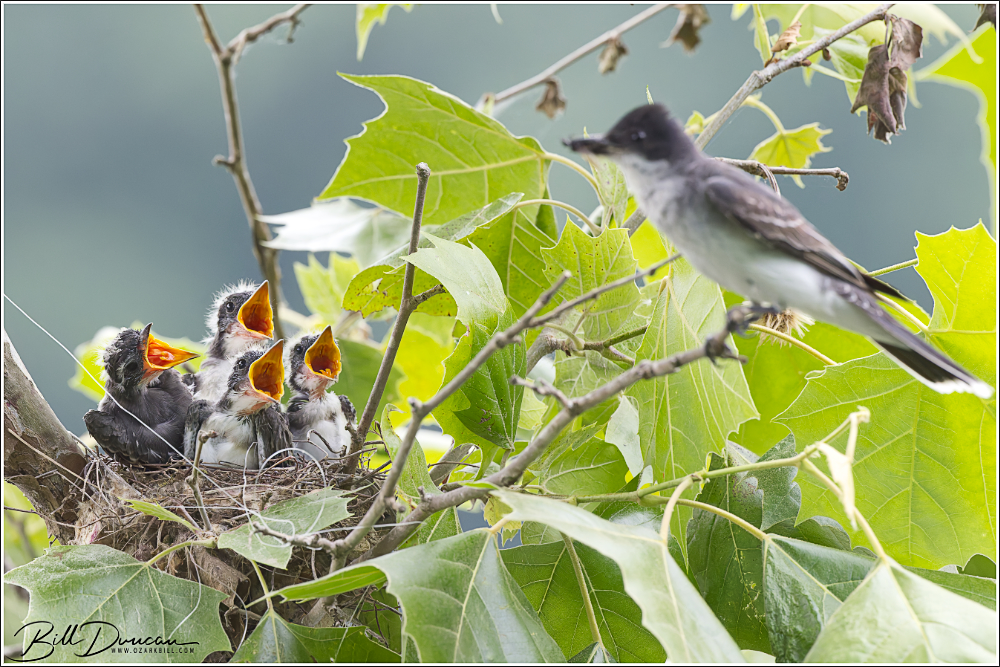
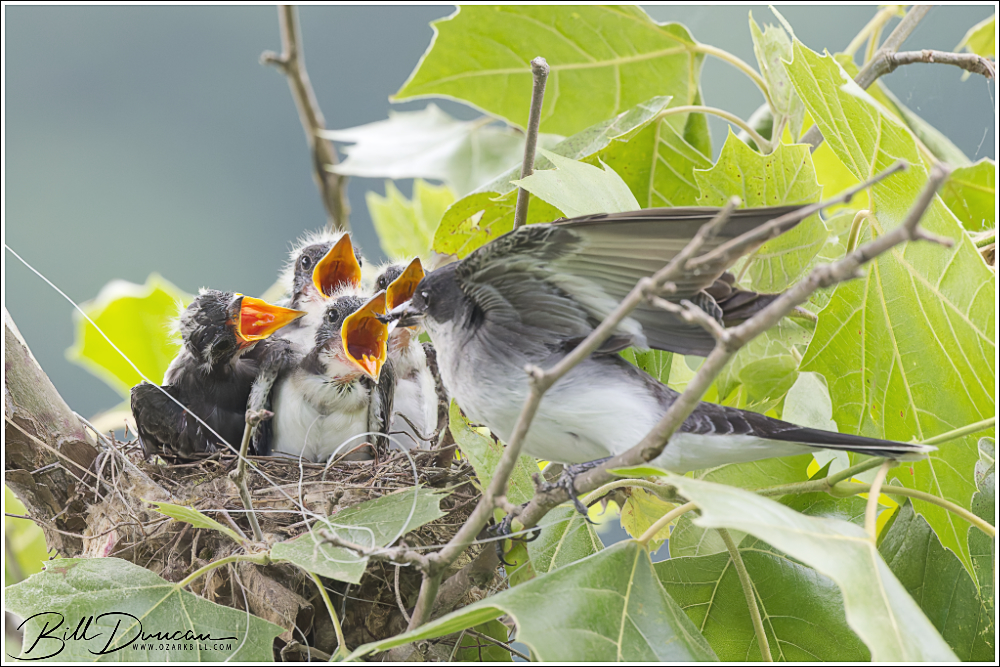
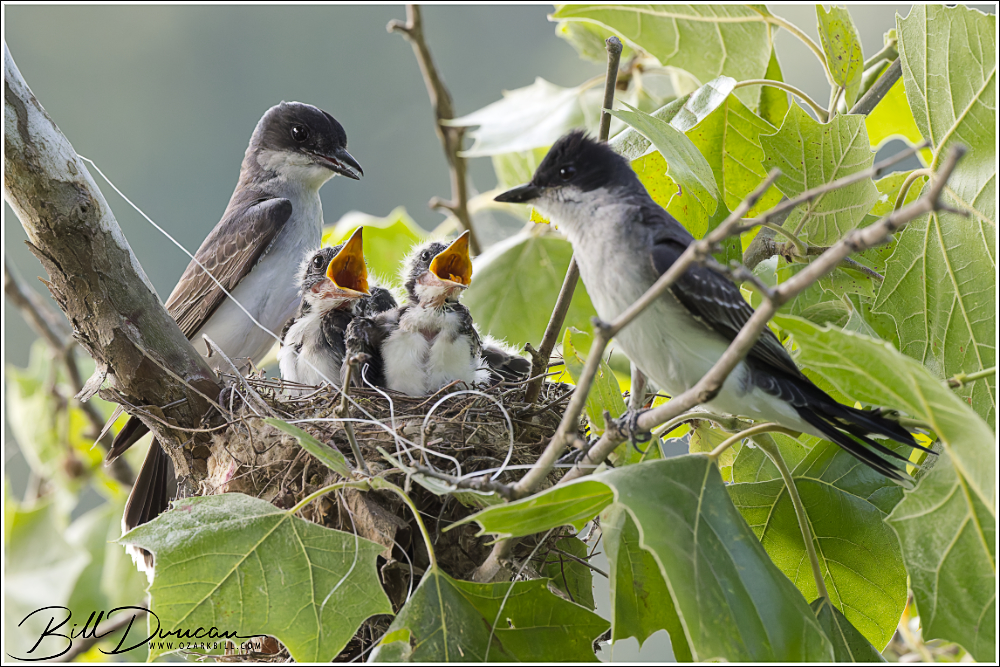
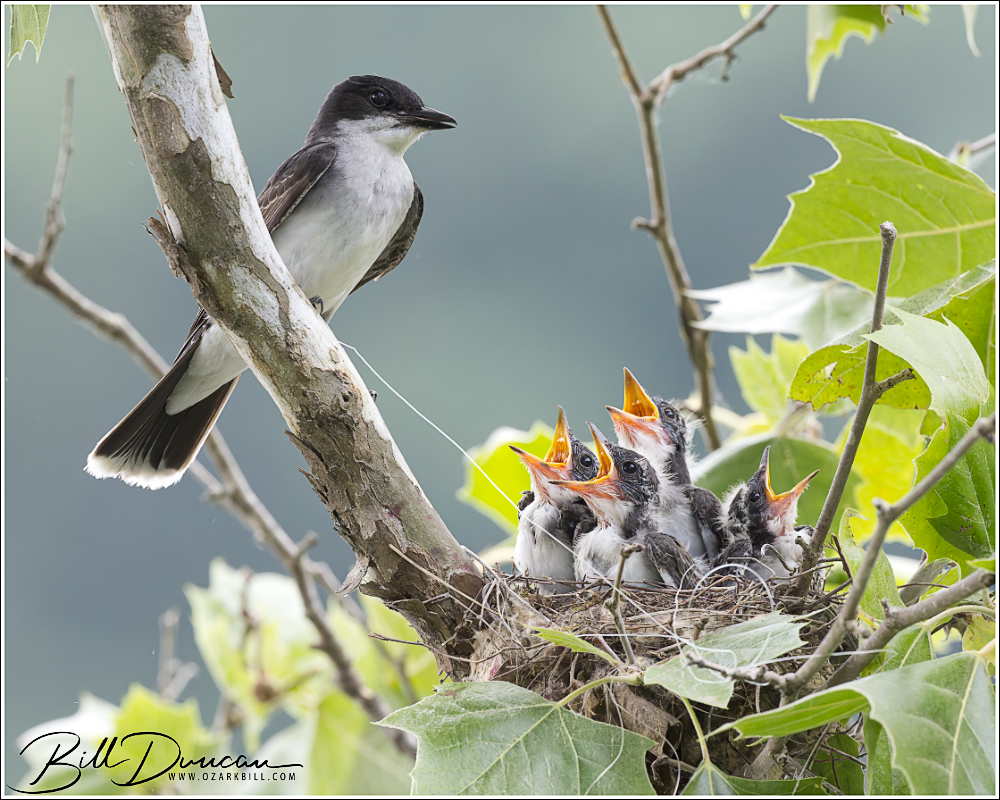
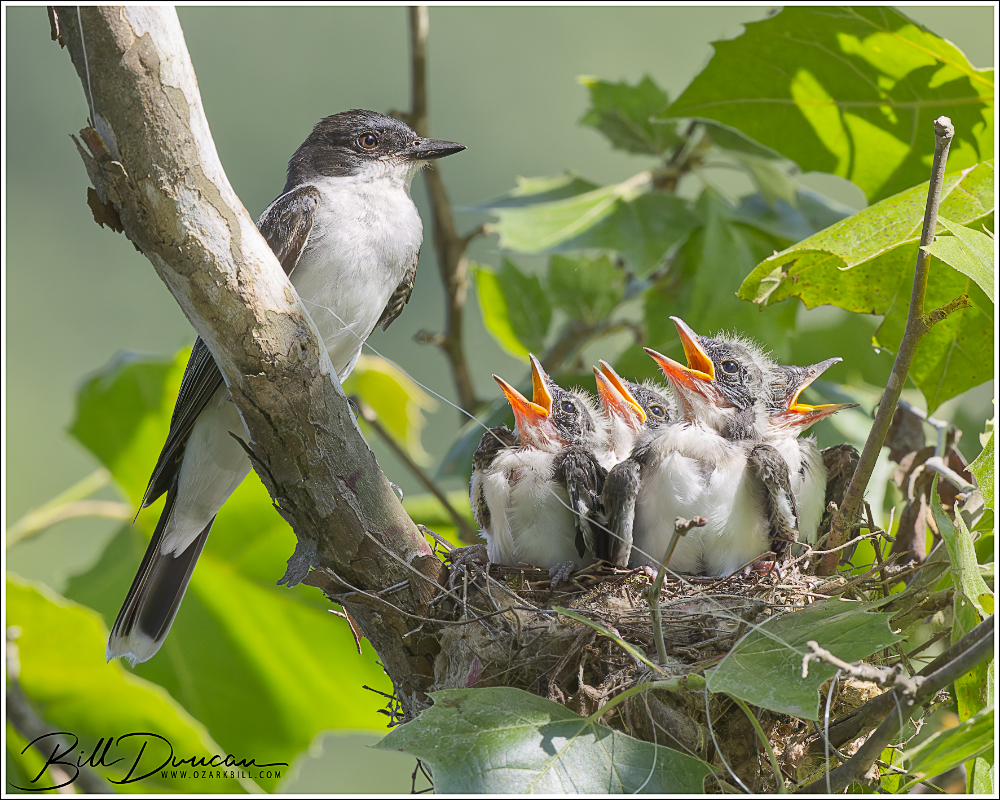
A few of my favorites of the Eastern Kingbird nest photographed at Logger’s Lake.
This first batch consists of the begging brood with a parent sitting nearby, usually just after delivering an insect. These guys never stopped their food response. If a parent was in sight, they were begging.
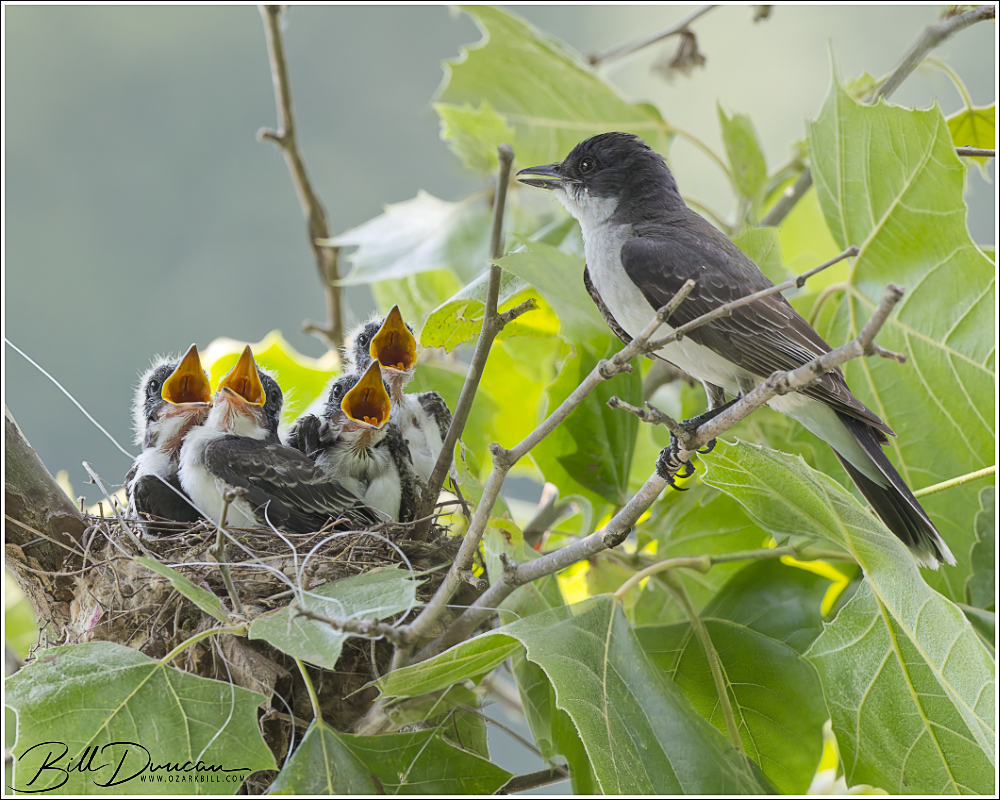
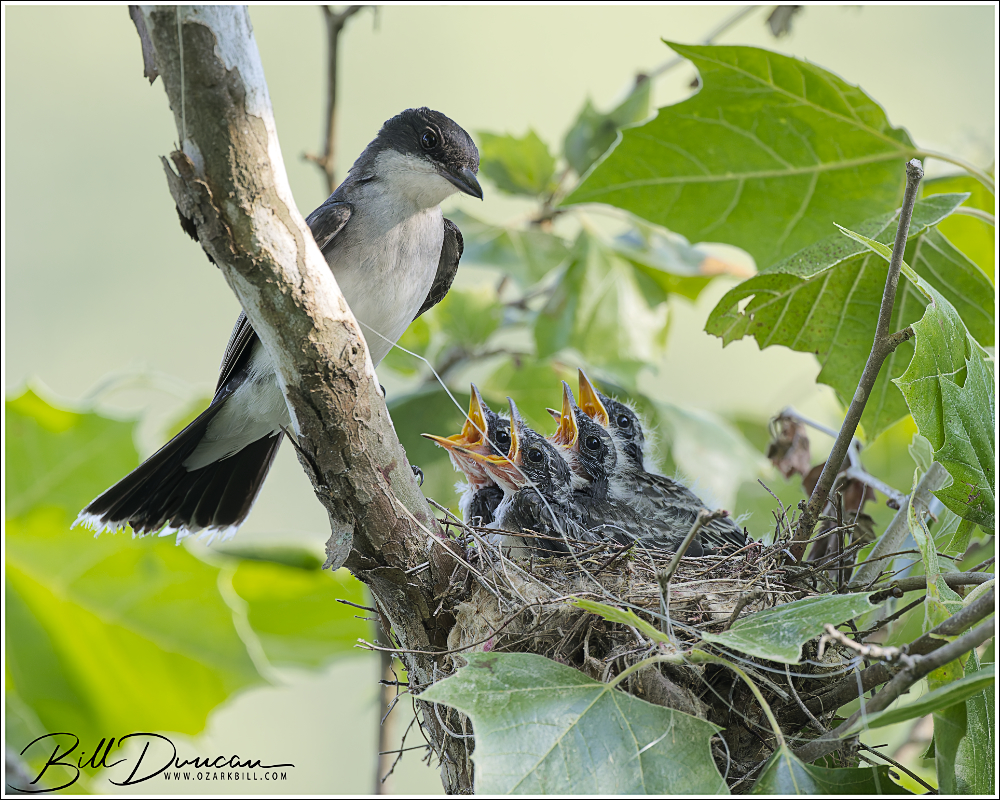
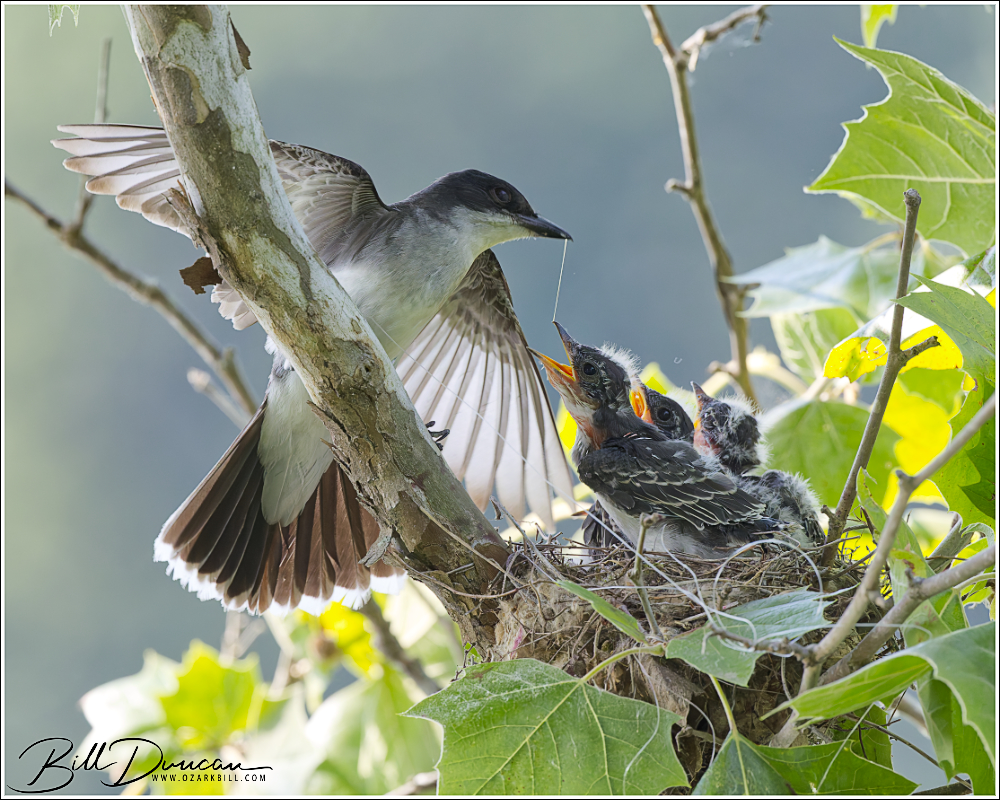
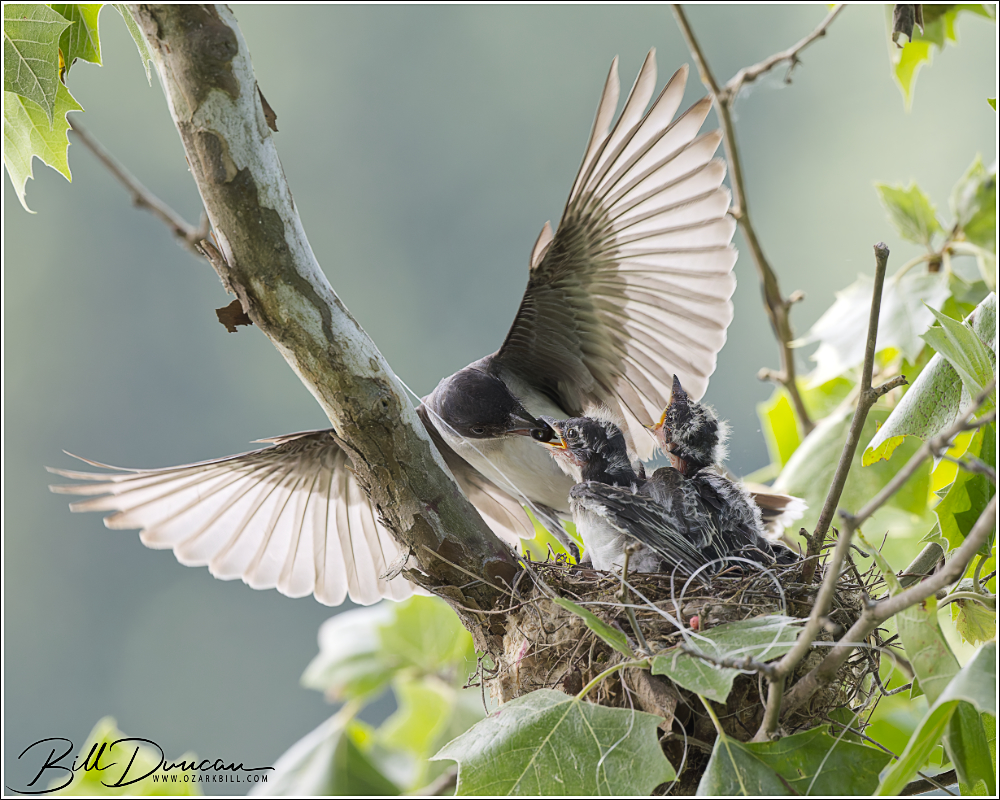
Eastern Kingbird Nest – Bird Nest Entomology
It’s funny when I think of some of the interactions I’ve had with friends who are specialists. I remember multiple times when bringing up insects in the field with birders, that I would hear some form of the reply “they’re just food for the birds.” Alternatively, when on an insect outing, you’re lucky to have an entomologist lift their head from the ground to see or listen to an interesting or rare bird. And the botanists? Well, let’s just say they typically have a very specialized set of interests.
One of the things I love about spending lots of time watching and photographing bird’s nests is that, at least with good enough optics, you can often be fortunate to identify the food that the parents bring to feed their young. This sure beats killing a bird or causing them to regurgitate in order to identify their prey.
Being a tyrant flycatcher after all, these kingbirds do not typically bring in the caterpillars that are so often the main prey that passerines feed upon. Instead, the kingbirds prefer taking their prey on the wing, which means any arthropods that can fly. Here are a few images where I can get a good idea of the identification on the insect prey.
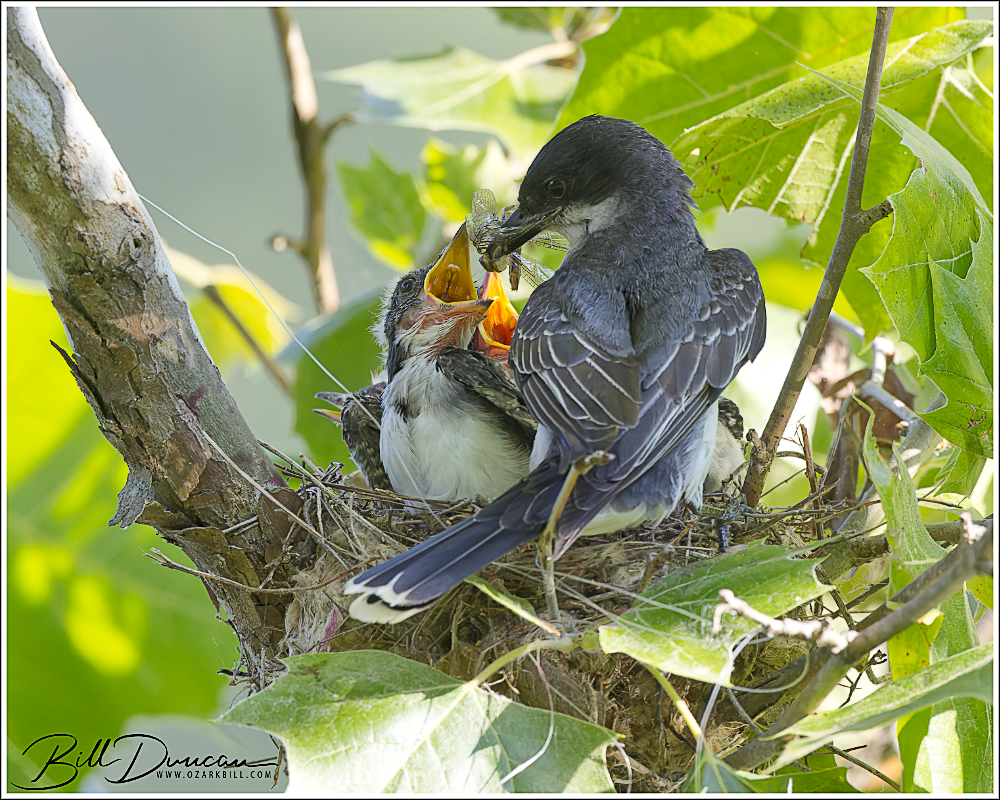
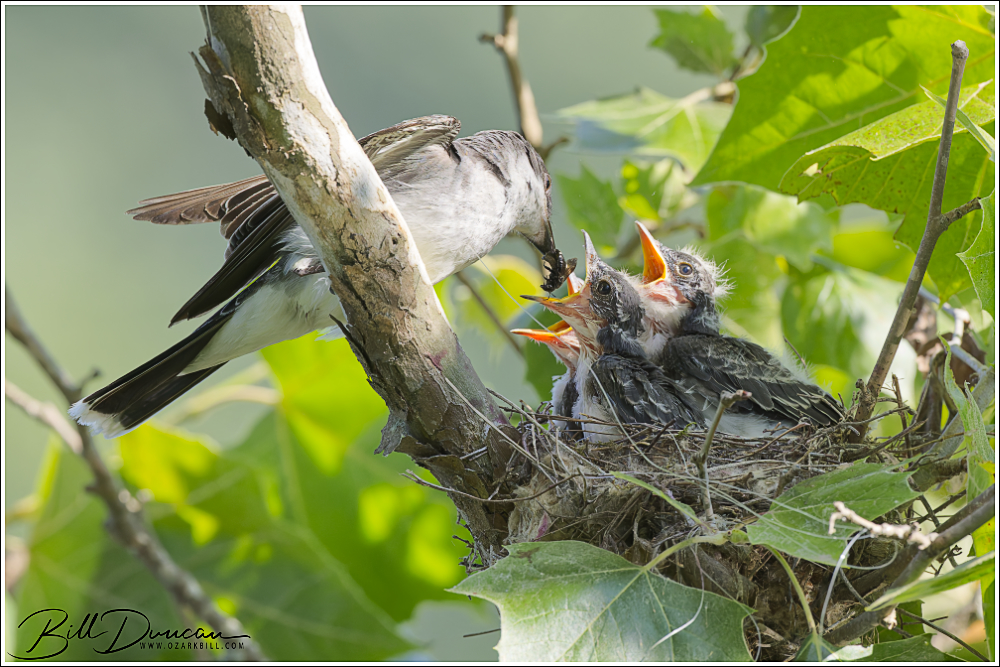
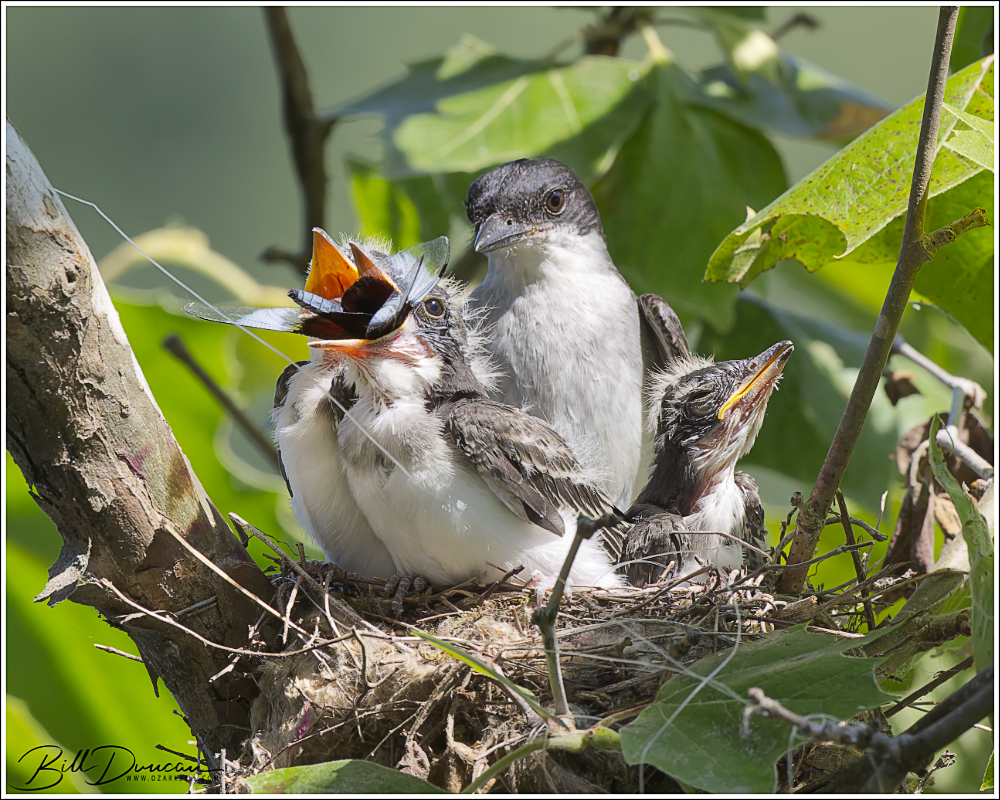
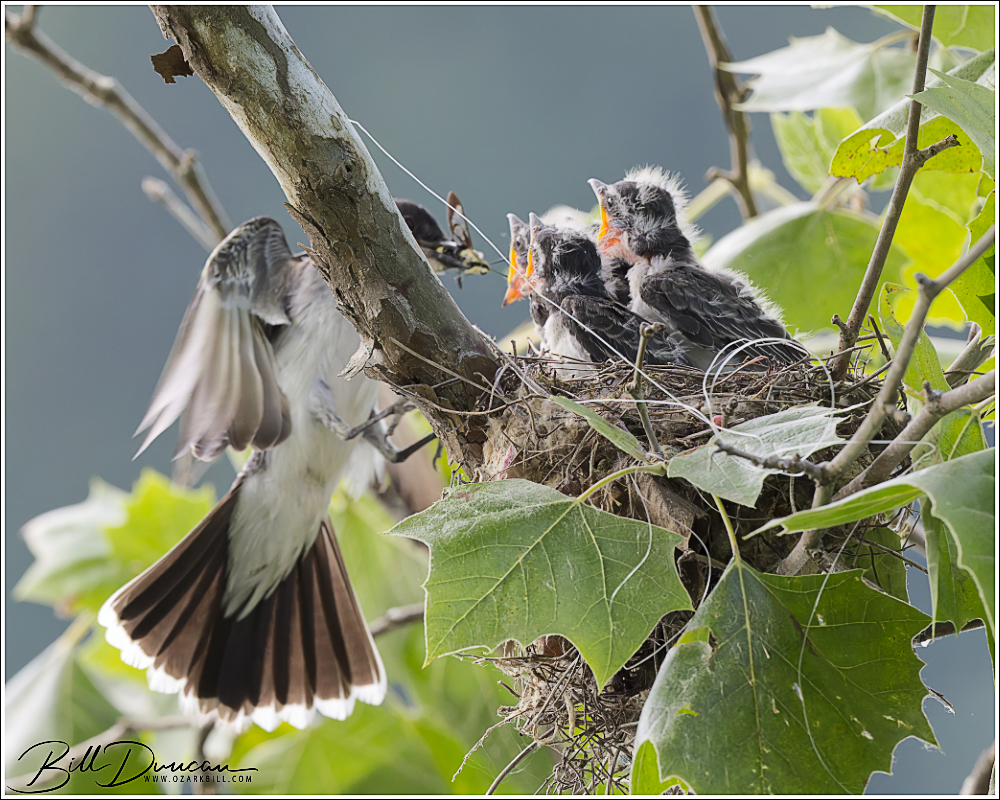
I hope you enjoy seeing some of these nest photos. In the next couple of posts I will share more of these showcasing other behaviors.
-OZB
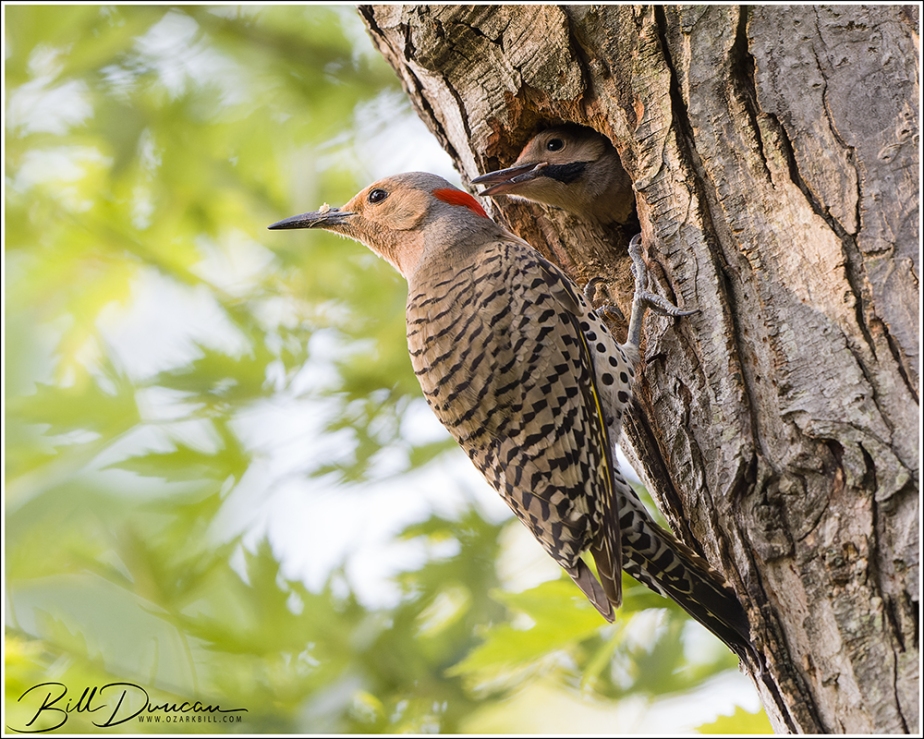
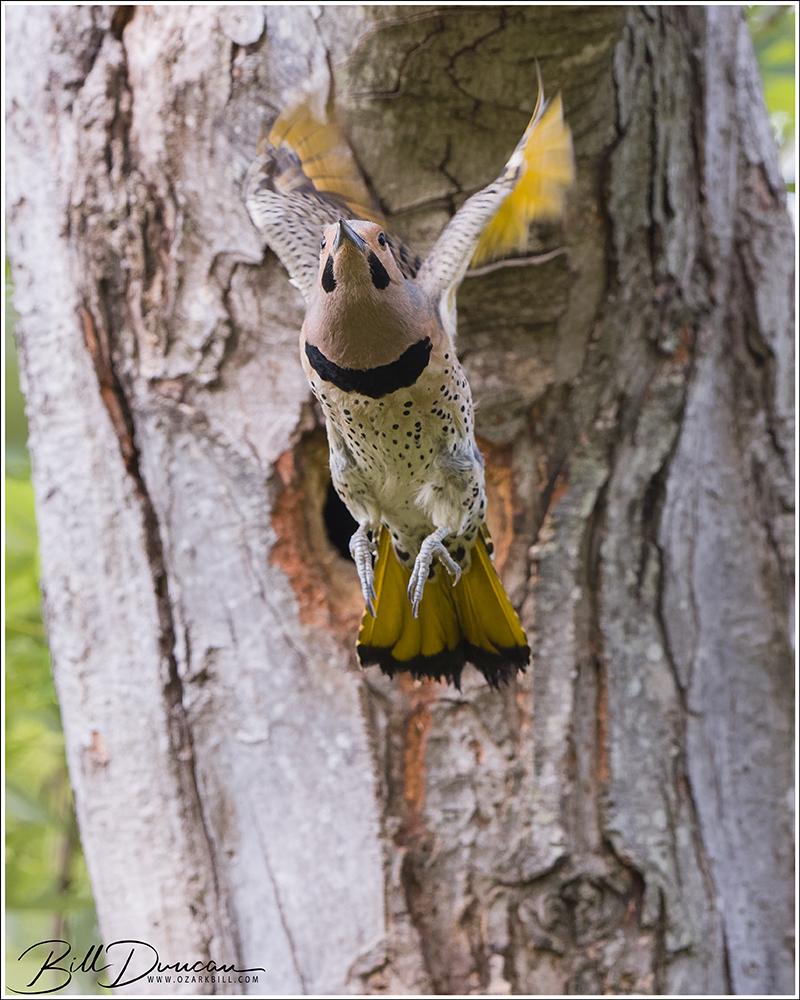
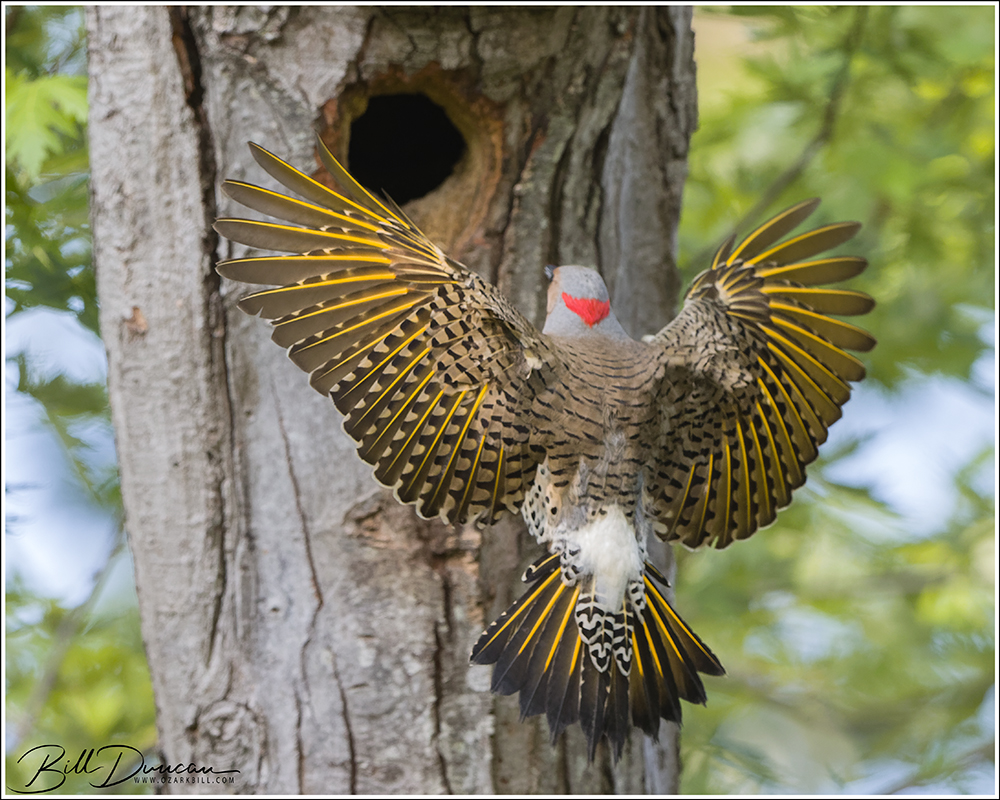
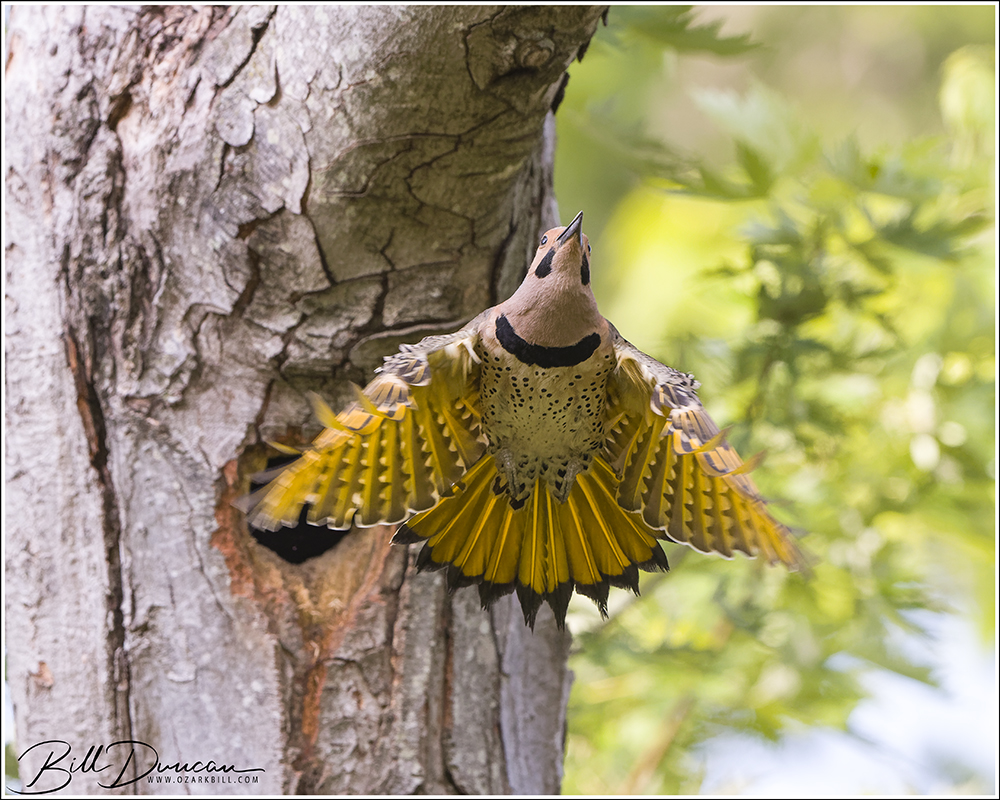
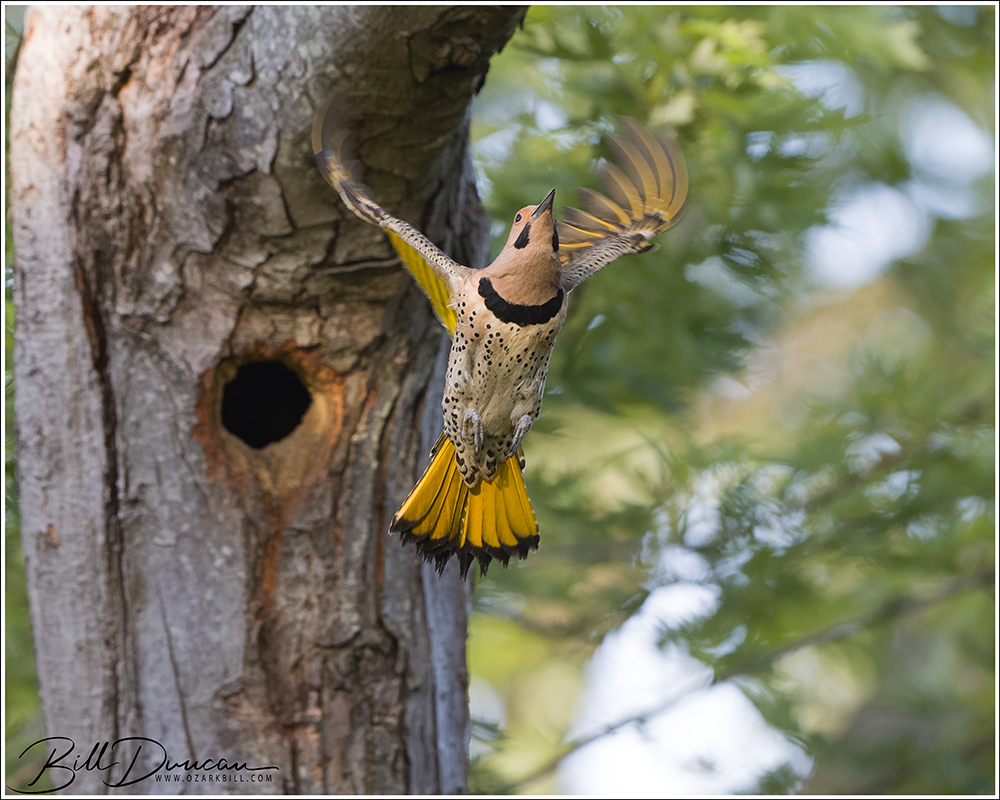
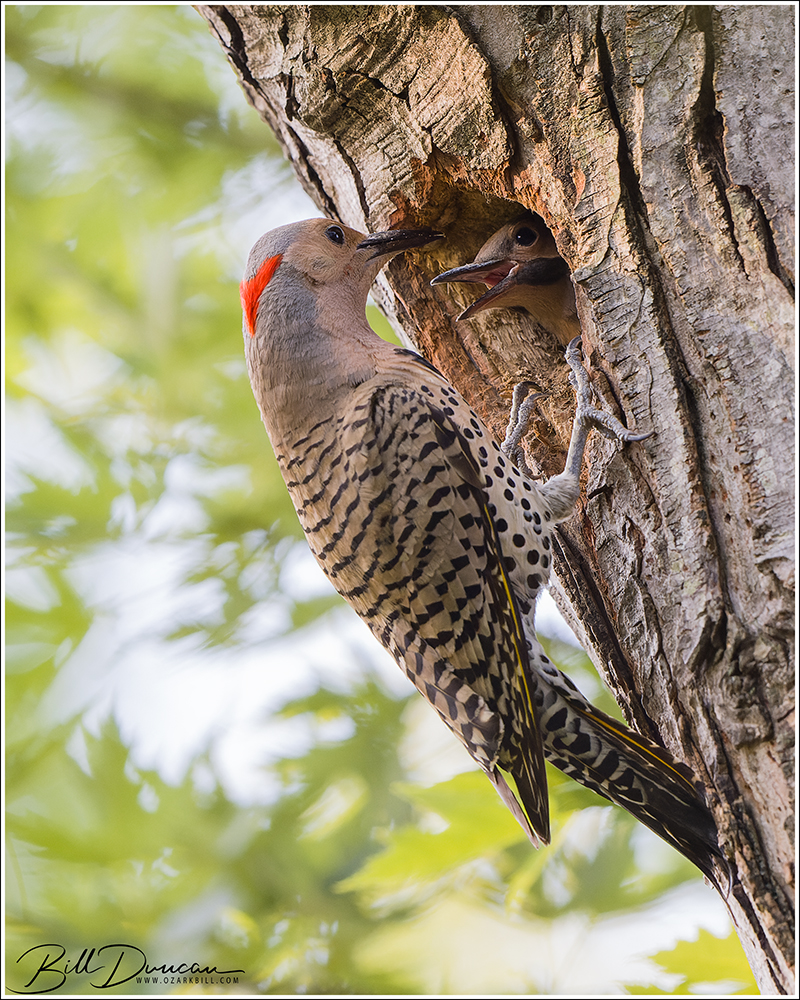
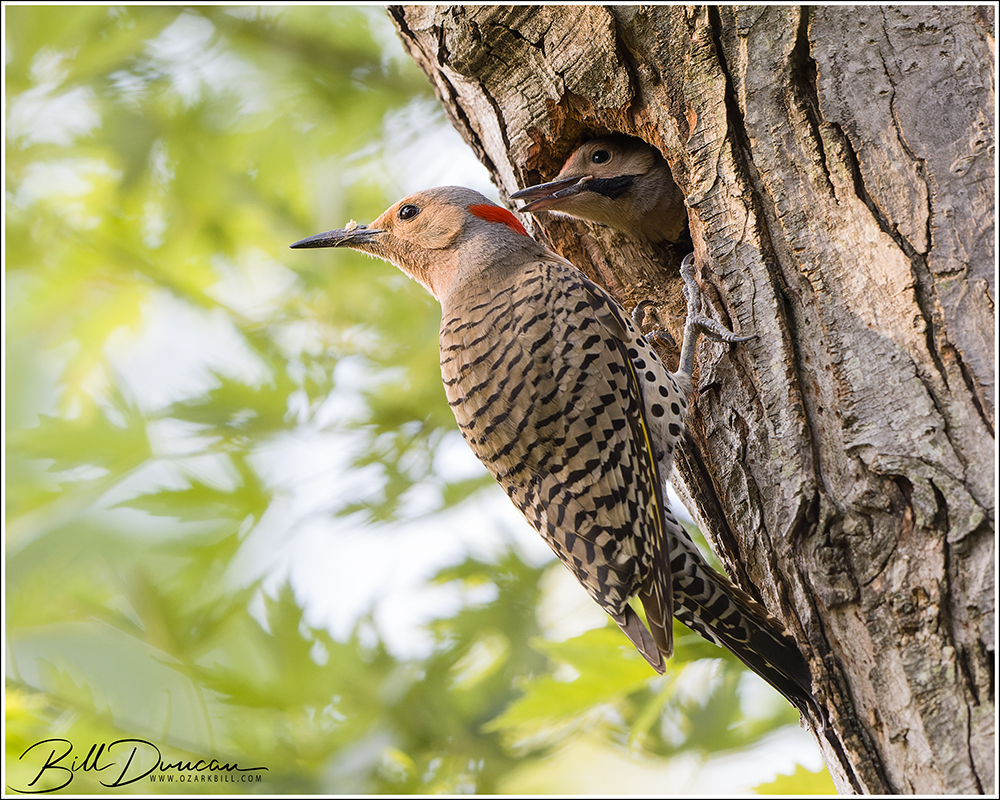
More Northern Flicker Nest Photos
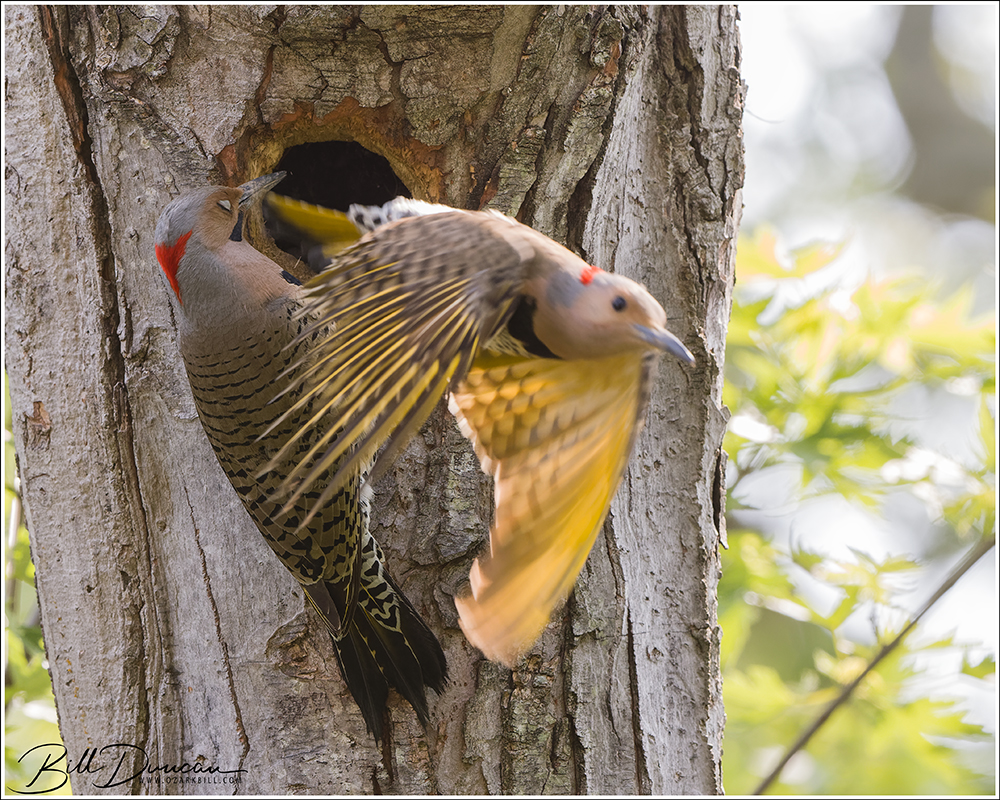
Here are some more photos of the nest I shot this spring that I thought I would share.



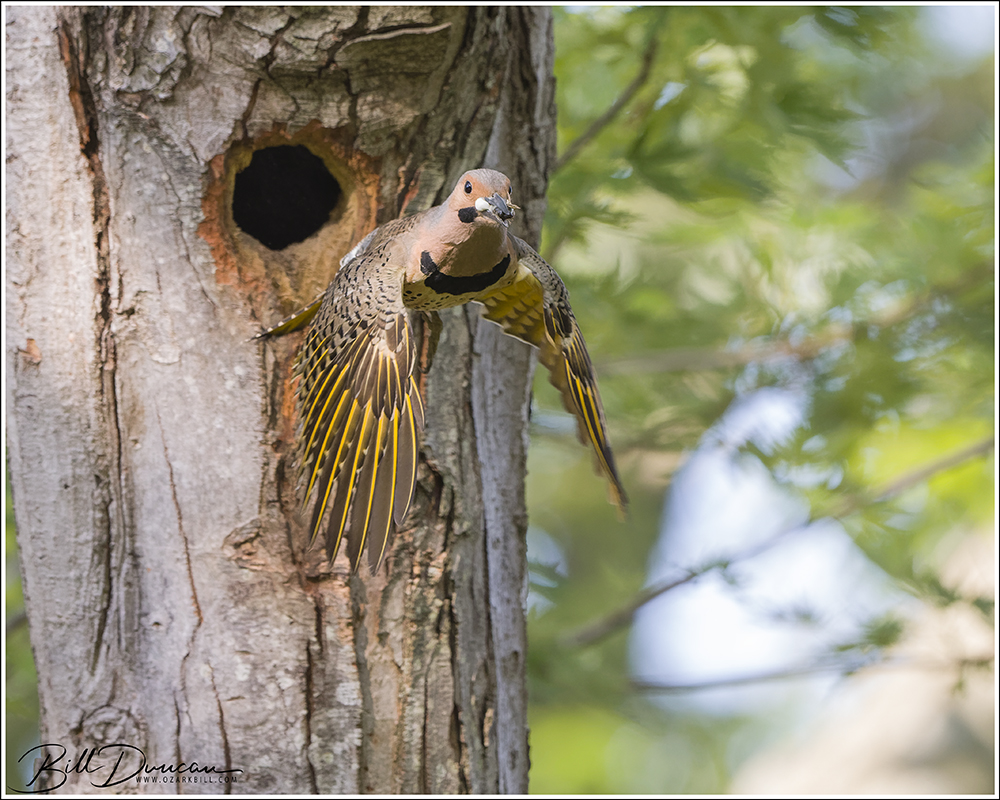
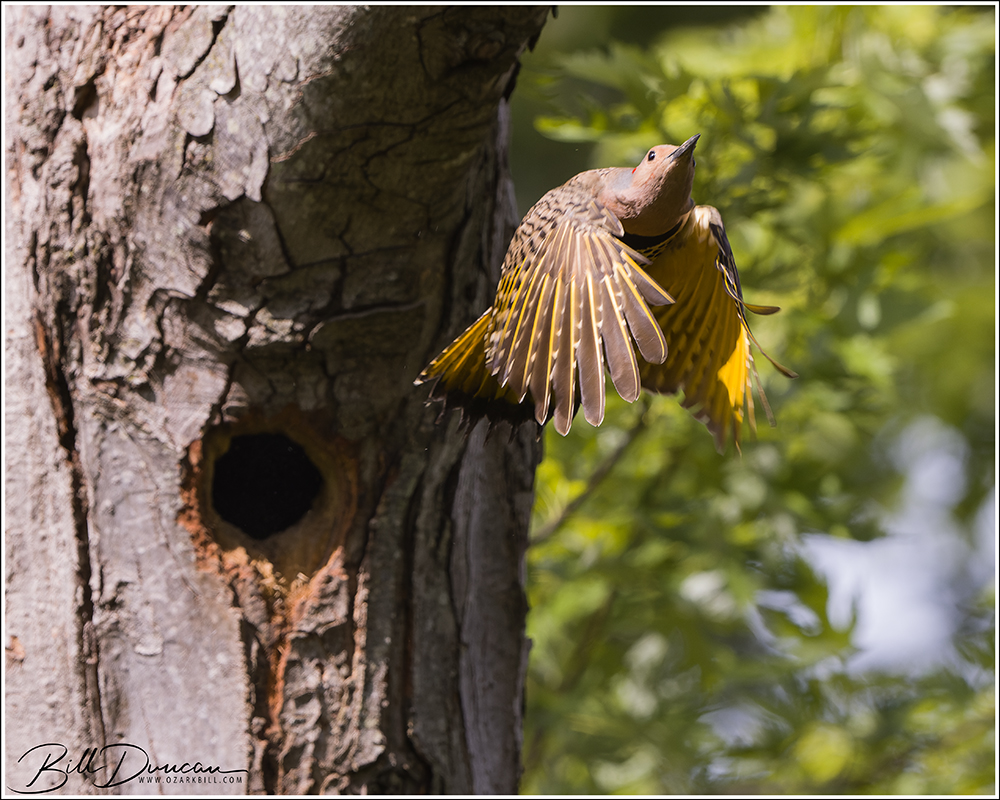


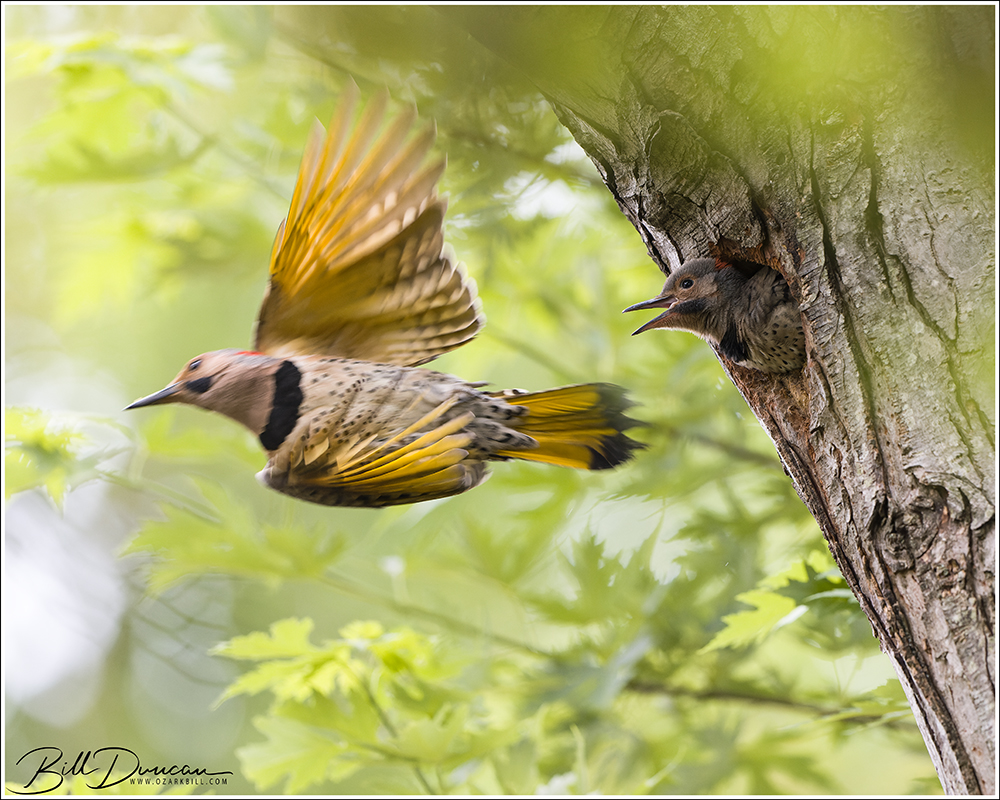

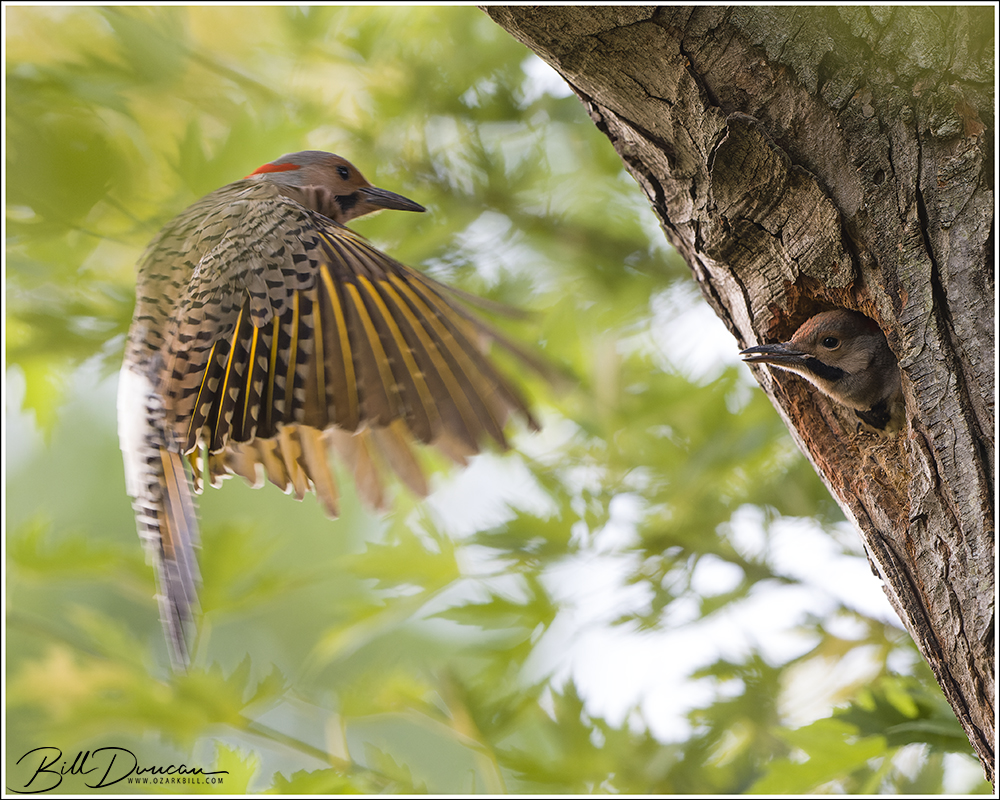

Eastern Bluebird Nesting Season – 2023
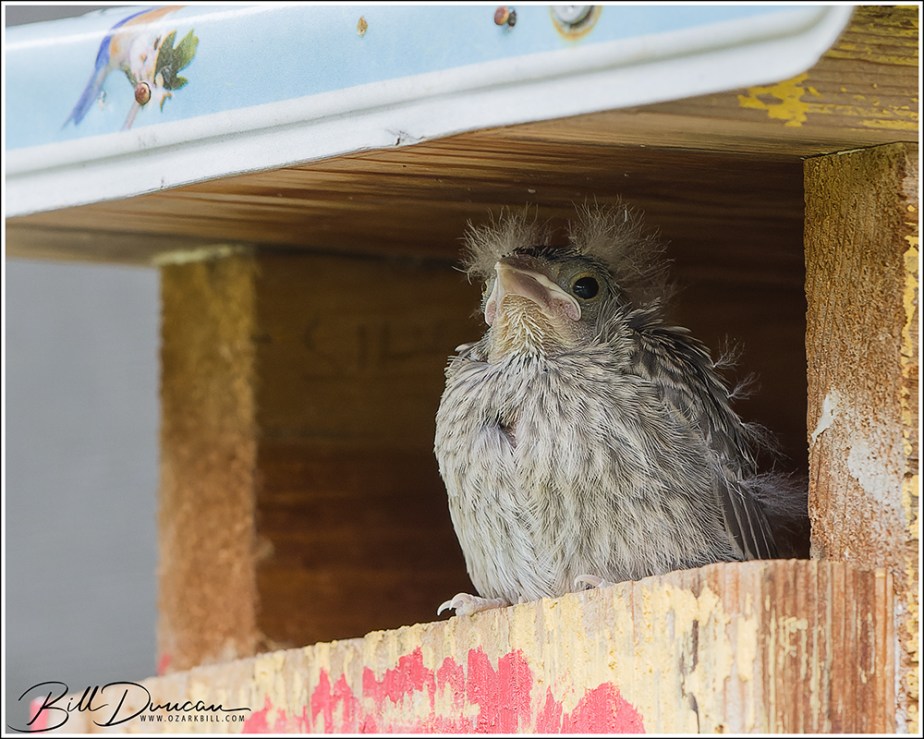
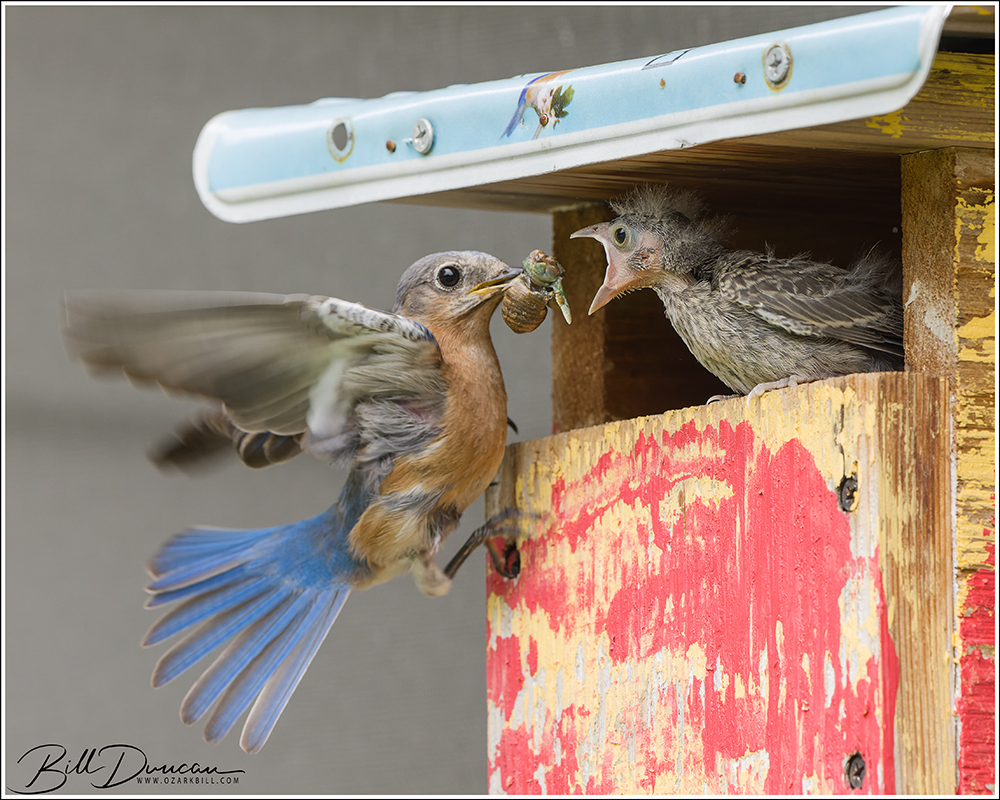
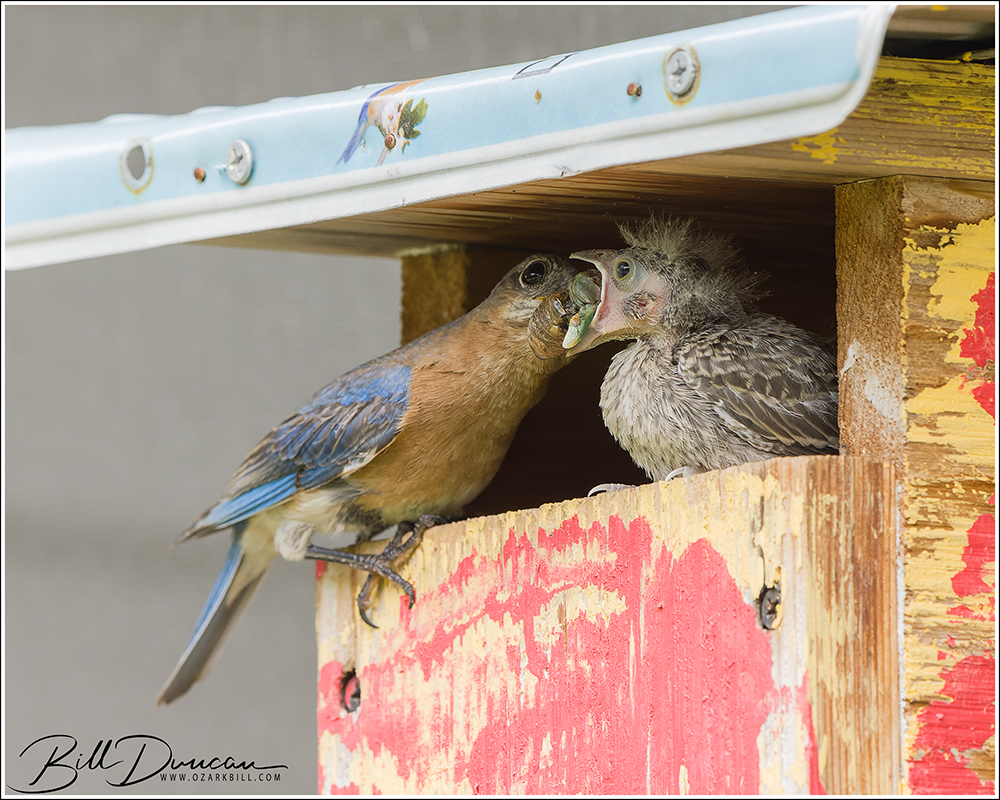
The Bluebirds had another great year. I was much to busy to do the typical monitoring I normally like to do, but they did have three clutches this year with a total of 12 fledged birds (3, 5 and 4 eggs in 1st, 2nd and 3rd nests). Immediately after putting up the nest box in early March, a pair took control and made their first nest. After completing this, I cleaned the box and began a daily routine of removing nesting material from the non stop Eurasian Tree Sparrows. I removed nests 1-2 times per day, often removing up to eight inches of nest and sometimes with an egg or two. They were relentless. This went on for at least six weeks. I was wondering why the Bluebirds didn’t come in and take over so I could have a break when I finally decided to have a look in the Wren box, which they did use in a previous year. Yep, inside I found five young chicks (nest 2). I took advantage of this and was able to take a few photographs that I am sharing here. They then went back to the Bluebird box for their third nest. These chicks fledged a couple weeks ago.
I knew the ETS would be back to this box in a heartbeat like they do every late summer and fall, so I removed the Bluebird box for the season. I think three clutches for the season is great, although it wouldn’t have surprised me to see that the Bluebird pair might try for a forth. But, I think it might be better not to push the female too far and let her build some fat for the winter.


Ruby-throated Hummingbird Nest – Part Three
Part three of a three-part series documenting the progression of a RTHU nest.
Ruby-throated Hummingbird Nest – Part Two
Part two of a three-part series documenting the progression of a RTHU nest.
Bald Eagle Nest – The Fledging
Greetings on a gorgeous wintery day. I hope everyone is safe. I was driving yesterday evening when the snow was really coming down, and was reminded that the first day of winter precipitation in the StL metro area is very much like one of those figure eight races.
I want to give a very late thank you to all of the folks who visited the Art at the Shaw Nature Reserve 9th Annual Show & Sale last weekend. I enjoyed and appreciated seeing all my old friends and meeting new ones. I apologize for being tardy with this message.
I also want to apologize for being so tardy in posting these images from my last visit to the Bald Eagle nest.
Bill Duncan – 11/16/2014
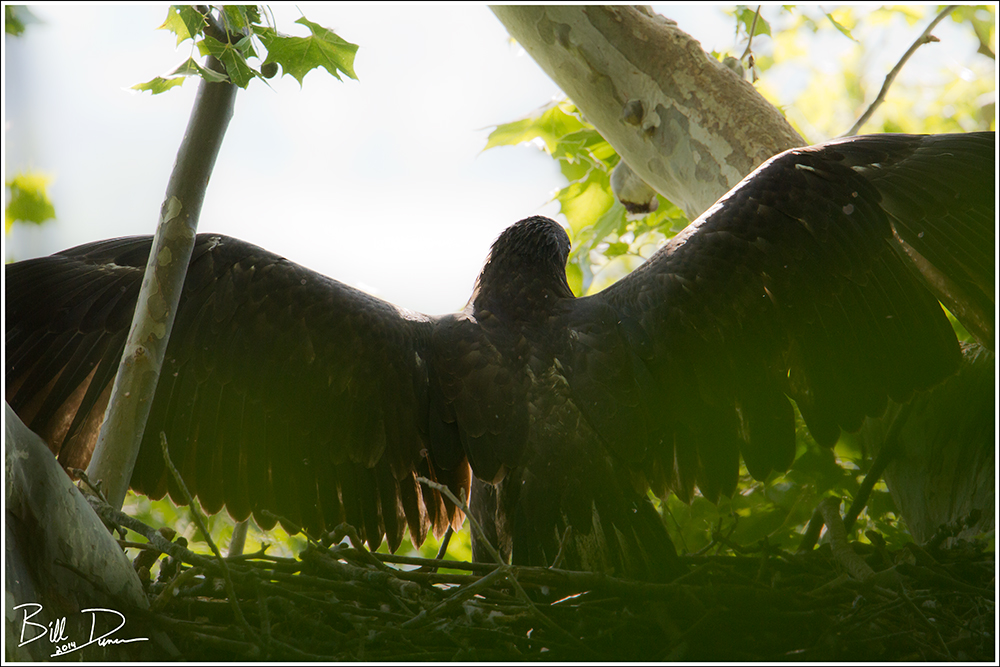
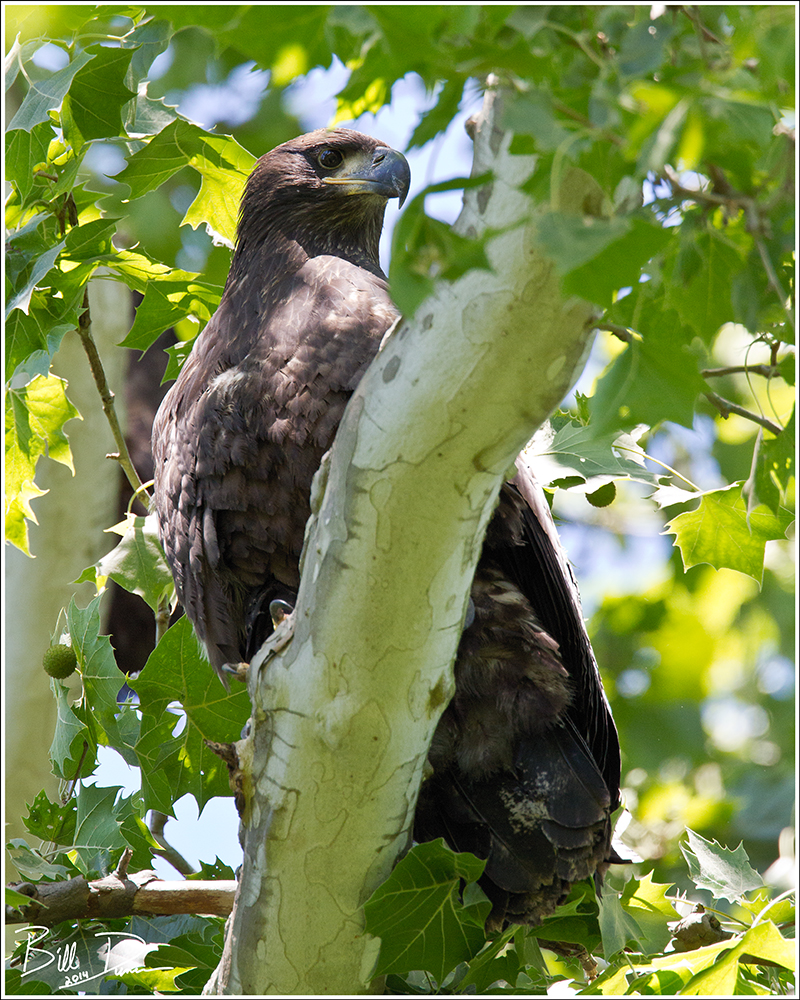
Arriving near first light on a very foggy morning, I could not find any presence in the nest. I feared that the chicks had fledged and the family had moved on. After waiting about 30 minutes, I decided to walk under the nest tree to see if I might find evidence of what they ate, or some other artifacts that may have landed during their nearly three month stay. Not finding much on the ground, I peered up the trunk of the giant sycamore to see what the nest looked like from my vantage. As I did, I saw both chicks 10-15 feet above the nest looking down at me! They were hidden from my view earlier due to the low light, fog and foliage. Not wanting to disturb them, I slowly hiked back up the hill to my usual observation spot.
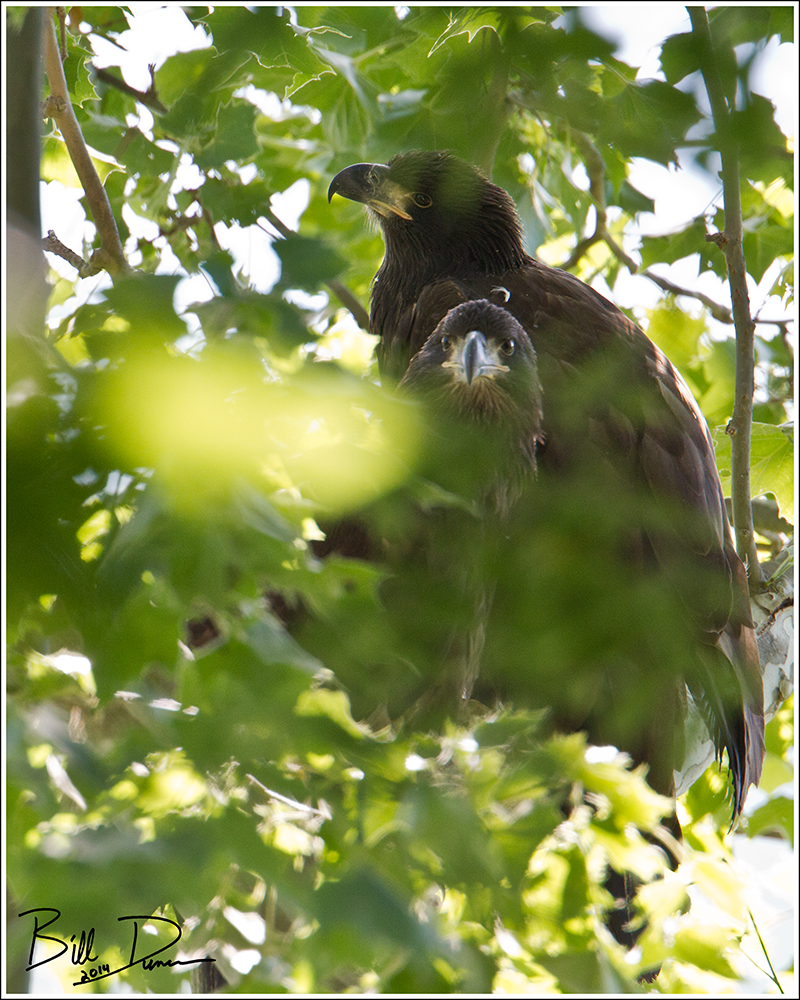
I watched for a few hours as they climbed up and down the stout branches that rose over their nest, exercising their wings as they went. I was sure they were close to taking that first plunge. Little did I know what was in store. I watched as the older and bolder of the two took what was likely its first flight attempt. It fell like a rock. After the initial “flight”, I listened for sounds of life behind the dense foliage below the nest. I heard not a single sound for nearly half an hour. I had to see if the bird might have broken its neck or perhaps landed in the river below. I slowly walked down the slope, under the nest tree and onto the flat of the river’s bank. I looked up and finally, to my relief saw this one looking back at me from about 50 feet above me and ten feet or so from the nest. Not much of a first flight, but this one was out of the nest.
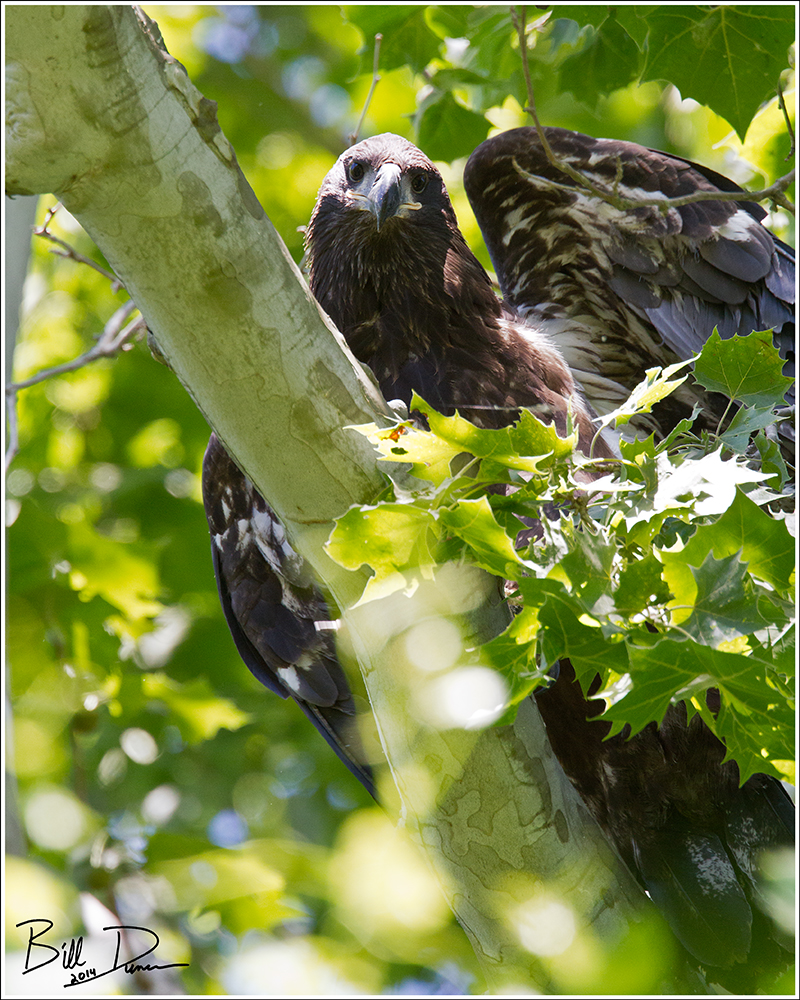
With its older sibling out of the way, the remaining chick put even more efforts into practicing…
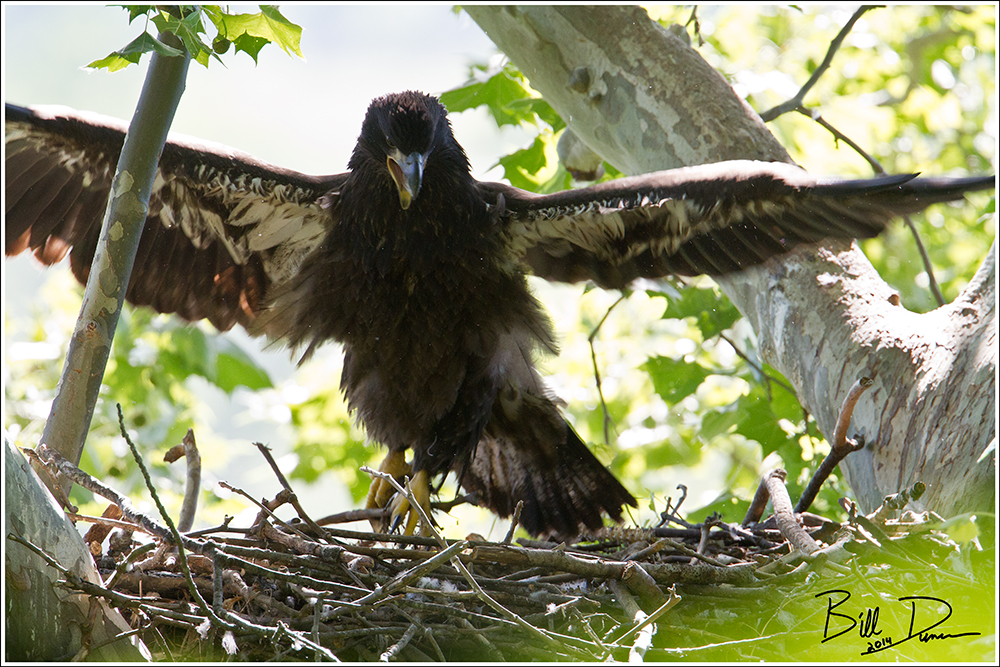
The chick spent a lot of time in limbs well above the nest. When one of the parents brought a meal, it must have been confused that nobody was there to take it…
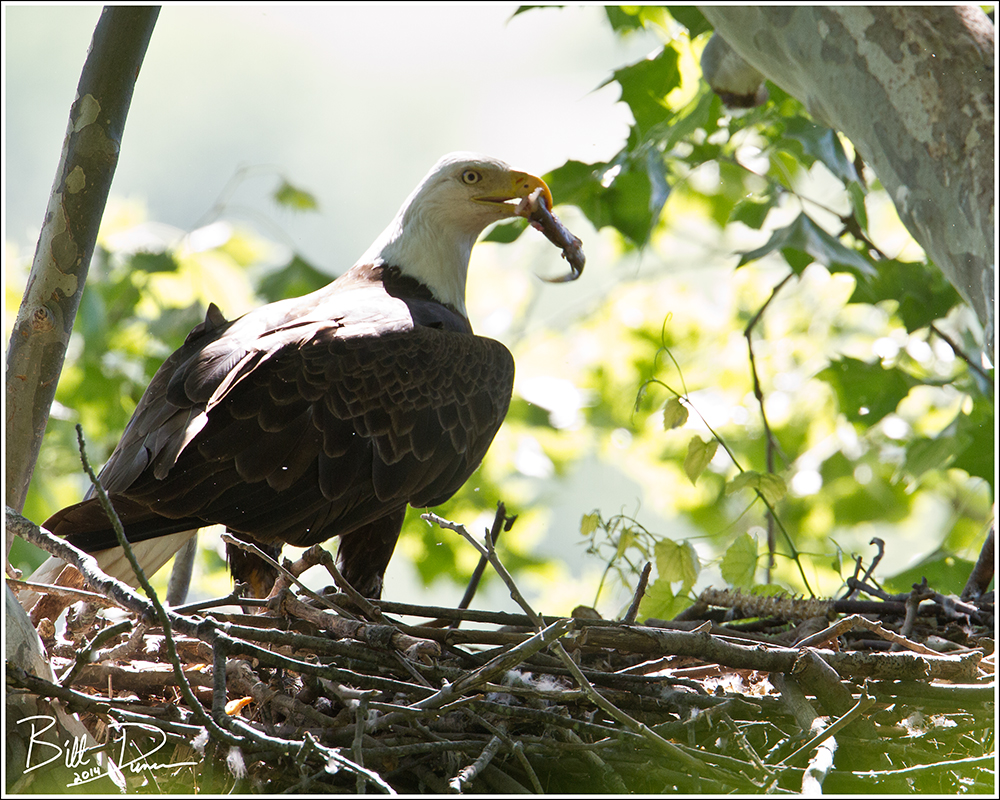
The chicks have been out of the nest for about five months now. I hope they are doing well and learning a lot during their first winter. Maybe we’ll run into each other one day.
Blue-grey Gnatcatcher Nest Update
I spent a little time watching and shooting the BGGN nest this past Saturday. Here are a few notes: -Nest is in action. I believe there are likely eggs in the nest. Not yet hatched. One parent will stay on the nest continuously. Every 5-10 minutes the other parent would come by and give a few quick, low call notes. The parent on the nest will reply with a similar vocalization most, but not every time, and then leave to where the other parent is calling in nearby branch or tree. The new parent then takes its place on the eggs. The nest never stayed open for more than 45 seconds. Cowbirds were definitely in the area and I believe are probably aware of the nest. Migrant songbirds were everywhere. Here is a quick list of birds I had in the parking lot or at the nest. TEWA OVBI REVI BLWA COBI GCFL PEWE SWTH NOWA LOWA SCTA.
If I make it back there this weekend, there is a good chance I could see feeding of the chicks.

“BGGN Nest Update – May-11 2013”
 A Thousand Acres of Silphiums