"What a thousand acres of Silphiums looked like when they tickled the bellies of the buffalo is a question never again to be answered, and perhaps not even asked." -Aldo Leopold
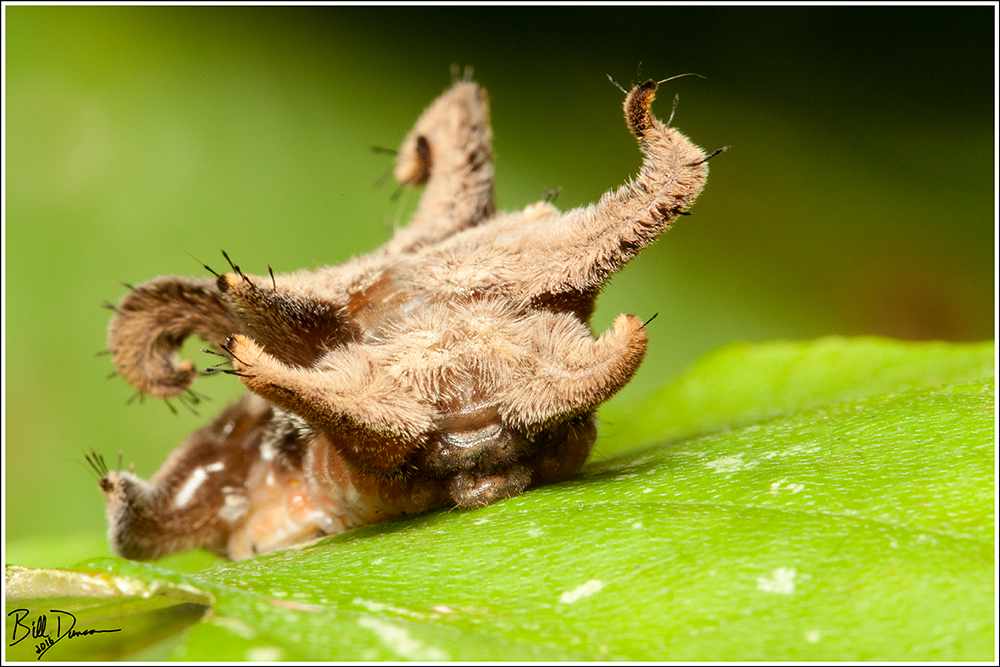
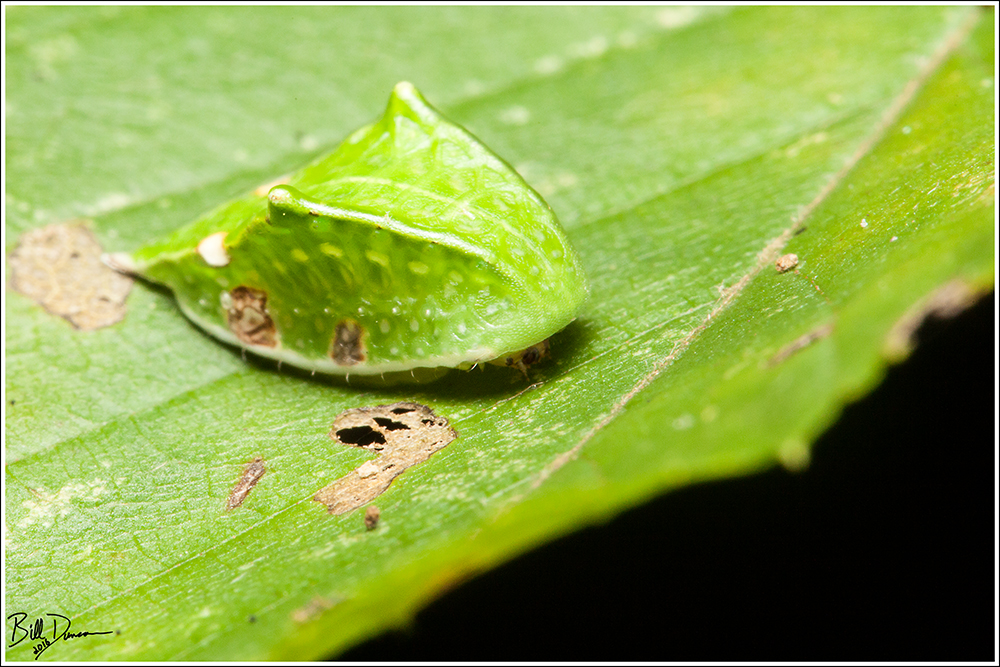
Monkey Slug – Limacodidae – Phobetron pithecium (4677) – Horseshoe Bend Natural Area, Texas County, MO
The final and perhaps most stunning of the slug moth caterpillars that we were able to find this past summer was the Monkey Slug, or “Hag Moth” caterpillar. This particular one was first noticed by Sarah on the upper side of a dogwood leaf during a visit to Horseshoe Bend Natural Area near Houston MO. We went on to find two in this particular tree.
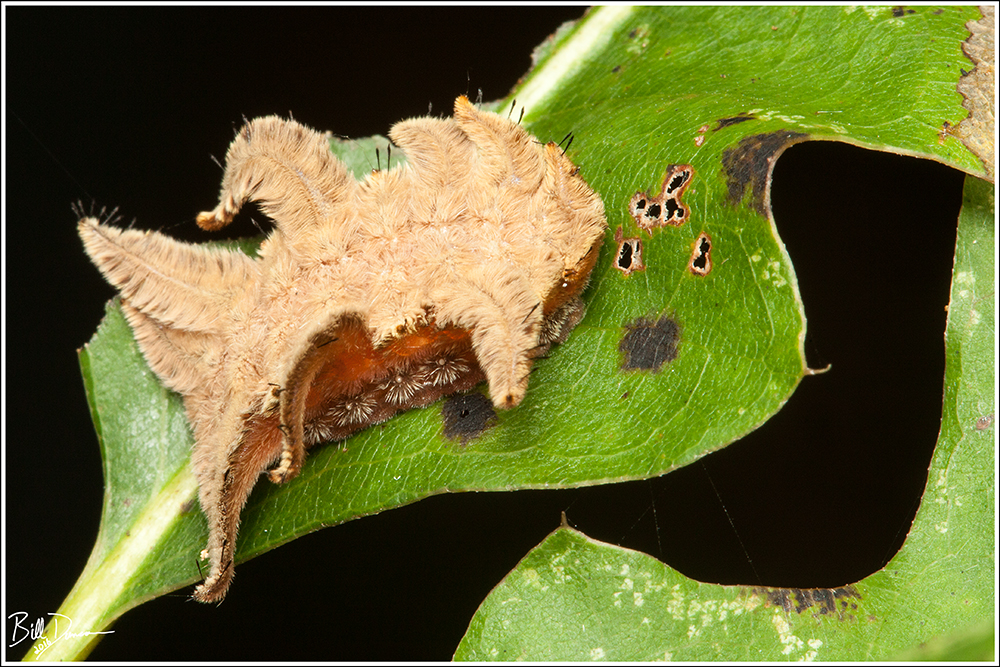
Monkey Slug – Limacodidae – Phobetron pithecium (4677) – Horseshoe Bend Natural Area, Texas County, MO
A leading thought on why these guys look the way they do is to mimic the shed exoskeleton of a tarantula.
Monkey Slug – Limacodidae – Phobetron pithecium (4677) – Cuivre River State Park, Lincoln County, MO
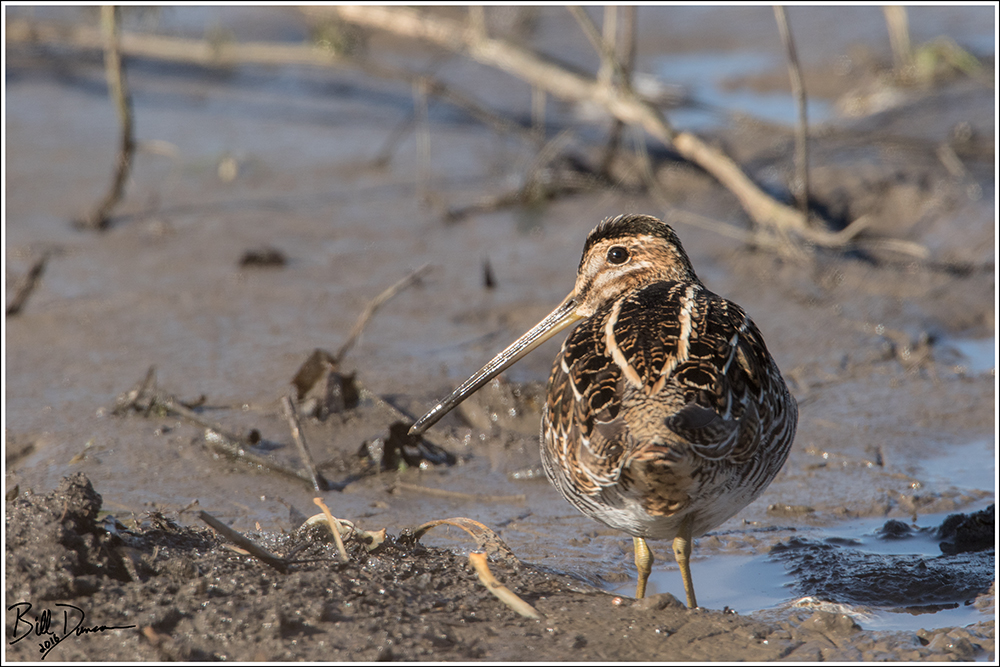
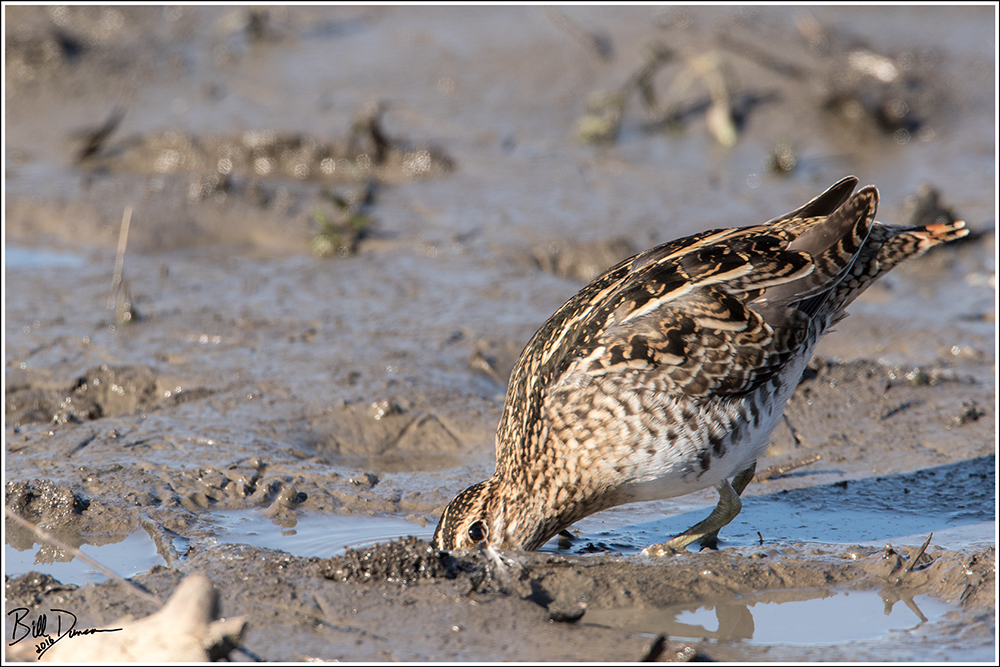
Wilson’s Snipe – Scolopacidae – Gallinago delicata – Confluence Road, St. Charles Co, MO.
With everyone on Facebook posting their great photos of our Thanksgiving Snipe, I thought I would go ahead and process and share before they got lost and forgotten for months. The photo above is, in my opinion, the most pleasing way of capturing a shore bird. The back of most shore birds are often their most colorful and patterned side. I like to try and capture the from behind with their head turned so to see their eye and the length/shape of their bill.
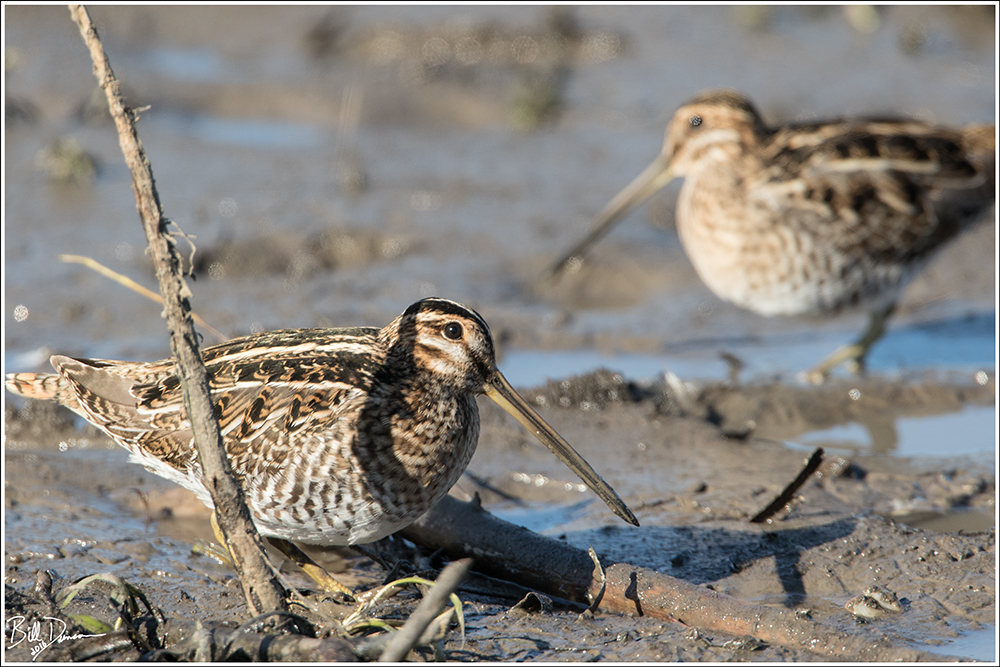
Wilson’s Snipe – Scolopacidae – Gallinago delicata – Confluence Road, St. Charles Co, MO.
I did not bring a wider lens on this morning, but I wish that I had. I counted 17 Snipe within a pretty close distance of each other in a section of sweet and soft mud.
Nares Deep! Wilson’s Snipe – Scolopacidae – Gallinago delicata – Confluence Road, St. Charles Co, MO.
In the image above one can imagine the depth they can get with those lance-like bills as they probe the mud for invertebrates. Check out the video below to get an idea of how these guys feed.
I found only a few Elegant-tailed Slugs this year and all were found at Hickory Canyons Natural Area in Ste. Genevieve County, Missouri. The image below documents the only occasion where I found more than one slug on the same leaf, here a Spiny Oak Slug was found on the same curled leaf as our new Elegant-tailed Slug.
Spiny Oak and Elegant-tailed Slug Moths – Limacodidae
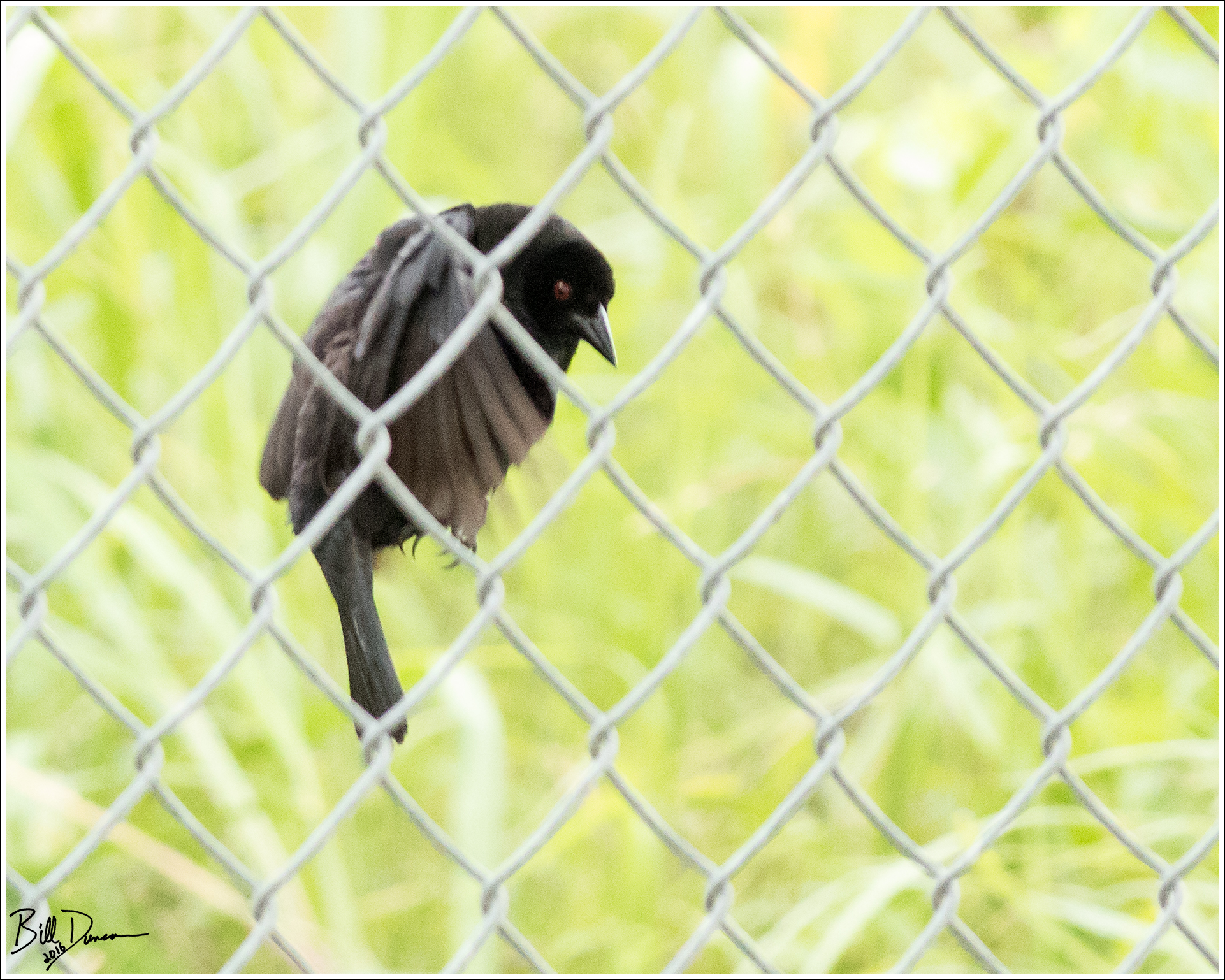
Of course, going to a new region for birding is great for finding those species that you have long-anticipated being able to see. In the Texas gulf coast region the Roseate Spoonbill, the Tri-colored Heron, the Crested Caracara and quite a few others can be fit into this category. I have done enough of this type of birding now to get just as excited by the surprises – finding the species I wasn’t expecting, or had not even heard of. The Bronzed Cowbird was one such species during our trip in May.
And the way we got to see this bird for the first time, by performing this hovering display for the ladies, was quite memorable. He kept this position – not moving his head from the chain-link section seen here for several seconds. Check out the bright red iris on these guys.
We also saw a few of the more common Brown-headed Cowbirds. It was nice seeing them in open habitat where they actually belonged and not reeking havoc in the fragmented forests back home.
Pelecinid Wasp – Pelecinidae – Pelecinus polyturator. Millstream Gardens Conservation Area, Madison County, MO.
Parasitoids of insect larvae, the Pelecinid Wasp female uses her extremely large abdomen to thrust through soil to deposit eggs primarily on scarab beetles. I assume the family and genus names are derived from the Greek – pelicos, referring to the great size of the wasp. Females can reach lengths of up to 6 cm. No need to worry, these guys do not have stingers.
Today I watched as park workers cut down this tree at Wild Acres Park in Overland, MO, a municipality in St. Louis County. I estimate they have removed nearly 75% of all standing dead trees in this park during the last six months. This tree, that provided shelter and food to a number of Woodpeckers, the tree I watched and photographed an Olive-sided Flycatcher this past spring, two dead oaks that I watched Great-horned Owls display and duet in numerous times over the past 6+ years, a tree that provided a place for a nesting Great-horned Owl, dead snags near the pond that provided perches to herons and wood ducks that were stopping to rest on their way to somewhere more worthy. Even if the trees must come down due to “safety”, I wish that they would see the benefit that these trees can bring while decomposing in a forest. Lately, they are even hauling away the carcasses.
The original plans for the park when first established seem to suggest that the park was conceived to provide wildlife with an oasis amidst a suburban desert as much as it was to be a benefit to the humans with similar desires. I find little evidence in recent years that the park management has goals to this effect.
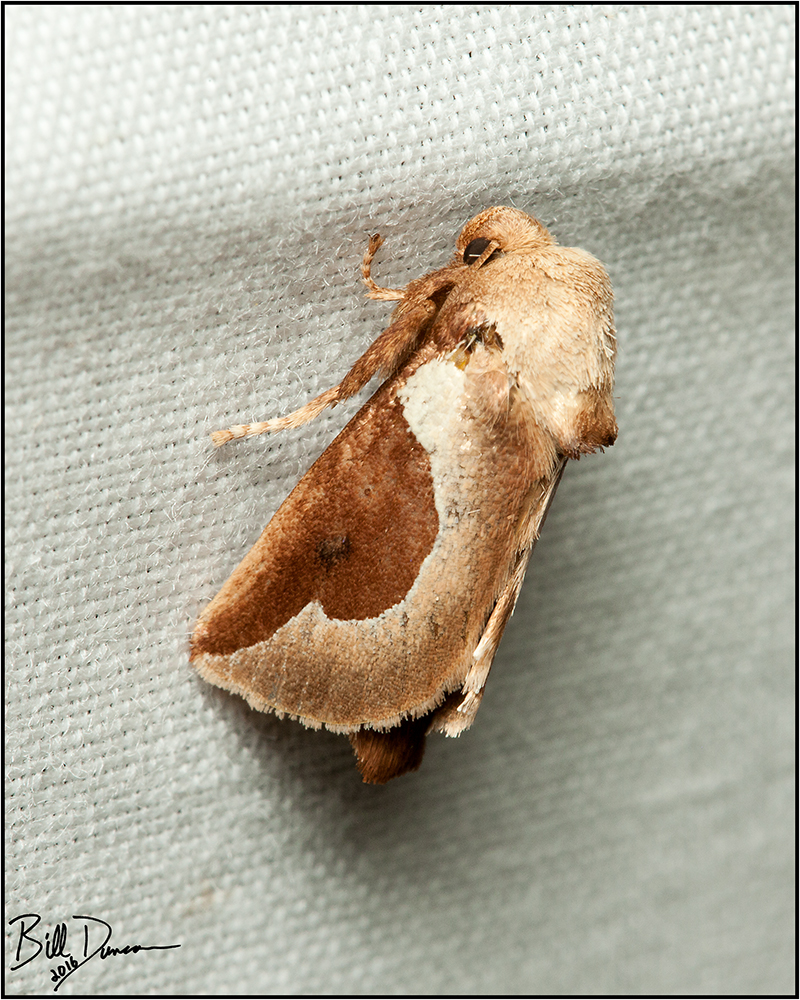
The highly variable colors and patterns of the skiff moth are hypothesized to mimic senescent/necrotic lesions on leaf surfaces. They often have paired white spots that are thought to mimic the eggs of the tachinid fly, a parasite that enters the caterpillar after hatching. These “egg mimics” are hypothesized to work by dissuading flies that may attempt to avoid depositing eggs on victims that were previously parasitized.








 A Thousand Acres of Silphiums