"What a thousand acres of Silphiums looked like when they tickled the bellies of the buffalo is a question never again to be answered, and perhaps not even asked." -Aldo Leopold
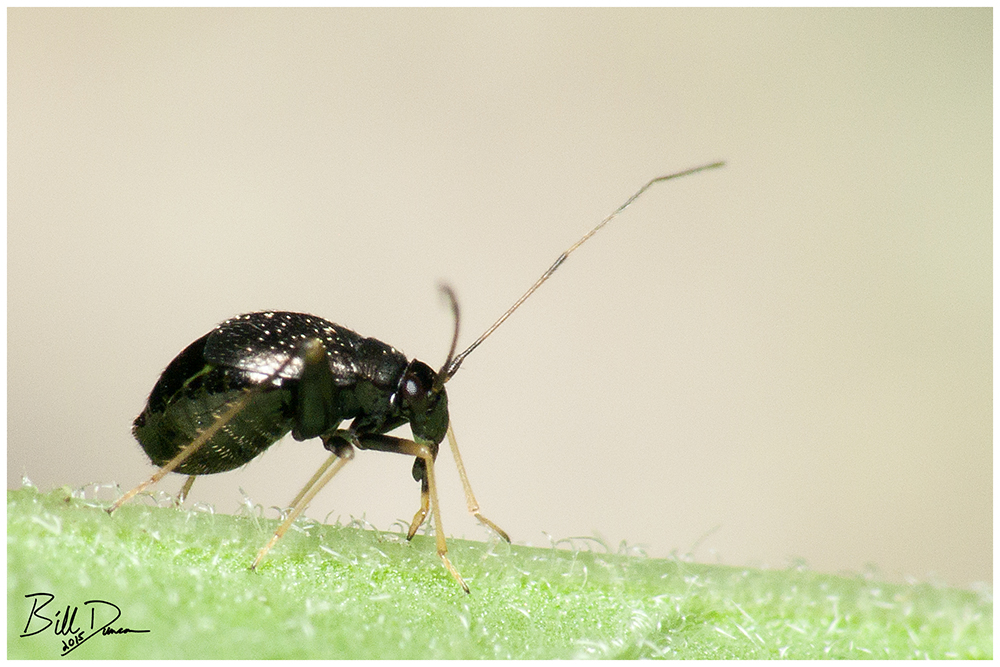
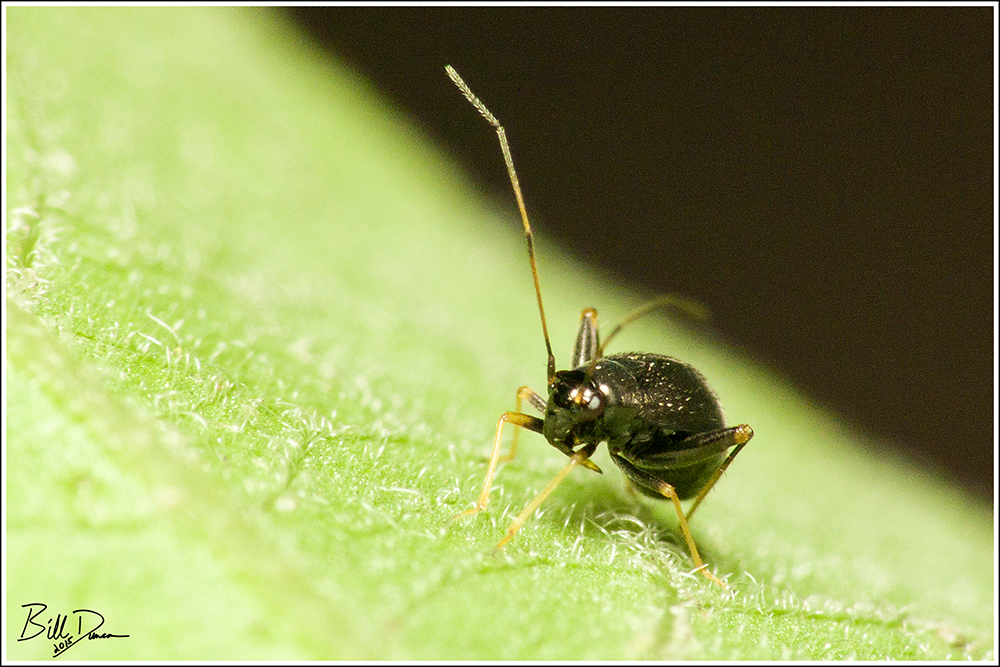
These tiny ones are ubiquitous in a number of habitats and host plants, reach 1-2 mm in length as adults and are pests to a number of agricultural crops. This brachypterous (short-winged) female was photographed on a Maypop vine (Passiflora incarnata) at Shaw Nature Reserve in the northern Ozarks of Missouri.
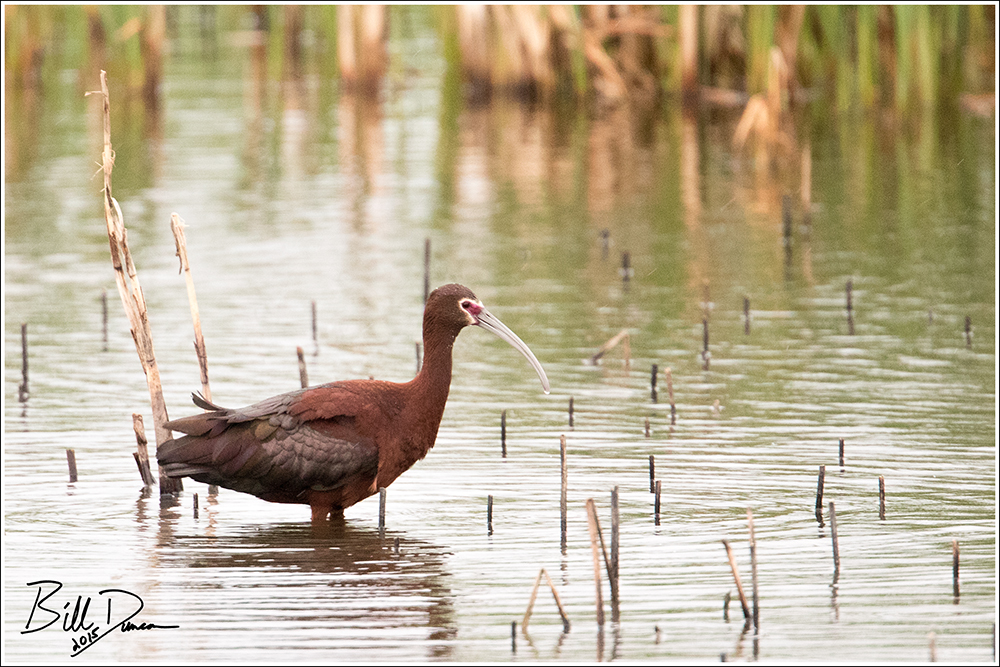
The White-faced Ibis are pretty abundant at Quivira and Cheyenne Bottoms and across the Great Plains in general. It is believed that this was primarily a western species that has been slowly moving eastward during the past century. Nesting grounds are still rather patchy and infrequent, but they have been documented to nest at both Cheyenne Bottoms and Quivira.
We came upon this little spiky one at Shaw Nature Reserve. I believe this to be a nymph of the Helmeted Squash Bug (Euthochtha galeator) Family – Coreidae.
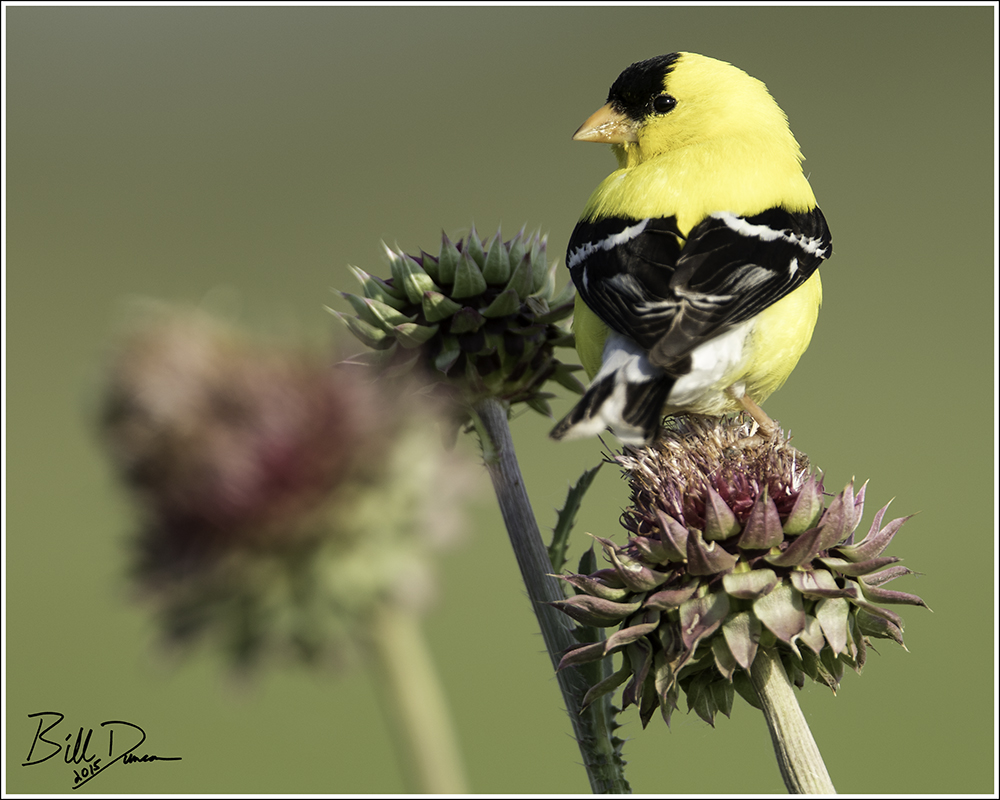
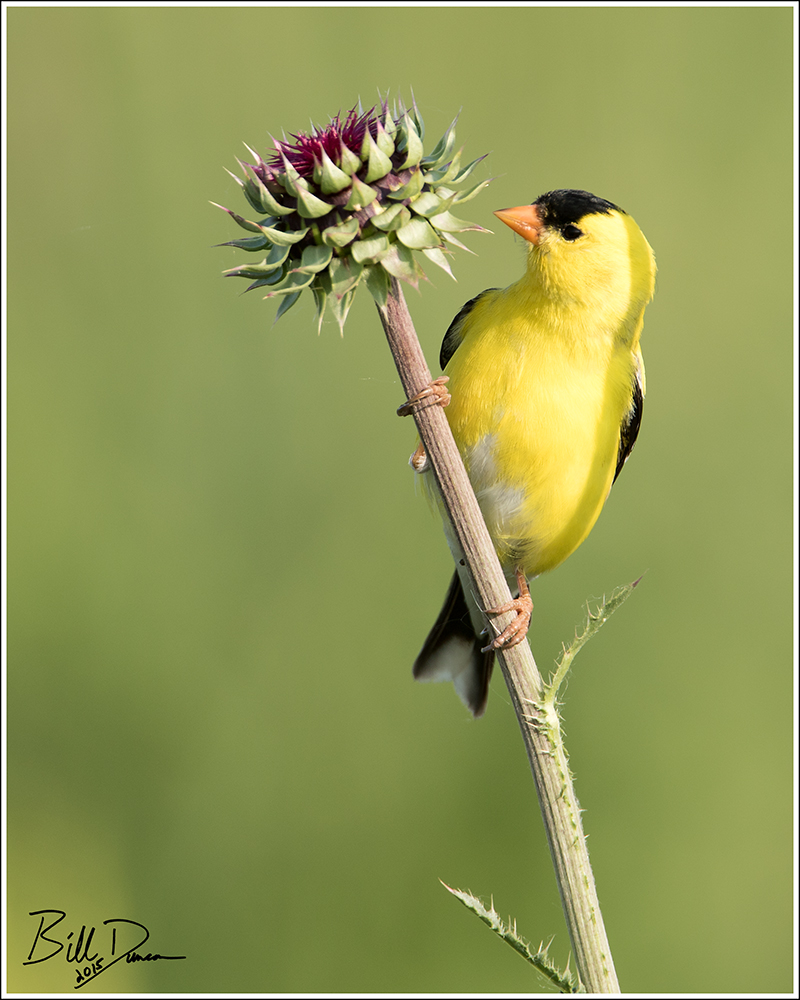
The Goldfinch have really taken a liking to the Silphium in my garden this year. Every time I’m out there I observe at least a couple picking the seeds. The two images of this post show them with their more famous plant source, the thistle, taken this summer at RMBS.
I finally found a monarch caterpillar on one of my plants after a 3-4 year absence. Knowing the poor success rate when I had them in the yard in previous years, I decided to try my hand at rearing this one inside. I read a little on proper practices online and had received some advice from someone I work with (thanks Tim!) and watched as the little one put on the weight at the expense of my common milkweed I harvested from the garden. Unfortunately the idea for a time lapse project came too late and . I wasn’t prepared and wasn’t knowledgeable enough about the metamorphosis process. I tried my best. I made several mistakes and will hopefully remember these next time. I also had a couple of equipment failures that caused me to miss a couple of gaps many hours in length. Tim and his family have successfully reared and released a good number of monarchs this year and tag them for hopeful data points on the migratory routes (just like in birds). He had an extra tag and I tagged the little female prior to her release. Hopefully she will make it the ~1800 miles from central Missouri to central Mexico where she will overwinter before heading back north again next spring.
Even with the problems, I kind of like the outcome. I can’t wait to try again… 😉
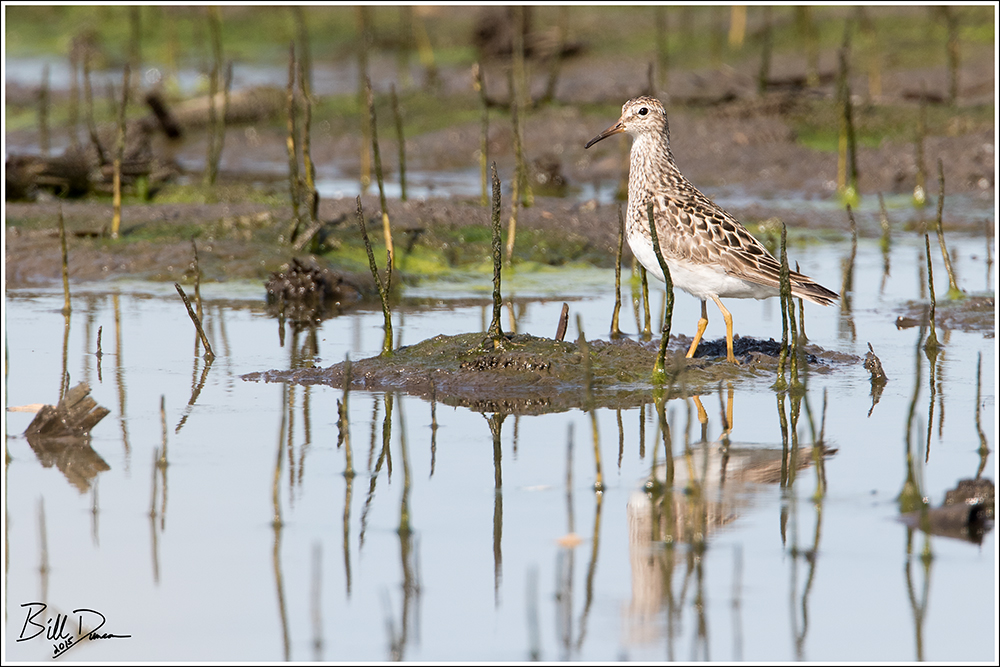
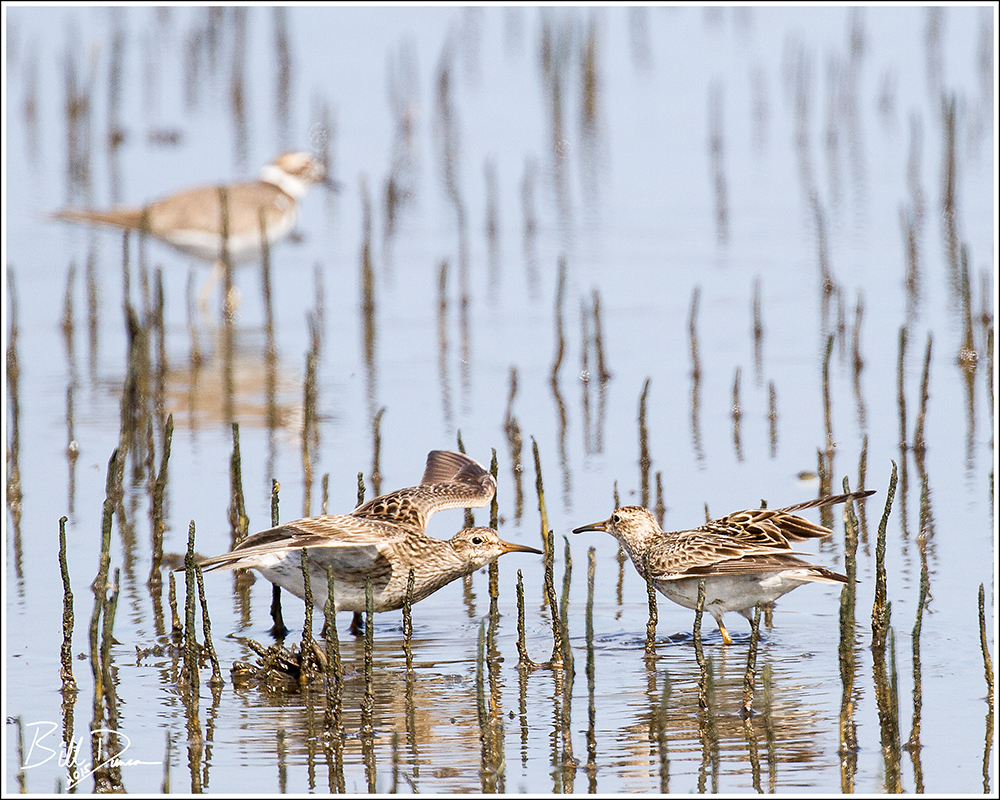
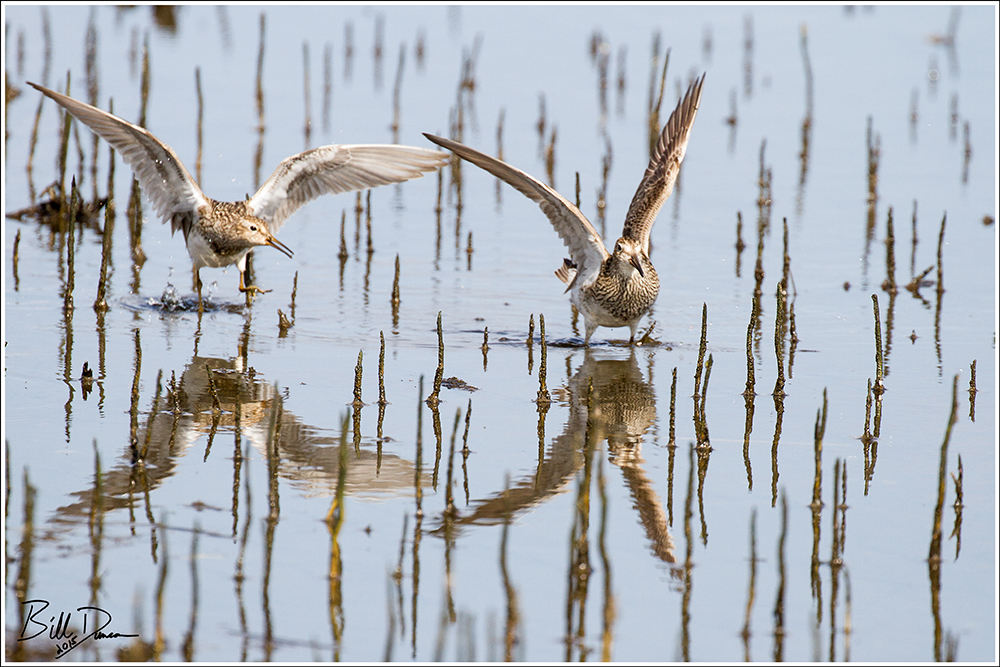
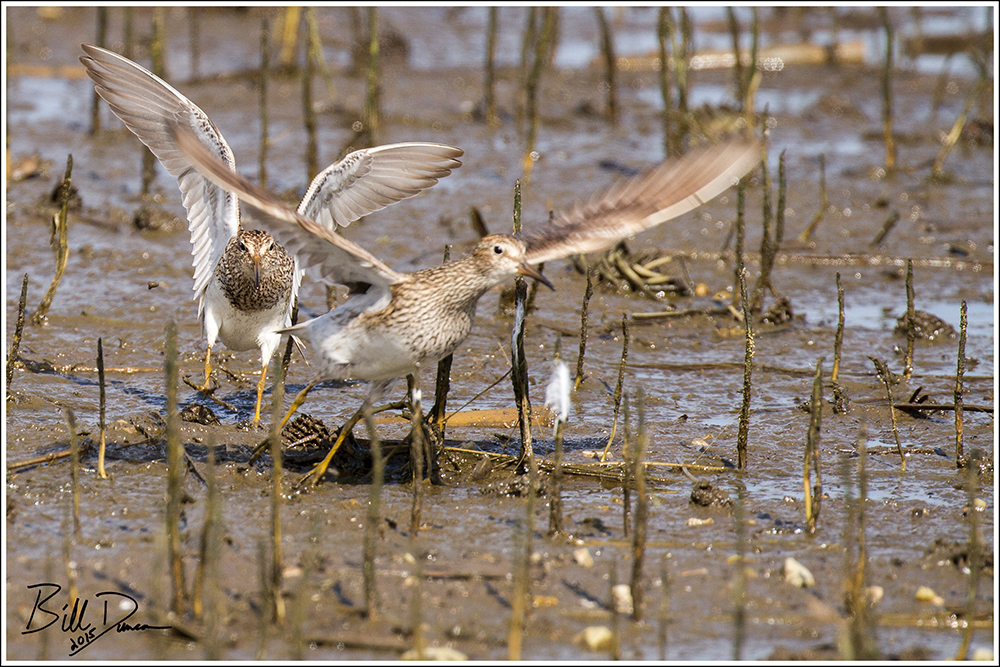
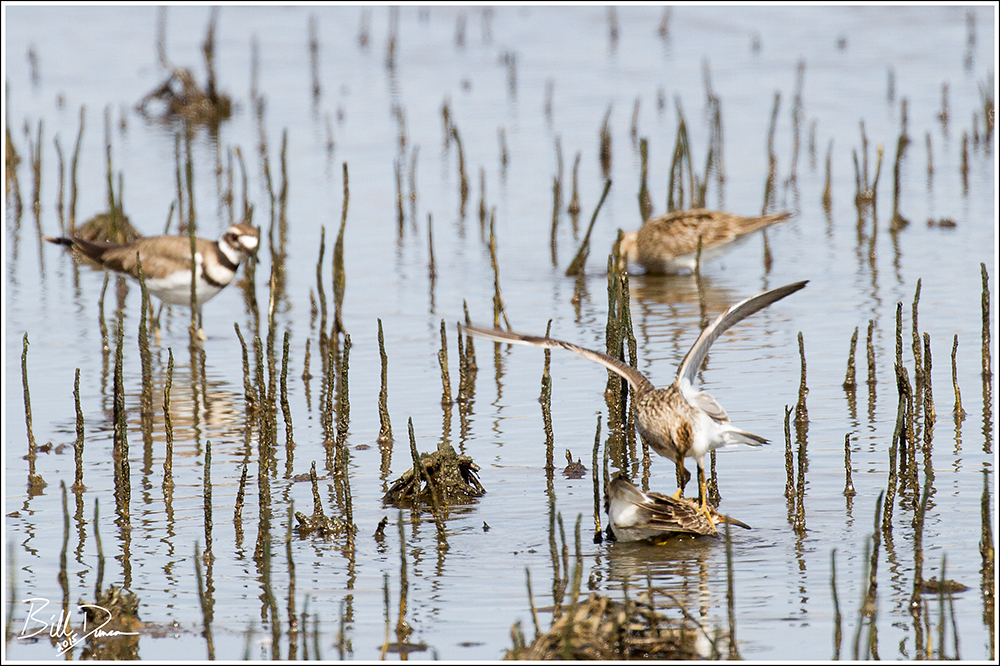
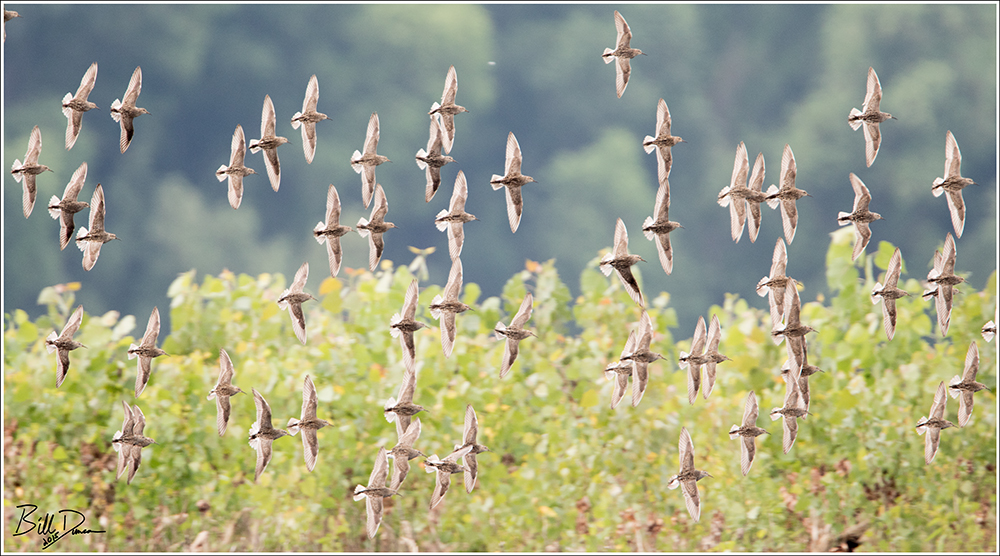
On the first day of August I found myself sitting next to one of the larger field puddles in the RMBS area watching the groups of migrating Pectoral Sandpipers. These guys were probably less than a week or two outside of their nesting grounds on the arctic tundra and their hormones were still raging. I was pretty surprised by their level of territoriality on their migratory route. Maybe this is how they behave year-round, but I have not been able to confirm this in any source I can find.
The Chase is On!!The Chase Continues!!Pectoral Pounce!!A Peck of Pecs
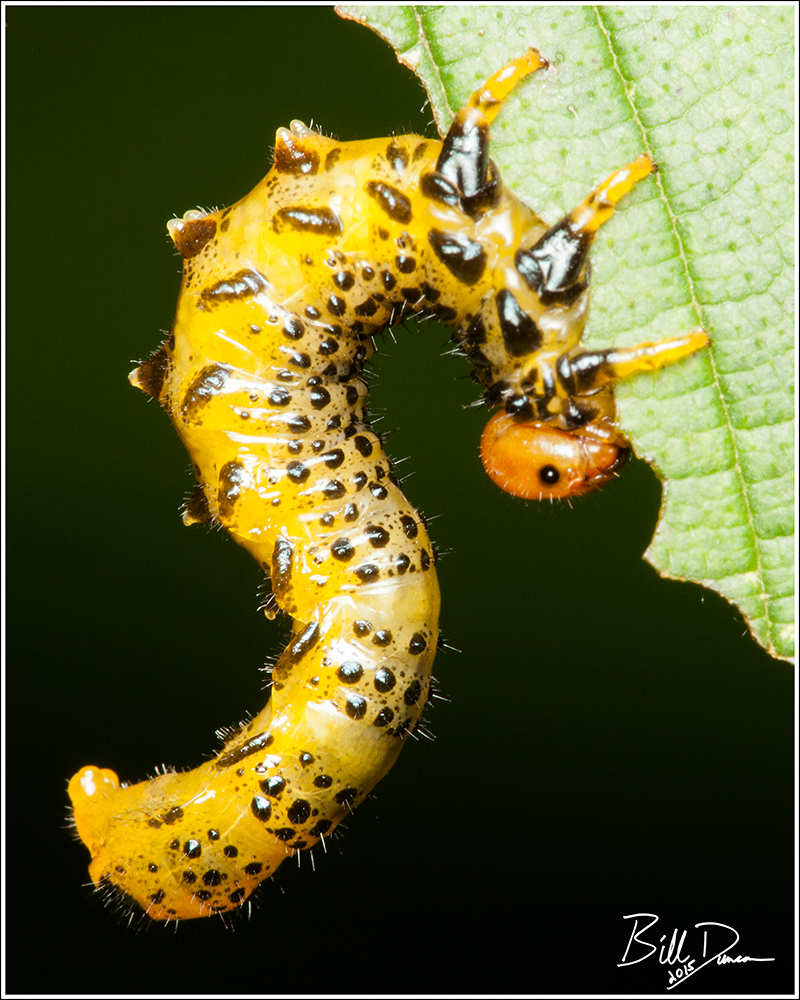
Did you know that there is a primitive group of the hymenoptera with free-living larvae that look very much like the caterpillars of the lepidoptera? Known as the Sawfly, there are morphological distinctions between them and the caterpillars and they can also be distinguished by this defensive posture adapted by the Sawfly larvae (Arge sp.) pictured here.




 A Thousand Acres of Silphiums