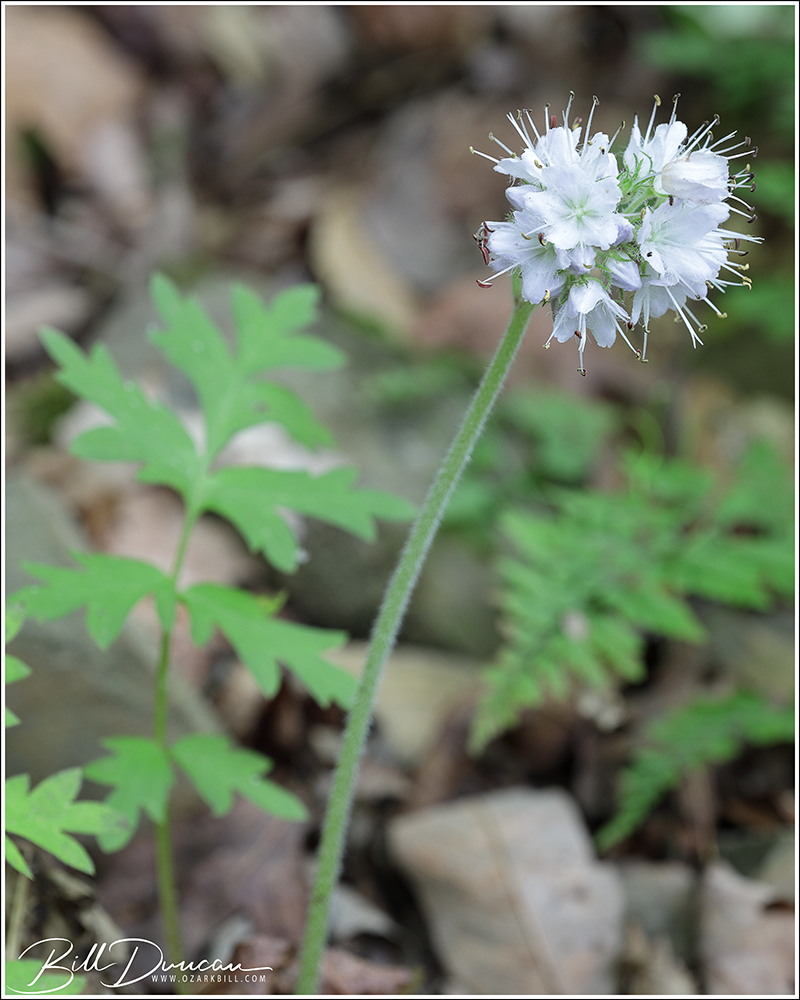
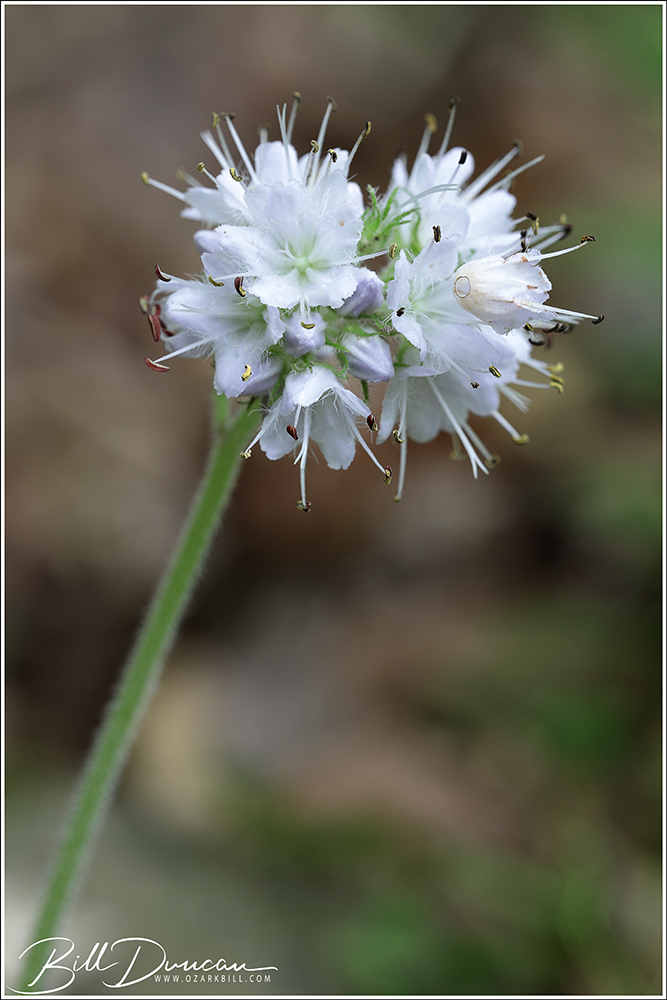
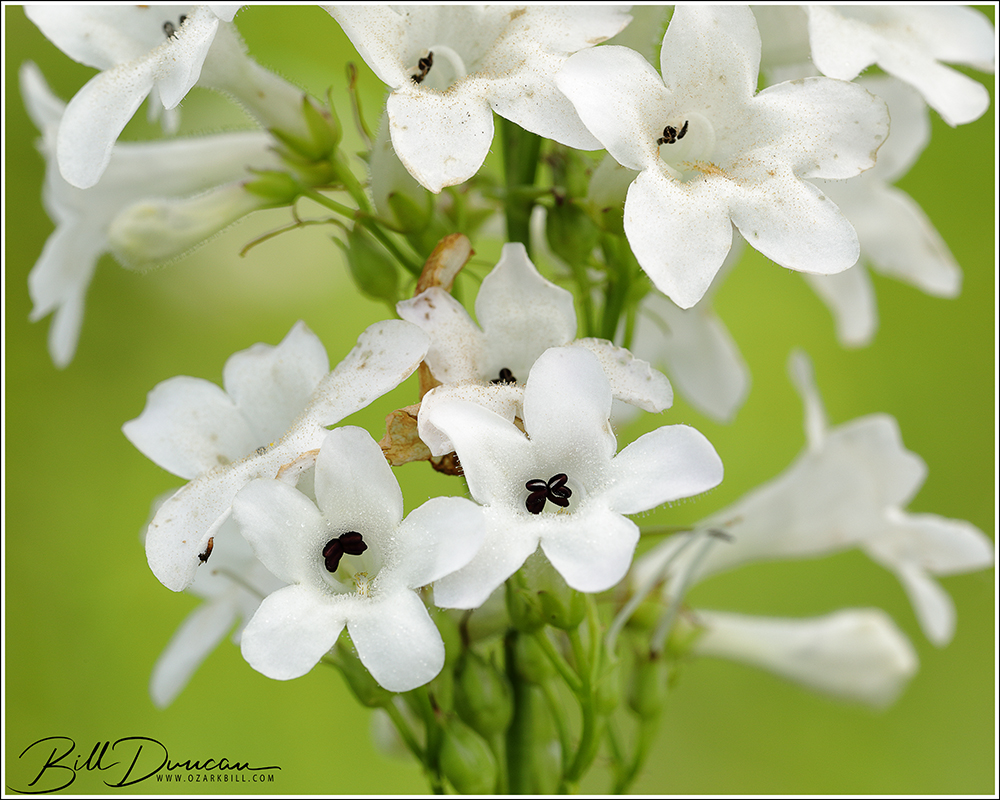
Casey and I found this G2 species, Hydrophyllum brownei, in Howard County, Arkansas blooming in mid-May. Endemic to the Ouachita Mountain region of Arkansas, this species is known from fewer than 30 known localities.
"What a thousand acres of Silphiums looked like when they tickled the bellies of the buffalo is a question never again to be answered, and perhaps not even asked." -Aldo Leopold
Casey and I found this G2 species, Hydrophyllum brownei, in Howard County, Arkansas blooming in mid-May. Endemic to the Ouachita Mountain region of Arkansas, this species is known from fewer than 30 known localities.
Here we have a few shots of a small carpenter bee that was very cooperative this past April at Beckemeier Conservation Area as it nectared from a spring beauty blossom. This is one of the bees that nests and overwinters in old broken pithy stems that it excavates. So here is who you might be helping by leaving your dead stems sit through the winter.



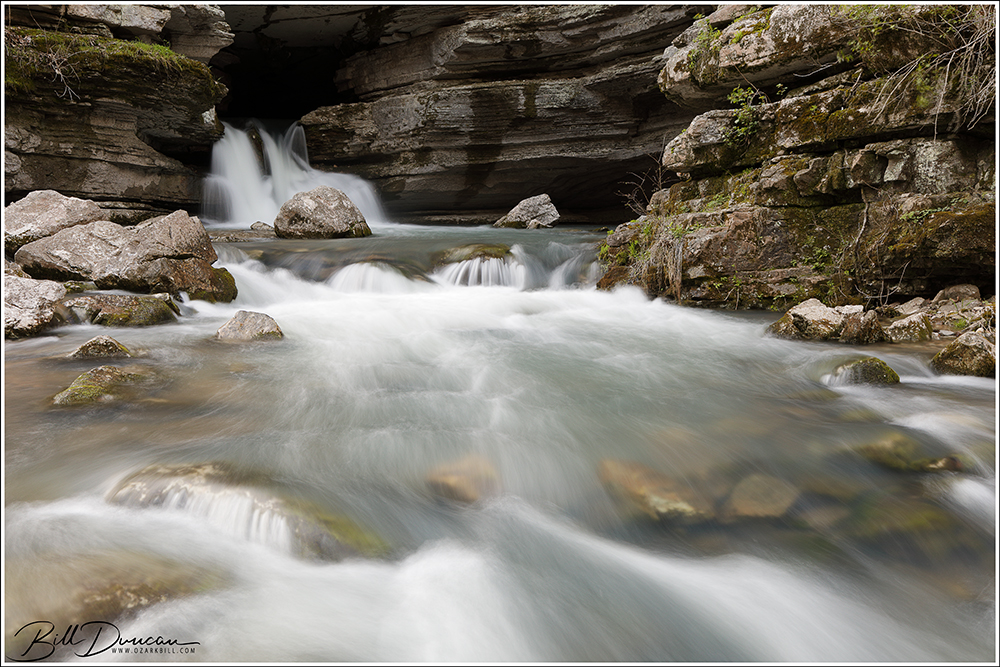
Casey introduced me to this location early in the spring. This is Blanchard Springs in Stone County, Arkansas. With an average daily flow rate of ~10 millon gallons per day, it doesn’t fall near the top ten of the fantastic and popular springs found in southern Missouri. However, this amount of water finding its way through a limestone rock face and plunging ten feet or more makes this a spectacular spring indeed!
Casey and I found this nice patch of Trillium flexipes in late April at Mingo NWR.

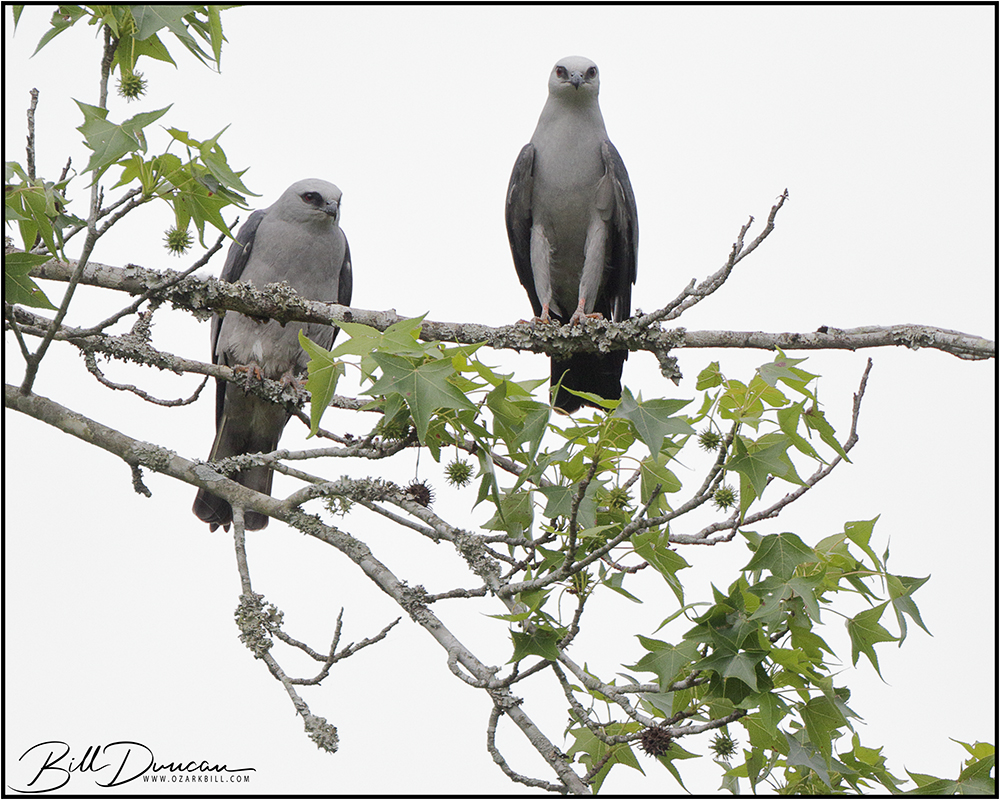
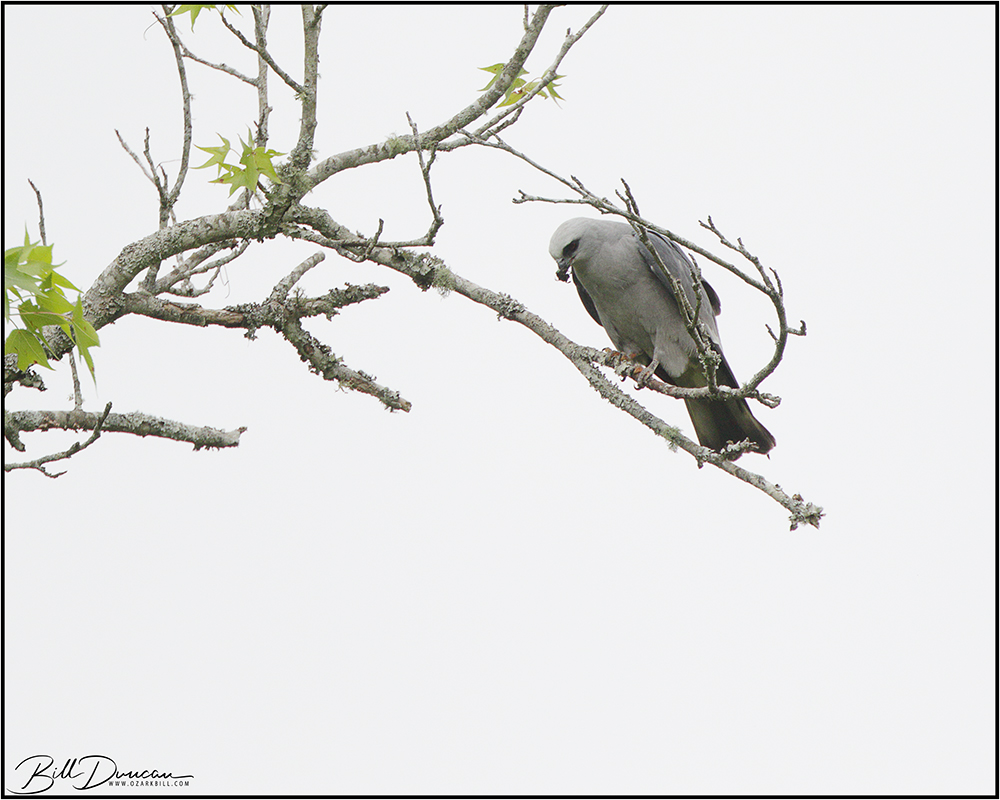
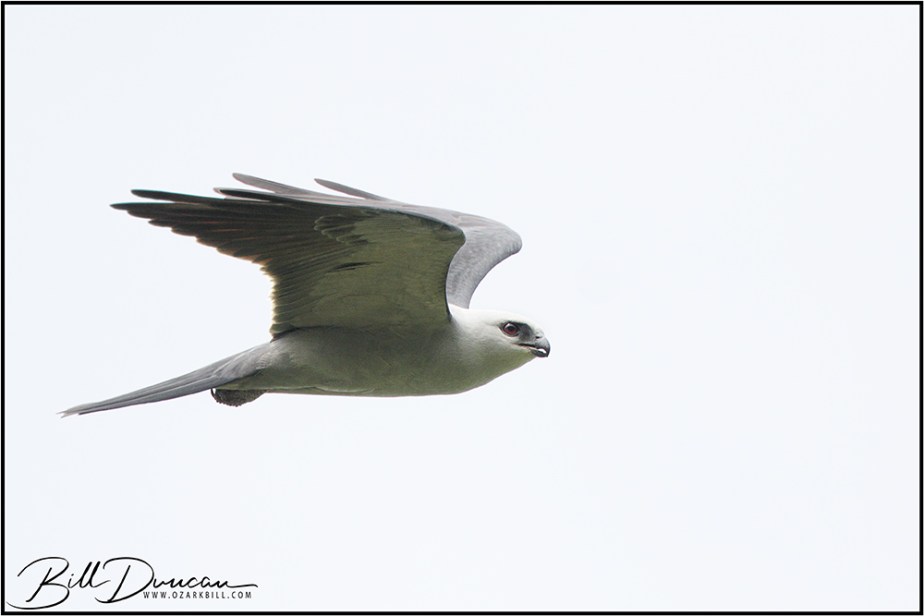
It is always nice finding your targets on a big photography trip but the icing on the cake is finding the unexpected. That is what happened here when Casey and spent some time at Moro Bay State Park in southern Arkansas. When speaking to a very friendly park ranger, he let us on to where a pair of these birds setup territory and were virtually oblivious to humans. These birds completely ignored us as they flew to and from their favorite perches, often flying mere feet over our heads. We watched the male handoff their insect prey a number of times and even witnessed a copulation, but those photos were ruined by branches.




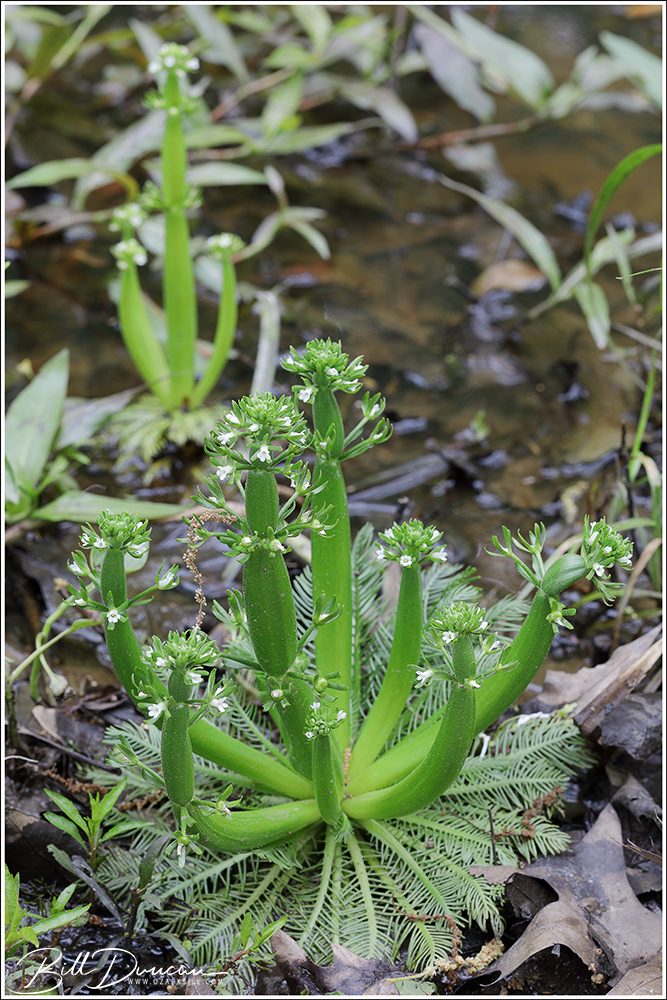
Many thanks to Stephen, Pete and Casey for introducing me to this special plant this spring. Hottonia inflata, or American featherfoil, is ranked as imperiled (S2) in the state of Missouri and is a species of conservation concern in most states within its range. The destruction of wetlands habitats in the U.S. is the cause of the scarcity of this winter annual member of the primrose family (Primulaceae). The stems of this plant are spongy organs filled with air pockets and are the characteristic described in the specific name – inflata.
Photographed at Shaw Nature Reserve in August of 2020, this is the white form of Cirsium discolor, the pasture thistle.

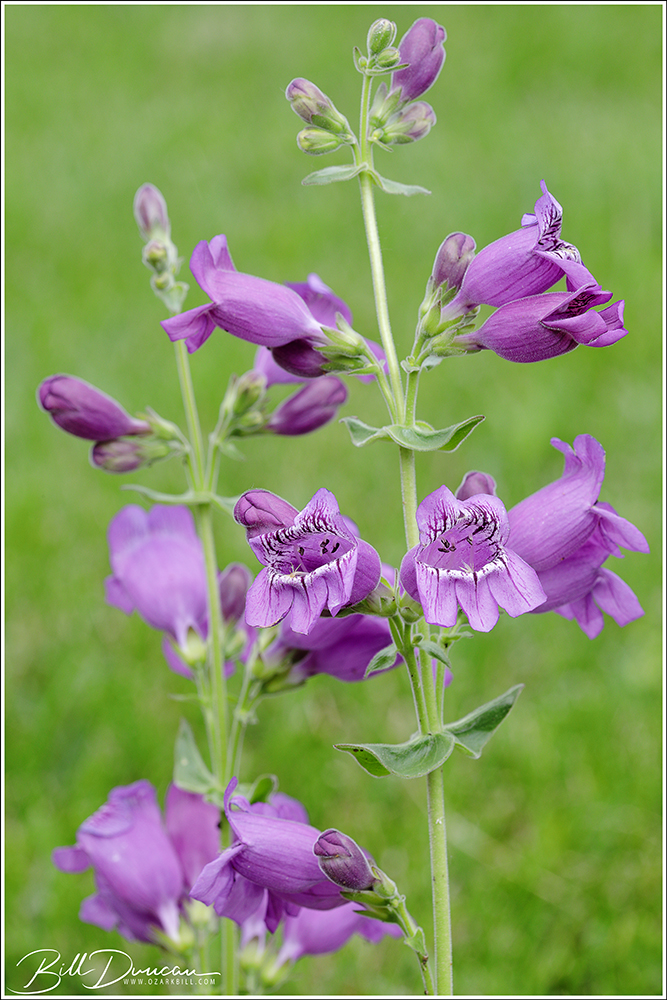
Here is a genus that I find interesting. The Penstemon is made up of approximately 270 species and is the largest genus of flowering plants that are endemic to North America. Now classified in the plantain family (Plantaginaceae), this is a very diverse genus found across a variety of habitats and altitudes. Most species should be readily identified as a Penstemon due to their unique flower morphology. The corolla is a fused tube, comprised of five petals that can be identified as lobes in a two on top, three on the bottom configuration. Inside the corolla you will find two pairs of stamens with anthers pushed towards the top of the open mouth. In between the fertile stamens is a staminode that lies towards the bottom of the tube. This sterile modified stamen usually ends in a brush-like structure. This is the eponymous “beardtongue”. The generic name, Penstemon, meaning “stamen-like”, also refers to this staminode.
I got to meet four species of Penstemon in bloom this year – two of which I planted in the garden. I was happy to see them bloom in their first season.



-OZB


 A Thousand Acres of Silphiums