


"What a thousand acres of Silphiums looked like when they tickled the bellies of the buffalo is a question never again to be answered, and perhaps not even asked." -Aldo Leopold


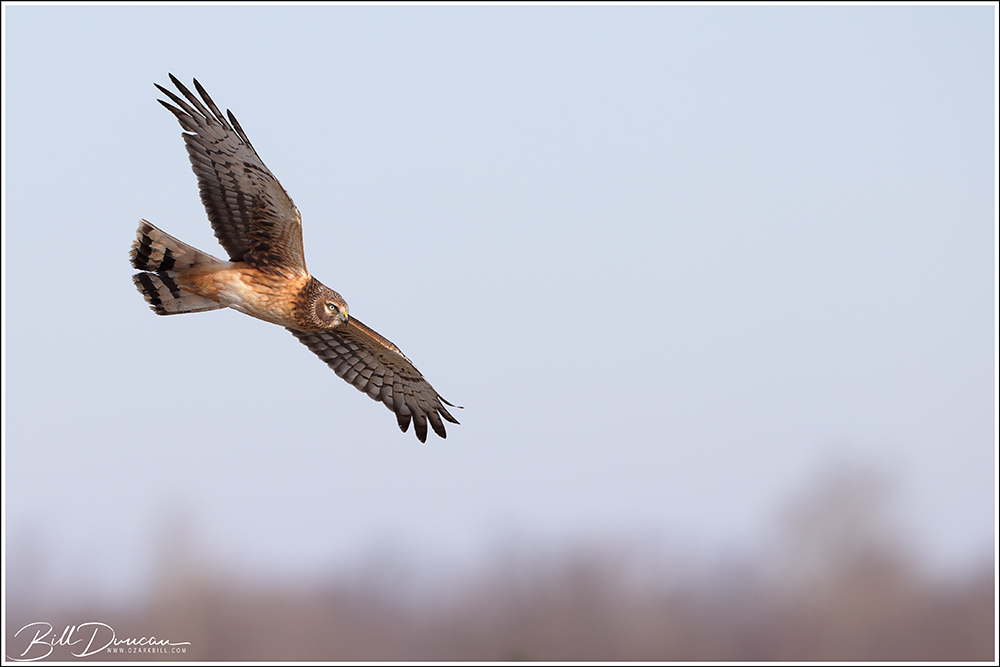
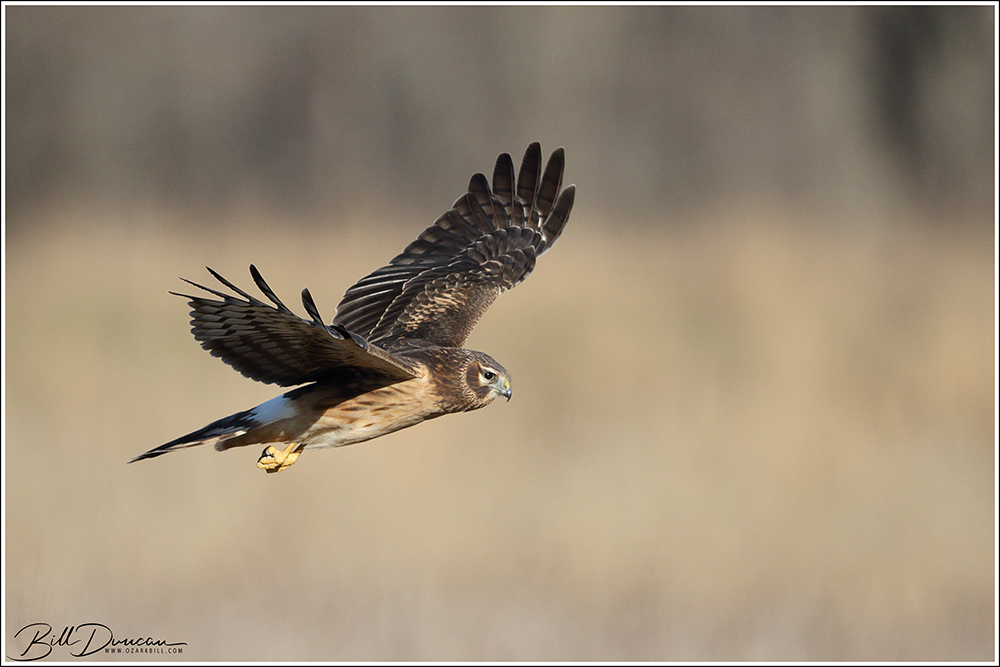
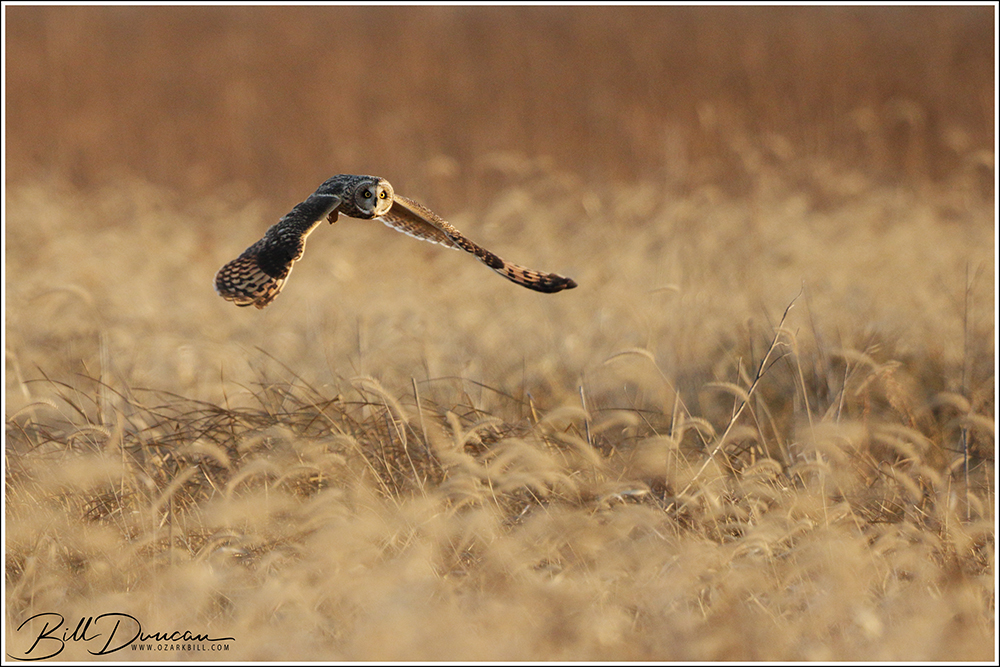
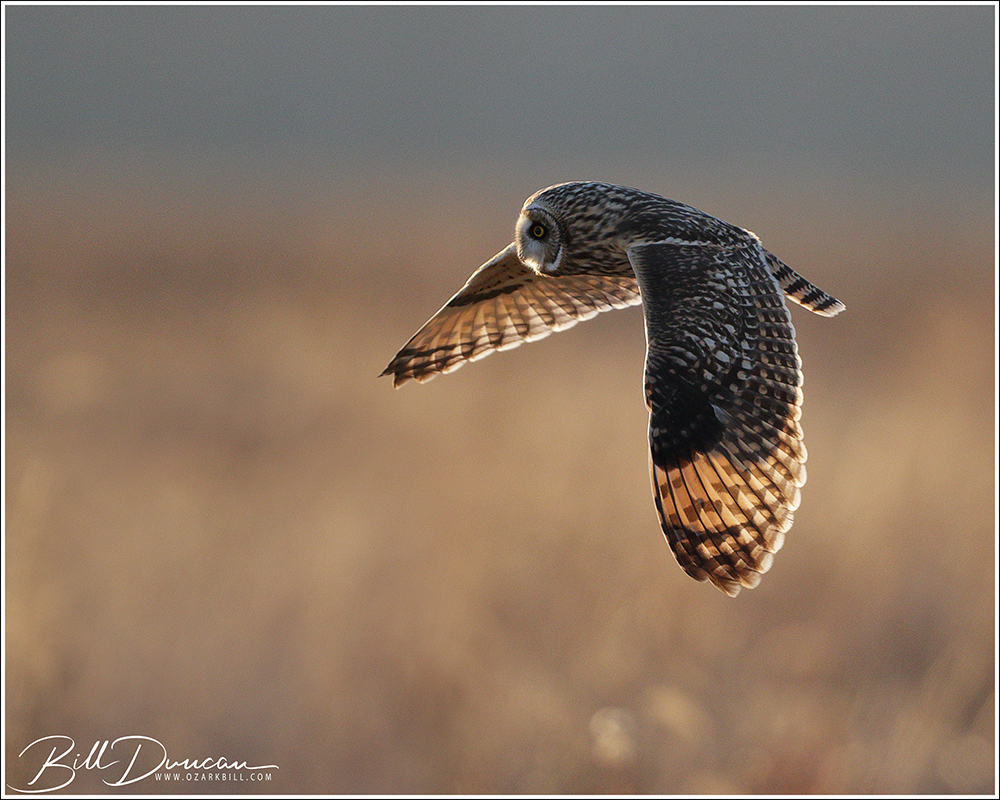
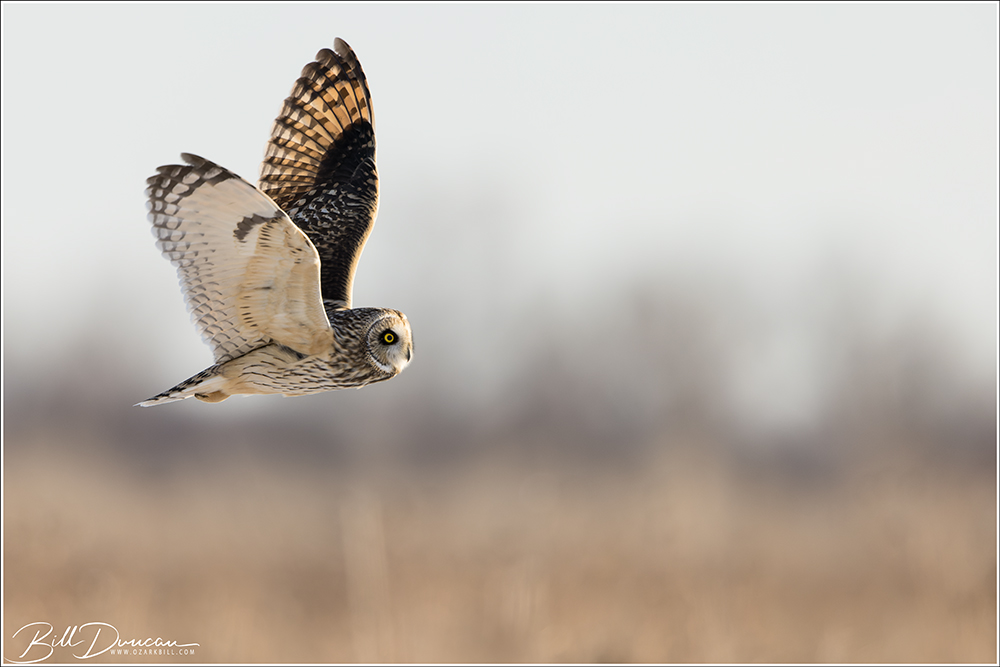
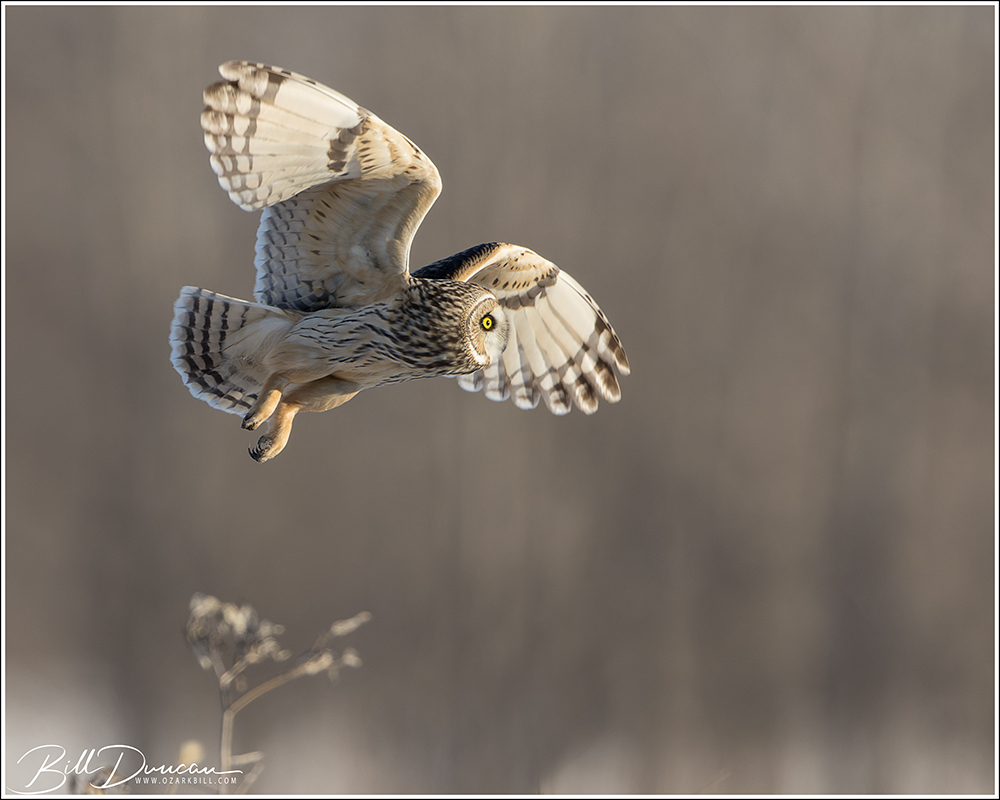
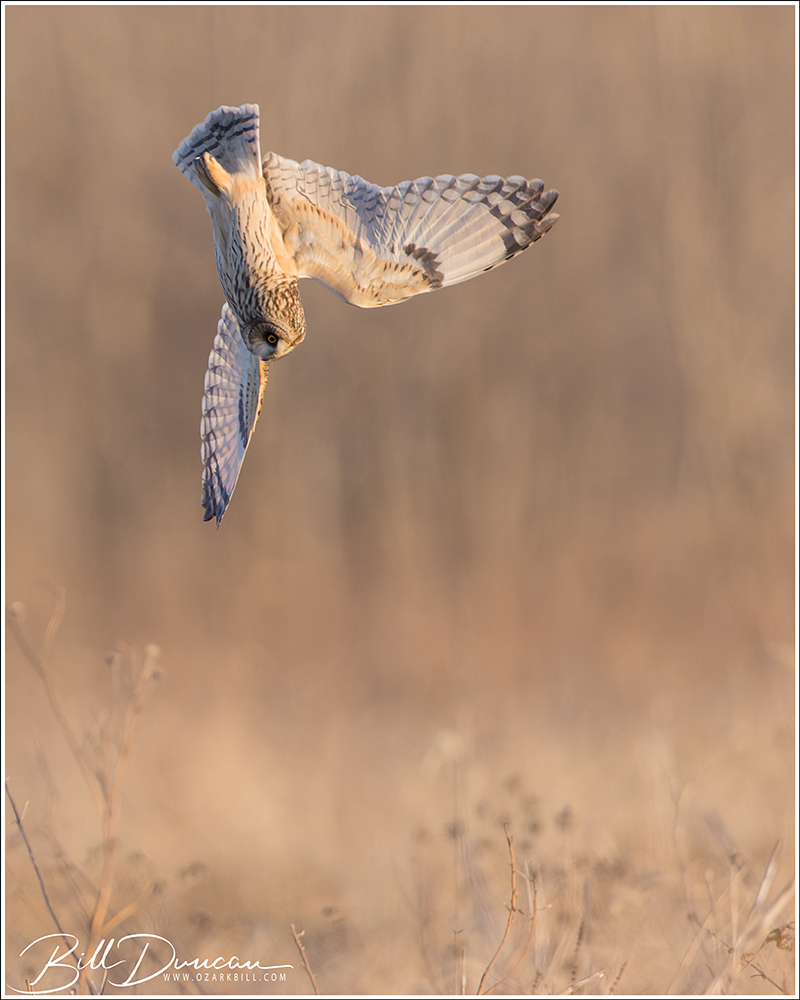
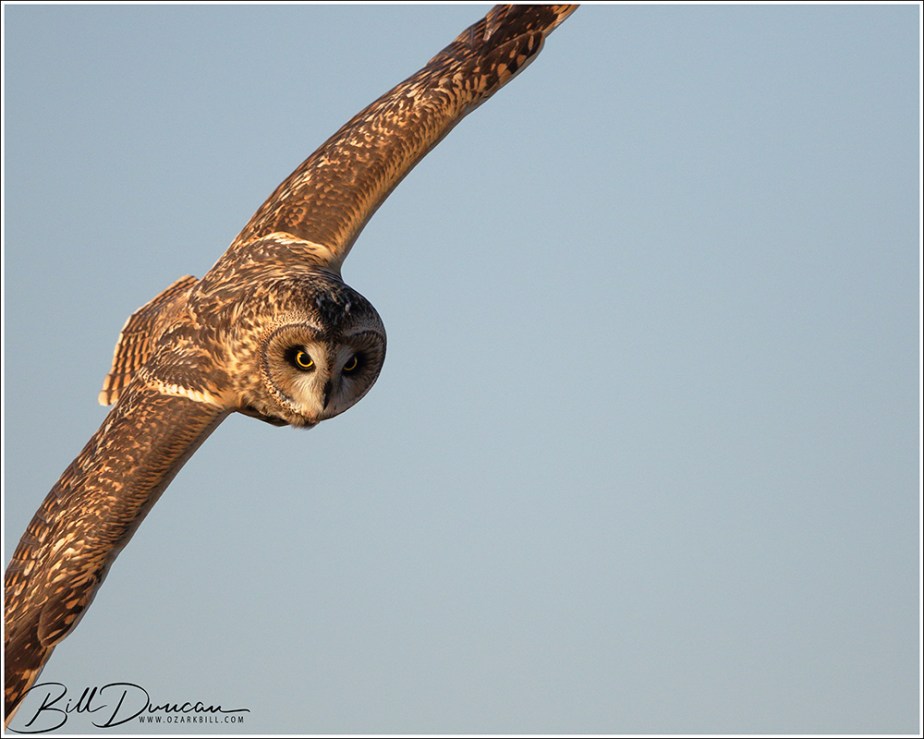
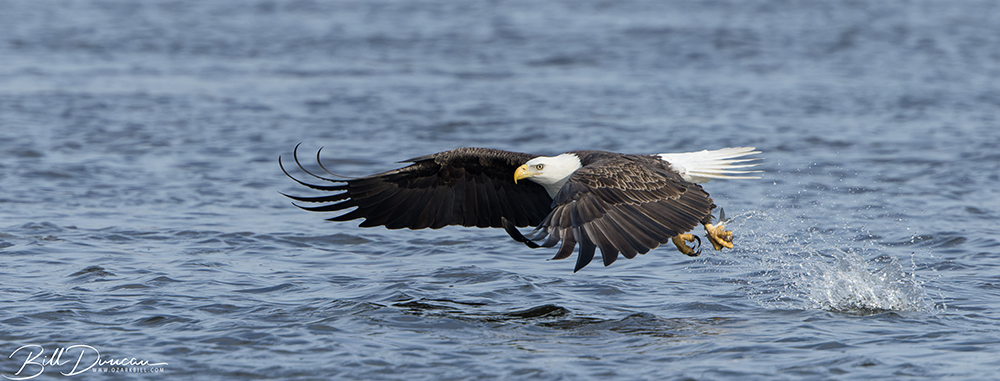
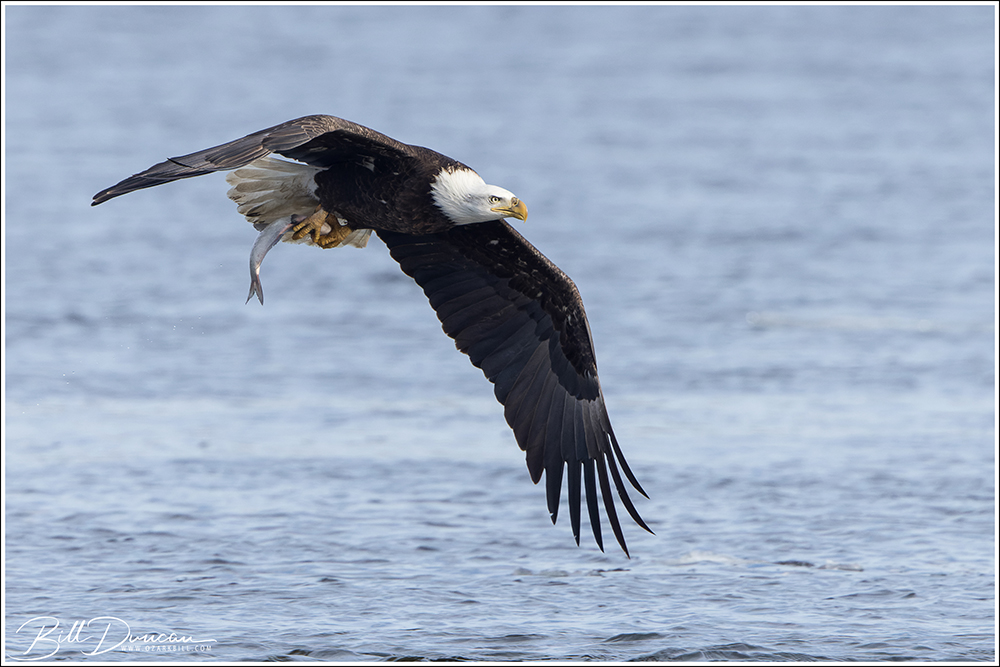
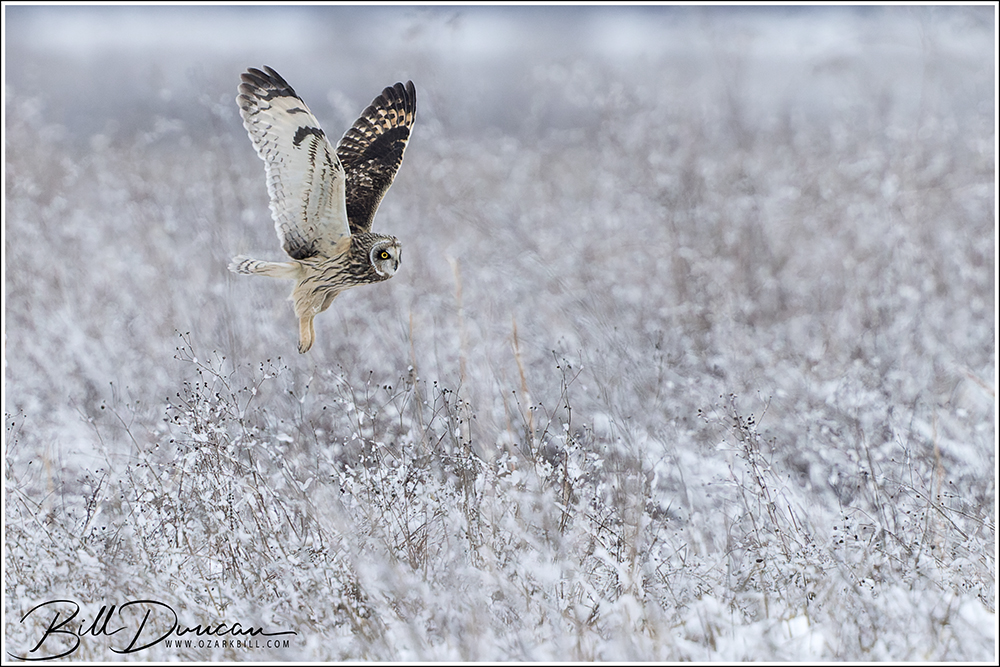
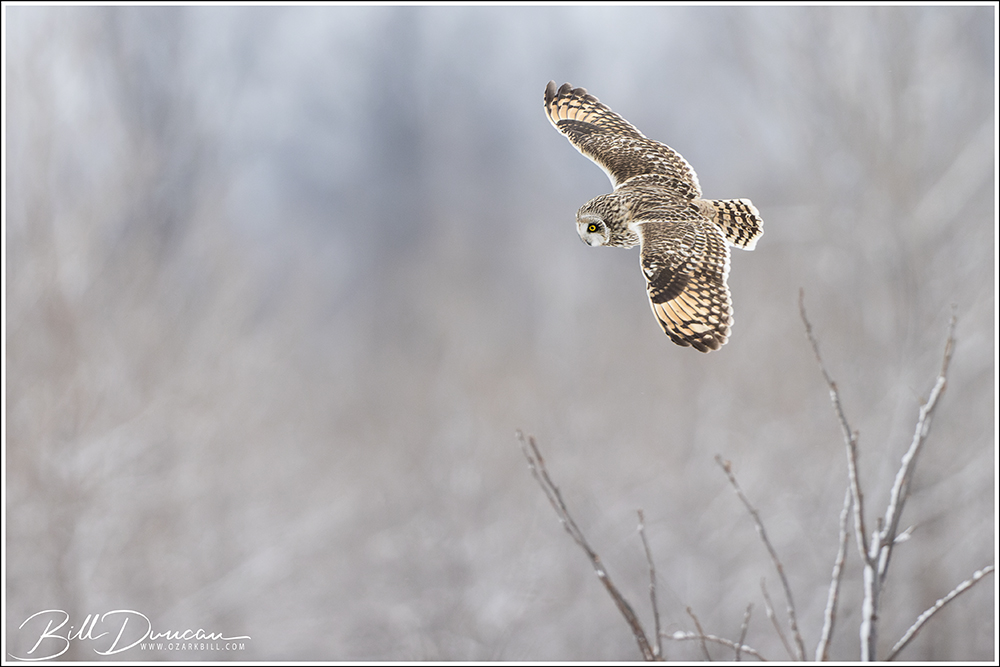
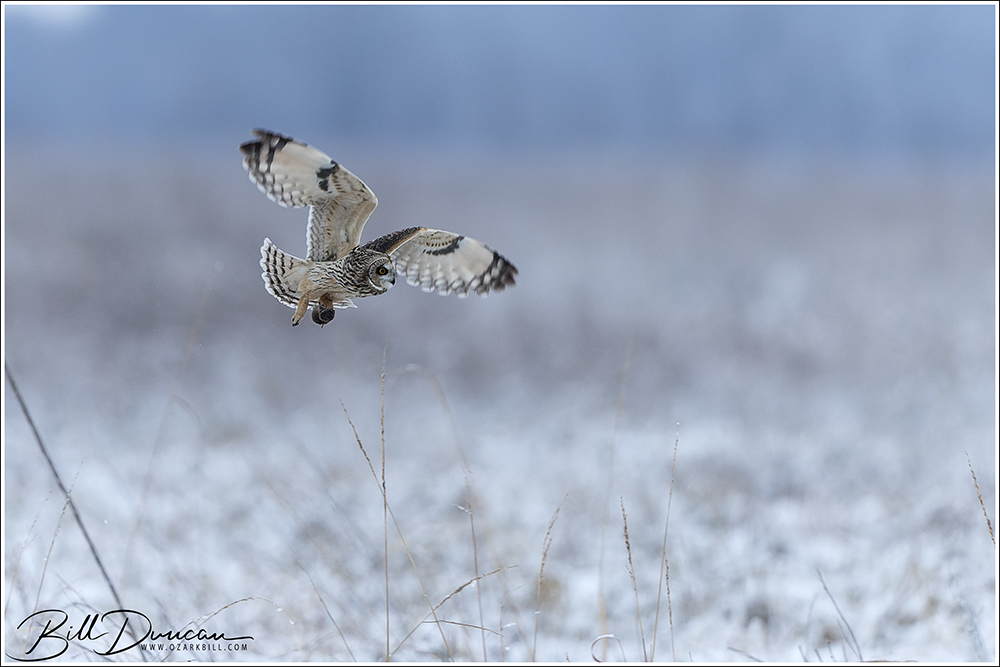
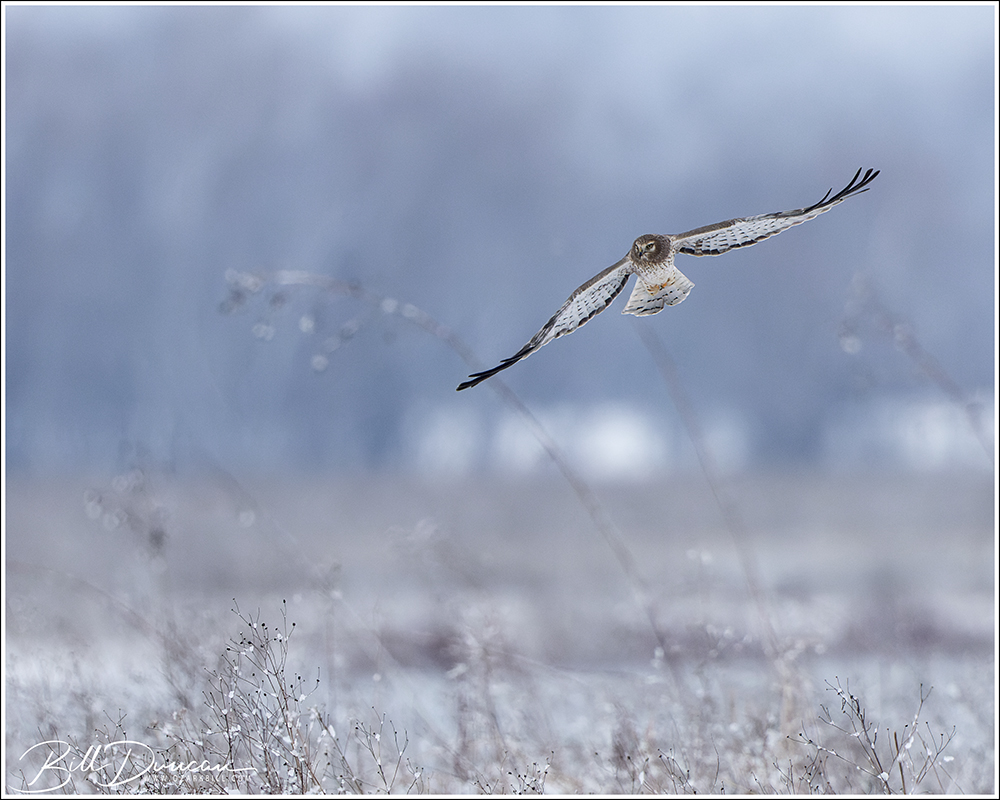
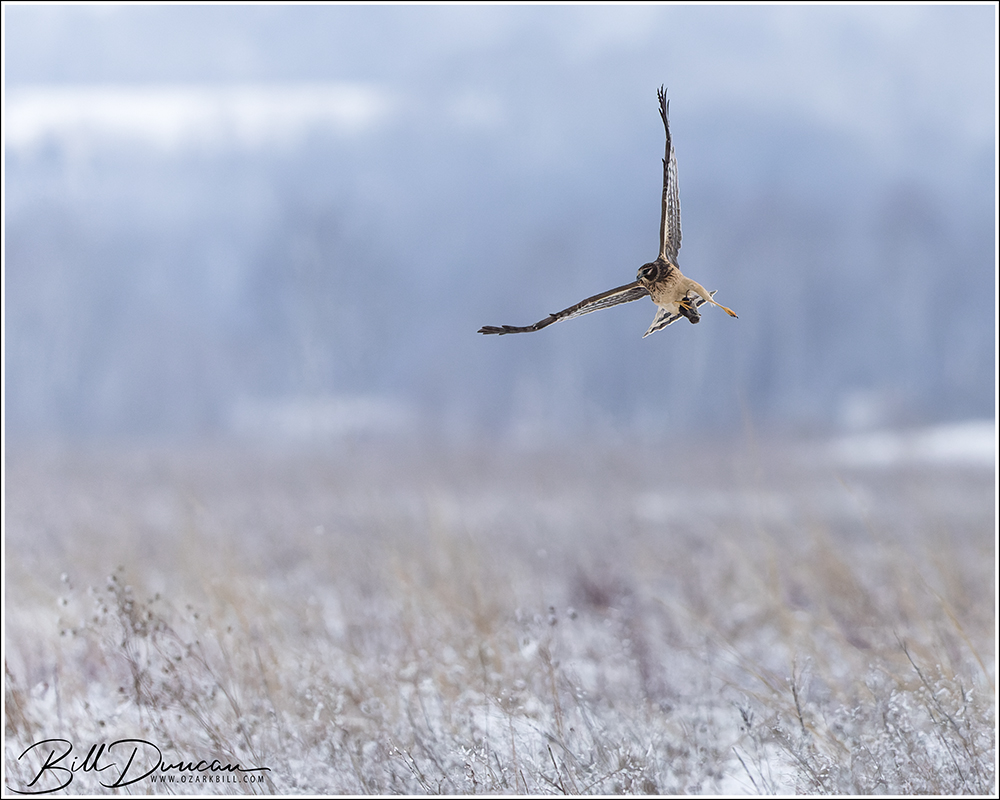
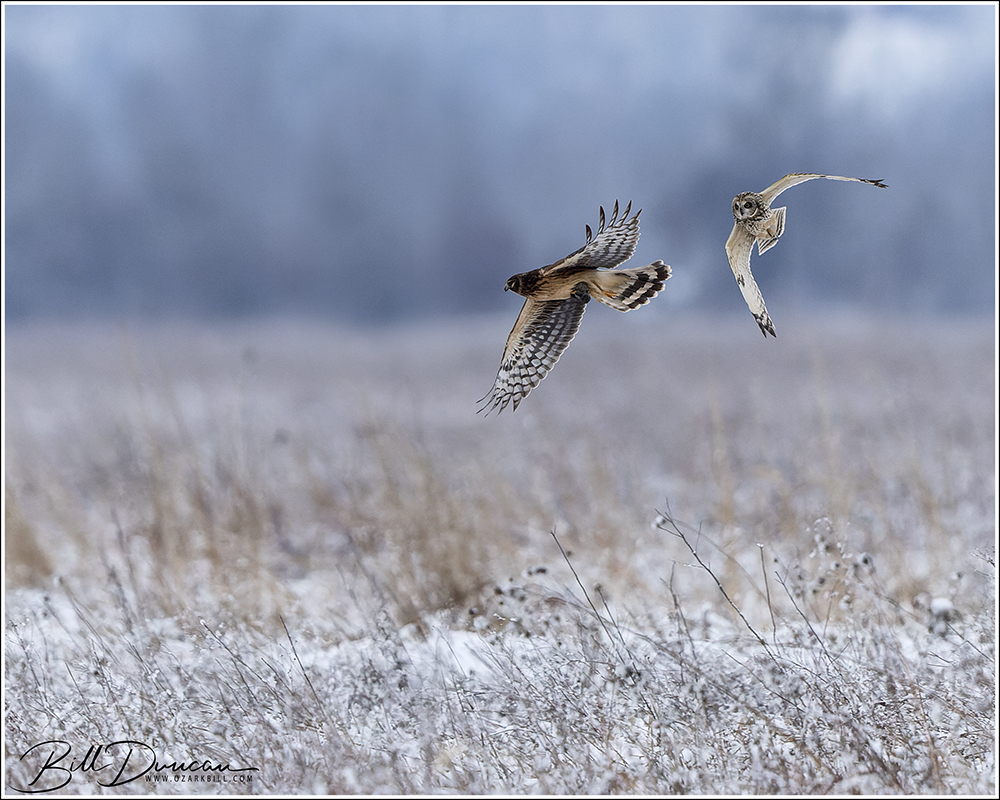
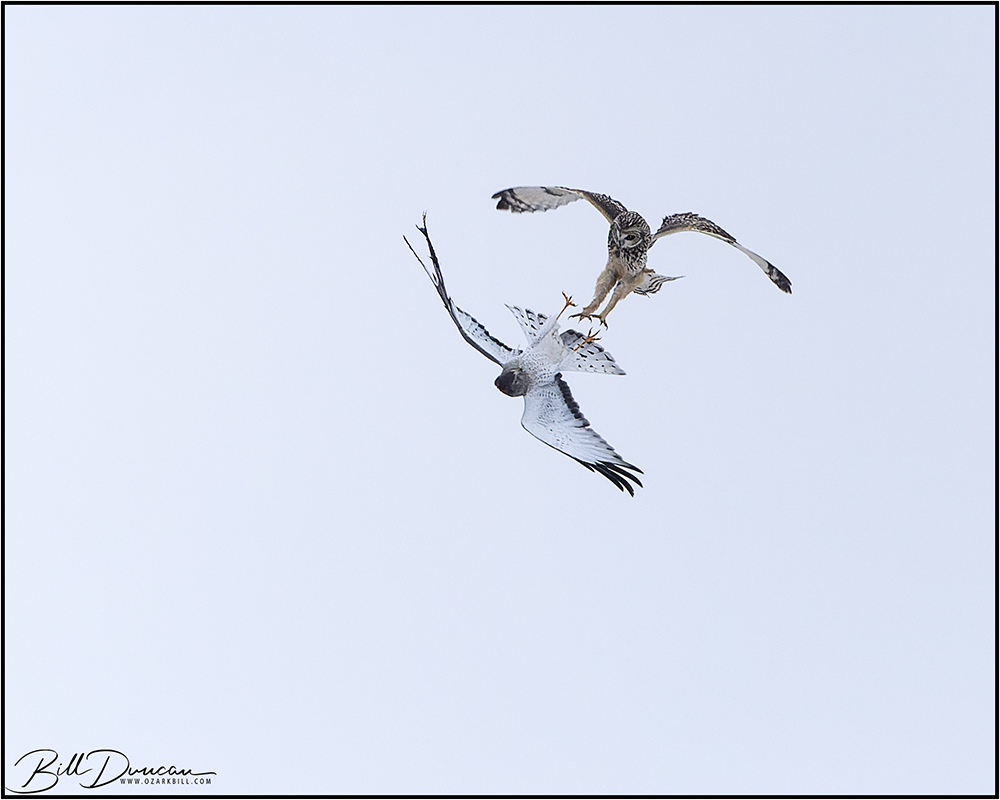
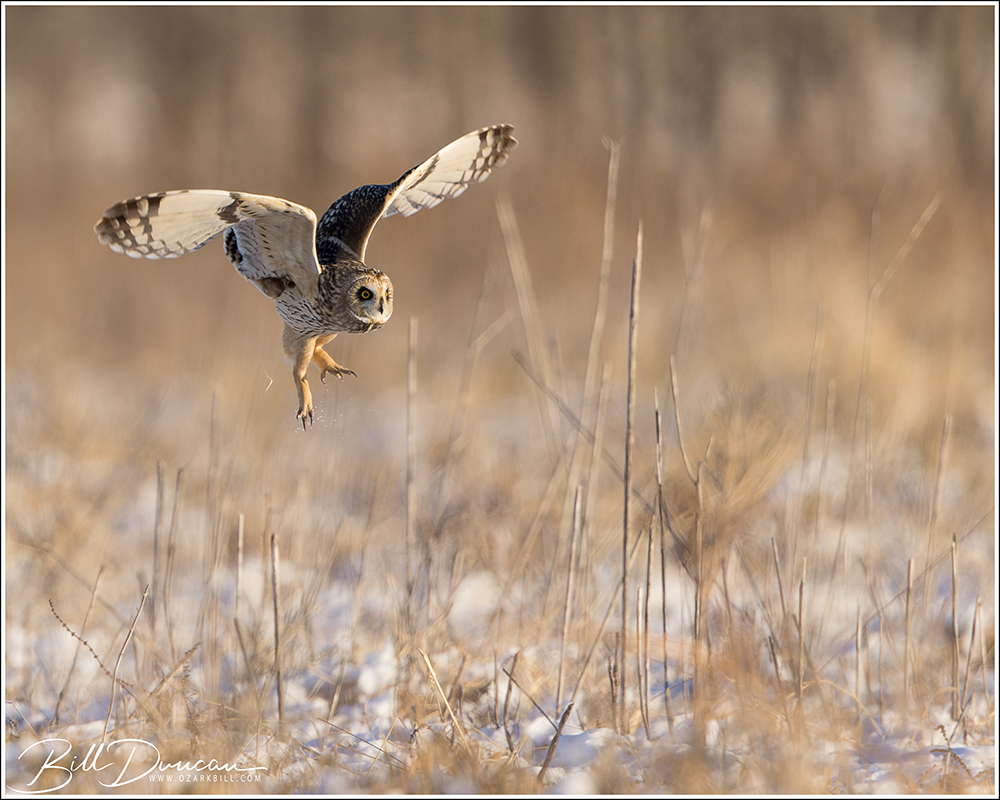
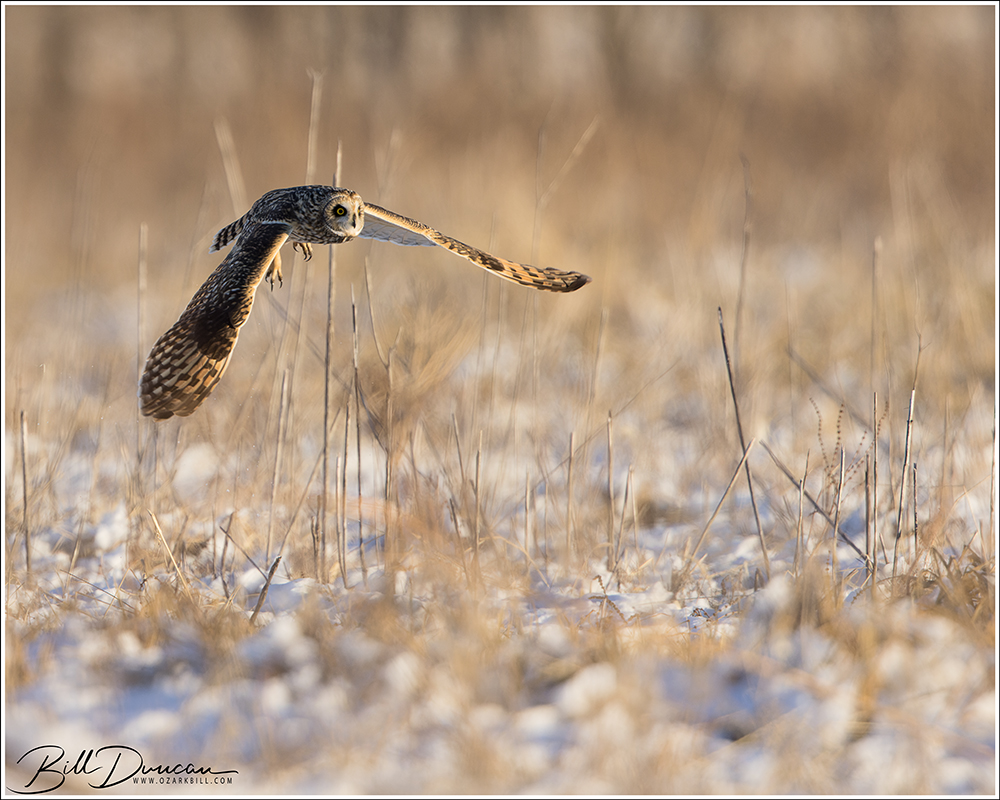
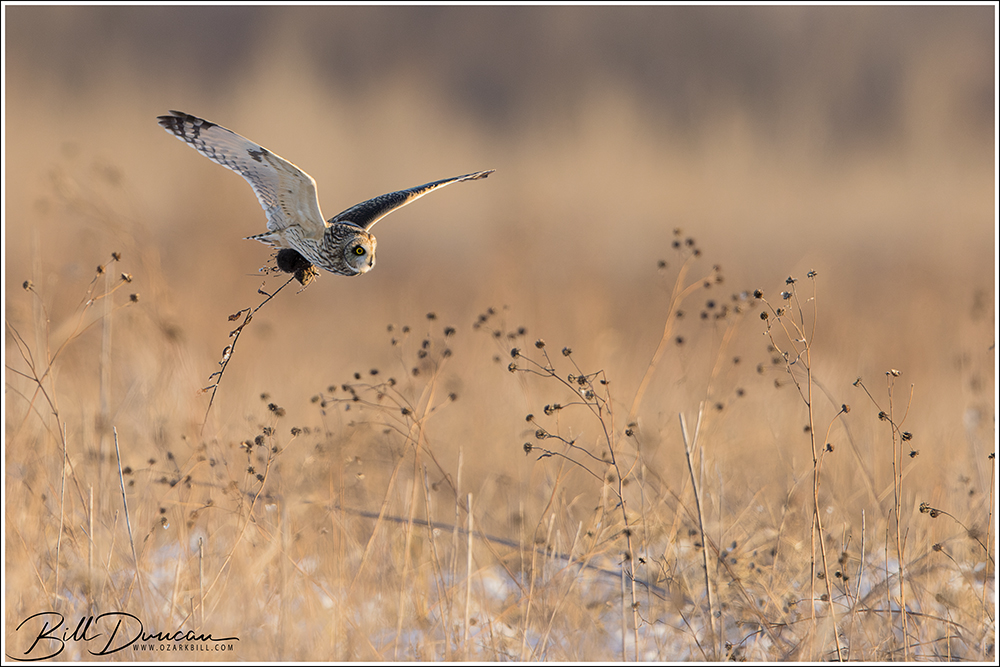
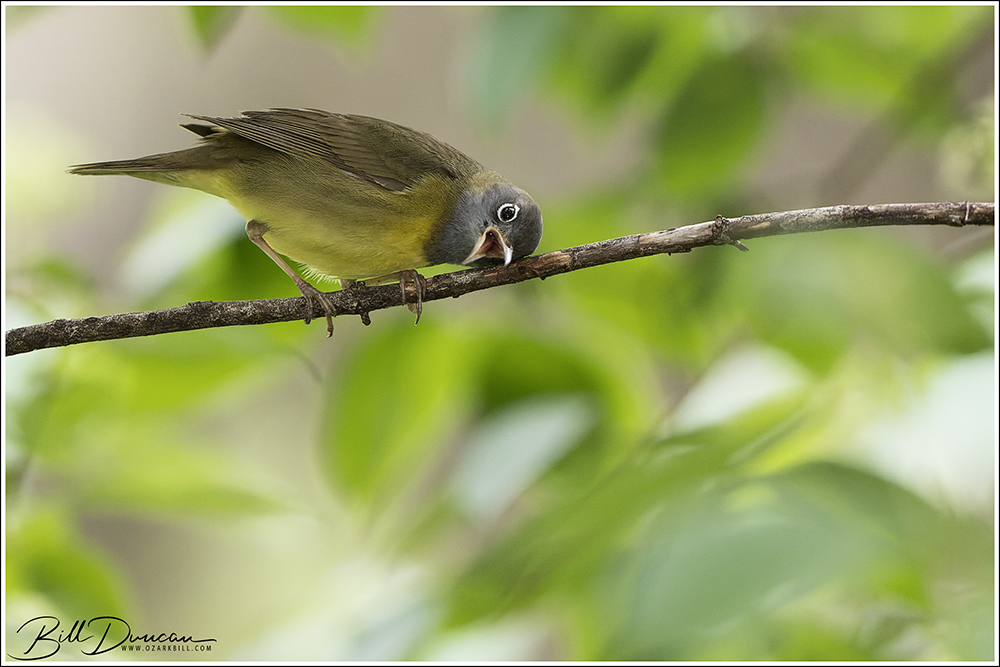
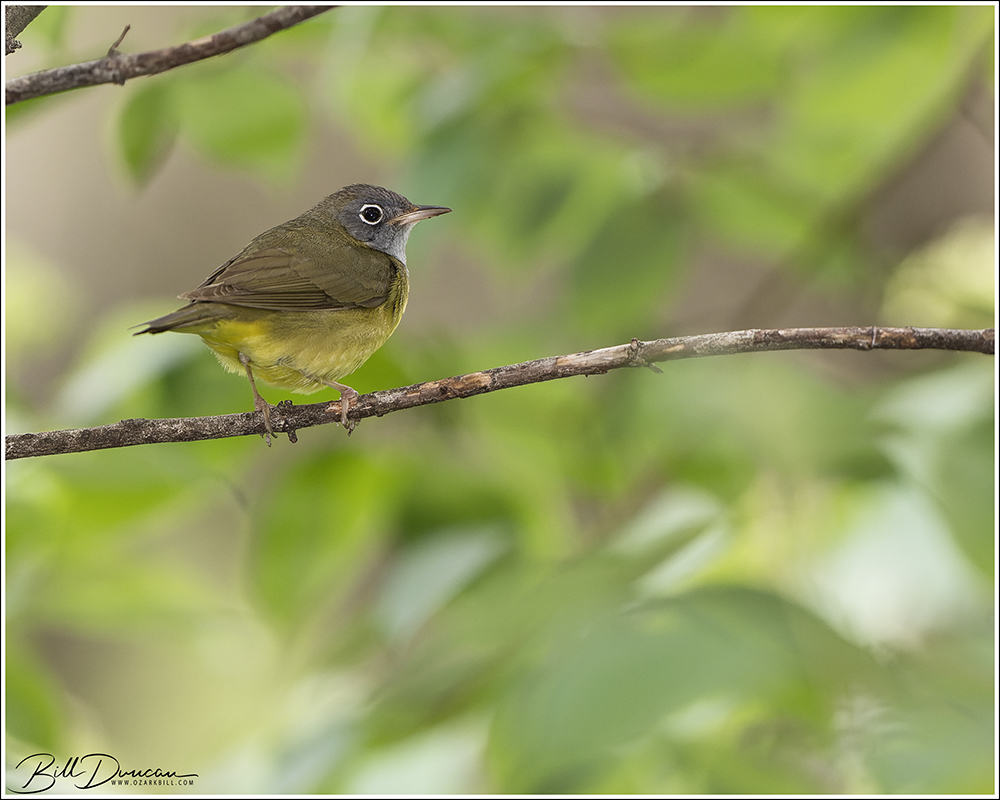
A few from a couple snow days this past January. Some of the first outings with the Canon R5. On one day, light levels were quite low and birds were at a great distance. Tried shooting with and without teleconverter to get more light. Difficult circumstances.
Ozark Bill
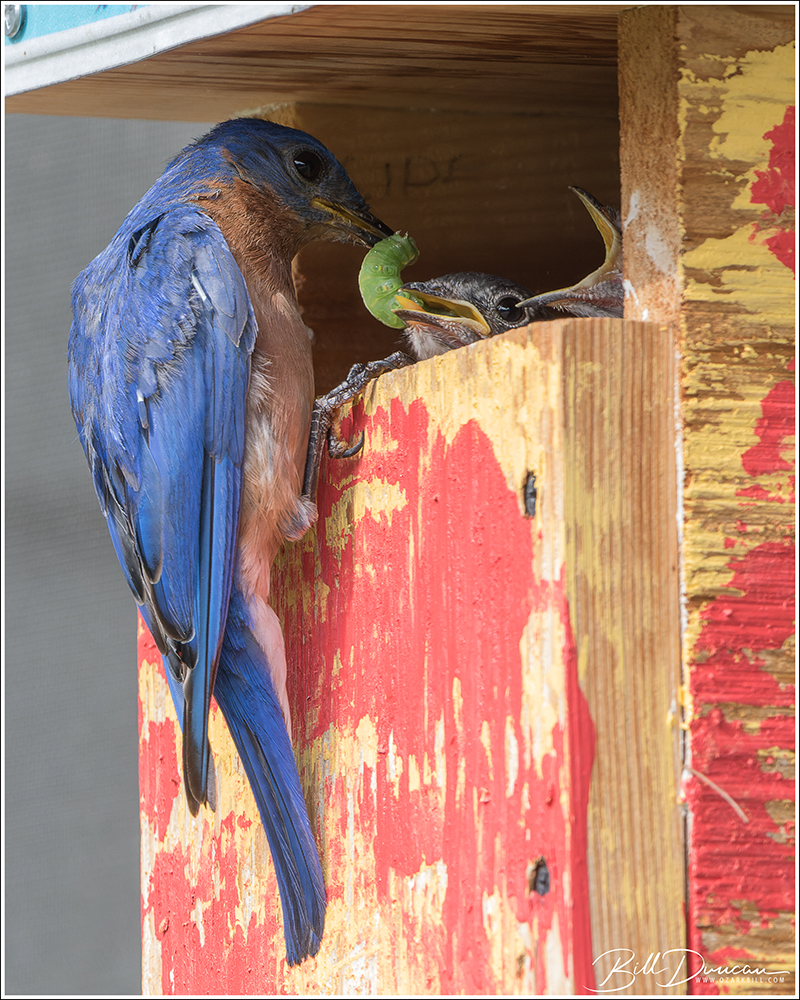
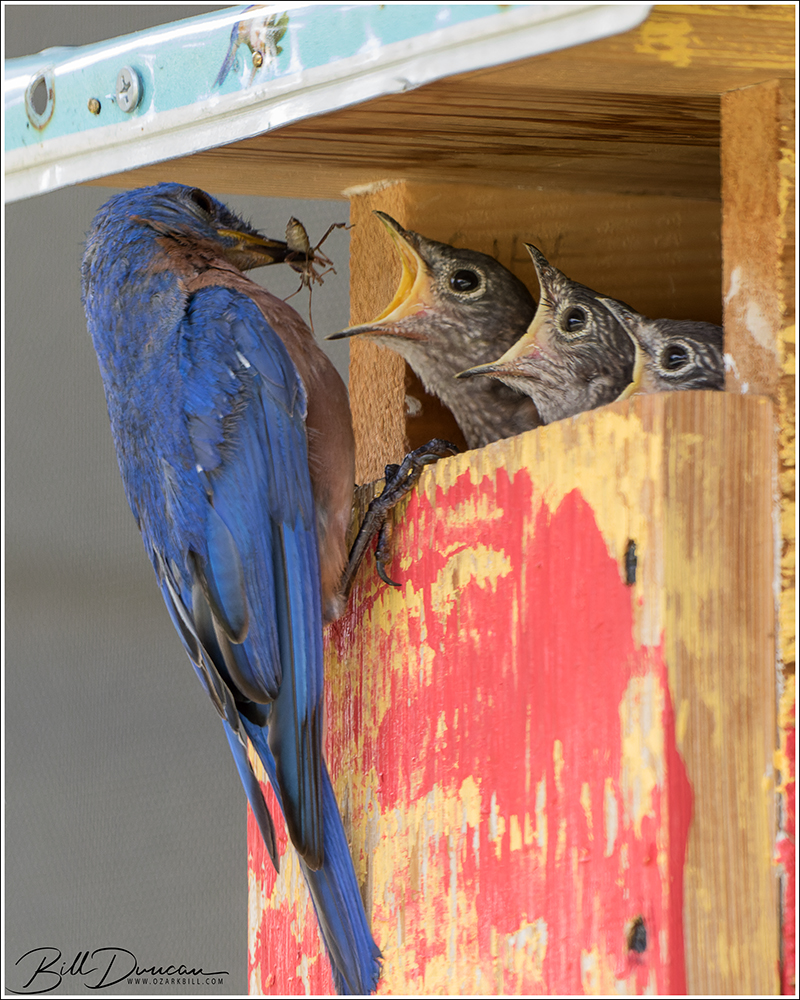
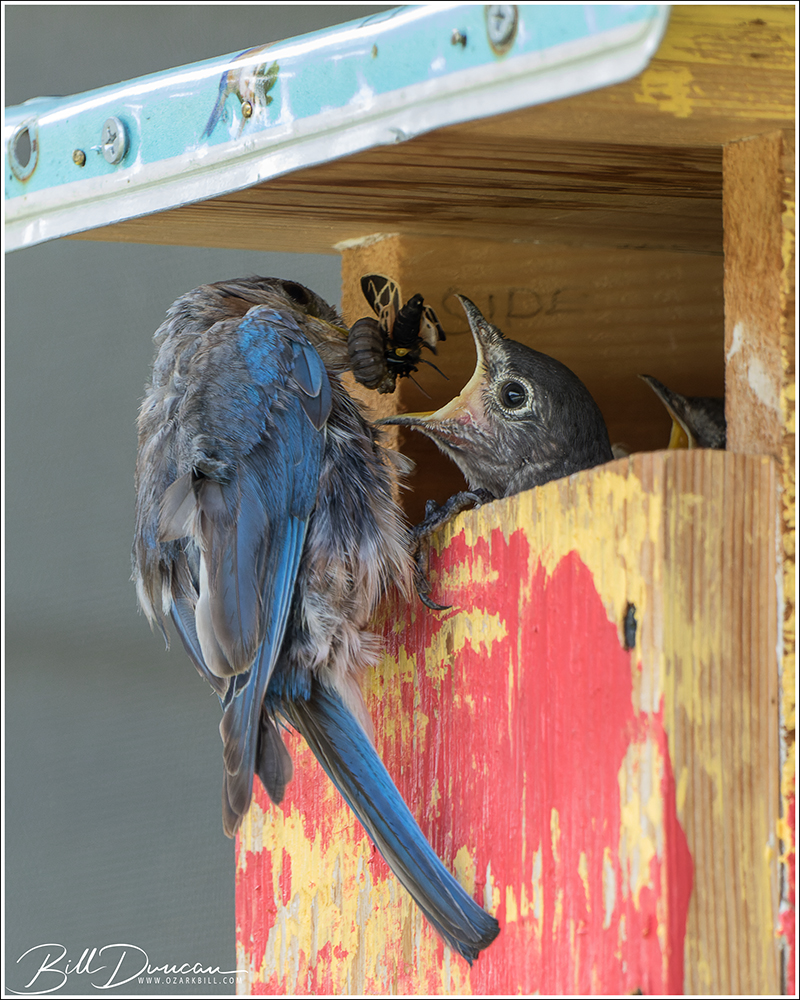
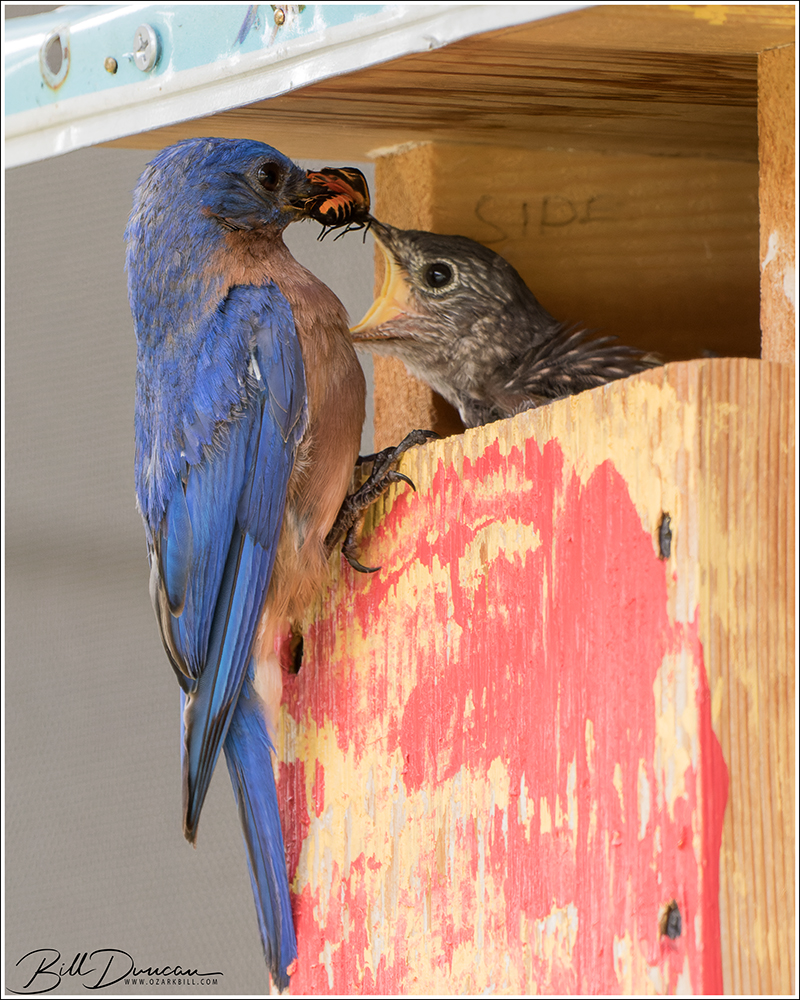
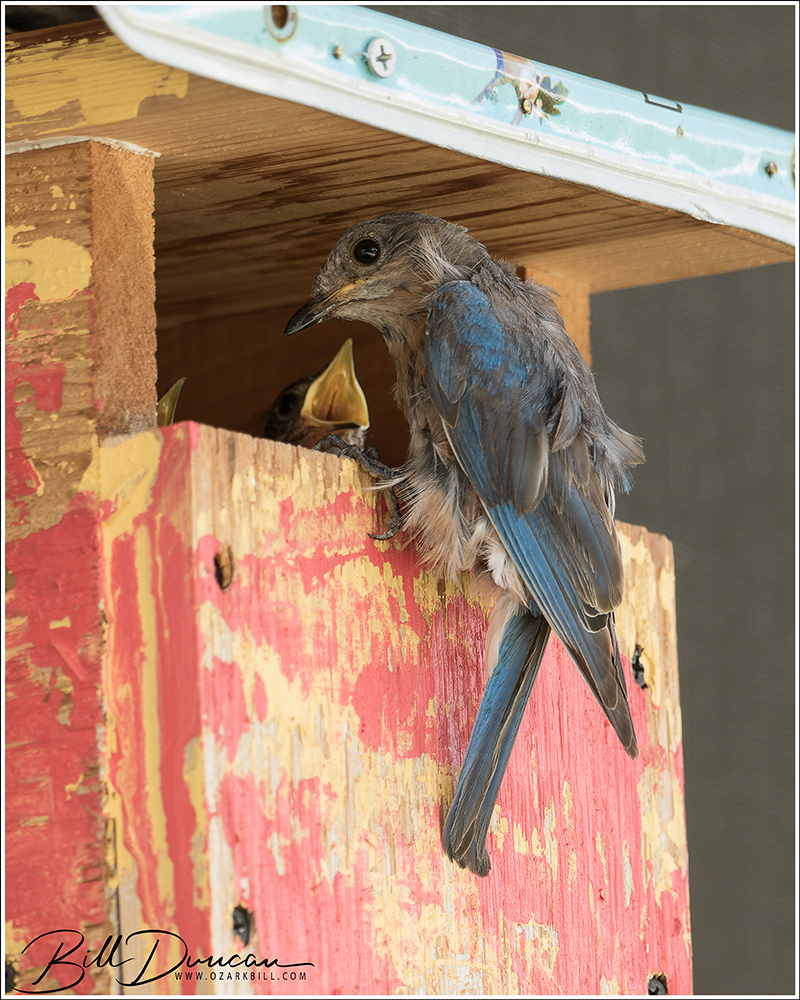
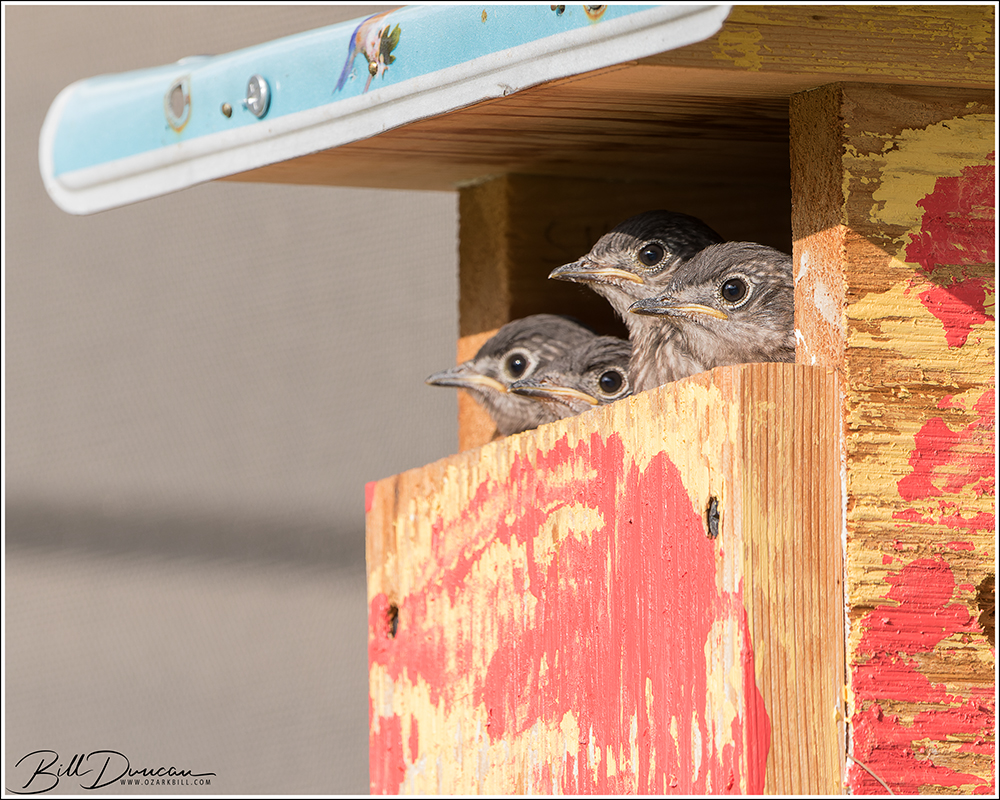
In the spring of 2021, I finally put up a couple of nest boxes in the yard of the new house. Both boxes were built and gifted by my father, Bart Duncan. Much appreciation! One box was designed specifically for bluebirds and a pair quickly staked their claim. They had an initial successful clutch, fledging three chicks, but on the next attempt, tragedy struck. During my monitoring visit, where there had been four half-developed chicks the day before I found not a single one. I believe the neighborhood racoons made a meal of them sometime during the night, leaving no evidence. It was early enough in the year that I wasn’t surprised that the pair tried again, but what surprised me was that they did not build a nest in the bluebird box, but used a box that was designed for Carolina Wrens that was bolted to the side of our screen porch. It made for some great photo opportunities that I am sharing here. I learned from my mistakes and have installed a baffle around the pole to the bluebird box along with a wire cage over the nest entrance. If a brood predator wants to get at them now they will really have to try hard. I am happy to say that to date, in the 2022 season, the pair successfully fledged two clutches – one of six and one of five chicks. Eleven new bluebirds this year, flooding the subdivision with bluebirds!
Ozark Bill
Anyone who has hung around biologists and naturalists long enough has surely heard the complaints of how taxonomists are going too far in their evil over-splitting ways. Their notion being that phylogenies painstakingly developed via decades of phenotypic comparisons should not be overturned by a few afternoons of running gels in a lab. I’m sure most of us can point to a convincing example of over-splitting amongst our favorite groups of organisms, but I hope that the subject that I am featuring tonight will give you pause before reaching for that familiar defense and realize there are circumstances where a group benefits from a fine dissection when the appropriate tools are available.
A great example of a group that has benefited from a well-executed genetic taxonomic treatment is the Spiranthes cernua species complex of the “ladies tresses” orchids. This species complex has long been known for cryptic species with curious cases of plants being plants – exhibiting hybridism, polyploidy (having more than two sets of chromosomes) and apomixis (reproduction without fertilization). The species, Spiranthes cernua, which is found in Missouri, has been problematic and considered as a polyphyletic taxa (derived from two or more distinct ancestral taxa). In attempting to shed light on the phylogenetics of this species complex, Mathew Pace and Kenneth Cameron have published a fantastic treatment in which they attempt at “Untangling the Gordian Knot”. Most of what I write here is paraphrased from their paper cited at the end of this post.

A common method of speciation in plants is interspecific hybridization. Pace and Cameron identified three instances of ancient hybrid speciation involving S. cernua. One of these circumstances that has now been given specific status is Spiranthes niklasii. This species is near-endemic to the Ouachita Mountains of Arkansas and is likely a result of a proposed ancient hybridization event between Spiranthes cernua and Spiranthes ovalis.
Pace and Cameron describe S. niklasii as being quite similar in appearance to S. cernua, but can be distinguished by “a central ridge of small papillae on the adaxial surface of the labellum, more strongly campanulate flowers, and usual preference for a more xeric habitat.” When I read this and found out we had an opportunity to see this species, I knew I wanted to try and capture those papillae in a photograph. We found this species in bloom in Saline and Pulaski Counties in Arkansas on 10, October, 2021. While my photos cannot do justice to the excellent figures found in the above mentioned work, I was still thrilled to be able to capture these minute structures while on a camping trip in the Ouachitas.

By the way, one of the other cases of hybrid speciation involving S. cernua that was identified by Pace and Cameron has further implications on my work. Spiranthes incurva is a newly described species that is hypothesized to be the result of an ancient hybridization between Spiranthes cernua and Spiranthes magnicamporum. In Missouri, the result of this split is that S. incurva now lies roughly above the Missouri River while S. cernua is found south of the river. This means that I now have added another species to my orchids of Missouri. A new orchid for me to photograph!
I would like to thank Casey Galvin and Eric Hunt for helping me find these plants.
Literature Cited
Pace, Mathew C., and Cameron, Kenneth M. 2017. The systematics of Spiranthes cernua species complex (Orchidaceae): Untangling the Gordian Knot. Systematic Botany. 42(4): pp. 1-30
Until next time,
-Ozark Bill
One day I would love to know how many of our moths received their common names. So many of them are interesting and perfect, like this, the sweetheart underwing (Catocala amatrix). In this case, the Latin binomial agrees. Catocala referring to the namesake, hidden underwing and amatrix meaning lover.
This moth was found in Franklin County, MO.
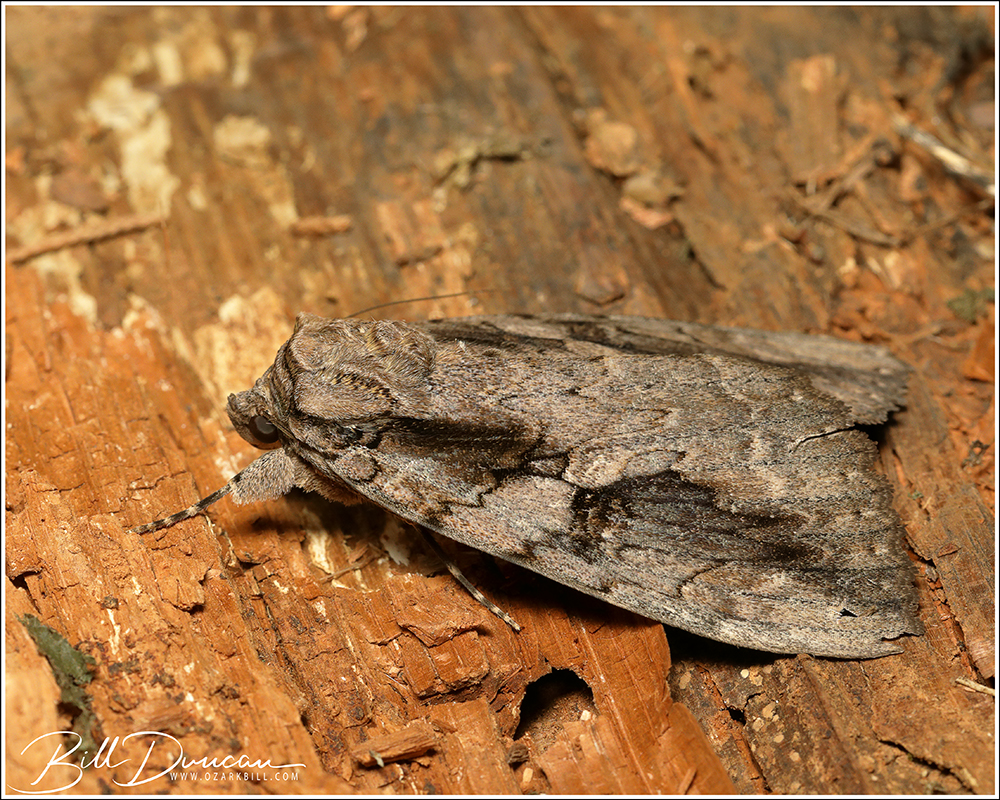
I’m never really fortunate enough to get a good image with their hindwings exposed, but here is a glimpse of the beauty they keep hidden, apparently useful for startling would-be predators upon their taking flight.

-Ozark Bill

It’s been a while since I shared some, so here you go…