"What a thousand acres of Silphiums looked like when they tickled the bellies of the buffalo is a question never again to be answered, and perhaps not even asked." -Aldo Leopold
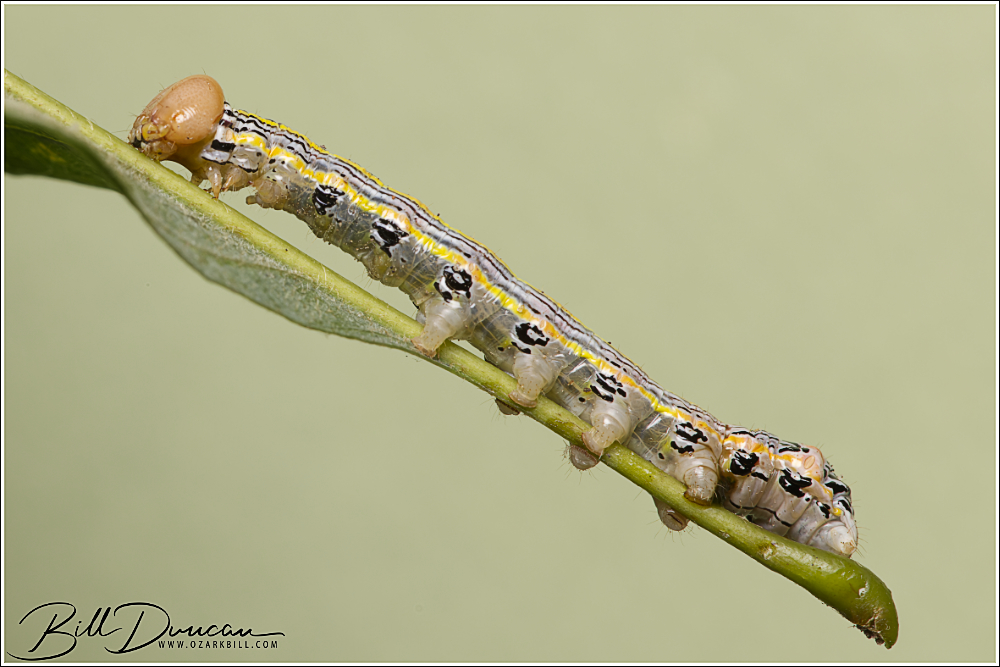
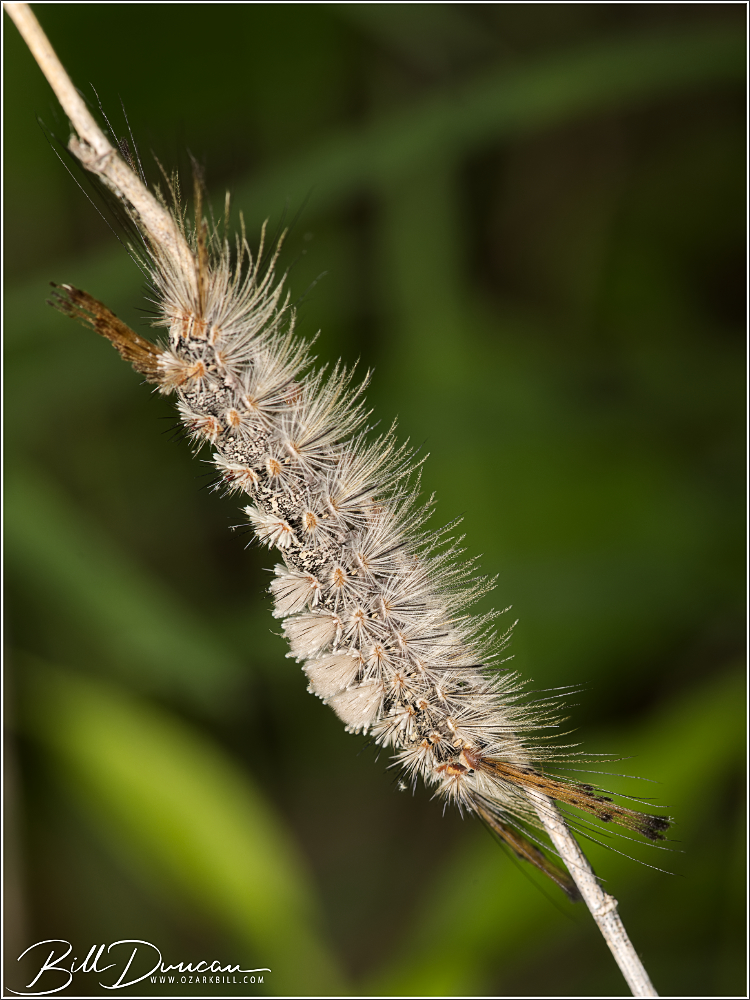
Today’s caterpillar is one of two species of Notodontid in the genus Symmerista. This is one of those frustrating cases of two species being so similar that confirming an identification is near impossible. Most of the literature suggests that the caterpillars of S. canicosta (red-humped oakworm) and S. albifrons (white-headed prominent) are indistinguishable as larvae and are so similar as adults that the only way to distinguish the two is by dissecting the genitalia. Both species are found in Missouri and both feed on the same host plants – beech, chestnut and oaks (any members of the Fagaceae). These are common and attractive cats that are gregarious in early instars but go solo when they get to this stage.
Found at Young Conservation area on 30, June, 2024.
For the past month or so I’ve been hitting the trails hard, trying my best to find caterpillars in the early to mid season. As expected, this has been tougher than the late season for me. My success rate in finding interesting and new species has been lower than I would like, but good thing the one strength I feel I truly possess in this life is pertinacity.
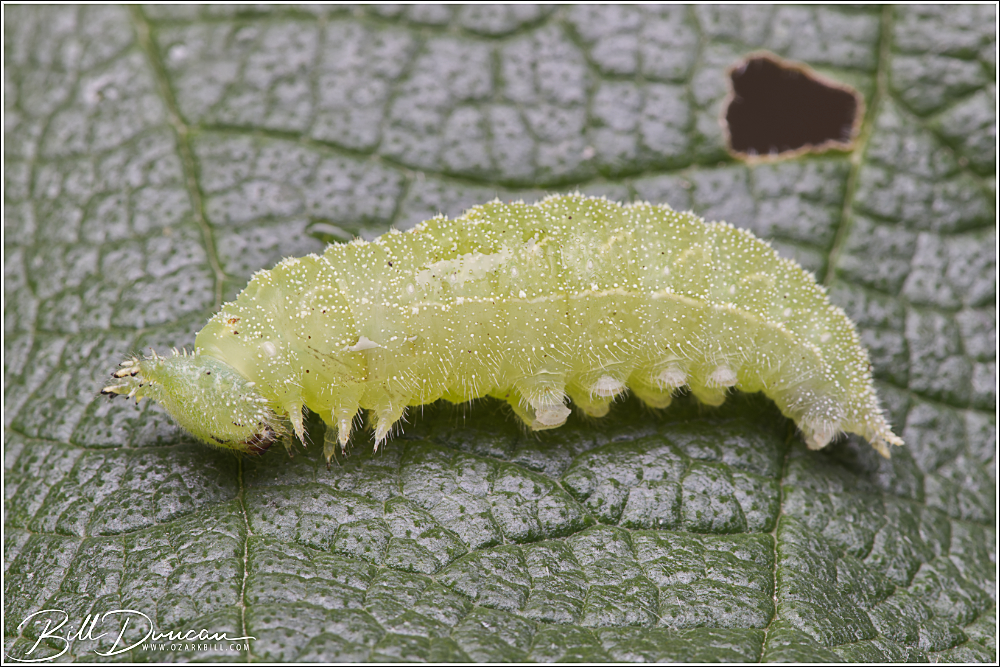
Usually by the late season cat hunts, hackberry trees (Celtis sp.) have all but dropped their leaves or look as though they should. Once I started beating branches of hackberries this summer, I found that the two species of Asterocampa (Nymphalidae) found in Missouri were quite easily found. Not only are the hackberry butterfly adults beautiful, but I find the caterpillars to be extremely cute as I hope you can agree with the photos below of the hackberry emperor (Asterocampa celtis).
Here’s an old one from the Facebook archives that somehow never managed to be put on the blog. This is the caterpillar of the curved-line owlet moth (Phyprosopus callitrichoides Hodges #8525), a fantastic member of the Noctuidae and one of several “grail species” that caterpillar hunters are on the lookout for from mid-summer to early fall. This one was found on August 20, 2016 at St. Francois State Park. I have not found another of these since, but I am hopeful that I might find one this year. Wherever I visit, I am looking closely at catbriers (Smilax sp.), which are there sole hosts.
A fantastical organism that is worthy of a place in a Tim Burton film – the curved-line owlet (Phyprosopus callitrichoides Hodges #8525).
I know it has something wise to say, if only I could understand…
The Zebra Swallowtail Butterfly (Eurytides marcellus) is a captivating and distinctive species known for its striking appearance and fascinating life cycle. Native to North America, this butterfly is easily recognized by its elongated wings adorned with black and white stripes, resembling the pattern of a zebra. Its elegance is not just limited to its appearance but extends to its behaviors, ecological interactions, and adaptations.
A copulating pair of Zebra Swallowtail (Eurytides marcellus) found at Washington State Park in Washington County, Missouri.
The life cycle of the Zebra Swallowtail Butterfly comprises four stages: egg, larva (caterpillar), pupa (chrysalis), and adult. The cycle begins when a female lays eggs singly on the leaves of the pawpaw tree (Asimina spp.), the primary host plant for this species. The eggs hatch into caterpillars, which are initially green and mimic the appearance of the pawpaw leaves. As they grow, the caterpillars undergo several molts, during which their coloration may change to include yellow and black bands.
Late instar caterpillar of the Zebra Swallowtail (Eurytides marcellus) found at Myron and Sonya Glassberg Family Conservation Area in Jefferson County, Missouri.
Pawpaws contain toxic secondary chemicals called acetogenins that the developing swallowtail caterpillars sequester and which persist in the tissues and wings of adults, providing effective protection against most predators.
Brown form of the Zebra Swallowtail (Eurytides marcellus) chrysalis found at Meramec State Park in Franklin County, Missouri.
The fellas and I spent a few hours this spring hunting for a few butterflies in Phelps and Franklin Counties. We finally had some success locating the rare golden-banded skipper after numerous attempts over the past two or three seasons. We were hunting in the right place, but not in the exact right spot. Thanks to our friends who shared the location of their original find.
The Golden-banded Skipper (Telegonus cellus)
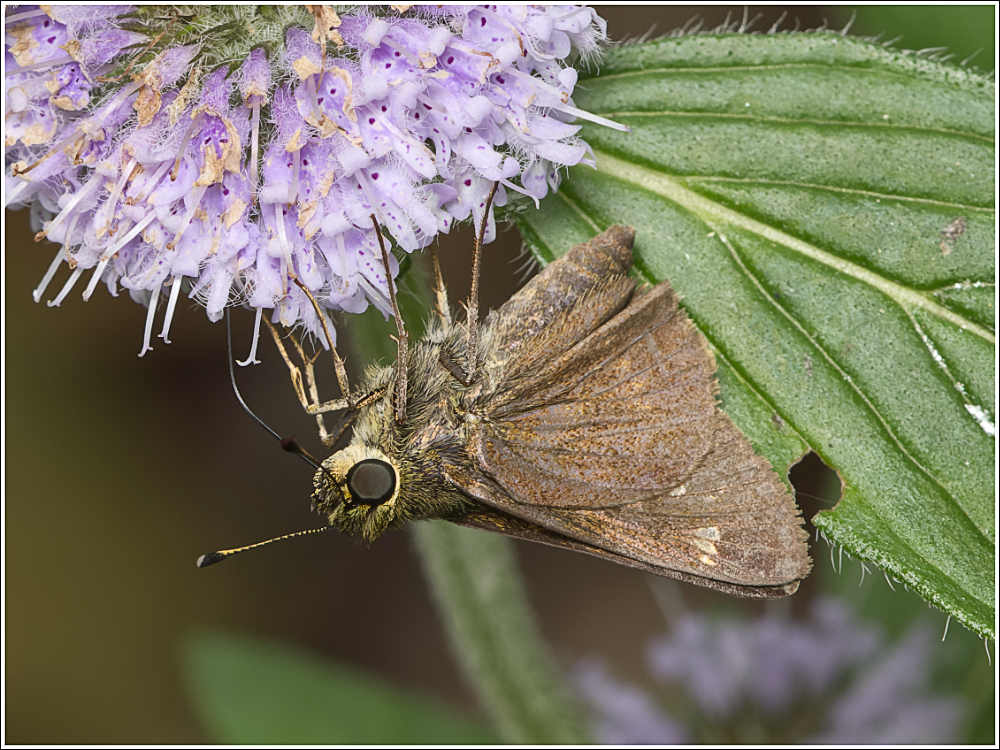
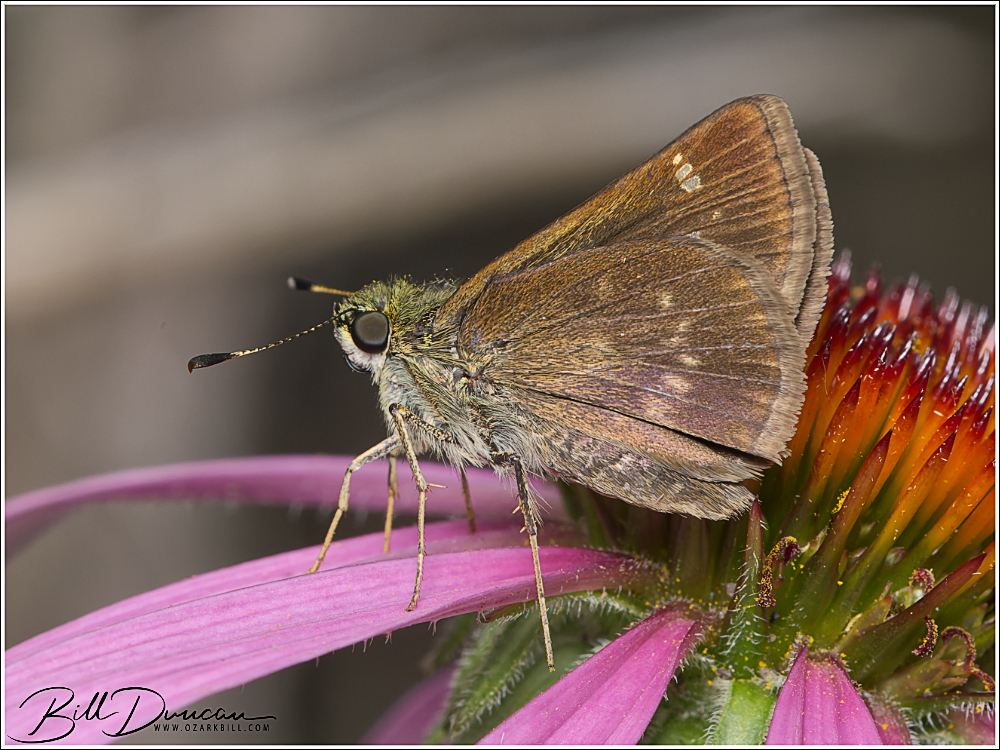
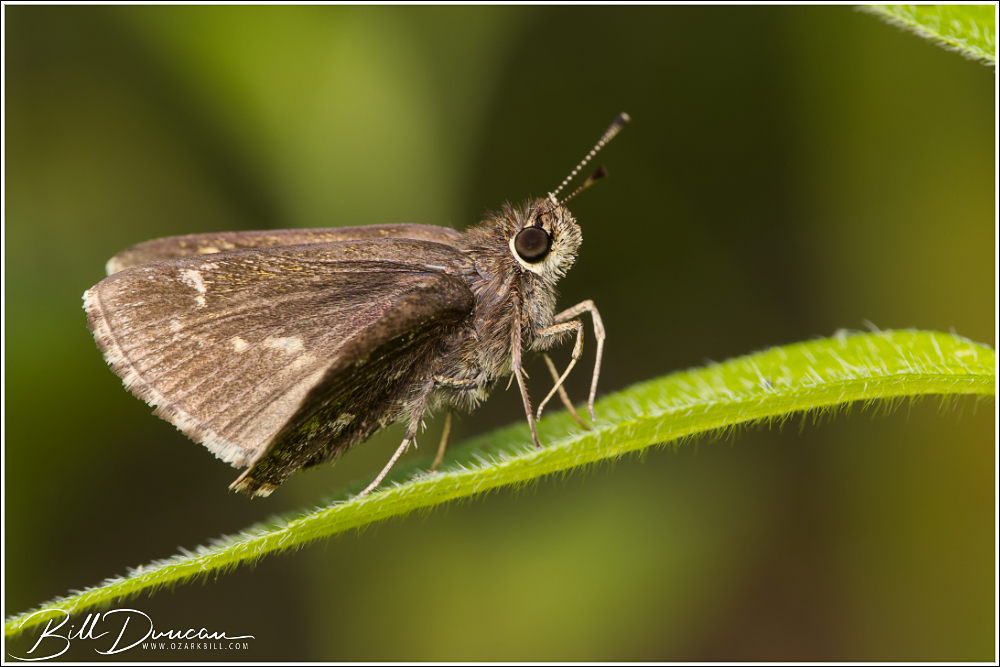
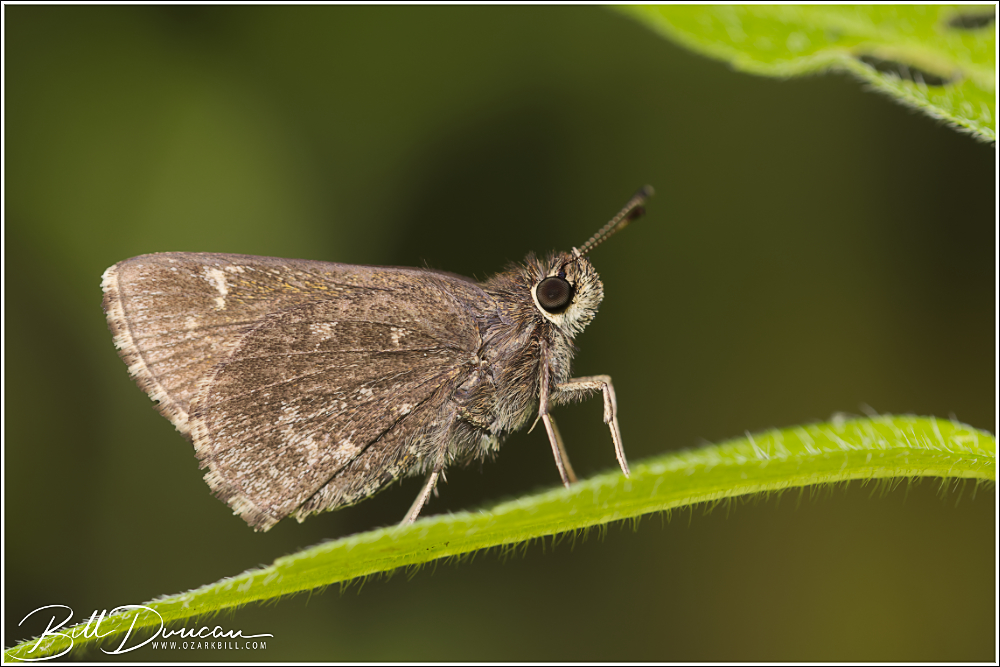
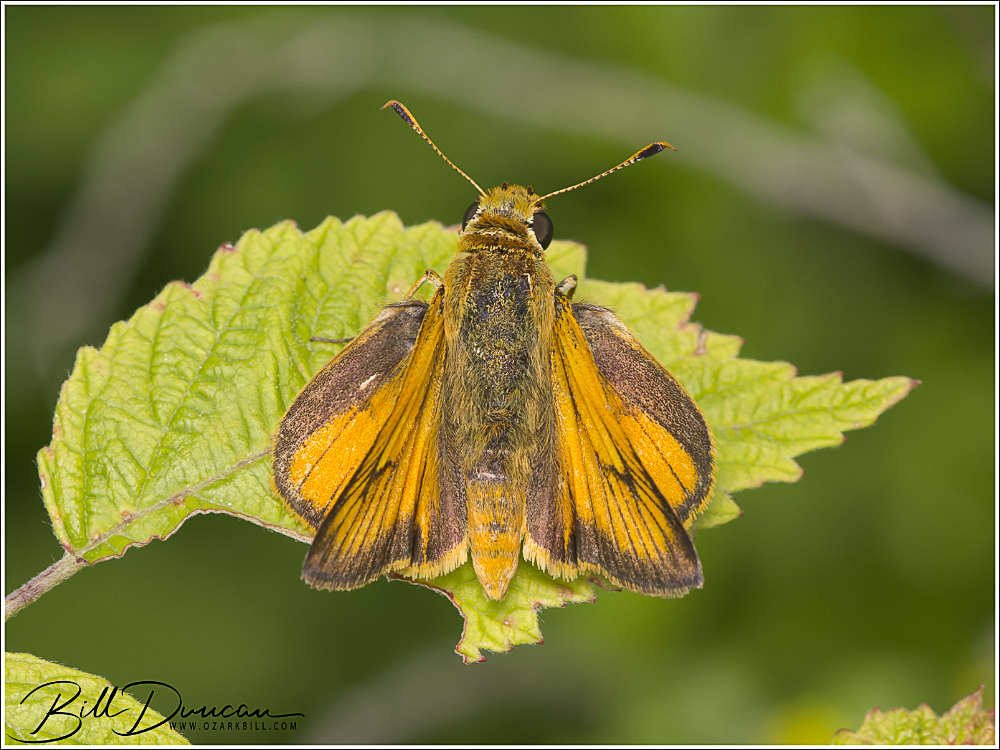
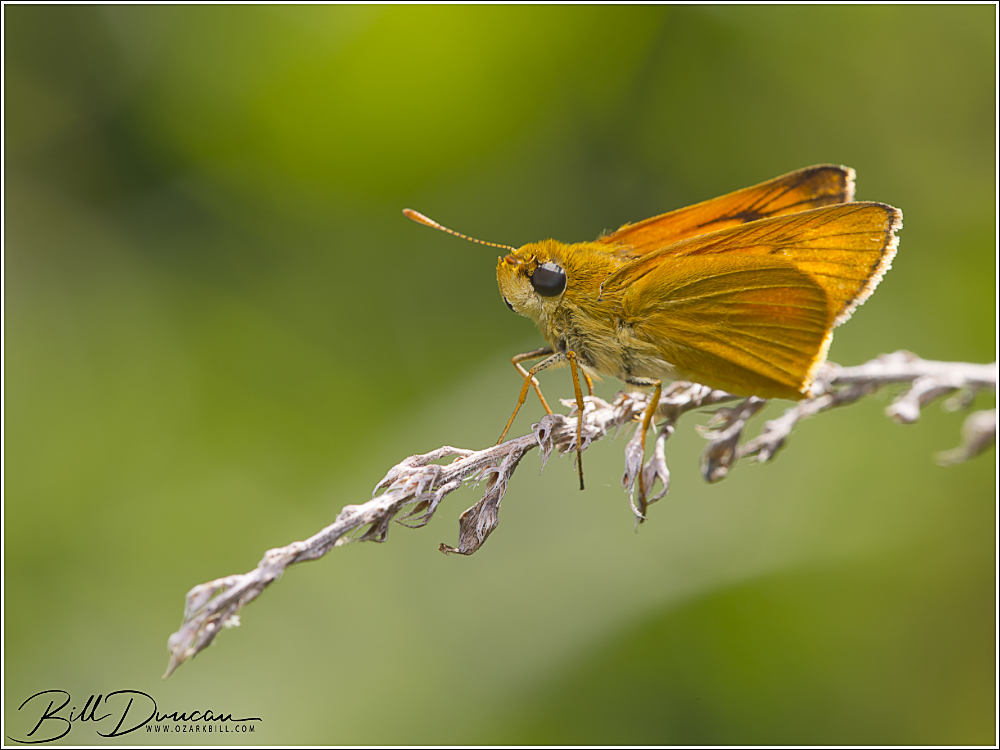
In order to find and identify the rare skipper butterflies (Hesperiidae), one must first find and take lots of photos of the more common species. There are so many skippers that look very similar to each other and even with taking photos, I found it to be a painful chore to come to the correct identification on many of these. Many thanks to CA Ivy from Butterflies and Moths of North America for helping me get the proper IDs on the following.
Little Glassy Wing (Pompeius verna)
Northern Cloudywing (Thorybes pylades)
Bell’s Roadside-Skipper (Amblyscirtes belli)
Delaware Skipper (Anatrytone logan)
Least Skipper (Ancyloxypha numitor)
Zabulon Skipper (Poanes zabulon)
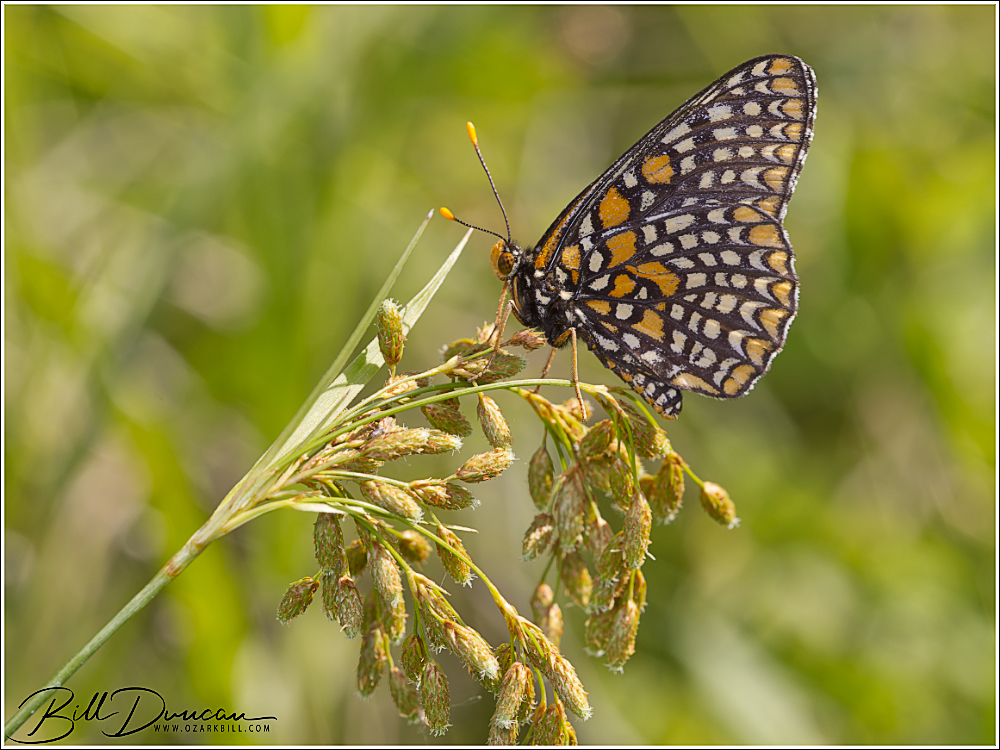
We found other leps besides skippers, including quite a few of the Ozark Baltimore Checkerspot (Euphydryas phaeton ozarkae).
It was so nice to see something with these colors and patterns that wasn’t a dang Pearl Crescent. This one is the Silvery Checkerspot (Chlosyne nycteis).
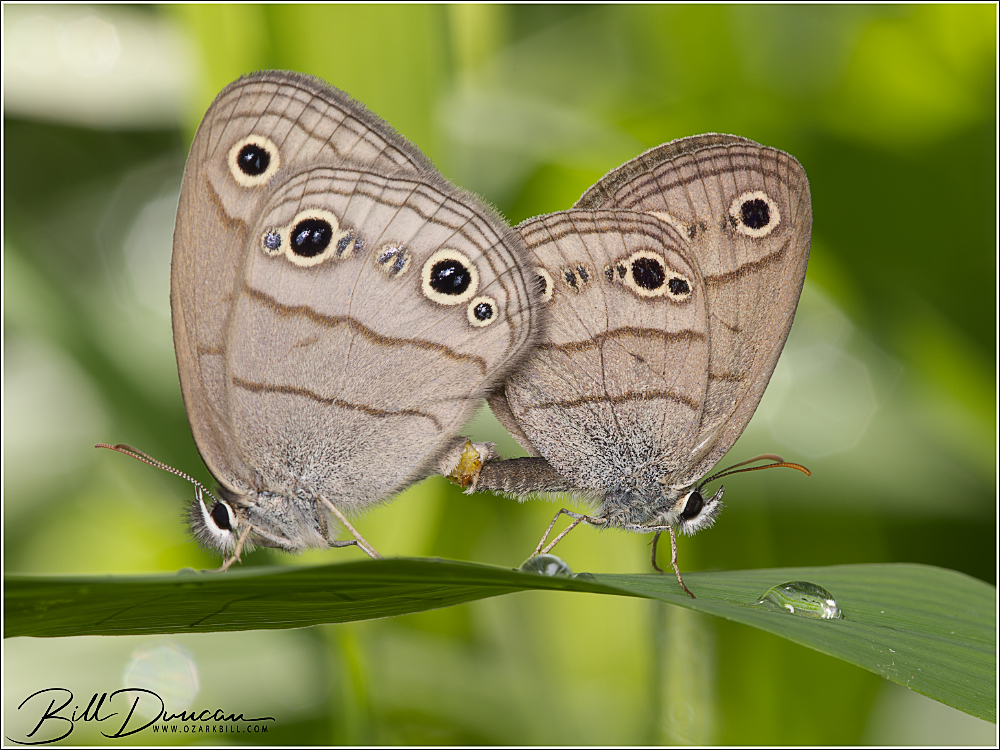
I’ve struggled for years to get a photo of the Little Wood-Satyr (Megisto cymela). I finally found the trick to get them to stay put for a few seconds… 😉
Casey and I stumbled across this first for me – a gorgeous Tephra Tussock Moth (Dasychira tephra) caterpillar.
Not another lep, but we had a few of this fantastic species – the Saw-combed Fishfly (Nigronia serricornis) associated with a fen and creek we were searching in.
It has been suggested that we might be seeing a very good moth and butterfly season this year due to birds and other predators filing up and raising their young on the Brood XIX periodical cicadas. From my anecdotal experiences, this seems to be true. Hopefully I can find more caterpillars over the summer if this continues to be the case.
Early this month the WGNSS Nature Photography Group traveled to the southwest part of the state. Our primary destination, the Roston Native Butterfly House, is a real treasure that I never get tired of visiting.
Officially considered as an accidental species in Missouri, the Dianna fritillary (Speyeria diana) has a strong population in the mountains of northwest Arkansas.
The Roston Native Butterfly House was established to create a haven for local butterfly species and to educate the public about their ecological significance. Its history is rooted in conservation efforts and the desire to preserve native butterfly populations threatened by habitat loss and environmental changes.
Another fritillary, the great spangled (Speyeria cybele)
This native butterfly house, located within the Springfield Botanical Garden, was created and named in honor of Dr. Bill Roston, an MD of the small town of Forsyth, MO who had an avid interest in conservation and pollinators. Today this lovely location is curated by Dr. Chris Barnhart and his wife Deborah.
A couple individuals at slightly different stages of pupation. These are the larvae of the viceroy (Limenitis archippus) which resemble bird droppings.
Pictured above is a caterpillar of the silver-sided skipper (Epargyreus clarus).
The Barnharts and their staff of volunteers do an incredible job of rearing several native butterfly species and maintain a nice population of their required host plants within the house. The Barnharts welcome several thousand visitors each year and do an excellent job in educating the visitors on the life histories and conservation stories of the butterflies they raise. Chris and Deborah always eagerly support our small group visits and often go out of their way to help us get the photographs of the butterflies and caterpillars we are after.
The Roston Native Butterfly House is a great place to see many of the swallowtail species found in our region, like this newly emerged giant swallowtail (Papilio cresphontes).
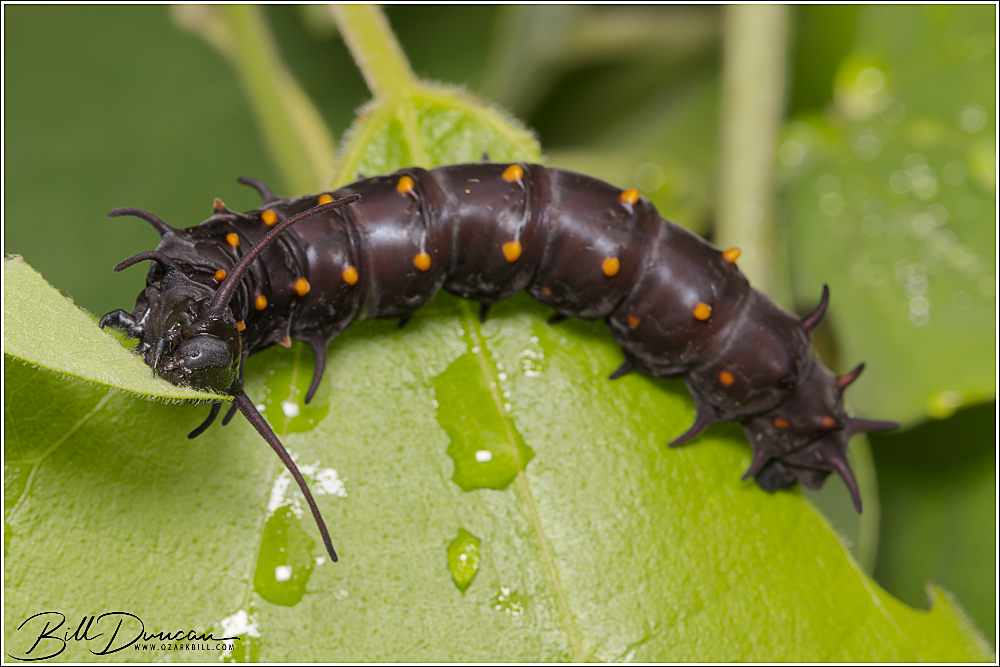
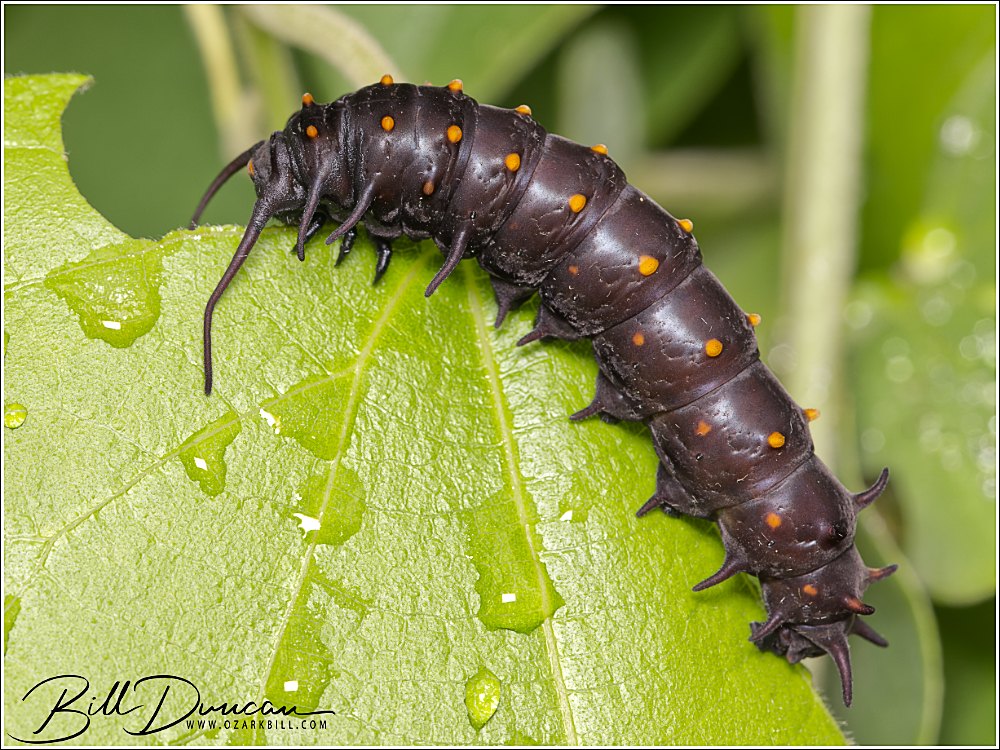
Here are a couple of shots of the incredible larvae of the pipevine swallowtail (Papilio troilus). These cats are typically very conspicuous feeders, relying on their aposematic coloration to warn predators of their poisonous disposition.
Native to Florida, Cuba and the Bahamas, the Atala butterfly is an excellent example of a specialist. The Atala (Eumae atala) feed only on the coontie cycad (Zamia integrifolia). You might notice that this member of the Lycinidae (hairstreaks) family also shows aposematic coloration in both larval and adult forms. This is to warn predators of the neurotoxic secondary plant compound – cycasin, that they ingest from their cycad hosts and carry with them for their entire lives.
Related to the common hairstreak butterflies seen in our own backyards, the Atala butterfly is a tropical representative of this family native to Florida.
The Barnharts go to great lengths to rear the Atala butterflies. They bring back larvae from cycad farms (that really don’t want them) in Florida and must make sure they raise and overwinter enough cycad plants for them to raise the cats to their adult forms.
Nothing against the typical butterfly houses that tend to showcase tropical species from around the world, but I would sure like to see more strictly native butterfly houses like the Roston Native Butterfly House. As I hope my photographs show, not only are the natives spectacular, but showcasing them in this type of setting helps to educate its visitors on the species they might see in their own neighborhoods or while out on the trails.
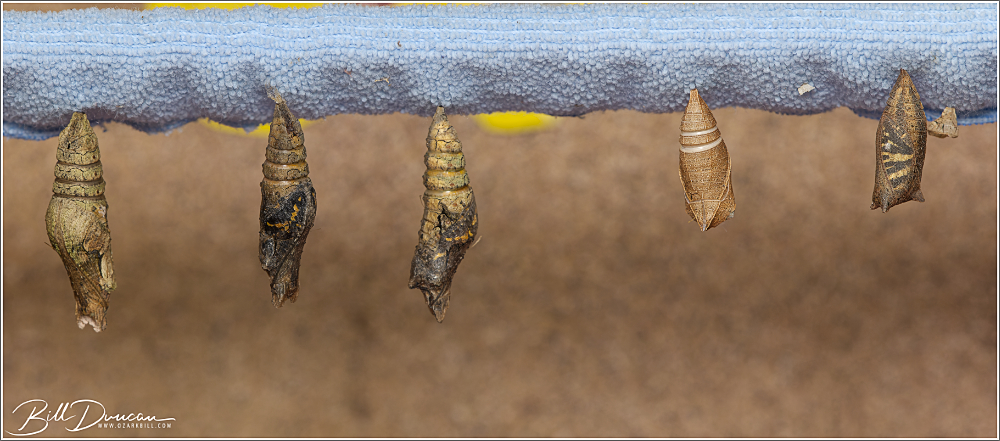
Chrysalises of the various native butterflies can usually be observed when visiting the Roston Native Butterfly House in Springfield, MO.
A great big thank you to Chris and Deborah for always being gracious hosts. We are looking forward to more visits.
Back in early May of this year, a small group from the WGNSS Nature Photography Group headed out to visit some glades in Washington County, Missouri. Being a relatively wet and cool spring, we expected the glades to be lush and full of blooming wildflowers. These specialized blooming plants and their associated pollinators were our planned primary targets for this beautiful Saturday.
Unfortunately for us, the timing of our visit did not seem to be optimal. We found very few plants in bloom and even fewer interesting butterflies and skippers that we were hoping to find. However, I noticed something about this particular glade that Casey had steered us into. Looking around, I noticed that there was very little sign that foot traffic or rock tipping had occurred recently – something that plagues the more popular glades in Missouri.
Normally, I loathe the thought of rock-tipping – the process of lifting rocks in sunny natural areas in order to find reptiles, amphibians and arthropods. As I alluded to above, this activity can be highly over-practiced and is often accompanied by people harassing or collecting the animals found. In large and popular glades, the signs of rock tipping can be abundantly clear. Just look for large flat rocks that have obviously been moved and are no longer in close contact with their underlying soil substrate. In this case, because we were on the lookout for improvised subjects and the fact that this area has not seen much pressure from others, we decided to carefully tip a few to see what we might find.
Little did I know what a treat we were in for. With tipping over just a few stones, we were able to find close to 20 prairie ring-neck snakes (Diadophis punctatus arnyi), including one albino! The prairie ring-neck is a small, slender snake native to prairies and other grasslands in the central United States.
An albino prairie ring-neck snake (Diadophis punctatus arnyi)
These snakes can reach up to 14 inches in length, but seem much smaller due to their slender build. This species primarily feeds on small invertebrates such as earthworms, slugs, and insects, but may also consume small amphibians and other reptiles. The prairie ring-neck snake is considered an opisthoglyphous colubrid, meaning they possess small fangs in the rear of their mouths along with a very mild venom. They are completely harmless to humans as they will very rarely attempt to bite, relying instead on a foul-smelling musk that they emit along with exposing their orange and red warning colors on their undersides in order to dissuade predators. On rare reports of bites to humans, the reaction has been described as a mild discomfort or stinging sensation, akin to a nettle sting or a sting from a sweat bee.
A typically colored prairie ring-neck snake
Rock tipping can also yield a number of interesting invertebrates. Although we did not find any tarantulas or black widows that can be found in this manner, we did find Missouri’s only scorpion and a common centipede.
The striped bark scorpion (Centruroides vittatus)
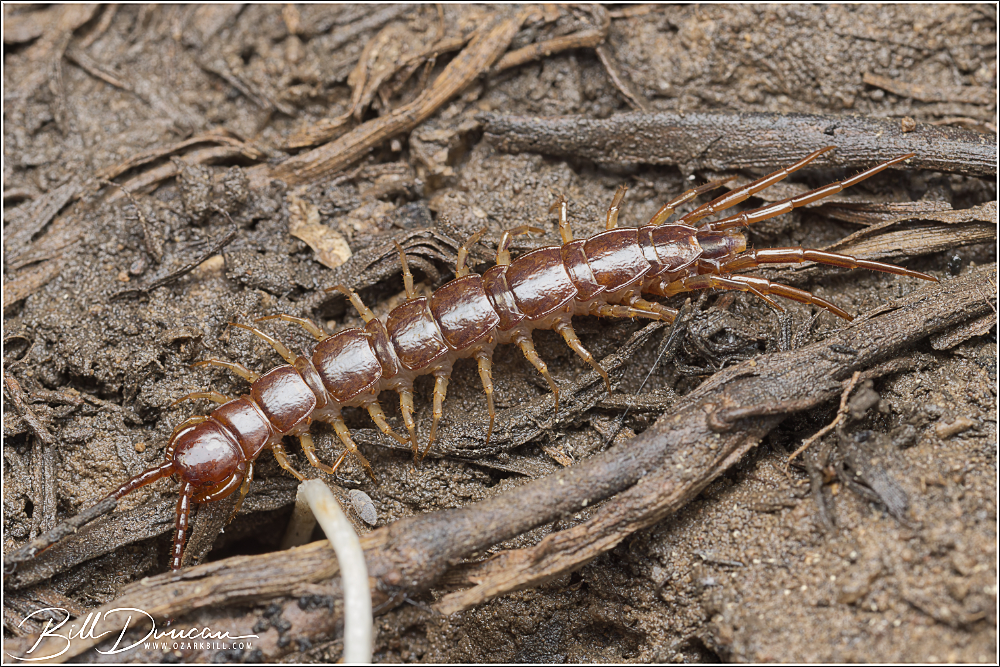
The rock centipede (Lithobius forficatus)
When we were done with our subjects we made sure they all found their way back safely underneath their rock dwellings.
Today I am showcasing an example of biological pest control that I came across in my own neighborhood in late April of this year. The image below shows a bronzed cutworm moth larvae (Nephelodes minians) in the Family Noctuidae that has been parasitized by a Braconid wasp in the genus Cotesia. This is a very species-rich genus of parasitoids, but there is a fair chance of this species being C. marginiventris. Thanks very much to Alex Soohoo-Hui for his assistance in narrowing down the identification of this minute wasp.
A deceased bronzed cutworm (Nephelodes minians) caterpillar in the final stages of hosting its parasitoid Braconid brood.
The bronzed cutworm is a very common moth that feeds on various grasses, including crops like maize and other cereals as well as turf grasses. I consistently find these cats or their chrysalis whenever I dig a new hole in the yard.
When I found and collected these animals, the last couple of wasp larvae were finishing up spinning their cocoons.
After the wasp deposits her eggs on the host, the wasp larvae feed on the caterpillar internally, being careful not to do much damage to vital organs. The host will never survive, but the parasitoids must ensure that it stays alive long enough for the brood to reach maturity. Often, the caterpillar will still be alive when the wasp larvae emerge and begin to spin their cocoons and will defend itself and its parasites from potential predators.
Three cocoons showing the doors that the adult wasps chewed their way out of.
In this case, the caterpillar seemed dead. I collected it and took it home with hopes of rearing out the tiny wasps to photograph and identify. In about four days, I came home to find 15-20 adult wasps had emerged.
The adult wasps are extremely tiny, measuring 2-3 mm. In order to have a chance at getting photographs, I placed their enclosure into the refrigerator for a minute or two. The wasps in the accompanying images might appear dead, but they perked up within a couple of minutes. After getting my photographs, I released the brood into my backyard to continue their pest control services.
A Braconid wasp in the genus Cotesia, potentially C. marginiventris.
A couple more looks at this diminutive but effective parasitoid.
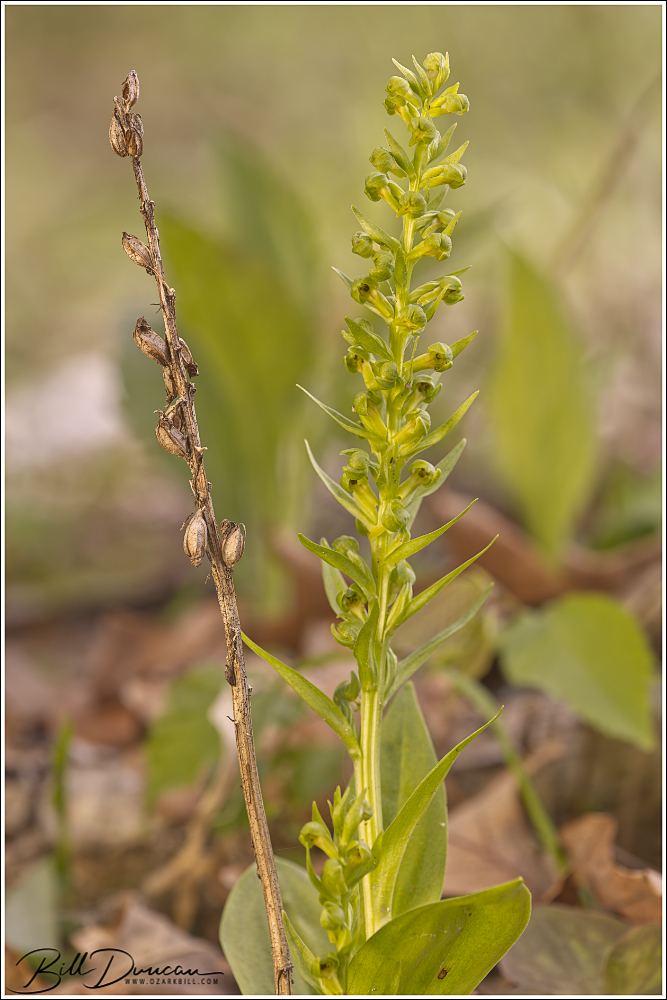
It’s been a couple years since I’ve been able to add another new orchid species to my Missouri photography list. I am now down to only two remaining orchids on my list of 36 forms that can be found in the Show-me State.
Although Dactylorhizaviridis has one of the largest global ranges of any orchid species – ranging across Eurasia, Canada and the U.S., it is very uncommon in Missouri and surrounding states. Many thanks to my friends who helped get me on this small population that was within a couple hours drive from St. Louis.
To my knowledge, only three plants have been found in this Dactylorhizaviridis population. As the remnants of last year’s fruiting stalk suggests, they have flowered in the past.
Here are a couple of closeups of the flowers of this interesting little orchid.
Flower of DactylorhizaviridisFlower of Dactylorhizaviridis
In mid-April of this year, Casey and I took an exhilarating and unforgettable trip to Wisconsin to photograph Sharp-tailed Grouse. Every morning, my journey began with waking up at 3:00 am, filled with anticipation and excitement for the day ahead. It was an hour’s drive to get to the viewing blind, and arriving 30 minutes prior to first light was crucial, ensuring that we could witness the natural spectacle that was about to unfold.
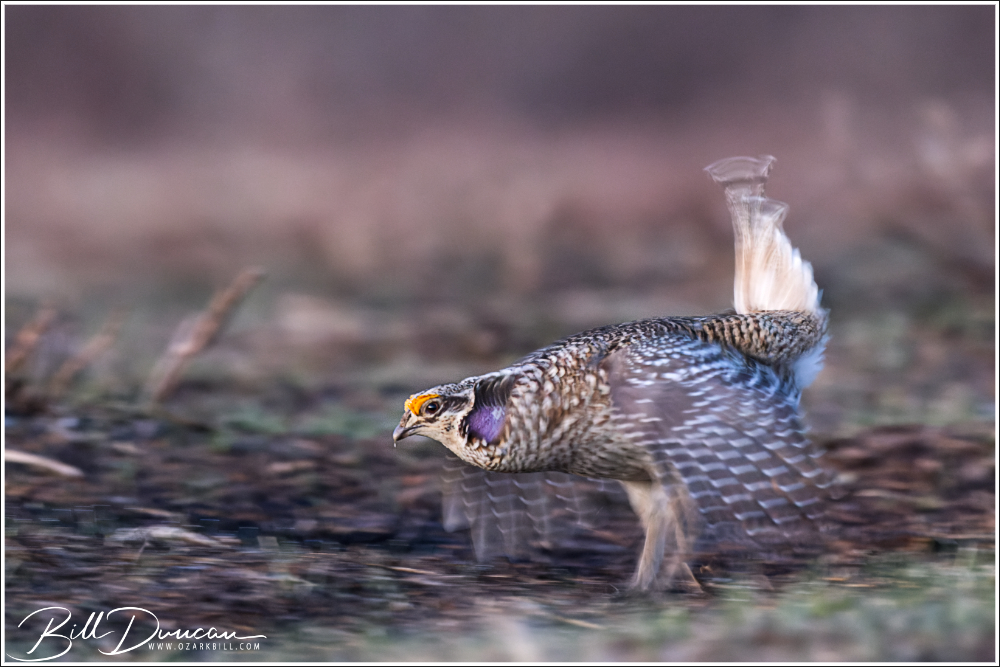
Early dawn at the lek provides little light. Panning while using a slow shutter speed suggests the rapid motion of the dancing birds.
As the first light of dawn broke through the horizon, the air was filled with the captivating sounds of nature coming to life. The distinct calls and rhythmic dancing of the Sharp-tailed Grouse on the lek echoed through the surroundings, creating an awe-inspiring symphony. The increasing light revealed the beauty of the birds that had already began their intricate dance on the lek, a sight that left an indelible mark on my memory.
A dancing male Sharp-tailed Grouse at Solon Springs Sharptail Barrens.
Each day, we were fortunate to have very good views of the birds on the leks, with up to 17 magnificent creatures, mostly males, gracing the landscape with their presence. The vibrant plumage and graceful movements of the Sharp-tailed Grouse were a testament to the wonders of the natural world, and capturing these moments through my lens was an experience like no other.
I was fortunate to have wonderful light during the golden hours on two of my three days on the leks. Here a male takes a break to survey the dance floor.
I’m sharing some of the thousands of images I made during my three mornings on the leks throughout the post. I was also able to capture some video that showcases the tremendous sights and sounds of the lek activities. I love the variety sounds these birds create. From the percussive slap of their powerful feet on the ground, to the booms, cackles, yelps and snaps of their beaks, there is so much to take in when visiting a lek!
Summary of Conservation of the Sharp-tailed Grouse Like so many wildlife species, the decline of Sharp-tailed Grouse populations began in the 19th century due to unchecked habitat loss caused by agricultural expansion, logging, and urban development. Unregulated hunting also contributed to population declines as settlers moved westward.
By the early 1900s, conservationists began to recognize the declining populations of Sharp-tailed Grouse and other wildlife species that were found across the landscape. State and federal governments implemented regulations on hunting seasons and bag limits to conserve grouse populations.
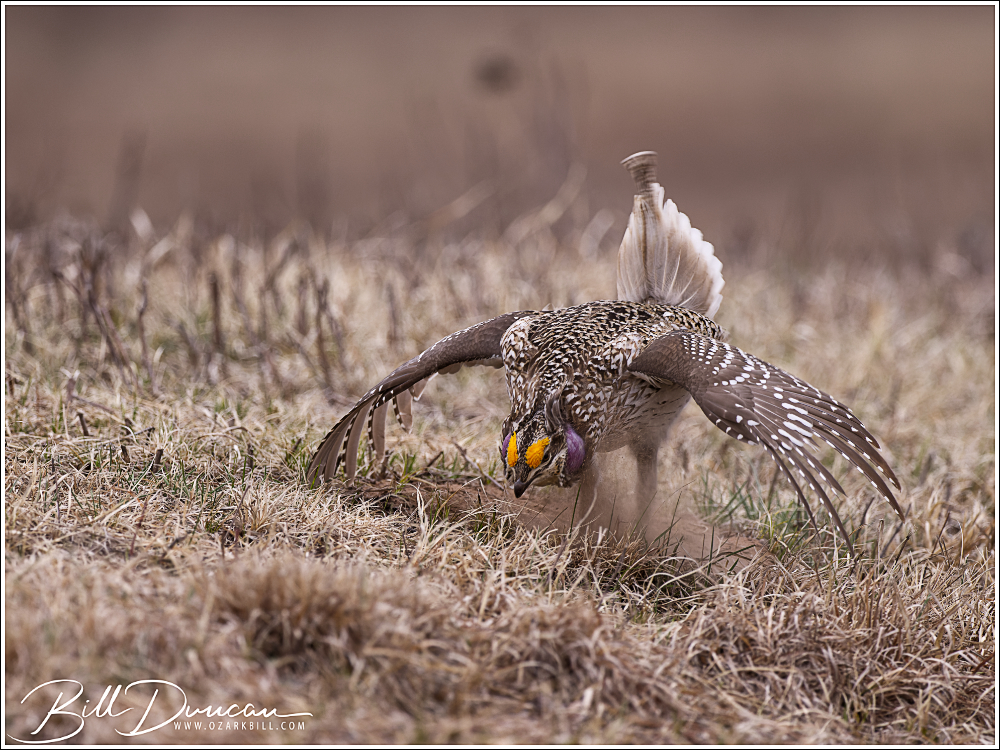
These birds would often raise dust and debris while stomping their feet during the dance.
Conservation efforts in the mid to late 1900’s focused on habitat restoration and management. This included reforestation, prescribed burning, and grassland restoration projects aimed at creating suitable habitat for Sharp-tailed Grouse. Scientists conducted research to better understand the habitat requirements, behavior, and population dynamics of the species, which informed conservation strategies. Conservation organizations, government agencies, landowners, and other stakeholders collaborated on conservation initiatives to protect and restore Sharp-tailed Grouse habitat across its range.
The “booming” displays of the Sharp-tailed Grouse are not as loud or impressive as the more famous Prairie Chickens, but they are still an important part of the repertoire on the lek.
More recent conservation initiatives include:
Land Protection: Conservation organizations have worked to protect critical habitat through land acquisition and conservation easements.
Community Engagement: Conservation efforts increasingly involve local communities through education, outreach, and participation in habitat restoration projects.
Monitoring and Management: Continued monitoring of Sharp-tailed Grouse populations helps conservationists assess the effectiveness of conservation efforts and adjust management strategies as needed.
Climate Change Considerations: Conservation efforts now take into account the potential impacts of climate change on Sharp-tailed Grouse habitat and populations, with adaptive management strategies being developed to mitigate these impacts.
Although the above mentioned efforts have made significant improvements in the populations of these birds in Wisconsin and other parts of their range, significant challenges remain that could influence the long-term outlook on this species.
Fragmentation: Habitat fragmentation remains a significant challenge for Sharp-tailed Grouse conservation, as landscapes become increasingly fragmented due to development and other human activities.
Predation and Disease: Predation and disease also pose threats to grouse populations, requiring ongoing management efforts.
Socioeconomic Factors: Balancing conservation objectives with the needs and interests of local communities and landowners remains a challenge.
Despite these challenges, ongoing conservation efforts give hope for the continued survival and recovery of grouse populations across their range. By addressing habitat loss, implementing sustainable management practices, and engaging with local communities, conservationists aim to ensure a future where Sharp-tailed Grouse thrive in their natural habitats.
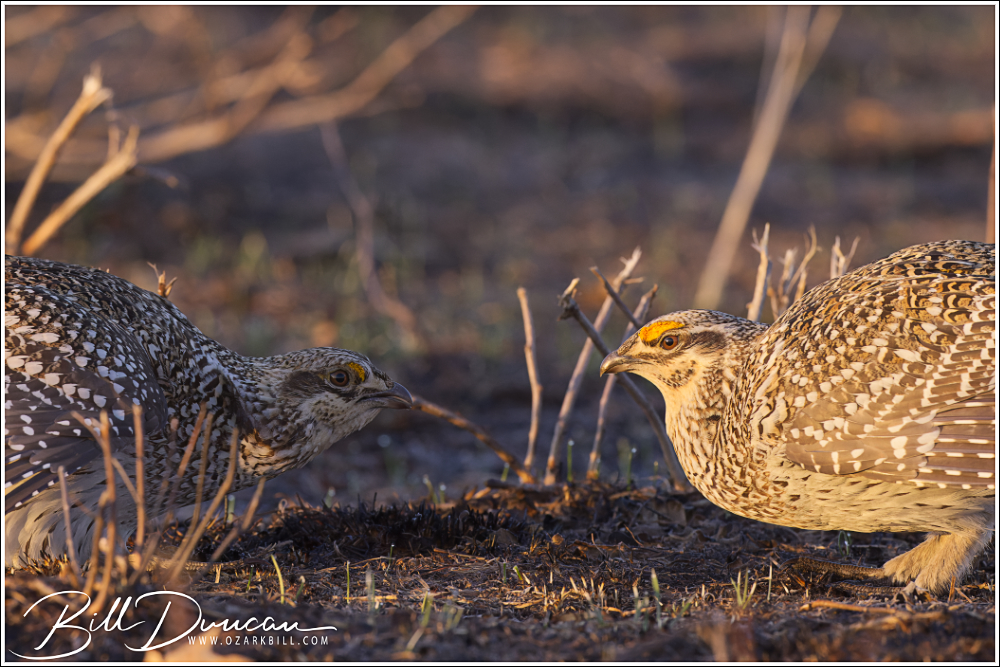
A pair of male Sharp-tailed Grouse stand off on a lek at Solon Springs Sharptail Barrens.
Habitat requirements for Sharp-tailed Grouse The Sharp-tailed Grouse has specific habitat requirements that are essential for its survival and reproductive success. Understanding these key habitat requirements is crucial for effective conservation and management of the species. Here are the primary habitat requirements for Sharp-tailed Grouse:
Native Grasslands and Prairie Habitat: Sharp-tailed Grouse are primarily associated with native grasslands and prairies. These habitats provide the open spaces, diverse vegetation structure, and ground cover necessary for the species’ breeding, nesting, and foraging activities. The presence of native grasses, forbs, and shrubs is important for providing food, cover, and nesting sites.
Breeding and Nesting Habitat: During the breeding season, grouse require specific habitat features for courtship displays and nesting. Males perform elaborate courtship displays on traditional dancing grounds, known as leks, to attract females. The presence of suitable lekking sites with short, sparse vegetation and clear visibility is critical for successful breeding behaviors. Females seek out areas with dense grass cover and sufficient concealment for nesting, typically selecting sites with tall, dense grasses for nesting cover.
Foraging Habitat: Sharp-tailed Grouse forage on a variety of plant materials, including seeds, insects, and forbs. High-quality foraging habitat consists of diverse plant species that provide a range of food resources throughout the year. Forbs, grass seeds, and insect-rich areas within the grassland habitat are important for meeting the species’ dietary needs.
Adequate Space and Connectivity: The availability of large, contiguous expanses of suitable habitat is important for grouse. Connectivity between different habitat patches allows for movement, dispersal, and genetic exchange among populations. Fragmentation and isolation of habitat patches can limit the species’ ability to access resources and can increase vulnerability to environmental pressures.
Disturbance and Predator Management: Sharp-tailed Grouse benefit from habitat that is managed to minimize disturbances and reduce predator impacts. Controlled grazing, prescribed burning, and habitat management practices that create a mosaic of different vegetation types can provide a balance of cover and foraging opportunities while reducing predation risks.
Seasonal Habitat Needs: The species requires habitat that meets its seasonal needs, including suitable wintering areas with access to food and cover during the colder months. Additionally, habitat that provides protection from extreme weather conditions, such as snow and wind, is important for the species’ survival.
Understanding and addressing these key habitat requirements is essential for the conservation and management of Sharp-tailed Grouse populations. Conservation efforts that focus on preserving and enhancing native grassland and prairie habitats, maintaining habitat connectivity, and implementing sustainable land management practices play a critical role in meeting the species’ habitat needs.
Beautiful, though short-lived morning colors filled the sky at sunrise during my morning at Crex Meadows State Wildlife Refuge.
About our Wisconsin Setting I was fortunate to be able to visit leks at two different locations in northwestern Wisconsin. Many thanks to the organizations who manage these areas and helped us a lot by providing viewing blinds and giving me information on where to find these leks!
A male showing his purple skin patches during his courtship displays on the lek.
Solon Springs Sharptail Barrens Before European settlers arrived in the area, the Solon Springs region was inhabited by indigenous peoples, primarily members of the Ojibwe (Chippewa) and Dakota Sioux tribes. These Native American communities lived in harmony with the land, utilizing its resources for sustenance, shelter, and cultural practices. The barrens likely played a role in their seasonal hunting, gathering, and ceremonial activities.
A male Sharp-tailed Grouse in mid-boom during his courtship display at Solon Springs Sharptail Barrens.
European exploration of the Great Lakes region brought French fur traders and explorers into the area in the 17th and 18th centuries. The dense forests and expansive wetlands of northwestern Wisconsin presented challenges to early settlers, but as the fur trade expanded, trading posts and small settlements began to emerge.
By the mid-19th century, the timber industry became the dominant economic force in the region. The vast forests of white and red pine attracted lumber companies, leading to extensive logging operations throughout northwestern Wisconsin. The Solon Springs area was no exception, and its forests were heavily exploited for timber to meet the growing demand for lumber in rapidly developing urban centers.
Males would often take very short flights to reach potentially better areas of the lek.
As logging operations expanded, concerns about deforestation and its environmental impacts grew. Conservation movements began to gain momentum in the late 19th and early 20th centuries, leading to the establishment of forest reserves and parks to protect natural areas. In 1927, the Wisconsin Department of Natural Resources (DNR) designated the Solon Springs Sharptail Barrens as a State Natural Area, recognizing its unique ecological significance and the need for preservation.
The Solon Springs Sharptail Barrens are characterized by a unique mix of grasslands, shrublands, and scattered pine and oak forests. This mosaic of habitats supports a diverse array of plant and animal species, including the iconic Sharp-tailed Grouse, which relies on the barrens for breeding and foraging habitat. Other species found in the area include various grassland birds, mammals, reptiles, and insects, making it a hotspot of biodiversity in the region.
A male poses for a portrait during the morning festivities.
In addition to its ecological importance, the Solon Springs Sharptail Barrens attract outdoor enthusiasts seeking opportunities for hiking, birdwatching, photography, and nature appreciation. The Wisconsin DNR manages the area to balance conservation goals with compatible recreational activities, ensuring that visitors can experience and enjoy the natural beauty of the barrens while minimizing human impacts on sensitive habitats.
Despite its protected status, the Solon Springs Sharptail Barrens face ongoing threats from factors such as habitat fragmentation, invasive species, and climate change. Conservation efforts continue to focus on maintaining and restoring the ecological integrity of the area through habitat management, invasive species control, and scientific research. Public education and outreach also play a crucial role in raising awareness about the importance of preserving this unique natural treasure for future generations to enjoy.
Although apparently primarily for the females’ benefit, the males look rather fierce and potentially intimidating to me.
Crex Meadows State Wildlife Refuge The land that is now Crex Meadows has a long history of human habitation, with Native American tribes, including the Ojibwe, Potawatomi, and Dakota, using the area for hunting, fishing, and gathering.
In the early 20th century, the Crex Carpet Company began purchasing land in the area for peat extraction to produce carpets. However, the company eventually abandoned its plans, leaving behind large tracts of abandoned land. During the Great Depression, efforts to revitalize the local economy led to the establishment of the Crex Meadows Wildlife Area in 1937 by the Federal Emergency Relief Administration (FERA) and the Civilian Conservation Corps (CCC).
In addition to the grouse, Crex Meadows supports many other species of birds, including Sandhill Cranes, Trumpeter Swans and dozens of waterfowl species. It is high on my list for wanting to make a return visit!
The CCC played a crucial role in the development of Crex Meadows, constructing roads, trails, dikes, and water control structures to manage the wetland habitat for wildlife. Over the years, the refuge expanded through land acquisitions and partnerships with conservation organizations. Today, it encompasses over 30,000 acres of diverse habitats, including marshes, flowages, forests, and grasslands.
A displaying male on what might be the most popular lek at Crex Meadows.
Crex Meadows is renowned for its wildlife management programs, which aim to conserve and enhance habitat for a wide variety of species, including waterfowl, shorebirds, songbirds, mammals, and reptiles. The refuge is also a hub for research and education, hosting numerous studies on wetland ecology, migratory bird patterns, and habitat management techniques. Educational programs and guided tours offer visitors the opportunity to learn about the area’s natural history and conservation efforts.
A brighter future for Sharp-tailed Grouse in Wisconsin? While specific population trend data for Sharp-tailed Grouse in Wisconsin may vary by region and over time, conservation efforts have aimed to address habitat needs, reduce threats, and support the recovery of the species. Habitat restoration projects, collaborative partnerships, and sustainable land management practices have been implemented to enhance and protect suitable habitat for grouse in the state.
Given the complex and dynamic nature of population trends, ongoing monitoring and adaptive management remain essential for understanding and addressing the conservation needs of grouse in Wisconsin. By integrating scientific research, policy interventions, and community involvement, conservationists aim to ensure the long-term viability of Sharp-tailed Grouse populations.
Males would typically get a little lazy when it was apparent females were not on the dance floor. Here a couple of males are just waiting for a reason… 😉
Collaborative partnerships have played a crucial role in advancing Sharp-tailed Grouse conservation efforts in Wisconsin. These partnerships have involved government agencies, non-profit organizations, private landowners, and local communities working together to address habitat needs, implement conservation initiatives, and engage stakeholders in the conservation of the species. Here are some examples of successful collaborative partnerships for grouse conservation in Wisconsin:
Wisconsin Department of Natural Resources (WDNR) and Non-profit Organizations: The WDNR has collaborated with non-profit conservation organizations, such as The Nature Conservancy, Pheasants Forever, and local land trusts, to implement habitat restoration projects, land acquisitions, and conservation easements aimed at protecting and enhancing Sharp-tailed Grouse habitat. These partnerships have leveraged funding, technical expertise, and community engagement to support conservation actions.
Private Landowner Conservation Agreements: Collaborative partnerships between private landowners and conservation organizations have resulted in the establishment of conservation agreements to protect and manage critical grouse habitat on private lands. These agreements may include voluntary conservation easements, habitat management plans, and financial incentives to support landowners in implementing habitat-friendly land management practices.
University Research Collaborations: Collaborative partnerships between academic institutions and wildlife management agencies have facilitated research studies and monitoring efforts focused on Sharp-tailed Grouse populations and habitat. These partnerships have contributed to the generation of scientific knowledge, data collection, and the development of evidence-based conservation strategies.
Community-Based Conservation Coalitions: Local conservation coalitions and grassroots organizations have formed partnerships with landowners, hunters, and community members to promote grouse conservation at the grassroots level. These coalitions often engage in habitat restoration projects, educational outreach, and collaborative monitoring efforts, fostering a sense of shared stewardship and local support for conservation actions.
Working Lands for Wildlife (WLFW) Partnerships: The WLFW program, in collaboration with federal and state agencies, has engaged private landowners and agricultural producers in Wisconsin to implement habitat-friendly agricultural practices that benefit grouse and other wildlife species. These partnerships have provided technical and financial assistance to landowners for implementing conservation practices on working agricultural lands.
As an aside, I have had experience in WLFW in the St. Louis area during my career at Monsanto/Bayer. I can attest that this program can add valuable habitat using “unused” corporate lands for the benefit of floral and faunal communities.
These examples illustrate the diverse and impactful collaborative partnerships that have been instrumental in advancing Sharp-tailed Grouse conservation in Wisconsin. By fostering collaboration, leveraging resources, and engaging stakeholders, these partnerships have contributed to the protection and enhancement of critical habitat, the implementation of sustainable land management practices, and the promotion of community involvement in conservation efforts.
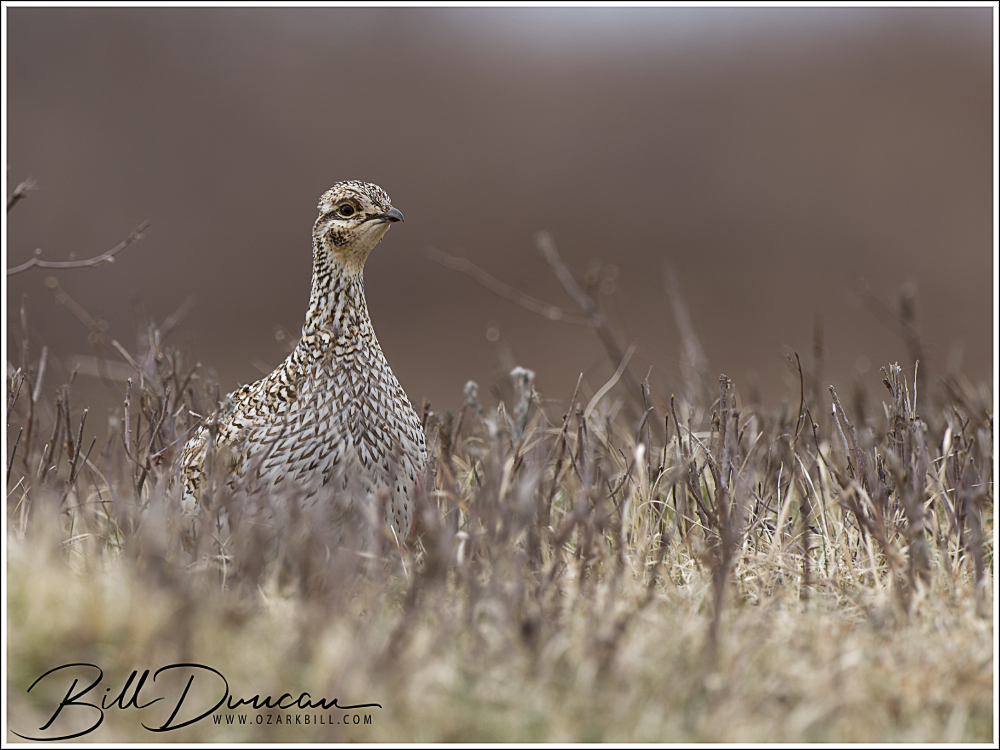
When not displaying, male and female Sharp-tailed Grouse can be very difficult to discern. This is one of the few photos I was able to get of a certain female as they would usually only make short appearances on the lek.
From materials I browsed from the Wisconsin Department of Natural Resources and seeing first-hand the excellent management practices ongoing at Solon Springs Sharptail Barrens and Crex Meadows State Wildlife Refuge, it seems the population of Sharp-tailed Grouse is currently in good hands in the Badger State.
Hopefully management and policy decisions continue to support the Sharp-tailed Grouse in Wisconsin for decades to come!
Hopefully you have enjoyed a look at some of my experiences during three days on the lek with these fantastic chickens. Thanks so much to Casey Galvin for doing most of the planning for this adventure. Thank you also to Lauren Thomas of the Wisconsin DNR for helping me identify a lek at Crex Meadows on very short notice. Finally, thanks so much to my darling wife Sarah, for taking care of some of my responsibilities around the house while I was away on this trip!






























 A Thousand Acres of Silphiums