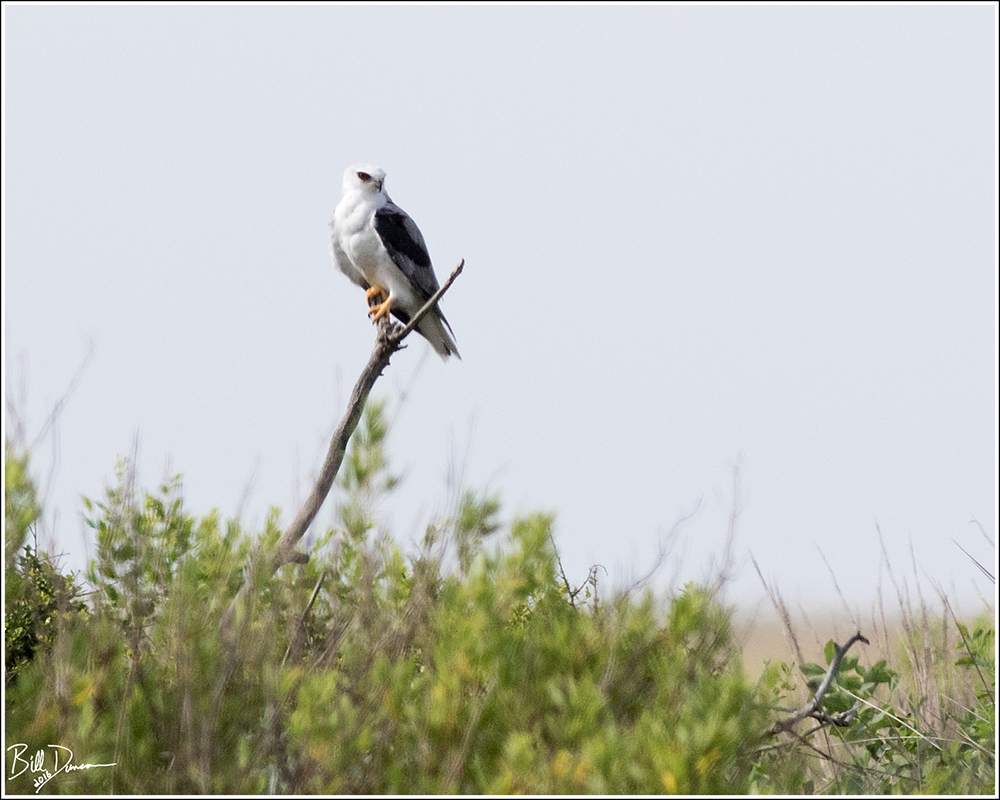
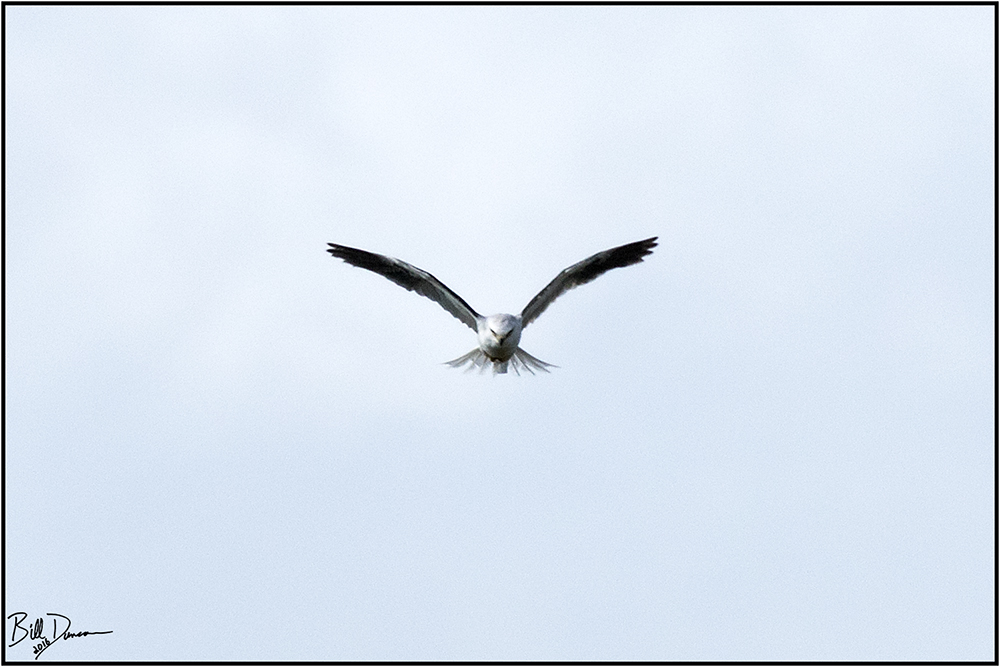
A lifer for both Steve and me, we found this White-tailed Kite along a depressingly narrow strip of native habitat that stretched between private beaches and housing/commercial development.

"What a thousand acres of Silphiums looked like when they tickled the bellies of the buffalo is a question never again to be answered, and perhaps not even asked." -Aldo Leopold
A lifer for both Steve and me, we found this White-tailed Kite along a depressingly narrow strip of native habitat that stretched between private beaches and housing/commercial development.
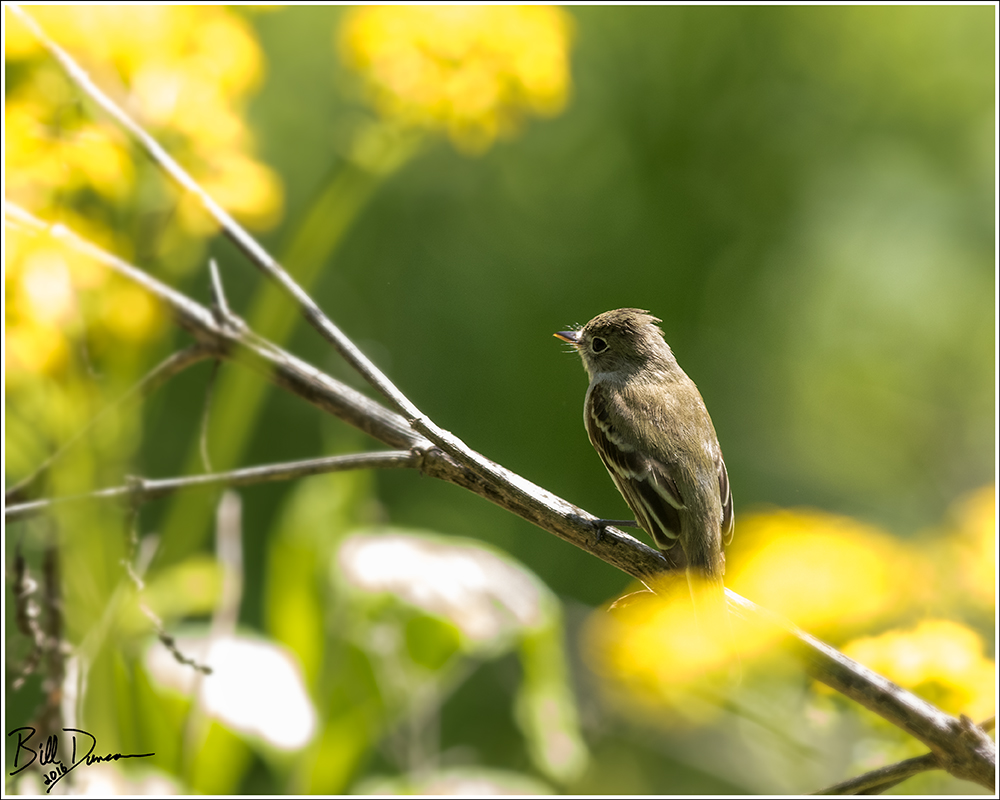
I happened to notice that I had a few in the queue that featured the color yellow. In most of them the yellow is featured on the bird, but in the one above the yellow is of a flowering plant, perhaps yellow rocket (Barbarea vulgaris), in the foreground and background.
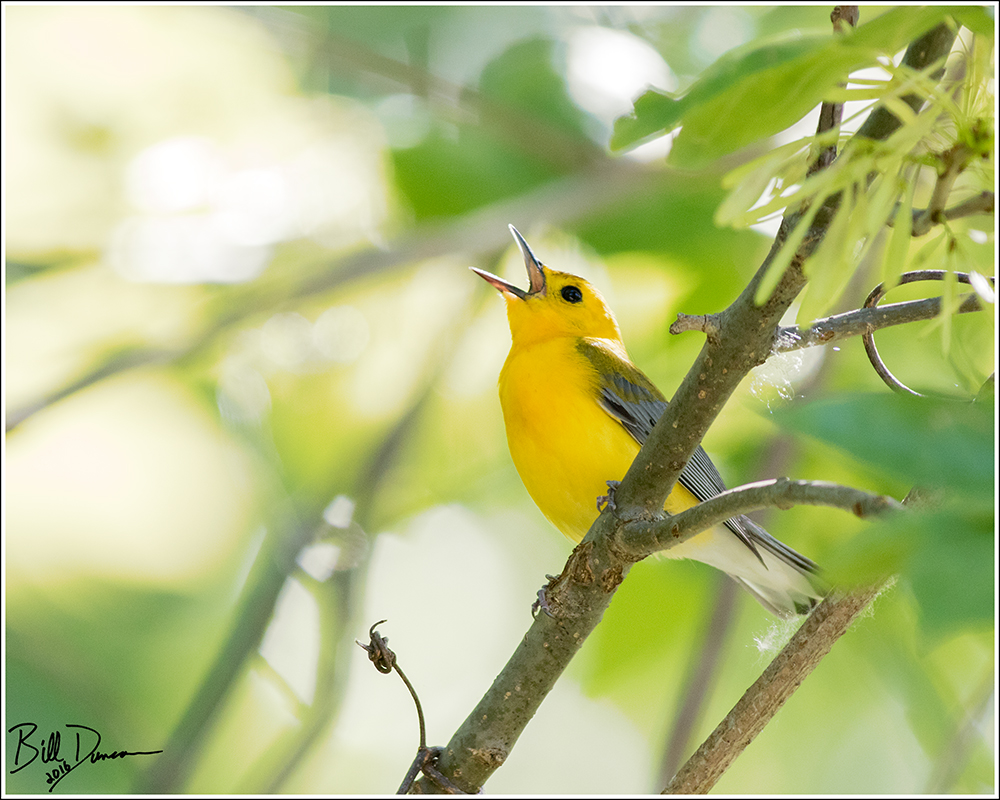
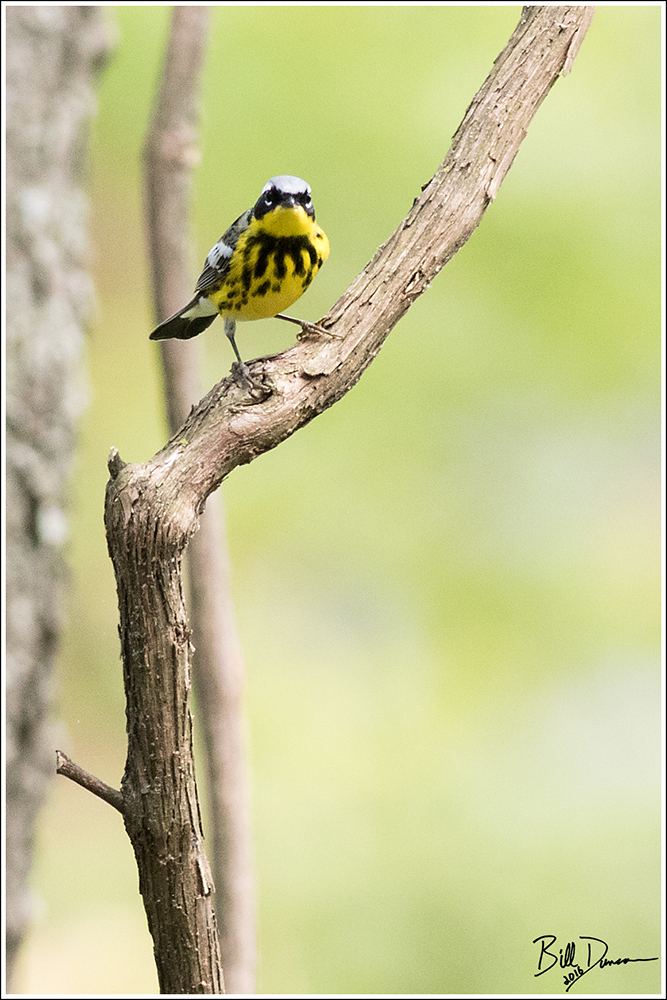
-OZB
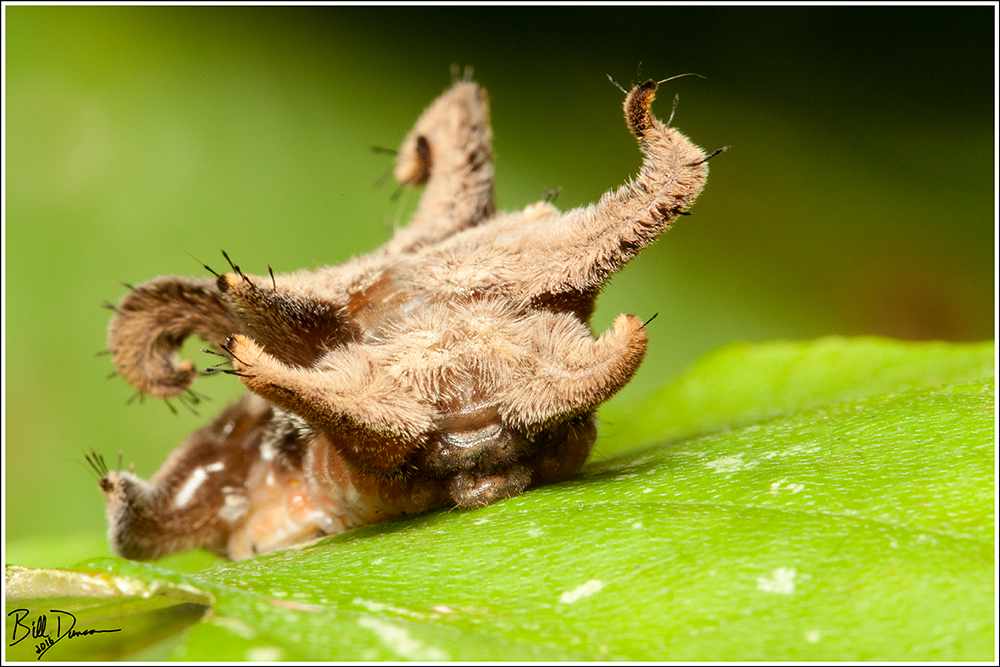
The final and perhaps most stunning of the slug moth caterpillars that we were able to find this past summer was the Monkey Slug, or “Hag Moth” caterpillar. This particular one was first noticed by Sarah on the upper side of a dogwood leaf during a visit to Horseshoe Bend Natural Area near Houston MO. We went on to find two in this particular tree.

A leading thought on why these guys look the way they do is to mimic the shed exoskeleton of a tarantula.
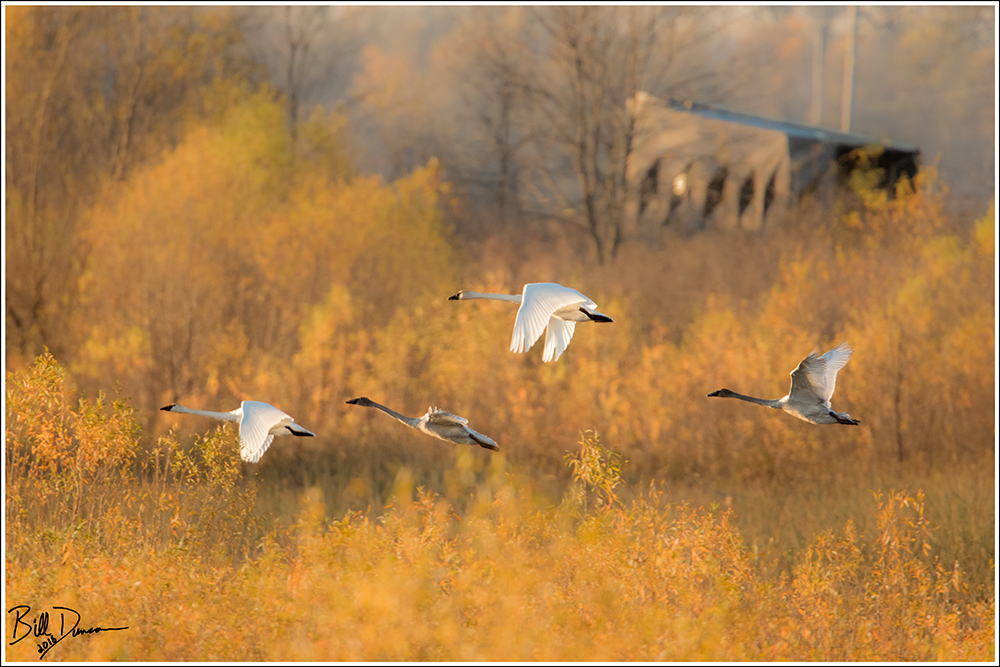
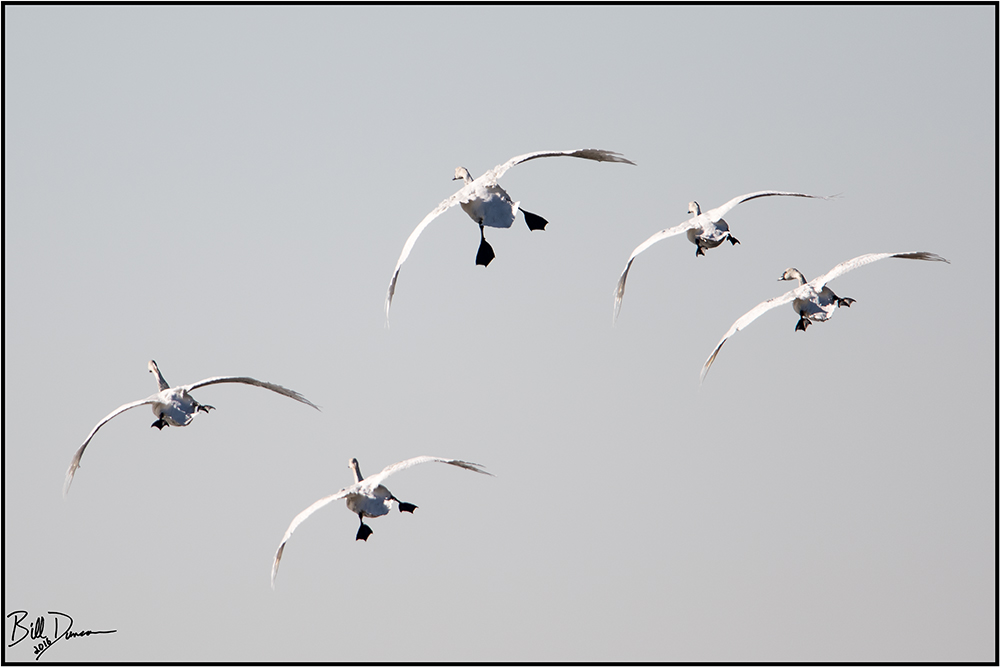
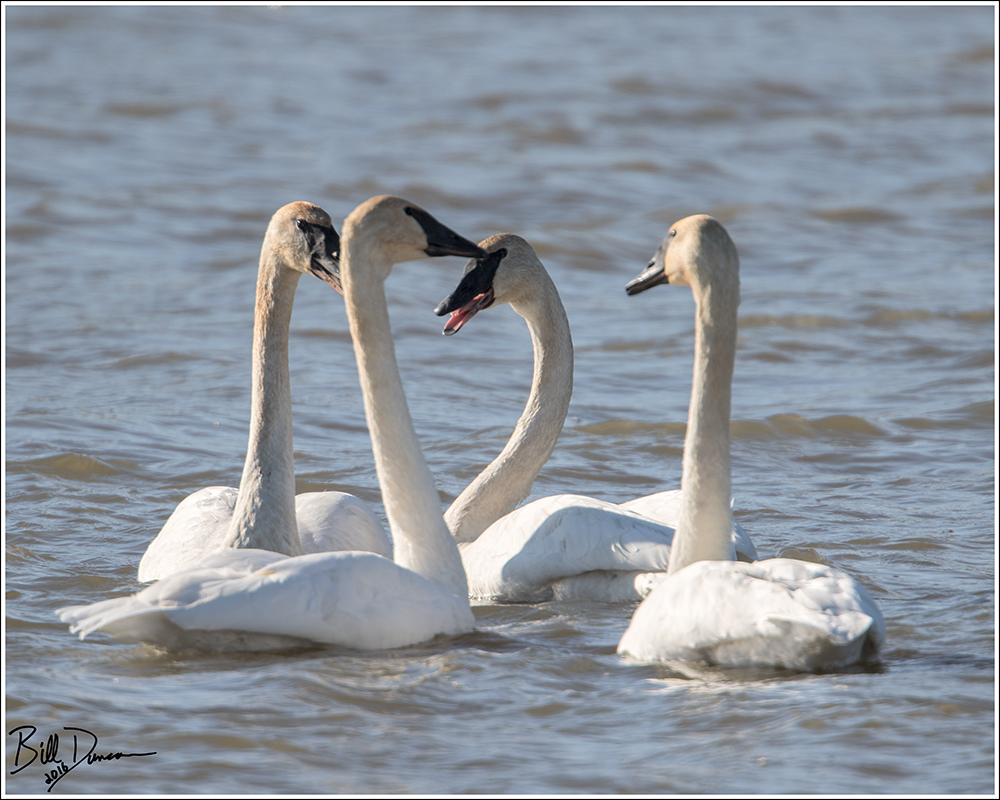
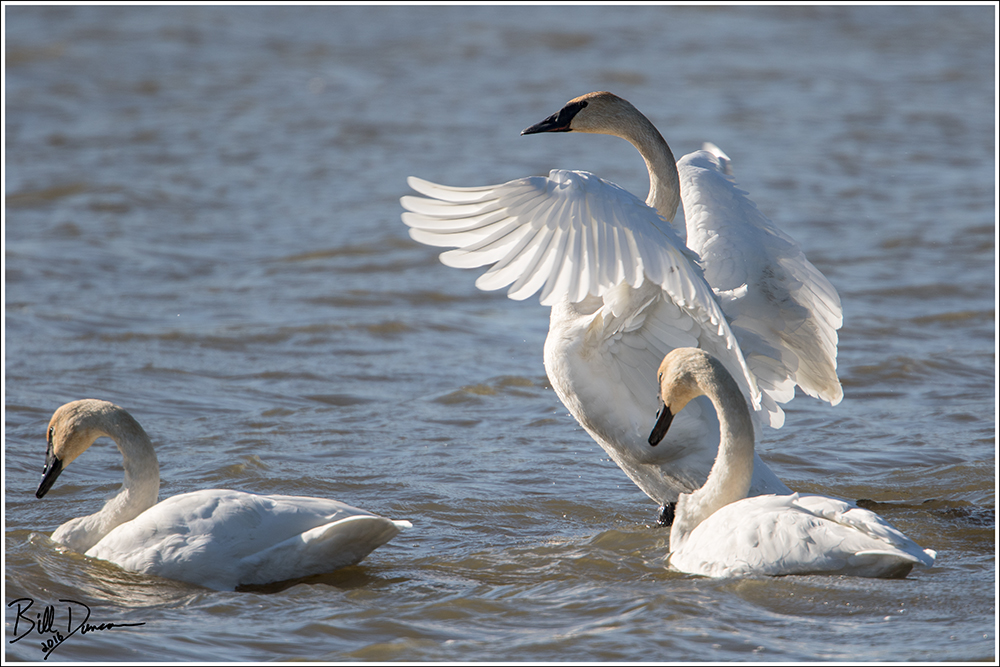
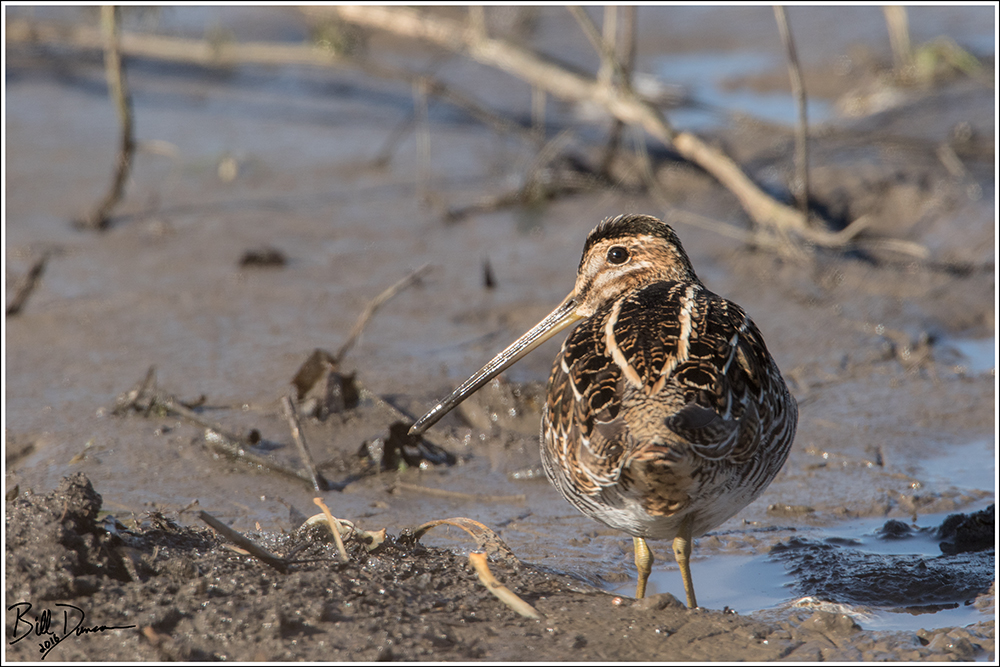
With everyone on Facebook posting their great photos of our Thanksgiving Snipe, I thought I would go ahead and process and share before they got lost and forgotten for months. The photo above is, in my opinion, the most pleasing way of capturing a shore bird. The back of most shore birds are often their most colorful and patterned side. I like to try and capture the from behind with their head turned so to see their eye and the length/shape of their bill.
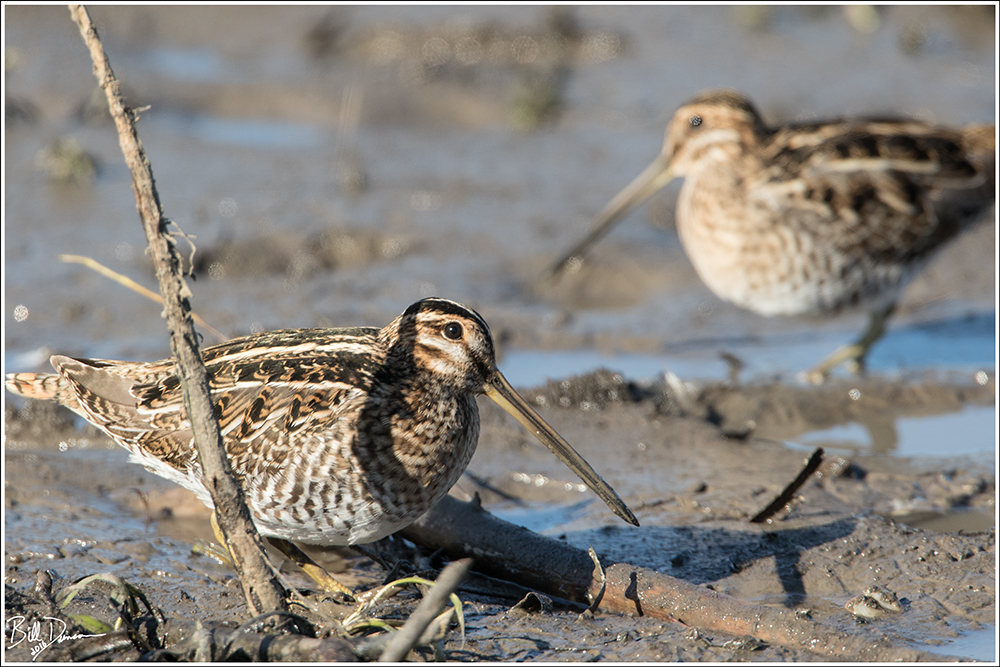
I did not bring a wider lens on this morning, but I wish that I had. I counted 17 Snipe within a pretty close distance of each other in a section of sweet and soft mud.
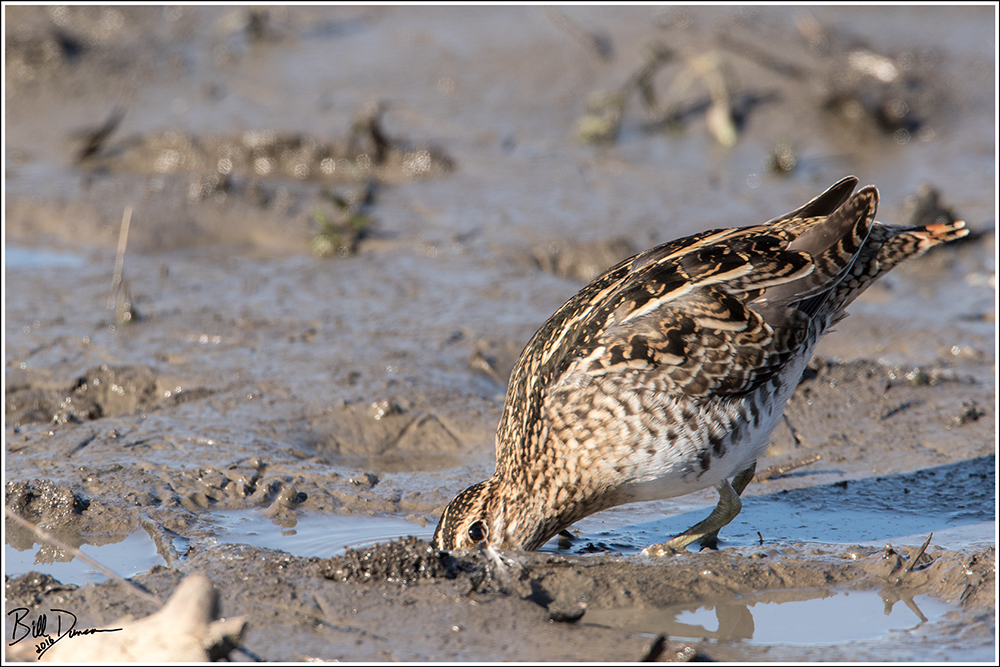
In the image above one can imagine the depth they can get with those lance-like bills as they probe the mud for invertebrates. Check out the video below to get an idea of how these guys feed.
-OZB

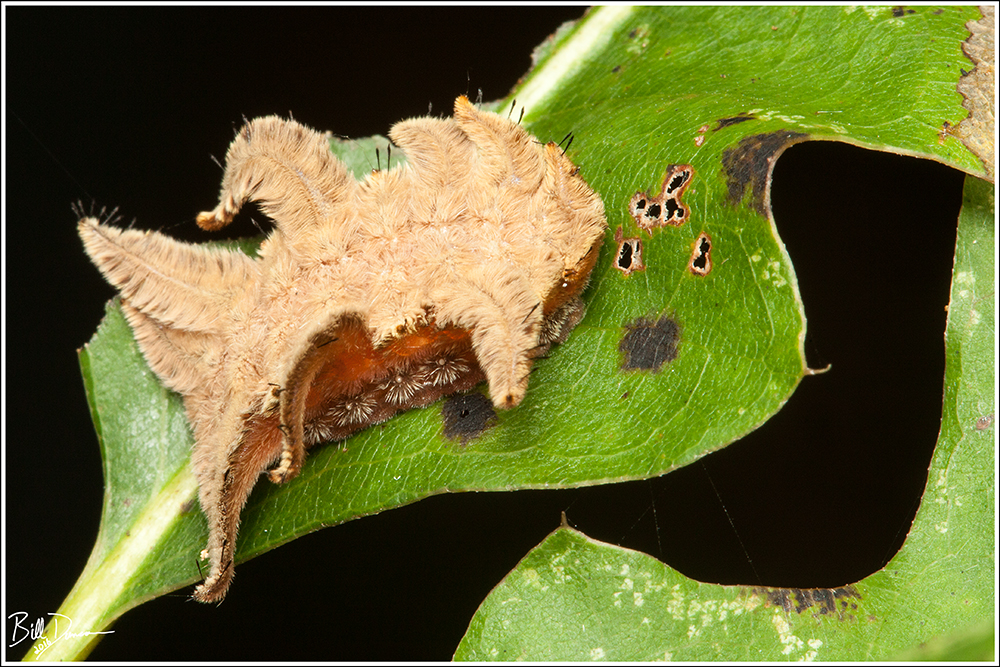
I found only a few Elegant-tailed Slugs this year and all were found at Hickory Canyons Natural Area in Ste. Genevieve County, Missouri. The image below documents the only occasion where I found more than one slug on the same leaf, here a Spiny Oak Slug was found on the same curled leaf as our new Elegant-tailed Slug.


Of course, going to a new region for birding is great for finding those species that you have long-anticipated being able to see. In the Texas gulf coast region the Roseate Spoonbill, the Tri-colored Heron, the Crested Caracara and quite a few others can be fit into this category. I have done enough of this type of birding now to get just as excited by the surprises – finding the species I wasn’t expecting, or had not even heard of. The Bronzed Cowbird was one such species during our trip in May.
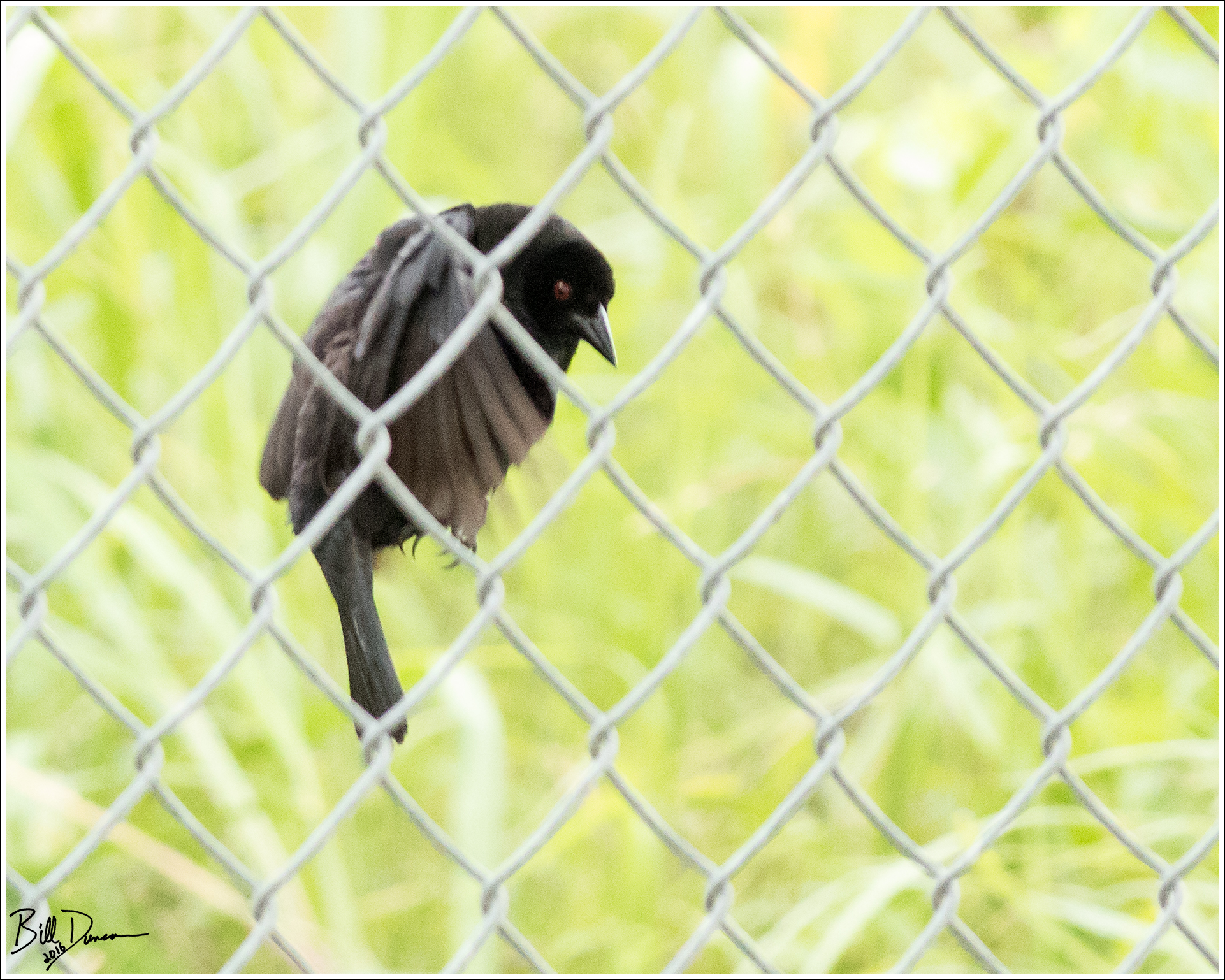
And the way we got to see this bird for the first time, by performing this hovering display for the ladies, was quite memorable. He kept this position – not moving his head from the chain-link section seen here for several seconds. Check out the bright red iris on these guys.

We also saw a few of the more common Brown-headed Cowbirds. It was nice seeing them in open habitat where they actually belonged and not reeking havoc in the fragmented forests back home.

-OZB


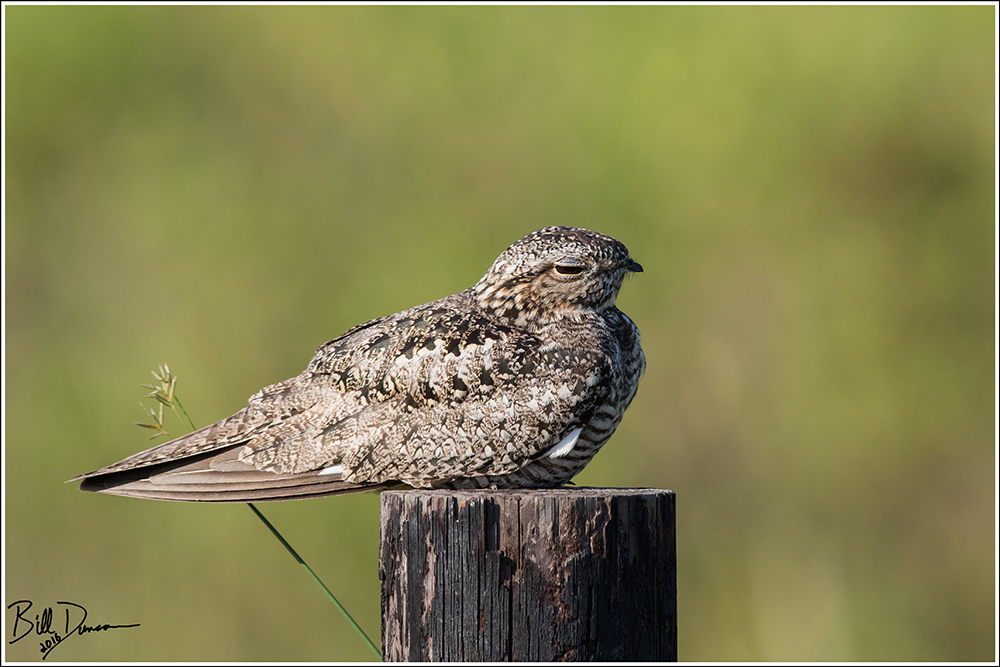
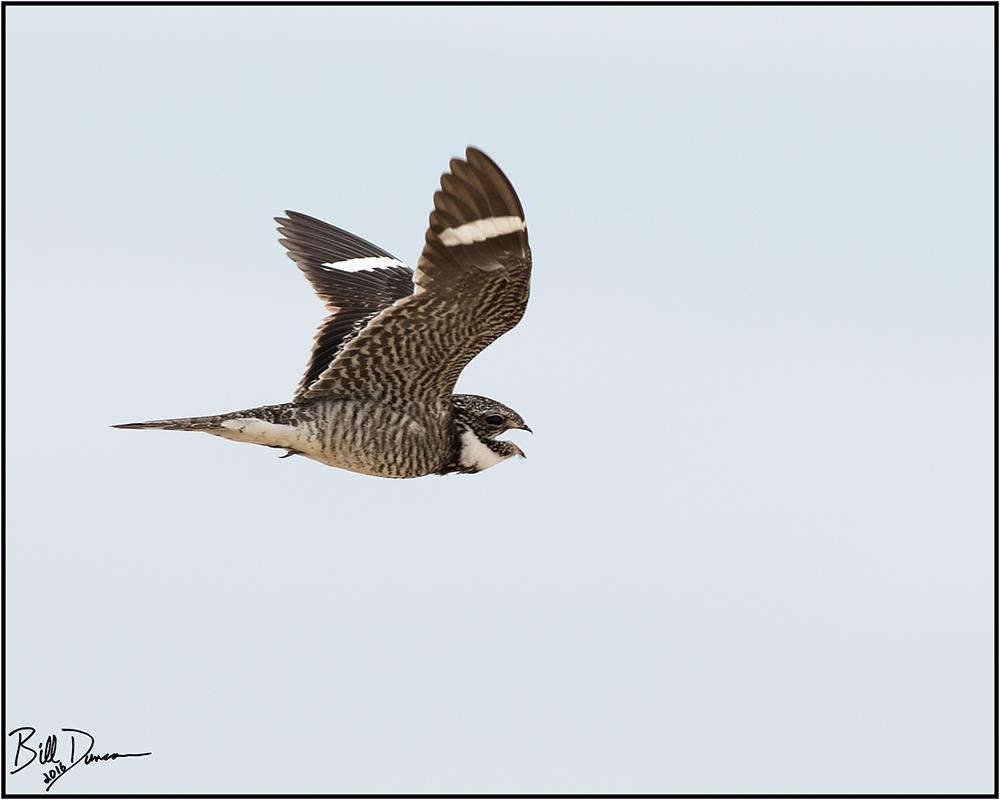
The Nighthawks were abundant and cooperative during our visit to Anahuac National Wildlife Refuge.


Parasitoids of insect larvae, the Pelecinid Wasp female uses her extremely large abdomen to thrust through soil to deposit eggs primarily on scarab beetles. I assume the family and genus names are derived from the Greek – pelicos, referring to the great size of the wasp. Females can reach lengths of up to 6 cm. No need to worry, these guys do not have stingers.
-OZB
 A Thousand Acres of Silphiums