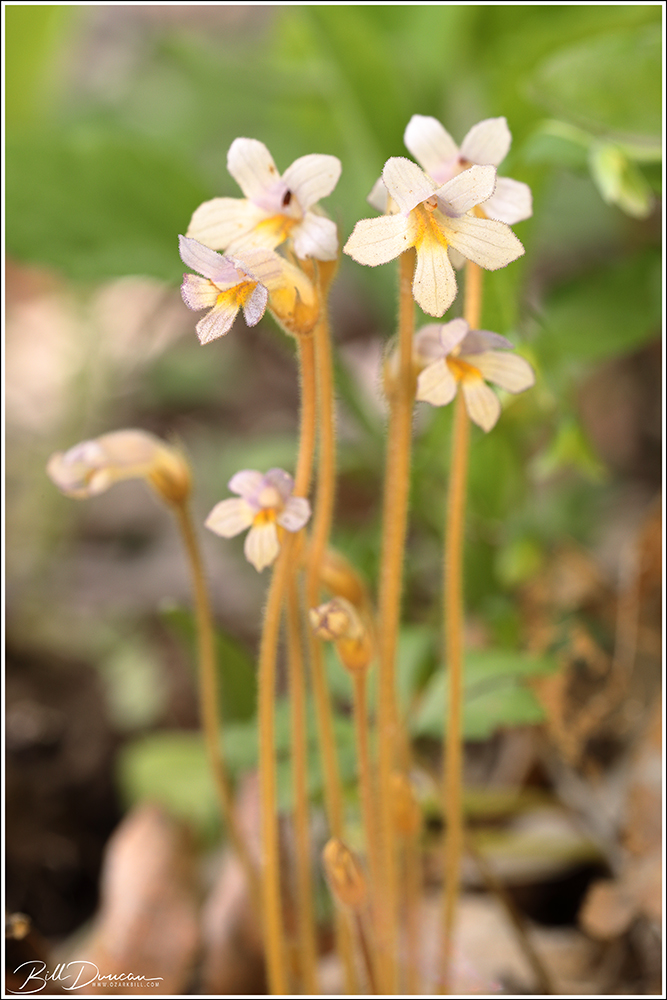
Spring Ephemeral of the Day – Orobanche uniflora (One-Flowered Broomrape)
"What a thousand acres of Silphiums looked like when they tickled the bellies of the buffalo is a question never again to be answered, and perhaps not even asked." -Aldo Leopold

I have traveled to Kaskaskia Island, IL at least 7 times in the past four years in hopes of being fortunate to find these beautiful birds in close distance to a road. Most visits result in being able to find them, but most often they are a football field or more away. Back in early January 2020, Sarah and I finally won the lottery.

We found these birds quite close to the road and actively foraging in the permanent drainage canals of this river valley farming area.
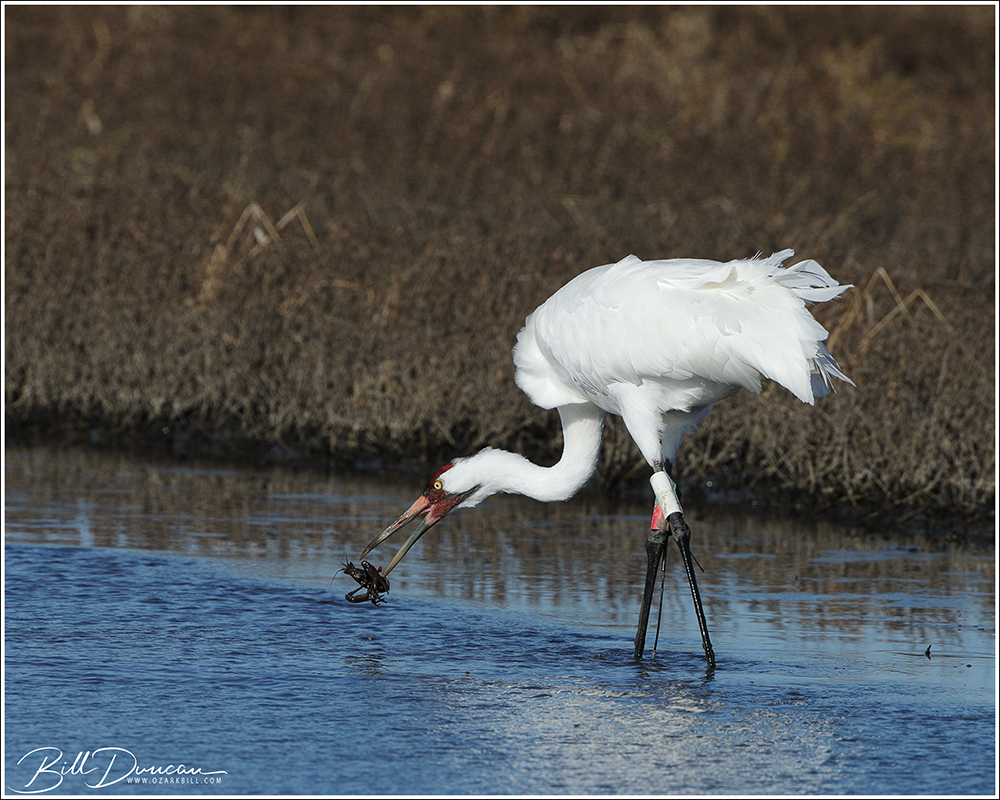
Whooping Cranes are still endangered; however, thanks to the USFWS/USGS captive breeding and reintroduction program, this species has come back from the brink of extinction. In 1941 the species was down to only 21 individuals due to rampant conversion of natural habitat to farmland, coastal development, and unregulated hunting. The captive breeding program was initiated in 1967 and today there are now more than 800 birds in the wild.

Captive breeding and reintroduction has now been transferred from the federal institutions to a good number of other organizations who will continue towards the goal of making the Whooping Crane self-sufficient again. This efforts is not completely without problems as there have been and continue to be problems associated with getting the reintroduced birds to migrate, interact and successfully nest.
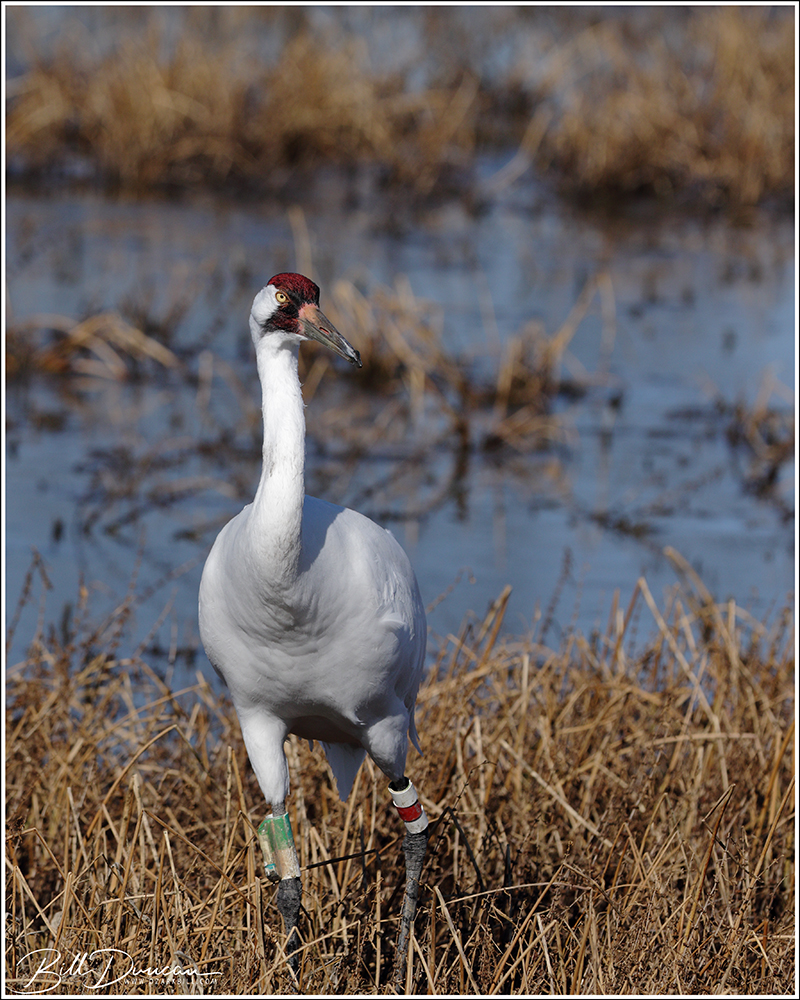
A case in point may be the recent history of these birds in the state of Missouri (only the 8th record in MO since 1953). The first reports of a four-bird cohort observed in Columbia MO was in May, 2016. These were the same birds observed over-wintering in Kaskaskia Island, IL. These four birds were from a release who then strayed from their population that was following the traditional Wisconsin to Florida migration route. Since then at least two of the original four birds have died. Hopefully these two (I have been told, but have not yet been able to confirm that this is a sexual pair) will get back on track one day and do their part in propagating the species.

Thanks for visiting.
-OZB

I’ve been fortunate enough to find time to get out this spring and add some spring ephemeral wildflowers to my photographic list. Englemann Woods NA near Wildwood, MO has been a great place for this along with other nature observations. Today’s photo is Trillium flexipes. It is one of the white trillium that can be somewhat confusing to identify properly. I found a number of associated common names, but ‘nodding trillium’ seems to be the most commonly used.

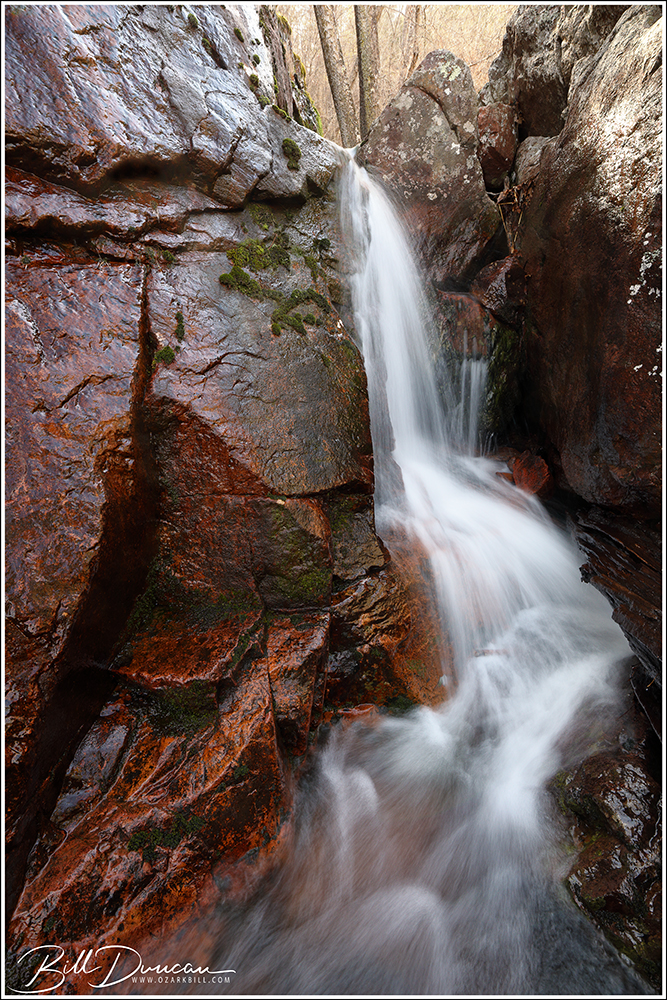
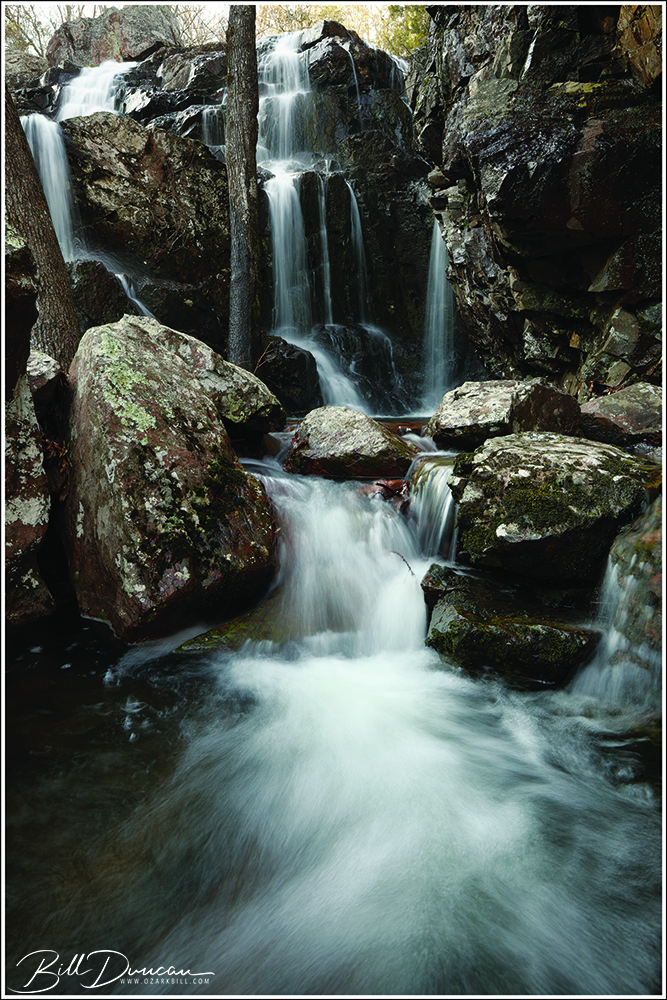
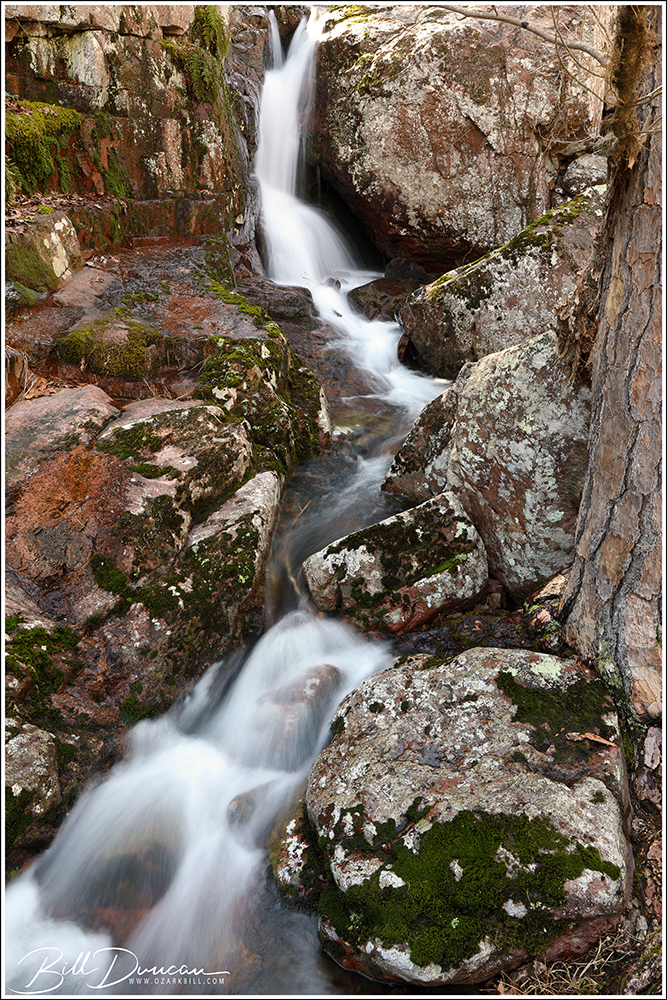
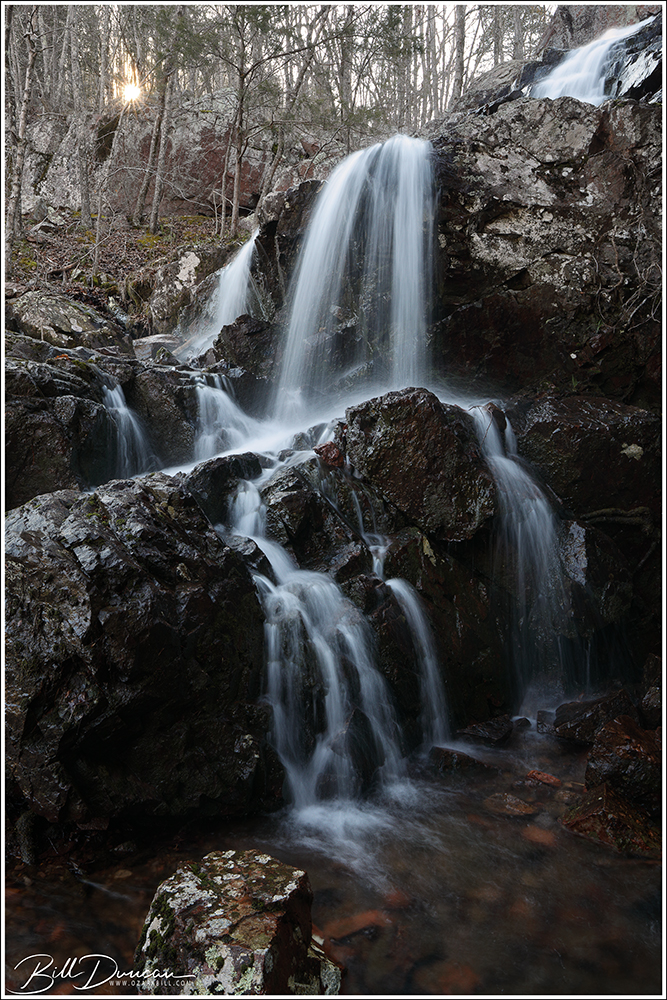
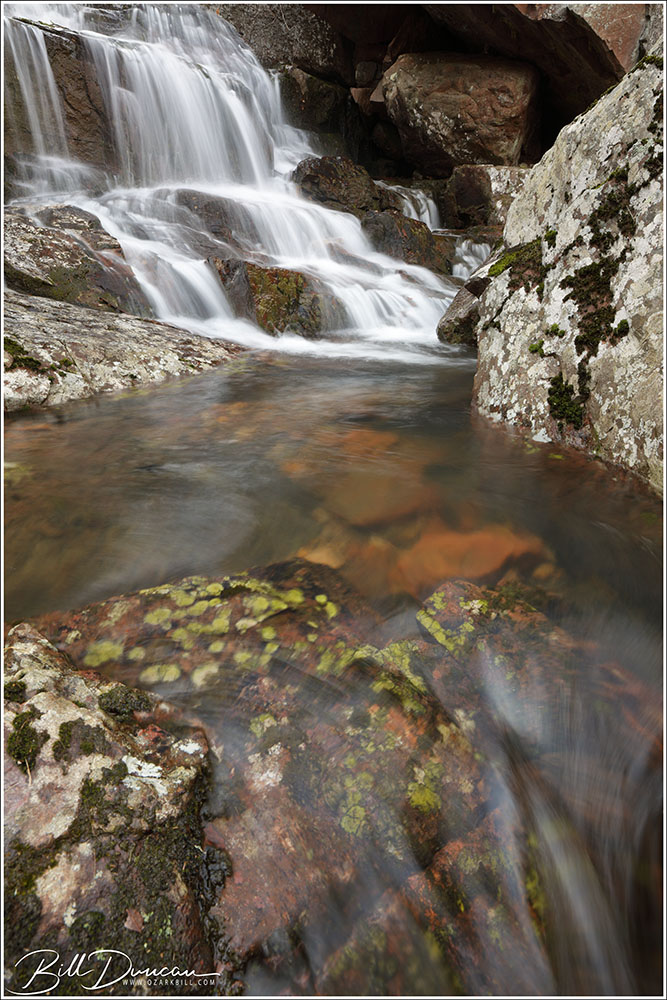
I’ve posted images of the cascades on Black Mountain before. After some good rains, Casey and I visited this past March with hopes of making it to the top. This is not an easy hike, but Casey had not yet seen most of the cascades. This was our intention, but it was quickly realized that the overcast afternoon we were promised was not going to be. So, we utilized the few clouds remaining to the best of our ability and climbed high enough to find some falls hidden behind canyon walls that blocked the harsh afternoon sun.
Here are a few from last year’s archives.

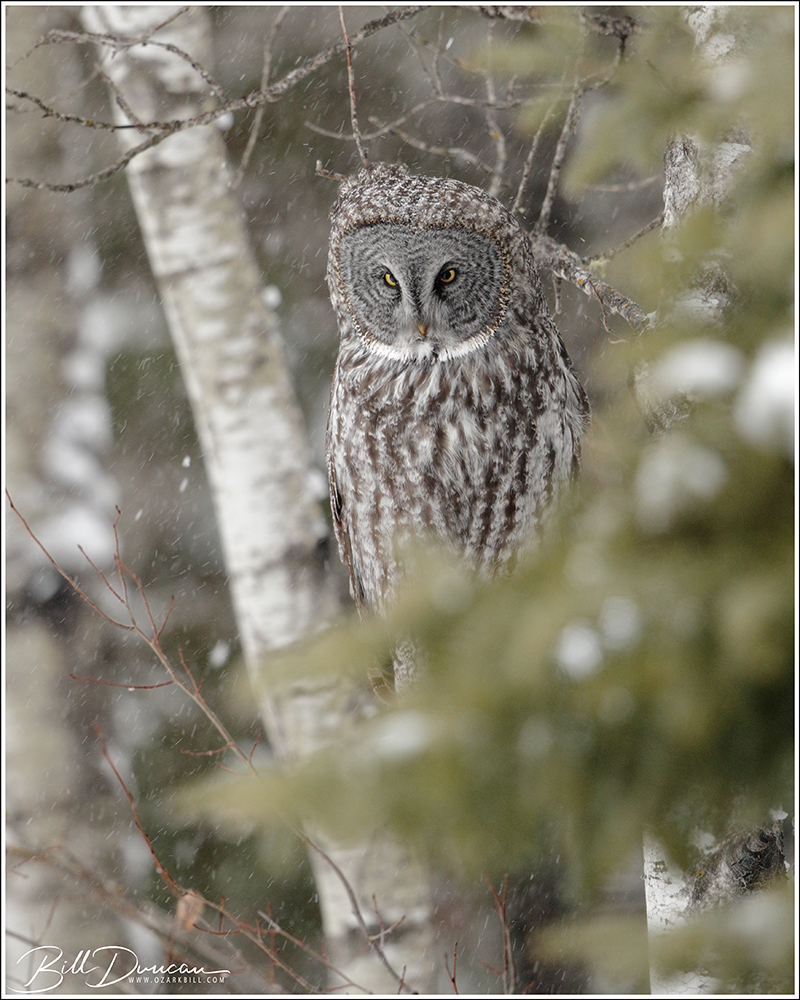
First up is the Great Grey Owl that Miguel, Dave and I found on our trip to northern Minnesota in late December, 2019.


Next is the Northern Hawk Owl photographed on the same trip. We really enjoyed watching these guys as they hunted in broad daylight from their high perches. You never knew when they would take off in a powered flight after a prey.


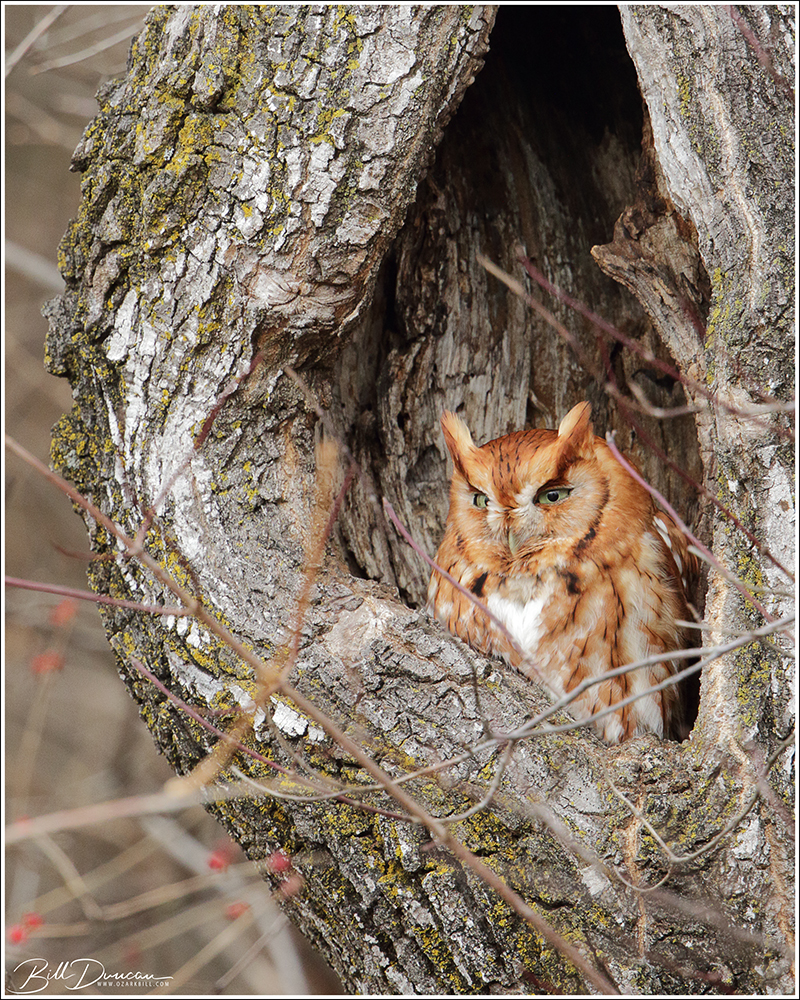
Last of all is this gorgeous red-phase Eastern Screech Owl. Whether it is the same owl, or multiple birds using the same hole in this tree, this species has been observed using this cavity for at least the past three winter seasons at the Visitor’s Center in Grafton, IL.

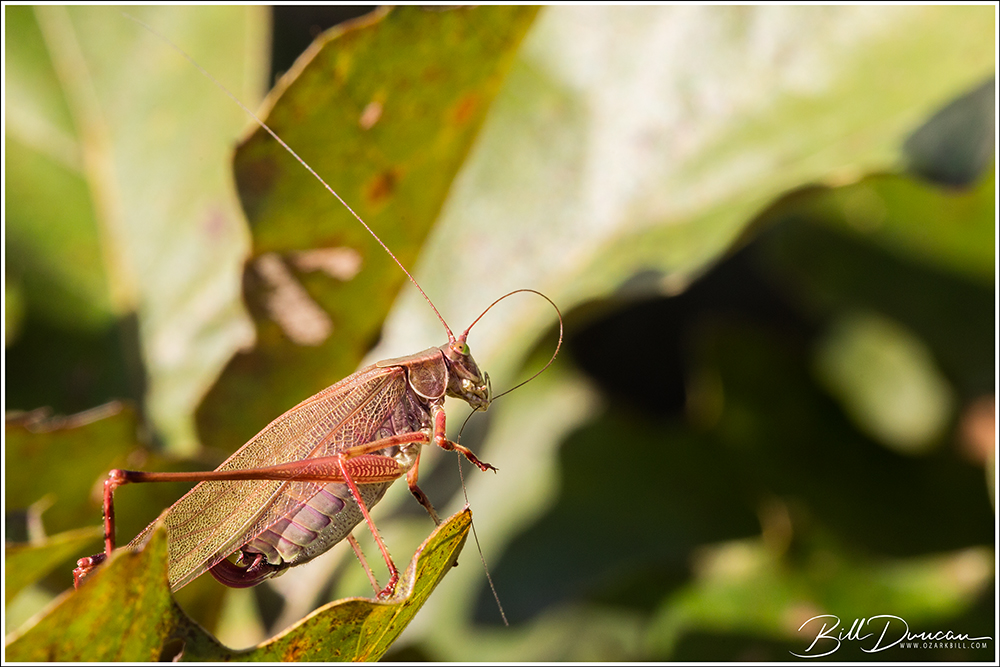
I was so glad to get this guy identified. Thanks goes to the folks on BugGuide. I had a pretty decent field guide, but still couldn’t get to the species. It turns out this species is known for having populations that are predominantly pink, red, or brown in color, which is unusual in the katydid family. Casey and I found three individuals that were this color in a sand prairie/savanna in southeastern Missouri last September.

From a WGNSS Nature Photography Group outing from last July at Shaw Nature Reserve, here are some images of a Hummingbird Clearwing (Hemaris thysbe) as it foraged among blooming Garden Phlox (Phlox paniculata).


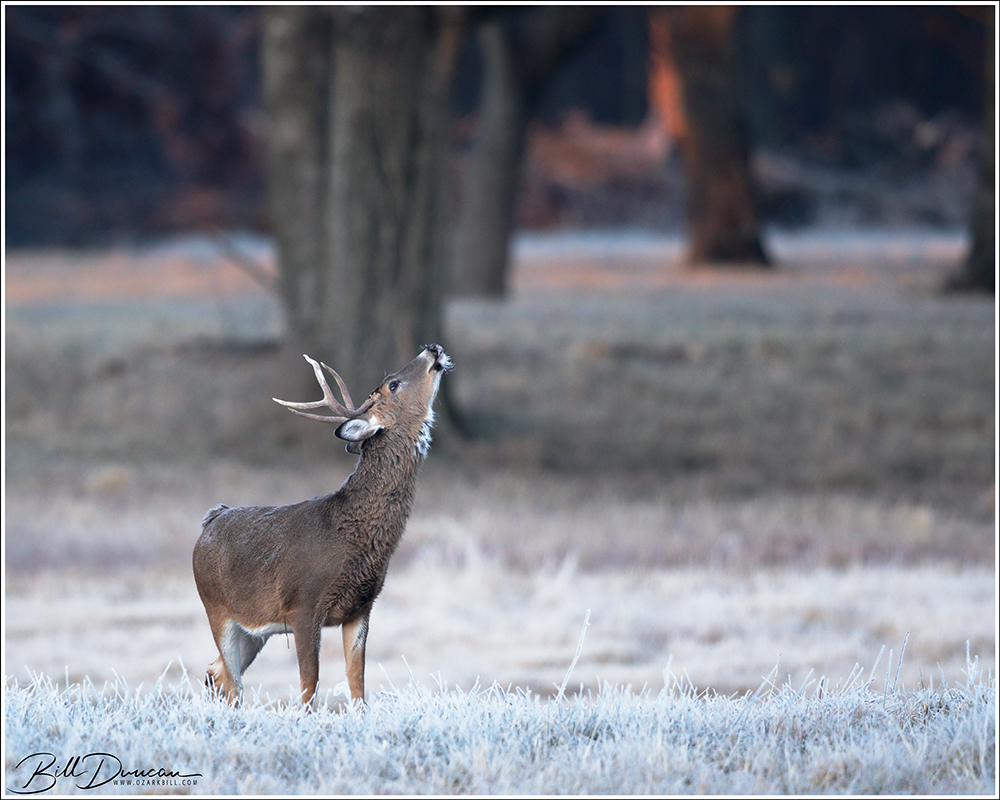
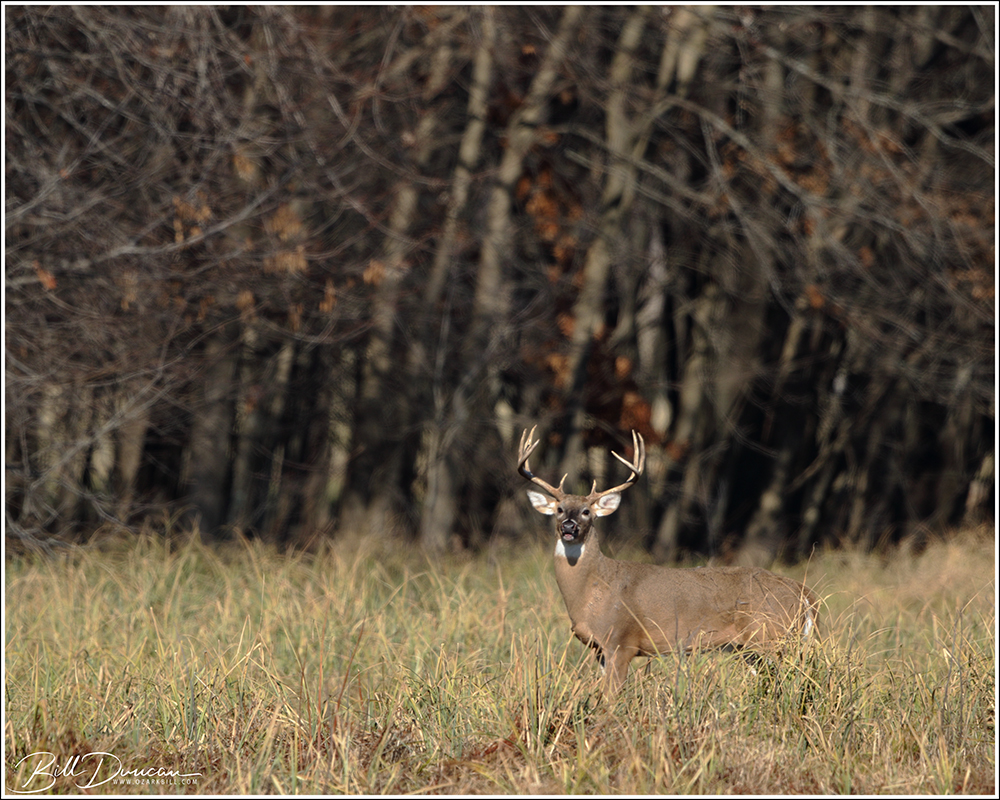
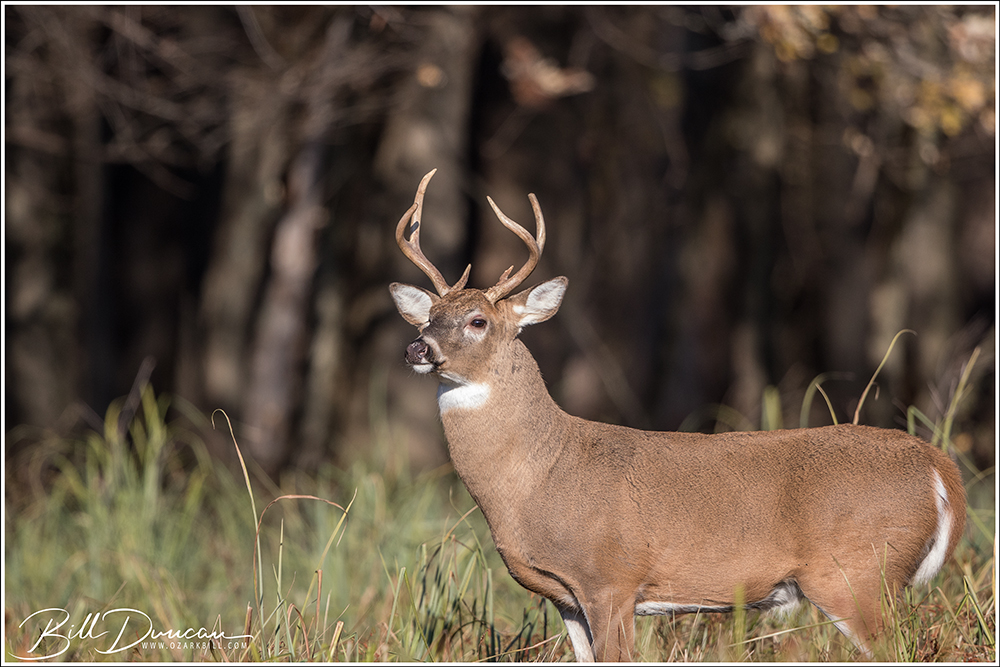
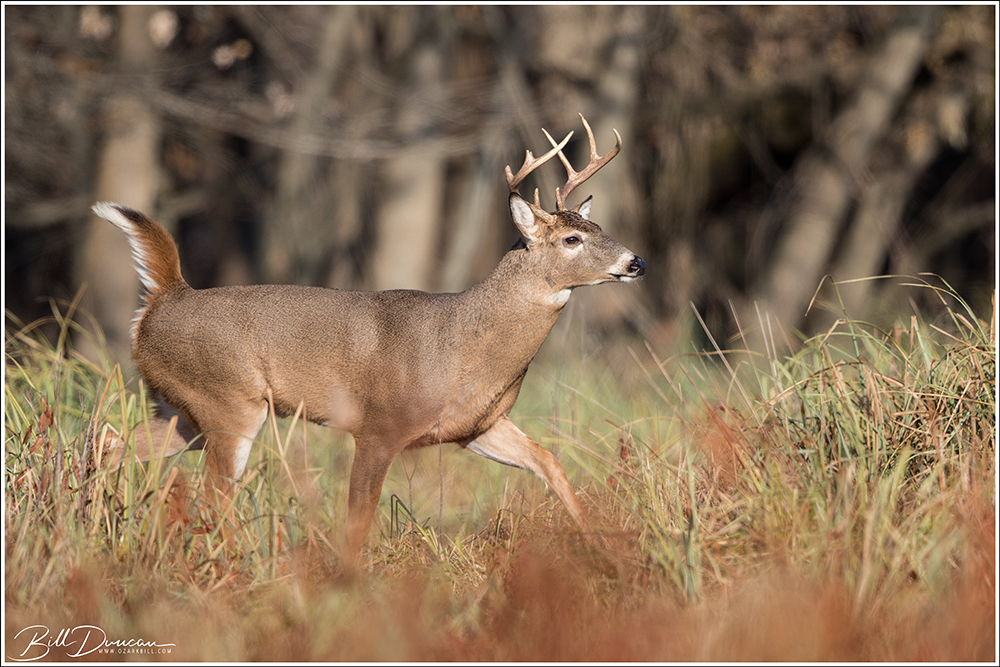
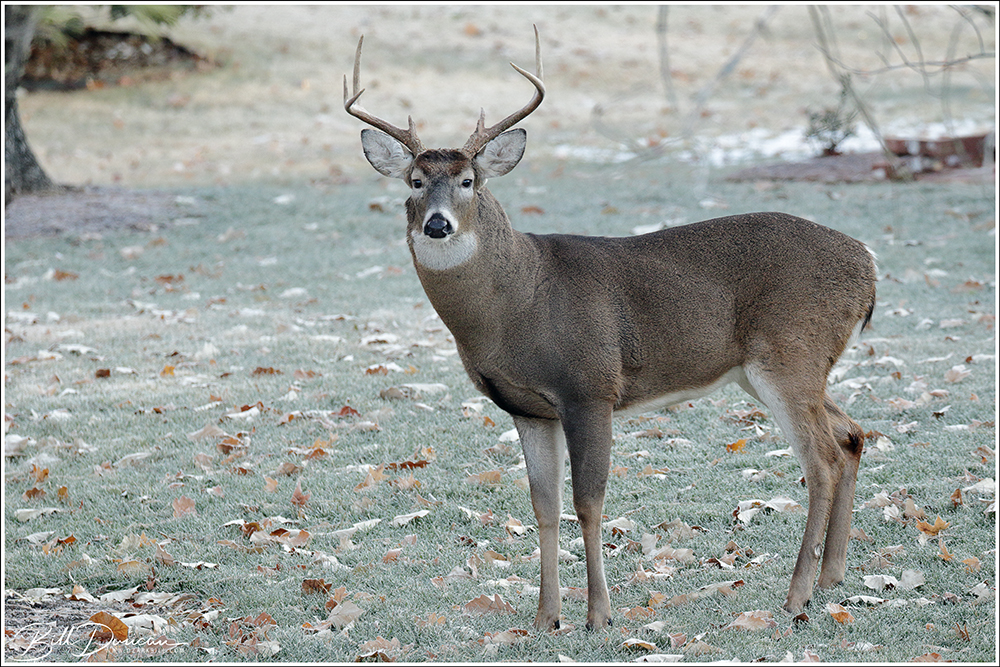
I was mostly pleased with the images made from my first real attempt at photographing the white-tailed deer rut last year. Here are a few more I thought worthy of sharing.





 A Thousand Acres of Silphiums