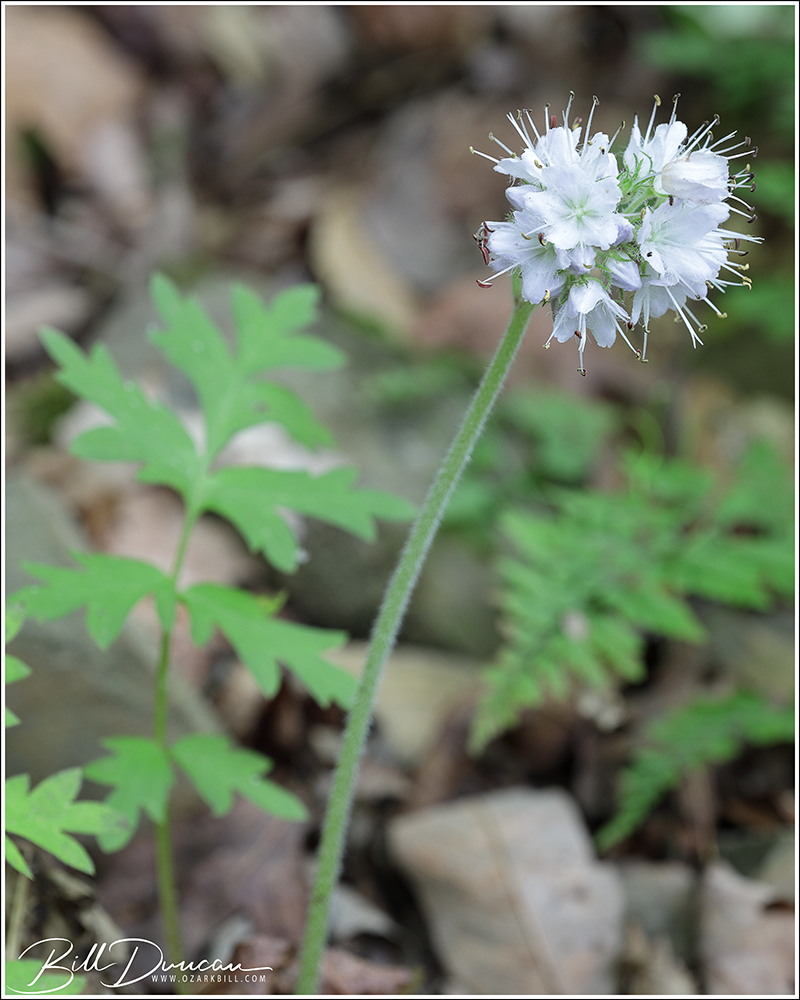
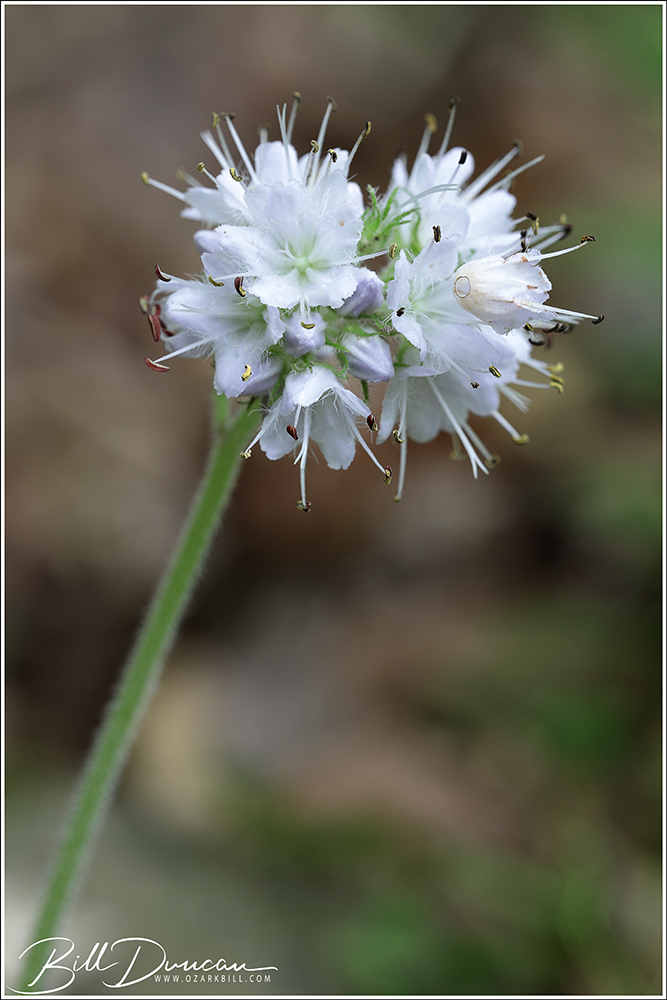
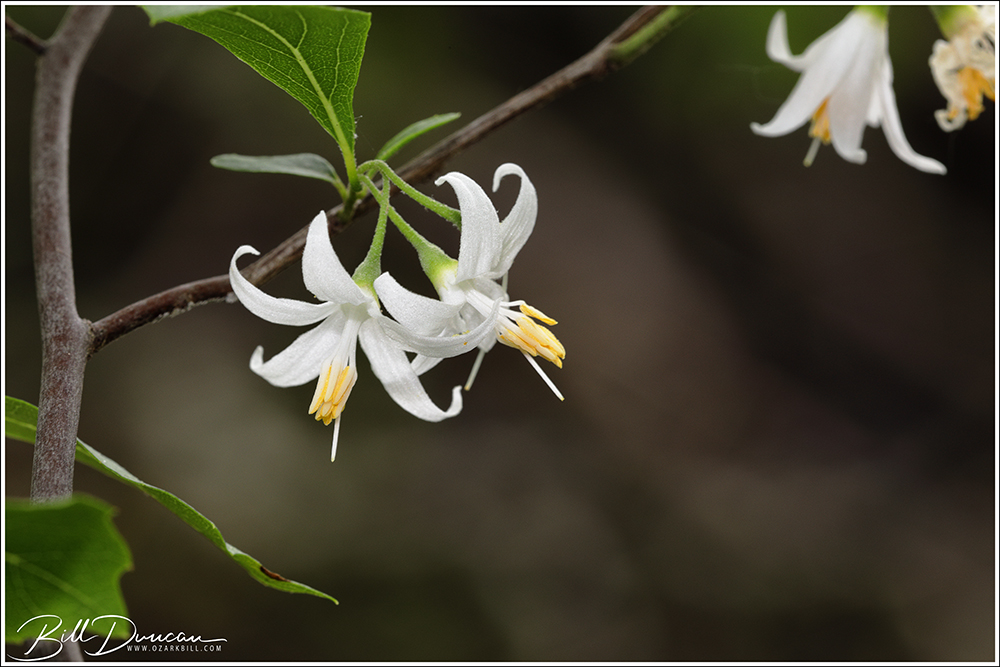
Styrax americanus (American Snowbell)

Found in approximately nine counties in southeastern Missouri, Styrax americanus can be found in low-lying wet habitats. This individual was found at Mingo National Wildlife Refuge. This plant is one of many different hosts of the promethea silkmoth (Callosamia promethea).

Styrax americanus – the American Snowbell. Photographed on May 22, 2021 at Mingo NWR near Puxico, MO.

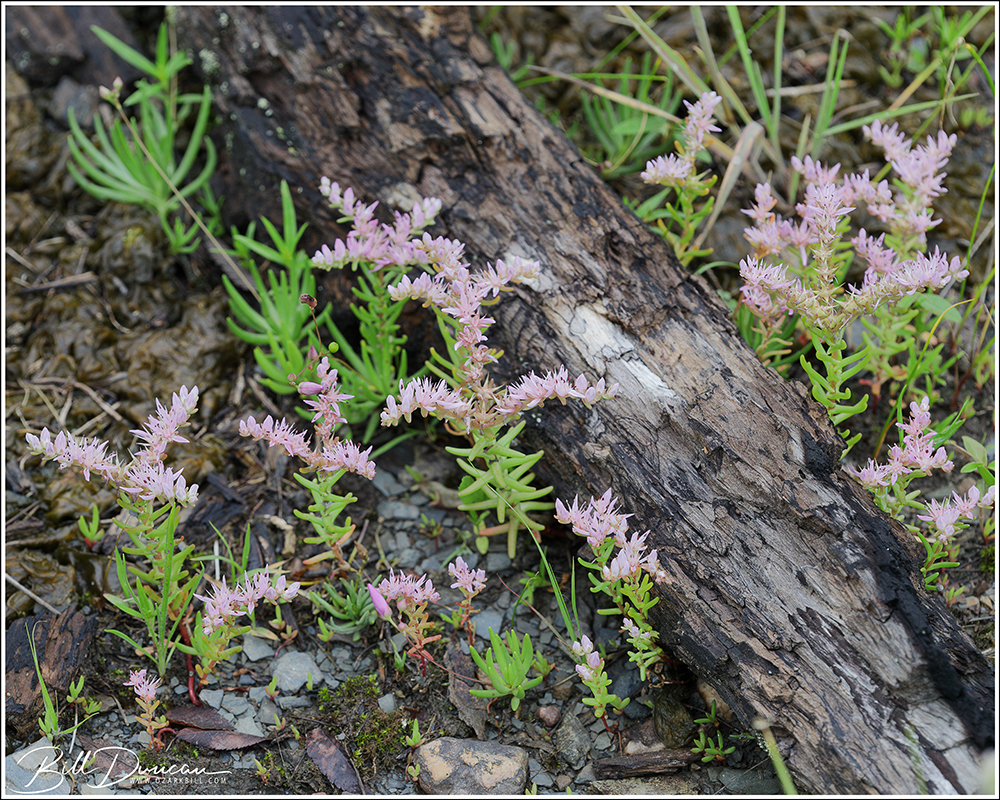
Sedum pulchellum (Widow’s Cross)

Sedum pulchellum, or widow’s cross, is another fantastic plant that Casey and I found in bloom at Middle Fork Barrens Natural Area in Hempstead County, Arkansas back in May, 2021. Growing primarily on calcareous glades, S. pulchellum is a member of the stonecrop family (Crassulaceae). The stonecrop family is known for being quite diverse (the pineapple is also a stonecrop). Along with most species being considered as succulents, stonecrop members utilize CAM photosynthesis – a strategy that helps plants in arid conditions.

The short succulent leaves and utilization of CAM photosynthesis allows Sedum pulchellum to thrive in the shallow soils of glades and barrens in the Ozarks.

The Last of the Ladies Tresses

This year I was able to find and photograph the last two of the Spiranthes (ladies tresses) orchids that can be expected to be found in Missouri.

First up is a plant that Casey and I found in Nevada County, Arkansas on May 9th. To my knowledge, S. praecox (grass-leaved ladies tresses) is found in only one location in the Show Me State. However, after checking for it on a few occasions, it looks as though the plant(s) did not bloom this year. Hopefully this population is still there and will bloom in a future year. The couple of blooming spikes Casey and I found in Arkansas were very striking, with deep green venation on the labellum.

Spiranthes praecox, grass-leaved ladies tresses

It is interesting to me that the final two Spiranthes orchids I had to add to my list are the largest two species by far. While S. praecox can reach heights of up to 75 cm, S. vernalis (spring ladies tresses) has been recorded at a meter in height! This species is distributed throughout the state, but is considered locally rare. This plant was found at Otter Slough C.A.

Spiranthes vernalis, spring ladies tresses
Small Carpenter Bee (Ceratina sp.)

Here we have a few shots of a small carpenter bee that was very cooperative this past April at Beckemeier Conservation Area as it nectared from a spring beauty blossom. This is one of the bees that nests and overwinters in old broken pithy stems that it excavates. So here is who you might be helping by leaving your dead stems sit through the winter.