"What a thousand acres of Silphiums looked like when they tickled the bellies of the buffalo is a question never again to be answered, and perhaps not even asked." -Aldo Leopold
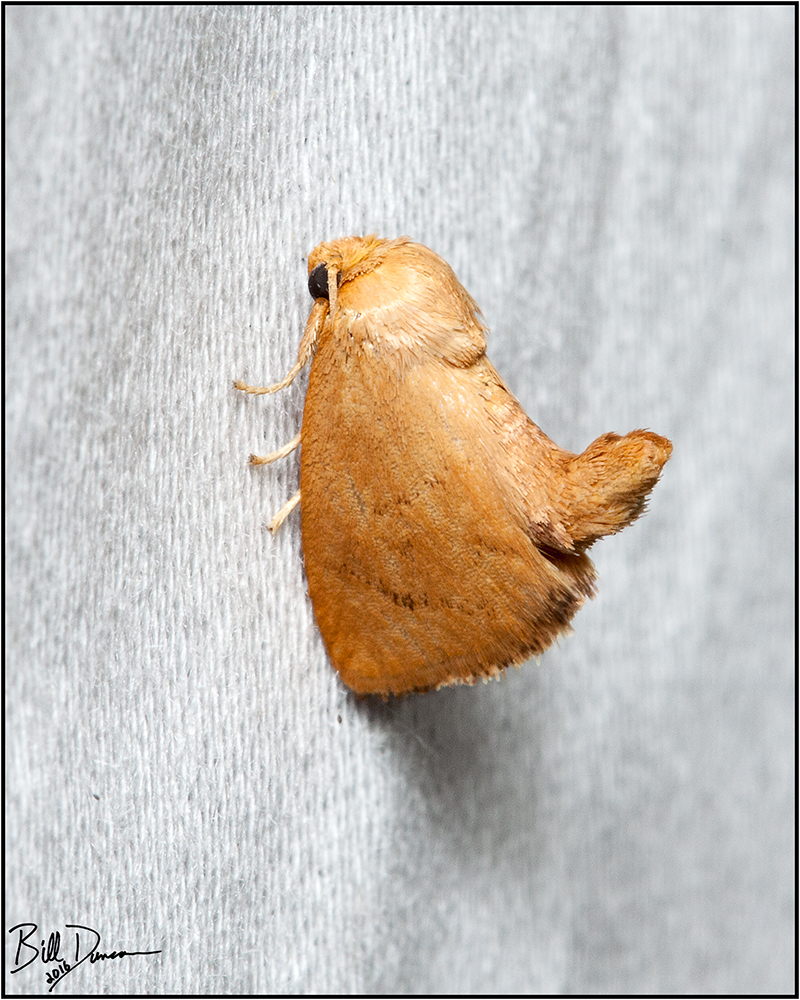
The highly variable colors and patterns of the skiff moth are hypothesized to mimic senescent/necrotic lesions on leaf surfaces. They often have paired white spots that are thought to mimic the eggs of the tachinid fly, a parasite that enters the caterpillar after hatching. These “egg mimics” are hypothesized to work by dissuading flies that may attempt to avoid depositing eggs on victims that were previously parasitized.
In my anecdotal experience of hunting for slug caterpillars over a six to eight week period this summer, the Nason’s slug (Natada nasoni – Hodges #4679) was by far the most abundant that I came across. This was particularly true in the drier, oak/hickory/pine hillsides of Hickory Canyon N.A. in Sainte Genevieve County.
Nason’s Slug – Limacodidae – Natada nasoni (4679). Horseshoe Bend Natural Area – Washington SP, Texas Co, MO.
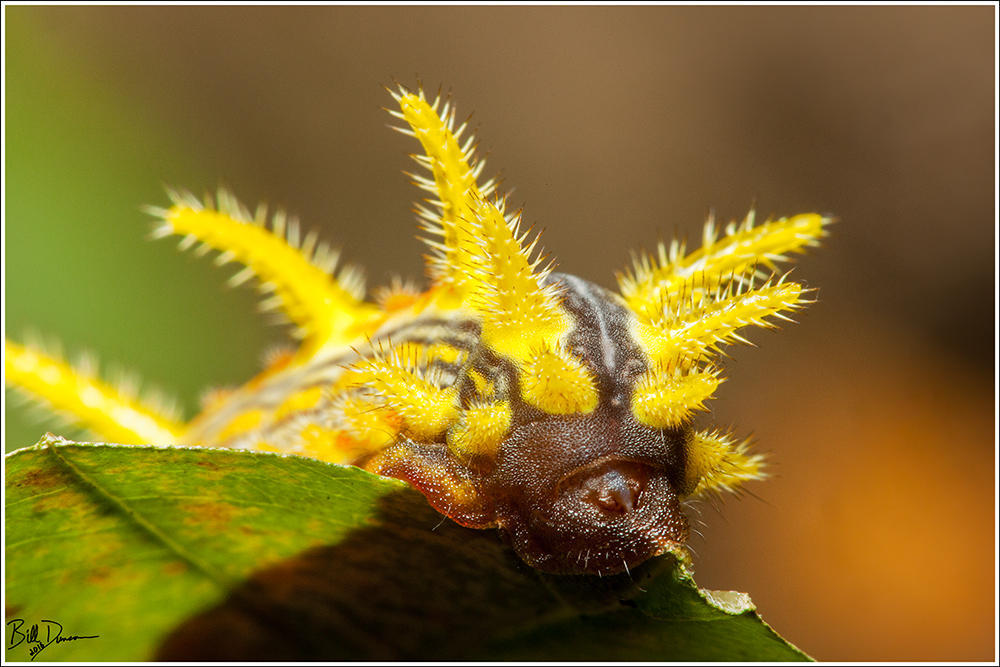
This species is able to retract its spines, elongating them to their fullest with any notion of danger. These guys have pretty substantial spines and because the cats were so abundant, I found I was accidentally stung a few times while lifting vegetation. This was not a pleasant experience.
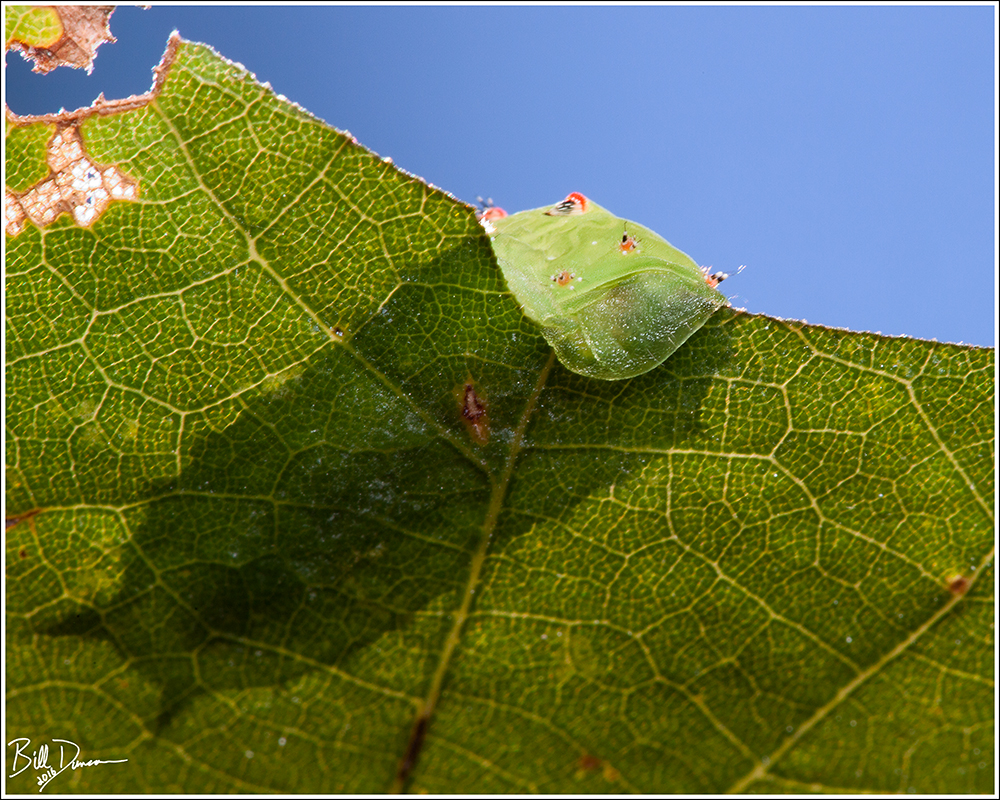
The image below was one that I had previsualized and worked a good bit on to get it right. I used my plamp to hold the leaf and attached the plamp to a dead limb to position the leaf high enough to get the leaf and caterpillar back lit by the sun. I then used just a bit of flash to illuminate the ‘face’ of the caterpillar and the underside of the leaf. In cases where I removed the leaf to get a photo, I always placed the leaf securely back on the same plant.
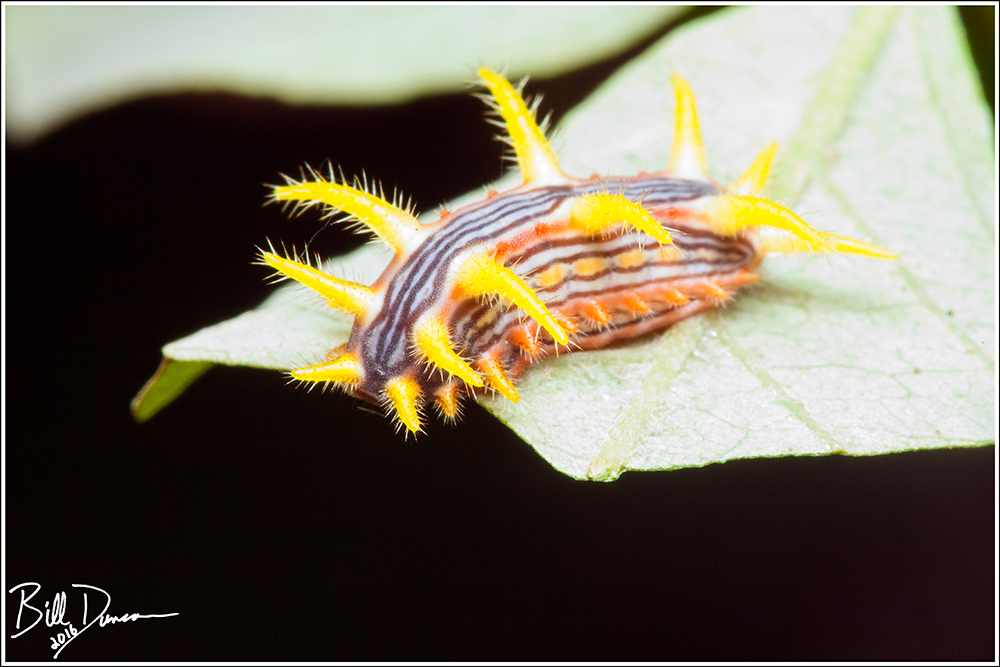
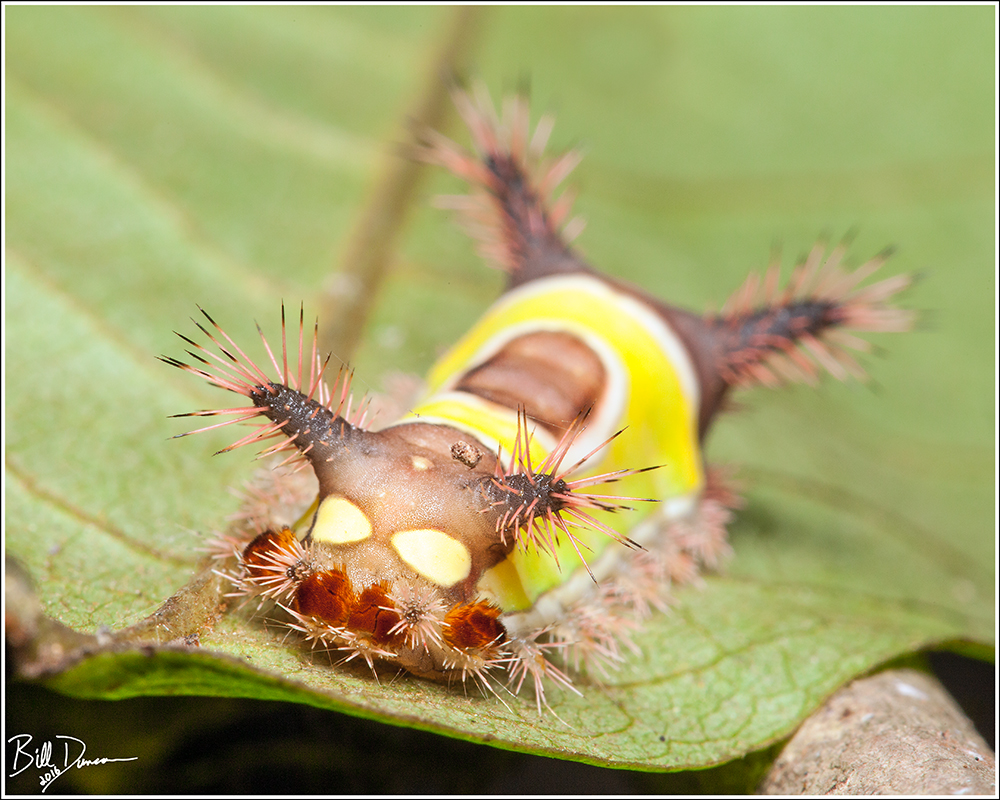
Stinging Rose Caterpillar -Limacodidae – Parasa intermedia (4699). Cuivre River State Park, Lincoln Co, MO.
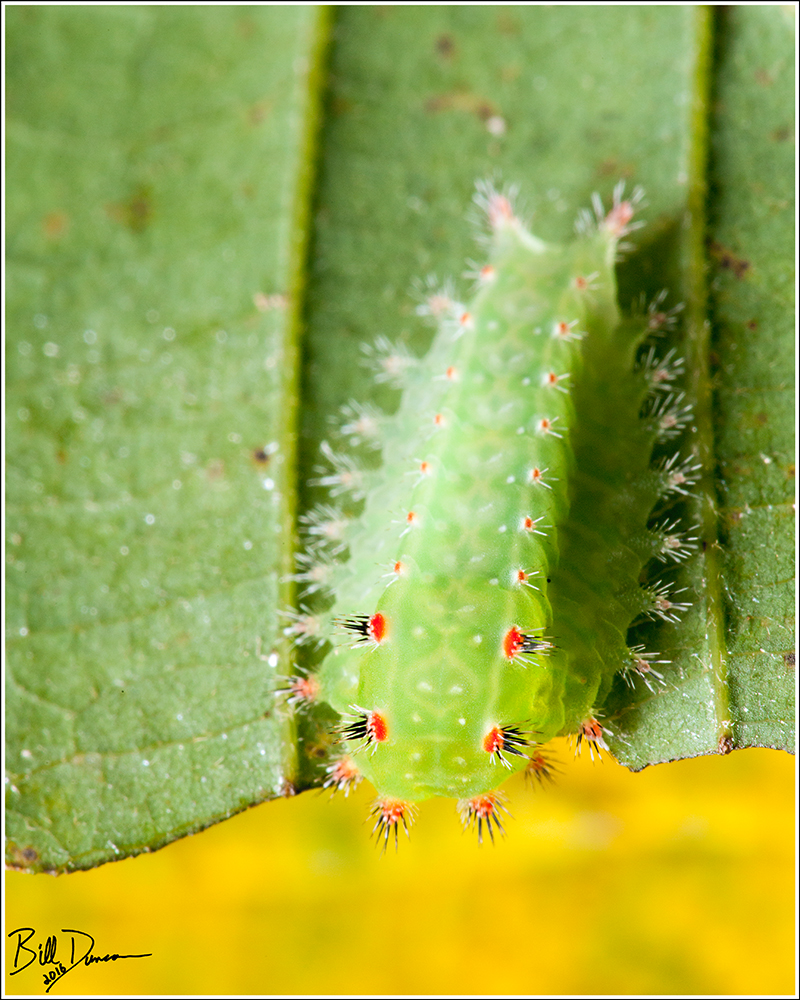
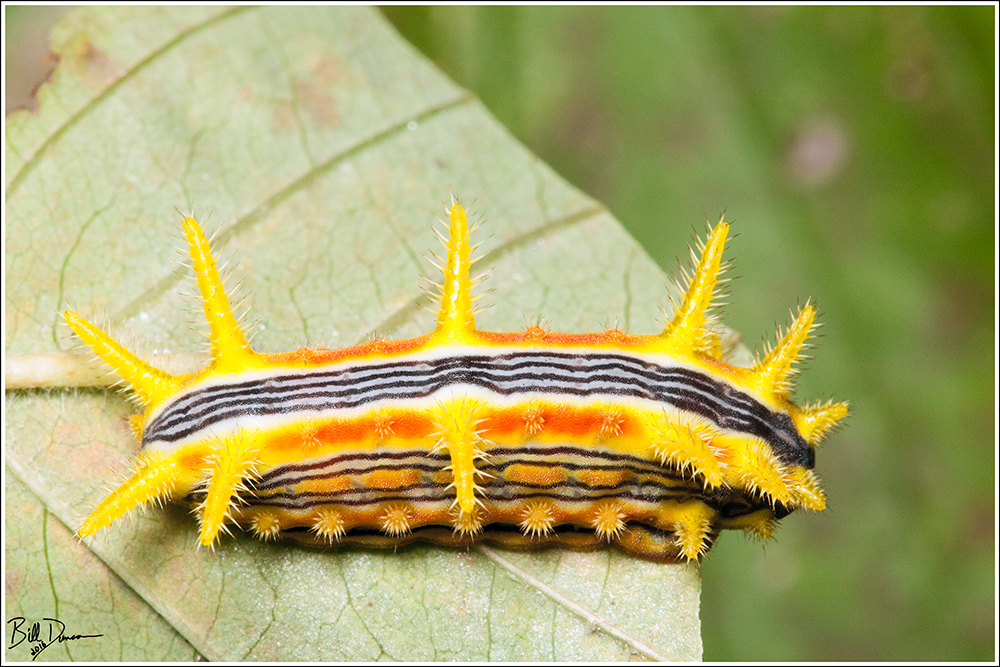
Arguably the most stunning of Missouri’s slug moth caterpillars, the Stinging Rose Caterpillar can most often be found on oak and hickory saplings. However, a number of other woody species (including those in the rose family) will also be used as host plants.
Stinging Rose Caterpillar -Limacodidae – Parasa intermedia (4699). Horseshoe Bend Natural Area – Washington SP, Texas Co, MO.
This is one of the species I voluntarily allowed to sting me – it wasn’t that bad, perhaps a mild ‘stinging-nettle’ type of experience that was gone in 30 minutes or so.
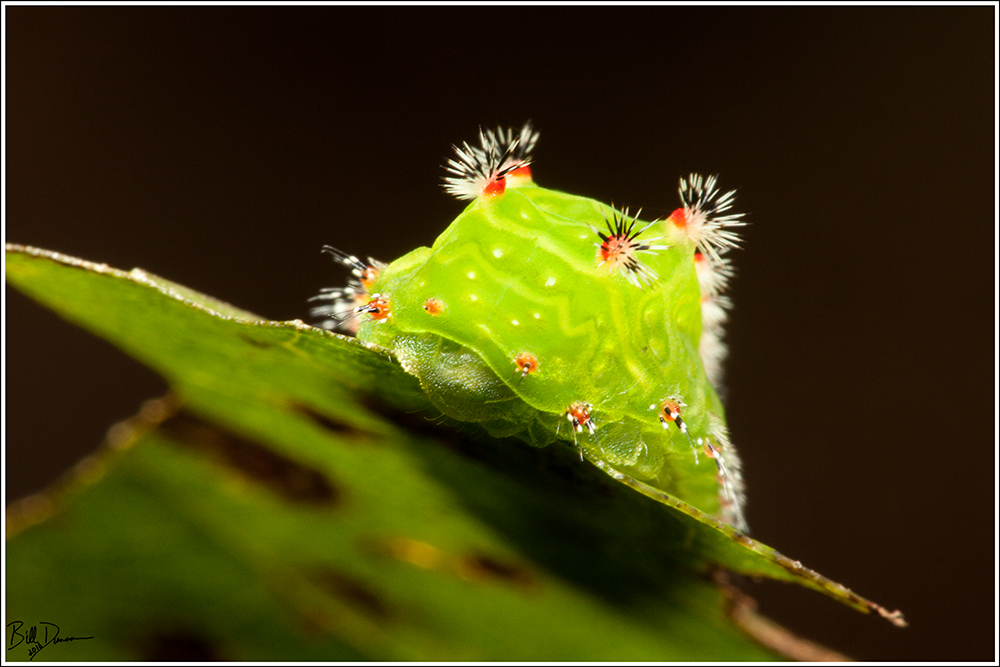
Stinging Rose Caterpillar -Limacodidae – Parasa intermedia (4699). Horseshoe Bend Natural Area – Washington SP, Texas Co, MO.
The image below shows a little of the variety of color and patterns that can be found in this species, this one showing more of a yellow/orange background. Some animals can be found that are completely yellow.
Stinging Rose Caterpillar -Limacodidae – Parasa intermedia (4699). Horseshoe Bend Natural Area – Washington SP, Texas Co, MO.
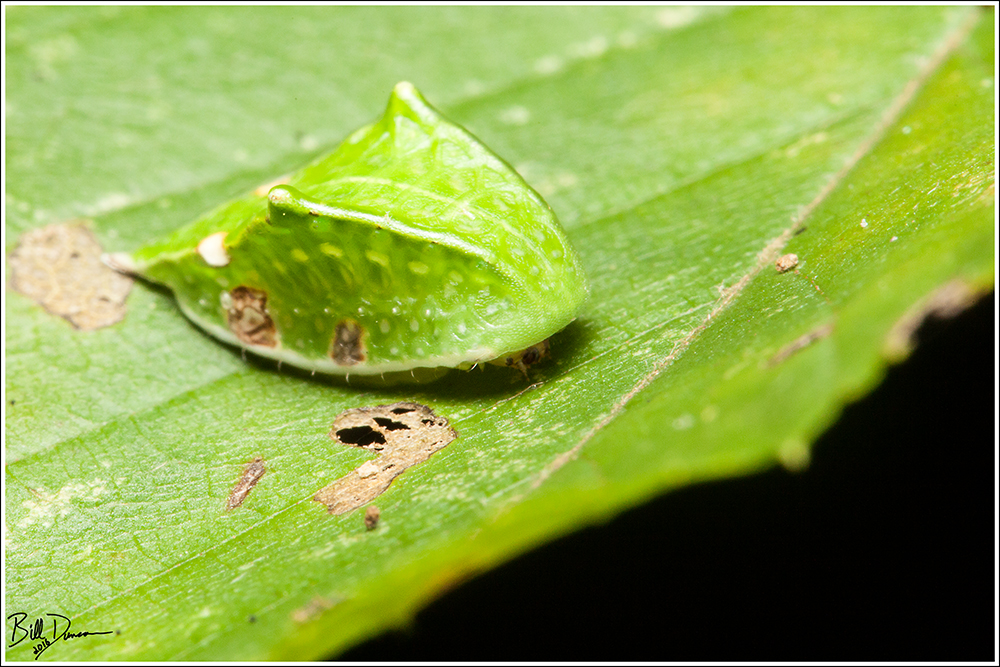
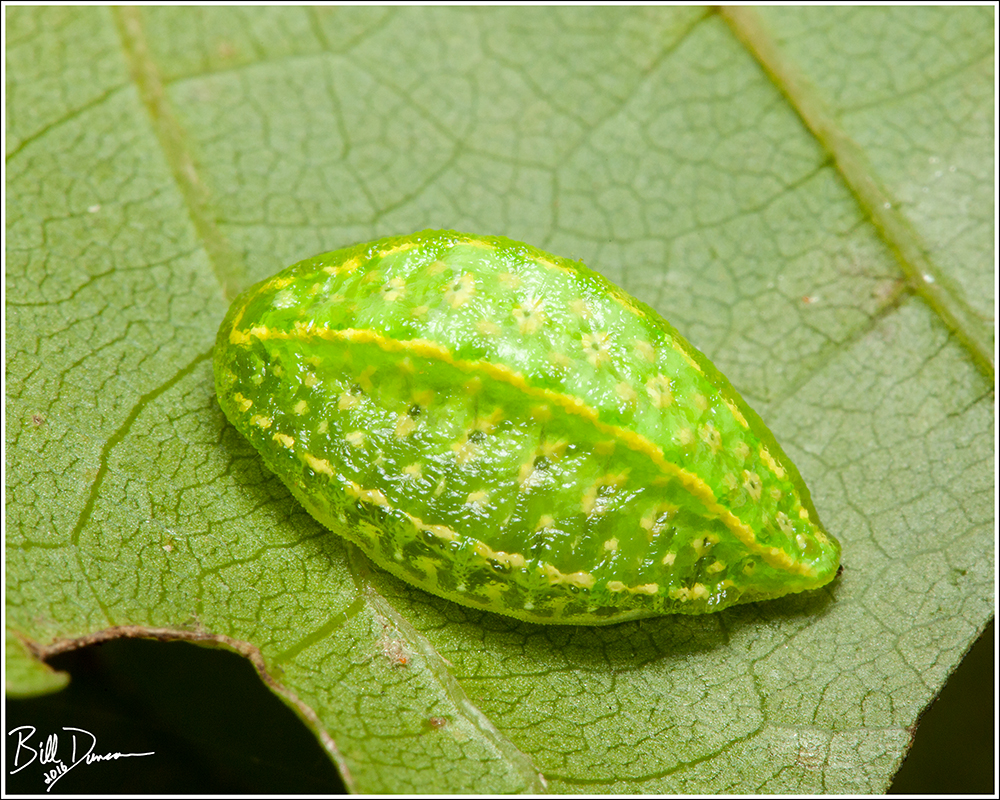
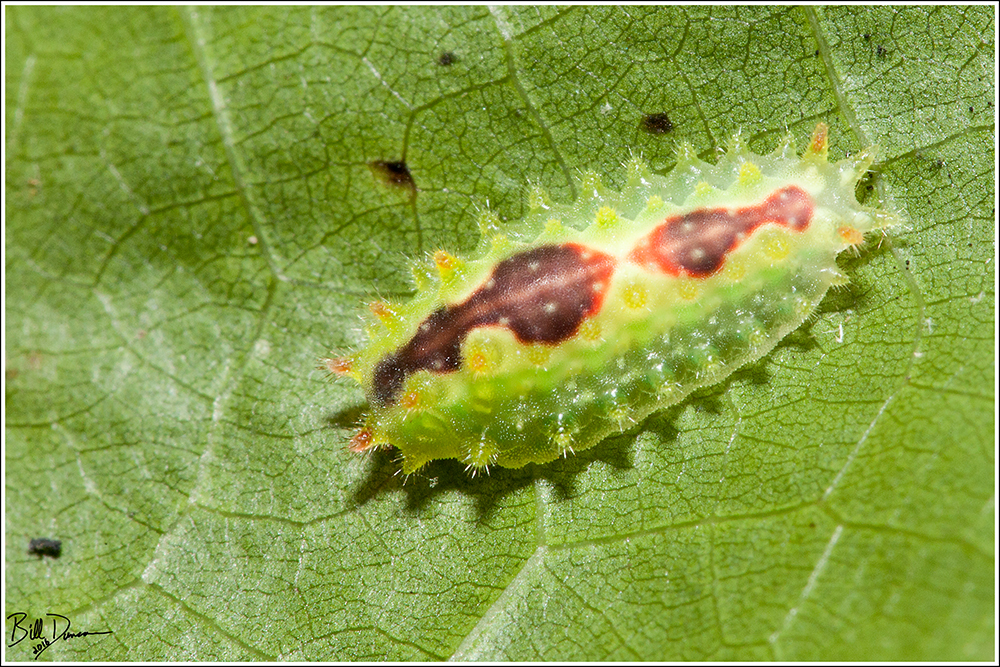
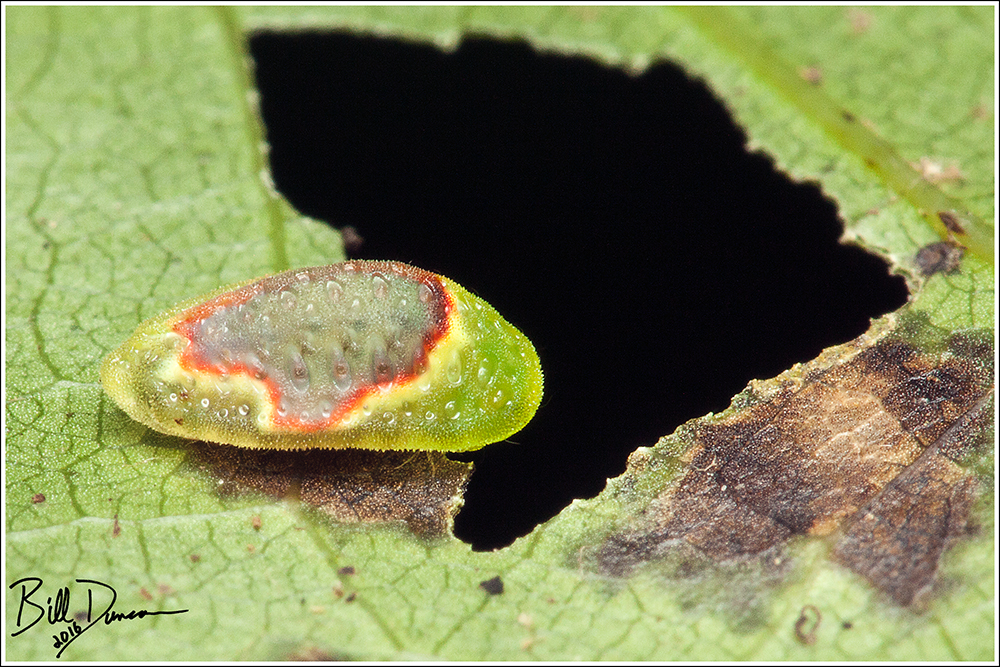
The next slug to make your acquaintance is the Red-crossed Button Slug. This species is quite similar to one or two others as both larvae and adult, but given that most lists I have seen from Missouri list this one and not the others, I am pretty confident in this ID. This species lacks the stinging, protective hairs, going instead with a more camouflage approach of looking like a bit of leaf blight as it passes over leaves of oaks, hickories and quite a few other known woody, deciduous host plants.
On a trail of silk – Red-crossed Button Slug – Limacodidae – Tortricidia-pallida (4653), Hickory Canyon Natural Area
The image above gives a glimpse into how the slugs get around – on a substance described as liquid silk. See the winding trails?
Even their frass is distinctive – Red-crossed Button Slug – Limacodidae – Tortricidia-pallida (4653), Hickory Canyon Natural Area
Here I caught one in the act. From what I’ve read, slugs leave distinctively shaped (indented) frass that is different from that of other caterpillars. I didn’t pause long enough to investigate.
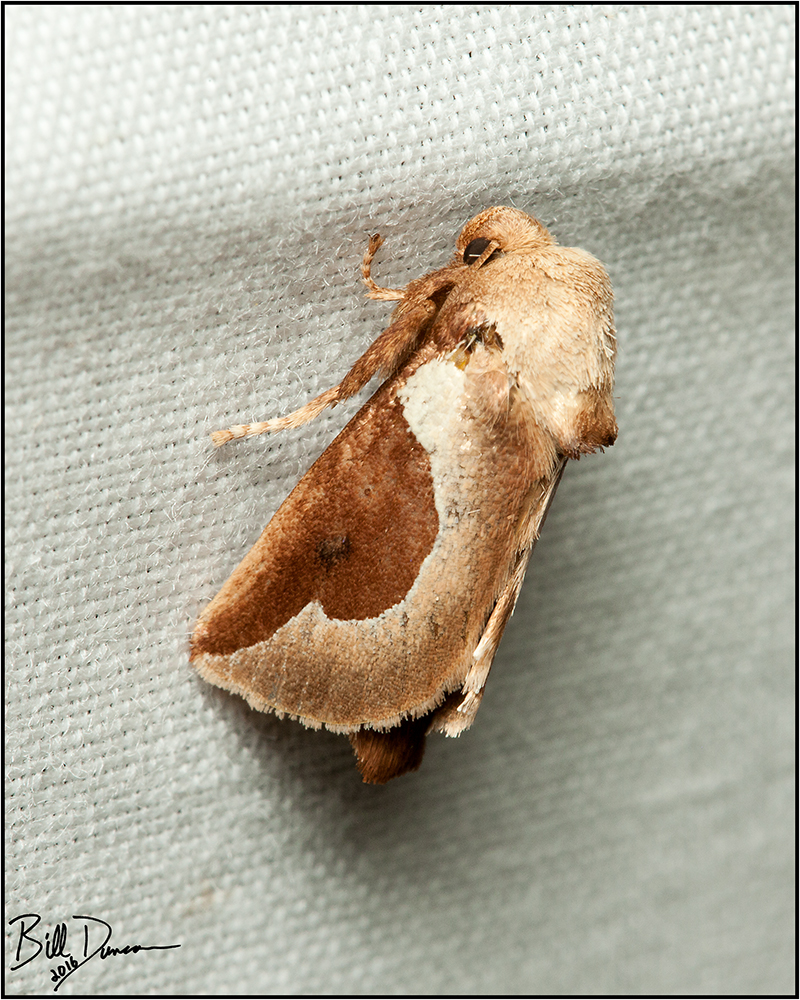
The slug moth – Red-crossed Button Slug – Limacodidae – Tortricidia-pallida (4653), Hickory Canyon Natural Area
Finally, the adult slug moth is pictured above. Slug moths are strongly attracted to lights and, from what I have read, are often some of the first species to show up when setting up a light and sheet/trap. I have a theory that this may be why I find many less slug caterpillars the closer I look near St. Louis. Although I found very similar habitats with the same composition and numbers of sapling oaks and hickories (the favored host plants), the closer I came to the city the number of slug caterpillars dropped significantly. Perhaps the city lights are sucking in the adults before they are able to reproduce? Probably a too simplistic idea, but it is a trend I noticed. It could just as well be due to fragmented habitat and overall less habitat available the closer one gets to the city.
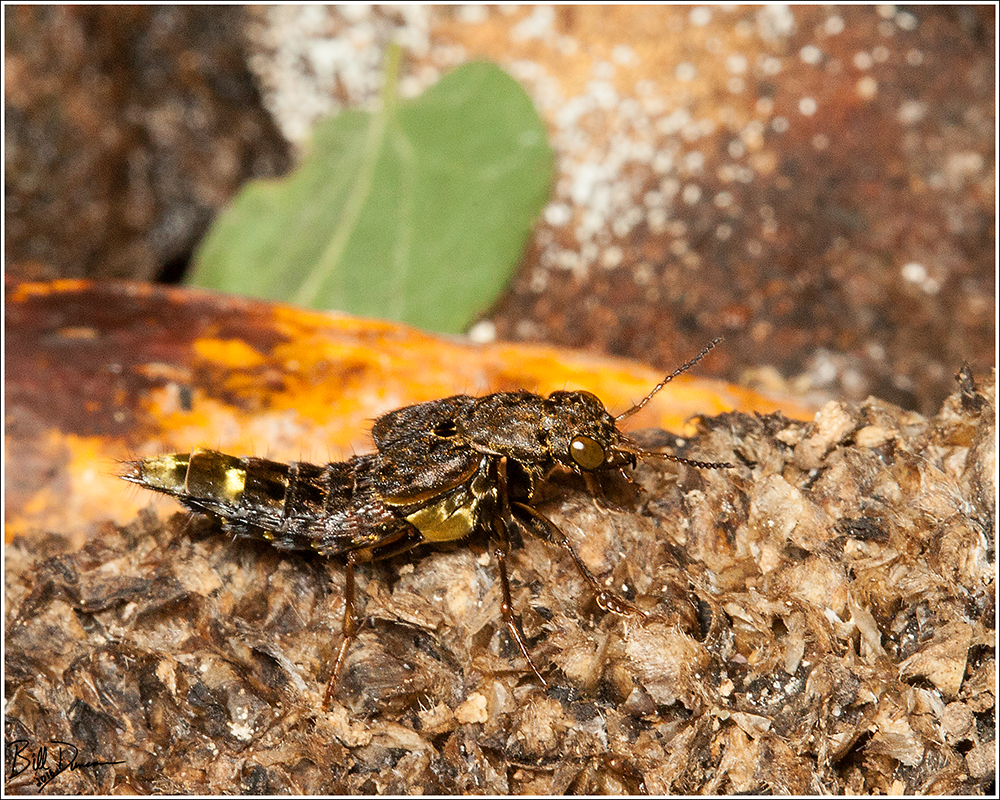
While searching for arthropod subjects to photograph on Steve’s property, we decided to check the compost/midden pile and found something completely unexpected.
Gold and Brown Rove Beetle – Staphylinidae-Ontholestes cingulatus, Farmington, MO
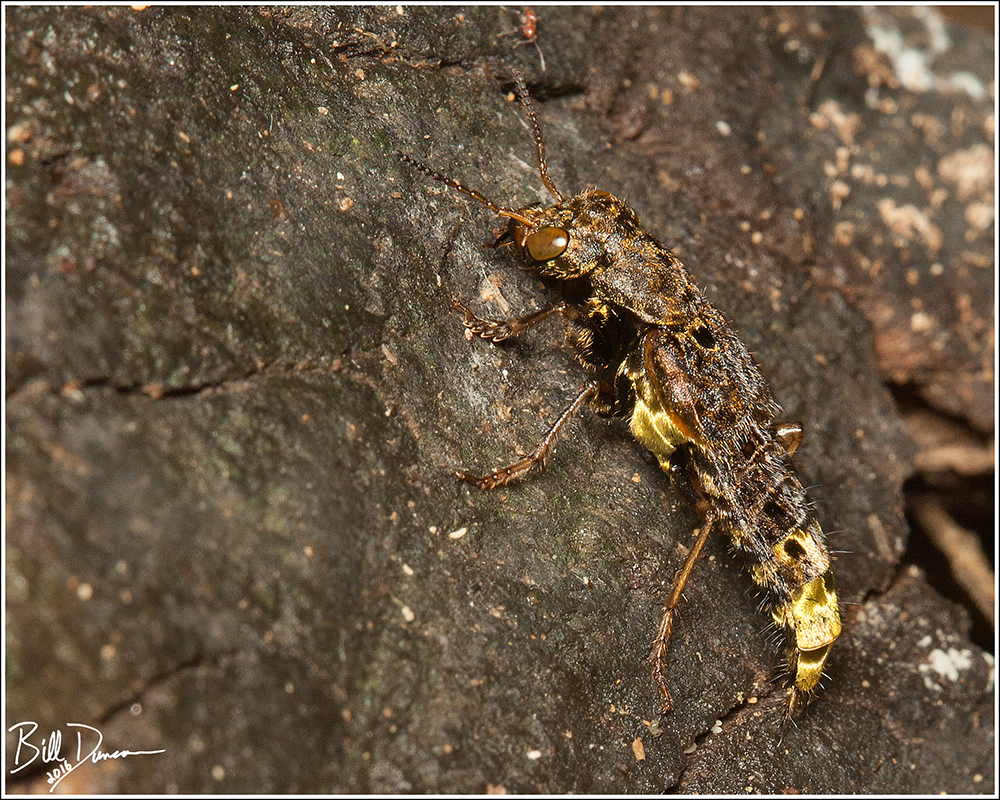
These beetles were crazy to watch – super speedy while flipping their gold-tipped abdomens over their backs in display. These guys yield even more support to my contention that the vast majority of ideas used in the sci-fi genre (particularly the creature-features) were taken from somewhere within the natural world.
Gold and Brown Rove Beetle – Staphylinidae-Ontholestes cingulatus, Farmington, MO
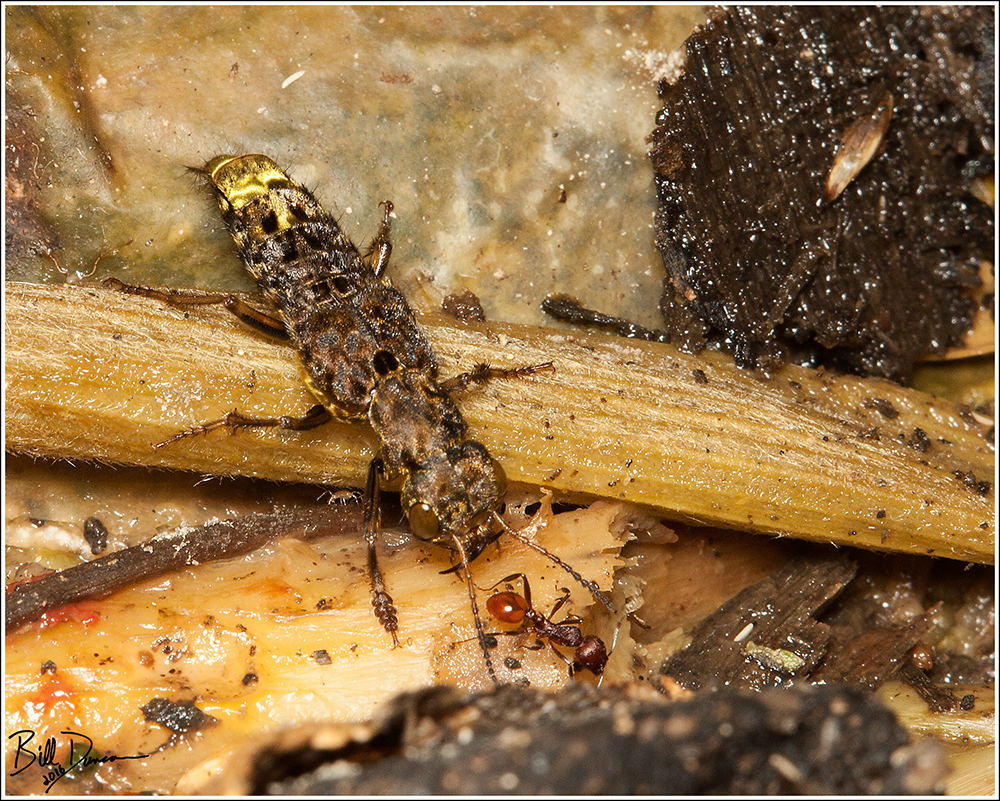
Check out those chompers!
Gold and Brown Rove Beetle – Staphylinidae-Ontholestes cingulatus, Farmington, MO
Saddleback Caterpillar (Acharia stimulea) photographed at Millstream Garden Conservation Area in late August, 2016.
We were quite fortunate during our first summer of hunting for “slug” caterpillars – members of the moth family Limacodidae who get their name from their absence of prolegs, which are replaced by a sucker that enables them to move quite similarly to a true slug. We (Sarah, Steve and I) were fortunate because we were able to locate and photograph ten species of slugs. I had read about these fascinating animals before, but never realized how abundant and diverse they actually were in the Missouri Ozarks. Yes, a good amount of work and patience is necessary to find them – I don’t want to tally up the hours, but it was time well spent outdoors.
I’ve decided to begin sharing these images with a species that is probably most well known of those who have heard of the slugs – the aptly named saddleback caterpillar. As can be seen in the image below, the saddleback wears a green saddle, bordered with white. Also apparent in these images are the urticating (stinging) hairs that are concentrated along fleshy nobs located at both ends of the caterpillar. These spines are found on a number, but not all of the caterpillars in this family and are capable of delivering a painful sting that is quite similar to that of the stinging nettle plant.
Saddleback Caterpillar (Acharia stimulea) photographed at Cuivre River State Park in mid August, 2016.
The image below shows the ocellus, or eyespots, which are actually on the posterior end of the animal.
Saddleback Caterpillar – Posterior (Acharia stimulea) photographed at Cuivre River State Park in mid August, 2016.
Finally, the anterior end – the animal’s head is nicely hidden under a few fleshy folds that are armed with spiny protuberances.
Saddleback Caterpillar – Posterior (Acharia stimulea) photographed at Cuivre River State Park in mid August, 2016.
I look forward to sharing more examples of this fascinating group of Missouri slugs in the near future.
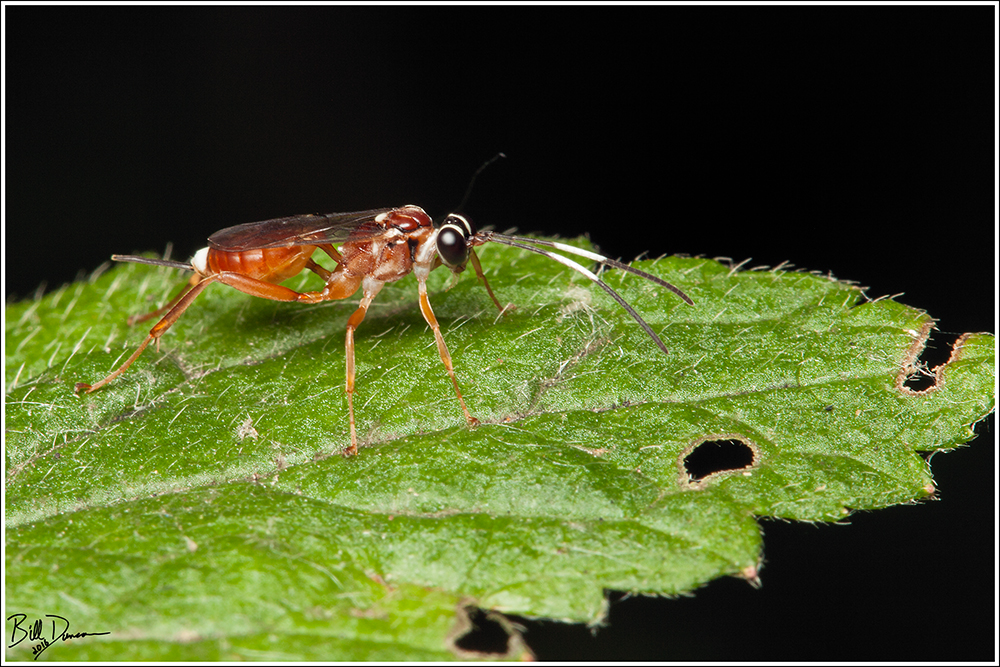
This tiny and speedy ichneumon wasp, which I am calling a Theronia species, has been hanging around my patch of wild strawberries for a couple of months. If I am close to correct in the identification (with more than 100,000 described ichneumons, how close could I be?), then this species parasitize tent caterpillars along with a number of other lepidopterans.
Ichneumonidae – Theronia sp. – Female – Photographed in the author’s wild strawberry patch, St. Louis Co., MO.
“I cannot persuade myself that a beneficent & omnipotent God would have designedly created the Ichneumonidæ with the express intention of their feeding within the living bodies of caterpillars …”
-Charles Darwin-
Ichneumonidae – Theronia sp. – Female – Photographed in the author’s wild strawberry patch, St. Louis Co., MO.











 A Thousand Acres of Silphiums