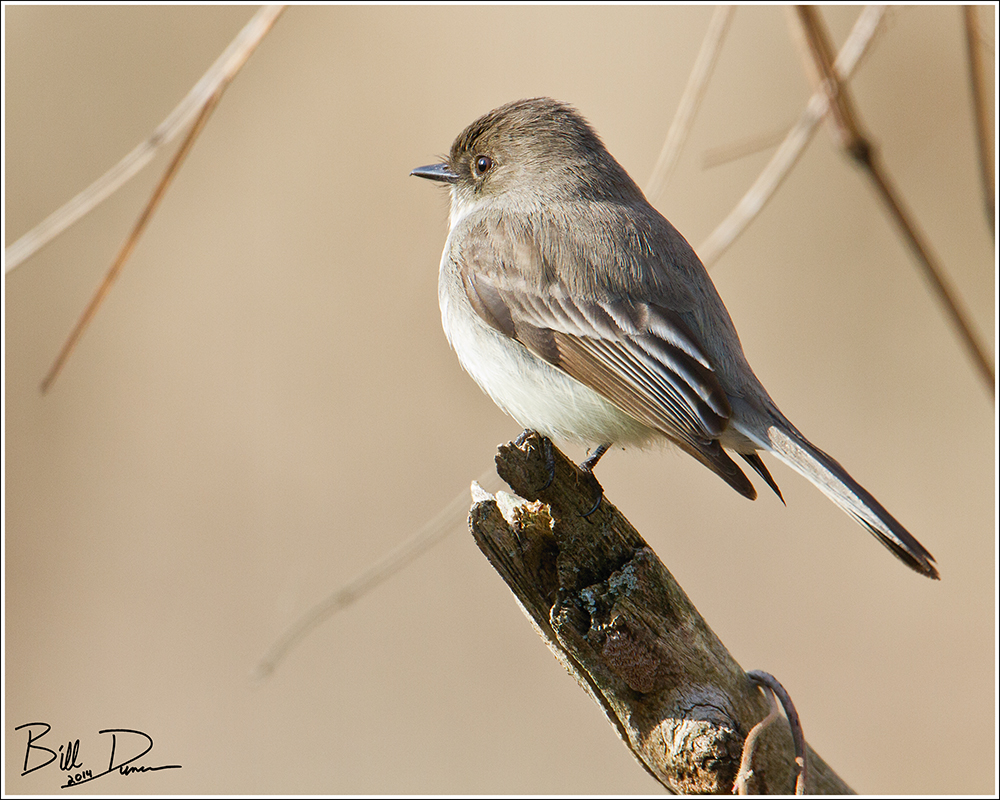
One of my favorites, the Eastern Phoebe conveniently sings its name. If that isn’t easy enough this tyrant flycatcher also pumps its tail incessantly while perched.
"What a thousand acres of Silphiums looked like when they tickled the bellies of the buffalo is a question never again to be answered, and perhaps not even asked." -Aldo Leopold
One of my favorites, the Eastern Phoebe conveniently sings its name. If that isn’t easy enough this tyrant flycatcher also pumps its tail incessantly while perched.
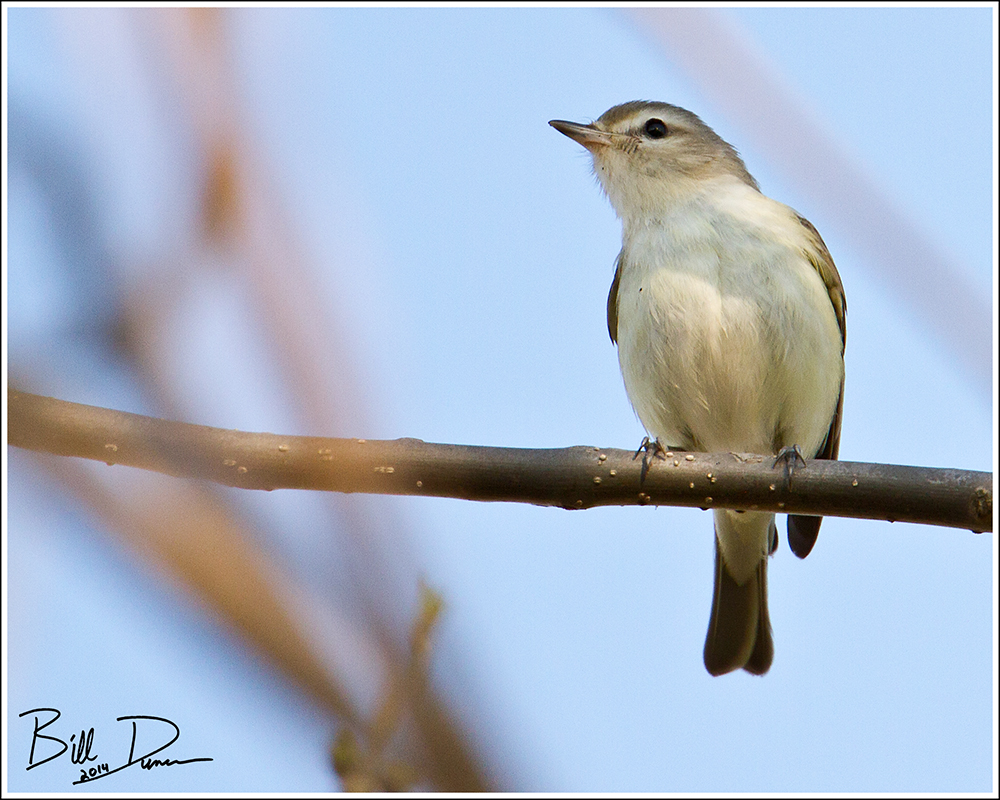
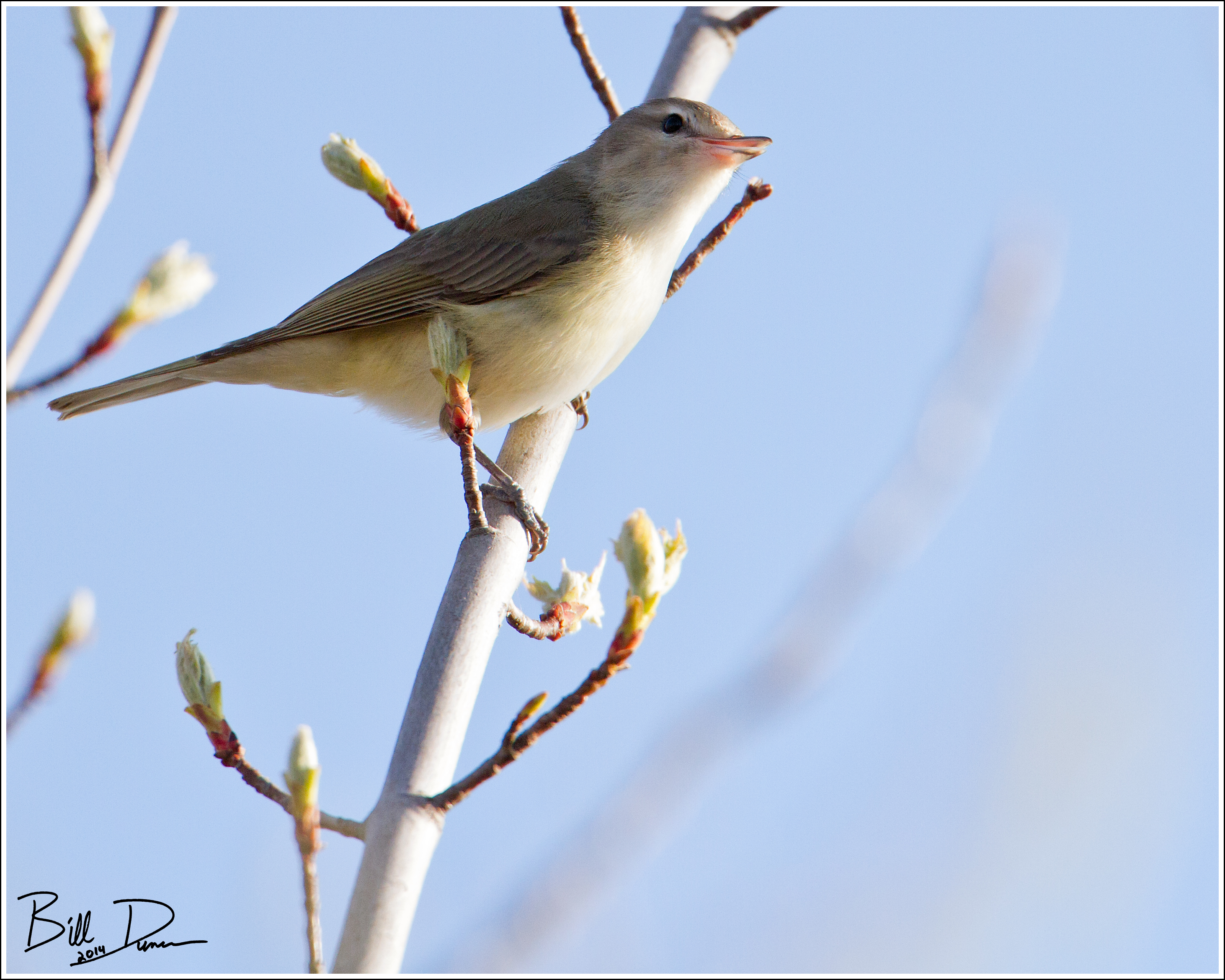
At riverine locals like RMBS, the warbling song of the Warbling Vireo can be heard all day long throughout the summer. However, they have always given me grief when it came to getting a photograph – lurking shyly among the leafy branches of the Cottonwood. This year, I hit a trail where I know they set territories for nesting. Early in the spring, before the leaves expanded, I was able to follow this guy as he made the rounds and get some photos.
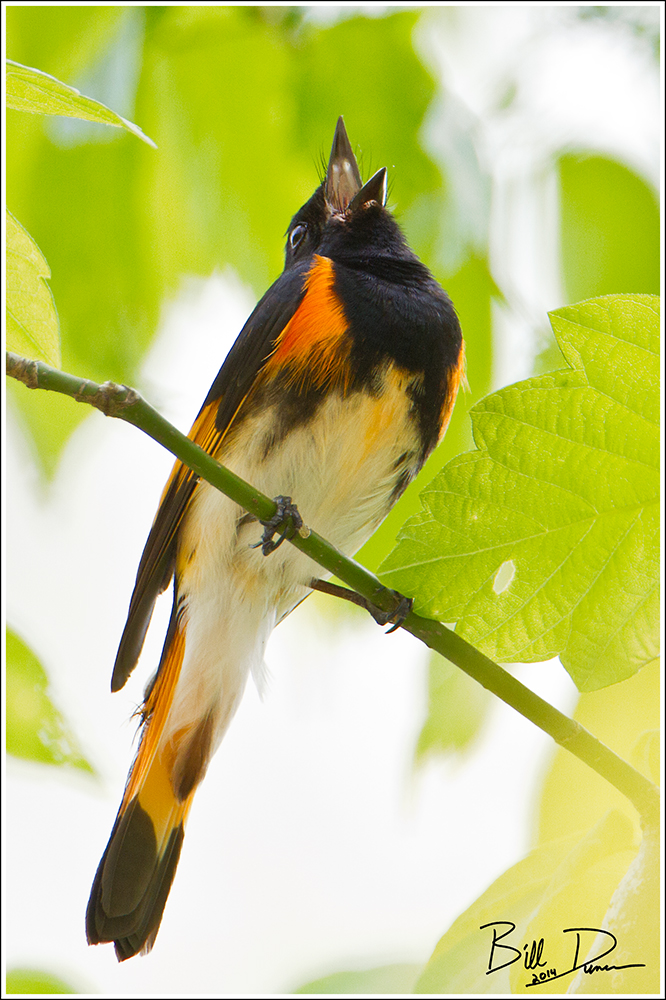
Photographed at Big Spring State Park. The American Redstart song seems to be more variable than any of the guidebooks suggest.
Who cooks for you all? My chef of a wife, Sarah, that’s who… 😉
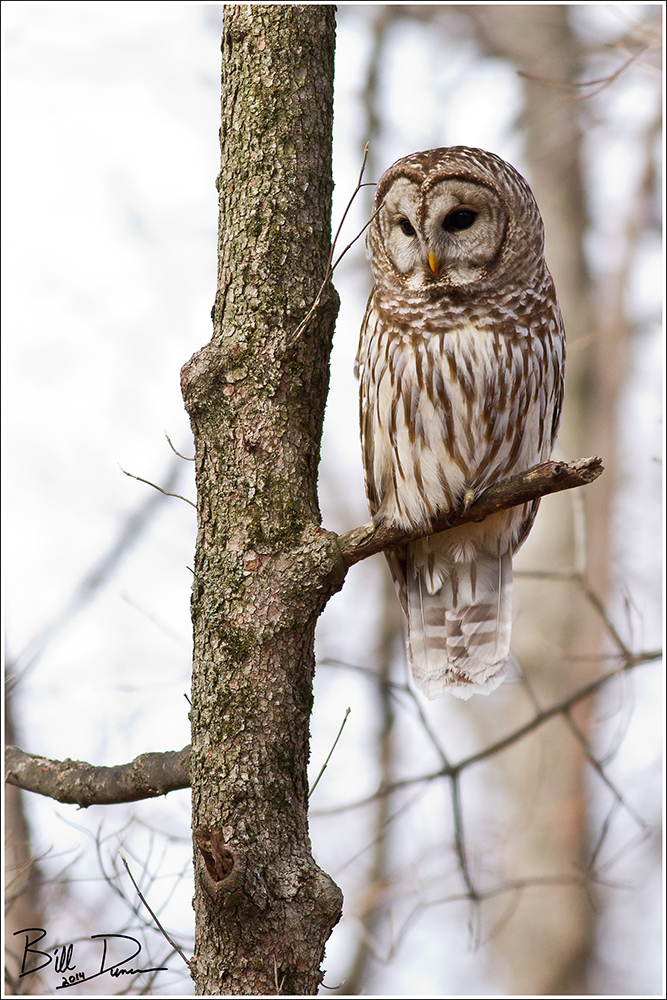
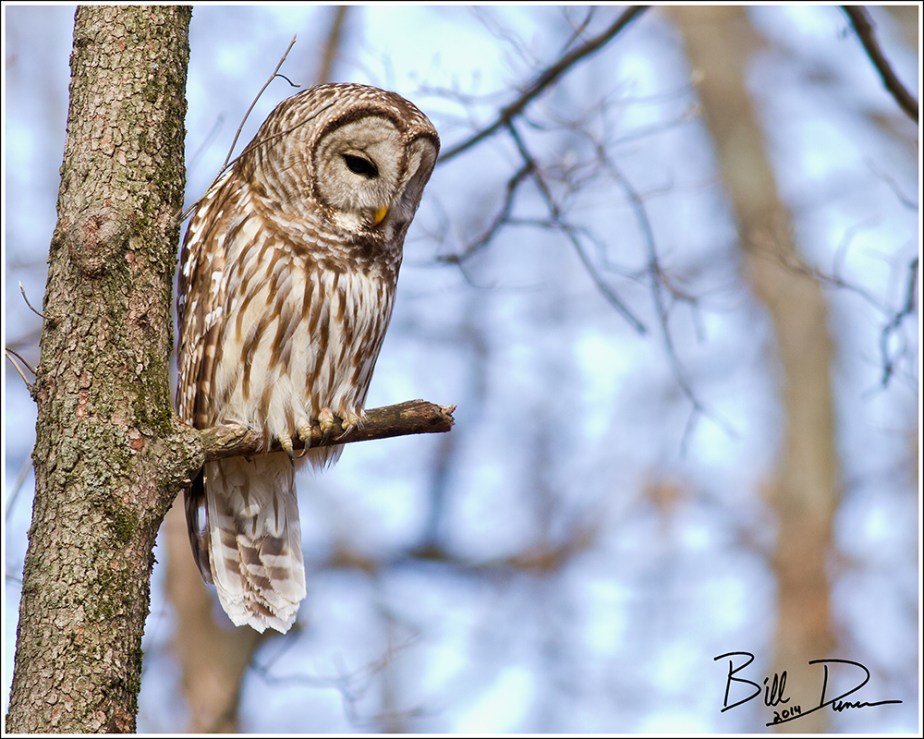
No, not a song bird today. I was lucky enough to come across this Owl during a day hike this spring. Usually, an Owl spotting OZB does whatever it can to escape, but this guy seemed not to be concerned and continued to scan the ground for mice and voles roaming through the leaf litter as I took its picture.
The Kentucky Warbler’s chury, chury, chury can sometimes be difficult to discern from the songs of the Ovenbird or the Carolina Wren. This warbler builds its nest usually just off the ground, confined within heavy vegetation, and often are parasitized by Brown-headed Cowbird. This guy was coaxed out with a little playback in a woody thicket near the parking lot at Greer Spring. Check out the short tail, easily evident in this photo, which is a good field mark for this species.

The male Hooded Warbler’s song can be heard within the Ozark National Scenic Riverways longer into the heat of the day than many other songbirds. This guy, singing alongside quite a few other males occupying adjacent territories, was photographed on the Greer Spring Trail this spring.


From Harrison on the Worm-eating Warbler nest: “On the ground, concealed under drifts of leaves, usually protected overhead by shrubs, briars, saplings. Built of skeletonized leaves; lined with hair moss (Polytrichium), fine grass, hair. Typically on hillside or bank of ravine.” As cryptic as the birds themselves, the nest of a Wormy would only be found with the combination of utmost patience and fortune. If found, it has been reported that one can get quite close to the nest, the female only flushing if touched!
Click here to listen to the Worm-eating Warbler song.


Observing and photographing songbirds that nest in this region is a bit easier than usual this time of year. This is because males are so focused on establishing and maintaining their territories. All one must do is decide what species is the objective, take yourself to the appropriate habitat and know its song. Once the singer has been identified, finding the male is relatively straight forward.
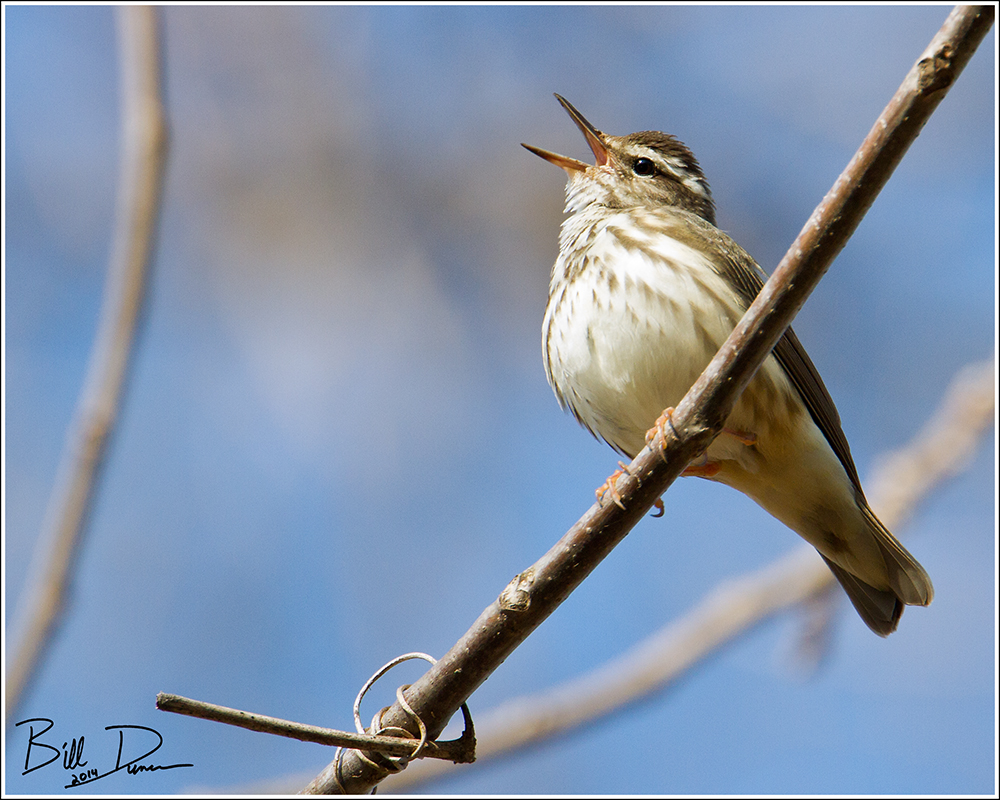
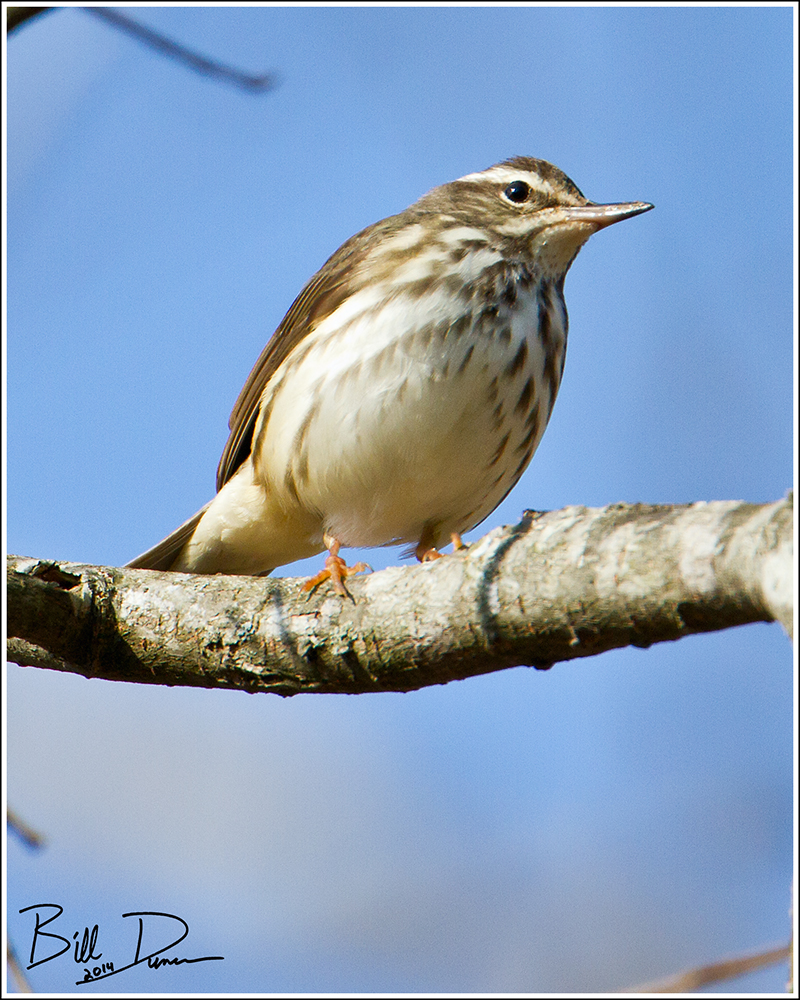
This is a Louisiana Waterthrush, found and photographed by Steve and I at Shaw Nature Reserve this spring. Hal Harrison (Eastern Birds’ Nests) states these guys locate their nest almost always near a stream, sometimes within the bank of the stream, hidden by roots, leaves and grasses. Like the nests of so many songbirds, finding one is an almost impossible task. Again, from Hallison: both sexes participate in nest building, which takes 4-6 days, only the female incubates the single, annual clutch of 4-6 eggs, that take 10-14 days to hatch.
Click here to listen to the Louisiana Waterthrush song.
 A Thousand Acres of Silphiums