
On a rainy March day at BK Leach CA Sarah and I came across a couple of young Bald Eagles hanging out. The bird on the left is a 4-year old and his partner is likely a 2nd year bird.
Have a nice weekend.
-OZB
"What a thousand acres of Silphiums looked like when they tickled the bellies of the buffalo is a question never again to be answered, and perhaps not even asked." -Aldo Leopold
On a rainy March day at BK Leach CA Sarah and I came across a couple of young Bald Eagles hanging out. The bird on the left is a 4-year old and his partner is likely a 2nd year bird.
Have a nice weekend.
-OZB

While driving around BK Leach Conservation Area this spring, we came across a Turkey Vulture feeding on a raccoon carcass. Did you know that the Turkey Vulture has the most advanced olfactory system of any known bird? They can pick up the smell of a rotting animal from more than a mile away. As shown below, we noticed the bird would attempt to cover up its meal when it spotted other vultures soaring nearby.

Turkey Vultures can often be seen with their wings widely spread in what is referred to as an “horaltic pose”. The benefits of doing this are not entirely known but have been hypothesized to be an aid in warming the birds and helping to dry feathers. The bird posing in the shot below was taken one morning while I was hiking at Shaw Nature Reserve.

Finally, I thought I would share some video footage that this patient bird let us take whilst it was digging into some coon.
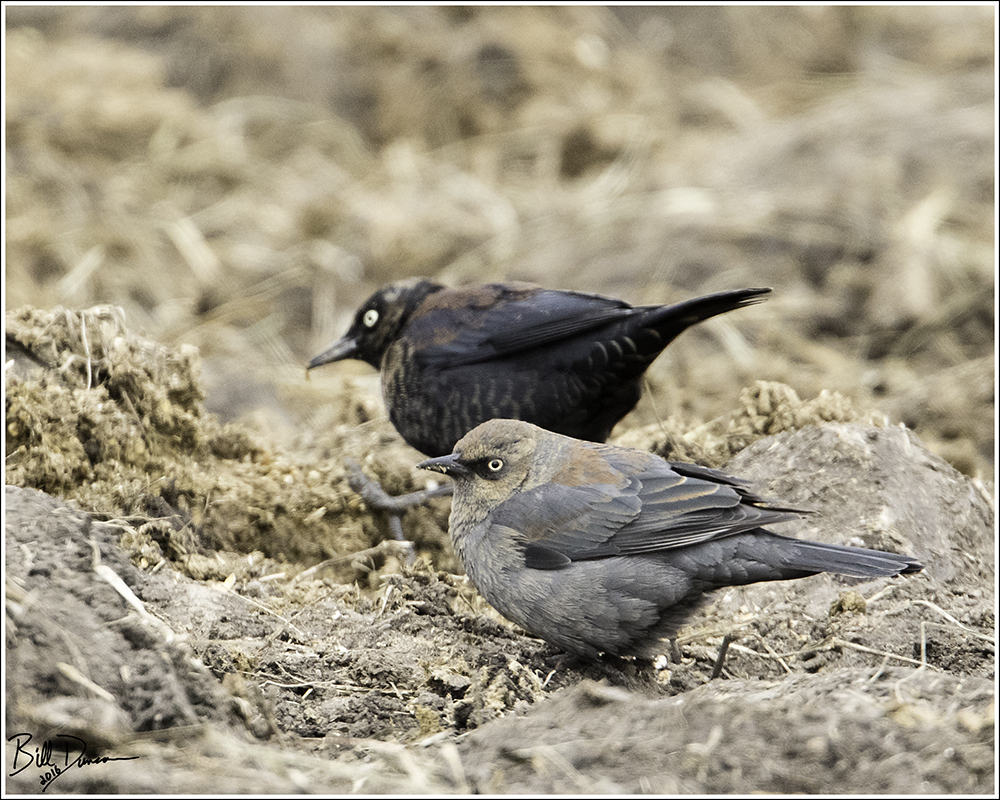
The northernmost breeding blackbird of North America, the Rusty Blackbird unfortunately has the distinction of being in one of the steepest population declines of all N.A. bird species.

Rusty Blackbirds nest throughout the boreal forests of Canada and Alaska, but winters throughout the eastern United States in areas including wet forests near permanent bodies of water. They will also utilize agricultural environments. Among the protected areas considered important for overwintering habitat is Mingo NWR, located in south-eastern MO.
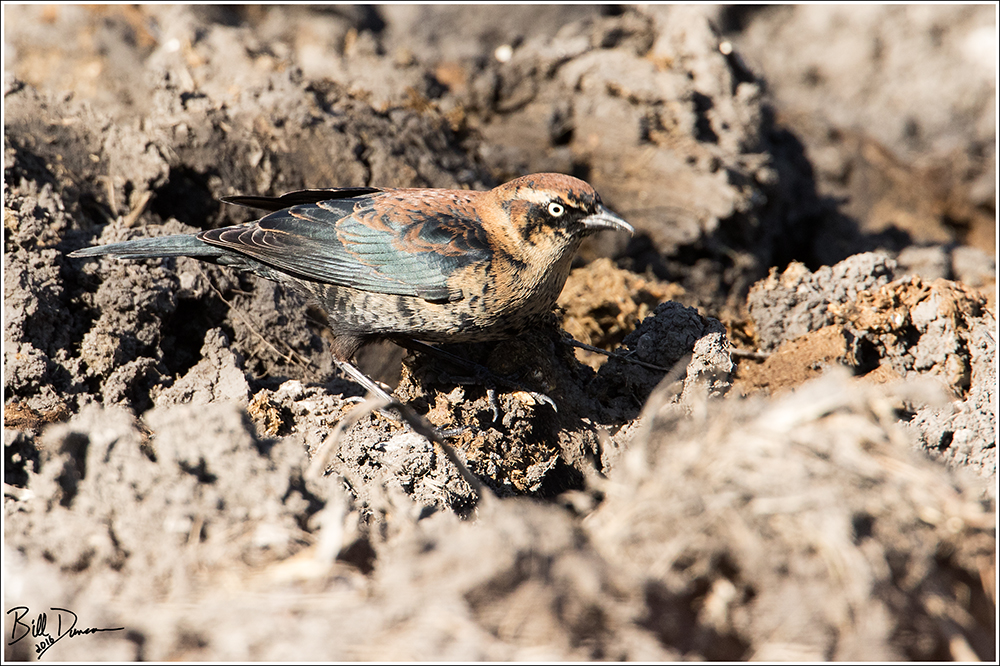
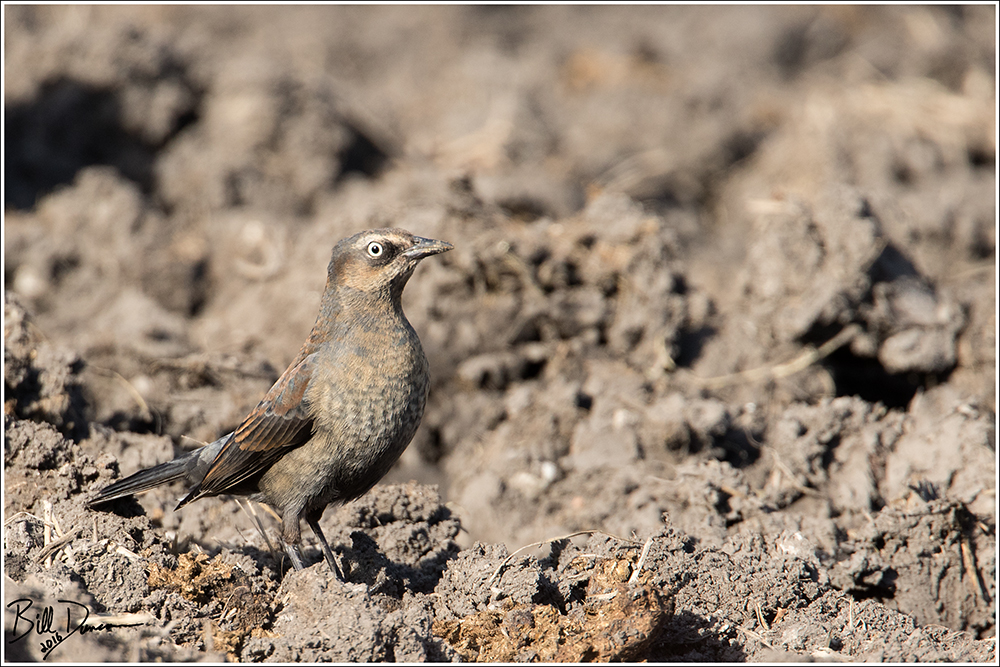
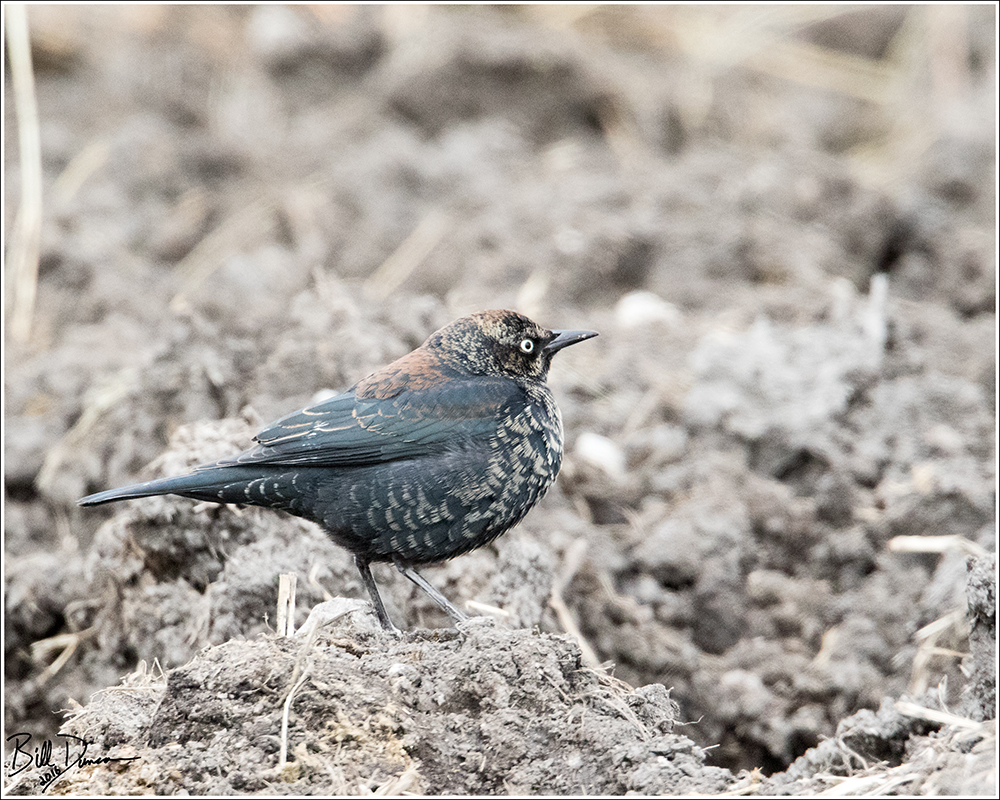
Rusties exhibit an interesting variability in plumage throughout winter and spring, as can be observed in the different birds photographed in this post. Males are dressed with varying amounts of the rusty warm color that gives this species its name. This coloration is located on the tips of newly emerged feathers during the molt. As these fine feather tips wear and break off, the males will become primarily black and luminescent in summer breeding plumage. Female Rusties are even more interestingly plumaged, with tans, browns and blues.
Different survey methods, such as the Breeding Bird Survey and Christmas Bird Count all suggest that the Rusty Blackbird population has declined by more than 90% over the past three decades. Reasons for this decline are not well understood, but are likely to include the acidification of wetlands, loss of wetland habitat in general, loss of forested wetland habitat on wintering grounds and poisoning of mixed-species wintering blackbird flocks in south-eastern United States, where they are considered as agricultural pests.
In his book Birder’s Conservation Handbook – 100 North American Birds at Risk, where much of the information in this post was collected, Jeffry Wells suggests the following actions to address the population decline of the Rusty Blackbird:
-OZB

I was thrilled when I took my camera inside from shooting in my wildflower garden on a past summer day and identified this hymenopteran as a Bee Wolf. Philanthus gibbosus (Family Crabonidae) is what I am calling this one. Bee Wolves get their name from doing what you expect, feeding primarily on bees. These solitary wasps will load their brood chambers with pretty much any bee or wasp smaller than themselves that they can catch as a provision for a single egg they deposit prior to sealing the chamber shut. Some taxa have specific bees they prefer to catch and this can aid in identification. This poor thing was quite beaten up as you can see in the photograph below. Missing a few legs, it probably escaped a bird or larger insect, and was not happy to have me and my camera in its face. In the photo above I captured it doing a rapid vibration of its wings, something I read that these guys are known for doing as a communication. I can’t imagine what she may have been trying to tell me…

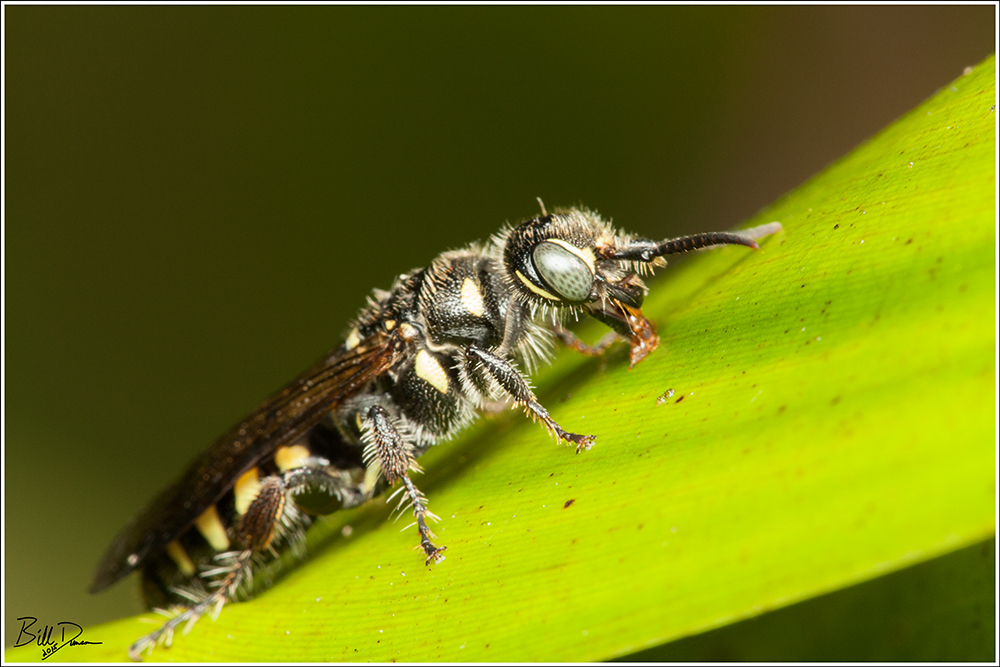
I believe the insect below to also be a species of Bee Wolf, but have not yet been able to put a name with this one. I photographed this one having a drink in a wet area of Shaw Nature Reserve early one morning.
-OZB
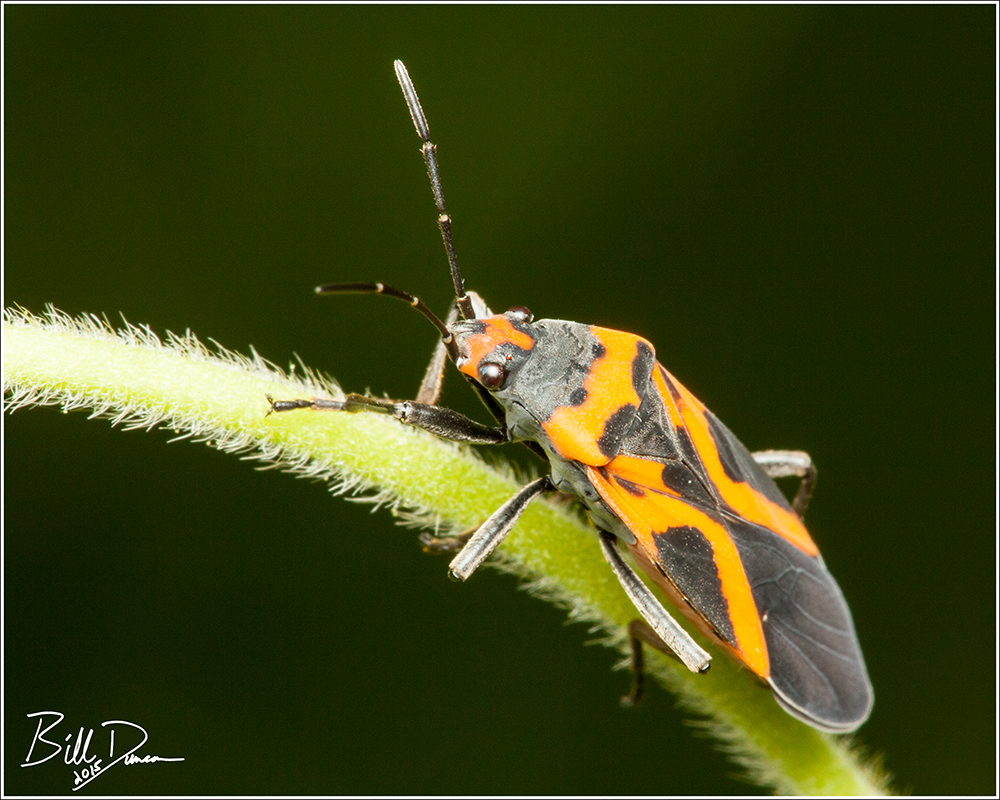
The False Milkweed Bug (Lygaeus turcicus) is a seed bug that, although quite similar in appearance to the Small Milkweed Bug (Lygaeus kalmii), is not strongly associated with milkweed.
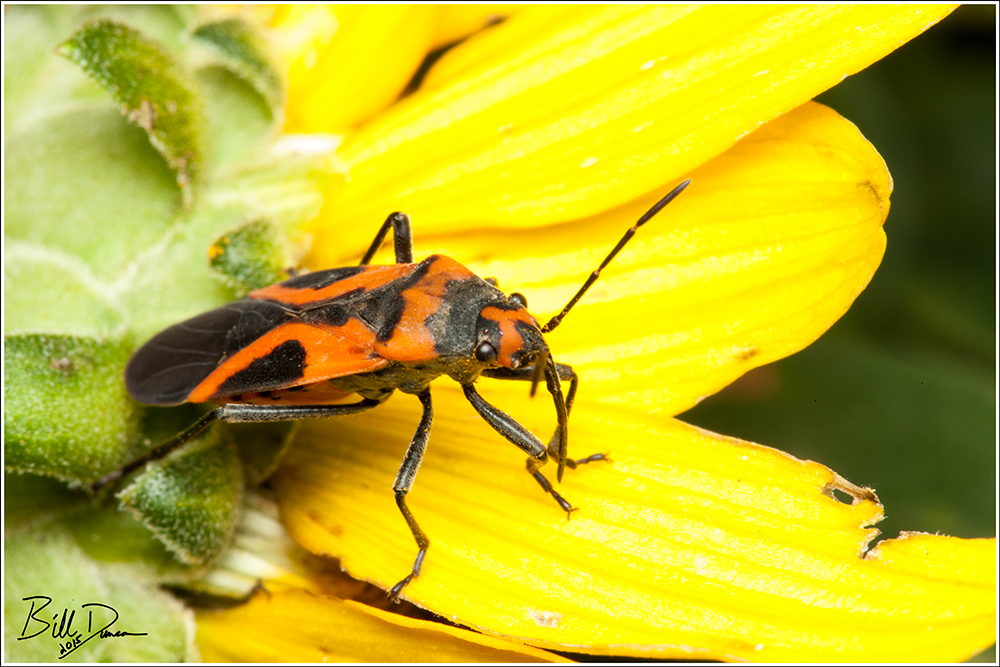
As can be seen in the photograph above, the False Milkweed Bug is most often found feeding on yellow composites (Family Asteraceae). These bugs were all photographed at Shaw Nature Reserve on what seems to be this insect species’ favorite food plant, the False Sunflower (Heliopsis helianthoides).

There are several members of the Lygaeidae family that are aposematically colored and found in North American prairies. As mentioned, it seems that the False Milkweed Bug does not typically utilize milkweeds. The Small Milkweed Bug feeds on milkweeds as well as other plant taxa. The Large Milkweed Bug feeds exclusively on milkweed. There is obviously a great case of Mullerian mimicry (distasteful organisms appearing similar to one another to benefit from a an easily identified color or body type) going on here, but it gets pretty complicated.
What has happened to the False Milkweed Bug? Is this a case of a species that once fed primarily on milkweed and developed aposematic coloration but has since switched food preference? Or, is this a case of a palatable species mimicking (Batesian mimicry this time) the aposematic coloration of a truly noxious species? Thinking about this, it is easy to see the selective advantages that could result from either possibility.
First, a little background…
Some insects that feed on milkweed benefit by concentrating chemicals called cardiac glycosides that are toxic irritants to vertebrate predators. Cardiac glycosides are an irritant to vertebrate herbivores (livestock) and vertebrates that feed on insects that feed on milkweed and store these compounds in their tissues. However, they are not a significant problem for insects that feed on milkweeds – they simply pass through their guts (insects that store these specific toxins, for example the monarch, must have biochemical changes to avoid toxic effects). The milkweed’s primary defense against the seed bugs and other herbivorous insects is the milky sap that gets forcefully pumped from any mechanical damage that is inflicted on the plant. For this reason the milkweed is a pain for an insect to feed on.
For a seed bug, with its piercing-sucking mouth parts, feeding on the gummy sap of a milkweed is a significant hurdle. Assuming the False Milkweed Bug once fed from milkweed primarily and gave it up would be a significant advantage. Keeping the aposematic coloration, which would allow it to gain the benefit from its vile-tasting, similarly colored cousins, still feeding on milkweed, would be advantageous as well. With my brief observations, the False Milkweed Bug still behaves conspicuously – feeding and doing everything else it does out in the open, suggesting that the aposematic coloration is still working in this mimic-model system, whatever the source history ultimately may be.
-OZB
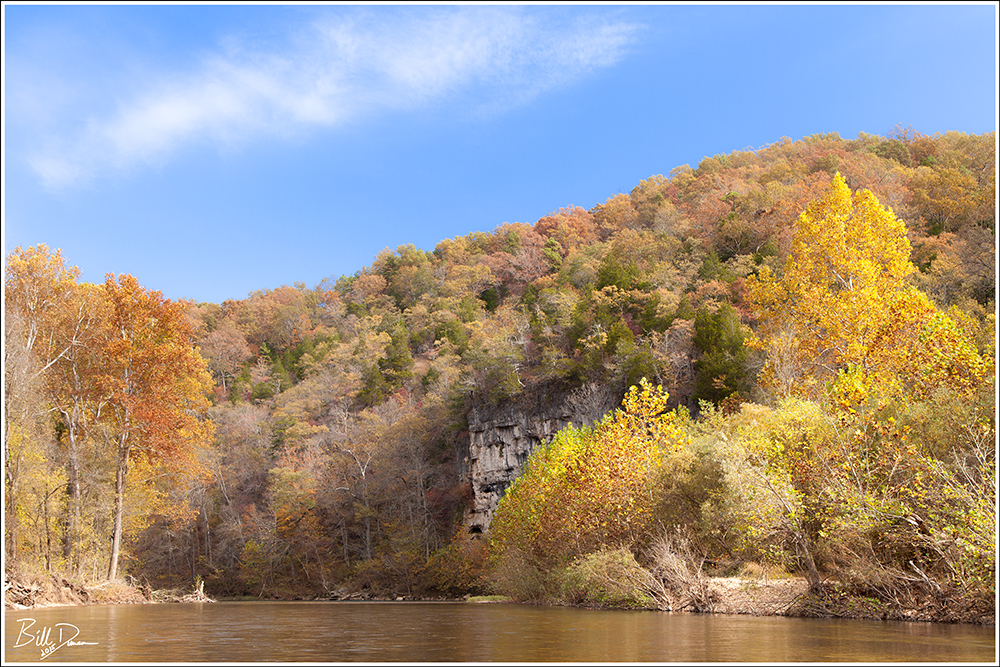
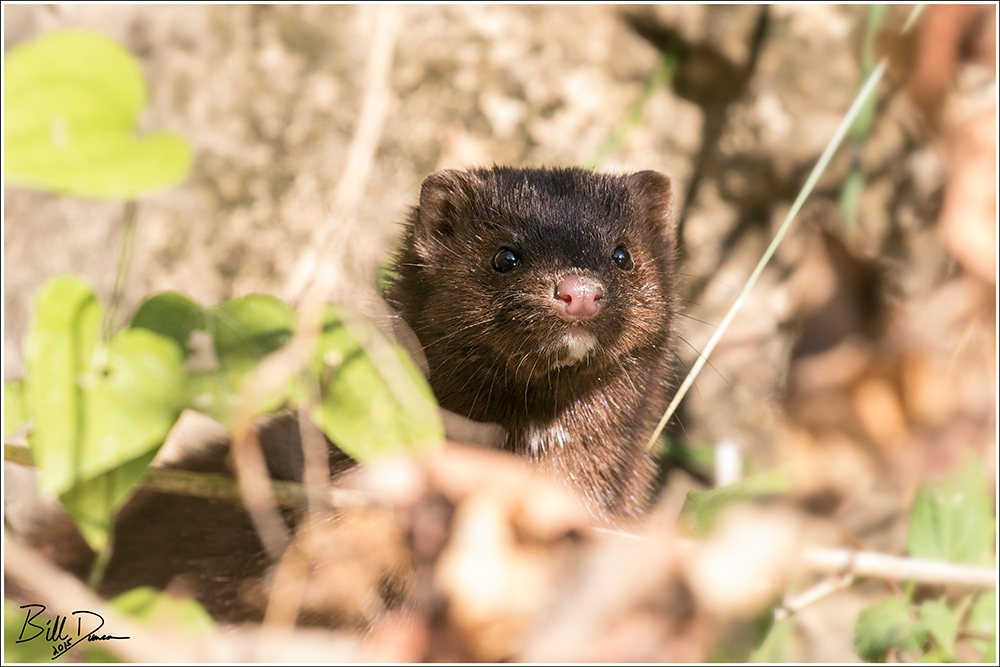
I’m finally ready to share a few more images from a float down the upper third or so of the Current River that Steve and I had the great fortune to experience this past October. We started at navigable mile 8.0 at Cedar Grove Access and pulled out three days later at mile 51, the confluence of the Current and that other, oh-so desirable, Ozark stream – the Jacks Fork. If one floats slow and quiet, the opportunity to see wildlife is very high in this National Park (Ozark National Scenic Riverways N.P.). I’v shared a couple of images of these guys previously. I believe we found 8-9 Mink during the first day of this float. It was enjoyable watching them busily hunt along the stream banks, mostly oblivious to our presence. As usual, Steve did a great job in keeping us quiet and pointed in the optimal direction for capturing some images.
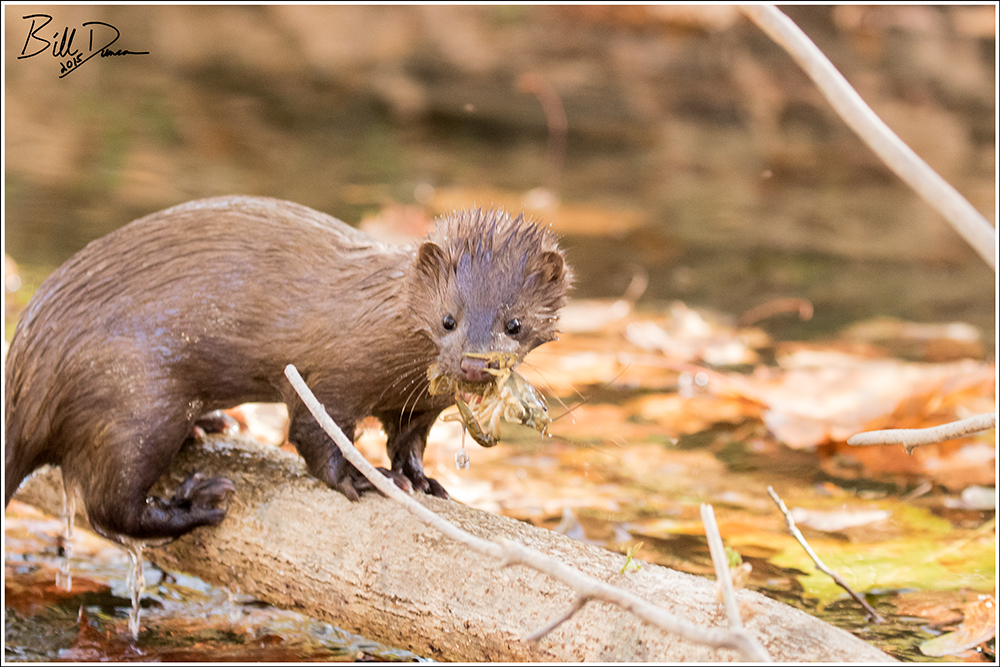
It was quite a challenge to keep up with these guys as they fished. This one below had caught a nice-sized crayfish and barely slowed to stop and enjoy his snack.
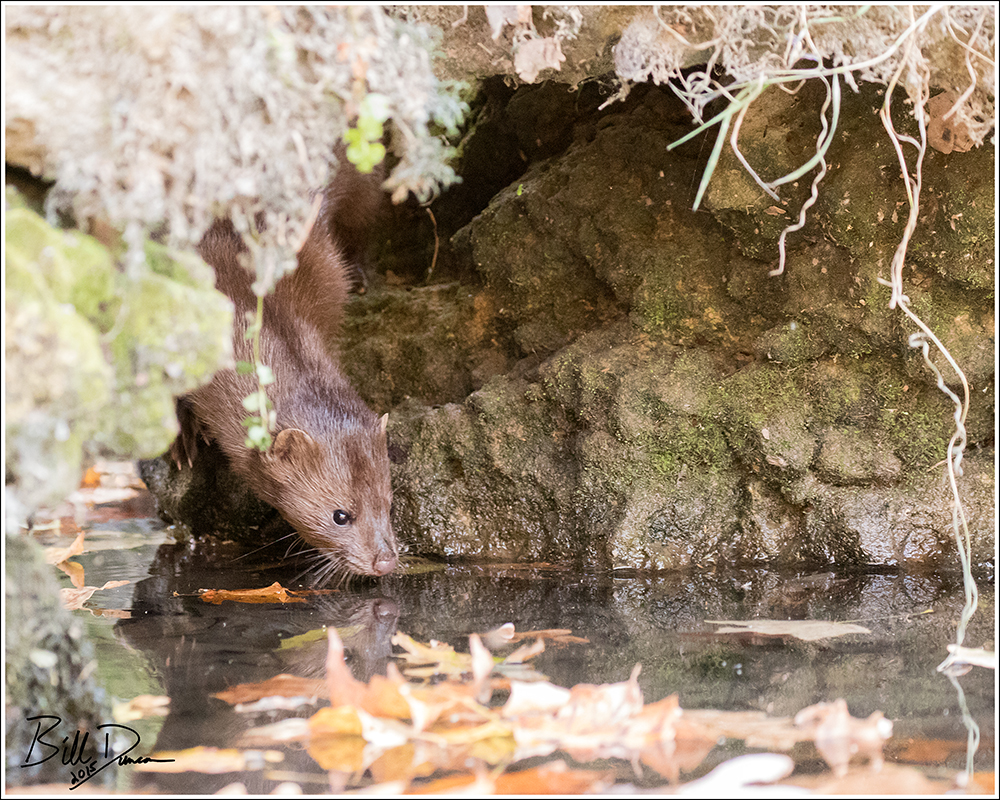
Here is a photo of one investigating the water prior to dipping back in.
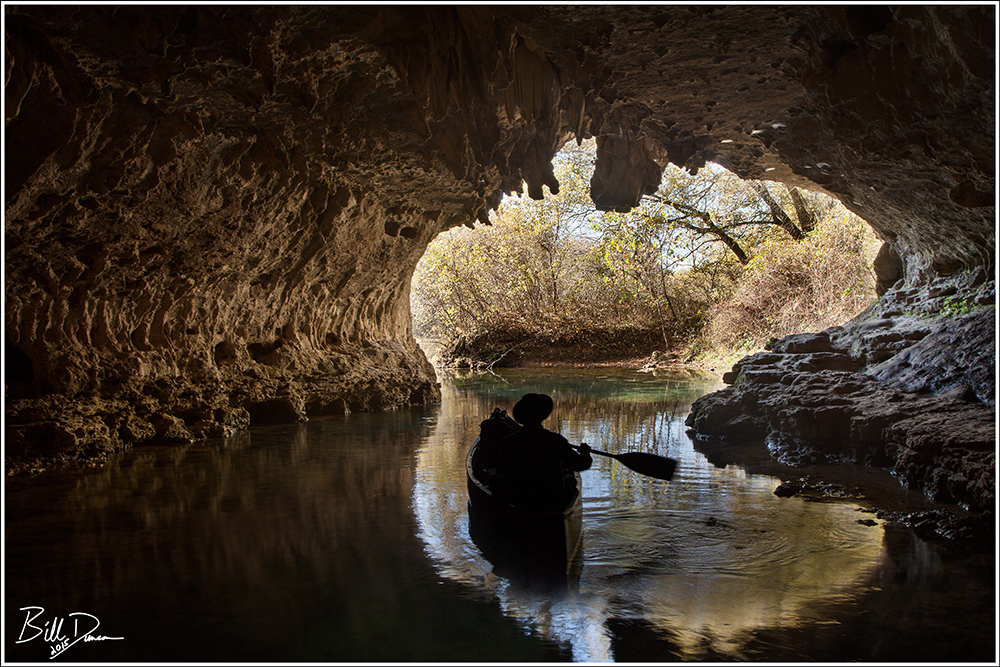
Not only does a float down the Current allow for great observations of wildlife, but many geological features are most easily seen by being on the river as well. Cave Spring can now be accessed via a nice newer trail, but it is much nicer accessing it by boat. The endpoint of a vast and interesting karst drainage system, Cave Spring rises from the back of a short cave. At the rear of this cave one can guide a boat over the vertical conduit of the spring, which is ~155 feet deep! What an eerie sensation it is to shine your light down and still see no more than a fraction of the length of the conduit shaft. In the image below, I am on a dry exposed shelf adjacent to the spring’s outlet and Steve is guiding the canoe towards the river.
Pultite is a spring found on this upper stretch of the Current River that is surrounded on all sides except the river by private property. This means that one must boat or wade/swim to visit it. At only ~ 1/10 the output of Big Spring, Pultite is still quite a good-sized spring with and average daily output of ~ 25 million gallons. The effluent channel on this one is quite attractive and I hope to visit more often.
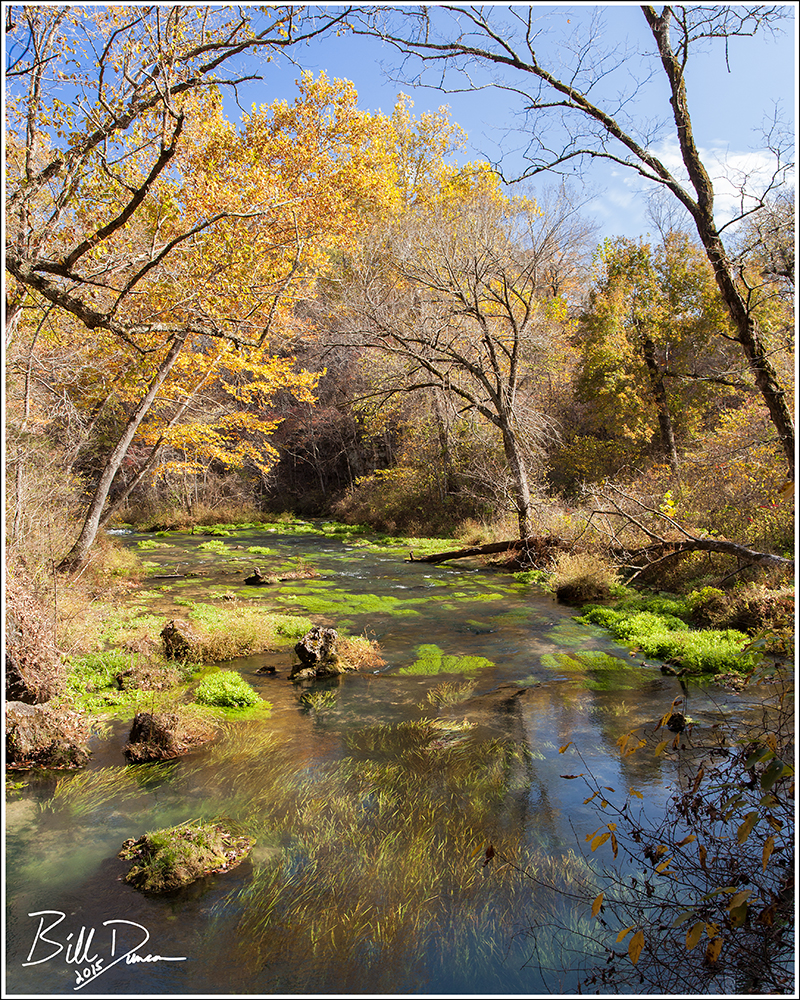
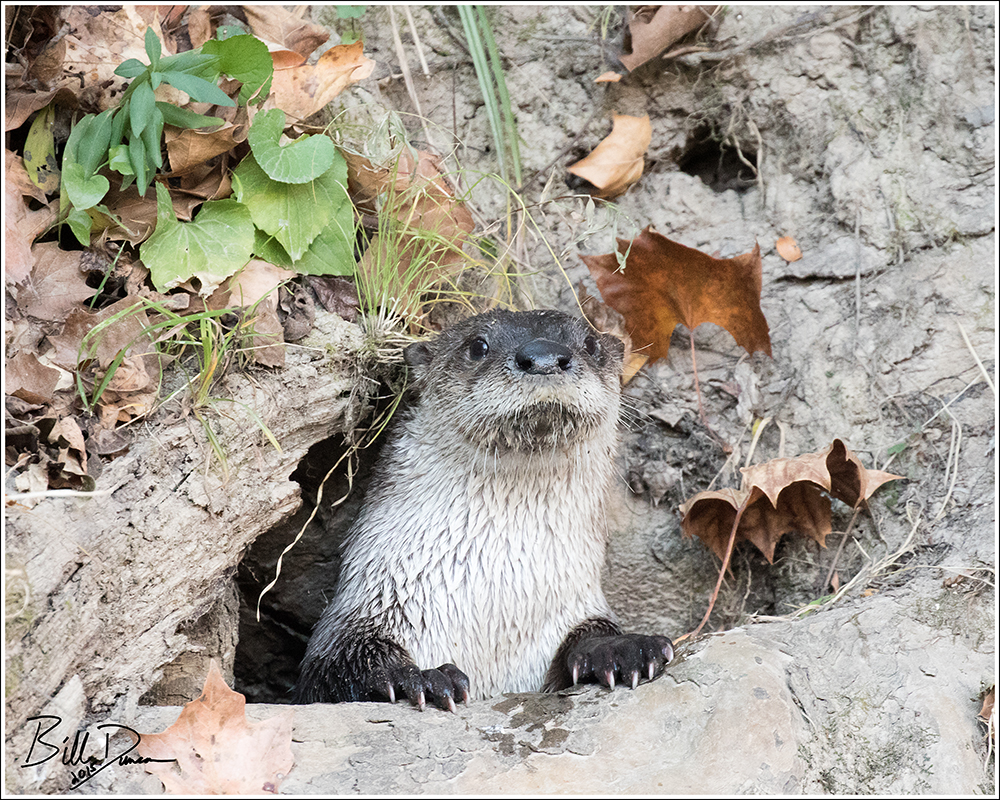
If day one was for the Mink, day two was our River Otter day. We had no Mink, but 5 or 6 of these large weasels were spotted.
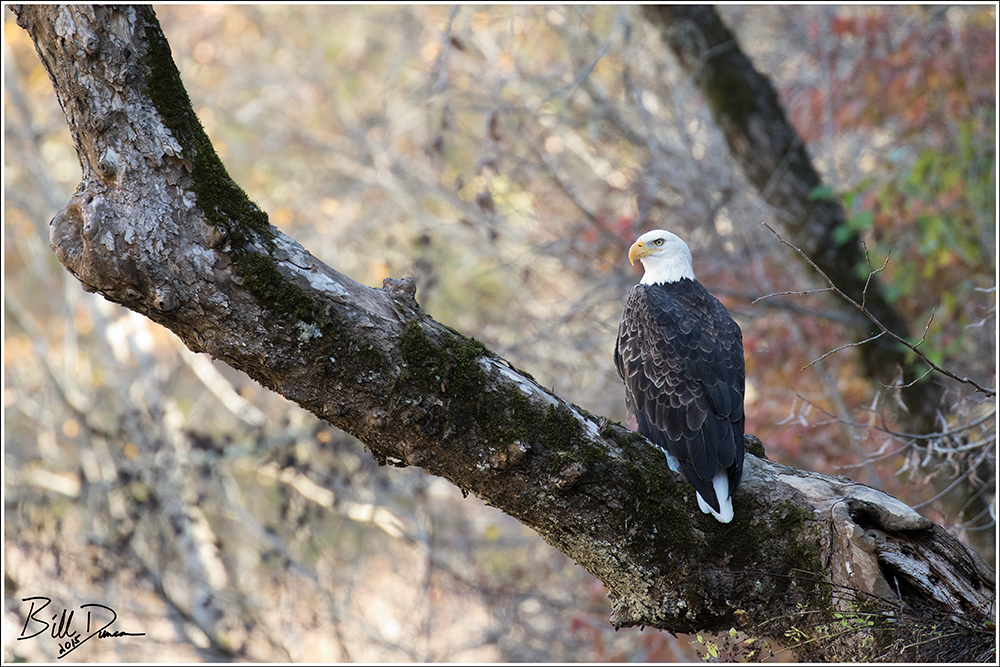
Not to forget the birds! These days, a trip to nearly any permanent Missouri water source will likely bring an encounter with a Bald Eagle. Observing these guys in the Ozarks will never get old to me.
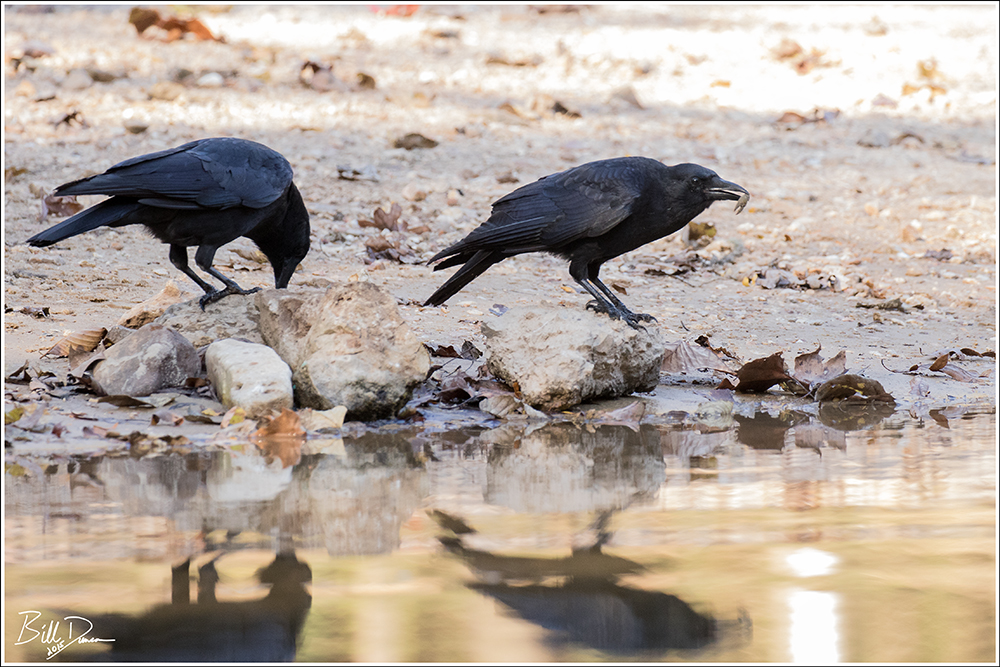
Another constant companion on these floats are the Fish Crows, here pictured finishing up a little Ozark lobster.
We were fortunate in having mostly clear and dry skies on this trip, which allowed us to throw our bags directly on whatever gravel bar that struck our fancy and sleep directly underneath the stars. A morning fire was necessary – not only to burn the dew off of our sleeping bags, but of course, for the river-water French-press coffee. Dark skies on these streams afford great opportunities for astrophotography. My only wish for this trip is that I was a little more tolerant of the cold, tiredness and laziness that limited my patience for getting better nightscape images… 😉
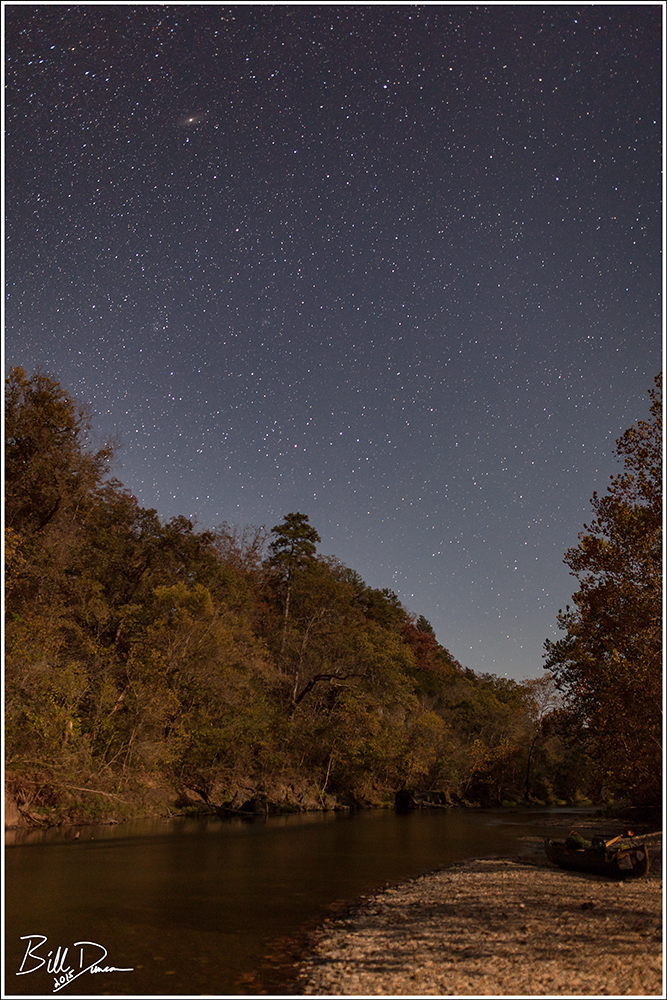
I will be posting more images of this trip on my Flickr account in the near future. Thanks for visiting and I hope to post again in the near future.
-OZB

Steve and I took advantage of a long holiday break by making a pilgrimage to Squaw Creek NWR. Even though the temps were in the 50s and 60s, you can see we still had white out conditions… 😉
Take a look at the video below…

My third and final day to myself in southwestern Puerto Rico would be quite memorable. I placed myself within the center of the Elfin Woods of the Maricao State Forest. I arrived at ~ 06:30 and did not leave until ~19:30. The AM weather was spectacular, with cool temps and some steady breeze and partly cloudy skies. I stayed the entire day in a little recreation/biological station that was about 1/4 of a mile long. It contained nice bathrooms and covered picnic tables. This was a good thing because the rains came onto the mountain at about 13:00 and stayed mostly through the time that I left.

On mountain road 120, look for this sign. This is one of only a likely two spots on earth to have a good chance of seeing the Elfin Woods Warbler, one of the endemic bird species to the island and one I had little hope of finding.

There were a couple of those old CCC signs here as well.
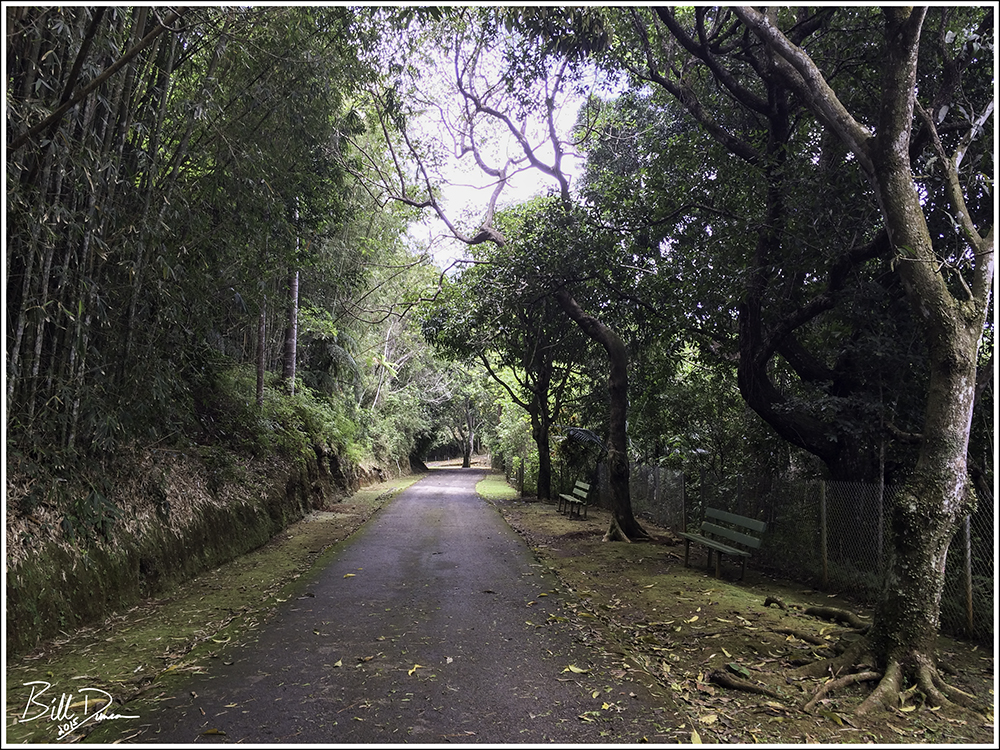
I had read bits and pieces that there were trail heads here and others scattered throughout this small forest preserve, but I could find no signs of those anywhere. Ultimately, I doubt I missed much. The ~1/4 of a mile I had was split mostly between the birds and myself. All it took was some patience, or, lots of patience as the birds came and went into the thick vegetation that rose or dropped steeply on one respective side of the road or the other.

Many species of tropical hummingbirds are known to occur within a narrow range of altitude. The Antillean Mango can be found throughout the rainforest habitats of Puerto Rico, up to the highest peaks of the island.
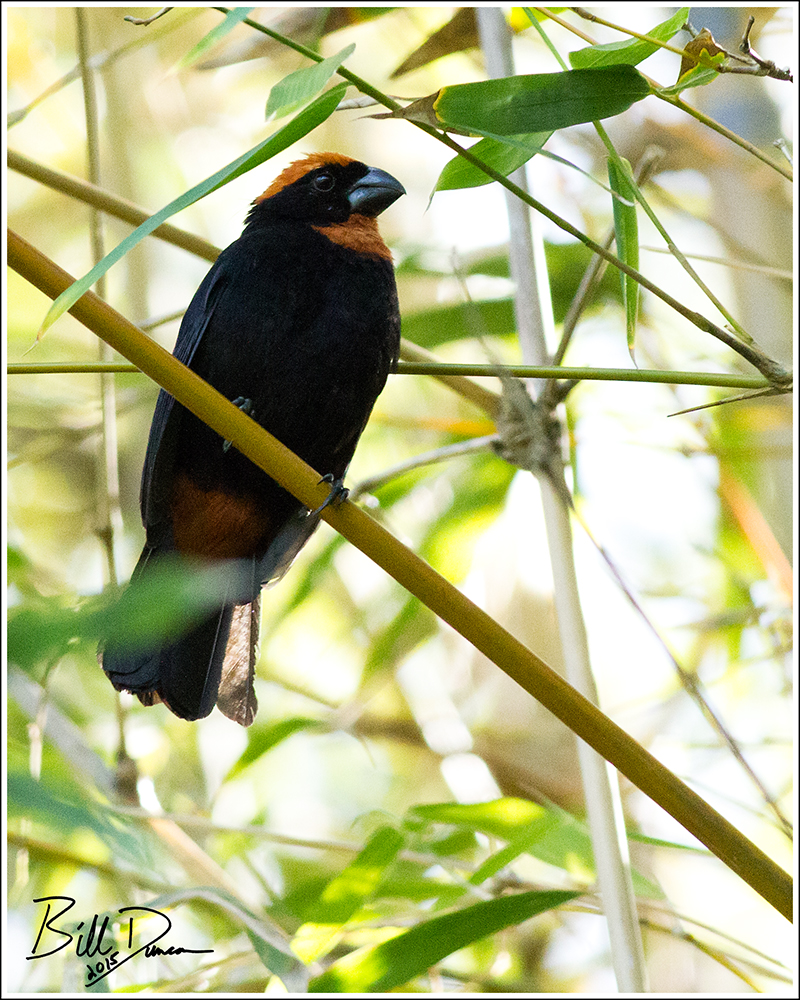
The Puerto Rican Bullfinch is not a finch at all, but a Cardinal. It has a song that is quite reminiscent of our Northern Cardinal. I found these guys, like so many of the birds on the island, to be a bit shy and tricky to get a clear view of.

The Puerto Rican Tanager is another endemic bird of the island. The cloudy skies made photography quite challenging.

After this Pearly-eyed Thrasher had its fill of the water-apple, I made sure I got my two or three as well… 😉

While this stretch of mountains is a dream for the botanist (more than 250 species of trees), several of these are imports from other tropical locations. Similar to the El Yunque forest on the eastern side of the island, several exotic tree species have been introduced here from Australia. While several of these species seem to have a small or even neutral effect on the native ecosystems, some have become quite problematic, like these invasive eucalyptus.

The Todys were here as well! And I was in for quite a surprise.

One of the several highlights of the day was finding a PR Tody nest cavity in the side of a mud bank. These guys are in the same family as the Kingfishers, and build a similar nest cavity. I happened to be walking by as a bird hopped to the entrance and darted within feet from my face while giving me a terrible scolding. I backed off a bit, hoping it would come back for a great photo opportunity. After 20-30 minutes no birds came, so I pushed on, not wanting to be the reason a youngster was not getting a meal. I would walk by the cavity a few times over the course of the day, but never had any luck. I don’t think they spend a lot of time within sight of the nest cavity, it being a quick in and out operation.

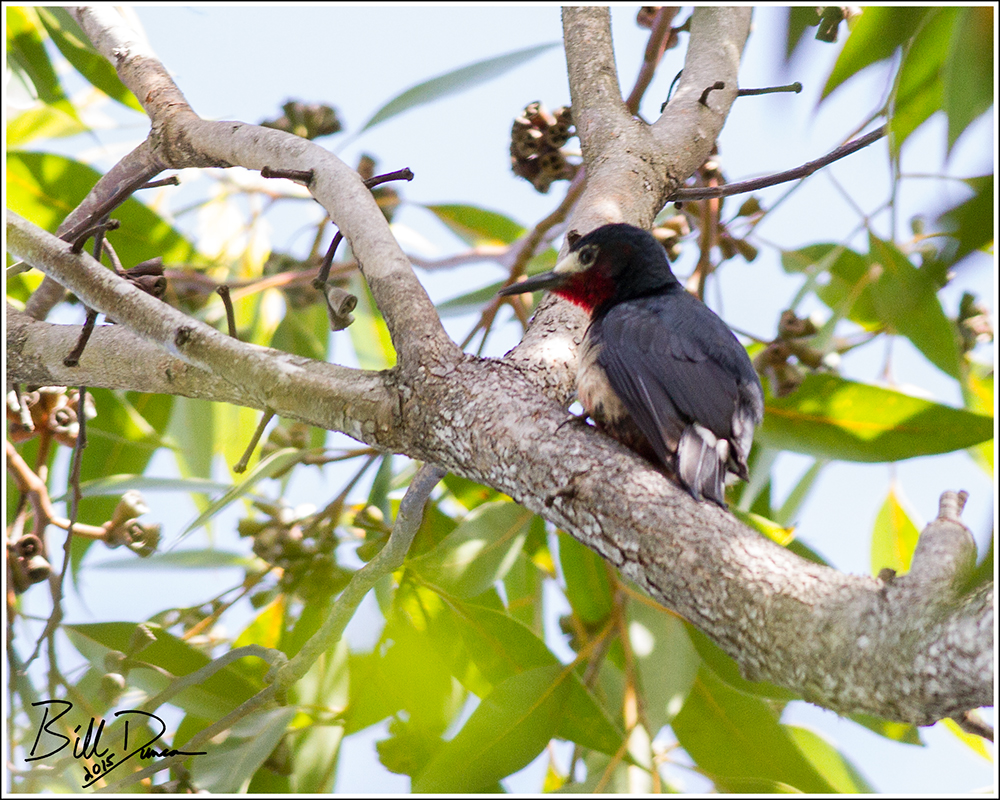
Although I was able to find a couple of the PR Woodpeckers the day prior at Cabo Rojo, I was not able to get any photographs. Thankfully a group came through the area and I managed a couple of mediocre shots. Spectacular birds, as are most Woodpeckers.
Finally, the quintessential bird for this most Tolkienesque of forests. The Elfin Wood Warbler. I was able to watch a small group of these quite mobile darts move in and out of the dense, roadside wall of the forest canopy. Only described by science in 1972, it has been estimated there may be as few as 1800 of these birds left on the island.

Human modification and destruction of these mountain forests are having major detrimental effects on these habitats throughout the tropics. In Puerto Rico this habitat is being lost to communication arrays and the roads to service them – one of the costs of global connectivity. I was appalled by some of the views I had of antennas being stacked as thick as trees on some of the mountain tops in this Forest.
Coffee is king here and some of the oldest and largest coffee farms are found within Maricao. I was able to speak with several folks on the island who worked as, or were part of families associated with farming coffee. Not one of them practiced or had any plans to practice shade-grown, bird-friendly coffee. Although it certainly is not the perfect answer in protecting these endemic mountain species, purchasing shade-grown coffee is an important practice in enabling conservation in these areas.
As the light waned and the rains began to lighten, I sat listening to the coqui frogs and other pieces of the night symphony begin their warm up. Just when I thought it couldn’t get better, I heard what I had hoped to hear – the Puerto Rican Screech Owl. This bird gave me a total of 17 of a possible 18 endemic bird forms for the enchanted isle. The only miss was the Puerto Rican Parrot, which is only found in small patches of El Yunque to the east. I can only hope that these birds can continue existing in their present forms long after I have not.
Thanks for visiting…
OZB
And now for something completely different… I have been working on the following video off and on for most of the summer. I’ll post it up here, and will speak a little about it and share some stills and other photos below. I would love to hear any thoughts you might like to share.
Working on this video has been educational in more ways than one. All the footage used was taken with the GoPro Hero 3 (gifted to me by my lovely and generous wife, Sarah. Thank you!). Although capable of tremendous quality, there are challenges and many things to learn when making this type of video. Although I improved with a little practice, a few problems are still apparent in the final cuts. There is a back available for the GoPro that allows you to see what is being filmed in real time. However, this piece cuts the already limited battery life by a lot, and I do not own one. This resulted in the fish being partially or fully cut out of the frame more often than desirable. I partially corrected this problem by finding some prescription swim goggles (quite cheap!), snorkel and swim shoes. This combination allowed me to get in the water and behind the camera. After a little practice, filming the different species in such a way as to not intimidate them became easier.
Another issue that I had is obvious at different parts of the film – early stage hypothermia. Although these clips were made on some of the hottest days of the summer, these spring-fed streams cooled me down so much that I could not control my limbs from shaking. I am considering investing in a wet suit to avoid this in the future.
This activity helped start me on knowing Missouri’s fishes a bit better. I had never given much thought, but so many species have to be in-hand in order to get a proper identification (at least by me).
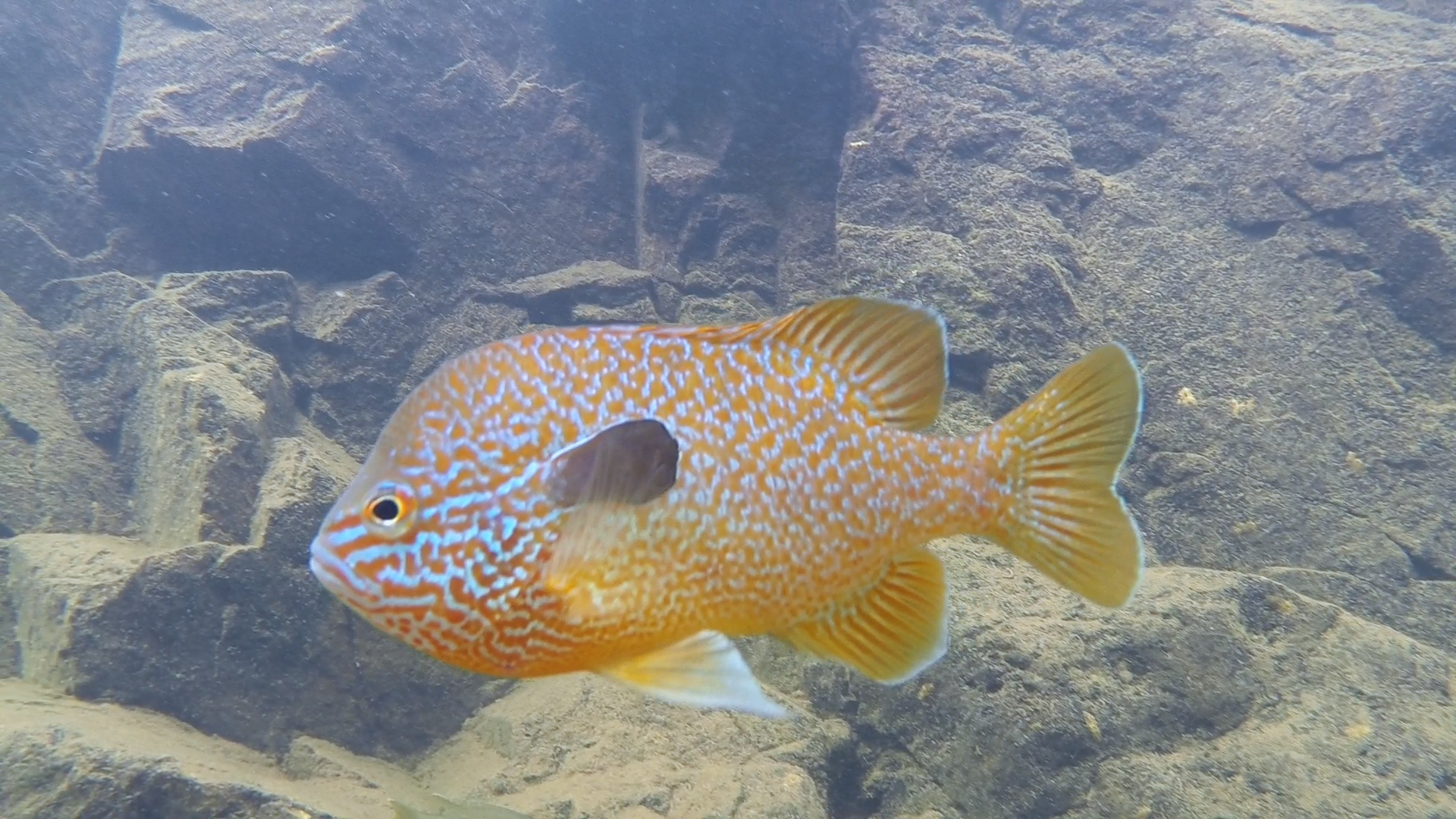
The Long-eared Sunfish were incredibly brilliant. When filmed in less than three feet of water under direct sunlight, the colors dazzled.

The Smallmouth Bass were quite common, slowly patrolling the pools that were their private hunting grounds.
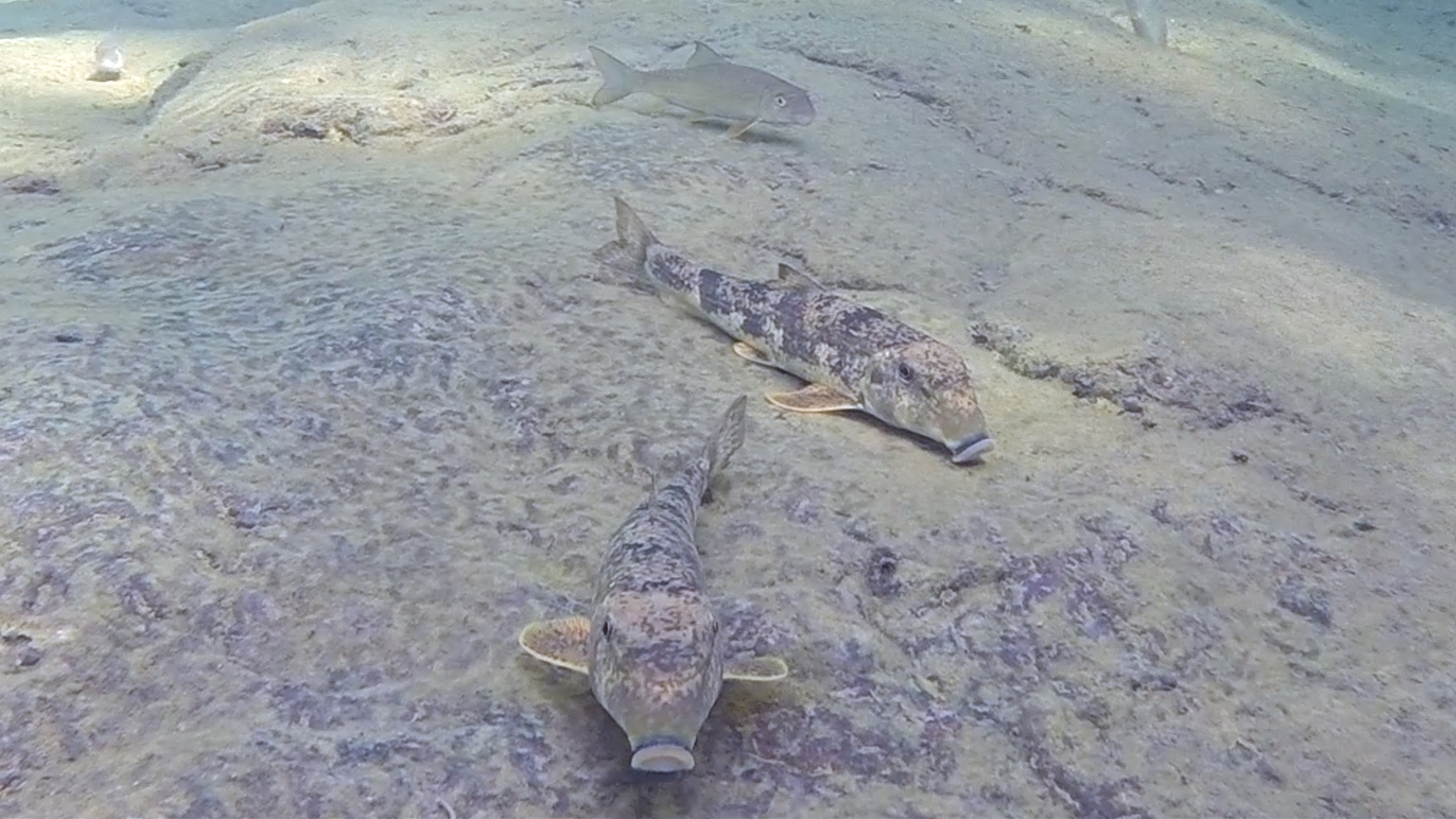
The bottom feeding Hogsucker were one of my favorites. Quite colorful and contrastingly patterned, they could still disappear easily on the sun-dappled stream bottoms.

The Green Sunfish were one of the most common and surely the least shy stars of the film. Quite often they would inspect the camera and our skin with their mouths.

Even with field guides I find it impossible to name some of the minnows. These guys were surprisingly large. I think they may be a shiner species, but am unsure.

There were many large Red Horse species found in deeper stretches of the streams.

This was the only Spotted Bass individual we were to come across.

Greenside or Johnny Darter? I just can’t say.

The star of the film? I think so…

The out-of-water footage was taken via canoe along the upper stretches of the Jack’s Fork River. A terrific trip we had, back in May, where the weather was fine and the birds were plentiful. Getting to know the underwater vertebrates really helps to appreciate the roles many of the birds play along an Ozark stream and how all the members of this intertwined ecosystem make their respective livings. This Wood Duck drake posed for a short time towards the end of the day.

Finding an Osprey is a telltale sign that there is a quality fish community below our seats.
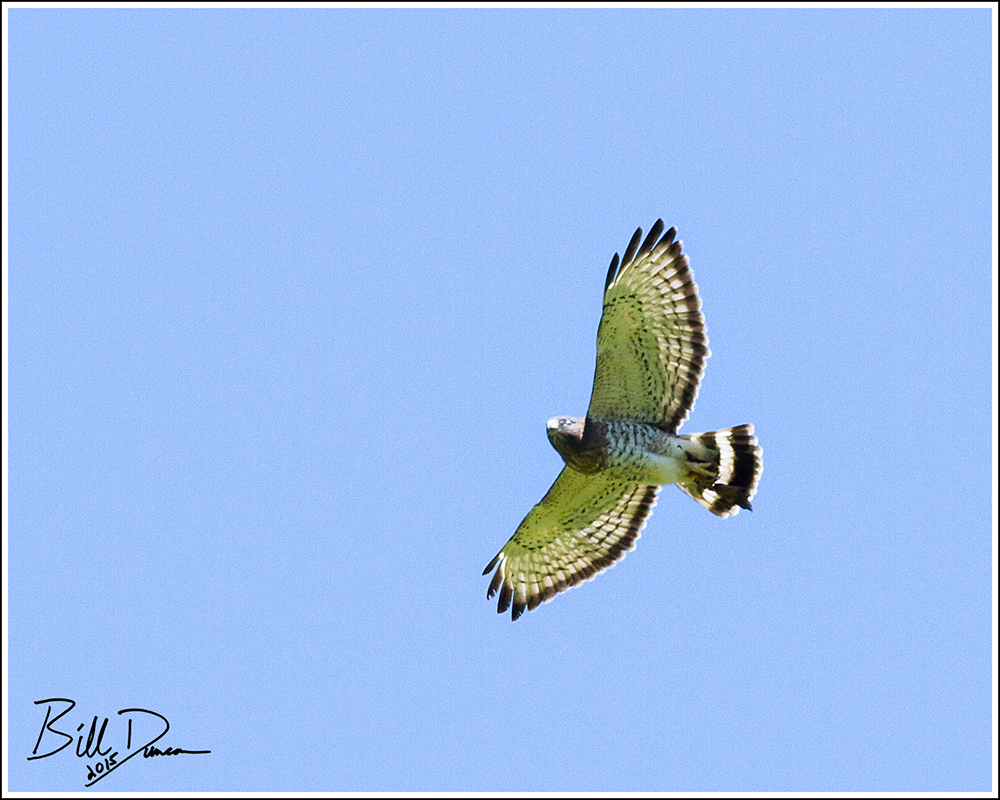
The high-pitch sound of the Broad-winged Hawk almost always precedes a look. This was no exception.

Green Heron know where the fish are to be found as well.

Typically, if you spot a shorebird along an Ozark stream bank, it will be the Spotted Sandpiper. Look for the indicative bobbing of the tail as it makes its way along the rocky shores.

Common Map Turtles were found anywhere they could get a surface on which to bask. They were so keen on heating themselves up that we were allowed to float by at pretty close distances before they took the plunge back into the water. These guys will feed on the invertebrates such as mollusks and arthropods as well as any fish they are able to catch.
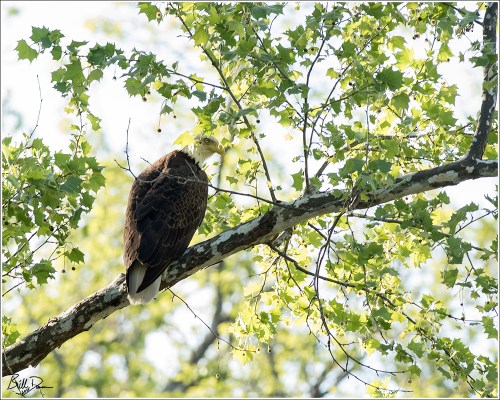
Finally, it just isn’t a trip out to any significant Missouri waterway without finding a Bald Eagle or two.

I heard about the death of a friend this week. I had only known Gary since March, when I met him and his wife, Patricia, while we were all looking for American Woodcock at Young C.A. one evening. I did not know Gary long or even very well, but to give an idea of what kind of person he was, I will share this story.
I lent my binoculars to the Bohns in order to share the Woodcock I was watching and photographing. We watched the bird while we introduced ourselves and after a few minutes said goodnight. When I arrived home later I discovered I was without my binoculars. I have a horrible habit of leaving equipment on top of my car and driving away. Forgetting that I had lent the binoculars to Gary and Patricia, I assumed I had made yet another expensive and embarrassing mistake. The next day at the office, still smarting from my assumed mistake, I noticed I had a voice message. It was Gary informing me they had my binoculars. Gary had remembered what he learned about me the night before and taken the steps to track me down to make sure I got my binoculars back.
Gary and I met for dinner later that week and discovered we had several things in common. He shared that he had worked as a photographer for the St. Louis Post Dispatch for a number of years. In recent years he had gotten more interested in birds, butterflies, habitat restoration and nature photography. We had agreed to get together in the near future for some spring birding/photography. We were only able to do so together on a couple of occasions, and the photo above was from one of these outings. Gary took me to a popular birding destination at Weldon Springs C.A. – a place I knew about but had never visited before. We had pretty good luck with getting a number of nesting songbird species, including hearing no fewer than three singing Cerulean Warblers. We were both able to get shots of this cooperative Blue-winged Warbler. Looking at the images on the back of his camera, I liked his better.
In May, I had shared with Gary the details of a trip that Steve and I took to Quivira NWR and Cheyenne Bottoms in central Kansas. He was hooked and couldn’t wait to get there himself. I shared the details we had gathered and I know he made the trip sometime in the weeks prior to his passing. Unfortunately I was not able to hear from him about his experience there. I do hope he enjoyed it.
-OZB
 A Thousand Acres of Silphiums