"What a thousand acres of Silphiums looked like when they tickled the bellies of the buffalo is a question never again to be answered, and perhaps not even asked." -Aldo Leopold
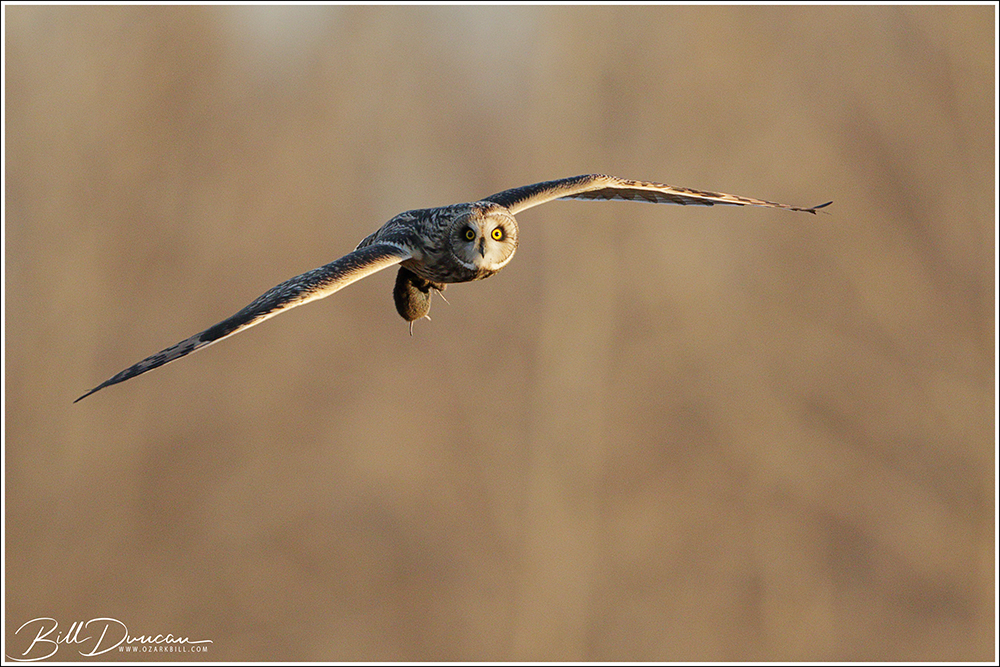
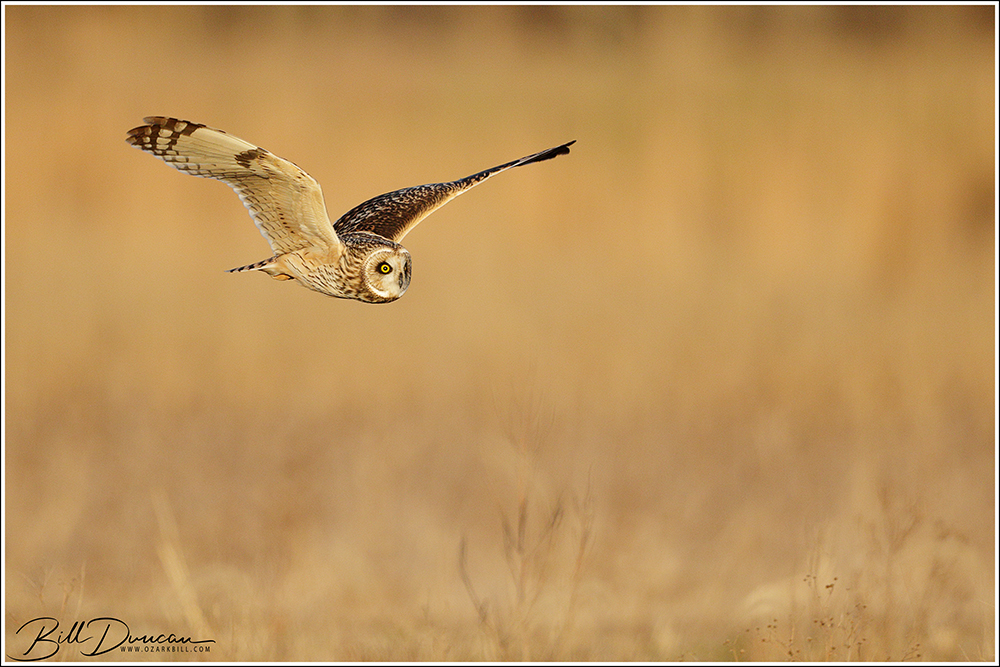
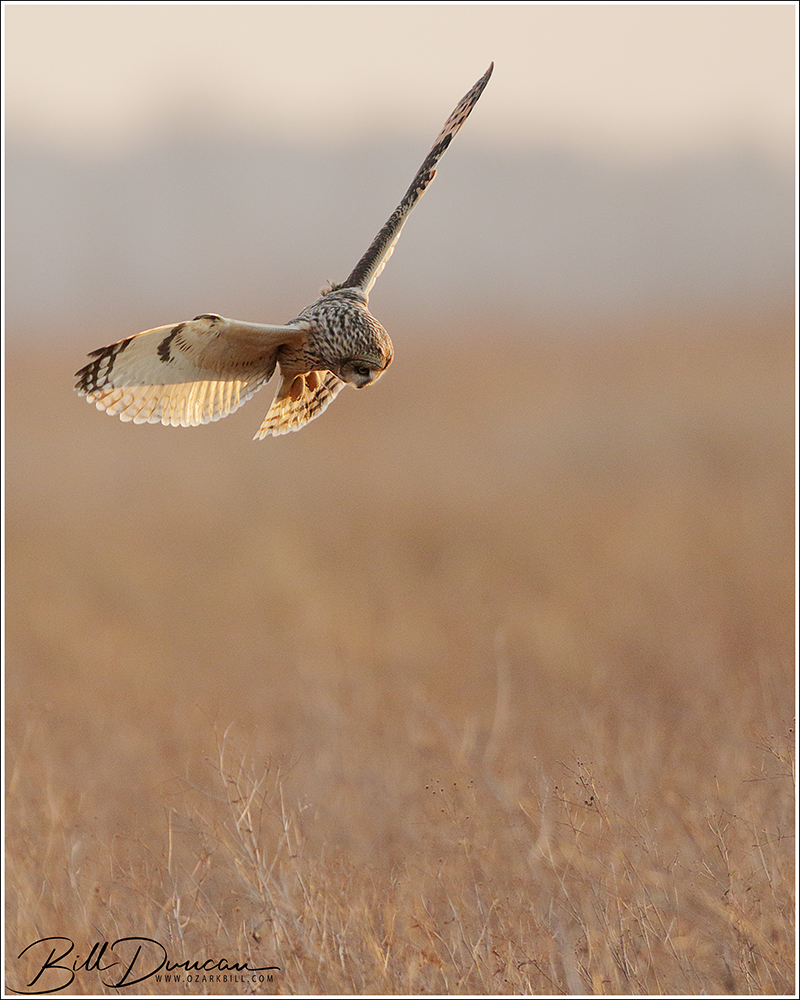
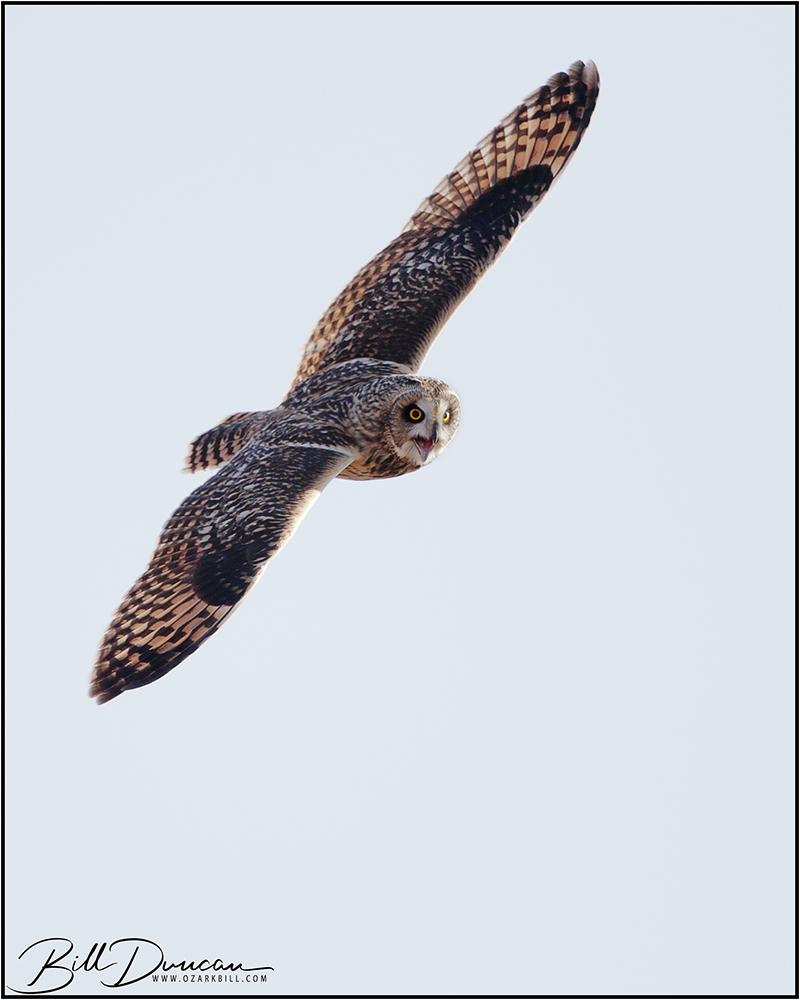
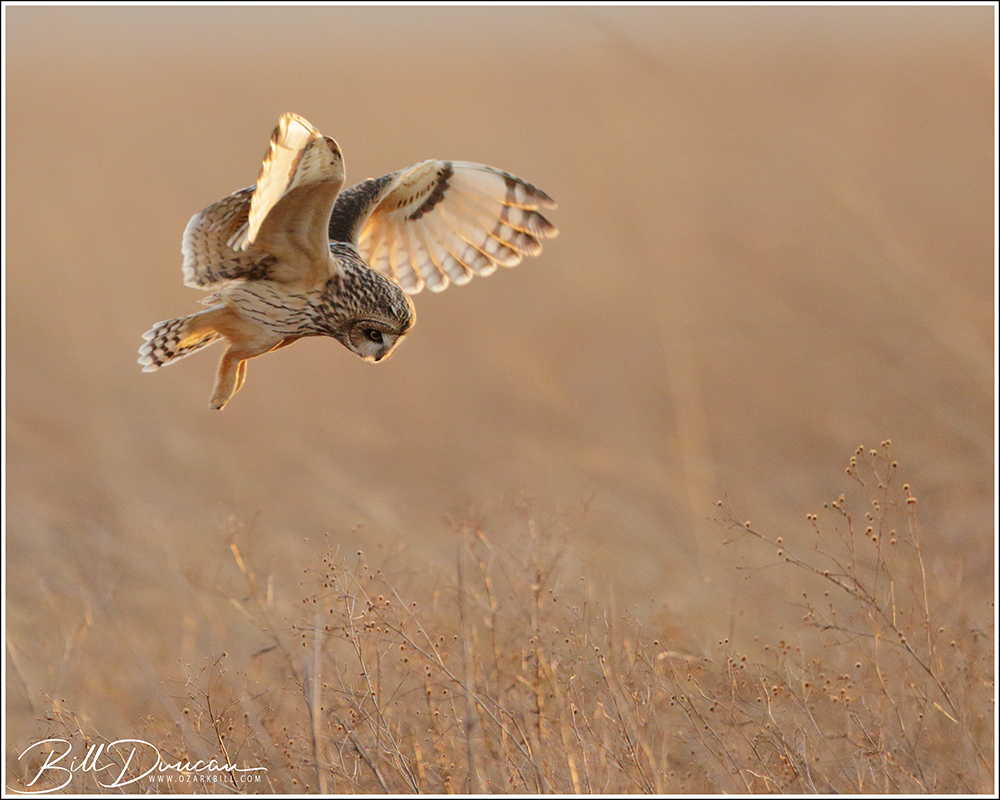
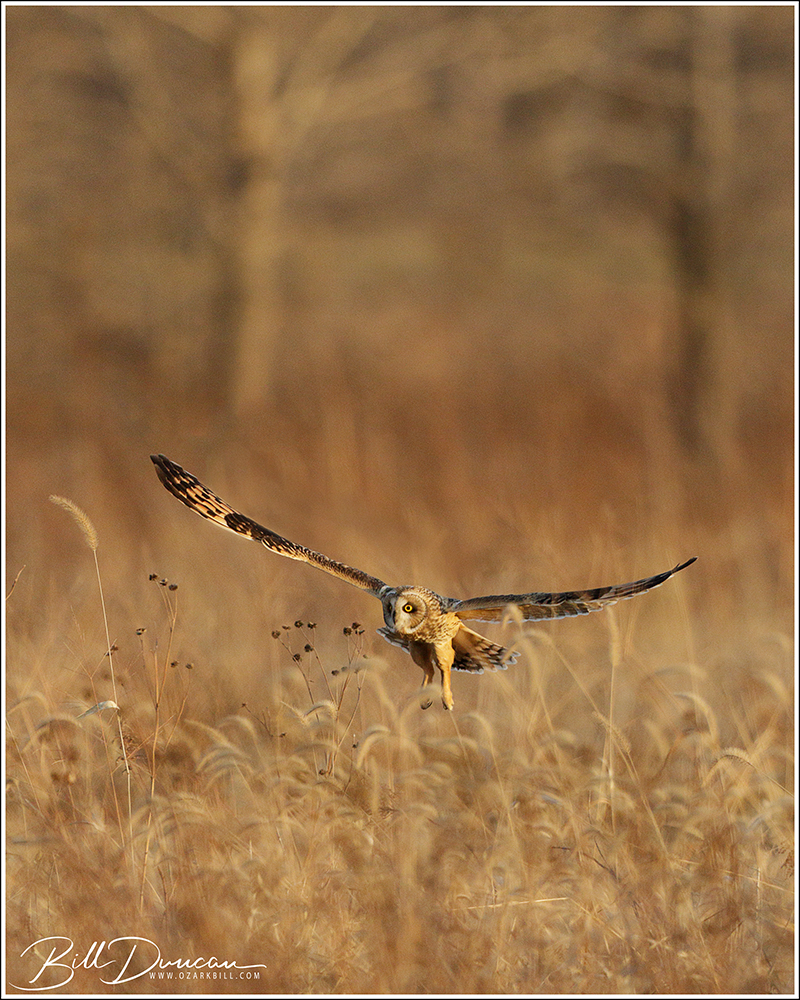
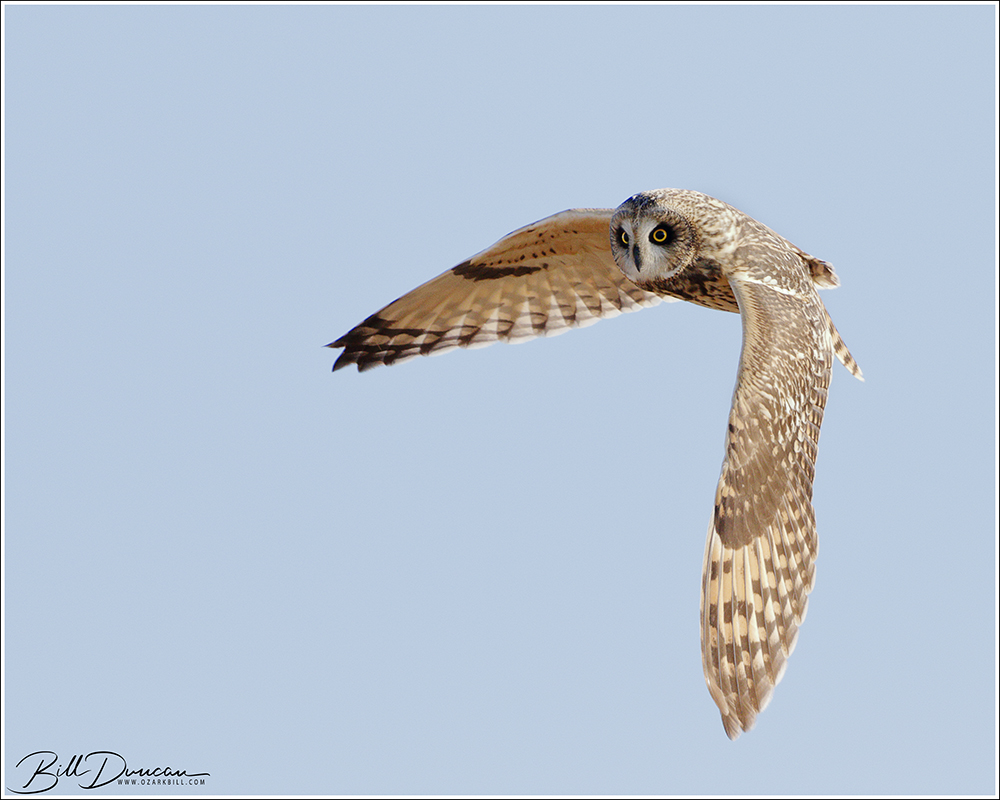
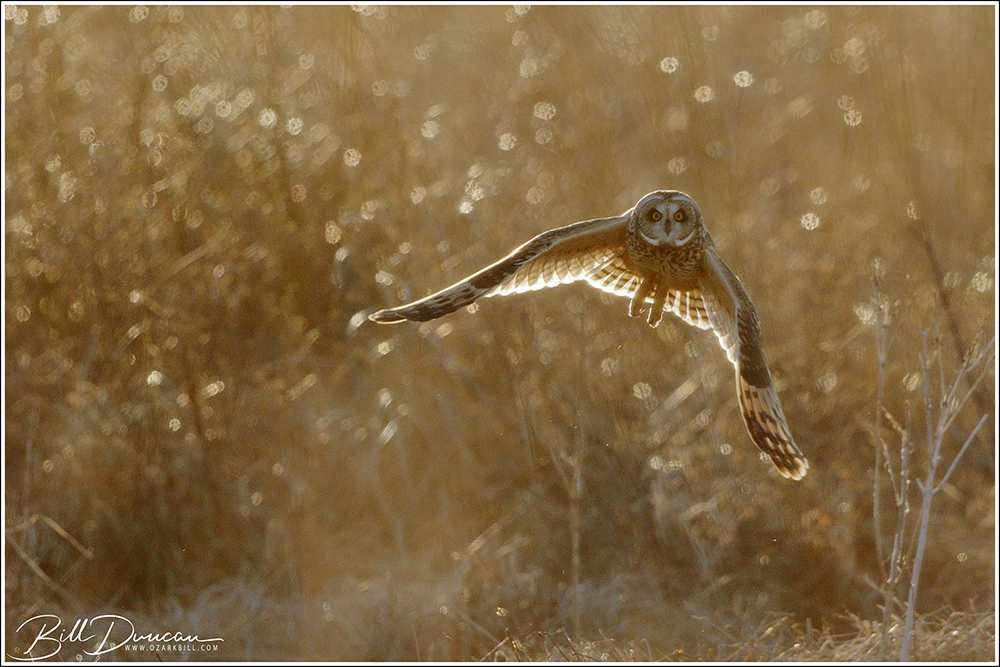
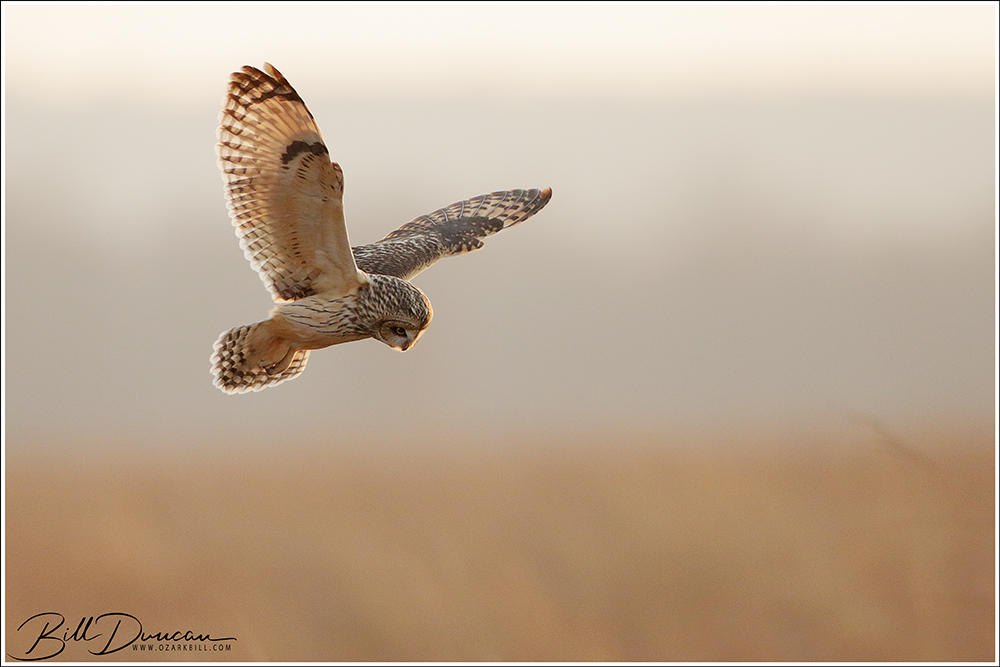
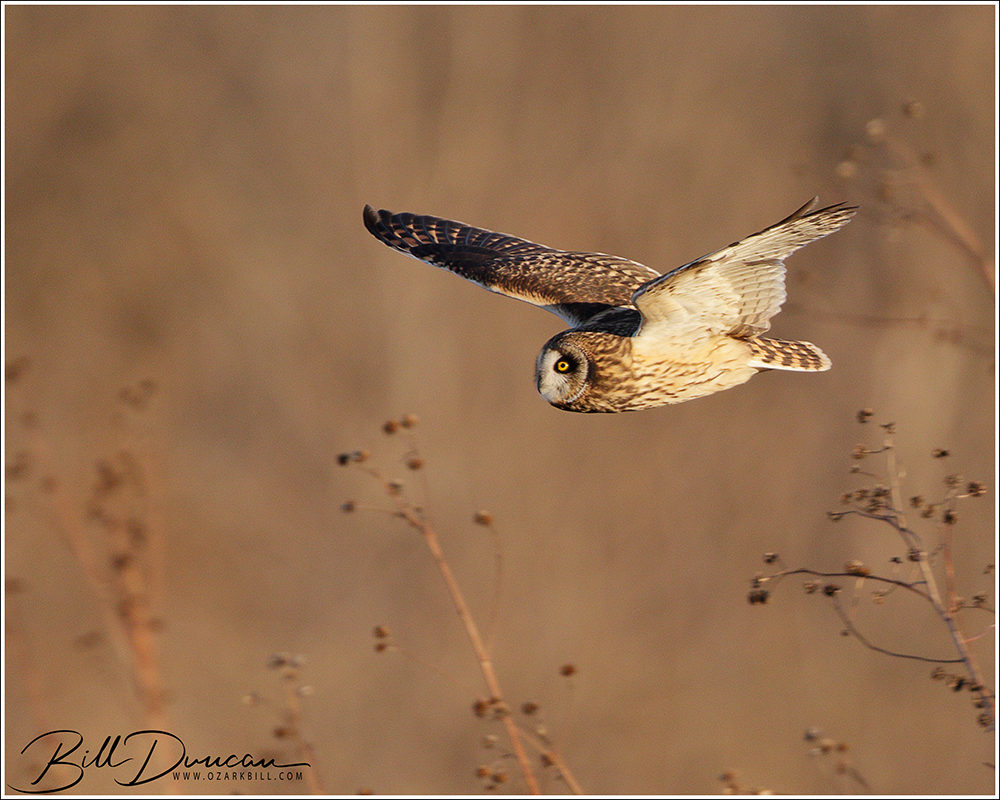
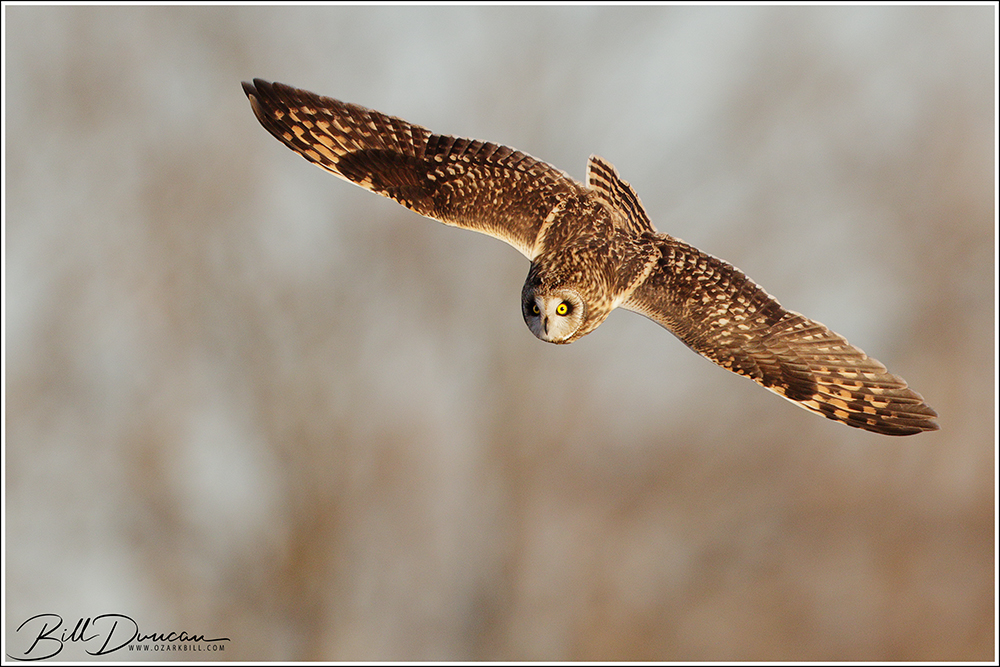
The Flaming Owl was the original English name given to the Short-eared Owl. This directly represented its Latin binomial of Asio flammeus, and assumedly refers to the fiery textures and colors of its plumage. I like to think that it might better represent the look of the bird when it is typically seen – in the golden warm light of the setting or rising sun.
I’ve been hunting and trying to photograph Short-eared Owls in Lincoln County, MO for nearly 10 years with mixed success. The past three years or so have been particularly challenging with lower numbers than typical, often without seeing a single owl on several outings. We hypothesize that a year or two of bad flooding in these areas adjacent to the Mississippi River have caused dramatic declines in the small rodents that these and other birds of prey need in order to spend their winters here.
Whatever the reasons, this winter (2021/2022) we are seeing incredible numbers of these long-winged beauties. Although primarily nocturnal, this species also exhibits diurnal and crepuscular habits and this is another area where we have been fortunate. I have spent close to 25 afternoons and evenings with these birds over the past six weeks, sometimes alone and sometimes with friends. On most of these days at least one or two owls were seen flying with the sun still well into the sky. This makes for excellent opportunities for observing their behaviors and working on better strategies to get the meaningful photographs we are after.
I have probably kept way too many photographs that will require purchasing new external drives much sooner than I anticipated and I have probably processed too many as well. Still, I plan on sharing many of these here over the course of the next several weeks. Hell, the season isn’t over. I’ll probably try for more before they head back to the great north for the breeding season.
Prolimacodes badia (Skiff Moth) Hodges#4671. Until looking closely at this photograph, I never noticed the whisker-like setae these caterpillars sport. Freshly deposited out-of-focus frass for scale.
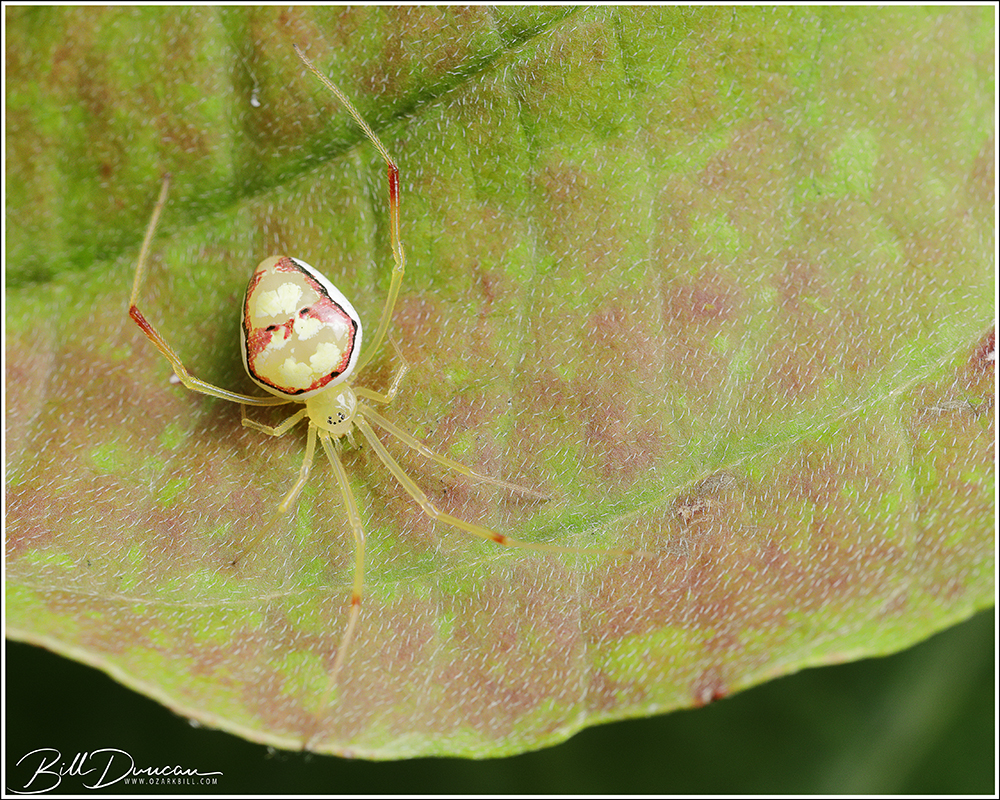
Spintharus flavidus is a gorgeous member of the cobweb spiders (Family Theridiidae). In Missouri, it can typically be found underneath leaves in shaded woodlands.
Recently, I jumped into the world of mirrorless cameras by trading in for the Canon R5. I plan on writing a post in the near future about the pros and cons of switching to this new technology. For now, I will say that this is the beginning of a new photography paradigm, not just because they removed the mirror box and much of the remaining mechanical systems in the camera, but because of a lot of other technology that has been introduced in the latest generations of cameras. I’ve only had a few opportunities over the past ten days or so to try out the new camera. Like any new tool, it will require some time and practice before it becomes second nature but I am confident that, in time, this will be a great benefit in my nature photography.
One of the big benefits for me about the Canon R5 is that it will unify my process. Previously to the R5, I used a full-frame camera for landscapes and macro work and a cropped-sensor body for wildlife/birds (due to the extra reach these types of cameras provide). With the Canon R5, the 45mp full frame sensor allows me to shoot all the subjects I am interested in with just this single body.
On top of this, 4K video taken at 120 frames per second is now an option. This may be the most overlooked feature of this camera/technology. In my opinion, this slow-motion photography is the pinnacle of nature photography. You have the perfect blending of the freezing action of stills but with the increased action that video story telling provides. I know, this is nothing compared to the jaw-dropping speeds and quality achieved by the folks at the BBC but I really like having this option and I hope to do more of this in the future.
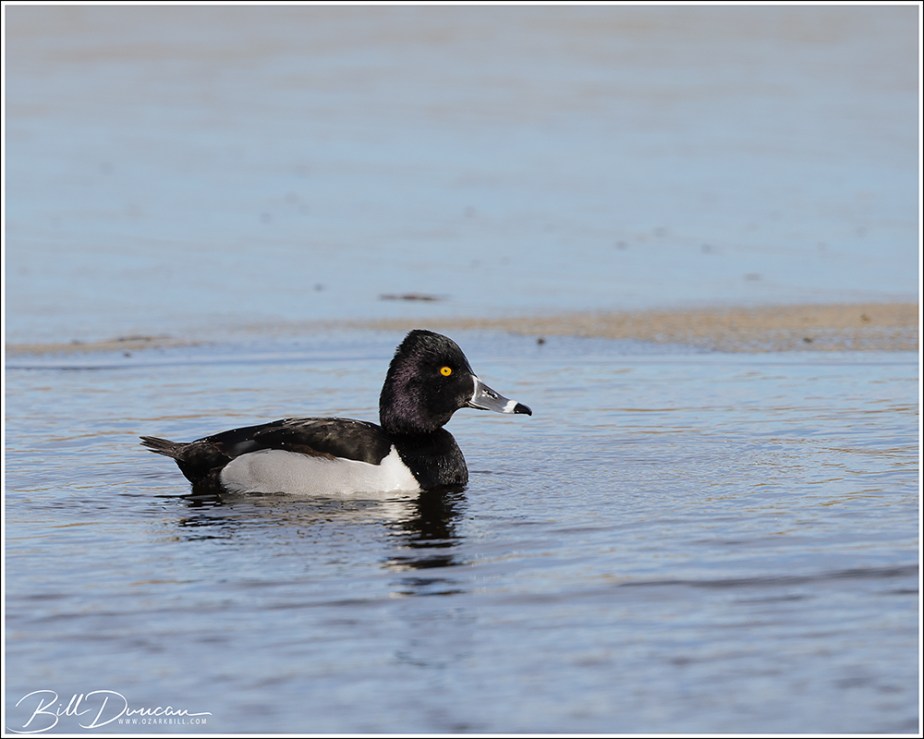
Photography Details First, I want to share some of the details behind capturing the two completely different subjects and scenes in this video. Neither were taken at optimal conditions. The fish is Senator Scales. She is a long-eared sunfish that we have had for a little more than two years. She is currently sharing the tank with Major Mad Tom, the slender madtom catfish. I photographed her using the R5 and a 500 mm f/4 lens handheld. The only light was the poor old florescent in the aquarium hood fixture. I was shocked this turned out as well as it did. The Ring-necked Ducks were photographed this past weekend in Pike County, MO. These videos were shot with the same kit. Some of the panning is not very smooth because I shot on a beanbag from my car window and not a smooth gimbal head. I’m glad to see that autofocus in videography is now a legitimate option in this camera whereas it really wasn’t with dSLRs.
Technical Details I originally setup the camera for video based on a few recommendations from photographers on YouTube. For the most part, these were right on and what I was used to from shooting video on dSLRs. However, after discovering I could not find a player or editor that would run these, I knew something was amiss. My computer is relatively new with a processor that should be more than adequate, so I was pretty sure that it could handle the large 4K files. The problem turned out to be the fancy-pants new c-log codec that everybody was talking about. I won’t go into unnecessary details, but this codec allows for better video compression and extra dynamic range in the neighborhood of one to three stops. However, what I have come to realize is that 95% or greater of the video cards and software are not built to support this codec. Because I did not know this at the time, I was forced to create a ‘proxy’ by converting the duck videos into smaller, 1080p versions. Therefore, these videos are not up to 4K standards. After troubleshooting things, I discovered that by turning off c-log, the files behaved as expected on my machine.
Did I say “as expected?” Not exactly. My usual video editing software, Power Director, would still not properly play the 4K, 120 fps clips. So, I thought this might be the perfect time to finally learn the incredible (and free!) DaVinci Resolve editing program. Definitely a step up in video editing, DaVinci is not as straight forward as what I was used to. But, after a couple very well done tutorials on YouTube, I was up to speed on the basics of the program in no time. There are tons of features in DaVinci, most of which I’ll probably never use. I can say that I’ll probably never open Power Director again! Da Vinci Resolve is that good.
Anyway, I hope this rambling wasn’t too boring and perhaps made some sense to those who might be in a similar position of learning the video side of things. Without further ado, here is the first videos I have taken with the R5. I’d appreciate any comments or questions you might have, especially if they serve to educate me!
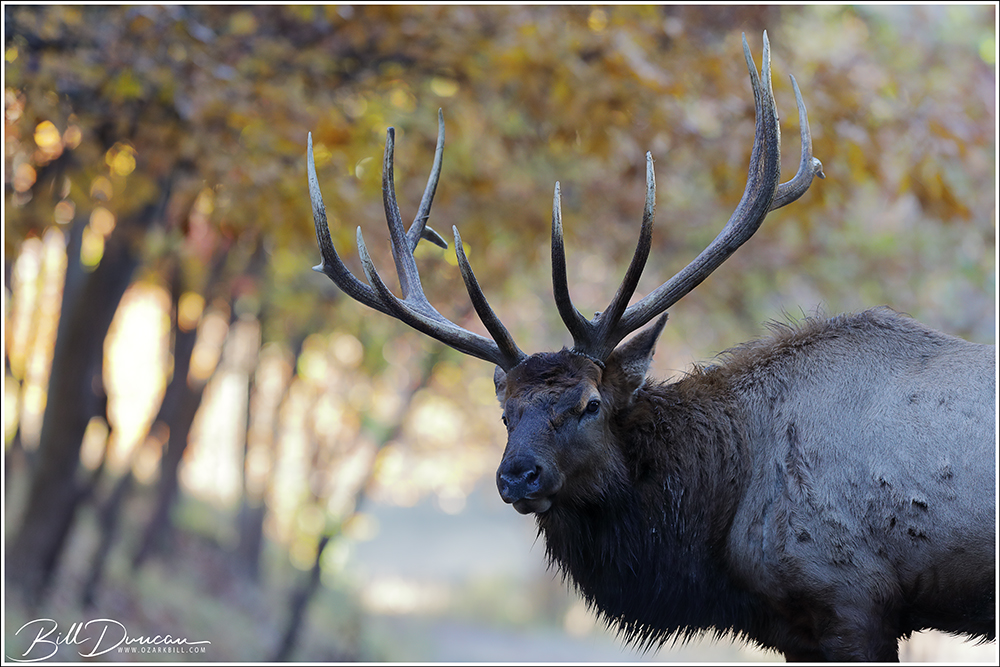
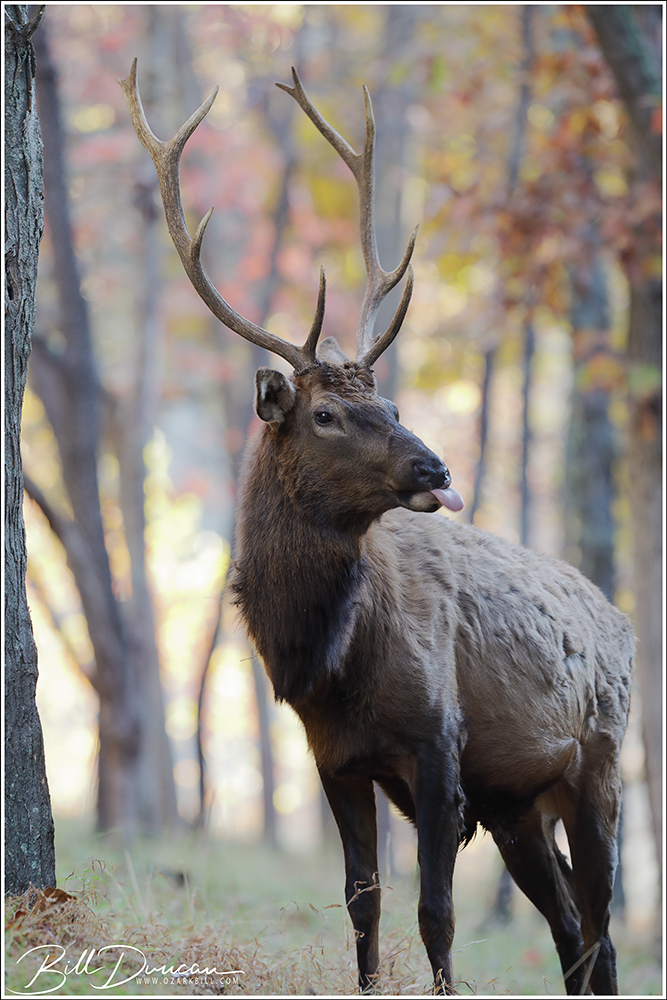
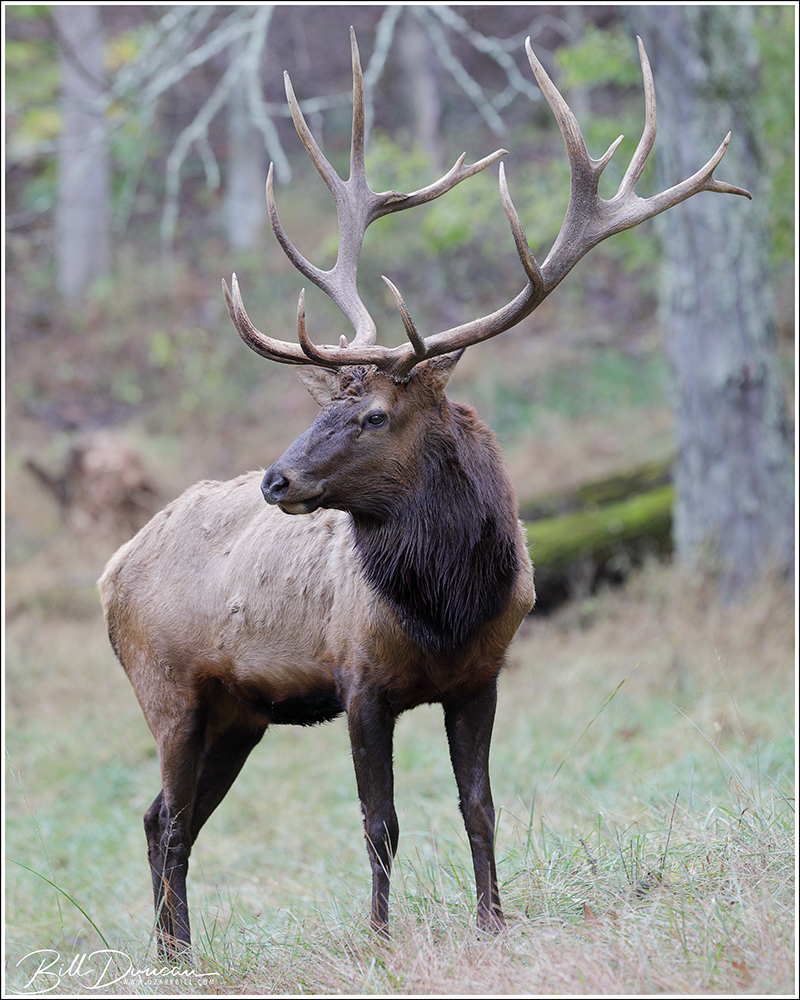
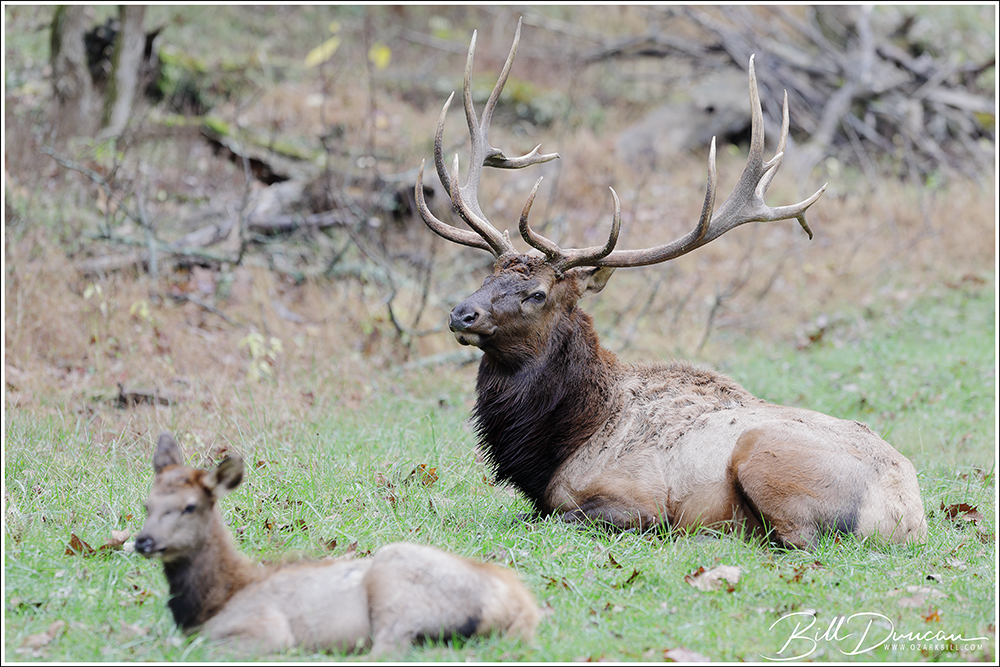
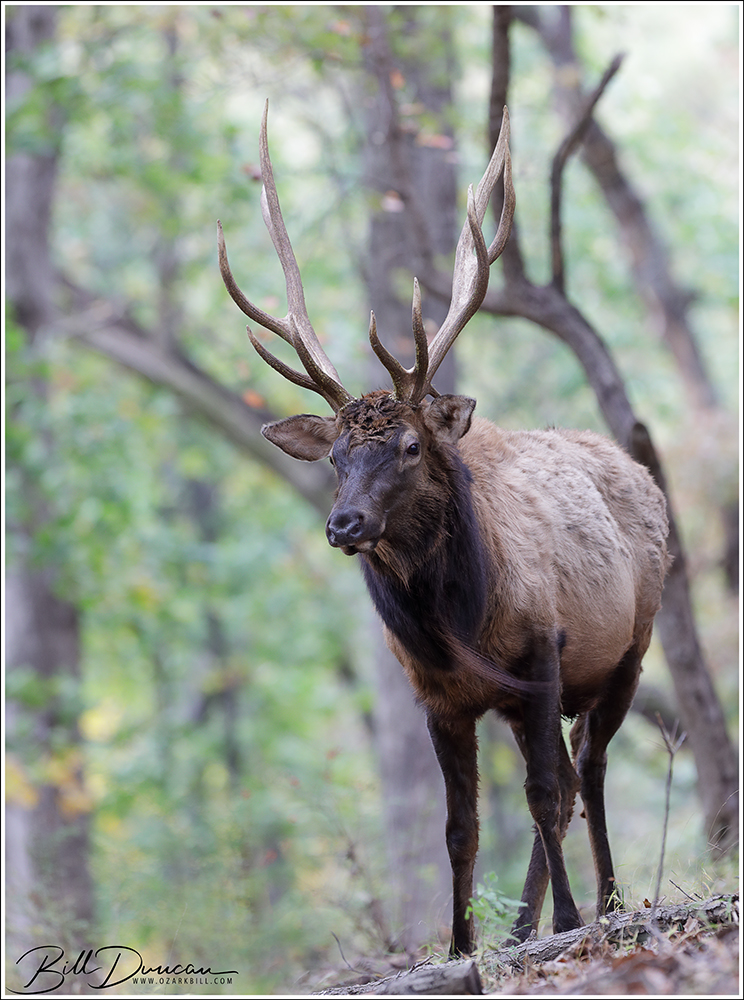
The dominant bull of the park gives a glance to the group of photographers has he roams his ground.
On a crisp and beautiful autumn morning this past Halloween, the WGNSS Nature Photo Group group enjoyed the rare occasion of visiting a relatively close St. Louis County location. Part of the St. Louis County Park system, Lone Elk Park has contained herds of elk and bison in some fashion since the original introduction in 1948. This is a beloved park that offers visitors up close looks at bison, elk, deer and other wildlife. Because of the constant visitors, the animals have no fear of humans and, therefore, are an easy subject for the nature photographer.
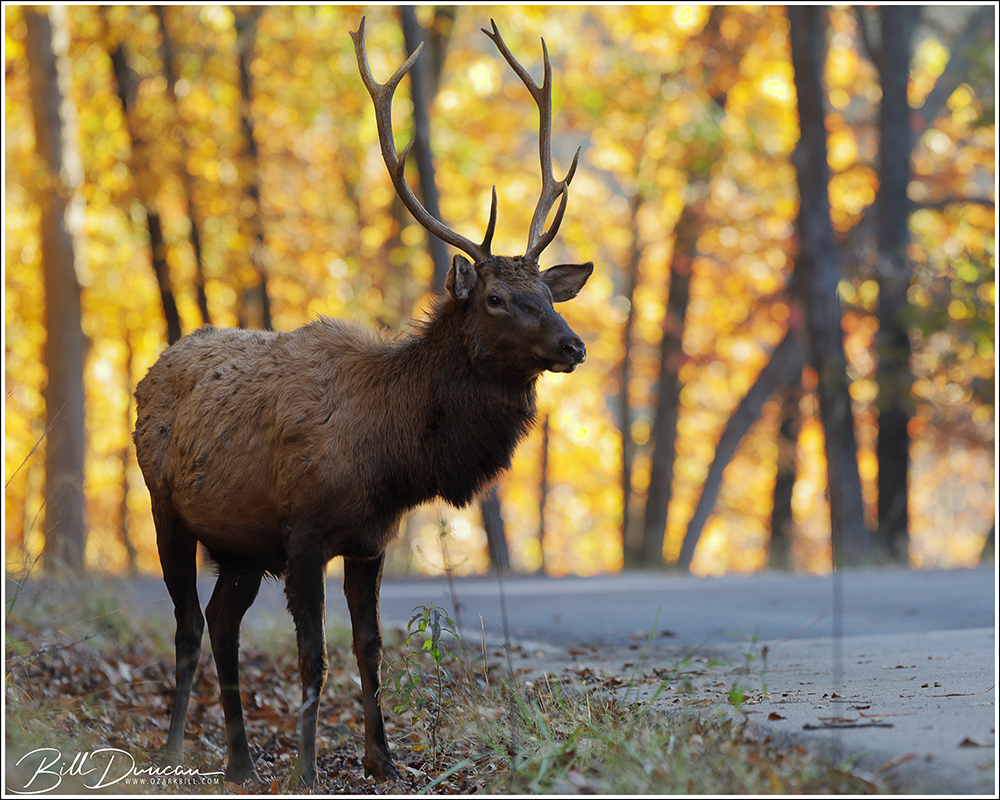
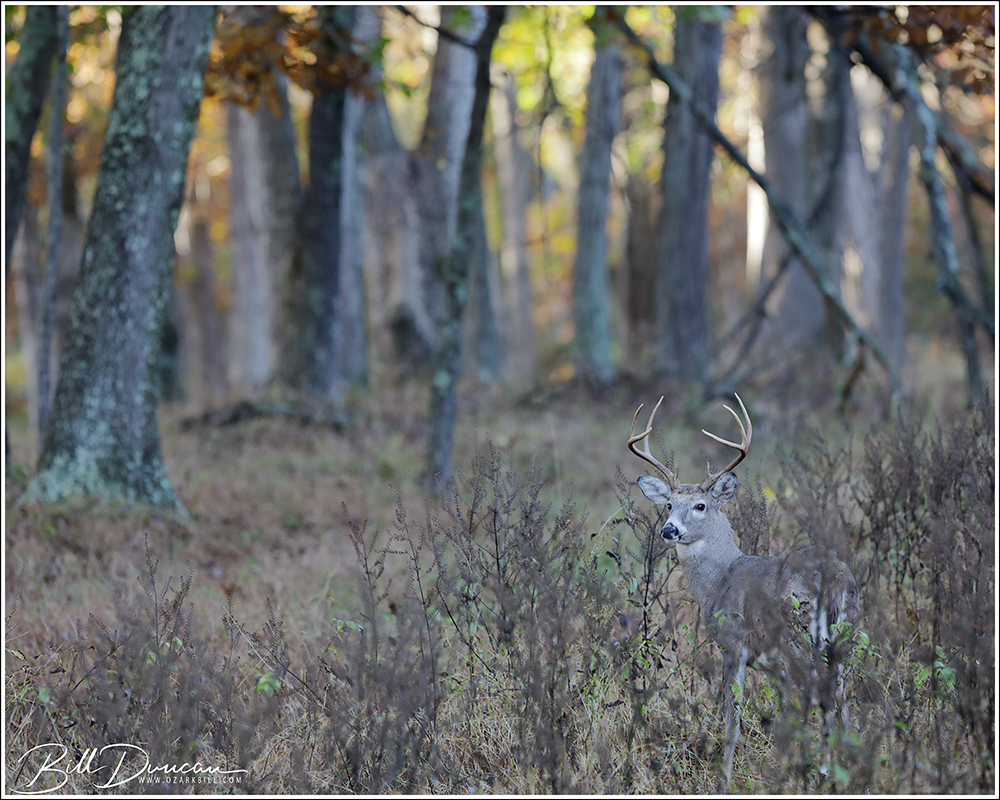
A “small satellite male” keeps to the outer boundary of the dominant bull’s area, hoping to find a stray cow.
Due to the cooperative nature of these subjects, a long telephoto lens, typically needed for wildlife photography is not required here. However, it is a good idea to give these animals their space and use common sense to keep the proper safe distance or remain in your vehicle while photographing here. Always be aware of your surroundings and photograph in a group when possible.
I recommend a mid-range telephoto focal length – a zoom lens in the neighborhood of 100-400 mm is an ideal choice. Depending on available light, a support like a tripod or monopod may be needed. However, with modern cameras and their ability to provide acceptable results at high sensitivities, handholding is usually a viable option.
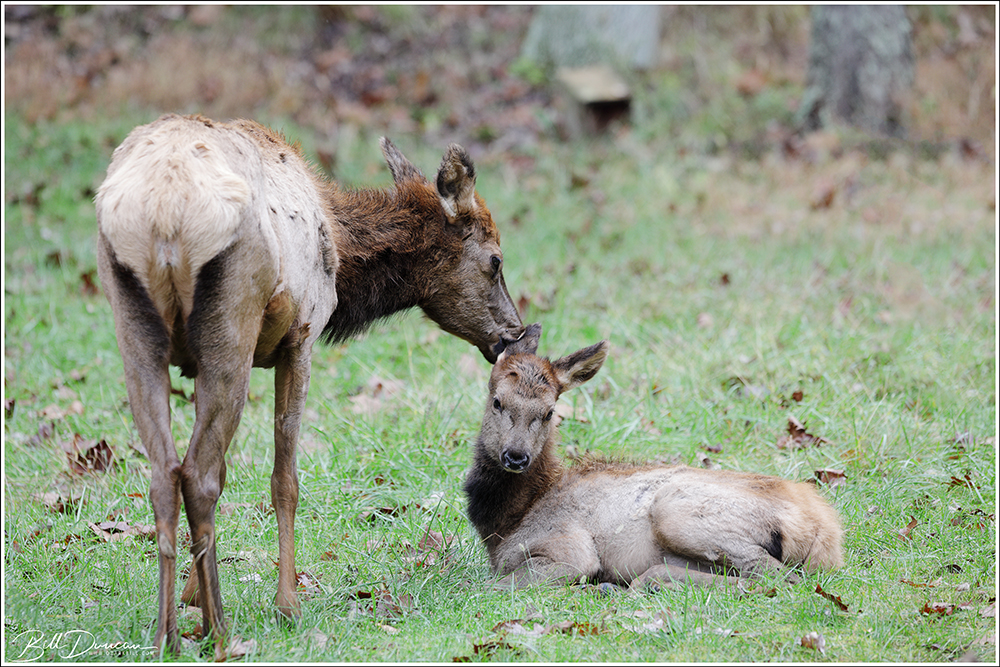
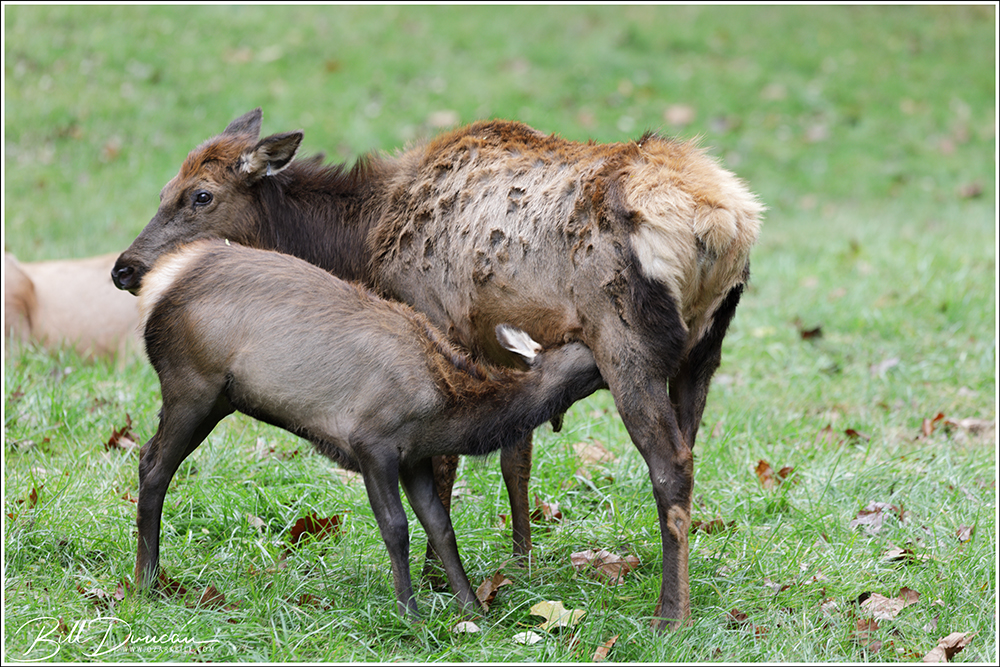
A mother cow gives her calf a reassuring muzzle nudge.
Because this is a nearby location, Lone Elk Park is a great spot to practice with wildlife while building a portfolio of a variety of images. Plan to visit during every season to include the greens of summer, the warm backgrounds associated with autumn and the snows (when available) of winter. Multiple visits will allow for photographing these animals at different life stages, such as when bull elk are in velvet in the summer or while bugling during the autumn rut. From time to time photographers have also been able to capture birthing of bison and elk and the subsequent play of the growing young. I hope to visit this location more frequently in the future.
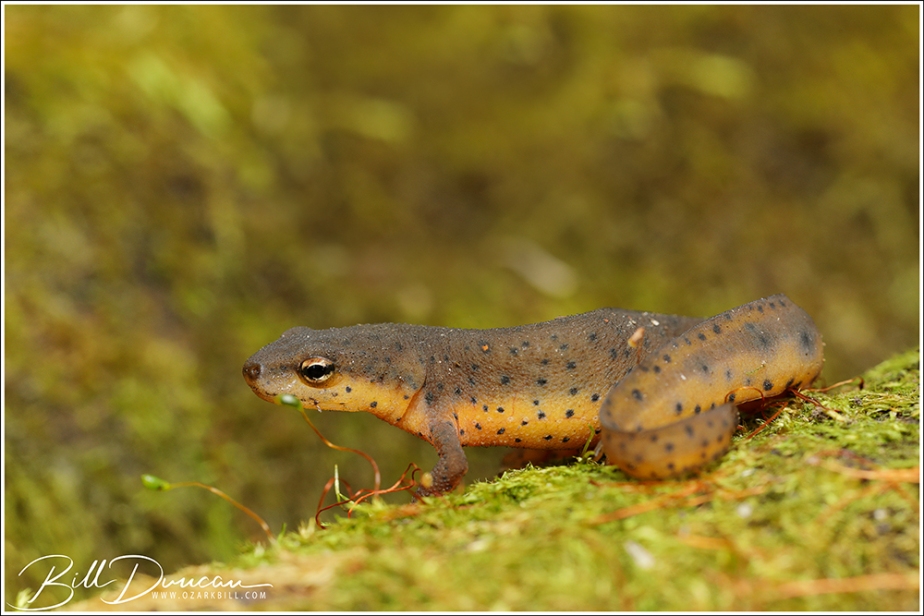
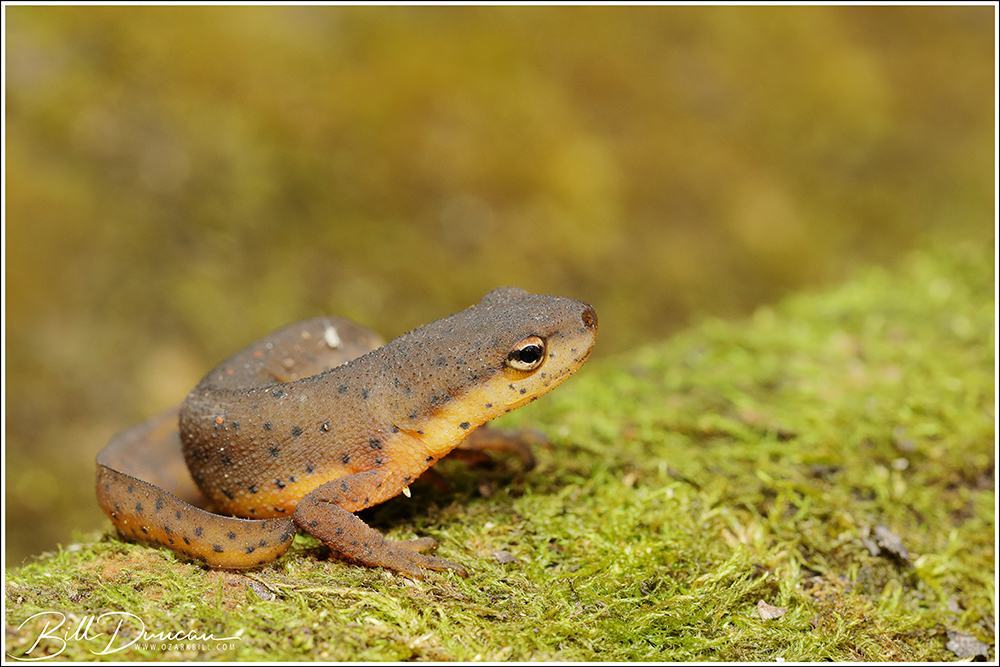
Casey, Dave and I found this nice little eastern newt eft in Lincoln County, MO in mid-October of this year. Did you know… Newt species like this one have a variety of options in their life stages and reproductive strategy. Typically, newts will have three stages in their development, starting with an aquatic larvae, then changing into a terrestrial juvenile, or eft, and finishing as an aquatic adult. There are examples, however, of some populations that stay and breed in both the aquatic larval stage and as efts.
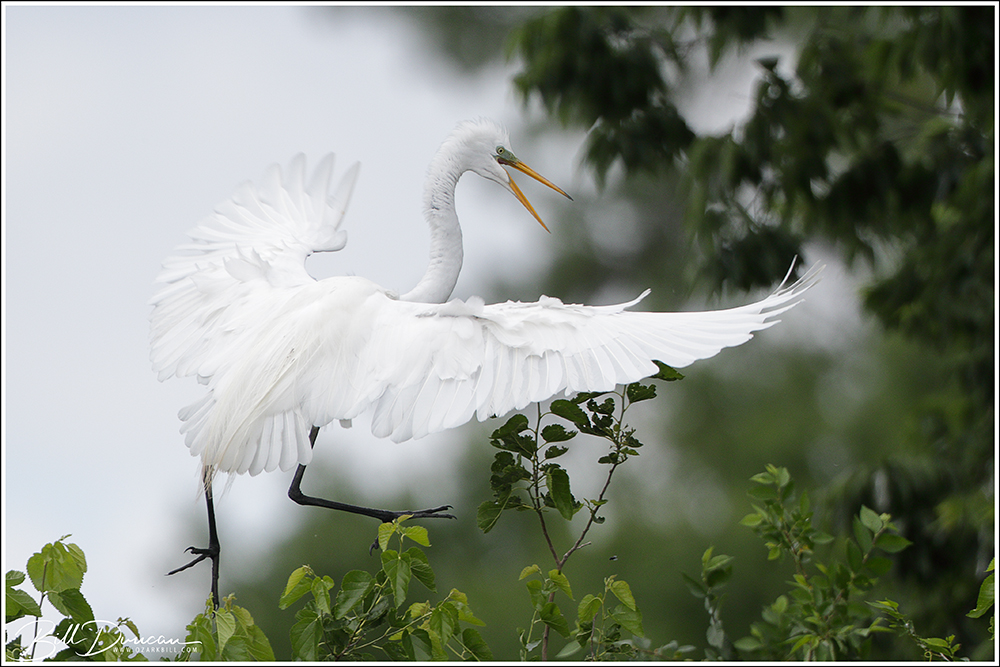
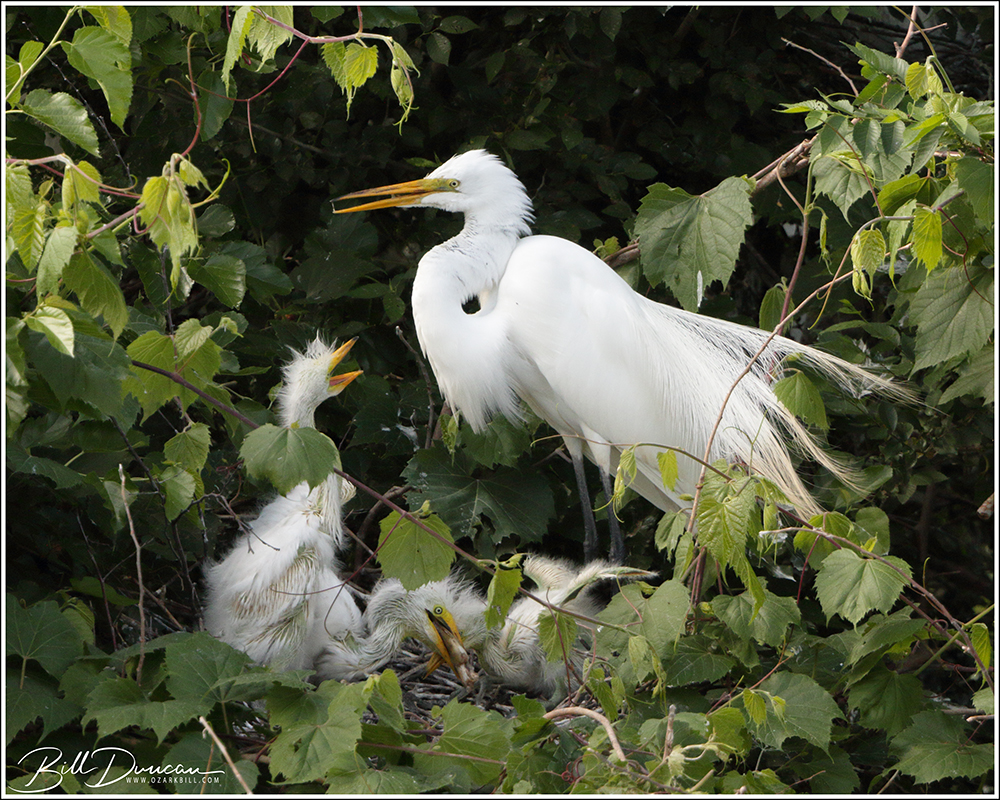
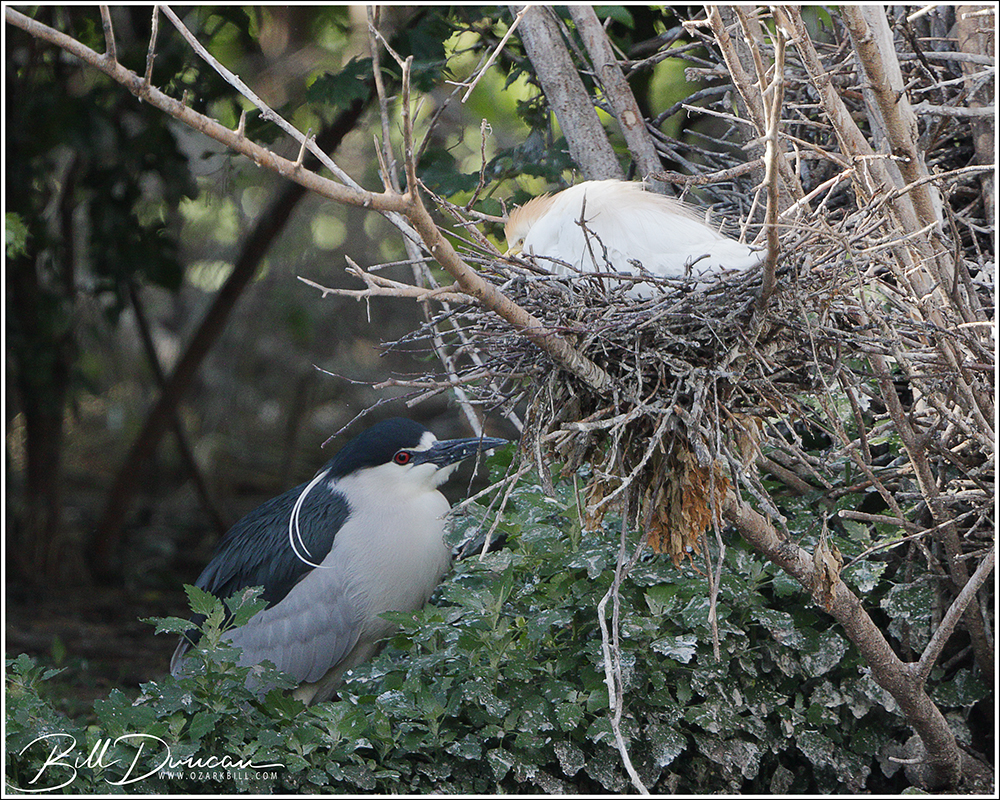
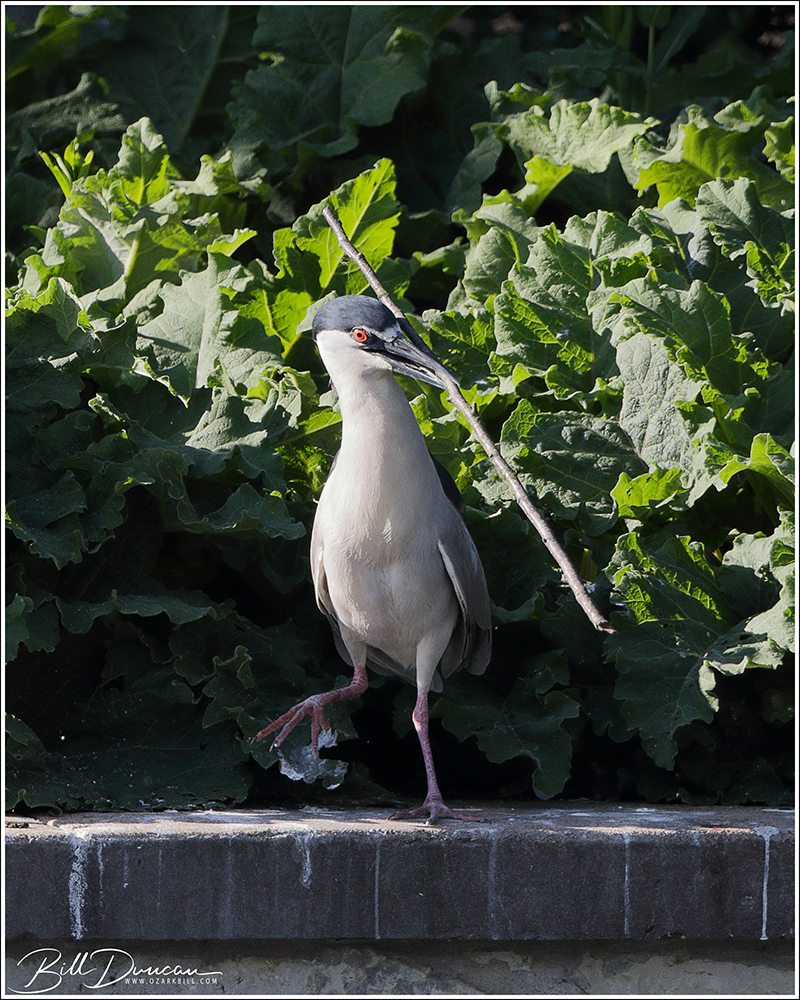
Here are some photos I’ve been sitting too long on from a trip the WGNSS Photography Group took back in May of this year. This is a splendid rookery that hosts at least five species of wading birds in O’Fallon Park that lies in north St. Louis.
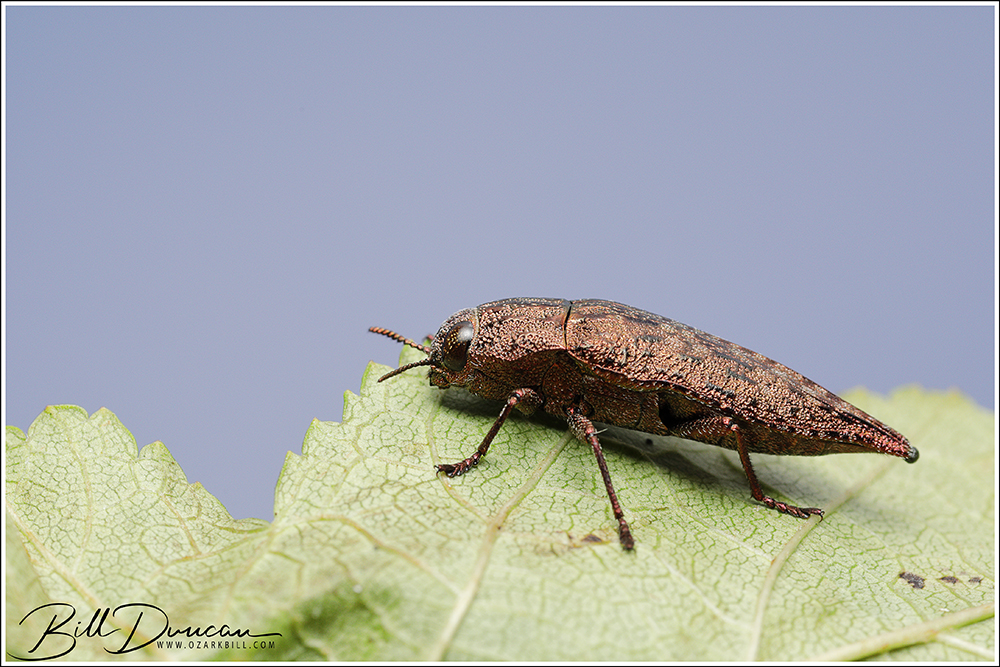
Dicerca pugionata (Buprestidae) photographed at Victoria Glades Conservation Area, Jefferson County, MO.
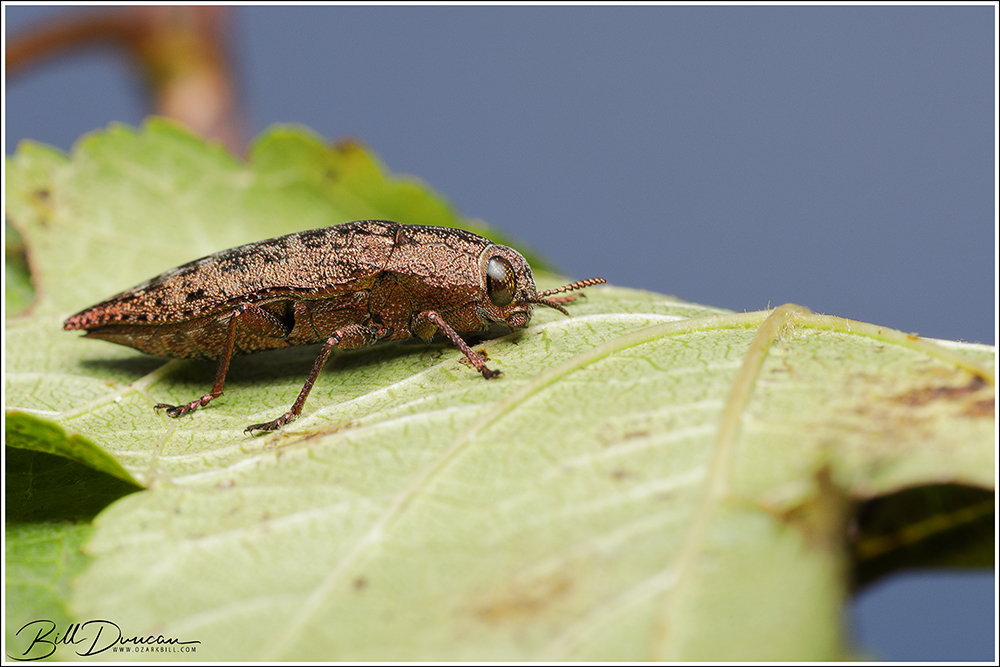
Many thanks to Ted MacRae for introducing me to another stunner of a beetle. On more than one occasion Ted has taken me and others out to the field to find one of the strikingly beautiful and rare beetles that he knows so well. This time the treasure we sought was the jewel beetle, Dicerca pugionata (Buprestidae), also known as the Witch-hazel Borer. Witch-hazels (Hamamelis spp.) may be the preferred host plant but they are also found on alders (Alnus spp.) and ninebark (Physocarpus opulifolius). In this opportunity, we went to a specific patch of ninebark at Victoria Glades where Ted had found them previously.
Dicerca pugionata (Buprestidae) on its host plant, ninebark (Physocarpus opulifolius)
Formica pallidefulva ants beginning to work on moving diaspores of Trillium recurvatum.
After observing Vespula vulgaris foraging for the diaspores of Trillium ovatum in Oregon, Jules (1996) coined the term vespicochory to describe the dispersal of seed by Vespid wasps, specifically members of the Vespinae – the Vespidae subfamily that is comprised of yellowjackets and hornets. Few other descriptions have been recorded on observations of Vespinae acting as secondary seed dispersers in myrmecochorous plants. In controlled experiments, V. maculifrons has been reported to disperse T. cuneatum, T. undulatum and T. catesbaei in North Carolina and South Carolina (Zettler et al., 2001) and T. discolor in South Carolina (Bale et al., 2003). To my knowledge, this is the first recorded observation of the dispersal of T. recurvatum by Vespid wasps.
Before I begin describing my observations, I will first review and discuss the potential implications of Vespinae dispersal as an alternative to myrmecochory in trilliums. In most descriptions, myrmecochory has been described as a mutualist symbiose, meaning that both plant and ant species benefit from the relationship. Ants benefit by gaining the lipid and protein rich eliasome of the diaspore to feed their young while the plants benefit by having their seed dispersed from the parent plant and gain potential benefits in overwintering and germination environments. Similarly, for vespicochory to be considered as an important seed dispersal syndrome, we should consider the benefits to both sides and compare the role these wasps play to that of their ant cousins.
A Formica subsericea ant carrying a Trillium recurvatum diaspore.
Yellowjackets, in addition to seizing seed directly from ants, removed more seeds (40%) from index cards than did each of three ant species observed (8 – 28%) (Bale etal., 2003). Zettler et al. (2001) measured dispersal distances by V. maculifrons and found an average distance of 1.4 m compared to a mean of 0.98 m in global cases of myrmecochory (Gómez and Espadaler, 1998). This difference in dispersal distance alone is significant; however, 53% of the seeds removed by V. maculifrons in this study were moved beyond 20 m – the furthest extent of their measuring capabilities, and were unrecovered, indicating a much higher than calculated average dispersal distance.
A single foraging Vespulamaculifrons finds the fruit.
In addition to dispersal distance, another important thing when considering the benefits to the plant in a particular dispersal syndrome, is what is done with the diaspore once removed. The mandibles of Vespids are considerably larger and assumedly much more powerful than those of the ant species involved in dispersing trillium seed throughout their range. It is therefore a possibility that the seed could face catastrophic damage from the foraging wasp. Of the original seed recovered by Zettler et al. (2001), 95.7% had the eliasomes removed. Of these, 17% of the seeds had scarification near where the eliasome was attached but no seeds showed visible signs of embryo damage. The ultimate use of the eliasome was unknown in Zettler et al. (2001); however, Jules (1996) observed yellowjackets taking diaspores directly into their nest where, presumably, they were fed to developing young. Vespids typically nest underground and waste (i.e. seed portions of diaspores) are deposited below the nest. As mentioned by Zettler, “…we do not know how seed burial in these nests might affect seed germination and seedling emergence.” In cases where eliasomes are removed and seed are dropped randomly on the ground, it would be interesting to know how these seed fare in comparison to those buried within the nest. Further study is needed to determine the fate of seeds moved by these wasps when compared to myrmecochory.
Observations
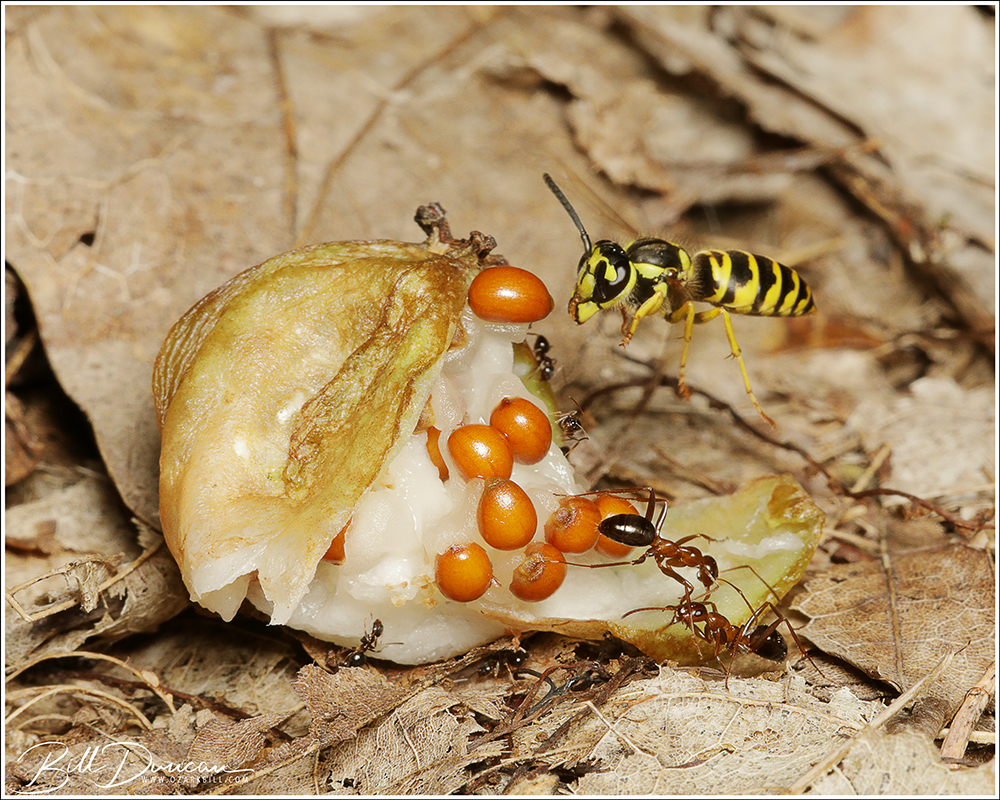
The ants try to keep their prize but the yellowjackets are too strong and fast and easily claim most of the diaspores.
The following observations and accompanying photographs were conducted at August G. Beckemeier Conservation Area in St. Louis County, Missouri. On August 5, 2021 at ~ 18:00 hrs., I collected a ripe fruit of T. recurvatum and placed it with about 25% of the seed exposed within 20 cm of a nest of Formica pallidefulva ants. My goal was to observe and photograph the ants carrying away the diaspores. The ants found the fruit within minutes and quickly began moving the loosely separated diaspores. After approximately 10 minutes the first V. maculifrons found the fruit and quickly left with a diaspore. It returned alone five times with gaps ranging between approximately one and three minutes. After the fifth visit, two to four wasps were at the scene at any given time, each working to free seeds from the fruit until all seeds were removed. I found that the wasps were able to pull the diaspores free from the fruit capsule matrix much easier than the ants. The ants tried, at times, to defend the fruit and the wasps did give them a wide berth. When two or more wasps were on the fruit at one time, however, the ants were ineffectual in their defense.
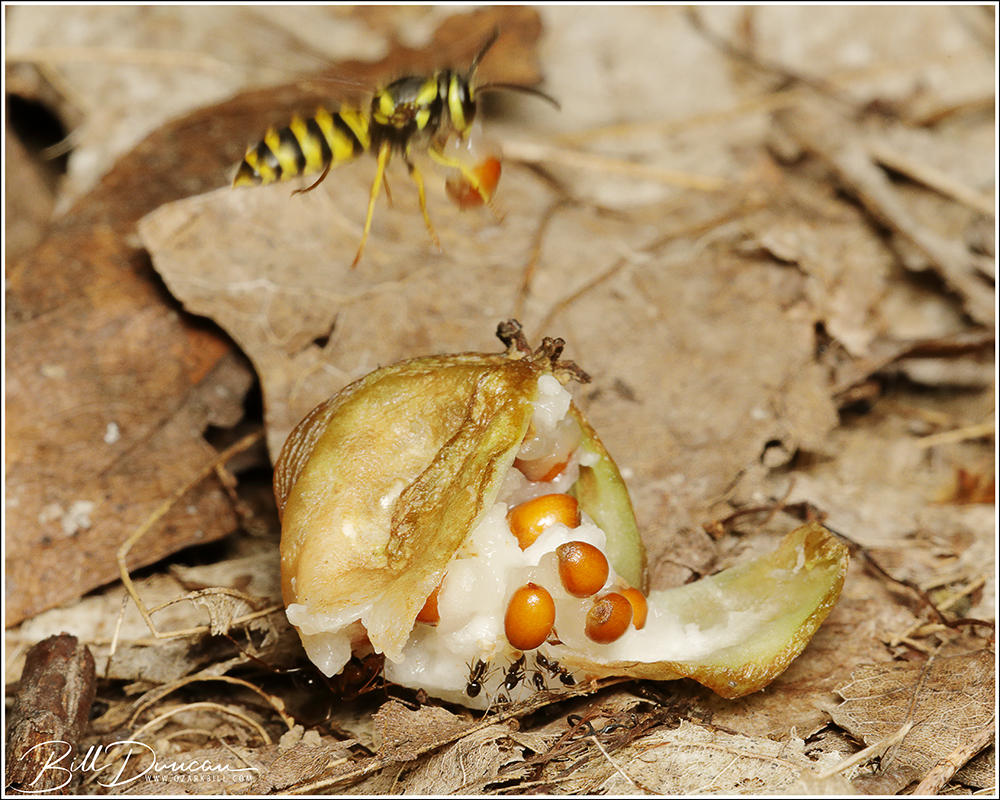
A Vespulamaculifrons seizing a Trillium recurvatum dioaspore.
I was not setup to make accurate counts or to try and make seed dispersal distance measurements. It appeared the wasps moved at least 75% of the seed while F. pallidefulva moved the remaining into their nest. I believe this discrepancy was primarily due to the ability of the wasps to excise the diaspores from the fruit capsule matrix more quickly and easily than the ants. I watched one wasp perched on a short sapling approximately 1.5 m from the fruit. It removed the eliasome, letting the seed fall to the leaf litter below and then left carrying the eliasome with it.
Photography Details
The ants try to keep their prize but the yellowjackets are too strong and fast and easily claim most of the diaspores.
These images were taken using a full-sized sensor digital camera and a 180mm macro lens with a 1.4x teleconverter and 30 mm extension tube stacked between the lens and camera body. This combination of equipment provides quite a long focusing distance, ensuring the photographer does not disturb the subjects. An off-the-body external speedlight “flash” was used at varying levels of power to obtain the extra light needed. Most of these images were taken at f/16, 1/100 sec. and ISO-640 and were taken handheld while using a fallen log for additional support.
Conclusion
This was an anecdotal observation of a single occurrence of vespicochory. This is a subject that warrants further investigation. Could vespicochory be just as or even more important in the dispersal and emergence of some “myrmecochorous” plants as myrmecochory? It would be interesting to know more about the frequency and dynamics of this unique seed dispersal mechanism.
References
Bale, M.T., J. A. Zettler, B.A. Robinson, T. P. Spira, & C.R. Allen. 2003. Yellow jackets may be an underestimated component of ant-seed mutualism. Southeastern Naturalist 2(4):609-614.
Gómez, C. & X. Espader. 1998. Myrmecochorous dispersal distances: a world survey. Journal of Biogeography 25:573-580.
Jules, E.S. 1996. Yellow jackets (Vespula vulgaris) as a second seed disperser for the myrmecochorous plant, Trillium ovatum. American Midland Naturalist 135(2):367-369.
Zettler, J.A., T.P. Spira, C.R. Allen. 2001. Yellow jackets (Vespula spp.) disperse trillium (spp.) seeds in eastern North America. American Midland Naturalist 146(2):444-446.











 A Thousand Acres of Silphiums