"What a thousand acres of Silphiums looked like when they tickled the bellies of the buffalo is a question never again to be answered, and perhaps not even asked." -Aldo Leopold
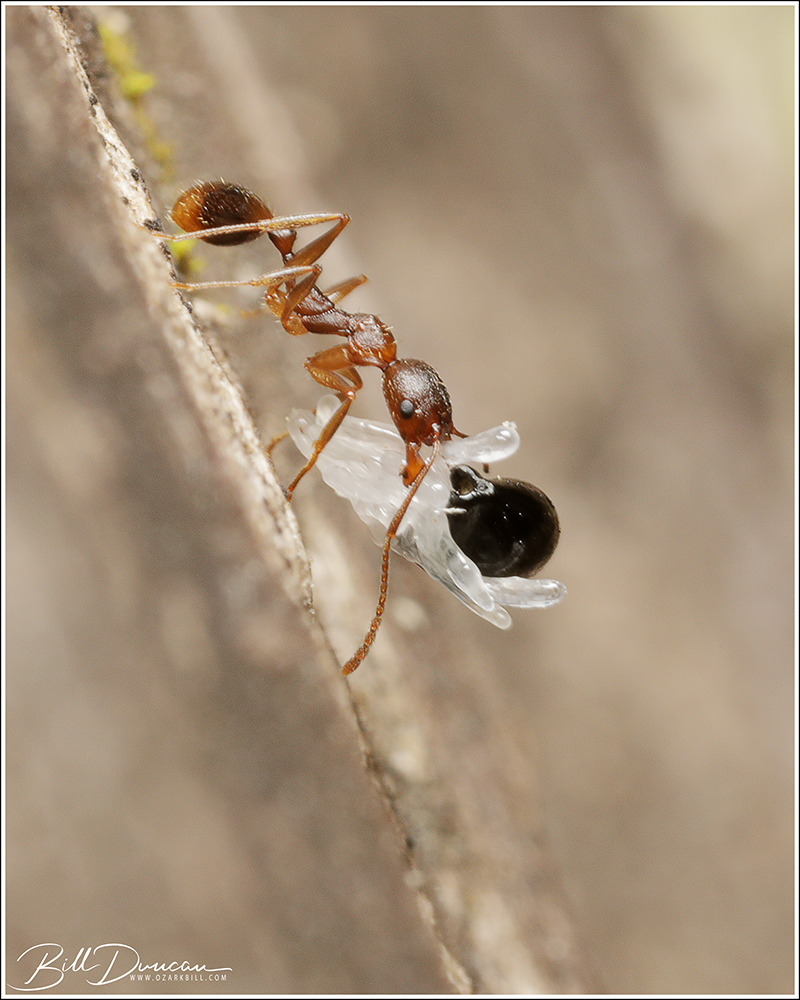
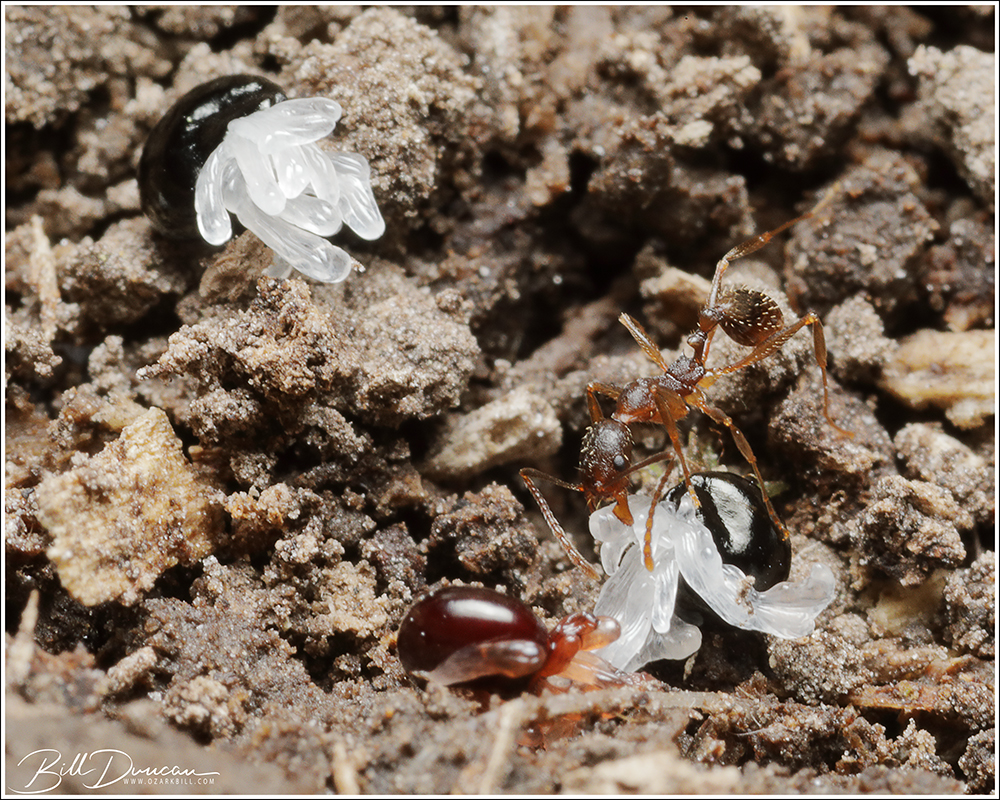
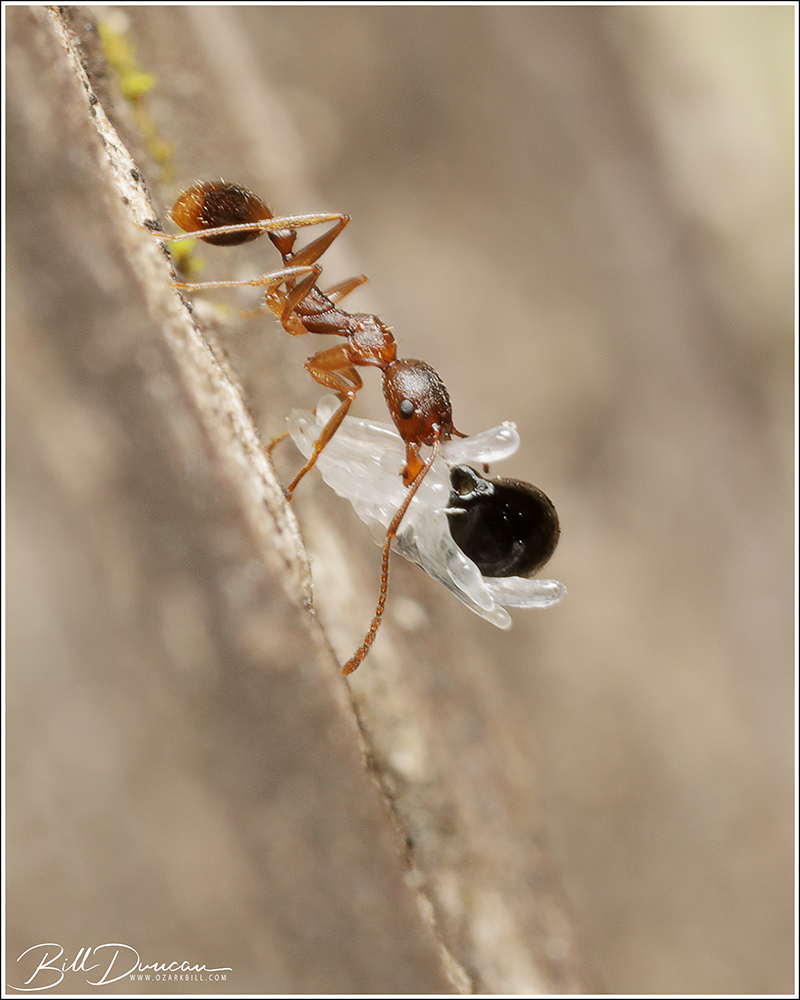
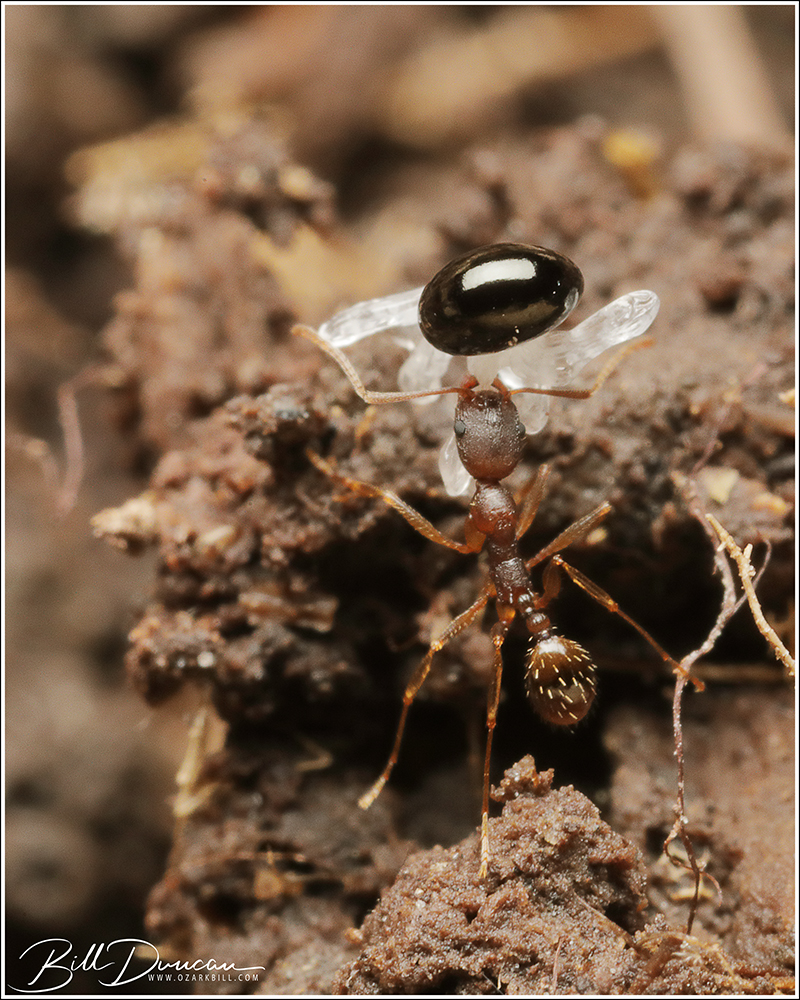
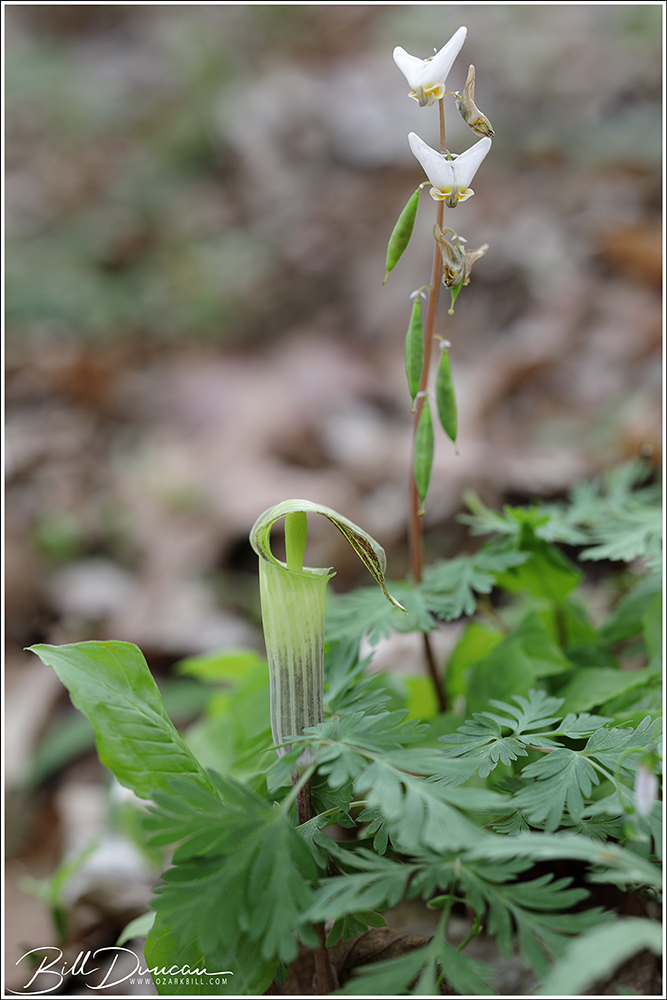
In continuing my work from last year, this year I was able to capture a few Aphaenogaster rudis moving the diaspores of Dicentra cucullaria (Dutchman’s breeches). Although this was the best year I’ve ever seen for D. cucullaria, getting everything to work just right in order to photograph this process was difficult. I was often short on the time needed to do this. Also, the cool temps we had this spring made it a bit difficult to find the foraging ants, even when the supply of diaspores I had at my disposal were ample.
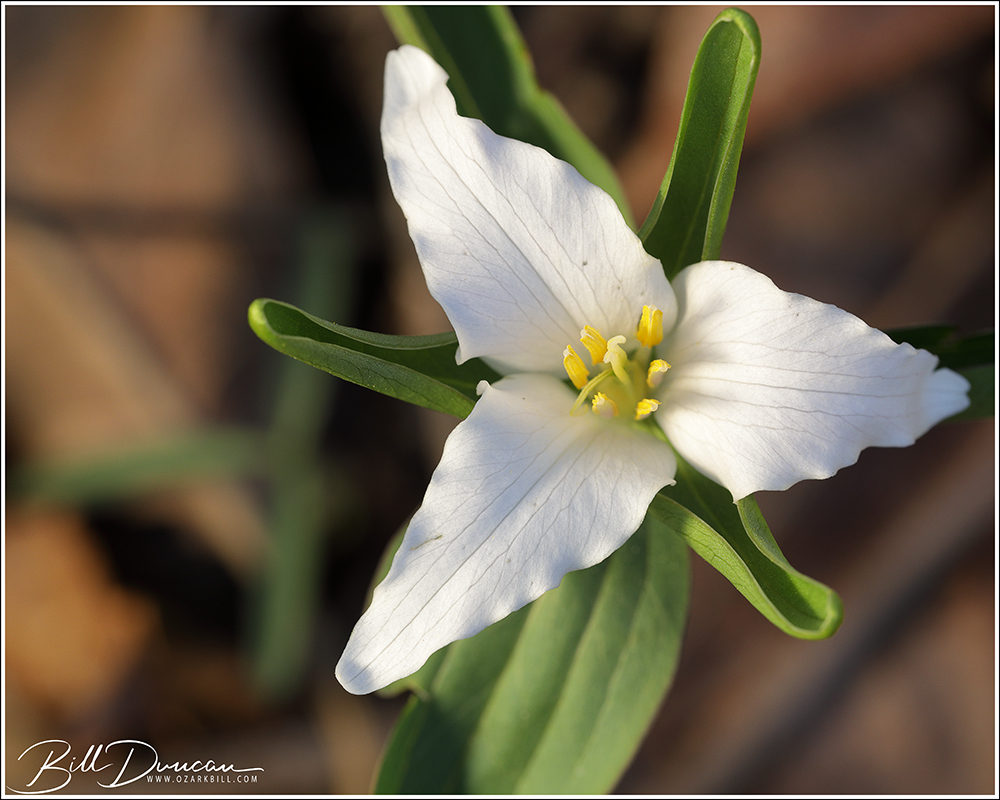
Another early-blooming trillium that is rare in Missouri. These Trillium pusillum var. ozarkanum were photographed in late March in southwestern Missouri.
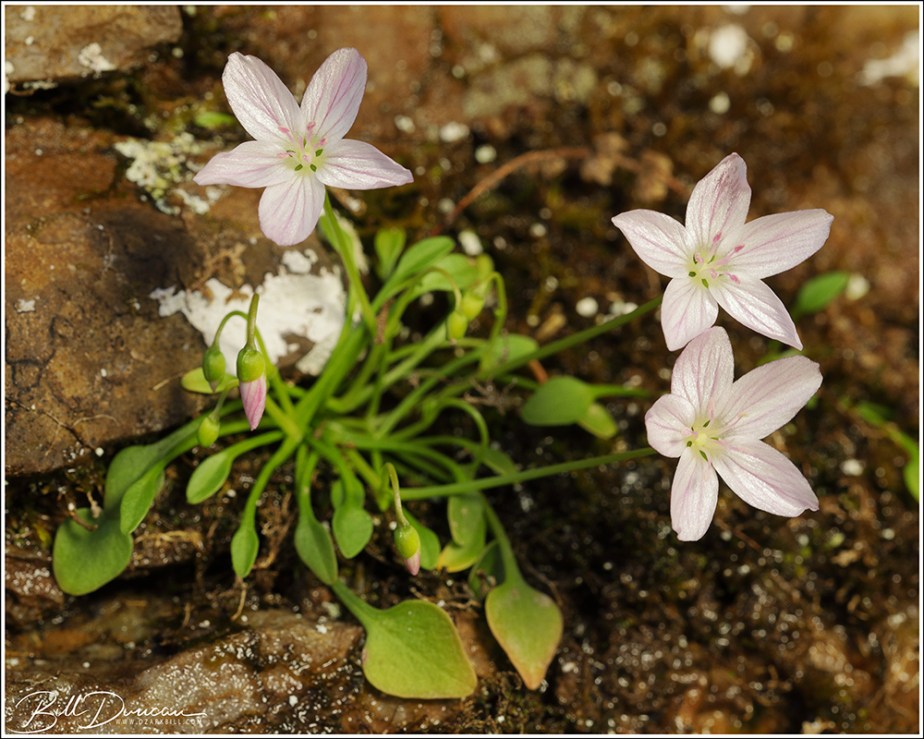
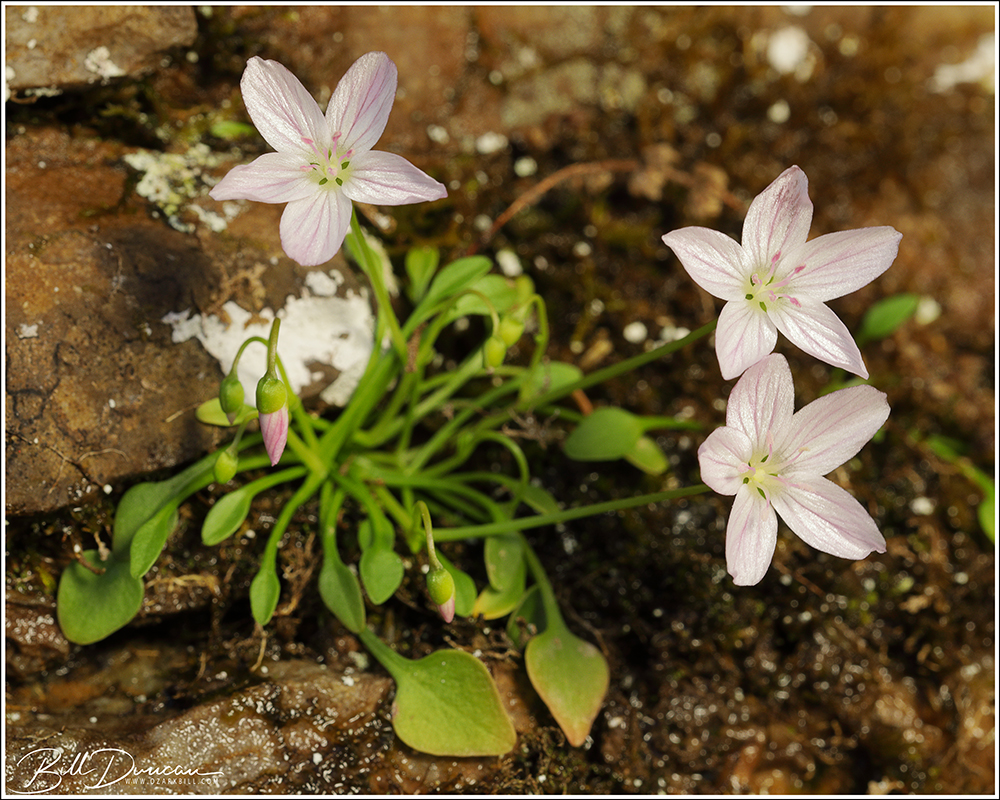
Originally described in 2006 as Claytonia ozarkensis, this plant was considered a near-endemic to the Ozarks, being found in Missouri, Arkansas and Oklahoma. Yatskievych et al. (2013) further defined this form and re-described this as C. arkansana. This species is known from only three counties in Arkansas and is classified as G2, or globally imperiled due to its required specialized habitat. C. arkansana is only found on sandstone bluffs and ledges. An interesting adaptation this plant has required to ensure its offspring remain in this required habitat is by negative phototropism of the pedicle after flowering. As the fruits develop, the pedicle turns away from light so that the seed may be dispersed in the cracks and bluff ledges where they need to germinate.
I want to thank Casey Galvin and John Oliver for helping me find this fascinating plant!
Yatskievych, G., R.J. Evans, and C.T. Witsell. 2013. A reevaluation of the Ozark endemic Claytonia ozarkensis (Montiaceae). Phytoneuron 50: 1-11.
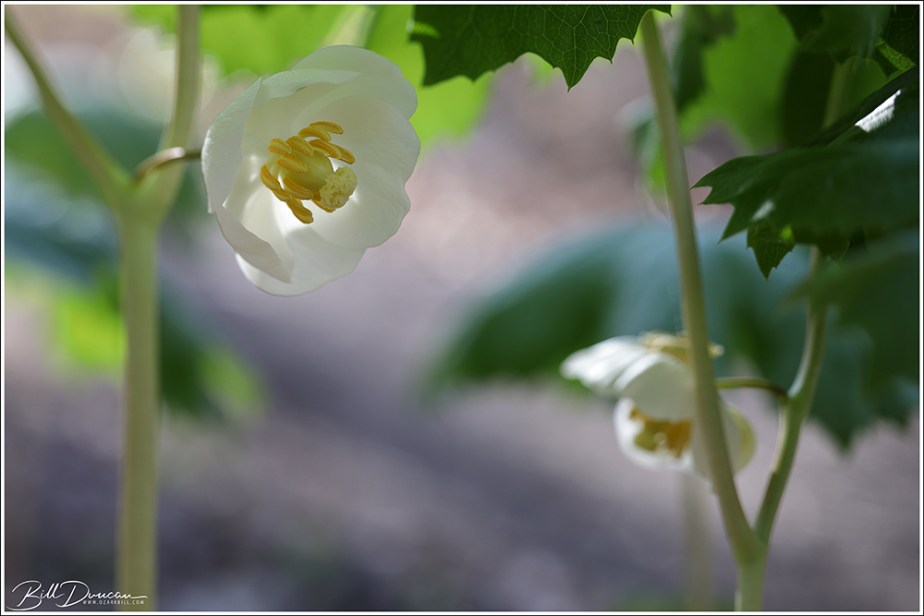
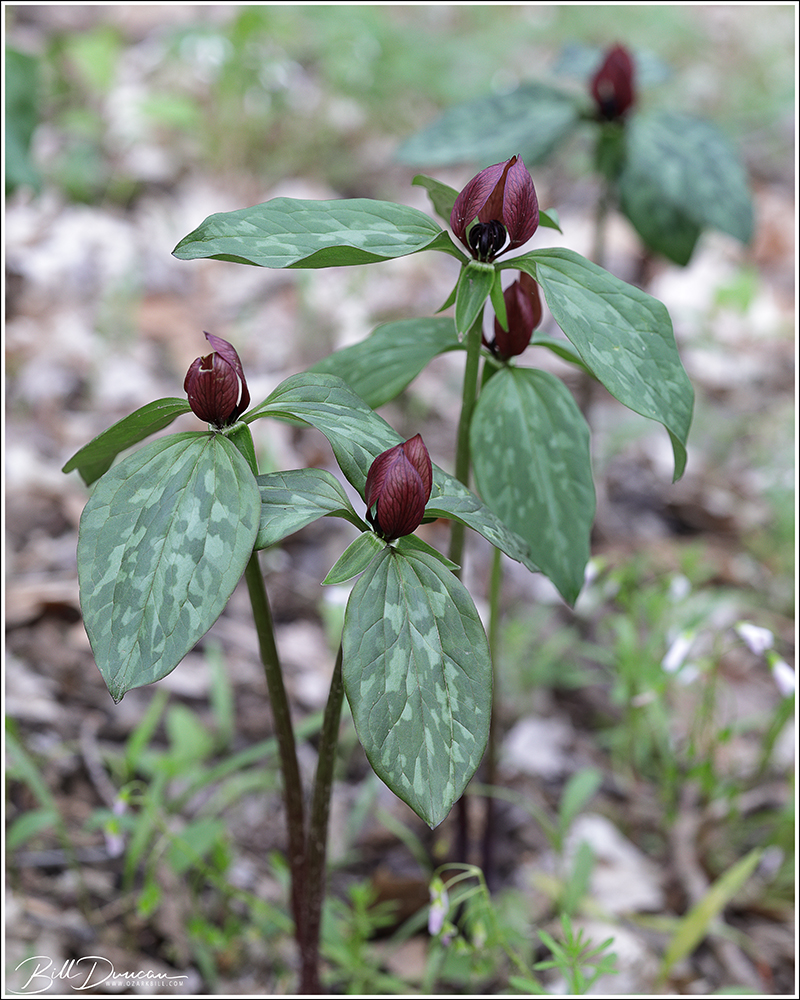
In my 15 or so years of paying attention to important things like this, I have never seen spring ephemerals having a better year than this one. Places within the St. Louis metro area, such as Englemann Woods Natural area and Beckemeier Conservation Area are loaded with wildflowers right now. Whether this is because of the cool and mild spring we have been having so far, or some other reasons, I don’t know. Here are a few photos taken this week at Beckemeier C.A. I hope you get out to enjoy these yourself.
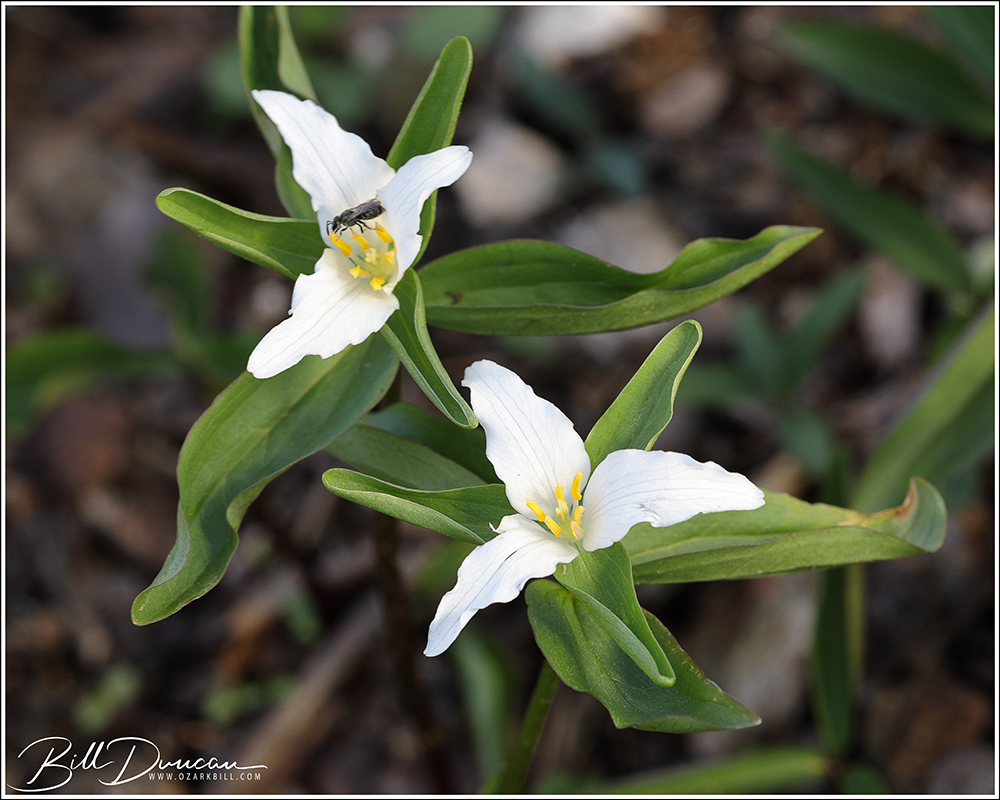
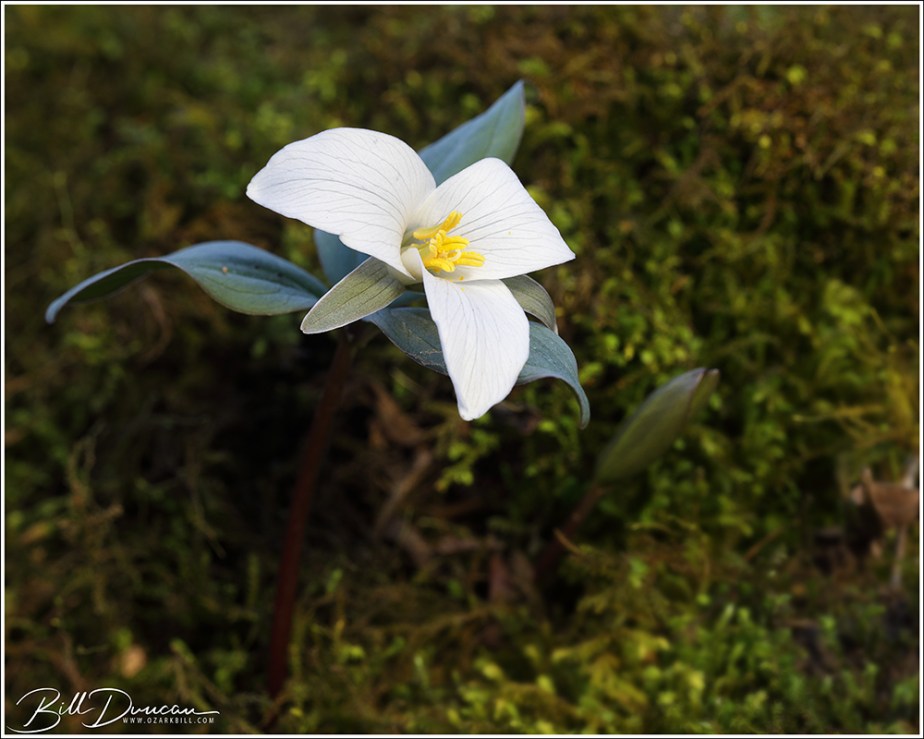
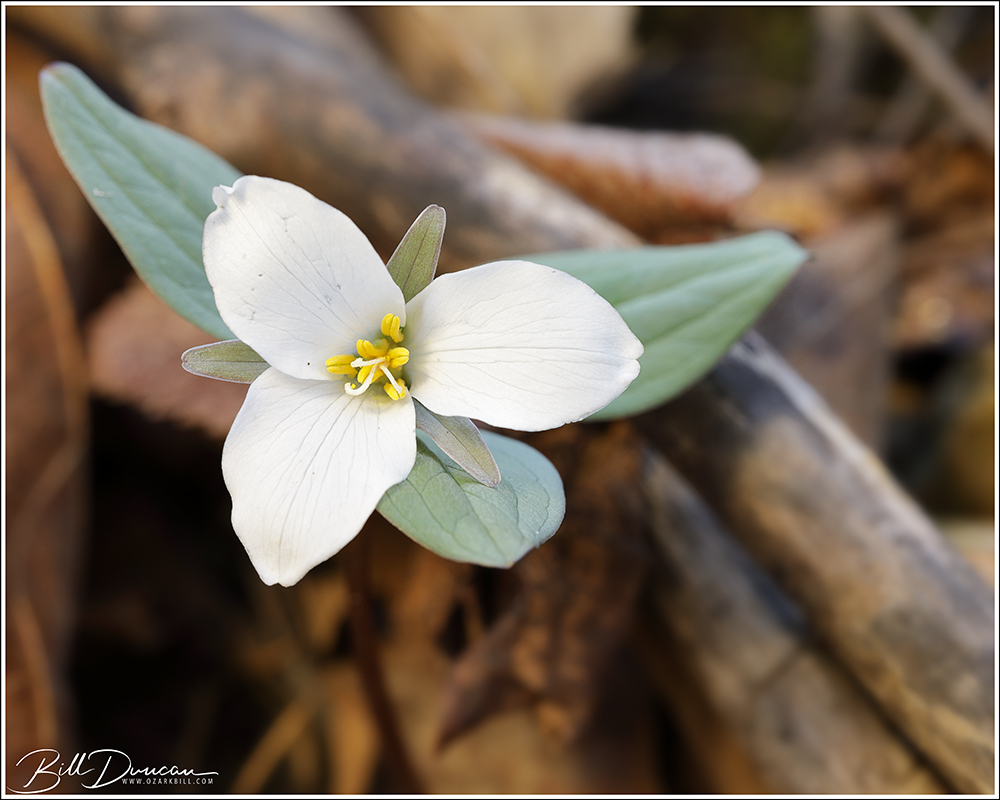
Many thanks to Casey Galvin for showing me these little guys. Snow trillium are the first trillium to bloom in Missouri and one of the first blooming wildflowers in the state. Potentially being found in bloom with snow on the ground, snow trillium begins blooming in mid-March. Photographed at Battle of Athens State Historic Site on 20, March, 2021.
Spiranthes ovalis var. erostellata (oval ladies ‘-tresses)
Spiranthesovalis var. erostellata can be very difficult to find. Usually growing in groups of ones and twos, it is a small plant that prefers shadier locations that get dappled sunlight. I want to thank John Oliver for all his assistance getting me on this and a number of other Spiranthes species this year.
This species of ladies’-tresses is known for its graceful and diminutive flowers. Casey and I found only a couple of plants, each with flowers rather less developed than hoped for. I’m not sure if we were a day or two early, or if this might be all to expect from this population. We found these plants alongside trails at Babler State Park in mid-September.
Spiranthes ovalis var. erostellata (oval ladies ‘-tresses) The flowering stem can be seen here at the same time as its basal leaf.
A rare open flower of Corallorhiza odontorhiza (autumn coralroot). Most plants of this species produce cleistogamous flowers that do not open, thus facilitating self-pollination.
Casey and I found three separate populations of Corallorhiza odontorhiza in early to mid September this year, each population consisting of just a few bunches of plants. Most plants of this species found in Missouri are cleistogamous, containing flowers that never open and thus forcing the plant to self-pollinate. This might account for the rather dull colors and patterns on flowers of this species when compared to its vernal-blooming relative, C. wisteriana. Of the three locations, we found only one bunch of plants, located in St. Louis County, that contained open (chasmogamous) flowers and these were slightly more showy than I expected them to be.
Chasmogamous flowers of Corallorhiza odontorhiza with obvious swollen ovaries.
Like C. wisteriana, this species is myco-heterotrophic, parasitizing mycorrhizal fungi to obtain carbon and other necessary nutrients. Consequently, this species never produces leaves. Both Corallorhiza species are found scattered throughout Missouri and can be found in a variety of habitats, but seem to prefer open woodlands on xeric to mesic soils.
Corallorhiza odontorhiza. These are cleistogamous flowering stems that Casey and I monitored from just after emergence. The flowers never opened and ovaries began to swell prior to the flowering stems reaching their full height.
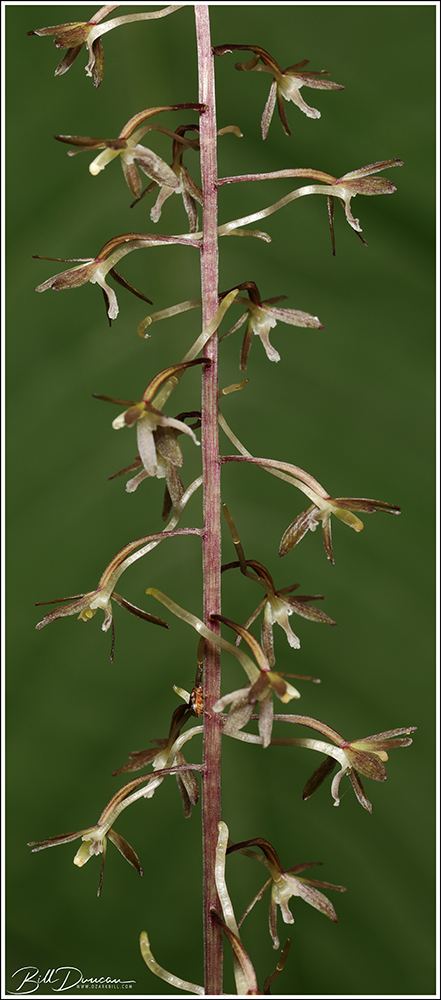
Tipularia discolor, the cranefly orchid so-called due to the appearance of the flowers to a hovering group of crane flies.
Tipulariadiscolor, or the ‘cranefly orchid,’ was first collected in Missouri in 1988 and new discoveries across the Midwest in recent decades suggest it is actively expanding its range. Similar to the puttyroot orchid (Aplectrum hyemale), this orchid blooms in the summer without the presence of any leaves. Leaves emerge in autumn and are usually completely withered by May. Both the common and genus names come from the apparent resemblance of the open flowers to that of crane flies in the genus Tipula. Moths in the family Noctuidae are the primary pollinators and use their proboscises to collect nectar from the long nectar spurs of the flowers.
This is the only species in the genus to be found in the Americas. Casey and I found these plants in Stoddard County on August 1st of this year.
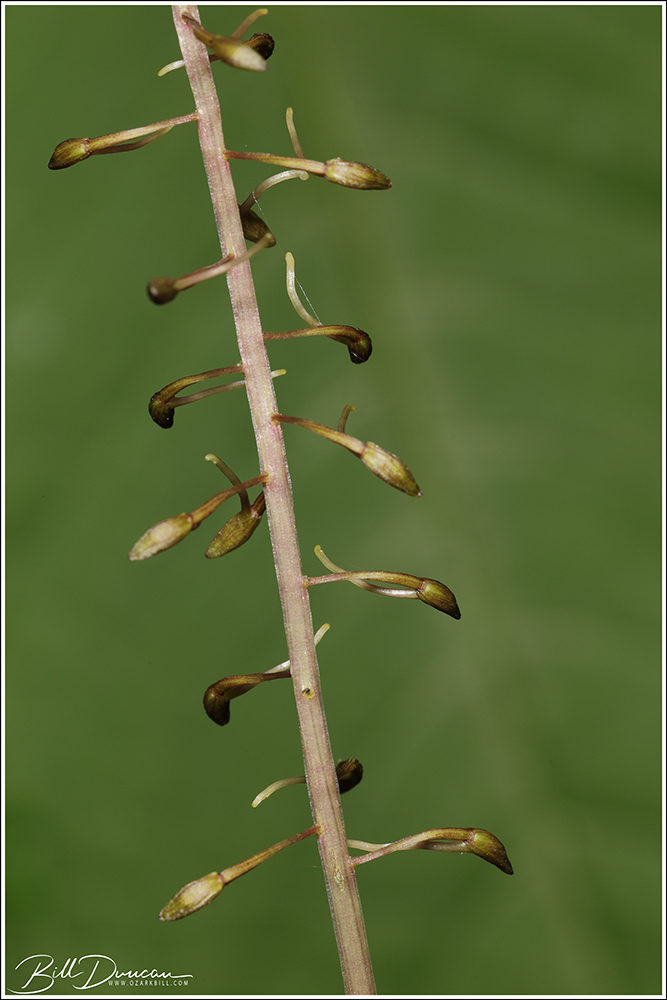
Tipularia discolor blooms in tight bud. The nectar spurs are easy to discern at this stage of development.
Platanthera clavellata (club-spur orchid), Stoddard County, MO.
The habitat this featured orchid was found was quite interesting – a wet, fen-like area with many pea-gravel rivulets to walk down. All this was set under a thick overstory that allowed little light on the cloudy day Casey and I visited. Often forced to hunch as we searched for other plants, lighting for photography was challenging, but we got what we came for.
As you can see below, this is a dainty and sweet orchid that has a large primary leaf and a secondary, bract-like leaf.
Platanthera clavellata (club-spur orchid), Stoddard County, MO.
Monarda punctata (spotted beebalm) found at Sand Ridge State Forest, IL.
Today I’m sharing a couple of plants that Casey introduced me to that have a preference for growing in dry, sandy places. The first is a monarda that I did not know existed and has since become my favorite of the beebalms for certain.
Monarda punctata (spotted beebalm) found at Sand Ridge State Forest, IL.
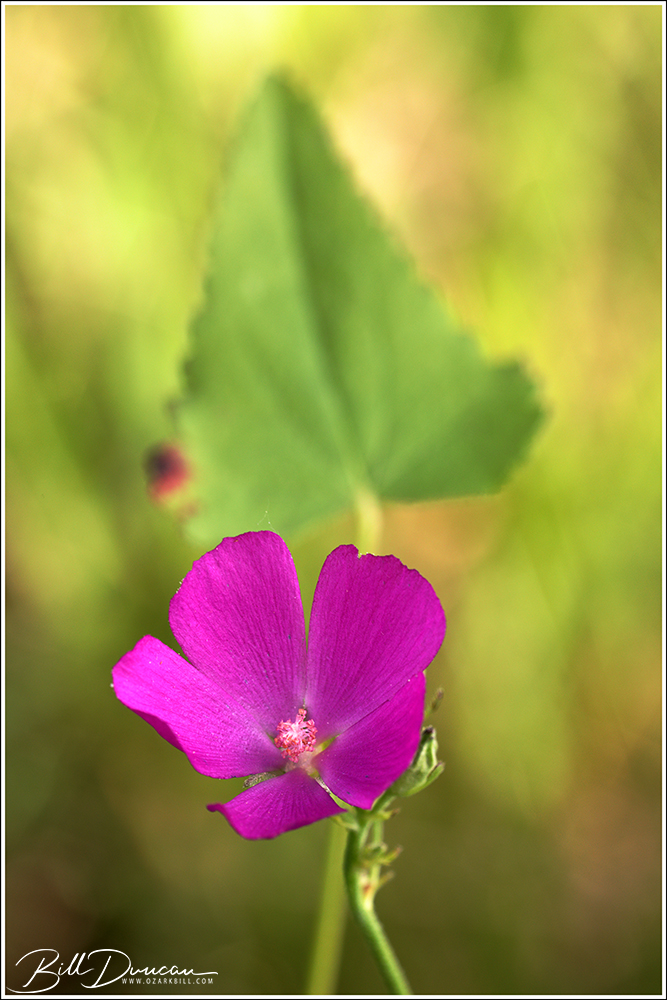
Next up is Callirhoe triangulata, the clustered poppymallow. This supremely saturated flower strongly prefers, dry sandy soils. A stunner of a plant! We looked for compositions that allowed us to feature not only the flower, but the triangular-shaped leaf as well, which is indicative of this species. This species is very rare to possibly extirpated in Missouri.
Callirhoe triangulata (clustered poppymallow)
We found this equally striking Rufous-banded Crambid moth (Mimoschinia rufofascialis) on an open flower. This moth uses these mallows as a host plant, feeding on the immature seeds. I’m not sure, but I doubt the adults feed; this one was likely just using the flower for shelter.
Callirhoe triangulata (clustered poppymallow) with adult Mimoschinia rufofascialis (Rufous-banded Crambid)














 A Thousand Acres of Silphiums