Photographing the White-tailed Deer Rut

This post is a modified article that was originally published in the Webster Groves Nature Study Society’s journal, Nature Notes (February, 2020, Vol. 92, No. 2).

The alarm on the phone sounds off at 4:00 am. You have a quick, light breakfast but no coffee. Making moves required during the act of recycling that coffee would be detrimental to your goals this morning. You’ve packed the car the night before, so you simply need to wash your face and throw on the required number of layers it will take to stay warm enough during your several hours sit. This requires some critical thought as morning temperatures during the rut can often be in the teens or twenties.

You arrive at the site by 5:30 am and are under cover at your pre-scouted location by 6:15 am — first light. Sunrise and the golden-hour will come in about 30 minutes. You picked this location due to heavy deer traffic signified by sign such as tracks and scat, scrapes and rubs. You put your back to the rising sun to take advantage of the beautiful golden-hour light that will be splashed across the scene. You also considered the potential background for your photos. You made sure there is plenty of space between your subjects and a natural, potentially autumn-colored background to get that creamy, out of focus quality that helps your magnificent subject stand out. Remember, the key to improving your nature photography is to make the photo, not simply take the photo. Previsualization and planning are often critical!

Arriving prior to first light brings the best potential for being unnoticed in your blind. However, deer are often just as active at night and sometimes you may find your spot is already occupied by your subjects! Don’t worry too much; you may spook those deer out of the area, but there are plenty of others who will likely visit these hangouts before the morning is over. Where you choose to photograph will be important in this respect. Take advantage of photographing in areas that are closed to hunting, like parks and sanctuaries. Here the deer are very accustomed to people and our scents, showing little fear. Often, during the rut, younger bucks may be curious and will move closer to you. You will typically need to work harder to get closer to the wearier does and old, veteran bucks who have been around the block a few times. In non-hunting areas, you can often get close enough to your subjects to make meaningful photographs by simply having an early-morning walk around with a longer telephoto lens (e.g. 300-600 mm focal length).

Like clockwork, at 6:30 am every morning, large flocks of blackbirds move overhead from the west, chasing the rising sun in search of feeding grounds. Photographing the rut is very similar to hunting. Deer hunters in our area typically use tree stands. This higher elevation provides advantages in being able to see greater distances, being out of direct eye-line of the deer and aids in dispersing your scent, which is frequently a give away of the pursuer. When hunting with a camera and lens, you need to stay on level ground and shoot the deer at eye level or lower.

A method Miguel Acosta and I like to use is hiding in a blind (we like the portability of ‘throw-blinds’) along well-established deer trail or nearby communal rub or scrape areas. This will require using camouflage, blinds or similar methods to break up the human form. In the types of areas described above, you need not worry too much about your scent. Deer have very strong sense of smell and in the middle of an unpopulated forest, your odors can very easily give you away. But, in areas like parks where people and deer are often found in close proximity, your own scent is less likely to alarm the deer and thereby allow you to get much closer.

Around mid-morning a Red-shouldered Hawk, perched above our location, vocalizes and a mixed-species flock of songbirds moves into our copse of trees. Since we have our large lenses, we try our hands at photographing Chickadees and Titmouse. Although scent and wind direction may not play an important role in this setting, being quiet is important for getting those close and intimate shots. I recommend doing everything you can to keep your noise to a minimum. Try and chose gear without Velcro or other noisy fasteners. Keep your voices to a minimum and try not to move frequently. If available on your camera, choose the “silent shutter” setting. Many dSLR cameras have this setting that lowers the volume of the mirror flapping. Consequently, this will lower the frame rate of the camera, but this is preferable to spooking your subjects before you get your shots. New mirrorless cameras lack the mirror box of their older brethren and can shoot very quietly at high frame rates.

Later in the morning I awake from a nap to the sound of Wild Turkeys vocalizing. I quickly realize that a small flock have wandered near our location and Miguel is offering them some verbal enticement to come a little closer to our shooting lane. It didn’t work, but the fact they were within ten yards of our location offers further proof that our blinds and technique work to get us closer to wild animals. Until recently, I had never given our North American game species much thought as a subject of natural history study. I’m sure that not growing up as a hunter or outdoorsman has had an influence on this. Over the past couple of years, I have fallen hook, line and sinker into learning everything I can about white-tailed deer and finding ways to best capture them with the camera. Miguel and I have much to learn and we are eager in making more photographs, capturing their different behaviors and at different times of the year.

For recommended reading about the rut and other aspects of the lives of white-tailed deer, I recommend reading any books you can find by authors Leonard Lee Rue III and Mark Raycroft.
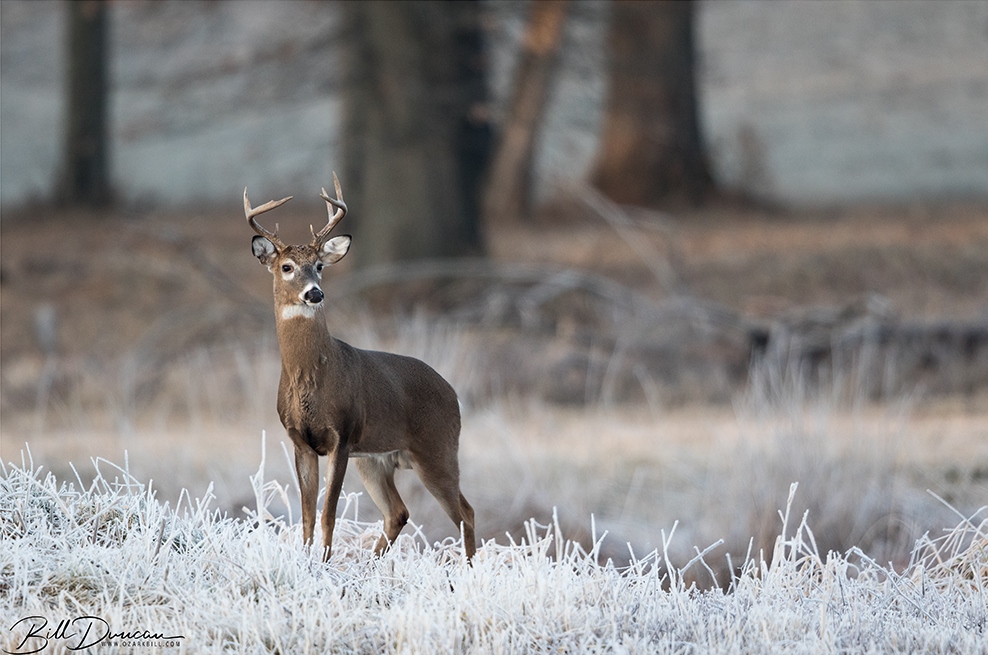
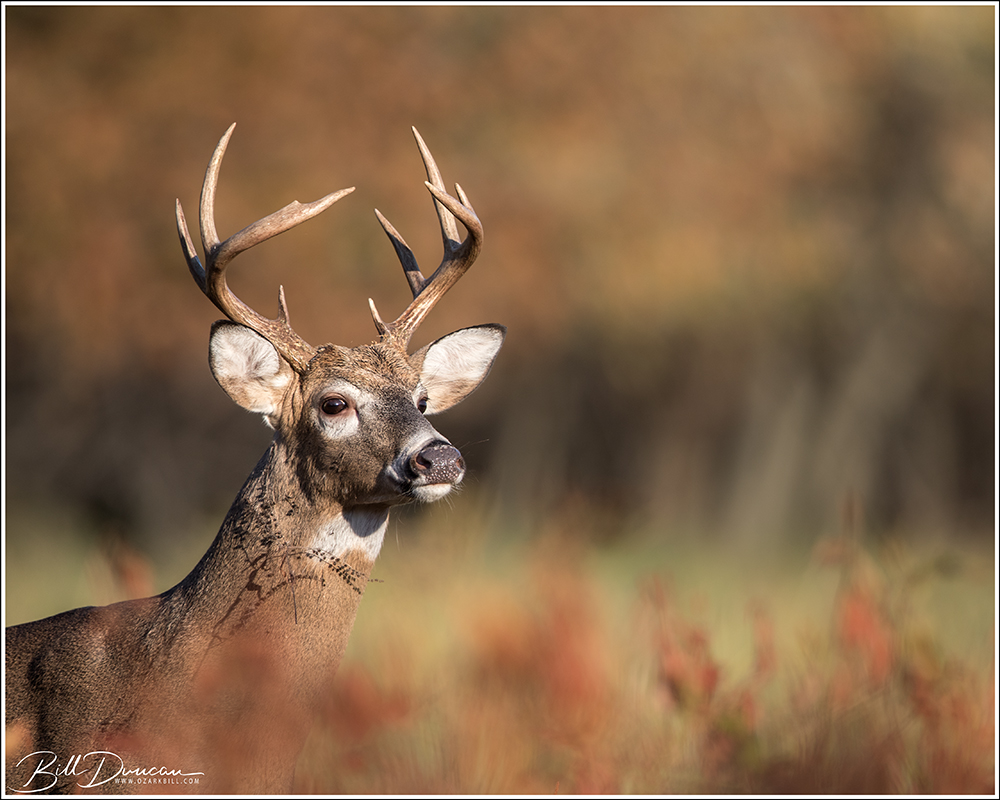
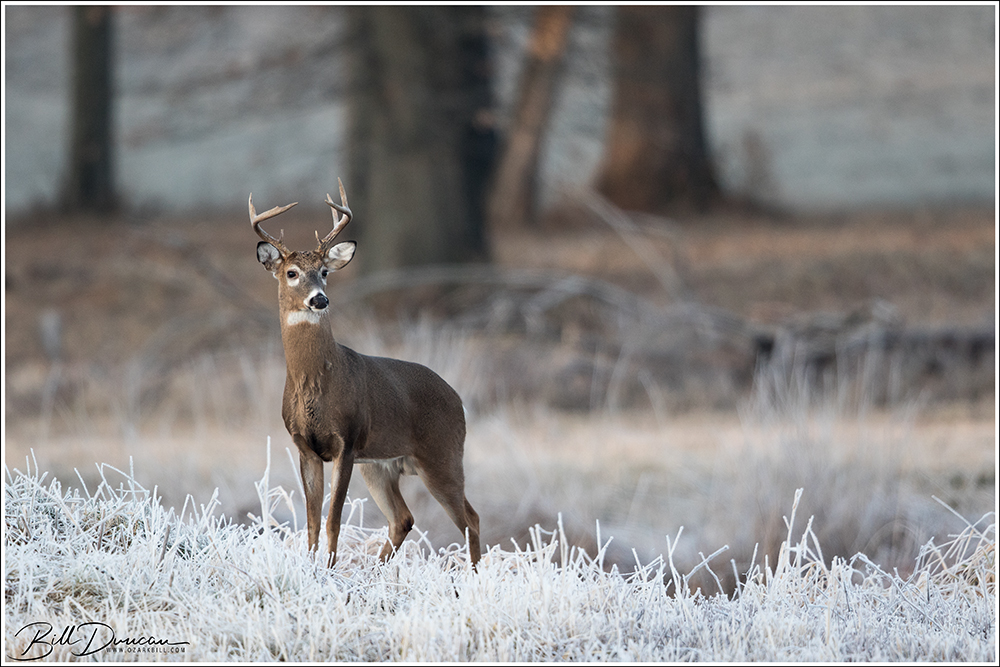
For those just getting into photographing the rut, grabbing your camera and walking around the right park can yield some satisfying results. Photo by Bill Duncan.
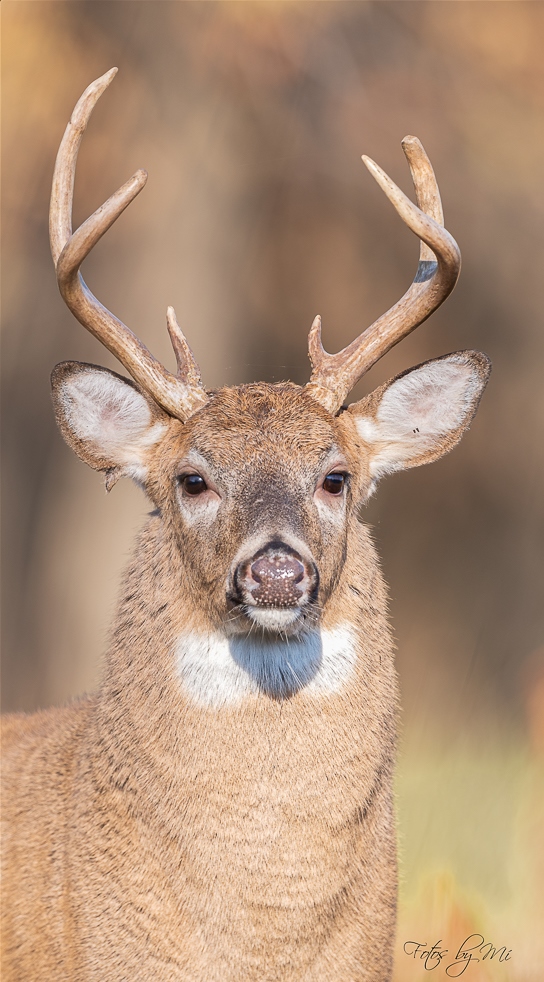
It was once believed that spike bucks were always the young bucks of the year. Now most believe that genetics and nutrition play major roles in antler development. Photo by Miguel Acosta.
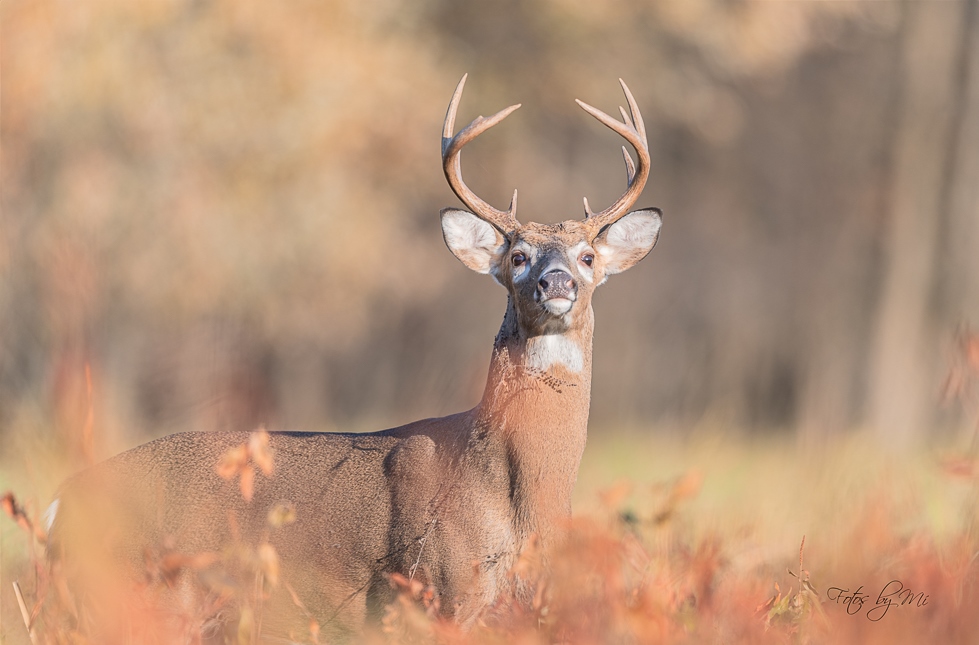
Most of the bucks that came near our blind were likely 1.5-years old. This bruiser, despite his relatively weak rack is likely older than this. Photo by Miguel Acosta.
A cleared patch of ground known as a ‘scrape.’ Urinating and depositing materials from different scent glands, deer use these as informational signposts. Photo by Bill Duncan.
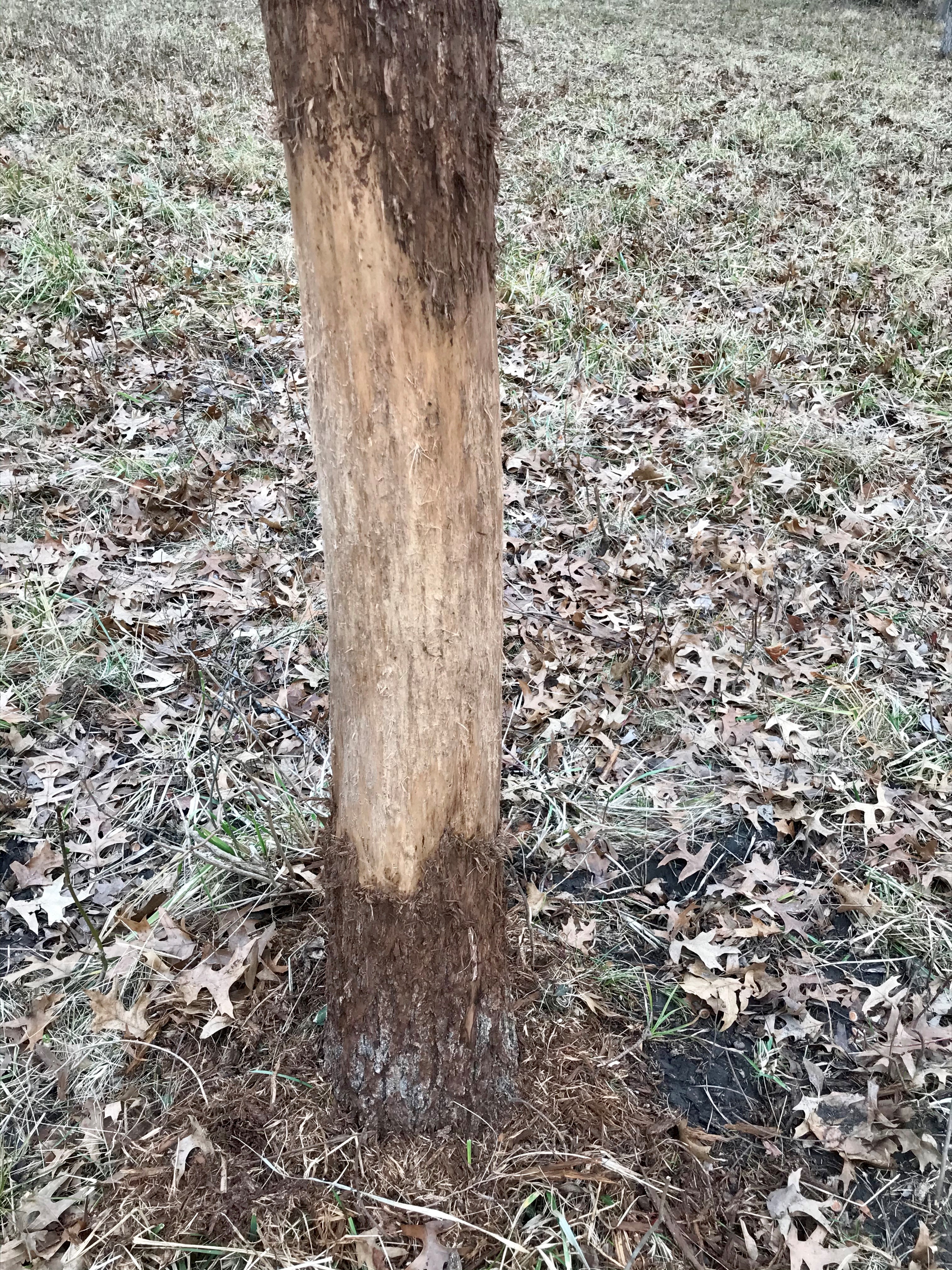
Antler rubs are also important means of communication by bucks. Setting up near active rubs and scrapes can be very productive when hunting deer with camera or weapon. Photo by Bill Duncan.
This inquisitive buck, that I have taken to calling “Bright Eyes”, is often available for posing for our cameras. Here you can see him using his most important sensory organ, trying to figure out the strange scents coming from our direction. Photo by Miguel Acosta.
During the rut, bucks will often increase their typical home range. In mid-November, this buck was found just outside the author’s back door. Photo by Bill Duncan.
Even the little guys get worked up during the rut, trying at every opportunity. This doe, however, wants nothing to do with this pathetic creature. Photo by Bill Duncan.
Photographing in a blind can be a great way at getting much closer to your subject. At times we wondered if the deer might walk over top of us! Photo by Bill Duncan.
Whether you hunt with a weapon or camera, all hunters are looking for their own particular trophy. Photo by Bill Duncan.

Location Spotlight – Return to Mingo NWR and Wilderness

Mingo - Monopoly Marsh
Mingo – Monopoly Marsh

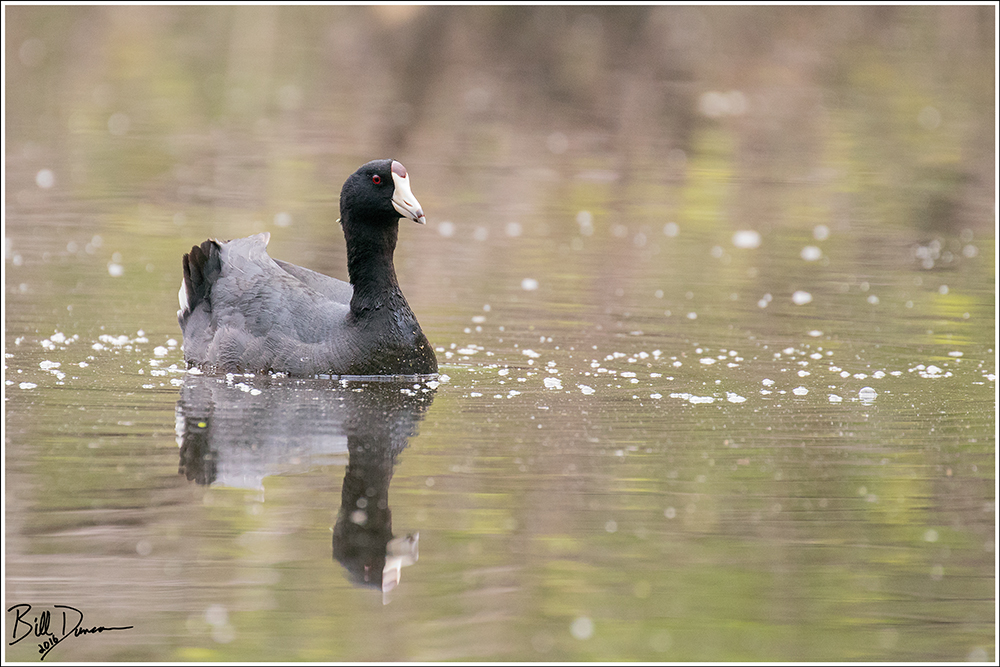
Way back in April, Steve and I grabbed the canoe and took another adventure into Mingo.  We believe we were a bit too early in a long spring to catch a lot of wildlife activity, but we did catch a few sites worth remembering.  For instance, this single Coot allowed us to get pretty close as we were just getting inside Monopoly Marsh.

American Coot - Mingo Wilderness
American Coot – Mingo Wilderness

Along with water-loving avifauna, certain reptiles can usually be a sure thing to find at Mingo.  I heard the expected usual whimpering from the back of the canoe as I attempted to get a steady shot of this Cottonmouth that was trying to absorb some sun on this cool April morning. 😉

cottonmouth-520a9462
American Coot – Mingo Wilderness

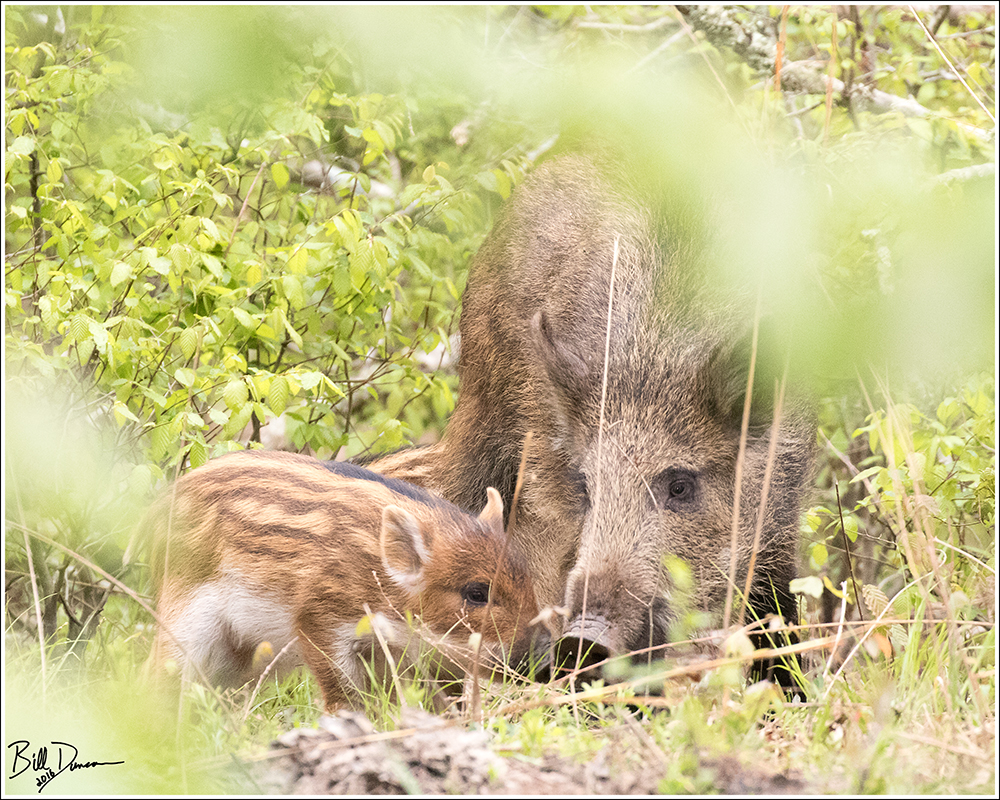
One of the more destructive and unfortunate of invasive species to be found in Missouri, the Feral Hog has a strong foothold at Mingo.  Polluting water, destroying vegetation, negatively altering natural communities and competing with native wildlife for acorns and other food sources are the major examples of the damages caused by this invasive.  The Missouri Department of Conservation has recently announced new policy that should make significant improvements in reducing the numbers of Feral Hogs in the Missouri Ozarks.

520a9259
Not as Cute as they Seem! – Feral Hogs, Mingo Wilderness

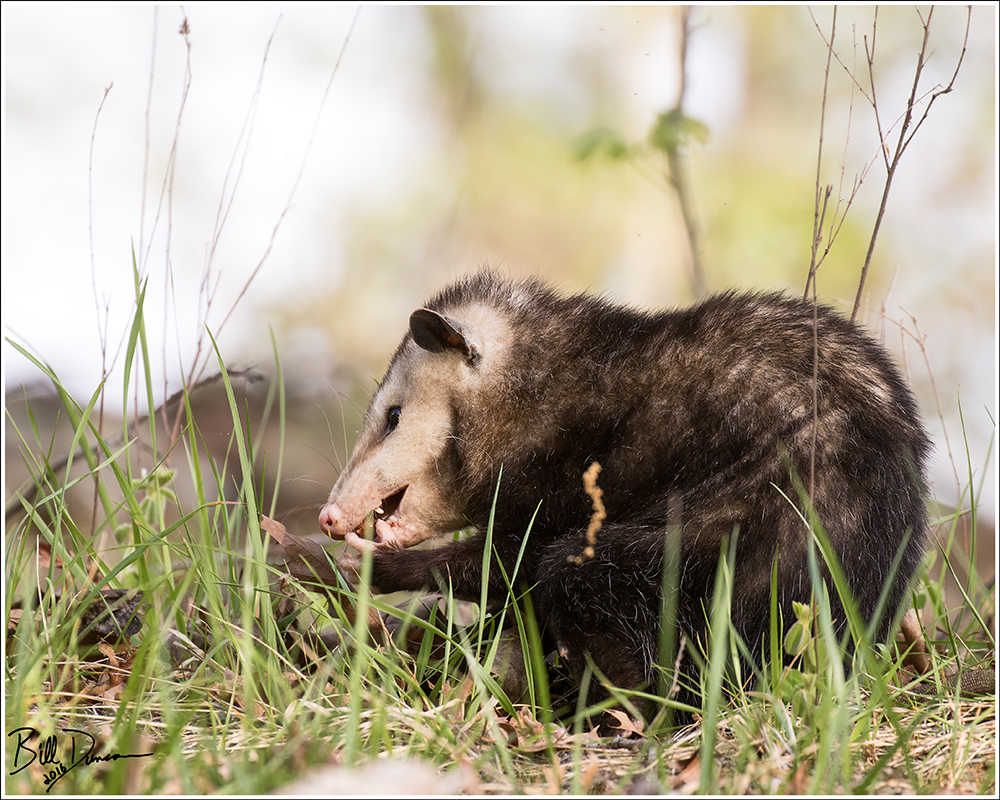
Finally, we have one of the expected and desired of Mingo’s mammals – the Virginia Opossum.  This nicely colored possum didn’t mind that Steve and I watch as it had a mid-day snack.

Virginia Opossum - Mingo NWR
Virginia Opossum – Mingo NWR

-OZB

A Couple Autumn Days in Forest and Stream

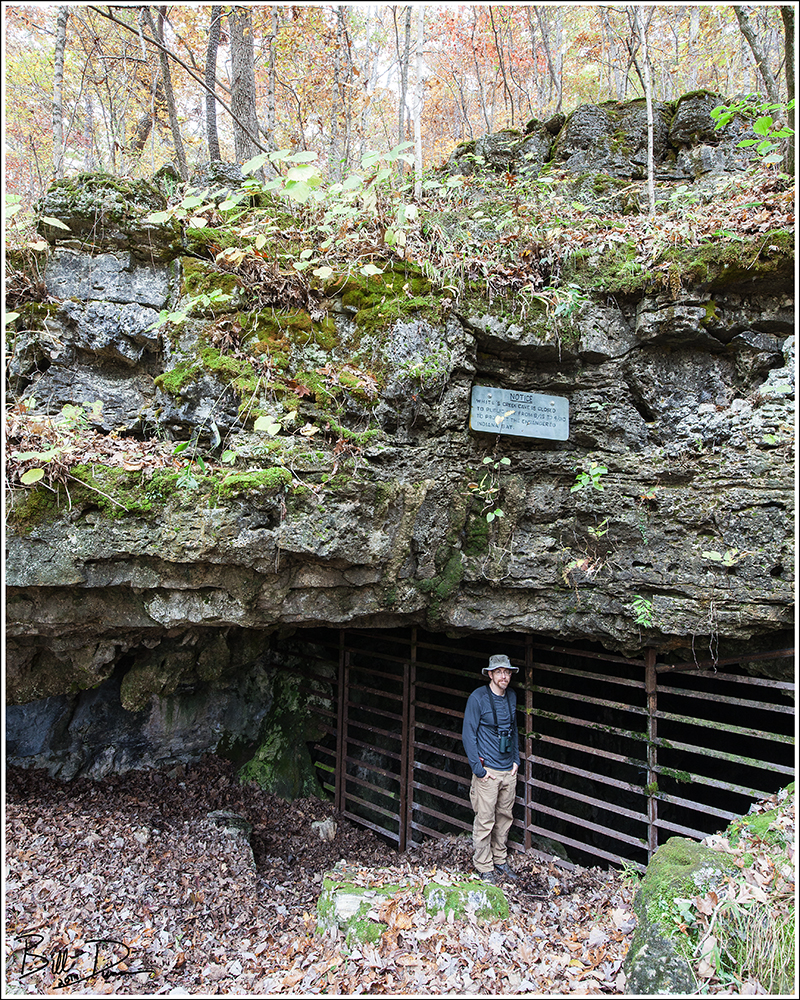
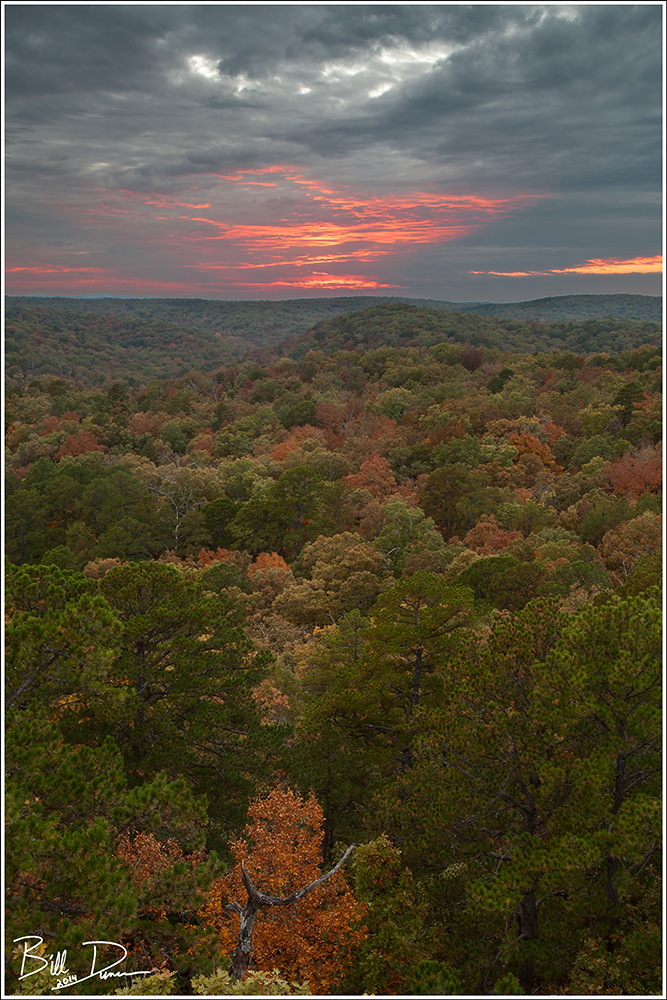
Back in October, Steve and I had the pleasure of spending a couple days doing our favorite things in the Missouri Ozarks.  We made our base at our usual, the cabins at Big Spring SP, our last stay here for at least three years as the cabins will be closed for construction.  For our first day, we decided to take care of something that had been on my list for a number of years, to hike the largest official Wilderness Area in the state – the Irish.  Named after the Irish immigrants who settled in this area in the mid nineteenth century, the Irish was visited and pushed for protection by Aldo Leopold himself.  The Irish was finally designated by law as an official wilderness area in 1984 after close to two decades of work by a number of caring people.  This area was virtually cleared of its timber by the early years of the 1900s, but was replanted with its current deciduous hardwood mix by the CCC in the 1930s.

Ozark Bill in the Irish

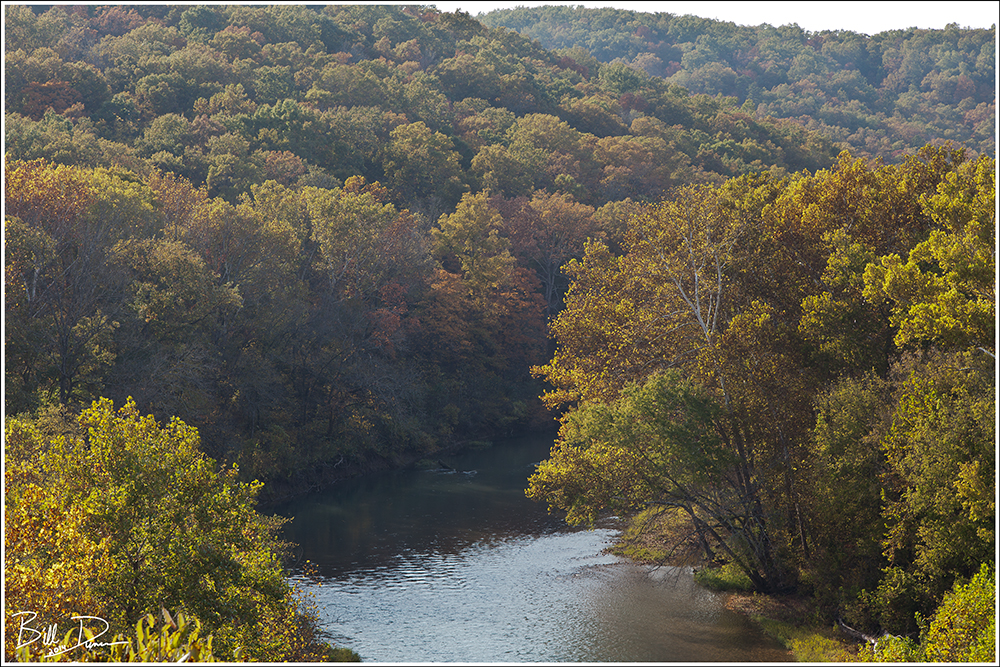
Officially listed as 18.4 miles, the Irish Wilderness loop trail is typically tackled with a night or two of backpacking.  Being the athletic super-freaks that we are, Steve and I put down an estimated 22 miles, with some back tracking and assisting a lost backpacker (a GPS unit with topographic map display is quite the asset here), in about 16 hours.  It would have been more enjoyable with a night or two sleeping in the woods and spending more time, but we had other plans in store as well.  The image below is from an overlook of the Eleven Point River at close to the halfway point of the hike.  I will never forget standing here in the late afternoon light with hundreds of ladybird beetles covered the rocks and filled the air.

The Eleven Point
The Eleven Point

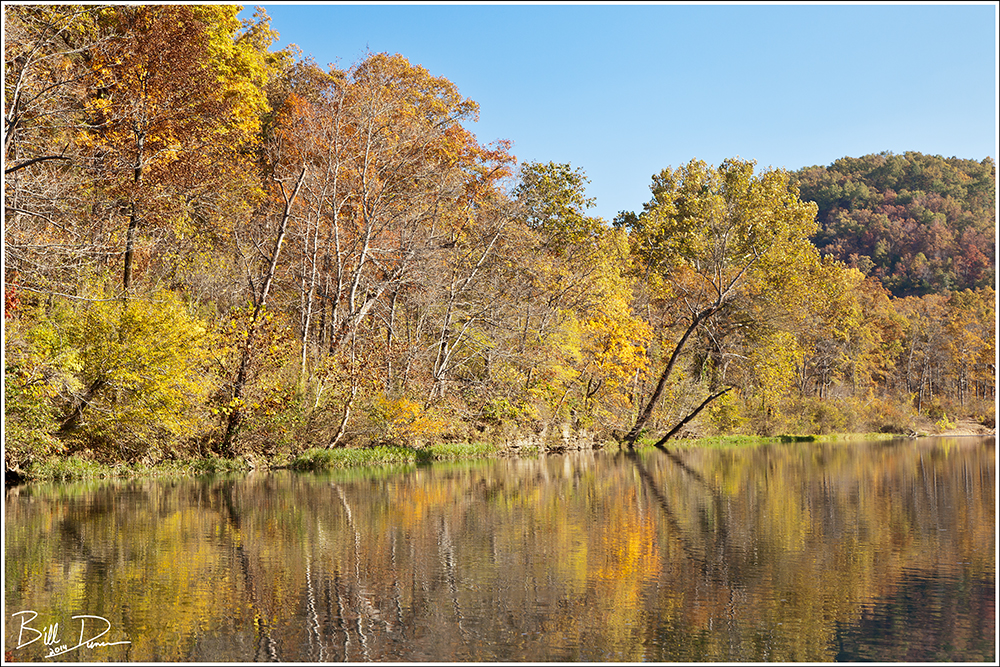
Covering 20 miles in a single day does not leave much time for taking photos.  After getting some much appreciated sleep back at the cabin, we arose early to arrive at Richard’s Canoes to be in the water by ~07:30.  We put in at Greer Spring Access (mile 16.6) and had the day to move the ~12 miles to our take out at Whiten Access (mile 27.6).  The Eleven Point offers a perfect mix of slower moving stretches and deep pools mixed with just enough class 2 rapids to keep things interesting.  Make sure to bring along some wet bags if carrying delicate camera or other electronic equipment.  We were offered autumn views like this around nearly every bend.

IMG_2484
Autumn on the Eleven Point

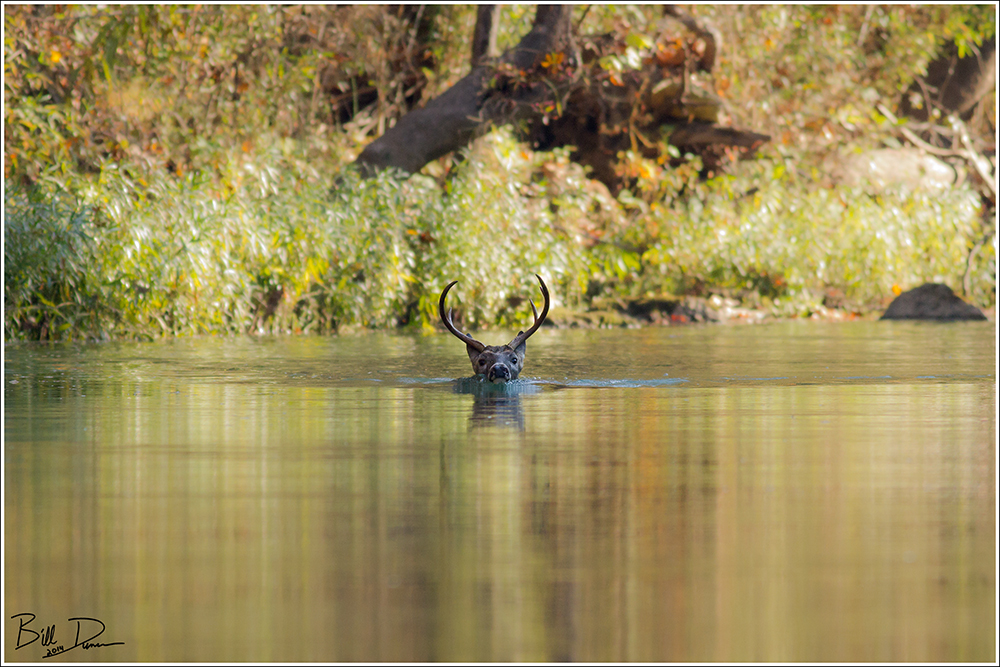
As if the landscape and feelings of being on the river were not enough, the wildlife opportunity are surely the highlights for a float trip like this, assuming you are quite and keep your eyes open.  This White-tailed buck was moving upstream when Steve spotted him.

Swimming Buck
Swimming Buck

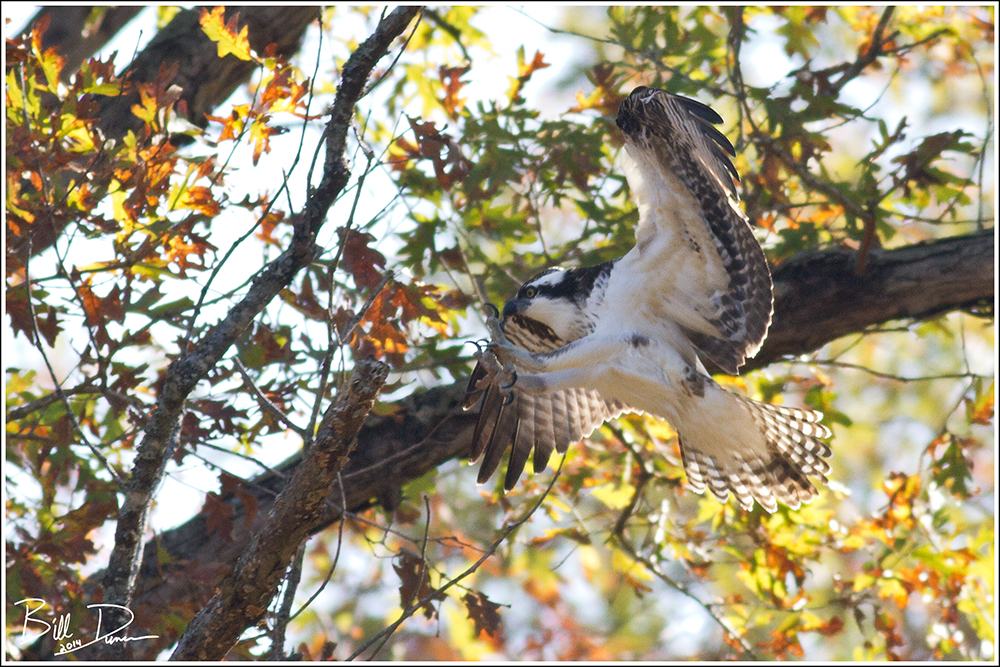
Of course the birds will be abundant along any Missouri Ozark stream at any time of year.  We were thrilled to see this Osprey come in to perch nearby as we floated.

Osprey
Osprey

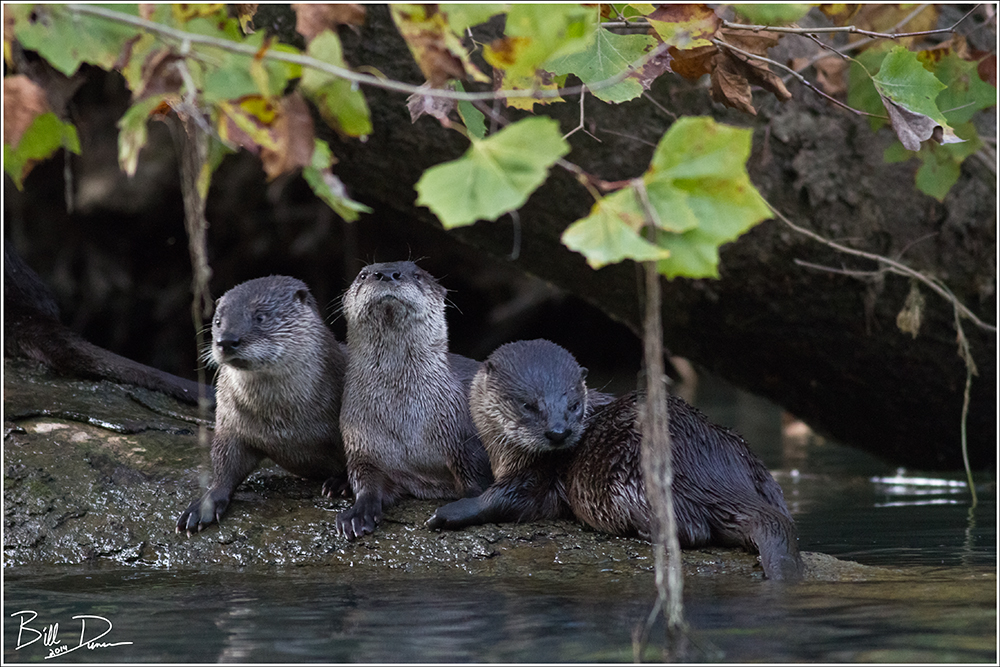
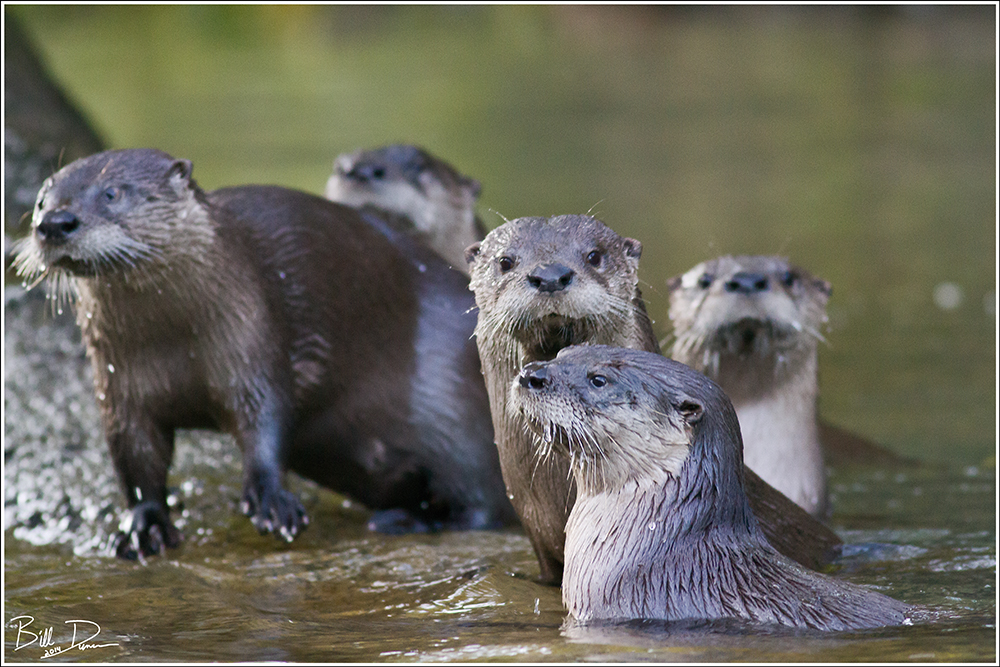
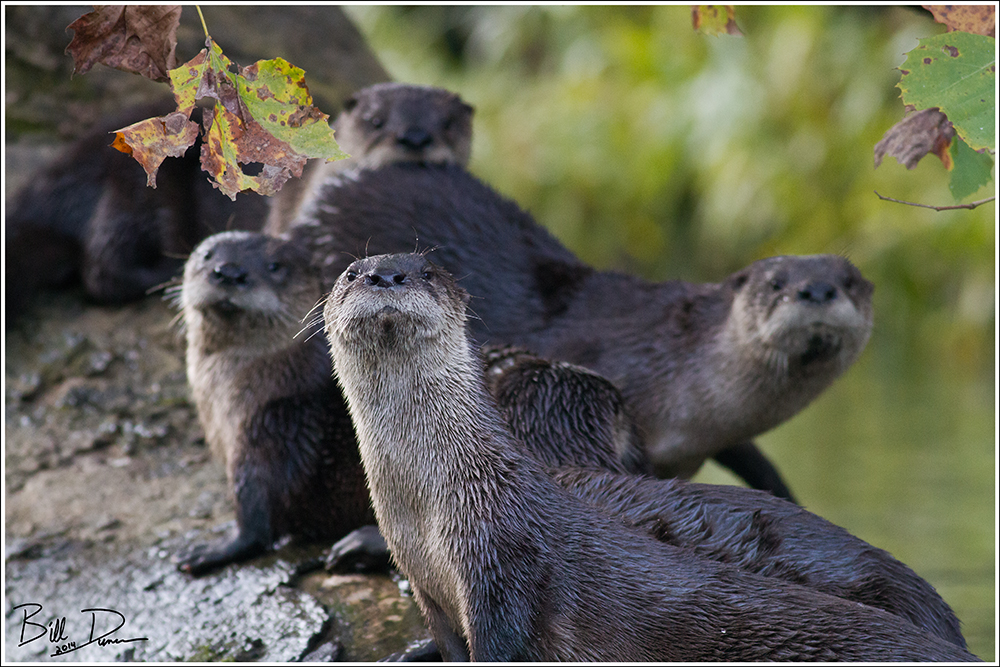
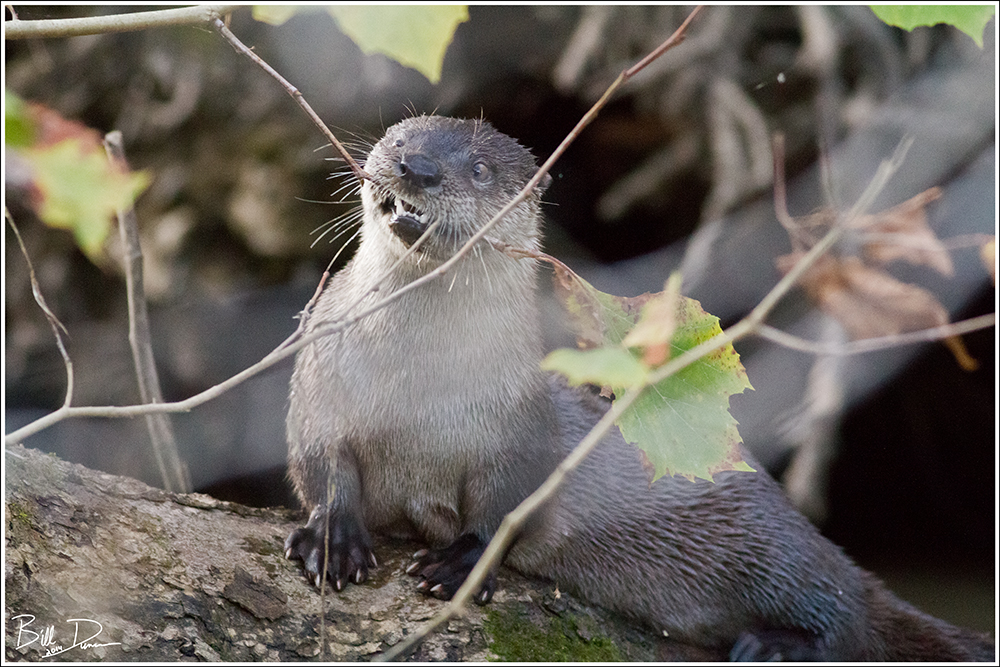
Within a couple of miles from our take-out point, we were presented with our pièce de résistance for the float, two groups of River Otters!  The images below are the first group, a mom and four pups.  These animals were venturing out of their den to play in the day’s last light.

IMG_8215
Three Pups

The pups seemed not too concerned, but mom kept a close eye on the floating log with ugly heads.

Otter Family
Otter Family
Otter Family II
Otter Family II

These guys will turn anything into a toy… 😉

Playing with a Twig...
Playing with a Twig…

I leave you with a sunset from the nearby Big Spring State Park and eternal thanks to those who worked so hard against heavy opposite forces so that, at a minimum, we have what we have today.

The day is almost upon us when canoe travel will consist in paddling up the noisy wake of a motor launch and portaging through the back yard of a summer cottage.  When that day comes canoe travel will be dead, and dead too will be a part of our Americanism…

-Aldo Leopold-

Wild Horizons
Wild Horizons


Ozark Bill Travels West – Part Three – Yellowstone and Grand Tetons – The Wildlife

Green greetings everyone.

I have had quite a productive vacation day (trying to burn some vacation days before the end of the year) so far: exercise, running errands, a bit of Christmas shopping/preparations, a Trader Joe’s run, as well as picking up another round of trashcans worth of leaves.  To have the time and gumption to put together another spotty blog post is another plus.  So hear we go, five of my favorite wildlife image examples from our Yellowstone trip in September 2014.

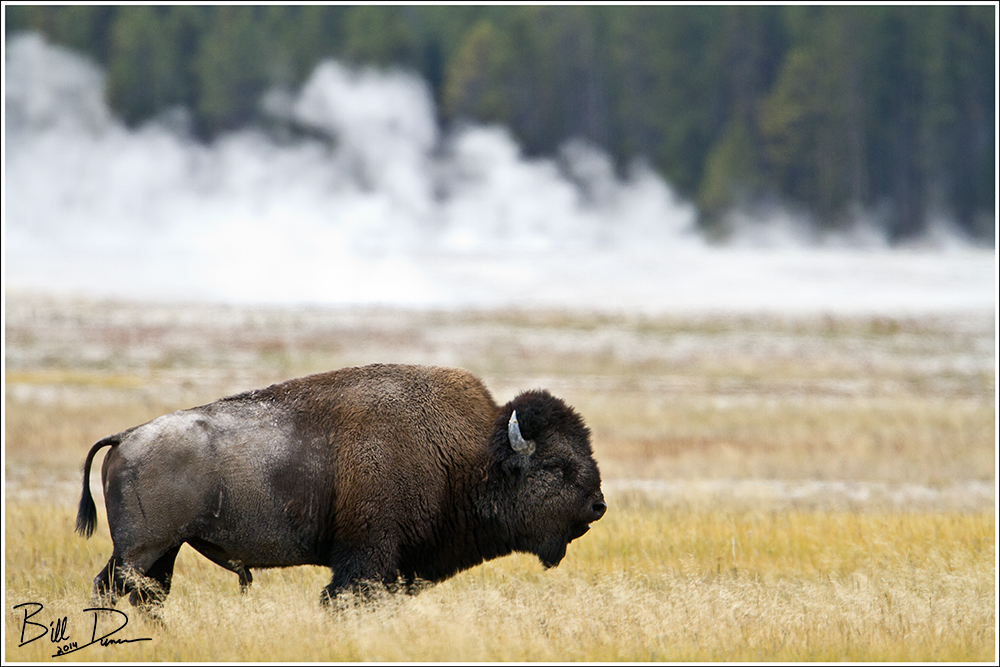
1) Hayden Valley Bison

Sarah and I feel we mostly struck out in the wildlife department during our trip.  We did see some great animals of the west, but we struck out a few times on our quest to view and photograph moose, missed being in the right place at the right time for bears, and wouldn’t even allow myself to say the word “wolf” aloud.  Watching and photographing wild, free-roaming bison, REAL Bison (notice how I didn’t say Buffalo?), was a great pleasure.  The fact that our Lake Yellowstone hotel room was set to a constant broil, forcing us to sleep with the window open in sub-freezing temperatures, afforded an unexpected pleasure during our final night.  A mature bison cow decided to spend the night right under our open window, constantly ripping and munching the turf as we dozed.  Anyway, this image was taken on the northern end of the Hayden valley.

IMG_6740
Hayden Valley Bison

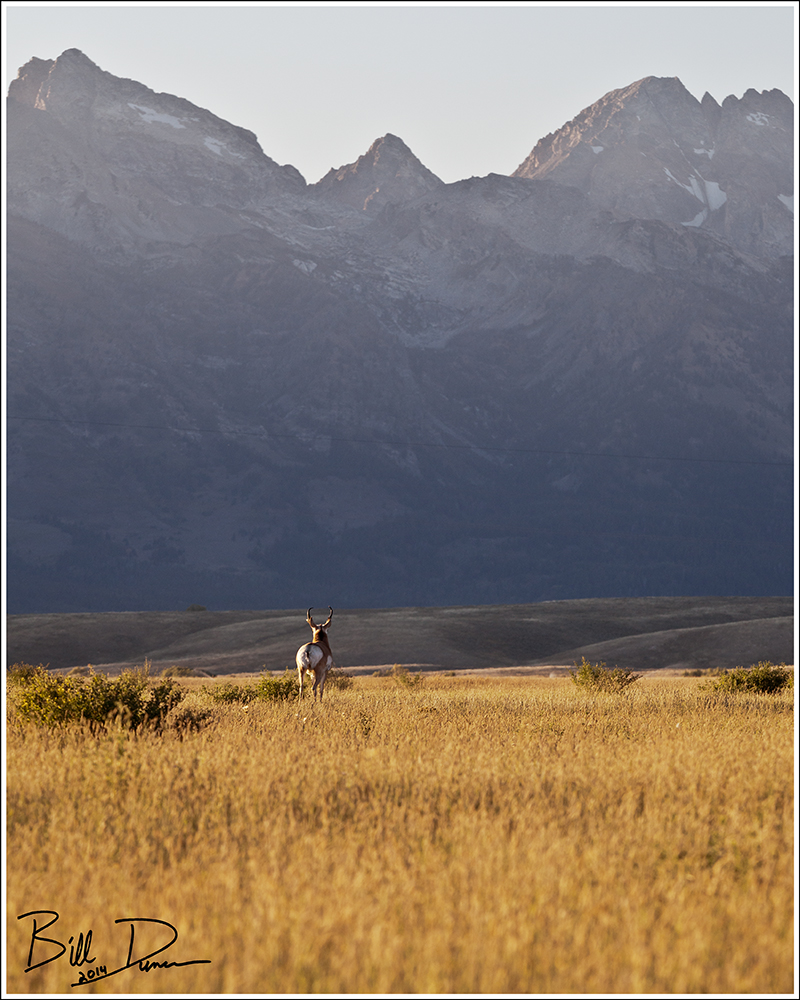
2) There Are No Fences Facin’

I loved watching the pronghorn.  There are so many fascinating tidbits about their biology, such as the fact that they are the only animals with horns that shed them, or that they are considered the fastest land animal in the western hemisphere.  This one was photographed at the National Elk Refuge, as it seemed to take in the sites.

IMG_1963
There Are No Fences Facin’

3) The Gray Jay

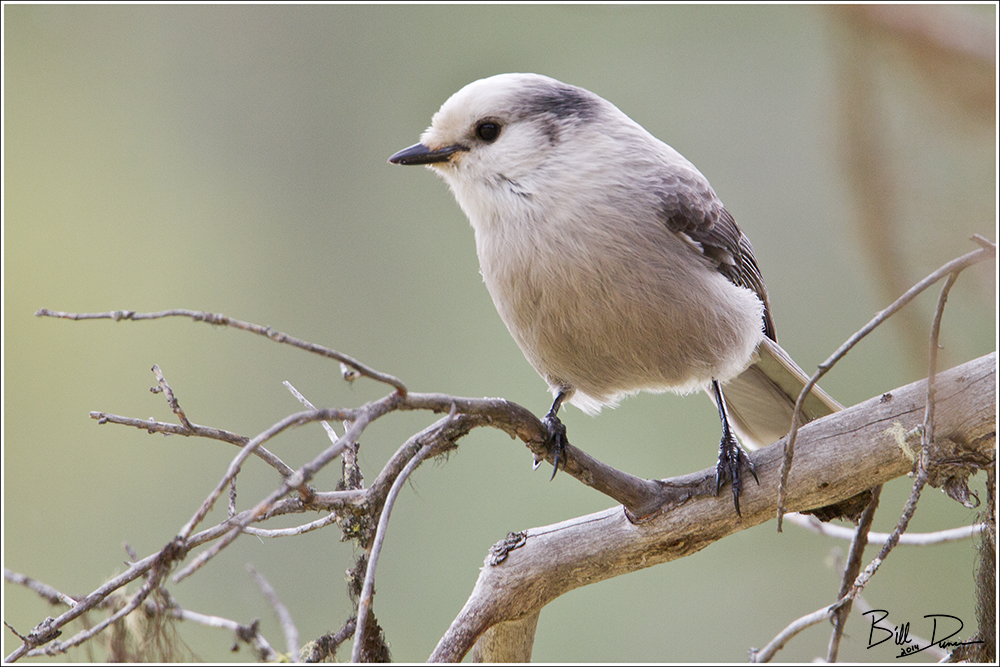
Even though I added a number of bird species to the life list, it seemed circumstances rarely allowed the opportunity to attempt photographs.  This rare exception shows one of a number of Gray Jays that were found foraging along the road in an out of the way stretch of the north-east entrance road, just north of the Lamar Valley.

The Gray Jay
The Gray Jay

4) Bull!

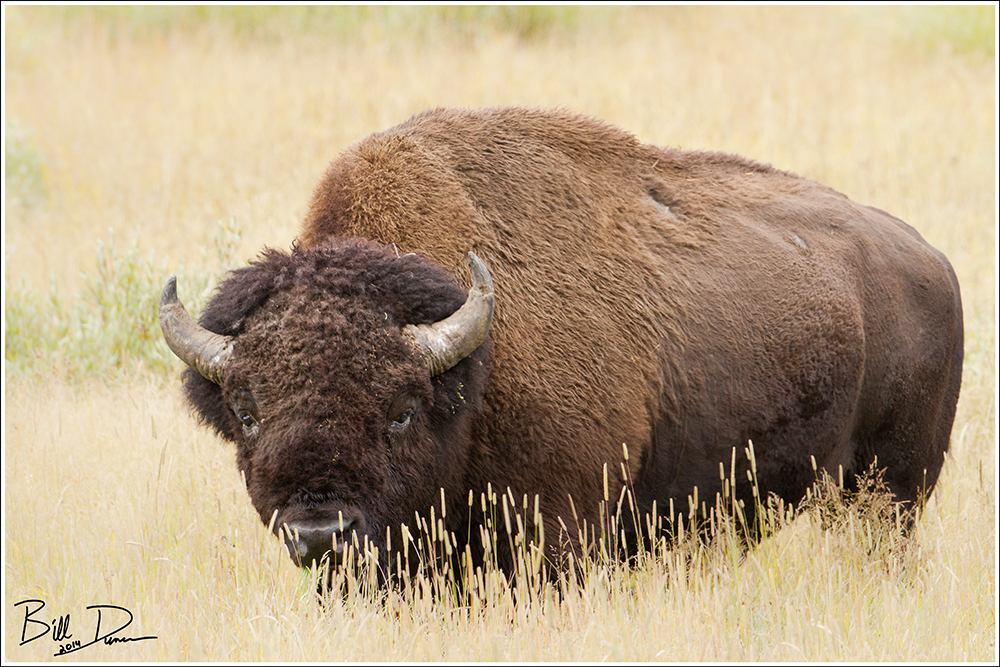
We found this guy near the road on the same north-east stretch.  Such a massive, healthy animal!  Looking at him it comes as no surprise how they manage to survive a Yellowstone winter.

Bull!
Bull!

5) Huginn and Muninn

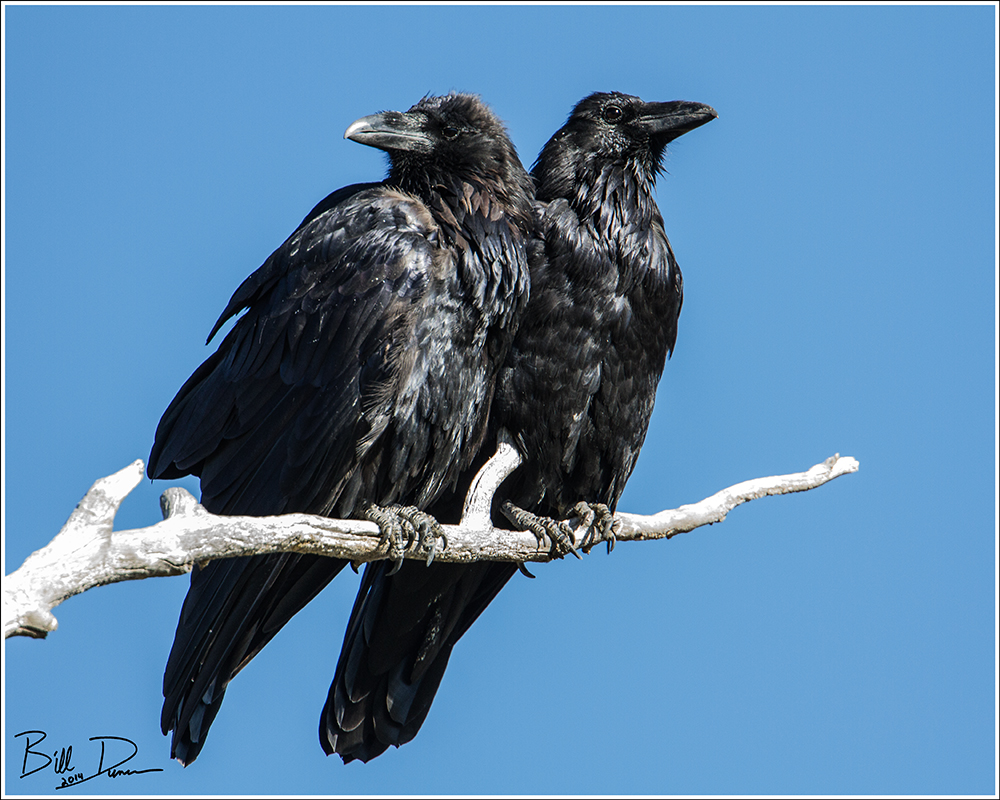
Ravens!  This was a target species for me.  Soon after finding my first Yellow-headed Blackbird of the trip (a lifer as well), we came upon this pair, who were content to let me photograph as they picked up some morning sun.  Photographing black birds is always a challenge.  I think I handled the situation as well as possible.

Hundinn and Mundinn
Huginn and Muninn


Location Spotlight – Mingo National Wildlife Refuge and Wilderness

We had been anxious to get Steve’s newly acquired canoe wet for sometime.  The only questions were, “where to put in?” and “how to find the time to do so?”  Because we found ourselves near the halfway mark of the summer season, we knew the favored Ozark streams would potentially be packed with the pop-top kind of crowds.  Getting familiar with Mingo, which lies near Puxico in south-east Missouri, had been near the top of my list for sometime.  The opportunity to do so during what might be considered the most mildly pleasant summer of our lives made the decision easy.

On what was to turn out to be a perfect July day, I was on the road at 04:00, breaking my fast with an apple, granola bar, and French press that I prepared the night before.  Arriving at Steve’s promptly at 05:30, I found he already had his Dagger Legend canoe tied into his tiny Toyota Tacoma – a somewhat comical appearance.  We hit the road and it worked out great.  We were in the water within ditch number five by a little after 08:00, paddling slowly northward towards Monopoly Marsh, the true Wilderness of Mingo.

In less than fifteen minutes we spotted our first wildlife find of the day, this perched Mississippi Kite.  This was my first experience of the fact that Steve had previously explained; wildlife react differently to humans in the water than they do to people on land (a learning that caused me considerable agitation throughout the day).  We were able to glide right under this spectacular bird without disturbing it.  Not knowing how long I might have, I burned through nearly half a memory card before being satisfied.

Mississippi Kite
Mississippi Kite

Other birds of note in our list, which grew to near 60 species by the end of the day, were Acadian Flycatchers, Yellow-billed Cuckoos, Wood Duck, Yellow Warbler, and Canada Geese.

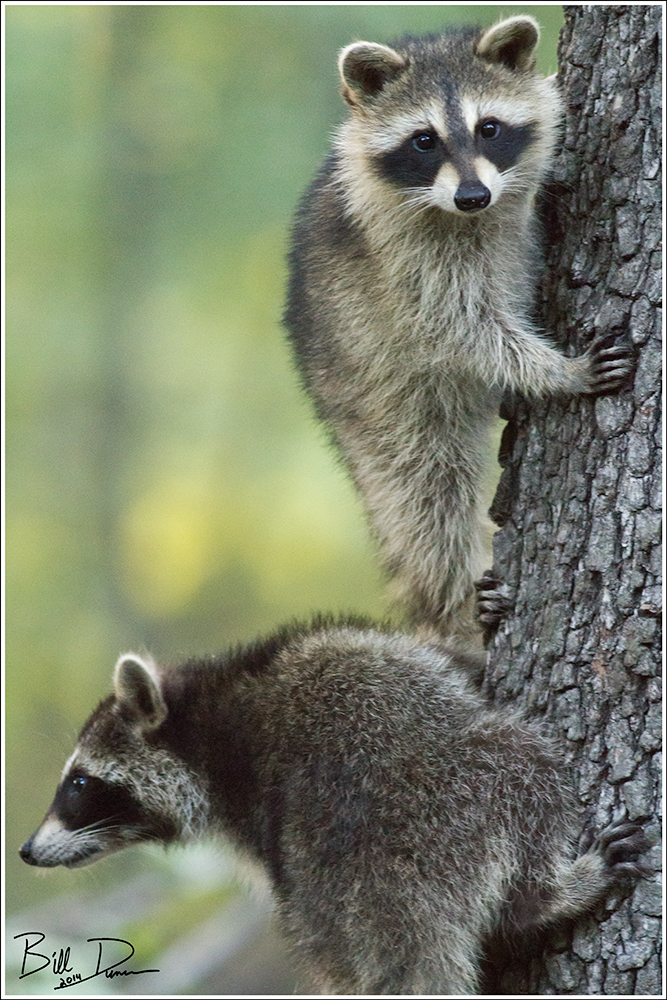
To save space in the dry bag inside the canoe, I brought only two lenses on this trip.  Covering the extremes of focal lengths, I brought a wide-angle zoom and a fixed 400mm f5.6.  As I mentioned above, this proved to be almost heartbreaking, as I have never experienced “having too much lens” in a wildlife photography situation.  But, this would turn out to be the case on several run-ins with wildlife throughout the day.  It was in ditch number five that we encountered our first of several groups of raccoon.  A couple times we came across a mom with up to four youngsters.  We were usually so close that I had to settle for head-shots!  😉

Mingo Raccoons
Mingo Raccoons

In October, 1976 Mingo and Hercules Glades Wilderness areas became the first of the officially designated Wilderness Areas in Missouri (1).  At over 22,00o acres, Mingo is the last significant remnant of swamp and marshland in Missouri, which prior to European settlement were the primary habitats in the Missouri boot-heel.

Mingo Raccoons
Mingo Raccoons

Mingo was named for the mixed tribal peoples known by this name that were composed of assorted Iroquian tribes (2).

Mingo Raccoons
Mingo Raccoons

Oh, how I wish I would have had a medium-zoom lens on this trip.  I was often too close to take an image of any kind.  Oh well, enough about this, just learning for the future.  We continued following ditch number five, with the flooded hardwood forest of bald cypress, tupelo and assorted oaks on one side of us until we came upon the clearing known as Monopoly Marsh.

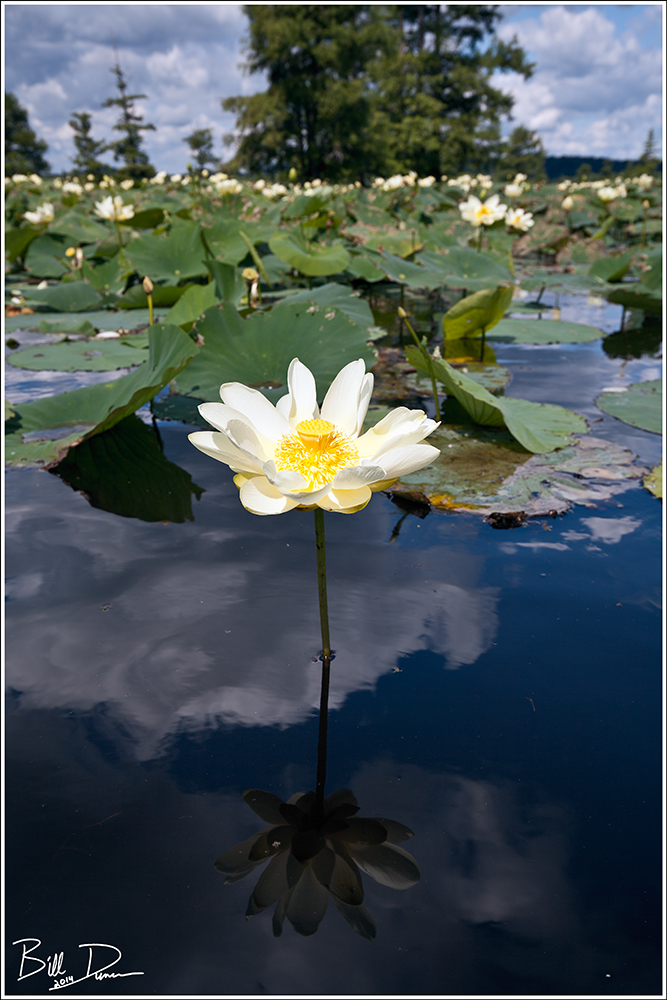
American Lotus
American Lotus

We knew that by this late into the green season the marsh might be impenetrable due to aquatic vegetation such as American Lotus, which we found in peak bloom.  For the most part we were able to make our way around well enough, although much of the marsh would have been quite difficult to navigate by paddle.

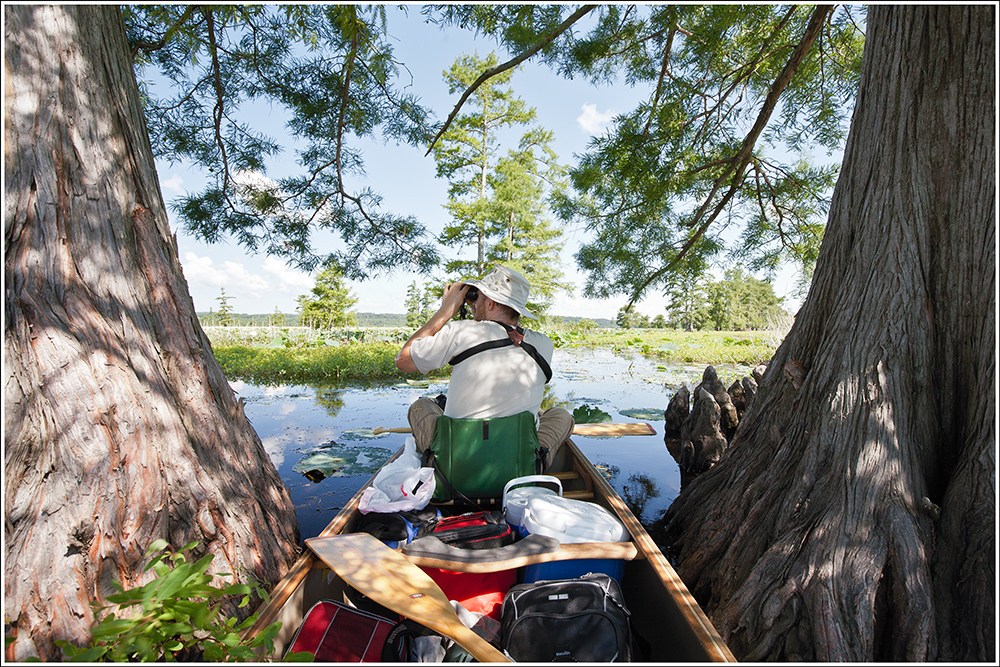
The Only Way to Travel

An auto tour route is available that gives access to the refuge area, but the only way to see the Wilderness is by boat.  The Wilderness act of 1964 put into law that no motorized equipment can be used within a Wilderness area.  It was interesting to hear the staff in the Refuge Visitor’s Center say they could only use hand tools to cut through tree falls across waterways in the Wilderness.  I suppose this also means to not expect helicopters or ATVs to come to the rescue in case of emergency?

White-tailed Deer
White-tailed Deer

White-tailed deer where more numerous than the raccoons.  The refuge is more popular for the opportunities for waterfowl hunting, although I believe at least a couple managed dear hunts are conducted each year.  However, without true predators, it seemed to me that the wilderness area was already being potentially overrun by these animals.  We pushed groups into flight nearly every ten minutes along the waterways.

Did I mention all the raccoons?

IMG_5208
More Mingo Raccoons

Mammals and birds are definitely not the only groups of animals that thrive in this Wilderness.  Reptiles and amphibians are quite abundant and are probably second only to the insects in shear biomass.  We glided gently passed this Broad-banded Water Snake, which feeds on other reptiles, amphibians and fish.

Broad-banded Watersnake

While in Monopoly Marsh, we stopped under a couple of well-placed cypress in order to watch one of the year-long resident Bald Eagles soaring overhead.

IMG_0635
Swamp Thing

After going about as far into the Marsh as we dared try from the south, we headed back to our put-in and had some lunch.  Already the day was worth every bit of respiration, but there was so much more to come!

gg
The Dagger Legend

After lunching on the best hippy food Mother Earth provides and paying an entertaining visit to the newly constructed Visitor’s Center, we decided to put it at Stanley Creek.  Here we planned on heading downstream and then up into the marsh again via the Mingo River.  A GPS or good map skills are critical in finding your way in this area by boat.

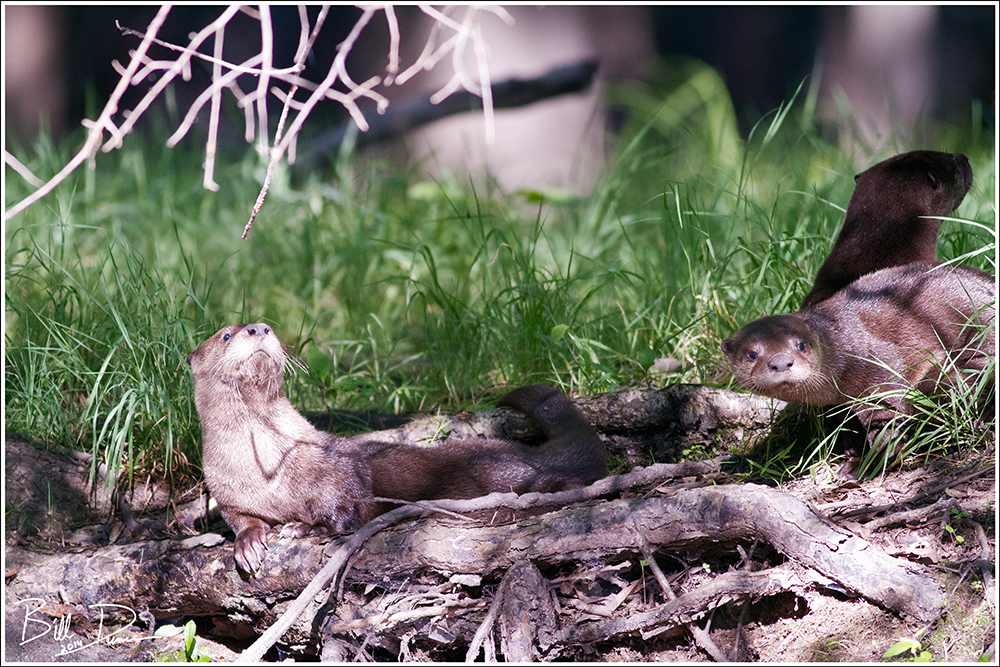
We paddled down Stanley Creek with much ease, due to the nearly non-existent currents within these streams.  It was in this section that we came upon the highlight of the day for me and one I will never forget.  River Otters!!!!

Along a dry bank, almost perfectly eye-level to where we sat in the canoe, we watched a mom and four otter cubs.  I tried my best to capture what Steve so wonderfully described as a “collective ball of play”, but mostly struck out due to their non-stop activity and the fact that they were often obscured by vegetation.

Collective Ball of Play I

It was quite the experience.  We let our momentum move us slowly closer to the bank, watching as play was interrupted by periodic rests and grooming opportunities.

Collective Ball of Play II

Whether due to poor eyesight or that we were mainly a floating log that was downwind, we were quite surprised how close we were able to drift without the alarm being raised.  Finally, we put on the breaks and maintained our distance to take in the show.  Once in a while the play would evolve into a slide into the water by one or two of the animals, followed by heading back onto the land, not to stray too far from mom’s protective gaze.

Lontra
Lontra

The history of the River Otter in the Show-me State is, of course, terrible and controversial.  Between the 1930s and early 1980s otter numbers hovered somewhere between 30-70 animals, due primarily to the loss of marsh and swamp habitats like those of Mingo and because of over-harvesting by the fur industry.  Following the River Otter being classified as endangered in Missouri, the Missouri Department of Conservation finally began a restoration project in 1982.  This was considered a success as River Otter numbers rebounded into the 1990s.  As the animals searched outside their minuscule and not-increasing natural habitats, they discovered that other animals, such as one of their primary prey items – fish, were also being stocked by man (3, 4, 5, 6).

To Relax or Play?
To Relax or Play?

Finding easy prey in stock-ponds, the population grew even more.  Unsurprisingly, the naked apes could no-longer put up with a species trying to compete with its sport and maintenance of the Missouri River Otter population began via a trapping season in 1996.

Collective Ball of Play III

Destruction of commercial stock fish ponds and natural fishing holes along with the usual claims of “property damage” were used to justify the change from restoration to management.

Please don’t get me wrong, I have nothing necessarily against hunting or trapping, especially when we have exterminated all the original predators long ago.  However, I cannot see justification in this day and age for the hunting season on any predator in this country.

Commercial Menace?
Commercial Menace?

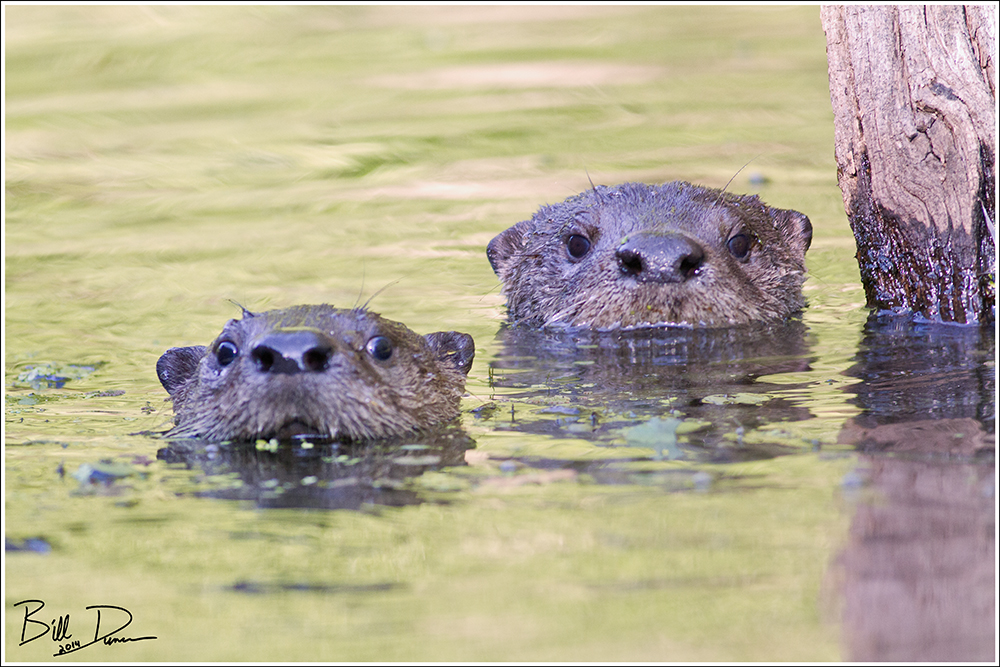
Finally, maybe from the odors of so many digesting fruits, 😉 the jig was up.  We were spotted and all five animals headed to the water.  The next two minutes was like being in some sort of reverse “whack a mole” game.  The pups, sometimes getting within 6-8 feet of our boat, would pop their heads out of the water just long enough to get a look before disappearing.  Mom, keeping a greater distance, would snort and snap at the water, throwing splashes in our direction.  In the photo below, you can see a curious pup immediately in front of mom’s suspicious private eyes.

I See You, You See Me

Finally, just when we started to worry if we should be worried, the entire group disappeared.  We watched them briefly as they resurfaced downstream about 25 yards.  After getting ourselves together, we portaged the boat over Flat Banks Rd to continue into the marsh.

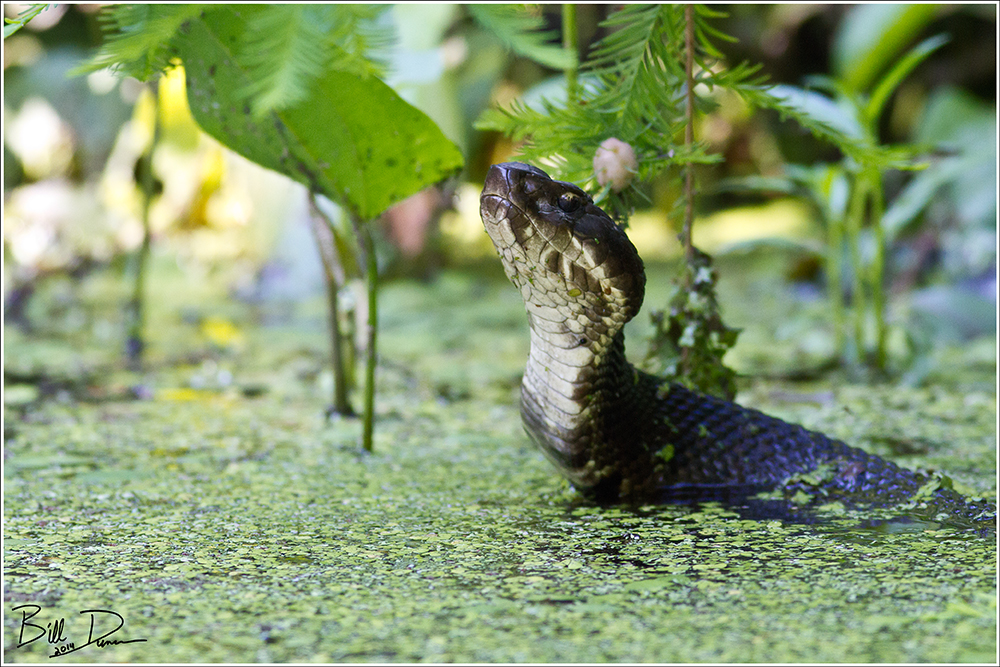
Just prior to getting into the marsh, we spot this handsome Cottonmouth.  We slowly followed the snake as it swam along the bank.  I heard some sort of whimpering coming from the back of the boat, but that fell silent with a dull thud when the snake raised its head and looked back towards us.  Remembering that these guys can be a little more curious, or potentially aggressive when in the water, I called for reverse engines, rather than gaining a new passenger.

No, no, no, it ain't me babe, it ain't me you're looking for, babe
No, No, No, It Ain’t Me Babe, It Ain’t Me You’re Looking For

Arriving into the marsh from this direction got us up close to what must be some of the oldest living organisms in Missouri.

Bald Cypress
I Shall Not Be Moved

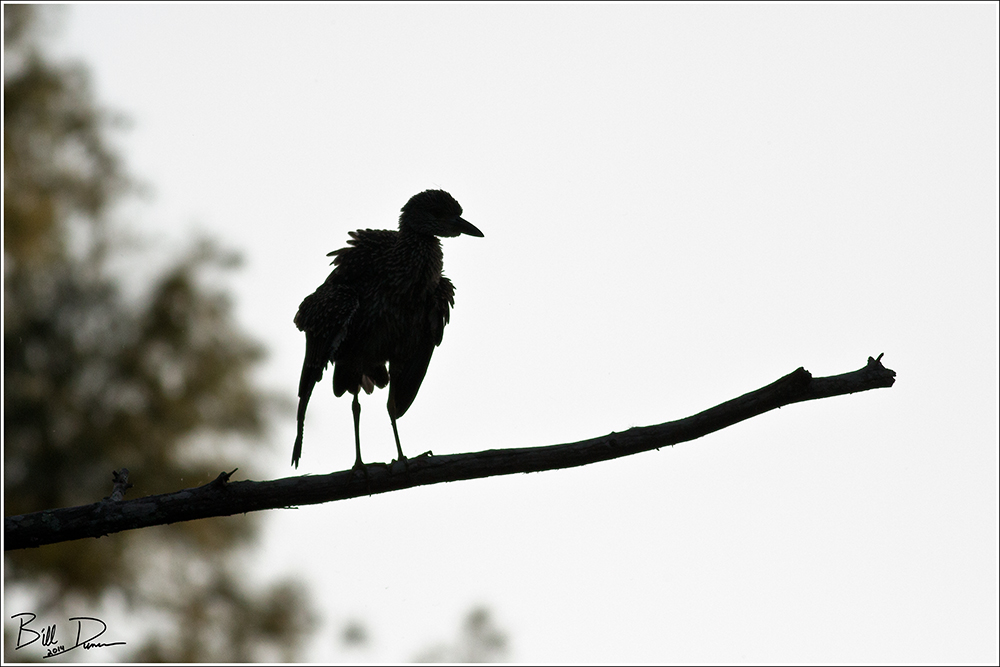
Hooded Mergansers, Belted Kingfishers and Barred Owls were some of the creatures keeping us company as the sun began to fall.  We arrived just in time to tie the boat on to the vehicle before last of light.  Just before we did, we observed that the night shift was checking in.  This juvenile Yellow-crowned Night Heron was preening and stretching on an overhead snag.

Yellow-crowned Night Heron

Well, that’s all from Mingo for now.  These being the highlights from a single day, I can’t wait for another visit!

Bald Cypress
Bald Cypress

Oh, in case you were wondering, yes, that is an 18-pointed sun-star.  😉

Works Cited:

1) Farmer, Charles J. “Unspoiled Beauty – A Personal Guide to Missouri Wilderness”, University of Missouri Press, 1999.

2) http://www.cynthiaswope.com/withinthevines/penna/native/Mingo.html

3) Schwartz, Charles J., Elizabeth R. Schwartz. “The Wild Mammals of Missouri – Second Revised Edition”,  University of Missouri Press and Missouri Department of Conservation, 2001.

4) http://www.otternet.com/ROA/Fall2001/missouri.htm

5) http://www.ozarksfirst.com/story/d/story/conservation-dept-reacts-to-effots-to-lessen-otter/45884/Yxj4OaGNIECRU6_1NJ5a8Q

6) http://mdc.mo.gov/conmag/2007/06/missouri-river-otter-saga?page=full