A Few Skimmers

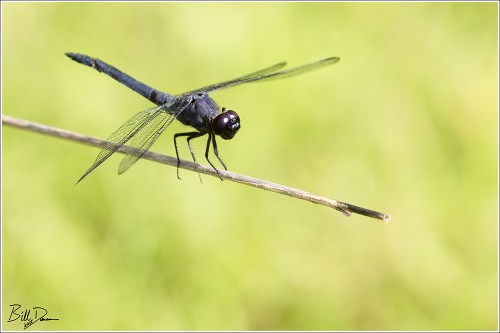
Blue Dasher Male
Blue Dasher Male

The skimmers (Family Libellulidae) are the largest family of the Odonata and contain some of the most widely known and conspicuous dragonflies.

Slaty Skimmer Male
Slaty Skimmer Male

Much like a flycatcher within the world of birds, the skimmers typically sit and wait on a perch and fly to catch an insect.

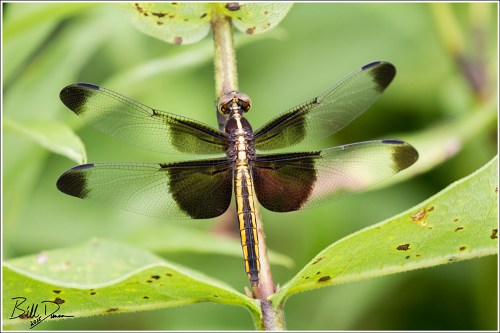
Widow Skimmer Female

These photographs were taken at a small pond at Shaw Nature Reserve this summer.

Widow Skimmer Male
Widow Skimmer Male

-OZB

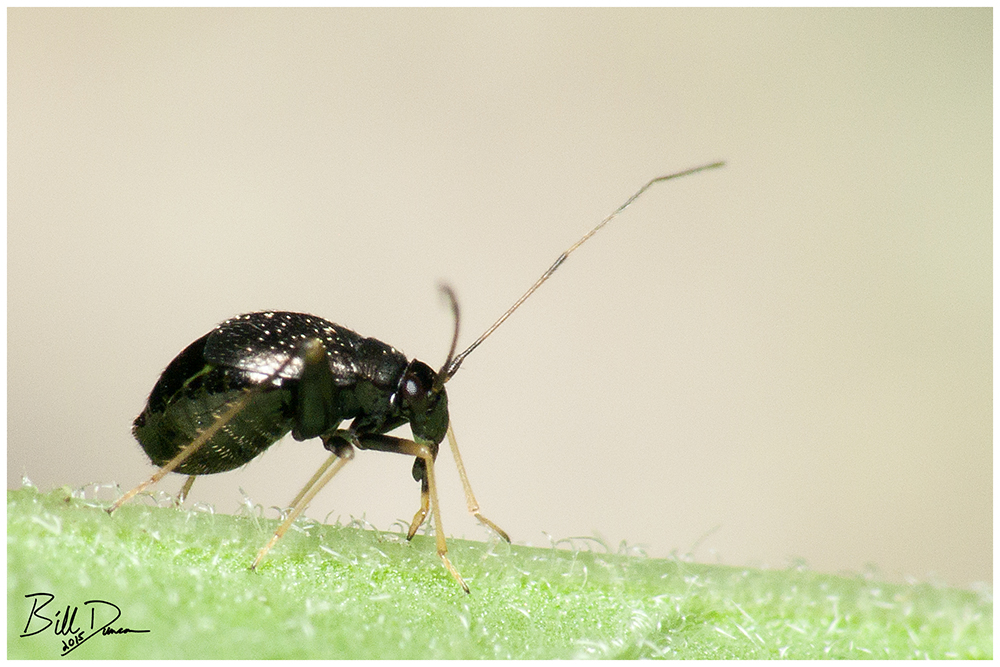
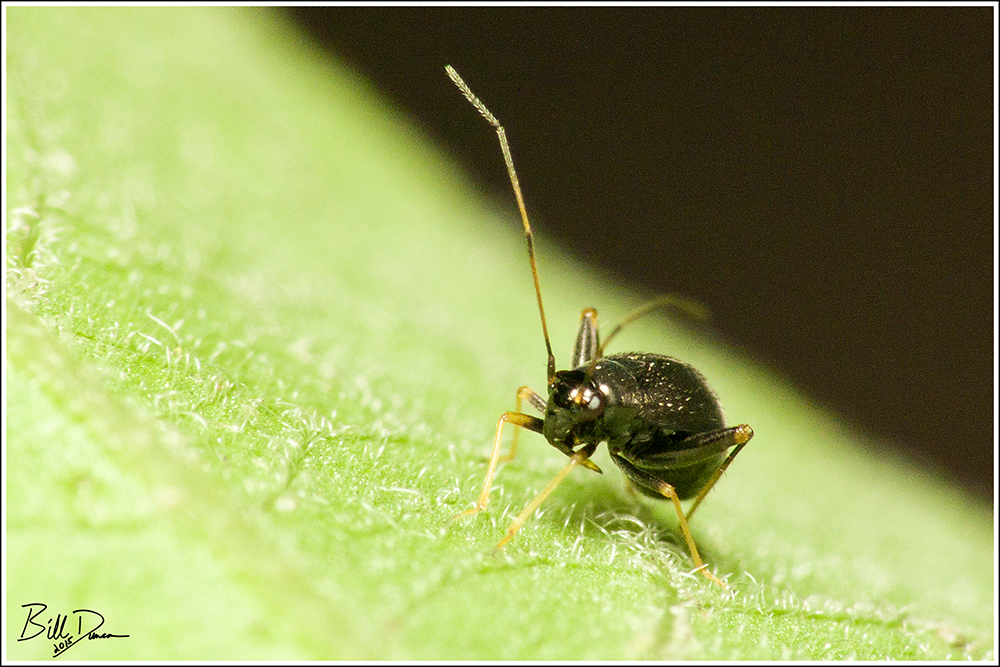
Garden Fleahopper

Garden Fleahopper
Garden Fleahopper

These tiny ones are ubiquitous in a number of habitats and host plants, reach 1-2 mm in length as adults and are pests to a number of agricultural crops.  This brachypterous (short-winged) female was photographed on a Maypop vine (Passiflora incarnata) at Shaw Nature Reserve in the northern Ozarks of Missouri.

Garden Fleahopper
Garden Fleahopper

Monarch Eclosion

I finally found a monarch caterpillar on one of my plants after a 3-4 year absence.  Knowing the poor success rate when I had them in the yard in previous years, I decided to try my hand at rearing this one inside.  I read a little on proper practices online and had received some advice from someone I work with (thanks Tim!) and watched as the little one put on the weight at the expense of my common milkweed I harvested from the garden.  Unfortunately the idea for a time lapse project came too late and .  I wasn’t prepared and wasn’t knowledgeable enough about the metamorphosis process.  I tried my best.  I made several mistakes and will hopefully remember these next time.  I also had a couple of equipment failures that caused me to miss a couple of gaps many hours in length.  Tim and his family have successfully reared and released a good number of monarchs this year and tag them for hopeful data points on the migratory routes (just like in birds).  He had an extra tag and I tagged the little female prior to her release.  Hopefully she will make it the ~1800 miles from central Missouri to central Mexico where she will overwinter before heading back north again next spring.

Even with the problems, I kind of like the outcome.  I can’t wait to try again… 😉

When a Dropping isn’t a Dropping

Bird Poop?
Bird Poop?

The mimicry that insects exhibit can be astounding.  Walking around Shaw Nature Reserve this summer, I noticed quite a fresh and disgusting looking bird dropping on a small bush near the trail.  Something made me take a closer glance and I discovered it wasn’t a poop at all, but a caterpillar.  The caterpillar was an early instar of the Giant Swallowtail Butterfly (Family Papilionidae).  These caterpillars feed on member of the citrus family, the Rutacea, and this individual was found on a small hop bush.  Youngsters like this one will most often be found directly on the surface of a leaf (as poops are most likely to be found), while older stages are likely to be found on leaf petioles or slender branches.  In citrus production areas of the south, these guys have the nickname “Orange Dogs” due to their dietary needs.  They can be considered a pest in such situations.  Unfortunately, I forgot that, if harassed these guys will evert a pair of bright red structures called osmeterium.  The function of these organs appears to be defensive in multiple ways.  Often brightly colored, they can look quite like the forked tongue of a snake, and go along with other morphological adaptations in some members of the swallowtails in making them appear like a snake.  In addition, numerous chemical compounds can be released with the osmeterium that have been shown to repel ants and other potential insect predators.

Giant Swallowtail
Giant Swallowtail

Moving from bird droppings to the droppings of a caterpillar we come to this fascinating creature that is most often found on raspberry bushes.  A member of the diverse family of beetles – the Chrysomelidae, this Warty Leaf Beetle (Pacybrachis nigricornis), will tuck in its appendages and drop, looking exactly like a caterpillar’s droppings, or “frass” (anyone remember the action figures from the 80s, the Rock Lords?).

Warty Leaf Beetle
Warty Leaf Beetle

-OZB

References

  • Marshall, S.A. 2006. Insects Their Natural History and Diversity. Firefly Books Ltd.
  • Evans, A.V. 2014. Beetles of Eastern North America. Princetone University Press.
  • Damman, H. 1986. The osmeterial glands of the swallowtail butterfly Eurytides Marcellus as a defense against natural enemies. Ecol.Entomol. 11: 261-265.

SNR – A Few Natives


Mining Bee
Mining Bee

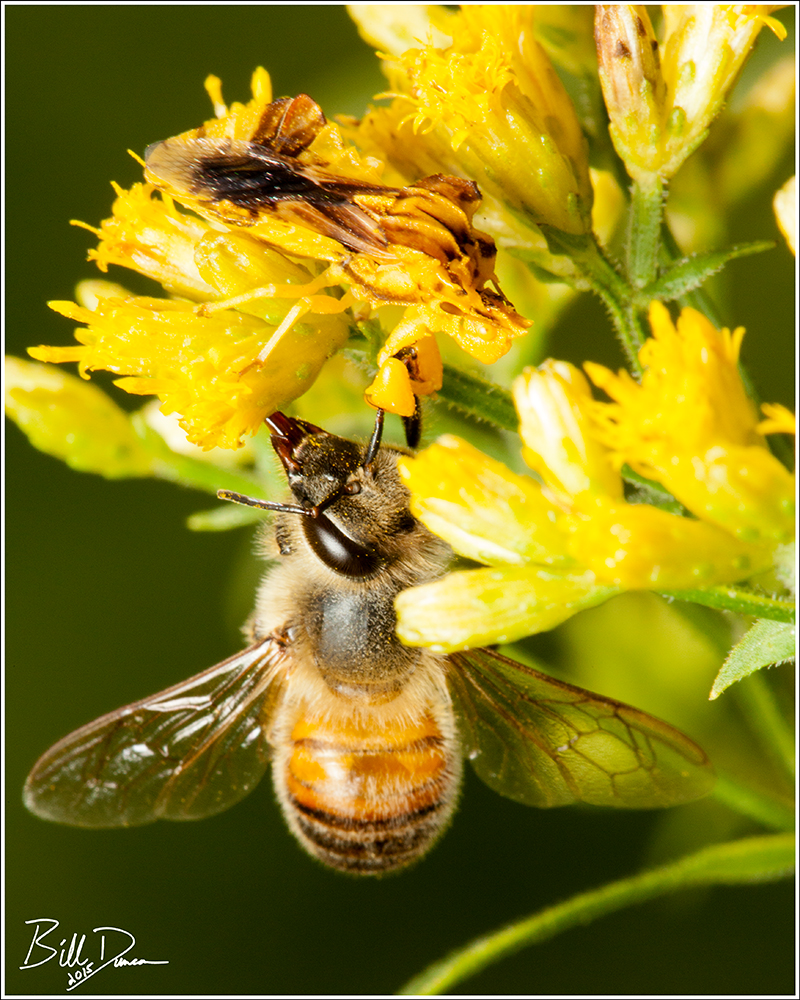
Tonight we have a couple of native bees photographed this summer at Shaw’s Nature Reserve.  I may very well be incorrect, but I believe the bee pictured above is a Mining bee in the family Andrenidae.  I would love to know how much pollen is taken away in a season by these guys.

Sweat Bee
Sweat Bee

The final two photos show a sweat bee (Halactidae).  These are quite challenging to photograph, but worth the effort.

Sweat Bee
Sweat Bee

-OZB