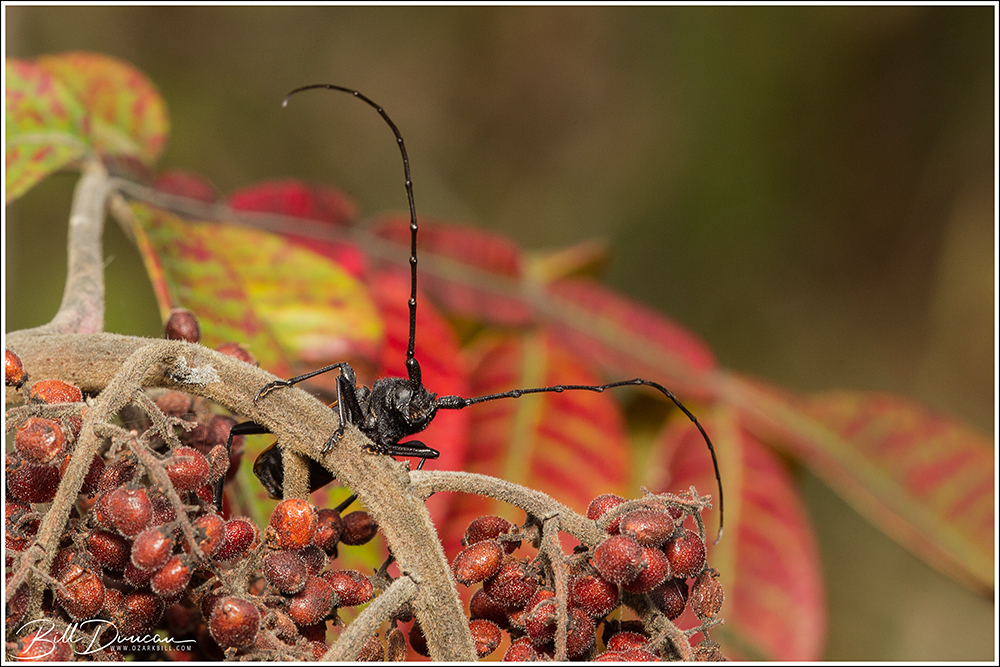
Big Sand Tiger Beetle (Cincindela formosa generosa)

Big Sand Tiger Beetle, Sand Prairie Conservation Area, Scott County, MO.
f/16, 1/160 sec., ISO-640, 234 mm focal length equivalent.
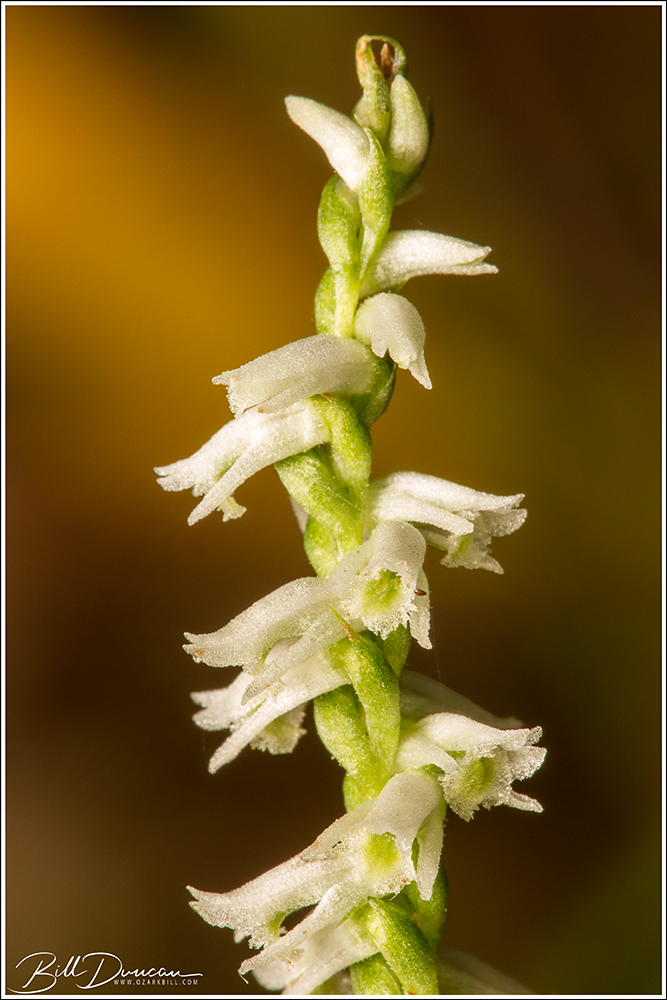
Big Sand Tiger Beetle, Sand Prairie Conservation Area, Scott County, MO.
f/16, 1/160 sec., ISO-640, 234 mm focal length equivalent.
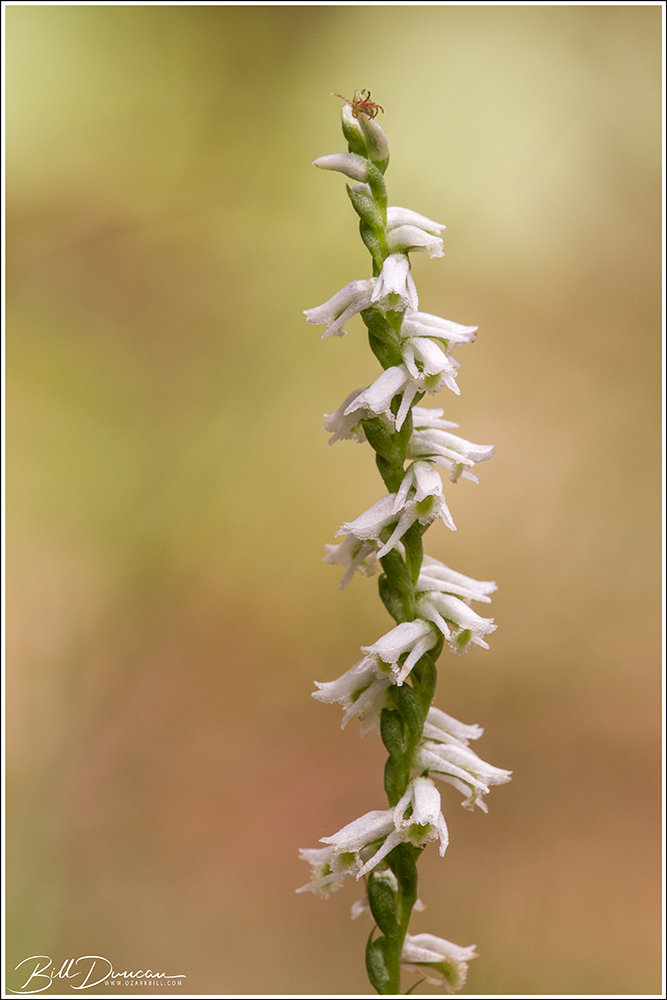
Big Sand Tiger Beetle, Sand Prairie Conservation Area, Scott County, MO.
f/16, 1/160 sec., ISO-640, 234 mm focal length equivalent.

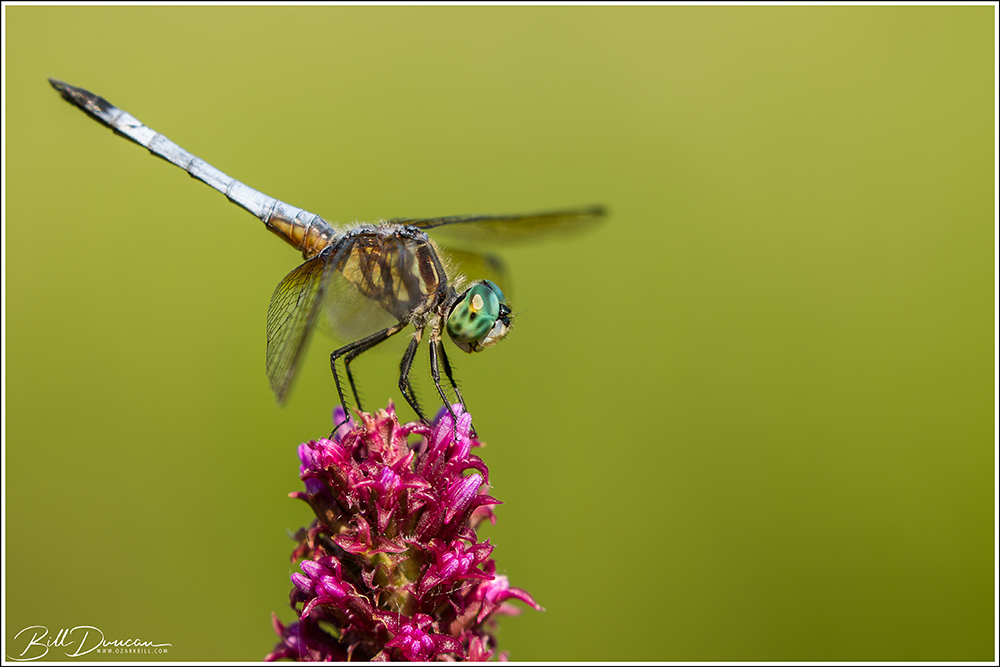
Dashing Blue Dashers

Blue Dasher (Pachydiplax longipennis) – f/8, 1/160 sec., ISO-200, 520 mm focal length equivalent
Blue Dasher (Pachydiplax longipennis) – f/8, 1/200 sec., ISO-160, 520 mm focal length equivalent
Blue Dasher (Pachydiplax longipennis) – f/8, 1/160 sec., ISO-200, 520 mm focal length equivalent
Blue Dasher (Pachydiplax longipennis) – f/11, 1/160 sec., ISO-320, 520 mm focal length equivalent

Swamp Metalmark – Calephelis muticum

Swamp Metalmark – 234 mm focal length equivalent, f/14, 1/125 sec., ISO-640

These special butterflies, endangered or threatened across much of their small range, have their stronghold in the state of Missouri. These images were taken in St. Francis Co., MO.

Swamp Metalmark – 234 mm focal length equivalent, f/14, 1/80 sec., ISO-640
Swamp Metalmark – 234 mm focal length equivalent, f/18, 1/60 sec., ISO-640
Swamp Metalmark – 234 mm focal length equivalent, f/18, 1/80 sec., ISO-640

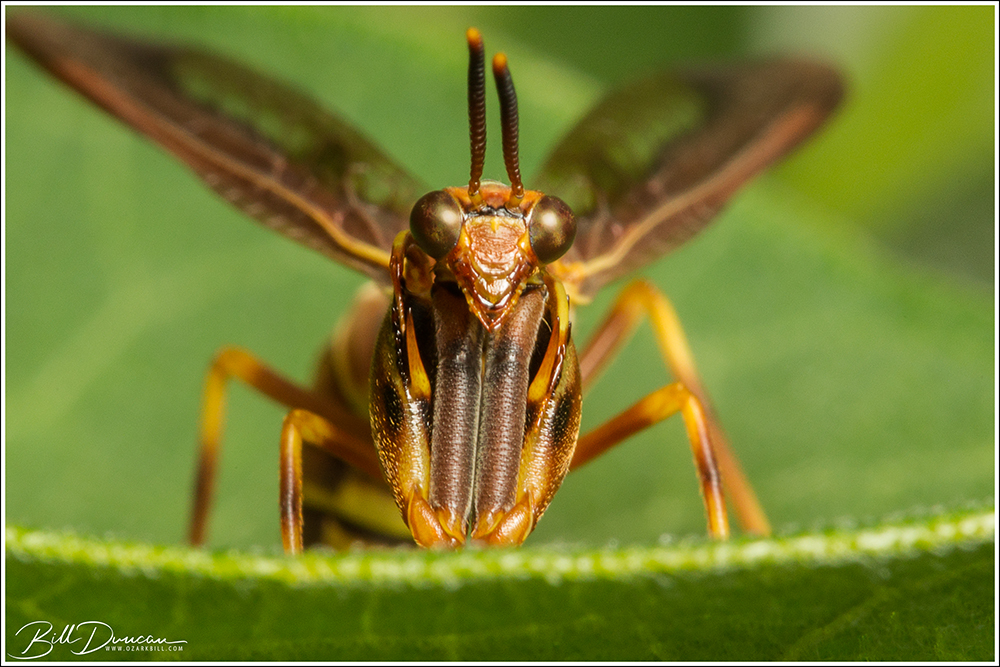
Wasp Mantidfly – Neither a Wasp, a Mantid, nor a Fly!


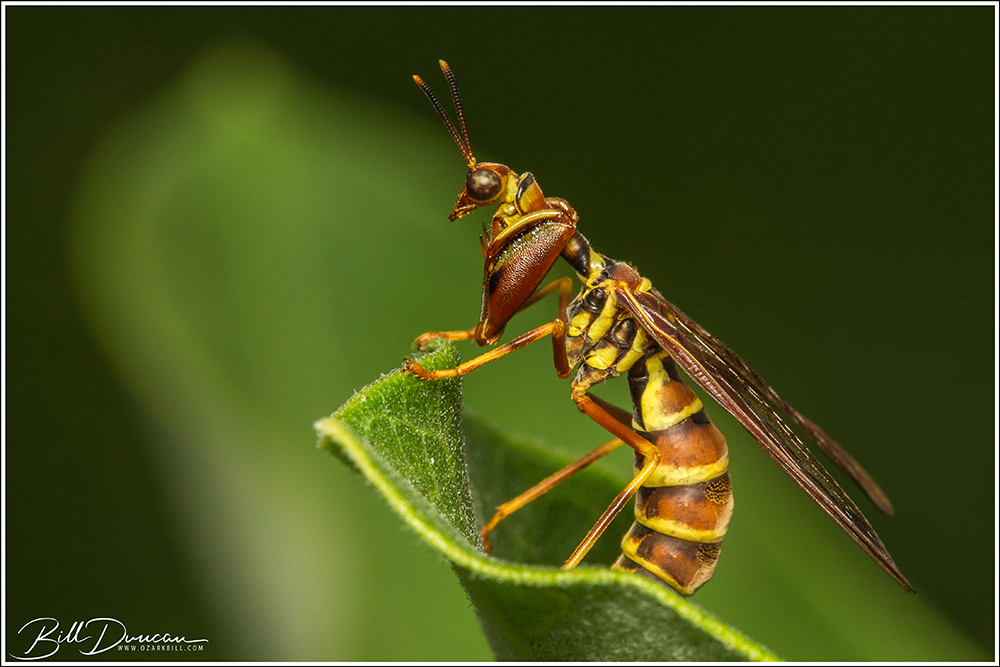
Wasp Mantidfly (Climaciella brunnea) 234mm focal length equivalent, f/16, 1/125 sec., ISO-640, with flash

That’s right, this special one visited my home garden one afternoon and allowed me to grab some shots. The mantidfly are categorized in the order Neuroptera along with the lacewings.

Probably obvious, this species is believed to mimic the paper wasps (Polistes) as a potential deterrent to predation. Without a close glance, it would be easy to mistake this species for a wasp with the potential to deliver a nasty sting.

As if their appearance wasn’t crazy enough, larvae of the Mantispinae, the subfamily this species belongs to, feed by paristizing spiders and their eggs!

Wasp Mantidfly (Climaciella brunnea) 234mm focal length equivalent, f/16, 1/125 sec., ISO-640, with flash

-OZB

Missouri Orchids – Purple Fringless

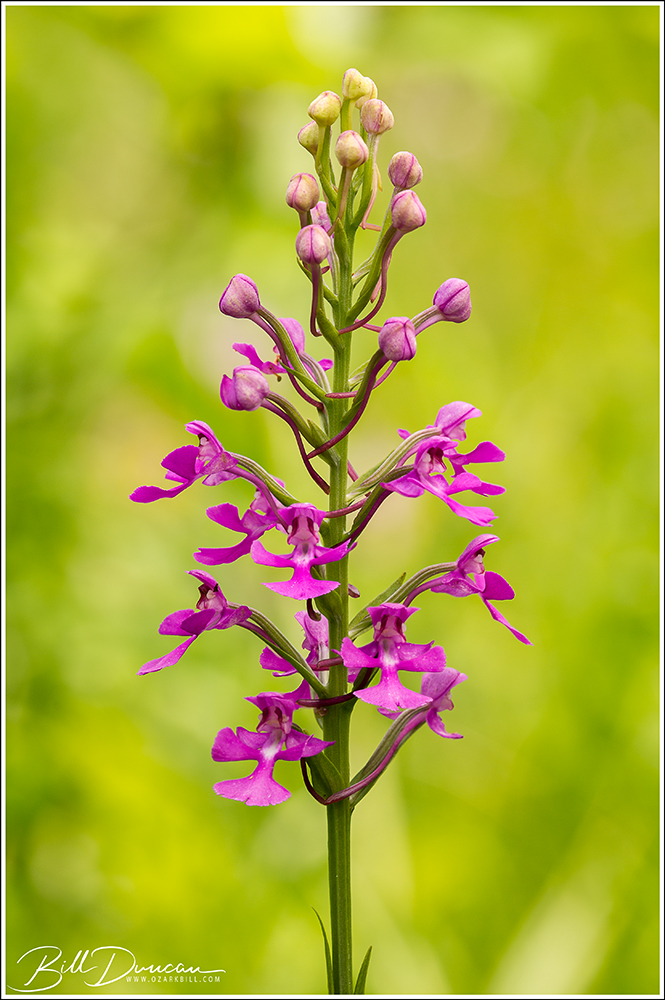
Purple Fringless Orchid (Platanthera peramoena) 234 mm focal length equivalent, f/6.3, 1/125 sec. ISO-160, focus stack of four exposures
Purple Fringless Orchid (Platanthera peramoena) 234 mm focal length equivalent, f/6.3, 1/80 sec. ISO-250, focus stack of five exposures
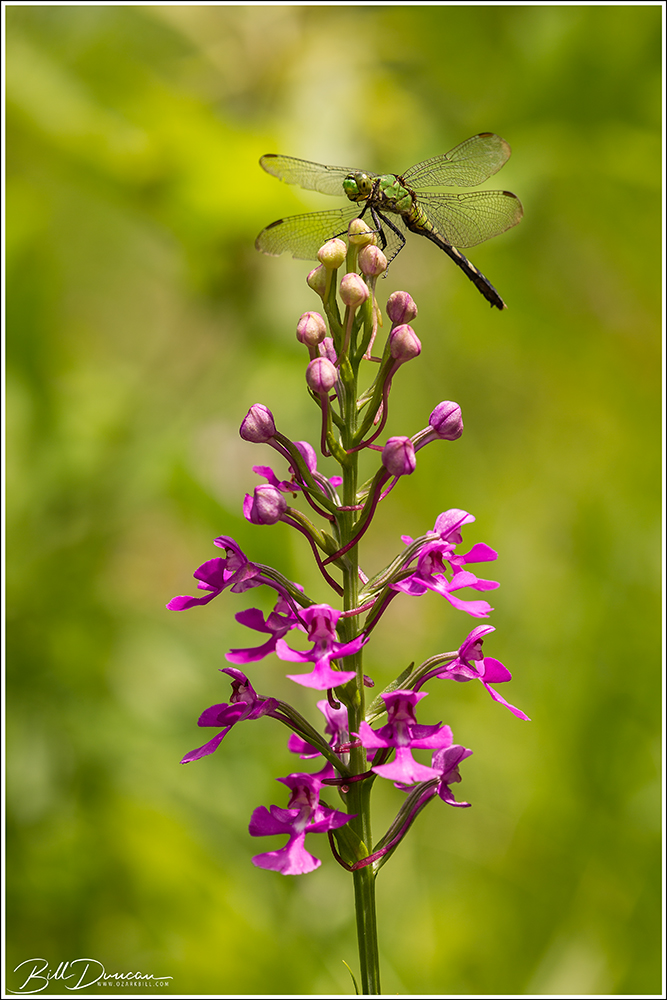
Purple Fringless Orchid with Eastern Pondhawk, 234 mm focal length equivalent, f/6.3, 1/160 sec. ISO-125

Tingler Prairie Conservation Area

Claytonia virginica – Spring Beauty

These images were taken during a trip with Ted MacRae and Chris Brown this past April at Tingler Prairie Conservation Area in Howell County, MO. The first shows an exceptionally colored spring beauty (Claytonia virginica) in peak bloom.

Elaphidionoides villosus (oak twig pruner)

This beetle larvae was something I had read about for years. Ted found several oak twigs that the mother beetles prune to serve as safe nurseries for their developing offspring as they rest on the forest floor. Ted delicately opened up the gallery to expose its occupant so we could take some photos.

Metallic Dung Beetle (Canthon viridis)
Buprestidae – Acmaeodera sp.

These Buprestid beetles were gorgeous as they foraged in the wood sorrel. Once in a while, they would stand still long enough to let us photograph them.

Arphia sulphurea ??
Black Rat Snake (Pantherophis obsoletus)

Finally, we found this black rat snake as it attempted to climb a tree near the trail. Maybe caught a whiff of something higher up?

-OZB

MayPOPS!

Passiflora incarnata (passionflower, maypops) Image composed of a focus stack of 27 exposures.

Recently, I’ve taken the plunge and given some serious efforts into focus stacking in macro photography. This method allows the photographer to increase the depth of field in a scene by combining multiple exposures, each focused on a separate plane of focus. Afterwards, the different exposures are combined using powerful processing software on the computer. This particular image was built from 27 photos all taken at an aperture of f/8.

I will definitely miss our yard full of native plants when we make our change in residence, including the passionflowers. Maybe I’ll get to harvest this year’s crop of fruit one more time to make my own juice.

Although I don’t share in these beliefs, I really can appreciate the connections and story that the Christian thinkers put upon the Passiflora when they were introduced to these new world plants. Here is the story they used to connect this interesting group to Christian symbolism.