Wishing everyone peaceful, easy feelings during the last few beautiful days of 2021.

"What a thousand acres of Silphiums looked like when they tickled the bellies of the buffalo is a question never again to be answered, and perhaps not even asked." -Aldo Leopold
Wishing everyone peaceful, easy feelings during the last few beautiful days of 2021.
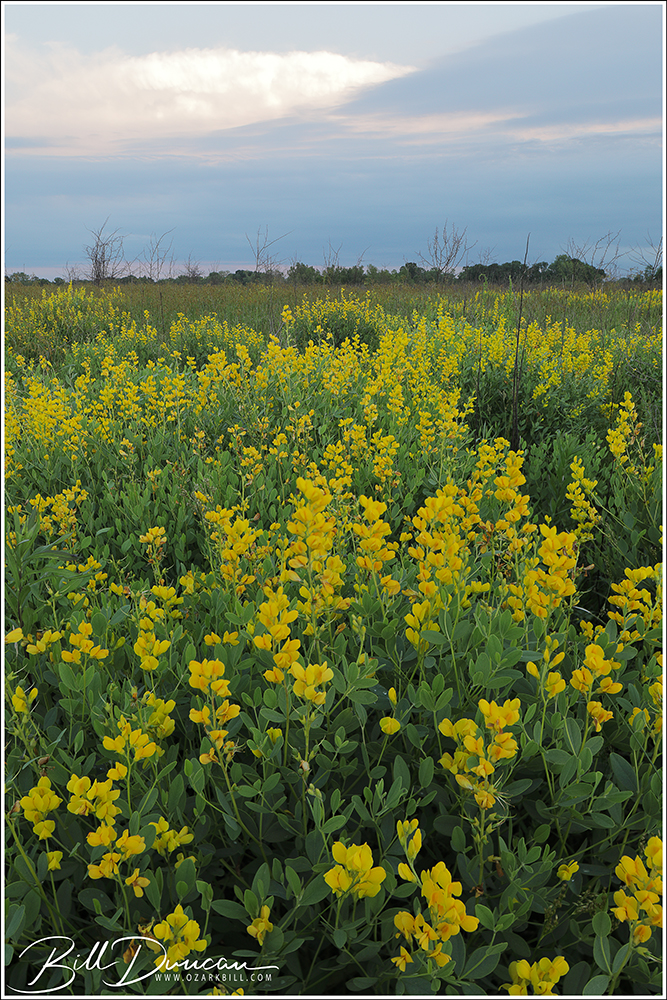
This nice patch of Baptisia sphaerocarpa was found back in May of 2021 at Rick Evans Grandview Prairie WMA in Hempstead Co., AR. Although this species is found in a few of our southwestern prairies, most consider these to be introductions and not a native plant of Missouri.
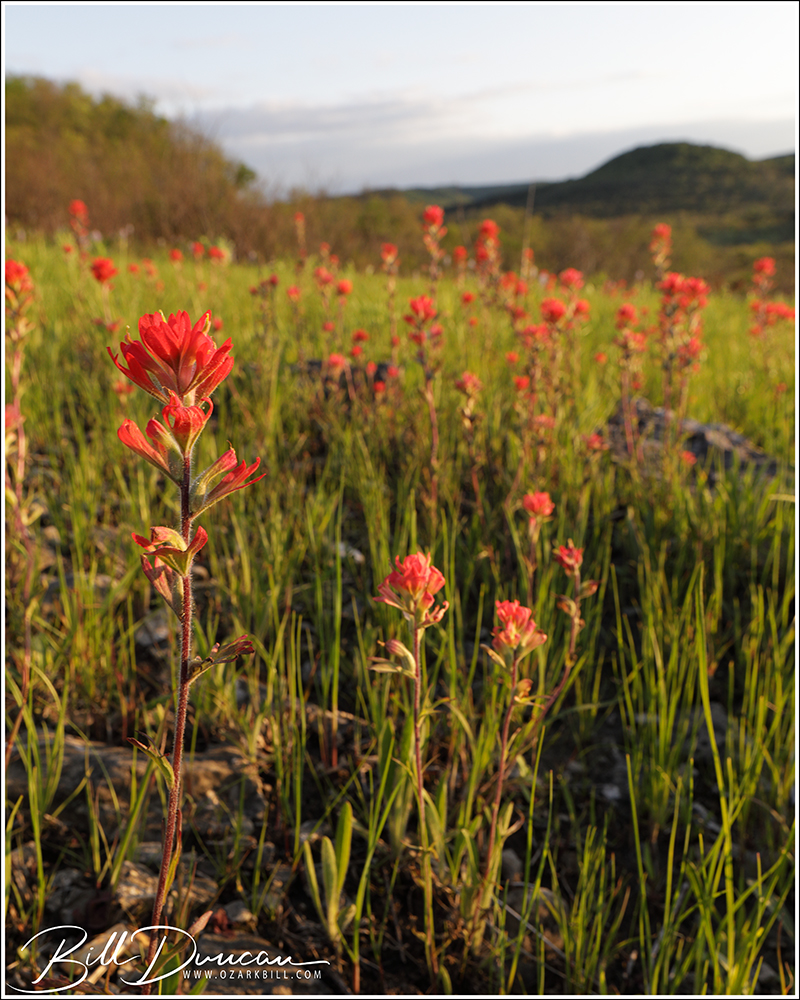
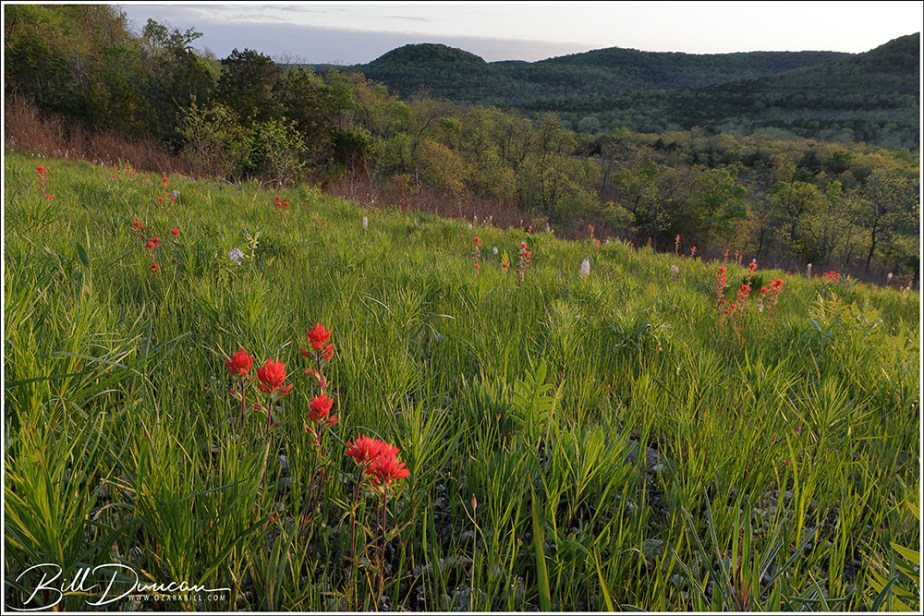
I finally got to spend some time at Roaring River C.A. this past spring when Casey and I made a trip to the southwest of the state. This location is easily seen driving to and from Roaring River State Park. At this time, the Castilleja coccinea (Indian paintbrush) and Camassia scilloides (wild hyacinth) were the stars of the show, accenting the hilly glades and savannahs.
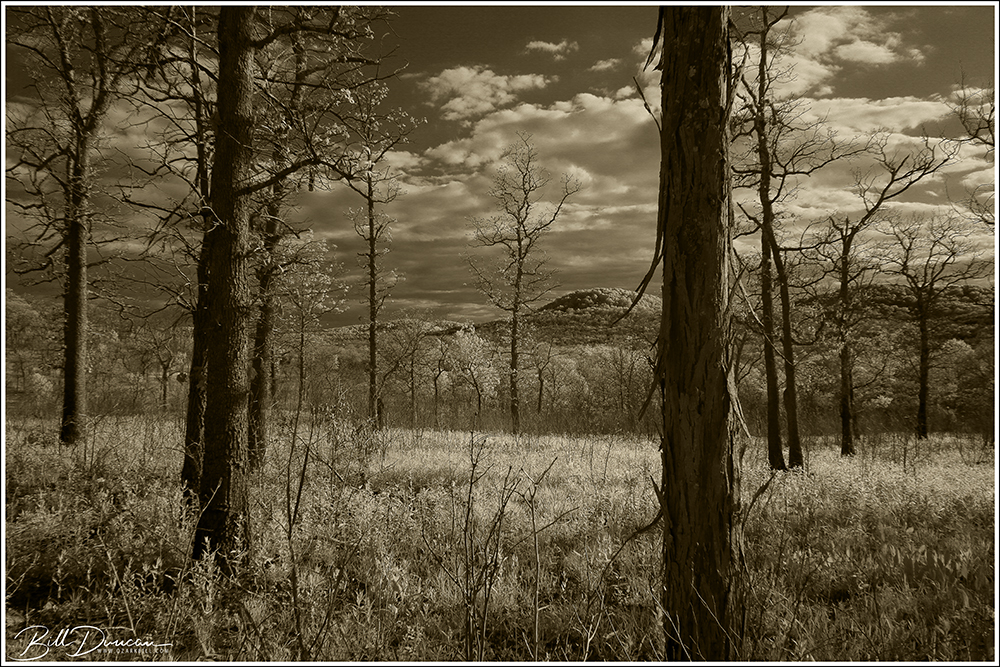
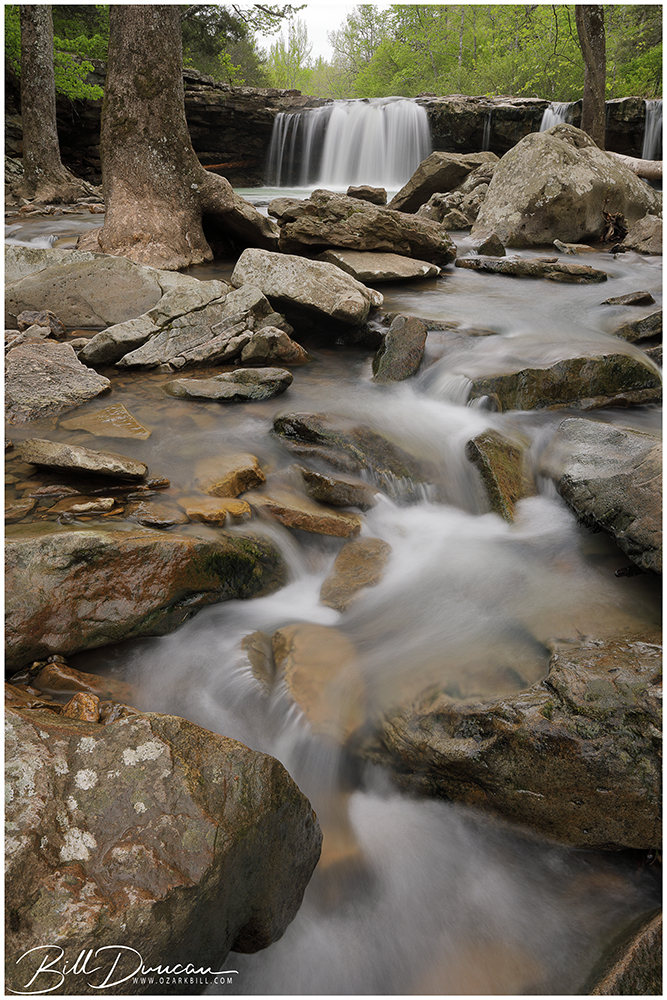
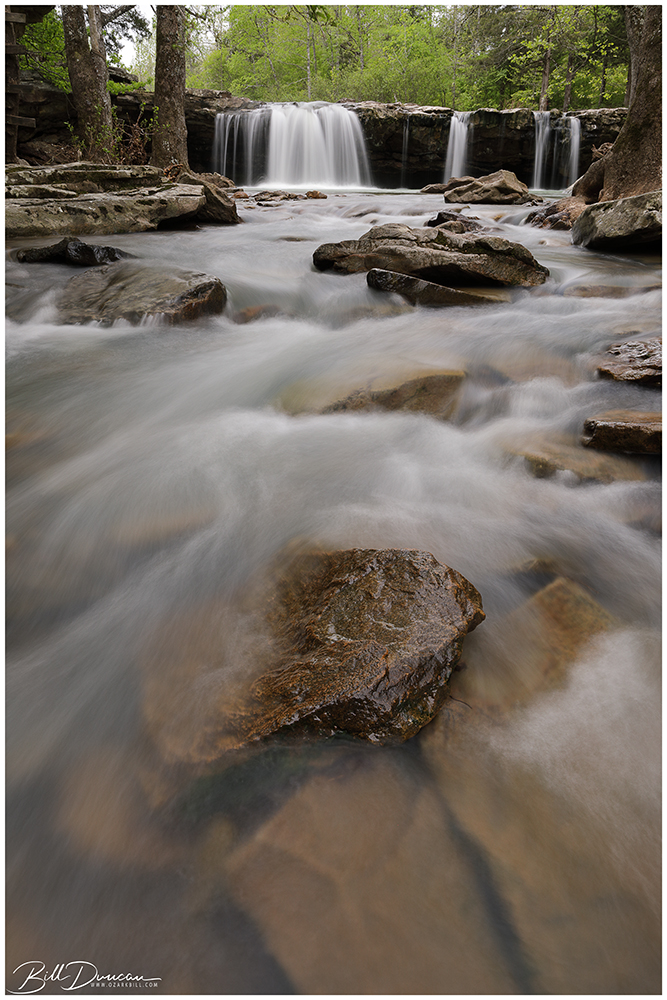
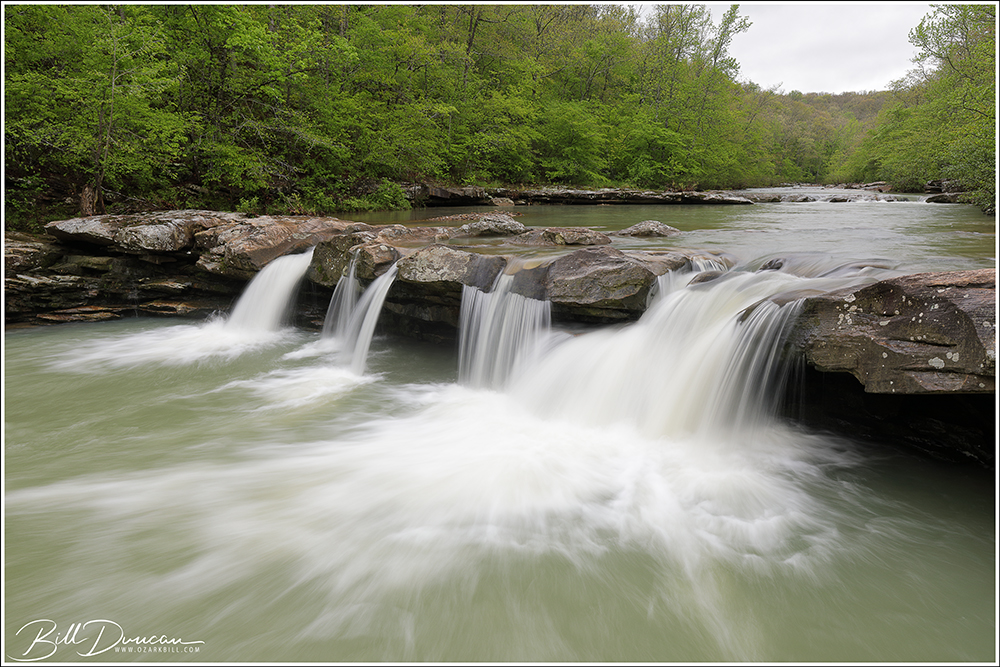
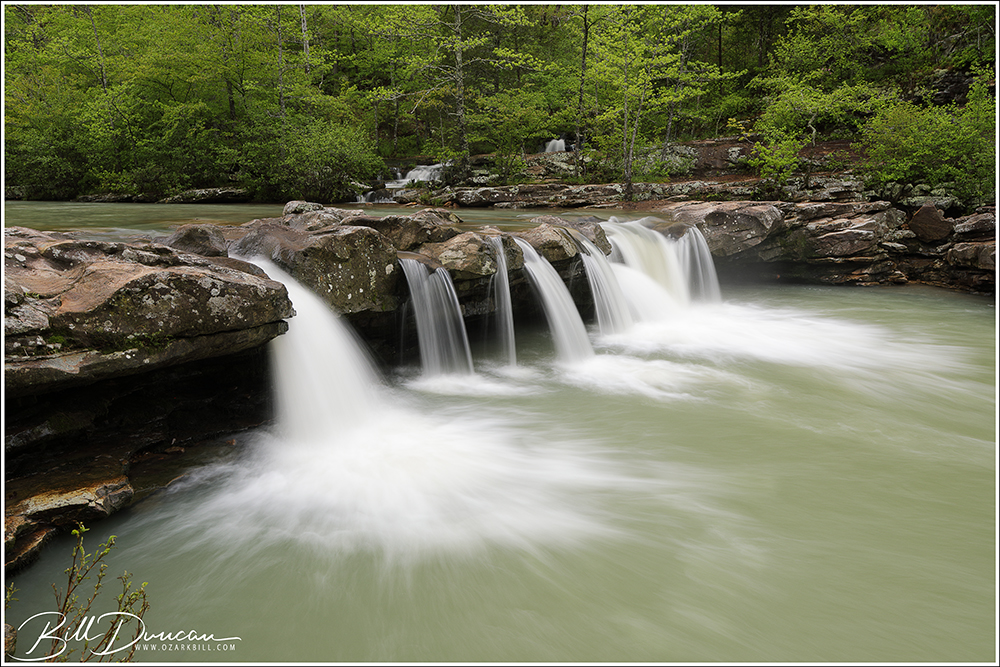
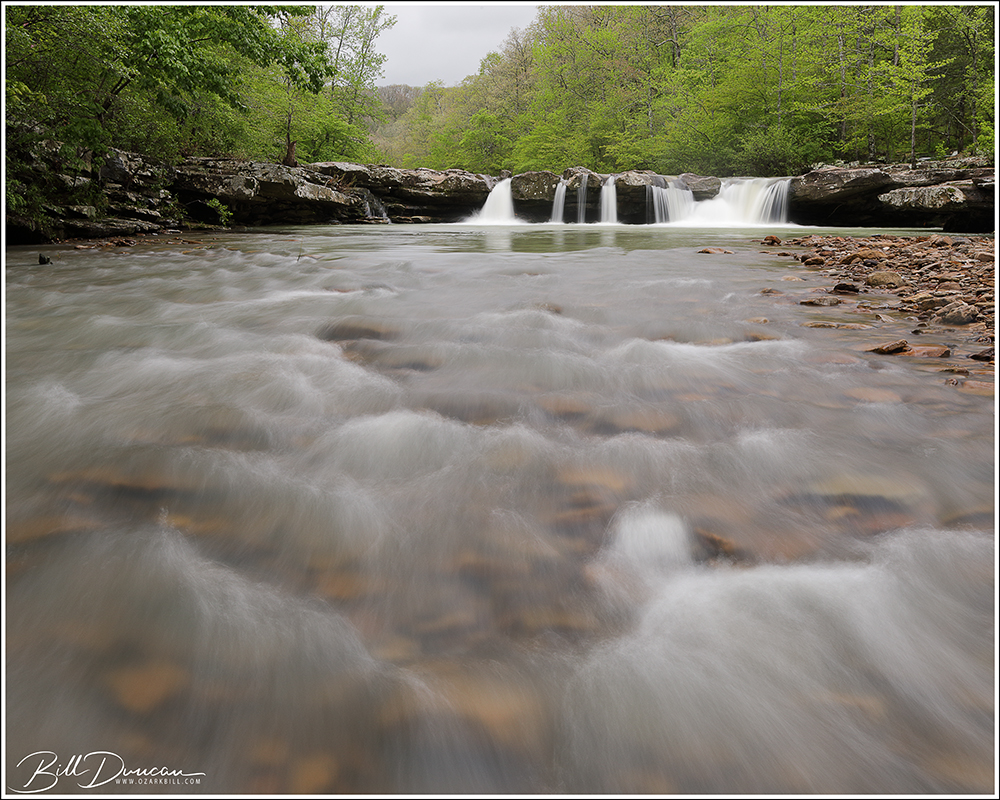
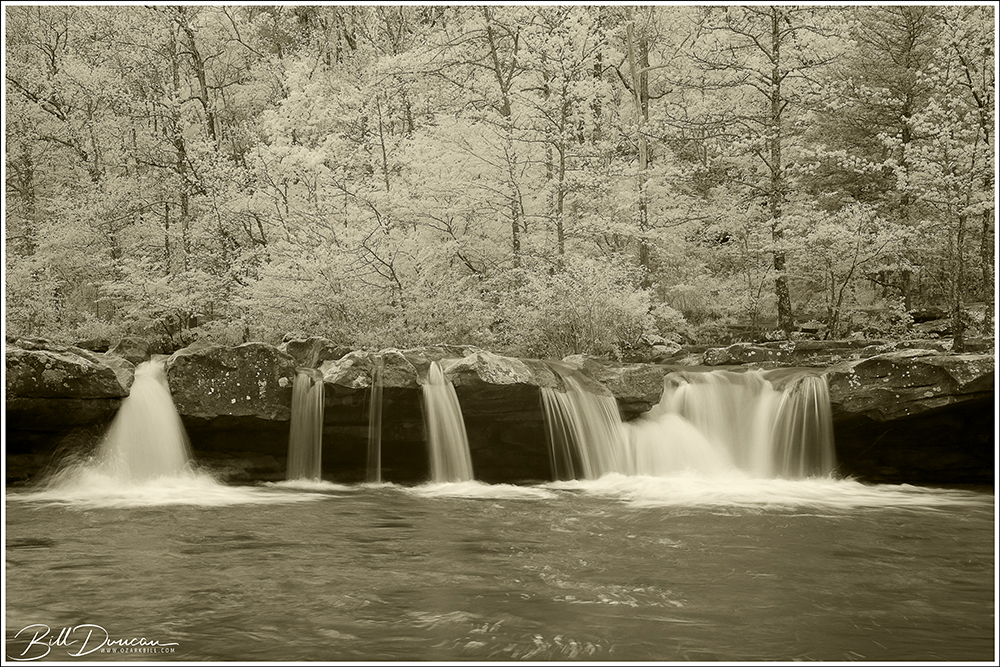
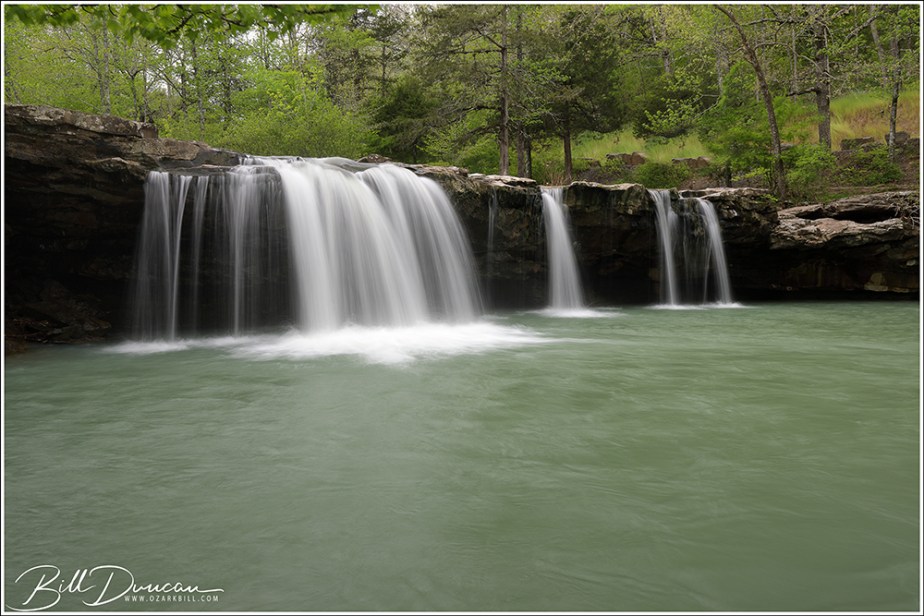
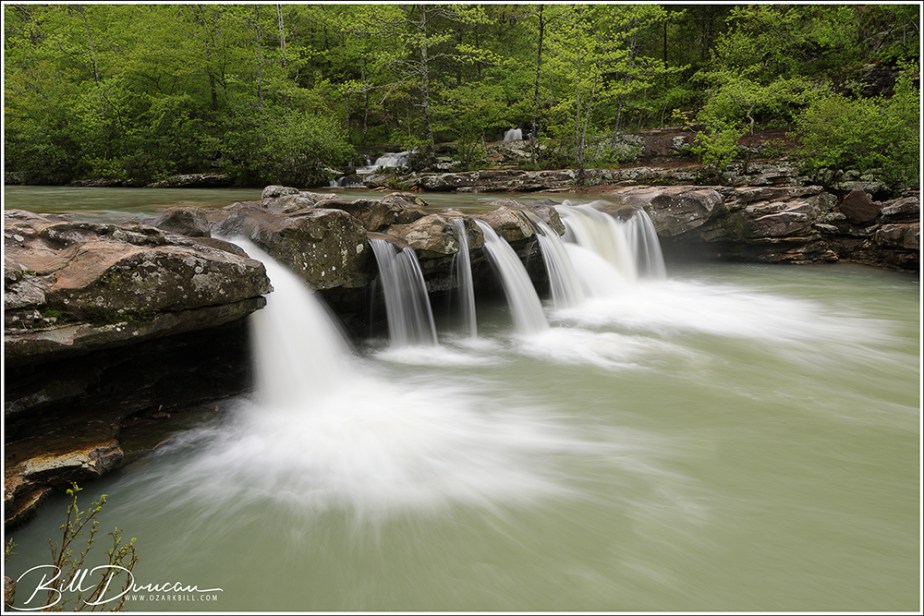
Another great spot from our Arkansas trip back in May 2021 was the appropriately, if not too imaginatively, named Falling Water Falls in Pope County. This one was a lot of fun.
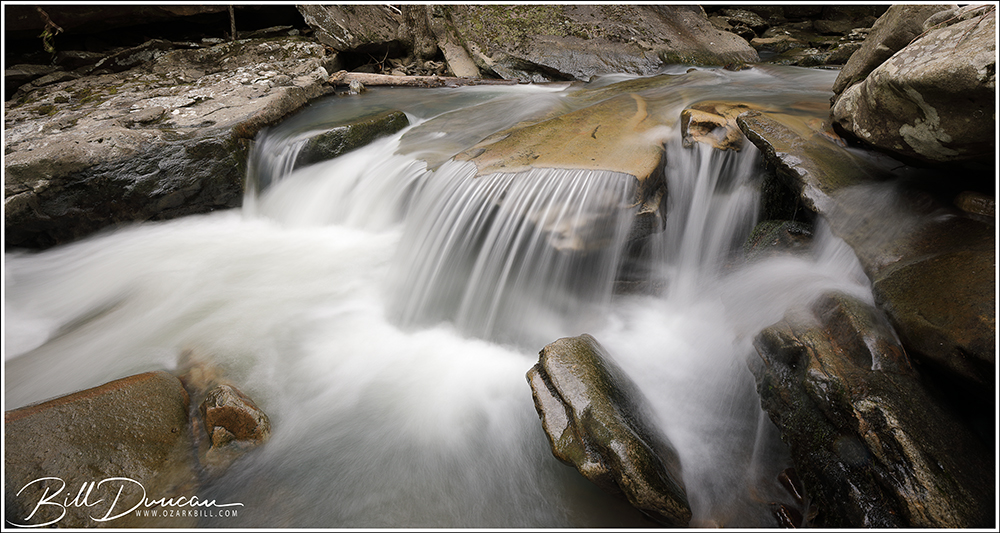
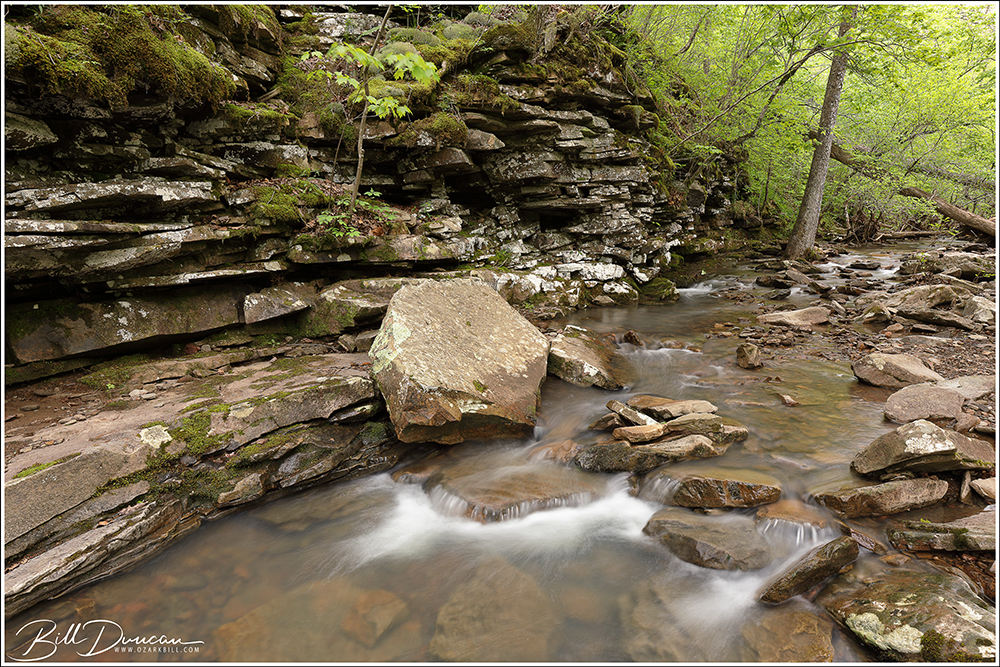
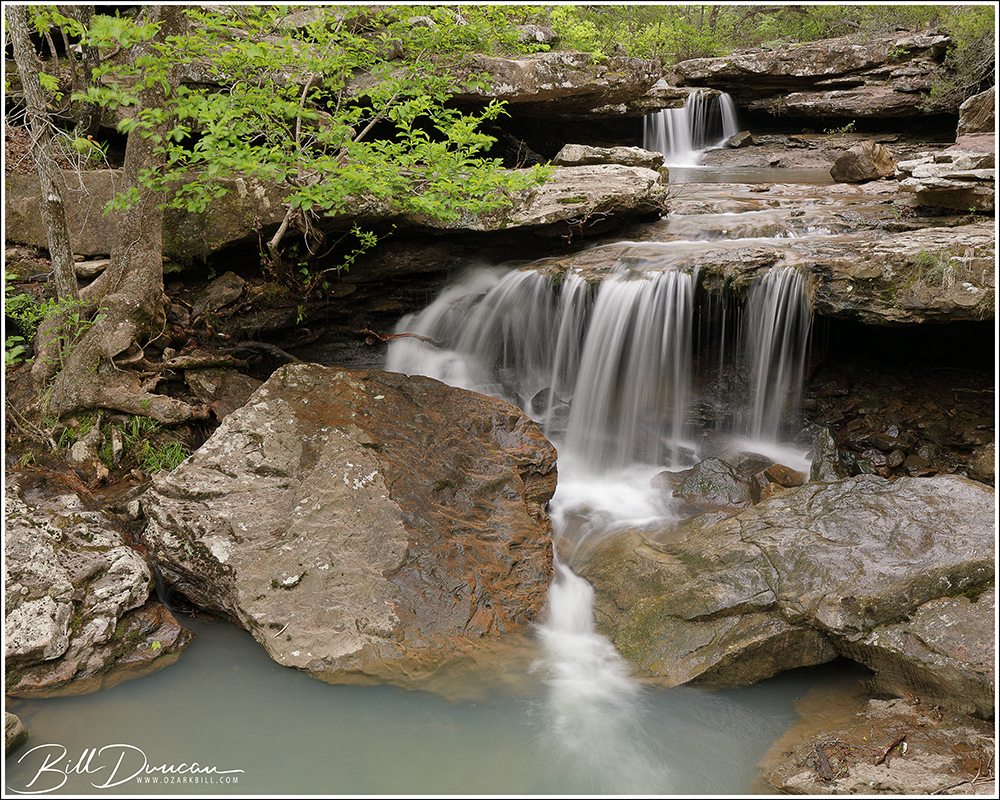
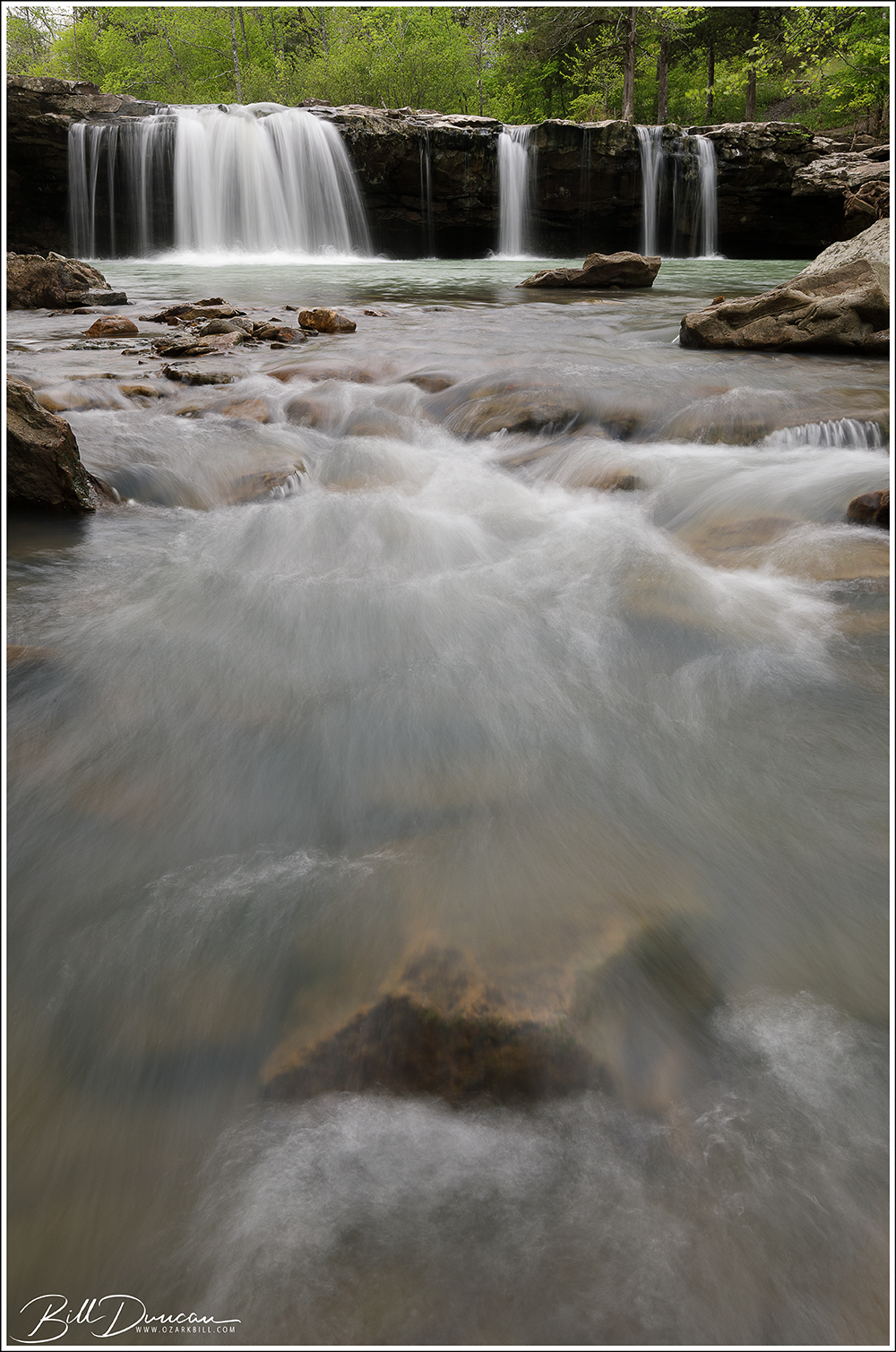
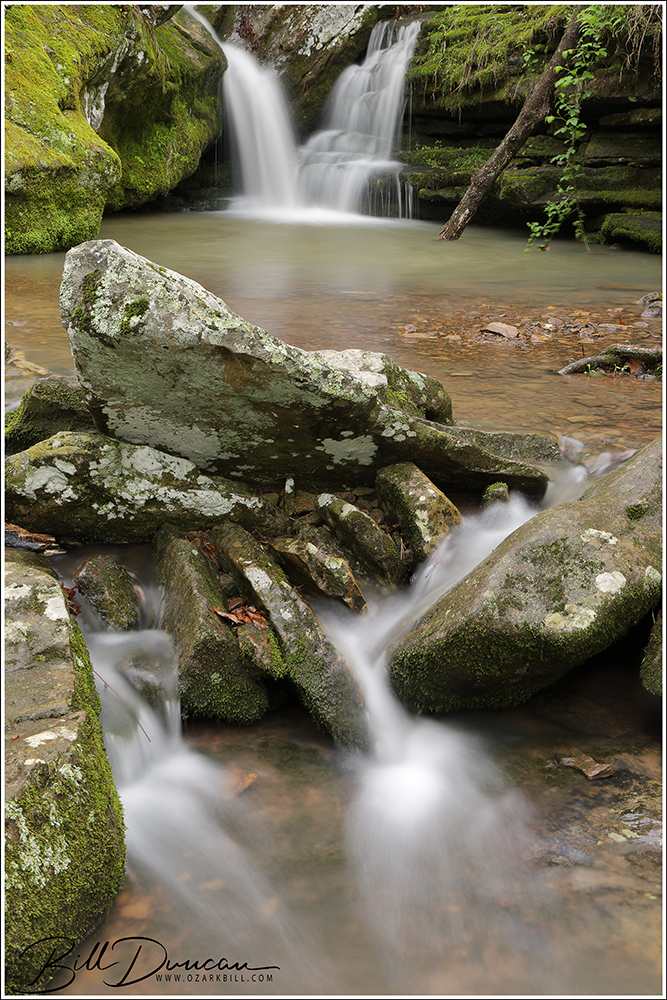
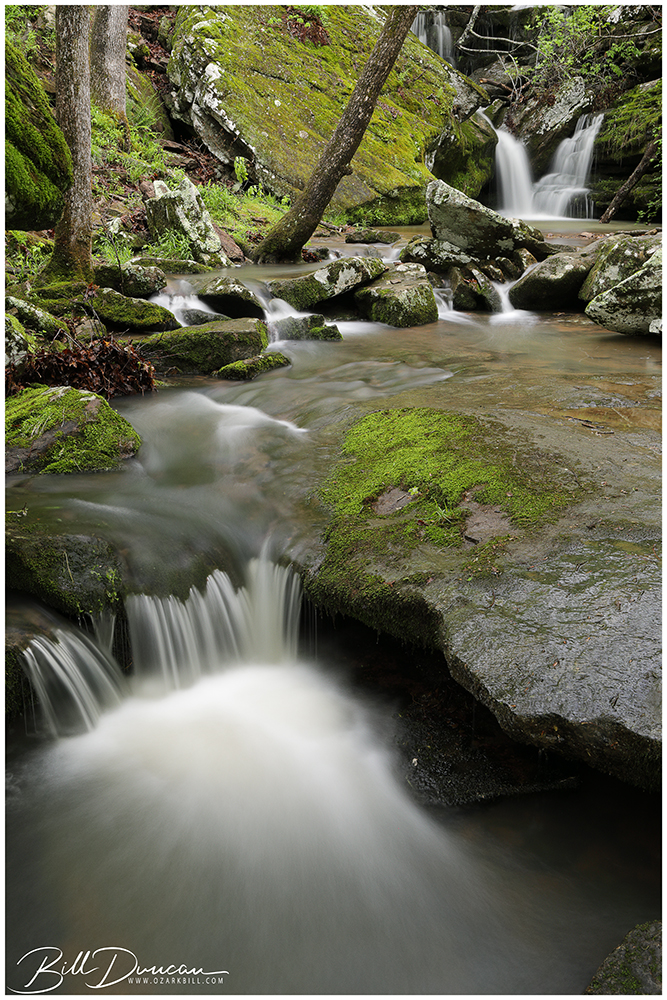
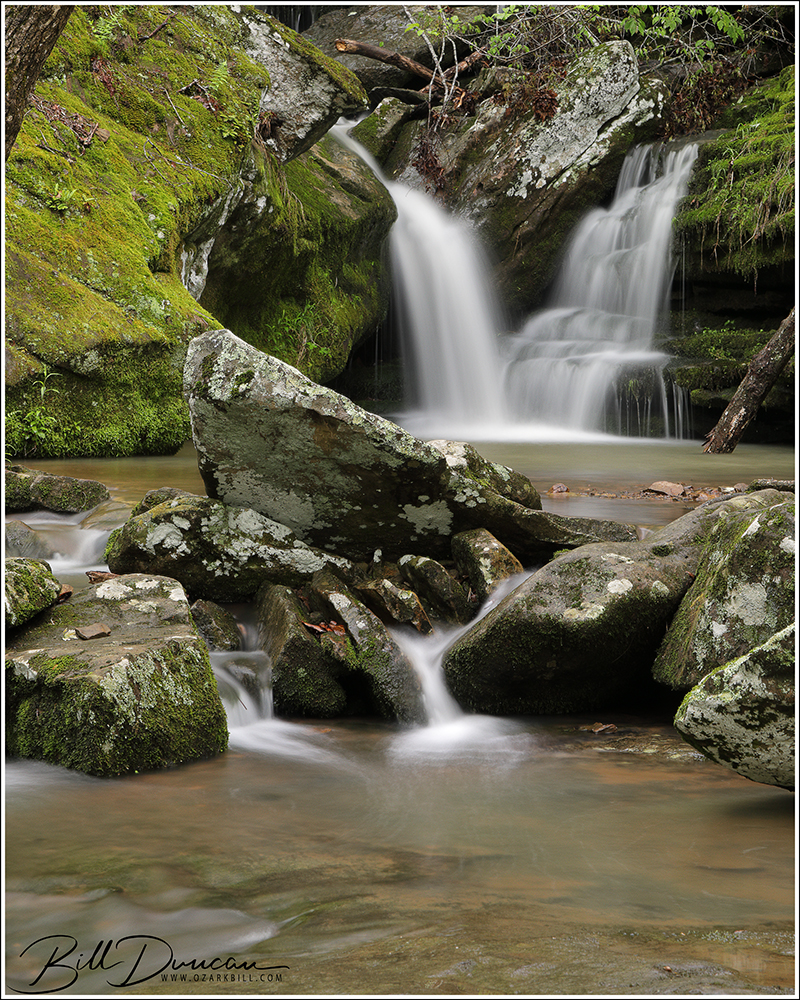
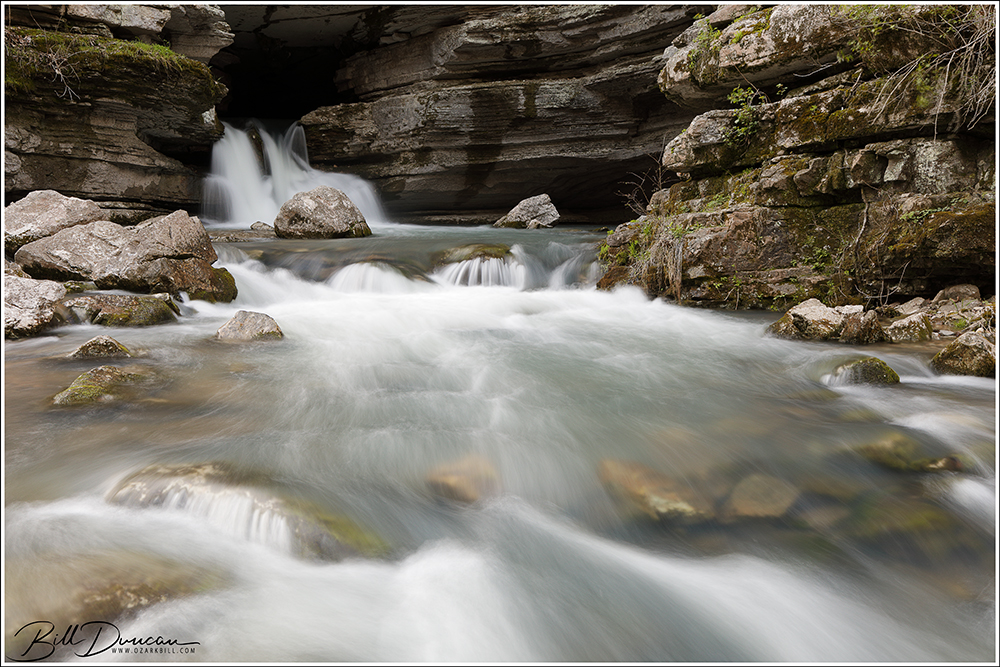
Casey introduced me to this location early in the spring. This is Blanchard Springs in Stone County, Arkansas. With an average daily flow rate of ~10 millon gallons per day, it doesn’t fall near the top ten of the fantastic and popular springs found in southern Missouri. However, this amount of water finding its way through a limestone rock face and plunging ten feet or more makes this a spectacular spring indeed!
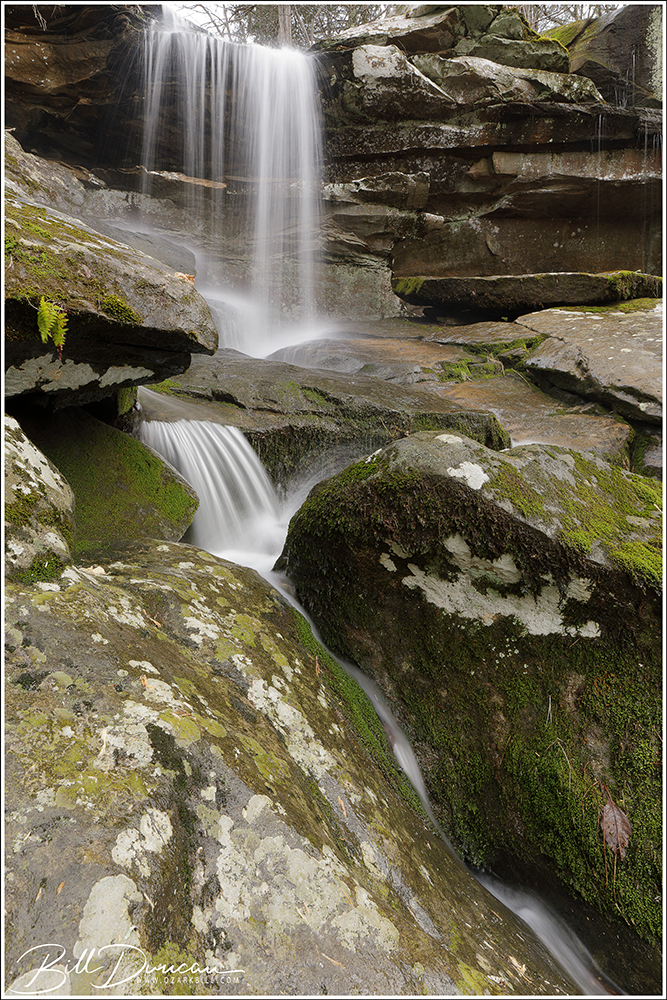
A couple of water features taken in the Missouri Ozarks from December, 2020.
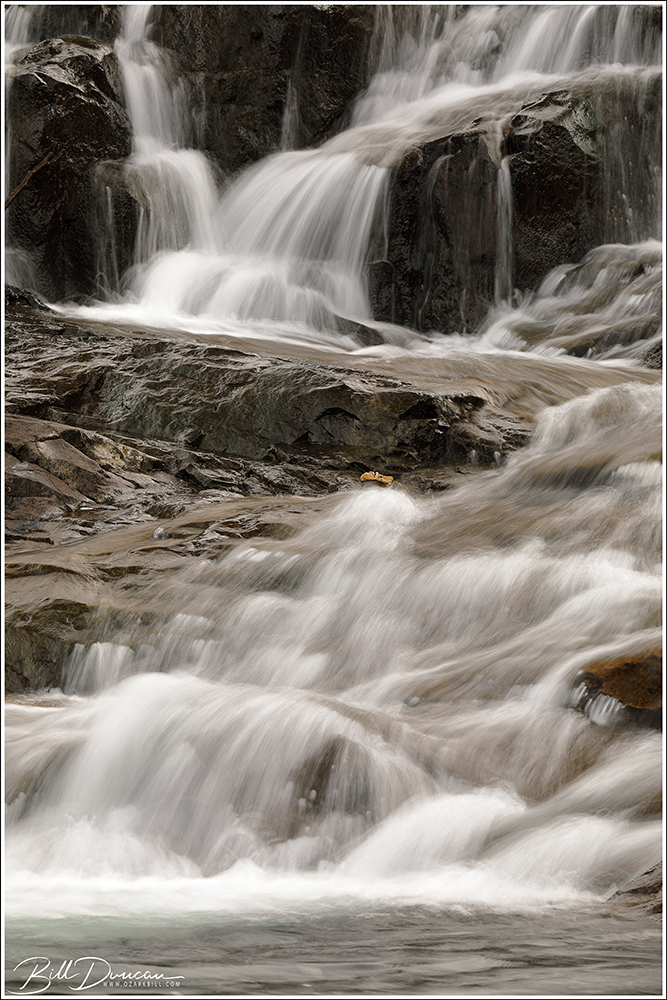

Following a rainy period this spring, Casey and I visited a few spots in the Shawnee of southern Illinois. Some of these spots are well known, but can be difficult to visit. Another location is not nearly as well known, but easier to get to. The Shawnee really does canyons, large rocks and water features well. This is but a small sample of what can be found there.
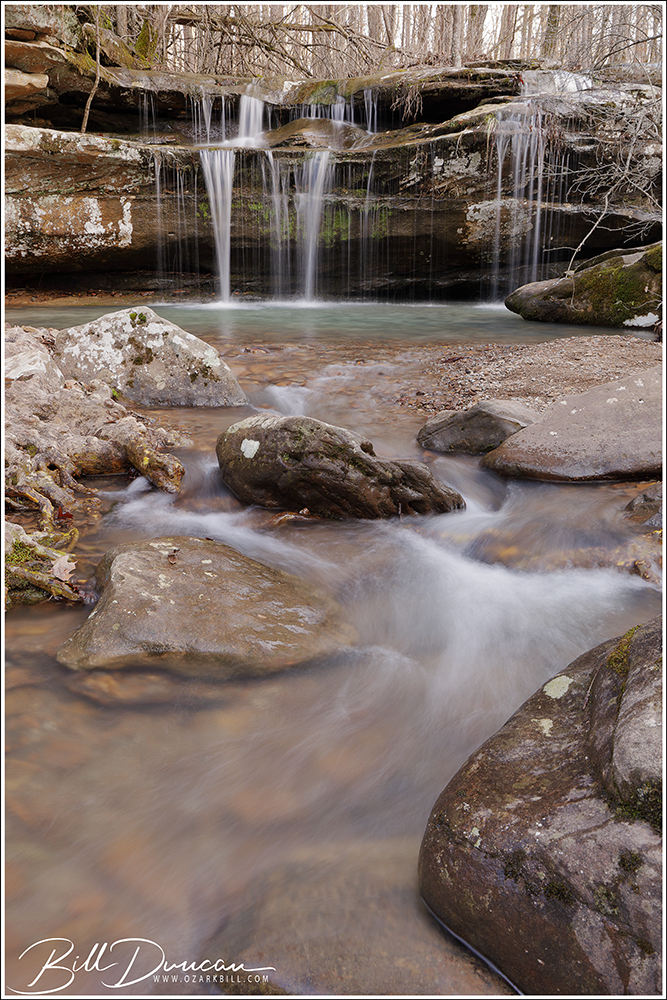
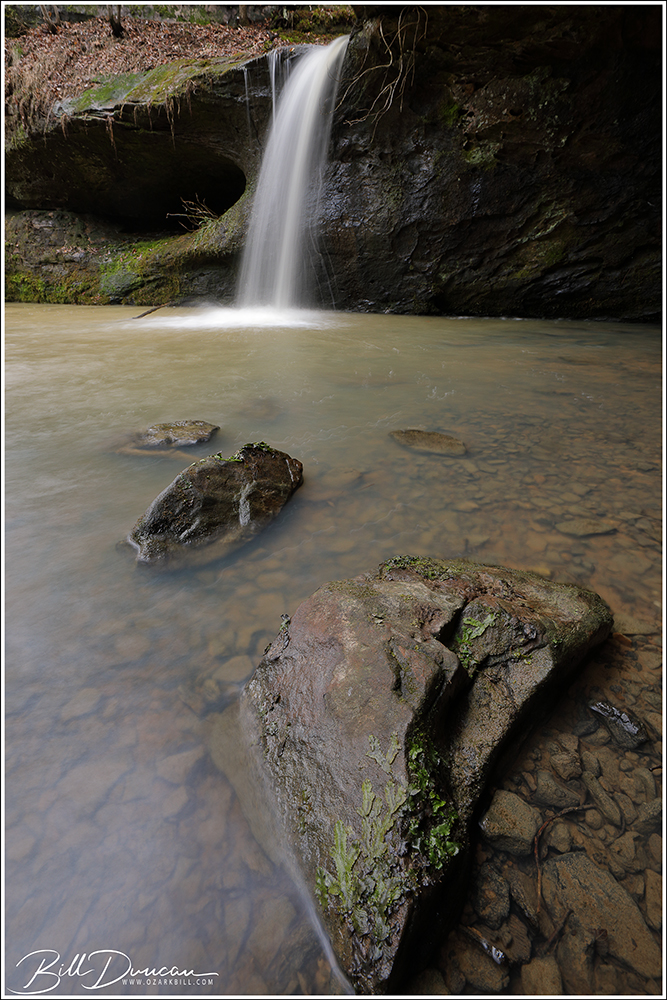
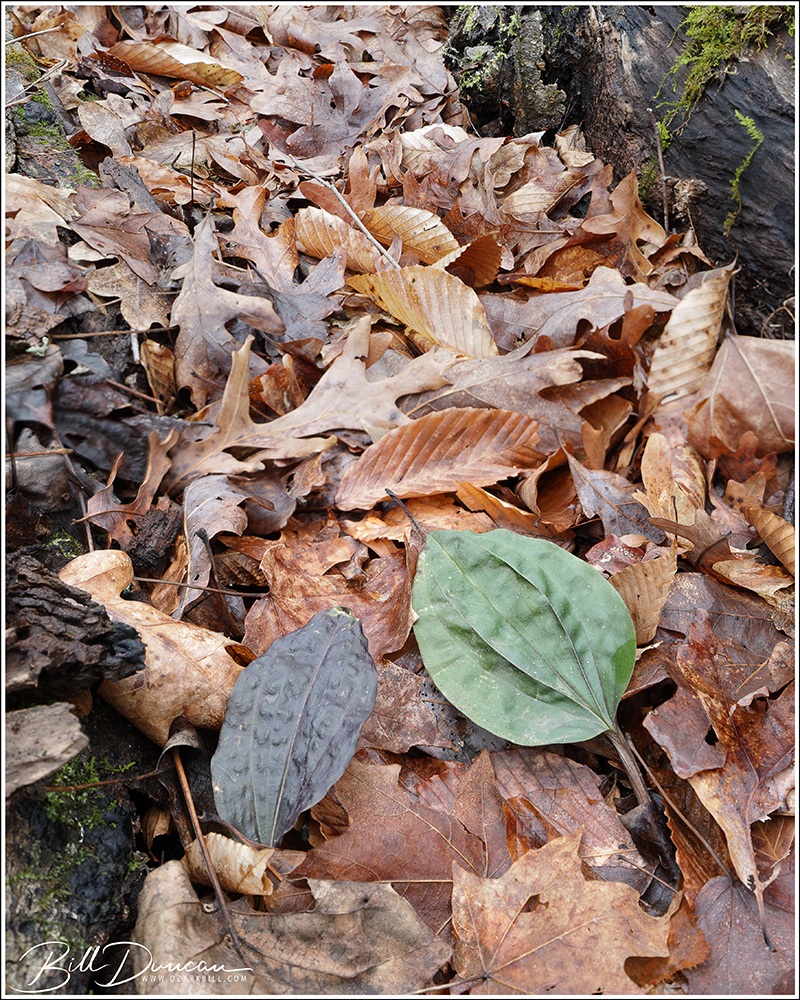
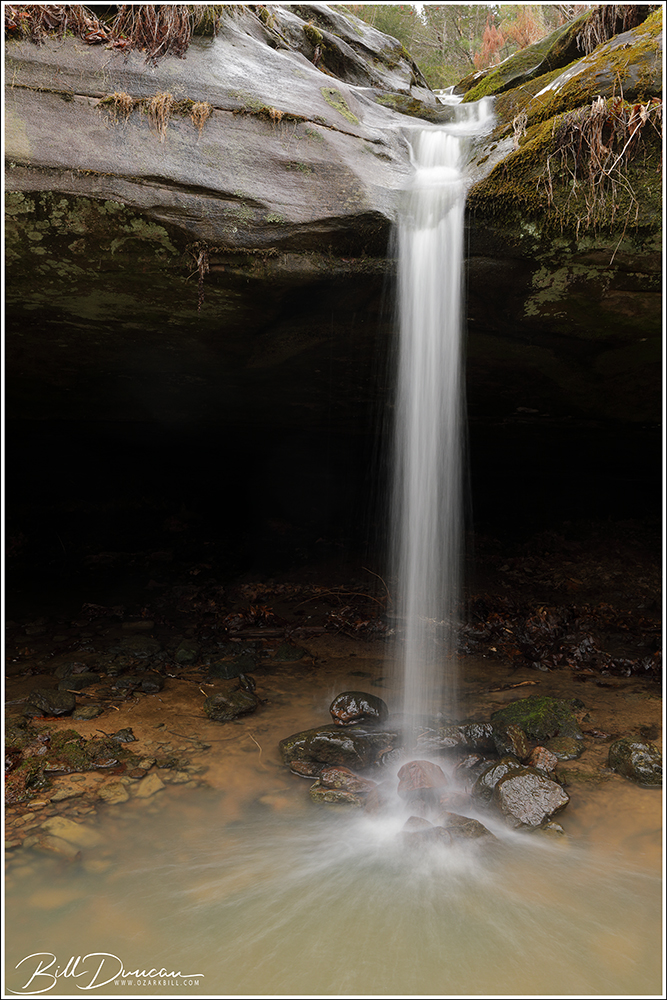
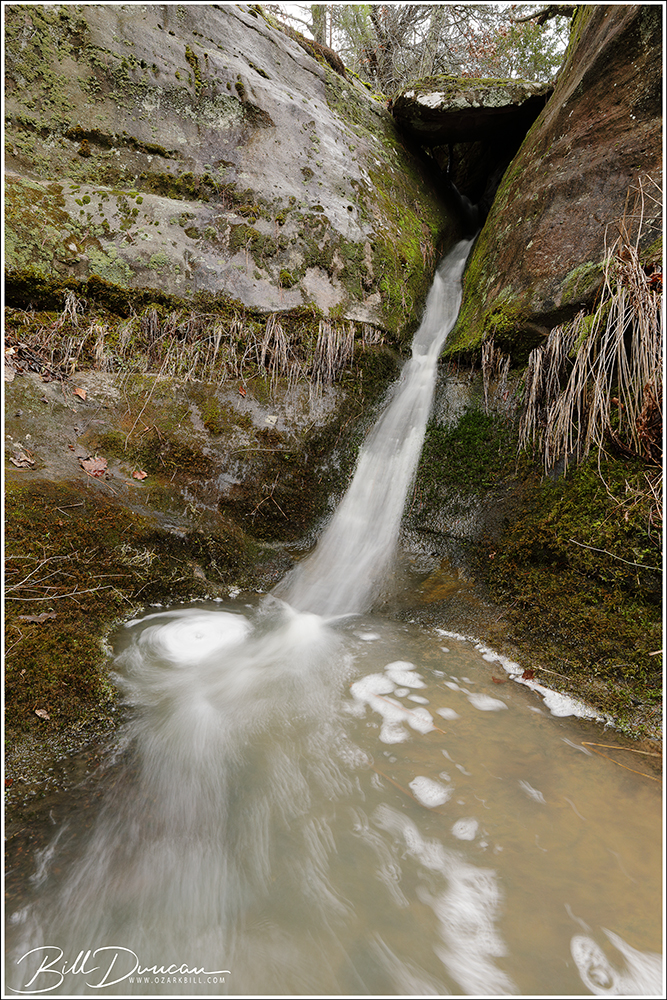
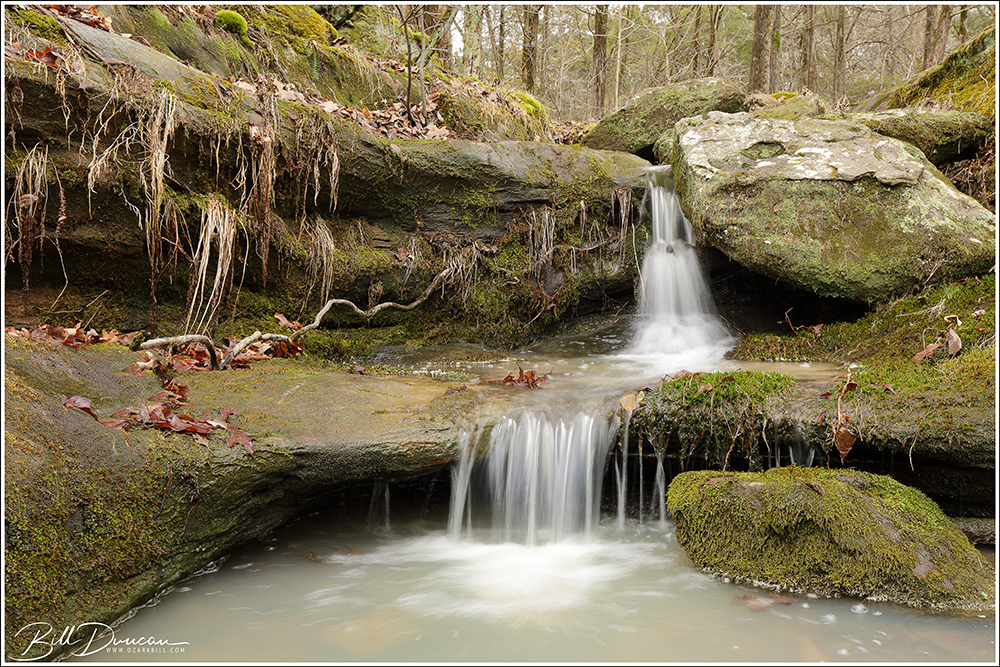
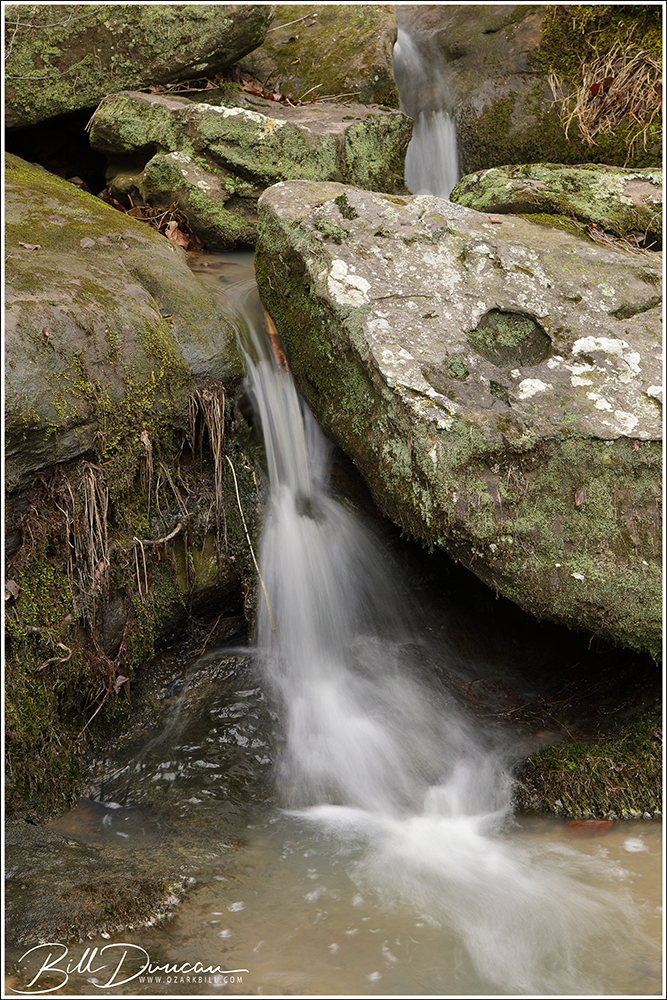
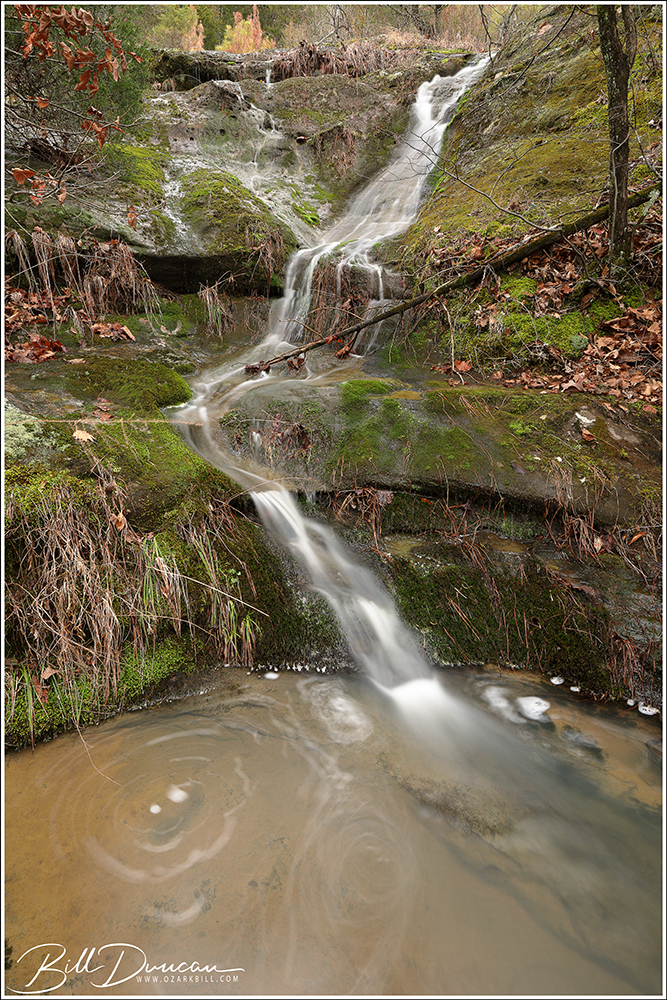
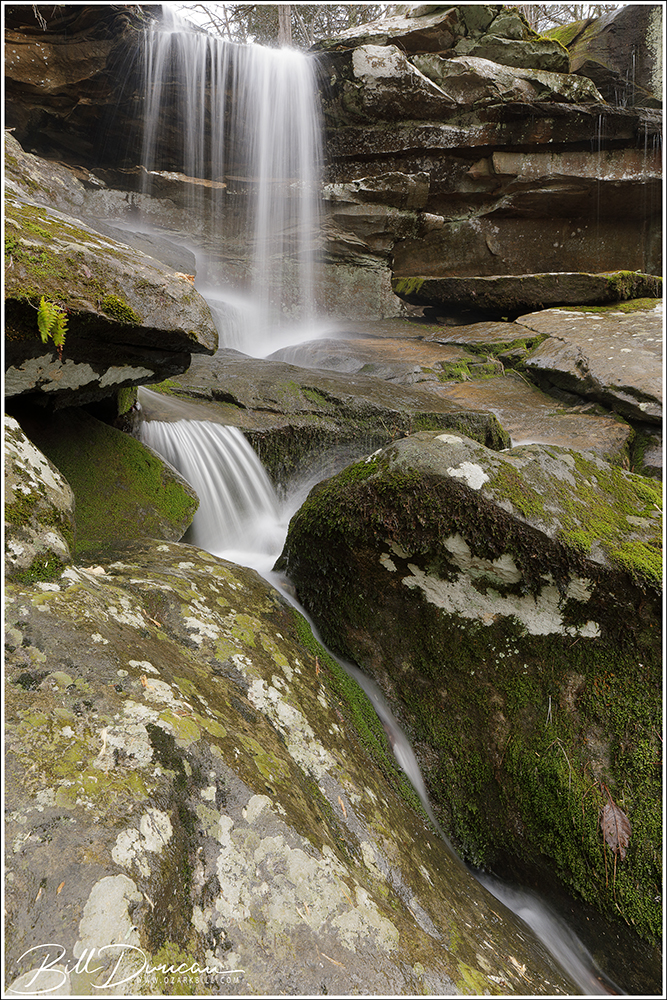
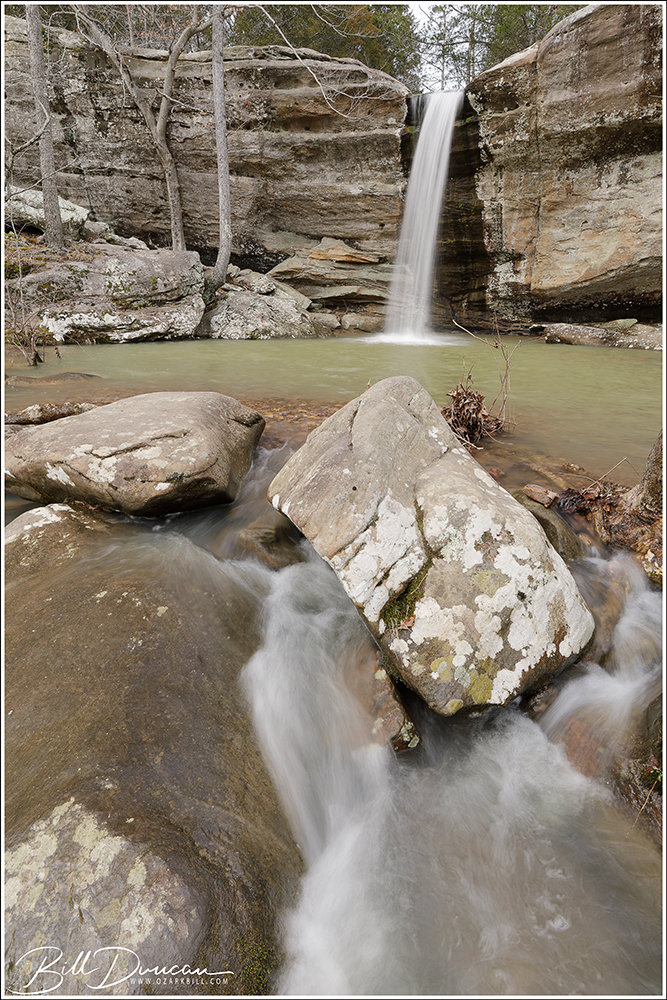
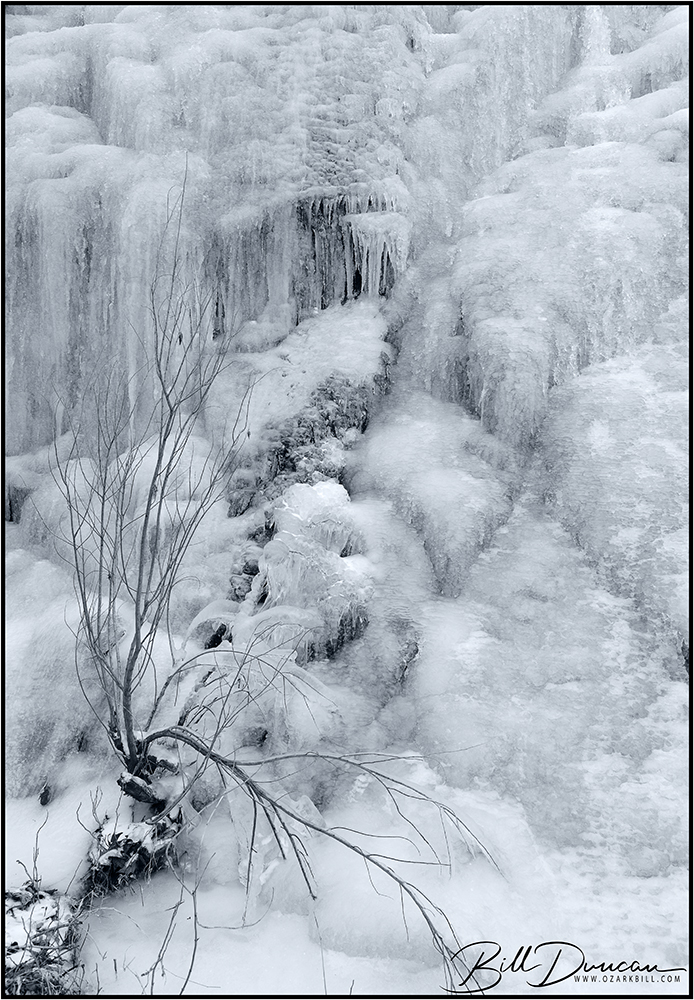
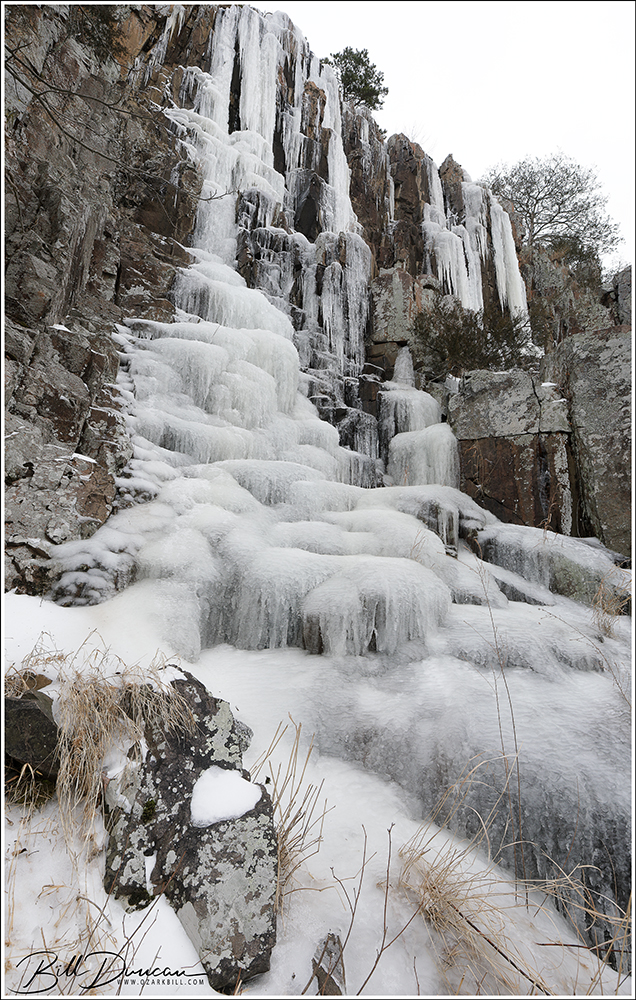
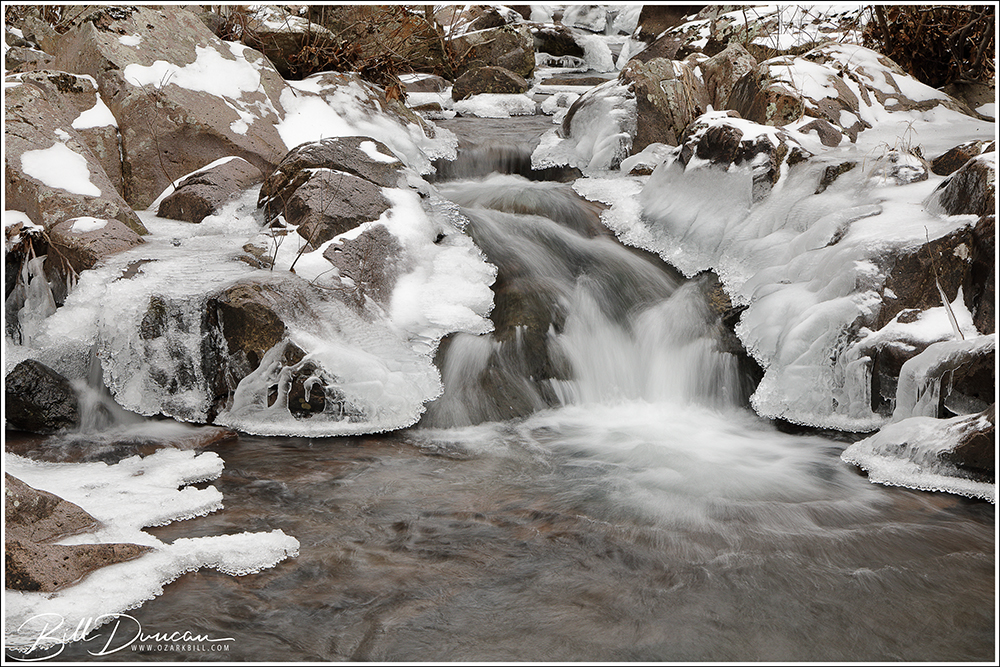
A few images from our recent deep freeze. Casey and I visited the St. Francois Mountains and collected some images along the Little St. Francis River and Little Rock Creek.
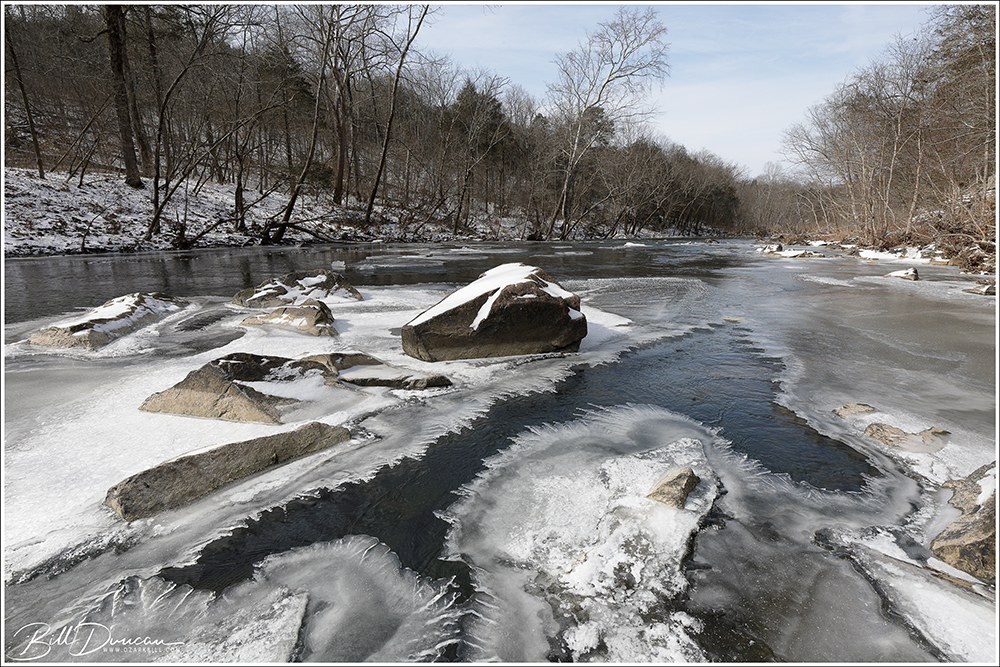
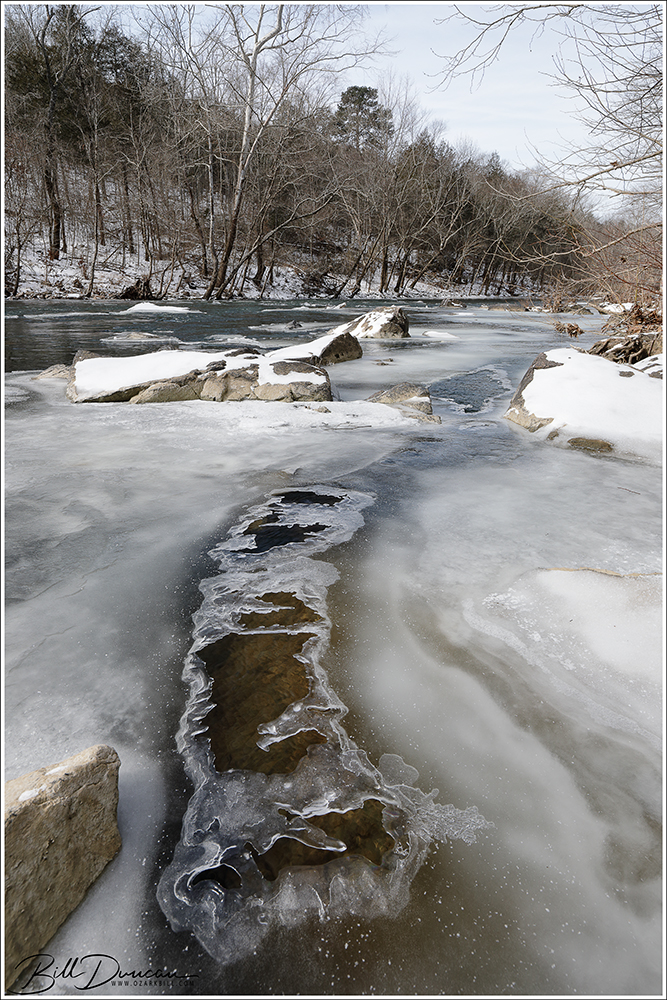
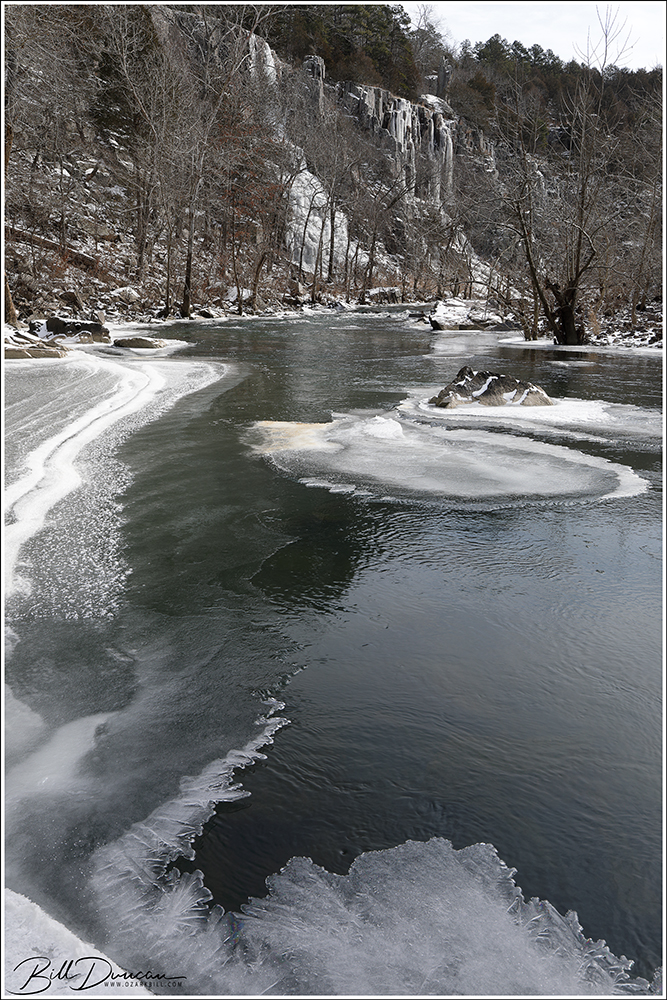
-OZB
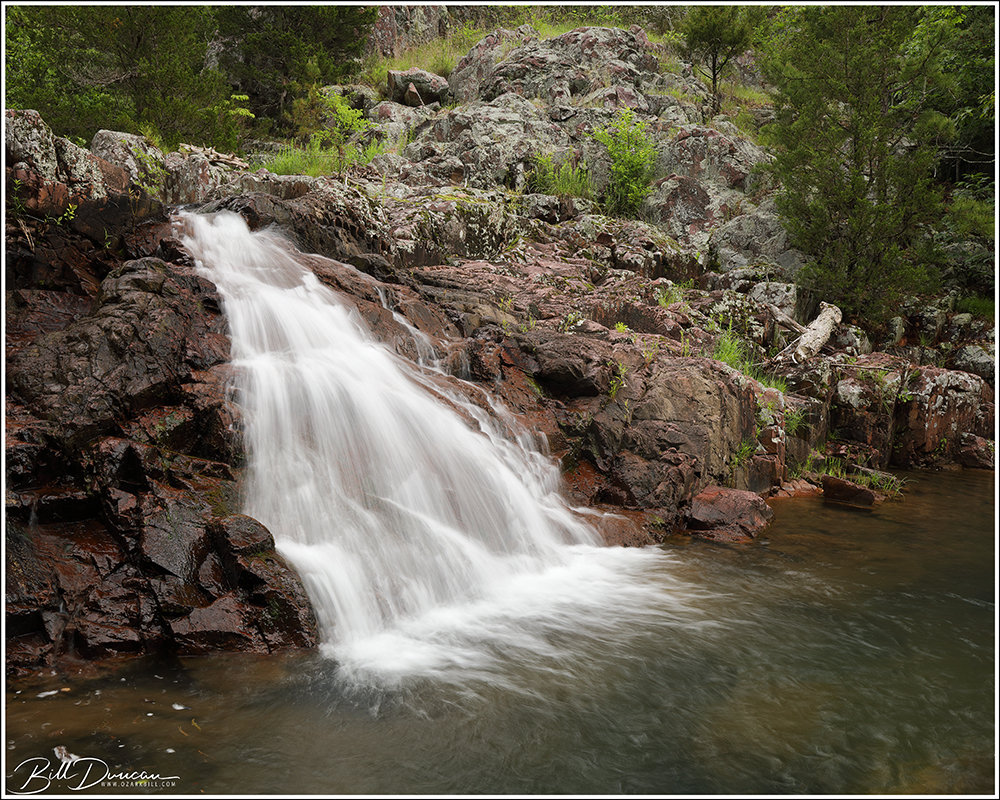
This year I was fortunate to be introduced to two new-for-me shut-ins in the southern region of the St. Francois Mountains. Both of these locations are currently on private land and with assistance from a couple of friends, it was quite a thrill to be able to visit and photograph these stunning geologic features.
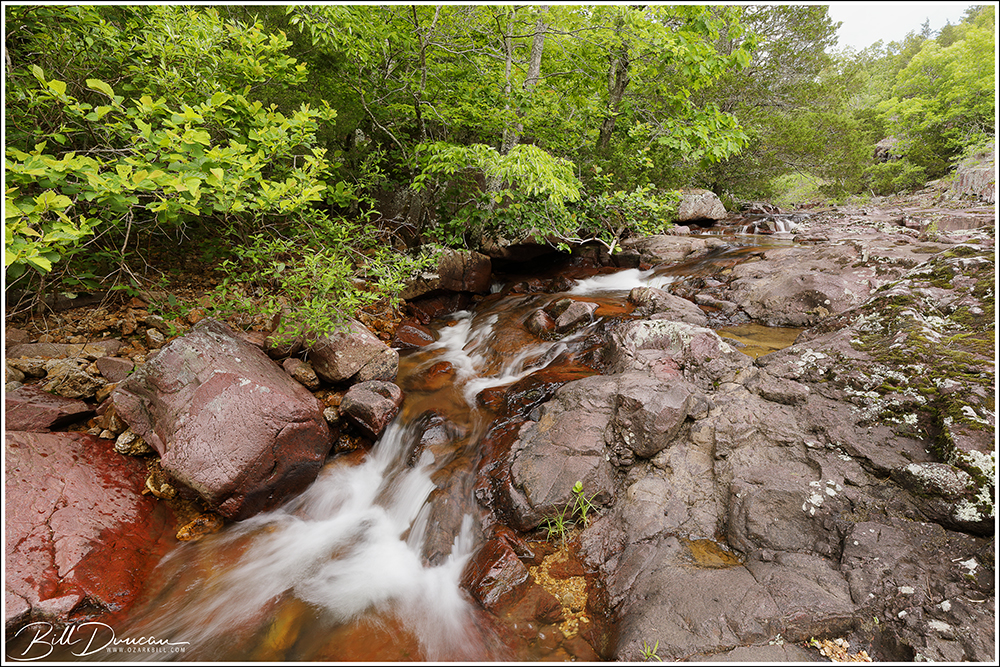
What surprised me most about both of these locations was that they were not covered in Beveridge’s “Geologic Wonders and Curiosities of Missouri”. I am not sure if this was because he did not know of them or because he chose not to feature them for some reason. I sure hope it was the later.


My recent delves into geology and astronomy have really been eye-opening, tying together everything else I know of natural history into place. There is so much more for me to learn, with Geology I know almost nothing, but it has been such an aid for me in remembering that most of what everyone worries over is so insignificant compared to the real that is right under our noses.
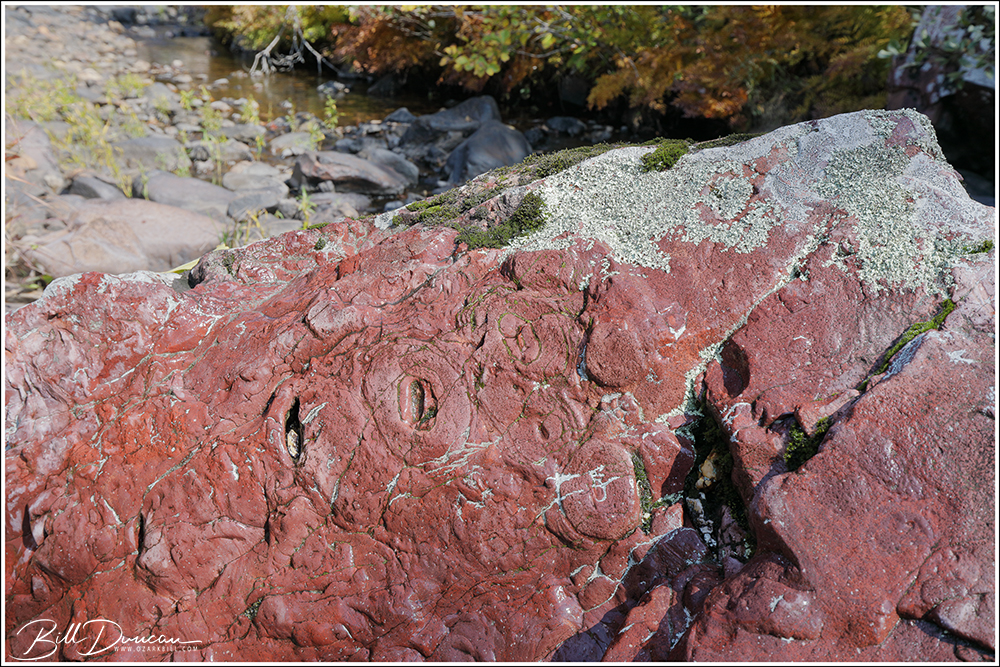

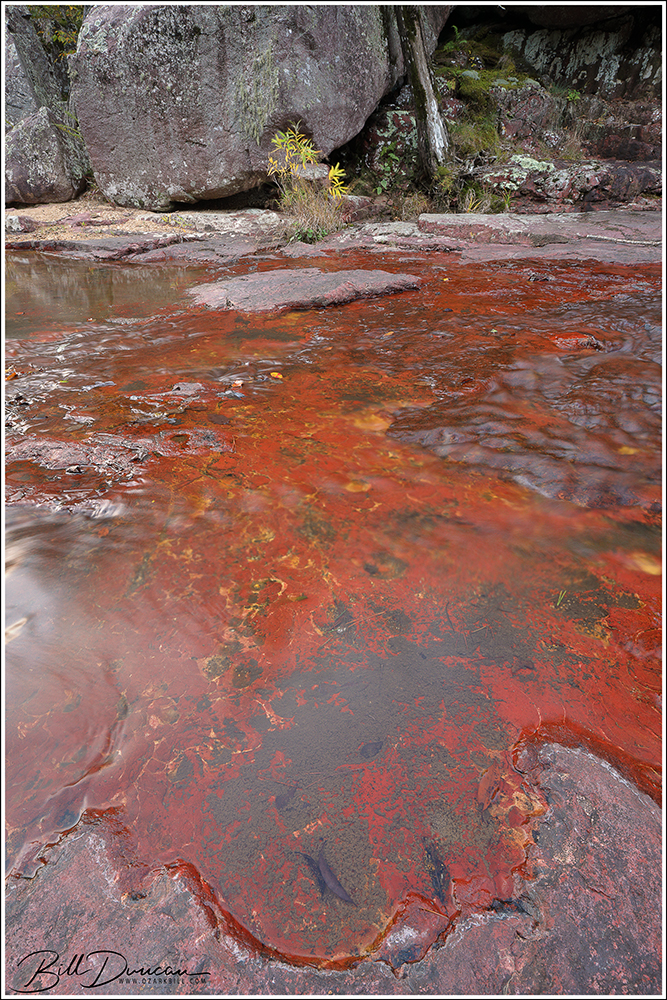


This is all I have to share from these two locations for now. I am looking forward to visiting again with hopefully more water flow and at different season. Thanks for visiting.
-OZB

 A Thousand Acres of Silphiums